5 Days in Tokyo: Senso-ji, Tsukiji Market and the Tokyo Skytree

Senso-ji · Tokyo Skytree · Meiji Jingu · Yoyogi Park · Shinjuku Gyoen National Garden · Nezu Shrine
5-day Tokyo itinerary. Day-by-day route, attractions and food.
Tokyo offers a density of culinary and spiritual history that Kyoto lacks. You get the contrast of the Meiji Jingu forest sitting right against the frantic energy of Shinjuku, rather than a single-note temple town. This plan favors the hyper-modern craft of Odaiba and the raw market life of Asakusa over the manicured, tourist-heavy shrines of Western Japan. It is built for urban explorers who want 8am soba and 10pm neon walks over quiet, rural solitude.

Senso-ji
Day 1 · Historic Temples and Shrines
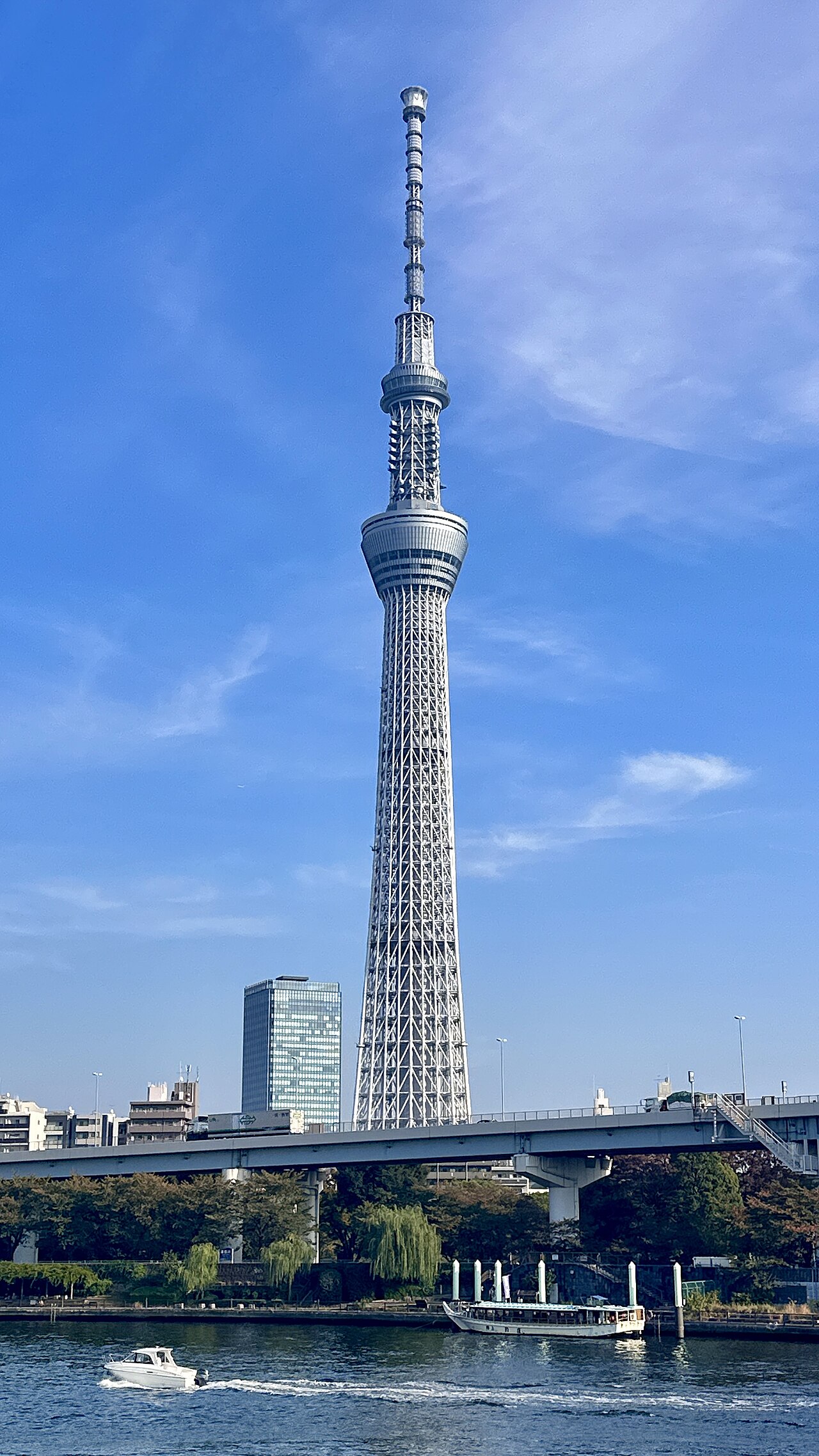
Tokyo Skytree
Day 1 · Panoramic City Viewpoints

Shinjuku Gyoen National Garden
Day 2 · Iconic Public Gardens

Isetan Shinjuku food hall
Day 5 · Traditional Markets and Food Halls
Pick travel dates to see the weather for your month.
Tokyo is at its most pleasant during the spring and fall months when the air is crisp and comfortable for walking. Summers are hot and humid with frequent rain, so schedule your outdoor sightseeing for the early morning hours.
Best time to go: Spring and autumn
The whole year
| Month | High | Low | Rainy days | Sunrise – sunset |
|---|---|---|---|---|
| Jan | 51°F / 10°C | 34°F / 1°C (cold) | 5 | 6:50 AM – 4:50 PM |
| Feb | 52°F / 11°C | 36°F / 2°C (cold) | 6 | 6:28 AM – 5:22 PM |
| Mar | 60°F / 15°C | 43°F / 6°C (cold) | 9 | 5:52 AM – 5:48 PM |
| Apr | 67°F / 20°C | 50°F / 10°C | 10 | 5:09 AM – 6:13 PM |
| May | 77°F / 25°C | 60°F / 15°C | 9 | 4:36 AM – 6:38 PM |
| Jun | 80°F / 27°C | 67°F / 19°C | 12 | 4:25 AM – 6:58 PM |
| Jul | 87°F / 30°C (hot) | 74°F / 23°C | 13 | 4:36 AM – 6:57 PM |
| Aug | 89°F / 32°C (hot) | 76°F / 24°C | 10 | 5:00 AM – 6:31 PM |
| Sep | 82°F / 28°C | 69°F / 20°C | 12 | 5:23 AM – 5:48 PM |
| Oct | 72°F / 22°C | 58°F / 15°C | 11 | 5:47 AM – 5:06 PM |
| Nov | 64°F / 18°C | 48°F / 9°C | 9 | 6:16 AM – 4:34 PM |
| Dec | 55°F / 13°C | 38°F / 3°C (cold) | 6 | 6:43 AM – 4:28 PM |
- Morning
8:00 AM - Arrive at Narita International Airport (NRT)· 2 hrs
USD 25 (~JPY 3,956) :ja:User:(WT-ja) Tatata (CC BY-SA 4.0)
Upon arrival, take the Keisei Skyliner to Ueno Station (45 min, $18) then transfer to a local metro line for Asakusa, or take an airport limousine bus directly to your hotel area (90-120 min, $25).
- Afternoon
1:00 PM - Lunch: Zaru Soba in Asakusa· 1 hr
USD 12 (~JPY 1,899)Iconic dish akira yamada from Yokohama (CC BY-SA 2.0)
Enjoy chilled buckwheat noodles on a bamboo tray at a local noodle house, a staple of Tokyo lunch culture.
Typical USD 5-10 (~JPY 791-1,582)
- Evening
7:30 PM - Dinner: Tempura Set in Sumida· 1 hr
USD 20 (~JPY 3,165)Iconic dish Yaco* (CC BY 2.0)
Savor batter-fried seasonal vegetables and seafood near the base of the Skytree.
Typical USD 10-25 (~JPY 1,582-3,956)
Where to Stay Tonight
Asakusa
· This historic district offers a quieter, traditional atmosphere compared to the mega-stations and is very walkable to major temples and markets.- Morning
- Afternoon
1:00 PM - Lunch: Yuba dishes in Harajuku· 1 hr
USD 15 (~JPY 2,374)Try the dish 花よりキヨエ (CC BY 4.0)
Enjoy delicate layers of soybean curd skin prepared in a traditional style at a small teahouse.
Typical USD 6-12 (~JPY 950-1,899)
- Evening
7:30 PM - Dinner: Yakitori in Shinjuku· 1 hr
USD 25 (~JPY 3,956)Try the dish 竹麦魚(Searobin) (CC BY-SA 3.0)Yakitori
Find a smoky izakaya in the Omoide Yokocho backstreets for grilled chicken skewers over binchotan charcoal.
Staying at Asakusa since Day 1
- Morning
- Afternoon
12:00 PM - Lunch: Washoku Teishoku in Jimbocho· 1 hr
USD 15 (~JPY 2,374)Iconic dish 経済特区 (CC BY-SA 4.0)
Enjoy a balanced, traditional meal of grilled seasonal fish, rice, and miso soup in this book-filled district.
Typical USD 8-20 (~JPY 1,266-3,165)
- Evening
7:30 PM - Dinner: Sashimi in Azabujuban· 1 hr
USD 30 (~JPY 4,748)Iconic dish Wilfredor (CC BY-SA 4.0)
Sample the freshest seasonal raw fish selections at an intimate izakaya tucked into this upscale, residential neighborhood.
Typical USD 12-40 (~JPY 1,899-6,330)
Staying at Asakusa since Day 1
- Morning
- Afternoon
12:00 PM - Lunch: Somen in Shimbashi· 1 hr
USD 8 (~JPY 1,266)Try the dish くろふね (CC BY 4.0)
Enjoy a light, chilled wheat noodle meal at a quiet eatery near the gardens, perfect for a humid afternoon.
Typical USD 4-9 (~JPY 633-1,424)
- Evening
7:30 PM - Dinner: Monjayaki in Odaiba· 1 hr 30 min
USD 20 (~JPY 3,165)Try the dish bryan... (CC BY-SA 2.0)Monjayaki
Try this Tokyo-specialty savory pancake cooked directly on your table's iron griddle at a bustling waterfront shop.
Staying at Asakusa since Day 1
- Morning
- Afternoon
12:30 PM - Lunch: Tonkatsu in Shinjuku· 1 hr
USD 20 (~JPY 3,165)Try the dish Minseong Kim (CC BY-SA 4.0)Tonkatsu
Enjoy a crisp, golden-fried pork cutlet, a satisfying classic staple for a final Tokyo meal.
2:00 PM - Hotel checkout and luggage collection· 30 min
FREEReturn to the hotel in Asakusa to finalize checkout and retrieve your luggage.
4:00 PM - Depart from Narita International Airport (NRT)· 1 hr 30 min
USD 25 (~JPY 3,956)Travel to the airport via the express train for your flight home.
Staying at Asakusa since Day 1
Like this plan? Make it yours
Same destination, your dates, group, and pace. Generated free in about a minute.
Customize this tripFreeFood, shopping & festivals
Top 6 dishes to try
Tap any photo for more photos, the story, and where to find it.

Zaru Soba
Day 1 · lunch

Washoku Teishoku
Day 3 · lunch

Tempura Set
Day 1 · dinner

Sashimi
Day 3 · dinner

Somen
Day 4 · lunch

Yuba
Day 2 · lunch
Where to eat · Tsukiji Outer Market, Kanda, Koenji
- Tsukiji Outer Market · Tokyo — Fresh sashimi bowls and grilled seafood stalls that open early in the morning.
- Kanda · Tokyo — Traditional soba houses that have served Tokyo locals for generations.
- Koenji · Tokyo — Relaxed atmosphere with small izakayas perfect for late-night casual dining.
Good to know · meal times, tipping, water, vegetarian, payment, etiquette
- Meal times
- Lunch usually runs from 11:30 am to 2 pm, and dinner is served from 6 pm to 10 pm. Many shops close between the two meal blocks.
- Tipping
- Tipping is not practiced in Japan. Exceptional service is expected and included in the price; leaving extra money may cause confusion or be returned to you.
- Water
- Tap water throughout Tokyo is clean and safe to drink. Carry a reusable bottle and fill up at hotel taps to save money.
- Vegetarian
- Vegetarians should look for tempura or soba shops, but note that soup broths often contain dashi, which is made from fish flakes. Ask if the broth is fish-free.
- Payment
- While large restaurants accept cards, many small eateries and vending machines are cash-only. Always keep yen on hand.
- Etiquette
- Avoid eating while walking. When paying, place your cash or card on the small tray provided by the cashier rather than handing it directly to them.
Top 6 souvenirs
Tap any photo for more photos, the story, and where to find it.

Pokemon trading cards

Japanese Kitchen Knives
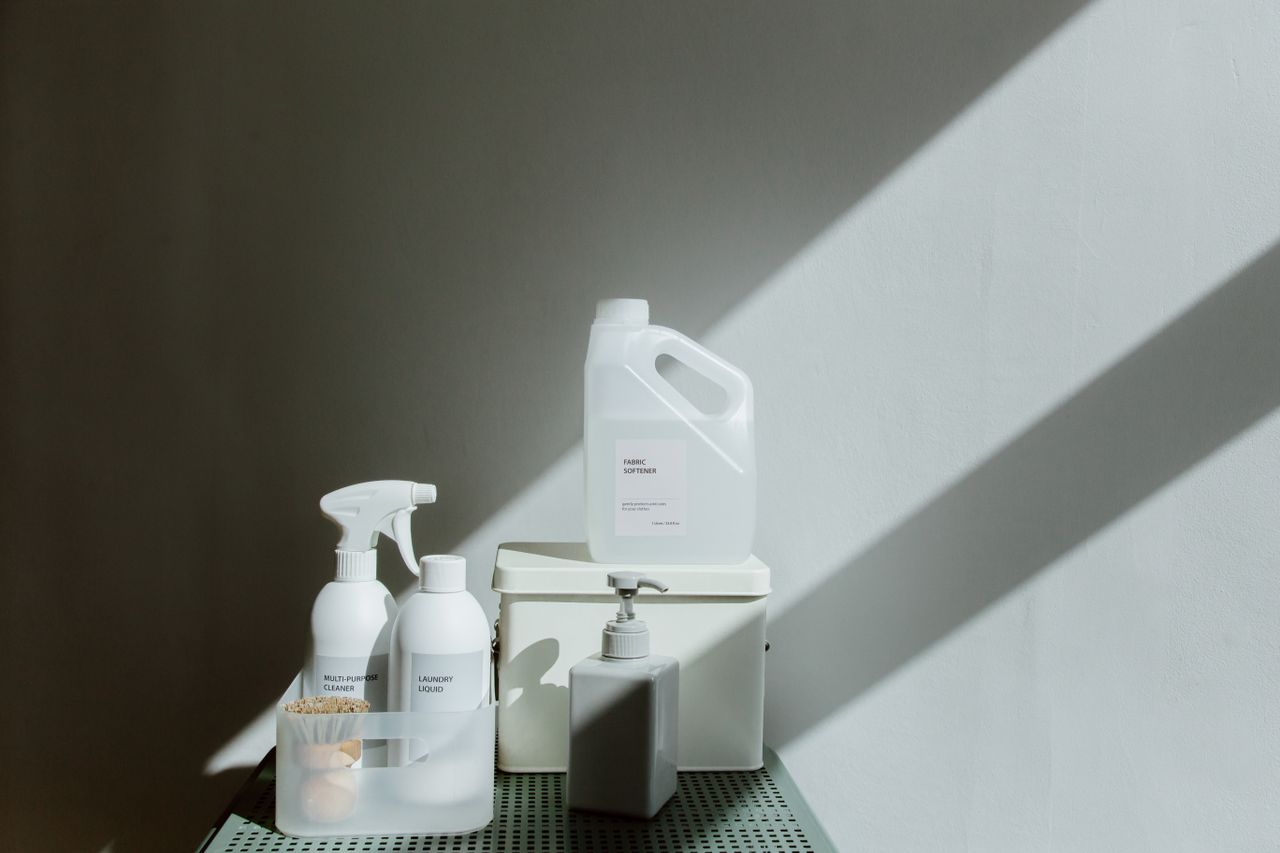
Muji household goods
Seki Edge nail clippers
These precision tools are engineered from high-quality stainless steel for clean cuts.
Shupatto folding bags
These accordion-style bags snap shut instantly when you pull the ends.
Master-Piece (MSPC) backpacks
Durable, Japanese-made bags that blend high-function technical fabrics with leather detailing.
Where to shop · Akihabara, Kappabashi Kitchen Town
- Akihabara · Tokyo — Electronics, retro games, and anime collectables.
- Kappabashi Kitchen Town · Tokyo — Professional knives, plastic food models, and restaurant-grade ceramics.
Good to know · customs, tax refund, payment, bargaining
- Customs
- Japan restricts taking out swords or specific antique cultural properties. Check your home country for limits on knives or food imports.
- Tax refund
- Foreign tourists can receive a tax refund on purchases over 5000 JPY at designated shops. Present your passport to process at checkout.
- Payment
- Major department stores accept credit cards, but carry cash for smaller stalls in markets.
- Bargaining
- Fixed-price culture throughout. Do not bargain.
The big events across the year
Tap any photo for more photos and the story.
Shogatsu (Japanese New Year)
Jan 1 – 3
Japan's biggest and most important holiday — the entire country shuts down Dec 31-Jan 3. Businesses, most restaurants, and even convenience stores reduce hours. Shinto shrines host millions for hatsumōde (first shrine visit of the year) — Meiji Shrine in Tokyo gets 3 million visitors in 3 days. NHK's Kouhaku Uta Gassen music show is a national tradition. Traditional osechi ryōri bento boxes prepared in advance.

Cherry Blossom Season
Mar 25 – Apr 7

Golden Week
Apr 29 – May 5

Kanda Matsuri
May

Obon Festival
Aug 13 – 16
Costs
Estimated total · For 2 travelers · 1 room · 5 days
USD 1,823Flights from your city not included.
Getting there and betweenUSD 0
AccommodationUSD 720
- Tokyo · 4 nights1 roomUSD 720
| City | Simple | Comfortable | Upscale |
|---|---|---|---|
| Tokyo | USD 120 | USD 180 | USD 240 |
ActivitiesUSD 173
- Day 1 · Arrive at Narita International Airport (NRT)USD 50
- Day 1 · Nakamise Shopping StreetUSD 30
- Day 1 · Tokyo SkytreeUSD 23
- Day 2 · Shinjuku Gyoen National GardenUSD 6
- Day 4 · Hamarikyu GardensUSD 4
- Day 4 · teamLab Planets TOKYO DMMUSD 60
FoodUSD 750
- Tokyo · 5 daysUSD 750
Local transportUSD 180
- Tokyo · 5 daysUSD 180
Not included: visas, travel insurance, SIM cards, tips, shopping.
Money tips
Mid-priced -- $8-15 casual lunch, $100-180/night for business hotels, but konbini meals ($4-7) rival sit-downs. Tap water is safe everywhere.
Use a Suica or Pasmo card on your phone to tap into all subway lines; individual paper tickets are slower and unnecessary.
Stick to one neighborhood per day to avoid high transit costs, as subway fares scale by distance traveled across the city.
Book an omakase sushi dinner in Ginza for $100-150; the precision of the knife work is the highlight of the Tokyo food scene.
Pick up a data-only eSIM via an app like Airalo before you land at Narita or Haneda to avoid airport kiosk queues.
Before you go
Travel and stays
Round-trip flight, Narita International Airport (NRT)
Day 1–5
Hotel in Tokyo
Nights 1–4 · Asakusa · about USD 720 · Comfortable hotel range
Book ahead · most urgent first
Tokyo Skytree Observatory Tickets
Day 1 · Book 4 weeks ahead · Advanced date-specific tickets for Tokyo Skytree are available online via the official website to avoid long wait times for onsite purchasing.
teamLab Planets TOKYO DMM
Day 4 · Book 4 weeks ahead · Tickets for teamLab Planets sell out completely for weekend and holiday slots weeks in advance; purchase via the official website to secure your timed entry window.
Isetan Shinjuku Restaurant Reservations
Day 5 · Book 2 weeks ahead · Popular restaurants within the Isetan Shinjuku food hall and nearby department store dining floors often require advanced reservations to avoid peak-hour queues.
Pocket WiFi or eSIM Connectivity
Day 1 · Book 7 days ahead · Arrange for airport pickup of a pocket WiFi device or purchase an eSIM plan for your smartphone to ensure navigation via Google Maps is available immediately upon arrival.
Travel tips
Load a digital Suica or Pasmo card to your Apple Wallet or Google Pay before arriving; it covers all trains, buses, and most vending machines.
Use Google Maps for all transit; it accurately lists platform numbers and train arrival times.
Withdraw cash only at 7-Eleven or Japan Post ATMs, as many bank ATMs reject foreign cards.
Carry a small bag for your trash; public waste bins are nearly impossible to find in city centers.
Set phones to silent mode on trains to avoid stares from locals.
Book high-demand sites like the Ghibli Museum exactly one month in advance at 10am JST.
Choose a carry-on size wheel suitcase over a backpack to avoid bumping commuters on crowded platforms.
Buy travel insurance and save the policy offline
Keep a backup card and emergency cash apart from your wallet
Get JPY cash / a no-forex-fee card
Check visa requirements for Japan
Copies of passport and bookings (paper + phone)
Tell your bank your travel dates and check foreign transaction fees
Leave your itinerary, emergency contacts and a passport copy with someone at home
Register with your embassy's traveler program (STEP for US citizens)
Passport (valid 6+ months past your return)
Wallet with ID and payment cards
Transit card: Suica (also Pasmo, ICOCA) · Tokyo
Coin purse
Pen for arrival forms
We front-load the spiritual and market heavyweights in Asakusa and Harajuku because those sites demand fresh energy and early starts before the crowds arrive. The middle days in Chiyoda and Minato act as a bridge between tradition and the artistic, modern projects in Odaiba. We leave the final day for a deeper dive into Chiyoda, letting you settle into the city rhythm before you fly out.
This structure avoids backtracking across the vast city grid by grouping neighborhoods into logical, multi-day geographic pockets. This itinerary prioritizes the balance of urban spiritualism and specialized craft markets within the city limits. It skips the day trip to Kamakura and its Great Buddha statue, as well as the deeper mountain air of Mount Takao.
You trade the convenience of these accessible day trips for a more immersive, neighborhood-level focus on Tokyo proper. This is the right cut if you want to master the city's diverse subcultures; the wrong one if you are chasing rural scenery or coastal cliffs. Add two days to explore Nikko.
You can walk the cedar-lined paths to the Toshogu Shrine complex, where the wood carvings and gold-leaf details offer a scale of craftsmanship you will not find inside central Tokyo.
Interest coverage
1 of 3 coveredEntry and safety
| Visa & entry | Most Western nations, including the US, UK, and Australia, enjoy 90-day visa-free entry. Ensure your passport is valid for the duration of your stay. Other nationalities should check the MOFA Japan website for e-visa requirements. |
|---|---|
| US risk level | Exercise normal precautionsUpdated May 14, 2025 |
| Official advice | US State Department · UK Foreign Office |
| Emergency | Police 110 · Ambulance 119 · Fire 119English support available at #7119 (medical) and #9110 (police non-emergency) |
Money and tipping
| Tipping: restaurants | Not expected — tipping can be considered rude |
|---|---|
| Tipping: taxis | Not expected |
| Tipping: hotels | Not expected; leave a tip in an envelope if desired |
| Cards | Accepted at major stores and hotels; less common at small restaurants |
| Contactless | IC cards (Suica/Pasmo) widely accepted at convenience stores and transit |
| Cash | Cash is still widely used, especially at small shops and rural areas |
| Payment tip | Carry cash — many places are cash-only. 7-Eleven ATMs accept foreign cards. |
Plugs
| Plugs | Type A, B100V · 50/60Hz |
|---|
Staying connected
| SIM | Price | Where to buy |
|---|---|---|
| Airalo eSIM | $9 to $26 for 10 to 30 days | Download app before departure to activate upon landing |
| Ubigi eSIM | $10 to $20 for 10GB to 30GB | Available online for immediate activation |
Do not rely on roaming from your home SIM; it is expensive and slow. Buy a data-only eSIM before your flight lands to ensure immediate access to Google Maps.
About USD 1,823 for 2 travelers · 1 room · 5 days: hotels, food, activities, local transport and travel between places. Flights from your city not included.
Many travelers from the US, UK, EU, and Australia qualify for 90-day visa-free entry for tourism. Always confirm your specific requirements based on your passport issuing country before booking.
Japan is among the safest countries globally, featuring very low rates of violent crime and well-lit transit networks. Solo travelers can navigate cities like Tokyo and Kyoto at night without typical urban concerns.
The official currency is the Japanese Yen (JPY). Carry cash for small shops and temple entries, though major stores and train stations widely accept digital payments.
No. Tipping is not part of the culture and is often viewed as a mistake or an insult. The price on the menu is the total amount you pay.
The train system is the most efficient method of travel. Use a mobile Suica or Pasmo card to tap through turnstiles and avoid buying individual paper tickets for every trip.
Pack light with a small wheel suitcase to maneuver through tight train stations. Bring slip-on shoes since you will frequently remove them at restaurants and temples.
Spring (late March) and Autumn (November) are ideal for temperate weather and scenery. Summer can be extremely hot and humid, while winter is crisp and dry.
In Tokyo, use the Narita Express or Keisei Skyliner for fast transit from the airport to major hubs. Avoid taxis unless you have a high budget, as they are significantly slower and more expensive.
These 5 experiences didn't make it into this itinerary

Cultural Performing Arts
e.g., Kabukiza Theatre, Kokugikan Arena

A Bespoke Craft Cocktail Bar
e.g., Bar Benfiddich, Star Bar Ginza

A Neighborhood Vintage Shopping Walk
e.g., Koenji Vintage District, Shimokitazawa Antique Row

A High End Omakase Sushi Experience
e.g., Sushiya Shota, Sushi Saito

A Traditional Sumo Wrestling Match
e.g., Ryogoku Kokugikan, Sumo Museum
Create Your Custom Version
Download this Tokyo, Japan itinerary — day-by-day plan, maps, budget, and more.
You Might Also Like

Kyoto, Japan; Tokyo, Japan
Japan
7 days across Kyoto and Tokyo. Begin with 3 nights in Kyoto (Fushimi Inari, Kiyomizu-dera, Arashiyama Bamboo Grove, based in Higashiyama), then ride the Shinkansen to Tokyo for 4 nights (Shibuya Crossing, Tsukiji Outer Market, teamLab Planets, Asakusa). Packed pace with 4-5 activities daily,...

Osaka, Japan
Japan
3 days in Osaka: focus on the food and nightlife districts of Namba and Dotonbori, with a dedicated day for the modern installations at teamLab Botanical Garden. This trip uses a central Namba base to keep transport simple. Expect a packed pace with 4-5 activities daily, balancing neon-lit...
Tokyo, Japan
Japan
This packed 3-day Tokyo journey for a couple delves into contrasting districts, blending traditional spiritual sites like Sensō-ji Temple in Asakusa with the cutting-edge digital art of teamLab Planets TOKYO. Explore the iconic Shibuya Crossing, enjoy a performance at Kabuki-za Theatre, and...

Beijing, China; Shanghai, China; Kyoto, Japan; Tokyo, Japan
China And Japan
This 14-day trip spans China and Japan, starting with Beijing's imperial history, moving to Shanghai's modern skyline, then to Kyoto's serene temples and concluding in Tokyo's neon-lit districts. You will explore sites like the Great Wall, Shanghai's Bund, Kyoto's Fushimi Inari Shrine and...
Prefer to plan it yourself?
Start from a free, no-signup travel itinerary template. The Excel and Google Sheets versions auto-total the budget and split costs by who paid.
Free travel itinerary template (all formats) →