Tokyo, Japan 3 days travel itinerary - day by day guide with budget and tips
Japan3 daysUSD 1,100-1,400By

3 Days in Tokyo: Sensō-ji Temple, Shibuya Crossing & More

This packed 3-day Tokyo journey for a couple delves into contrasting districts, blending traditional spiritual sites like Sensō-ji Temple in Asakusa with the cutting-edge digital art of teamLab Planets TOKYO. Explore the iconic Shibuya Crossing, enjoy a performance at Kabuki-za Theatre, and...

A packed cultural trip, for a couple, flying from New York, with a focus on cultural & food & history

This trip prioritizes a high-energy immersion into Tokyo's essential experiences, covering its distinct modern and traditional facets across multiple interests. Given the short duration, it sacrifices any day trips to nearby historical gems like Kamakura's Great Buddha or Nikko's Toshogu Shrine, which offer serene temple complexes amidst mountain landscapes not found in central Tokyo. There's also no time for a slower, deep dive into specific sub-cultures or a relaxing onsen experience in Hakone, instead opting for a rapid-fire tour of signature sights.

Extend by 2 days to include a day trip to Kamakura and Enoshima, where you can walk among the sacred deer and towering Great Buddha of Kotoku-in Temple, then take a scenic coastal train to the tranquil island of Enoshima for shrine visits and ocean views. This adds a refreshing natural and historical contrast to Tokyo's urban intensity. This itinerary follows a packed pace (5-6 activities per day).

Day 1 and the last day are lighter to account for arrival and departure. Want a different pace? Create a custom version with your preferences.

🎯Interest CoverageAll 7 covered
cultural(2)food(2)history(5)nightlife(1)spiritual(2)live entertainment(1)modern(3)

Make this trip yours

Customize the pace, dates, budget, group size, kid ages, and interests — pick any combination and we'll replan from scratch.

Create My Custom ItineraryFREE

Your itinerary covers 7 must-have experiences

Iconic Temples & Shrines
Tokuzo in Edomura (CC BY-SA 4.0
⛩️

Iconic Temples & Shrines

Day 1: Meiji Jingu Shrine

Included
Serene Japanese Gardens & Green Spaces
Kakidai (CC BY-SA 3.0
🌸

Serene Japanese Gardens & Green Spaces

Day 1: Shinjuku Gyoen National Garden

Included
A Scenic Rooftop Viewpoint
Kakidai (CC BY-SA 4.0
🌃

A Scenic Rooftop Viewpoint

Day 1: Shibuya Sky

Included
Exploring Iconic Tokyo Neighborhoods
urbz (CC BY 2.0
🏙️

Exploring Iconic Tokyo Neighborhoods

Day 2: Shinjuku Golden-Gai

Included
An Immersive Digital Art & Modern Museum
💫

An Immersive Digital Art & Modern Museum

Day 2: teamLab Planets TOKYO DMM

Included
Essential Japanese Culinary & Market Experiences
Rajesh dangi at English Wikipedia (CC BY 2.5
🍣

Essential Japanese Culinary & Market Experiences

Day 3: Tsukiji Outer Market Exploration

Included
Traditional Japanese Performances & Arts
Kakidai (CC BY-SA 4.0
🎭

Traditional Japanese Performances & Arts

Day 3: Kabuki-za Theatre Performance (Single Act)

Included

Photos from Wikimedia Commons, used under Creative Commons licenses. Individual credits shown on each photo.

|
Open Full Route in Maps
Heads Up
Long travel day: Arrive at Narita International Airport (NRT) and account for jet lag. Sightseeing is limited to approximately 5.5 hours, keeping walking to a minimum by utilizing Tokyo's efficient public transport for inter-neighborhood travel.
Highlight of the Day
Experiencing the serene beauty of Meiji Jingu Shrine and the panoramic views from Shibuya Sky.
USD 120 (~JPY 18K)
Day 1 Route
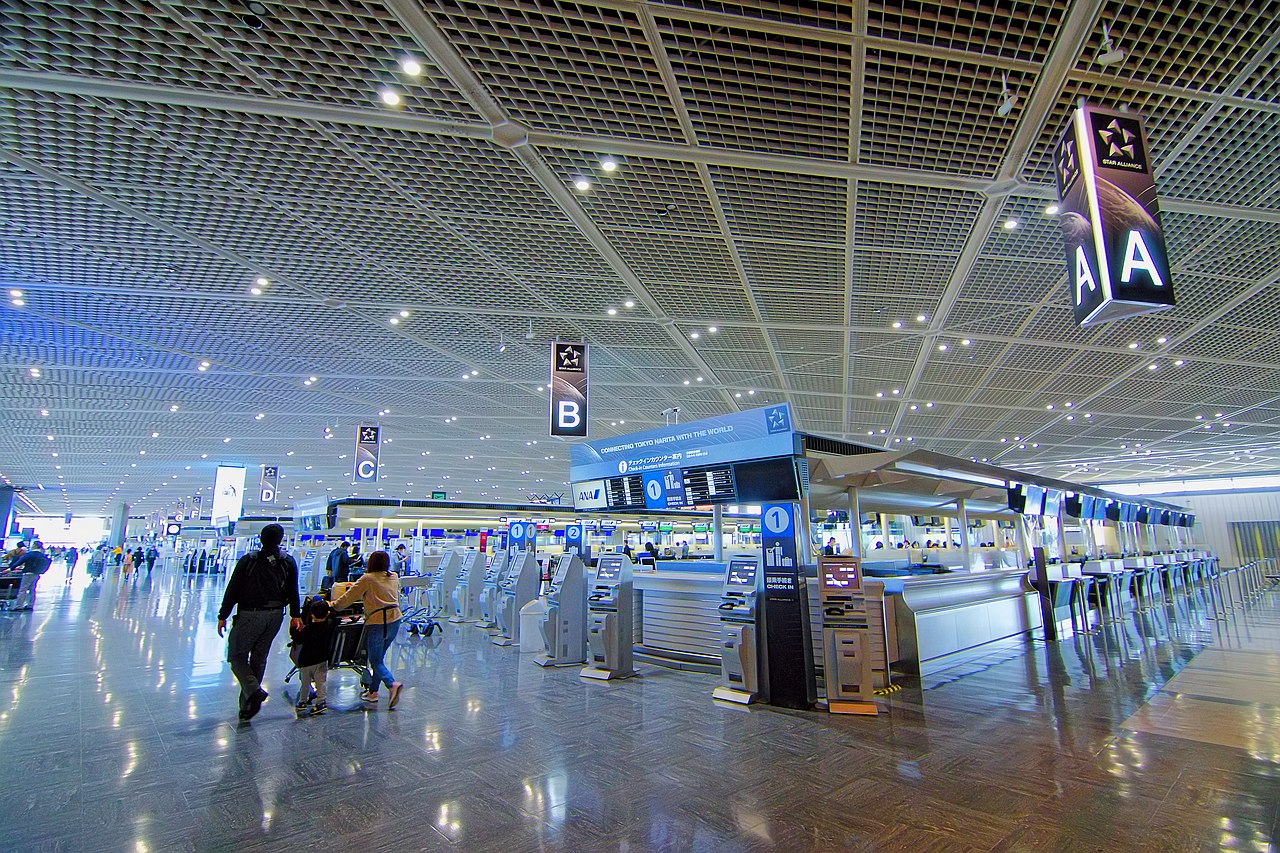
  1. 08:00 AM - Arrive at Narita International Airport (NRT) & Transfer to Hotel· 2 hrs

    USD 35 (~JPY 5,250)

    Upon arrival at Narita International Airport (NRT), complete customs and immigration. Take the Narita Express (N'EX) train directly to Shinjuku Station. The N'EX is a comfortable and efficient way to reach central Tokyo. From Shinjuku, transfer to your hotel in the Shinjuku area.

  2. 10:00 AM - Hotel Check-in and Freshen Up· 2 hrs

    FREE

    Check into your hotel in Shinjuku and take some time to rest and refresh after your international flight. Settle in before starting your exploration of Tokyo.

  3. 12:30 PM - Lunch: Tonkotsu Ramen in Shinjuku· 1 hr

    USD 25 (~JPY 3,750)

    Enjoy a hearty bowl of Tonkotsu Ramen, a rich pork-bone broth noodle soup, at a local ramen shop in Shinjuku to fuel up for the afternoon. This dish is a quintessential Japanese comfort food.

  4. 01:30 PM - Meiji Jingu Shrine· 2 hrs

    Confirm hours on Maps
    FREE
    📍Meiji Jingu

    Discover the peaceful Meiji Jingu Shrine, a significant Shinto shrine dedicated to Emperor Meiji and Empress Shoken. Walk through the tranquil forest approach, purify yourself at the entrance, and admire the beautiful grounds, offering a serene escape from the bustling city.

    4.6(49,293 reviews)

    "Meiji Jingu is an incredibly peaceful place even though it’s located in the heart of Tokyo. The pathway to the shrine is surrounded by a large forest, making it feel far away from the busy city. The walk toward the main shrine itself is a calming experience. The area is very clean, well maintained and filled with a serene spiritual atmosphere. Definitely a great place to relax, enjoy nature and experience authentic Japanese culture."Amy Shakira

  5. 03:45 PM - Shinjuku Gyoen National Garden· 2 hrs

    Closes 6 PM · 2.2h hereConfirm hours on Maps
    📍Shinjuku Gyoen National Garden

    Explore the expansive and beautifully landscaped Shinjuku Gyoen National Garden, featuring traditional Japanese, French, and English garden styles. It's a perfect place for a gentle stroll, offering lush greenery and calm ponds in the heart of the city.

    4.6(43,736 reviews)

    "Visited the park and was amazed by the variety of cherry blossoms. On windy days, they shower down like pink snow—absolutely magical. The park is easy to access with well-maintained paths. Don’t miss the greenhouse; it’s a treasure trove of rare plant species. Perfect spot for nature lovers and photographers! 🌸🍃"SilentWitness

  6. 06:30 PM - Shibuya Sky· 1 hr 30 min

    Closes 10:30 PM · 4h hereConfirm hours on Maps
    USD 25 (~JPY 3,750)Live price on Klook →
    📍Shibuya Sky

    Ascend to Shibuya Sky, an open-air observation deck on top of the Shibuya Scramble Square building, offering breathtaking 360-degree panoramic views of Tokyo. Witness the iconic Shibuya Crossing from above and enjoy the city lights as dusk settles.

    4.6(24,148 reviews)

    "One of the best observation deck in Tokyo! From the deck, you could see a 360 view of Tokyo with no obstacles. Including most of the landmark like the Tokyo Sky-tree, Tokyo Tower and even Mount Fuji when the weather is nice. For me the best visiting time was 1 hour before sunset, which you could see the change of view from day light Tokyo to night life Tokyo. When the weather is nice, you could even see the afterglow above Mount Fuji. Also, a photo booth was provided on the deck, photo shooting with the deck’s photographer is free but purchasing the photo back isn’t. You could choose not to purchase but I think it’s still at a reasonable price. At last, strongly recommend to make your reservation before your visit as the deck was extremely popular especially in nice weather days. Also, prepare your wind-resistance gears before entering the deck especially in winter. Although the deck has an almost 3 meter glass curtain wall, but it’s still extremely windy up there."JJJ Dexter

  7. 08:15 PM - Dinner: Yakitori in Shibuya· 1 hr

    USD 30 (~JPY 4,500)

    Savor a delicious dinner of Yakitori, grilled chicken skewers, at a vibrant izakaya in Shibuya. Enjoy the lively atmosphere and a variety of perfectly grilled meats and vegetables, a classic Japanese dining experience.

🏨
Where to Stay Tonight

Shinjuku

Shinjuku is a major transportation hub, making it easy to reach various parts of Tokyo. It offers a wide range of dining, shopping, and entertainment options, and is centrally located for exploring nearby Harajuku and Shibuya.

Check-in: 3:00 PMCheck-out: 11:00 AMSuggested limit: USD 153-207 (~JPY 23K-JPY 31K)/nightCheck Hotel Prices
Highlight of the Day
Exploring the historic Sensō-ji Temple and immersing yourself in the digital art of teamLab Planets.
USD 168 (~JPY 25K)
Day 2 Route
  1. 09:00 AM - Sensō-ji Temple & Nakamise Shopping Street· 3 hrs

    Confirm hours on Maps
    USD 15 (~JPY 2,250)Live price on Klook →
    📍Sensō-ji Temple

    Begin your day by exploring Tokyo's oldest and most vibrant temple, Sensō-ji. Wander through the iconic Thunder Gate, browse traditional crafts and street food on Nakamise Shopping Street, and soak in the spiritual atmosphere of the main hall.

    4.3(15,141 reviews)

    "Nakamise Shopping Street is one of those places where the energy hits you the moment you step in. The mix of colors, sounds, and scents creates a lively atmosphere that feels both traditional and modern at the same time. Even with the crowds, there’s something charming about wandering past stalls selling everything from handmade snacks to small souvenirs. The lanterns and old-style storefronts add a layer of nostalgia that makes the whole street feel like a living postcard. It’s busy, but in a way that feels celebratory rather than chaotic. If you enjoy browsing without a strict plan, this is a great place to let curiosity guide you. Every few steps, you’ll find something different — a sweet treat, a craft item, or a small detail in the architecture that catches your eye. It’s easy to spend an hour here without realizing how much time has passed. While it can get overwhelming during peak hours, the cultural atmosphere makes it worth the visit. Pairing it with a stop at the nearby temple makes the experience feel complete and balanced."Jonathan Phan

  2. 12:00 PM - Lunch: Tempura in Asakusa· 1 hr

    USD 20 (~JPY 3,000)

    Enjoy a classic Japanese tempura lunch at a local eatery in the historic Asakusa neighborhood, featuring lightly battered and deep-fried seafood and vegetables.

  3. 01:00 PM - Tokyo Skytree· 2 hrs 30 min

    Confirm hours on Maps
    USD 28 (~JPY 4,200)Live price on Klook →
    📍Tokyo Skytree

    Ascend the iconic Tokyo Skytree for breathtaking 360-degree panoramic views of the city. From its observation decks, you can see landmarks stretching across the vast Tokyo landscape.

    4.4(112,603 reviews)

    "Tokyo Skytree is one of the most iconic landmarks in Japan and an impressive example of modern engineering and architecture. As the tallest tower in the world, it offers breathtaking panoramic views of Tokyo from its observation decks. From the top, visitors can see the vast city skyline, rivers, and even Mount Fuji on clear days, creating a truly unforgettable experience. The tower is modern, clean, and very well organized. The elevators are fast and efficient, taking visitors to the observation decks within seconds. The viewing areas are spacious, with large glass windows that provide clear and uninterrupted views. The atmosphere is calm and enjoyable, making it perfect for sightseeing, photography, and relaxing while appreciating the beauty of Tokyo. At night, Tokyo Skytree becomes even more stunning with its colorful illumination, making it a beautiful focal point of the city. The surrounding area also offers many attractions, including shopping centers, restaurants, and entertainment facilities, allowing visitors to spend several hours exploring. Although the ticket price can be relatively expensive, the experience and views are absolutely worth it. Overall, Tokyo Skytree is highly recommended for anyone visiting Tokyo, as it provides a spectacular perspective of the city and a memorable sightseeing experience."Muhamad Arzan

  4. 04:00 PM - teamLab Planets TOKYO DMM· 2 hrs 30 min

    Confirm hours on Maps
    USD 35 (~JPY 5,250)Live price on Klook →
    📍teamLab Planets TOKYO DMM

    Immerse yourself in a captivating world of digital art at teamLab Planets. This interactive museum features large-scale installations that engage all your senses, creating a unique and modern art experience.

    4.5(50,394 reviews)

    "This museum completely amazed me. The artist’s imagination is incredible — I had never seen or experienced an exhibition quite like this before. The creativity and originality of the installations make it feel truly unique. The water section in particular was absolutely wow. Walking through it felt magical and immersive in a way that’s hard to describe. It honestly made me feel like a kid again, just exploring and being amazed by everything around me. Definitely a must-visit if you’re in the city. It’s one of those experiences that stays with you long after you leave."Daniela Inzua

    MapsWebsite
  5. 07:00 PM - Dinner: Sushi/Sashimi in Ginza· 1 hr

    USD 30 (~JPY 4,500)

    Indulge in a fresh sushi and sashimi dinner in Ginza, known for its high-quality seafood. Experience the delicate artistry and flavors of expertly prepared raw fish.

  6. 08:30 PM - Shinjuku Golden-Gai· 2 hrs

    Confirm hours on Maps
    USD 40 (~JPY 6,000)Live price on Klook →
    📍Shinjuku Golden-Gai

    Experience the unique nightlife of Shinjuku Golden-Gai, a famous cluster of tiny bars, each with its own distinct character. Enjoy a drink and soak in the lively, intimate atmosphere of this iconic Tokyo district.

    4.3(12,378 reviews)

    "At first glance, Golden Gai looks almost too small and quiet to be significant. Narrow alleyways crisscross a compact block filled with over 200 tiny bars, most of which can only seat between five and ten people. The buildings are tightly packed, two stories high, with visible pipes, wires, and weathered wooden facades that give the area a gritty, nostalgic charm. The contrast between Golden Gai and the surrounding urban landscape is striking. Just minutes away from the bright lights and massive crowds of Shinjuku, this district feels personal and almost secretive. It invites curiosity."Edgar Monroy

🏨
Where to Stay Tonight

Shinjuku

Shinjuku offers excellent transport links, a wide array of dining options, and diverse entertainment, serving as a convenient base for exploring various parts of Tokyo.

Check-in: 3:00 PMCheck-out: 11:00 AMSuggested limit: USD 153-207 (~JPY 23K-JPY 31K)/nightCheck Hotel Prices
Heads Up
Heavy transit day: After exploring Tokyo Station, you'll need to travel ~6-7 km back to Shinjuku for hotel checkout, before heading to Narita Airport. Allow sufficient time for all transfers.
Highlight of the Day
Experiencing a traditional Kabuki-za Theatre performance and exploring the vibrant Tsukiji Outer Market.
USD 160 (~JPY 24K)
Day 3 Route
  1. 08:00 AM - Tsukiji Outer Market Exploration· 2 hrs

    Confirm hours on Maps
    USD 40 (~JPY 6,000)Live price on Klook →
    📍Fish Market Tsukiji Outer Market

    Immerse yourself in the bustling atmosphere of Tokyo's historic seafood market. Sample fresh sushi, street food, and explore the stalls selling various kitchenware and local produce. This is a vibrant culinary and cultural experience.

    4.2(55,416 reviews)

    "This place gave my family one of our best food experiences in Japan – and at an unbelievably cheap price, if you know the trick! We arrived around 11am and the market was already packed with people. We were told they close around 1pm, so it was getting close to the end of the day. Instead of buying straight away, we decided to walk around first to check the prices and compare the different stalls. It’s very tempting to buy from the fancy-looking shops, but I’m so glad we explored a bit more. That’s when we found a small, simple stall run by an elderly man. No fancy sushi displays, no stylish plating – just honest, fresh tuna belly sashimi being cut right in front of us. The portions were incredibly generous, and the price was literally half of what the more commercial stalls were charging. He didn’t even have tables; it felt like he mainly sells to locals. Even though he couldn’t really speak English, he was very friendly and tried his best to accommodate us. We ended up standing next to his fridge eating fresh tuna sashimi until we were completely full. It was such an authentic and memorable experience. We’ve been to several markets around Japan, but this was by far our best discovery. Amazing food, great value, and a truly local vibe. If you visit, take the time to explore – you might just find the same hidden gem we did! Highly recommended for anyone who loves fresh sashimi and real local experiences."iyapots B

  2. 10:30 AM - Kabuki-za Theatre Performance (Single Act)· 1 hr 30 min

    Confirm hours on Maps
    USD 45 (~JPY 6,750)Live price on Klook →
    📍Kabuki-za Theatre

    Experience a glimpse into traditional Japanese performing arts with a single act (hitomakumi) viewing at the historic Kabuki-za Theatre. Marvel at the elaborate costumes, dramatic makeup, and stylized movements.

    4.3(10,333 reviews)

    "Kabukiza Theatre in Ginza was such a unique and memorable cultural experience. We booked a single act (there are only a couple of rows available in the back for single-act tickets), which was an affordable way to experience kabuki for about ¥1,800 per person. Pricing varies depending on whether you attend a matinee or evening show and which act you choose, but it’s a great option if you’re short on time or just want an introduction. The performance itself was excellent. The actors were incredibly expressive, the live traditional music (including Shinto-style elements) added so much depth, and the set design was absolutely beautiful. The production quality overall was very impressive, and we learned a lot about different theatrical art techniques. For non-Japanese speakers, the English audio guide is 100% worth renting. It provides live translations—almost like real-time subtitles—which made it easy to follow the storyline and appreciate the nuances of the performance. Even though we only booked a single act, the story was so engaging that we wished we had stayed for the entire show. The exterior of Kabukiza is stunning and extremely photogenic, both during the day and at night. If you’re attending just one act, the separate side entrance is clearly marked and easy to find. The staff were incredibly polite and helpful, embodying the warmth of Japanese hospitality. If you’re looking to go beyond typical sightseeing and experience something culturally rich and authentic, Kabukiza is absolutely worth it. A fantastic introduction to traditional Japanese performing arts."Shambhavi Balasubramanian

  3. 12:00 PM - Lunch: Vegetable Set Meal (Teishoku) in Ginza· 1 hr

    USD 25 (~JPY 3,750)

    Enjoy a balanced and healthy lunch with a traditional Japanese Vegetable Set Meal (Teishoku) at a local eatery in the upscale Ginza district.

  4. 01:00 PM - Explore Tokyo Station and its surrounds· 1 hr

    Confirm hours on Maps
    FREE
    📍Tokyo Station

    Discover the historic red-brick facade and modern interiors of Tokyo Station. Explore the various shops and food offerings in its underground 'city' or marvel at its architecture.

    4.3(15,492 reviews)

    "Tokyo Station is one of those places that feels like a city within a city. The moment you step inside, you’re met with a mix of energy, order, and that unmistakable Tokyo efficiency. Trains glide in and out constantly — Shinkansen, JR lines, subways — yet everything runs so smoothly that even first‑time visitors can find their way with a bit of patience. The signage is clear, the staff are helpful, and the flow of people somehow feels organised despite the crowds. The station is huge, but each area has its own personality. The Marunouchi side is elegant and historic, with its red‑brick façade and wide plaza. The Yaesu side is more modern and practical, packed with shops, restaurants, and entrances that lead directly into underground malls. Inside, you’ll find endless food options: bento shops, ramen alleys, bakeries, and the famous “Character Street,” where you can browse goods from popular Japanese brands and anime. What makes Tokyo Station memorable is how much you can do without ever stepping outside. You can shop, eat, grab souvenirs, or simply wander through the clean, well‑designed corridors. Even if you’re just passing through for a train transfer, the station gives you a taste of Tokyo’s rhythm — fast, efficient, and full of small surprises. It’s a place that feels busy but never chaotic, and always worth exploring."Andy M

    MapsWebsite
  5. 02:00 PM - Hotel Checkout & Luggage Collection· 30 min

    FREE

    Return to your hotel in Shinjuku to check out and collect your luggage before heading to the airport.

  6. 02:30 PM - Depart from Narita International Airport (NRT)· 6 hrs 30 min

    USD 50 (~JPY 7,500)

    Transfer from Shinjuku to Narita International Airport (NRT) for your flight home to New York, NY. Allow ample time for travel, check-in, and security procedures.

🏨
Where to Stay Tonight

Shinjuku

Shinjuku remains an excellent base for its central location, extensive public transport links, and a wide array of dining and entertainment options.

Check-in: 3:00 PMCheck-out: 11:00 AMSuggested limit: USD 153-207 (~JPY 23K-JPY 31K)/nightCheck Hotel Prices
💬

What Travelers Say

I'll keep it straight: Tokyo is HUGE. Pick a few neighborhoods per day and don’t try to cross the city nonstop or you’ll burn out fast. Google Maps works insanely well for trains. It looks scary at first but after day one it clicks. Stay near a major station like Shinjuku, Shibuya, Ueno, or Tokyo Station and your life will be way easier. Convenience store food is not a backup option. It’s legit good and saves time and money. You don’t need to chase viral TikTok food spots. Random ramen shops...

Tokyo · r/JapanTravelTips

You don't need to stay near a "major" station to have an easy time with trains. The big stations can be a real pain to get around, navigating huge crowds. I like to stay near smaller stations and just make easy connections, so much less complicated.

Tokyo · r/JapanTravelTips

I have lived in Tokyo for 3 years and feel like I've barely scratched the surface. It is the largest city on Earth and is endlessly fascinating. You could easily spend 11 days exploring Tokyo. That said, I would encourage you to take at least one day trip to Nikko and/or Kamakura and Enoshima. You'll at least get a short experience of historic temples and beautiful scenery. Yokohama is also worth a day trip.

Tokyo · r/JapanTravelTips

I'm just about to hit 15 visits and I try to stay in a new ward or neighborhood every trip. If you have the ability to visit often I learned that being optimal is no longer a priority, so I try not to stay in the same place twice! I've been in smack middle of Ueno/Akiba and had fun eating in Ameyokocho at night, to some quieter places along Kanda or the Sumida River, I'm eyeing Edogawa next! When I visit other prefectures, I stick very close to typical, high-profile tourism (because I think all...

Tokyo · r/JapanTravelTips

Here is my list (2026 version): 01 - Uniqlo down jacket / heat tech 02 - Muji snacks + homeware 03 - UV / Rain Umbrella 04 - Nail Clippers 05 - Pokemon plushies + trading cards 06 - Backpack from Master-Piece SHINJUKU 07 - Hand towels 08 - Matcha from Ippodo Tea 09 - Salonpas pain relief patches 10 - Anessa Sunscreen 11 - Royce Chocolate 12 - Tokyo Milk Cheese Factory Cookies 13 - Ichiran Instant Noodles 14 - Japanese amulets 15 - Stationeries from Ginza Itoya 16 - Denim Jeans 17 - Luggage from...

Tokyo · r/JapanTravelTips

Tokyo, Japan, stands apart from routes like Tokyo + Kyoto for its sheer density of modern and traditional experiences within a single urban sprawl. While Kyoto offers ancient temple districts and traditional arts, Tokyo presents an unparalleled contemporary culture through its digital art (teamLab), unique neighborhood nightlife (Shinjuku Golden Gai), and diverse culinary scene. This intense focus allows for a deeper dive into its multifaceted character within a short trip, without the rush of inter-city travel that would only skim the surface.

Tokyo is depachika and izakaya alley territory — department-store basement food halls and Shinjuku's Omoide Yokocho yakitori alley are essential stops. The city's famous ramen and tempura shops offer an early morning or late night experience unlike anywhere else. Konbini (convenience stores) are a legitimate food source, especially for quick breakfasts or late-night snacks.

Top 8 dishes to try

OnigiriUSD 1-3
🍜🏪

Onigiri

A perfectly portable and versatile snack of molded rice, often with a filling like salted salmon, pickled plum (umeboshi), or tuna mayo, wrapped in nori seaweed.

YakitoriUSD 2-5
🍜

Yakitori

Skewers of various chicken parts (thigh, skin, liver) or vegetables grilled over charcoal and seasoned with salt or a sweet soy glaze; best enjoyed with a beer in an izakaya.

Natto GohanUSD 3-7
🍜

Natto Gohan

A traditional, pungent breakfast of sticky fermented soybeans, often served with a raw egg, soy sauce, and spring onions over rice; known for its health benefits and commonly found in set meals.

GyudonUSD 5-10
🍽️

Gyudon

A quick, affordable rice bowl topped with thinly sliced beef and onion simmered in a savory-sweet sauce; available at ubiquitous chains like Matsuya, Sukiya, and Yoshinoya.

Vegetable Set Meal (Teishoku)USD 8-15
🍽️

Vegetable Set Meal (Teishoku)

A balanced meal featuring a main dish, rice, miso soup, and several small vegetable side dishes (kobachi) that provide essential fiber and variety; a great way to eat healthy daily.

Tonkotsu RamenUSD 10-15
🍽️

Tonkotsu Ramen

Rich, cloudy pork-bone broth simmered for hours, often served with thin noodles, chashu pork, and green onions; originated in Fukuoka but perfected across Japan.

TempuraUSD 15-40
🎌

Tempura

Lightly battered and deep-fried seafood and vegetables, showcasing seasonal ingredients with a crisp, delicate texture; many high-end places offer exquisite vegetable-only sets.

Sushi/SashimiUSD 20-50
🎌🏪

Sushi/Sashimi

Precisely prepared raw fish on vinegared rice (sushi) or served alone (sashimi), highlighting the freshness and quality of local seafood from markets like Toyosu.

Markets & neighborhoods

Tsukiji Outer MarketTokyo🏪

Fresh seafood, street food, sushi, and breakfast options; retains its vibrant atmosphere even after the main fish market moved to Toyosu.

GinzaTokyo

High-end dining, Michelin-starred sushi and tempura restaurants, luxury department store food halls (depachika) with gourmet selections.

Konbini (Convenience Stores)Tokyo

Ubiquitous and essential for quick, affordable, and surprisingly high-quality snacks, drinks, pre-made meals like onigiri and bentos, and even fresh vegetables.

Good to Know

Meal timesBreakfast is typically 7-9 AM, lunch 12-2 PM, and dinner 6-9 PM. Many restaurants are open continuously through lunch and dinner, but some smaller spots may close in the late afternoon.
TippingTipping is not customary in Japan and can even be considered an insult. Service charges are sometimes added to bills at high-end restaurants, but this is clearly stated.
WaterTap water in Tokyo is generally safe and drinkable everywhere, even at smaller eateries. Bottled water is readily available but not typically necessary for health reasons.
VegetarianVegetarians can find options like natto, tempura (ask for vegetable-only), vegetable-focused teishoku, or salads at supermarkets/konbini. Be aware that dashi (fish broth) is a common base in many dishes, so true vegan options might require careful inquiry, often difficult without Japanese language skills. Fiber drinks like Fibe-Mini (from konbini) are popular for maintaining digestive health.
PaymentCash is widely used, especially at smaller restaurants, street stalls, and some ramen shops. Larger restaurants, department stores, and major chains usually accept credit cards, but it's always wise to carry some yen.
EtiquetteIt's customary to say 'itadakimasu' before eating and 'gochisosama deshita' after. Slurping noodles is a sign of enjoyment. Avoid sticking chopsticks upright in rice or passing food directly with chopsticks, as these gestures have funerary connotations. Do not tip; it's not part of Japanese culture.


Tokyo's shopping scene is incredibly diverse, from luxury flagship stores in Ginza to niche artisan streets and sprawling electronics districts; the key is knowing specific areas for what you seek, as generic souvenir shops are common near tourist sites.

Top 7 souvenirs

🍫

Gourmet Japanese Snacks & Confectionery

TokyoUSD 5-50

High-quality matcha snacks, regional Kit Kats, elaborate wagashi (traditional sweets), and unique savory treats offer distinct Japanese flavors.

📍 Depachika (basement food halls) of department stores like Isetan Shinjuku or Takashimaya Times Square.

🎎

Anime/Manga Merchandise

TokyoUSD 10-200

Exclusive character goods, official figures, and limited-edition items from popular series are often only found here or are significantly cheaper.

📍 Akihabara Radio Kaikan, Nakano Broadway, Animate Ikebukuro, Mandarake.

🛍️

Japanese Kitchen Knives

TokyoUSD 60-600

Hand-forged carbon steel blades offer a sharpness and balance unmatched by most Western knives, often made by generations-old families.

📍 Kappabashi Kitchen Town (Tawaramachi Station); Kamata Hakensha for a wide selection.

🛍️

Japanese Precision Nail Clippers

TokyoUSD 8-25

Known for their exceptional sharpness and ergonomic design, Japanese nail clippers offer superior precision and durability compared to standard models.

📍 Loft; Tokyu Hands; Don Quijote (various locations).

👜

Shupatto Foldable Eco Bag

TokyoUSD 15-30

These award-winning, compact, and highly durable bags instantly fold flat by pulling both ends, making them incredibly practical for daily use.

📍 Loft (various locations, e.g., Shibuya, Ginza); Tokyu Hands (Shibuya, Shinjuku).

📚

Muji Homeware & Stationery

TokyoUSD 5-80

You'll find minimalist notebooks, pens, and household items at prices 30-50% lower than abroad, with an extensive range not available internationally.

📍 Muji Flagship Ginza (6 floors); Muji Shinjuku Piccadilly for a good selection.

🛍️

Uniqlo Heattech or Ultralight Down

TokyoUSD 15-90

Uniqlo's innovative thermal wear and packable down jackets are significantly cheaper and offer a wider range of styles and colors in Japan.

📍 Uniqlo Ginza Flagship (12 floors); Uniqlo Shinjuku East Exit Store.

Markets & districts

🎨Kappabashi Kitchen TownTokyo

Professional kitchen knives, exquisite ceramics, lacquered tableware, realistic food replicas, restaurant equipment.

A dedicated street for restaurant supplies and kitchenware, it's less about souvenirs and more about high-quality, functional artisan goods, with fewer tourists than other areas.

AkihabaraTokyo

Electronics, anime, manga, video games, idol merchandise, cosplay items.

A bustling, neon-lit district known as 'Electric Town,' vibrant with otaku culture and arcades, though some shops cater strictly to enthusiasts.

GinzaTokyo

Luxury brands, high-end department stores (Ginza Six, Mitsukoshi), Muji flagship, stationery, art galleries.

An upscale, sophisticated area with wide boulevards and pristine shops, offering a refined shopping experience for those seeking premium goods.

Good to Know

CustomsTravelers typically have duty-free allowances for personal goods; check your home country's specific limits for alcohol, tobacco, and high-value items before departing.
Tax refundNon-resident visitors are eligible for an 8-10% consumption tax (VAT) refund on purchases over a certain amount (usually 5,000 JPY + tax per store, per day) at tax-free approved stores. You'll need your passport and the store will process the refund.
PaymentMajor credit cards are widely accepted in department stores, larger shops, and restaurants. However, cash remains essential for smaller local shops, some street vendors, and public transport top-ups.
BargainingBargaining is generally not practiced in Japan; prices are displayed and paid as marked, except at rare flea markets or second-hand shops where slight negotiation might occur.

Getting Around

Map of Tokyo, Japan

World-class public transport with punctual trains and buses

Common Modes
ShinkansenJR trainsMetroBus
Ride-Hailing Apps
Japan TaxiGO Taxi
Transit Card

Suica / Pasmo / ICOCA

Pro Tip

Get a Japan Rail Pass for multi-city travel. Trains stop around midnight.

Cherry Blossom Season
Hanami
late March-early April

Peak cherry blossom viewing season with picnics under blooming trees.

High cost (2x)Extreme crowdsHanami picnicsNight illuminationsCherry blossom forecasts

Note: Book 3+ months ahead - hotels sell out quickly

Golden Week
April-May

Japan's longest holiday period with multiple national holidays. Domestic travel surge.

High cost (2x)Extreme crowdsKoinobori displaysLocal festivalsSpring weather

Note: Book 3+ months ahead or avoid entirely

Autumn Leaves Season
Koyo
November

Peak autumn foliage viewing with stunning red and gold colors across Japan.

High cost (1.8x)High crowdsTemple gardensNight illuminationsMomijigari (leaf viewing)

Note: Book 2 months ahead for Kyoto

Obon Festival
Obon
August

Buddhist festival honoring ancestors with bon dances, floating lanterns, and the spectacular Daimonji fire on Kyoto's mountainsides.

High cost (1.8x)High crowdsBon odori dancesFloating lanternsDaimonji fire (Kyoto)

Note: Book 2+ months ahead - major domestic travel period

Public Holidays(19)

Jan 1New Year's Day
Jan 2January 2 Bank Holiday
Jan 3January 3 Bank Holiday
Jan 12Coming of Age Day
Feb 11National Foundation Day
Feb 23Emperor's Birthday

📅 Best Time to Visit

Spring (March-May) for cherry blossoms and Autumn (October-November) for vibrant fall foliage offer pleasant temperatures, typically 10-20°C, but are also peak tourist seasons with higher crowds and prices. Early summer (June) is rainy season (Tsuyu), while July-August are hot and humid (25-35°C). Winter (December-February) is cold (0-10°C) with fewer tourists and clear skies, often ideal for viewing Mt. Fuji. Book accommodations and popular attractions like Ghibli Museum months in advance for peak seasons.

  • Total for a couple — 3 days mid-range trip, excludes international flights
  • Accommodation assumes 1 shared room
  • Rough estimates — actual prices vary by season and availability
Trip Budget (ground costs)USD 1,100-1,400 (~JPY 165K-JPY 210K)
🚌

Local Transport

USD 60 (~JPY 9,000)
🏨

Accommodation

USD 300 (~JPY 45K)

AI estimated based on typical hotel costs

🍽️

Food

USD 220 (~JPY 33K)
🎯

Activities

USD 820 (~JPY 123K)
💡
Practical

Mid-priced overall — expect $8-15 for a casual lunch and $100-180/night for business hotels, but convenience store (konbini) meals ($4-7) offer genuinely good value. Tap water is safe to drink everywhere.

💸
Saving

For seamless local transport, obtain a Suica or Pasmo IC card at the airport; load it with ¥3000-4000 (~$20-27) per person to cover most train and subway rides without needing to buy individual tickets.

💸
Saving

Capitalize on Tokyo's exceptional convenience stores like 7-Eleven, FamilyMart, or Lawson for fresh and affordable breakfasts or lunches; you can find quality meals like onigiri or bentos for ¥500-1000 (~$3-7).

Splurge

Allocate a portion of your activity budget for one unique cultural immersion, such as a traditional tea ceremony or a sumo stable visit; these experiences often range from ¥8,000-15,000 (~$55-100) per person and offer deep cultural insight.

💡
Practical

Given limited free Wi-Fi, ensure connectivity by purchasing a short-term tourist SIM card or renting a pocket Wi-Fi device directly upon arrival at Narita or Haneda airport; a 3-day option typically costs around ¥2,000-3,500 (~$14-24).

Shibuya Sky observation deckDay 1

Book 3 days ahead — Tickets are timed entry and can sell out, especially for popular sunset slots.

Tokyo Skytree Tembo Deck & Galleria entryDay 2

Book 1 week ahead — While same-day tickets are often available, booking ahead secures your preferred time slot and avoids potential queues.

teamLab Planets TOKYO DMM entryDay 2

Book 1 month ahead — This immersive digital art museum is very popular and timed entry slots sell out quickly.

Kabuki-za Theatre "Hitomaku-mi" (Single Act) ticketDay 3

Book 1 week ahead — While day-of tickets are sometimes available at the theater, booking online in advance secures your desired act and a better seat, especially for popular performances.

100% Free

Customize This Trip

Get this itinerary tailored to YOUR exact dates, preferences, and budget.

  • Personalized for your dates
  • Weather-aware recommendations
  • Offline access
  • Real-time pricing
  • Budget tracking
Create My Free Itinerary

No sign-up required

Quick Actions

Free and without sign-in

Trip Summary

DestinationTokyo, Japan
Duration3 days
BudgetUSD 1,100-1,400
  • Pre-load Mobile Suica or Pasmo to your Apple Pay or Google Pay wallet before arriving — it works seamlessly on all Tokyo transit and at most convenience stores (7-Eleven, FamilyMart, Lawson) and vending machines.
  • Withdraw cash at 7-Eleven or Japan Post Bank ATMs, as these reliably accept foreign cards 24/7; many local Japanese bank ATMs do not.
  • Carry a small plastic bag (konbini bag) for your trash — public trash cans are genuinely rare, and you are expected to carry your own until you find a designated disposal point, usually at your hotel or a convenience store.
  • Use Google Maps' 'transit' directions for all train and subway navigation in Tokyo — it's incredibly accurate and will specify exact platform numbers and train lines.
  • Set your phone to silent ('manner mode') on trains and in public spaces; taking loud calls or having noisy conversations on public transport is considered impolite and will draw stares.
  • Book popular attractions like the Ghibli Museum exactly one month in advance, on the 10th of the month at 10am JST, via Lawson Ticket — tickets often sell out within minutes.
  • Purchase a ¥500-¥1,000 souvenir from your home country to offer as a small 'omiyage' (gift) if you are staying with an Airbnb host or at a traditional ryokan, it's a polite gesture of appreciation.
  • Check the last train times (often around midnight-1am) for all JR and Metro lines using Google Maps; taxis after last train are significantly more expensive.
  • 1
    Slip-on shoes (frequent removal at temples, ryokans, many restaurants)
  • 2
    ¥20,000-¥30,000 cash in Yen (for small shops, street food, temples)
  • 3
    Compact umbrella (rain can be sudden year-round)
  • 4
    Small quick-dry towel (for onsen, sento, public restrooms)
  • 5
    Offline Google Maps + Translate data (for areas with patchy coverage)
  • 6
    Lightweight layered clothing (for indoor heating, outdoor chill, rapid changes)
  • 7
    Small plastic bag for trash (public bins are rare)
  • 8
    Portable power bank (for heavy phone usage for navigation/translation)
  • 9
    Eye mask (if visiting during summer for 24-hour daylight outside Tokyo)
  • 10
    Reusable shopping bag (many stores charge for plastic bags now)

Note: Travel conditions, regulations, and local customs may change. We recommend verifying essential details — such as visa requirements, emergency contacts, and payment options — closer to your travel date.

Visa & Entry Requirements

US, EU, UK, Australia, Canada citizens typically receive a 90-day visa-free stay upon arrival. Indian citizens generally require an e-Visa or sticker visa in advance, which can take several days for approval. All nationalities should ensure their passport is valid for at least six months beyond their intended stay. For other nationalities, please check the official website of the Japanese Ministry of Foreign Affairs (mofa.go.jp/j_info/visit/visa/index.html) for specific requirements.

Local Customs & Etiquette

At any genkan (raised entryway) in homes, ryokans, or traditional restaurants, remove your shoes before stepping onto the raised platform; use provided slippers, but remove them again before entering tatami rooms. Slurping noodles and soup loudly is considered a sign of enjoyment and appreciation for the chef; conversely, eating or drinking while walking in public is generally considered impolite. When using chopsticks, never stick them upright in a bowl of rice or pass food from chopstick to chopstick, as these actions mimic funeral rites and are considered disrespectful. Tipping is not customary in Japan and is often politely refused in restaurants, taxis, or hotels, potentially causing awkwardness.

Safety Overview

Tokyo boasts one of the world's lowest crime rates, and lost wallets are frequently returned via Koban (police boxes). However, exercise caution in nightlife districts like Roppongi and Kabukicho, where aggressive street touts may try to lure visitors into bars that charge exorbitant, often ¥20,000-¥80,000, drink prices. Ignore all street touts and choose reputable, well-reviewed establishments. For any lost property or minor issues, locate the nearest Koban (small neighborhood police box, marked with a red light and a 'Koban' sign).

SIM & Connectivity

SIM Options

Airalo eSIM
$10-$30 for 7-30 days / 1GB-10GB

📍 Purchase online before arrival; activate upon landing

Ubigi eSIM
$8-$20 for 7-30 days / 1GB-10GB

📍 Purchase online before arrival; activate upon landing

Softbank/Docomo physical SIM (tourist SIM)
¥3,000-¥5,000 for 7-30 days / 5GB-unlimited

📍 Narita (NRT) or Haneda (HND) Airport arrivals hall kiosks

WiFi Availability

Free public WiFi is not widespread or reliable outside of major train stations and some department stores, often requiring registration. Hotel WiFi is generally ubiquitous and free, but cafe WiFi typically requires a purchase and sometimes a complicated login process.

Useful Apps

Google MapsEssential for accurate public transit directions (trains, subway, buses) in real-time across Tokyo and other cities.Google TranslateUse its camera translation feature for menus, signs, and labels, and the conversation mode for basic interactions.Mobile Suica / Pasmo (Apple Pay/Google Pay)For contactless payments on all major public transport (trains, subways, buses) and at convenience stores, vending machines.Japan Official Travel AppProvides navigation, emergency information, and tourist spot recommendations from the JNTO.
Pro Tip

It's highly recommended to secure an eSIM or portable WiFi device before arrival, as getting a physical SIM outside the main airports can be challenging due to registration requirements. Public WiFi is generally sparse and unreliable for consistent navigation.

Electric Socket Guide

Socket Types

Type A

Two flat parallel pins (North America, Japan)

Type B

Two flat pins + round ground (North America)

Voltage

100V

Frequency

50/60Hz

Tipping Etiquette

Restaurants

Not expected — tipping can be considered rude

Taxis

Not expected

Hotels

Not expected; leave a tip in an envelope if desired

Japan has a no-tipping culture. Excellent service is the standard.

Safety & Travel Advisories

Check official government advisories for the latest safety information, entry requirements, and travel warnings before your trip.

Emergency Numbers

👮
Police

110

🚑
Ambulance

119

🚒
Fire

119

English support available at #7119 (medical) and #9110 (police non-emergency)

Payments

Cash Culture

Cash is still widely used, especially at small shops and rural areas

Credit Cards

Accepted at major stores and hotels; less common at small restaurants

Contactless

IC cards (Suica/Pasmo) widely accepted at convenience stores and transit

Pro Tip

Carry cash — many places are cash-only. 7-Eleven ATMs accept foreign cards.

Most Western nationalities, including US, EU, UK, and Australian citizens, can enter Japan visa-free for up to 90 days. Indian citizens typically require an e-Visa or sticker visa obtained in advance. Always check the Japanese Ministry of Foreign Affairs website for the latest requirements specific to your nationality, and ensure your passport is valid for at least six months beyond your planned departure.

Tokyo is consistently ranked as one of the safest major cities in the world, with extremely low crime rates. Solo female travelers can generally feel very secure walking alone at night. While specific incidents are rare, it's always wise to exercise standard urban caution, especially in crowded areas. Women-only train cars are available on some lines during rush hour (e.g., Yamanote Line 7:30-9:30am) for added comfort, marked with pink signs.

Tokyo's public transport system, primarily its extensive train and subway networks (JR lines and Metro lines), is the most efficient way to get around. Use Google Maps for precise directions. Purchase a Suica or Pasmo IC card (or load to your smartphone wallet) for seamless tap-and-go travel on all lines and buses. Taxis are available but significantly more expensive.

The currency is the Japanese Yen (JPY). While credit cards are accepted in most major hotels, department stores, and larger restaurants, many smaller establishments, local eateries, shrines, and temples operate on a cash-only basis. It is highly recommended to carry a reasonable amount of cash (e.g., ¥20,000-¥30,000) for daily expenses. ATMs at 7-Eleven and Japan Post Banks reliably accept foreign cards for withdrawals.

Yes, several. Always remove your shoes when entering homes, traditional ryokans, or specific areas of temples and restaurants with a raised platform (genkan). Slurping noodles is polite, but eating while walking is not. Tipping is not customary and can cause confusion; excellent service is expected. When on public transport, keep noise to a minimum and set your phone to 'manner mode' (silent).

Beyond general travel essentials, consider packing slip-on shoes for frequent removal, a compact umbrella for sudden rain, a small quick-dry towel for onsen/public restrooms, and a small plastic bag for trash due to rare public bins. Layered clothing is advisable for fluctuating indoor/outdoor temperatures. Also, ensure you have an eSIM or portable WiFi for consistent connectivity and offline map/translate downloads.

To avoid the largest crowds, consider visiting in winter (December-February), excluding the New Year holiday, when temperatures are colder but tourist numbers are lower. Late May to early June, before the peak summer heat and school holidays, can also offer a sweet spot with fewer visitors compared to spring or autumn, though you risk some rain.

From Narita (NRT), the Narita Express (N'EX) is popular, taking about 53 minutes to Tokyo Station. From Haneda (HND), the Keikyu Line or Tokyo Monorail offer quick connections to central Tokyo (e.g., Hamamatsucho or Shinagawa) in 15-30 minutes, where you can transfer to JR lines. Airport limousine buses also serve many major hotels directly.

Generated by MonkeyEatingMango 🥭

These 3 experiences didn't make it into this itinerary

A Sophisticated Cocktail Bar Experience

🍸A Sophisticated Cocktail Bar Experience

e.g., Bar Benfiddich, The SG Club

A Hands-On Culinary Workshop

👩‍🍳A Hands-On Culinary Workshop

e.g., Tsukiji Cooking School, ABC Cooking Studio (various locations)

An Intimate Live Music Venue

🎤An Intimate Live Music Venue

e.g., Blue Note Tokyo, Shinjuku Pit Inn

Create Your Custom Version

📅 Your exact dates🗓️ Trip length👨‍👩‍👧‍👦 Group & kids🎯 Your interests💰 Your budget
Create My Custom ItineraryFREE

You Might Also Like

End of the trail

Plan less, do more.

Customize