Kyoto, Japan 3 days travel itinerary - day by day guide with budget and tips
Japan3 daysUSD 1,100-1,400By

3 Days in Kyoto: From Fushimi Inari-taisha to Uzumasa Pottery Studio

This packed 3-day trip immerses a couple in Kyoto's ancient charm, based in one central hotel. Begin with an early morning ascent of Fushimi Inari-taisha's torii gates, explore the historic Higashiyama district, and wander through Arashiyama's iconic Bamboo Grove. This focused itinerary includes...

A packed cultural trip, for a couple, flying from New York, with a focus on cultural & history & food

Trip length
3 days
Total budget
USD 1,100-1,400
Best time to visit
Spring (March-April) offers cherry blossoms with temperatures around 10-20°C, but draws massive crowds and requires booking accommodations months in advance. Autumn (October-November) presents stunning fall foliage and comfortable temperatures of 15-25°C, also highly popular and busy. Summer (June-August) is hot and humid (25-35°C), with occasional heavy rain, making it less ideal for extensive walking. Winter (December-February) is cold (0-10°C) with occasional light snow, offering fewer crowds and a serene atmosphere, but many gardens are bare.

This trip prioritizes Kyoto's spiritual core, historic districts, and natural beauty around Fushimi Inari and Arashiyama within a packed 3-day schedule. You'll miss the iconic Kinkaku-ji (Golden Pavilion), with its shimmering gold-leaf exterior reflected in Kyōkochi Pond, which demands significant transit time across the city. Also skipped is the opportunity to venture out to Nara, where 1,200 sacred sika deer roam freely and Tōdai-ji houses a colossal 15-meter bronze Buddha.

Add 2 days to extend your journey to Nara — Japan's first capital, where 1,200 sacred deer greet you freely, and you can marvel at Tōdai-ji's Great Buddha housed within the world's largest wooden building. This adds a unique blend of nature, history, and spiritual wonder easily accessible from Kyoto by train, deepening your exploration of Japan's ancient past beyond Kyoto itself without feeling rushed or adding complex logistics to the existing trip flow, as it stacks naturally against the Kyoto segment and adds zero transit in between cities for the new added days. Alternatively, stay in Kyoto and dedicate one more day to a hands-on cultural experience like a traditional pottery class or a comprehensive Japanese cooking workshop, giving you more time for local crafts and culinary immersion.

This itinerary follows a packed pace (5-6 activities per day). Day 1 and the last day are lighter to account for arrival and departure. Want a different pace?

Create a custom version with your preferences.

🎯Interest CoverageAll 5 covered
cultural(1)history(6)food(2)nature(5)spiritual(2)

Make this trip yours

Customize the pace, dates, budget, group size, kid ages, and interests — pick any combination and we'll replan from scratch.

Create My Custom ItineraryFREE

Your itinerary covers 5 must-have experiences

Iconic Temples & Shrines
Martin Falbisoner (CC BY-SA 4.0
⛩️

Iconic Temples & Shrines

Day 1: Visit Kiyomizu-dera Temple

Included
Traditional Districts & Scenic Walks
Aporon999 (CC BY-SA 3.0
🚶

Traditional Districts & Scenic Walks

Day 1: Stroll through Sannenzaka and Ninenzaka

Included
Kyoto's Culinary Heart
Pitan (CC BY-SA 3.0
🍣

Kyoto's Culinary Heart

Day 1: Explore Nishiki Market

Included
An Immersive Japanese Cooking Workshop
🍜

An Immersive Japanese Cooking Workshop

Day 2: Immersive Japanese Cooking Workshop

Included
Arashiyama's Nature & Cultural Gems
Blue Lotus from Arashiyama, Kyoto (CC BY 2.0
🎋

Arashiyama's Nature & Cultural Gems

Day 3: Arashiyama Bamboo Grove & Togetsukyō Bridge

Included

Photos from Wikimedia Commons, used under Creative Commons licenses. Individual credits shown on each photo.

|
Open Full Route in Maps
Heads Up
It's an arrival day, so you may experience jet lag. Total active sightseeing is limited to 5 hours. There will be a transit of approximately 15-20 minutes by taxi or bus (around 3-4 km) between Nishiki Market and Kiyomizu-dera in the Higashiyama district.
Highlight of the Day
Exploring the vibrant Nishiki Market and taking in the panoramic views from Kiyomizu-dera Temple.
USD 125 (~JPY 19K)
Day 1 Route
  1. 08:00 AM - Arrival at Kansai International Airport (KIX) and Transfer to Kyoto· 2 hrs

    USD 45 (~JPY 6,750)

    Arrive at Kansai International Airport (KIX). Take the Haruka Express train from KIX to Kyoto Station (approx. 75-80 min, ~$30 USD). From Kyoto Station, take a short taxi or metro ride to your hotel in the Gion/Higashiyama area (approx. 15-20 min, ~$10-15 USD). Allow time for check-in and to freshen up after your flight.

  2. 10:30 AM - Explore Nishiki Market· 1 hr 30 min

    Confirm hours on Maps
    USD 30 (~JPY 4,500)Live price on Klook →
    📍Nishiki Market

    Wander through Kyoto's famous 'Kitchen of Kyoto', a lively narrow shopping street filled with stalls selling local produce, traditional snacks, and street food. This is an excellent opportunity to sample local delicacies and soak in the everyday food culture.

    4.3(50,952 reviews)

    "Fabulous crazy Kyoto market Let’s face it it’s mainly for tourist especially the food stalls but it’s still a lot of fun and an absolute must see when visiting Kyoto. You can get pretty much anything you want as long as it’s second hand and new fashion, Japanese hand crafts or food. Good access from the railway you can take the underground walkway literally to the centre of the market"Matthew Sandford

  3. 12:00 PM - Lunch: Obanzai in Nishiki Market Area· 1 hr

    USD 20 (~JPY 3,000)
    Obanzai

    Enjoy a traditional Obanzai lunch, a collection of small, home-style seasonal dishes using locally sourced ingredients, showcasing Kyoto's everyday comfort food.

  4. 02:00 PM - Visit Kiyomizu-dera Temple· 2 hrs

    Closes 6 PM · 4h hereConfirm hours on Maps
    📍Kiyomizu-dera

    Explore the iconic Kiyomizu-dera Temple, a UNESCO World Heritage site known for its impressive wooden stage offering panoramic views of Kyoto. Discover the main hall, various shrines, and the Otawa Waterfall.

    4.6(68,334 reviews)

    "Visited early December with peak red leaves, extremely beautiful. You also get an amazing view of Kyoto. We went around 10am and it's already packed with people. The temple grounds are a moderate size, you'll probably use around 1-2 hours in the area. Other than the famous view there's not much to do other than stroll around to take in the peaceful atmosphere and views. Still, it is absolutely a must visit destination of Kyoto."Yuhng Yeap

  5. 04:00 PM - Stroll through Sannenzaka and Ninenzaka· 1 hr 30 min

    Confirm hours on Maps
    FREE
    📍Sannenzaka

    Wander down the charming, preserved historic streets of Sannenzaka and Ninenzaka, located below Kiyomizu-dera. Enjoy the traditional wooden merchant houses, small shops, and tea houses that evoke old Kyoto. This area is perfect for souvenir hunting and atmospheric photos.

    4.4(16,284 reviews)

    "Probably the first stop you will see while having a trip to Kiyomizu-dera. We visited early in the morning around 8am in December and the streets are calm with beautiful lightning. Well preserved traditional districts with Edo period architecture are very rare, a perfect place to experience how old Japan used to feel like. Tho nothing is opened early, we still highly recommend to visit during this time just to avoid the insane crowds later on. Less crowds can really make you enjoy the architecture much better."Yuhng Yeap

    Maps
  6. 07:30 PM - Dinner: Nishin Soba in Gion· 1 hr

    USD 25 (~JPY 3,750)
    Nishin soba

    Savor Nishin Soba, a unique Kyoto specialty featuring buckwheat noodles in a hot broth, topped with a piece of slow-cooked, sweetened dried herring, in the atmospheric Gion district.

🏨
Where to Stay Tonight

Gion/Higashiyama

This area offers a traditional Kyoto atmosphere, is within walking distance of many cultural sites like Kiyomizu-dera, Sannenzaka, and Ninenzaka, and provides excellent dining options in the evening.

Check-in: 3:00 PMCheck-out: 11:00 AMSuggested limit: USD 153-207 (~JPY 23K-JPY 31K)/nightCheck Hotel Prices
Heads Up
Early start at 6:00 AM for Fushimi Inari Taisha. This day involves significant transit between South and Central Kyoto (approx. 45-minute train ride) and approximately 10 km of walking. Wear comfortable shoes.
Highlight of the Day
Early morning exploration of Fushimi Inari Taisha followed by an immersive Japanese Cooking Workshop and a Kimono Tea Ceremony.
USD 217 (~JPY 33K)
Day 2 Route
  1. 06:00 AM - Fushimi Inari Taisha· 3 hrs

    Confirm hours on Maps
    FREE
    📍Fushimi Inari Taisha

    Begin your day with an early visit to Fushimi Inari Taisha, famous for its thousands of vibrant orange torii gates winding through a sacred forest. Hike a significant portion of the mountain trails to enjoy serene views and experience the spiritual atmosphere before the crowds arrive.

    4.6(86,081 reviews)

    "Fushimi Inari Taisha is one of the most breathtaking and unique places to visit in Kyoto. The thousands of bright red torii gates that form the famous paths up the mountain create an unforgettable and almost magical atmosphere. Walking through the endless tunnels of torii gates is a peaceful and beautiful experience, and every part of the shrine offers incredible views and great photo opportunities. The surroundings are full of nature, making the hike both relaxing and memorable. It is also a very important spiritual site dedicated to Inari, the Shinto god of rice and prosperity. Visiting Fushimi Inari Taisha is truly a must when traveling to Kyoto and one of the most iconic cultural experiences in Japan."Carlos Escaname

  2. 09:45 AM - Nijō Castle· 2 hrs

    Confirm hours on Maps
    USD 7 (~JPY 1,050)Live price on Klook →
    📍Nijō Castle

    Explore the UNESCO World Heritage Site of Nijō Castle, a stunning example of Edo-period architecture. Wander through the Ninomaru Palace with its 'nightingale floors' and intricate interior, and stroll through the surrounding beautiful gardens.

    4.4(41,382 reviews)

    "I'll recommend getting the tickets for the castle ground + Ninomaru Palace. The castle isn't the flashiest, but have an extremely rich and interesting history. You can the best experience if you are interested in its history or already have a good background knowledge of Japanese history. The Ninomaru Palace is extremly well preserved with sufficient information signs explaining the history of the castle and rooms inside. Experiencing the nightingale floor in person is truly a magical experience. I also like how some of the rooms have some mannequin models placed in it to help visitors better picture the life in the castle back then. No photos are allowed inside but I highly recommend to give it a visit. The inner Honmaru part of the castle is worth a visit too. The only paid part is to visit the interior of the buildings but past reviews saying that it doesn't offer much dissuaded me from going in. However, the tower keep ruins of the Honmaru grounds are worth a visit as it's functionally an observation deck that provides super nice views of the castle ground. I don't find the other part of castles too interesting except for some cool gardens. Recommended stay around 1.5 - 2.5 hrs."Yuhng Yeap

  3. 12:00 PM - Immersive Japanese Cooking Workshop· 3 hrs

    Confirm hours on Maps
    📍Cooking Sun Kyoto

    Participate in a hands-on cooking class at Cooking Sun Kyoto, where you'll learn to prepare authentic Kyoto-style dishes. Enjoy the fruits of your labor for lunch, gaining insight into local culinary traditions and techniques.

    5.0(172 reviews)

    "We took the izakaya class and it was a great experience! The food was delicious, and the instructors were friendly and knowledgeable. The sake offered at the end was a real treat!"Christy Harper

  4. 03:30 PM - Kyoto Gyoen National Garden· 1 hr

    Confirm hours on Maps
    FREE
    📍Kyoto Gyoen National Garden

    Enjoy a peaceful stroll through Kyoto Gyoen National Garden, a large public park that surrounds the former Kyoto Imperial Palace. It's a serene green space perfect for relaxation and experiencing nature amidst the city.

    4.5(9,642 reviews)

    "It's a super duper big park. You can spend hours walking in this park enjoying the view and quiet. I went during momiji season so the leaves colors are mesmerising. There are people having picnic, reading books, cycling, or just sitting and basking in the view. There are also small shrines in the garden. And I notice big ginkgo trees with really pretty yellow leaves that everyone take photos with. If you come during peak autumn season, you'll love the voew of different colored leaves theoughout the park."Syaza

  5. 04:30 PM - Kimono Tea Ceremony MAIKOYA Nishiki· 1 hr 30 min

    Closes 6 PM · 1.5h hereConfirm hours on Maps
    USD 50 (~JPY 7,500)Live price on Klook →
    📍Kimono Tea Ceremony MAIKOYA Nishiki

    Immerse yourself in Japanese culture with a traditional tea ceremony experience. Dress in a beautiful kimono and learn the intricate rituals of preparing and enjoying matcha tea.

    4.9(6,333 reviews)

    "This experience was like no other! With this company my 9 friends and I fully embraced part of the culture today. We started with Samauri/ninja history, completed a sword training, and got to throw ninja stars. Then we headed to our tea ceremony where we were brought across the street to this cute authentic kimono shop where they dressed you in traditional kimono outfits and did our hair all cute. Then we experienced a traditional tea ceremony with our lovely host Fuuri. She was knowledgeable, sweet, and overall the best host we could have had. Best experience of my life."Gabriele DeLeon

  6. 07:00 PM - Dinner: Kaiseki Ryori in Pontocho Alley· 1 hr

    USD 70 (~JPY 11K)
    Kaiseki ryori

    Indulge in Kaiseki Ryori, a traditional multi-course haute cuisine unique to Kyoto, emphasizing seasonal ingredients and artistic presentation. Enjoy this culinary art form in the atmospheric Pontocho Alley.

    Best around Pontocho Alley
🏨
Where to Stay Tonight

Gion/Higashiyama

Continues to offer easy access to traditional areas, cultural experiences, diverse dining, and is well-connected for exploring other parts of the city.

Check-in: 3:00 PMCheck-out: 11:00 AMSuggested limit: USD 153-207 (~JPY 23K-JPY 31K)/nightCheck Hotel Prices
Heads Up
This is a packed day with a private guided tour covering geographically distant areas (Kinkaku-ji and Arashiyama), but private transport will ensure efficiency. You'll depart for the airport early afternoon, so be prepared for check-in and security.
Highlight of the Day
A guided tour exploring the iconic Kinkaku-ji Golden Pavilion and the serene Arashiyama Bamboo Grove and Tenryu-ji Temple.
USD 864 (~JPY 130K)
Day 3 Route
  1. 09:00 AM - Kinkaku-ji (Golden Pavilion)· 2 hrs 30 min

    Confirm hours on Maps
    USD 379 (~JPY 57K)Live price on Klook →
    📍Kinkaku-ji

    Begin your day with a visit to the iconic Kinkaku-ji, the 'Golden Pavilion'. Your private guide will offer insightful commentary on its history and stunning architecture, with comfortable private transport for the day.

    4.5(66,943 reviews)

    "The location is further out from the center but worth going out of the way just to visit it. The golden facade of the temple shines majestically under the sunlight during a clear day, then reflected on the calm pond forming a mirror image. Probably one of the most beautiful sights I have seen. Took me around 40 mins to slowly explore and enjoy what the garden has to offer. Although the Golden Pavilion is the main sight, the garden and temple complex are still beautiful and well maintained, and very nice to stroll through. Another thing that I like is their ticket which is designed like a Goshuin, very fitting as a souvenir to bring back home."Yuhng Yeap

  2. 12:00 PM - Arashiyama Bamboo Grove & Togetsukyō Bridge· 1 hr 15 min

    Confirm hours on Maps
    FREE
    📍Arashiyama Bamboo Forest

    After a comfortable private transfer, wander through the ethereal Arashiyama Bamboo Grove. Your guide will highlight photo spots and share local stories, concluding with a scenic view of the Togetsukyō Bridge.

    4.4(5,137 reviews)

    "The Togetsukyo Bridge, which translates to "Moon Crossing Bridge," is the most iconic landmark of the Arashiyama district in western Kyoto. Spanning the Katsura River with the lush, forested slopes of Mount Arashiyama as a backdrop, it is celebrated as one of Japan's most scenic spots, particularly famous for its vibrant cherry blossoms in spring and fiery red maples in autumn. History and Design The bridge has a long and storied history, originally constructed during the Heian Period (794–1185). Its poetic name was bestowed by Emperor Kameyama during the Kamakura Period, who remarked that the moon appeared to be crossing the bridge as it moved across the night sky. Resilient Structure: While the bridge has been destroyed by floods and fires numerous times throughout the centuries, the current version was completed in 1934. Aesthetic Balance: Although the modern bridge is built with a hidden reinforced concrete core to withstand heavy traffic and flooding, its exterior maintains a traditional aesthetic with cypress wood railings to preserve the historic atmosphere of the area. Cultural Hub: It serves as a central point for local festivals, including the "Toro Nagashi" (floating lantern ceremony) held in August to guide the spirits of ancestors."George Fine

  3. 01:15 PM - Lunch: Yudofu in Arashiyama· 1 hr

    USD 45 (~JPY 6,750)
    Yudofu

    Savor a traditional Yudofu lunch in Arashiyama, a delicate Kyoto specialty known for its high-quality tofu. Your private guide can recommend an authentic local spot.

  4. 02:15 PM - Tenryu-ji Temple· 1 hr

    Closes 5 PM · 2.8h hereConfirm hours on Maps
    USD 372 (~JPY 56K)Live price on Klook →
    📍Tenryu-ji

    Explore Tenryu-ji Temple, a UNESCO World Heritage site featuring a beautiful Zen garden and historic buildings, guided by your expert. Private transport will then take you back toward your hotel area for departure preparations.

    4.4(16,220 reviews)

    "Most likely your first destination after arriving in the area via train. It has seperate tickets for the building and garden (500 yen each), but has the option for a combined ticket for 800 yen. We only visited the garden. We arrived early around 9am and there was almost no people, definitely come early if you want to avoid the crowds. The garden is moderately sized, with the Sogen Pond being the main highlight. It can be noted that you can see the some interior of the temple from the garden since most of the big windows are open. It's incredibly beautiful during the autumn seasons, these photos were taken during early December 2025. Sogen Pond is very impressive. Tho the famous photo angle of the pond will have the sun shining directly at you during the morning. You can directly access the bamboo forest after exiting the garden which is super convenient."Yuhng Yeap

  5. 03:15 PM - Hotel Checkout & Luggage Collection· 30 min

    FREE

    Return to your hotel to complete the checkout process and collect your luggage for your international flight.

  6. 03:45 PM - Depart from Kansai International Airport (KIX)· 5 hrs 30 min

    USD 68 (~JPY 10K)

    Transfer from Kyoto to Kansai International Airport (KIX) for your flight home to New York, allowing ample time for international check-in and security.

🏨
Where to Stay Tonight

Gion/Higashiyama

Known for its traditional architecture, geisha district charm, and proximity to many historic temples. Offers excellent dining and cultural experiences.

Check-in: 3:00 PMCheck-out: 11:00 AMSuggested limit: USD 153-207 (~JPY 23K-JPY 31K)/nightCheck Hotel Prices
💬

What Travelers Say

I had a good time in Kyoto and don't have the overly negative feelings some do on this thread. I think however it's highly dependent on where and when you go. I went at the end of May and the Kyoto strategy was to go early to certain temples and shrines so we'd be done before the crowds came. Also we skipped Kiyomizudera because that's the one place which had too many crowds. Also go to less popular bamboo forests. Aside from that we stumbled upon a vendor fair near Heian-jingu shrine and I had...

Kyoto · r/JapanTravelTips

It's crowded, yes, but still a great city and I love visiting. To me, it's worth it. The buses have always been packed long before the tourism boom; the city has had lacking public transportation forever. Just go to the super popular stuff early morning or late night and you'll avoid the worst of the worst. The last time I was there (last fall) I went to see the autumn leaves and some places like Kifune and the Eizan Railway trains (through the momiji leaf tunnel) at night were, as I expected,...

Kyoto · r/JapanTravelTips

Skip the Arashiyama bamboo forest. It is unremarkable except for all the crowds and there are nicer places nearby. Start early if you want to enjoy Kiyomizudera - we were there at 6:30 am and it was peaceful and beautiful.

Kyoto · r/JapanTravel

I found the Gion district and the major temples to be unbearable between 10am and 3pm. You need to pick your spots / times

Kyoto · r/JapanTravelTips

Skip Arashiyama and the bamboo forest. I promise you its nowhere near as interesting as social media makes it seem, and its always packed with tourists. Not worth spending a whole day there. If you want to do something unique, take a train north to the village of Kurama, explore the village for a bit, then hike through the Kurama mountain trail which leads to the neighboring village of Kifune, which is a beautiful village known for its shrine where many weddings take place and restaurants. Then...

Kyoto · r/JapanTravel

Kyoto is chosen for its unparalleled preservation of Japan's pre-modern heritage, offering a dense collection of ancient temples, traditional wooden machiya houses, and a culinary scene rooted in centuries of imperial court cuisine that Tokyo largely lacks. Compared to a focus on bustling Tokyo or modern Osaka, Kyoto provides a deeper immersion into traditional Japanese arts like tea ceremonies and kimono weaving, along with serene Zen gardens and spiritual practices. A Tokyo-centric trip, for example, would trade historic, walkable districts like Gion and Higashiyama for skyscraper views and contemporary pop culture.

Kyoto is kaiseki country, renowned for its exquisite multi-course meals and refined vegetarian tofu dishes found in specialized shops. Nishiki Market is the beating heart for traditional snacks and street food, while Gion's chaya teahouses offer an elevated culinary experience. Look for small, family-run establishments tucked away on side streets for genuine local tastes.

Top 8 dishes to try

Kyo-wagashiUSD 3-8
🍜🏪

Kyo-wagashi

Kyoto

Exquisite traditional Japanese sweets made with precision and artistry, often reflecting the changing seasons and served with matcha tea, a culinary art form in Kyoto.

TsukemonoUSD 3-10
🍽️🏪

Tsukemono

Kyoto

Artfully prepared Japanese pickles, often served as a side dish or snack, with Kyoto being particularly famous for its wide variety and subtle, complex flavors.

MatchaUSD 4-12
🍽️

Matcha

Kyoto

While available nationwide, Uji matcha, cultivated in the Kyoto region, is considered among the finest green teas, enjoyed as a beverage, in sweets, and traditional ceremonies.

Kyoto-style RamenUSD 8-15
🍽️

Kyoto-style Ramen

Kyoto

Distinct from richer tonkotsu, Kyoto ramen often features a lighter, clearer chicken or soy-based broth, sometimes with a thick layer of chicken fat, offering a less heavy but flavorful experience.

Nishin SobaUSD 9-18
🍽️

Nishin Soba

Kyoto

Buckwheat noodles served in a hot broth, topped with a piece of slow-cooked, sweetened dried herring, creating a unique savory and slightly sweet flavor profile specific to Kyoto.

ObanzaiUSD 12-25
🍽️🏪

Obanzai

Kyoto

A collection of small, home-style seasonal dishes using locally sourced ingredients, showcasing Kyoto's everyday comfort food and often served buffet-style for lunch or dinner.

YudofuUSD 15-35
🎌

Yudofu

Kyoto

Simmered tofu, a simple yet deeply satisfying dish that highlights the delicate flavor and smooth texture of Kyoto's renowned tofu, often served with a light ponzu sauce.

Kaiseki RyoriUSD 50-250
🎌

Kaiseki Ryori

Kyoto

A traditional multi-course haute cuisine unique to Kyoto, emphasizing seasonal ingredients, intricate presentation, and delicate flavors, often served at ryokans or specialty restaurants.

Markets & neighborhoods

Nishiki MarketKyoto🏪

A bustling 'kitchen of Kyoto' with hundreds of stalls selling fresh produce, seafood, street snacks, pickles, and traditional Kyoto ingredients.

ArashiyamaKyoto

Scenic area with the Bamboo Grove, home to several excellent Yudofu (boiled tofu) specialty restaurants due to its traditional culinary heritage.

GionKyoto

Traditional geisha district known for high-end kaiseki restaurants, traditional sweets shops, and tea houses.

Good to Know

Meal timesLunch is typically from 12:00 PM to 2:00 PM, and dinner from 6:00 PM to 9:00 PM. Many smaller restaurants close between lunch and dinner, typically from 3:00 PM to 5:00 PM.
TippingTipping is not customary in Japan and can even cause confusion or offense. Excellent service is standard and included in the price.
WaterTap water in Kyoto and throughout Japan is generally safe and clean to drink. Bottled water is widely available from vending machines and convenience stores.
VegetarianKyoto offers many vegetarian options, especially with its famous tofu and obanzai dishes. Ask for 'saishoku' (vegetarian) or 'oden' (tofu/vegetable stew). For severe allergies, carry a translated allergy card as English might not be widely understood.
PaymentCash is still king, especially at smaller, traditional establishments and markets. Major credit cards are widely accepted at larger restaurants, hotels, and department stores, but always carry some yen.
EtiquetteIt's considered polite to slurp noodles to show enjoyment. Don't leave a tip; it can be seen as rude as service is expected to be exceptional. Avoid eating or drinking while walking in public, and always finish your plate.

Kyoto's shopping scene is deeply rooted in its traditional artisan culture, offering exquisite crafts, textiles, and culinary delights that reflect centuries of heritage. While department stores offer modern brands, the true gems are found in specialty shops focusing on specific traditional goods in historic districts, where quality and craftsmanship are paramount.

Top 7 souvenirs

🍵

Uji Matcha Tea

KyotoUSD 15-100

Experience the world's finest green tea from the region that perfected its cultivation and processing, offering unparalleled flavor and aroma.

📍 Ippodo Tea (Teramachi-dori), Nakamura Tokichi (JR Kyoto Station, Gion), Fushimi Inari Tea Houses

🧣

Nishijin-ori Fabric Accessories

KyotoUSD 20-150

Take home small, intricate silk-woven items like wallets, pouches, or ties that showcase Kyoto's prestigious Nishijin textile artistry.

📍 Nishijin Textile Center, Kōdai-ji Temple area shops, various boutiques on Shijo-dori

🏺
🎨

Kiyomizu-yaki Pottery

KyotoUSD 25-500

Acquire delicate, hand-painted ceramic pieces, ranging from teacups to decorative plates, embodying Kyoto's renowned artistic pottery tradition.

📍 Kiyomizu-zaka (path leading to Kiyomizu-dera Temple), Gojo-zaka pottery district, Kyoto Handicraft Center
🛍️

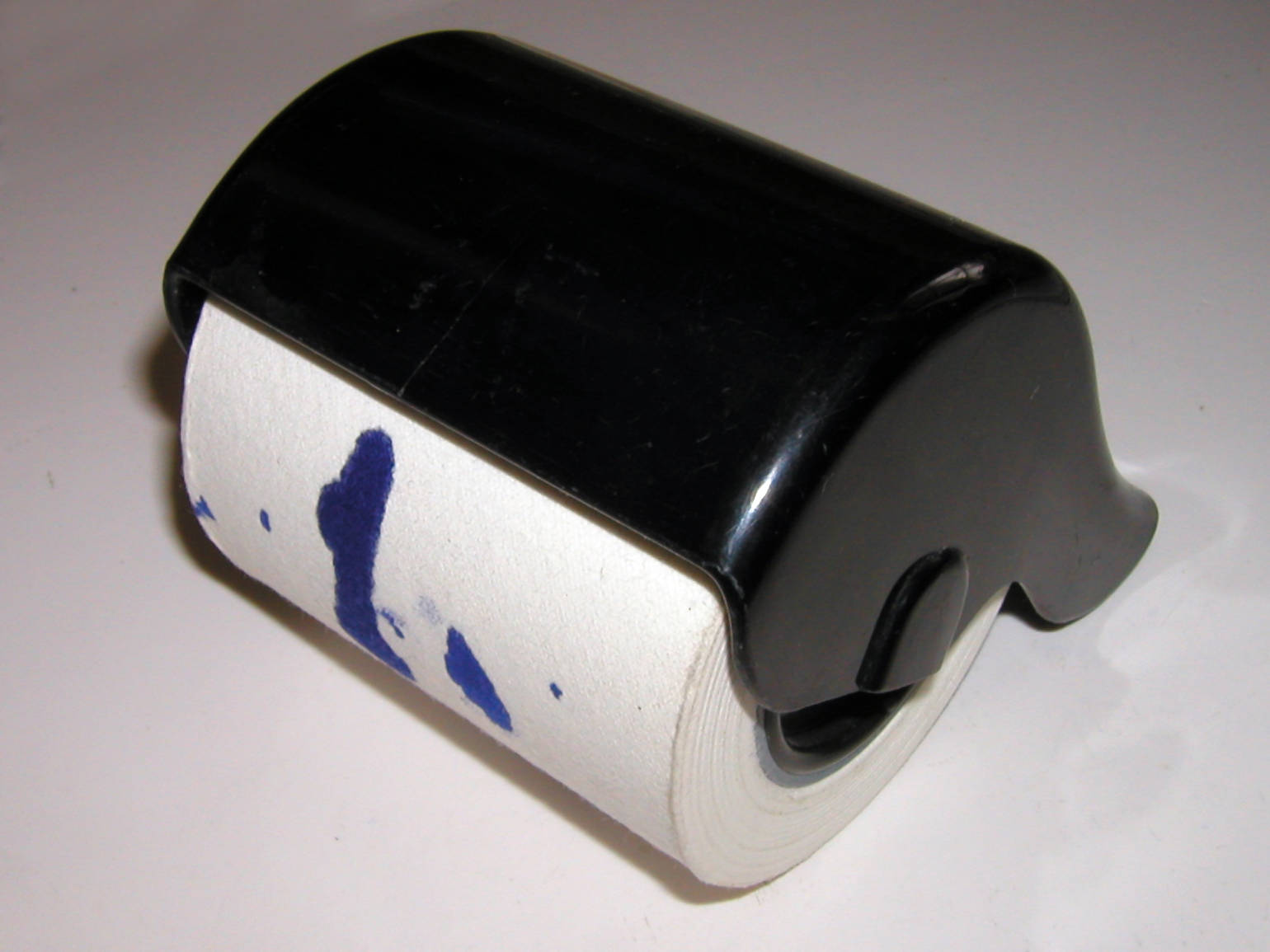
Yojiya Aburatorigami (Blotting Papers)

KyotoUSD 5-15

These superior oil-absorbing facial blotting papers from a historic Kyoto brand are both practical and a beauty-industry cult classic.

📍 Yojiya Honten (Gion), Yojiya flagship (Sannenzaka), Kyoto Station specialty shops

🍫
🏪

Yatsuhashi (Kyoto Confectionery)

KyotoUSD 5-25

Enjoy or share these soft, cinnamon-flavored mochi-like sweets, often filled with red bean paste, which are the quintessential Kyoto souvenir snack.

📍 Shogoin Yatsuhashi (main shop near Kiyomizu-dera), Nishiki Market specialty stores, Kyoto Station souvenir shops

🛍️

Kyo-sensu (Kyoto Folding Fans)

KyotoUSD 20-150

These elegantly crafted folding fans, often hand-painted with traditional motifs, are functional art pieces and perfect for summer.

📍 Miyawaki Baisenan (Sanjo-dori), Nishikawa Shōzō Shoten (Gion), Kyosendo (Kyoto Station)

🛍️
🏪

Aritsugu Japanese Kitchen Knives

KyotoUSD 70-800

Invest in a meticulously handcrafted carbon steel or stainless steel knife from a legendary smithy in Nishiki Market, known for its exceptional sharpness and balance.

📍 Aritsugu (Nishiki Market)

Markets & districts

🏪Nishiki MarketKyoto

Specialty food items, fresh produce, spices, local snacks, and high-quality kitchenware including knives.

A bustling, narrow covered market street offering a vibrant culinary journey, often crowded but a must-visit for foodies and local specialties.

🎨Gion & Higashiyama (Sannenzaka/Ninenzaka)Kyoto

Kiyomizu-yaki pottery, traditional sweets, Kyoto folding fans, Nishijin-ori textiles, Yojiya cosmetics, and other traditional crafts.

Historic districts with preserved wooden buildings, offering picturesque lanes filled with specialty shops and teahouses, can be very touristy but charming.

Shijo-dori & Kawaramachi-doriKyoto

Department stores (Takashimaya, Daimaru), fashion brands, modern housewares, and some traditional Kyoto craft stores.

Kyoto's modern shopping hub with wide streets, contemporary retail, and dining, contrasting with the nearby traditional districts.

Good to Know

CustomsTravelers can typically bring a reasonable amount of food items for personal consumption. Alcohol is usually limited to 1 liter per adult, and tobacco to 200 cigarettes or 50 cigars. Certain endangered species products are prohibited.
Tax refundNon-residents can claim an 10% consumption tax refund on purchases of 5,000 JPY or more (excluding tax) at participating 'Tax-Free' shops. Show your passport at the time of purchase, and the refund is often processed immediately at the store.
PaymentCredit cards (Visa, MasterCard, Amex) are widely accepted in department stores, larger shops, and restaurants. Smaller artisan shops and some stalls in markets like Nishiki might be cash-only, so always carry some yen.
BargainingBargaining is generally not practiced in Japan; prices are fixed and displayed as marked in nearly all retail establishments. The rare exceptions might be at true flea markets (like Toji Temple market) or when negotiating a bulk purchase directly with an artisan.

Getting Around

Map of Kyoto, Japan

World-class public transport with punctual trains and buses

Common Modes
ShinkansenJR trainsMetroBus
Ride-Hailing Apps
Japan TaxiGO Taxi
Transit Card

Suica / Pasmo / ICOCA

Pro Tip

Get a Japan Rail Pass for multi-city travel. Trains stop around midnight.

Cherry Blossom Season
Hanami
late March-early April

Peak cherry blossom viewing season with picnics under blooming trees.

High cost (2x)Extreme crowdsHanami picnicsNight illuminationsCherry blossom forecasts

Note: Book 3+ months ahead - hotels sell out quickly

Golden Week
April-May

Japan's longest holiday period with multiple national holidays. Domestic travel surge.

High cost (2x)Extreme crowdsKoinobori displaysLocal festivalsSpring weather

Note: Book 3+ months ahead or avoid entirely

Autumn Leaves Season
Koyo
November

Peak autumn foliage viewing with stunning red and gold colors across Japan.

High cost (1.8x)High crowdsTemple gardensNight illuminationsMomijigari (leaf viewing)

Note: Book 2 months ahead for Kyoto

Obon Festival
Obon
August

Buddhist festival honoring ancestors with bon dances, floating lanterns, and the spectacular Daimonji fire on Kyoto's mountainsides.

High cost (1.8x)High crowdsBon odori dancesFloating lanternsDaimonji fire (Kyoto)

Note: Book 2+ months ahead - major domestic travel period

Public Holidays(19)

Jan 1New Year's Day
Jan 2January 2 Bank Holiday
Jan 3January 3 Bank Holiday
Jan 12Coming of Age Day
Feb 11National Foundation Day
Feb 23Emperor's Birthday

📅 Best Time to Visit

Spring (March-April) offers cherry blossoms with temperatures around 10-20°C, but draws massive crowds and requires booking accommodations months in advance. Autumn (October-November) presents stunning fall foliage and comfortable temperatures of 15-25°C, also highly popular and busy. Summer (June-August) is hot and humid (25-35°C), with occasional heavy rain, making it less ideal for extensive walking. Winter (December-February) is cold (0-10°C) with occasional light snow, offering fewer crowds and a serene atmosphere, but many gardens are bare.

  • Total for a couple — 3 days mid-range trip, excludes international flights
  • Accommodation assumes 1 shared room
  • Rough estimates — actual prices vary by season and availability
Trip Budget (ground costs)USD 1,100-1,400 (~JPY 165K-JPY 210K)
🚌

Local Transport

USD 60 (~JPY 9,000)
🏨

Accommodation

USD 300 (~JPY 45K)

AI estimated based on typical hotel costs

🍽️

Food

USD 240 (~JPY 36K)
🎯

Activities

USD 800 (~JPY 120K)
💡
Practical

Mid-priced overall — budget $8-15 for a casual lunch and expect $100-180/night for business-style hotels, though konbini (convenience store) meals offer genuinely good food for $4-7. Tap water is safe everywhere.

💸
Saving

For 3 days solely within Kyoto, skip the JR Pass as it's designed for long-distance travel; instead, consider a Kyoto City Bus One-Day Pass for 700 JPY (around $4.50) if you plan on taking more than 3 bus rides in a day.

Splurge

With a significant activity budget for cultural experiences, consider one authentic kaiseki dinner in Kyoto, costing $120-200 per person; it's a multi-course culinary art form and a deep cultural experience.

💡
Practical

To avoid the worst crowds at popular cultural sites like Arashiyama Bamboo Grove or Fushimi Inari Shrine, aim to visit right at opening time (often 7:00-8:00 AM) to maximize your experience.

💡
Practical

Be aware of Kyoto's accommodation tax, which adds a small fee (around $1.50) per person, per night, to your hotel bill; it's a minor cost but good to factor in.

Immersive Japanese Cooking WorkshopDay 2

Book 2 weeks ahead — Immersive workshops, especially those with limited spots and specific instructors, fill up quickly.

Kimono Tea Ceremony MAIKOYA NishikiDay 2

Book 2 weeks ahead — Tea ceremonies like MAIKOYA have limited seating and specific time slots that require advance booking.

100% Free

Customize This Trip

Get this itinerary tailored to YOUR exact dates, preferences, and budget.

  • Personalized for your dates
  • Weather-aware recommendations
  • Offline access
  • Real-time pricing
  • Budget tracking
Create My Free Itinerary

No sign-up required

Quick Actions

Free and without sign-in

Trip Summary

DestinationKyoto, Japan
Duration3 days
BudgetUSD 1,100-1,400
  • Pre-load Mobile Suica or Pasmo onto your Apple Pay or Google Pay before arriving to use on all Kyoto buses, subways, and for purchases at convenience stores.
  • Arrive at popular attractions like Arashiyama Bamboo Grove or Kinkaku-ji by 9am, or after 4pm, to experience them with significantly fewer crowds.
  • Always carry ¥20,000-¥30,000 in cash, as many smaller traditional shops, temple entry fees, and local restaurants in Kyoto are cash-only.
  • Use Google Maps' 'transit' feature for navigating Kyoto's bus system; it provides real-time information and helps decipher complex routes better than local apps.
  • Book traditional kaiseki dinners at your ryokan or a renowned restaurant several weeks in advance, especially during peak seasons, as same-day reservations are often impossible.
  • Purchase a Kyoto City Bus & Subway Pass for ¥900-¥1,200/day if you plan more than three bus or subway rides, as single fares are ¥230 for buses and start at ¥220 for subway.
  • Look for 'machiya' (traditional wooden townhouses) for unique local goods; specific shops along Shijo-dori and Teramachi-dori offer distinctive Kyoto crafts.
  • When visiting Gion in the evening, be aware that photographing geiko or maiko without permission can incur a ¥10,000 fine under Kyoto city bylaws; observe them respectfully from a distance.
  • Withdraw cash at 7-Eleven or Japan Post Bank ATMs, which reliably accept foreign cards 24/7, unlike many standard Japanese bank ATMs.
  • 1
    Slip-on shoes (frequent removal at temples, ryokans)
  • 2
    Compact umbrella (Kyoto's unpredictable rain)
  • 3
    Small quick-dry towel (sento, onsen, public restrooms often lack paper)
  • 4
    ¥20,000-¥30,000 cash (temple entry, local shops, smaller eateries)
  • 5
    Mobile Suica loaded (transit, convenience stores, vending machines)
  • 6
    Offline Google Maps (pre-downloaded Japan region)
  • 7
    Offline Google Translate (pre-downloaded Japanese language pack)
  • 8
    Small plastic bag for trash (public bins are rare)
  • 9
    Layered clothing (variable temperatures indoors/outdoors)
  • 10
    Portable charger (heavy phone use for navigation/photos)
  • 11
    Lightweight cross-body bag (crowded transport)
  • 12
    Collapsible tote bag (souvenirs, shopping)

Note: Travel conditions, regulations, and local customs may change. We recommend verifying essential details — such as visa requirements, emergency contacts, and payment options — closer to your travel date.

Visa & Entry Requirements

US, EU, UK, Australian, Canadian, and New Zealander citizens can enter Japan visa-free for up to 90 days for tourism. Indian citizens require an e-Visa, which typically costs around $25 and takes 72 hours for approval, applied via the official e-visa website. All travelers must possess a passport valid for the duration of their intended stay; no additional validity is strictly required, though 6 months is often recommended for international travel.

Local Customs & Etiquette

At any genkan (raised entryway) to homes, ryokans, or traditional restaurants, remove shoes before stepping up; slippers are often provided, but remove them again before entering tatami rooms. Don't tip at restaurants, taxis, or hotels — it is not customary in Japan, often refused, and can cause confusion, as service charges are typically included. Slurping noodles or soup is polite and signals enjoyment of the meal, whereas eating silently might imply disinterest. On public transport, set phones to silent ('manner mode' / マナーモード), avoid loud conversations, and refrain from making phone calls.

Safety Overview

Kyoto maintains an exceptionally low crime rate, making it one of the safest cities globally, and lost personal items are frequently returned at local Koban (police boxes). While serious crime is rare, overtourism means some main attractions and buses, particularly in Gion, can be extremely crowded. Be aware of Kyoto city bylaws, which strictly enforce a ¥10,000 fine for photographing geiko/maiko without permission in Gion. In an emergency, dial 110 for police or 119 for fire and ambulance services.

SIM & Connectivity

SIM Options

Airalo eSIM
$8-$20 for 1GB-5GB / 7-30 days

📍 Online before departure via Airalo app or website

Ubigi eSIM
$9 for 3GB / 30 days

📍 Online before departure via Ubigi app or website

SoftBank/docomo physical SIM (data-only)
¥3,000-¥5,000 for 5GB-10GB / 15-30 days

📍 Kansai International Airport (KIX) arrival hall kiosks or major electronics stores like Bic Camera in Kyoto

WiFi Availability

Free public Wi-Fi is reliably available in many parts of Kyoto, especially at major train stations, tourist information centers, and convenience stores. Most hotels offer free Wi-Fi, and many cafes provide it for customers, often requiring a simple login or QR scan.

Useful Apps

Mobile Suica (Apple Pay/Google Pay)Essential for seamless payments on all Kyoto buses, subways, and at many convenience stores and vending machines.Google MapsProvides highly accurate and indispensable public transit directions for Kyoto's bus and subway network.Google TranslateOffers real-time camera translation for menus, signs, and basic phrase translation for communication.
Pro Tip

Purchase and activate your eSIM before arriving in Japan to ensure immediate connectivity. Pre-load Mobile Suica onto your smartphone (Apple Pay or Google Pay) for effortless transit and purchases, as physical IC cards for foreigners are less common now. Download offline maps and language packs for Google Maps and Google Translate before your trip.

Electric Socket Guide

Socket Types

Type A

Two flat parallel pins (North America, Japan)

Type B

Two flat pins + round ground (North America)

Voltage

100V

Frequency

50/60Hz

Tipping Etiquette

Restaurants

Not expected — tipping can be considered rude

Taxis

Not expected

Hotels

Not expected; leave a tip in an envelope if desired

Japan has a no-tipping culture. Excellent service is the standard.

Safety & Travel Advisories

Check official government advisories for the latest safety information, entry requirements, and travel warnings before your trip.

Emergency Numbers

👮
Police

110

🚑
Ambulance

119

🚒
Fire

119

English support available at #7119 (medical) and #9110 (police non-emergency)

Payments

Cash Culture

Cash is still widely used, especially at small shops and rural areas

Credit Cards

Accepted at major stores and hotels; less common at small restaurants

Contactless

IC cards (Suica/Pasmo) widely accepted at convenience stores and transit

Pro Tip

Carry cash — many places are cash-only. 7-Eleven ATMs accept foreign cards.

Citizens from the US, EU, UK, Australia, Canada, and New Zealand generally do not need a visa for tourist stays up to 90 days. Indian citizens, however, are required to obtain an e-Visa in advance, which usually involves an online application and a fee. It is always best to check the latest requirements from the official Japanese embassy or consulate in your home country before traveling.

Kyoto is exceptionally safe, with one of the lowest crime rates globally. Violent crime is extremely rare, and lost items are frequently returned to local police boxes (Koban). Travelers should be mindful of crowded areas, especially on buses and at popular sites like Arashiyama. In Gion, be aware of the ¥10,000 fine for photographing geiko/maiko without permission. Overall, standard precautions suffice, but the risk level is very low.

While major hotels, department stores, and larger chain restaurants accept credit cards, many traditional shops, smaller eateries, temple entry fees, and local businesses in Kyoto are cash-only. It's highly recommended to carry a good amount of Japanese Yen (JPY) cash, around ¥20,000-¥30,000, for daily expenses. You can easily withdraw cash from 7-Eleven or Japan Post Bank ATMs.

No, tipping is not customary in Kyoto or anywhere in Japan. It is often seen as unnecessary or can even cause confusion, as excellent service is expected and often includes a service charge in higher-end establishments. You should not leave any extra money for service at restaurants, taxis, or hotels.

The best times to visit Kyoto are spring (March-April) for cherry blossoms and autumn (October-November) for vibrant fall foliage. Both seasons offer pleasant temperatures (10-25°C) but are incredibly popular and crowded, requiring advance booking for flights and accommodation. If avoiding crowds is a priority, winter (December-February) is less busy, though colder, and summer (June-August) is hot, humid, and rainy.

The most convenient way is the JR Haruka Limited Express train, which takes approximately 75-80 minutes directly to Kyoto Station and costs around ¥3,000-¥3,500. There are also airport limousine buses that can take you directly to major hotels or Kyoto Station, typically taking about 90-120 minutes depending on traffic, costing around ¥2,600.

Crowds in Kyoto can be significant, especially during cherry blossom (March-April) and autumn foliage (October-November) seasons, or at iconic spots like Arashiyama Bamboo Grove and Fushimi Inari Shrine. Buses, in particular, can be very packed. To mitigate this, visit popular attractions right at opening (around 9am) or later in the afternoon (after 4pm). Exploring lesser-known neighborhoods can also offer a more tranquil experience.

Kyoto's public transport relies heavily on an extensive bus network and a smaller subway system. Buses are best for reaching many temples and attractions, but can be crowded. The subway is efficient for north-south and east-west routes. A combination of walking, using Mobile Suica on buses and subways, and occasionally taking taxis for specific destinations is the most effective approach. Consider a Kyoto City Bus & Subway Pass for frequent usage.

Found this useful? 🥭

This trip planner is free. If it saved you some planning time, you can name your price — even a few dollars helps keep it running.

Generated by MonkeyEatingMango 🥭

These 4 experiences didn't make it into this itinerary

A Traditional Japanese Pottery Class

🏺A Traditional Japanese Pottery Class

e.g., Uzumasa Pottery Studio, Rakuchu Rakugai-kan Pottery Making

A Serene Historic Villa Garden Tour

🌳A Serene Historic Villa Garden Tour

e.g., Murin-an Villa, Shugakuin Imperial Villa

A Zen Meditation or Spiritual Practice

🧘A Zen Meditation or Spiritual Practice

e.g., Shunko-in Temple, Taizo-in Temple

An Evening Traditional Arts Performance

🎭An Evening Traditional Arts Performance

e.g., Gion Corner, Kyoto Fuga-an

Create Your Custom Version

📅 Your exact dates🗓️ Trip length👨‍👩‍👧‍👦 Group & kids🎯 Your interests💰 Your budget
Create My Custom ItineraryFREE

Share this trip

Send it to whoever you're traveling with.

You Might Also Like

End of the trail

Plan less, do more.

Customize