Where should you go in Spain, and which sights are worth booking ahead? On a first trip to Spain, pick Barcelona or Madrid and add Andalusia: Seville, Granada and Córdoba. The north is the second trip: Bilbao's Guggenheim, pintxos in San Sebastián and the last week of the Camino de Santiago.
Barcelona
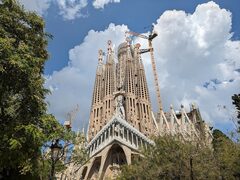
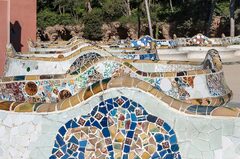
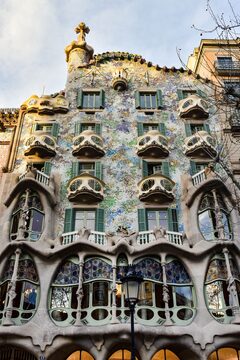
Must-visitUNESCOGo for Gaudí: the Sagrada Família, Park Güell, Casa Batlló
Top sights
- Sagrada FamíliaUNESCO1.5 to 2 hours, 30 minutes more for a tower; €26, €36 with the towers; tickets online only
- Park GüellUNESCO1 to 1.5 hours; €18; online only, timed entry
- Casa BatllóUNESCO1 to 1.5 hours; from €29, cheaper booked ahead
- La Pedrera (Casa Milà)UNESCO1 to 1.5 hours; from €29; timed
Book ahead: Sagrada Família, Park Güell
Read the full sectionShowing Barcelona
Seven days covers one region well: Madrid with Toledo and Segovia, or Seville, Córdoba and Granada. With two weeks, add Barcelona or the north. Each sight below carries the time it takes, whether to book, its UNESCO status and the official price where there is one.
- Book three things first: the Alhambra, the Sagrada Família and Park Güell sell timed tickets that run out.
- Go south in spring or autumn, north in summer. Córdoba is very hot in July and August.
- Book festival dates early: Fallas, Semana Santa and San Fermín fill hotels months ahead; see Spain's festivals.
Where to go in Spain
These 12 cities and towns run from the must-sees down.
Barcelona
Must-visit
- Sagrada Família: 1.5 to 2 hours, 30 minutes more for a tower; €26, €36 with the towers; tickets online only; UNESCO
- Park Güell: 1 to 1.5 hours; €18; online only, timed entry; UNESCO
- Casa Batlló: 1 to 1.5 hours; from €29, cheaper booked ahead; UNESCO
- La Pedrera (Casa Milà): 1 to 1.5 hours; from €29; timed; UNESCO
- Gothic Quarter: 2 to 3 hours; free
- Plan it: 4-day Barcelona itinerary
Barcelona's four big Gaudí sights belong to one UNESCO World Heritage Site. Start with the Sagrada Família, his basilica under construction since 1882. After it come the mosaic terrace of Park Güell, the bone-like façade of Casa Batlló and the chimney-warriors on La Pedrera's roof.
Book the Gaudí tickets before you fly and give each sight its own morning or afternoon. Walk the Gothic Quarter between them, from the cathedral to Plaça Reial. Barcelona struggles with overtourism, so come outside high season and weekends.
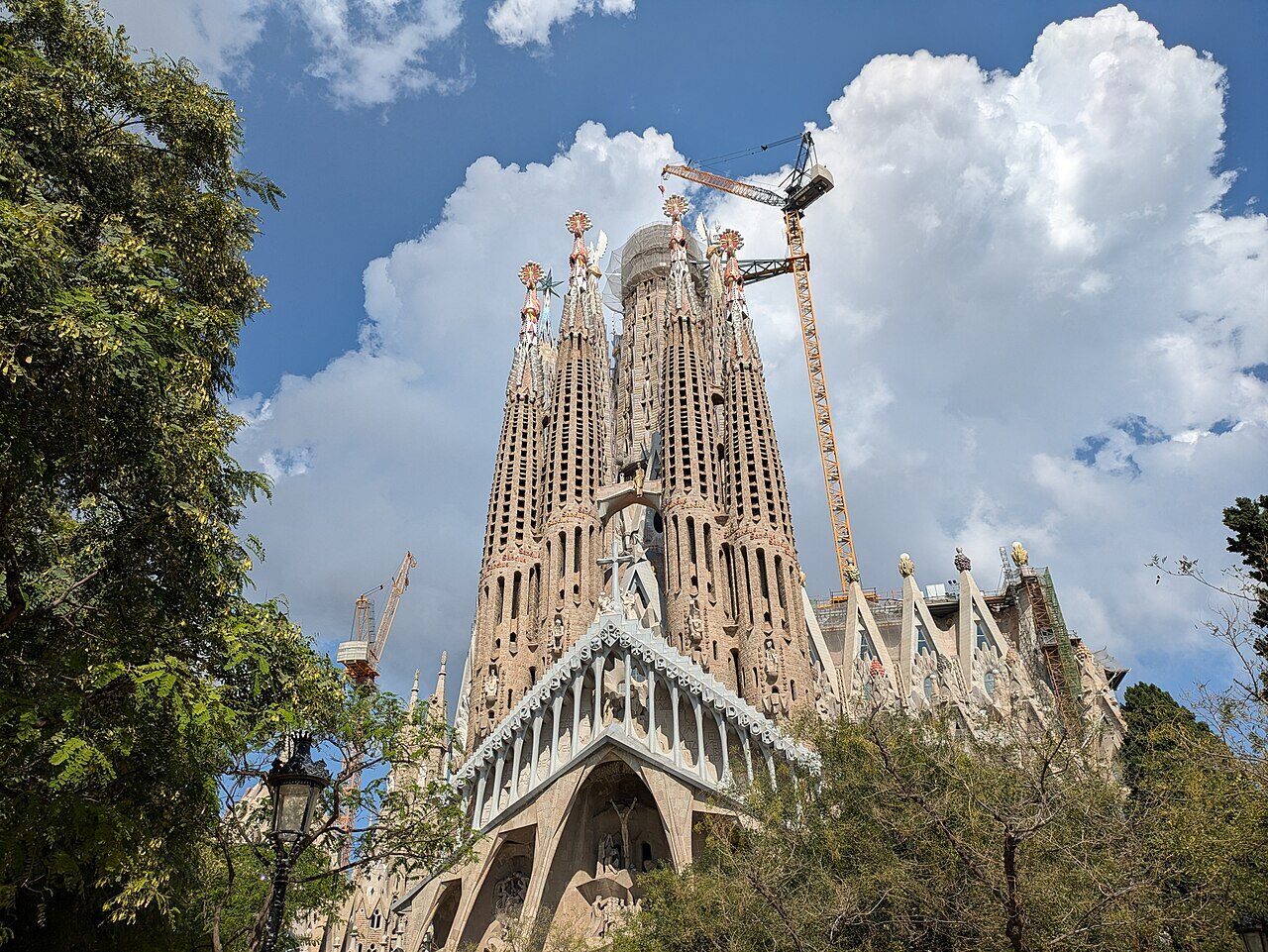 Accurimbono (CC BY-SA 4.0)
The Sagrada Família, Barcelona
Seville
Must-visit
- Real Alcázar: 2 to 3 hours; €15.50; book ahead in high season; UNESCO
- Seville Cathedral and La Giralda: 1.5 hours; €13 online, €14 at the desk, the Giralda included; UNESCO
- Plaza de España: 45 minutes to 1 hour; free
- Plan it: 7-day Southern Spain itinerary, Seville in May
Seville's Real Alcázar is still a royal palace used by the royal family, with Mudéjar courtyards and large gardens. The Gothic cathedral holds Columbus's tomb. La Giralda, its bell tower, was once a minaret. You climb it by ramps.
The Plaza de España, the tiled half-circle built for the 1929 expo in María Luisa Park, is free and at its best late in the day. Give a morning to Itálica, the Roman city where the emperor Trajan was born, a half-day trip from Seville.
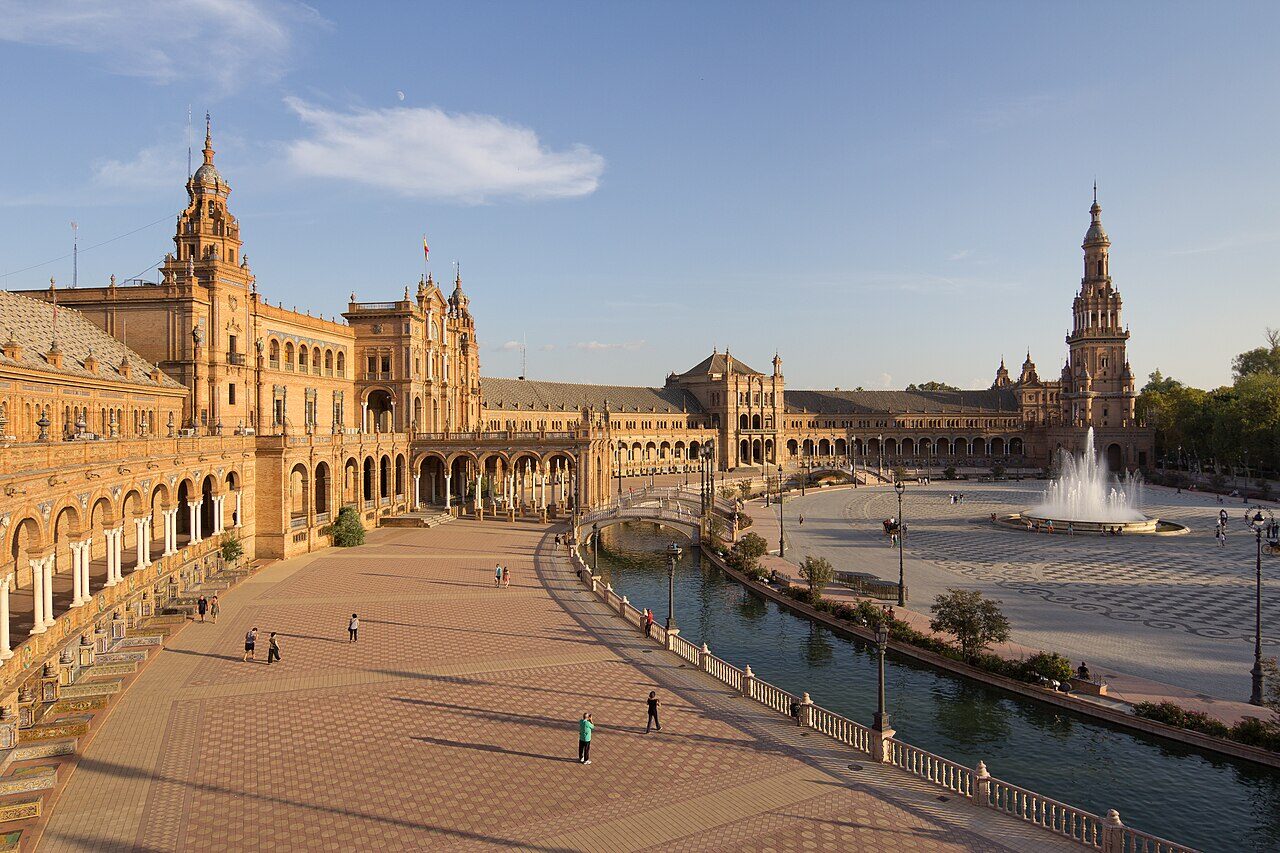 Carlos Delgado (CC BY-SA 4.0)
Plaza de España, Seville
Granada
Must-visit
- Alhambra and Generalife: 3 to 4 hours; €22.27 for the general day visit; sold until the day before, book weeks ahead in spring and summer; UNESCO
- Albaicín and Mirador de San Nicolás: 2 to 3 hours; free; UNESCO
- Plan it: 7-day Southern Spain itinerary
The Alhambra is the one sight no Spain trip should miss, so build a Granada trip around it and book it before anything else. The Nasrid sultans ruled from this palace-fortress. Their summer palace and gardens, the Generalife, stand beside it. "Don't miss the Courtyard of the Lions," Spain's tourism board says of the Alhambra.
Your ticket fixes a time for the Nasrid Palaces. At sunset, walk up through the Albaicín (the old Moorish quarter) to the Mirador de San Nicolás for the view back across to the Alhambra. In Granada's bars a drink still comes with a free tapa.
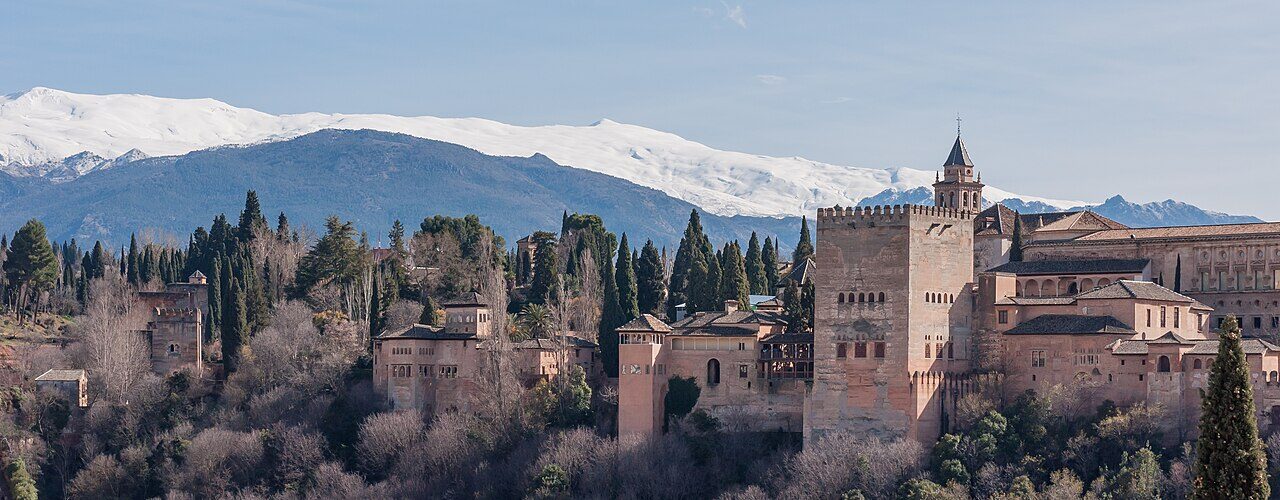 CEphoto, Uwe Aranas (CC BY-SA 3.0)
The Alhambra from the Albaicín, with the Sierra Nevada behind
Madrid
Must-visit
- Museo del Prado: 2 to 4 hours; €15, free for the last two hours before closing; UNESCO
- Museo Reina Sofía: 1.5 to 2 hours; €12; closed Tuesdays
- Museo Thyssen-Bornemisza: 1.5 to 2 hours; €14, free on Mondays from noon to 4 pm
- Royal Palace: 1.5 to 2 hours; €18 plus a €0.77 booking fee
- Retiro Park: 1 to 2 hours; free; UNESCO
- Plan it: 3-day Madrid itinerary
With one morning in Madrid, choose the Prado for Velázquez's Las Meninas, Goya's Black Paintings and Bosch's Garden of Earthly Delights. Two more big museums sit on the same avenue, the Paseo del Prado. The Reina Sofía has Picasso's Guernica, and the Thyssen covers seven centuries of European art.
The Royal Palace has the state rooms and the Royal Armoury. On Sunday morning, browse El Rastro flea market. Eat tapas late, as Madrid does.
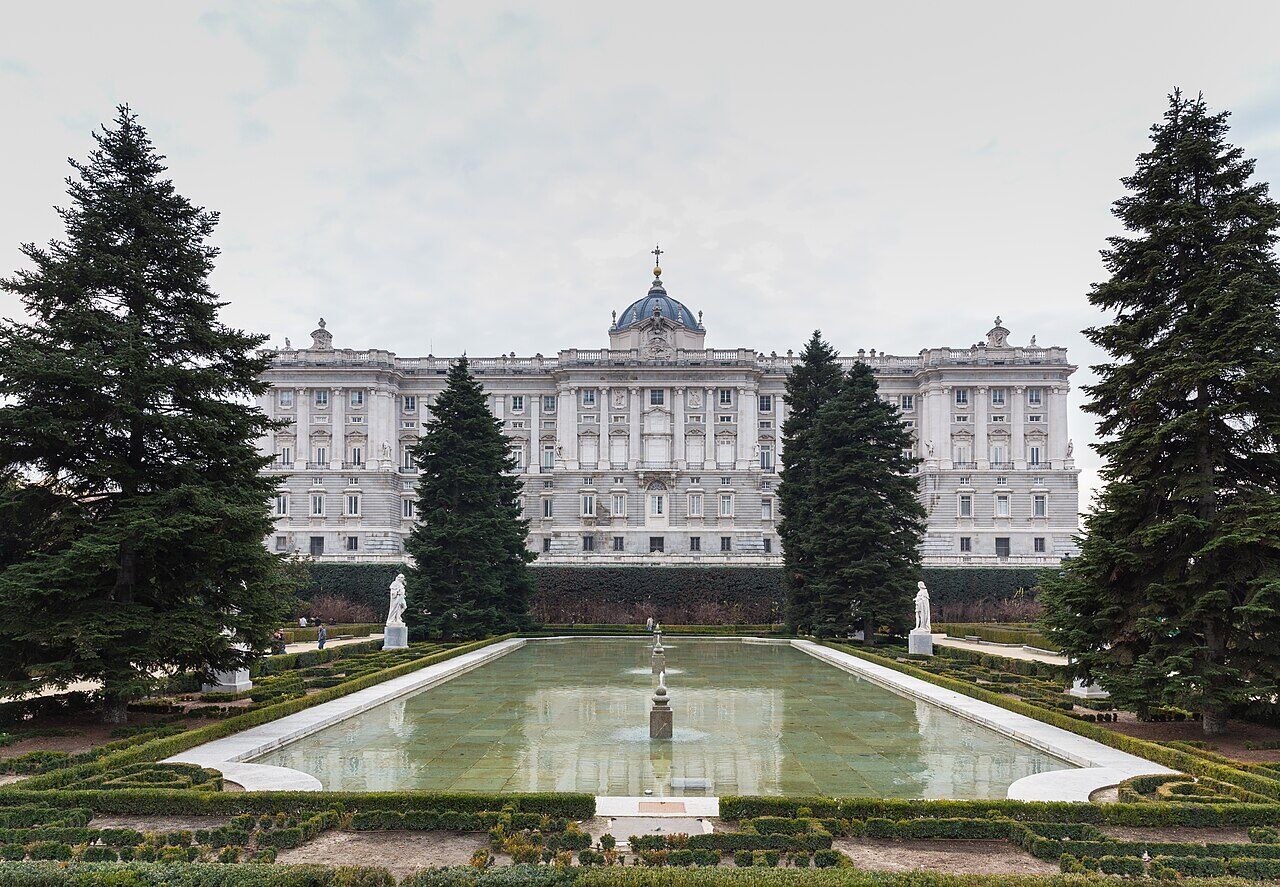 Diego Delso (CC BY-SA 4.0)
The Royal Palace of Madrid from the Sabatini Gardens
Córdoba
- Mosque-Cathedral (Mezquita): 1 to 1.5 hours; €15, free from 8:30 to 9:30 am Monday to Saturday; UNESCO
- Medina Azahara: 2 to 3 hours; UNESCO
- Plan it: Córdoba in May
Go to Córdoba's Mezquita at 8:30 am, Monday to Saturday, when entry is free for an hour. The building is a mosque begun in the 8th century with a cathedral built inside it, and its rows of red-and-white horseshoe arches are the reason to come.
Medina Azahara, the ruined 10th-century palace city of the caliphs outside town, became a UNESCO site in 2018. Córdoba is very hot in July and August, so plan it between mid-April and mid-June.
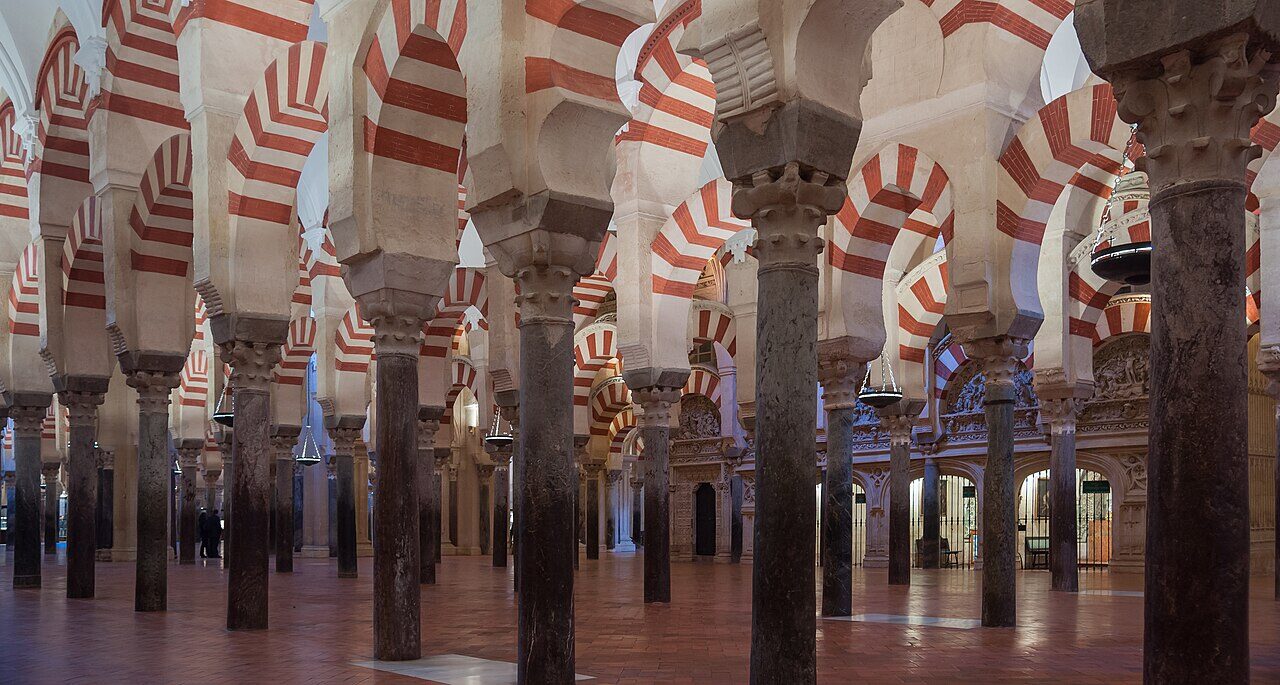 CEphoto, Uwe Aranas (CC BY-SA 3.0)
Horseshoe arches inside the Mezquita of Córdoba
Valencia
- City of Arts and Sciences: half a day; free to walk around; the Oceanogràfic aquarium is ticketed
- Paella valenciana: a long lunch, never dinner; book weekend lunches
- Plan it: Valencia in March
Eat paella in Valencia, where the dish comes from, at a long lunch in El Palmar or on the beach at Malvarrosa. The Spanish food guide says what goes in the real one.
The City of Arts and Sciences is the complex by Valencia's own architect, Santiago Calatrava. Rent a bike and ride the Turia gardens there, then on to Malvarrosa beach.
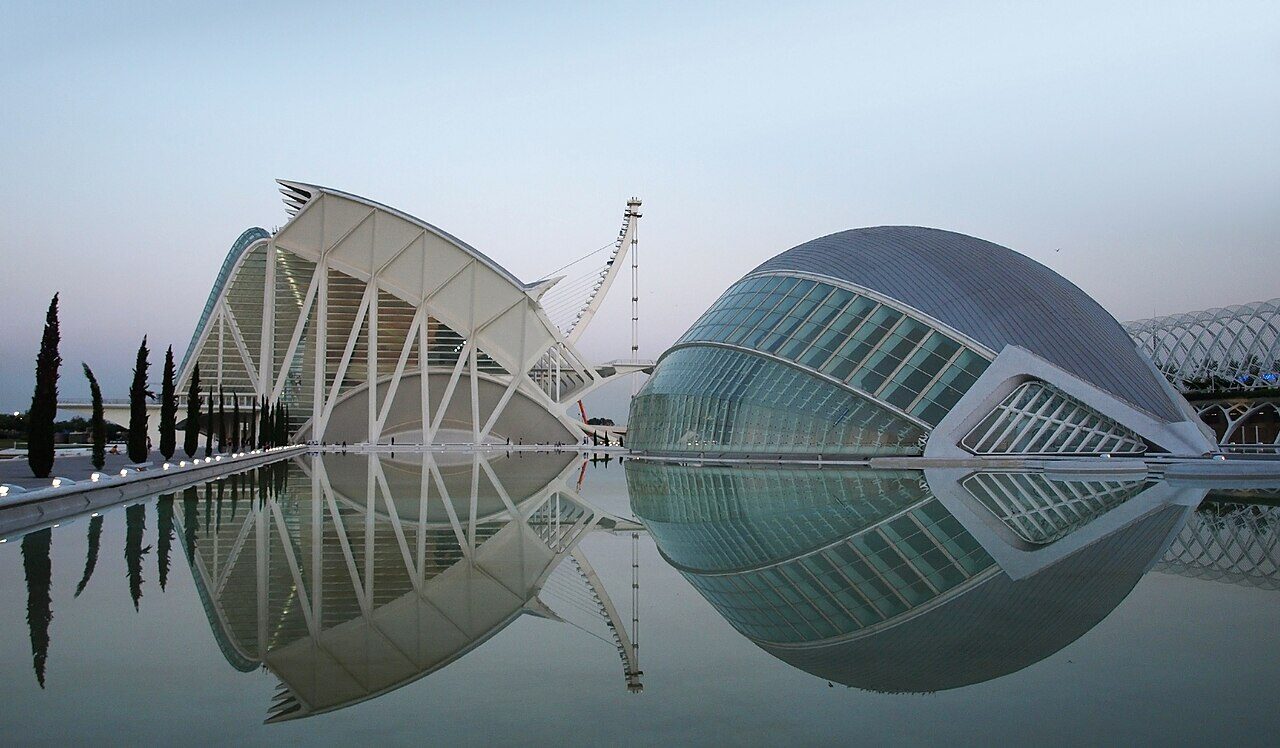 Elemaki, modifications by Alvaro qc (CC BY-SA 3.0)
The City of Arts and Sciences, Valencia
Bilbao
- Guggenheim Museum Bilbao: 2 hours; €12 for adults on October 29, 2026; the price moves with the exhibitions
- San Juan de Gaztelugatxe: 2 to 3 hours with the walk; free; on controlled-access days book a free ticket online
Bilbao's Guggenheim is Frank Gehry's titanium museum of modern art, opened in 1997. Outside, Jeff Koons's Puppy stands on one side and Louise Bourgeois's spider Maman on the other. Inside, the shows change.
On the coast, the hermitage of San Juan de Gaztelugatxe (Dragonstone in Game of Thrones) sits on an islet reached by 241 zigzag steps. Check whether your date is a controlled-access day and book the free ticket before you drive out.
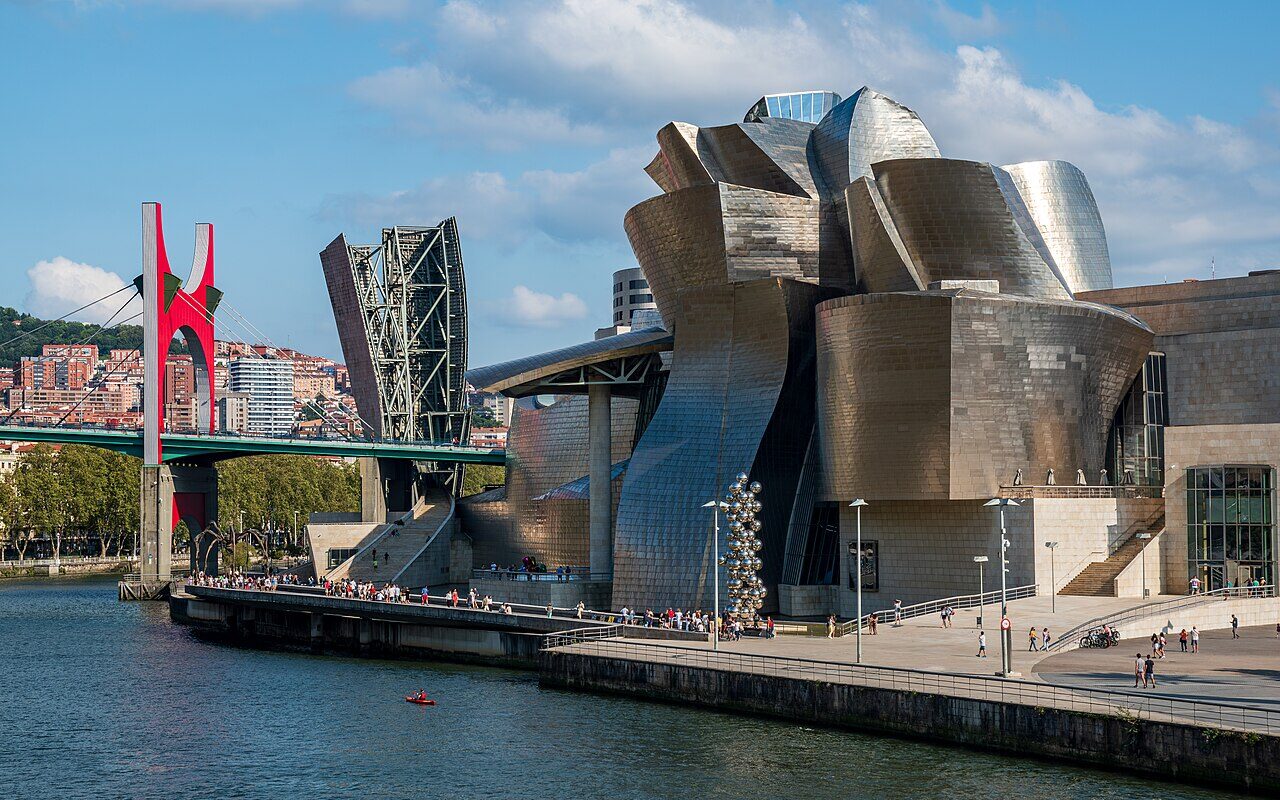 José Ligero Loarte (CC BY-SA 4.0)
The Guggenheim Museum Bilbao
Toledo
- Old town: a full day; free to walk; UNESCO
- Toledo Cathedral: €12
- Getting there: high-speed trains from Madrid every hour
Toledo, a walled hilltop city on the Tagus, is an easy day trip from Madrid, with high-speed trains every hour. The old town keeps Christian, Jewish and Muslim monuments side by side, along with the paintings of El Greco.
Stay into the evening and take in the whole city from the Mirador del Valle.
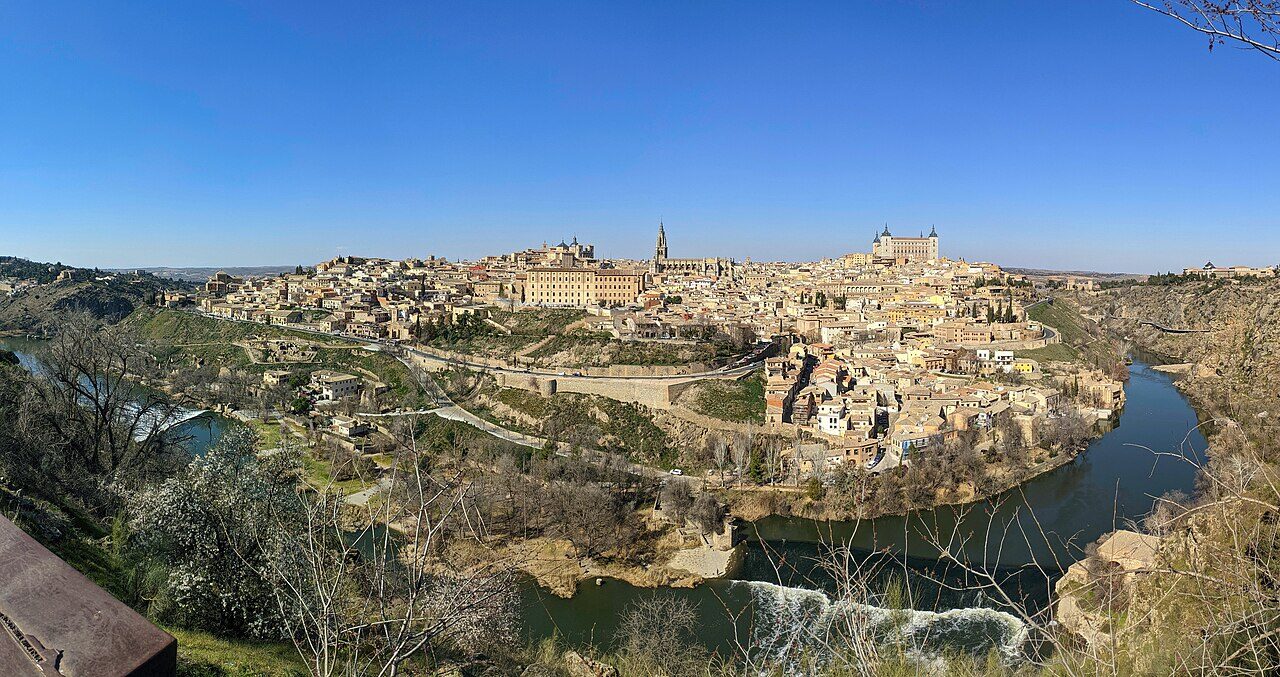 Misburg3014 (CC BY-SA 3.0)
Toledo above the Tagus, from the viewpoint across the gorge
Santiago de Compostela
- Cathedral: 1 to 2 hours; no ticket for the cathedral itself; rooftop tour €15, guided at a set time; UNESCO
- Plan it: 7-day Camino de Santiago itinerary
Santiago de Compostela's cathedral is the end of the Camino, and pilgrims arrive all day in the Praza do Obradoiro in front of it. Come even if you are not walking.
Entering the cathedral costs nothing, and the guided rooftop tour (€15) gives the view over the square. For a seafood lunch, go to the Mercado de Abastos food market.
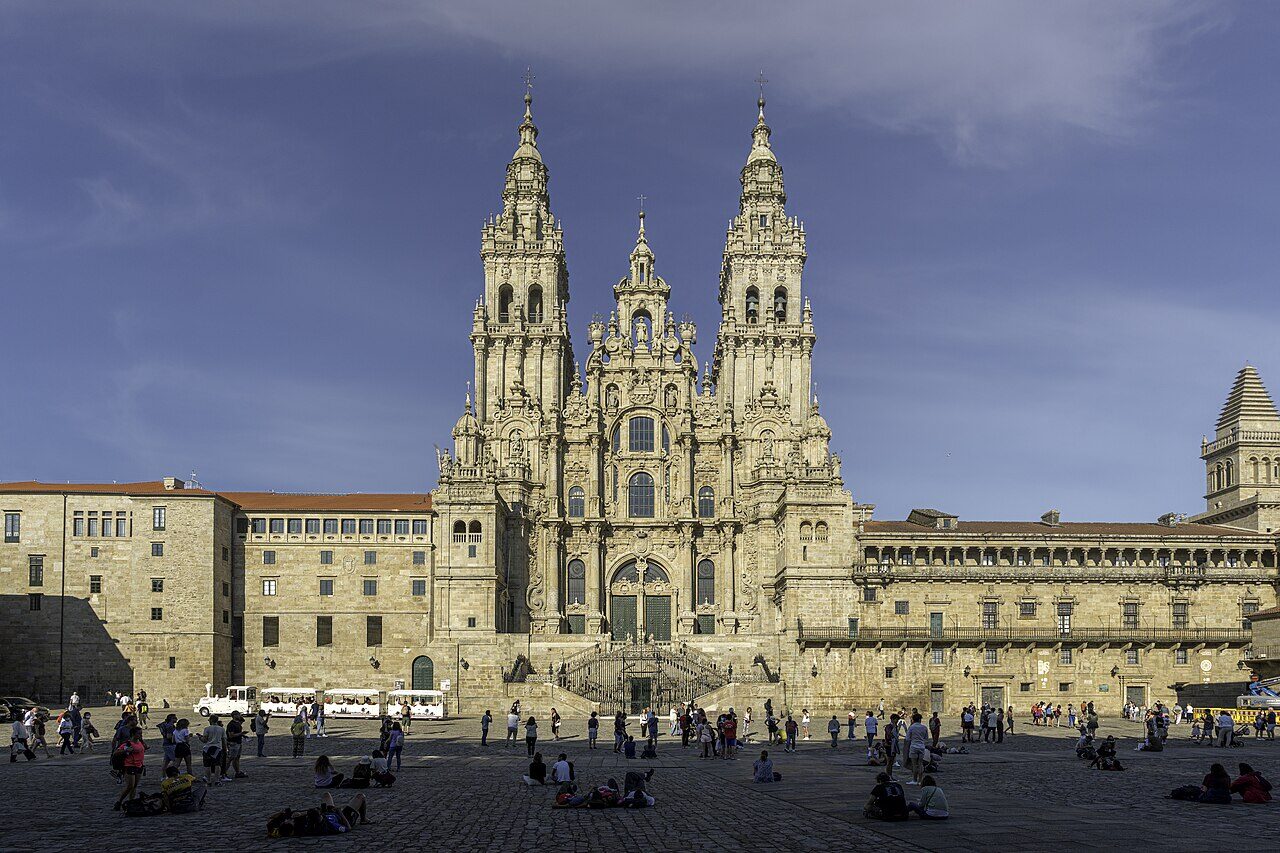 Fernando Pascullo (CC BY-SA 4.0)
The Obradoiro façade of Santiago de Compostela Cathedral
Málaga
- Cueva de Nerja: 1 hour; from €18 online
- Frigiliana: 2 to 3 hours; free
- Caminito del Rey: see below
- Plan it: 10-day Spain itinerary
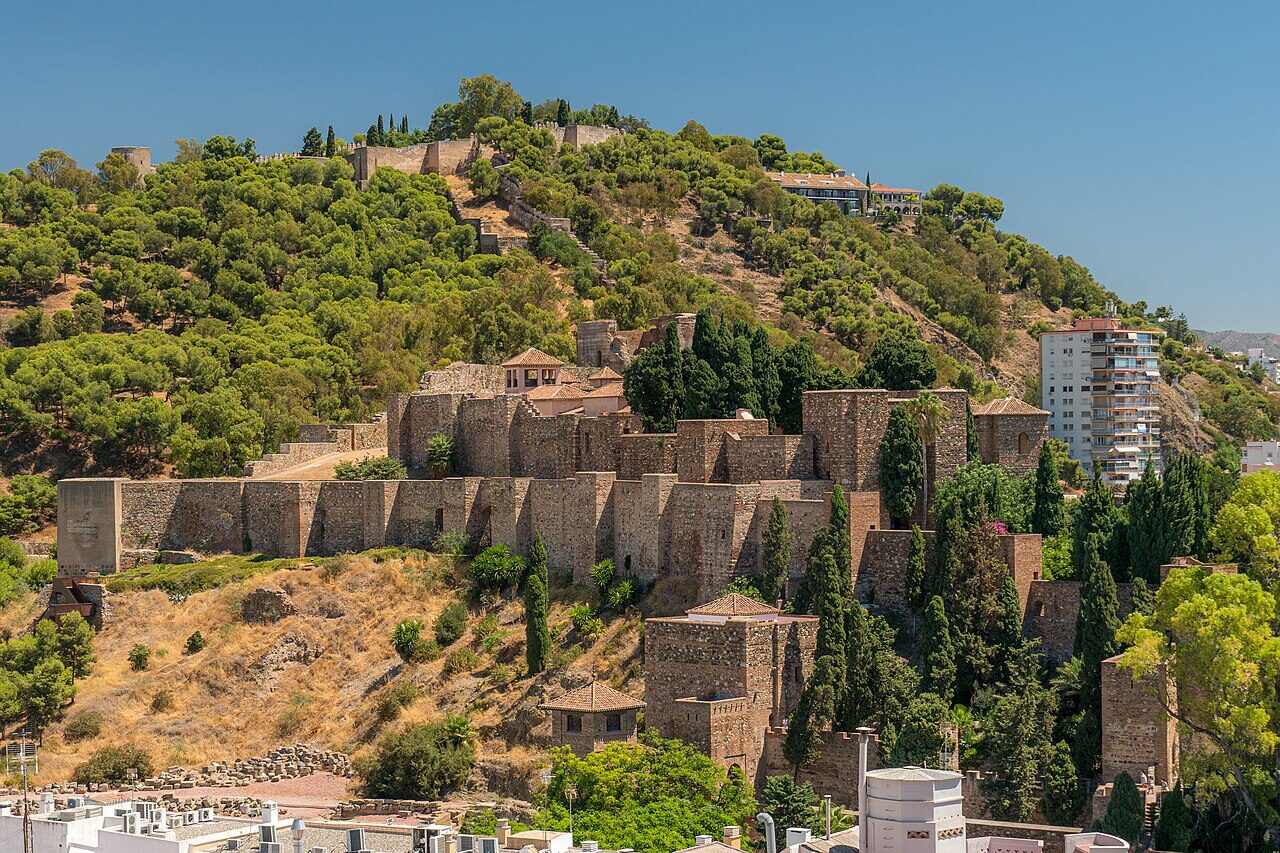
Fly into Málaga to start a trip south: its airport is one of mainland Spain's three main international gateways, with Madrid's and Barcelona's. The city is Picasso's birthplace, with two museums to his life and work, a Moorish fortress (the Alcazaba) and its own beaches.
The Alhambra is about 90 minutes away. Down the coast are the Cueva de Nerja and Frigiliana, a white village in the hills above Nerja.
 Fernando (CC BY-SA 4.0)
The Alcazaba of Málaga
Segovia
- Aqueduct: 30 minutes; free; UNESCO
- Alcázar of Segovia: 1.5 hours; €7, €10 with the tower; book ahead, especially for the tower; UNESCO
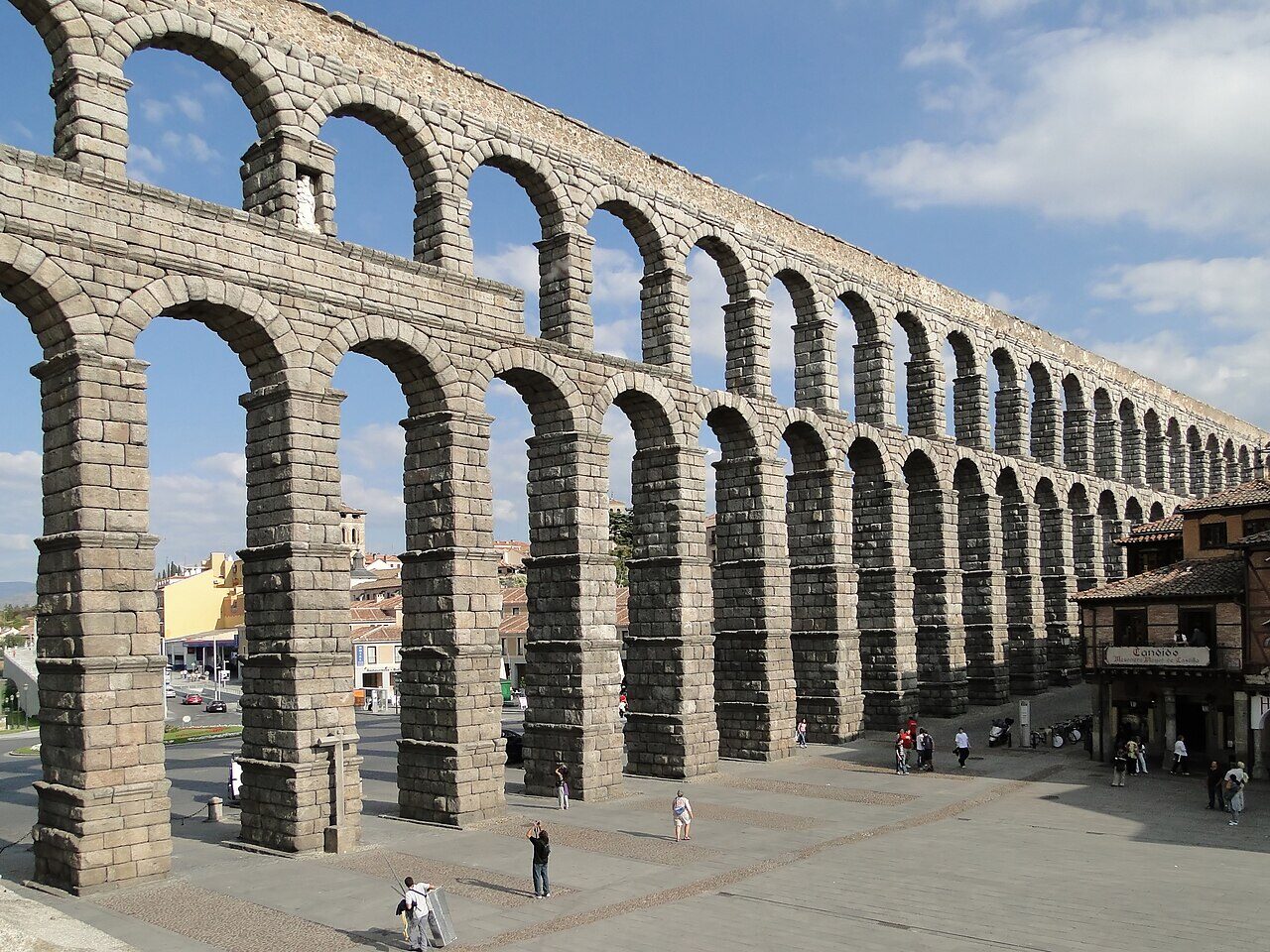
Segovia's Roman aqueduct, about 2,000 years old and built without mortar, runs straight through the middle of town. Climb the Juan II tower of the Alcázar (a castle on a spur of rock) for the view. Segovia is a day trip from Madrid, and the dish to order is cochinillo, roast suckling pig, typical of the town.
 Bernard Gagnon (CC BY-SA 3.0)
The Roman aqueduct of Segovia across the Plaza del Azoguejo
Salamanca
- University and Plaza Mayor: a full day; UNESCO
Give Salamanca a full day and stay for the evening. Its university, founded in 1218, fills the old town with golden sandstone. Look for the frog hidden on its carved Plateresque façade.
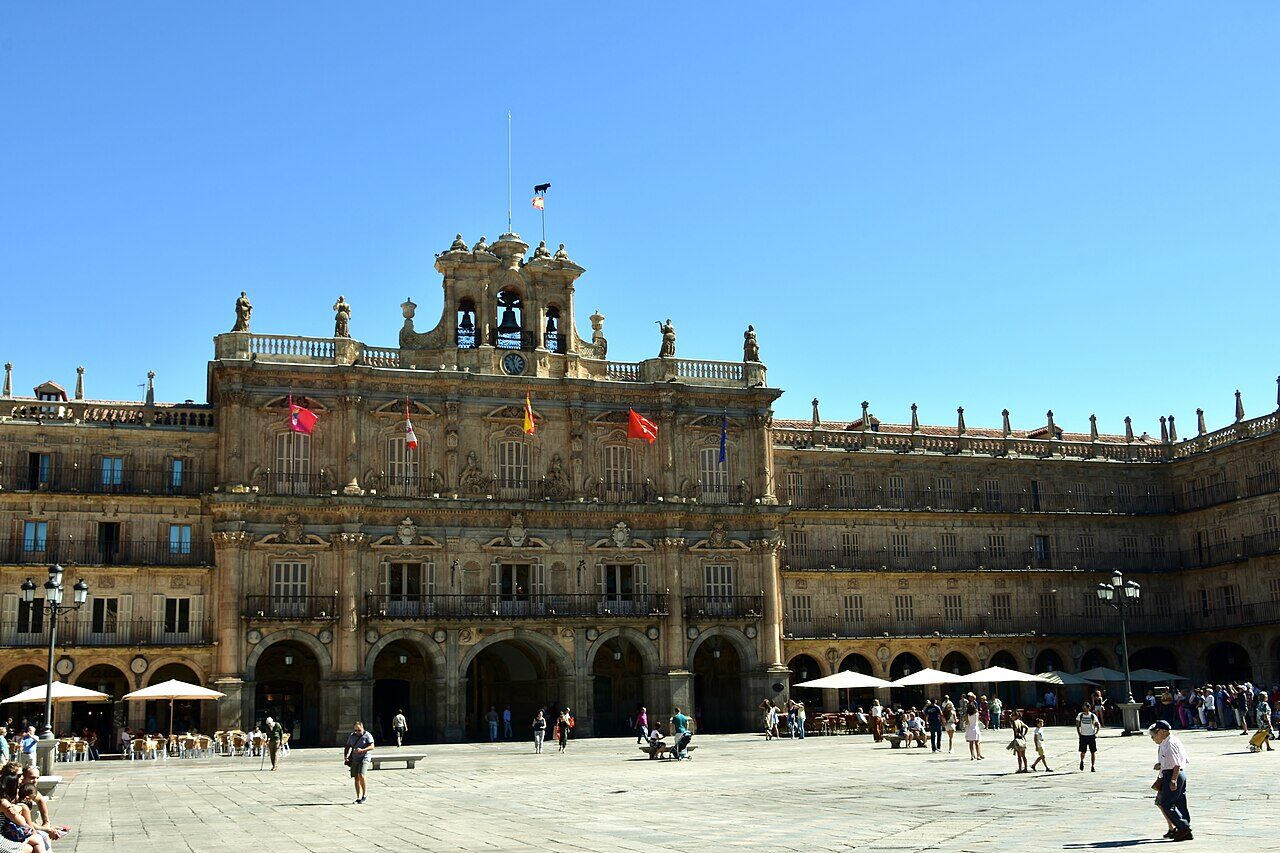
Watch the sunset from the Puente Romano, the Roman bridge, then spend the evening in the baroque Plaza Mayor.
 Richard Mortel from Riyadh, Saudi Arabia (CC BY 2.0)
The Plaza Mayor of Salamanca
Things to do across Spain
Beyond the city sights, 10 trips across Spain are worth the time, from a week on the Camino to the volcanoes of the Canary Islands.
Walk the Camino de Santiago
- Time: 5 to 7 days for the last 100 km from Sarria; 30 days or more for the whole Camino Francés
- Book ahead: beds on the route in summer
- Best months: May, June and September
- On the way: Burgos Cathedral, €11; León Cathedral
- UNESCO: Routes of Santiago de Compostela
- Plan it: 7-day Camino de Santiago itinerary
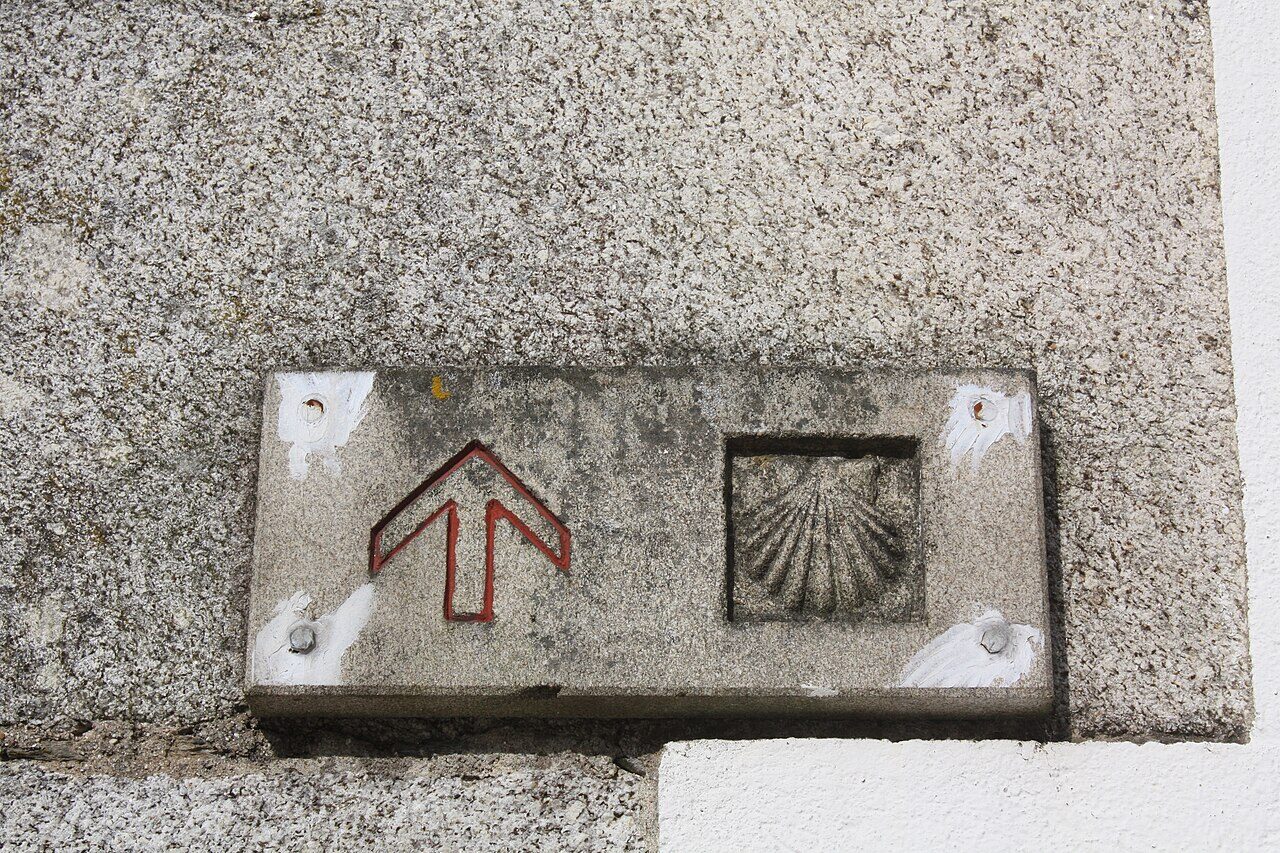
With one week, walk the last 100 km of the Camino de Santiago from Sarria, the network of pilgrim routes that ends at Santiago's cathedral. The Camino Francés across the north is the route most people walk.
You need a pilgrim credential, stamped along the way. With more time on the Francés, stop at the cathedrals of Burgos (with El Cid's tomb) and León (with its walls of stained glass). For fewer walkers, take the Camino del Norte or the Camino Primitivo.
 P.Lameiro (CC BY-SA 3.0)
A Camino de Santiago waymarker in Arzúa, Galicia
See flamenco in Seville or Jerez
- Where: Seville, Jerez de la Frontera, Cádiz; also Granada and Madrid
- Book ahead: for a tablao show; peñas take you on the day
- UNESCO: flamenco is on the list of Intangible Cultural Heritage
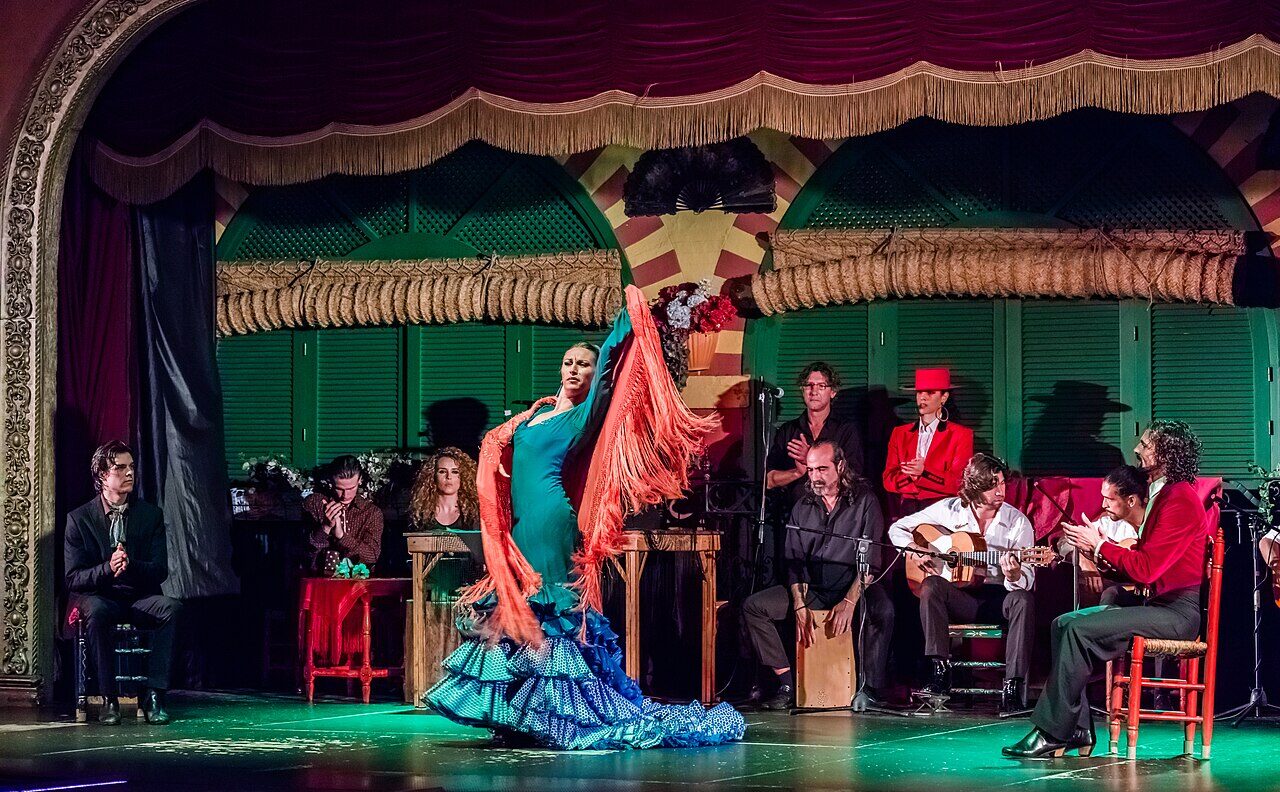
Flamenco was born in the triangle of Cádiz, Jerez and Seville. Choose Jerez, where the tabancos (old sherry taverns) put on flamenco with a glass of fino. Tour a sherry bodega such as González Byass in the afternoon.
In Seville, book a tablao (a venue with a nightly show) when your evening is fixed. A peña, a flamenco club, takes you on the day.
 Diego Delso (CC BY-SA 4.0)
Flamenco on stage in Seville, with singers and guitarists
Do a pintxos crawl in San Sebastián
- Time: an evening, from about 7 to 10 pm
- Where: the Parte Vieja, the old town, especially 31 de Agosto street
- Book ahead: no
- Plan it: Spanish food guide
San Sebastián has Michelin stars, but you eat well for less in the bars of the Parte Vieja, with pintxos laid along the counters. Start on 31 de Agosto street around 7 pm and keep moving; the Spanish food guide says what to order.
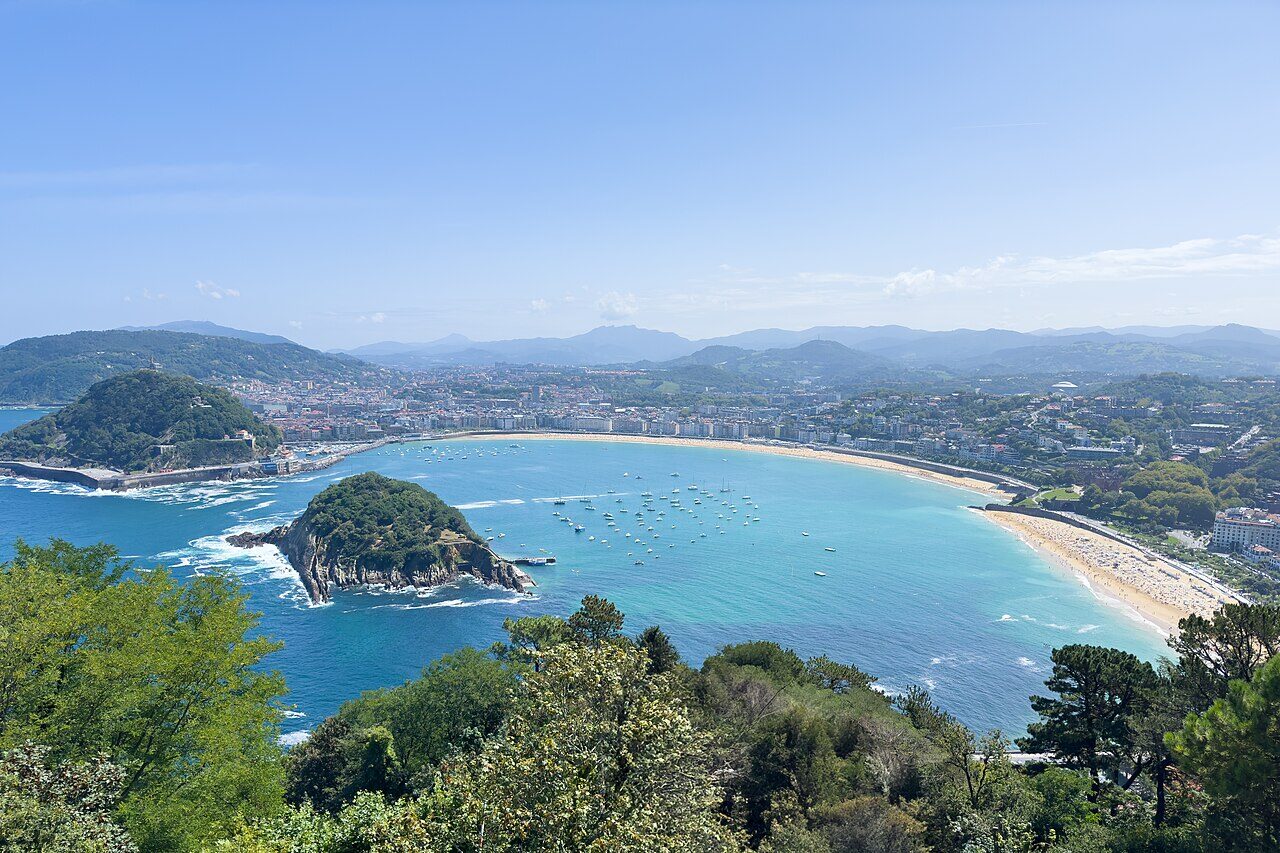
From June to September, swim by day at La Concha, the shell-shaped city beach.
 Kent Wang (CC BY-SA 4.0)
La Concha bay, San Sebastián, from Monte Igueldo
Drive the white villages of Andalusia
- Time: 1 to 3 days
- Best months: March to June, September and October
- Villages: Ronda, Setenil de las Bodegas, Grazalema, Zahara de la Sierra, Arcos de la Frontera
- Getting there: Setenil is about 1.5 hours by car from Málaga, Cádiz or Seville
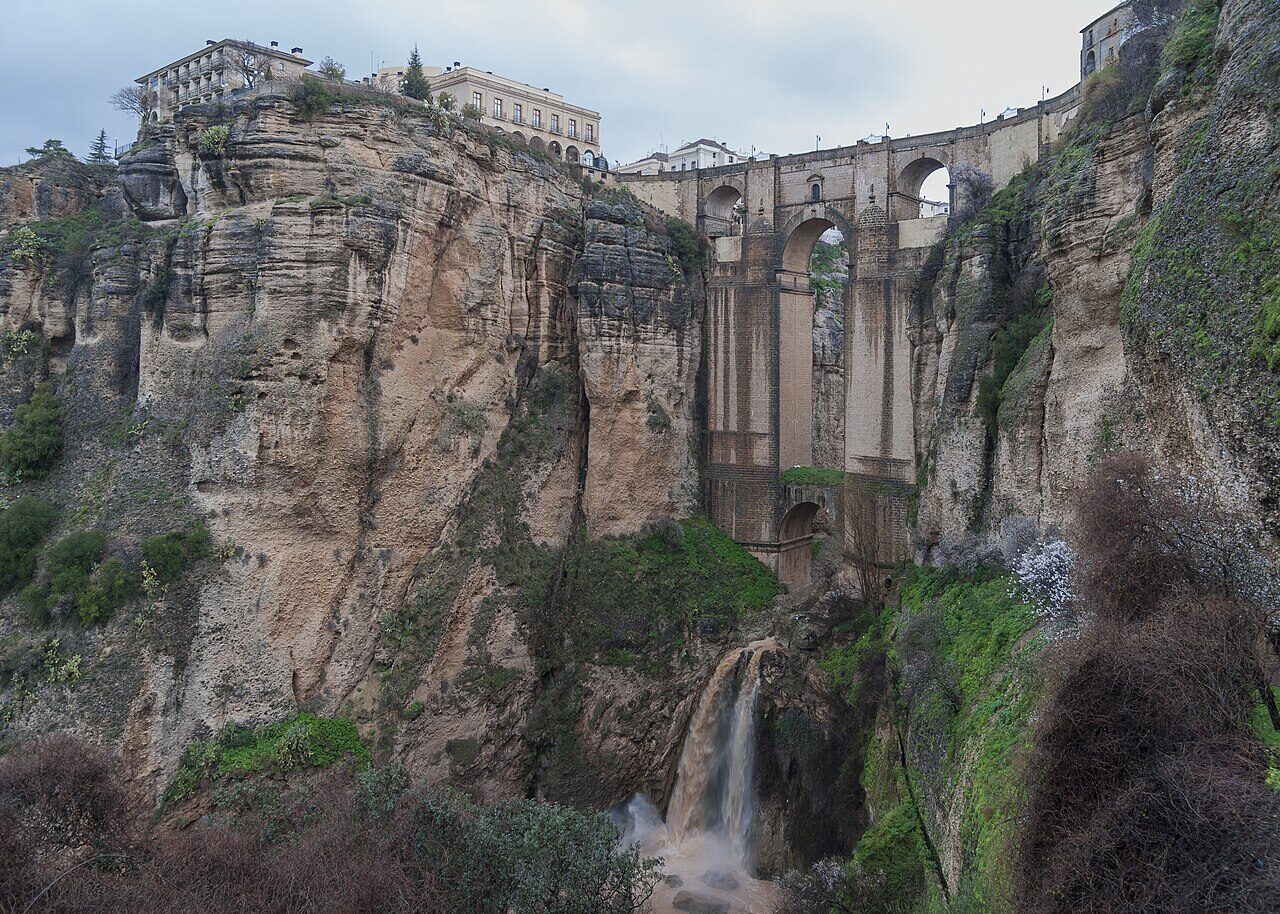
Ronda is the white village not to miss: it sits on cliffs split by the El Tajo gorge, crossed by the 18th-century Puente Nuevo. The pueblos blancos (Andalusia's whitewashed hill villages) make a road trip from Málaga, Cádiz or Seville.
In Setenil de las Bodegas, houses are built into the rock, under the overhangs. Around Grazalema, walk the paths of the Sierra de Grazalema between villages.
 CEphoto, Uwe Aranas (CC BY-SA 3.0)
The Puente Nuevo over the gorge in Ronda
Walk the Caminito del Rey
- Time: 3 to 4 hours
- Price: €10, €18 with the official guide
- Book ahead: timed tickets
- Best: spring and autumn mornings
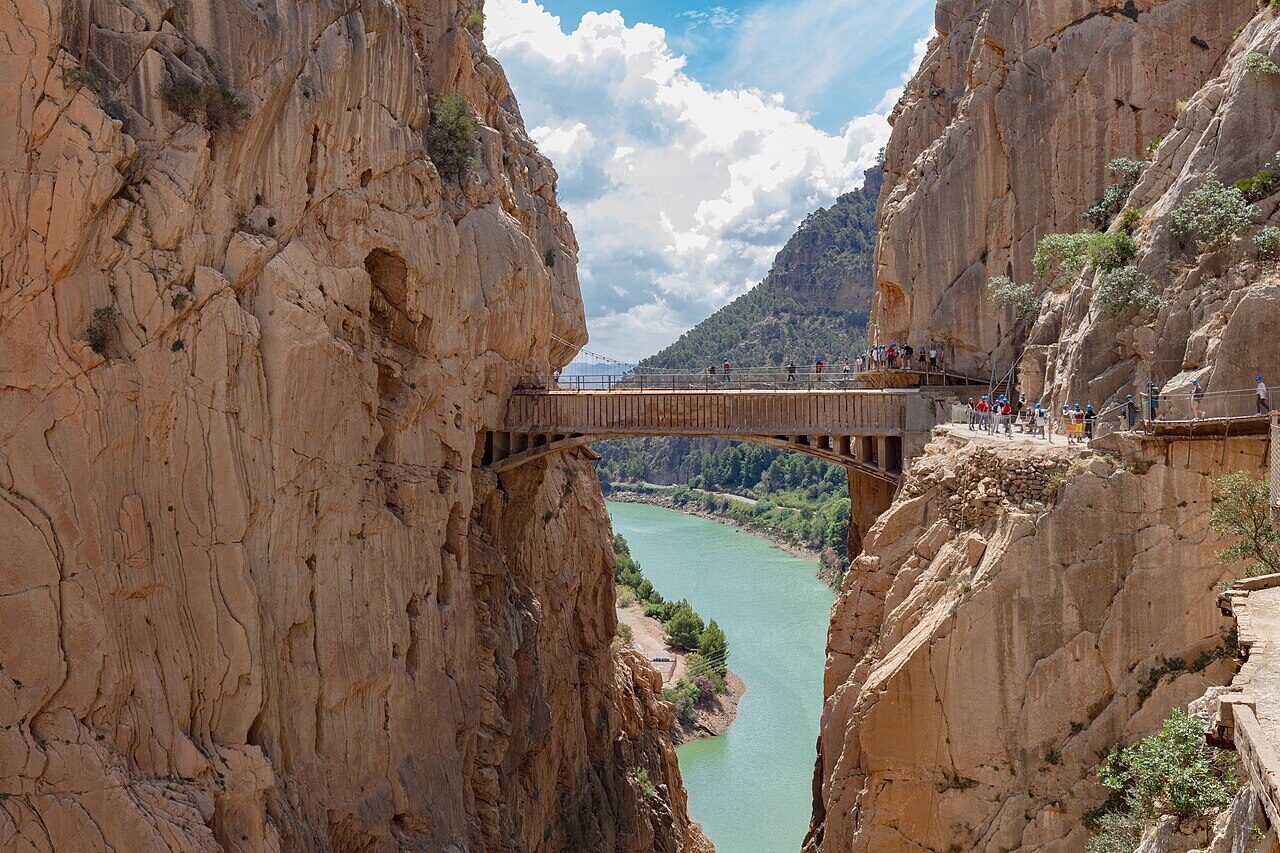
The Caminito del Rey, a boardwalk pinned to the walls of the Gaitanes gorge in Málaga province, needs a timed ticket, so book it and pick a spring or autumn morning.
 Diego Delso (CC BY-SA 4.0)
The Caminito del Rey walkway in the gorge
Hike the Picos de Europa
- Time: 1 to 3 days
- Best months: June to October
- Cares Gorge: 6 to 7 hours there and back; free
- Lakes of Covadonga: car access closed in peak periods; take the bus
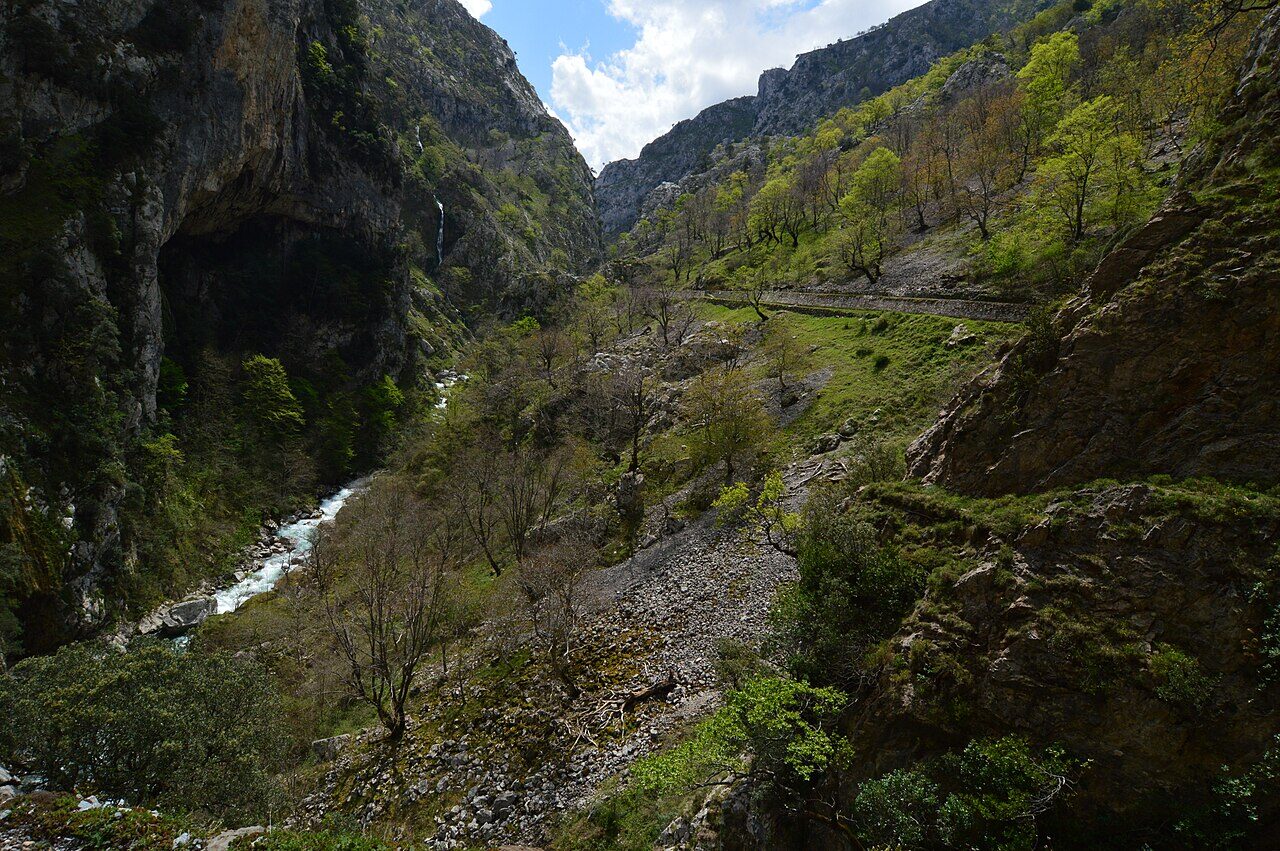
The Cares Gorge path, cut into the cliff, is the classic walk in the Picos de Europa. The limestone range spans Asturias, Cantabria and León. Start early to walk it there and back. Expect to queue for the Fuente Dé cable car.
 Javier Mendia García from leioa (CC BY 2.0)
The Cares Gorge trail
Swim the coves of the Balearic Islands
- Islands: Mallorca, Menorca, Ibiza, Formentera
- Best months: May, June and September
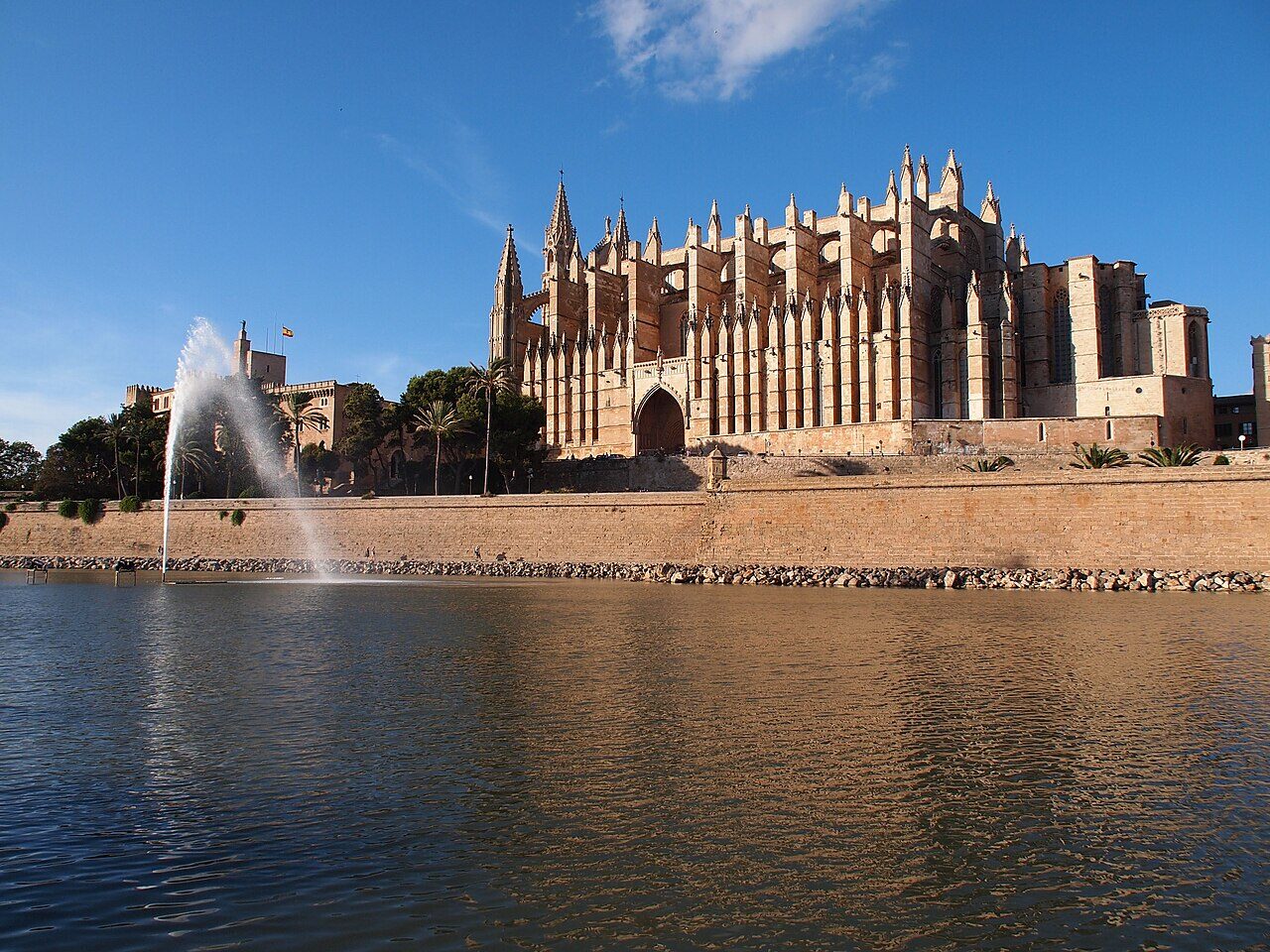
- Palma Cathedral: 1 hour; €11; closed Sundays
- UNESCO: the Serra de Tramuntana, Mallorca
- Plan it: Palma in June, Menorca in October
For coves on foot, pick Menorca and walk the Camí de Cavalls (a restored 14th-century path) from cala to cala. Pick Mallorca for a city and mountain villages: Palma Cathedral, with its rose window and a chapel by Miquel Barceló, then the stone villages of the Serra de Tramuntana.
Ibiza has its clubs from June to September, and quiet coves outside them. Formentera, by ferry from Ibiza, has the white sand of Ses Illetes.
 AlbertoDV (CC0)
Palma Cathedral above the lake of Parc de la Mar
Climb Teide in the Canary Islands
- Teide cable car: from €43 return for non-residents
- Summit: a separate permit, not included in the cable car ticket
- UNESCO: Teide National Park
- Plan it: Tenerife in November
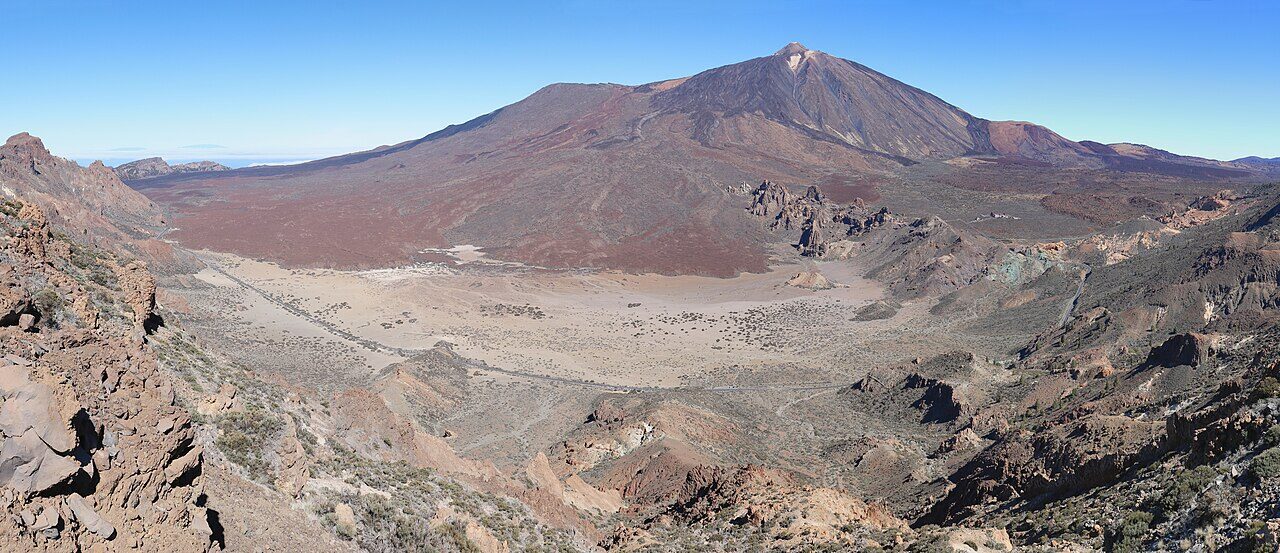
Teide, the volcano at the center of Tenerife, is Spain's highest peak, its crater at 3,718 m. Ride the cable car up, and get the separate permit before you go if you want the crater at the top.
A coach route takes you through Lanzarote's Timanfaya National Park, a field of lava and craters from the eruptions of the 1730s. On Gran Canaria, walk the Maspalomas dunes early in the morning.
 Ingo Mehling (CC BY-SA 4.0)
Mount Teide, Tenerife
Visit Dalí's Figueres and the Costa Brava
- Dalí Theatre-Museum: 2 hours; from €18.50 online, €2 more at the desk; book ahead
- Costa Brava coves: 1 to 3 days on the Camí de Ronda coastal path
- Best months: May, June, September and October
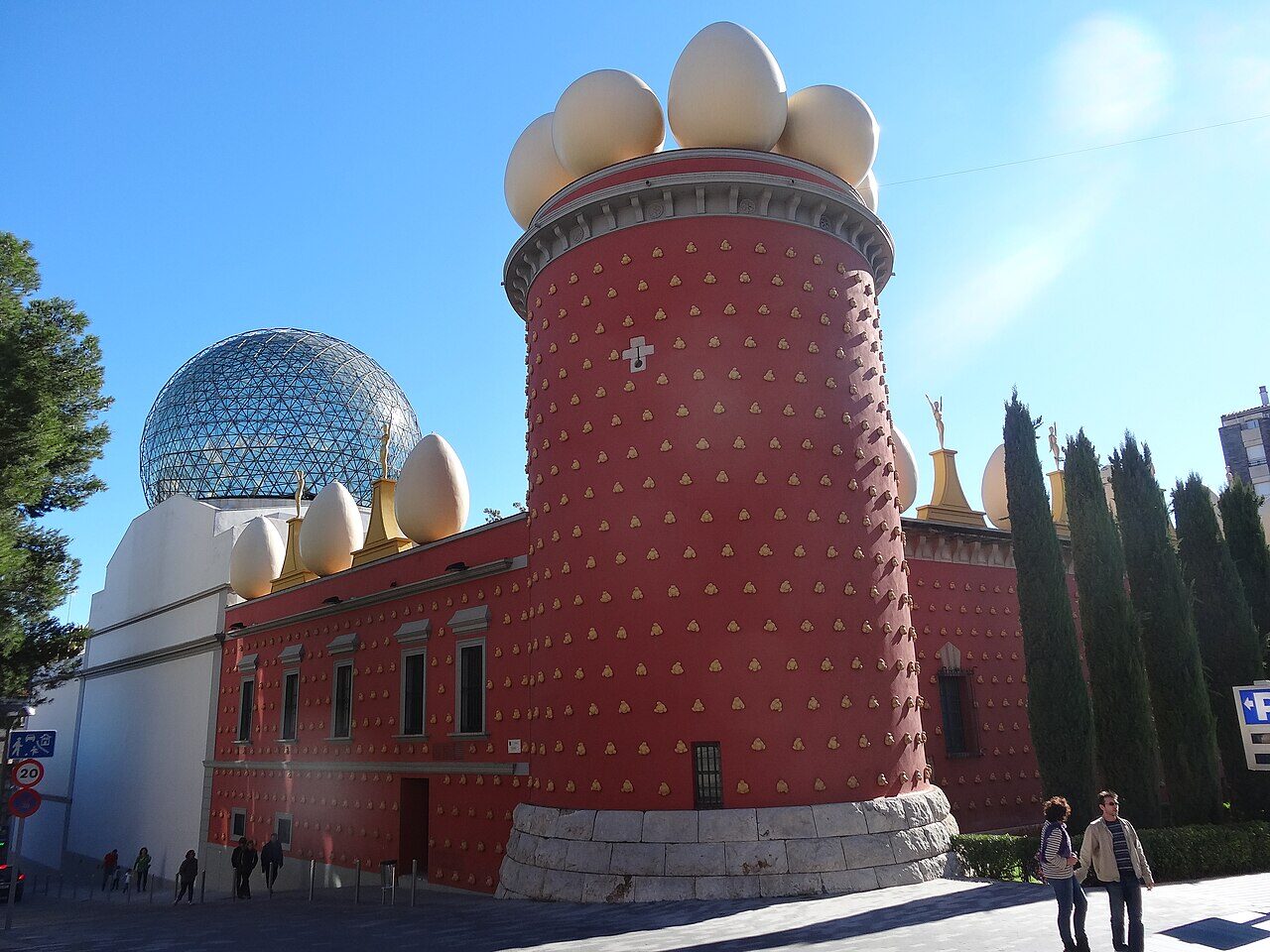
Salvador Dalí designed his own museum in Figueres, a former theater topped with giant eggs, and he is buried in its crypt.
Cadaqués, the whitewashed village by Dalí's home at Portlligat, is on the Costa Brava. The Camí de Ronda path links the coves along that coast. Skip July and August, when the beaches fill. Girona's old town, with its Jewish quarter and cathedral steps, is a day trip from Barcelona too.
 EliziR (CC BY-SA 3.0)
The egg-topped tower of the Dalí Theatre-Museum, Figueres
See Roman Mérida
- Time: half a day to a full day
- Price: €17 for all the monuments, €13 for the theater and amphitheater; no booking needed
- UNESCO: Archaeological Ensemble of Mérida
Mérida's Roman theater was built in 16 or 15 BC, seats 3,000 and still stages plays. The town also has a Roman amphitheater, a bridge and the Temple of Diana.
Buy the combined ticket and see them all, and in summer book an evening at the theater festival.
Try free
Plan your Spain trip in about 2 minutes
Tap through 8 quick cards for a complete itinerary with budget, maps, and packing lists. No account required.
Plan your Spain trip →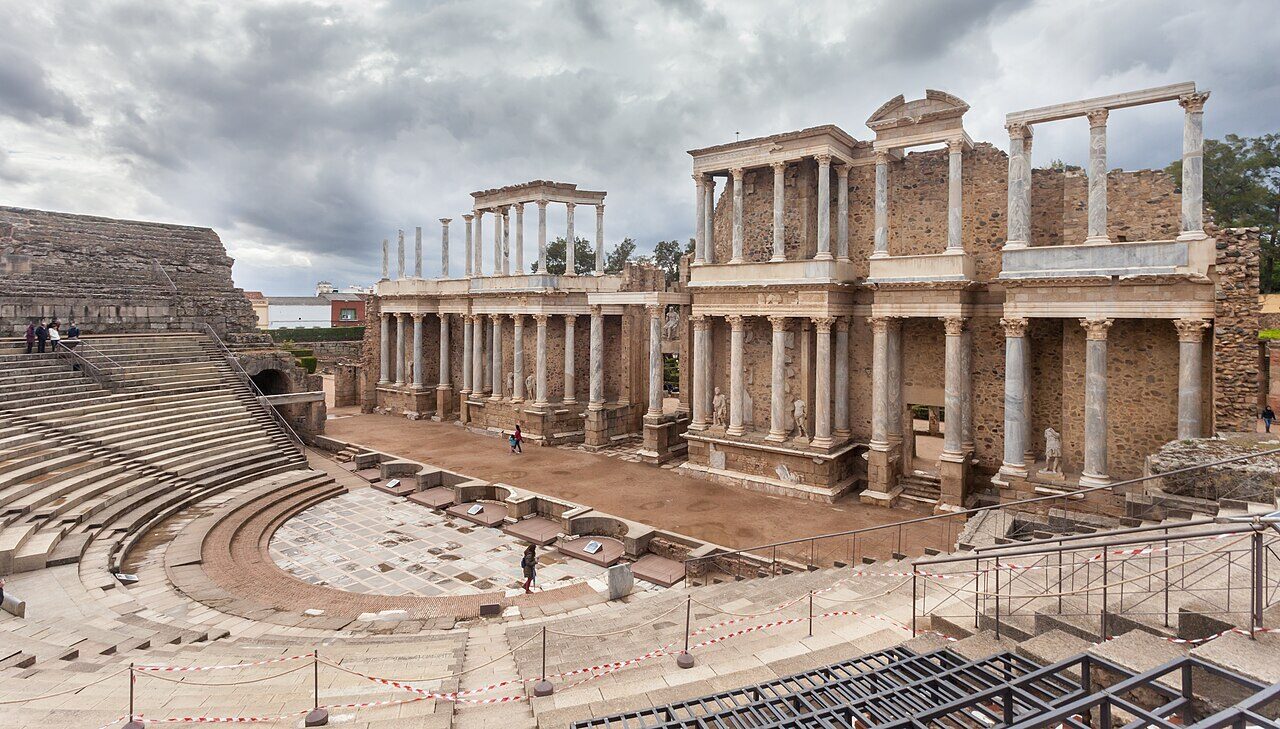 Lmbuga (Luis Miguel Bugallo Sánchez) (CC BY-SA 4.0)
The Roman theater of Mérida
More places to add to a trip
| Place | Go for | Region | UNESCO |
|---|---|---|---|
| Cuenca | houses hanging over a gorge | Castilla-La Mancha | yes |
| Ávila | complete medieval walls with 87 towers | Castile and León | yes |
| El Escorial | Philip II's monastery-palace, royal tombs and library; €14 plus fee, bought in advance | Community of Madrid | yes |
| Montserrat | mountain monastery and boys' choir, by rack railway | Catalonia | no |
| Las Alpujarras | mountain villages on the slopes of the Sierra Nevada | Andalusia | no |
| Antequera | megalithic dolmens and the El Torcal rocks | Andalusia | yes |
| Doñana National Park | marshes and dunes, by guided tour only | Andalusia | yes |
| Úbeda and Baeza | twin Renaissance towns among olive groves | Andalusia | yes |
| Cáceres | walled medieval and Renaissance old town | Extremadura | yes |
| La Rioja | wine tasting at the bodegas around Haro and Laguardia | La Rioja and the Basque Country | no |
Day trips from Madrid, Barcelona and Málaga
| Base | Day trips |
|---|---|
| Madrid | Toledo, Segovia, Ávila, El Escorial |
| Barcelona | Montserrat, Figueres, Girona |
| Seville | Itálica |
| Málaga | Granada and the Alhambra, Setenil de las Bodegas |
The best places to visit in Spain at a glance
| Place | Go for | Book ahead |
|---|---|---|
| Barcelona | Gaudí: the Sagrada Família, Park Güell, Casa Batlló | Sagrada Família, Park Güell |
| Seville | the Real Alcázar, the cathedral and Giralda, flamenco | Real Alcázar |
| Granada | the Alhambra and the Albaicín | Alhambra |
| Madrid | the Prado, Reina Sofía and Thyssen museums | Prado, online |
| Córdoba | the Mezquita, the mosque with a cathedral inside | Mezquita, online |
| Valencia | the City of Arts and Sciences, paella | paella lunch at weekends |
| Bilbao | the Guggenheim | no |
| Toledo | the walled old town and cathedral | no |
| Santiago de Compostela | the cathedral at the end of the Camino | rooftop tour |
| Málaga | Picasso's birthplace, beaches, the Caminito del Rey | Caminito del Rey |
| Segovia | the Roman aqueduct and the Alcázar | Alcázar tower |
| Salamanca | the university and the Plaza Mayor | no |
Plan your Spain trip
For trip length, getting around and costs, start with the Spain travel guide. When you build a trip with MonkeyEatingMango, the booking checklist lists what to book and how many weeks ahead. Every sight on a day's plan is marked Must-do, Maybe or Skip if tired.
Common questions
What is the best place to visit in Spain?
Granada, Barcelona and Seville top almost every list of where to go in Spain. Granada has the Alhambra, Barcelona the Sagrada Família and Gaudí's houses, and Seville the Real Alcázar and its cathedral.
Where should I go in Spain for the first time?
A first trip to Spain usually pairs Madrid or Barcelona with Andalusia: Seville, Granada and Córdoba. Those five cities hold most of Spain's headline sights, from the Prado to the Alhambra and the Mezquita.
What is the number one attraction in Spain?
The Alhambra in Granada is the one sight no Spain trip should miss. Book its timed tickets well ahead; the Nasrid Palaces slot on your ticket is fixed.
Do I need to book the Alhambra and the Sagrada Família in advance?
Yes. The Alhambra and the Sagrada Família both sell timed tickets that run out in spring and summer. Buy them on the official sites as soon as your dates are set. Park Güell and Casa Batlló also sell timed entry, and the Real Alcázar in Seville sells out in high season.
Is it better to visit the north or the south of Spain?
Go south in spring and autumn and north in summer. Andalusia is at its best from March to June and in September and October, and the north from June to September.
Is 7 days enough for Spain?
Seven days is enough for one region: Madrid with day trips to Toledo and Segovia, or Seville, Córdoba and Granada in Andalusia. Add Barcelona or the north when you have two weeks.
What are the best day trips from Madrid?
Toledo, Segovia, Ávila and El Escorial are the classic day trips from Madrid. High-speed trains reach Toledo every hour, and León is under two hours away by fast train.
What are the best day trips from Barcelona?
Montserrat's mountain monastery, the Dalí Theatre-Museum in Figueres and the old town of Girona are the classic day trips from Barcelona. Book the Dalí museum ahead in July and August.
When is the Prado free?
The Prado is free for the last two hours before closing: 6 to 8 pm Monday to Saturday and 5 to 7 pm on Sundays and holidays. General admission otherwise costs €15.
How many UNESCO World Heritage Sites does Spain have?
Spain has 50 UNESCO World Heritage Sites. Among them are the Alhambra, the works of Gaudí in Barcelona, the historic centers of Córdoba, Toledo, Segovia, Salamanca and Santiago de Compostela, and Teide National Park.

Written by Shobhit Shrivastava · Founder
Related reading
Spain travel guide
Barcelona in 4 Days: Sagrada Familia, the Gothic Quarter and Flamenco
This packed 4-day trip for a couple dives into Barcelona's unique blend of Modernisme and Gothic history, hitting iconic sights like Sagrada Família, Park Güell, and the winding streets of the Barri Gòtic. Explore the La Boqueria Market for local flavors and enjoy evening live entertainment, all...
Walking the Camino in 7 Days: Sarria to Santiago de Compostela
7 days walking the final stretch of the Camino Frances through Sarria, Portomarin, Arzua, and Santiago de Compostela. Highlights include the gothic Convento da Magdalena, reservoir views in Portomarin, local Arzua-Ulloa cheese tastings, and the arrival at the Santiago de Compostela Cathedral....
Madrid in 3 Days: The Prado, the Royal Palace and Flamenco
3 days in Madrid, focused on historic landmarks and cultural immersion. Base yourself near Barrio de las Letras to walk to the Prado, Reina Sofia, and Plaza Mayor. Experience a live flamenco show in a traditional tablao, taste local tapas like patatas bravas in La Latina, and enjoy the gardens...
A Week in Southern Spain: Seville and Flamenco
7 days in Seville: explore the Real Alcazar and Gothic Cathedral, wander the narrow streets of Barrio Santa Cruz, and spend evenings watching authentic flamenco in Triana. Balanced pace with 5-7 hours of daily activities, focusing on tapas crawls in local neighborhoods and hands-on ceramic...
Things to Do in Scotland and the Best Places to Visit
Where to go in Scotland: Edinburgh and the Lothians, Glasgow and the central belt, the Highlands, the islands, and the whisky-region choice no single answer settles. Every stop carries its top sights, the official price where one exists, and what to book ahead.
Things to Do in Ireland and the Best Places to Visit
Where to go in Ireland by region, from Dublin to Northern Ireland. Every stop carries its top sights, the official price where one exists, and what to book ahead.
Things to Do in Croatia and the Best Places to Visit
Where to go in Croatia by region: Split, Dubrovnik and the Dalmatian islands, Istria and the Kvarner coast, Zagreb and the national parks. Every stop carries its top sights, the official price where one exists, and what to book ahead.