Where should you go in Ireland, and what does each stop cost in time and money? Start in Dublin, then add the southwest's Killarney and Ring of Kerry or the west's Galway and the Cliffs of Moher. The Giant's Causeway and Belfast sit across the border in Northern Ireland, a different country and currency from the rest of this list.
A week covers Dublin and one more region well; ten days to two weeks adds Galway and the west coast, plus a push north to Belfast.
- Book the Skellig Michael boat and the Giant's Causeway Visitor Experience before you fly in.
- Rent a car for the Ring of Kerry, the Dingle Peninsula, the Cliffs of Moher and the Causeway Coast. Dublin, Galway, Cork, Kilkenny and Belfast all connect by train or bus.
- Belfast, the Giant's Causeway and Derry are in Northern Ireland: pay in pounds, not euros, once you cross the border.

Dublin
Must-visitGo for Trinity College, the Guinness Storehouse, Kilmainham Gaol
Top sights
- Trinity College & the Book of Kellstickets from €25 per person; book the first tour of the day online to beat the ticket-desk queue
- Guinness Storehousetickets from €22; reserve ahead, since queues run for hours without one
- Kilmainham Gaoladult €8, child under 12 free with a ticket, family €20; buy only from the official site, which warns of fraudulent lookalike ticket sites
- Temple Barfree to walk; the pub district's drink prices carry a well-known tourist markup
Book ahead: yes
Read the full sectionShowing Dublin
A MonkeyEatingMango itinerary marks each sight Must-do, Maybe or Skip if short on time.
Dublin and the east
Dublin
Must-visit
- Trinity College & the Book of Kells: tickets from €25 per person; book the first tour of the day online to beat the ticket-desk queue
- Guinness Storehouse: tickets from €22; reserve ahead, since queues run for hours without one
- Kilmainham Gaol: adult €8, child under 12 free with a ticket, family €20; buy only from the official site, which warns of fraudulent lookalike ticket sites
- Temple Bar: free to walk; the pub district's drink prices carry a well-known tourist markup
- Plan it: 3-day Dublin itinerary
Trinity College's Old Library holds the Book of Kells, a 9th-century illuminated manuscript. The Long Room that houses it is a two-story barrel-vaulted hall of timber shelving. Reserve the first tour slot of the day online; the ticket-desk queue grows fast once the doors open.
The Guinness Storehouse fills a seven-story former fermentation plant, ending with a pint at the rooftop Gravity Bar. Kilmainham Gaol, where leaders of the 1916 Easter Rising were executed, is Dublin's most affecting history stop. Book about a month ahead for the best availability, and buy the ticket only from heritageireland.ie's own site.
Temple Bar's cobbled lanes, free to wander, hold Dublin's best-known pub district. Dublin Castle, the former seat of British rule in Ireland, is a short walk away. St Patrick's Cathedral, the larger of Dublin's two medieval cathedrals, sits a short walk beyond that. March brings the St. Patrick's Festival and the parade down O'Connell Street.
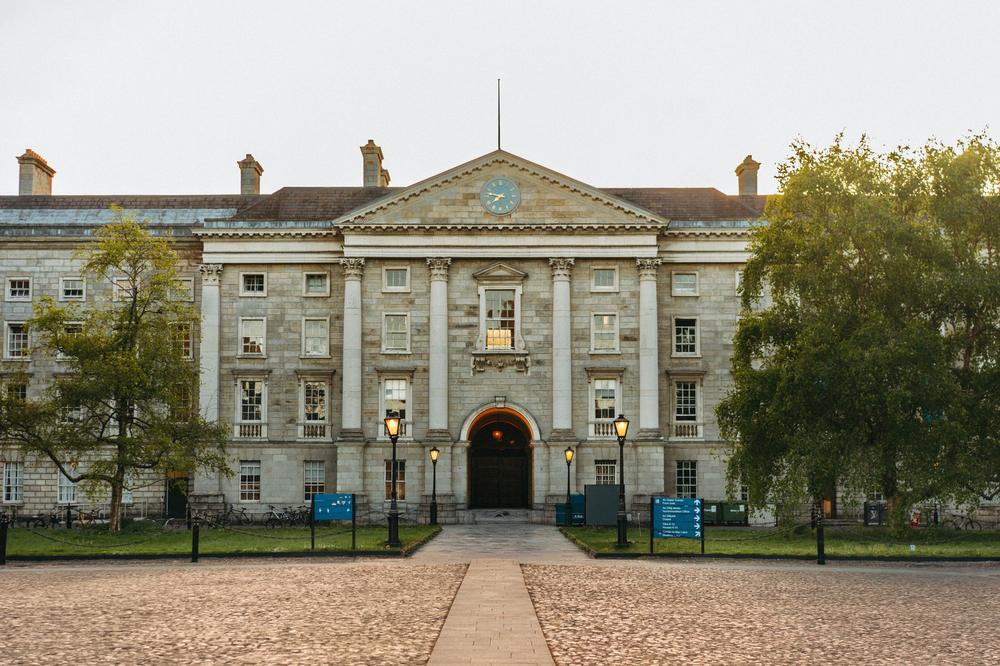 Photo by Amine Kübranur Çakıroğlu on Pexels
The facade of Trinity College Dublin, home to the Book of Kells
Powerscourt Gardens
- Best months: spring and summer, when the gardens are in bloom
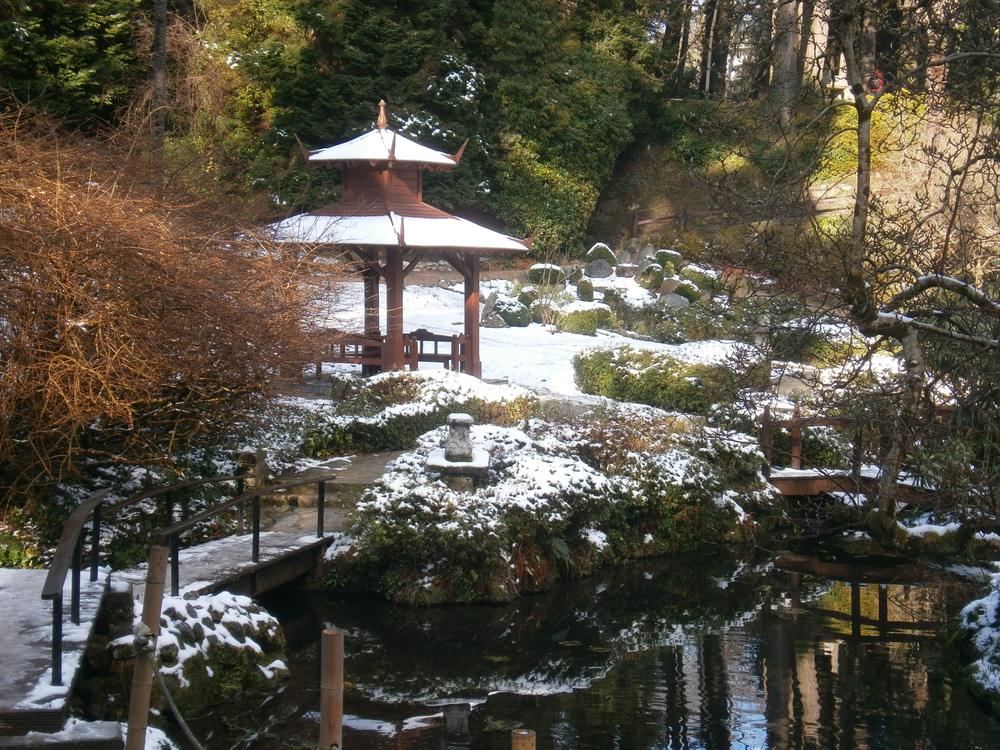
A terraced garden estate below the Wicklow Mountains, Powerscourt pairs a formal Italian-style garden with a small Japanese garden and a long view down to the Sugarloaf mountain. Allow two hours for the gardens alone.
Powerscourt Waterfall, Ireland's tallest, drops nearby on a separate stretch of the same estate. Give it extra time; the waterfall is easy to underestimate as a quick stop.
 Frabjousone (CC BY-SA 4.0)
Powerscourt Estate, Enniskerry
Glendalough
A round tower, cathedral ruins and St Kevin's Church rise out of a glacial valley with two lakes at Glendalough, a 6th-century monastic settlement and an easy day trip from Dublin. Go on a weekday morning to get ahead of the Dublin day-tripper crowds.
Glendalough sits inside Wicklow Mountains National Park, Ireland's largest, which has no visitor center of its own and is best explored from here. The monastic site and valley are free; only the visitor center carries a small charge.
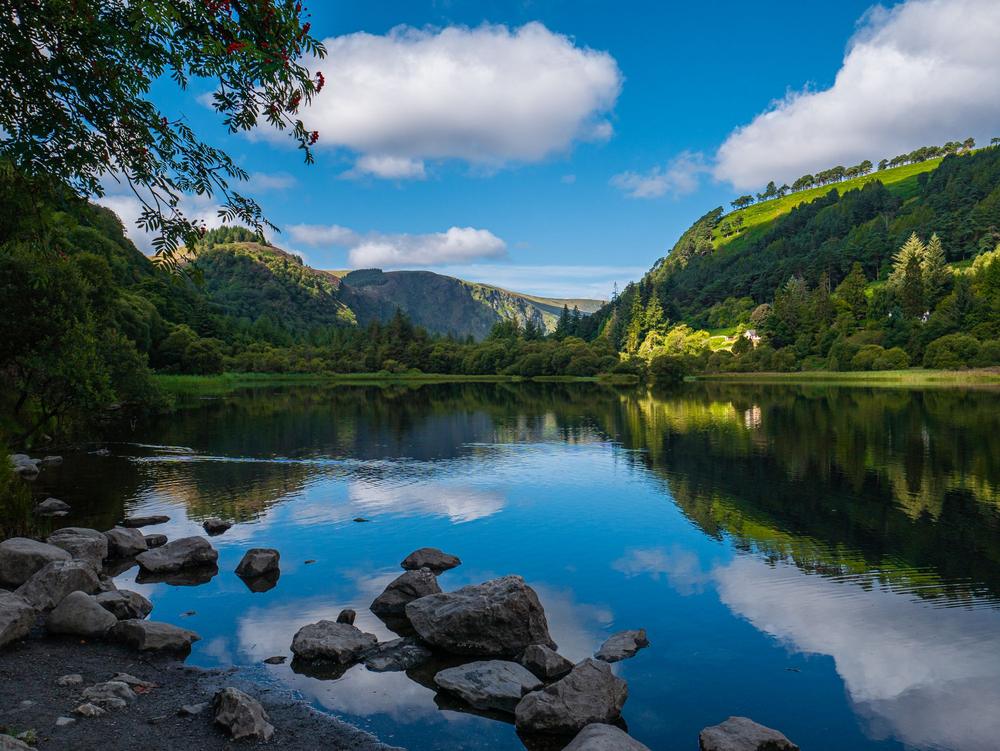 Photo by Lucas Mosesson on Pexels
Glendalough's Lower Lake in County Wicklow
Newgrange (Brú na Bóinne)
- Newgrange: tickets for the tomb interior are timed and limited; UNESCO (1993, as the Archaeological Ensemble of the Bend of the Boyne)
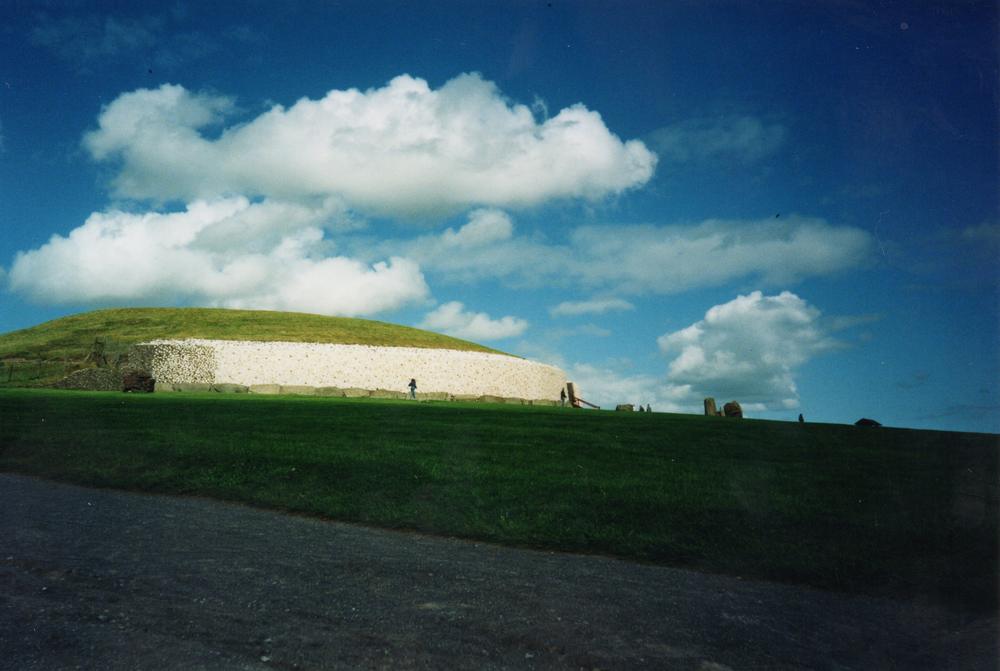
Newgrange's passage tomb is over 5,000 years old, a Neolithic mound in the Boyne Valley that predates Stonehenge and the Egyptian pyramids. At the winter solstice, the rising sun shines straight down the passage to the inner chamber, a sightline won by a yearly lottery for the handful of spots inside. Enter that lottery well before your trip if you want a chance at it.
Outside solstice week, any clear day works for a visit. The visitor center shuttle is the only way in, since the tomb itself has no direct road access.
 Stanley Howe (CC BY-SA 2.0)
Newgrange, County Meath
The Ancient East
Kilkenny
Start at Kilkenny Castle, the hub of the riverside town's "Medieval Mile," a signed walking route through the narrow lanes to St Canice's Cathedral. The castle and the walk fill half a day; a full day adds time to browse the craft shops along the way.
Kilkenny sits on the Dublin-to-southwest route, a common one-night stop for travelers breaking up the drive toward Cork or Killarney.
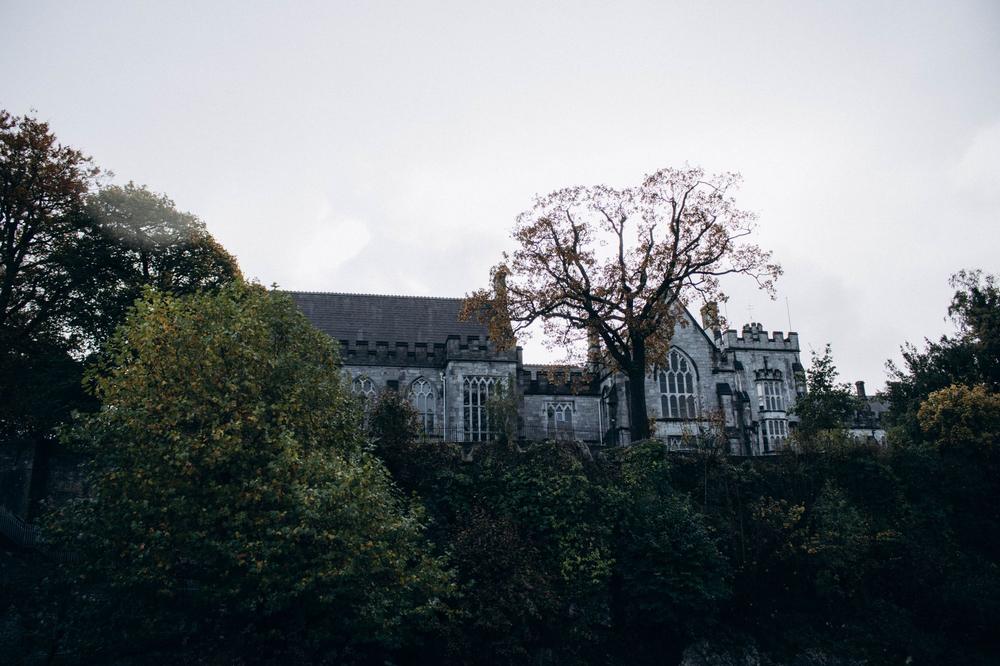 Photo by Liudmyla Shalimova on Pexels
Kilkenny Castle on the River Nore
Rock of Cashel
- Rock of Cashel: free guided tours run several times a day; on the UNESCO Tentative List since 2010 as part of "The Royal Sites of Ireland," not an inscribed site
Go up to the Rock early, before the parking lot fills with summer tour buses. The hilltop complex of medieval ruins at Cashel, once the seat of the Kings of Munster, is yours for an hour or so of walking. A round tower and a set of high crosses stand among the buildings.
The free guided tour, offered several times a day, is worth timing a visit around.
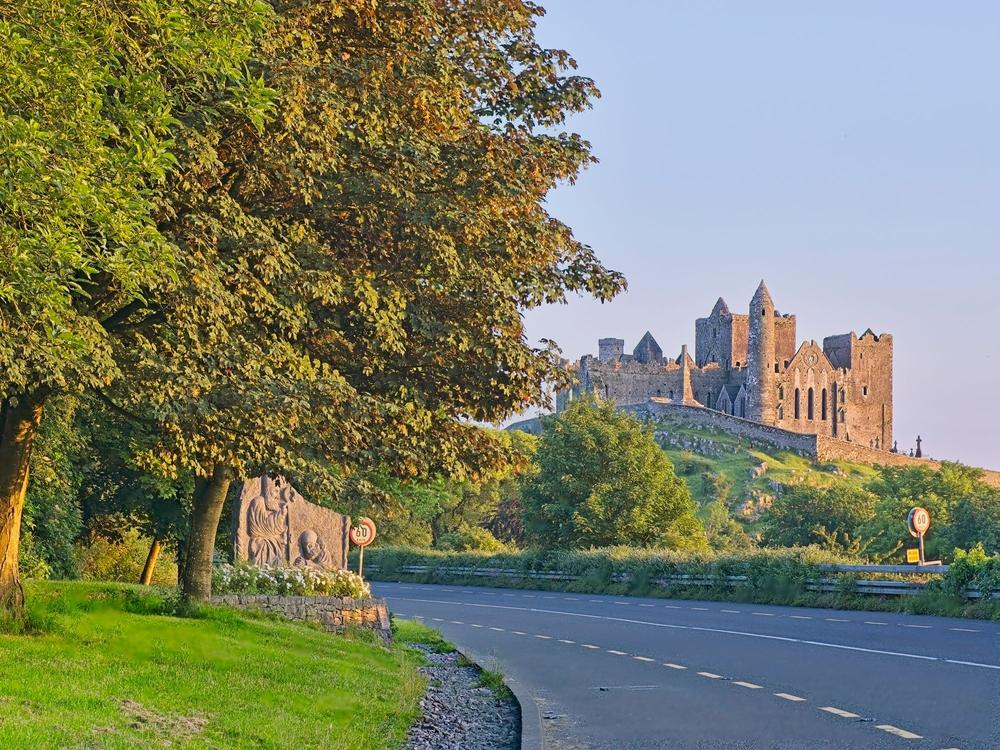 Photo by Vijay Aditya M on Pexels
The Rock of Cashel in County Tipperary
Waterford
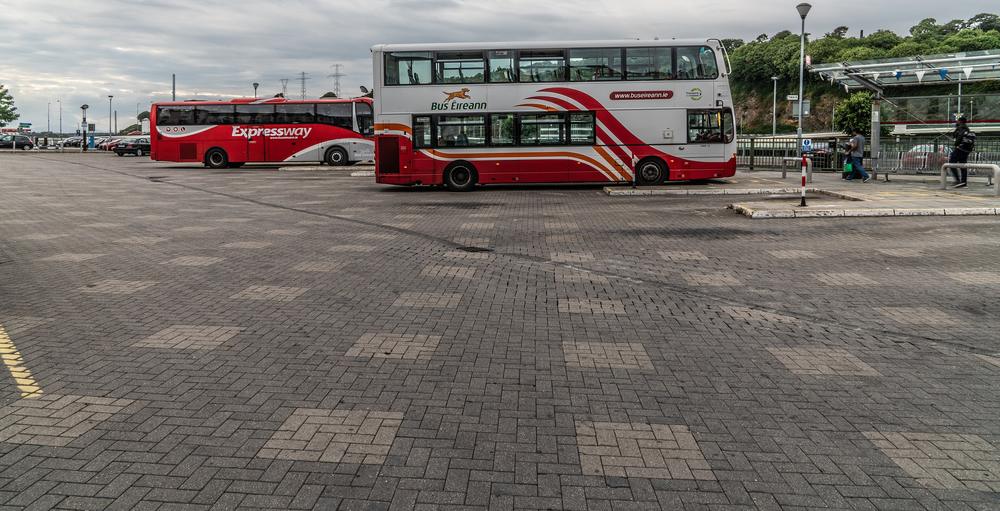
In the early 13th century, Viking-founded Waterford, Ireland's oldest city, gained Reginald's Tower, the circular defensive tower that still stands in the old Viking Triangle quarter. The quays and the old town on foot fill half a day.
Waterford sits between Dublin and Cork on the Ancient East route, a common stop for visitors heading toward Kerry.
 William Murphy (CC BY-SA 2.0)
Waterford's quays along the River Suir
Cork and the southwest
Cork
Must-visit
Pick Cork over a quick drive-through when food is part of the trip. The covered English Market is the city's food landmark, and St Fin Barre's Cathedral's spires rise over the River Lee a few streets away. Both fit into one day at an easy pace.
Base here, not in a smaller harbor town, if day trips to Blarney Castle, Cobh and Kinsale all matter. Cork sits closest to all three.
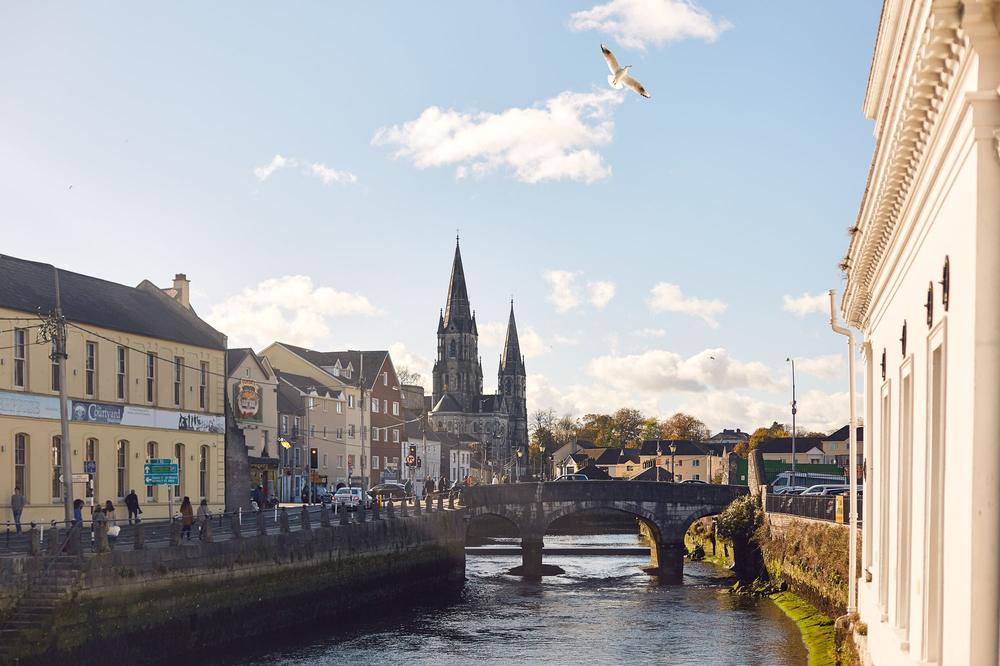 Photo by Michael Fischer on Pexels
Cork city, with the River Lee and St Fin Barre's Cathedral
Blarney Castle
Early morning at Blarney Castle's 15th-century keep means no queue for leaning backward off the battlements to kiss the Blarney Stone, said to grant "the gift of the gab." By midday in summer the line runs long. No ticket needs booking ahead.
The castle's gardens, the Witch's Kitchen and the Druid Circle among them, are easy to skip in a rush for the Stone and worth the extra 90 minutes.
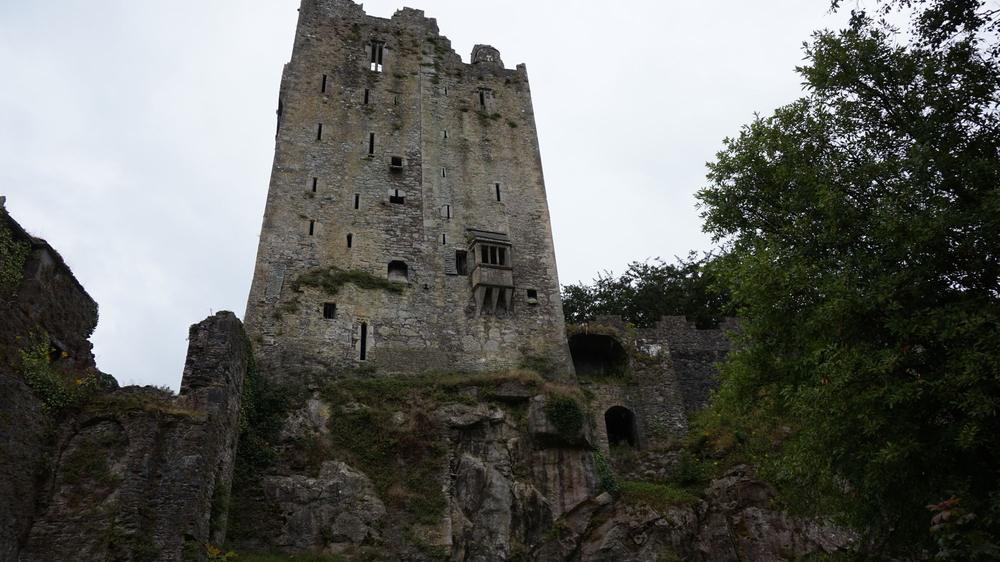 Photo by Chris Carter on Pexels
Blarney Castle, County Cork
Cobh
The Titanic's last port of call, Cobh was still named Queenstown when the ship anchored offshore to take on its final passengers before crossing the Atlantic. A row of pastel-painted houses climbs the hill behind the harbor to St Colman's Cathedral.
Book the Titanic Experience museum ahead in peak season. Late afternoon gives the harbor's colors their best light.
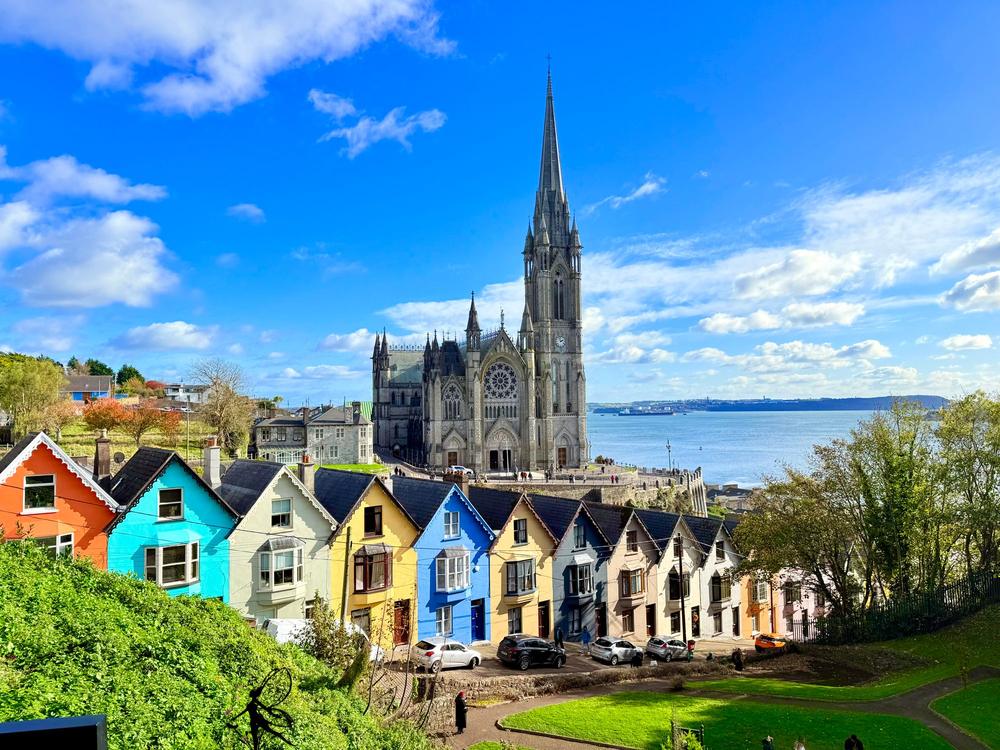 Photo by Ekta Kh on Pexels
Cobh's colorful houses and St Colman's Cathedral
Kinsale
Kinsale's restaurants are the reason to pick it over Cork itself for a slower harbor town. Charles Fort, a 17th-century star-shaped fortress across the water, is the one sight worth the walk out of town.
An afternoon covers the harbor and the fort; stay overnight for the food.
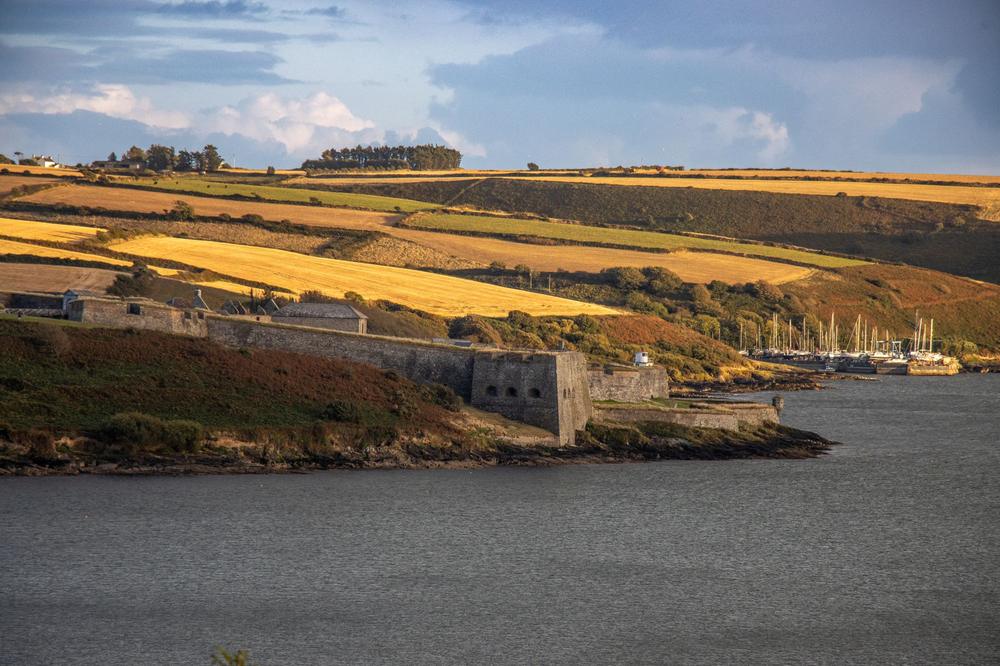 Photo by Phil Evenden on Pexels
Kinsale Harbor, with Charles Fort beyond
Killarney
Must-visit
- Muckross House: grounds free; the 19th-century manor house tour is ticketed separately
- Ross Castle: a 15th-century tower house on Lough Leane, usually paired with a jaunting-car ride or a lake cruise
- Torc Waterfall: free, a 20-minute walk from the main road; fullest after rain
- Gap of Dunloe: free to walk or cycle; pony traps and boats across the Upper Lake are priced separately
- Plan it: 7-day Ireland itinerary
Killarney National Park covers 25,000 acres of lakes, woods and mountains around the town, the anchor of the whole southwest leg of most Ireland trips. Muckross House and its gardens, Ross Castle on Lough Leane's shore and Torc Waterfall all sit inside the park, reachable on foot or by jaunting car.
The Gap of Dunloe, a narrow mountain pass through the Macgillycuddy's Reeks at the park's edge, is usually crossed by pony and trap and combined with a boat trip back across the Upper Lake. Early arrivals have the crossing and the boat trip to themselves, ahead of the tour groups.
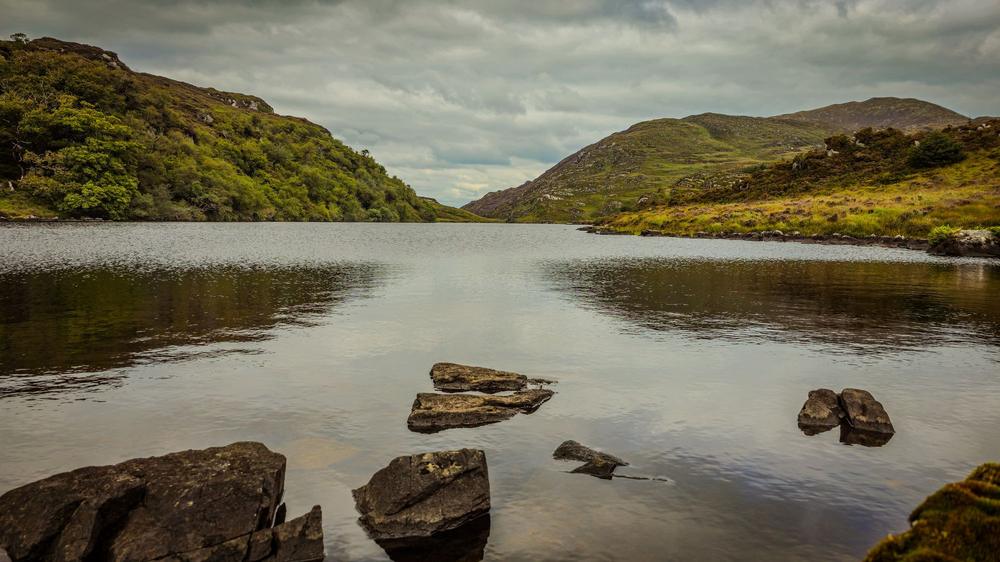 Photo by Oleksandr Kobuta on Pexels
A lake in Killarney National Park
Ring of Kerry
- Ring of Kerry: free, a public road, usually driven as a single clockwise loop
- Plan it: 7-day Ireland itinerary
Drive the Ring of Kerry clockwise and the tour coaches come toward you instead of stacking up behind. The 179-kilometer loop circles the Iveragh Peninsula from Killarney, past Kenmare, Sneem and Caherdaniel, with pull-offs for the coastal views at every turn.
Set off early for quieter roads and to leave time for the full circuit, which fills a day on its own without stops.
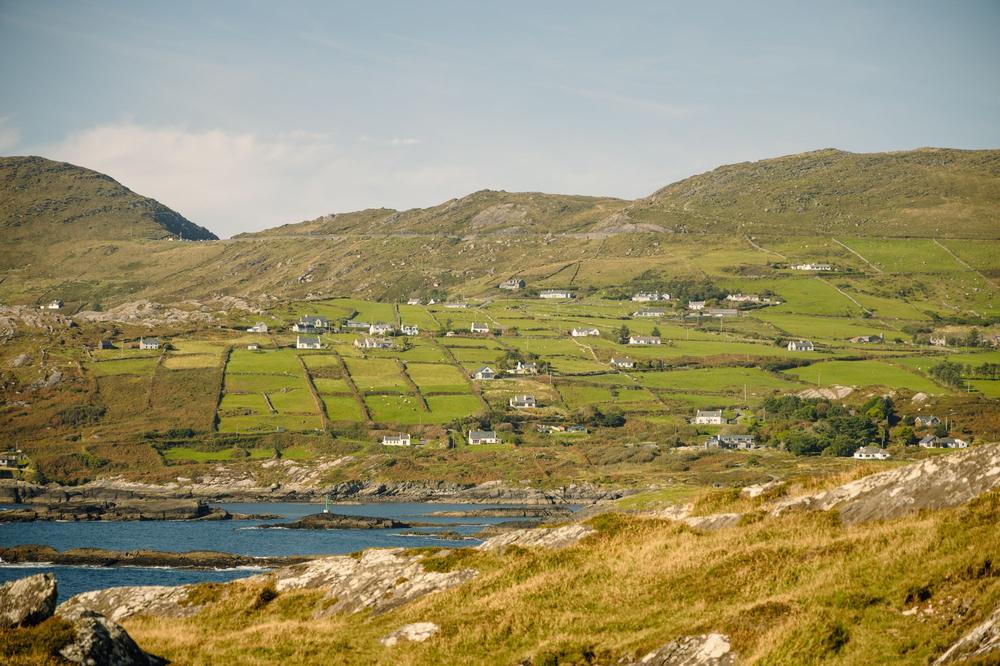 Photo by Tanita Lupa on Pexels
The coastline along the Ring of Kerry
Dingle Peninsula
Ring of Kerry draws the tour buses; the Dingle Peninsula's Slea Head Drive is the quieter, equally dramatic alternative, looping past beehive huts and a Blasket Islands viewpoint on a single-lane coastal road. Allow extra time for the narrow bends.
A full day covers the Slea Head Drive; staying overnight in Dingle town, at the peninsula's center, adds time to see more of it.
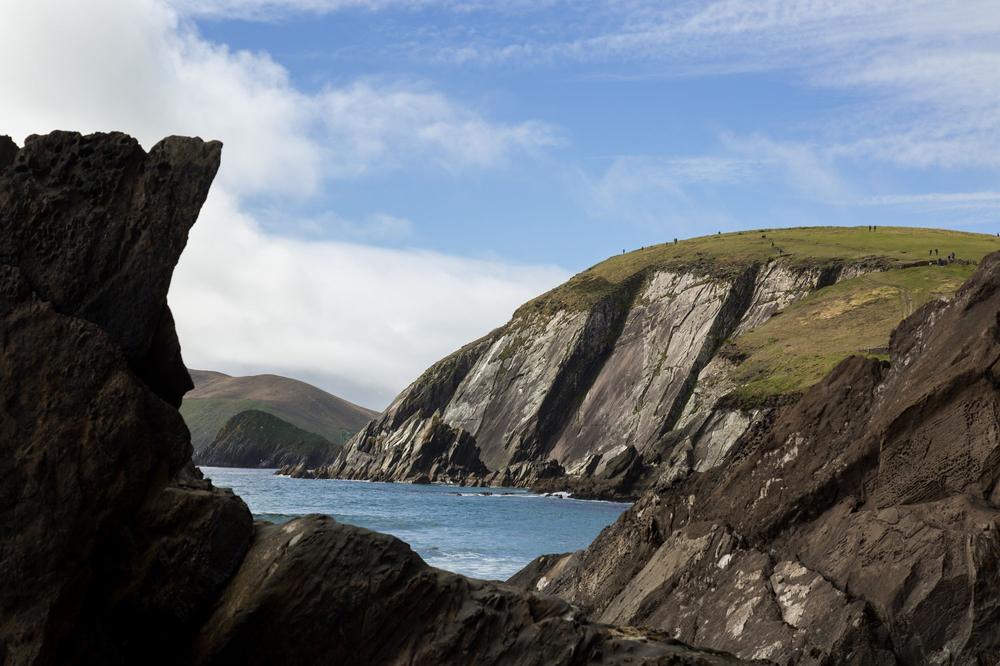 Photo by Michael Fischer on Pexels
Cliffs along the Dingle Peninsula
Skellig Michael
- Skellig Michael: boat trips book out well in advance, since landing permits are capped; UNESCO (1996, as Sceilg Mhichíl)
Unlike the Ring of Kerry or Dingle's coast roads, reaching Skellig Michael takes a boat crossing from Portmagee that's frequently canceled for sea conditions, so book well ahead and keep a backup day free. Its 6th-century Gaelic Christian monastery clings to a steep rock 11.6 kilometers off the Kerry coast.
Allow half a day for the round trip. The island later appeared in Star Wars, though the monastery itself long predates the film.
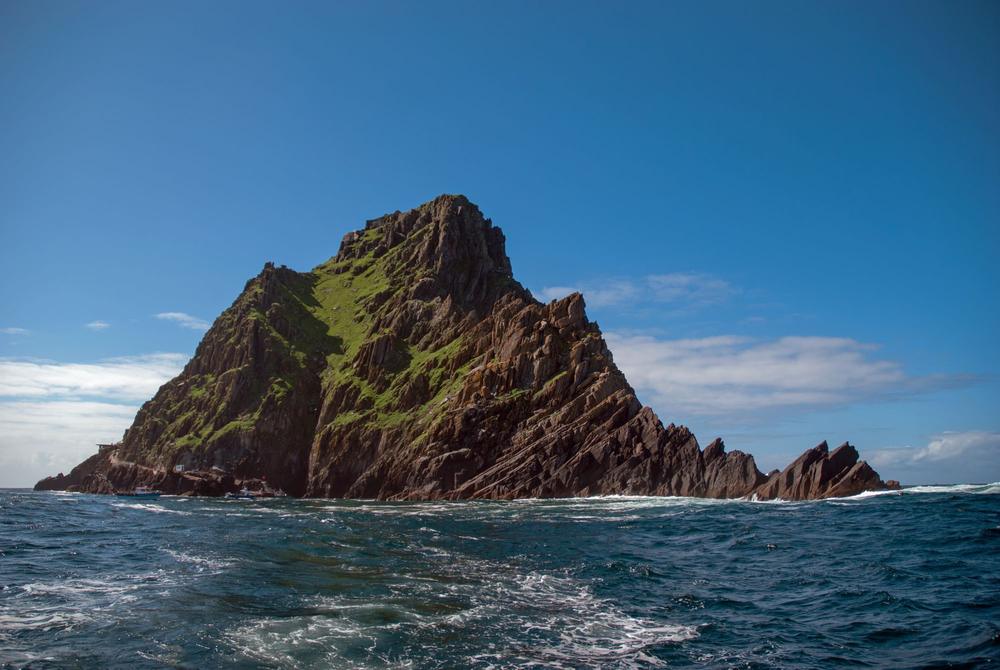 Photo by Karl MPhotography on Pexels
Skellig Michael, the monastic island off the Kerry coast
Galway and the west
Galway
Must-visit
Give Galway two or three nights, not one: it's the launch point for both the Cliffs of Moher day trip south and the Connemara loop north.
The Spanish Arch sits at the edge of the old Latin Quarter, a tight grid of pedestrianized lanes where buskers and trad-music pubs compete for the same narrow streets along Shop Street. A day covers the Latin Quarter, the Spanish Arch and Galway Cathedral at an easy walking pace.
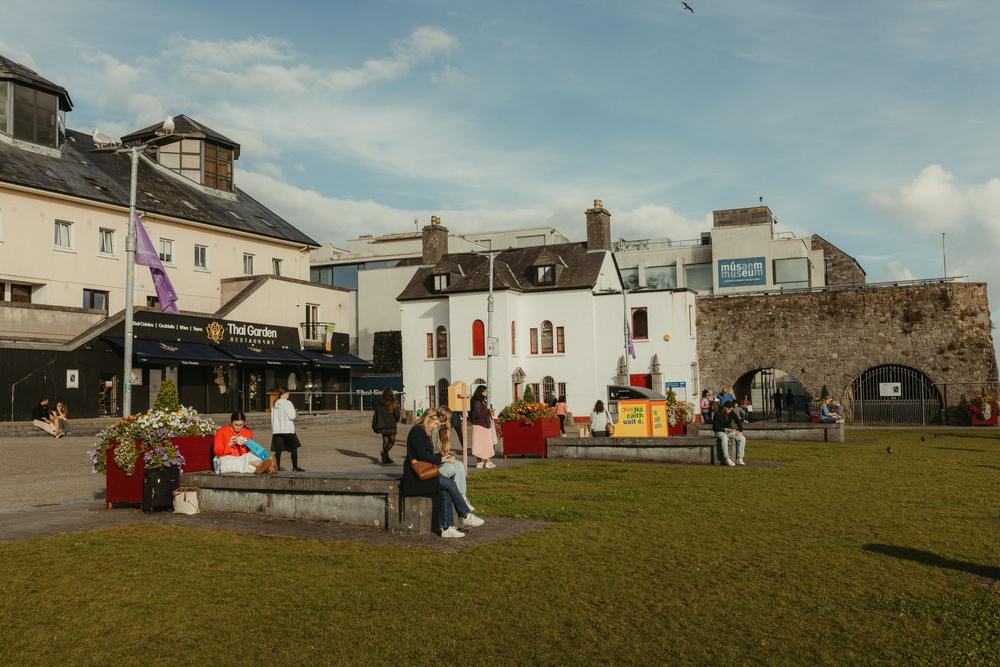 Photo by Jonathan Borba on Pexels
The Spanish Arch in Galway
Connemara
A day-long loop through Clifden and out to Kylemore Abbey covers Connemara, an Irish-speaking region of granite mountains, bog and small islands west of Galway. The abbey, a Benedictine monastery built as a Gothic-revival castle in 1867, sits on its own lake with a Victorian walled garden.
Allow more time at Kylemore than the lake-view photo stop suggests; the walled garden sits separately from the abbey and is worth the walk over.
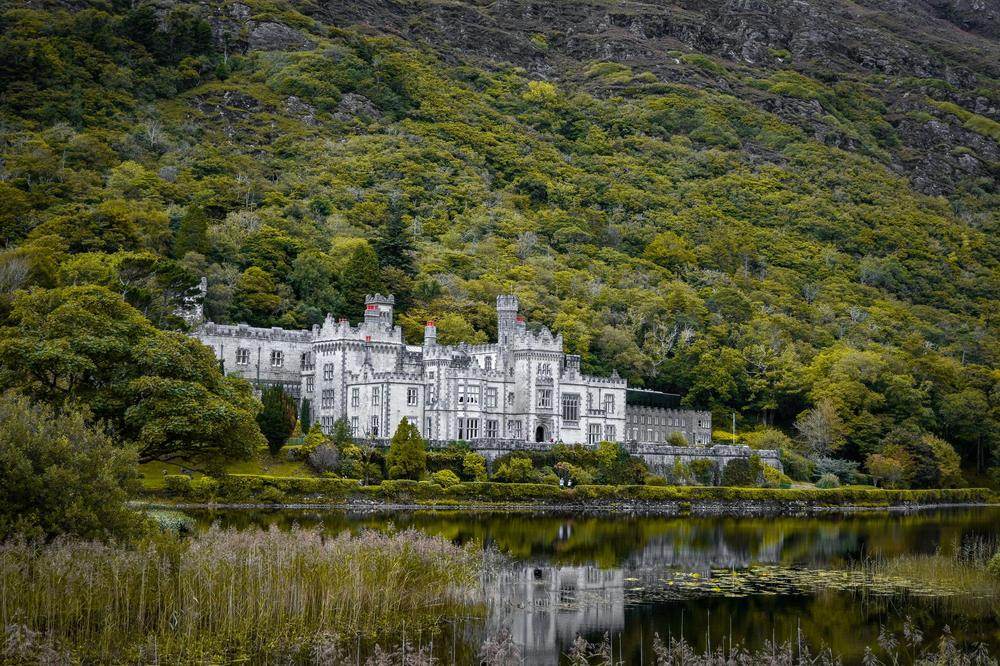 Photo by Rick Johns on Pexels
Kylemore Abbey reflected in its lake
Aran Islands
Start with Dun Aonghasa, an Iron Age stone fort built on the edge of a sheer sea cliff on Inishmore, the largest of the three Aran Islands. Stone-walled fields crisscross the island beyond it, a pattern of old field boundaries that gives the Arans their look from the air.
Book the Galway ferry well ahead for a summer visit, and build in a buffer day in case rough seas cancel the crossing.
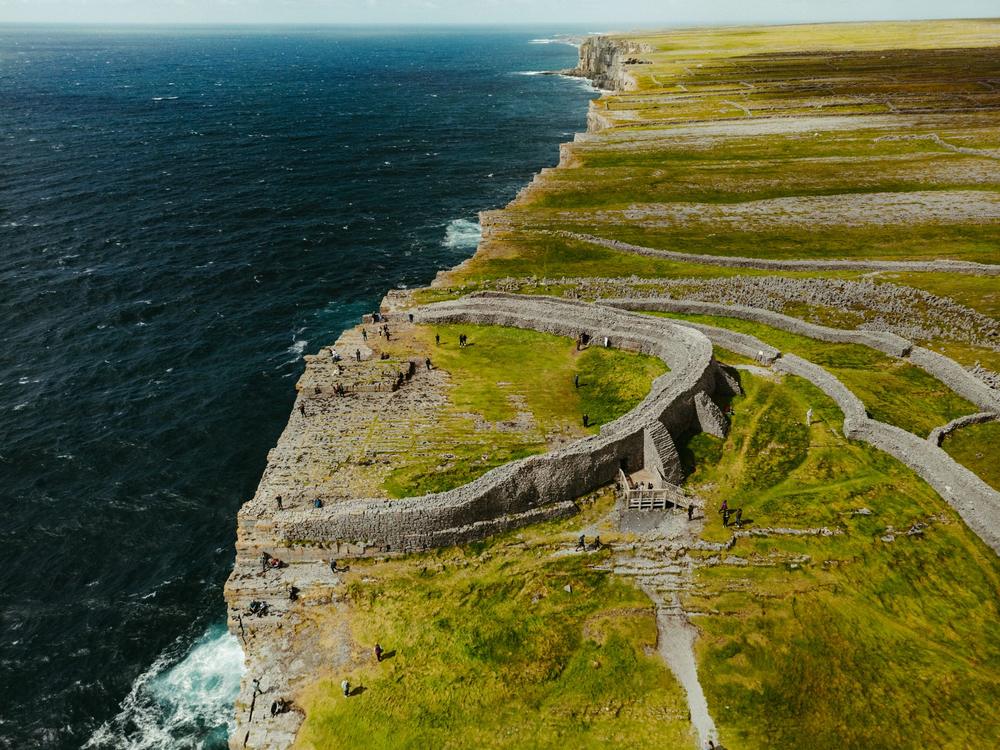 Photo by Jonathan Borba on Pexels
Dun Aonghasa, the Iron Age fort on the Aran Islands
The Burren
Stop first at Poulnabrone Dolmen, which has stood alone on the Burren's bare limestone pavement since roughly 4200 BC, a Neolithic portal tomb and one of the most-photographed stops on a crossing. The Burren itself is a haunting karst upland in County Clare, dotted with similar megalithic sites and ending at the Cliffs of Moher.
Half a day covers a drive through, with stops at the dolmen and the limestone pavement along the way.
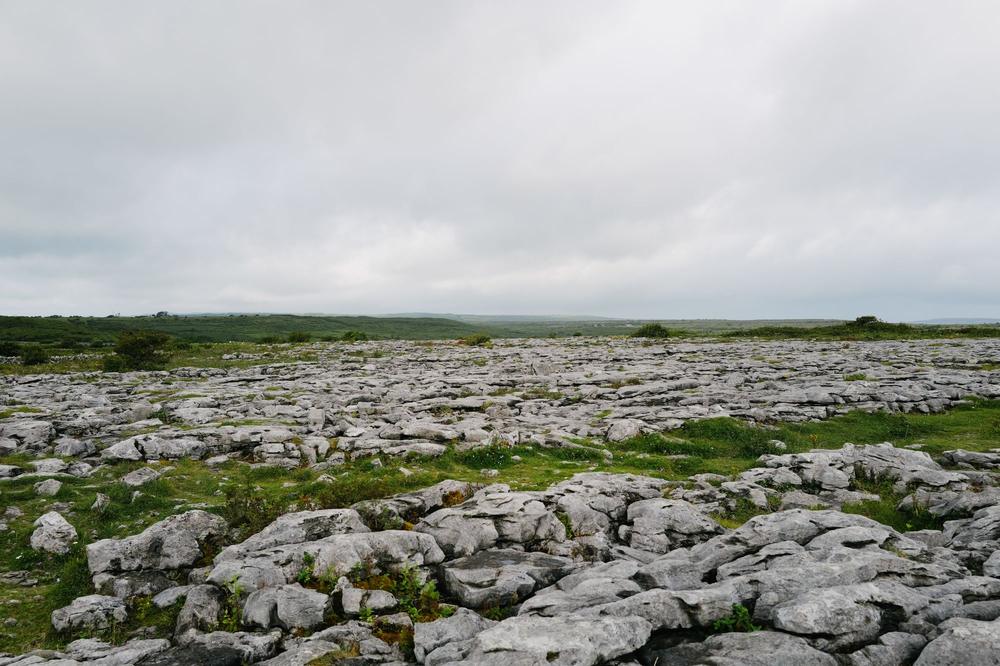 Photo by Adrien Olichon on Pexels
The limestone karst landscape of the Burren
Cliffs of Moher
- Cliffs of Moher: 2026 gate rate adult €15, student/senior €12, family €30; go before 10am or after 4pm to clear the tour-bus crowds
Clear days at the Cliffs of Moher, Ireland's most-visited natural attraction, give the best visibility for the 214-meter drop into the Atlantic at O'Brien's Tower, the highest point on the walk. Book online ahead for a lower rate than the gate price charged to same-day walk-ups.
Doolin, a short drive away, is the usual overnight base, with its own pier for the boat tour below the cliffs. A full visit with the center runs two to three hours.
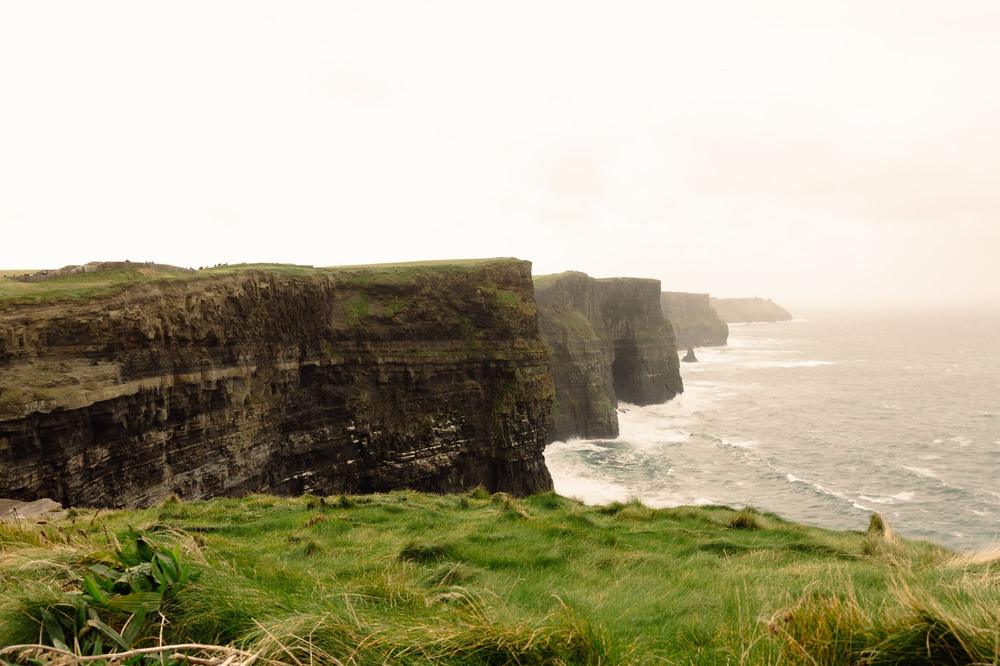 Photo by Tanita Lupa on Pexels
The Cliffs of Moher
Bunratty Castle & Folk Park
A restored 15th-century castle shares its grounds with Bunratty Folk Park, an open-air reconstruction of a 19th-century Irish village between Limerick and the Cliffs of Moher. The Folk Park, more than the castle, is worth the detour: recreated streets, cottages and shops give a sense of 19th-century rural life.
Give the Folk Park at least a couple of hours on its own, separate from the castle tour.
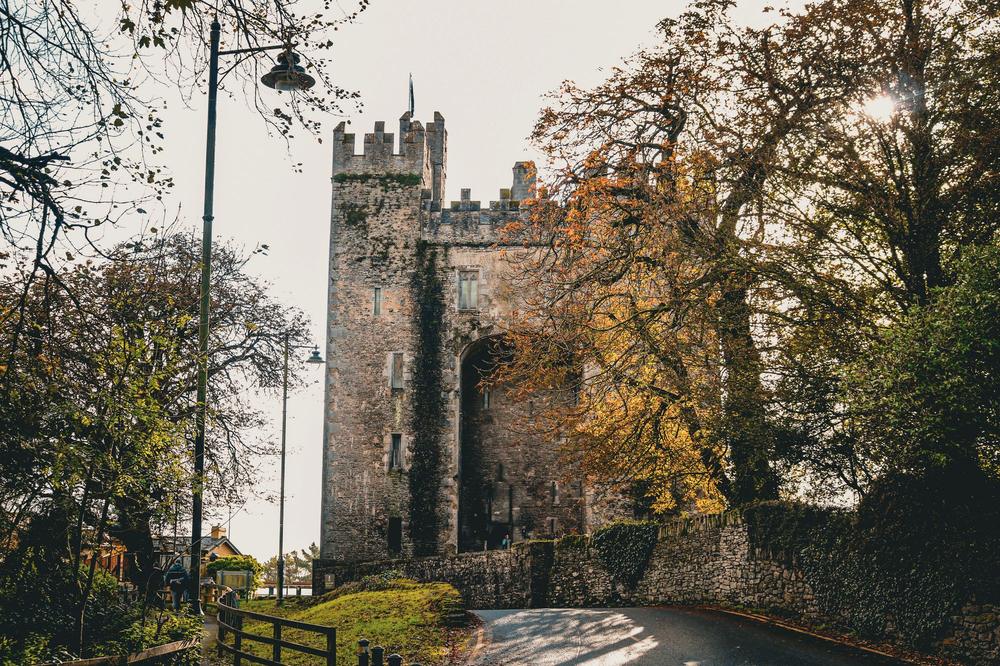 Photo by Dahlia E. Akhaine on Pexels
Bunratty Castle, County Clare
Slieve League
Slieve League's sea cliffs rise nearly 600 meters above the Atlantic, in a remote stretch of County Donegal. The narrow access road turns unpleasant in fog, so save the drive for a clear day.
Half a day covers the drive out and the viewpoint walk, a detour worth it mainly for travelers already headed into Donegal.
Try free
Plan your Ireland trip in about 2 minutes
Tap through 8 quick cards for a complete itinerary with budget, maps, and packing lists. No account required.
Plan your Ireland trip →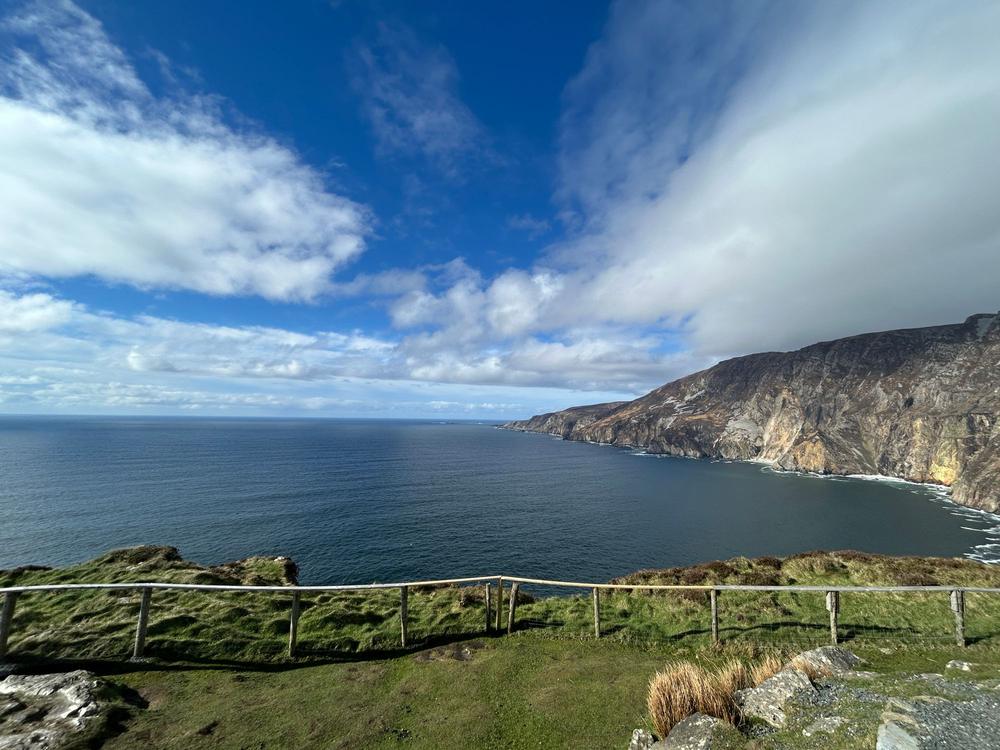 Photo by Advait Dharmadhikari on Pexels
The Slieve League cliffs meeting the Atlantic
Northern Ireland
Belfast, the Giant's Causeway and Derry sit in the United Kingdom, so prices here are in British pounds, not euros.
Belfast
- Titanic Belfast: book timed tickets ahead; the museum sits on the shipyard where the ship was built
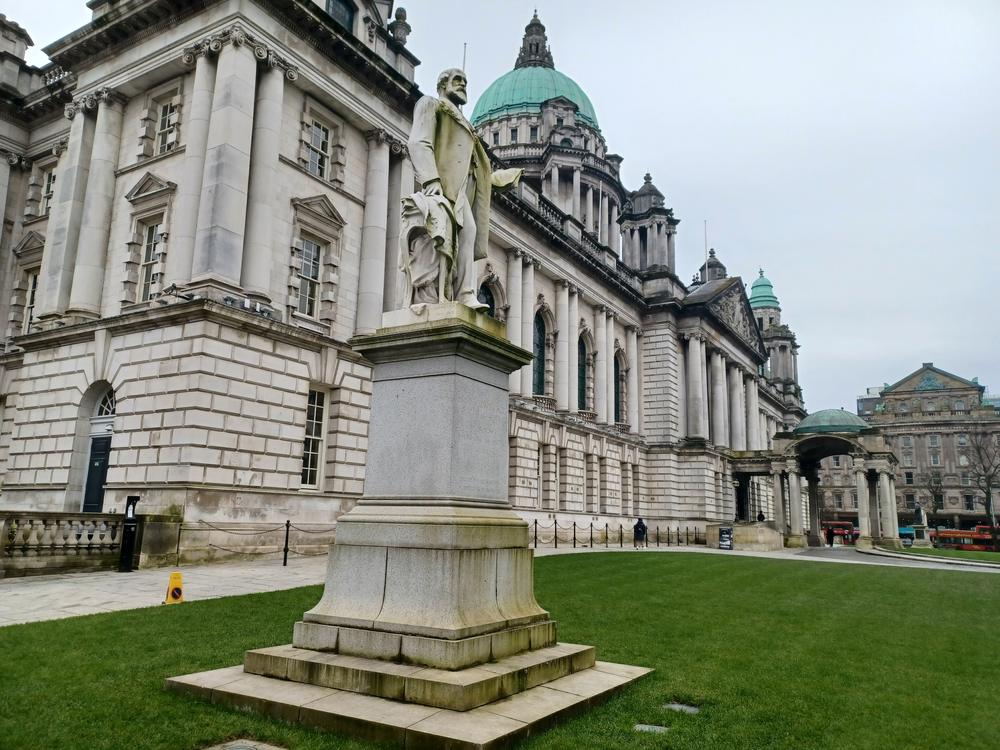
Titanic Belfast, shaped like four ship hulls, tells the construction and sinking story at the Titanic's actual birthplace, a short walk from the River Lagan. Belfast City Hall's dome sits over Donegall Square, a Victorian civic center at the heart of Northern Ireland's capital.
An early Titanic Belfast slot pairs well with an afternoon Black Taxi tour of the city's political murals.
 Simon Burchell (CC BY-SA 4.0)
Belfast City Hall, Donegall Square
Giant's Causeway
- Giant's Causeway: walking to the stones is free; National Trust Visitor Experience adult (18+) £15.00, child (5-17) £7.50; UNESCO (1986)
- Carrick-a-Rede Rope Bridge: timed tickets in peak season; a 30-meter-high rope crossing to a small island, usually paired with the Causeway on the same day
Some 40,000 interlocking hexagonal basalt columns, formed by ancient volcanic activity, make the Giant's Causeway Ireland's best-known natural landmark. The National Trust, which runs the site, says: "You can walk to the stones for free, but our on-site car park is reserved for those buying tickets for our Visitor Experience..."
Carrick-a-Rede's rope bridge, a short but genuinely nerve-testing crossing to a tiny island 30 meters above the sea, sits a short drive along the same Causeway Coast and draws its own queue. Anyone pairing it with the Causeway on the same day should time both around opening and closing, when the crowds thin out.
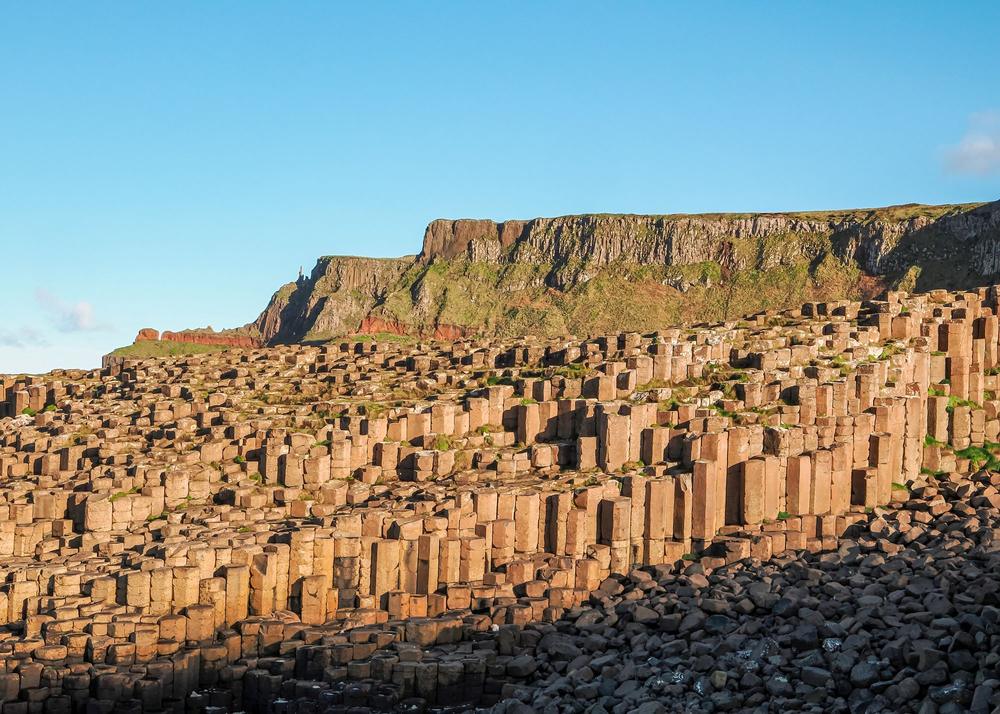 Photo by Marian Florinel Condruz on Pexels
The hexagonal basalt columns of the Giant's Causeway
Derry
Walk the full loop of Derry's city walls, the only ones in Ireland still intact, for a view down into the Bogside below. Cannon still stand mounted at several bastions along the walk. Half a day to a full day covers the full circuit and a walk down into the Bogside.
The Peace Bridge, a pedestrian crossing over the River Foyle, links the old walled city with the Waterside across the river. Derry was the starting point of the 1972 Bloody Sunday events during the Troubles.
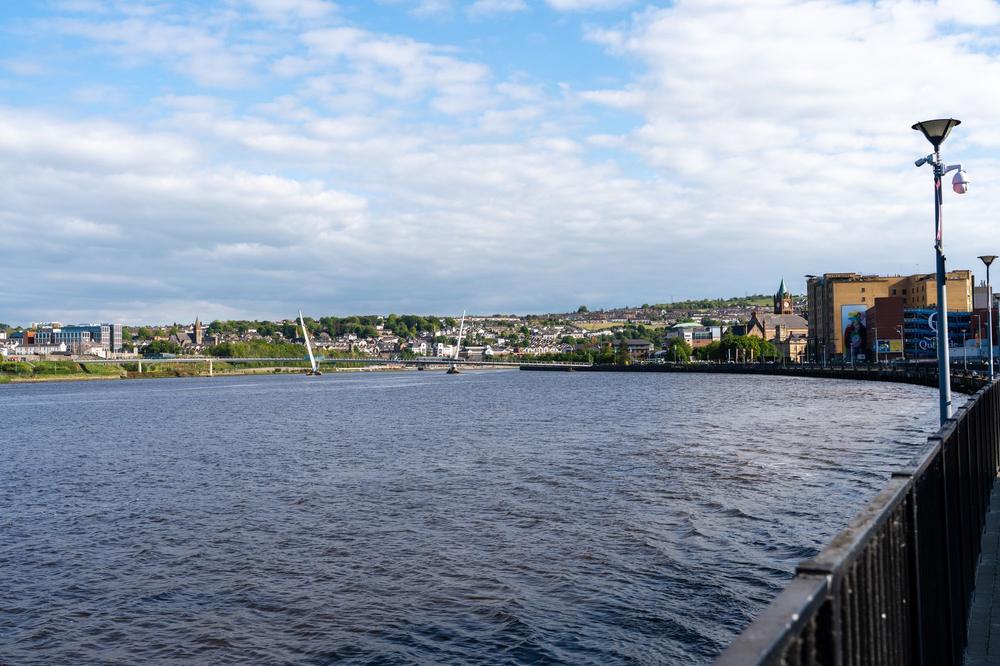 Photo by Donovan Kelly on Pexels
The Peace Bridge over the River Foyle, Derry
More places to add to a trip
| Place | Go for | Region |
|---|---|---|
| Westport | a Georgian town center and the climb up Croagh Patrick | County Mayo |
| Doolin | trad-music pubs and the overnight base for the Cliffs of Moher | County Clare |
| Glenveagh National Park | a 19th-century castle beside Lough Veagh | County Donegal |
| Mourne Mountains | a hike up Slieve Donard, Northern Ireland's highest peak | County Down |
The best places to visit in Ireland at a glance
| Place | Go for | Book ahead |
|---|---|---|
| Dublin | Trinity College, the Guinness Storehouse, Kilmainham Gaol | yes |
| Powerscourt Gardens | the terraced gardens, Ireland's tallest waterfall | no |
| Glendalough | the monastic round tower, the Wicklow Mountains | no |
| Newgrange (Brú na Bóinne) | the passage tomb, the winter solstice sunrise | yes |
| Kilkenny | Kilkenny Castle, the Medieval Mile | no |
| Rock of Cashel | the hilltop medieval ruins | no |
| Waterford | Reginald's Tower, the Viking Triangle | no |
| Cork | the English Market, St Fin Barre's Cathedral | no |
| Blarney Castle | kissing the Blarney Stone, the castle gardens | no |
| Cobh | the colorful harbor, the Titanic connection | no |
| Kinsale | Charles Fort, the food scene | no |
| Killarney | Killarney National Park, Muckross House, Ross Castle | no |
| Ring of Kerry | the 179km coastal drive | no |
| Dingle Peninsula | the Slea Head Drive | no |
| Skellig Michael | the 6th-century monastery island | yes |
| Galway | the Spanish Arch, trad music, Galway Cathedral | no |
| Connemara | Kylemore Abbey, the mountain roads | no |
| Aran Islands | Dun Aonghasa, stone-walled fields | no |
| The Burren | the limestone karst, Poulnabrone Dolmen | no |
| Cliffs of Moher | the 214m cliffs, O'Brien's Tower | no |
| Bunratty Castle & Folk Park | the castle and the reconstructed village | no |
| Slieve League | among Europe's highest sea cliffs | no |
| Belfast | Titanic Belfast, City Hall | no |
| Giant's Causeway | the basalt columns, Carrick-a-Rede | yes |
| Derry | the intact city walls, the Peace Bridge | no |
Plan your Ireland trip
For trip length, getting around and costs, start with the Ireland guide. When you build a trip with MonkeyEatingMango, the booking checklist lists what to book and how many weeks ahead.
Last updated November 2026.
Common questions
What are the best places to visit in Ireland?
Dublin, Killarney National Park and the Ring of Kerry, the Cliffs of Moher and Galway form the classic first loop. A longer trip adds Cork, the Dingle Peninsula and Kilkenny, plus Belfast and the Giant's Causeway in Northern Ireland, a short drive north.
What is the best month to visit Ireland?
May and September give the best balance of mild weather, lower prices and fewer crowds. June through August is warmer and busier, and November through February is cheapest but brings short daylight and frequent rain.
Where should I go for the first time in Ireland?
A first trip pairs Dublin with one more region: Killarney and the Ring of Kerry to the southwest, or Galway and the Cliffs of Moher to the west. A week covers Dublin and one of those; ten days to two weeks adds the other, plus Cork or Belfast.
How many days do you need in Ireland?
A week covers Dublin and one more region well. Ten days adds a second region, such as Cork or Galway, and two weeks fits the full loop plus a push north to Belfast and the Giant's Causeway.
Do you need a car to see Ireland's main sights?
A car is the easiest way to see the Ring of Kerry, the Dingle Peninsula, the Cliffs of Moher and the Causeway Coast, since all four are difficult to reach on public transport. Dublin, Galway, Cork, Kilkenny and Belfast all connect by train or bus, so a car-free trip can still cover the main cities.
Is the Giant's Causeway in the Republic of Ireland or Northern Ireland?
The Giant's Causeway is in Northern Ireland, part of the United Kingdom, on the County Antrim coast near Bushmills. Prices there are in British pounds, not euros, and the stones themselves are free to visit; the National Trust's Visitor Experience (parking, the center and an audio guide) is a separate paid ticket.
Is Skellig Michael a UNESCO World Heritage Site?
Yes. Skellig Michael is inscribed as Sceilg Mhichíl, added to the UNESCO list in 1996, a separate listing from the Brú na Bóinne passage tombs inscribed in 1993. The Giant's Causeway, a Northern Ireland site, was inscribed earlier, in 1986.
Is the Rock of Cashel a UNESCO World Heritage Site too?
No. The Rock of Cashel sits only on Ireland's UNESCO Tentative List, added in 2010 as part of a nomination called 'The Royal Sites of Ireland,' alongside Tara, Dún Ailinne, the Hill of Uisneach and the Rathcroghan Complex. A Tentative List entry is a nomination in progress, not a World Heritage inscription.
What's the most beautiful part of Ireland?
The southwest's Ring of Kerry and Dingle Peninsula and County Donegal's Slieve League, taller than the Cliffs of Moher and far less crowded, are the strongest picks for coastal scenery. For a different kind of beauty, the Ancient East's Newgrange and Glendalough pair prehistoric and early-Christian sites with the Wicklow Mountains.
Do you need to book the Cliffs of Moher, Skellig Michael or the Giant's Causeway ahead?
Skellig Michael's boat permits are capped, so book well ahead. The Cliffs of Moher's online rate beats the gate price, and the Giant's Causeway's Visitor Experience needs a ticket only in peak season; walking to the stones themselves is free, any time.

Written by Shobhit Shrivastava · Founder
Related reading
Things to Do in Scotland and the Best Places to Visit
Where to go in Scotland: Edinburgh and the Lothians, Glasgow and the central belt, the Highlands, the islands, and the whisky-region choice no single answer settles. Every stop carries its top sights, the official price where one exists, and what to book ahead.
Things to Do in Croatia and the Best Places to Visit
Where to go in Croatia by region: Split, Dubrovnik and the Dalmatian islands, Istria and the Kvarner coast, Zagreb and the national parks. Every stop carries its top sights, the official price where one exists, and what to book ahead.
Things to Do in Australia and the Best Places to Visit
Where to go in Australia by region: the big cities, the Reef and the Red Centre, road trips and islands, Tasmania and the West. Every stop carries its top sights, the official price where one exists, and what to book ahead.