4 Days in Vienna: From Schönbrunn Palace to St. Stephen's Cathedral

Hofburg Palace · St. Stephen's Cathedral · Schönbrunn Palace Grand Tour and Gardens · Vienna State Opera Performance · Schönbrunn Zoo · Belvedere Palace
4-day Vienna itinerary. Day-by-day route, attractions & food.
Part one
Is this trip for you?
Vienna anchors this trip, delivering a scale of imperial grandeur by a split with Salzburg. While Salzburg offers Alpine views and Mozart's birthplace, it lacks the sheer density of Habsburg palaces, grand museums and the deep-seated cafe culture Vienna embodies. This destination is built for travelers seeking centuries of imperial history, classical music and robust family-friendly cultural immersion over mountain scenery or town charm.
Your itinerary covers 6 must-have experiences

Imperial Palaces & History
✓ Day 1: Hofburg Palace
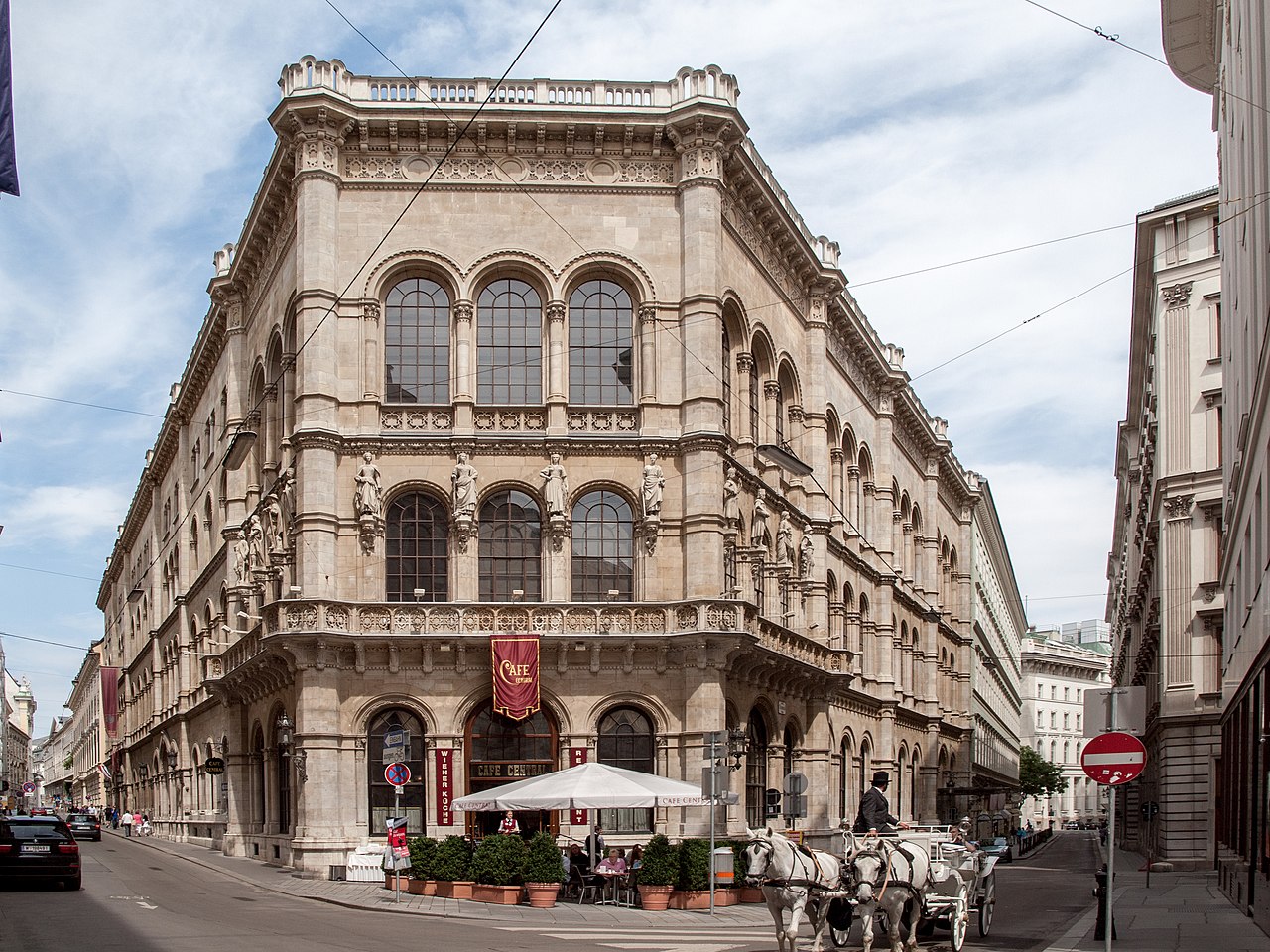
Traditional Viennese Coffee Houses
✓ Day 1: Experience Traditional Viennese Kaffeehaus Culture at Café Sacher Wien

Grand Cathedrals & Churches
✓ Day 1: St. Stephen's Cathedral

Classical Music & Performance
✓ Day 2: Vienna State Opera Performance

An Iconic Animal Encounter
✓ Day 3: Schönbrunn Zoo
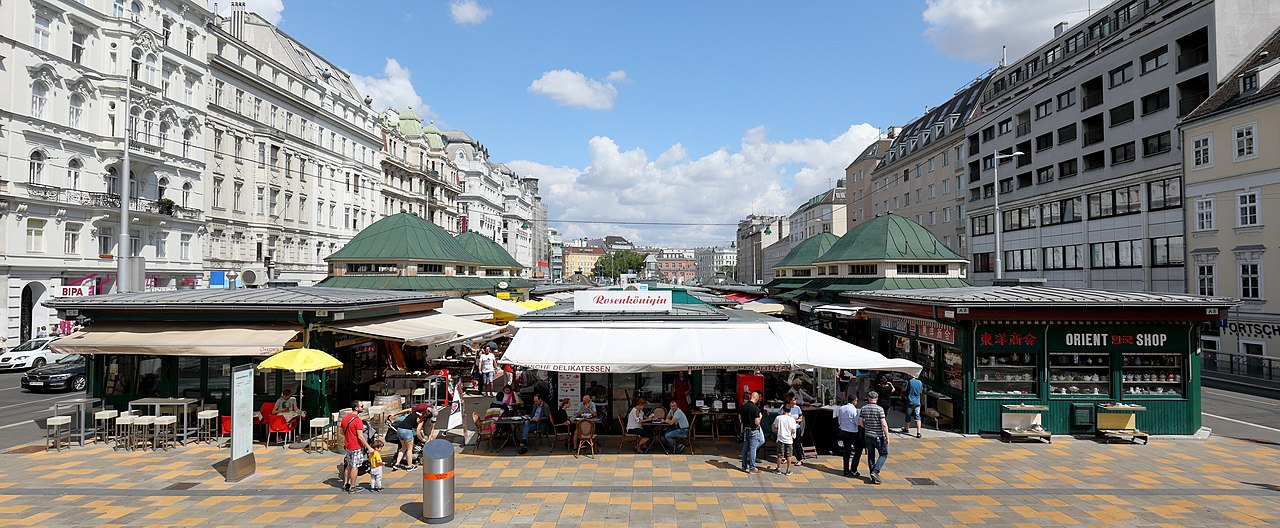
A Bustling Viennese Food Market Expedition
✓ Day 3: Naschmarkt Food Expedition
📅 Best Time to Visit
The shoulder seasons, April-May (spring) and September-October (early autumn), are ideal for visiting Vienna. Temperatures range from 15-20°C (59-68°F), crowds are manageable, and the weather is pleasant for walking and outdoor activities. Spring sees blooming gardens, while autumn offers colorful foliage. December is popular for Christmas markets, but expect colder temperatures (around 0-5°C / 32-41°F) and larger crowds. July and August can be hot and humid, often reaching 30°C (86°F), with more tourists.
Part two
The plan, day by day
This itinerary dedicates all four days to Vienna, maximizing deep immersion without any inter-city transfers. You will spend the initial days exploring the Innere Stadt's imperial history and museums. This allows ample time for Schonbrunn Palace, including its extensive gardens and zoo, which demands a full day for families.
The structure paces cultural highlights with dedicated family fun days. This setup provides flexibility for enjoying Vienna's culinary scene each evening without rush. This trip prioritizes Vienna's core imperial history, grand palaces, family activities, and classical music traditions, allowing for a deep dive into its unique character.
You will not explore the Vienna Woods, missing out on its hiking trails and small villages like Grinzing, known for traditional heuriger wine taverns. Nor does this trip include a visit to Bratislava, a nearby capital offering a different cultural flavor and castle views. It's the right cut if you came for palaces and coffee houses; the wrong one if your trip is about day trips or regional exploration.
To extend this trip, add two nights for a side trip to Melk Abbey and the Wachau Valley. Melk offers a Baroque monastery perched above the Danube. The Wachau Valley invites boat trips, cycling through vineyards and sampling local apricot brandies.
This would add a different flavor of Austrian scenery and history.
No wildlife activities (safaris, whale watching, sanctuaries) were scheduled
A 4-day trip with 6 interests can't cover everything at moderate pace — extend the trip or reduce interests to fit
With 6 interests and only 4 days, some interests were deprioritized. Extend the trip or reduce interests for better coverage.
- Morning
08:00 AM - Airport Arrival and Hotel Transfer· 1 hr 30 min
USD 45 (~EUR 41)Arrive at Vienna International Airport (VIE). Take the City Airport Train (CAT) to Wien Mitte (16 min, €14.90), then connect via U-Bahn to your hotel area in Innere Stadt. Alternatively, a taxi directly to the city center takes approximately 20-30 minutes and costs €35-€45. Allow time to check into your hotel and settle in.
- 🕐 Monday: 9:00 AM – 6:00 PM; Tuesday: 9:00 AM – 6:00 PM; Wednesday: 9:00 AM – 6:00 PMConfirm hours on Maps
10:00 AM - Hofburg Palace· 3 hrs
USD 20 (~EUR 18) - Afternoon
01:00 PM - Lunch: Wiener Schnitzel near Hofburg· 1 hr
USD 18 (~EUR 17)Wiener schnitzelEnjoy a traditional Wiener Schnitzel, a thinly pounded, breaded, and pan-fried veal cutlet, served with lemon and often potato salad at a local eatery in the Innere Stadt.
- 🕐 Monday: 7:00 AM – 11:00 PM; Tuesday: 7:00 AM – 11:00 PM; Wednesday: 7:00 AM – 11:00 PMConfirm hours on Maps
04:30 PM - Experience Traditional Viennese Kaffeehaus Culture at Café Sacher Wien· 1 hr 30 min
USD 15 (~EUR 14) - Evening
07:30 PM - Dinner: Authentic Austrian Cuisine in Innere Stadt· 1 hr
USD 25 (~EUR 23)Wiener saftgulaschSavor authentic Austrian dishes at a traditional restaurant in the Innere Stadt. Explore local specialties beyond schnitzel, perhaps a rich Wiener Saftgulasch or a lighter Tafelspitz.
Innere Stadt
The Innere Stadt (First District) is Vienna's historic heart, offering unparalleled walkability to major attractions like Hofburg Palace and St. Stephen's Cathedral, an abundance of dining options, and excellent public transport connections for exploring further afield.
- Morning🕐 Monday: 8:30 AM – 5:30 PM; Tuesday: 8:30 AM – 5:30 PM; Wednesday: 8:30 AM – 5:30 PMConfirm hours on Maps
08:30 AM - Schönbrunn Palace Grand Tour and Gardens· 4 hrs
USD 50 (~EUR 46) - Afternoon
01:00 PM - Lunch: Traditional Austrian Cuisine in Hietzing· 1 hr
USD 18 (~EUR 17)TafelspitzSavor authentic Austrian dishes at a local restaurant in the charming Hietzing district, near Schönbrunn Palace.
- Evening
07:00 PM - Dinner: Viennese Specialties in Wieden· 1 hr
USD 20 (~EUR 18)Enjoy a delightful dinner featuring Viennese specialties in the vibrant Wieden district, offering a taste of local flavors outside the city center.
Innere Stadt
Central location offering excellent access to major historical sites, diverse dining options, and efficient public transport connections for exploring other districts.
- Morning🕐 Monday: 9:00 AM – 6:30 PM; Tuesday: 9:00 AM – 6:30 PM; Wednesday: 9:00 AM – 6:30 PMConfirm hours on Maps
09:00 AM - Schönbrunn Zoo· 4 hrs
USD 60 (~EUR 55) - Afternoon
01:00 PM - Lunch: Traditional Austrian Cuisine in Hietzing· 1 hr
USD 100 (~EUR 92)Wiener schnitzelEnjoy a comforting lunch of local specialties like Wiener Schnitzel or Goulash in the Hietzing district after your zoo visit.
- Closes 6 PM · 3.5h here🕐 Monday: 9:00 AM – 6:00 PM; Tuesday: 9:00 AM – 6:00 PM; Wednesday: 9:00 AM – 6:00 PMConfirm hours on Maps
02:30 PM - Belvedere Palace· 2 hrs
USD 60 (~EUR 55) - 🕐 Monday: 8:00 AM – 11:00 PM; Tuesday: 8:00 AM – 11:00 PM; Wednesday: 8:00 AM – 11:00 PMConfirm hours on Maps
04:45 PM - Naschmarkt Food Expedition· 1 hr
USD 150 (~EUR 138) - Evening
07:45 PM - Dinner: Authentic Austrian in Josefstadt· 1 hr
USD 130 (~EUR 120)Savor a traditional Austrian dinner in the charming residential district of Josefstadt, known for its historic buildings and local eateries.
Innere Stadt
Centrally located, offering excellent access to major attractions, public transport, and a wide array of dining options. Ideal for exploring Vienna's historic core on foot.
- Morning🕐 Monday: 9:00 AM – 8:00 PM; Tuesday: 9:00 AM – 8:00 PM; Wednesday: 9:00 AM – 8:00 PMConfirm hours on Maps
09:00 AM - Haus des Meeres (House of the Sea)· 3 hrs 30 min
USD 25 (~EUR 23) - Afternoon
12:30 PM - Lunch: Traditional Austrian Cuisine in Wieden· 1 hr
USD 60 (~EUR 55)Wiener schnitzelEnjoy a delicious final Austrian lunch in the vibrant Wieden district, featuring local specialties in a cozy setting.
01:30 PM - Viennese Strudel Cooking Class· 2 hrs
USD 367 (~EUR 338)Participate in a hands-on culinary workshop to learn the secrets of making authentic Viennese apple strudel, from stretching the dough to creating the perfect filling. A fun and delicious experience for the entire family.
03:30 PM - Hotel Checkout & Luggage Collection· 30 min
FREEReturn to your hotel in Innere Stadt to formally check out and collect your luggage before heading to the airport.
- Confirm hours on Maps
04:00 PM - Depart from Vienna International Airport (VIE)· 5 hrs
USD 50 (~EUR 46)
Like this plan? Make it yours
Same destination, your dates, budget, and pace — generated free in about a minute.
Customize this tripFreePart three
Food, shopping & festivals
Top 8 dishes to try

Apfelstrudel
📍 Any traditional cafe or bakery
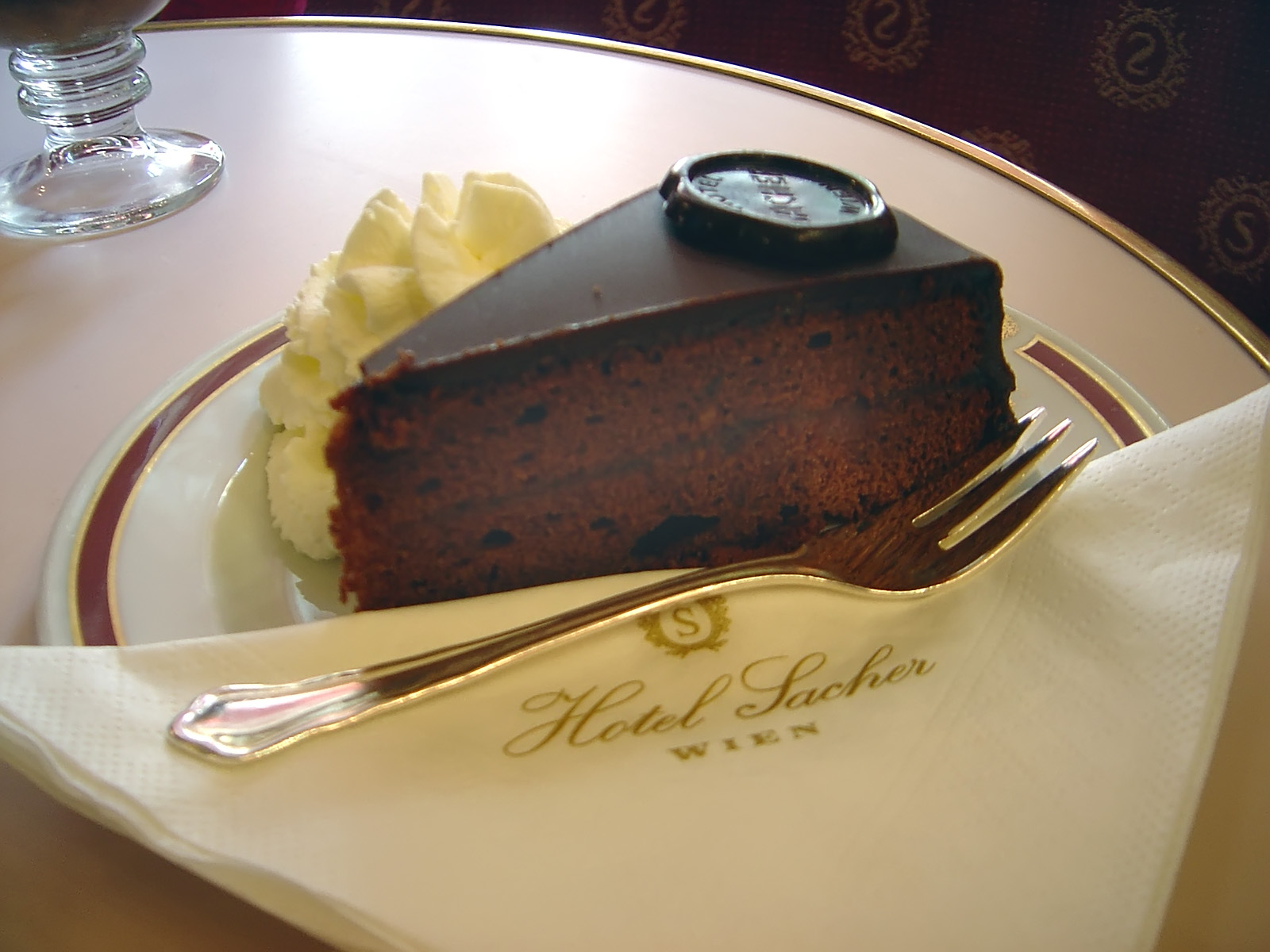
Sachertorte
Vienna
📍 Innere Stadt (Hotel Sacher)

Wiener Schnitzel
Vienna
📍 Innere Stadt
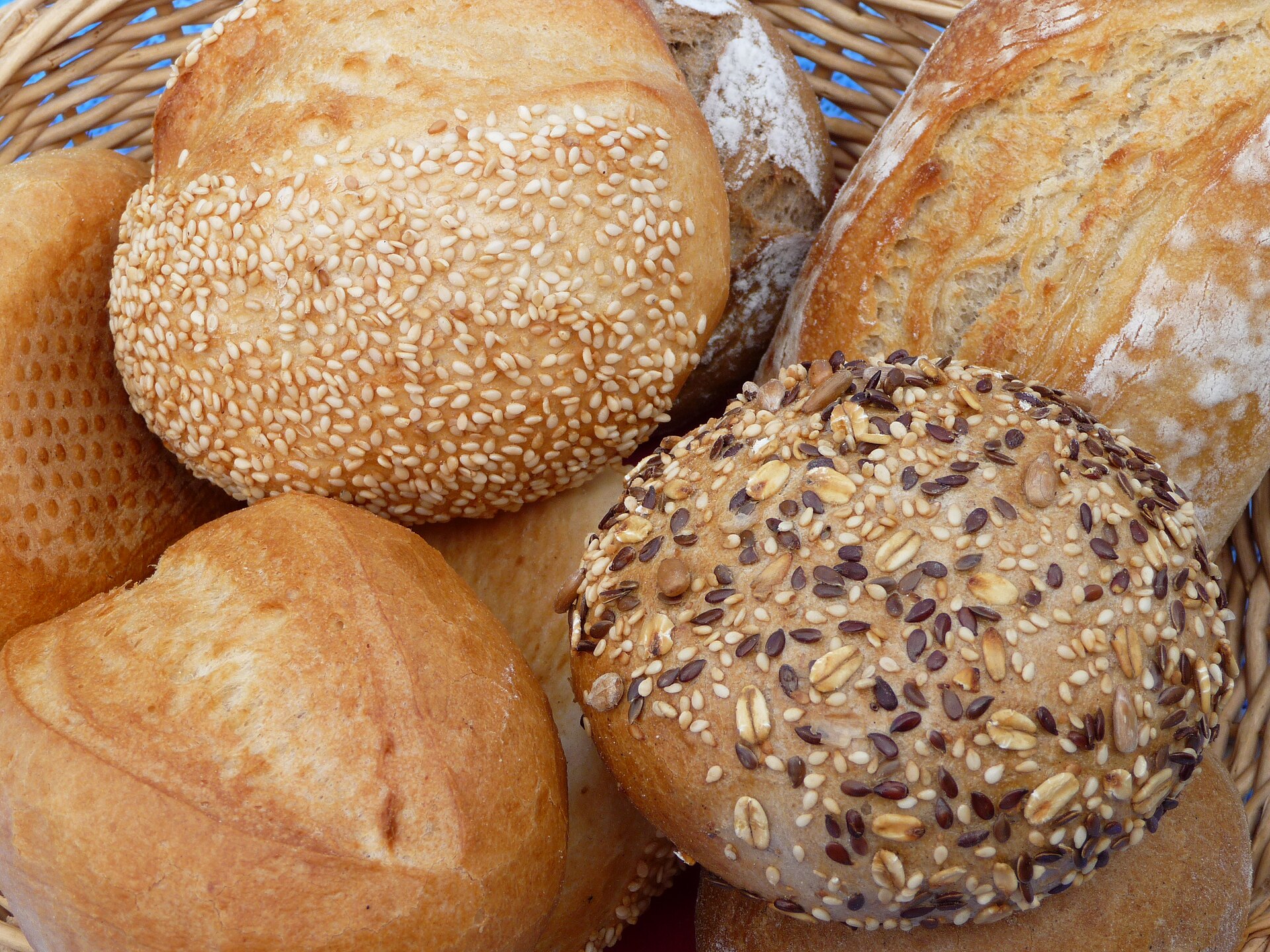
Brötchen
Vienna
📍 Trzesniewski (Innere Stadt)

Einspänner
Vienna
📍 Any traditional Kaffeehaus

Käsekrainer
📍 Würstelstand (street stalls)

Erdäpfelsalat (Potato Salad)
📍 Any traditional restaurant, especially with Schnitzel

Kaiserschmarrn
📍 Many traditional restaurants
Markets & neighborhoods
A vibrant open-air market with diverse food stalls, fresh produce, spices, and casual international eateries.
Historic Heuriger (wine taverns) serving local new wine, traditional Austrian cold cuts, and hearty dishes in a relaxed, village-like atmosphere.
Elegant cafes, Michelin-starred restaurants, historic confectionery, and traditional Viennese dining experiences.
Good to Know
Top 7 souvenirs
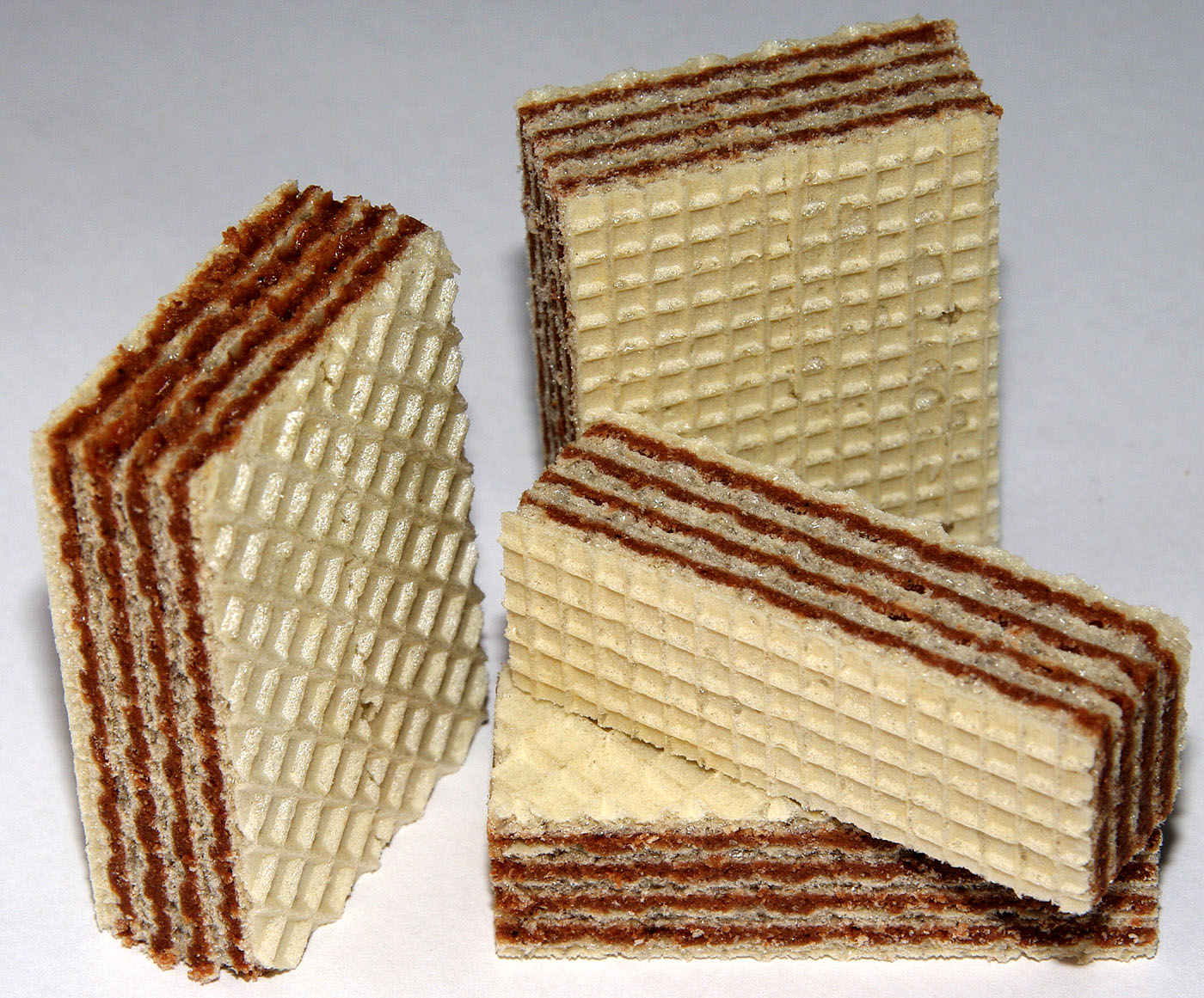
Manner Neapolitaner Wafers
Vienna
📍 Manner shops (e.g., Stephansplatz), any major supermarket like Billa or Spar.

Specialty Viennese Coffee Beans
Vienna
📍 Alt Wien Kaffee (Schleifmühlgasse 23), Julius Meinl am Graben, or local roasters.

Original Viennese Snow Globe (Perzy)
Vienna
📍 Original Wiener Schneekugelmanufaktur, Schumanngasse 87 (Perzy III's workshop).

Demel or Sacher Torte
Vienna
📍 Hotel Sacher Wien (original Sacher Torte) or Demel K.u.K Hofzuckerbäcker (Kohlmarkt 14).

Augarten Porcelain
Vienna
📍 Augarten Porcelain Manufactory (Schloss Augarten) or Augarten Boutique, Spiegelgasse 3.
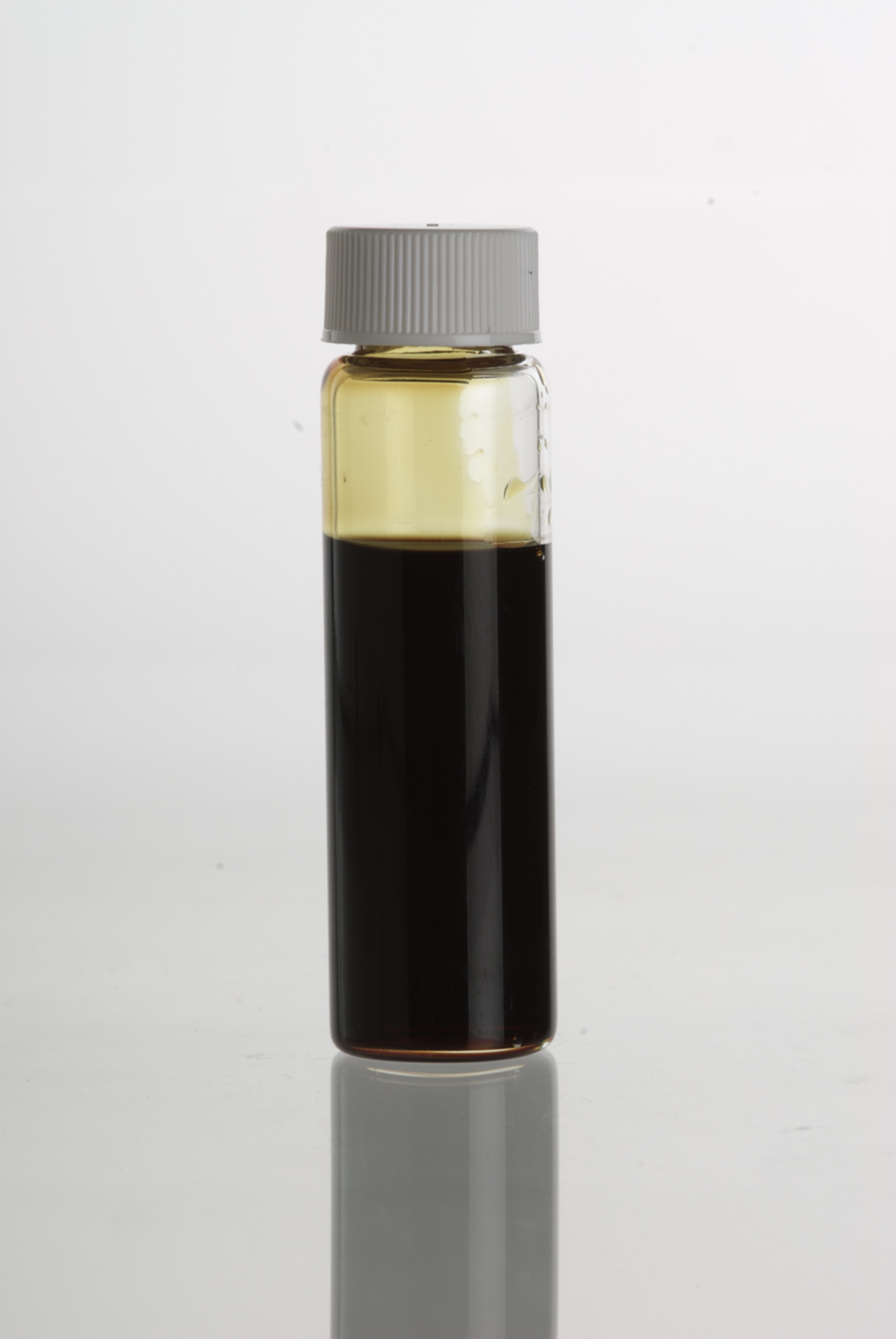
Styrian Pumpkin Seed Oil (Kürbiskernöl)
Vienna
📍 Naschmarkt, specialty food stores like Meinl am Graben, or supermarkets.

Lobmeyr Glassware
Vienna
📍 J. & L. Lobmeyr flagship store, Kärntner Straße 26.
Markets & districts
Fresh produce, international spices, specialty foods, and unique flea market items on Saturdays.
A bustling, vibrant market with diverse food stalls and a lively atmosphere, especially busy on weekends for the flea market.
Luxury brands, traditional Austrian crafts (porcelain, glass), high-end fashion, and gourmet foods.
Elegant and historic, home to flagship stores on streets like Kärntner Straße and Graben, but can be crowded with tourists.
Mainstream fashion, department stores, electronics, and a mix of local and international brands.
Vienna's longest shopping street, primarily pedestrian, offering a modern retail experience with a wide range of price points.
Good to Know
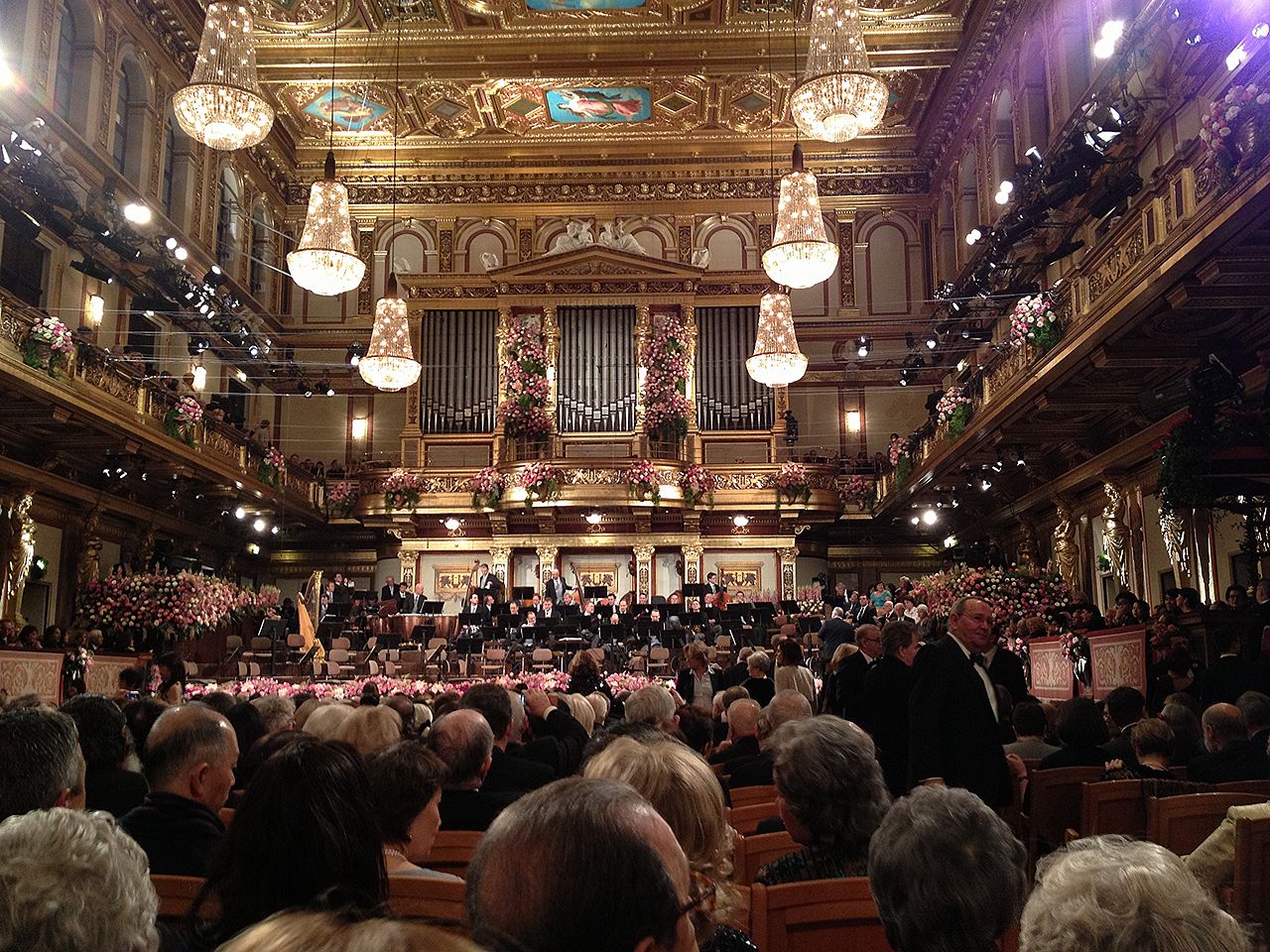
Vienna Philharmonic New Year's Concert
Neujahrskonzert der Wiener Philharmoniker
Jan 1
Broadcast to 90 countries every January 1 from the Musikverein Golden Hall. Strauss waltzes and polkas. Tickets distributed by lottery each February for the following year.

Vienna Opera Ball
Wiener Opernball
Feb 12
Held on the last Thursday before Ash Wednesday at the Vienna State Opera. Austria's most prestigious ball, featuring 144 debutante couples opening the ceremony. Formal white tie required.

Austria National Day
Nationalfeiertag
Oct 26
October 26 marks the 1955 law declaring Austria's neutrality. Military parade at Vienna's Heldenplatz, free entry to all federal museums, and public access to the Hofburg Palace.

Christmas
Weihnachten
Dec 25
Vienna's Rathausplatz Christmas market is one of Europe's most celebrated, and Salzburg's setting inspired 'Silent Night'. The Advent season is a major cultural event — Christkindlmarkt stalls appear in every town square. Heiligabend (Dec 24) is the main family celebration day. Krampus parades precede Christmas on Dec 5.
Vienna Ball Season
Wiener Ballsaison
Part four
Costs & booking
- Total for family of 4 — 4 days mid-range trip, excludes international flights
- Accommodation assumes 1 family room or connecting rooms
- Rough estimates — actual prices vary by season and availability
Local Transport
Accommodation
AI estimated based on typical hotel costs
Food
Activities
Curious how this stacks up? See how trip costs compare across countries in our Trip Cost Index.
Moderate-to-expensive overall — expect around $100/night for mid-range hotels for a family and $15-25 for a sit-down lunch per person. Vienna is extremely safe, and tap water is excellent and potable throughout the city.
For a 4-day trip, purchase the 72-hour Vienna City Card for around €17 per person, which covers unlimited travel on the U-Bahn, tram, and bus network, significantly cheaper than buying single tickets at €2.40 each.
Take advantage of the 'Mittagsmenü' (lunch menu) offered by many restaurants, providing a multi-course meal for €10-15, which is a significant saving compared to à la carte dinners at €20-30+ per main.
Allocate budget for one quintessential Viennese cultural experience, such as a classical concert at the Musikverein or Wiener Konzerthaus, with tickets typically ranging from €40-€100 per person, for an unforgettable evening.
To maximize your $660 activities budget, explore 'Kombitickets' for major sites like Schönbrunn Palace and the Hofburg Imperial Apartments, often saving 10-20% on combined entry versus separate tickets.
Hofburg Palace timed entry ticketDay 1
Book 2 weeks ahead — To ensure timed entry and minimize queueing at this popular imperial palace.
Café Sacher Wien table reservationDay 1
Book 1 week ahead — While not strictly required for entry, a reservation ensures a table without a significant wait, especially during peak hours, for this famous Kaffeehaus experience.
Schönbrunn Palace Grand Tour timed entry ticketDay 2
Book 2 weeks ahead — Grand Tour tickets, particularly for specific time slots, can sell out, and timed entry is essential for smooth access to this major attraction.
Vienna State Opera performance ticketDay 2
Book 3 months ahead — Tickets for popular performances at the Vienna State Opera are in high demand and often sell out well in advance, especially for good seats.
Schönbrunn Zoo entry ticketDay 3
Book 1 week ahead — Pre-booking entry tickets saves time at the gate and ensures smooth access to the zoo, particularly on weekends or holidays.
Belvedere Palace timed entry ticketDay 3
Book 2 weeks ahead — To guarantee timed entry to see Klimt's 'The Kiss' and other masterpieces, minimizing queueing at this popular art museum.
Naschmarkt Food Expedition (guided tour)Day 3
Book 2 weeks ahead — Food tours in popular cities like Vienna, especially during peak season, can fill up quickly due to limited group sizes.
Haus des Meeres (House of the Sea) entry ticketDay 4
Book 1 week ahead — While not always strictly timed, pre-booking entry can help avoid queues and ensure a smoother entry experience.
Part five
Before you go
Vienna has excellent U-Bahn; ÖBB trains connect cities
Wiener Linien pass (Vienna)
Get a 24/72-hour Vienna pass for unlimited transit. Book ÖBB Sparschiene tickets for cheap fares.
- Purchase a Wiener Linien 24/48/72-hour pass from a U-Bahn station machine or the Wiener Linien app for cost-effective public transport; remember to validate your ticket upon first use on trams/buses or before entering U-Bahn platforms.
- At cafes, especially in the Innere Stadt, keep your bag on your lap or hooked to your chair rather than on the floor or an adjacent seat to deter opportunistic pickpockets.
- Avoid the area directly around Praterstern train station late at night; locals tend to avoid it, so plan to use a taxi or U-Bahn directly to your next destination after dark.
- When visiting the Vienna International Airport (VIE), take advantage of the free, unlimited Wi-Fi and comfortable seating with electrical outlets for charging devices.
- For classical concerts or opera at venues like the Vienna State Opera, check official websites for tickets well in advance; standing room tickets can be an affordable option bought on the day.
- Withdraw cash at ATMs found in banks or at major shopping centers like Wien Mitte; always decline the ATM's dynamic currency conversion (DCC) to get a better exchange rate from your bank.
- Most churches and major attractions like Schönbrunn Palace or Hofburg Imperial Palace have specific opening and closing times, often closing around 5 PM; verify timings on their official websites to maximize your visit.
0 / 31 packed
Note: Travel conditions, regulations, and local customs may change. We recommend verifying essential details — such as visa requirements, emergency contacts, and payment options — closer to your travel date.
Stay connected abroad
Get a local eSIM — no swapping physical SIMs
Visa & Entry Requirements
Citizens of the United States, United Kingdom, EU, Australia, Canada, and New Zealand can enter Austria (part of the Schengen Area) visa-free for up to 90 days within a 180-day period. For Indian citizens, a Schengen visa is required, which must be applied for in advance through the Austrian embassy or consulate. Passports should be valid for at least three months beyond your intended departure date from the Schengen Area. Other nationalities should check the official Austrian Ministry of Foreign Affairs website for specific requirements.
SIM & Connectivity
SIM Options
📍 Online via Airalo or other eSIM providers before arrival
📍 Vienna International Airport (VIE) arrivals hall or Magenta stores in the city
📍 3 (Drei) stores across Vienna or electronics retailers like MediaMarkt
Wi-Fi is widely available in Vienna, with free, unlimited access at Vienna International Airport (VIE). Many cafes in the Innere Stadt offer free Wi-Fi, sometimes requiring a key from staff. Public Wi-Fi hotspots provided by the Viennese government are also increasingly common in central areas.
Useful Apps
All three major Austrian carriers (A1, Magenta, 3) offer widespread 5G coverage across Vienna and its approach roads, ensuring excellent connectivity throughout the city. Consider an eSIM for convenience if your device supports it, or pick up a local physical SIM upon arrival at the airport or a carrier store.
Electric Socket Guide(230V · 50Hz)
Socket Types
Two round pins (most of Europe, South America)
Two round pins + side earth clips (Germany, Europe)
Tipping Etiquette
5–10% or round up
Round up or 10%
€1–2 per bag
Safety & Travel Advisories
Check official government advisories for the latest safety information, entry requirements, and travel warnings before your trip.
Emergency Numbers
133
144
122
112 for European emergency number
Payments
Austria is more cash-friendly than many EU countries
Accepted at most places but cash still common
Available at larger establishments
Carry cash — many traditional restaurants and heurigers prefer it.
Most citizens from the US, UK, EU, Australia, Canada, and New Zealand can enter Austria (Schengen Area) visa-free for up to 90 days within a 180-day period. Indian citizens require a Schengen visa, which must be secured prior to travel. All travelers need a passport valid for at least three months beyond their planned departure from the Schengen Area. Always check your specific nationality's requirements with the Austrian Ministry of Foreign Affairs.
Vienna is considered one of the safest major cities globally. Violent crime is rare, and it's generally safe to walk around, even at night. The main concern is pickpocketing, which can occur in crowded areas like the Innere Stadt, Rathaus, and on public transport. Solo female travelers will find Vienna very safe, with well-lit streets and efficient public transport available late into the evening. Exercise general awareness in busy tourist spots.
The currency used in Vienna is the Euro (EUR). While credit and debit cards are widely accepted in most shops, restaurants, and hotels, it is advisable to carry some cash for smaller purchases at cafes, local markets, or for small tips. ATMs are readily available throughout the city for cash withdrawals.
Tipping is customary in Vienna. For restaurant and cafe service, it's common to tip around 5-10% or to round up the bill to a convenient amount. For taxi drivers, you can round up the fare to the next Euro or add a small amount for good service. For hotel staff, a small tip of €1-2 for specific services like porterage or housekeeping is appreciated.
Due to Vienna's variable weather, layered clothing is essential, especially during shoulder seasons. Pack a smart casual outfit for potential visits to the opera or classical concerts. A compact umbrella is highly recommended for sudden rain showers, and comfortable walking shoes are a must for exploring the city's cobblestone streets. A small cross-body bag is useful for deterring pickpockets in crowded areas.
The best times to visit Vienna are during the spring (April-May) and early autumn (September-October). During these months, the weather is mild (15-20°C / 59-68°F), crowds are less intense than peak summer, and the city's parks and gardens are particularly beautiful. December is also popular for its Christmas markets, offering a festive atmosphere despite colder temperatures. Summers can be hot and humid, with more tourists.
While Vienna is exceptionally safe, one area to be cautious of late at night is around the Praterstern train station. Locals often advise avoiding this specific spot after dark. Otherwise, even areas like the Hietzing or Outer South subway stops, which might appear less vibrant at night, are generally safe. The Innere Stadt, while bustling, sees more pickpocketing due to crowds rather than violent crime.
Several options connect Vienna International Airport (VIE) to the city center. The City Airport Train (CAT) offers a non-stop 16-minute ride to Wien Mitte station for around €14. The S7 S-Bahn train is a more economical option, taking about 25 minutes to Wien Mitte for a standard public transport fare. Various bus services also connect the airport to different parts of the city. Taxis are available, but significantly more expensive, costing around €40-50.
These 4 experiences didn't make it into this itinerary

🖼️World-Class Art Museums
e.g., Kunsthistorisches Museum Wien, Albertina
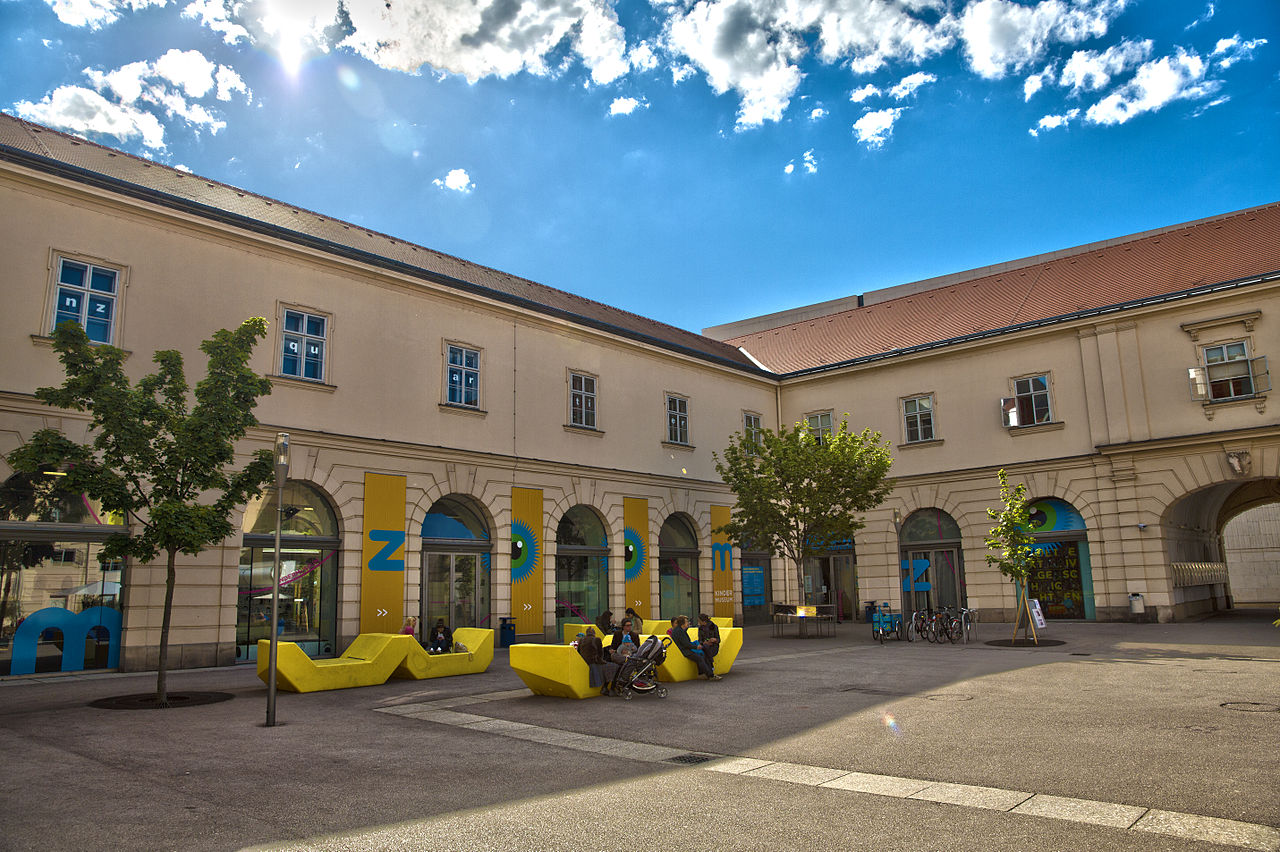
🧪An Interactive Children's Discovery Museum
e.g., ZOOM Kindermuseum, Technisches Museum Wien

🎡A Thrilling Amusement Park Adventure
e.g., Wurstelprater, Wiener Riesenrad

🏙️A Panoramic City Viewpoint
e.g., Donauturm, Kahlenberg
Create Your Custom Version
Download this Vienna, Austria itinerary — day-by-day plan, maps, budget, and more.
You Might Also Like

San Francisco, Los Angeles, and Yosemite, United States
United States
This 10-day comfortable family road trip explores California's diverse landscapes and cities, starting with 3 nights in San Francisco (Golden Gate Bridge, Fisherman's Wharf, based near Nob Hill). Drive to Yosemite for 2 nights to experience Tunnel View and Mariposa Grove's giant sequoias, then...

Barcelona, Madrid, Seville, Spain
Spain
This comfortable 10-day family trip explores Spain's cultural heart, with 3-4 nights in Barcelona, Madrid, and Seville. Highlights include Gaudí's Sagrada Familia in Barcelona, Madrid's grand Royal Palace and Retiro Park, and Seville's Real Alcázar and Triana district. The itinerary is built...

Zurich, Switzerland; Lucerne, Switzerland
Switzerland
7 days across Zurich and Lucerne: 3 nights in Zurich (Bahnhofstrasse shopping, Grossmünster, Old Town exploration, Lake Zurich cruises), then a scenic train to Lucerne for 4 nights (Chapel Bridge, Lion Monument, Mount Pilatus ascent, Swiss Museum of Transport, based near Lake Lucerne). This...

Paris, France and Colmar, France and Interlaken, Switzerland and Zermatt, Switzerland
France And Switzerland
14 days through France and Switzerland: 4 nights in Paris (Louvre, Le Marais), 3 nights in Colmar (La Petite Venise, Alsatian wine trail), 3 nights in Interlaken (Harder Kulm, Lake Brienz), and 4 nights in Zermatt (Gornergrat, Matterhorn Glacier Trail). Balanced pace with mountain hiking, urban...
Prefer to plan it yourself?
Start from a free, no-signup travel itinerary template. The Excel and Google Sheets versions auto-total the budget and split costs by who paid.
- Free travel itinerary template (all formats)
- Excel itinerary template
- Google Sheets template
- Word itinerary template
- Printable PDF template
- Google Docs itinerary template
- Notion template
- Bachelorette itinerary template
- Disney itinerary template
- Girls trip itinerary template
- Road trip itinerary template
- Business travel itinerary template
- Birthday trip itinerary template
- Family vacation itinerary template
- Honeymoon itinerary template