Where should you go in Scotland: the capital, the Highlands, an island or a whisky region? Start in Edinburgh for the castle and the Royal Mile, then head north for Glencoe and Loch Ness before finishing on the Isle of Skye for its rock formations. Rosslyn Chapel and St Andrews both work as a day trip from Edinburgh, and Orkney's Neolithic sites reward a longer trip with a ferry or flight to spare.
Edinburgh
Worth a visitUNESCOGo for the castle, the Royal Mile, Arthur's Seat
Top sights
- Edinburgh CastleUNESCO2 to 3 hours; adult £23.50 online / £26.00 walk-up; timed entry recommended in summer and during the August festivals
- Royal Milefree; 1 to 2 hours to walk end to end
- Arthur's Seatfree; 1.5 to 2.5 hours round trip from Holyroodhouse
- National Museum of Scotlandfree; 2 to 4 hours
Book ahead: yes
Read the full sectionShowing Edinburgh
- Book the Jacobite Steam Train and Isle of Skye accommodation before you fly in. Both sell out months ahead for a summer trip.
- Pick one whisky region rather than trying to cover all three. Edinburgh's Scotch Whisky Experience needs no car, Speyside is the classic distillery trail, and Islay is for peat-forward styles. Each is a different trip, not a shorter version of the others.
- Pack for midges from late May to September. Midges swarm at dawn and dusk near still water in the Highlands and on Skye, and repellent is the only real defense.
A MonkeyEatingMango itinerary marks each sight Must-do, Maybe or Skip if short on time.
Edinburgh, the Lothians and Fife
Edinburgh
- Edinburgh Castle: 2 to 3 hours; adult £23.50 online / £26.00 walk-up; timed entry recommended in summer and during the August festivals; UNESCO (1995, Old and New Towns of Edinburgh)
- Royal Mile: free; 1 to 2 hours to walk end to end
- Arthur's Seat: free; 1.5 to 2.5 hours round trip from Holyroodhouse
- National Museum of Scotland: free; 2 to 4 hours
- Camera Obscura & World of Illusions: adult £24.95; 1 to 1.5 hours
- Best months: May, June or September, ahead of the Edinburgh Festival Fringe crowds and prices of August
- Plan it: 7-day Scotland itinerary, 10-day Scotland itinerary, 3-day Edinburgh itinerary
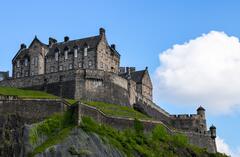
Edinburgh Castle crowns Castle Rock, an extinct volcanic plug in the middle of the city. Historic Environment Scotland, which manages the site, describes it as having "dominated the skyline of Scotland's capital city for centuries." Inside are the Scottish Crown Jewels and the Stone of Destiny, and a one o'clock gun fires from the castle daily except Sunday.
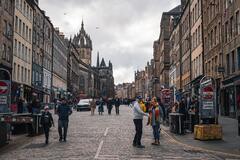
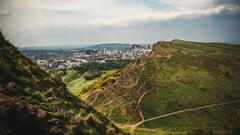
The Royal Mile runs downhill from the castle to the Palace of Holyroodhouse, threading the Old Town's closes and pubs. Arthur's Seat, an extinct volcano inside Holyrood Park at the Mile's far end, is a free climb for a view over the whole city and the Firth of Forth.
Natural history, world cultures and Scottish history fill the National Museum of Scotland, free to enter. The Camera Obscura on the Royal Mile projects a live image of the city's rooftops using only daylight and mirrors, a Victorian trick that predates cinema by about 40 years.
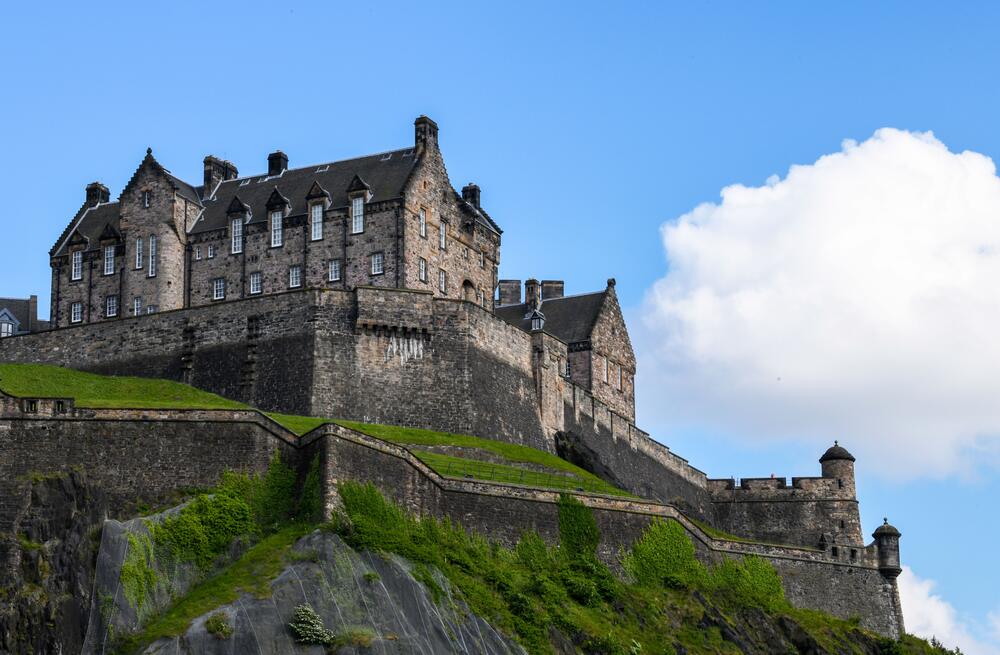 Photo by A G on Pexels
Edinburgh Castle on Castle Rock above the city
Rosslyn Chapel
- Rosslyn Chapel: 1 to 1.5 hours; full £12 / reduced £10; under-17s free as part of a family group; a guided talk is included
Rosslyn Chapel was built in the 15th century a short drive south of Edinburgh, and its stonework is carved dense enough that a visit here runs on the detail rather than the size of the building. The Apprentice Pillar, carved with intertwined vines, is the chapel's most famous detail.
The chapel's limited capacity means a summer visit needs booking ahead; go on a weekday morning for a quieter look at the carving.
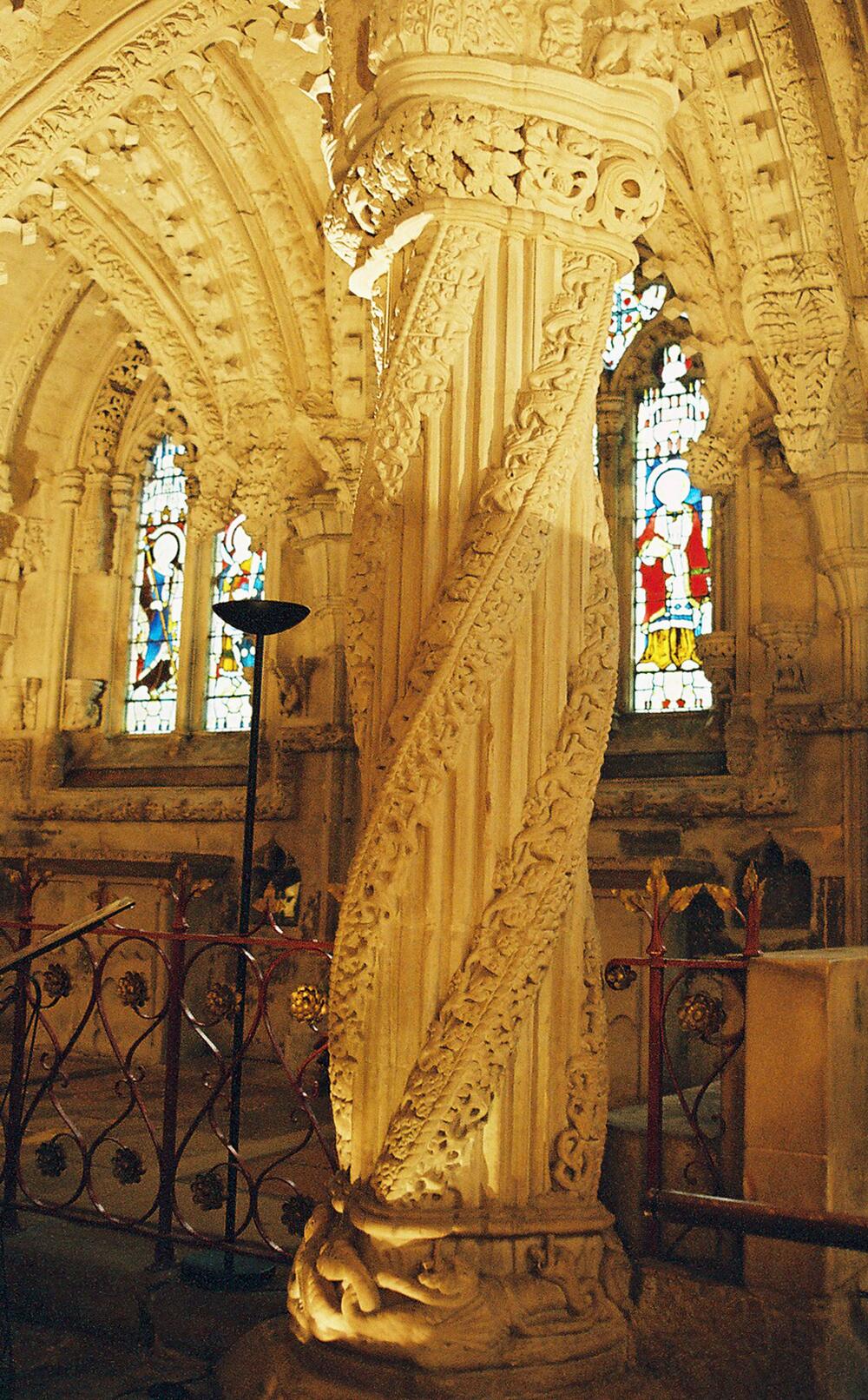 Photo by Pam Crane on Pexels
The carved stone interior of Rosslyn Chapel
St Andrews
- St Andrews Cathedral grounds: free (the museum and shop are closed for maintenance)
- Old Course: green fee allocated partly by public ballot, booked well ahead
St Andrews pairs the public Old Course, the home of golf, with the ruined St Andrews Cathedral standing above the North Sea.
A day trip from Edinburgh covers both; an overnight adds time on the West Sands beach beside the Old Course.
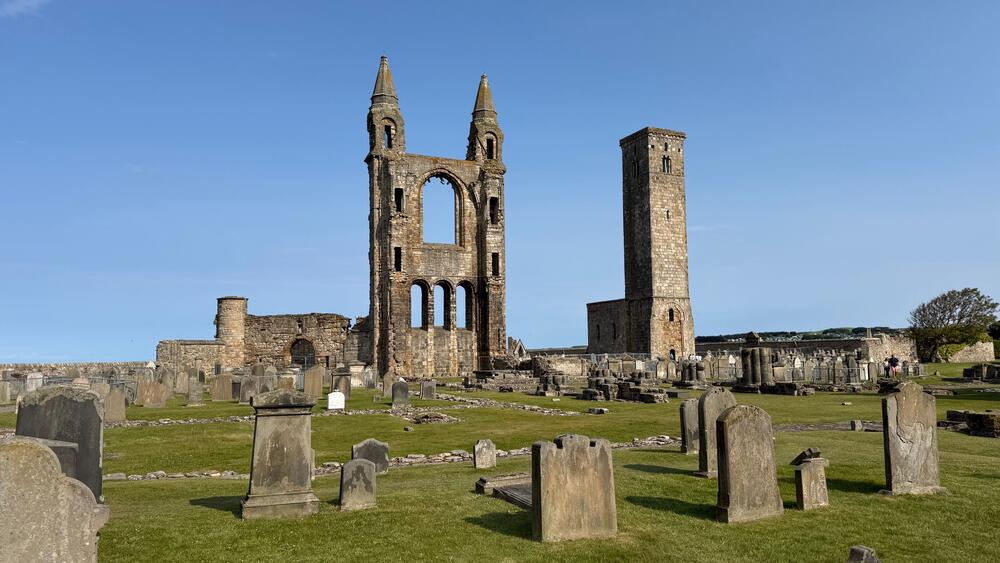 Photo by Geert Rozendom on Pexels
The ruins of St Andrews Cathedral above the sea
The Forth Bridge
- The Forth Bridge: free to view from South Queensferry; UNESCO (2015)
The Forth Bridge opened in 1890, a cantilever railway bridge whose red ironwork still carries trains across the Firth of Forth, visible from South Queensferry's waterfront. Go at sunset, when the ironwork already turns red against the water.
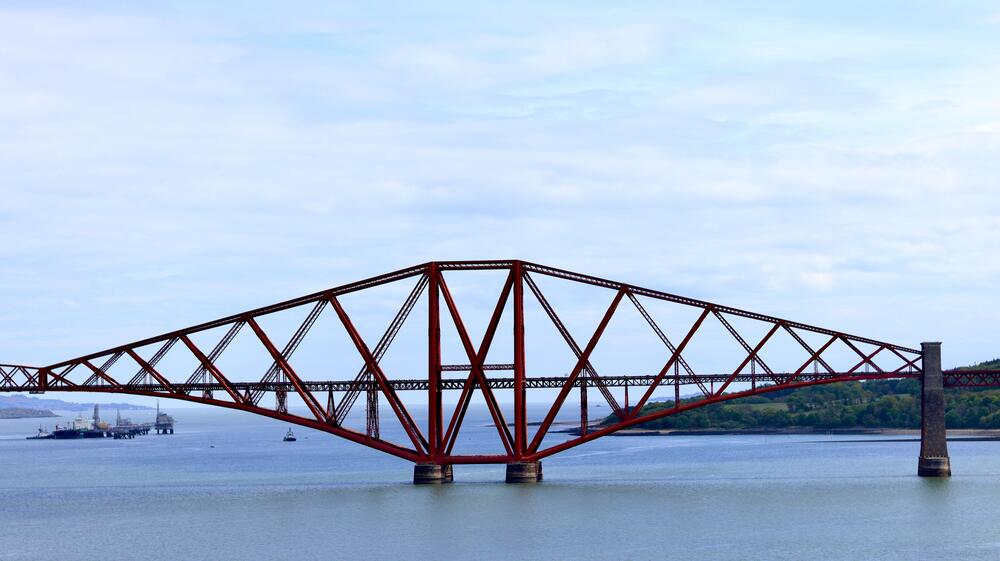 Photo by Jay Narayan Chaudhary on Pexels
The Forth Bridge's cantilever spans over the water
Glasgow and the central belt
Glasgow
- Kelvingrove Art Gallery and Museum: free; 2 to 3 hours
Glasgow's Kelvingrove Art Gallery and Museum fills a Victorian red-sandstone building with art, natural history and Scottish design, free to enter. Glasgow itself trades Edinburgh's medieval Old Town for Victorian architecture and a live-music scene built around its own universities and venues.
Weekdays see the smallest crowds at Kelvingrove, well short of its busiest Sunday afternoons.
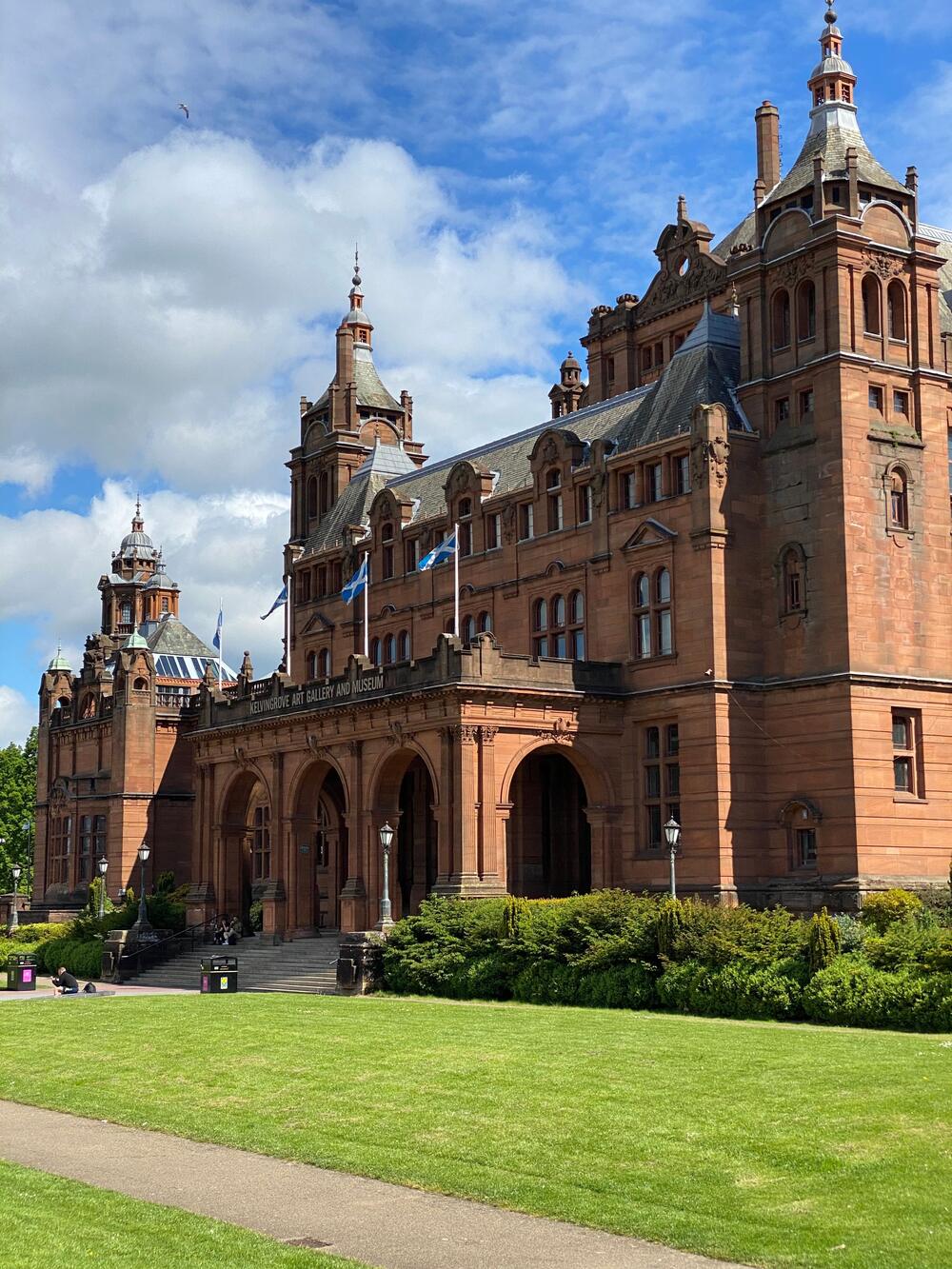 Photo by Radubradu on Pexels
Kelvingrove Art Gallery and Museum's red-sandstone exterior
Stirling
- Stirling Castle: 2 to 3 hours; adult £18.50 online / £20.50 walk-up; booking recommended in summer
Mary, Queen of Scots spent part of her childhood inside Stirling Castle, on a volcanic crag above the town's Old Town and central to the Wars of Scottish Independence. The Old Town's cobbled streets climb the same hill to the castle gates.
Book ahead for a summer visit, and arrive before the coach-tour groups.
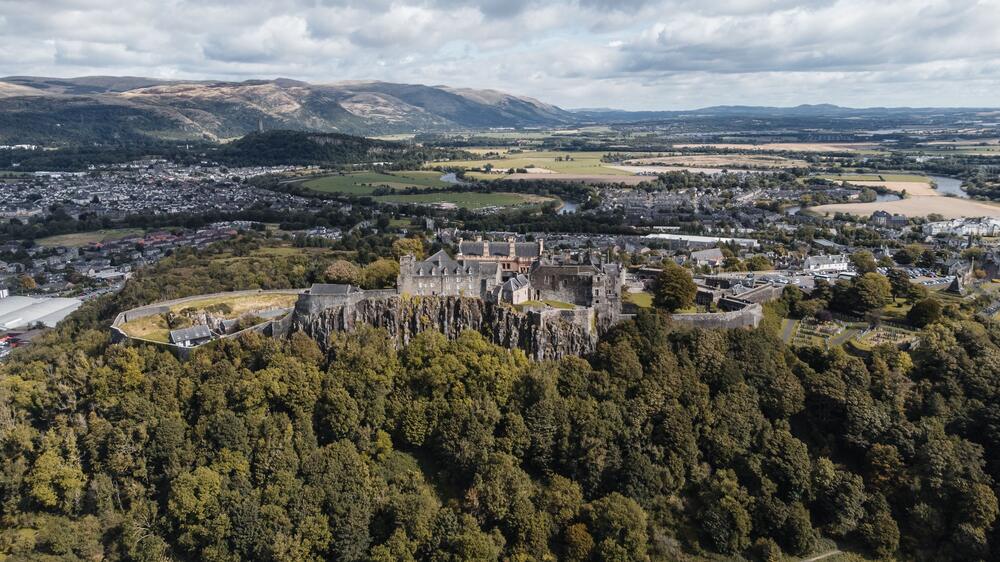 Photo by Clément Proust on Pexels
Stirling Castle on its crag above the town
Loch Lomond
- Loch Lomond: free to view; Britain's largest loch by surface area
- Ben Lomond: 7-mile round trip on the Tourist Route, about 5 hours
Loch Lomond and the Trossachs became Scotland's first national park, the loch itself narrowing from a broad, island-dotted lake in the south to a fjord-like trench ringed by mountains in the north. Ben Lomond, a 974-meter summit, is the popular climb for a closer look at those mountains.
Most trips start from Balloch, at its southern tip under an hour from Glasgow, where a walk along the shore costs nothing beyond getting there.
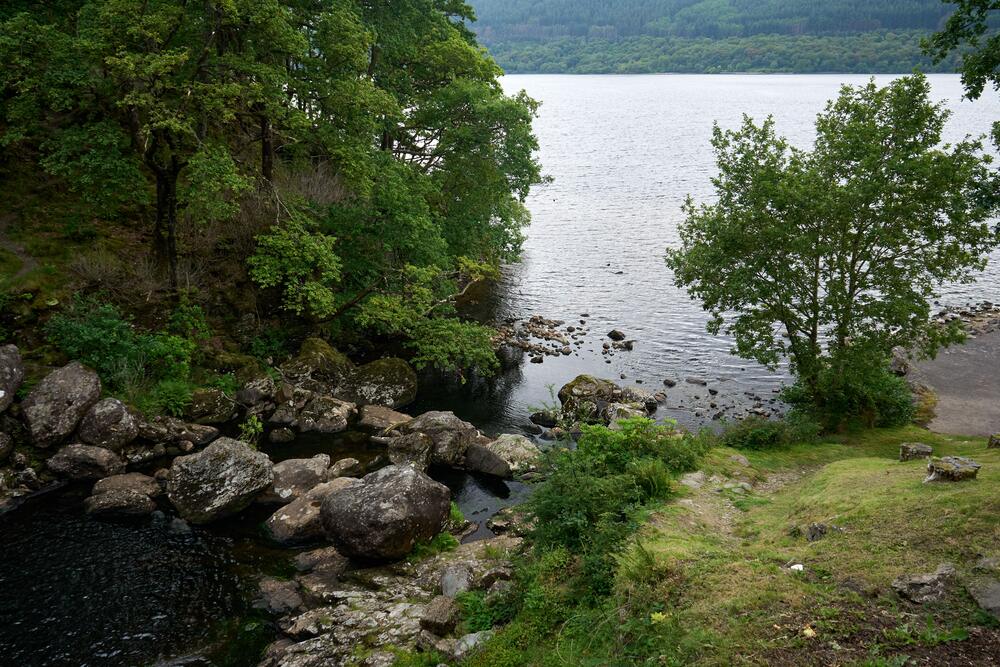 Photo by Valentine Kulikov on Pexels
Loch Lomond's shoreline and hills
The Kelpies
- The Kelpies park: free; 1 hour
- Inside the Kelpies guided tour: adult £9 / concession £8 / child £3.50; 25 minutes, pre-booking advised
Two 100-foot stainless-steel horse-head sculptures rise beside the Forth and Clyde Canal at Falkirk, the largest equine sculptures in the world, set inside the free Helix park. A guided tour climbs inside one of the heads.
Go at dusk, when the sculptures are lit.
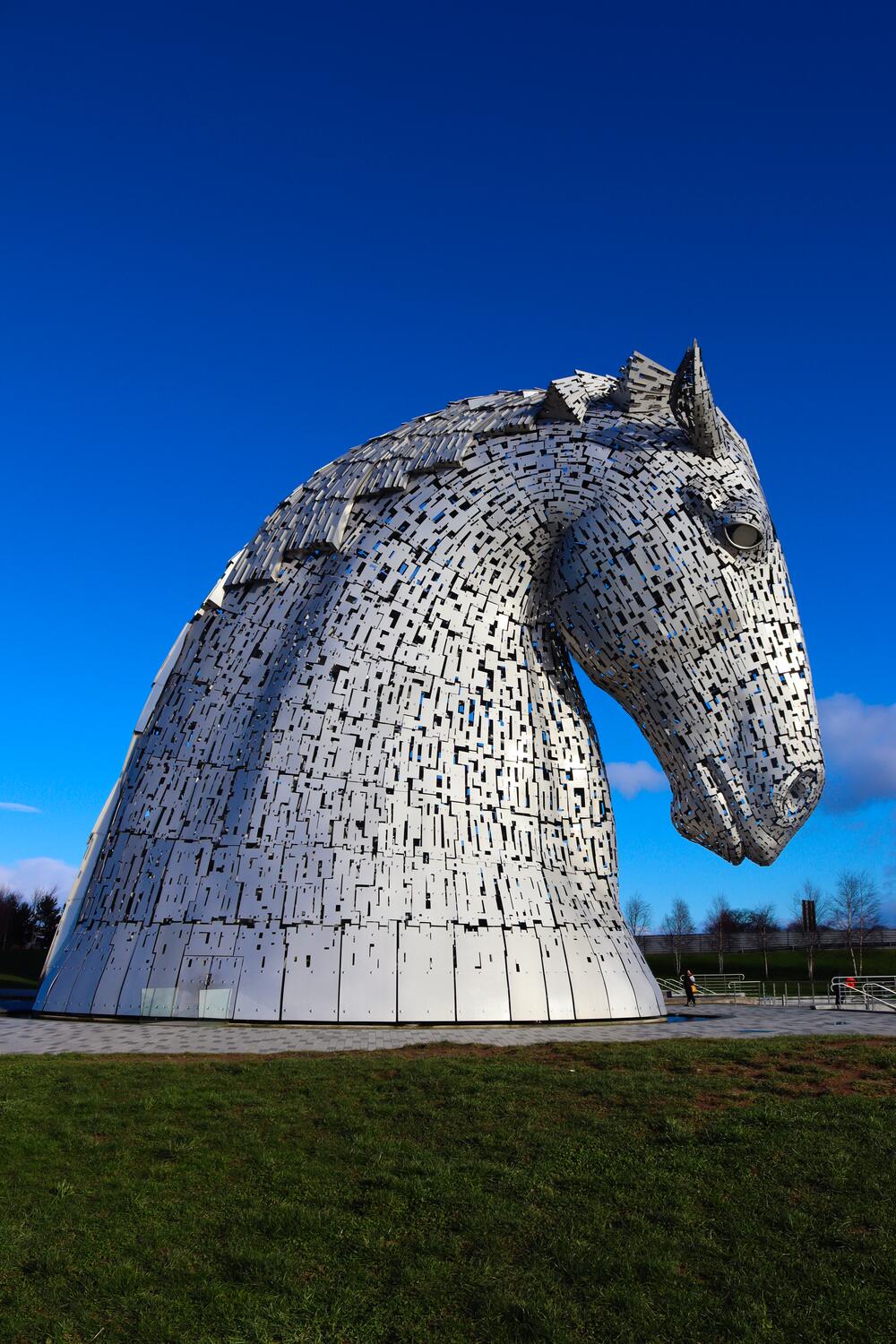 Photo by JT Photos on Pexels
The Kelpies' steel horse-head sculptures
New Lanark
- New Lanark: half a day; adult £15.50; UNESCO (2001)
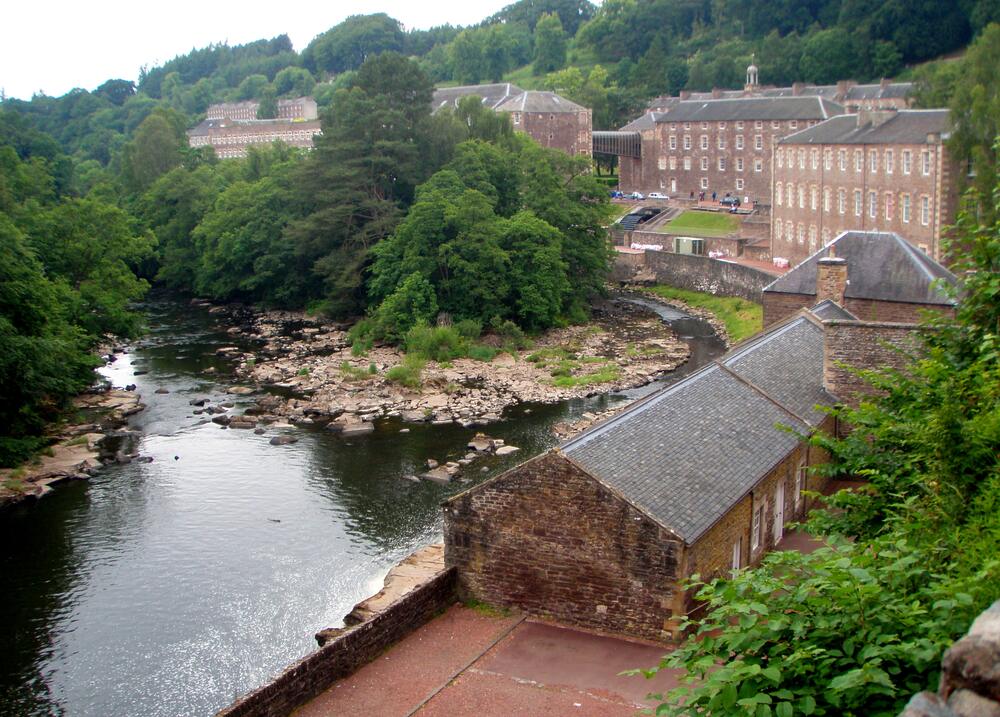
Robert Owen built New Lanark in the early 19th century as an experiment in humane industrial living, a cotton-mill village preserved today much as he built it. Treat New Lanark as a half-day add-on to a Glasgow trip rather than a destination worth its own overnight.
 mrpbps (CC BY 2.0)
New Lanark's mill buildings beside the river
The Highlands
Glencoe
- Glencoe: NTS visitor center free; car park £4.00
- Best months: April, May or September, around the Highlands' heaviest midges (late May to September)
- Plan it: 10-day Scotland itinerary
Heading north from Edinburgh or Glasgow, Glencoe is the Highlands' first major stop: a glacial valley flanked by steep peaks and the site of the 1692 Massacre of Glencoe. A scenic drive and a short walk cover it in half a day; the Lost Valley trail and the Aonach Eagach ridge scramble take longer, and the ridge is for experienced hikers only.
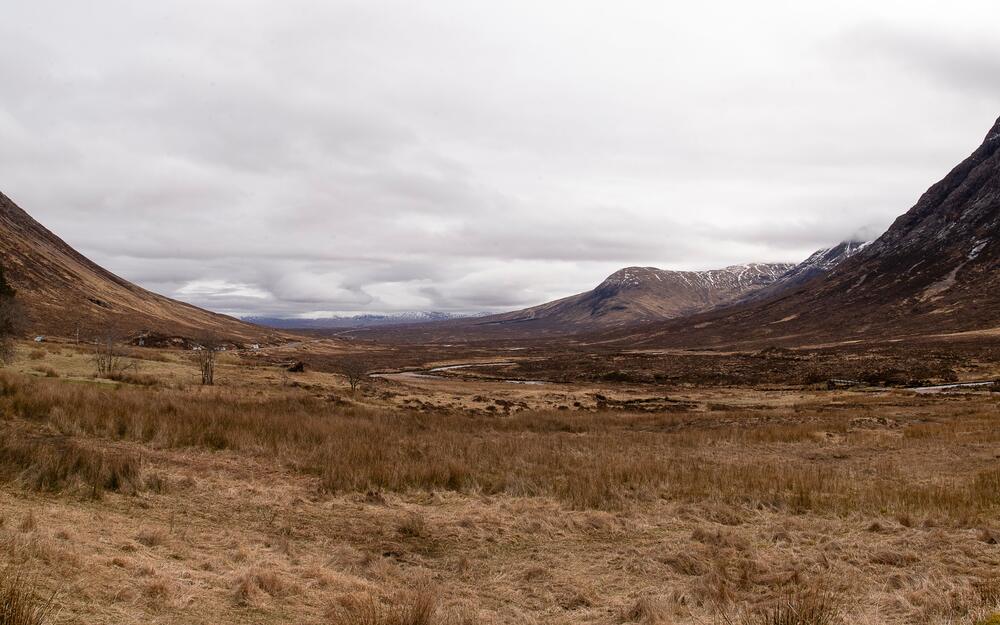 Photo by Stuart Robinson on Pexels
Glencoe's valley flanked by steep peaks
Glenfinnan
- Glenfinnan Viaduct viewpoint: free
- Jacobite Steam Train: about 4 hours Fort William to Mallaig and back; check current fares; seats sell out months ahead in summer
- Glenfinnan Monument (NTS): adult £5.00
- Best months: April to October, when the Jacobite Steam Train operates
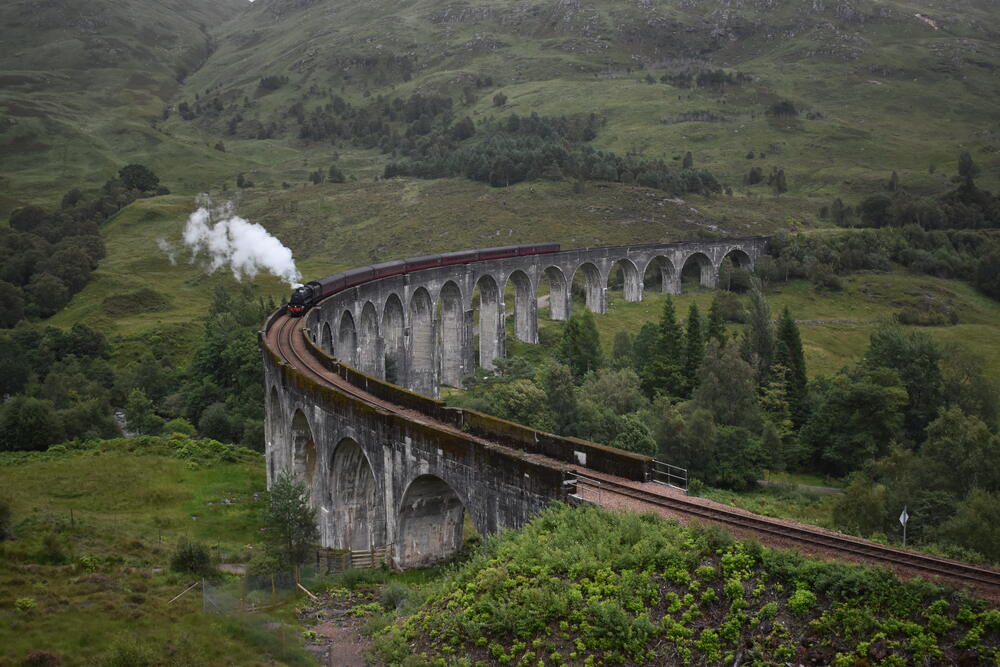
The West Highland Line crosses Glenfinnan's valley on a 21-arch viaduct, the bridge the Harry Potter films used for the Hogwarts Express. The Jacobite Steam Train, a real passenger service between Fort William and Mallaig, crosses it twice a day in season.
The separate National Trust for Scotland monument at the head of Loch Shiel marks where Bonnie Prince Charlie raised his standard in 1745, a short walk from the viaduct viewpoint.
 S. Perquin (CC BY-SA 4.0)
The Jacobite Steam Train crossing Glenfinnan Viaduct
Inverness
- Urquhart Castle: half a day with a Loch Ness cruise; adult £14 online / £16 walk-up
- Culloden Battlefield: 1.5 to 2 hours; adult £12.50; the moor itself is free to walk
- Best months: September, cooler and quieter than the summer months
- Plan it: 7-day Scotland itinerary
Britain's largest loch by volume, Loch Ness stretches past Inverness toward Urquhart Castle's ruined walls near Drumnadrochit, a short drive away and the usual pairing for a loch cruise. The loch itself is free to view from the shore.
Culloden Battlefield, just outside Inverness, preserves the moor where the 1746 Jacobite rising was crushed, its visitor center giving both Jacobite and government sides of the battle.
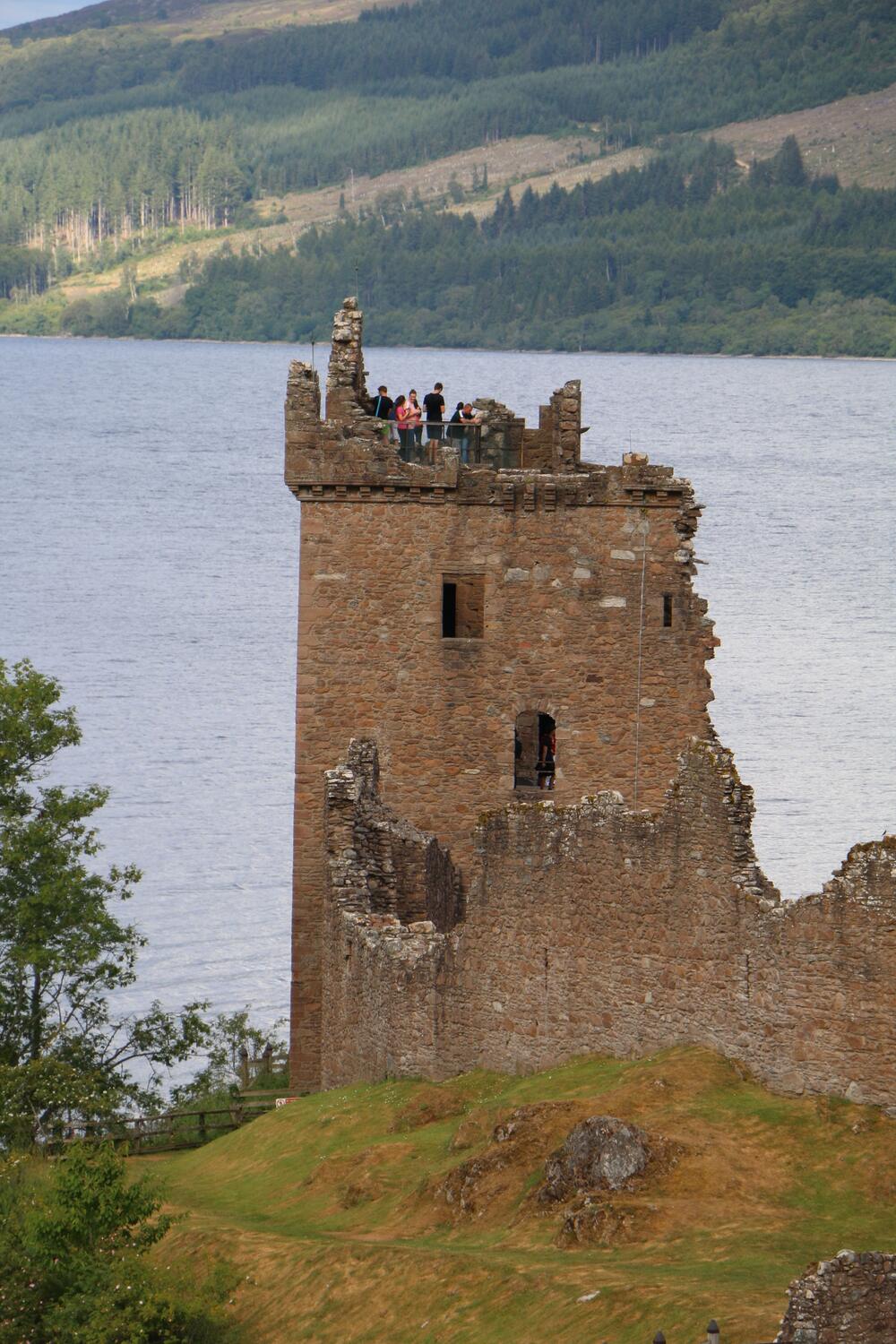 Photo by Tony Zohari on Pexels
Urquhart Castle on the shore of Loch Ness
Eilean Donan Castle
- Eilean Donan Castle: 1 to 1.5 hours; interior tours need booking in peak season; exterior viewing is free
Three sea lochs meet at the tidal island carrying Eilean Donan Castle, reached from the mainland by a stone footbridge. The castle is a common stop between Loch Ness and the Isle of Skye.
Exterior viewing and the bridge are free at any hour; the best light on the water comes early, before the coach tours.
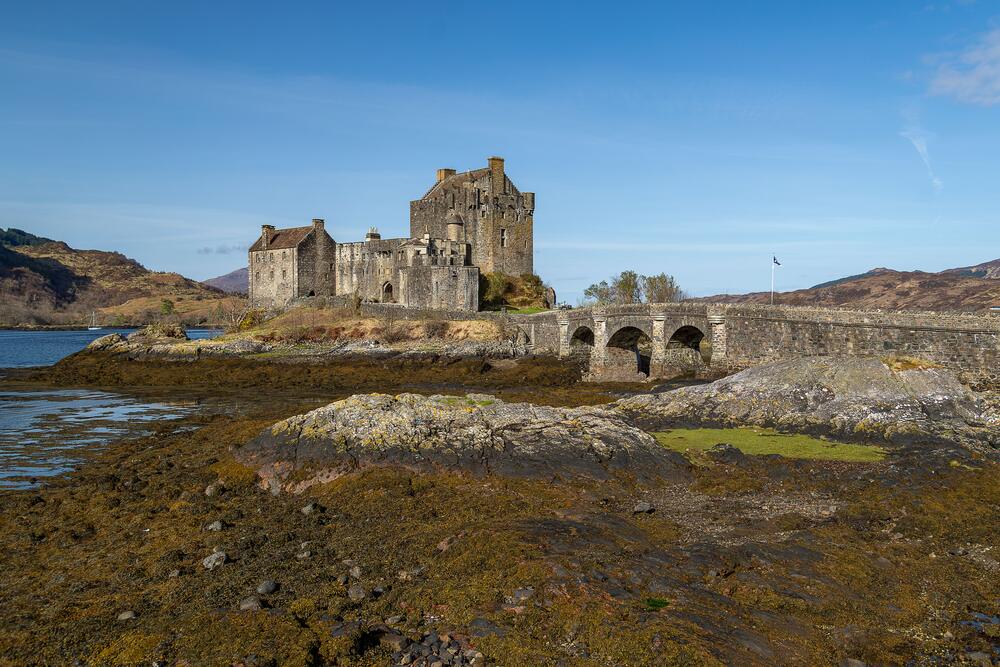 Photo by Stuart Robinson on Pexels
Eilean Donan Castle on its tidal island
The islands
Isle of Skye
- Old Man of Storr, Quiraing, Fairy Pools, Neist Point: free to hike; some car parks charge a few pounds and fill early
- Best months: May, June or September, for lighter crowds than summer's longest days; midges are heaviest late May to September
- Plan it: 7-day Scotland itinerary, 10-day Scotland itinerary
Rock formations give Skye its reputation beyond the map. The Old Man of Storr is a pinnacle rising from the Trotternish ridge, and the Quiraing a landslipped plateau along the same ridge. The Fairy Pools are a chain of waterfalls on the Cuillin's lower slopes, and Neist Point is a lighthouse on sea cliffs at the island's west end.
Portree, the island's harbor town, is the usual base. Book accommodation months ahead for a June to August trip, since rooms on Skye are limited and the Fairy Pools and Old Man of Storr car parks now charge and fill early.
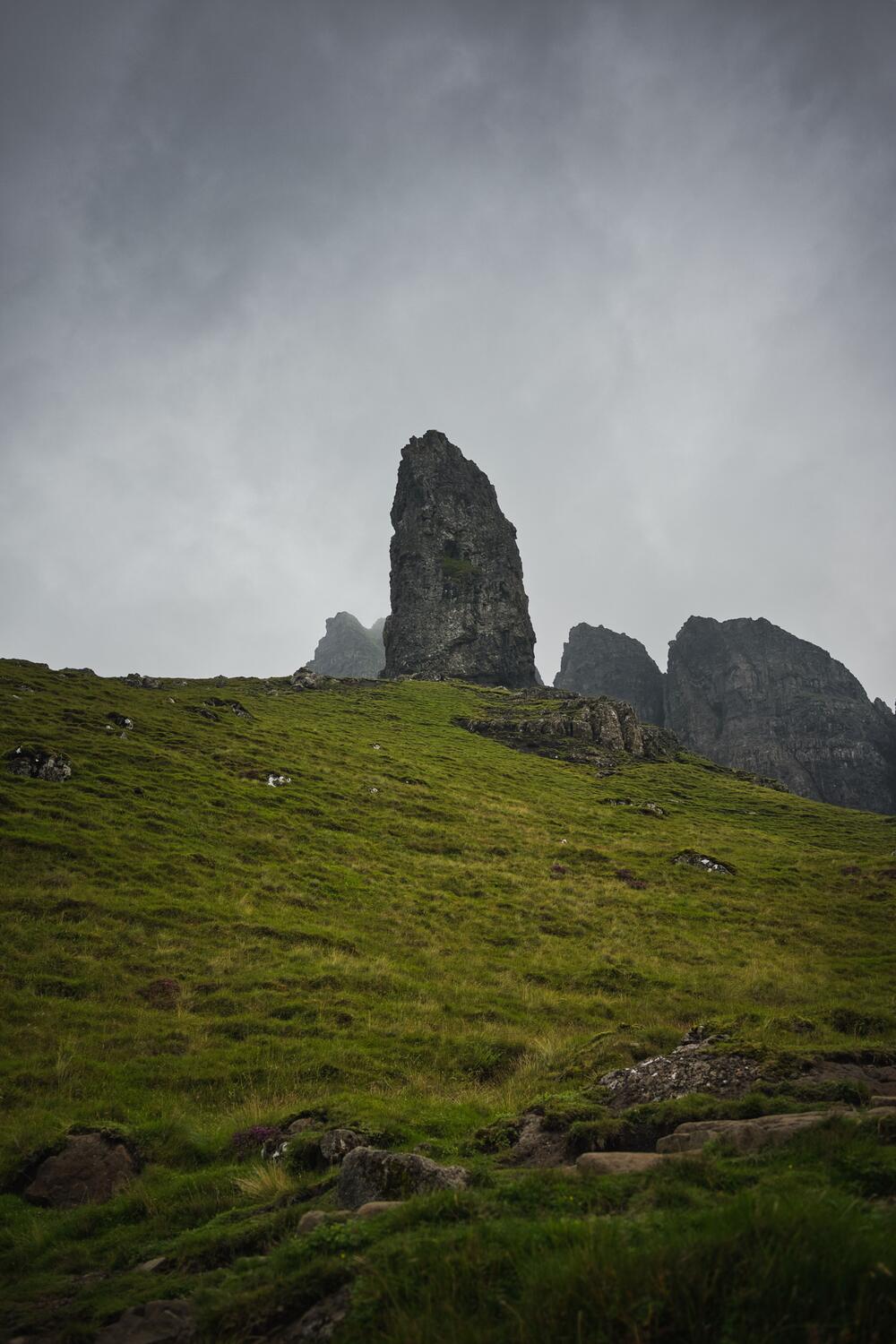 Photo by Dominik Gryzbon on Pexels
The Old Man of Storr pinnacle on Skye
Skara Brae & the Heart of Neolithic Orkney
- Skara Brae: half a day for all four sites; adult £14 online / £16 walk-up
- Ring of Brodgar, Stones of Stenness: free, open-access
- Maeshowe: guided-only, booked ahead
- UNESCO: 1999, Heart of Neolithic Orkney
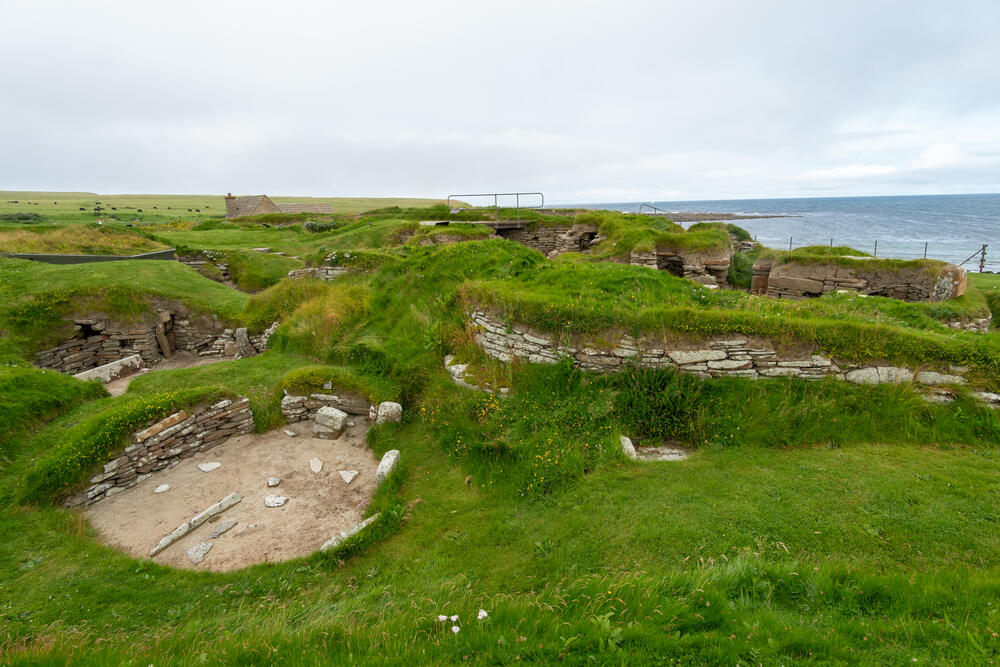
Stone Age fireplaces, beds and cupboards survive intact at Skara Brae, a Neolithic village on Orkney preserved well enough to show how its residents actually lived. The Ring of Brodgar stone circle, the Stones of Stenness and the Maeshowe chambered tomb sit within a few kilometers of Skara Brae, together forming the Heart of Neolithic Orkney.
Orkney is reached by ferry or a short flight from the Scottish mainland, a trip worth the extra leg if you have more than a week to spend.
 Ekrem Canli (CC BY-SA 4.0)
Skara Brae's preserved Neolithic stone houses
St Kilda
- St Kilda: a full day minimum, as part of a multi-day boat trip from Harris, Uig or Oban; no landing fee; boat cost varies by operator
- Best months: May to August, the only season boats run
- UNESCO: 1986, extended 2004 and 2005 (one of the few sites worldwide listed for both nature and culture)
West of the Outer Hebrides, a now-uninhabited archipelago called St Kilda once held an isolated community and now holds a seabird colony. St Kilda is Scotland's only dual natural-and-cultural UNESCO World Heritage Site.
Trips are weather-dependent and frequently canceled, so this is an advanced add-on for a longer trip rather than a first Scotland itinerary's stop.
Try free
Plan your Scotland trip in about 2 minutes
Tap through 8 quick cards for a complete itinerary with budget, maps, and packing lists. No account required.
Plan your Scotland trip →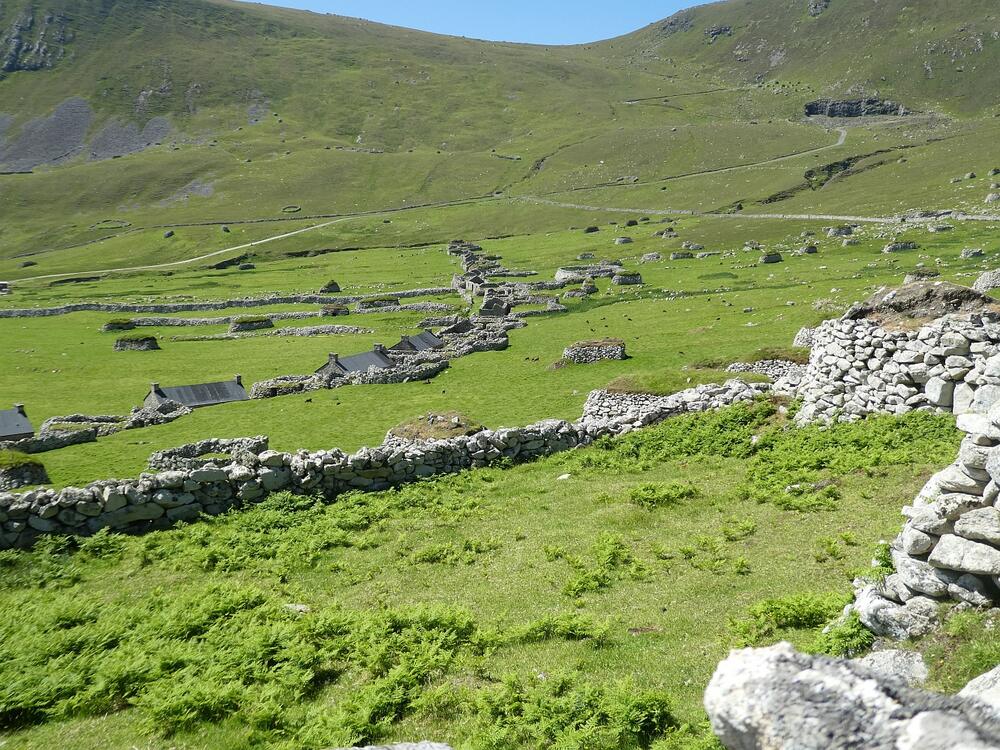 Rob Farrow (CC BY-SA 2.0)
St Kilda's abandoned village and cliffs
Things to do across Scotland
Scotland's whisky regions
- The Scotch Whisky Experience (Edinburgh): Silver Tour £25.00 adult; 50 minutes
- Speyside: more than 50 distilleries, fruity and lightly spicy styles
- Islay: 8 working distilleries, peat-forward styles
Three different trips answer "where do I go for whisky in Scotland." The Scotch Whisky Experience, a 50-minute Silver Tour on Edinburgh's Royal Mile, needs no car and no extra days. More than 50 distilleries work the classic malt whisky trail through Speyside in the northeast, fruity and lightly spicy styles. Peatier, smokier styles are Islay's trademark, a separate island of distilleries reached by ferry.
Pick Edinburgh for convenience inside a city trip, Speyside for a multi-distillery road trip, and Islay when peat is specifically what you're after.
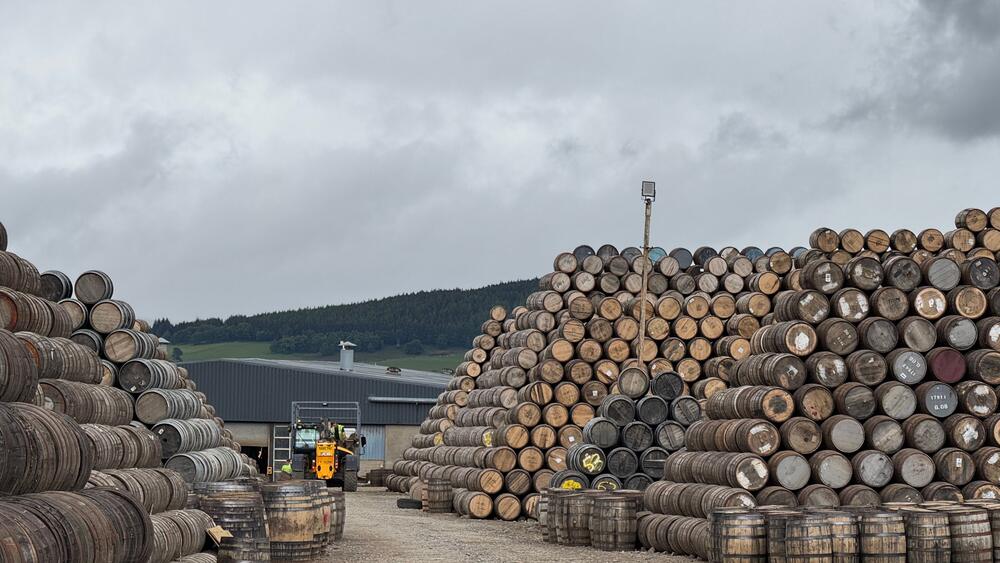 Photo by Geert Rozendom on Pexels
Whisky barrels at a Scottish distillery
Scotland's UNESCO World Heritage Sites
| Site | Inscribed | Where |
|---|---|---|
| Old and New Towns of Edinburgh | 1995 | Edinburgh |
| Heart of Neolithic Orkney (Skara Brae) | 1999 | Stenness, Orkney |
| New Lanark | 2001 | New Lanark, Lanarkshire |
| The Forth Bridge | 2015 | South Queensferry |
| St Kilda | 1986, extended 2004 and 2005 | St Kilda, Outer Hebrides |
The best places to visit in Scotland at a glance
| Place | Go for | Book ahead |
|---|---|---|
| Edinburgh | the castle, the Royal Mile, Arthur's Seat | yes |
| Rosslyn Chapel | the carved stone interior | yes |
| St Andrews | golf's home course, the cathedral ruins | no |
| The Forth Bridge | the Victorian railway bridge | no |
| Glasgow | Kelvingrove, Victorian architecture | no |
| Stirling | Stirling Castle | yes |
| Loch Lomond | Britain's largest loch by surface area | no |
| The Kelpies | the steel horse-head sculptures | no |
| New Lanark | the preserved mill village | no |
| Glencoe | the glacial valley | no |
| Glenfinnan | the viaduct and the Jacobite Steam Train | yes |
| Inverness | Loch Ness, Urquhart Castle, Culloden | no |
| Eilean Donan Castle | the tidal-island castle | no |
| Isle of Skye | the Old Man of Storr, the Quiraing | yes |
| Skara Brae | the Neolithic village and stone circles | no |
| St Kilda | the remote seabird archipelago | yes |
Plan your Scotland trip
For trip length, getting around and costs, start with the Scotland guide. When you build a trip with MonkeyEatingMango, the booking checklist lists what to book and how many weeks ahead.
Last updated November 2026.
Common questions
Can you use US dollars in Scotland?
No. Scotland uses the British pound (GBP), including Scottish-issued banknotes that look different from Bank of England notes but spend at the same value. Card payment is accepted almost everywhere, including small shops and ticket machines, so carrying cash is a backup rather than a requirement.
What is the best month to visit Scotland?
The best months to visit Scotland are May, June and September. Weather is milder and crowds thinner than in August, when the Edinburgh Festival Fringe fills the capital and prices rise countrywide. Midges are at their worst in the Highlands and on Skye from late May to September, so April and early May trade a little cold for an insect-free glen.
How many days do you need in Scotland?
A week in Scotland covers Edinburgh, the Highlands and the Isle of Skye without rushing. Ten days adds Glencoe as its own stop and more time on Skye. Three days is enough for Edinburgh alone, with a single day trip north or to St Andrews.
How do you spend 3 days in Scotland?
Three days in Scotland is enough for Edinburgh on its own: Edinburgh Castle and the Royal Mile on day one, Arthur's Seat and the National Museum of Scotland on day two, and a day trip to Stirling Castle or St Andrews on day three. Reaching the Highlands and back in the same three days leaves little time beyond the drive.
Where should you go in Scotland for the first time?
Start a first Scotland trip in Edinburgh for the castle, the Royal Mile and Arthur's Seat, then head north into the Highlands for Glencoe and Loch Ness before finishing on the Isle of Skye. Add Glasgow or St Andrews as a side trip if time allows.
What should you not miss in Scotland?
Edinburgh Castle and the Royal Mile anchor the capital. Glencoe and Loch Ness anchor the Highlands, and the Isle of Skye's Old Man of Storr and Quiraing anchor the islands. Rosslyn Chapel and the rest of Skye's rock formations are worth adding once that first-timer route is covered.
Which places in Scotland sell out, and which need no booking?
The Jacobite Steam Train and Isle of Skye accommodation in summer both sell out months ahead. Edinburgh Castle recommends a timed ticket in summer and during the August festivals, and Stirling Castle recommends booking ahead for summer. Glencoe's glen, the Royal Mile and Arthur's Seat need no booking at all, since they're open public land and streets.
Is the Jacobite Steam Train the same as the Hogwarts Express?
The Jacobite Steam Train is a real heritage railway between Fort William and Mallaig that crosses the Glenfinnan Viaduct, the bridge the Harry Potter films used for the fictional Hogwarts Express. It's the same viaduct and a similar steam engine, run by West Coast Railways as a real passenger service, not a film production.
How many UNESCO World Heritage Sites does Scotland have?
Scotland has 5 UNESCO World Heritage Sites featured on this page: the Old and New Towns of Edinburgh (inscribed 1995), the Heart of Neolithic Orkney (1999), New Lanark (2001), the Forth Bridge (2015) and St Kilda (1986, extended 2004 and 2005).
Do midges affect a Scotland trip?
Midges are small biting insects that swarm at dawn and dusk near still water in the Highlands and on the Isle of Skye, worst from late May to September. They don't affect Edinburgh, Glasgow or the cities. Pack repellent for a Highlands or Skye trip in that window, and expect them to ease off after September.
Written by Shobhit Shrivastava · Founder
Related reading
Things to Do in Ireland and the Best Places to Visit
Where to go in Ireland by region, from Dublin to Northern Ireland. Every stop carries its top sights, the official price where one exists, and what to book ahead.
Things to Do in Croatia and the Best Places to Visit
Where to go in Croatia by region: Split, Dubrovnik and the Dalmatian islands, Istria and the Kvarner coast, Zagreb and the national parks. Every stop carries its top sights, the official price where one exists, and what to book ahead.
Things to Do in Australia and the Best Places to Visit
Where to go in Australia by region: the big cities, the Reef and the Red Centre, road trips and islands, Tasmania and the West. Every stop carries its top sights, the official price where one exists, and what to book ahead.