Seoul, South Korea 5 days travel itinerary - day by day guide with budget and tips
South Korea5 daysUSD 880-1,320By

5 Days in Seoul: From Gyeongbokgung Palace to Dora Observatory

This packed 5-day trip for a couple explores Seoul's blend of ancient history and cutting-edge modernity. Discover Gyeongbokgung Palace, sample street food at Gwangjang Market, and immerse in nightlife around Hongdae, all while enjoying efficient metro commutes within the vibrant districts of...

A packed cultural trip, for a couple, flying from New York, with a focus on cultural & history & live entertainment

Trip length
5 days
Total budget
USD 880-1,320
Best time to visit
The best times to visit Seoul are spring (April-May) for cherry blossoms and mild temperatures (10-20°C), or autumn (September-November) for vibrant fall foliage and comfortable, dry weather (15-25°C). Summers (June-August) are hot and humid (25-35°C) with frequent monsoon rains, while winters (December-March) are cold and dry, often dropping below 0°C with occasional snow. Spring and autumn are also peak tourist seasons, so book accommodations and popular tours several months in advance to secure availability and better rates.

This trip prioritizes Seoul's core experiences, balancing Joseon Dynasty history with its dynamic modern culture and nightlife. In five packed days, you'll delve into palaces and street markets, but this compact itinerary means skipping the Demilitarized Zone (DMZ), where you'd otherwise observe North Korean territory from Dora Observatory and walk through the Third Tunnel of Aggression. It also sacrifices exploring the full depth of districts like Gangnam, missing its high-end boutiques and exclusive nightlife spots for a broader city overview.

Add an extra day to include a dedicated half-day or full-day tour to the Demilitarized Zone (DMZ), a somber but deeply compelling experience. You could visit the Third Tunnel of Aggression, glimpse North Korea from Dora Observatory, and reflect on history at Imjingak Peace Park, adding a unique geopolitical dimension to your South Korea journey. This itinerary follows a packed pace (5-6 activities per day).

Day 1 and the last day are lighter to account for arrival and departure. Want a different pace? Create a custom version with your preferences.

🎯Interest CoverageAll 6 covered
cultural(4)history(8)live entertainment(3)nightlife(1)food(5)modern(1)

Make this trip yours

Customize the pace, dates, budget, group size, kid ages, and interests — pick any combination and we'll replan from scratch.

Create My Custom ItineraryFREE

Your itinerary covers 8 must-have experiences

Royal Palaces & Traditional Hanok Villages
서울관광 아카이브 (KOGL Type 1
🏯

Royal Palaces & Traditional Hanok Villages

Day 1: Gyeongbokgung Palace

Included
Bustling Markets & Street Food Delights
Bgag (CC0
🍜

Bustling Markets & Street Food Delights

Day 1: Gwangjang Market

Included
Panoramic City Views & Skyscrapers
Jessica Gardner from Adelaide, Australia (CC BY-SA 2.0
🏙️

Panoramic City Views & Skyscrapers

Day 2: N Seoul Tower

Included
Arts, Crafts & Lively Shopping Districts
Eugene Lim (CC-BY-2.0
🛍️

Arts, Crafts & Lively Shopping Districts

Day 3: Dongdaemun Design Plaza (DDP)

Included
A Live Music Venue or Jazz Club
🎶

A Live Music Venue or Jazz Club

Day 3: Club Evans (Live Jazz Performance)

Included
A Unique Theme Cafe Experience

A Unique Theme Cafe Experience

Day 3: Thanks Nature Cafe (Sheep Cafe)
Included
Demilitarized Zone (DMZ) Historic Tour
책읽는달팽 (CC BY-SA 3.0
🚧

Demilitarized Zone (DMZ) Historic Tour

Day 4: DMZ Tour Departure (from Seoul)

Included
A Contemporary Art Museum or Gallery
Vanbasten 23 (CC BY-SA 3.0
🎨

A Contemporary Art Museum or Gallery

Day 4: National Museum of Modern and Contemporary Art, Seoul (MMCA Seoul)

Included

Photos from Wikimedia Commons, used under Creative Commons licenses. Individual credits shown on each photo.

|
Open Full Route in Maps
Heads Up
Travelers will arrive at Incheon International Airport and transfer to Jongno-gu, followed by a day focused on cultural exploration. Expect a short metro or taxi ride (approx. 10-15 min) between Bukchon Hanok Village and Gwangjang Market.
Highlight of the Day
Immerse in history at Gyeongbokgung Palace and savor street food at Gwangjang Market.
USD 72 (~KRW 95K)
Day 1 Route
  1. 08:00 AM - Arrive at Incheon International Airport (ICN) & Transfer to Hotel· 2 hrs

    Confirm hours on Maps
    USD 8 (~KRW 11K)
    📍Incheon International Airport

    Arrive at Incheon International Airport (ICN), recognized for its efficiency and amenities. Take the AREX Express train to Seoul Station (approx. 43 min, ~$7 USD), then transfer to the subway (Metro Line 3) to your hotel area in Jongno-gu (approx. 10-15 min, ~$1 USD). This covers your transfer from the airport to the city center and then to your hotel area. Check into your hotel and settle in.

    4.3(1,471 reviews)

    "This is a busy international airport. It is beautifully decorated with orchids and other plants flowering within the entrance areas. To a novice traveller like me, it wasn't at all clear where you were supposed to go once your case had been checked in, as there are so many gate areas, none of which corresponded to my boarding instructions. When I did eventually get through one at random, the main shopping and eating areas became accessible. As expected, there were a lot of expensive items for sale and a number of places to eat. The staff were very polite, efficient and helpful."Gill Wayne

  2. 10:00 AM - Gyeongbokgung Palace· 3 hrs

    ⚠️ Closed on TuesdayConfirm hours on Maps
    USD 3 (~KRW 3,960)Live price on Klook →
    📍Gyeongbokgung Palace

    Explore the grandest of Seoul's five royal palaces, a masterpiece of Joseon Dynasty architecture. Witness the historic grounds and buildings that once housed Korea's royalty. Consider renting a traditional Hanbok garment for free entry and an immersive experience (optional). This visit provides a deep dive into Korean history and heritage.

    4.6(46,124 reviews)

    "Visited the palace as part of the tour. The whole palace complex is free to enter if you are wearing the traditional hanbok. The whole place is massive and you can spend half a day just looking around. The buildings don't look old or aged at all because most of original structures were destroyed by the japanese during the war but they still look cool. If you want to look at the places where nobility used to live in this is the place to be."H F

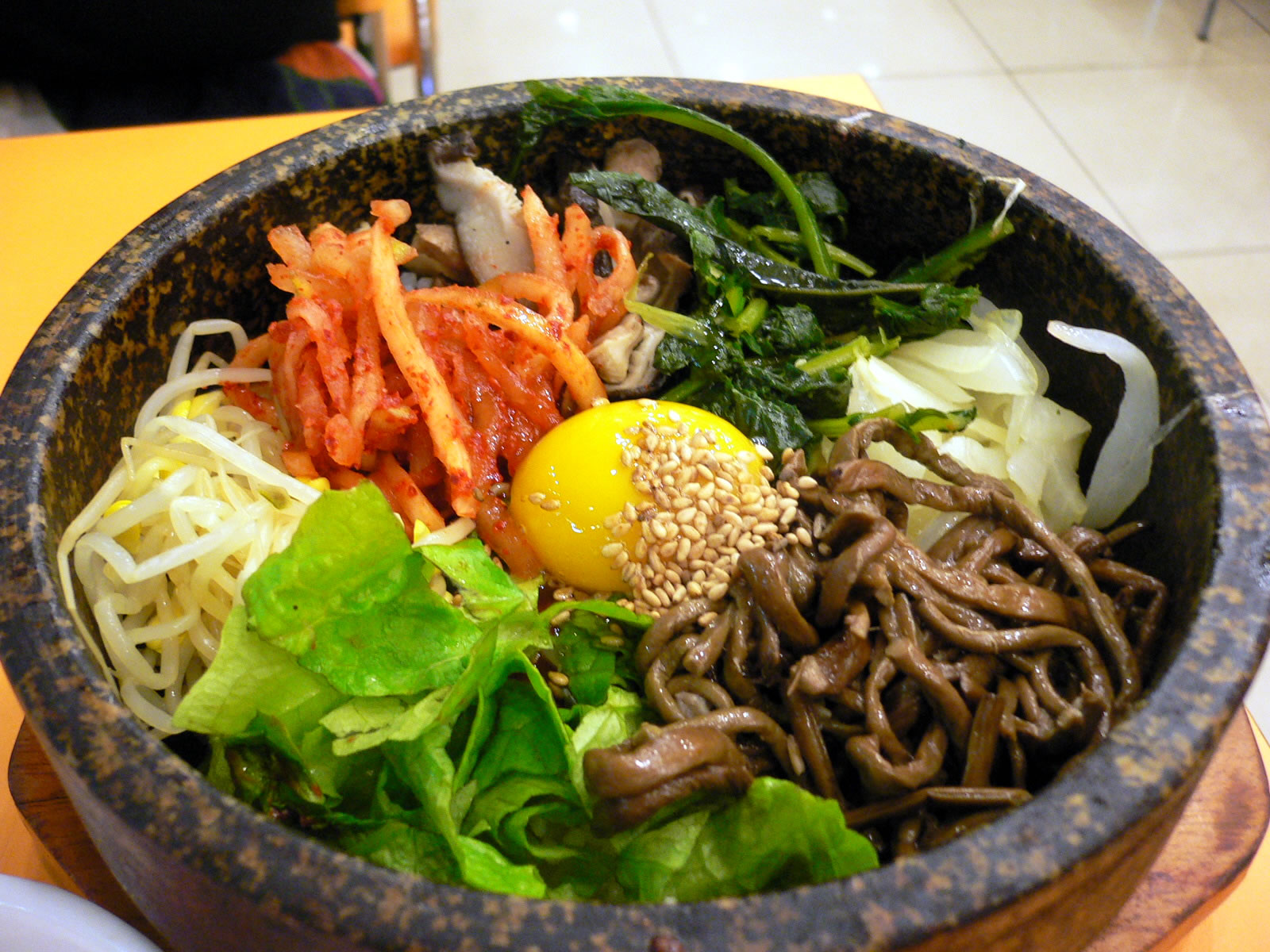
  3. 01:00 PM - Lunch: Bibimbap near Gyeongbokgung Palace· 1 hr

    USD 18 (~KRW 24K)

    Enjoy a traditional Bibimbap, a colorful and healthy dish of warm rice topped with sautéed vegetables, meat (optional), and a fried egg, in a local restaurant in the vicinity of Gyeongbokgung Palace. Mix it all together with a dollop of gochujang (chili paste) for an authentic Korean meal.

  4. 02:00 PM - Bukchon Hanok Village· 2 hrs 30 min

    Closes 5 PM · 3h hereConfirm hours on Maps
    FREE
    📍Bukchon Hanok Village

    Wander through this charming traditional Korean village, nestled between Gyeongbokgung and Changdeokgung palaces. Admire the beautifully preserved hanok (traditional houses) and discover hidden alleys, cultural workshops, and serene tea houses. Be mindful of residents as you explore this living cultural heritage site.

    4.4(23,867 reviews)

    "Beautiful place to walk around and experience traditional Seoul. The hanok houses, narrow alleys, and city views make it feel like stepping back in time, especially early in the morning when it’s quiet. It can get crowded later in the day, but if you go on a weekday or before noon, it’s very peaceful and great for photos. There are small cafes, galleries, and hidden viewpoints along the way, so it’s fun to explore slowly. Just remember people actually live here, so be respectful and keep noise down. Overall, a must-visit spot if you want history, culture, and great views all in one walk."Hungry Tiger 74

  5. 04:30 PM - Gwangjang Market· 2 hrs 30 min

    Confirm hours on Maps
    📍Gwangjang Market

    Dive into the vibrant atmosphere of Gwangjang Market, one of Korea's oldest and largest traditional markets. This bustling hub is a paradise for food lovers, where you can sample an array of authentic street food like Bindaetteok (savory mung bean pancakes), Mandu (dumplings), and Tteokbokki (spicy rice cakes). Experience the lively local life and culinary scene.

    4.2(43,811 reviews)

    "I absolutely loved visiting Gwangjang Markets! It was busy and touristy but I felt that this really added to the atmosphere and excitement. Some people might say that prices here are more expensive than else where in Seoul however I found them to be reasonable. The market sells lots of street food and souvenirs. There is one long, main and wide corridor type strip down the centre with a number of narrower lanes branching off the sides, also selling food, souvenirs and trinkets. All stall holders we interacted with were super friendly, warm and helpful. They all appeared happy to be interacting with customers and feeding the crowds. Each food store specialises in a different type of food. Everything we ate was delicious! I liked that you were able to buy food from lots of different stores and then come together and share so you could taste a bit of everything. I would highly recommend visiting here!"Map Roy

  6. 07:00 PM - Dinner: Kimchi Jjigae in Jongno-gu· 1 hr

    USD 18 (~KRW 24K)

    Warm up with a comforting bowl of Kimchi Jjigae, a staple spicy stew made with aged kimchi, tofu, and pork or tuna, served bubbling hot in a stone pot. Enjoy this hearty and flavorful dish at a local eatery in the Jongno-gu area, offering a true taste of Korean home cooking.

🏨
Where to Stay Tonight

Jongno-gu

Jongno-gu is ideal for first-time visitors, offering excellent proximity to major historical palaces, traditional villages, and vibrant markets like Gwangjang and Insadong, all within easy walking distance or a short metro ride. It offers a blend of historic charm and modern conveniences.

Check-in: 3:00 PMCheck-out: 11:00 AMSuggested limit: USD 153-207 (~KRW 202K-KRW 273K)/nightCheck Hotel Prices
Heads Up
Transit between Changdeokgung Palace and Namdaemun Market is approximately 30 minutes by public transport or taxi.
Highlight of the Day
Exploring the historic Changdeokgung Palace and enjoying the vibrant Myeongdong Night Market.
USD 96 (~KRW 127K)
Day 2 Route
  1. 10:00 AM - Changdeokgung Palace & Huwon (Secret Garden)· 2 hrs 20 min

    ⚠️ Closed on MondayConfirm hours on Maps
    USD 3 (~KRW 3,960)Live price on Klook →
    📍Changdeokgung Palace

    Explore Changdeokgung, a UNESCO World Heritage site known for its harmonious integration with the natural landscape, and take a guided tour of the beautiful Huwon (Secret Garden).

    4.7(1,950 reviews)

    "Highly recommended. At the center of the palace grounds the secret garden contains a mix of gorgeous buildings and nature. The buildings are more unique than I'm the palace grounds and the forest is beautiful, with both natural and manicured trees. The complimentary guide was great and you get to explore in your own if you prefer. I recommend doing both for the best experience. The entrance is through the ground if the Changdeokgung palace. The garden ticket is additional to the main grounds ticket, and the entrance times are limited, but it's totally worth it and very affordable."Javier Kohen

  2. 12:30 PM - Lunch: Sundubu Jjigae in Jung-gu· 1 hr

    USD 18 (~KRW 24K)

    Savor a warm, spicy bowl of Sundubu Jjigae, a traditional Korean soft tofu stew, at a local eatery in the Jung-gu district.

  3. 02:00 PM - Namdaemun Market· 2 hrs

    Closes 5 PM · 3h here⚠️ Closed on SundayConfirm hours on Maps
    📍Namdaemun Market

    Immerse yourself in the bustling atmosphere of Namdaemun Market, Seoul's largest traditional market. Browse diverse goods and sample authentic street food.

    4.2(28,050 reviews)

    "This market was so busy. We were on food tour with Downtown Seoul Market Tour, our guide was Jai. He was excellent and I would highly recommend you ask for him, the added bonus was his English which was very good. The food was amazing and delicious, this is the real deal local experience. Do your self a favour and visit this market, it is a must do on everyone’s itinerary."Tony Jardim

  4. 04:30 PM - N Seoul Tower· 2 hrs

    Confirm hours on Maps
    📍N Seoul Tower

    Ascend Namsan Mountain to the iconic N Seoul Tower for breathtaking panoramic views of the city at golden hour. Enjoy the observation deck and romantic 'love locks'.

    4.5(66,489 reviews)

    "Lots of people haha. Exit queue line very very long. However I enjoy the experience on the top observation viewing. The sunset view is stunning. The climbing is really a hell . As we didn’t board any bus up . But five star for the facilities:)"ThomasChua CKL

  5. 07:00 PM - Dinner: Korean BBQ (Samgyeopsal) in Myeongdong· 1 hr

    USD 25 (~KRW 33K)

    Indulge in a classic Korean BBQ experience in the vibrant Myeongdong district, grilling delicious Samgyeopsal (pork belly) at your table.

  6. 08:30 PM - Myeongdong Night Market· 1 hr 30 min

    Confirm hours on Maps
    📍Myeongdong Night Market

    Experience the energetic Myeongdong Night Market, known for its endless array of street food stalls, trendy fashion, and cosmetic shops. A perfect evening for a taste of Seoul's nightlife.

    4.4(6,550 reviews)

    "Visited around 10:45 PM on a Saturday, and the place was absolutely jam-packed with people. Most shops were still open, but many start closing by 11 PM. The street was lively, energetic, and full of food stalls. There’s a great variety of snacks and sweets to try. I had garlic bread, vegetable dumplings, and rice rolls — everything was really tasty and worth trying. If you want to enjoy all the shops without rushing, it’s best to go a bit earlier. 🍢✨"Himani Handa

    Maps
🏨
Where to Stay Tonight

Jongno-gu

Continues to offer easy access to historic sites, cultural streets, and convenient transit for exploring other districts like Jung-gu and its vibrant markets.

Check-in: 3:00 PMCheck-out: 11:00 AMSuggested limit: USD 153-207 (~KRW 202K-KRW 273K)/nightCheck Hotel Prices
Heads Up
Long transit day: You will travel from the Dongdaemun area to the Hongdae district, which takes approximately 45 minutes by subway.
Highlight of the Day
Exploring the modern architecture of Dongdaemun Design Plaza and enjoying a live jazz performance at Club Evans in Hongdae.
USD 71 (~KRW 94K)
Day 3 Route
  1. 10:00 AM - Dongdaemun Design Plaza (DDP)· 2 hrs

    Confirm hours on Maps
    FREE
    📍Dongdaemun Design Plaza

    Explore the futuristic architecture and design exhibitions at the Dongdaemun Design Plaza, a cultural hub for art, fashion, and technology in Seoul.

    4.4(31,439 reviews)

    "Highly recommended visit for a few hours of wandering and appreciating the architecture. If the timing works out, there's a free architecture tour that was super informative. A lot of random exhibits and photographer friendly. The whole place is lit up at night, but definitely go during the day. ."Clemens Wan

  2. 12:00 PM - Lunch: Mandu in Dongdaemun· 1 hr

    USD 18 (~KRW 24K)

    Enjoy a comforting meal of traditional Korean dumplings (mandu), either steamed or in a flavorful broth, at a local eatery near Dongdaemun Design Plaza.

  3. 01:45 PM - Explore Hongdae Street· 3 hrs

    Confirm hours on Maps
    FREE
    📍Hongdae Street

    Immerse yourself in the youthful energy of Hongdae, known for its vibrant street art, indie music performances, unique fashion boutiques, and lively atmosphere surrounding Hongik University.

    4.5(9,138 reviews)

    "Hongdae Street is an incredibly fun and energetic area that truly represents the 'young' side of Seoul. I loved seeing all the talented street performers doing magic, live music, and impressive dance routines right on the sidewalk. There are so many unique shops and restaurants to explore that you could spend an entire day here and not see it all. It’s the perfect place to soak in the creative energy of the city!"Yong Choi

  4. 04:45 PM - Thanks Nature Cafe (Sheep Cafe)· 1 hr 30 min

    Closes 8 PM · 3.2h hereConfirm hours on Maps
    USD 10 (~KRW 13K)
    📍Thanks Nature Cafe

    Experience a unique theme cafe in Hongdae, where you can relax with a coffee or snack and interact with adorable sheep. A charming and memorable stop.

    4.5(972 reviews)$$

    "Such a cute visit with the new lambs! The drinks are a little on the pricey side but I view it kinda like a petting zoo fee. I got the coconut latte and also the hot chocolate. Both were sweet and large cups. The lambs are in a contained space and you can sit with them if you want. The cafe inside was well decorated. Cute date spot."Maria K

  5. 07:00 PM - Dinner: Haemul Pajeon in Hongdae· 1 hr

    USD 18 (~KRW 24K)

    Savor a fresh Haemul Pajeon (savory seafood pancake) and other shared Korean dishes at a bustling restaurant in Hongdae, enjoying the lively local dining scene.

  6. 08:30 PM - Club Evans (Live Jazz Performance)· 2 hrs

    Confirm hours on Maps
    📍Club Evans

    Enjoy a captivating live jazz performance at Club Evans, one of Seoul's well-regarded jazz clubs in the heart of Hongdae. A perfect way to experience Seoul's music scene.

    4.5(447 reviews)$$

    "The venue was packed and the music was great! Will be returning! Definitely worth checking out if you are vacationing in Seoul!"Matt Rainer

🏨
Where to Stay Tonight

Jongno-gu

Continues to offer excellent access to historical sites, cultural experiences, diverse dining, and convenient subway connections for exploring other districts like Dongdaemun and Hongdae.

Check-in: 3:00 PMCheck-out: 11:00 AMSuggested limit: USD 153-207 (~KRW 202K-KRW 273K)/nightCheck Hotel Prices
Heads Up
Early start at 7:00 AM for the DMZ tour, which involves approximately 1.5 hours of travel each way from Seoul.
Highlight of the Day
Visiting the historic DMZ sites and exploring the National Museum of Modern and Contemporary Art.
USD 118 (~KRW 156K)
Day 4 Route
  1. 07:00 AM - DMZ Tour Departure (from Seoul)· 1 hr 30 min

    USD 70 (~KRW 92K)

    Begin your insightful tour to the Demilitarized Zone (DMZ), a poignant symbol of the division between North and South Korea. This includes travel from a designated meeting point in Seoul to the Paju area.

  2. 08:30 AM - Imjingak Pyeonghwa-Nuri Park· 1 hr

    Confirm hours on Maps
    FREE
    📍Imjingak Pyeonghwa Nuri Park

    Visit this park dedicated to peace and unification, featuring monuments and a bridge that once connected the two Koreas. A poignant reminder of Korean history and a place for reflection.

    4.4(7,455 reviews)

    "I visited Imjingak Pyeonghwa Nuri Park today, and it was a truly meaningful experience. The park beautifully combines nature, history, and the message of peace. Walking around the area, seeing the monuments, and looking toward the DMZ made me reflect on the history of the Korean Peninsula. The environment is calm and spacious, with open fields, sculptures, and historical displays. It’s a great place for a peaceful walk while also learning about the past. The atmosphere feels both solemn and hopeful at the same time. If you are visiting Paju or nearby areas, this park is definitely worth a visit. It’s not just a park, it’s a place that reminds you of the importance of peace."Towhid Zaman

  3. 09:30 AM - The Third Tunnel· 1 hr 30 min

    ⚠️ Closed on MondayConfirm hours on Maps
    FREE
    📍The Third Tunnel

    Descend into one of the infiltration tunnels secretly built by North Korea, offering a stark insight into the conflict and the ongoing division of the peninsula.

    4.6(3,046 reviews)

    "It's a hole in the ground. But also the current best way to get anywhere near the MDL. No phones allowed inside. It's a short but somewhat steep walk, with a few hundred meters in a 1.5m tall tunnel. Not terribly comfortable, and the MDL is blocked by three barricades filled with plants. Worth it just to say I was there I guess."TF

  4. 11:00 AM - Dora Observatory· 1 hr 30 min

    ⚠️ Closed on MondayConfirm hours on Maps
    FREE
    📍Dora Observatory

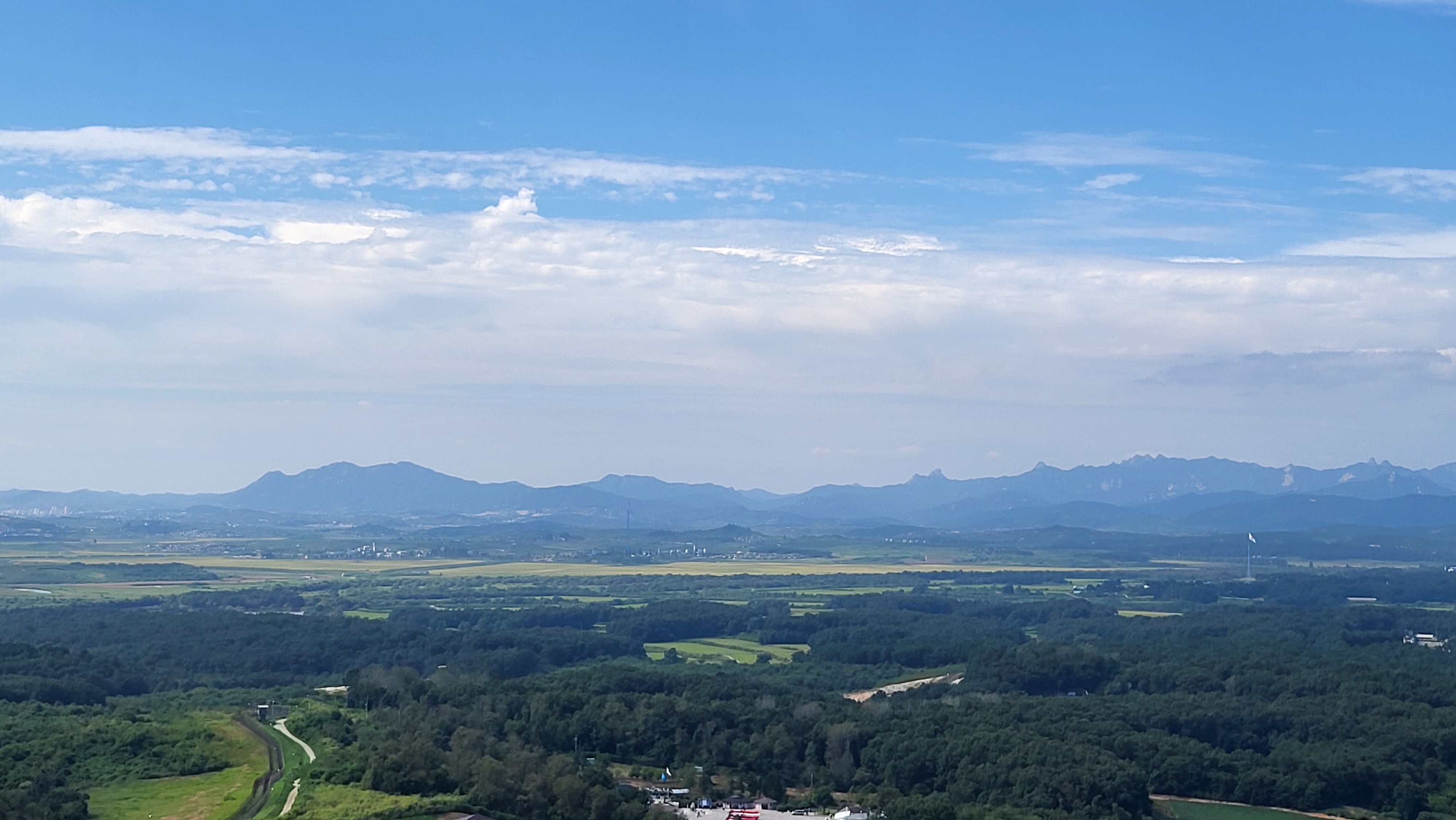
    Gaze across the DMZ into North Korea, with binoculars available to spot villages and activities in the northern territory, providing a unique perspective on the border.

    4.5(4,383 reviews)

    "The Dora Observatory (or Dorasan Observatory) is one of the most famous observation posts in South Korea, offering a direct view into the "Hermit Kingdom" of North Korea. Located on the summit of Mount Dora (Dorasan) in Paju, it is the northernmost point on the western front of the Demilitarized Zone (DMZ). The View: Using high-powered binoculars, visitors can see the Kaesong Industrial Complex, the North Korean city of Kaesong, and the infamous Kijong-dong (the "Propaganda Village"), which features one of the world's tallest flagpoles (160 meters). The Experience: The site serves as a somber educational center where tourists can see the stark contrast between the two nations. It is located very close to the Third Infiltration Tunnel, a secret passage dug by North Korea discovered in 1978. 1986–1987 (Origins): The observatory was first established to replace the older Songaksan Observation Post. It was built by the South Korean military to monitor North Korean movements and was opened to the public in 1987 as part of a security tourism initiative. The Propaganda War: For decades, this site was a "battleground" of loudspeakers. Both sides blasted propaganda, news, and even K-pop across the border until various peace agreements led to the dismantling of the speakers. 2018 (The New Building): Because the original camouflaged building was aging and small, a new, modern three-story observatory was built about 170 meters away and opened in October 2018. This new facility offers a better vantage point and more amenities like a cafe and indoor theater. Symbolism: It remains a powerful symbol of the "divided family" tragedy. Many elderly South Koreans visit to look toward the hometowns they fled during the Korean War (1950–1953). Visited as part of a guided tour, one of the best places I ever visited, to be able to see across into North Korea, unlike any other experience I ve ever seen."George Fine

    Maps+82 31-954-0303
  5. 12:30 PM - Lunch: Korean cuisine near DMZ· 1 hr

    USD 18 (~KRW 24K)

    Enjoy a satisfying local Korean meal, often served as part of the DMZ tour or at a nearby restaurant in the Paju area.

  6. 02:30 PM - National Museum of Modern and Contemporary Art, Seoul (MMCA Seoul)· 3 hrs

    Closes 6 PM · 3.5h hereConfirm hours on Maps
    USD 5 (~KRW 6,600)Live price on Klook →
    📍National Museum of Modern and Contemporary Art, Seoul

    Immerse yourself in contemporary Korean and international art across diverse exhibitions at this prominent museum, located near Gyeongbokgung Palace in the heart of Seoul.

    4.7(4,021 reviews)

    "A little over a month ago, I finally crossed the National Museum of Modern and Contemporary Art (MMCA) Seoul off my must-visit list. As a venue dedicated to showcasing both established masters and the vibrant contemporary scene, the MMCA is a truly world-class institution. The most satisfying aspect of the visit was finally standing before works that feel legendary. Nam June Paik's Junk TV (잡동사니 벽) is an anarchic, mesmerizing wall of visual noise that beautifully captures the artist's genius and prescience regarding media overload. It remains a chaotic, vital masterpiece that anchors the modern collection. Equally compelling, though in a profoundly quieter way, was Do Ho Suh's Floor. The simple act of walking across the glass surface, supported by hundreds of tiny, straining figures, transforms the space into an interactive, existential metaphor. It's a testament to Suh's ability to imbue architectural space with deep, personal meaning. However, the highlight of the visit, and a thrilling discovery for me, was Jung Yeondoo's Cinemagician. Experiencing this piece for the first time was genuinely captivating. Jung has a powerful way of blending the real and the imagined, and Cinemagician offered a fresh perspective on narrative and memory. It was the perfect example of the MMCA's strength: honoring foundational artists while actively championing the next generation of visionary creators. The collection is diverse, the curation is thoughtful, and the combination of monumental installations and unexpected delights makes it an absolutely essential stop for anyone interested in contemporary art."chris

  7. 07:00 PM - Dinner: Authentic Korean BBQ in Insadong· 1 hr

    USD 25 (~KRW 33K)
    Korean BBQ (Galbi or Samgyeopsal)

    Savor a traditional Korean barbecue experience with grilled meats and an array of banchan (side dishes) in the culturally rich Insadong neighborhood.

  8. 08:00 PM - Insa-dong Culture Street· 1 hr

    Closes 10:30 PM · 2.5h hereConfirm hours on Maps
    FREE
    📍Insa-dong Culture Street

    Take an evening stroll along this charming street, browsing traditional craft shops, art galleries, and tea houses that showcase Korea's cultural heritage.

    4.3(13,546 reviews)

    "Must visit in Seoul. While the main street isn't very big, it is incredibly dense with things to see and experience. It is the perfect place if you are looking to buy high-quality traditional souvenirs or want to immerse yourself in Korean culture. I love the mix of old and new here. It's a vibrant, essential stop for any traveler!"Yong Choi

    MapsWebsite
🏨
Where to Stay Tonight

Jongno-gu

Continue enjoying easy access to historical sites, traditional culture, and convenient public transport, with a variety of dining options for the evening.

Check-in: 3:00 PMCheck-out: 11:00 AMSuggested limit: USD 153-207 (~KRW 202K-KRW 273K)/nightCheck Hotel Prices
Heads Up
This is a departure day with a slightly shorter sightseeing schedule (approx. 5.5 hours engaged time) to accommodate your evening flight. Ensure timely return to your hotel for checkout and allow sufficient time for airport transfer and check-in procedures.
Highlight of the Day
Exploring the traditional charm of Ikseon-dong Hanok Village and the historical Deoksugung Palace before departure.
USD 34 (~KRW 45K)
Day 5 Route
  1. 09:00 AM - Jogyesa Temple· 1 hr 30 min

    Confirm hours on Maps
    FREE
    📍Jogyesa Temple

    Experience the serene atmosphere of Jogyesa Temple, the center of Zen Buddhism in Korea, known for its vibrant traditional architecture and beautiful grounds.

    4.5(7,904 reviews)

    "~throw back to Mid of November 2025~ This temple is truly beautiful. There are flowers everywhere and many different statues of deities, making it a great place for photos. Being here feels very calming and peaceful. The atmosphere is quiet and soothing, and it really helps clear the mind. It’s definitely a nice place to visit!!"Littlebrownie 1015

  2. 10:30 AM - Explore Ikseon-dong Hanok Village· 2 hrs

    Confirm hours on Maps
    📍Ikseon-dong Hanok Village

    Wander through the charming narrow alleys of Ikseon-dong Hanok Village, where traditional Korean houses have been transformed into unique cafes, boutiques, and restaurants. Enjoy the blend of old Seoul with modern, soft charm.

    4.3(8,233 reviews)

    "A place where old Seoul meets soft, modern charm. Ikseon-dong is full of narrow alleys, traditional hanok houses, and so many cute cafés tucked into every corner. Every turn feels like you’ve discovered something new — a tiny dessert shop, a vintage concept café, a hidden photo spot. It’s the kind of place where time slips away without you realising. If you have time, really take it slow. Wander. Step into random cafés. Sit down for a warm drink. Soak in the atmosphere. The beauty here isn’t just in the architecture — it’s in the feeling. Personally, I prefer this over Bukchon. It feels more alive, more playful, more café-hop friendly. But of course, different places bring different vibes — and that’s the beauty of Seoul."nn nhna

  3. 12:30 PM - Lunch: Street Food in Ikseon-dong· 1 hr

    USD 15 (~KRW 20K)

    Enjoy a casual lunch experiencing local Korean street food specialties like Kimbap or Tteokbokki within the charming alleys of Ikseon-dong.

  4. 01:30 PM - Deoksugung Palace· 2 hrs

    ⚠️ Closed on MondayConfirm hours on Maps
    USD 1 (~KRW 1,320)Live price on Klook →
    📍Deoksugung Palace

    Visit Deoksugung Palace, known for its unique blend of traditional Korean and Western-style architecture. Witness the tranquil beauty and historical significance of this royal residence in the heart of the city.

    4.6(20,150 reviews)

    "Incredible view. Well preserved historical structure. Definitely a must-see when visiting Seoul. Make sure to rent out a hanbok, to get fully immersed, and also admission is free if you are wearing one."Raymond Duenas

  5. 03:45 PM - Hotel Checkout & Luggage Collection· 30 min

    FREE

    Return to the hotel in Jongno-gu, complete the checkout process, and collect your luggage before heading to the airport.

  6. 04:15 PM - Depart from Incheon International Airport (ICN)· 4 hrs 45 min

    USD 8 (~KRW 11K)

    Transfer to Incheon International Airport (ICN) for your international flight back home to New York, NY. Please allow ample time for transit, check-in, and security procedures.

💬

What Travelers Say

Seoul is a remarkably safe city despite its size, comparable in safety to Hong Kong or Tokyo. Pickpocketing is not very common and violent crime is very rare. There are very few places where CCTV cameras are absent. Smoking is allowed only in designated areas. Walking while smoking can incur a fine. If you happen to be a non-Korean man walking hand-in-hand with a Korean woman, drunk older Korean men might give you a tongue lashing or occasionally worse. This is far less of a problem than it used to be. If you do end up in a fight and the attacker gets hurt, the fact that you didn't start the fight may not give you legal protection. Do not try to use drones to take pictures in Seoul, because most of the city (especially north of Han river) is a restricted flight area. Unfortunately, crimes by American soldiers against Koreans do happen, and when they do they often receive a huge amount of national attention. If you are a Westerner then you should exercise some extra care when such a case hits the media, although it is still highly unlikely you would be in any danger. Protesters gathered in city hall plaza Protesting: Large-scale demonstrations against the government happen from time to time. Often they can result in violence where there are pitched battles between protesters and combat police. People do get seriously hurt, so try to avoid getting too close to the action. Fake monks have been known to operate in Seoul, notably around the Jogyesa temple. They are dressed as Buddhist monks requesting donations from people on the street in return for blessings, although they do not actually belong to any Buddhist order and just keep the cash for themselves. Actual monks would never seek donations in this manner. If you want to donate money, put it into the donation box in temples. Scams: Be wary of Korean people randomly coming to teach you about Korean culture and inviting you to try a Korean tradition in their studio. They tend...

Wikivoyage: Seoul · Wikivoyage

Internet cafes known as PC bang (PC 방) (pr: pee-shee-bang) are ubiquitous in Seoul, and usually cost anywhere from ₩800–2,000/hr. thumb|A Korean keyboard using a Korean OS can type in English or Hangul. Most have printers at the front desk. These places cater chiefly to gamers, which translates into fairly fast computers, loud sound systems and large screens. Most PC Bangs have smoking sections. Typically, the computers run a Korean version of Windows 7 or 10 and use Internet Explorer and Chrome. That said, there is a variety of Wi-Fi networks available, and there is free access to the internet almost everywhere. Console gaming (Xbox 360, PS3) is widely available, and for those with proficiency in Korean language, you might also be able to enjoy a round of online gaming; the fantasy MMORPG Lineage was created in Korea, and a slew of MMORPG titles not available anywhere else can be found here. Post offices are basically everywhere in Seoul, although many are hidden on smaller roads and alleys. If you cannot spot any post office nearby, it is good idea to visit a university (most universities have post offices). The Korean postal insignia is orange and white. It can be spotted on post office signs. Most post offices sell boxes and packing materials. Even the smaller offices typically have at least one English-speaking member of staff. * * * Useful contact numbers are as follows: * * * *

Wikivoyage: Seoul · Wikivoyage

Social media is the most important when considering a K-pop tour. Almost all K-pop groups post their information. The most important point above all is time management, since each of the K-pop members' activities is different. You should also check general information on South Korea.

Wikivoyage: K-pop · Wikivoyage

Love hotels, are also a great option. Love hotels are mainly visited by couples who want some private places during day or night, most of the love hotels (especially those in Gangnam district) are exceptionally clean and usually have widescreen TVs, PCs and so forth. Don't let the name fool you... some of these are the best bets for budget travelers! Some love hotels discourage stays of more than one night. Main love hotel districts in Seoul include Teheran Street near Yeoksam station in the Gangnam district, Nambu Terminal in Seocho-dong, Bangi station in Jamsil and the area near the Nakwon market in Jongno. ₩25,000-80,000 a night, more on Saturday nights and holidays. Alternatively, try a jjimjilbang (See Sparex 24 above, for example). You don't get a room of your own, but you can store your luggage into one of the small lockers and you can live quite cheaply for a long time, sleeping in the public sleeping rooms and enjoying the hot-tub and steam room facilities (sometimes a gym is available, also movies and TV shows often play until 23:00 or so). To find a jjimjilbang keep an eye out for the words jjimjilbang (찜질방) or 24 hr sauna (24시 사우나) in Korean. Not all saunas have jjimjilbang stay-over facilities, so watch out for that. ₩4,000-12,000/night. * * * * * * *

Wikivoyage: Seoul · Wikivoyage

Seoul lies between the subtropical and a humid continental climate zones, meaning it has both freezing winters and sweltering summers. Summer starts with a monsoon season that brings heavy rains in June and July, often leading the Han River to flood. Humidity is very high: the thermometer may read during the day and at night, but it can feel much hotter. Due to the proximity of Siberia, winters in Seoul can be very cold, colder than you would expect at these latitudes, with temperatures at times dropping below in January and February, and wind-chill can make it feel even colder. There are an average of 28 days of snow each year. Bring proper winter clothing and dress in layers. Daylight in the summer runs from 05:15 to 19:45, and in the winter it is from 07:45 to 17:15.

Wikivoyage: Seoul · Wikivoyage

Seoul stands out compared to other East Asian capitals like Singapore or Shanghai by seamlessly blending ancient Joseon Dynasty history, seen in palaces like Gyeongbokgung, with an intensely futuristic modern culture. While those cities offer modernity, Seoul's preserved traditional hanok villages and deep K-pop cultural influence provide a distinct historical and contemporary character. This offers a unique contrast of traditional courtly food in Insadong and cutting-edge digital art experiences in the same metropolis.

Seoul runs on an electrifying mix of bustling street food alleys and communal Korean BBQ joints, where the atmosphere is as important as the food. Myeongdong's evening stalls are a riot of flavors, while Jongno's traditional eateries offer a glimpse into classic Korean fare. Late-night dining and drinking after a noraebang session are deeply ingrained in the city's food culture.

Top 8 dishes to try

KimbapUSD 3-6
🍜

Kimbap

Seaweed rice rolls filled with various ingredients like seasoned vegetables, egg, ham, and sometimes beef, cut into bite-sized pieces.

TteokbokkiUSD 3-8
🍜🏪

Tteokbokki

Chewy rice cakes simmered in a vibrant gochujang-based (chili paste) sauce, often with fish cakes and boiled eggs; a quintessential spicy street food.

Kimchi JjigaeUSD 7-12
🍽️

Kimchi Jjigae

A bubbling hot stew made primarily with aged kimchi, tofu, pork or tuna, and vegetables, a staple that perfectly balances spicy, sour, and savory.

BibimbapUSD 8-15
🍽️

Bibimbap

A colorful bowl of warm rice topped with sautéed vegetables, meat (optional), a fried egg, and gochujang, meant to be mixed thoroughly before eating.

Korean BBQ (Samgyeopsal)USD 18-40
🎌

Korean BBQ (Samgyeopsal)

Thick slices of grilled pork belly cooked at your table, best wrapped in lettuce with ssamjang (spicy paste), garlic, and kimchi.

GyeranppangUSD 1-3
🍜

Gyeranppang

A fluffy, sweet-savory steamed bread with a whole egg baked inside, a popular and comforting street food snack.

ManduUSD 4-10
🍽️🏪

Mandu

Korean dumplings, steamed, fried, or boiled in soup, filled with various combinations of meat, kimchi, or vegetables; a versatile comfort food.

BindaetteokUSD 6-12
🍽️🏪

Bindaetteok

Seoul

Crispy, savory mung bean pancakes often mixed with kimchi, green onions, and sometimes pork, typically pan-fried until golden.

Markets & neighborhoods

Gwangjang MarketSeoul🏪

One of Seoul's oldest and largest traditional markets, famous for its street food alleyways offering bindaetteok, tteokbokki, and various prepared foods.

GangnamSeoul

Upscale dining, modern cafes, and trendy bars; a more contemporary culinary experience distinct from the traditional northern districts.

Jongno-guSeoul

Traditional Korean architecture, historical palaces, and a variety of classic Korean eateries serving dishes like bindaetteok and mandu.

Good to Know

Meal timesLunch is typically from 12 PM to 2 PM, and dinner from 6 PM to 9 PM. Many restaurants, especially those serving street food, are open late into the night. Breakfast can be lighter, often taken around 7-9 AM.
TippingTipping is not customary in South Korea and may even be politely refused. Service charges are usually included in the price, if applicable. Simply paying the bill as presented is the norm.
WaterTap water in Seoul is generally safe to drink, but many locals and visitors prefer bottled water. Ice at established restaurants is usually fine, but exercise caution with ice from very small or questionable street vendors.
VegetarianVegetarians should be aware that many stews and broths use anchovy or meat bases. Look for 'bibimbap' (can be ordered without meat), 'bindaetteok', 'mandu' (check fillings), and 'kimbap' (specify 'yachae' for vegetable). For allergies, learn simple phrases like 'gogi ppaejuseyo' (please remove meat) or 'dwaeji gogi an meogeoyo' (I don't eat pork).
PaymentCredit cards are widely accepted at most restaurants, cafes, and shops, even for small purchases. Cash is useful for street food vendors and smaller traditional market stalls, though many now accept card payments or mobile pay.
EtiquetteIt's common to share dishes, especially at Korean BBQ. Do not stick chopsticks vertically into your rice. When receiving or giving something, especially food or drink, use two hands as a sign of respect. Pour drinks for others before yourself.

Seoul is a dynamic shopping hub, blending cutting-edge trends with deep-rooted traditions. While global luxury brands populate Gangnam, the real treasures are found in specific districts: Myeongdong for K-beauty, Insadong for authentic crafts, and Dongdaemun for fashion.

Top 7 souvenirs

🧴

K-Beauty Skincare Products

SeoulUSD 5-100

Access cutting-edge formulations and niche brands at significantly lower prices than abroad, with a vast selection for every skin concern.

📍 Myeongdong (Olive Young, Innisfree, Etude House), Hongdae, Gangnam underground shopping centers.

🛍️
🏪

K-Pop Idol Merchandise

SeoulUSD 10-150

Official albums, lightsticks, photo cards, and fan-club exclusive items are readily available, especially from groups and artists popular in Korea.

📍 Myeongdong Underground Shopping Center, Hongdae (K-Pop stores like SUM Market), COEX Artium (SMTOWN, JYP, YG Entertainment official stores).
🛍️
🏪

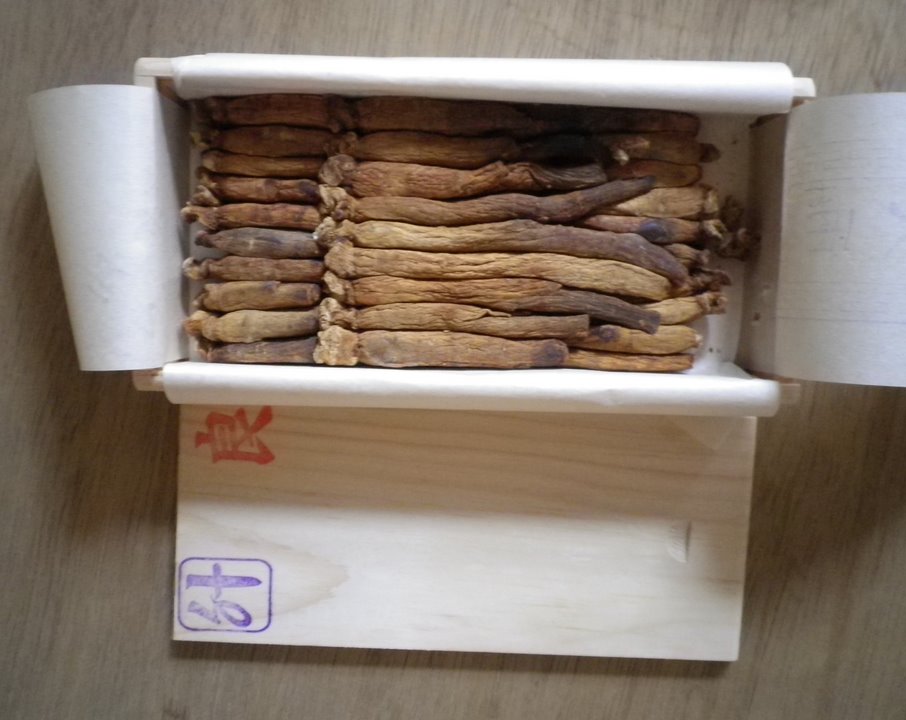
Korean Red Ginseng Extracts/Supplements

SeoulUSD 20-300

Renowned globally for its quality and health benefits, Korean red ginseng is available here in potent, pure forms at better prices than abroad.

📍 Gyeongdong Market (specialty ginseng shops), large department stores (Lotte, Shinsegae), Cheong Kwan Jang stores.

🧣

Modern Hanbok-Inspired Clothing

SeoulUSD 30-200

Contemporary designers reinterpret traditional Korean garments into stylish, wearable everyday pieces that are unique to the local fashion scene.

📍 Samcheongdong boutiques, Insadong's Ssamziegil, Dongdaemun Design Plaza (DDP) shops.

🏺

Goryeo Celadon Pottery

SeoulUSD 30-500

Exquisite pale green-glazed ceramics, a hallmark of Korean artistry from the Goryeo Dynasty, are still handcrafted today with remarkable skill.

📍 Insadong (Kyung-in Museum of Fine Art shop), specialized galleries in Samcheongdong.

🍵
🏪

Traditional Korean Tea

SeoulUSD 10-50

Discover high-quality regional green teas and unique herbal blends like jujube or plum tea, often presented in beautiful packaging.

📍 Insadong Tea Houses (Beautiful Tea Museum), local markets, department store food halls.

🛍️

Hanji Paper & Calligraphy Sets

SeoulUSD 10-100

Handcrafted Hanji paper, made from mulberry bark, is incredibly durable and beautiful, perfect for traditional calligraphy or unique art prints.

📍 Insadong (specialty paper shops like Jongie Nara), various art supply stores in Hongdae.

Markets & districts

🏪Dongdaemun Market & DDPSeoul

Fashion apparel (wholesale and retail), textiles, accessories, unique designer items at DDP.

A massive, vibrant district operating day and night, offering everything from fast fashion to bespoke textiles, with the futuristic DDP as a focal point.

🎨InsadongSeoul

Celadon pottery, Hanji paper, traditional teas, calligraphy supplies, antique furniture.

A charming cultural street blending traditional shops, art galleries, and tea houses; expect some tourist crowds but also authentic finds.

HongdaeSeoul

Indie fashion, K-Pop merch, unique art and stationery, handmade accessories, club wear.

Energetic and youthful, this area around Hongik University buzzes with street performers, unique cafes, and independent boutiques, ideal for trend-seekers.

Good to Know

CustomsTravelers can typically bring in goods up to $800 USD duty-free. For alcohol, it's 1 liter; for tobacco, 200 cigarettes or 250g of tobacco. Food items like processed ginseng and packaged teas are generally permitted, but fresh produce, meat, and dairy products are often restricted.
Tax refundNon-residents are eligible for a VAT refund (typically 10%) on purchases over 30,000 KRW from participating 'Tax Free' stores. Obtain a refund slip at the time of purchase, then present your passport and goods at designated refund kiosks in airports or downtown refund offices before departure.
PaymentCredit and debit cards (Visa, MasterCard, Amex) are widely accepted almost everywhere, from department stores to small cafes. Cash (Korean Won, KRW) is useful for street food vendors, some smaller market stalls, and public transport top-ups.
BargainingNot typically practiced in department stores, modern boutiques, or chain stores where prices are fixed. Limited bargaining might be possible at traditional markets (like Namdaemun or Gwangjang) for multiple purchases or larger items; a slight discount of 5-10% might be achieved, but it's not an aggressive haggling culture.

Getting Around

Map of Seoul, South Korea

World-class metro in Seoul; KTX high-speed rail for intercity

Common Modes
MetroBusKTXTaxi
Ride-Hailing Apps
Kakao TTada
Transit Card

T-money / Cashbee

Pro Tip

Get a T-money card at any convenience store. Download Kakao Map for navigation.

Seollal
January-February

Korean Lunar New Year with family ancestral rites, traditional games, and hanbok wearing. Many shops close but palaces offer free admission and cultural programs.

Elevated cost (1.5x)Moderate crowdsPalace cultural programsHanbok wearingTraditional games

Note: Book 2-3 weeks ahead

Jinhae Cherry Blossom Festival
Jinhae Gunhangje
April

Korea's largest cherry blossom festival with 350,000 trees in bloom. Jinhae's Yeojwacheon Stream and Gyeonghwa Station are iconic photo spots.

Elevated cost (1.5x)High crowdsYeojwacheon Stream tunnelGyeonghwa Station railwayNight illuminations

Note: Book 3-4 weeks ahead for Jinhae area

Seollal (Korean Lunar New Year)
설날
January-February

Korea's biggest holiday alongside Chuseok. 3-day public holiday when 30+ million Koreans travel to ancestral hometowns (귀성길 gwiseonggil). Seoul empties; traffic on highways from Seoul is legendary. Traditional sebae (bow to elders receiving money), tteokguk (rice cake soup — eating it adds one year to your age), hanbok traditional dress. Many tourist sites free or discounted.

High cost (1.8x)Extreme crowdsSebae family bowing ceremoniesTteokguk rice cake soup (age-adding tradition)Hanbok (traditional dress) wearing in Gyeongbokgung Palace

Note: Book flights and KTX tickets 3+ months ahead; Seoul hotels surprisingly OK (locals leave)

Chuseok
September-October

Korean Thanksgiving with family gatherings, traditional food, and folk villages.

Elevated cost (1.5x)High crowdsTraditional hanbokFolk village visitsSongpyeon rice cakes

Note: Book transport early - everyone travels

Public Holidays(15)

Jan 1New Year's Day
Feb 17Seollal
Feb 18Seollal Holiday
Mar 1Independence Movement Day
May 1Labor Day
May 5Children's Day

📅 Best Time to Visit

The best times to visit Seoul are spring (April-May) for cherry blossoms and mild temperatures (10-20°C), or autumn (September-November) for vibrant fall foliage and comfortable, dry weather (15-25°C). Summers (June-August) are hot and humid (25-35°C) with frequent monsoon rains, while winters (December-March) are cold and dry, often dropping below 0°C with occasional snow. Spring and autumn are also peak tourist seasons, so book accommodations and popular tours several months in advance to secure availability and better rates.

  • Total for a couple — 5 days mid-range trip, excludes international flights
  • Accommodation assumes 1 shared room
  • Rough estimates — actual prices vary by season and availability
Trip Budget (ground costs)USD 880-1,320 (~KRW 1.2M-KRW 1.7M)
🚌

Local Transport

USD 100 (~KRW 132K)
🏨

Accommodation

USD 500 (~KRW 660K)

AI estimated based on typical hotel costs

🍽️

Food

USD 250 (~KRW 330K)
🎯

Activities

USD 250 (~KRW 330K)
💡
Practical

Seoul is moderate in cost overall; expect $100-150/night for decent hotels and $10-20 for sit-down meals, though excellent street food can be found for $3-8. Tap water is safe to drink, and the city is remarkably clean and safe.

💸
Saving

Purchase a T-Money card at any convenience store for about ₩2,500-4,000 (card cost) and load it with ₩10,000-20,000; it offers a discount on fares (₩1,250 per subway ride vs. ₩1,350 cash) and is usable on buses and even some taxis.

💡
Practical

Explore Seoul's vibrant street food markets like Gwangjang Market or Myeongdong Street for delicious and affordable meals, where individual dishes typically range from ₩3,000 to ₩8,000 per person.

💸
Saving

Take advantage of free cultural experiences by visiting sites like Bukchon Hanok Village or Cheonggyecheon Stream, and many temples offer free entry or low-cost cultural programs for less than ₩10,000.

Splurge

Consider a Hanbok rental (around ₩20,000-40,000 for 4 hours) to wear while visiting palaces like Gyeongbokgung Palace; wearing a Hanbok often grants free entry to these sites, combining a cultural immersion with a unique photo opportunity.

Incheon Airport Express (AREX) Train TicketDay 1

Book 2 days ahead — Purchasing tickets in advance for the express non-stop train from Incheon International Airport to Seoul Station ensures a reserved seat and smooth transfer.

South Korea Tourist SIM Card or eSIMDay 1

Purchase 1 week ahead — Pre-order for airport pickup to ensure immediate connectivity upon arrival, crucial for navigation and communication.

T-Money Card for Public TransportDay 1

Purchase 1 week ahead — Order online for airport pickup or purchase upon arrival. Essential for easy access to Seoul's public transportation system.

Changdeokgung Palace Huwon (Secret Garden) Timed TourDay 2

Book 2 weeks ahead — Huwon (Secret Garden) tours have limited capacity and specific English tour slots that sell out quickly, especially during peak season.

N Seoul Tower Observatory TicketDay 2

Book 1 week ahead — Pre-booking online avoids potential queues at the ticket counter, especially during peak times, although same-day tickets are often available.

Club Evans Live Jazz Performance EntryDay 3

Book 1 week ahead — For specific popular acts or weekend visits, advance booking or ticket purchase is recommended to ensure entry and preferred seating.

DMZ Tour (The Third Tunnel, Dora Observatory)Day 4

Book 1 month ahead — DMZ tours require specific arrangements and often sell out due to limited tour slots, security protocols, and specific government approvals.

National Museum of Modern and Contemporary Art, Seoul (MMCA Seoul) EntryDay 4

Book 1 week ahead — While general admission may be flexible, timed entry is recommended for popular special exhibitions to guarantee access and avoid potential wait times.

100% Free

Customize This Trip

Get this itinerary tailored to YOUR exact dates, preferences, and budget.

  • Personalized for your dates
  • Weather-aware recommendations
  • Offline access
  • Real-time pricing
  • Budget tracking
Create My Free Itinerary

No sign-up required

Quick Actions

Free and without sign-in

Trip Summary

DestinationSeoul, South Korea
Duration5 days
BudgetUSD 880-1,320
  • Purchase a T-Money card at any convenience store (GS25, CU, 7-Eleven) for ₩3,000, then load it with cash for seamless metro and bus travel across Seoul and beyond.
  • Rely exclusively on KakaoMap or Naver Map for all navigation; Google Maps is highly inaccurate for public transport and walking directions in South Korea.
  • Withdraw South Korean Won (KRW) cash from ATMs with 'Global ATM' signage found in major subway stations or convenience stores like 7-Eleven, as some street food vendors are cash-only.
  • Utilize the extensive Seoul Metro system; it's highly efficient, affordable, and English signage is prevalent, especially on Lines 1-9 for popular tourist routes.
  • When dining out, many Korean dishes are designed for sharing; order several dishes for the table to experience a variety of flavors rather than expecting individual main courses.
  • Carry a small reusable bag for shopping; many stores, including convenience stores, charge a small fee (typically ₩100-200) for plastic bags.
  • For popular attractions like Gyeongbokgung Palace or N Seoul Tower, arrive shortly after opening (usually 9-9:30 AM) to avoid peak crowds, especially on weekends.
  • Consider visiting a PC Bang (internet cafe) for high-speed internet, printing documents, or enjoying PC gaming; they typically cost ₩1,000-2,000 per hour.
  • Book KTX train tickets well in advance on the KorailTalk app or website, especially for weekend travel from Seoul to Busan or other major cities, as popular routes sell out quickly.
  • Look for the 'Global Tax Free' logo at department stores (e.g., Lotte, Shinsegae) and participating shops to claim a 10% VAT refund on purchases over ₩30,000; process your refund at Incheon Airport.
  • 1
    Layered clothing (thermal base for winter, light jacket for indoor/outdoor temperature swings)
  • 2
    Well-cushioned, grippy walking shoes (for Seoul's hilly terrain and extensive concrete walking)
  • 3
    Compact umbrella (for sudden rain, especially during summer monsoon season)
  • 4
    Small reusable shopping bag (many shops charge for plastic bags)
  • 5
    KF94 air purifier mask (for fine dust days, common in spring and fall)
  • 6
    Moisturizer + lip balm (for dry winter air or strong indoor AC)
  • 7
    Slip-on shoes (for frequent removal at temples, traditional homes like Hanok stays)
  • 8
    Small quick-dry towel (if visiting jjimjilbangs or public baths)

Note: Travel conditions, regulations, and local customs may change. We recommend verifying essential details — such as visa requirements, emergency contacts, and payment options — closer to your travel date.

Visa & Entry Requirements

US, EU, UK, Australia, and Canadian citizens typically enjoy visa-free entry for up to 90 days. Indian citizens require a visa for South Korea; specific requirements and application processes should be checked via the nearest Korean embassy or consulate. Passports should generally be valid for at least 6 months beyond your intended departure date. Other nationalities should check the official South Korean Ministry of Foreign Affairs website for their specific requirements.

Local Customs & Etiquette

At traditional Korean homes (Hanok), temples, or some restaurants, always remove shoes at the entrance or before stepping onto raised platforms. When receiving or giving items, especially money or business cards, use both hands as a sign of respect. Avoid smoking in non-designated areas, particularly within 10 meters of subway exits, bus stops, or public buildings, where fines can apply. Tipping is generally not expected in restaurants, taxis, or hotels in South Korea; service charges are usually included or service is simply part of the culture.

Safety Overview

Seoul is an exceptionally safe city, with violent crime and pickpocketing being rare, similar to Tokyo. Extensive CCTV coverage across public spaces means incidents are often quickly resolved. While rare, foreigners, especially men with Korean women, might occasionally encounter verbal hostility from drunken men in nightlife areas like Hongdae or Gangnam, which is more a nuisance than a threat. Drugs, gambling, and firearms are strictly prohibited with severe penalties.

SIM & Connectivity

SIM Options

SK Telecom, KT, LG U+ (local physical SIM)
₩30,000 - ₩60,000 for 5-30 days / unlimited data

📍 Incheon (ICN) or Gimpo (GMP) Airport arrival halls, major convenience stores (GS25, CU)

Travelex (eSIM)
$15-$40 for 5-30 days / 1GB-10GB

📍 Online activation before arrival

WiFi Availability

Free public Wi-Fi is ubiquitous in Seoul, available reliably at most hotels, cafés, major subway stations, and public parks. Many restaurants also offer free Wi-Fi. For paid access, PC Bangs (internet cafes) are found on almost every block, costing ₩800-2,000/hr, providing high-speed internet and printing services.

Useful Apps

KakaoMap / Naver MapEssential for navigation, public transport directions, and finding addresses as Google Maps is unreliable for Korea.PapagoA highly accurate translation app for Korean, supporting text, voice, and image translation.Kakao TFor booking taxis, ride-hailing (Kakao T Taxi), and checking bus/subway arrival times.T-Money Balance CheckTo check the balance of your T-Money public transport card if you have an NFC-enabled Android phone.
Pro Tip

Ensure your phone is unlocked before arriving to use a local physical SIM. Some older foreign phones might have compatibility issues with Korean networks, so an eSIM or a portable Wi-Fi egg rental is a safer bet if unsure. Registering your SIM often requires passport details.

Electric Socket Guide

Socket Types

Type C - Europlug

Two round pins (most of Europe, South America)

Type F - Schuko

Two round pins + side earth clips (Germany, Europe)

Voltage

220V

Frequency

60Hz

Tipping Etiquette

Restaurants

Not expected — can be considered rude

Taxis

Not expected

Hotels

Not expected

South Korea has a no-tipping culture. Service is included.

Safety & Travel Advisories

Check official government advisories for the latest safety information, entry requirements, and travel warnings before your trip.

Emergency Numbers

👮
Police

112

🚑
Ambulance

119

🚒
Fire

119

1330 for tourism hotline (English)

Payments

Cash Culture

Korea is nearly cashless — cards accepted everywhere

Credit Cards

Universally accepted, even at small shops

Contactless

Widely used — Samsung Pay, Apple Pay, T-money

Pro Tip

Cards work almost everywhere. T-money card useful for transit and convenience stores.

Most major nationalities including US, EU, UK, Australia, and Canada can visit South Korea visa-free for up to 90 days. Indian citizens typically require a visa. All travelers should ensure their passport is valid for at least six months beyond their planned departure. It is always recommended to check the specific requirements for your nationality with the South Korean Ministry of Foreign Affairs or your local embassy before travel.

Seoul is renowned as an extremely safe city with very low rates of violent crime and pickpocketing, comparable to other major East Asian cities like Tokyo. Public spaces are well-monitored by CCTV. While extremely rare, be aware that foreigners might occasionally experience verbal hostility from intoxicated individuals in nightlife areas. Generally, you can feel safe exploring Seoul at any time of day.

The currency used is the South Korean Won (KRW). While credit cards are widely accepted in most shops, restaurants, and larger establishments, it's highly recommended to carry some cash, especially for street food vendors, traditional markets, and smaller local shops which may be cash-only.

No, tipping is generally not customary or expected in Seoul. Service charges are often included in the bill at high-end hotels and restaurants, but for most services, including taxis, dining, and casual purchases, tips are neither required nor anticipated. Attempting to tip may even cause confusion.

Beyond general travel essentials, consider packing layered clothing for fluctuating indoor/outdoor temperatures, well-cushioned walking shoes for Seoul's hilly terrain, a compact umbrella (especially for summer monsoons), and a reusable shopping bag as many stores charge for plastic. A KF94 air purifier mask is also highly recommended for days with high fine dust levels.

The Seoul Metro system is highly efficient, extensive, and the best way to navigate the city. Purchase a T-Money card for seamless travel on both the metro and buses. For navigation, use local apps like KakaoMap or Naver Map, as Google Maps is not reliable for public transport directions in South Korea.

The most efficient way is the AREX Express train, which takes approximately 43 minutes to Seoul Station (₩9,500). The All-Stop train is cheaper but takes longer. Airport limousine buses offer direct routes to various parts of Seoul and major hotels. Taxis are also available but are significantly more expensive (₩60,000-₩100,000+).

Spring (April-May) and autumn (September-November) are ideal for their pleasant weather, cherry blossoms, and colorful fall foliage. Temperatures are mild, making it comfortable for exploring. Summers can be hot, humid, and rainy, while winters are very cold and dry, sometimes with snow, offering a different but equally engaging experience for those prepared for the weather.

Found this useful? 🥭

This trip planner is free. If it saved you some planning time, you can name your price — even a few dollars helps keep it running.

Generated by MonkeyEatingMango 🥭

These 2 experiences didn't make it into this itinerary

A High-End Korean Dining Experience

🍽️A High-End Korean Dining Experience

e.g., Mingles, La Yeon (Shilla Hotel)

A Traditional Korean Spa (Jjimjilbang) for Relaxation

🧖‍♀️A Traditional Korean Spa (Jjimjilbang) for Relaxation

e.g., Dragon Hill Spa, Siloam Sauna

Create Your Custom Version

📅 Your exact dates🗓️ Trip length👨‍👩‍👧‍👦 Group & kids🎯 Your interests💰 Your budget
Create My Custom ItineraryFREE

Share this trip

Send it to whoever you're traveling with.

You Might Also Like

End of the trail

Plan less, do more.

Customize