Which places in Sardinia are worth the trip, and what should you book ahead? Start with Alghero's Grotta di Nettuno, a boat trip through the La Maddalena archipelago and the UNESCO nuraghe at Barumini; the island's three most-booked beaches now run numbered entry.
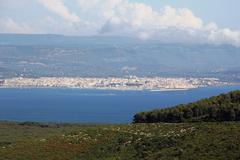
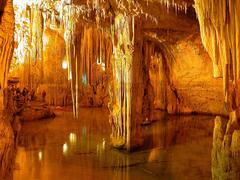
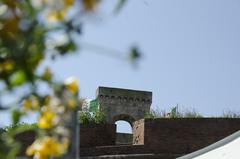
Alghero
Must-visitGo for Grotta di Nettuno, the old town ramparts
Top sights
- Grotta di Nettunoa 1-hour guided tour, allow a half day with the stair descent or boat ride; EUR 18.00 full, EUR 10.00 reduced; book a time slot ahead, the Capo Caccia ticket office closes in summer
- The old town and rampartshalf a day, a walk along the sea walls to Torre di Porta Terra
Book ahead: Grotta di Nettuno
Read the full sectionShowing Alghero
Most visitors plan 7 to 10 days to cover two or three of Sardinia's regions without rushing; two weeks allows a full clockwise loop. A rental car is close to mandatory outside the few rail lines between the main towns. Each place and experience below carries the time it takes, what to book and the official price where one exists.
- Book La Pelosa, Cala Goloritzé and Cala Brandinchi before you go. All three beaches now run a numbered or timed entry, and summer slots sell out weeks ahead.
- Rent a car for the Gulf of Orosei and Barbagia. Sardinia's rail network covers only a handful of lines; the nuraghi, the Supramonte's canyons and the interior's hill towns need a car or a guided day trip.
- Give the La Maddalena archipelago a full day. A quick boat tour reaches only one or two of the seven islands; a rental dinghy or a longer charter covers more.
Where to go in Sardinia
These 16 places run from Sardinia's coasts to its mountainous interior. A MonkeyEatingMango itinerary tags each sight Must-do, Maybe or Skip if tired.
Alghero
Must-visit
- Grotta di Nettuno: a 1-hour guided tour, allow a half day with the stair descent or boat ride; EUR 18.00 full, EUR 10.00 reduced; book a time slot ahead, the Capo Caccia ticket office closes in summer
- The old town and ramparts: half a day, a walk along the sea walls to Torre di Porta Terra
- Plan it: 7-day Sardinia itinerary
Alghero is a Catalan-founded port city on Sardinia's northwest coast, with a walled medieval citadel and a red-coral jewelry trade that still lines its old-town shopfronts. Catalan is still spoken alongside Italian here, a legacy of the Aragonese rule that once held the city.
Grotta di Nettuno, the sea cave below the Capo Caccia cliffs, runs two and a half kilometers into the rock around a saltwater lake. Reach it by 654 steps down from the cliff top, or by a shorter boat ride from Alghero's port. Walk the Lungomare at sunset for the same view the city's sea walls have framed for centuries.
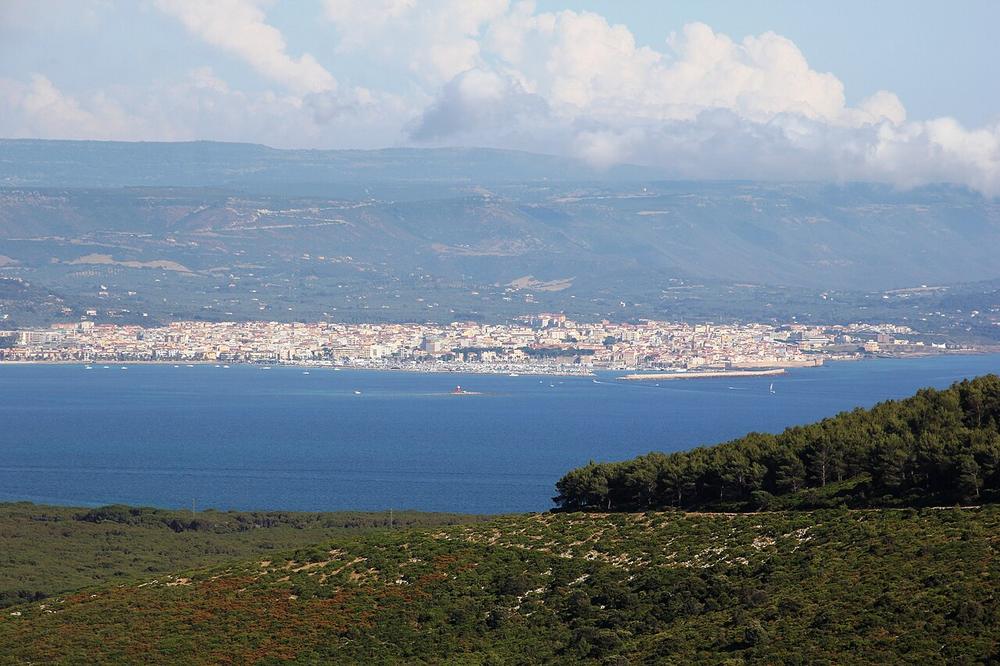 Gianni Careddu (CC BY-SA 4.0)
Alghero's old town along the sea walls
La Maddalena archipelago
Must-visit
- Boat trip or rental: a full day; dinghy rental roughly EUR 180-400 a day, guided group tours commonly EUR 70-100 a person; book 48 hours or more ahead in summer
- Budelli's Pink Beach: view-only from the water, landing and swimming banned since 1994
- Plan it: 7-day Sardinia itinerary
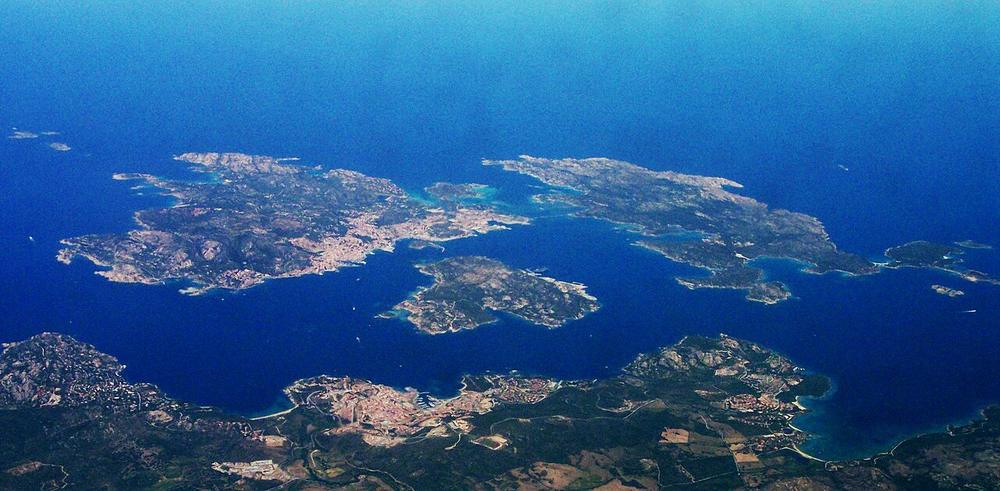
The La Maddalena archipelago is a seven-island national park off Sardinia's northeast tip, established in 1994, with its main town sitting on the largest island. Boats depart from Palau on the mainland, a 45-minute drive north of the Costa Smeralda.
A day on the water reaches Caprera, Giuseppe Garibaldi's home in his later years, and Spargi's coves, both ringed by the turquoise, shallow water the archipelago is known for. Budelli's Spiaggia Rosa gets its pink tint from fragments of a marine organism mixed into the sand. The whole beach has been under protection since 1994: no landing, no walking on the sand and no swimming in the water in front of it.
 CC BY-SA 3.0
Aerial view of the La Maddalena archipelago
Costa Smeralda and Porto Cervo
- Porto Cervo's marina: half a day; book a table at the busiest restaurants ahead in July and August
- The Costa Smeralda's beaches: 2 to 4 days for beach-hopping; arrive early at Spiaggia del Principe and Capriccioli
- Plan it: 7-day Sardinia itinerary
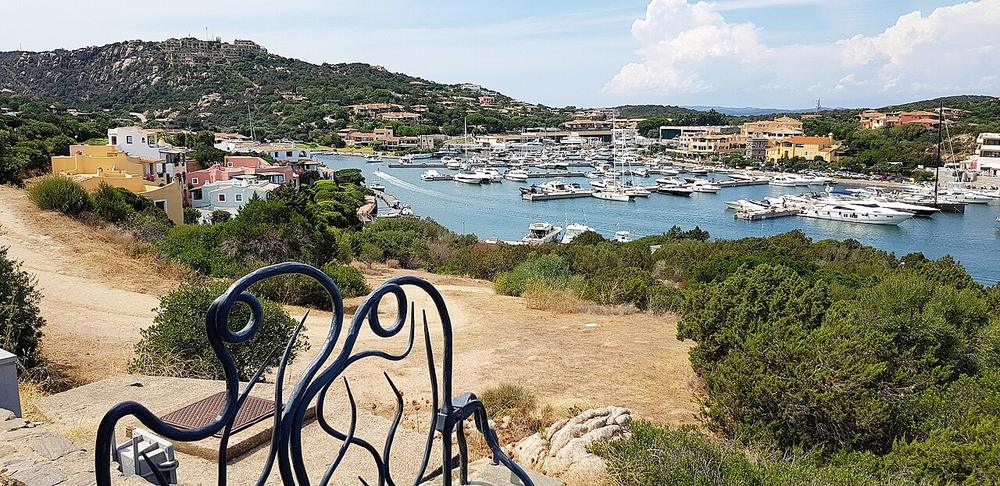
The Costa Smeralda is a resort coastline developed from the 1960s by a consortium led by the Aga Khan, with Porto Cervo as its yacht-marina hub. Its beaches sit along a stretch of coast that was largely undeveloped before the project began.
Porto Cervo's marina fills each summer with superyachts that return to the same berths year after year, backed by a piazza of designer boutiques built to match the port. Away from the marina, the coves of Spiaggia del Principe and Capriccioli are closer to open countryside than to the yacht-club image the Costa Smeralda is known for.
 Bärwinkel,Klaus (CC BY-SA 4.0)
Porto Cervo's marina on the Costa Smeralda
Stintino and La Pelosa
Must-visit
- La Pelosa beach: a full beach day; 1,500 daily places, EUR 3.50 ticket, EUR 2.50 an hour for parking along the beach; book online in high season
- Plan it: 7-day Sardinia itinerary
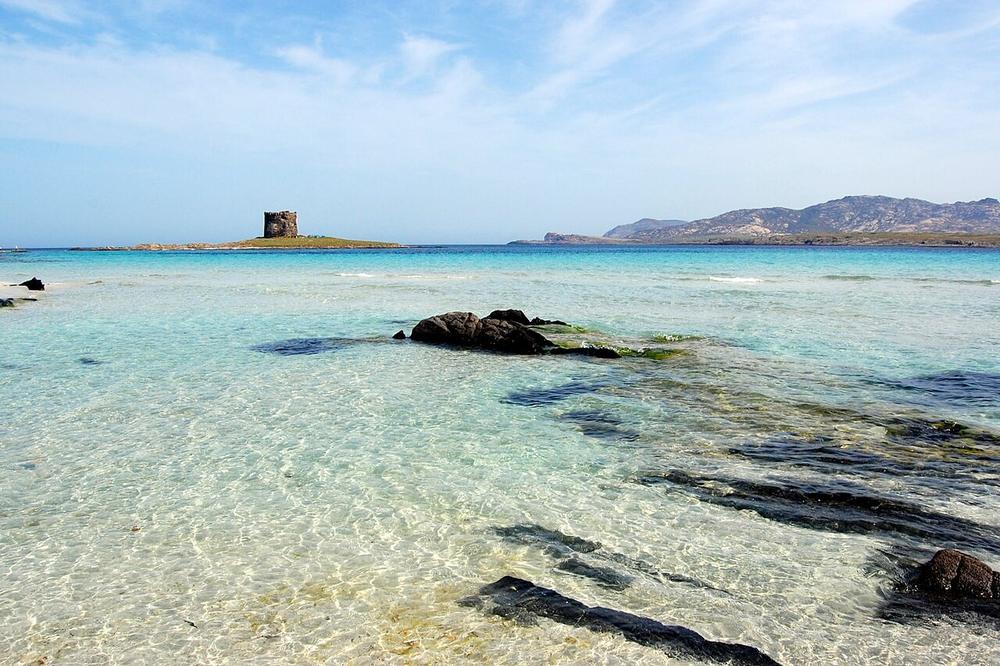
Stintino is a former tuna-fishing village on Sardinia's northwest tip, now known almost entirely for La Pelosa, the shallow turquoise beach facing a 16th-century Aragonese watchtower just offshore.
Arrive before the daily cap fills in summer, since entry is numbered and parking is limited along the beach road. Towels are not allowed directly on the sand, a rule meant to protect it from erosion. Stintino is also the ferry point for Asinara, the former penal colony turned national park a short crossing away.
 goldpicasa (CC BY 3.0)
La Pelosa beach's shallow turquoise water
Bosa
Must-visit
- The Malaspina castle and old town: a half to full day
- Plan it: 7-day Sardinia itinerary
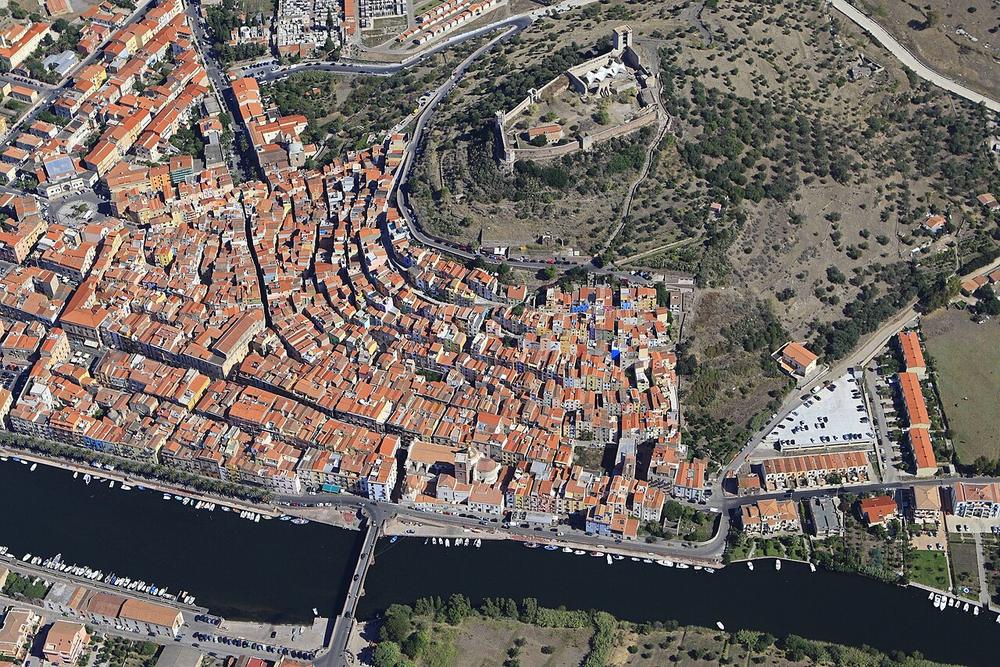
Bosa is a medieval river town on the Temo, with pastel-colored houses stacked along the water below the Malaspina castle on the hill above.
Climb to the castle in the late afternoon for the light on the river and the colored facades below, then walk back down through the old town's narrow lanes. Bosa pairs naturally with a drive along the west coast, with Oristano and the Sinis Peninsula a further hour south.
 Francube (CC BY-SA 3.0)
Bosa's old town below the Malaspina castle
Cagliari
Must-visit
- Castello quarter and the National Archaeological Museum: 1 to 2 hours each
- Poetto Beach: a beach day; the Molentargius flamingo reserve nearby is best at dawn or dusk
- Plan it: 7-day Sardinia itinerary
Cagliari is Sardinia's capital and the gateway airport for most trips to the south, a hilltop medieval quarter above the Gulf of Cagliari's flamingo-filled marshes.
Il Castello, the walled quarter at the city's highest point, holds the cathedral and the National Archaeological Museum. Torre dell'Elefante, a medieval gate tower, still guards the quarter's edge. Poetto Beach, a long sweep of sand a short bus ride from the center, doubles as Cagliari's own city beach.
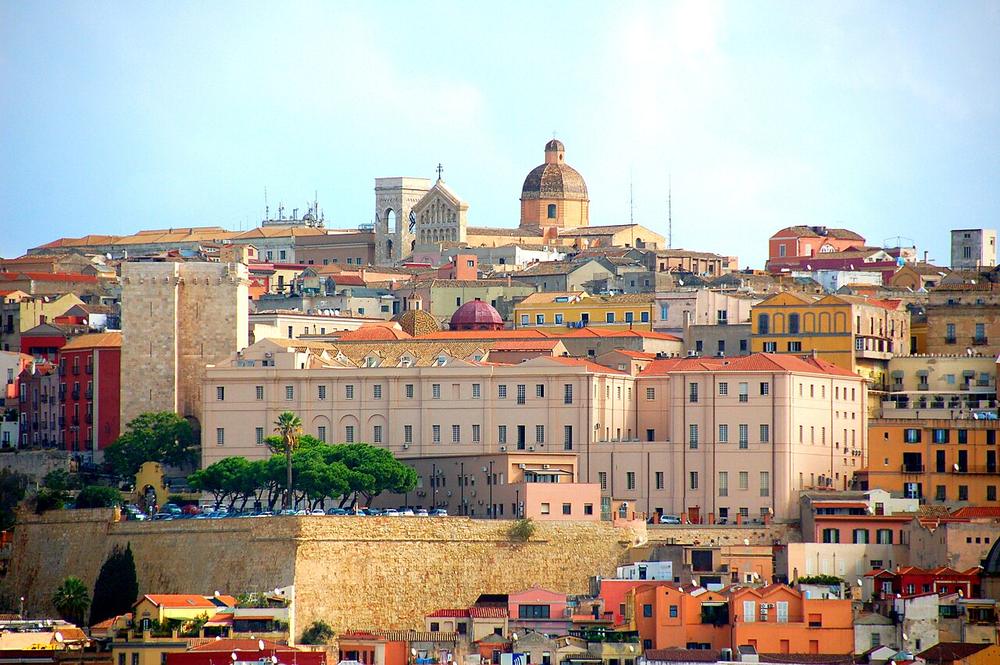 Municipality of Cagliari (CC BY-SA 3.0 it)
Cagliari's hilltop Castello quarter
Cala Gonone
Must-visit
- Boat trip to the Gulf of Orosei and the Bue Marino caves: a half to full day; book a boat 1 to 2 days ahead in summer
- Plan it: 7-day Sardinia itinerary
Cala Gonone is a small resort town on the east coast, the main boat-launch point for the Gulf of Orosei. No road reaches that stretch of coast, so its beaches are reached only by boat or on foot.
Boats from the harbor reach Cala Luna, Cala Mariolu and Cala Sisine, beaches backed by limestone cliffs along the same roadless stretch of coast. The Grotte del Bue Marino, sea caves once inhabited by Mediterranean monk seals, sit on the same route and take their name from the Italian for "sea ox."
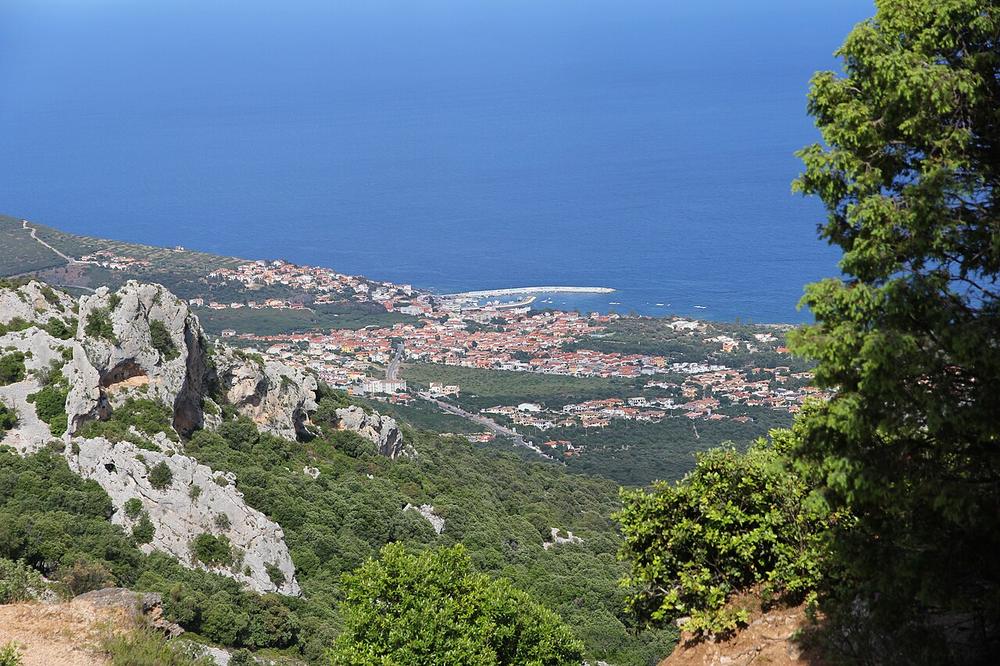 Gianni Careddu (CC BY-SA 4.0)
Cala Gonone, the boat-launch town for the Gulf of Orosei
Castelsardo
- The Doria castle: half a day
- Plan it: 7-day Sardinia itinerary
Castelsardo is a hilltop fishing village on Sardinia's north coast, built around a 12th-century castle raised by the Genoese Doria family and overlooking the Gulf of Asinara.
Walk the lanes below the castle walls down to the harbor below. The cathedral of Sant'Antonio Abate, a short walk from the castle, sits at the lowest point of the old town.
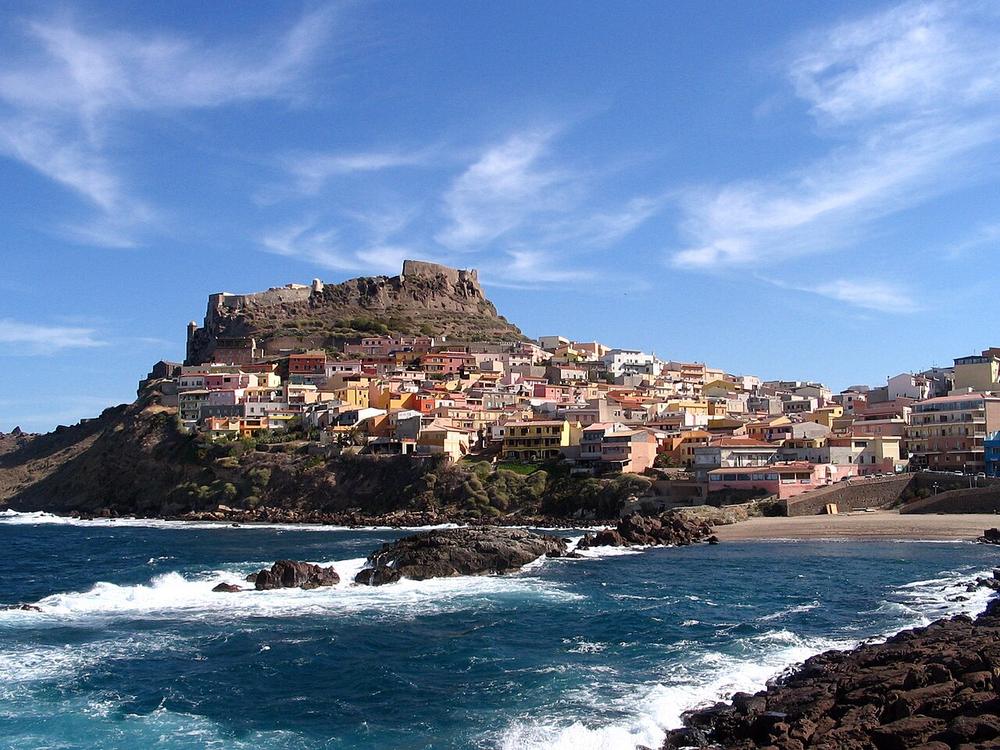 markus Braun (Public domain)
The Doria castle above Castelsardo
Baunei and the Golgo plateau
- The Golgo plateau: a full day; see the Cala Goloritzé entry below for the trail down to the coast
- Plan it: 7-day Sardinia itinerary
Baunei is a hill town above the Supramonte on Sardinia's east coast, its Golgo plateau the trailhead for the hike down to Cala Goloritzé and for boat trips along the Baunei coast below.
Su Sterru, a deep sinkhole on the plateau, sits a short walk from the small church of San Pietro di Golgo. From the plateau's edge, a marked trail drops toward the sea at Cala Goloritzé.
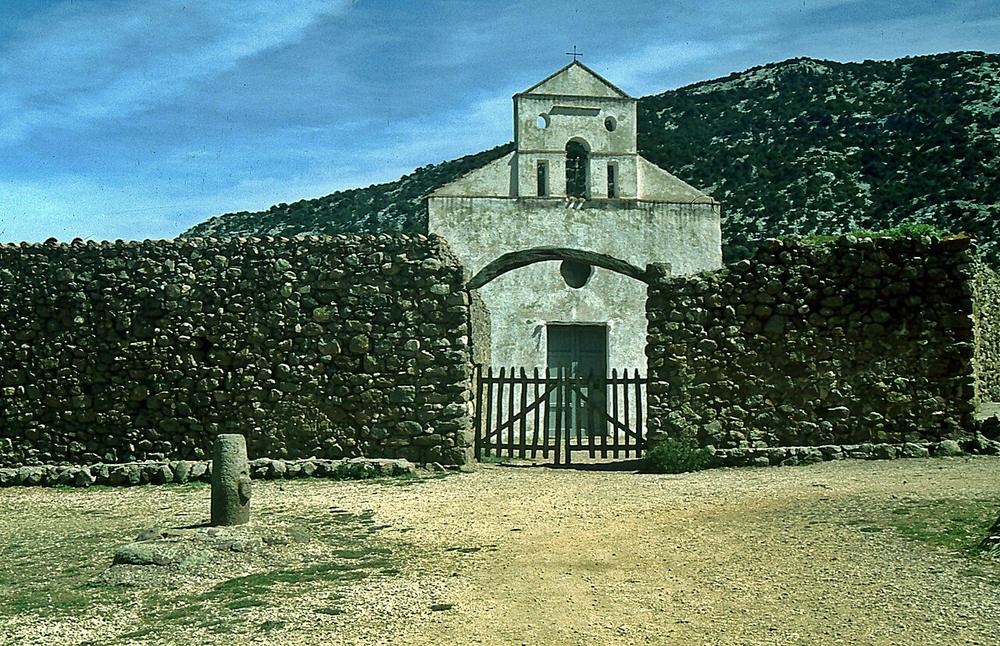 Ziegler175 (CC BY-SA 3.0)
The Golgo plateau above Baunei
Villasimius
- Porto Giunco and Capo Carbonara: 2 to 3 days as a southern beach base
- Plan it: 7-day Sardinia itinerary
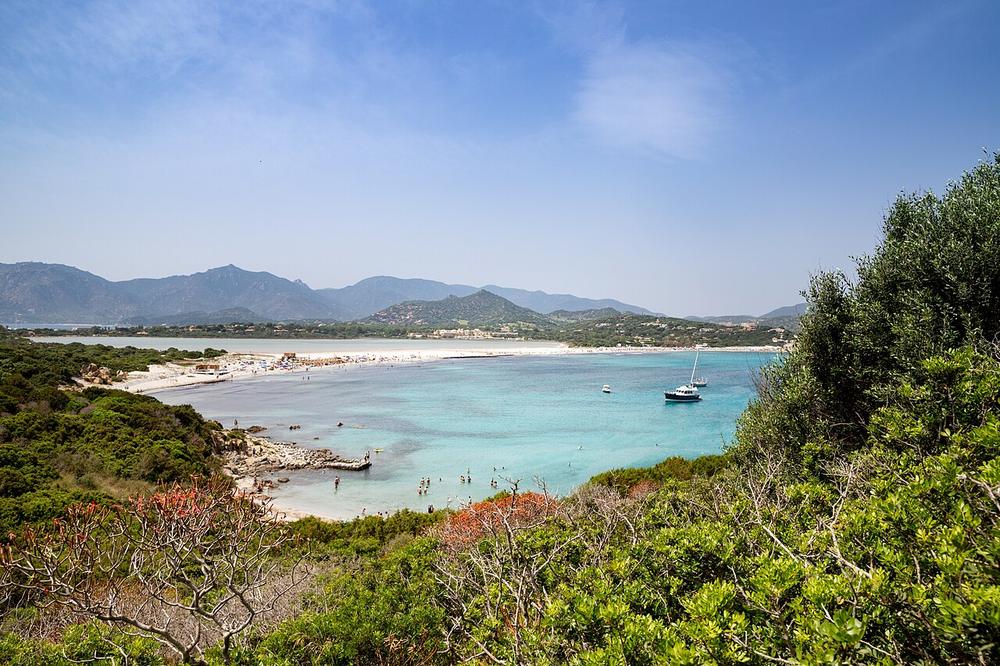
Villasimius is a resort town on Sardinia's southeast coast, built around the Capo Carbonara marine protected area, an hour's drive from Cagliari along the coast road.
Porto Giunco's lagoon draws saltwater flamingos alongside swimmers in its shallow, fine-sand bay. Capo Carbonara's marine protected area, off the same point, is known for clear-water diving and snorkeling.
 dronepicr (CC BY 2.0)
Villasimius bay on Sardinia's southeast coast
Barumini
- Su Nuraxi di Barumini: 1 to 1.5 hours, guided tour only, departures every 30 minutes; book ahead in summer; UNESCO (Archaeological Area of Barumini, 1997)
- Plan it: 7-day Sardinia itinerary
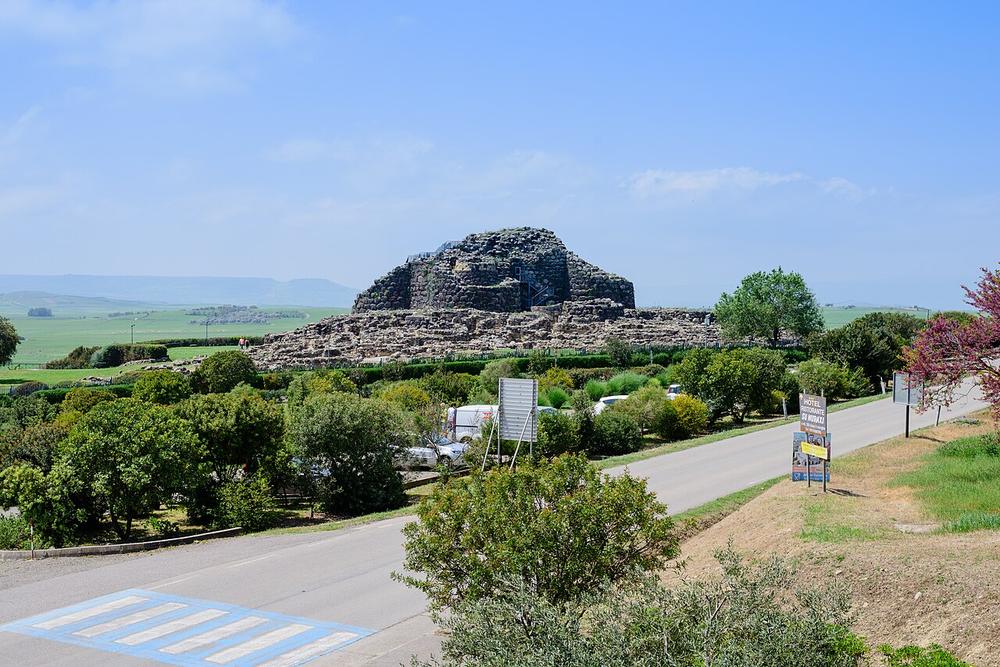
Barumini is a small inland town whose entire reason for a stop is Su Nuraxi: a central Bronze Age tower from around 1500 BC with four later subsidiary towers and a surrounding village. UNESCO inscribed the site in 1997.
The complex sat buried under a hill for centuries before excavation uncovered it in full. Go in the morning to beat both the heat and the tour-group lines; the site is accessible only with a guide, who leads groups through the central tower and village in turn.
 Norbert Nagel (CC BY-SA 3.0)
Nuraghe Su Nuraxi, the central tower at Barumini
Carloforte and San Pietro Island
- The harbor and the Saline salt pans: a full day trip, or an overnight; book the car ferry ahead in summer
- Plan it: 7-day Sardinia itinerary
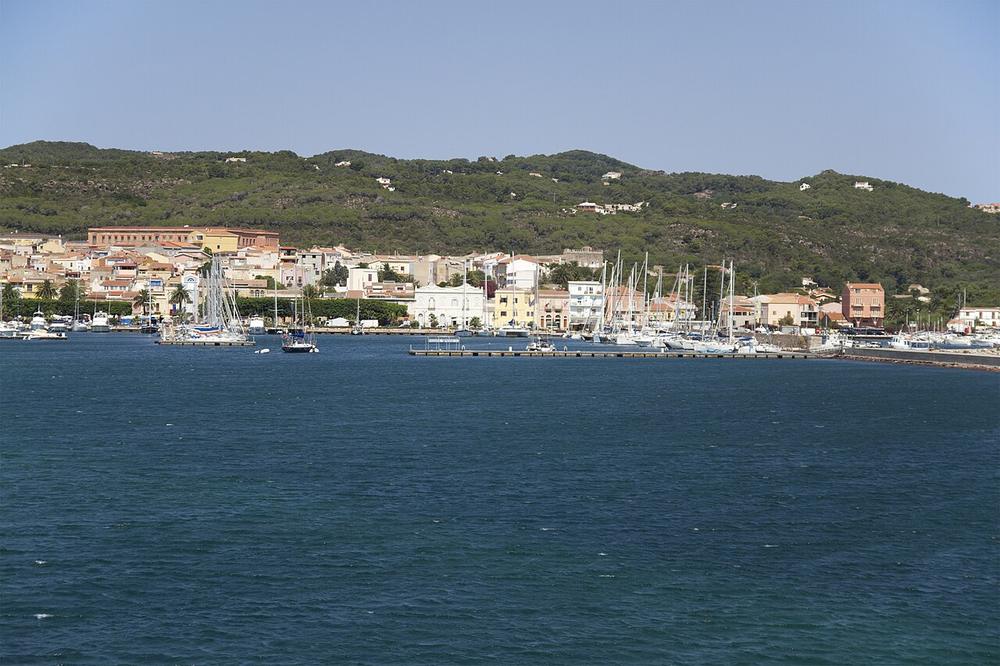
Carloforte is a Ligurian-Tabarkin fishing town on San Pietro Island, reachable only by ferry off Sardinia's southwest coast, settled by Genoese tuna fishermen in the 18th century.
The town still speaks its own Tabarkin dialect and cooks a cuisine built around tuna and couscous rather than Sardinia's usual pastoral dishes. The Saline di Carloforte, salt pans just outside town, make an easy walk from the harbor, with the seafront Lungomare the better choice for an evening stroll back.
 trolvag (CC BY-SA 3.0)
Carloforte's harbor on San Pietro Island
Oliena
- The Supramonte and Su Gologone: a night or a day-trip stop; book Su Gologone's restaurant well ahead
- Plan it: 7-day Sardinia itinerary
Oliena is a Supramonte-foothill village known for its Cannonau wine and for Su Gologone, a mountain lodge that has drawn visitors to its traditional Barbagia cooking for decades.
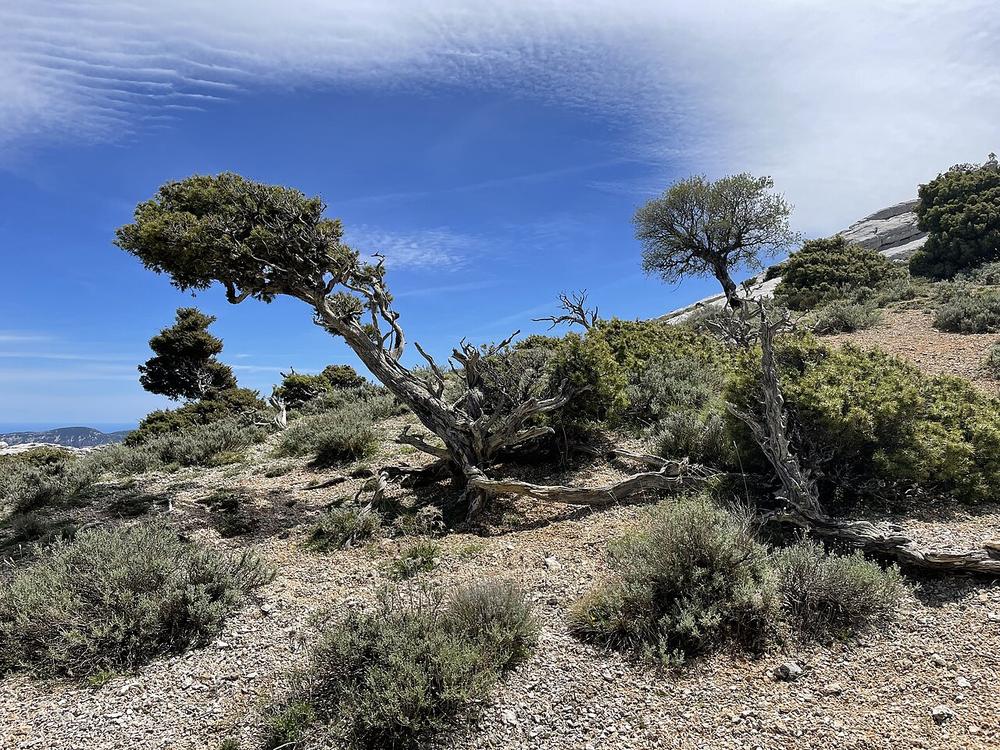
Monte Corrasi rises directly behind the village, a limestone wall that marks the edge of the Supramonte massif and the start of the hikes to Tiscali and the Gola di Gorropu. Oliena's own wine, made from the same Cannonau grape grown further south in Ogliastra, is poured at most tables in town.
 Brigno76 (CC BY-SA 4.0)
Monte Corrasi above Oliena, in the Supramonte
Oristano
- The Sinis Peninsula: a half to full day; see the Tharros and Is Arutas entries below
- Plan it: 7-day Sardinia itinerary
Oristano is a provincial capital on the Tirso plain, the base most trips use for the Sinis Peninsula and its ancient and natural sights a short drive west.
The old town's Duomo and the narrow lanes around Via Aquila make a quieter stop on the way through, away from the beaches and ruins further west. Oristano is also the host town of Sa Sartiglia, a Carnival-season equestrian festival that fills its main streets each February or March.
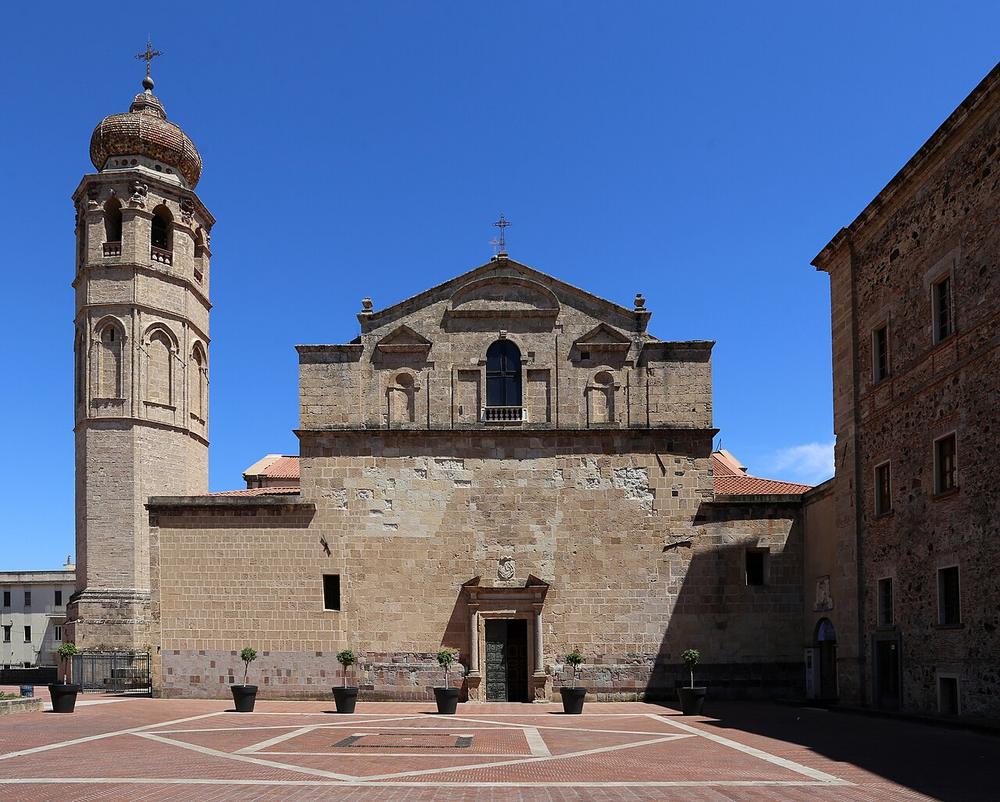 Sailko (CC BY 3.0)
Oristano's cathedral
Orgosolo
- The political murals: a few hours, with a multilingual audio guide from the tourist office; around 200 murals painted since the 1960s
- Plan it: 7-day Sardinia itinerary
Orgosolo is an inland Barbagia village whose walls carry around 200 political and historical murals, most painted from the 1960s onward.
Corso Repubblica and the streets around it hold the bulk of the murals, which range from local shepherd disputes to international politics, repainted or added to as events demand. The tradition has since spread to other Barbagia villages, including San Sperate's own open-air mural museum and Fonni's painted walls.
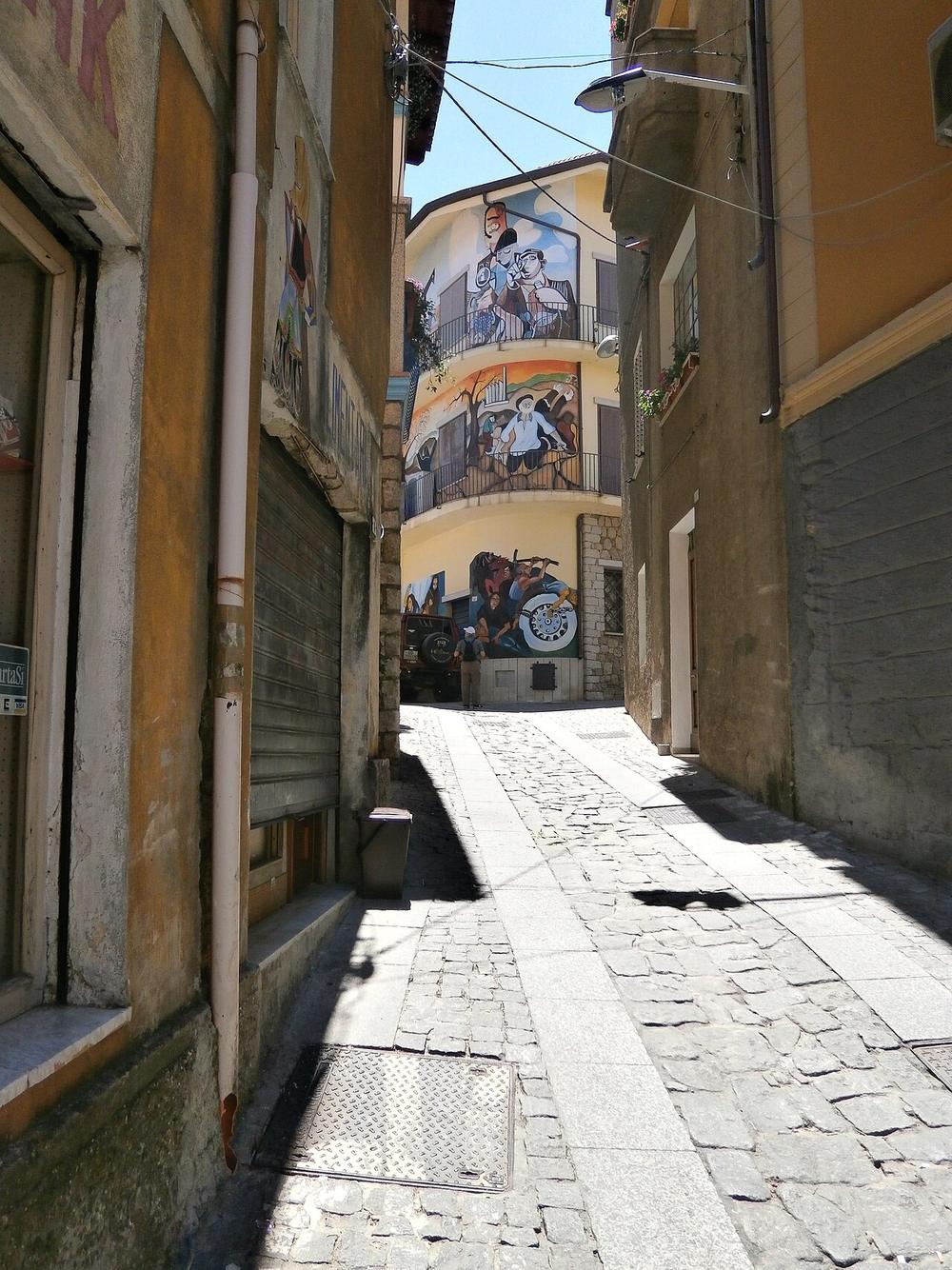 Daniel Ventura (CC BY-SA 4.0)
One of Orgosolo's political murals
San Teodoro
- Cala Brandinchi: a beach day; numbered entry in peak season, book ahead
- Plan it: 7-day Sardinia itinerary
San Teodoro is a northeast-coast beach town near Olbia, the base for Cala Brandinchi, a shallow, white-sand cove nicknamed Little Tahiti for its color.
The San Teodoro lagoon behind the beach is one of the more reliable places on the island to see wild flamingos, especially early or late in the day. Cala Brandinchi's own shallow, gently shelving water makes it one of the easier Sardinian beaches for young children, though its numbered entry fills fast once the high season starts.
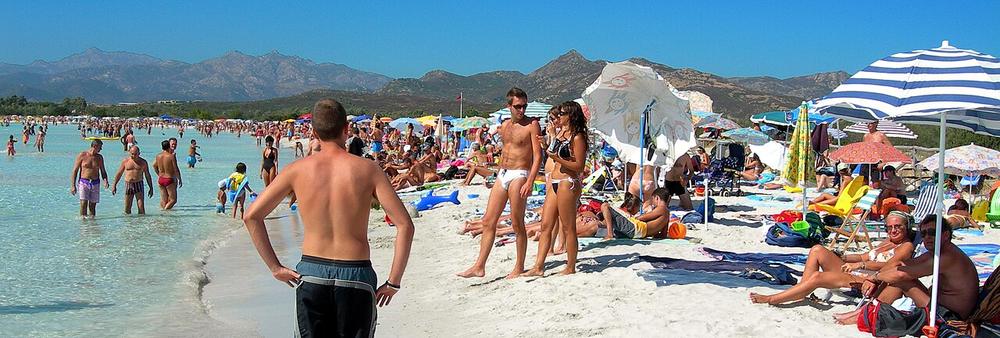 Gaspar Torriero (CC BY-SA 2.0)
Cala Brandinchi, nicknamed Little Tahiti
Things to do across Sardinia
Hike to Cala Goloritzé
- The trail: 1 hour 15 to 1 hour 30 down from the Golgo plateau, 1 hour 30 to 2 hours back up; mandatory online booking, new dates release 3 days ahead at midnight
- Entry: EUR 7 per adult, free for children up to and including age 5 and Comune di Baunei residents, daily cap of 250 people on the beach
- Best months: May and June, or September; July and August slots sell out weeks ahead
Cala Goloritzé is a pebble cove below the Aguglia di Goloritzé, a limestone spire that rises straight out of the water. The cove is reached only on foot from the Golgo plateau, or by swimming in from an anchored boat.
The Comune di Baunei's own tourism office sets the trail's hours in plain terms: "TRAIL OPENING: 7:30 A.M. TRAIL CLOSURE: 14:00. On the beach it is possible to stay until 17:00." A booking is mandatory even outside peak season, and dogs are not allowed on the trail. The hike drops about 500 meters over 3.5 kilometers, steep enough that the climb back up takes longer than the way down.
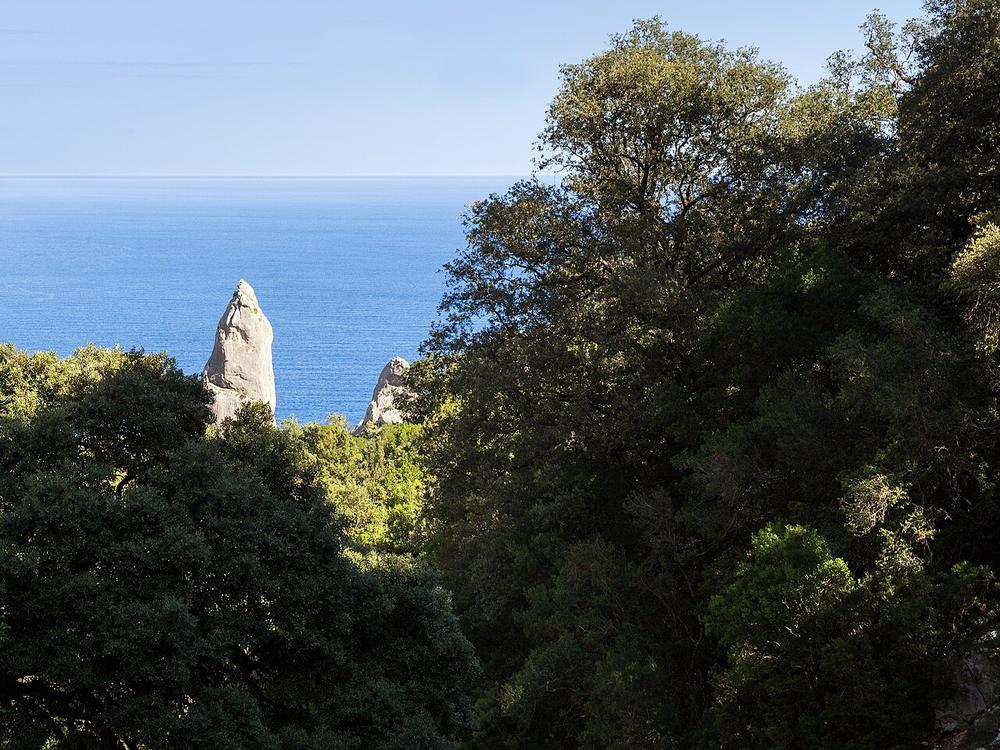 Unukorno (CC BY 4.0)
Cala Goloritzé's pebble beach below the limestone pinnacle
Trek the Selvaggio Blu
- The route: 4 to 5 days, typically with a guide and overnight camps or bivouacs
- Best months: spring or autumn; summer heat and winter sea conditions both make it harder
The Selvaggio Blu follows the Golfo di Orosei's cliffs between Baunei and Santa Maria Navarrese, mixing hiking, via-ferrata-style scrambling and rope descents along a route with no road access and few marked exits.
A mountain guide is strongly recommended for the navigation and the rope sections, and most groups camp or bivouac along the way rather than attempt it in a single push. The reward is a stretch of coastline that the Cala Goloritzé day hike only samples: cliffs, coves and forest that no road reaches at all.
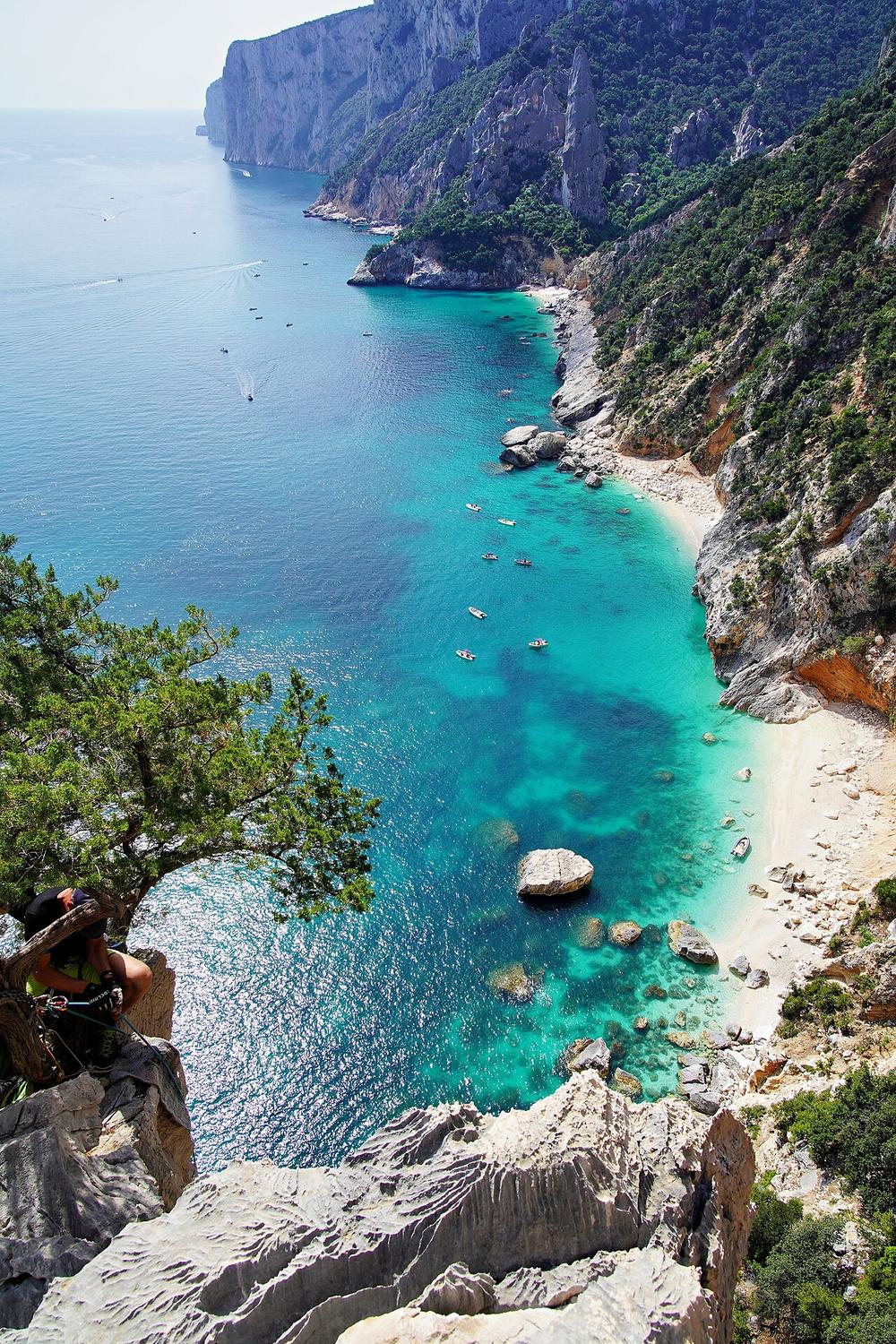 Kopfwerkstatt (CC BY-SA 4.0)
The view along the Selvaggio Blu trekking route
Hike the Supramonte: Gola di Gorropu and Tiscali
- Gola di Gorropu: half a day for the standard out-and-back, a full day for the complete traverse; a 1.5km gorge with walls over 500m, cash entry fees collected locally at three separate trailheads
- Tiscali: a half-day round trip; a local guide is recommended, the trail is not always well marked
- Best months: spring or autumn; river crossings can be impassable after heavy rain
The Supramonte, the limestone massif behind Oliena and Dorgali, holds two hikes away from the coast. Gola di Gorropu is an erosion gorge cut by the Rio Flumineddu along the boundary of Orgosolo and Urzulei; Tiscali is a Nuragic village built inside a collapsed cave sinkhole.
Golden eagles and mouflon, Sardinia's wild mountain sheep, are both regularly seen along Gorropu's walls. Tiscali's stone ruins sit inside the doline's shade, invisible from outside the rim until you are standing over it, a setting that made the village easy to defend and still shapes the hike today.
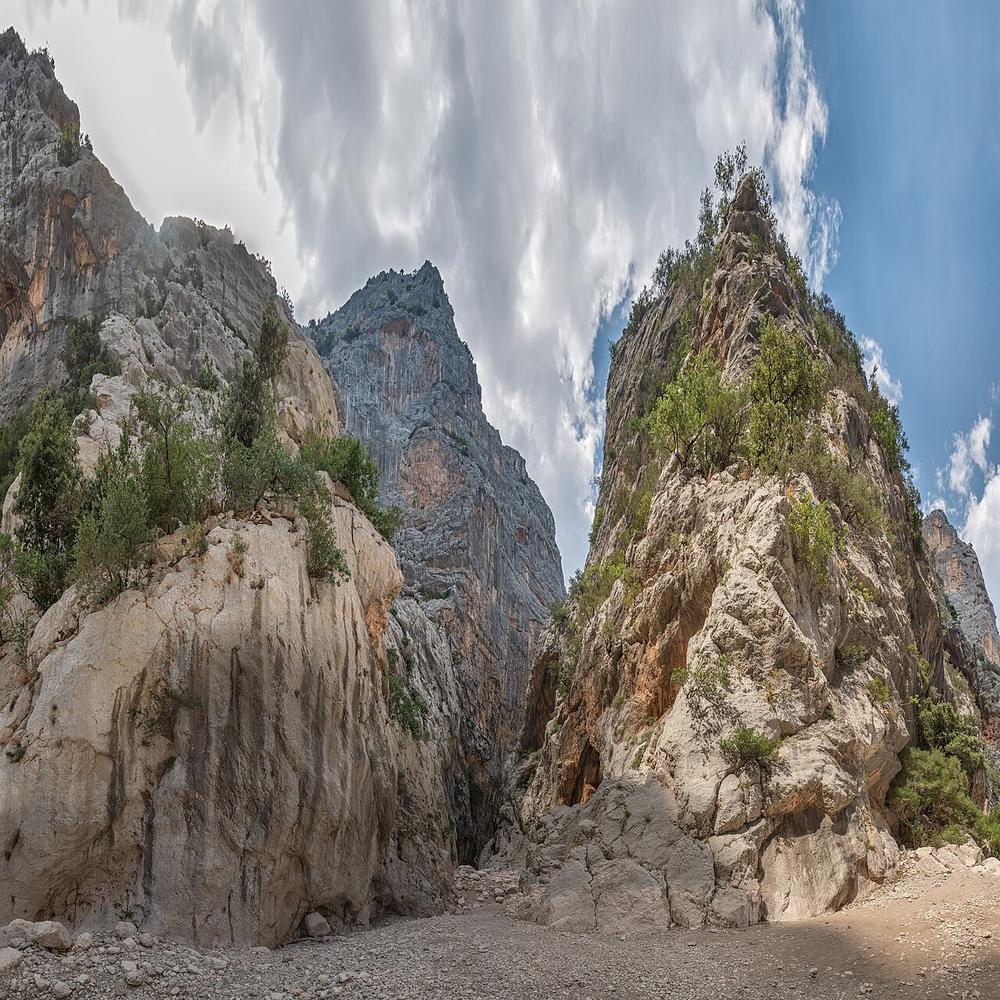 Giorgio Galeotti (CC BY 4.0)
Gola di Gorropu, the canyon between Orgosolo and Urzulei
Dive and snorkel along Sardinia's coast
- Where: the Golfo di Orosei, Alghero's Riviera del Corallo and the Tavolara-Capo Coda Cavallo marine protected area
- Best months: June to September for water temperature and visibility
Sardinia's diving spreads across the whole coastline rather than one headline site. Wrecks and caves fill the Golfo di Orosei, rock formations line Alghero's Riviera del Corallo, and protected reefs ring Tavolara island off the northeast coast.
The Golfo di Orosei's Nasello shipwreck, which sank in the 1940s, is a regular stop for divers already in Cala Gonone for the boat trips to its beaches. Snorkelers find easier entry points along Capo Caccia's coves near Alghero and in the calm water around San Teodoro's lagoon.
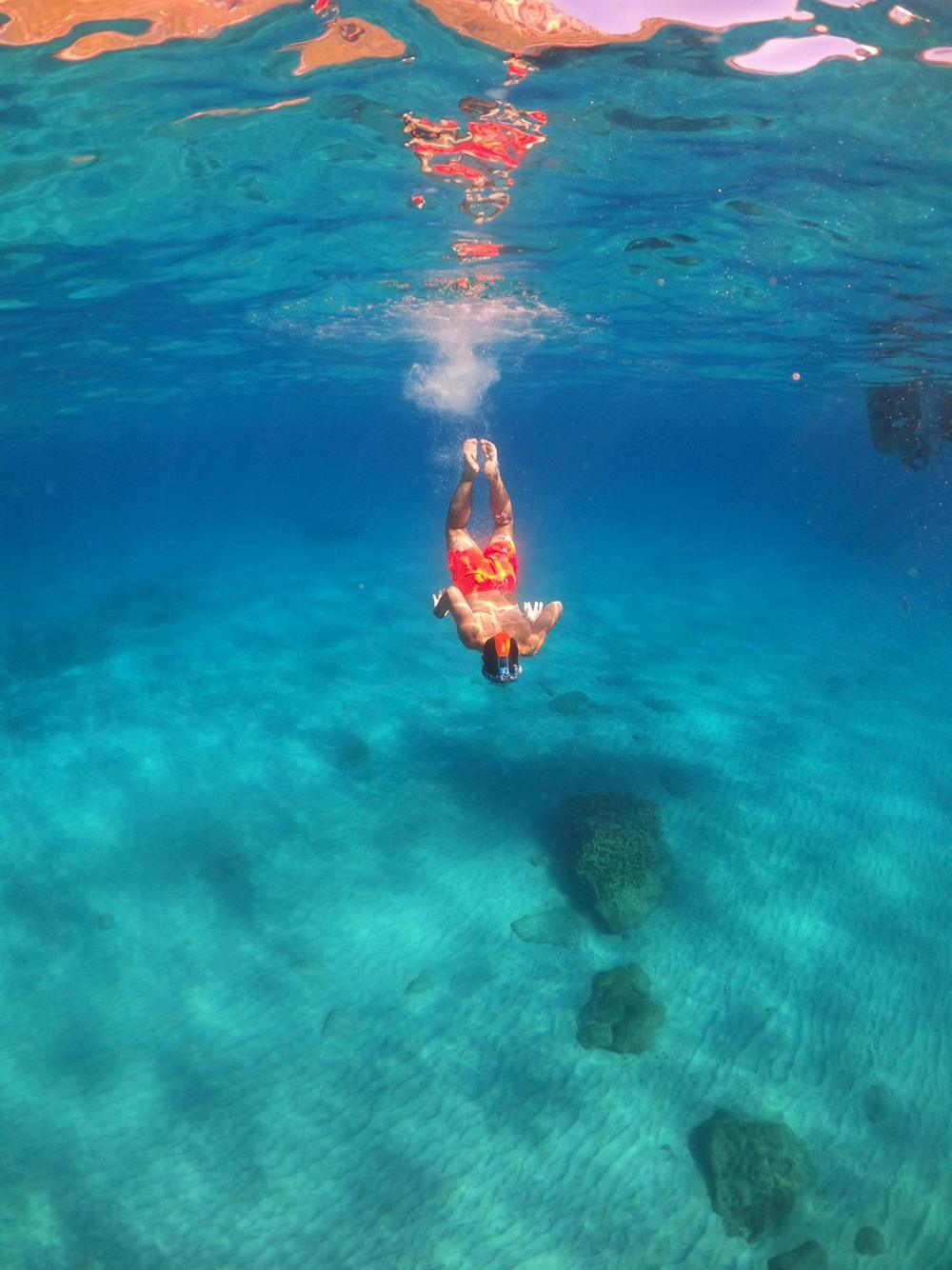 Photo by Sergio Raffa on Pexels
Diving in Sardinia's clear coastal water
Taste Vermentino and Cannonau on a winery tour
- Where: Gallura, home to Vermentino di Gallura DOCG, and Ogliastra, Cannonau's home region
- Best months: September for the harvest; otherwise any season
Sardinia grows two wines distinct enough to anchor a tour of their own. Vermentino, a crisp white, makes up 85 percent of all the Vermentino planted in Italy; Cannonau, a Grenache relative, is Sardinia's main red.
Gallura's granite hills around Aggius and Arzachena hold most of the Vermentino di Gallura DOCG's vineyards, while Ogliastra's Cannonau is centered on Jerzu, a town known locally as the Città del Vino. Most cellars offer a tasting alongside the tour, best booked a day or two ahead in summer.
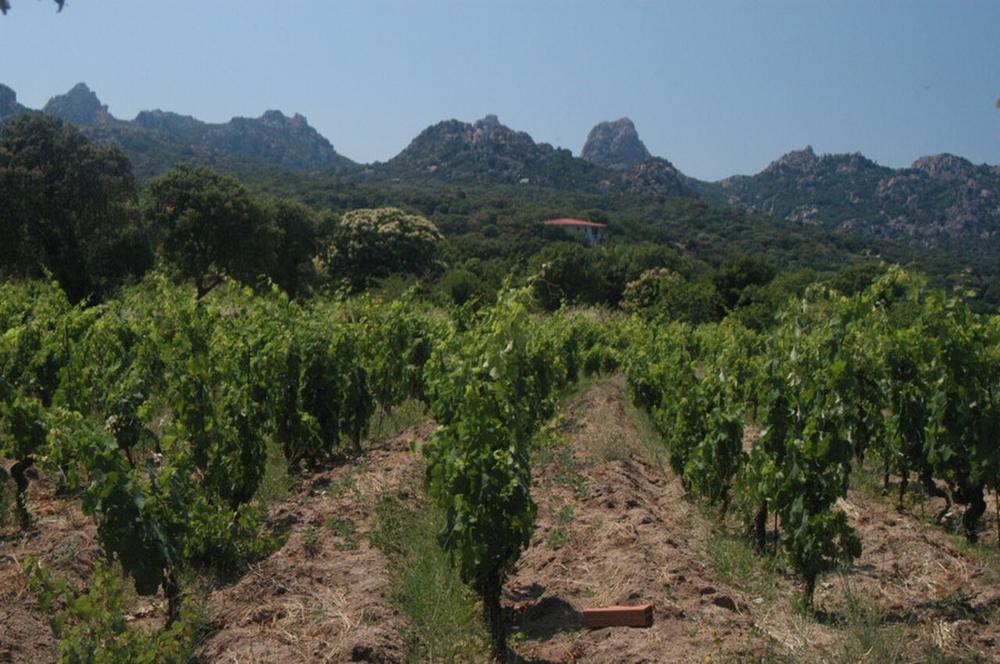 shansby from Hyattsville, United States (CC BY 2.0)
A vineyard at Aggius, in the Vermentino di Gallura DOCG zone
See Sardinia's nuraghi
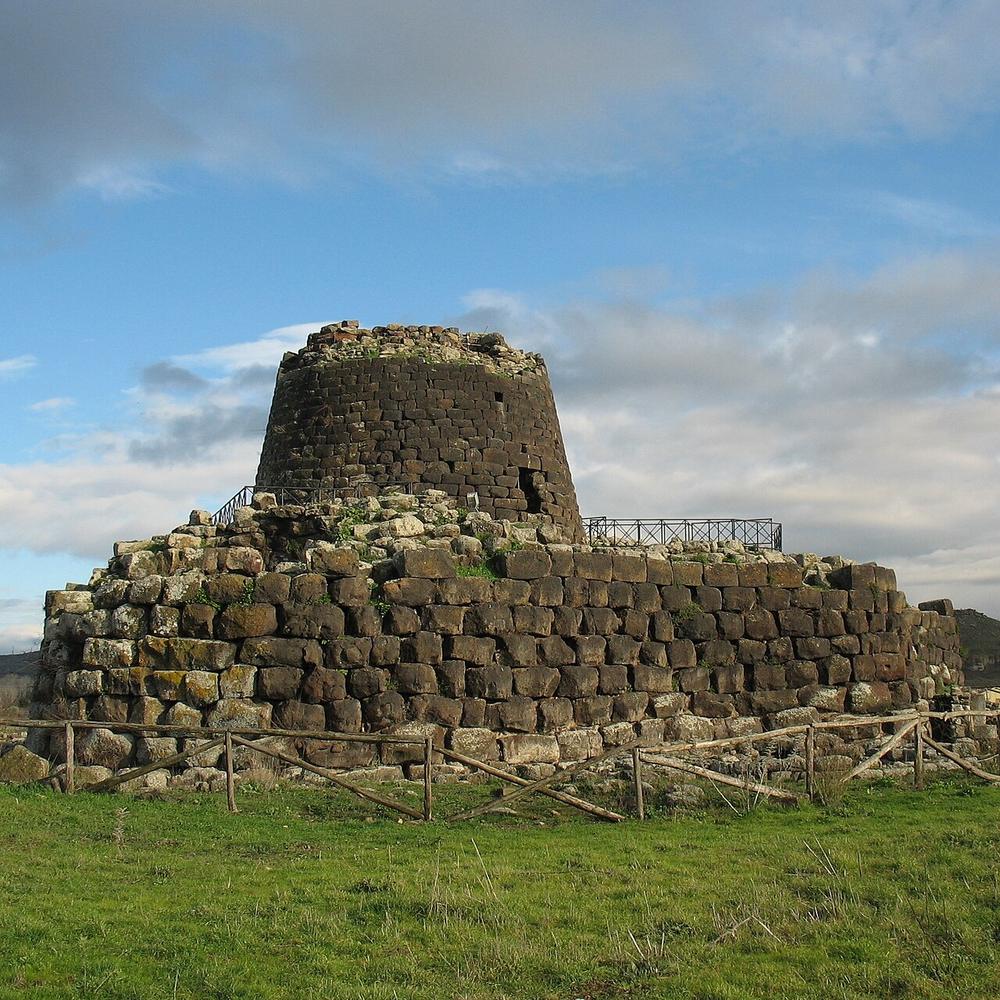
- Nuraghe Santu Antine, near Torralba: 30 to 60 minutes; one of the tallest nuraghi, with over 7,000 documented island-wide; UNESCO: not inscribed, 31 additional nuraghi proposed under a 2020 initiative
- Best months: year-round
Nuraghi are beehive-shaped Bronze Age stone towers built between roughly 1800 and 700 BC, found only in Sardinia. No other single monument type on the island appears in such numbers.
Nuraghe Santu Antine, near the village of Torralba, was originally about 21 meters tall. Most nuraghi sit unrestored and free to enter at the roadside, making them an easy stop to work into almost any drive across the island.
 N8eule78 (CC BY-SA 4.0)
Nuraghe Santu Antine, near Torralba
Visit Sardinia's newest UNESCO site: the domus de janas
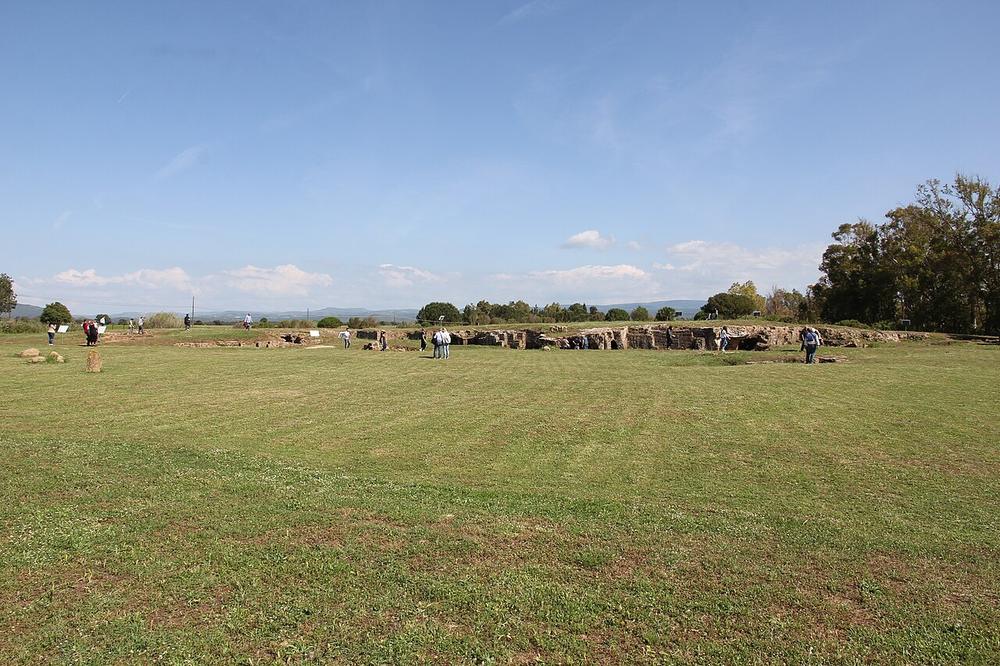
- Necropoli di Anghelu Ruju, near Alghero: 1 to 2 hours; UNESCO (Funerary Tradition in the Prehistory of Sardinia, 2025)
- Best months: year-round
The domus de janas, rock-cut burial chambers nicknamed "fairy houses," were carved into Sardinia's hillsides between the 5th and 3rd millennium BC and became the island's newest UNESCO World Heritage Site in 2025.
UNESCO's own listing records the date of inscription as 2025, one of 26 new sites added to the World Heritage List that July. Anghelu Ruju, just outside Alghero on the road to Sella e Mosca's vineyards, is one of the easiest necropolises to visit without a guide.
 Gianni Careddu (CC BY-SA 4.0)
The Anghelu Ruju necropolis, a domus de janas site near Alghero
See the wild horses of Giara di Gesturi
- The basalt plateau: a half day; pairs easily with a Su Nuraxi day trip from Barumini
- Best months: spring, when seasonal pools on the plateau fill and the horses gather at them
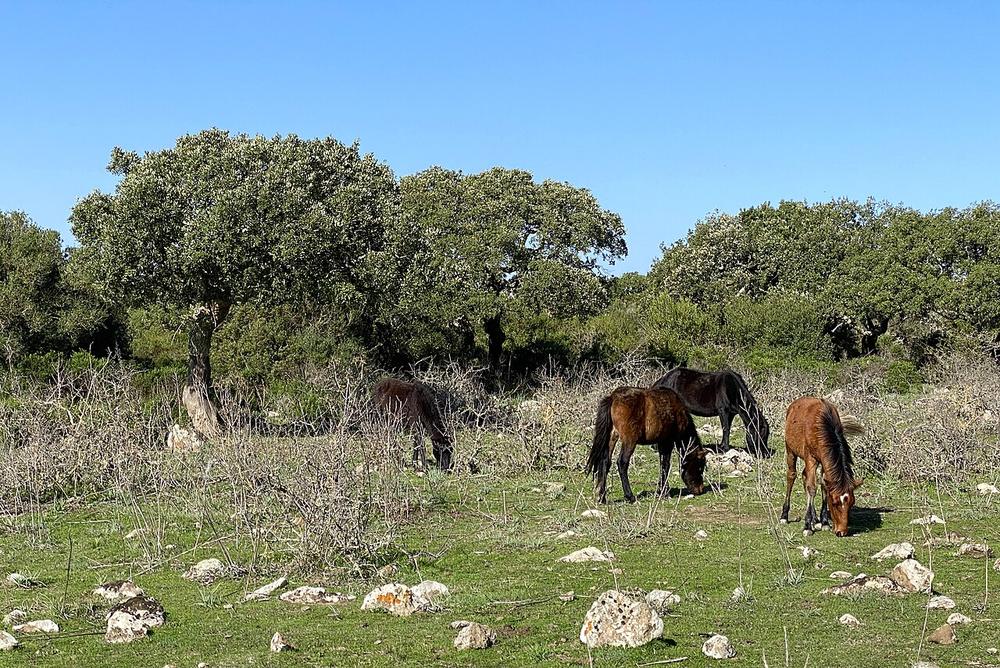
The Giara di Gesturi is a basalt plateau of cork and evergreen forest near Gesturi, home to the cavallini della Giara, a small wild horse breed found nowhere else.
The plateau's shallow seasonal pools draw the horses out into the open in spring, when water is plentiful enough to see them grazing in small herds. Guided horseback tours of the plateau can be booked ahead, though the horses themselves are just as visible on a walk along the marked trails.
 Filippo Aroffo (CC BY-SA 4.0)
Wild horses on the Giara di Gesturi plateau
See the Phoenician and Roman ruins of Tharros and Nora
- Tharros, on the Sinis Peninsula: 1 to 2 hours
- Nora, near Pula: 1 to 2 hours
- Best time: morning or late afternoon, for the sea light and lower heat
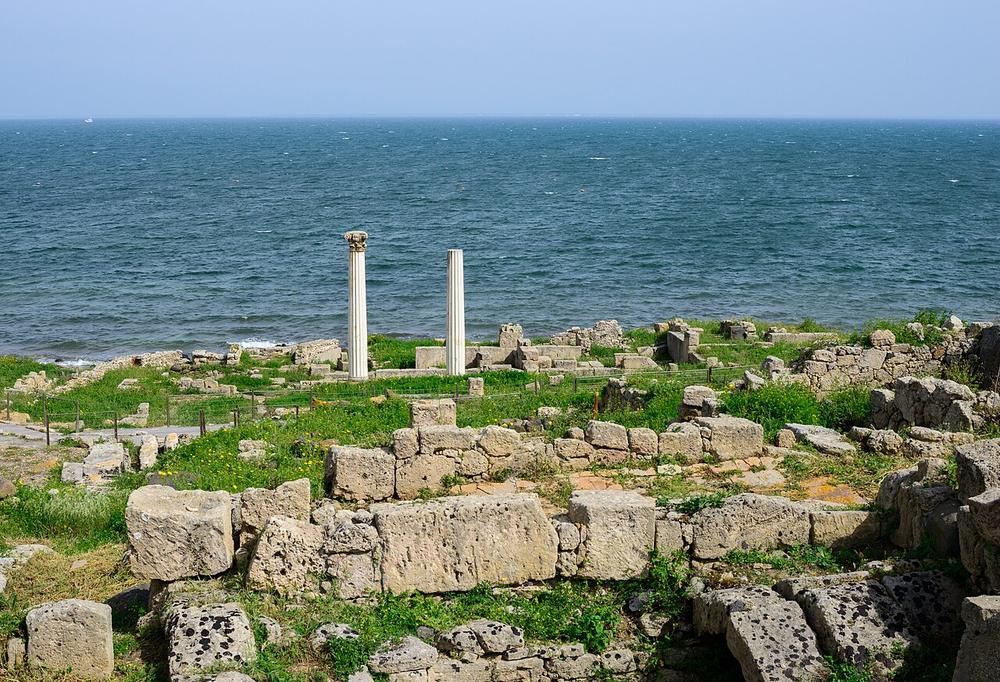
Tharros and Nora are Sardinia's two major Phoenician port cities, both later built over by Rome and both set directly on the coast, facing the sea that first brought traders to their harbors.
Tharros, founded around the 8th century BC on the Sinis Peninsula, keeps its temples, tombs and necropolises facing the water. Nora, near the town of Pula in the south, fell to Rome in 238 BC; its mosaic floors and amphitheater date from the centuries after the conquest, a short drive from the Chia beaches.
 Norbert Nagel (CC BY-SA 3.0)
The ruins of Tharros, on the Sinis Peninsula
Swim at Is Arutas, the quartz-grain beach
- The beach: a half-day stop on the Sinis Peninsula
Is Arutas is a beach made of small quartz grains rather than sand, in shades of pink, green and white that look, close up, like grains of rice.
The grains are soft underfoot compared to ordinary sand and wash in distinct bands of color at the waterline. Taking the quartz home is prohibited and fined in parts of Sardinia, so the beach is best left exactly as it is found.
Try free
Plan your Sardinia trip in about 2 minutes
Tap through 8 quick cards for a complete itinerary with budget, maps, and packing lists. No account required.
Plan your Sardinia trip →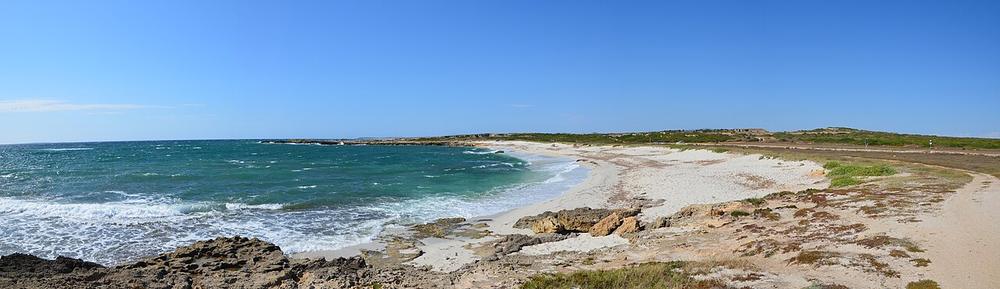 Gzzz (CC BY-SA 3.0)
Is Arutas, the quartz-grain beach on the Sinis Peninsula
More places to add to a trip
| Place | Go for | Region |
|---|---|---|
| Nuoro | an ethnographic museum and the Autunno in Barbagia fall festival | Barbagia, central Sardinia |
| Sassari | Sardinia's second-largest city, with the Cavalcata Sarda horse parade each May | Sassari province |
| Mamoiada | the Mamuthones Carnevale procession and its mask museum | Barbagia, central Sardinia |
| San Pantaleo | a Thursday artisan market in a granite-ringed hilltop village | near the Costa Smeralda |
| Santa Teresa Gallura | wild northern beaches and the ferry crossing to Corsica | Gallura, far north |
| Arzachena | Nuraghe La Prisgiona and other nuraghi near the Costa Smeralda | Gallura |
| Asinara | a former penal colony, now a national park with roaming albino donkeys | off Stintino and Porto Torres |
| Chia | a dramatic beach cluster and a Punic watchtower in the south | Domus de Maria comune |
Day trips from Cagliari, Alghero and Olbia
| Base | Day trips |
|---|---|
| Cagliari | Villasimius, Nora, Barumini |
| Alghero | Grotta di Nettuno, Bosa, the domus de janas at Anghelu Ruju |
| Olbia | Costa Smeralda, La Maddalena archipelago |
The best places to visit in Sardinia at a glance
| Place | Go for | Book ahead |
|---|---|---|
| Alghero | Grotta di Nettuno, the old town ramparts | Grotta di Nettuno |
| La Maddalena archipelago | the boat trip, Budelli's Pink Beach | boat rental, summer |
| Costa Smeralda and Porto Cervo | the marina, the beaches | no |
| Stintino and La Pelosa | La Pelosa beach | La Pelosa |
| Bosa | the Malaspina castle and old town | no |
| Cagliari | the Castello quarter, Poetto Beach | no |
| Cala Gonone | the Gulf of Orosei boat trip | boat, summer |
| Castelsardo | the Doria castle | no |
| Baunei and the Golgo plateau | the plateau, the Cala Goloritzé trailhead | no |
| Villasimius | Porto Giunco, Capo Carbonara | no |
| Barumini | Su Nuraxi | Su Nuraxi, summer |
| Carloforte and San Pietro Island | the harbor, the Saline salt pans | ferry, summer |
| Oliena | the Supramonte, Su Gologone | no |
| Oristano | the Sinis Peninsula | no |
| Orgosolo | the political murals | no |
| San Teodoro | Cala Brandinchi | Cala Brandinchi |
Plan your Sardinia trip
For trip length, getting around and costs, start with the Sardinia guide. The Sardinia food guide covers what to eat at each stop, and the Italy things to do guide picks up the mainland's own sights. Sicily, Italy's other large island, covers more towns and ancient ruins in its own things to do guide. When you build a trip with MonkeyEatingMango, the booking checklist lists what to book and how many weeks ahead, and every sight on a day's plan is marked Must-do, Maybe or Skip if tired.
Last updated November 2026.
Common questions
What is Sardinia best known for?
Sardinia is known for its beaches and islands, from the Costa Smeralda's coves to the La Maddalena archipelago, and for the nuraghi, Bronze Age stone towers scattered across the island. More than 7,000 nuraghi are documented, and one of them, Su Nuraxi di Barumini, is a UNESCO World Heritage Site.
How many days do you need in Sardinia?
A week covers one region of Sardinia, such as the northeast or the northwest, at an easy pace. Ten days to two weeks allows a full clockwise loop that adds the Gulf of Orosei, the south around Cagliari and the Barbagia interior.
Do I need a car in Sardinia?
Yes. Sardinia's rail network covers only a handful of lines plus a seasonal scenic train, so a rental car is close to mandatory for reaching the beaches, nuraghi and inland villages most trips are built around.
Where should I go in Sardinia for the first time?
Alghero and Bosa cover the northwest, the Costa Smeralda and La Maddalena archipelago cover the northeast, Cagliari anchors the south, and Cala Gonone is the base for the Gulf of Orosei on the east coast. Barbagia, the mountainous interior around Oliena and Orgosolo, rounds out a longer trip.
Can you still visit the Pink Beach?
No, not on foot. Budelli's Spiaggia Rosa has been under comprehensive protection since 1994: landing, walking on the sand and swimming in front of it are all banned. Boat tours through the La Maddalena archipelago pass close enough to see its pink tint from the water.
Which beaches in Sardinia need a booking now?
La Pelosa, near Stintino, caps entry at 1,500 people a day and sells timed tickets online in high season. Cala Goloritzé, reached on foot from Baunei, requires an online booking with a daily cap of 250 people. Cala Brandinchi, near San Teodoro, also runs a numbered entry in peak season.
What is the best month to visit Sardinia?
May, June and September miss Sardinia's August crowds and prices and still have warm, swimmable water. Several of the island's trails and boat trips, including Cala Goloritzé and the Gulf of Orosei, also book out weeks ahead in July and August.
How many UNESCO World Heritage Sites does Sardinia have?
Sardinia has two UNESCO World Heritage Sites. The Archaeological Area of Barumini, home to the Su Nuraxi nuraghe, was inscribed in 1997, and the Funerary Tradition in the Prehistory of Sardinia, the domus de janas rock-cut tombs, followed in 2025.
Is Sardinia's food different from mainland Italian food?
Yes. Sardinia's cuisine leans pastoral rather than coastal: lamb, pork and sheep's-milk cheese from a shepherding interior, alongside pane carasau, a thin flatbread once carried by shepherds on multi-day treks.
What are the best islands to visit near Sardinia?
The La Maddalena archipelago, off the northeast coast, is reached by boat tour or rental for its own beaches and the view of Budelli's Pink Beach. San Pietro Island, reached by ferry to Carloforte, keeps a distinct Ligurian-Tabarkin dialect and cuisine. Asinara, a former penal colony off Stintino, is now a national park roamed by albino donkeys.
Is Sicily or Sardinia better for a first trip to Italy's islands?
Sicily packs more towns, Baroque architecture and ancient ruins into a shorter drive, while Sardinia's draw is nature: beaches, boat trips and a mountainous interior with fewer historic towns to plan around. A first Italian-island trip built mostly around beaches and hiking points to Sardinia; one built around towns and archaeology points to Sicily.

Written by Shobhit Shrivastava · Founder
Related reading
Italy travel guide
5 Days on the Amalfi Coast: Positano and Amalfi
5 days split between Positano and Amalfi: 3 nights in Positano (Franco's Bar, Arienzo Beach Club, linen shopping) followed by 2 nights in Amalfi (Duomo di Amalfi, Museo della Carta, Pasticceria Pansa). Comfortable pace with a mix of beach clubs, coastal hiking, and hands-on pasta classes....
A Week on the Amalfi Coast: Positano, Amalfi and Ravello
This 7-day comfortable trip for a couple explores the iconic Amalfi Coast, beginning in Positano for cliffside views and Spiaggia Grande beach, then moving to Amalfi for its Duomo di Sant'Andrea and historic center. The journey concludes in the elevated gardens of Ravello at Villa Rufolo,...
10 Days in Italy: Rome and Florence, from the Colosseum to the Vatican
10 days across Rome and Florence: 6 nights in Rome exploring the Colosseum, Pantheon, and Trastevere, followed by 4 nights in Florence for the Uffizi Gallery, Duomo, and Oltrarno district. Comfortable pace with 5-7 activity hours daily, relying on walking and local metro, featuring private...
Two Weeks in Italy: Rome, Florence and Sorrento on the Amalfi Coast
14 days covering Rome, Florence, and Sorrento. Experience the Colosseum, Uffizi Gallery, and cliffside views of the Tyrrhenian Sea. Comfortable pace with 5-6 hours of daily sightseeing, blending urban historical sites with coastal relaxation. Includes one base per city, frequent walking, and...
Things to Do on the Amalfi Coast: 12 Towns
Where to go on the Amalfi Coast and what to do there: 12 towns from Positano to Vietri sul Mare, the Path of the Gods, a Capri day trip, and what to book ahead.
Things to Do in Sicily: 16 Places to Visit
Where to go in Sicily and what to do there: 16 towns and islands with their top sights, plus 5 experiences across the island, each with the time it takes, what to book and the official price where one exists.
Things to Do in Italy and the Best Places to Visit
Where to go in Italy and what to do there: 12 cities and regions with their top sights, then 10 experiences across the country, each with the time it takes, what to book and the official price where one exists.