Italy rewards a slower kind of attention. Rome isn't a museum; it's a working city of 2.8 million people where you eat real cacio e pepe across the street from a 2,000-year-old basilica that's still a functioning church. Florence packs a remarkable concentration of Renaissance masterpieces into a city you can cross on foot in 30 minutes. Venice is a 118-island floating contradiction: the streets are water, the locals are gondoliers and there are no cars. Most first-timers underestimate this density and try to squeeze in Tuscany, the Amalfi Coast and Sicily on a single 10-day trip, ending up exhausted on trains. The other thing first-timers underestimate is the friction. Italy is one of the easiest countries to travel inside ( high-speed rail, café espresso everywhere, near-zero violent crime, comparatively cheap food) and surprisingly fiddly to prepare for. Vatican tickets sell out a month ahead in season. Most restaurants charge a coperto (sit-down fee) that confuses first-timers. Regional train tickets must be validated in platform machines before you board or you get fined. Mid-August (Ferragosto) is when most Italians close shop and head to the beach. Try to visit Rome that week and half the trattorias are shuttered. Driving in city centers means automatic ZTL camera fines that arrive 6 months later. This guide is the planning layer that sits above the day-by-day itineraries. Pick your golden-triangle base (Rome plus Florence plus Venice; three days each, two travel days, you're at 11), pad with a Tuscany or Cinque Terre add-on and book Vatican and Uffizi tickets weeks ahead. Get the friction sorted before you land and Italy delivers 10 days well worth the trip.
Italy Trip Planner: Rome, Florence, Venice, and Beyond
A first-timer's guide to Italy's gateway cities: the train booking, restaurant cover-charge, and August-closure details everyone gets wrong.
Free, for now. A few quick questions, then a day-by-day plan with a cost estimate.
Namrata · Editor
Updated October 13, 2026
Choose your trip length
5 days
Just Rome
Colosseum + Forum, Vatican + Sistine Chapel, Trastevere evenings, day trip to Pompeii or Tivoli. Tightest first-timer trip that still feels complete.
See the sample itinerary →
7 days
Rome + Florence
Three days in each, fast train (Frecciarossa) between them. Add a Tuscany day trip from Florence (San Gimignano + Siena). Classic golden-route foundation.
See the sample itinerary →
10 days
+ Venice (the classic triangle)
Add 2-3 days in Venice: gondolas, Murano glass, the floating-city walk. Trains link all three with no need to fly. Sweet spot for first-timers.
See the sample itinerary →
The flagship itinerary
Like this plan? Make it yours
Same destination, your dates, group, and pace. Generated free in about a minute.
Customize this tripFreeEstimated daily cost
Backpacker
$70-110/day
Hostels (€25-45 dorm), pizza al taglio + pasta cantine, regional trains, free museum first Sundays. Rome and Florence are pricier than Naples or Bologna. Prices as of 2026; verify current rates.
Mid-range
$160-280/day
3★ pensione or boutique hotel (€110-200), trattorias + the occasional Michelin-star, Frecciarossa second class. The sweet spot for first-timers. Prices as of 2026; verify current rates.
Luxury
$450+/day
5★ hotels or restored palazzi, fine dining + tasting menus, Frecciarossa Executive class, private Vatican tours. Sky-high in Venice and Amalfi Coast. Prices as of 2026; verify current rates.
Major cities at a glance
Rome
3-4 daysBest for ancient history + Vatican
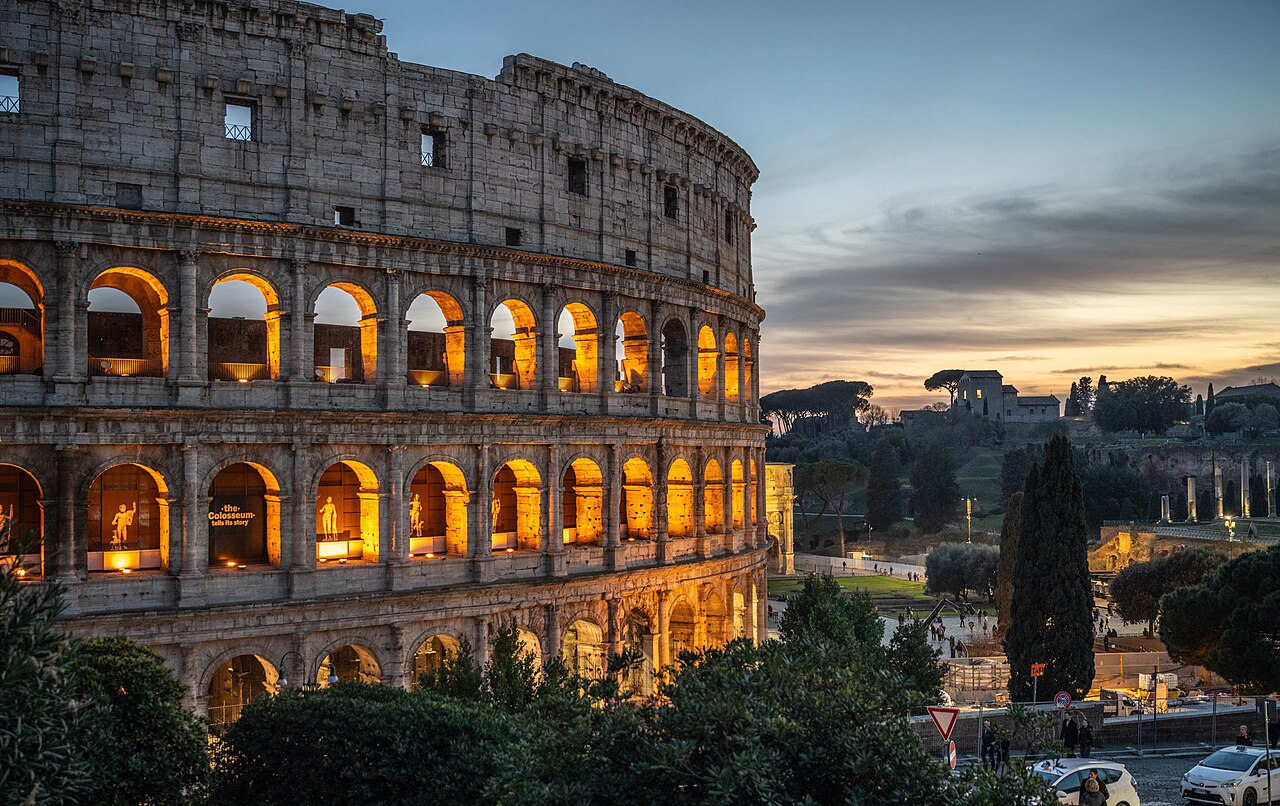
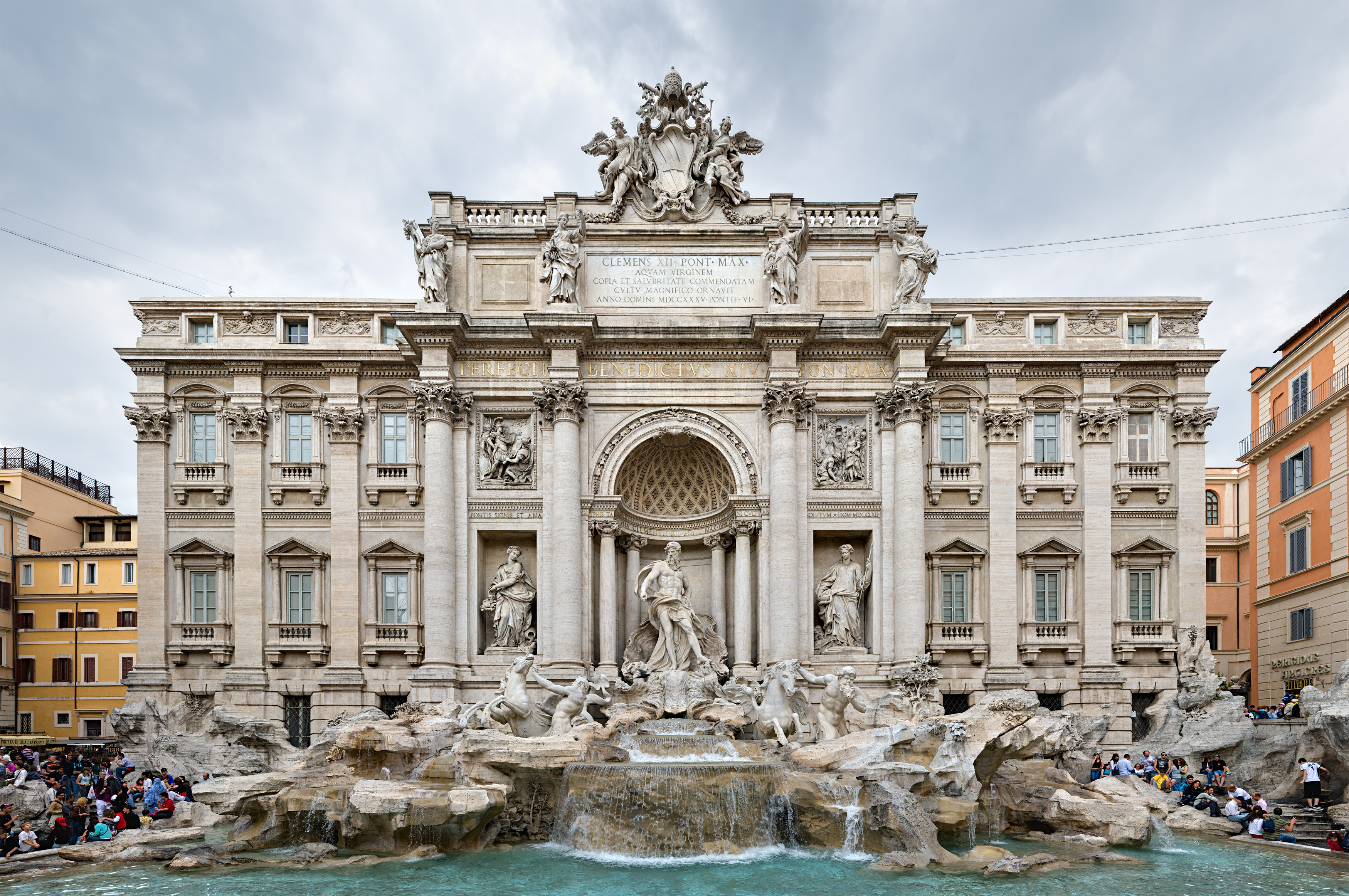
Colosseum + Roman Forum, Vatican City + Sistine Chapel, Trastevere evening passeggiata, Trevi Fountain, Pantheon, Spanish Steps. The mandatory anchor for any first trip.
Florence
3 daysBest for Renaissance art + Tuscan day trips
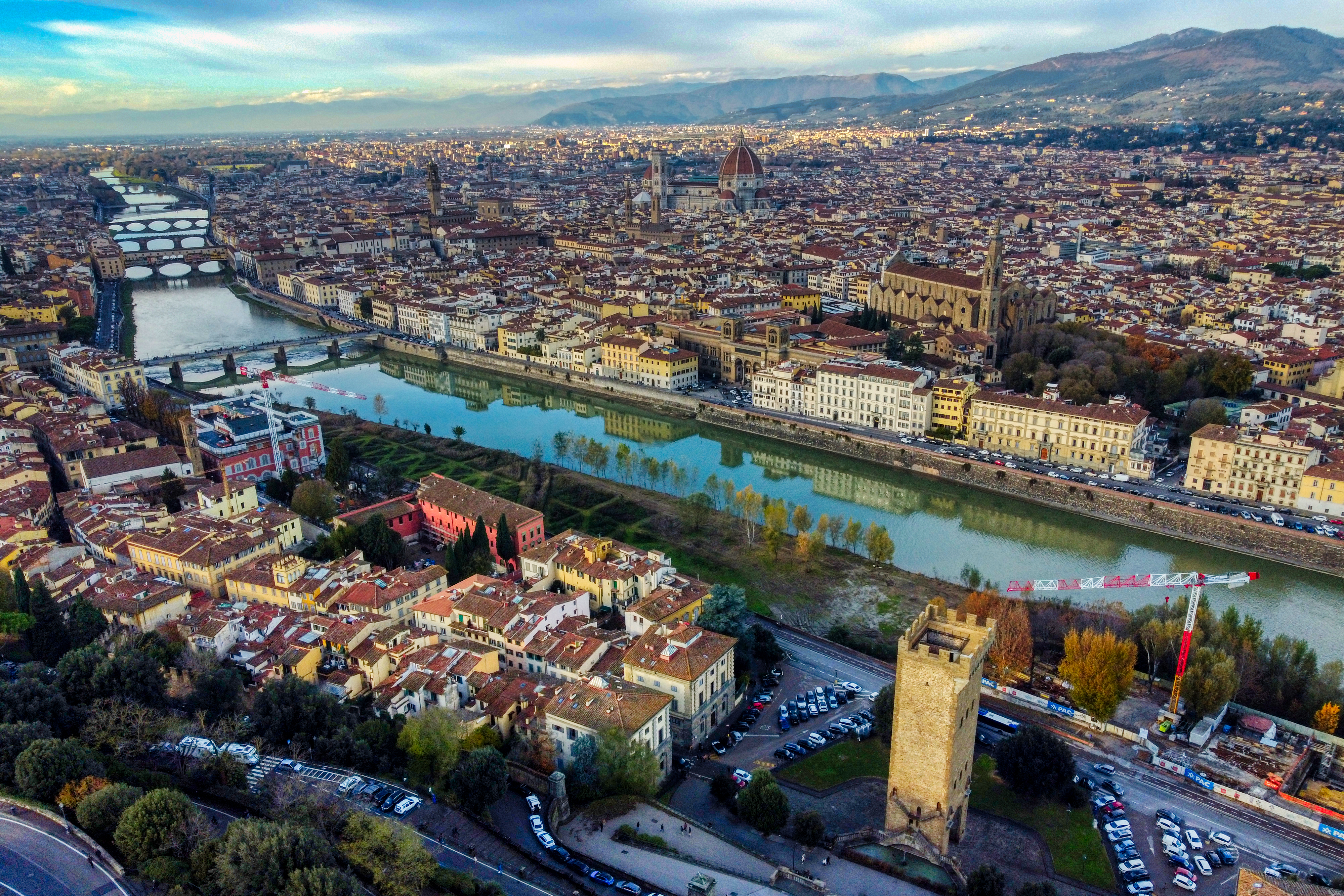
Uffizi Gallery, Duomo + climb the cupola, Ponte Vecchio, Accademia (David), Boboli Gardens, and a Tuscany hill-towns day trip (San Gimignano + Siena).

Venice
2-3 daysBest for canals + floating city
St Mark's Square + Basilica, Doge's Palace, gondola ride on the Grand Canal, Murano glass islands, Burano lace village. Stay overnight to feel the city after day-trippers leave.

Cinque Terre
2 daysBest for coastal hiking + fishing villages
Five pastel cliffside villages (Monterosso, Vernazza, Corniglia, Manarola, Riomaggiore) linked by hiking trails and a local train. Base in La Spezia or stay in Monterosso.
Amalfi Coast
3 daysBest for lemon-grove cliffs + slow Italy
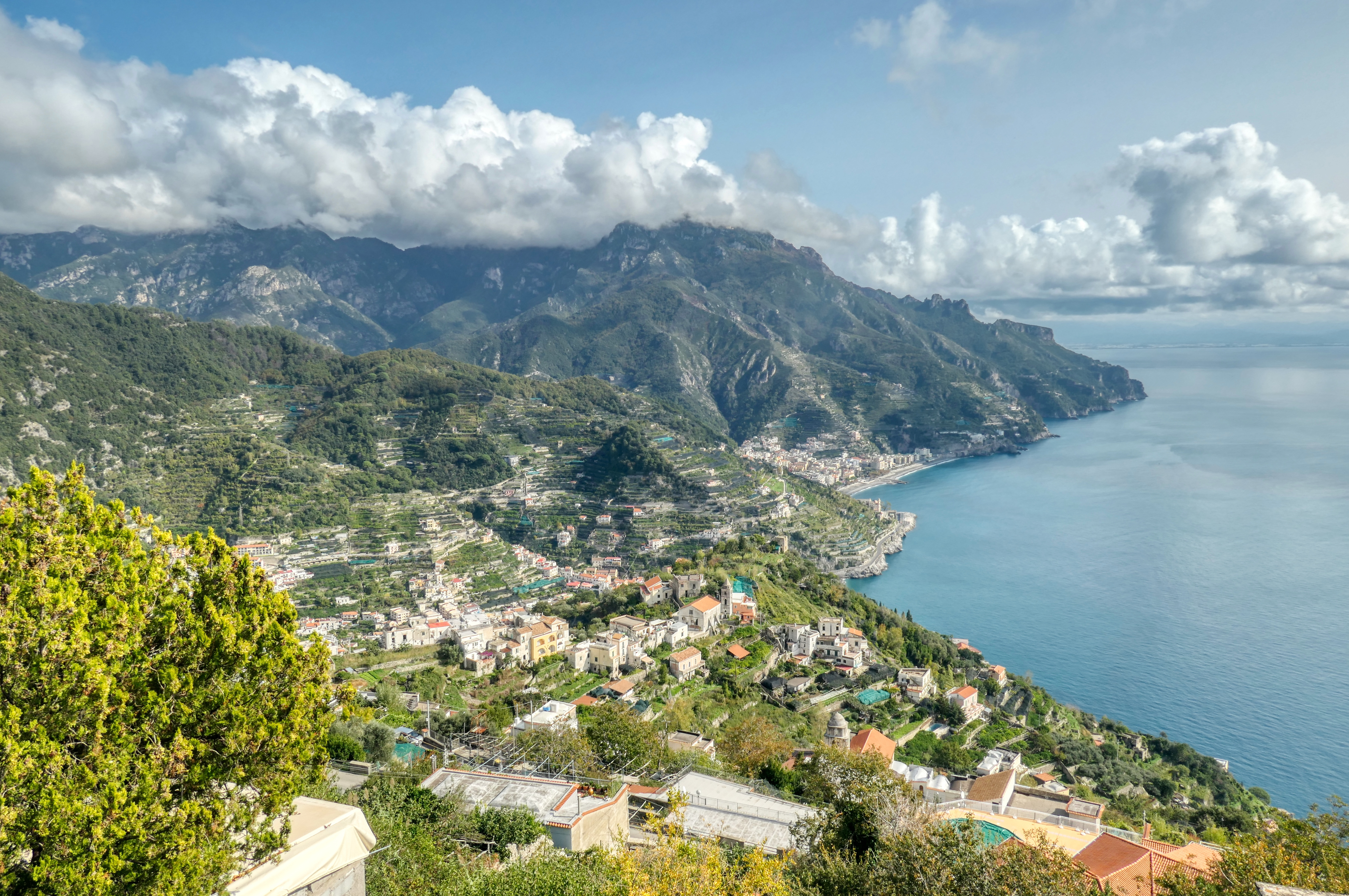
Positano, Amalfi, and Ravello: cliffside drives, lemon groves, hidden coves. Pair with a Naples or Pompeii day. The pricier alternative to Cinque Terre.

Naples & Pompeii
2 daysBest for real pizza + Roman ruins
The birthplace of pizza Margherita, raucous street markets, and a 30-min train to Pompeii (one of the best-preserved Roman cities, buried and sealed by Vesuvius in 79 AD). Vesuvius hike for the adventurous.

Lake Como
2 daysBest for lakeside villas + slow alpine luxury
Pastel-colored villages (Bellagio, Varenna, Menaggio) wrap a fjord-like lake under the Alps. Villa Carlotta gardens, ferry-hopping between towns, George-Clooney-spotting in Laglio. Easy 1-hour train from Milan.
Top things to do in Italy
Ancient Roman Ruins & Empire Sites
Colosseum (Rome)
Wikipedia Commons (CC BY-SA)
Vatican & Sacred Basilicas
St. Peter's Basilica
Wikipedia Commons (CC BY-SA)

Venice Canals & Floating City
Grand Canal (Venice)
Jean-Christophe BENOIST (CC BY 3.0)

Tuscan Hills & Val d Orcia Cypresses
Val d'Orcia
Wikipedia Commons (CC BY-SA)
Cinque Terre & Coastal Villages
Cinque Terre
Diego Delso (CC BY-SA 4.0)

Renaissance Masterpieces & Art
Florence Cathedral (Duomo)
Gary Campbell-Hall (CC BY 2.0)

Alpine Scenery & Hiking in the Dolomites
Tre Cime di Lavaredo
kallerna (CC BY-SA 4.0)

Authentic Italian Culinary Experiences
Campo de' Fiori Market
Carlat82 (CC BY-SA 4.0)

Exploring Well-Preserved Ancient Roman Towns
Pompeii Archaeological Park
Wikipedia Commons

Discovering Medieval Hill Towns
Siena Historic Center
Zairon (CC BY 4.0)
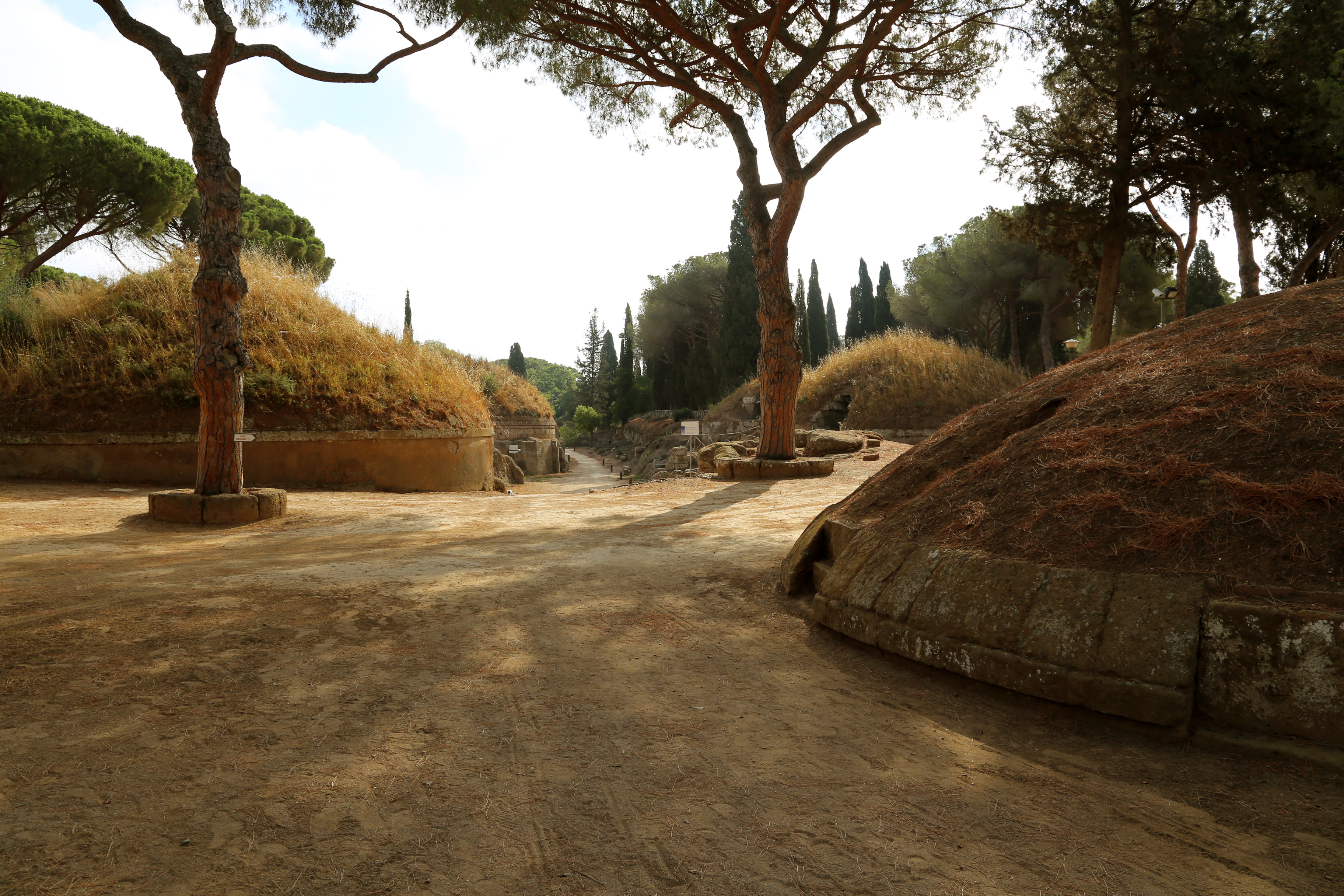
An Etruscan Necropolis or Archaeological Museum
Necropoli della Banditaccia
Sailko (CC BY 3.0)

Admiring Byzantine Mosaics in Ravenna
Basilica di San Vitale
Commonists (CC BY-SA 4.0)

A Traditional Craft Workshop Experience
Murano Glass Factory Tour & Workshop
Chloe Fan from Wellesley, USA (CC BY-SA 2.0)
Food guide

Cornetto
The quintessential Italian breakfast pastry, similar to a croissant but often sweeter and softer, perfect with your morning espresso.
USD 2-5
Lussiya (CC BY-SA 4.0)
Tiramisu
Layers of coffee-soaked ladyfingers, rich mascarpone cream and a dusting of cocoa powder create this Italian dessert.
USD 7-12
Raffaele Diomede from Pordenone, ITALIA (CC BY 2.0)
Pizza Napoletana
The classic Neapolitan pizza, with a soft, chewy crust, San Marzano tomatoes, fresh mozzarella, and basil, baked quickly in a blistering wood-fired oven.
USD 8-15
Valerio Capello at English Wikipedia (CC BY-SA 3.0)
Risotto ai Funghi Porcini
A creamy, slow-cooked rice dish characteristic of Northern Italy, rich with earthy porcini mushrooms, broth, butter, and Parmesan cheese.
USD 18-25
Burkhard Mücke (CC BY-SA 4.0)
Sarde in Saor
A Venetian antipasto of fried sardine fillets marinated in a sweet-and-sour vinegar brine with onions, pine nuts, and raisins, offering a unique flavor profile.
Rialto Market area / Cannaregio · USD 10-15
Benoît Prieur (CC0)
Spaghetti alla Carbonara
This benchmark Roman pasta is made simply with guanciale, Pecorino Romano, eggs, and black pepper, yielding a creamy sauce without a drop of cream.
Testaccio / Trastevere · USD 12-18
Javier Somoza (CC BY-SA 4.0)Shopping guide
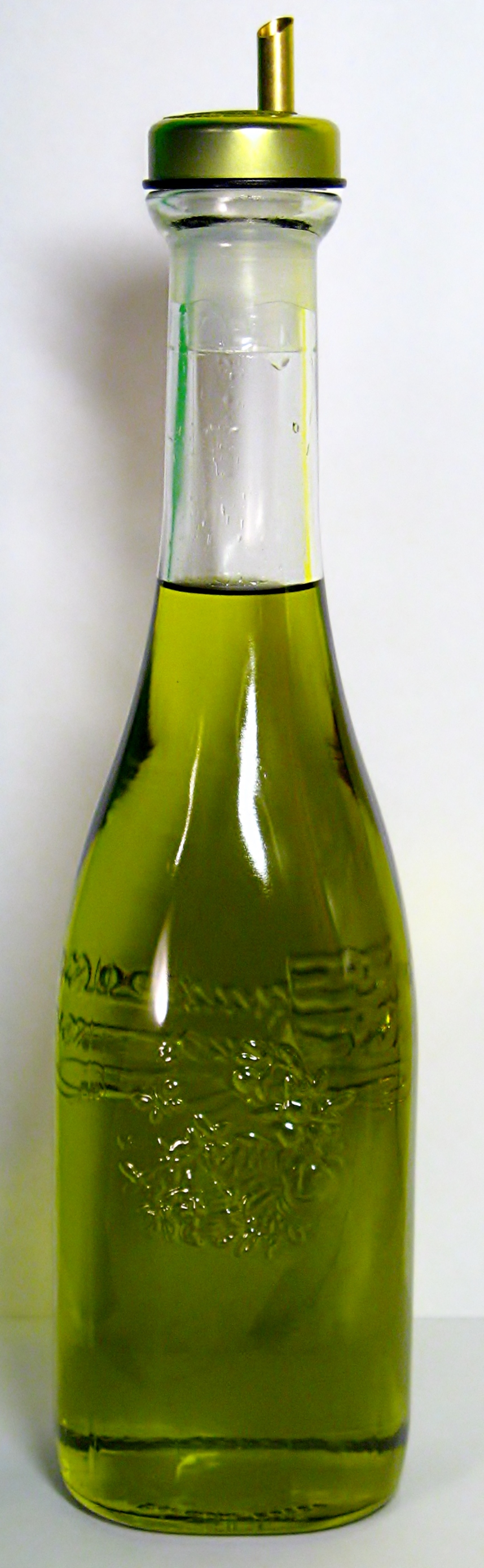
High-Quality Italian Olive Oil
Secure genuine extra virgin olive oil from specific regions like Tuscany or Puglia, offering distinct flavor profiles superior to mass-produced varieties.
Mercato Sant'Ambrogio (local stalls), Olio Officina (specialty shop in Milan), directly from agriturismos in Tuscany/Puglia. · USD 15-60
my friend (CC BY 2.5)
Moka Pot and Italian Roast Coffee Beans
Bring home the authentic Italian coffee experience with a stovetop brewer and freshly roasted beans specific to Italian espresso culture.
La Casa del Caffe Tazza d'Oro, Sant' Eustachio Il Caffe (for beans); major department stores like Rinascente (for Moka pots). · USD 15-80
Bialetti Industrie (CC BY-SA 4.0)
Traditional Balsamic Vinegar of Modena (Aceto Balsamico Tradizionale di Modena DOP)
Purchase truly aged and certified balsamic vinegar, a complex, syrupy condiment drastically different from common supermarket versions.
Acetaia Giuseppe Giusti, Acetaia Leonardi, or directly from certified producers in the Modena region. · USD 30-300
Festival della Scienza (CC BY-SA 2.0)
Murano Glass Art Objects
Acquire unique, handcrafted glass creations from master artisans using techniques passed down for centuries, distinct from mass-produced imitations.
Original Murano Glass factories on Murano island (e.g., Seguso, Barovier & Toso). · USD 30-750
Haa900 (CC0)
Florentine Leather Goods
Buy durable, high-quality leather bags, wallets, or jackets directly from artisans for superior craftsmanship and often better prices.
Scuola del Cuoio (School of Leather) at Santa Croce, Oltrarno district workshops. · USD 50-500
Nafis Fuad Ayon (CC BY-SA 4.0)
Fine Italian Silk Scarf or Tie
Purchase luxurious silk accessories known for their exceptional quality, intricate patterns, and softness, often originating from Como's renowned textile industry.
Via Monte Napoleone boutiques (e.g., E. Marinella for ties), or smaller independent boutiques in Brera district. · USD 80-500
Marie Lutrell (CC0)Festivals & timing
February
Venice Carnival (Carnevale)
Two-week masked-ball festival across Venice: costumed gondoliers, Piazza San Marco light shows, masquerade balls. Hotel prices triple and the city is shoulder-to-shoulder, but the visual is.
Worth planning around
March - April
Easter (Settimana Santa)
Holy Week processions across Italy. Rome's Pope Mass + Way of the Cross at Colosseum draw enormous crowds. Vatican-area hotels sell out 6 months ahead. Beautiful if you plan around the Pope-related days.
Worth planning around
Mid-August
Ferragosto
National holiday on August 15 + the entire week off for many Italians. Family-run restaurants and small shops close for 2-3 weeks. Cities empty, coasts overwhelmed. Avoid mid-August for a first trip.
Better to avoid
September
Venice Biennale + Film Festival
Major art biennials (odd years) and the Venice Film Festival (early September). Lifts hotel prices but offers genuinely interesting cultural programming if you book months ahead.
Worth planning around
Late October - November
Truffle Season (Alba + Umbria)
White truffle harvest in Piedmont (Alba International White Truffle Fair) and black truffle in Umbria. Worth a foodie detour if your trip includes the north; book truffle-hunt experiences ahead.
Worth planning around
Late December - Early January
Christmas & La Befana
Rome and Florence dressed for Christmas, Vatican midnight mass, Italian Befana (Jan 6) gift-giving witch. Many small museums close Dec 25 / Jan 1; trattorias often shut Dec 24-26. Bookings essential.
Live events & modern attractions
Beyond classic sightseeing — the show to book, the match to watch, the place that shows you the country's present.

Wikipedia Commons
🎭 Live performance · Milan
Teatro alla Scala, Milan
One of the world's greatest opera houses — Verdi, Puccini, Donizetti premiered here. The season opens Dec 7 with a star-studded gala. Standing-room tickets from €20 if you queue at 1 PM same-day.
When: Season · December through July

Wikipedia Commons
🏟️ Sport · Monza
Italian GP at Autodromo Nazionale Monza
The temple of speed — Ferrari's home race. The tifosi atmosphere on the Sunday podium when a Ferrari wins is unique in sport. Bring earplugs and don't skip the historic Curva Parabolica section.
When: Annual · early September
Wikipedia Commons
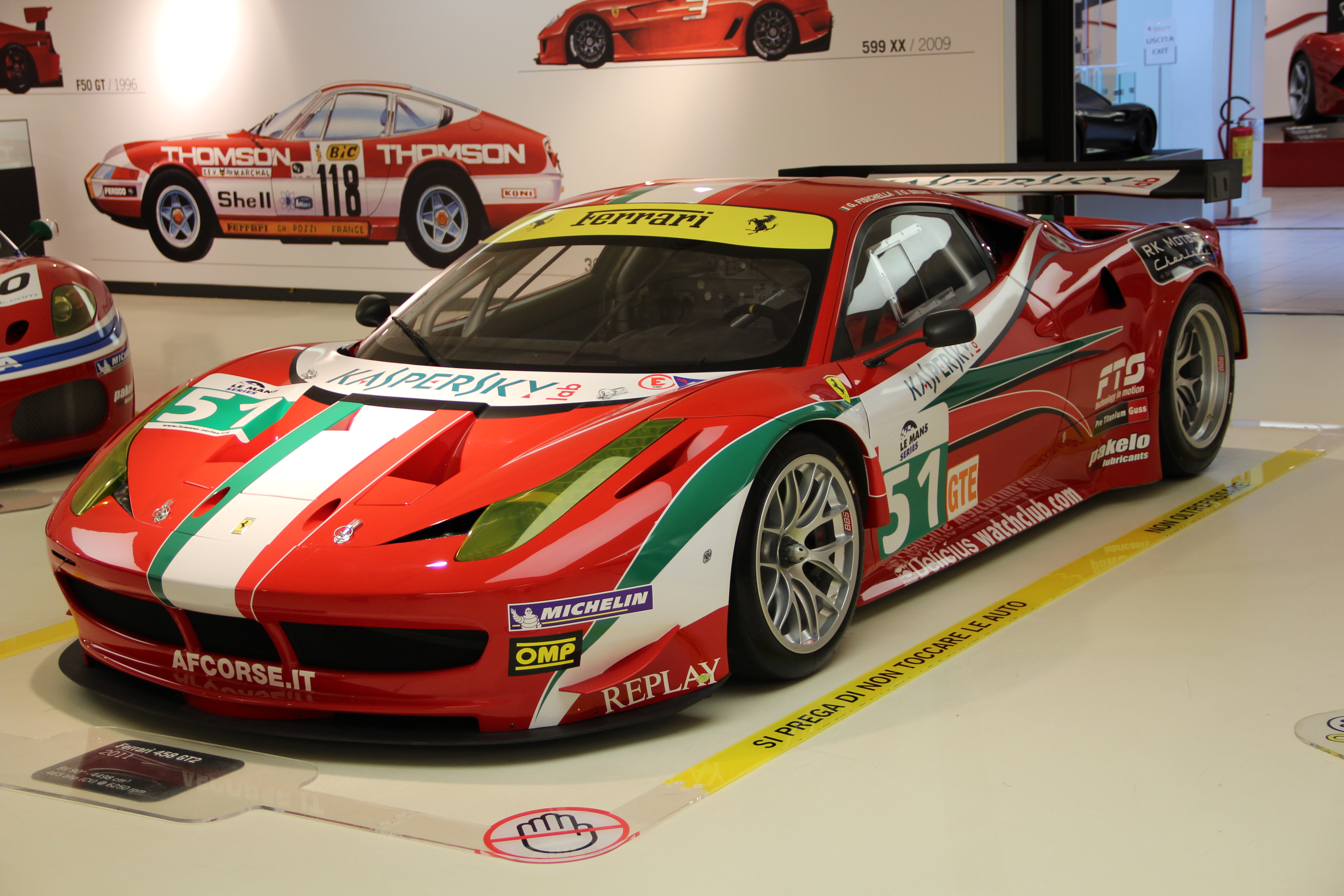
🔬 Modern attraction · Maranello
Museo Ferrari Maranello
A pilgrimage for fans — F1 cars, road cars, and the factory tour package that takes you onto the Fiorano test track. Pair with Museo Casa Enzo Ferrari in nearby Modena.
When: Daily · 9:30 AM–7 PM
Travel essentials
Connectivity & SIM
- Iliad, TIM, Vodafone, Wind Tre — Varies; typically €20-30 for 20GB-50GB, valid for 30 daysWhere: Major airport arrivals halls (Rome FCO, Milan MXP) or official carrier stores in any city center
- Moovit — Provides real-time public transportation information and navigation across Italian cities like Rome and Florence.
- Trenitalia / Italo Treno — Book and manage intercity train tickets for fast and efficient travel between major Italian cities.
Cultural notes
When entering churches, basilicas, or the Vatican, both men and women must have their shoulders and knees covered; carrying a scarf or shawl is recommended. At restaurants, a 'coperto' (cover charge, usually €1-3 per person) or 'servizio' (service charge, often 10-15%) might be included in the bill, so check before paying. Ordering a cappuccino after 11am is typically reserved for tourists; locals opt for an espresso or 'caffè' later in the day. During 'aperitivo' time (early evening), ordering a drink often comes with complimentary snacks or a buffet, intended to whet the appetite before dinner.
Safety
In major Italian cities like Rome and Milan, be aware of the 'bracelet/necklace scam' where individuals offer you 'gifts' that are then demanded for payment—firmly say no and walk away. Pickpocketing is prevalent in crowded tourist areas and on public transport in Rome (especially Metro Line A) and Florence; keep valuables secure and be vigilant. While the cities are generally safe, avoid walking alone in poorly lit or less populated areas late at night in Rome, as street robberies have been reported. For emergencies, dial 112 (European emergency number) which connects to police, fire, and ambulance services.
What to pack
- Slip-on shoes (frequent removal at churches, some homes)
- Pashmina shawl (shoulders/knees covered for churches)
- Light layers (weather can change rapidly, hot indoors, cool outdoors)
- Small crossbody bag (security for valuables in crowds)
- Comfortable walking shoes (cobblestones, extensive walking)
- Copy of passport/ID (leave original secured, often requested)
- Small first-aid kit (blister plasters for walking)
- Reusable water bottle (public fountains for refilling in Rome)
- Portable power bank (heavy phone usage for navigation, photos)
- Offline Google Maps + Translate (pre-download Italy, useful offline)
Electric Socket Guide(230V · 50Hz)
Socket Types
Two round pins (most of Europe, South America)
Two round pins + side earth clips (Germany, Europe)
Three round pins in a row (Italy, Chile)
Planning checklist
Book Vatican Museums + Uffizi Gallery weeks ahead.
Both sell out 3-6 weeks in peak season. Buy direct on museivaticani.va and uffizi.it (do not use Viator/Tiqets resellers; same product, +50% markup). The early-bird first-entry slot (8:00 AM) avoids the worst tour-group crowds.
Pre-book your high-speed train tickets 60+ days out.
Trenitalia Frecciarossa and Italo dynamic-price like airlines: Rome↔Florence is €30 booked 60 days ahead, €90 booked same-day (as of mid-2026; fares are dynamic, check current). The "Standard" class on either is fine for short hops; "Business" only matters for 3+ hour rides.
Get your ETIAS in order if you're a non-EU traveler.
Starting late 2026, US/UK/Canadian/Australian passports need an ETIAS online pre-authorization (€20, valid 3 years, like the US ESTA). Apply on the official EU ETIAS site (travel-europe.europa.eu) a few weeks before your trip; don't fall for "ETIAS expedited" scam sites.
Lock dinner reservations the same day you book hotels.
Top trattorias in Rome (Roscioli, Pizzarium), Florence (All'Antico Vinaio, Trattoria Mario) and Venice (Osteria alle Testiere) need same-day or week-ahead bookings even in shoulder season. The Fork app is widely used; calling in Italian is more reliable.
Avoid mid-August (Ferragosto).
Aug 10-25 is when family-run restaurants close, small museums shutter and the cities empty into the coast. If you must travel then, focus on Cinque Terre, Amalfi or the Lakes, but expect 2× pricing and packed train carriages.
Skip the rental car for the city triangle.
Rome, Florence and Venice are connected by trains. Italian city centers are ZTL (limited traffic zone): driving inside one triggers automatic camera fines (€100+) that arrive 6 months later. Rent a car only for Tuscany, Amalfi or Sicily and pick up outside the historic center.
Avoid these first-timer mistakes
Not booking Vatican tickets weeks ahead
Vatican Museums (Sistine Chapel) sell out 3-6 weeks ahead in peak season; tour operators buy bulk inventory leaving few same-day slots. Book the early-bird timed-entry ticket on museivaticani.va directly. Skip-the-line tours are 3× more expensive and not faster.
Underestimating the coperto (cover charge)
Most Italian restaurants charge €1.50-€5 per person just for sitting down, listed as 'coperto' on the menu and added to the bill. It's not a scam, just expected. Service is also already included; tipping €1-2 for excellent service is generous, not required.
Falling for the Vatican gladiator / friendship-bracelet scam
Outside the Colosseum and St Peter's, costumed 'gladiators' offer photos then demand €20, and 'friends' tie a bracelet on your wrist then demand payment. Walk away firmly without engaging. Real licensed tour guides wear badges.
Pickpocketing on Rome buses + Florence/Venice tourist sites
The 64 bus from Termini to Vatican, Trevi Fountain crowds, Rialto Bridge, and Florence Duomo plaza are pickpocket hotspots. Keep wallet/phone in front pocket or zipped bag. Avoid back pockets entirely. Use a money belt for passports.
Visiting Italy in August
Most family-run trattorias, small museums, and shops close for 2-3 weeks of 'Ferragosto' (mid-August) when locals vacation. Rome and Florence become tourist-only ghost towns, but coastal areas get insanely busy and expensive. May-June and September-October are dramatically better.
Not pre-validating regional train tickets
Regional train tickets (treno regionale) must be validated in the yellow/green machines on the platform before boarding, or it counts as fare-dodging and you'll be fined €50+. High-speed trains (Frecciarossa, Italo) with seat assignments don't need validation.
Eating dinner at 6 PM
Italian restaurants typically open for dinner at 7:30 PM at the earliest; before then you'll only find tourist-trap pizzerias with picture menus and aggressive hosts. Lock 8:30 PM for an authentic dinner; apertivo (drinks + free snacks) from 6:30-8 PM bridges the gap.
Frequently Asked Questions
Five days fits Rome alone, seven covers Rome and Florence, and ten makes the classic Rome, Florence and Venice triangle. Book high-speed trains and timed tickets such as the Vatican Museums early. Budget about $70-110 a day as a backpacker, $160-280 mid-range, or $450+ for luxury.
Ten to twelve days is the sweet spot: three days in Rome, three in Florence, two-three in Venice, plus a Tuscany day trip and travel days. Seven days works for just Rome + Florence; five days is enough for Rome alone. Adding the Amalfi Coast, Cinque Terre, or southern Sicily to a first trip turns most days into travel.
May-June and September-October are the sweet spots: mild weather, clear skies, lower prices than peak summer, gardens in bloom or autumn colors. Avoid mid-August (Ferragosto closures, scorching heat, coastal overcrowding). July can be brutal in Rome (35°C+) but is the best month for Cinque Terre swimming. Winter (Nov-Feb) is uncrowded with lower hotel prices, but expect rain in the north and limited daylight.
Most Western passport holders (US, UK, Canada, Australia) get 90-day visa-free entry under the Schengen Area rules; just a passport stamp on arrival. Starting late 2026, ETIAS (€20 online pre-authorization) is required for non-EU citizens visiting Schengen, similar to the US ESTA. Apply online a few weeks before your trip. Italy itself doesn't require additional paperwork.
High-speed trains are the canonical answer. Trenitalia's Frecciarossa or Italo runs Rome↔Florence in 1.5 hr, Florence↔Venice in 2 hr, all reliable, no security theater. Book on Trenitalia.com or Italospa.com 60+ days ahead for the cheapest fares (€30-50 vs €90 last-minute; as of mid-2026; fares are dynamic, check current). For Sicily, Sardinia, or the Aeolian Islands, fly or take an overnight ferry.
Cards are accepted at most hotels, restaurants, and shops in cities, but rural areas, small trattorias, and many markets are still cash-preferred. Carry €100-200 in small bills. Apple Pay and Google Pay work everywhere cards do. Withdraw cash from major bank ATMs (BancoPosta, Intesa Sanpaolo) instead of independent 'Euronet' ATMs which charge €5+ in fees.
Very safe by global standards: violent crime against tourists is rare, women routinely travel solo, and most cities feel safe at night except for specific stations late. Pickpocketing is the real concern: Rome metro and bus 64, Trevi/Pantheon crowds, Florence Duomo plaza, Venice Rialto. Keep wallet in front pocket, avoid backpack-back-of-body in crowds. Aggressive timeshare/restaurant touts in Rome and Florence are annoying but harmless.
Eat regionally; Italian cuisine is hyper-local. Rome: cacio e pepe, carbonara, suppli, artichokes, pizza al taglio. Florence: bistecca fiorentina, ribollita, lampredotto. Venice: cicchetti (Venetian tapas), risotto al nero di seppia, spritz aperitivo. Naples: pizza Margherita at Da Michele or Sorbillo, sfogliatella. Bologna: real tagliatelle al ragu (NOT spaghetti bolognese; that's not an Italian dish). Skip restaurants with picture menus and 'we speak English' signs.
Only for Tuscany, Umbria, the Amalfi Coast (cautiously; narrow cliffside roads), or Sicily. For the Rome-Florence-Venice triangle, trains are dramatically faster and avoid the punishing ZTL (limited traffic zones) fines in city centers (automatic camera tickets €100+ that arrive 6 months later). Most rental car centers are outside historic centers; pick up there, not at the train station.