What should you eat in Sardinia, and which of it will you actually find on a menu? Start with culurgiones in Ogliastra, malloreddus alla campidanese anywhere on the island, and a sheet of pane carasau with every meal. Add porceddu for a Sunday lunch inland, bottarga from Cabras shaved over your pasta, and a glass of Cannonau at dinner. Casu marzu, the island's "maggot cheese," is a real food but not a real option on a menu: selling it has been illegal in Italy since 1962.
- Order culurgiones or malloreddus as your primo. Porceddu is a slow-roasted secondo, not a fast lunch order.
- Skip casu marzu if someone offers it as a tourist novelty. Selling it has been illegal in Italy for over 60 years.
- Pair Cannonau with roast meat. Save Vermentino di Gallura, Sardinia's only DOCG, for the seafood.
The pastas and breads to eat first
Culurgiones
Iconic dish
- From: Ogliastra
- When: primo
- Contains: dairy; vegetarian
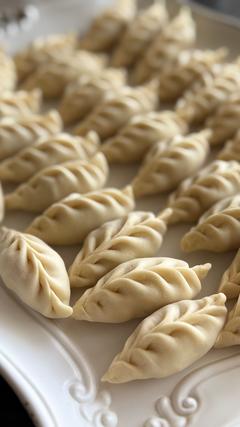
Culurgiones pinch a potato, pecorino and mint filling into pasta dough shaped like an ear of wheat, sealed by hand in a tight row of overlapping folds. Ogliastra claims the dish, and the pleating is as much the point as the filling: a cook seals the edge in a braid rather than crimping it flat like a ravioli.
Order it with tomato sauce, or "in bianco" with just olive oil and a shaving of bottarga on top.
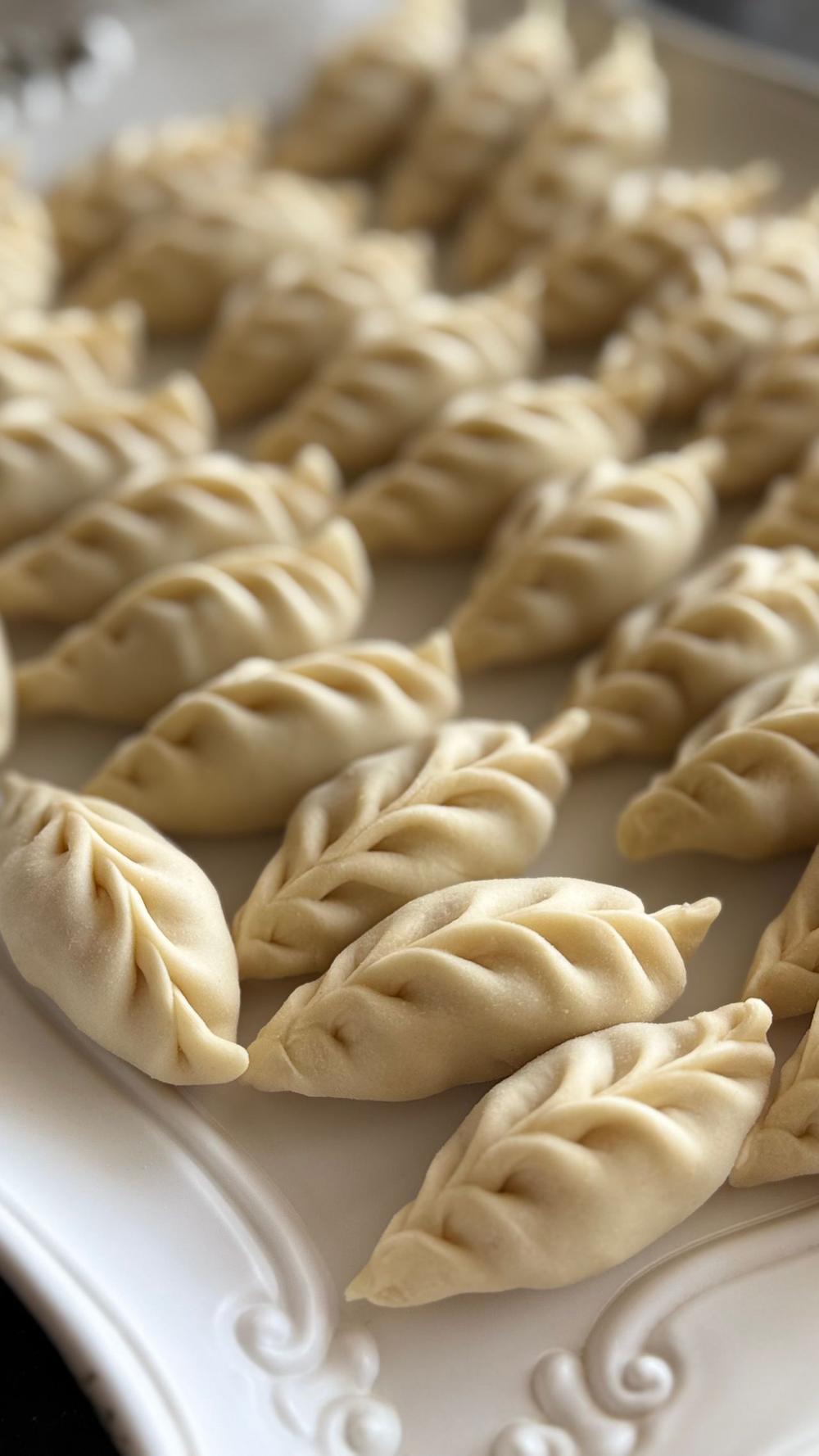 Photo by yasemin . on Pexels
Uncooked culurgiones, hand-pleated into their ear-of-wheat shape
Malloreddus
Iconic dish
- From: Campidano, across Sardinia
- When: primo
- Contains: dairy, pork (a meatless tomato version exists)
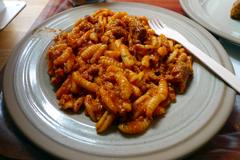
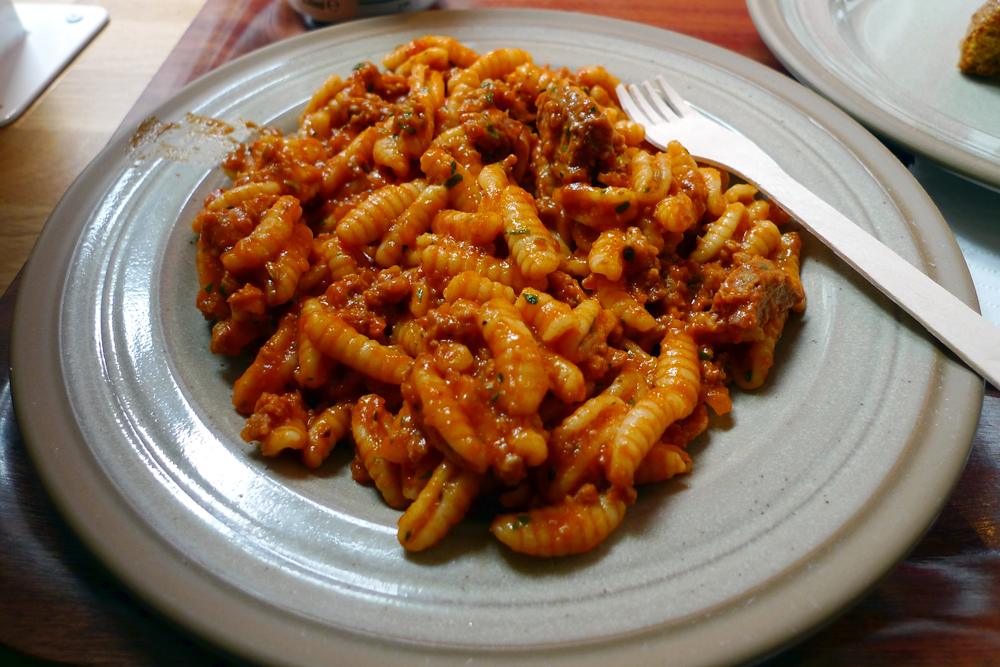
Malloreddus are small, ridged semolina dumplings colored with saffron, classically tossed with a sausage and tomato ragù and grated pecorino as malloreddus alla campidanese. Sassari and Nuoro shape their own versions a little differently and call them cigiones or cravaos, but the saffron and the ridges stay the same across the island.
 Ewan Munro (CC BY-SA 2.0)
Malloreddus alla campidanese, with sausage and tomato sauce
Fregola
- From: Sardinia-wide, best known in Cagliari
- When: primo
- Contains: gluten; shellfish in its best-known preparation
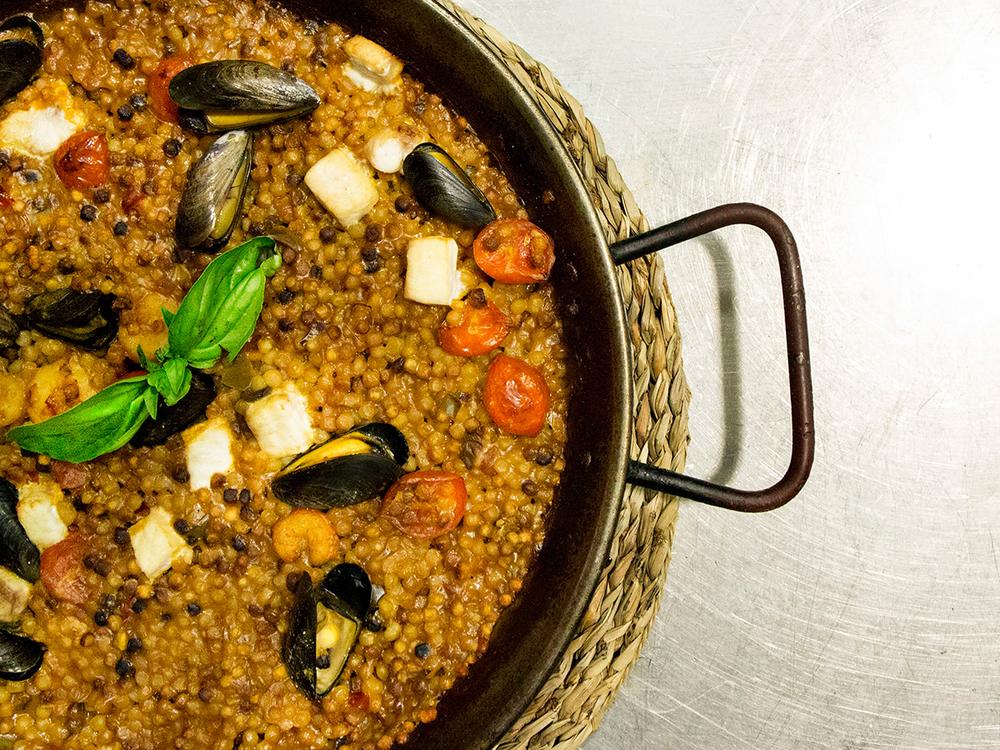
Fregola rolls durum wheat semolina into small, nutty-tasting pellets, then toasts them in an oven instead of drying them like ordinary pasta. Cagliari serves it most often as fregola con arselle, simmered with clams in a light tomato broth the toasted pasta soaks up.
 Jorgehdezalonso (CC BY-SA 4.0)
Dry fregola, hand-rolled semolina pellets
Pane carasau
Iconic dish
- From: Barbagia, Nuoro province
- When: with any meal, or as a snack
- Contains: vegan
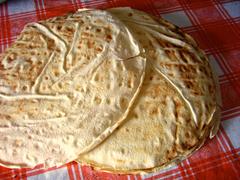
Pane carasau bakes a sheet of durum wheat dough twice in a wood-fired oven, until it crisps into a wafer-thin disc. Sardinians call it carta da musica, music paper, for the sound it makes when you break it. Shepherds once carried it on long treks, since it keeps for months unlike ordinary bread. The method may trace back to Arab bakers.
Rebaked a third time with olive oil and salt, the same bread becomes pane guttiau, a bar snack in its own right.
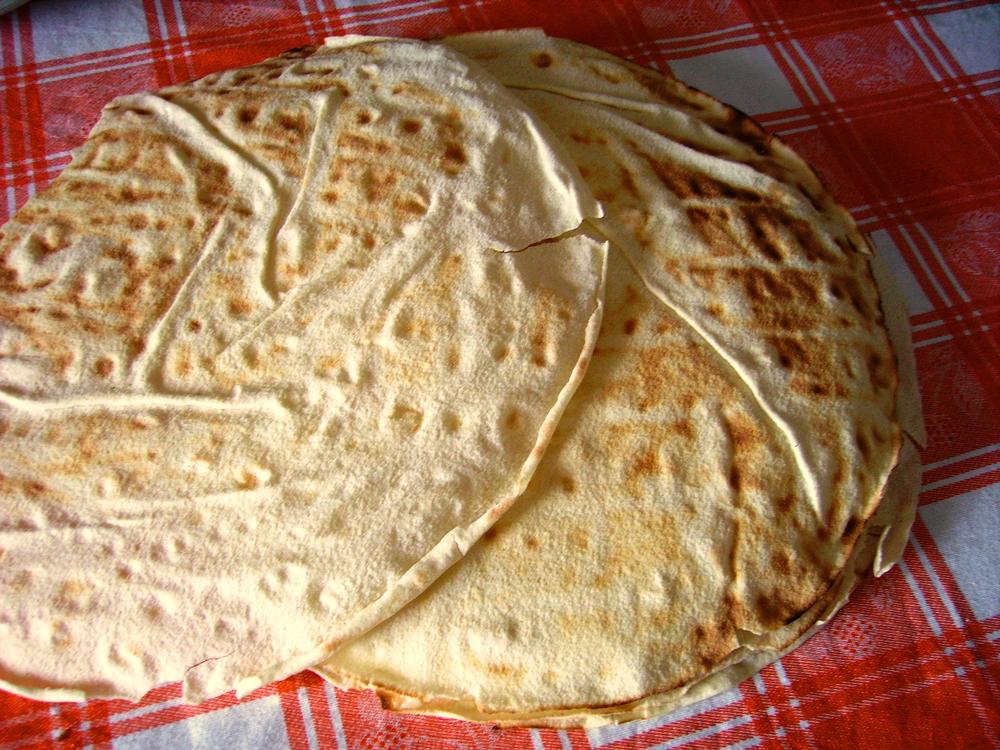 Shardan (CC BY-SA 3.0)
Pane carasau, twice-baked until crisp
Pane frattau
- From: Oliena, Nuoro province
- When: lunch or a light meal
- Contains: dairy, egg; vegetarian
Pane frattau soaks sheets of pane carasau in broth, layers them with grated pecorino and tomato sauce, then tops the stack with a poached egg. Sardinia's tourism board ties the dish specifically to Oliena, in Nuoro province.
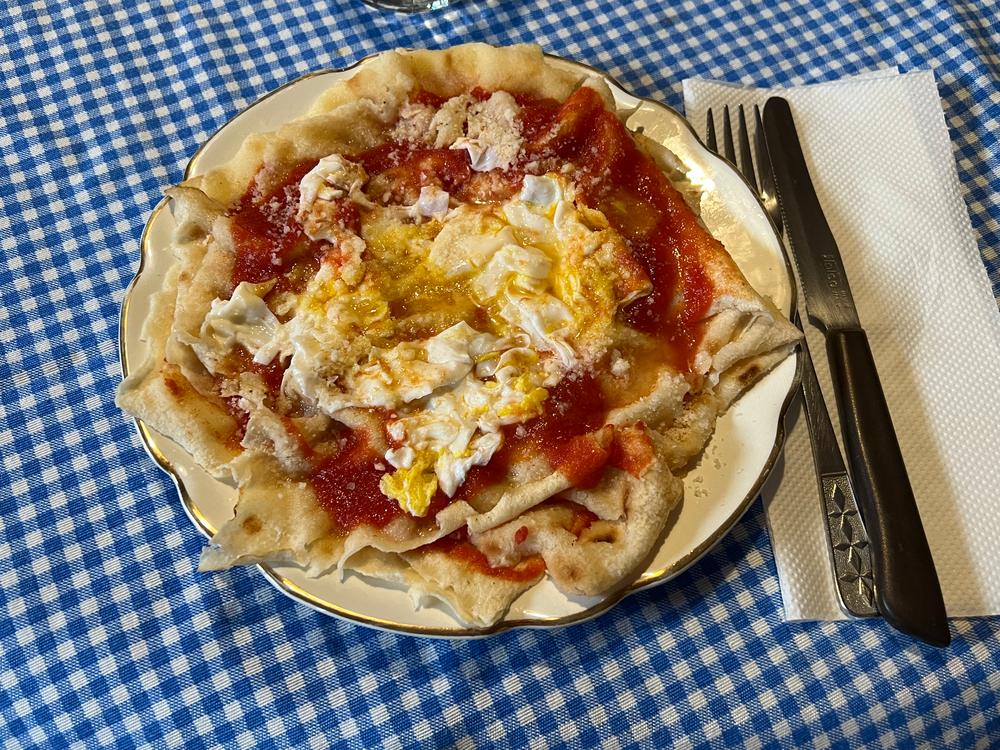 User:Tino (CC BY-SA 4.0)
Pane frattau, layered with tomato sauce and a poached egg
Meat and seafood
Porceddu
Iconic dish
- From: Sardinia-wide, strongest inland
- When: Sunday lunch, festive occasions, village food fairs
- Contains: pork
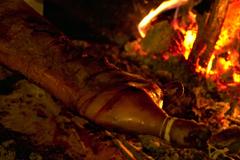
Porceddu roasts a suckling pig, milk-fed and under eight kilograms, slowly over an open fire scented with myrtle or rosemary leaves. Cooks often glaze the finished pig with honey and more of the same herbs once it comes off the fire.
Inland villages serve it at Sunday lunch and food fairs; Cagliari's restaurants carry it most of the year.
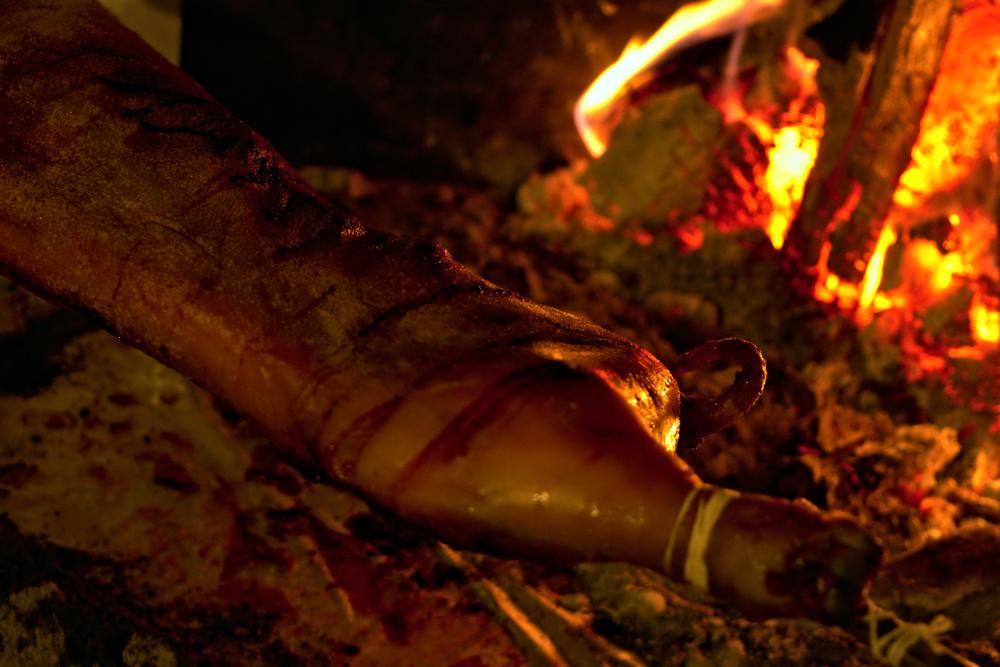 Japs 88 (CC BY-SA 4.0)
Porceddu roasting over an open fire in Macomer
Bottarga
- From: Cabras (mullet) and Carloforte (tuna)
- When: antipasto, or grated over pasta
- Price: about €40 a block, ranging €25 to €80
- Contains: fish
Bottarga cures and presses roe into a dense, dark block, grated over pasta or sliced thin with olive oil as an antipasto. Cabras, near Oristano, makes the mullet version; Carloforte, on the island of San Pietro, salts and dries tuna roe instead.
Spaghetti alla bottarga, tossed with little more than garlic, olive oil and a heavy grating of the roe, is the simplest way to taste it.
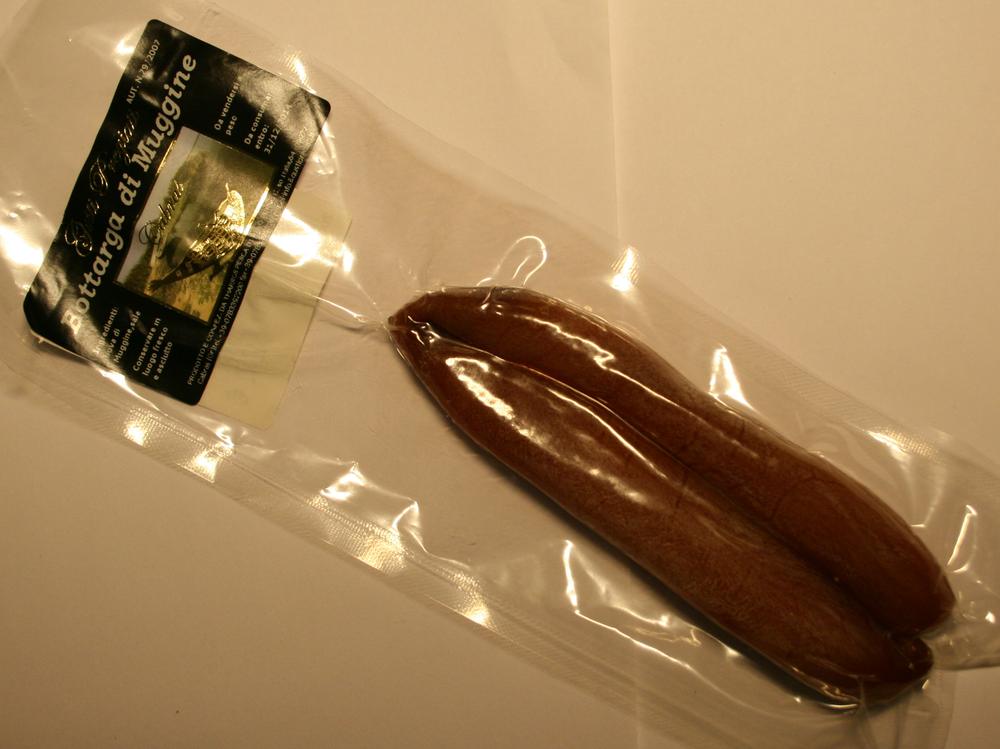 Pava (CC BY-SA 3.0 it)
Bottarga di muggine, cured mullet roe from Sardinia
Aragosta alla Catalana
- From: Alghero
- When: main course, special occasion
- Contains: shellfish
Aragosta alla Catalana boils a whole lobster, then dresses it cold with raw tomato, onion, lemon and olive oil. Alghero, a walled port town still shaped by its Catalan settlers, never let go of the recipe.
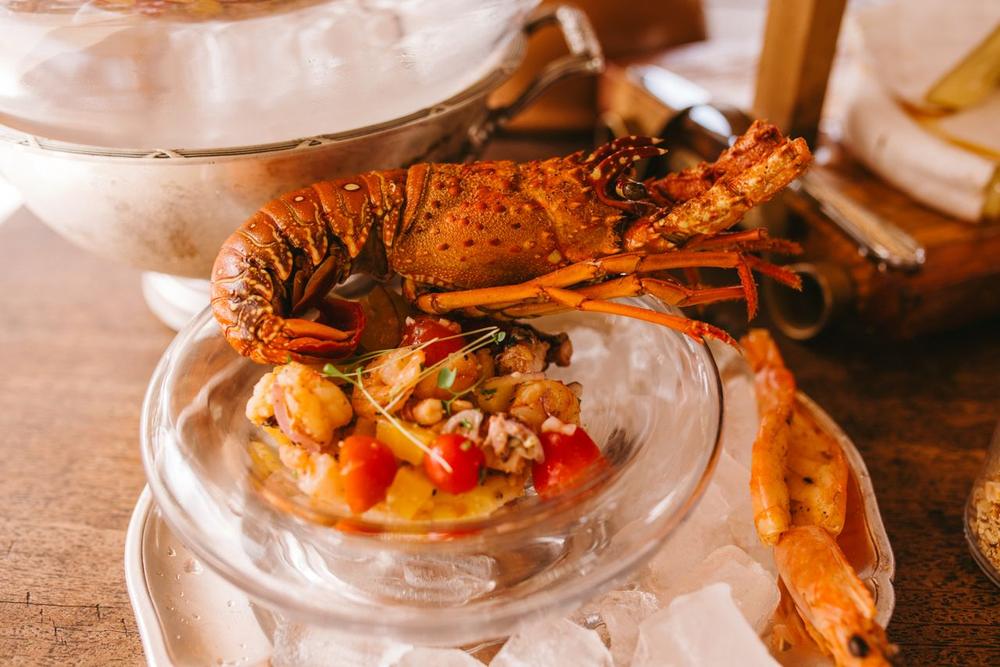 Photo by Jonathan Borba on Pexels
Catalan-style lobster with tomato and onion
Sardinian cheeses
Pecorino Sardo
Must-buy
- From: Sardinia-wide
- When: table cheese, or grated over pasta and soups
- Contains: dairy
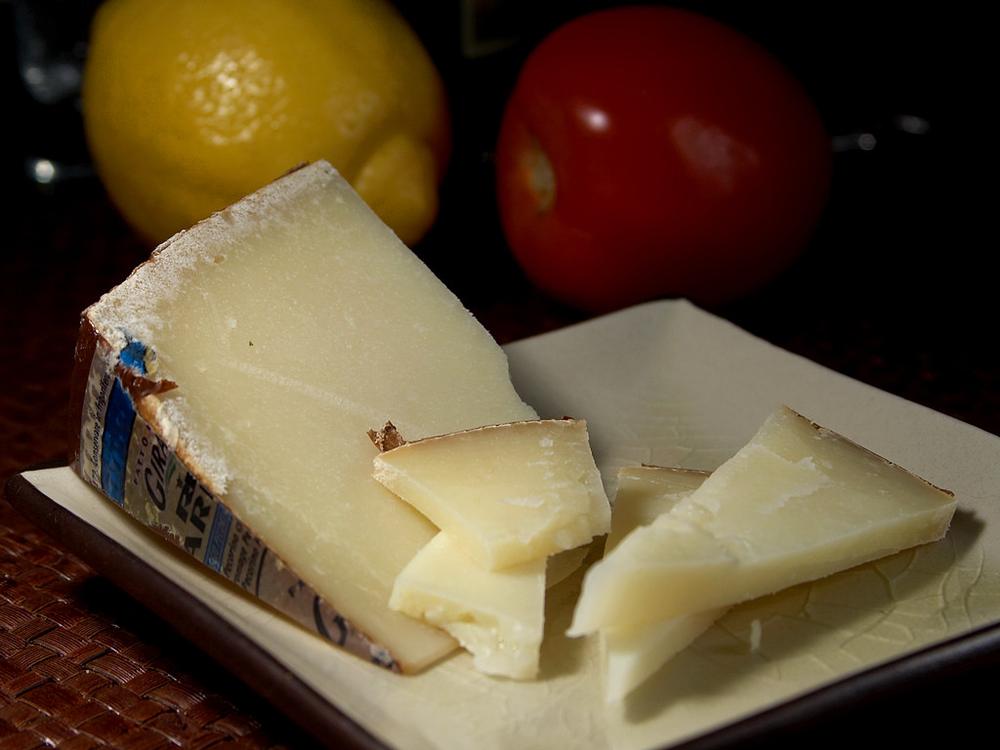
Pecorino Sardo ages whole sheep's milk into a hard cheese curdled with calf's rennet, sold at two stages: dolce, aged 20 to 60 days, and maturo, aged past two months. Italy awarded it protected-origin status in 1991 and full EU protection in 1996.
Eat the dolce as a table cheese on its own; save the harder maturo for grating.
 Frankie816 (public domain)
Pecorino Sardo, cut into wedges
Fiore Sardo
- From: Sardinia-wide, traditional shepherd production
- When: table cheese, or grated when aged
- Contains: dairy
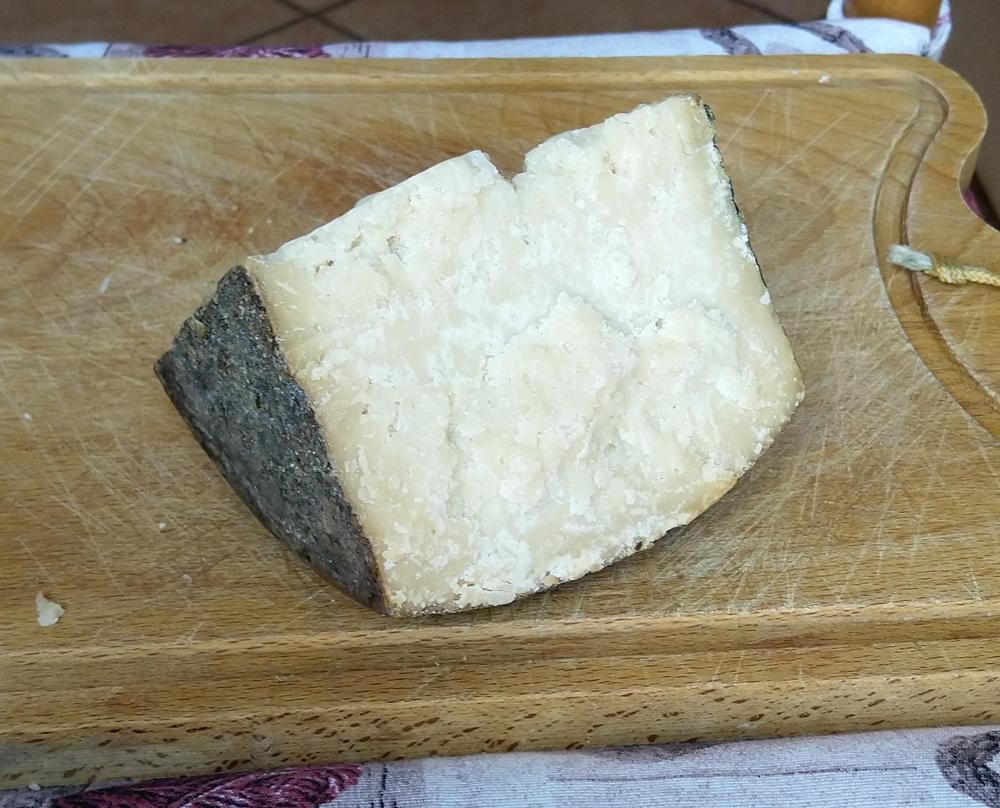
Fiore Sardo is a second Sardinian sheep's cheese, not a second name for Pecorino Sardo: it uses lamb's rennet instead of calf's, and comes from a single milking rather than blended batches. Some sources, Wikipedia included, list it as just another name for Pecorino Sardo, but Italy's own tourism board treats the two as separate DOP cheeses.
A Slow Food Presidio protects the traditional, hand-made version, still produced by shepherds using methods little changed over generations.
 Yozh (CC BY-SA 4.0)
A chunk of Fiore Sardo DOP
Casu marzu: Sardinia's banned cheese
Casu marzu
- From: Sardinia-wide
- When: rare, mostly off the record
- Contains: dairy, served with live larvae
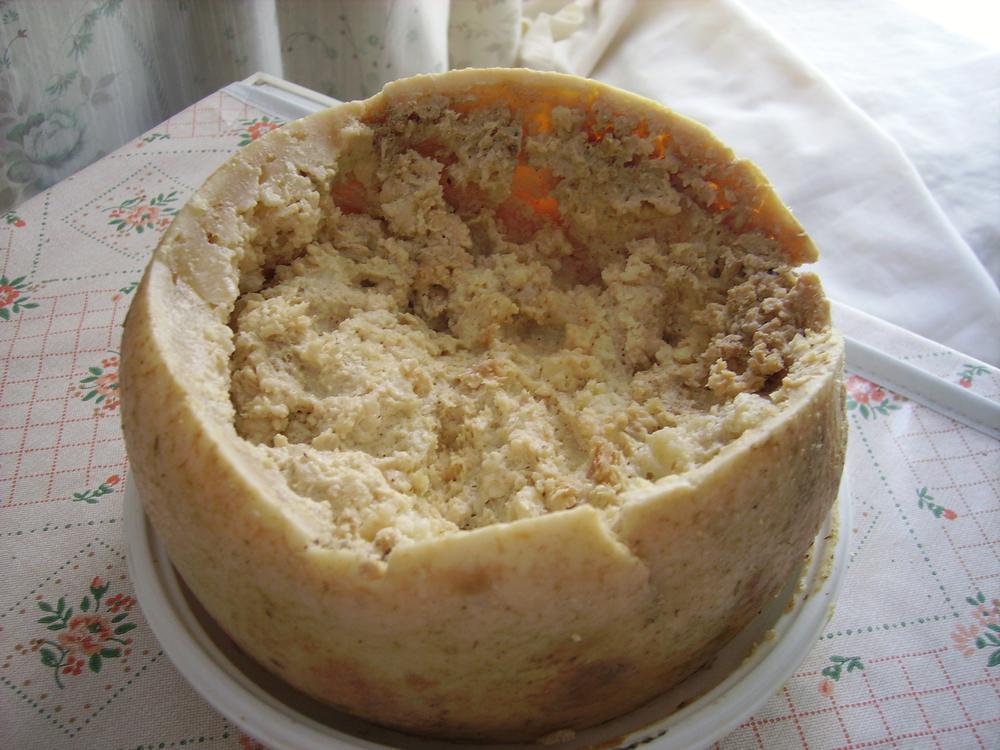
Casu marzu infests Pecorino Sardo with live cheese-fly larvae on purpose, then serves it, larvae included, spread on moistened pane carasau. Diners hold a hand above the sandwich while they eat, since the larvae can jump as far as 15 centimeters when disturbed. Cannonau is the traditional pairing.
Italy has banned the sale of casu marzu since 1962, and the cheese is also prohibited across the European Union under food-safety law, with sellers facing heavy fines. The ban hasn't stopped production: an estimated 100 tonnes still moves through unofficial channels each year, worth €2 to 3 million by a 2019 estimate. A proposal to have it recognized as a traditional food has not succeeded, and the cheese can't legally enter the United States either.
 Shardan (CC BY-SA 2.5)
Casu marzu, Pecorino Sardo infested with cheese-fly larvae
Dessert
Seadas
- From: Sardinia-wide
- When: dessert, any time
- Contains: dairy, gluten; vegetarian
Seadas fry a disc of dough wrapped around fresh, slightly sour pecorino, then drizzle the hot pastry with honey. The traditional honey is bitter corbezzolo, from the strawberry tree, a sharper contrast to the cheese than a plain floral honey would give.
Try free
Plan your Sardinia trip in about 2 minutes
Tap through 8 quick cards for a complete itinerary with budget, maps, and packing lists. No account required.
Plan your Sardinia trip →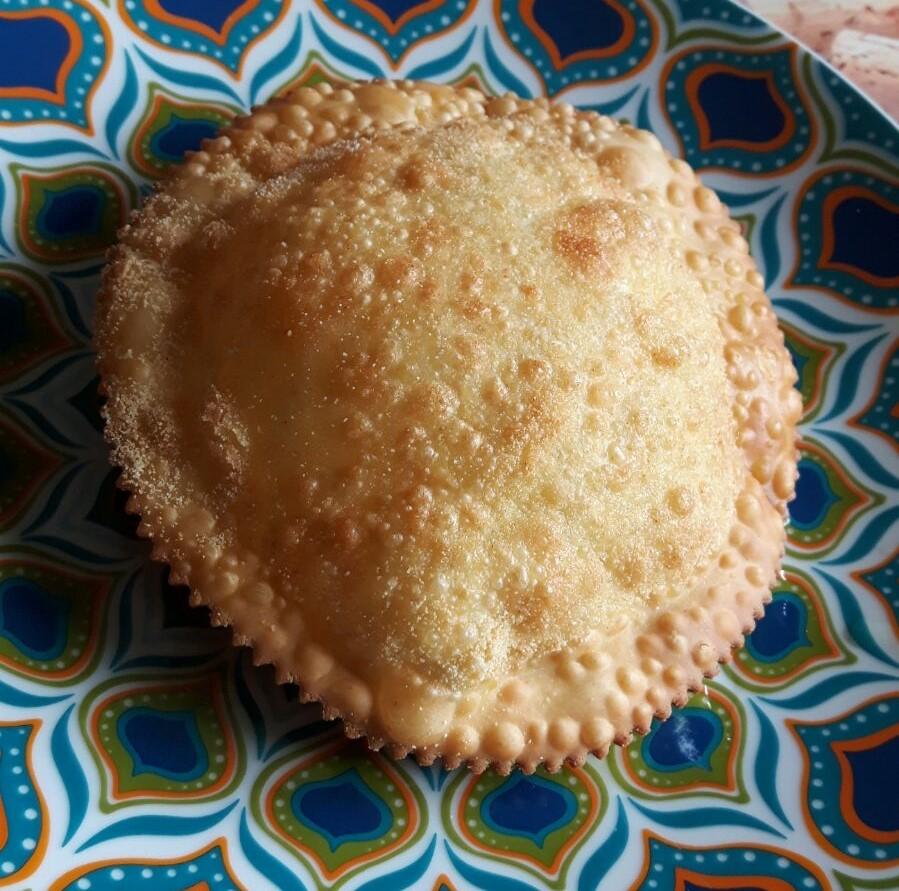 Pietro Di Fontana (CC BY-SA 4.0)
A seada, fresh from the fryer
Sardinian wines and other drinks
Sardinia carries 15 IGT wines, 19 DOC wines and one DOCG, more variety than most visitors expect from an island this size.
Cannonau di Sardegna
- From: Central-eastern Sardinia and Barbagia
- When: with roast meat or a strong cheese
- Contains: alcohol, about 15 percent
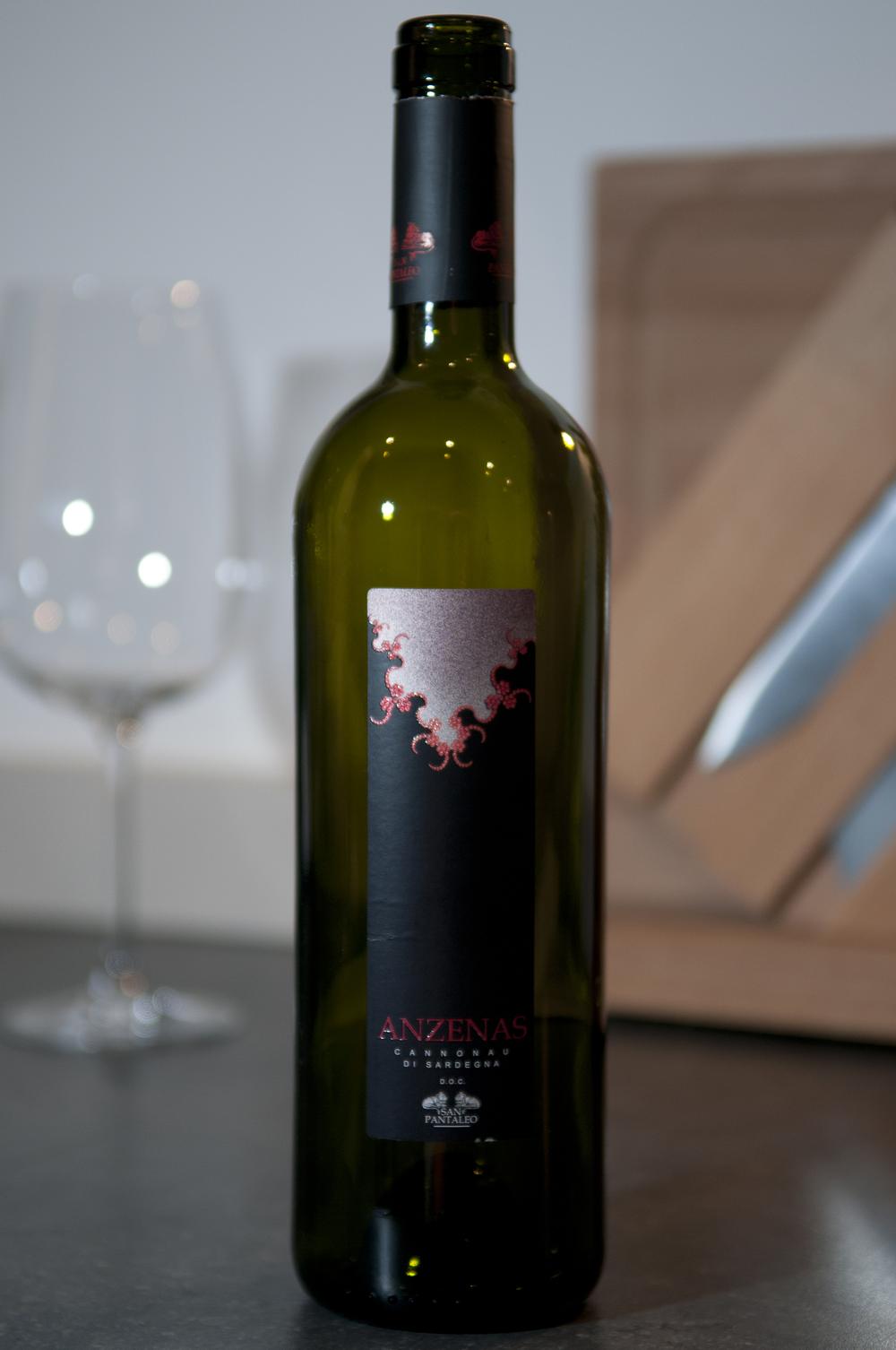
Cannonau di Sardegna pours a deep, full-bodied red made by law from at least 90 percent Grenache grapes, usually landing around 15 percent alcohol. Its heartland runs through the Barbagia mountains and the central-eastern coast, the same region that grows most of the pork for porceddu.
 Michal Osmenda (CC BY-SA 2.0)
A bottle of Cannonau di Sardegna DOC
Vermentino di Gallura
- From: Gallura, 23 towns including Olbia and Tempio Pausania
- When: chilled, with seafood
- Contains: alcohol
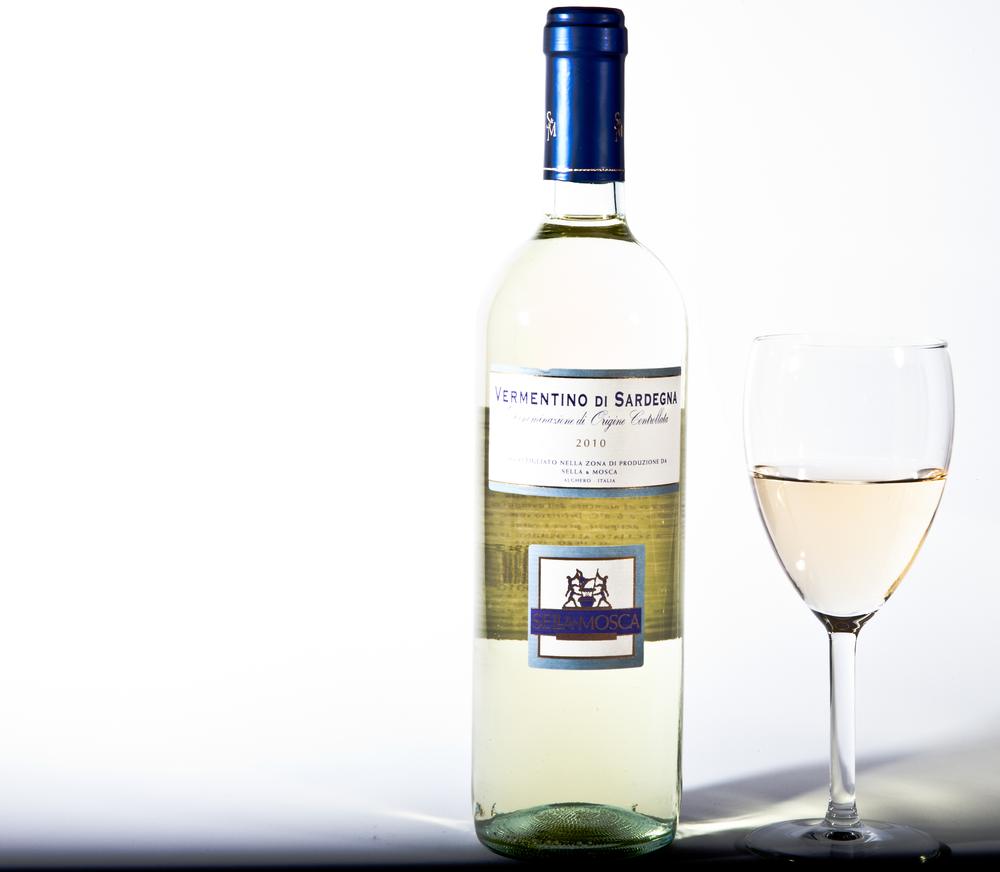
Vermentino di Gallura is Sardinia's only DOCG, Italy's top wine-quality tier, a dry white from the Vermentino grape grown across 23 towns in the Gallura region. The DOCG status dates to November 2011, a fact most travel guides to the island skip entirely.
 Roberto Ventre (CC BY-SA 2.0)
Vermentino wine from Sardinia
Vernaccia di Oristano
- From: Oristano
- When: aperitivo (dry), or dessert wine (sweet)
- Contains: alcohol
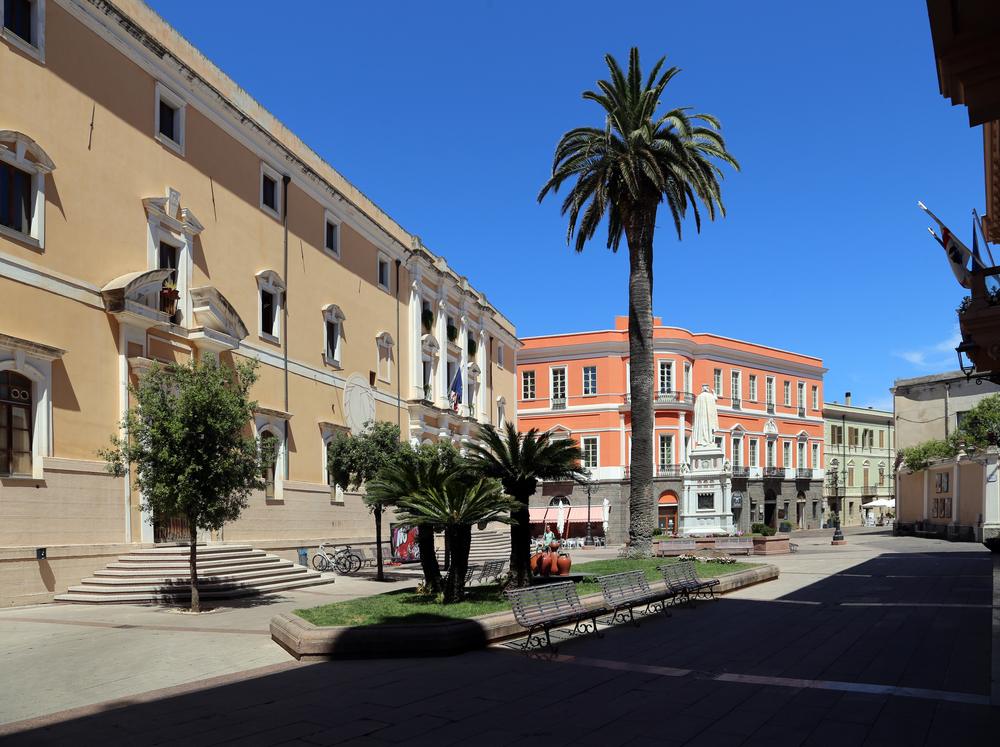
Vernaccia di Oristano ages in a solera system, the same fractional-blending method sherry uses, and comes in both a dry aperitivo style and a sweet dessert style. Sardinia's tourism board calls it "unique worldwide, and appreciated by numerous scholars, among whom Dante, Boccaccio, Shakespeare and Cervantes."
 Sailko (CC BY 3.0)
Oristano, where Vernaccia di Oristano is made
Mirto
- From: Sardinia-wide (also made in Corsica)
- When: digestivo, after a meal
- Contains: alcohol
Mirto steeps myrtle berries in alcohol for its red style, or berries and leaves together for a paler white style, into a chilled after-dinner liqueur. Macomer, in the island's interior, is one of the towns where the berries are still picked by hand each year.
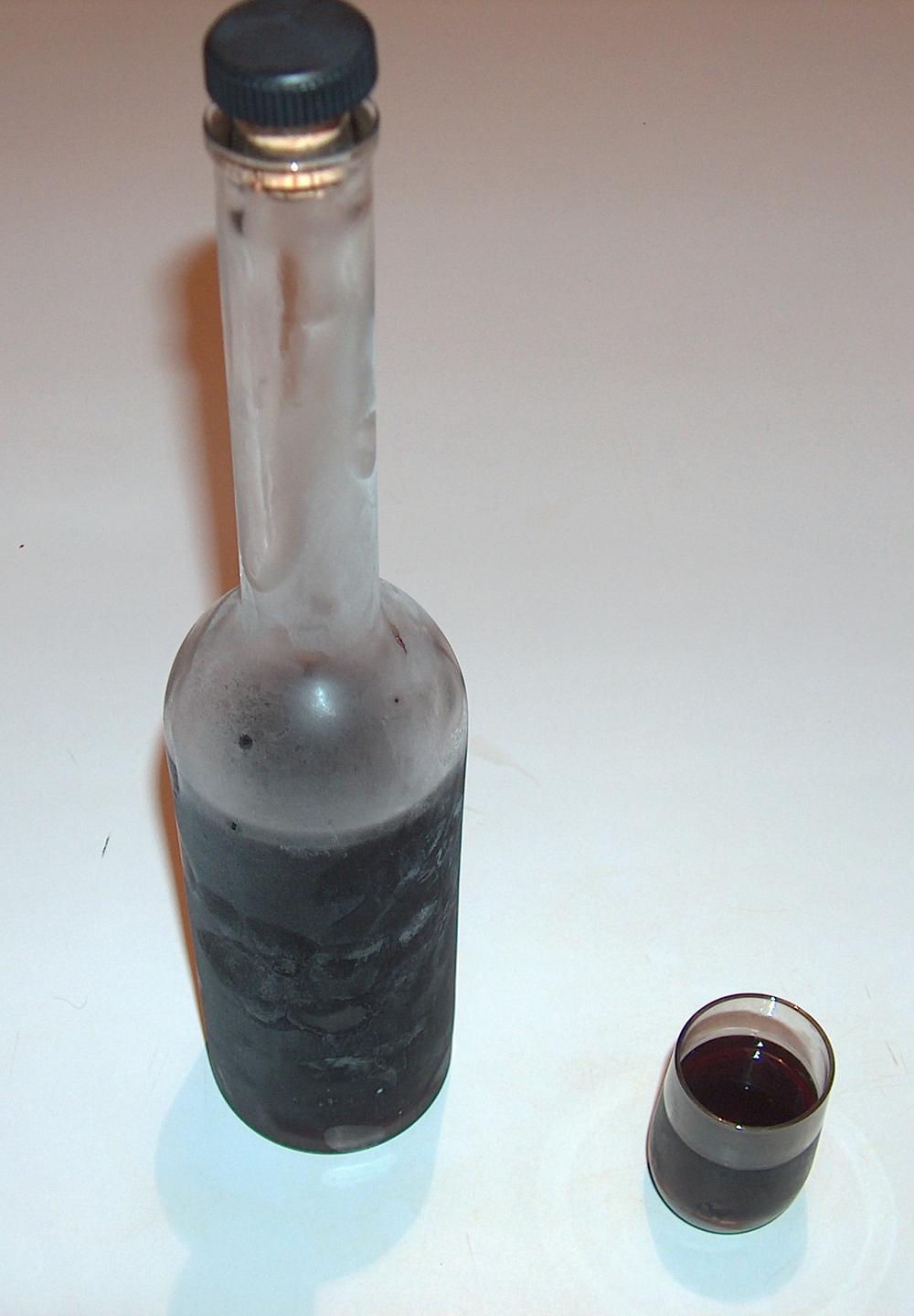 CC BY-SA 3.0
A bottle of mirto liqueur
Carignano del Sulcis, a DOC red grown on ungrafted vines planted straight into the sandy soil of the Sulcis coast, rounds out the island's three named territorial reds alongside Cannonau and Vernaccia. A handful of generic labels fill out the rest of the list.
| Wine | What it is | From |
|---|---|---|
| Carignano del Sulcis | DOC red, ungrafted sandy-soil vines | Sulcis coast |
| Nuragus | dry white, Sardinia's oldest native grape | Sardinia-wide |
| Torbato | dry white | Alghero area |
| Malvasia | dry or sweet white | Sardinia-wide |
| Monica di Sardegna | lighter-bodied red | Sardinia-wide |
What to eat area by area
Assemini, near Cagliari, bakes its own specialty: panada, a hand pie fried then baked around lamb, beef, pork or eel. Oschiri, Berchidda, Pattada and Cuglieri each make their own version too, though Assemini's is the one most named.
A MonkeyEatingMango trip carries the right dishes for every stop on your Sardinia route, since Ogliastra, Gallura and the Oristano coast each cook differently.
| Area | Eat | Drink |
|---|---|---|
| Ogliastra | culurgiones, pistocu bread | |
| Nuoro and Barbagia | pane carasau, porceddu | Cannonau |
| Campidano and Cagliari | malloreddus alla campidanese, panada | |
| Gallura | macarrones cravaos (a malloreddus variant) | Vermentino di Gallura |
| Oristano and Cabras | bottarga di muggine | Vernaccia di Oristano |
| Alghero | aragosta alla catalana | |
| Carloforte and San Pietro | bottarga di tonno |
When and how do Sardinians eat?
A Sardinian meal runs through the same courses eaten across Italy: antipasto, then primo, then secondo with a contorno, then dolce, though a weekday lunch usually stops after the primo. Ordering only a pasta course at a trattoria is normal and never flagged as skimping.
Eating out in Sardinia: tipping, the bill and water
Tipping is not obligatory in Sardinia, and many bills already add a small coperto, a per-person cover charge for bread and table service, listed on the menu. Where there is no coperto, rounding up or leaving a few coins covers good service.
Nobody rushes the bill to your table. Ask for "il conto, per favore" when you're ready to leave.
Tap water across Sardinia's towns and cities is safe to drink, the same as the rest of Italy. Most Sardinians still order bottled water at a restaurant table, either still (naturale) or sparkling (frizzante).
Restaurants must disclose 14 listed allergens under EU rules, from gluten and milk to shellfish and nuts. Ask about allergeni before you order if one applies to you.
Plan your Sardinia trip around the food
Start with the Sardinia guide for how to move between Cagliari, Alghero and the rest of the island. The Italy food guide shows how Sardinia's dishes fit the rest of the country's. The 7-day Sardinia itinerary runs Cagliari, Alghero and Olbia in a week.
Each day of a MonkeyEatingMango itinerary names what to eat at lunch and dinner, matched to the city you're in that day.
Last updated November 2026.
Common questions
What food is Sardinia famous for?
Culurgiones, malloreddus, pane carasau and bottarga are Sardinia's best-known foods. Porceddu, the island's roast suckling pig, and Pecorino Sardo cheese round out the short list most visitors try first.
What do Sardinians eat?
A Sardinian meal moves through the same courses as anywhere in Italy: a primo of pasta such as culurgiones or malloreddus, a secondo of meat or fish, and pane carasau on the table throughout. Pecorino Sardo, bottarga and a glass of Cannonau appear at most meals across the island.
What do people eat for breakfast in Sardinia?
Breakfast in Sardinia follows the same pattern as the rest of Italy: coffee with a pastry, not a full plate. No breakfast dish belongs to the island alone.
What fruit is Sardinia known for?
Pompia, a bitter-sour citrus unique to Siniscola on Sardinia's east coast, is the fruit most tied to the island. It's a local specialty, not something you'll see on every Sardinian table.
What food must be tasted once in Sardinia?
Culurgiones, porceddu and pane carasau are the three dishes worth building a first meal around. Add bottarga and a glass of Cannonau, and you've covered Sardinia's best-known flavors.
Is casu marzu actually legal?
No. Italy has banned the sale of casu marzu since 1962, and the European Union prohibits it as well, with sellers facing fines. An estimated 100 tonnes still moves through unofficial channels each year, worth €2 to 3 million by a 2019 estimate, and the cheese can't legally enter the United States either.
Is Sardinia really a Blue Zone?
The claim traces to a 1999 study that found 13 centenarians per 100,000 people concentrated in Nuoro province and the village of Bolotana, not the island as a whole. Wikipedia's own entry on the subject states the underlying research lacks rigorous validation, citing unreliable interviews and missing birth records.
What's the difference between Pecorino Sardo and Fiore Sardo?
Both are hard Sardinian sheep's-milk cheeses, but Pecorino Sardo is curdled with calf's rennet while Fiore Sardo uses lamb's rennet and comes from a single milking by hand. Wikipedia lists Fiore Sardo as another name for Pecorino Sardo, but Italy's own tourism board treats them as two distinct DOP cheeses.
What is Sardinia's only DOCG wine?
Vermentino di Gallura, a dry white made from the Vermentino grape across 23 towns in the Gallura region, has carried DOCG status, Italy's top wine-quality tier, since November 2011. Cannonau and Vernaccia di Oristano are Sardinia's other major named wines, both at the DOC level.
What is bottarga, and where does it come from?
Bottarga cures and presses fish roe, usually gray mullet, into a dense block that's grated over pasta or sliced as an antipasto. Cabras, near Oristano, makes the mullet version; Carloforte, on the island of San Pietro, makes the tuna version instead.

Written by Shobhit Shrivastava · Founder
Related reading
Italy travel guide
5 Days on the Amalfi Coast: Positano and Amalfi
5 days split between Positano and Amalfi: 3 nights in Positano (Franco's Bar, Arienzo Beach Club, linen shopping) followed by 2 nights in Amalfi (Duomo di Amalfi, Museo della Carta, Pasticceria Pansa). Comfortable pace with a mix of beach clubs, coastal hiking, and hands-on pasta classes....
A Week on the Amalfi Coast: Positano, Amalfi and Ravello
This 7-day comfortable trip for a couple explores the iconic Amalfi Coast, beginning in Positano for cliffside views and Spiaggia Grande beach, then moving to Amalfi for its Duomo di Sant'Andrea and historic center. The journey concludes in the elevated gardens of Ravello at Villa Rufolo,...
10 Days in Italy: Rome and Florence, from the Colosseum to the Vatican
10 days across Rome and Florence: 6 nights in Rome exploring the Colosseum, Pantheon, and Trastevere, followed by 4 nights in Florence for the Uffizi Gallery, Duomo, and Oltrarno district. Comfortable pace with 5-7 activity hours daily, relying on walking and local metro, featuring private...
Two Weeks in Italy: Rome, Florence and Sorrento on the Amalfi Coast
14 days covering Rome, Florence, and Sorrento. Experience the Colosseum, Uffizi Gallery, and cliffside views of the Tyrrhenian Sea. Comfortable pace with 5-6 hours of daily sightseeing, blending urban historical sites with coastal relaxation. Includes one base per city, frequent walking, and...
Italian Food: What to Eat in Italy, Region by Region
The Italian dishes to eat first, one per region, then the cheeses and cured meats behind them, the desserts, the wines, and how a day of eating in Italy actually runs.
Sicilian Food: What to Eat in Sicily, Area by Area
The Sicilian dishes to eat first, Palermo's street food, the island's sweets and wines, and how Sicily's food differs from the Italian mainland's.
Traditional Australian Food: What to Eat in Australia
The Australian dishes to eat first, by category: iconic savory mains, spreads and sweets, seafood, coffee and brunch, then a short bush-food section, sourced throughout.