Sardinia travel guide cover photo

Sardinia Travel Guide: Cagliari, the Gulf of Orosei, and Beyond

A first-timer's guide to Sardinia: why you need a car, when the beaches are worth it, and the booking and driving rules everyone gets wrong.

Last updated June 20, 2026 · By Namrata

Sardinia rewards a slower lens than most Mediterranean islands. The water in the Gulf of Orosei is a color that looks photoshopped, the interior Barbagia mountains hide shepherd villages that feel a century removed from the coast, and the granite coves of the Costa Smeralda sit a short drive from Bronze-Age stone towers called nuraghi that predate Rome. Most first-timers underestimate the variance and the scale. They picture one beach holiday and try to circle the whole island in a long weekend.

The thing first-timers underestimate most is logistics. Sardinia is genuinely big, the roads are winding, and public transport thins out fast once you leave the cities — so a rental car is close to mandatory, and the distances mean you should pick a region rather than chase the entire coastline. The most famous coves now cap daily numbers and require booking, historic town centers have camera-enforced driving zones, and August turns the whole island into Italy's beach, with prices to match. None of it is hard; it just rewards a little planning.

This guide is the layer that sits above the day-by-day itineraries. Choose a gateway (Cagliari for the south, Olbia for the northeast, Alghero for the northwest), match the season to what you want (June and September for the sweet spot), and build in realistic drive times. Do that and you'll spend your days in the coves and hill towns you came for, not stuck on the SS131 wishing you'd booked the boat.

Choose your trip length

5 days

Southern Sardinia

Cagliari as a base, the Villasimius and Chia beaches, and the Roman ruins at Nora. The tightest first trip that still mixes a city, beaches, and history.

7 days

Cagliari + Gulf of Orosei + the northeast

South coast, the limestone coves of the Gulf of Orosei (Cala Gonone), then up to Olbia and the Costa Smeralda. The classic one-week loop — needs a rental car.

See the sample itinerary →

10 days

Full island circuit

Add the Catalan northwest (Alghero), the colorful river town of Bosa, and a day in the Barbagia mountains for the real interior. The complete clockwise loop.

The flagship itinerary

Best time to visit
Spring (April-May) and Fall (September-October) are ideal for visiting Bergamo. Temperatures are mild, typically ranging from 12-20 degrees Celsius, perfect for exploring on foot. You'll avoid the intense heat and larger crowds of summer. Summer (June-August) brings warmer weather, averaging 25-30 degrees, but also more tourists. Winter (November-March) can be cold, with temperatures from 0-8 degrees, and some attractions may have reduced hours.
Currency
Euro (EUR)
Visa
US, UK, EU, Canadian, and Australian citizens can enter Italy visa-free for up to 90 days within any 180-day period. Your passport must be valid for at least three months beyond your intended departure date from the Schengen Area. Indian citizens typically require a Schengen visa; apply well in advance through the Italian embassy or consulate in your home country. Other nationalities should check the official Italian Ministry of Foreign Affairs website for specific requirements.
Tipping
Tipping is not customary in Italy. Restaurants often include a 'coperto' (cover charge) or 'servizio' (service charge) on the bill, especially for larger groups. You are not expected to tip at cafes, bars, or for taxis. Rounding up a bill to the nearest euro is common if you wish to leave a small token.
Emergency
112 (Carabinieri/General Emergency), 113 (Polizia di Stato/State Police), 118 (Medical Rescue)

Estimated daily cost

Backpacker

€60-100/day

Hostels and agriturismo dorms, beach days with a supermarket picnic, a shared rental car or buses (slow). Doable, but a car is hard to avoid here. Prices as of 2026; verify current rates.

Mid-range

€130-220/day

3★ hotels or B&Bs, a small rental car, a mix of trattorias and one nice seafood dinner. The sweet spot. Costs jump in July-August. Prices as of 2026; verify current rates.

Luxury

€400+/day

Costa Smeralda resorts, beach clubs, fine dining, a convertible. Porto Cervo in August is one of the priciest spots in the Mediterranean. Prices as of 2026; verify current rates.

Jan
O
Feb
O
Mar
O
Apr
S
May
S
Jun
P
Jul
P
Aug
P
Sep
S
Oct
S
Nov
O
Dec
O
Off-peak (cheaper) Shoulder Peak (priciest)Baseline: January

Festivals & timing

February

Carnevale (Mamuthones of Mamoiada)

Sardinia's haunting carnival in the Barbagia mountains, where masked figures in sheepskins and black wooden masks parade with cowbells. Unlike any carnival on the mainland.

Worth planning around

May 1-4

Sant'Efisio

Cagliari's huge religious procession, one of the oldest and largest in the Mediterranean: thousands in regional costume, ox-drawn carts, and horseback riders escort the saint's effigy down the coast.

Worth planning around

May

Cavalcata Sarda (Sassari)

A spectacular folk parade of riders and costumes from across the island, held in Sassari around the penultimate Sunday of May. Pageantry, horsemanship, and traditional song.

Worth planning around

Late May / June

Girotonno (Carloforte)

A tuna festival on the island of San Pietro celebrating the traditional tonnara catch, with chef competitions and seafood tastings. A fun add-on if you're in the southwest.

August

Ferragosto (Aug 15)

Italy's mid-August holiday peak. The whole country is on the beach, prices are at their highest, and the coves are at capacity. Beautiful but the worst time to arrive unplanned.

Better to avoid

Sep - Dec

Autunno in Barbagia

Each autumn weekend a different mountain village opens its courtyards, workshops, and kitchens to visitors. The best way to see the real interior: bread, wine, sweets, and crafts.

Worth planning around

Major cities at a glance

Cagliari
Wikipedia Commons (CC BY-SA)

Cagliari

2 days

Best for the capital + southern beaches

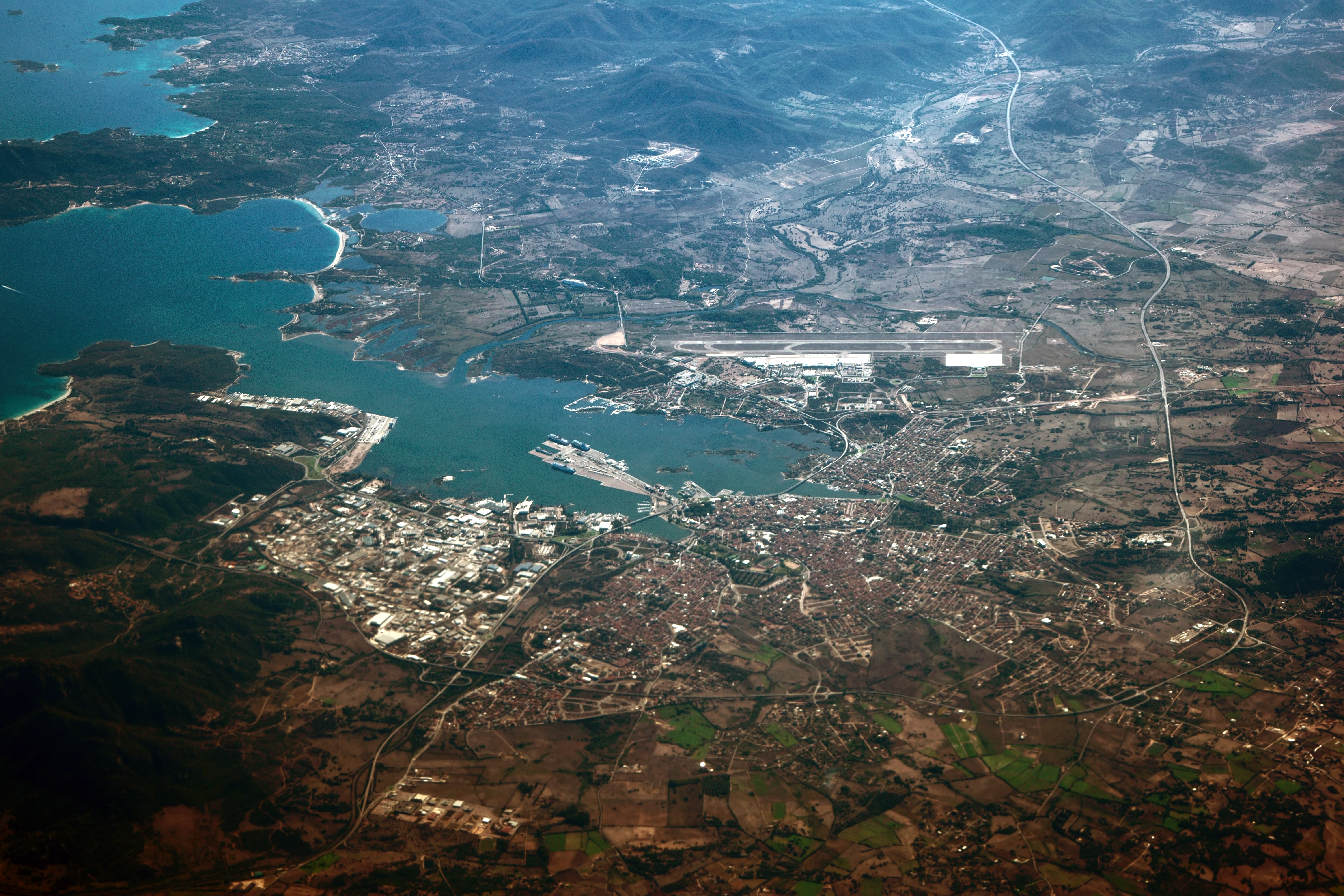
Sardinia's main city and southern gateway. The hilltop Castello quarter, the Bastione di Saint Remy, the Roman amphitheatre, and Poetto beach right in town. Best base for Villasimius, Chia, and the Nora ruins.

Alghero
Wikipedia Commons (CC BY-SA)

Alghero

2 days

Best for Catalan old town

A walled seafront town in the northwest where they still speak a Catalan dialect. Honey-colored ramparts at sunset, Neptune's Grotto by boat, and the Riviera del Corallo beaches just north.

Olbia & Costa Smeralda
Wikipedia Commons (CC BY-SA)

Olbia & Costa Smeralda

2-3 days

Best for glamour coast + northeast beaches

The northeast gateway and the jet-set Costa Smeralda (Porto Cervo, Porto Rotondo). Emerald water, designer marinas, and the gorgeous beaches around San Teodoro and the Maddalena archipelago.

Cala Gonone & the Gulf of Orosei
Wikipedia Commons (CC BY-SA)

Cala Gonone & the Gulf of Orosei

2 days

Best for limestone coves

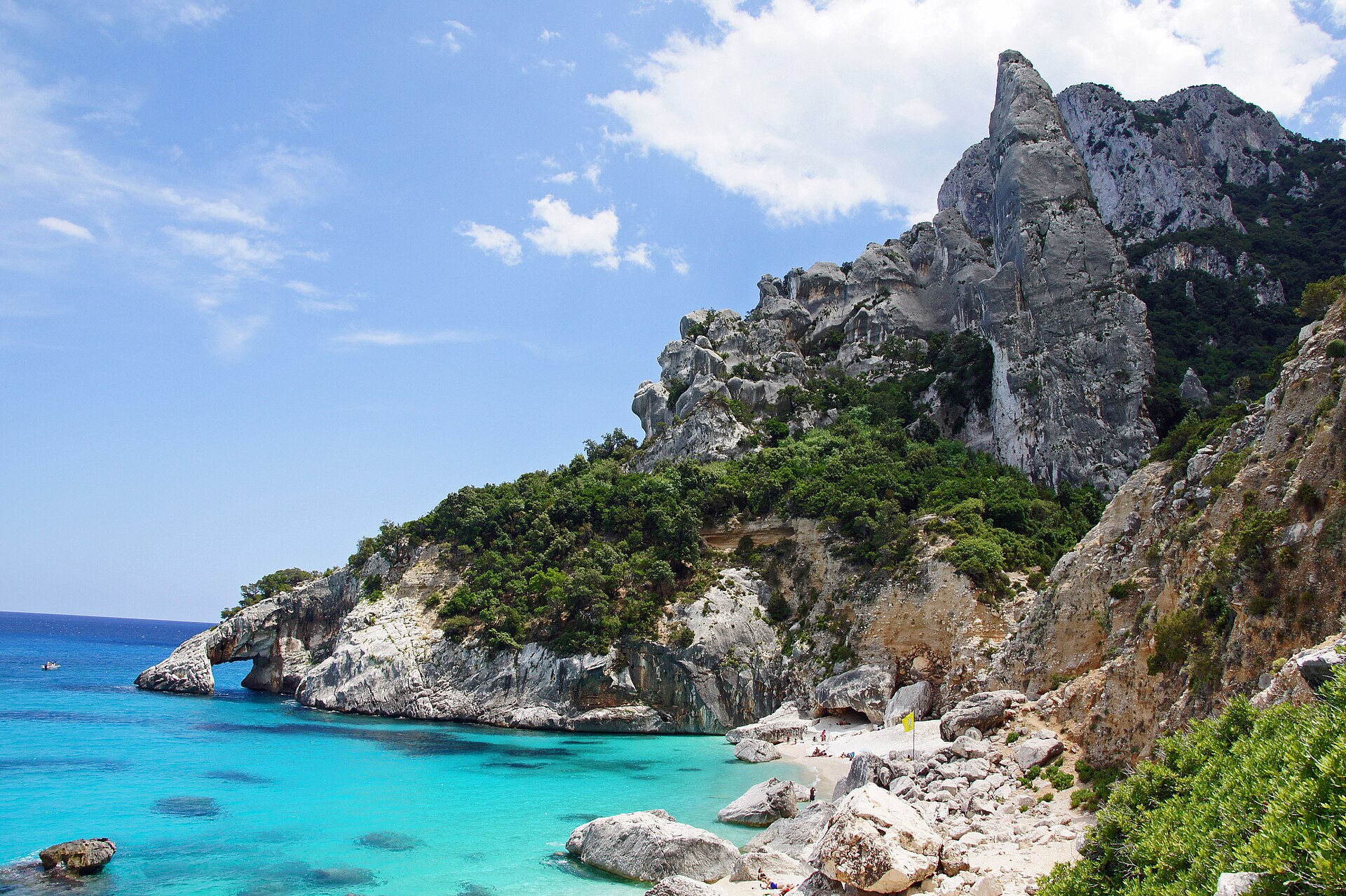
The east-coast base for Sardinia's most dramatic coastline: Cala Luna, Cala Mariolu, and Cala Goloritzé, reached by boat or on foot. Some coves cap daily visitors and require advance booking.

Bosa
Wikipedia Commons (CC BY-SA)

Bosa

1 day

Best for a colorful river town

Pastel houses stacked above the Temo river under the Malaspina castle, on the scenic west-coast road between Alghero and Oristano. One of the prettiest small towns on the island.

Villasimius
Wikipedia Commons (CC BY-SA)

Villasimius

1-2 days

Best for southeast beaches

A laid-back beach town at the southeast tip, ringed by white-sand bays and a marine reserve. Punta Molentis and Spiaggia di Simius are among the best beaches near Cagliari.

Top things to do in Sardinia

Discover Ancient Nuragic Civilization

Discover Ancient Nuragic Civilization

Nuraghe Su Nuraxi di Barumini · Area Archeologica di Nora · Nuraghe Losa

Norbert Nagel (CC BY-SA 3.0

Savor Authentic Sardinian Cuisine

Savor Authentic Sardinian Cuisine

Mercato di San Benedetto · Sa Domu Sarda · Agriturismo Sa Mandra

Cabalist12 (CC BY-SA 4.0

Experience the Maddalena Archipelago by Boat

Experience the Maddalena Archipelago by Boat

La Maddalena Archipelago National Park · Spiaggia Rosa di Budelli · Caprera Island

Gianni Careddu (CC BY-SA 3.0

A Museum of Sardinian Ethnography or Art

A Museum of Sardinian Ethnography or Art

Museo Etnografico Sardo · Museo Nazionale G.A. Sanna · Galleria Comunale d'Arte

Paola Asproni (P900) (CC BY-SA 4.0

A Traditional Sardinian Craft Workshop or Studio Visit

A Traditional Sardinian Craft Workshop or Studio Visit

Laboratorio Ceramiche Artistiche Oristano · Tessiture Marini e Figli · Maestri Cera Manca

ajay_suresh (CC BY 2.0

An Ancient Roman or Punic Ruin Site

An Ancient Roman or Punic Ruin Site

Tharros Archaeological Site · Antiquarium Arborense · Nora Archaeological Site

Norbert Nagel (CC BY-SA 3.0

A Trek Through Dramatic Gorges and Mountain Trails

A Trek Through Dramatic Gorges and Mountain Trails

Gola di Gorropu · Parco Nazionale del Gennargentu · Monte Corrasi Trail

Gianfranco (CC BY-SA 4.0

Exploring Sardinia's Ancient Cave Systems

Exploring Sardinia's Ancient Cave Systems

Grotte di Nettuno · Grotta del Bue Marino · Grotta di Su Mannau

Tobias Helfrich (CC BY-SA 2.5

Food guide

Sardinia's food scene is a rustic blend of coastal seafood and mountainous shepherding traditions, offering a distinct Italian culinary identity. Alghero is a hotspot for fresh seafood, while the island's interior (like the Nuoro province) holds onto ancient practices like slow-roasted meats. Expect simple, robust flavors focusing on prime ingredients rather than complex preparations.

Pane Carasau

Pane Carasau

A staple of the Sardinian diet, this incredibly thin, crispy flatbread, sometimes called 'music paper bread', is versatile and perfect for dipping or accompanying meals.

4 undefined

Seada

Seada

This unique Sardinian dessert features a semolina pastry filled with fresh, slightly tangy Pecorino cheese, fried until golden, and drizzled generously with local honey.

8 undefined

Malloreddus alla Campidanese

Malloreddus alla Campidanese

Often called Sardinian gnocchetti, this small, ridged pasta is traditionally served with a rich sauce made from local sausage, tomato, and often a generous grating of Pecorino Sardo.

13 undefined

Culurgione

Culurgione

These unique pasta dumplings, sealed with a distinctive 'ear of wheat' crimp, are typically filled with potato, Pecorino Sardo cheese, and fresh mint, then served with a simple tomato sauce.

Ogliastra region · 14 undefined

Bottarga

Bottarga

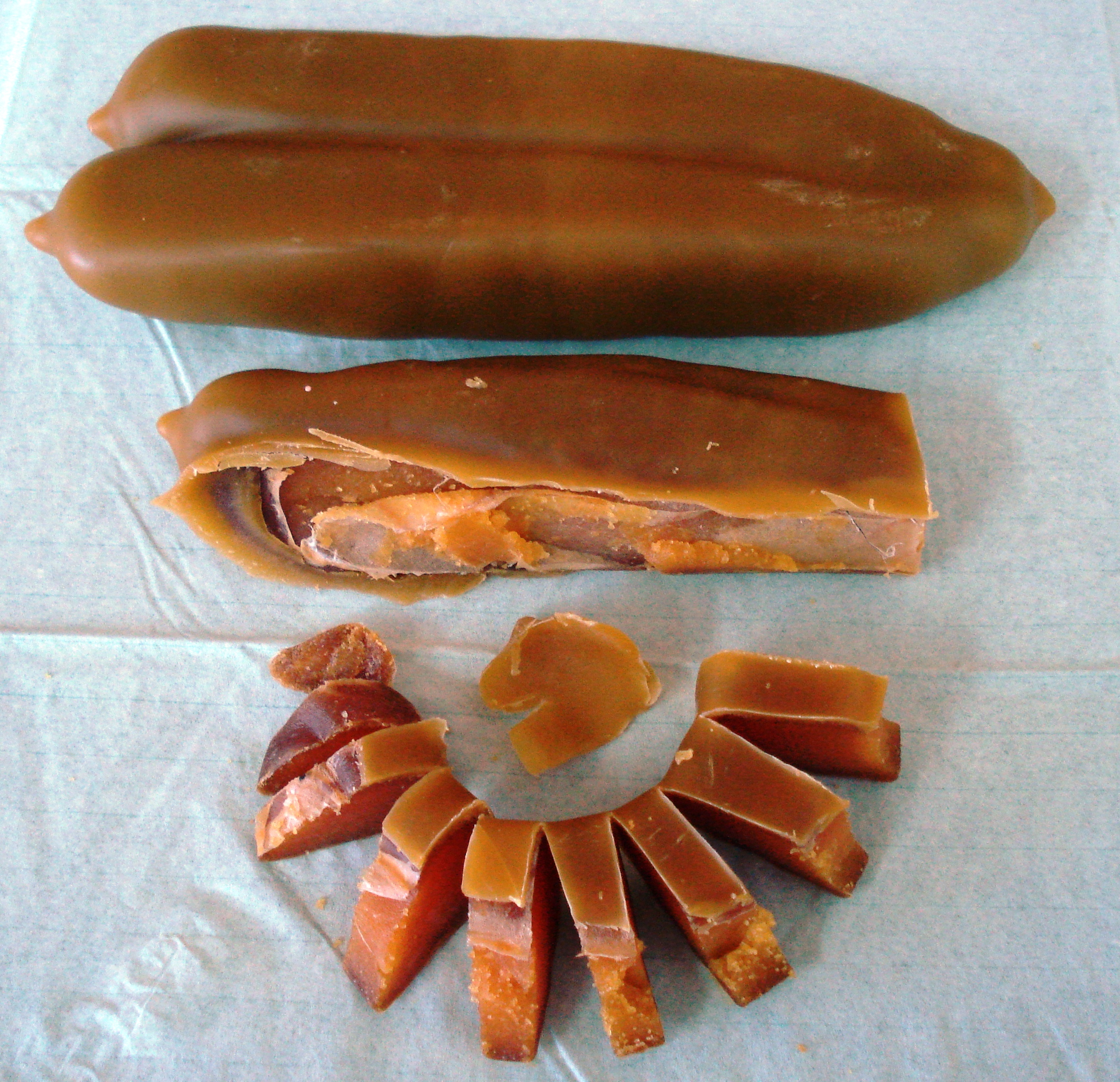
A prized Sardinian delicacy of cured mullet or tuna roe, it offers an intense, briny flavor and is often grated over pasta or thinly sliced as an appetizer with olive oil.

Alghero · 18 undefined

Shopping guide

Sardinia's shopping scene revolves around authentic, high-quality artisanal crafts and unique local food products, often found in small workshops or dedicated boutiques rather than large commercial centers. Avoid generic 'souvenir shops' and seek out specific artisan studios in historic centers or market districts for the real treasures.

Pane Carasau (Crispbread)

This traditional thin, crispy flatbread, also known as 'carta da musica,' is a versatile staple with a long shelf life and unique texture perfect for snacking or accompanying meals.

Local bakeries (panetterie) throughout Sardinia; larger supermarkets. · 5 undefined

Mirto Liqueur

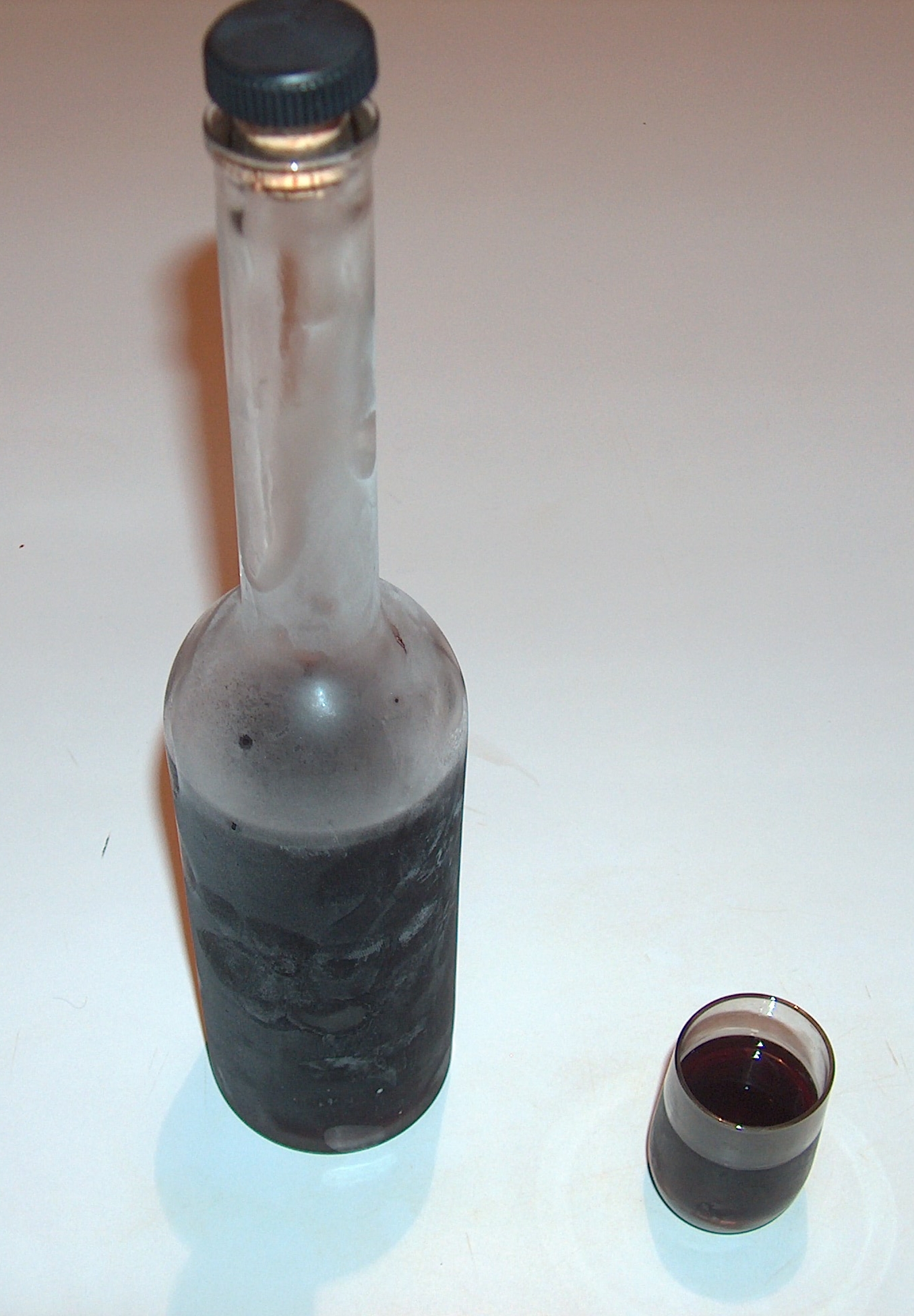
This traditional Sardinian liqueur, made from myrtle berries, is a sweet, aromatic digestif often enjoyed after meals and is distinctly regional.

Any local supermarket like Conad or Eurospin; specialty food shops in Marina district. · 20 undefined

Bottarga (Cured Fish Roe)

Known as 'Sardinian caviar,' this dried and salted mullet roe offers an intense, unique flavor that's a true delicacy of the island's coastal cuisine.

San Benedetto Market (Mercato Civico di San Benedetto); local delis and fishmongers across the island. · 35 undefined

Sardinian Filigree Jewelry

These intricate gold or silver filigree pieces, like the iconic 'bottone sardo' or 'corbula' designs, represent centuries of island craftsmanship and tradition.

Gioielleria Orafo Valenza in Alghero; artisan jewelers in Oristano's historic center. · 250 undefined

Cork Products (Sughero)

Sardinia is Italy's primary cork producer, offering eco-friendly and stylish items like bags, wallets, and placemats that are locally made and surprisingly versatile.

Artisan shops in Tempio Pausania, particularly in the historic center; boutiques in Cagliari's Marina district. · 60 undefined

Pibiones Weaving (Textile Art)

These distinctive handwoven textiles feature the unique 'pibiones' raised knot technique, making them textural, beautiful, and a true testament to Sardinian home craft.

Museo dell'Arte Tessile in Samugheo; artisan workshops in Aggius or Samugheo. · 150 undefined

Travel essentials

Connectivity & SIM

Wi-Fi: Free WiFi is common in hotels, many cafes, and restaurants, usually requiring a simple login or password. You may find some city-provided hotspots in larger cities like Milan, but this is less common in Bergamo. Expect reliable WiFi in most accommodations.
SIM options
  • TIM, Vodafone, WindTre, Iliad (eSIM or physical SIM)Varies; from 10-25 EUR for 10-30GB for 30 days
    Where: Orio al Serio Airport (BGY) arrivals, main phone carrier stores in Bergamo center
Apps to install
  • Google MapsEssential for navigation using walking, public transport, or driving directions throughout Bergamo and Italy.
  • ATB MobileProvides real-time bus and funicular schedules and ticket purchasing for Bergamo's local public transport system.
  • Free Now (mytaxi)Order taxis via an app in larger Italian cities like Milan, though less commonly used for short hops within Bergamo.
  • TrenitaliaCheck train schedules and purchase tickets for intercity travel from Bergamo to nearby cities like Milan or Brescia.
  • Google TranslateUseful for quick translations of menus or signs, especially with the camera feature. Download the Italian offline pack.
Tip: Travelers from EU countries can use their existing data plans without roaming charges due to EU 'Roam Like At Home' regulations. For others, buying a local Italian SIM card provides the best value over international roaming plans.

Cultural notes

When greeted, a handshake is common, and close friends or family might exchange air kisses on both cheeks. At meals, waiting until everyone is served before eating is polite, and keeping your hands visible on the table (not in your lap) is customary. Avoid loud conversations in public spaces, especially on trains or buses. Tipping is not expected or required in restaurants, cafes, or taxis; a small service charge (coperto) is often included in restaurant bills for bread and service.

Safety

Bergamo is generally a safe city with a low crime rate compared to larger Italian hubs like Milan or Rome. Be aware of the 'bracelet scam' often seen in tourist areas, where unsolicited 'gifts' of bracelets are then demanded for payment. When considering purchasing goods from street vendors, be cautious; buying imitation luxury items carries a very high fine in Italy, regardless of your intent. For taxis, always agree on the fare or confirm the meter is running correctly before departure to prevent disputes.

What to pack

  • Comfortable walking shoes (sturdy soles for cobblestones)
  • Layered clothing (for varying temperatures)
  • Light scarf or shawl (for church visits)
  • Compact umbrella (for sudden rain showers)
  • Small crossbody bag (security, easy access)
  • Light jacket (evenings in spring/fall)
  • Power bank (phone charging on the go)
  • Water bottle (stay hydrated while exploring)
  • Small daypack (for daily essentials)
  • Offline maps (Bergamo region pre-downloaded)

Travel tips

  • Pre-book high-demand train tickets via the Trenitalia website, especially for weekend trips to Milan or Verona, as trains can fill up.
  • Use the funicular to travel between Citta Bassa (Lower City) and Citta Alta (Upper City) for 1.30 EUR per ride; tickets are purchased at kiosks or on the ATB Mobile app.
  • Withdraw cash from bank ATMs (Bancomat) located at banks for better exchange rates and lower fees compared to Euronet ATMs, which often have high charges.
  • Always confirm taxi fares before starting your journey; ask for an estimated price from point A to point B to avoid inflated charges.
  • When entering churches, ensure your shoulders and knees are covered; carry a light scarf or shawl for impromptu visits to avoid being turned away.
  • Book popular Citta Alta restaurants for dinner a day or two in advance, especially on weekends, using their websites or by calling.
  • If planning to drive, learn about Italy's ZTL (Limited Traffic Zones) in city centers; fines for unauthorized entry are electronically issued and steep.
  • Look for 'Menu del Giorno' (menu of the day) at local trattorias for an affordable fixed-price lunch, typically 10-15 EUR, often including water and wine.
  • Validate your bus or train ticket using the stamping machines at stations or on board immediately after purchase to avoid fines of 50 EUR or more.
  • Carry a reusable shopping bag; many shops, including supermarkets, charge for plastic bags, usually 0.10-0.20 EUR.

Electric Socket Guide

Socket Types

Type C - Europlug

Two round pins (most of Europe, South America)

Type F - Schuko

Two round pins + side earth clips (Germany, Europe)

Type L

Three round pins in a row (Italy, Chile)

Voltage

230V

Frequency

50Hz

Planning checklist

  1. Pick one region, not the whole island.

    Sardinia is bigger than it looks and the roads are slow. A first trip is better spent deeply in the south (Cagliari) or the northeast (Olbia/Costa Smeralda) than racing a full loop. Save the complete circuit for ten days or more.

  2. Rent a car and book it early.

    The best beaches, coves, and villages are off the bus network. Reserve a small car well ahead for July-August, when fleets sell out and prices spike, and pick it up at your arrival airport.

  3. Travel in June or September if you can.

    You get the same warm sea and long days as peak summer without the Ferragosto crowds, the doubled prices, or the jammed coastal roads. August is beautiful but the hardest time to arrive without reservations.

  4. Book the famous coves before you go.

    Cala Goloritzé caps daily entries and needs an online reservation plus a steep hike; several other Gulf of Orosei coves limit numbers or are boat-only. Sort tickets and boat tours in advance during summer.

  5. Mind the ZTL zones and carry some cash.

    Historic centers in Cagliari, Alghero, and elsewhere have camera-monitored limited-traffic zones — park outside and walk in. Cities take cards everywhere, but interior trattorias, beach kiosks, and parking machines can be cash-only.

Avoid these first-timer mistakes

  • Not renting a car

    Sardinia's public transport is sparse and slow, and the best beaches and coves are off the bus network entirely. A small rental car is close to essential outside Cagliari — book it well ahead for July-August, when cars sell out and prices spike.

  • Going in August

    August (especially around Ferragosto, Aug 15) is when all of Italy holidays on Sardinia. Beaches are packed, accommodation doubles or triples, and roads to the coves jam. June and September give you the same water at half the chaos.

  • Underestimating the distances

    It looks compact on a map, but Sardinia is big and the roads are winding. Cagliari to Olbia is around three hours; the interior is slower. Don't try to 'do' the whole island in five days — pick a region.

  • Showing up to Cala Goloritzé without booking

    Sardinia's most famous cove caps daily entries and requires an online reservation plus a steep ~1.5-hour hike (or a boat). Several other coves in the Gulf of Orosei also limit numbers. Check and book before you go.

  • Driving into the ZTL zones

    Historic centers in Cagliari, Alghero, and other towns have ZTL (limited-traffic) zones monitored by cameras; entering without a permit means a fine that reaches you months later. Park outside the center and walk in.

  • Relying on cards in the villages

    Cities and resorts take cards everywhere, but small interior trattorias, beach kiosks, and parking machines can be cash-only. Carry some euros, especially for the Barbagia and small coves.

Frequently Asked Questions

Five days covers one region well (the south around Cagliari, or the northeast around Olbia and the Costa Smeralda). Seven days lets you loop the south coast, the Gulf of Orosei coves, and the northeast without rushing. Ten days is enough for a full island circuit including Alghero, Bosa, and a day in the Barbagia mountains. Sardinia is bigger and slower to drive than it looks, so resist cramming the whole island into a short trip.

Late May to June and September to early October are ideal: warm sea, hot-but-not-scorching days, and far smaller crowds than peak summer. July and especially August bring the warmest water but also Italian-holiday crowds, the highest prices, and busy roads to the beaches. Spring (April-May) is green and good for hiking and towns but the sea is still cool; winter is quiet, mild, and beach-free.

Effectively yes. Buses connect the main towns but run infrequently, and the best beaches, coves, and interior villages are off the network. A small rental car is the standard way to see the island — pick it up at Cagliari, Olbia, or Alghero airport. Book early for summer, when cars sell out and rates climb sharply, and remember the ZTL limited-traffic zones in historic centers.

Sardinia is part of Italy, in the EU's Schengen Area, so US, UK, Canadian, and Australian travelers can visit visa-free for up to 90 days in any 180-day period. The EU's ETIAS travel authorization (a quick online form, not a visa) is expected to become required in late 2026 — check the official EU ETIAS site for the current start date before you book.

Fly into Cagliari (CAG) in the south, Olbia (OLB) in the northeast, or Alghero (AHO) in the northwest — there are direct flights from many European cities, especially in summer. Alternatively, overnight car ferries run from mainland Italian ports (Civitavecchia near Rome, Genoa, Livorno) and from Barcelona and Marseille — useful if you want your own car and don't mind the slower crossing.

Cala Goloritzé, in the Gulf of Orosei, caps daily visitors and requires an advance online reservation plus a roughly 1.5-hour hike down (and back up); you can also reach it by boat but cannot land a private boat on the beach. Other coves like Cala Mariolu and Cala Luna are easiest by boat tour from Cala Gonone or Arbatax. Book ahead in summer — spots and boat seats fill.

It depends on where and when. The Costa Smeralda in August is genuinely among the most expensive places in the Mediterranean. But the rest of the island in June or September is reasonable: mid-range travelers do well on €130-220 a day with a B&B, a small rental car, and a mix of trattorias and one nice seafood dinner. Self-catering from markets and beach picnics keeps costs down.

Sardinian cooking is distinct from the mainland. Try culurgiones (pleated potato-and-mint ravioli), malloreddus (saffron gnocchi) alla campidanese, porceddu (slow-roast suckling pig), bottarga (cured mullet roe) over pasta, and crisp pane carasau flatbread. Finish with seadas (fried pastry with cheese and honey). Drink Vermentino white and Cannonau red, and seek out aged pecorino sardo.

Plan less, do more.

Plan a trip