Where should you go in Portugal, and which sights are worth booking ahead? Start with Lisbon for the Castelo de São Jorge and Belém, add Sintra as a day trip for Pena Palace, then Porto for the Ribeira and the port-wine cellars across the river. Pena Palace and Quinta da Regaleira both sell mandatory timed entry from EUR 20; the national museums and monuments charge EUR 5 to EUR 18 at a government-set price.
Lisbon
Must-visitUNESCOGo for Castelo de São Jorge, Jerónimos Monastery, Belém Tower
Top sights
- Castelo de São Jorge1.5 to 2 hours; EUR 17 adult, EUR 8.50 youth 13 to 25, EUR 14 senior; booking recommended online in peak season
- Jerónimos MonasteryUNESCO1 to 1.5 hours; EUR 18; long lines form by mid-morning, book ahead for summer
- Belém TowerUNESCO45 minutes to 1 hour; EUR 15; narrow spiral stairs cause queuing inside
- Alfama2 to 3 hours wandering; free; fado dinners run late into the evening
Book ahead: Jerónimos Monastery, Castelo de São Jorge (summer)
Read the full sectionShowing Lisbon
- Book Pena Palace and Quinta da Regaleira before you fly. Both sell mandatory timed entry, and summer mornings fill up.
- Landing on or swimming to the Benagil Cave has been illegal since August 2024. See it only on a licensed boat, kayak or paddleboard tour that doesn't land.
- The National Tile Museum in Lisbon is temporarily closed. Check the official listing before building a day around it.
Where to go in Portugal
These 19 cities, towns and regions run from the must-sees down. A MonkeyEatingMango itinerary marks each sight Must-do, Maybe or Skip if tired.
Lisbon
Must-visit
- Castelo de São Jorge: 1.5 to 2 hours; EUR 17 adult, EUR 8.50 youth 13 to 25, EUR 14 senior; booking recommended online in peak season
- Jerónimos Monastery: 1 to 1.5 hours; EUR 18; long lines form by mid-morning, book ahead for summer; UNESCO (1983)
- Belém Tower: 45 minutes to 1 hour; EUR 15; narrow spiral stairs cause queuing inside; UNESCO (1983, joint with Jerónimos)
- Alfama: 2 to 3 hours wandering; free; fado dinners run late into the evening
- Plan it: 7-day Portugal itinerary, 10-day Portugal road trip
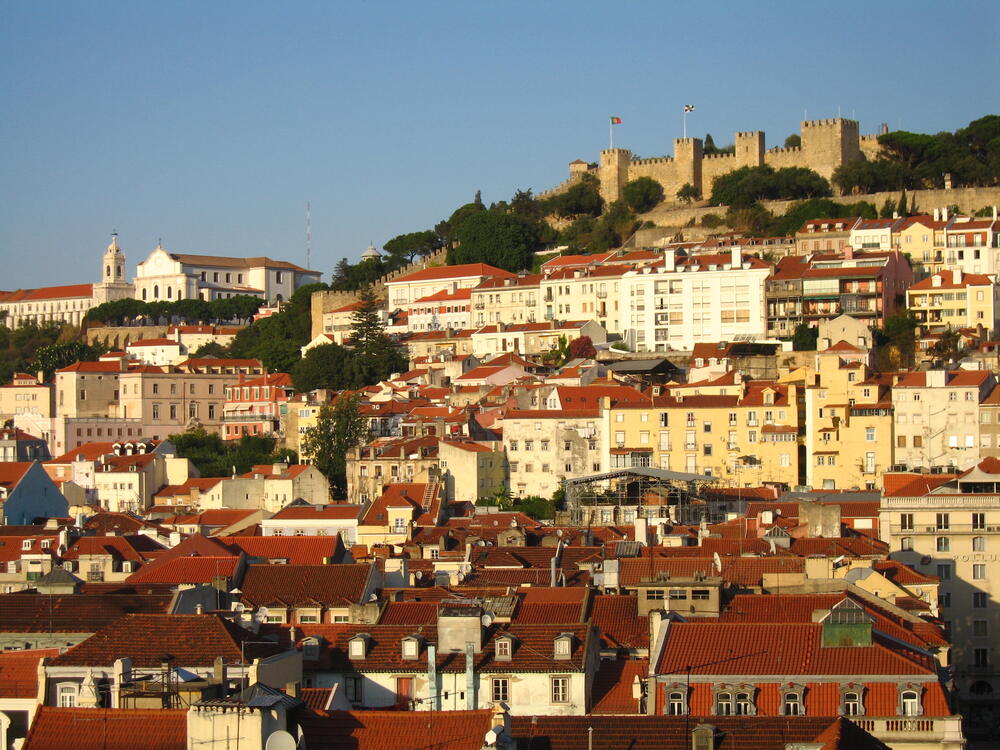
Lisbon spreads across seven hills above the Tagus. Alfama, its oldest quarter, climbs one of them in a maze of medieval lanes below the Castelo de São Jorge. On the night of June 12, Lisbon's neighborhood marches parade down Avenida da Liberdade for Santo António, the city's saint, and sardines go on the grill across town. The castle's ramparts, the city's oldest fortification, give the highest view over the river and the tiled rooftops below.
Belém, a short tram ride west, holds two UNESCO-listed monuments side by side. The Jerónimos Monastery commemorates Vasco da Gama's 1498 voyage, and the fortified Belém Tower once guarded the harbor approach to it. The National Coach Museum nearby holds a collection of royal carriages.
At night, Bairro Alto's hillside streets fill with bars. The city's miradouros, free hillside viewpoints, several with a kiosk cafe, catch the sunset over the rooftops. Sintra and Cascais, both covered below, are Lisbon's two classic day trips.
 fasiso (CC BY-SA 2.0)
Old Lisbon's rooftops below the Castelo de São Jorge
Porto
Must-visit
- Ribeira: 1.5 to 2 hours wandering; free; best in late afternoon for the view across to Vila Nova de Gaia
- Port wine cellars (Vila Nova de Gaia): a lodge tour and tasting, afternoon before sunset; book ahead for popular lodges in peak season
- Livraria Lello: 30 to 45 minutes; EUR 15.95 Ticket-Voucher, deductible against a book purchase; mandatory timed entry
- Torre dos Clérigos: 45 minutes including the 225-step climb; EUR 10 Day Ticket (tower and museum)
- Plan it: 3-day Porto itinerary
The Ribeira, Porto's medieval riverfront quarter, climbs from the Douro in a tangle of tall, colorful houses and arcaded cafes under the double-deck Dom Luís I Bridge. Cross the bridge's upper deck for the lodges of Vila Nova de Gaia, where Taylor's, Graham's and Sandeman age port wine in riverside cellars.
Back on the Porto side, take the first slot of the day at Livraria Lello to see its red spiral staircase and stained-glass ceiling before the crowd inside the small space builds. Torre dos Clérigos, a 76-meter bell tower, has a 360-degree viewing platform at the top.
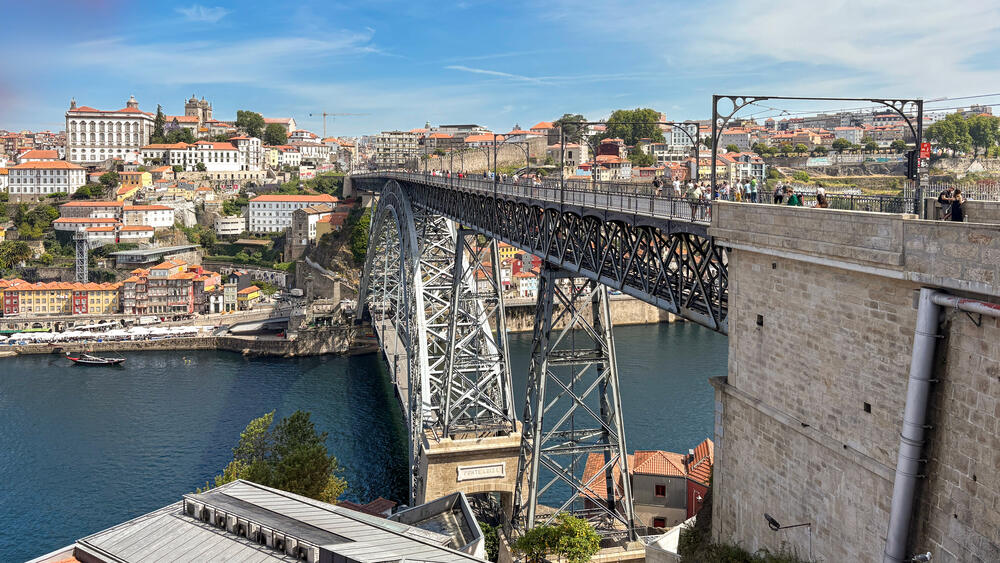 Dale Cruse (CC BY 4.0)
Porto's Ribeira on the Douro, with the Dom Luís I Bridge
Algarve
Must-visit
- Benagil Cave: 1 to 2 hours by licensed boat or kayak tour, booked ahead
- Praia da Marinha: half a day; free; early morning in summer, before the car park fills
- Ponta da Piedade: 1.5 to 2 hours including a boat trip; free from the clifftop, a kayak or boat tour extra
- Plan it: 7-day Algarve itinerary
The Algarve runs 200 kilometers of Atlantic coastline along Portugal's southern edge, its limestone cliffs cut through with sea caves and coves. Benagil Cave, a sea cave with a circular skylight opening near Lagoa, is reachable only by licensed boat, kayak or paddleboard.
Praia da Marinha, a crescent beach below golden cliffs nearby, and Ponta da Piedade, a headland of grottoes and sea arches off Lagos, are two more stops along the same stretch of coast. The full Algarve guide covers Faro, Lagos, Tavira and the rest of the region's towns.
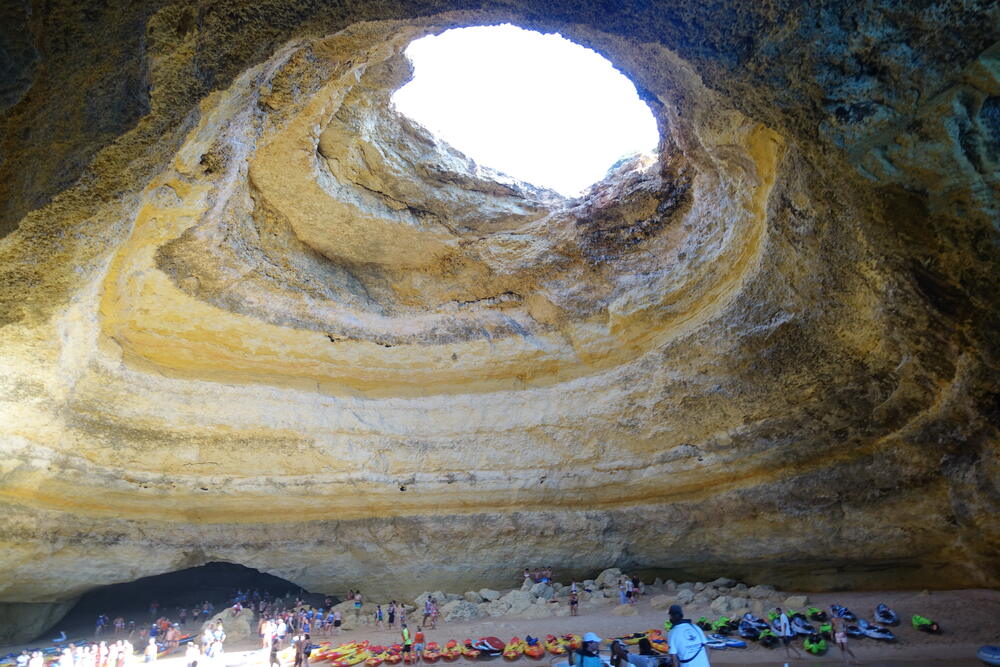 Joseolgon (CC BY-SA 4.0)
The skylight inside Benagil Cave
Sintra
Must-visit
- Pena Palace: 2 to 2.5 hours including the park; EUR 20 Essential Visit (palace and park), EUR 45 Full Tour, EUR 12 park only; mandatory timed entry, first slot of the day
- Moorish Castle: 1 to 1.5 hours; EUR 12 adult; morning, before midday heat on the exposed battlements
- Quinta da Regaleira: 1.5 to 2 hours; EUR 20 adult, EUR 15 ages 6 to 17 and 65+; mandatory timed entry, morning for fewer crowds at the Initiation Well
- Cabo da Roca: 45 minutes to 1 hour; free at the clifftop, the lighthouse costs EUR 5 Essential Visit or EUR 10 Panoramic climb; late afternoon
Sintra was a hilltop retreat for Portugal's aristocracy, and UNESCO's own listing calls the result "an exceptional mixture of natural and cultural sites within a distinct framework." Pena Palace, flamboyant in clashing yellow, red and purple, crowns the highest hill.
The Moorish Castle's 9th-century battlements sit just below Pena on the same hillside. Quinta da Regaleira, a Romantic-era estate with a spiral Initiation Well and grottoes, is a short walk from the town center. Cabo da Roca, mainland Europe's westernmost point, makes an easy add from Sintra or Cascais.
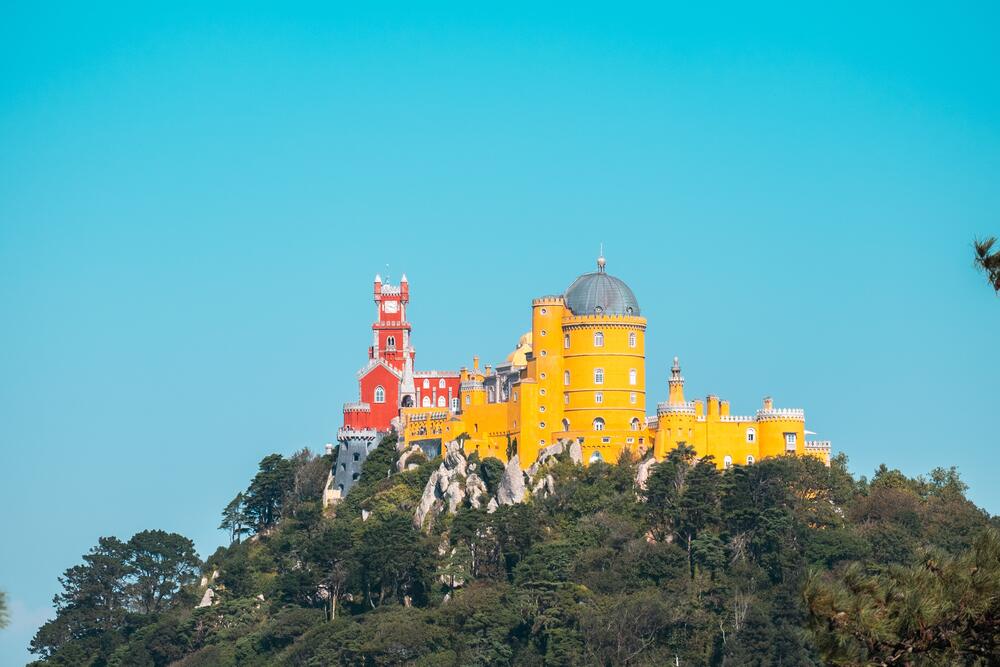 Photo by Mo Eid on Pexels
Pena Palace on its Sintra hilltop
Douro Valley
Must-visit
- A quinta tour or river cruise: half a day to a full day; book ahead for the September to October harvest season
The Douro Valley's terraced vineyards climb the river's steep walls east of Porto, the birthplace of port wine. Peso da Régua, the valley's working hub, is reached from Porto by train, car or river cruise, and is the simplest base for a quinta tour.
The harvest, from September into October, brings grape-picking and treading into the open-air quintas; May and June are the other recommended months. A day cruise from Porto covers the scenery without a hotel stay, while a night at a quinta gives more time to walk the terraces themselves.
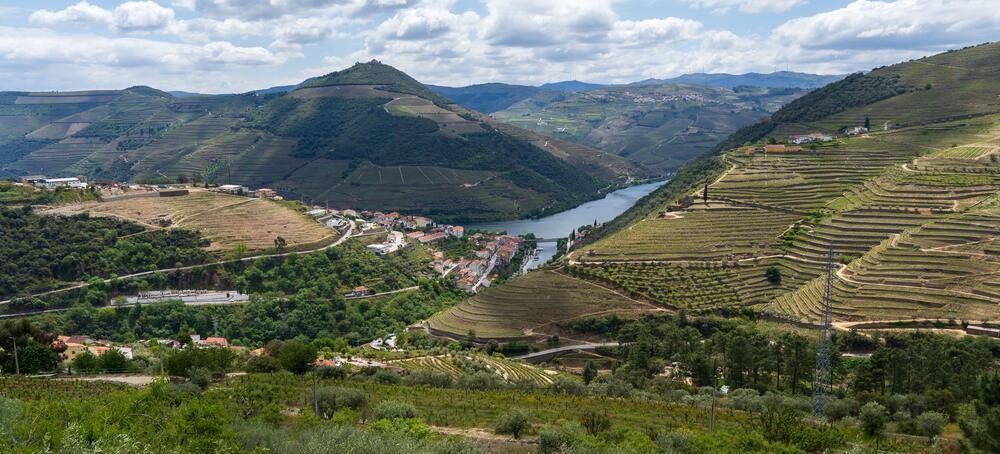 Photo by Gotta Be Worth It on Pexels
Terraced vineyards along the Douro river
Évora
Must-visit
- Roman Temple of Évora: 20 to 30 minutes, viewed from outside; free; UNESCO (1986, within the historic center)
- Chapel of Bones: 20 to 30 minutes; a small entry fee at the chapel, the church itself is free
Évora's whitewashed historic center carries the ruins of a 1st-century temple with 14 surviving Corinthian columns at its heart. The center has Roman, Moorish and medieval buildings side by side.
Inside the Church of São Francisco, the Chapel of Bones lines its walls and columns with the bones of roughly 5,000 people, a memento-mori built by Franciscan monks. Évora makes an easy stop on the road between Lisbon and the Algarve.
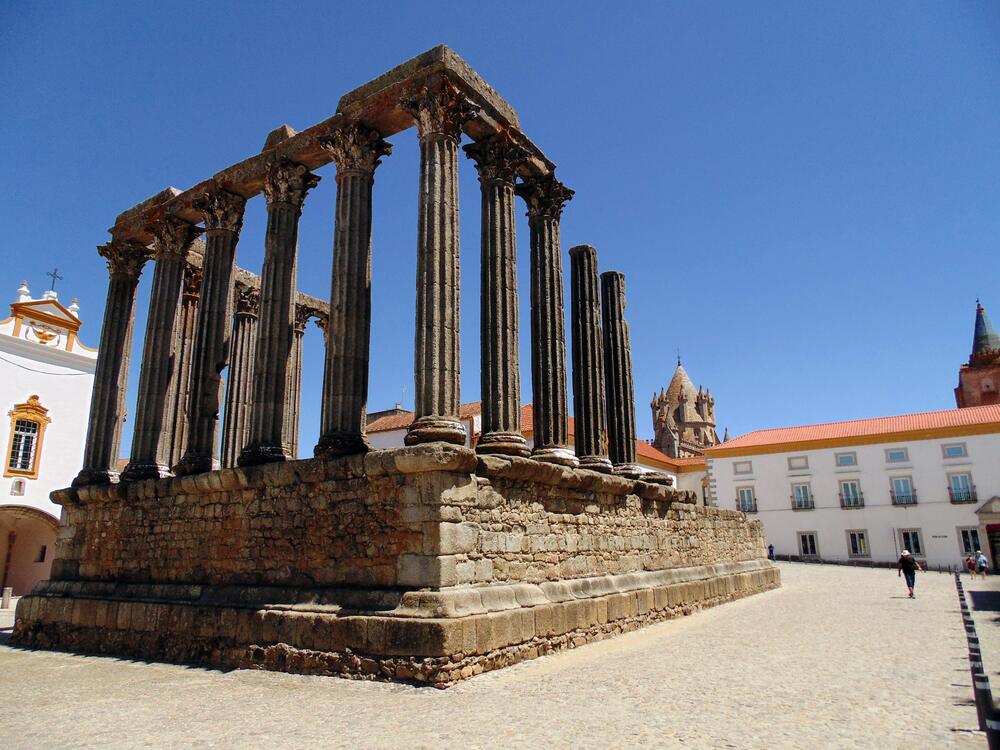 Photo by Pedro Vinicius Garrett on Pexels
The Roman Temple of Évora
Coimbra
Must-visit
- Conímbriga Roman ruins: 1.5 to 2 hours; EUR 10; morning, a short trip from Coimbra
Coimbra climbs a hillside above the Mondego river around the University of Coimbra, founded in 1290 and one of Europe's oldest, its historic Alta and Sofia quarters UNESCO-listed since 2013. The town carries a livelier atmosphere during the academic term, when students in black capes fill the lanes below the university.
Conímbriga, a short trip south, holds Portugal's largest and most complete excavated Roman city, with mosaic-floored villas still standing inside a defensive wall.
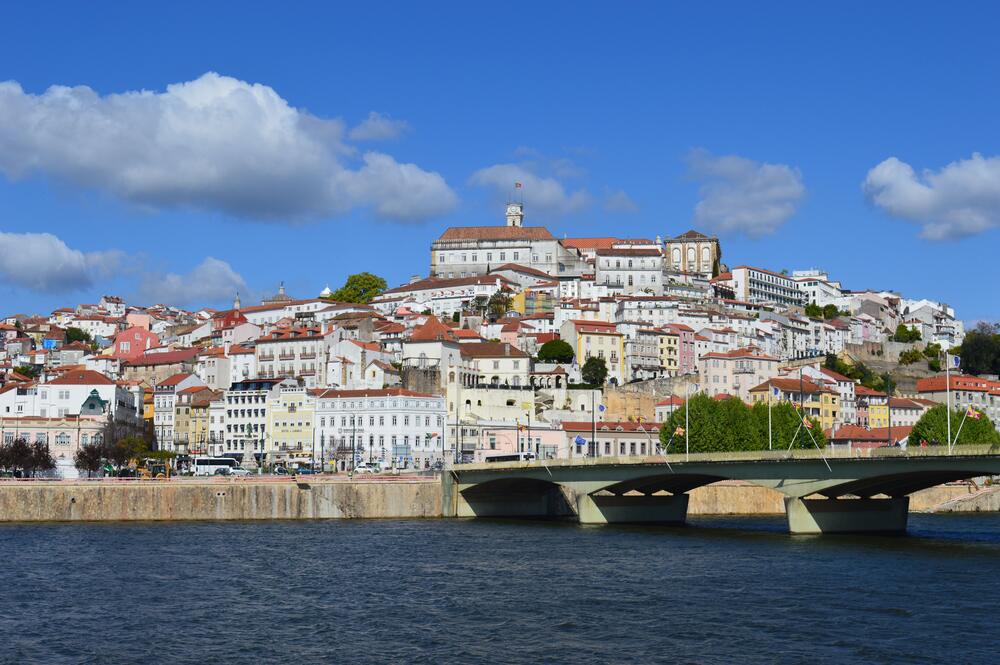 Photo by Patricio Escobar Schmidt on Pexels
The University of Coimbra above the Mondego river
Azores
Must-visit
- Plan it: 7-day Azores itinerary
The Azores are nine volcanic islands in the mid-Atlantic, a short flight from Lisbon. Ponta Delgada, on São Miguel, is the archipelago's main gateway and the easiest base for the twin crater lakes at Sete Cidades and the hot springs at Furnas. Baleen whales pass the islands in May, and more than 20 kinds of whales and dolphins live in the surrounding waters.
Angra do Heroísmo, on Terceira, is a short flight from Ponta Delgada and keeps a historic port town UNESCO has listed since 1983. The full Azores guide covers São Miguel, Terceira and the rest of the islands.
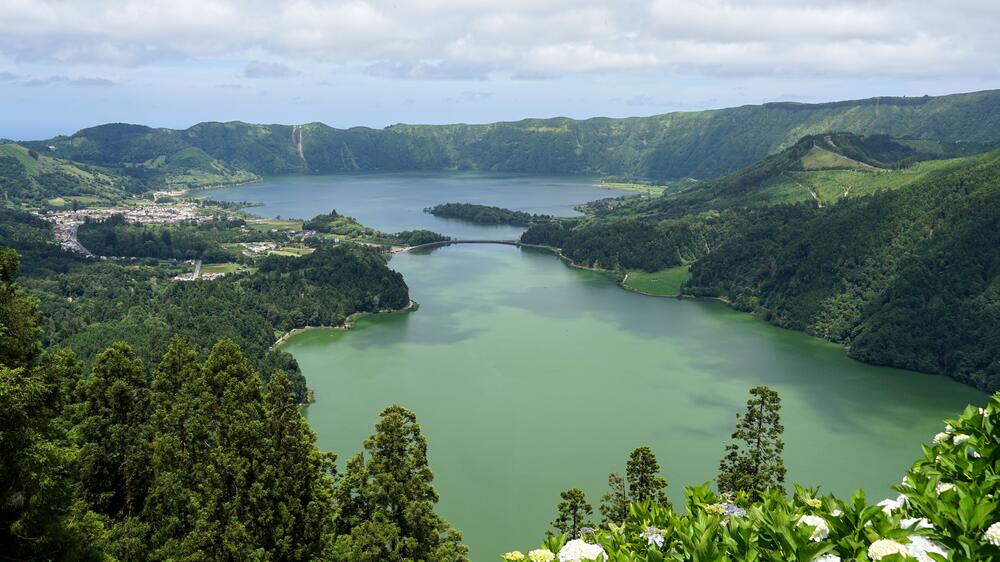 Photo by Alexandre Moreira on Pexels
Sete Cidades' twin crater lakes, São Miguel
Alentejo
Must-visit
- Lake Alqueva stargazing: an evening tour; prebooking required; the world's first certified Starlight Tourism Destination
The Alentejo spreads cork-oak groves and whitewashed hilltop towns south and east of Lisbon. Évora, covered above, is its capital; Monsaraz, a fortified hilltop village overlooking Lake Alqueva, is a short drive further east.
Lake Alqueva, Western Europe's largest artificial reservoir, was certified for its exceptionally dark skies. Book an evening tour on a new-moon night to see them.
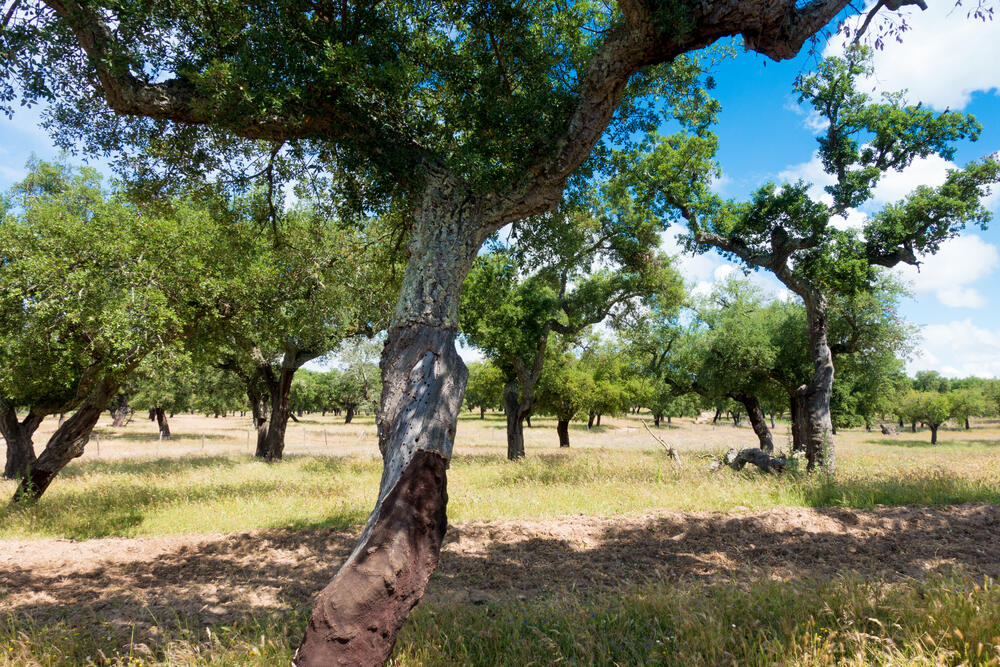 Kent Wang (CC BY-SA 2.0)
Cork-oak groves in the Alentejo plains
Setúbal
- Arrábida Natural Park: half a day; free; weekday mornings in summer, before Lisbon's day-trippers arrive
- Sado Estuary dolphin-watching: 2 to 3 hours by boat; morning for calmer water
Setúbal sits 40 minutes south of Lisbon on the Sado estuary, the gateway to the Arrábida Natural Park next door. A limestone mountain range drops straight into turquoise coves there, and the same estuary holds one of Europe's few resident bottlenose dolphin pods, seen on a morning boat tour.
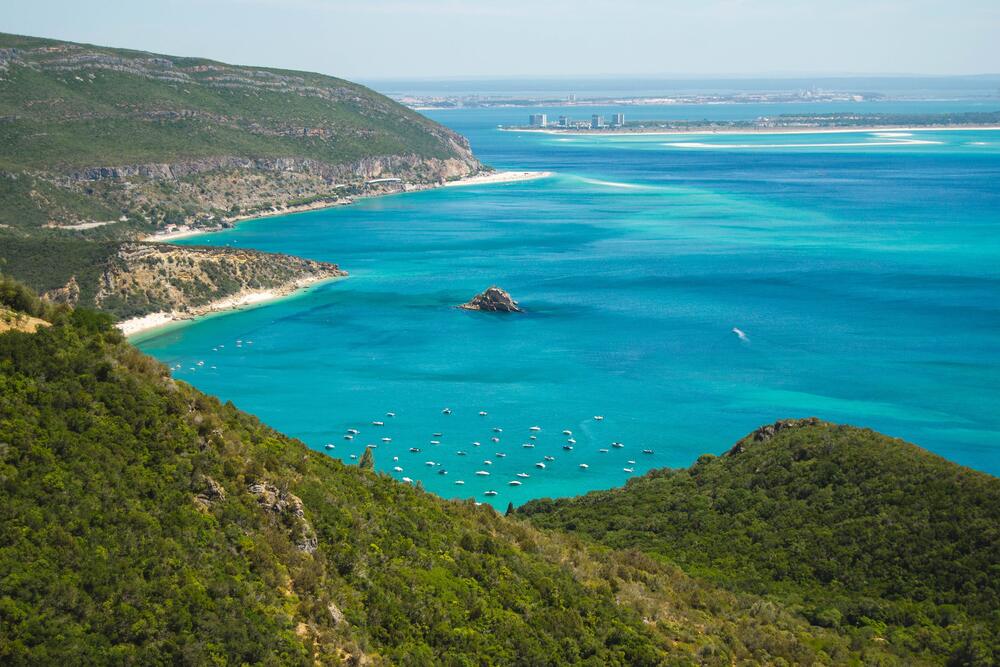 Photo by Miguel Almeida on Pexels
Arrábida Natural Park's coves below the mountains
Óbidos
Óbidos is a small walled town of whitewashed, flower-draped houses, long given as a wedding gift from Portugal's kings to their queens. Its medieval walls still ring the entire town, and the cobbled main street runs through it.
The town makes an easy half-day trip from Lisbon, though its narrow lanes fill on summer weekends.
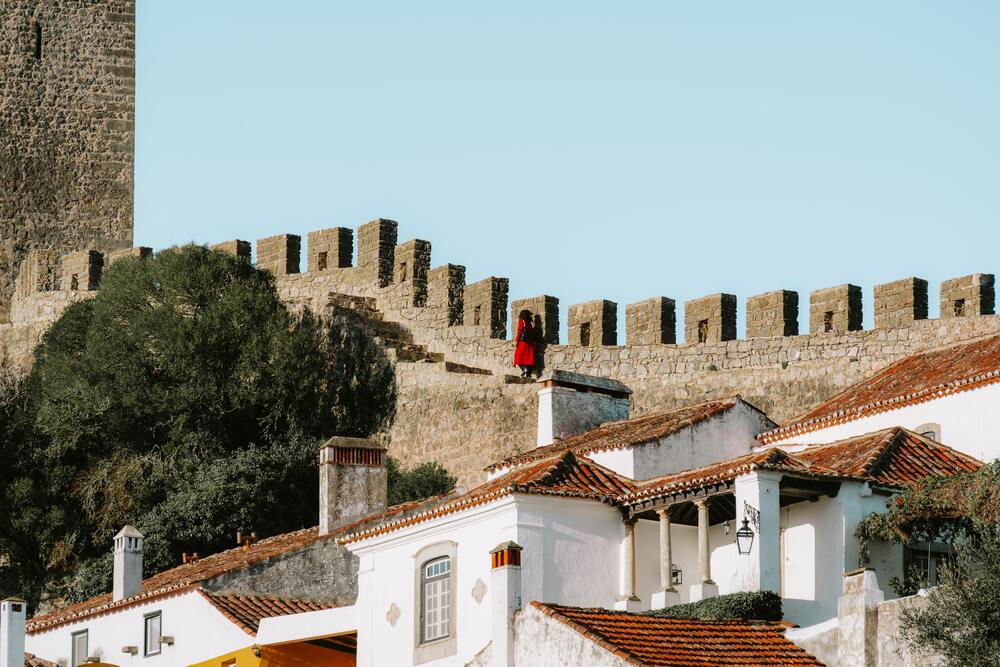 Photo by Nuno Magalhães on Pexels
Óbidos's whitewashed walled town
Aveiro
Brightly painted moliceiro boats now carry sightseers along the canals running through Aveiro's center, a city nicknamed the "Venice of Portugal." Art Nouveau facades line the canal banks around the main bridges.
Aveiro sits on the train line between Porto and Coimbra, an easy half-day stop between the two.
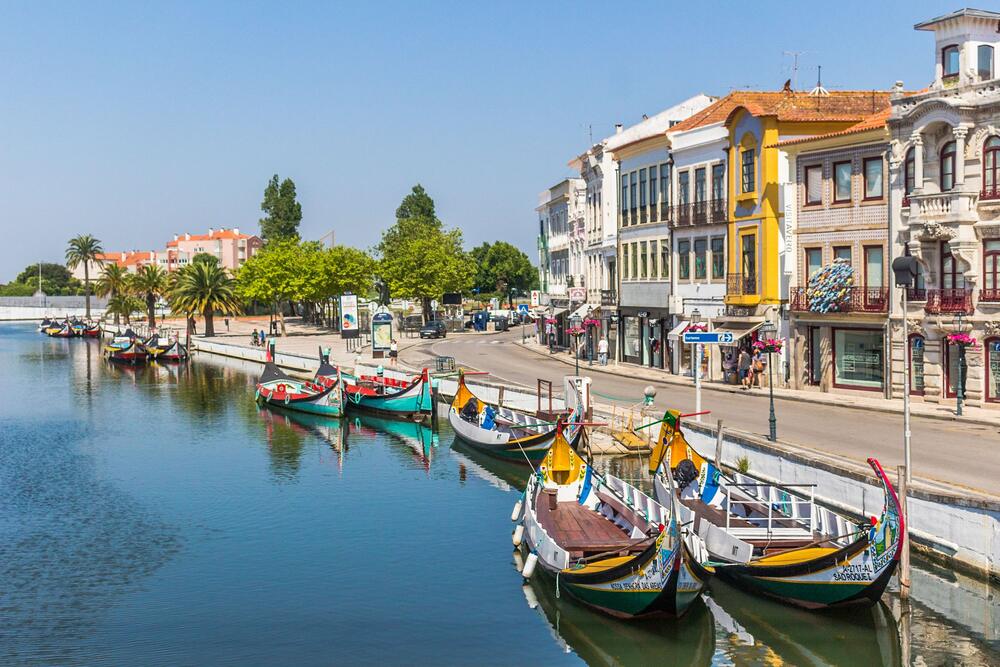 Photo by Marcos Túlio on Pexels
Moliceiro boats on Aveiro's canals
Nazaré
- Praia do Norte: best November to March for the giant winter swell; free to watch
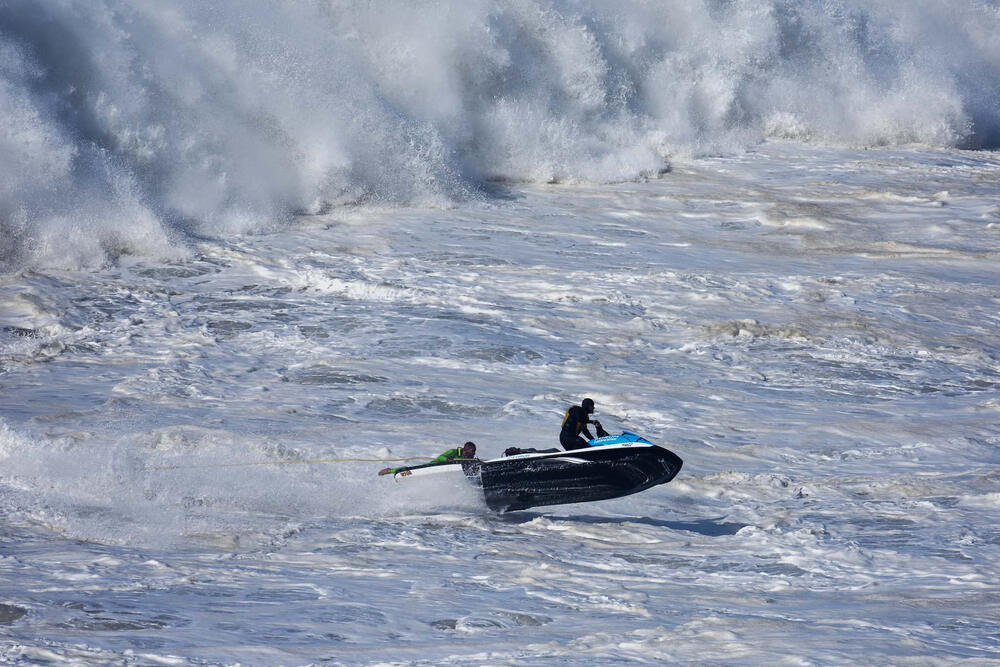
Nazaré is a fishing town and a big-wave surfing landmark. A seafront promenade lines the beach, and the record-breaking Praia do Norte swell hits the north end every winter.
Outside wave season, Nazaré settles back into a quieter beach town below the clifftop Sítio district.
 Luis Ascenso (CC BY 2.0)
A big-wave day at Praia do Norte, Nazaré
Braga
- Sanctuary of Bom Jesus do Monte: 1 to 1.5 hours; free to climb the stairs and visit the church, the funicular up is a small separate fare; morning, before the heat; UNESCO (2019)
Braga calls itself Portugal's religious capital, home to more than 300 churches and the Minho region's largest city. The Sanctuary of Bom Jesus do Monte, a Baroque pilgrimage site reached by a monumental zigzag staircase of chapels and fountains, is one of Portugal's most recent UNESCO inscriptions.
Braga also makes a convenient base for Guimarães and the Peneda-Gerês National Park, both a short drive away.
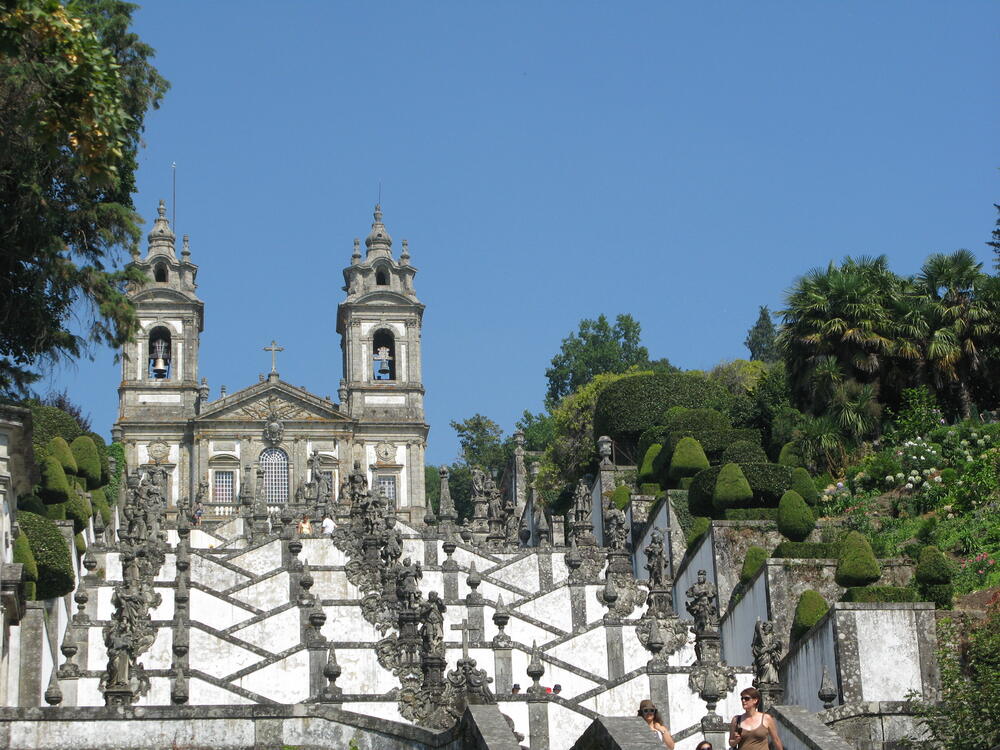 Béria Lima de Rodríguez (CC BY-SA 3.0)
The zigzag staircase of Bom Jesus do Monte
Cascais
Cascais was a royal summer resort and is now a beach town known as the Portuguese Riviera, its sandy beaches a short walk from the old town. The town sits close enough to both Lisbon and Sintra to work as a base for either.
Cabo da Roca, covered under Sintra above, is a short drive up the coast from Cascais.
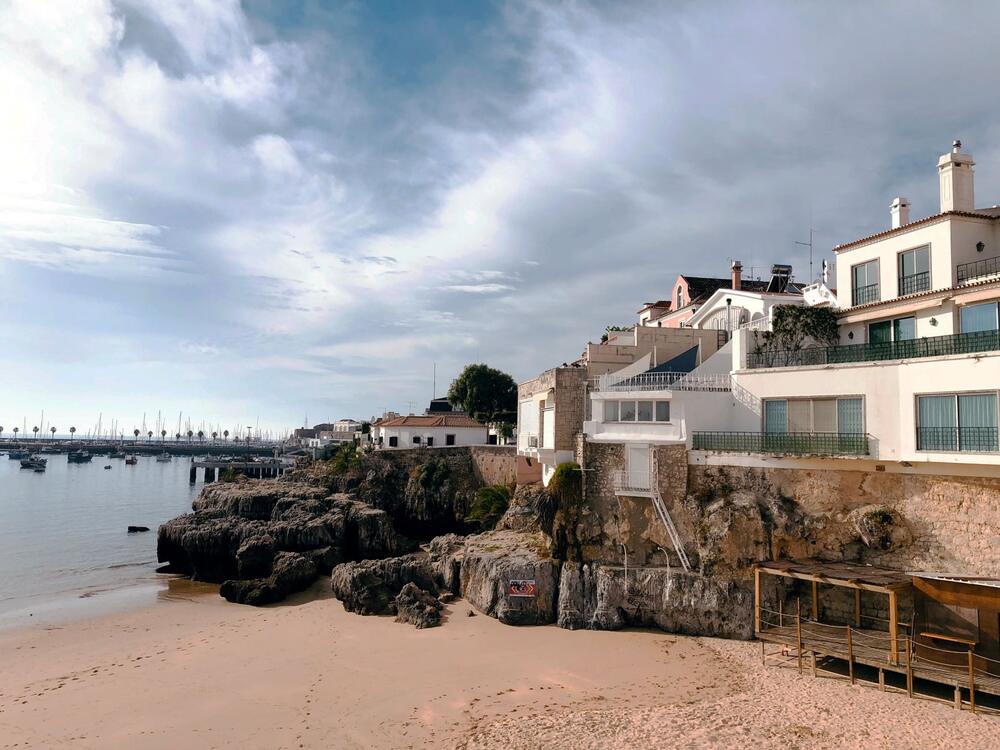 Photo by Andrei Berescu on Pexels
Cascais's beach and old town
Guimarães
- Castle of Guimarães: EUR 5; UNESCO (2001, extended 2023, Historic Centre of Guimarães)
Afonso Henriques, Portugal's first king, ruled from Guimarães before 1139, and the town calls itself the birthplace of the nation. The Castle of Guimarães, EUR 5 and one of the 7 wonders of Portugal, sits a short drive from Braga.
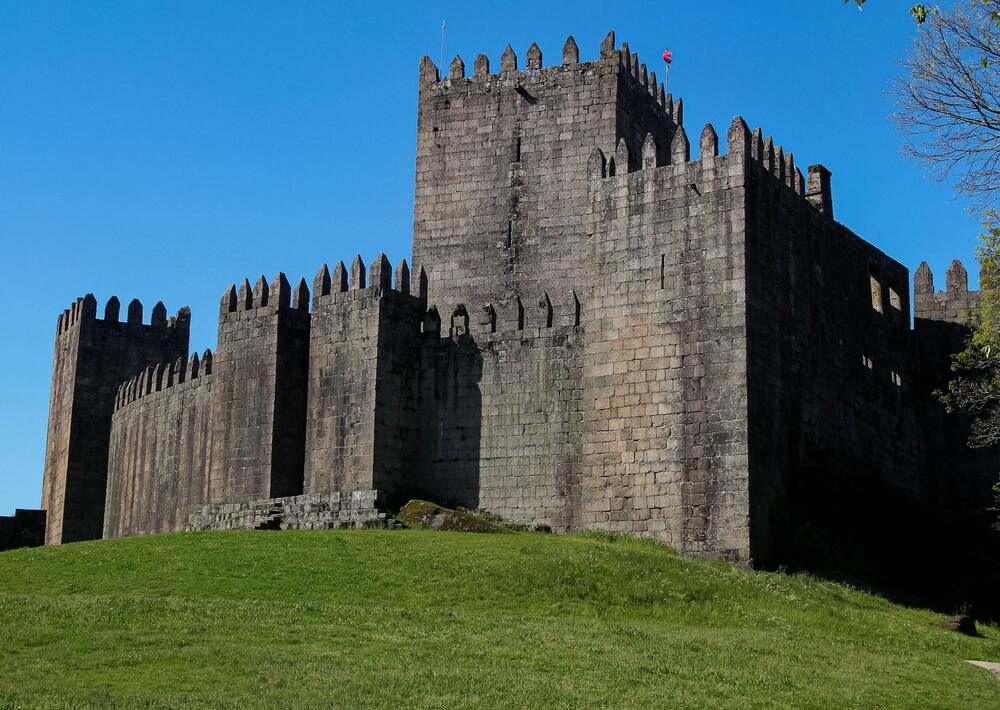 Photo by Víctor Suárez on Pexels
The Castle of Guimarães
Tomar
- Convent of Christ: EUR 15; UNESCO (1983)
Tomar is a workaday riverside town beneath a hilltop castle the Knights Templar built. The Convent of Christ, one of Portugal's earliest UNESCO inscriptions, stands inside the castle walls.
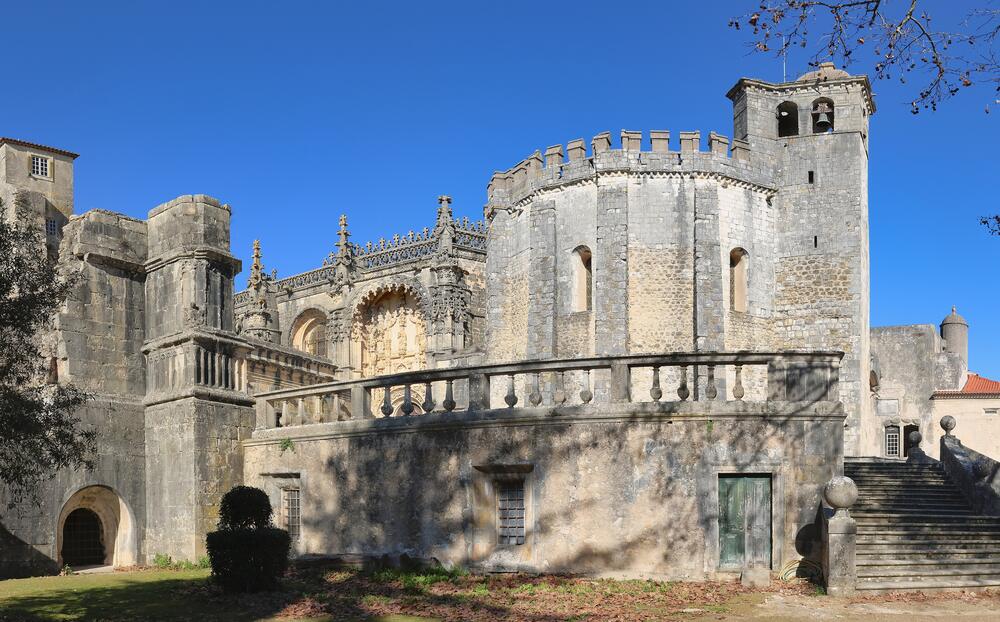 Ingo Mehling (CC BY-SA 4.0)
The Convent of Christ, Tomar
Fátima
- Best months: May 12 to 13 or October 12 to 13, for the main anniversary pilgrimages; a quieter visit works any other day
Fátima grew up around the site of 1917 Marian apparitions and is now one of Europe's major Catholic pilgrimage destinations. Its vast basilica and plaza were built to hold the huge crowds that arrive on the two anniversary dates.
Outside those two anniversary dates, the plaza empties out enough for a quiet half-day visit.
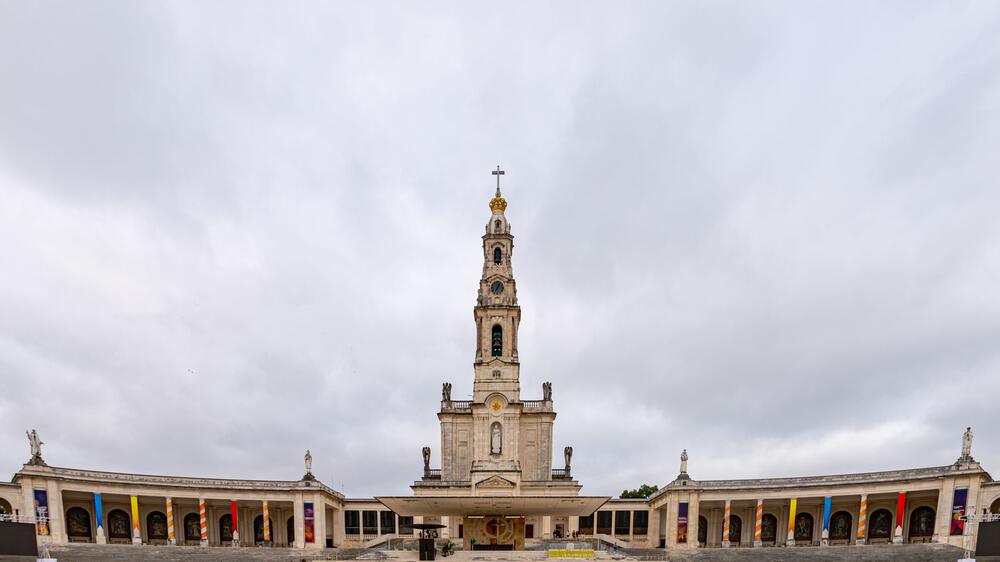 Photo by Regan Dsouza on Pexels
The basilica and plaza at Fátima
Peniche
- National Museum of Resistance and Freedom: EUR 10, inside the old fortress-prison
Peniche sits on a fishing-port peninsula, a surf town distinct from the Algarve's resort beaches. The old fortress that once held political prisoners is now the National Museum of Resistance and Freedom. Boats from the harbor reach the Berlengas islands in summer.
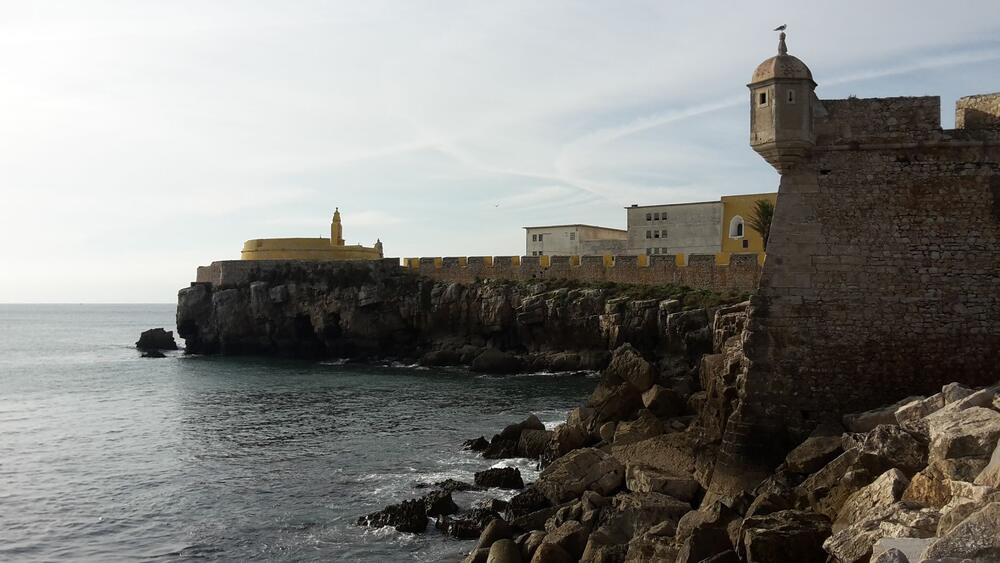 Photo by The Nadrupians on Pexels
Peniche's fortress above the Atlantic
Things to do across Portugal
Peneda-Gerês National Park
- Visiting: a full day or overnight; free to enter
- Best months: spring, for wildflowers and waterfalls, or early autumn
Peneda-Gerês, Portugal's only national park, spreads granite peaks, waterfalls and old stone villages across the Minho and Trás-os-Montes border, with wild horses still grazing the higher slopes. Hiking trails and river pools fill the park, a short drive from Braga or Guimarães.
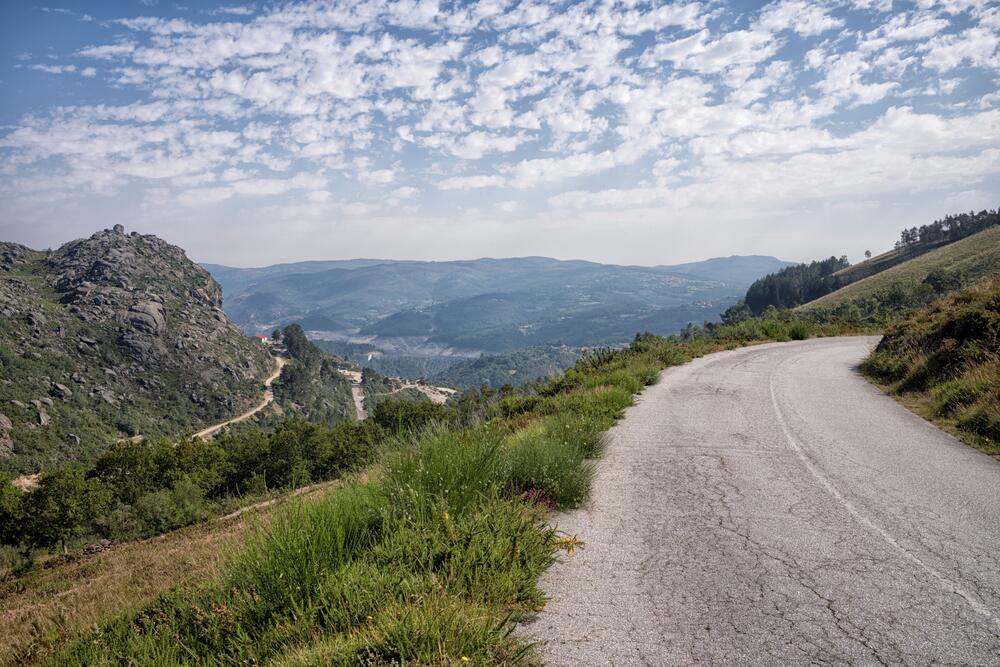 Otávio Nogueira (CC BY 2.0)
Granite outcrops in Peneda-Gerês National Park
Serra da Estrela
- Visiting: a full day or overnight; free to enter the natural park
- Best months: June to September for hiking, January to February for snow
Serra da Estrela, mainland Portugal's highest mountain range, rises above Covilhã to 1,993 meters, with hiking trails across its summer slopes. Snow settles on the upper slopes in winter and feeds Portugal's only ski resort.
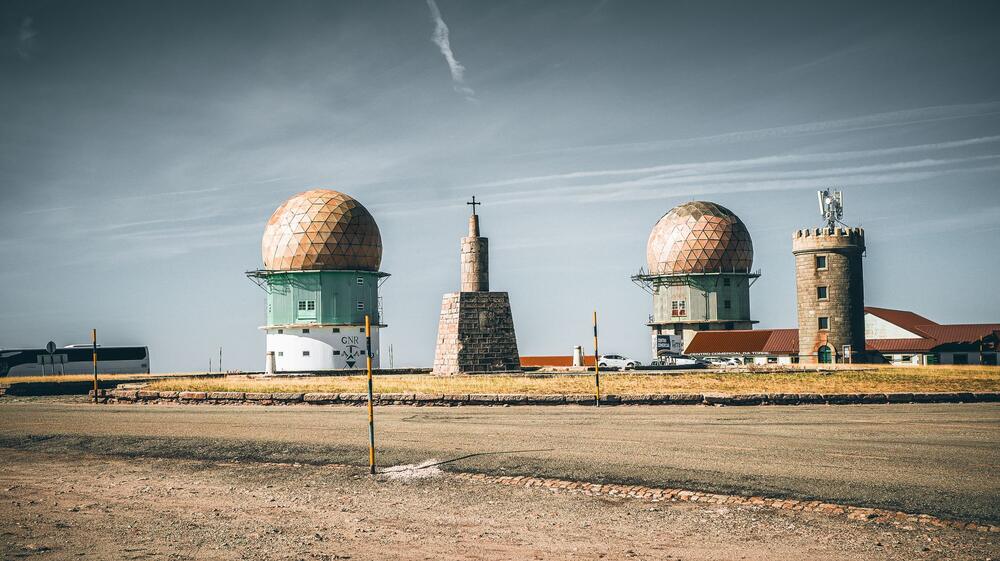 Photo by Guilherme Ventura on Pexels
Torre, the highest point of Serra da Estrela
Batalha Monastery
- Visiting: 1 to 1.5 hours; EUR 15; morning; UNESCO (1983)
Batalha Monastery was built to commemorate Portugal's 1385 victory over Castile, in Gothic and Manueline stonework. The small town around it exists almost entirely for the monastery. Alcobaça, covered below, sits on the same route north from Lisbon.
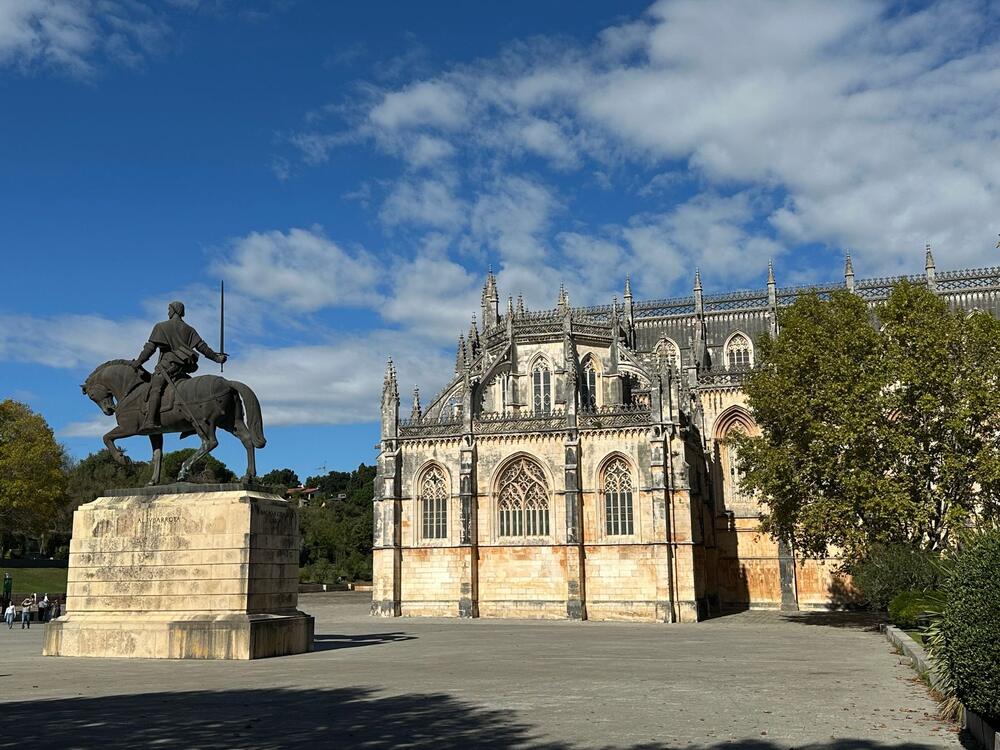 Photo by Jose Cruz on Pexels
Batalha Monastery's Gothic facade
Alcobaça Monastery
- Visiting: 1 to 1.5 hours; EUR 15; morning; UNESCO (1989)
Where Batalha is known for its stonework, Alcobaça Monastery holds the tombs of King Pedro I and Inês de Castro. The monastery was once one of Portugal's richest estates, and its 12th-century church is the country's largest monastic church.
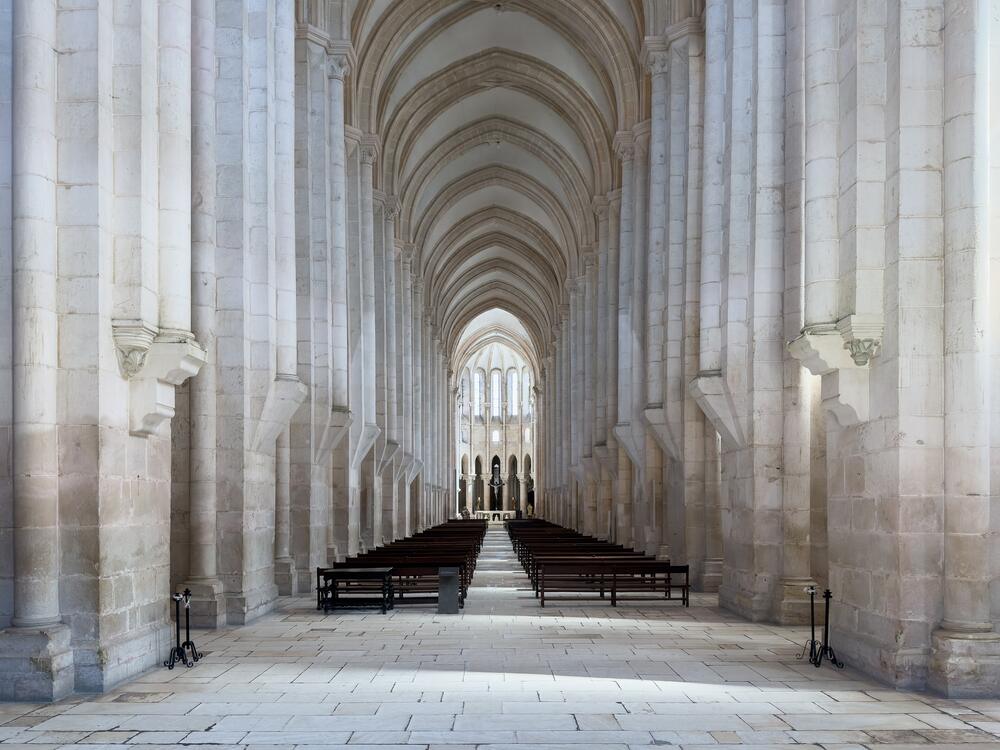 Kent Wang (CC BY 4.0)
Alcobaça Monastery's church interior
Côa Valley rock art
- Visiting: half a day including the museum; guided-tour only, site access is not self-guided; UNESCO (1998, extended with Spain's Siega Verde site, 2010)
Open-air engravings along the Côa river run from the Paleolithic through the Iron Age. A museum at Vila Nova de Foz Côa introduces the carvings before a guided visit to the riverbank panels themselves.
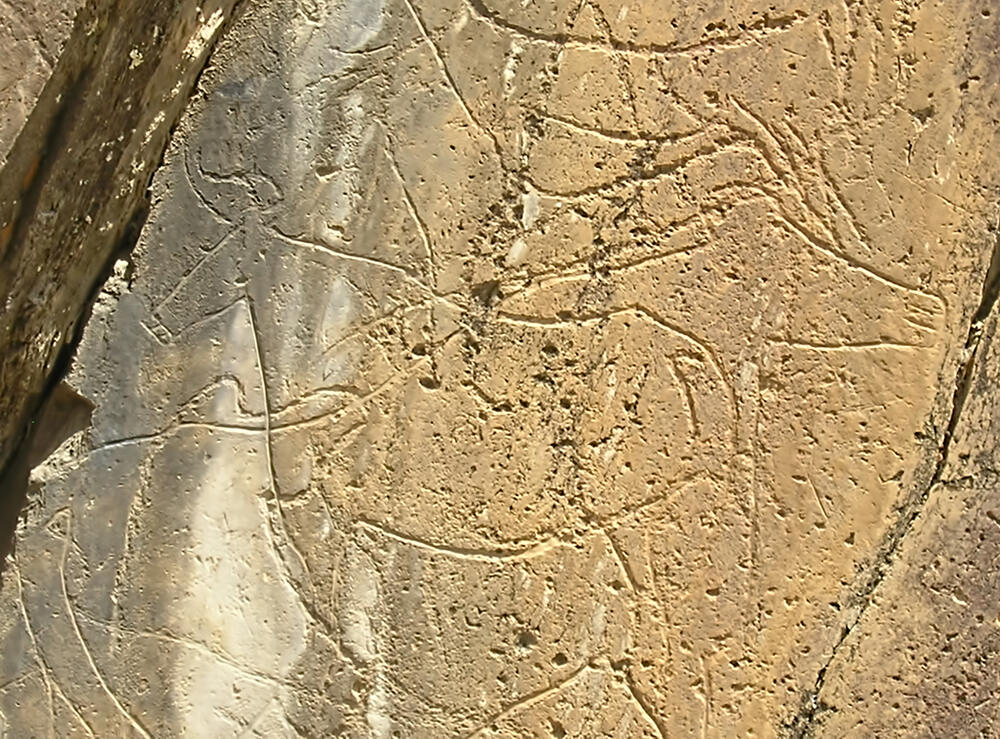 Reino Baptista (CC BY-SA 4.0)
Prehistoric engravings at Penascosa in the Côa Valley
Palace of Mafra
- Visiting: 1.5 to 2 hours; EUR 15; morning; UNESCO (2019)
A vast 18th-century palace, basilica and convent complex outside Mafra, commissioned by King João V, is Portugal's largest religious building. The palace sits about 40 kilometers from Lisbon, off the main Sintra-Cascais route.
Try free
Plan your Portugal trip in about 2 minutes
Tap through 8 quick cards for a complete itinerary with budget, maps, and packing lists. No account required.
Plan your Portugal trip →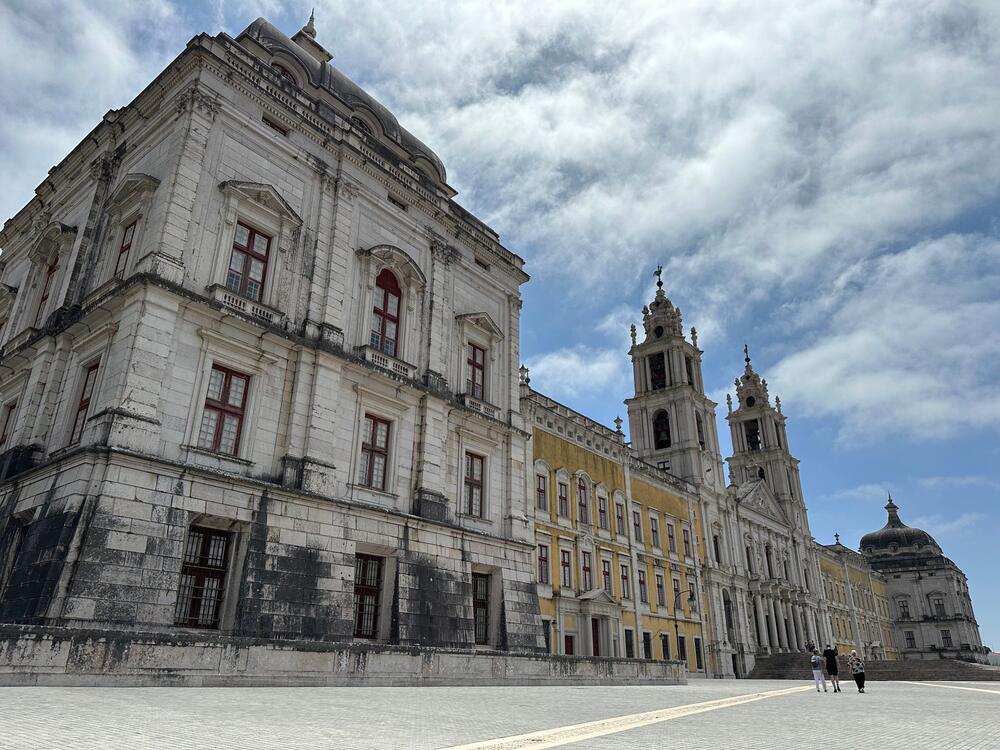 Photo by Jose Cruz on Pexels
The Palace of Mafra's facade
More places to add to a trip
| Place | Go for | Region |
|---|---|---|
| Comporta | a once-sleepy rice-farming village turned low-key beach retreat | Tagus Valley |
| Minho | Vinho Verde wine and traditional villages, a gateway to Peneda-Gerês | Minho |
| Monsaraz | a fortified hilltop village overlooking Lake Alqueva | Alentejo |
| Vila Nova de Milfontes | a river-mouth beach town on the wild Costa Vicentina | Alentejo |
The best places to visit in Portugal at a glance
| Place | Go for | Book ahead |
|---|---|---|
| Lisbon | Castelo de São Jorge, Jerónimos Monastery, Belém Tower | Jerónimos Monastery, Castelo de São Jorge (summer) |
| Porto | the Ribeira, the port-wine cellars, Livraria Lello | Livraria Lello, port cellars (peak season) |
| Algarve | Benagil Cave, Praia da Marinha, Ponta da Piedade | Benagil Cave tour |
| Sintra | Pena Palace, Quinta da Regaleira, Cabo da Roca | Pena Palace, Quinta da Regaleira |
| Douro Valley | a quinta tour or river cruise | harvest season (Sep-Oct) |
| Évora | the Roman Temple, the Chapel of Bones | no |
| Coimbra | the University of Coimbra, Conímbriga | no |
| Azores | crater lakes, hot springs, whale-watching | no |
| Alentejo | Lake Alqueva stargazing, cork-oak plains | Alqueva stargazing |
| Setúbal | Arrábida Natural Park, dolphin-watching | no |
| Óbidos | the walled medieval town | no |
| Aveiro | the canals and moliceiro boats | no |
| Nazaré | Praia do Norte's winter waves | no |
| Braga | the Sanctuary of Bom Jesus do Monte | no |
| Cascais | the beach and old town | no |
| Guimarães | the Castle of Guimarães | no |
| Tomar | the Convent of Christ | no |
| Fátima | the basilica and pilgrimage plaza | no |
| Peniche | surf and the Berlengas islands | no |
Plan your Portugal trip
For trip length, getting around and costs, start with the Portugal guide. The Portugal food guide covers what to eat at each stop. When you build a trip with MonkeyEatingMango, the booking checklist lists what to book and how many weeks ahead.
Last updated November 2026.
Common questions
What is the best place to visit in Portugal for a first trip?
Lisbon, Porto and Sintra cover most first-timers' lists. Start in Lisbon for the Castelo de São Jorge and Belém, add Sintra for Pena Palace as a day trip, then Porto for the Ribeira and the port-wine cellars across the river. The Algarve and the Douro Valley are the next tier: the Algarve deserves 3 days or more, and the Douro Valley 1 to 2 days, or a day cruise from Porto.
Is 7 days enough for Portugal?
Seven days covers Lisbon and one region well, such as the Algarve or Porto with the Douro Valley. Ten to fourteen days allows a stop in Évora or Coimbra between them.
Do I need to book Pena Palace and Quinta da Regaleira in advance?
Yes to both. Pena Palace sells mandatory timed entry starting at EUR 20 for the palace and park, and Quinta da Regaleira requires a timed ticket at EUR 20 for an adult. Both fill up on summer mornings, so book online before you go rather than queuing at the gate.
Is the Benagil Cave still swimmable?
No. Portuguese maritime police banned swimming to the cave, self-guided kayaking and landing on the sand inside in August 2024, with large fines for operators who break the rule. You can still see the cave on a licensed boat, kayak or paddleboard tour that doesn't land.
Is the National Tile Museum open?
Not currently. Portugal's official museums and monuments price list shows the National Tile Museum in Lisbon as temporarily closed as of November 2026, alongside several other national museums. Check the official listing before planning a visit around it.
What are the 7 wonders of Portugal?
They're Castle of Guimarães, Castle of Óbidos, Batalha Monastery, Alcobaça Monastery, Jerónimos Monastery, Pena Palace and Belém Tower, chosen by a six-month national public vote in 2006 and 2007. The list is separate from UNESCO status, though 6 of the 7 also carry a UNESCO inscription.
How many UNESCO World Heritage Sites does Portugal have?
Portugal has 17 UNESCO World Heritage Sites: 16 cultural and 1 natural (Laurisilva of Madeira). Among the cultural sites are Sintra's Cultural Landscape, the historic centers of Porto, Évora and Guimarães, the Alto Douro Wine Region, and the monasteries of Jerónimos, Batalha and Alcobaça.
Is it worth visiting Batalha and Alcobaça together?
Yes. Both Gothic monasteries sit on the same route between Lisbon and Coimbra, close enough to visit one in the morning and the other after lunch. Each is a self-contained visit of about an hour, so pairing them costs little beyond the drive between the two towns.
What is the best month to visit Portugal?
Spring (March to June) and fall (September to mid-October) bring warm, dry weather without summer's peak crowds and prices. Summer (July and August) is hottest and busiest nationwide; the Algarve's beach season runs from May to September.
Which is nicer, Porto or Lisbon?
Both are common first stops and the choice comes down to scale. Lisbon is the capital, Portugal's largest city and the main international gateway, with more flights and more to see in a single trip. Porto is smaller and more compact, built on a steep gorge above the Douro, and sits closer to the Douro Valley wine region.
Is Lisbon's Alfama worth a full evening?
Yes, if fado is part of the plan. Alfama is Lisbon's oldest neighborhood and the heartland of fado, Portugal's UNESCO-listed musical tradition, performed at dinner in casas de fado across the district into the night. Pair it with the Castelo de São Jorge above it earlier in the day.

Written by Shobhit Shrivastava · Founder
Related reading
Things to Do in Scotland and the Best Places to Visit
Where to go in Scotland: Edinburgh and the Lothians, Glasgow and the central belt, the Highlands, the islands, and the whisky-region choice no single answer settles. Every stop carries its top sights, the official price where one exists, and what to book ahead.
Things to Do in Ireland and the Best Places to Visit
Where to go in Ireland by region, from Dublin to Northern Ireland. Every stop carries its top sights, the official price where one exists, and what to book ahead.
Things to Do in Croatia and the Best Places to Visit
Where to go in Croatia by region: Split, Dubrovnik and the Dalmatian islands, Istria and the Kvarner coast, Zagreb and the national parks. Every stop carries its top sights, the official price where one exists, and what to book ahead.