Portugal travel guide cover photo

Portugal Travel Guide: Lisbon, Porto, Sintra, and Beyond

A first-timer's guide to Portugal: the Lisbon-to-Porto train, the Sintra timed-entry rule, when to go, and the driving and tipping details everyone gets wrong.

Last updated June 20, 2026 · By Namrata

Portugal packs a surprising range into a small country. Lisbon spreads across seven hills above the Tagus, a city of tiled facades, rattling yellow trams, and miradouro terraces where the whole day seems to end at sunset. Three hours north by train, Porto is denser and steeper, its Ribeira quayside facing the port-wine cellars across the Douro, with the terraced vineyards of the wine country just upriver. In between sit the university town of Coimbra and the Alentejo plains around Évora; to the south, the Algarve's golden cliffs and grottoes. Most first-timers picture one city and a beach and miss how different the ends of the country feel.

The thing first-timers underestimate most is the friction, because Portugal is otherwise one of the easiest places in Europe to travel. The Lisbon-Coimbra-Porto train spine is fast and cheap, contactless payment is everywhere, violent crime is rare, and the food is excellent at every price. But Sintra's palaces need timed tickets and clog by late morning, the couvert brought to your table at dinner is charged per item, the two kinds of Fado are entirely different traditions, and the Atlantic runs colder and rougher than the Mediterranean people expect. August fills the coast with Portuguese and Spanish holidaymakers, with prices to match.

This guide is the planning layer that sits above the day-by-day itineraries. Decide how to split your time between the two great cities, the historic center, and the southern coast, match the season to what you want (May-June or September for the sweet spot), and book Sintra tickets and summer rooms before you arrive. Get the friction sorted and Portugal delivers a city-and-coast trip well worth the days.

Choose your trip length

5 days

Lisbon + Sintra

Lisbon as a base for the Alfama and Belém neighborhoods, a Tram 28 ride, and a full day in Sintra's hillside palaces. The tightest first trip that still pairs a great city with the country's most-photographed day trip.

10 days

The classic road trip: Lisbon to Porto via the center and south

Lisbon and Sintra, the Évora plains and the Algarve cliffs of Lagos in the south, then north through Coimbra to Porto and the Douro wine valley. The representative first-timer loop, covering the coast, the historic center, and the two great cities.

See the sample itinerary →

14 days

Coast end to end + the Douro and the north

Add the Douro Valley wine cruise above Porto, the university town of Coimbra at a slower pace, and time to slow down on the Algarve beaches. The full sweep, from the southern cliffs to the terraced vineyards of the north.

The flagship itinerary

Best time to visit
Spring (April to June) and early autumn (September to October) are ideal. Temperatures range from 18-25 degrees Celsius. Crowds are manageable, and the weather is pleasant for walking the hilly streets. Summers (July-August) are very warm, often exceeding 30 degrees Celsius, with large crowds. Winters (November-March) are mild, around 10-15 degrees Celsius, but bring more wind and rain, particularly from December to February.
Currency
Euro (EUR)
Visa
US, UK, EU, Australian, Canadian citizens can enter Portugal visa-free for up to 90 days within any 180-day period. Indian citizens typically need a Schengen visa. Your passport must be valid for at least three months beyond your intended departure date from the Schengen Area. Other nationalities should check the official Portuguese embassy or consulate website for specific requirements.
Tipping
Tipping is not mandatory in Portugal, but it is appreciated for good service. For restaurants, rounding up the bill or leaving 5-10% is common. For taxis, round up to the nearest Euro. Hotel staff, like bellhops, might receive a small tip of 1-2 EUR.
Emergency
112 (police, fire, ambulance)

Estimated daily cost

Backpacker

€50-90/day

Hostel dorms (€18-35), pastelarias and market lunches, the Comboios de Portugal trains, free viewpoints (miradouros). Portugal is among the cheaper Western European countries, though Lisbon has crept up. Prices as of 2026; verify current rates.

Mid-range

€120-210/day

3★ hotels or guesthouses (€90-160), tascas plus the occasional grilled-fish or tasting-menu dinner, second-class intercity trains, a Douro cruise or Sintra tour. The sweet spot for first-timers. Prices climb in summer. Prices as of 2026; verify current rates.

Luxury

€380+/day

Pousadas (historic restored buildings), 5★ riverfront hotels, Michelin dining (Belcanto, Vila Joya), private Douro quintas, a driver for Sintra. Sky-high in summer Algarve and the Comporta coast. Prices as of 2026; verify current rates.

Jan
O
Feb
O
Mar
S
Apr
S
May
S
Jun
P
Jul
P
Aug
P
Sep
S
Oct
S
Nov
O
Dec
O
Off-peak (cheaper) Shoulder Peak (priciest)Baseline: January

Festivals & timing

February / March

Carnaval

Pre-Lent carnival across the country, with the biggest parades in Torres Vedras (a satirical, very Portuguese take), Ovar, and Loulé in the Algarve. Floats, costumes, and street parties in the run-up to Lent. Dates follow the Easter calendar; verify before booking.

May

Queima das Fitas (Coimbra)

One of Europe's largest student festivals, when Coimbra's graduating students 'burn the ribbons' over about a week of serenades, a monumental procession, and nightly concerts. Set for roughly May 22-30 in 2026; the city fills and rooms get scarce. Verify exact dates before booking.

Worth planning around

June 12-13

Festas de Santo António (Lisbon)

Lisbon's biggest party, peaking the night of June 12 into the June 13 city holiday. The Alfama, Mouraria, and Graça lanes fill with grilled-sardine smoke, paper decorations, basil pots, and arraial street parties, plus the marchas populares parade down Avenida da Liberdade. Book accommodation months ahead.

Worth planning around

June 23-24

São João (Porto)

Porto's all-night midsummer street festival on the night of June 23, when the whole city spills outdoors to grill sardines, set off fireworks over the Douro, and gently bonk strangers with squeaky plastic hammers. Lively and crowded; rooms book up well ahead.

Worth planning around

Early-mid August

Festa dos Tabuleiros (Tomar)

A centuries-old festival held every four years in Tomar, where women carry tall headdresses of stacked bread and flowers in a procession through town. The next edition falls in 2027, not 2026; in off-years the smaller summer festas and the Algarve's town fairs fill the calendar. Verify timing before planning a trip around it.

August

Peak summer crowds

Mid-August is when much of Portugal and Spain holidays on the coast. The Algarve beaches pack out, Lisbon and Porto fill with cruise and tour groups, and prices peak. Long days and warm sea, but the hardest stretch to travel without reservations. May-June and September are far easier.

Better to avoid

September - October

Douro grape harvest (vindima)

The autumn harvest in the Douro Valley, when many quintas open for visitors to pick grapes and, at some, still tread them by foot. Cooler weather, golden terraces, and the year's quietest, cheapest traveling. A relaxed window for the wine country and the cities alike.

Major cities at a glance

Lisbon
Vitor Oliveira, Wikimedia Commons (CC BY-SA 2.0)

Lisbon

3-4 days

Best for hilltop neighborhoods + Tram 28 + Belém

The capital, built across seven hills above the Tagus. The Alfama maze, the Baixa grid rebuilt after the 1755 earthquake, Belém's Jerónimos Monastery and Tower, miradouro sunsets, and pastéis de nata at the source in Belém. The mandatory anchor for any first trip.

Porto
Diego Delso, Wikimedia Commons (CC BY-SA 3.0)

Porto

2-3 days

Best for port wine + the Ribeira riverfront

The northern capital on the Douro, where the river meets the port-wine cellars of Vila Nova de Gaia across the Dom Luís I bridge. The Ribeira quayside, the tiled São Bento station, Livraria Lello bookshop, and a cellar tasting flight. The launch point for Douro Valley cruises.

Sintra
Singa Hitam, Wikimedia Commons (CC BY 2.0)

Sintra

1 day

Best for hillside palaces + romantic gardens

A forested hill town 40 minutes from Lisbon, packed with palaces: the candy-colored Pena Palace on its peak, the Quinta da Regaleira gardens with their initiation well, and the Moorish castle ramparts. The country's most-visited day trip; go early and book timed tickets.

Lagos
Bextrel, Wikimedia Commons (CC BY-SA 4.0)

Lagos

2 days

Best for Algarve cliff beaches + grottoes

The best base on the Algarve's western coast: a cobbled old town inside the walls, and the golden cliffs and sea stacks of Ponta da Piedade just south. Praia Dona Ana sits below the cliffs, and grotto kayak and boat trips toward the Benagil sea cave leave from the marina.

Coimbra
Leandro Neumann Ciuffo, Wikimedia Commons (CC BY 2.0)

Coimbra

1-2 days

Best for Europe's oldest universities + Fado de Coimbra

A hill town on the Mondego, home to one of Europe's oldest universities and its gilded Joanina Library. Steep student lanes, a distinct men-only Fado de Coimbra tradition, and the Roman ruins of Conímbriga nearby. A natural midpoint stop between Lisbon and Porto.

Évora
François Philipp, Wikimedia Commons (CC BY 2.0)

Évora

1 day

Best for the Alentejo plains + Roman + bone chapel

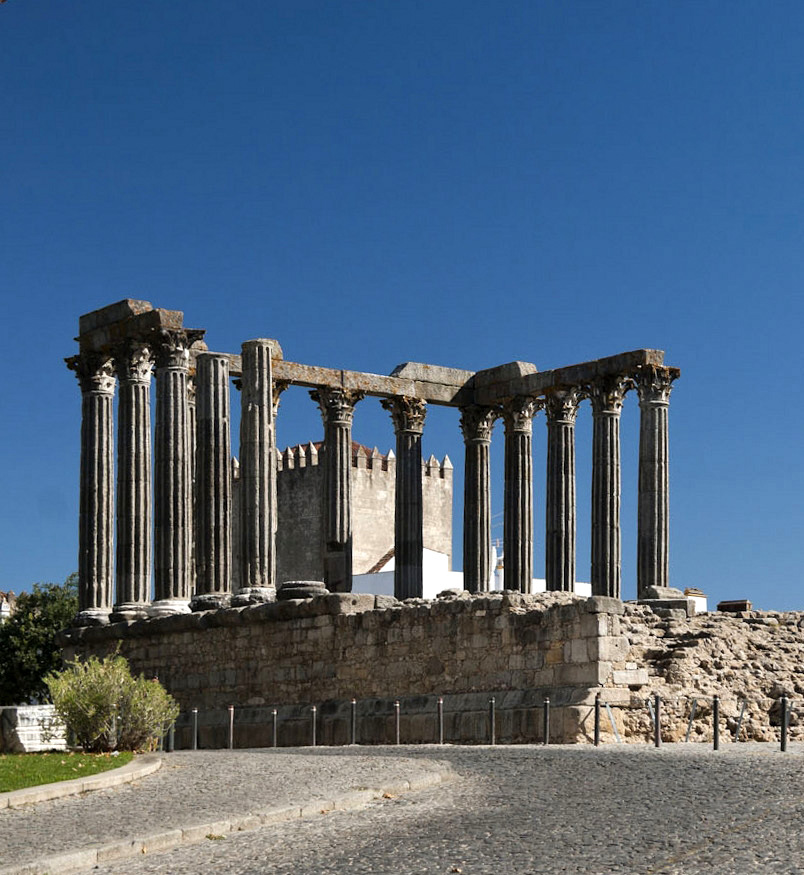
The walled capital of the Alentejo plains, a UNESCO old town two hours east of Lisbon. A Roman temple, a cathedral, the eerie Capela dos Ossos (bone chapel), and a base for the cork oaks, megaliths, and big-red wines of the surrounding countryside. The slow, inland counterpoint to the coast.

Top things to do in Portugal

Historic Monasteries and Castles

Historic Monasteries and Castles

Mosteiro dos Jeronimos · Castelo de Sao Jorge · Torre de Belem

Massimo Catarinella (CC BY 3.0

Sintra's Romantic Palaces and Gardens

Sintra's Romantic Palaces and Gardens

Pena Palace · Quinta da Regaleira · Palacio Nacional de Sintra

CEphoto, Uwe Aranas (CC BY-SA 3.0

Port Wine Cellars and Douro Valley Views

Port Wine Cellars and Douro Valley Views

Sandeman Cellars · Taylor's Port · Douro Valley

Diego Delso (CC BY-SA 3.0

Authentic Fado Music Performance

Authentic Fado Music Performance

Fado in Chiado · Clube de Fado · Cafe Luso

Vitor Oliveira from Torres Vedras, PORTUGAL (CC BY-SA 2.0

Algarve's Iconic Coastal Landscapes

Algarve's Iconic Coastal Landscapes

Ponta da Piedade · Praia da Marinha · Praia da Falesia

Arne Müseler (CC BY-SA 3.0 de

A Historic City Center Walk

A Historic City Center Walk

Historic Centre of Evora · Historic Centre of Guimaraes · Cascais Historic Centre

François Philipp from Darmstadt, Germany (CC BY 2.0

A Contemporary Art & Architecture Museum

A Contemporary Art & Architecture Museum

Serralves Foundation · Museum of Art, Architecture and Technology (MAAT) · Colecao Berardo

69joehawkins (CC BY-SA 4.0

Roman Archaeological Sites

Roman Archaeological Sites

Templo Romano de Evora · Conimbriga · Mirobriga

Digitalsignal (CC BY-SA 4.0

A Traditional Craft Workshop or Exhibition

A Traditional Craft Workshop or Exhibition

Sabrosa Handicraft Center · Museu Nacional de Arte Antiga · Museu Nacional dos Coches

Pedro Beltrão (CC BY 4.0

A National Park for Hiking and Nature Exploration

A National Park for Hiking and Nature Exploration

Peneda-Geres National Park · Serra da Estrela Natural Park · Natural Park of Montesinho

manjerix (CC BY-SA 2.0

Food guide

Portuguese food runs on rustic, coastal comforts with strong family traditions, often featuring charcoal-grilled fish and hearty stews. Supermarket cafes like Pingo Doce are genuinely useful for affordable daily meals. Look for tascas and marisqueiras for the most traditional dining experiences, especially outside major tourist zones.

Pastel de Nata

Pastel de Nata

A rich custard tart with a flaky, caramelized crust, this iconic pastry is a national obsession and best enjoyed warm, often dusted with cinnamon or powdered sugar.

Pasteis de Belem (Lisbon), Manteigaria (Lisbon/Porto) · 2 undefined

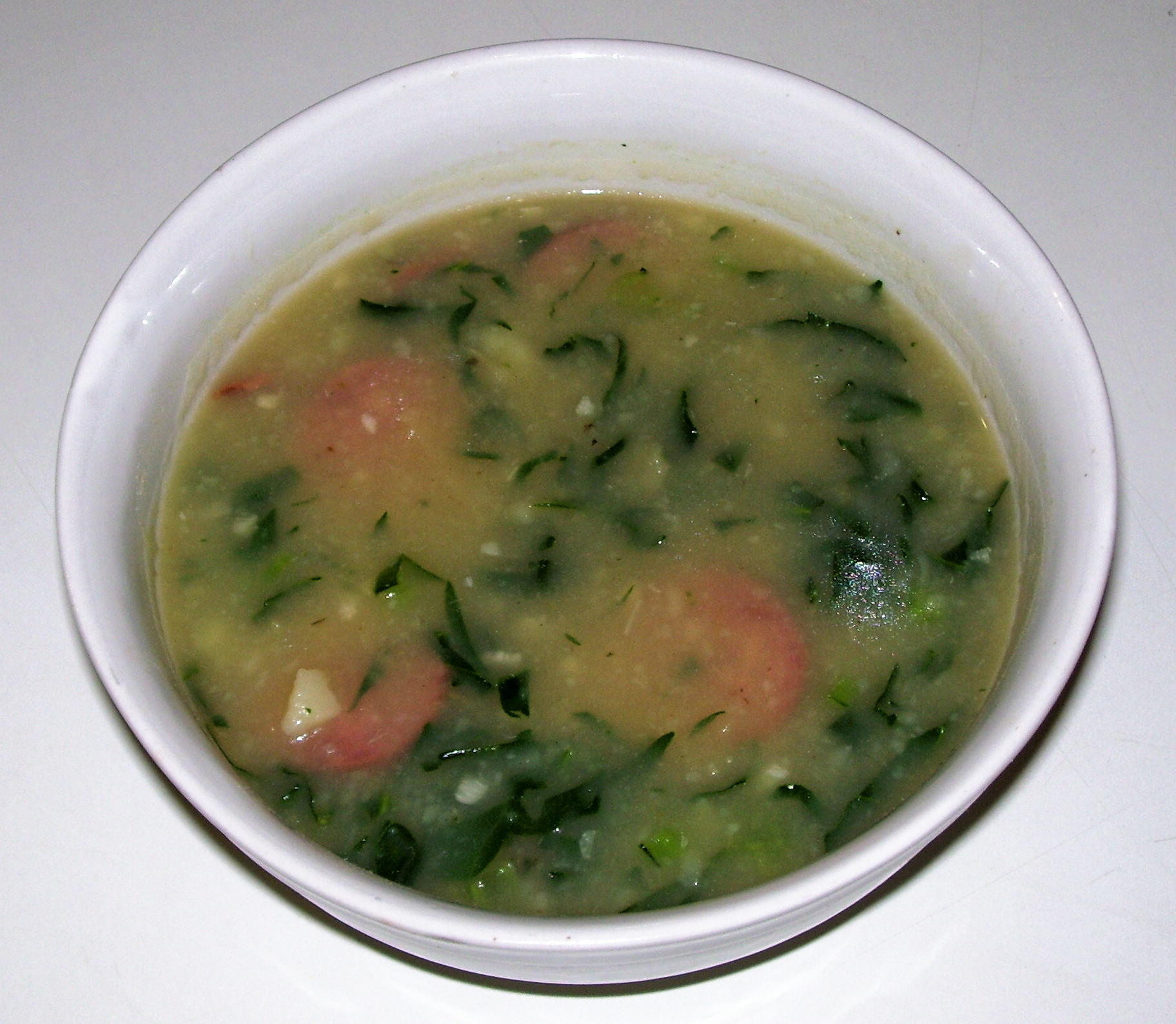
Caldo Verde

Caldo Verde

A simple yet satisfying green soup made with thinly sliced collard greens, potatoes, and often a slice of chourico, it's a comforting staple found in every tasca.

5 undefined

Bacalhau a Bras

Bacalhau a Bras

Shredded codfish (bacalhau) scrambled with thinly cut fried potatoes, onions, and eggs, it's one of the most beloved and comforting ways to prepare Portugal's national fish.

12 undefined

Cozido a Portuguesa

Cozido a Portuguesa

This hearty stew combines various meats, sausages, and vegetables, slow-cooked to meld flavors, offering a taste of Portugal's countryside cooking tradition.

15 undefined

Peixe Grelhado

Peixe Grelhado

Fresh fish, simply grilled over charcoal, often served with boiled potatoes and a salad, highlighting the quality of Portugal's abundant seafood.

18 undefined

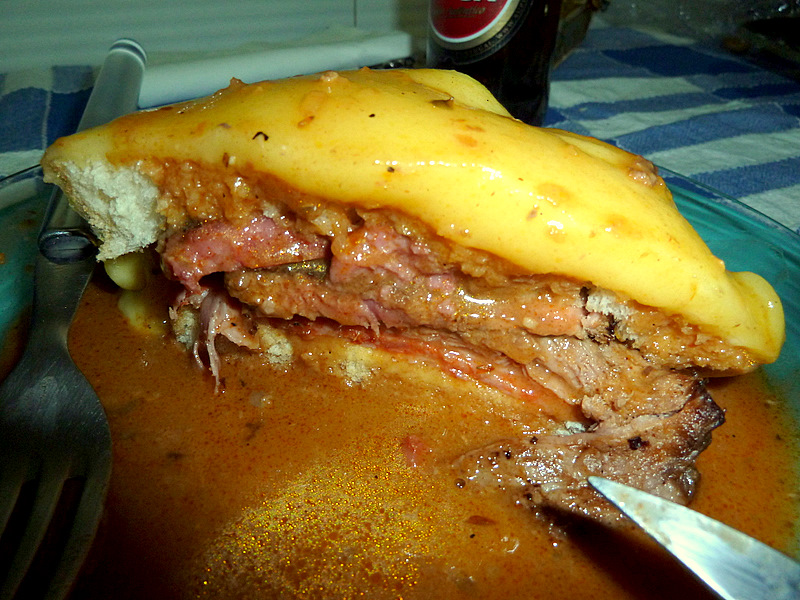
Francesinha

Francesinha

Porto's iconic gut-buster: a massive sandwich layered with various meats, covered in melted cheese, and drowned in a rich, spicy beer-and-tomato sauce, usually served with fries.

14 undefined

Shopping guide

Lisbon and Porto offer a mix of historic shops with traditional crafts and modern boutiques, especially in areas like Chiado and Principe Real. Avoid generic souvenir shops found near major attractions; seek out specific artisan workshops or dedicated specialty stores for quality items.

Gourmet Canned Fish (Conservas)

Portuguese conservas are a gourmet delight, with high-quality tuna, sardines, and mackerel often packed in artfully designed tins, making them both delicious and beautiful gifts.

Conserveira de Lisboa, Comur - Loja das Conservas, A Vida Portuguesa. · 8 undefined

Ginjinha Liqueur

This traditional sweet cherry liqueur, often served in a chocolate cup, is a delightful local specialty to enjoy and bring home.

A Ginjinha (Rossio), Ginjinha Sem Rival, any local liquor store. · 15 undefined

Hand-Painted Azulejos (Tiles)

These distinctive ceramic tiles are an integral part of Portuguese architecture and make for beautiful, unique decorative pieces, especially when hand-painted by artisans.

Fabrica Sant'Anna, Cortico e Netos (for antique/salvaged tiles), Ceramicas na Linha (various artisans). · 25 undefined

Portuguese Ceramics (Bordallo Pinheiro)

Beyond generic pottery, look for distinctive Bordallo Pinheiro pieces, famous for their whimsical, nature-inspired designs like cabbage ware, swallows, and the Barcelos Rooster.

Bordallo Pinheiro flagship store (Caldas da Rainha), Loja da Bordallo Pinheiro (Lisbon), A Vida Portuguesa (Lisbon, Porto). · 30 undefined

Port Wine

Portugal's most iconic fortified wine offers a rich spectrum of sweetness and aging, with Vintage, Tawny, and Ruby styles available at better prices than abroad.

Any Port Wine cellar in Vila Nova de Gaia (e.g., Taylor's, Graham's, Sandeman); Garrafeira Nacional in Lisbon. · 35 undefined

Cork Products

Portugal is the world's largest cork producer, offering eco-friendly and stylish items from handbags and wallets to home decor, lighter and more durable than leather.

Cork & Co. (Lisbon), Pelcor (Lisbon), or various craft markets. · 40 undefined

Travel essentials

Connectivity & SIM

Wi-Fi: Free Wi-Fi is available at Lisbon Airport ('_VINCI Airports WiFi'). Most hotels, cafes, and restaurants offer free Wi-Fi for customers. Public Wi-Fi spots can be found in some city squares and shopping centers.
SIM options
  • MEO, NOS, or Vodafone physical SIMAround 15-25 EUR for 10-15GB over 15-30 days
    Where: Lisbon Airport arrivals, carrier stores in shopping malls (e.g., Colombo, Vasco da Gama)
  • Airalo eSIMFrom $5 for 1GB / 7 days to $25 for 10GB / 30 days
    Where: Online purchase and activation before arrival
Apps to install
  • Google MapsEssential for walking, public transport directions, and finding specific addresses on Lisbon's hilly streets.
  • MoovitProvides real-time public transit information for buses, trams, metro, and trains across Lisbon.
  • BoltA common ride-hailing app in Lisbon, often cheaper than taxis, for convenient travel.
  • MyTaxi (Free Now)Another popular ride-hailing app, helpful for booking traditional taxis via your phone.
Tip: While 4G and 5G coverage is widespread in Lisbon, older buildings and underground areas (like some metro stations) can have spotty signal. If relying on your phone for navigation, download offline maps.

Cultural notes

When entering a small shop, cafe, or elevator, it's polite to say 'Bom dia' (good morning) or 'Boa tarde' (good afternoon). When ordering coffee in a cafe, simply ask for 'um cafe' for an espresso; 'bica' is also common. Always try to speak a few words of Portuguese, even 'Obrigado/a' (thank you), as locals appreciate the effort. Meal times are typically later than in many other countries, with dinner often starting after 8pm.

Safety

Lisbon is generally safe, but pickpocketing is common on crowded public transport like Tram 28 and at train stations like Cais do Sodre. Be cautious in the alleys of Bairro Alto and Cais do Sodre late at night due to risk of mugging; stick to well-lit, busy streets. Always keep your drink in sight at nightclubs to prevent drink spiking. For emergencies, dial 112 for police, fire, or medical assistance.

What to pack

  • Comfortable walking shoes (good grip)
  • Layered clothing (temperatures can shift)
  • Lightweight rain jacket or compact umbrella
  • Small cross-body bag (keep valuables secure)
  • Portable power bank (for phone navigation)
  • Sunscreen (strong sun, even in spring/fall)
  • Refillable water bottle (stay hydrated on hills)
  • Swimsuit (if visiting beaches or hotel pools)
  • Light scarf or pashmina (for cool evenings)
  • Travel adapter (Type F - two round pins)

Travel tips

  • Purchase a Viva Viagem card at any metro station vending machine for 0.50 EUR — load it with 'zapping' credit for cheapest metro, bus, and tram fares.
  • Ride Tram 28 early in the morning (before 9am) or late evening (after 7pm) from its starting point at Campo Ourique to avoid peak crowds and pickpockets.
  • Always validate your Viva Viagem card by tapping it on the sensor when entering public transport, even if gates are open on buses or trams.
  • Book tickets for popular attractions like Jeronimos Monastery or Belem Tower online at least 24 hours in advance to skip long lines.
  • Wear sturdy, comfortable shoes with good grip — Lisbon is built on seven hills, and many streets are cobbled and steep.
  • Use Bolt or MyTaxi (Free Now) apps for rides; street taxis are generally safe but may charge higher 'foreigner' rates without the app.
  • Visit Pasteis de Belem first thing in the morning (9am) to experience the original custard tarts hot from the oven with shorter queues.
  • Check daily for road closures or public transport strikes if driving or using specific routes; traffic can change quickly.

Electric Socket Guide

Socket Types

Type C - Europlug

Two round pins (most of Europe, South America)

Type F - Schuko

Two round pins + side earth clips (Germany, Europe)

Voltage

230V

Frequency

50Hz

Planning checklist

  1. Pair Lisbon and Porto, and book the train between them early.

    A first trip is better spent in both cities than choosing one. The Alfa Pendular runs Lisbon to Porto in about 3 hours, stopping in Coimbra, so the classic shape is Lisbon and Sintra, then north to Porto and the Douro. Book on cp.pt a few weeks ahead for the lowest fares.

  2. Book Sintra timed tickets and go early.

    Pena Palace and Quinta da Regaleira sell out timed slots on summer days, and the roads jam by late morning. Reserve Pena directly at parquesdesintra.pt for a morning entry, take the train from Lisbon's Rossio station, and use the 434 bus or a rideshare uphill rather than driving.

  3. Travel in May-June or September if you can.

    You get warm, sunny days and a swimmable coast without the August crowds, the packed Algarve beaches, or the doubled prices. The shoulder months also catch the June saints' festivals at the start and the Douro grape harvest at the end.

  4. Rent a car only for the south, the Alentejo, and the Douro.

    The best Algarve coves, the Évora countryside, and the Douro vineyards are off the train and bus lines, so a car opens them up. Skip it inside Lisbon and Porto, where steep one-way old quarters and scarce parking make driving a liability; drop the car before the city centers.

  5. Get your ETIAS in order if you are a non-EU traveler.

    The EU's ETIAS online authorization (about €20, valid three years) is expected to launch in the last quarter of 2026 for US, UK, Canadian, and Australian passports, with a grace period into 2027. Apply on the official EU site (travel-europe.europa.eu) before you travel, and ignore "expedited" scam sites.

  6. Carry some euro cash and a Type C/F adapter.

    Cards and contactless cover the cities, but small tascas, markets, and ferries can be cash-preferring, so withdraw from blue Multibanco ATMs to avoid high Euronet fees. Portugal uses European two-round-pin plugs at 230V, so pack an adapter for US, UK, and Australian devices.

Avoid these first-timer mistakes

  • Treating Lisbon and Porto as interchangeable

    They reward different days. Lisbon is bigger, sunnier, and built for viewpoint-hopping and day trips to Sintra and Cascais; Porto is denser and walkable, with the port-wine cellars and Douro cruises on its doorstep. Most first trips want both, with the 3-hour train between them, not a choice between the two.

  • Showing up at Sintra without timed tickets

    Pena Palace and Quinta da Regaleira use timed-entry tickets that sell out on summer days, and Sintra's narrow roads jam by late morning. Book Pena directly at parquesdesintra.pt for an early slot, take the train from Lisbon's Rossio station, and use the 434 loop bus or a rideshare uphill rather than driving.

  • Renting a car for the cities

    Lisbon and Porto have steep, narrow, one-way old quarters, scarce parking, and good metro and tram networks; a car is a liability there. Rent only for the Alentejo, the Douro, or the Algarve coast, and even then drop it before you reach the city centers. The Lisbon-Coimbra-Porto spine is faster by train.

  • Underestimating the couvert at dinner

    The bread, olives, cheese, or sardine pâté brought to the table at the start of a meal is the couvert, and it is charged per item if you eat it, not free. It is not a scam, just the custom. Wave it away if you do not want it, and you will not be charged.

  • Confusing the two kinds of Fado

    Lisbon Fado is the mournful, often female-sung style of the Alfama and Mouraria taverns; Coimbra Fado is a separate male, student tradition tied to the university. Book a small Lisbon Fado house (not a dinner-show tourist trap) for the city sound, and catch a serenade in Coimbra for the other. They are not the same music.

  • Expecting warm Mediterranean swimming everywhere

    Portugal faces the Atlantic, so the sea runs cooler than the Med and the west coast has real surf and currents. The Algarve's south-facing coast and the eastern lagoons are the warmest and calmest; the beaches near Lisbon and along the west are bracing and wind-prone. Pack a layer for the coast even in summer.

  • Skipping the Douro Valley when you are already in Porto

    The terraced vineyards of the Douro, where port wine is grown, are a 1-2 hour drive or a scenic train ride east of Porto, and many first-timers run out of days for them. A day cruise from Pinhão or a quinta visit is the natural extension of the Porto cellar tastings. Build in the time before you lock the schedule.

Frequently Asked Questions

No. Portugal is in the EU's Schengen Area, so US, UK, Canadian, and Australian travelers can visit visa-free for up to 90 days in any 180-day period. The EU's ETIAS travel authorization (a quick online form, not a visa, roughly €20) is expected to launch in the last quarter of 2026 for visa-exempt travelers, with a transitional grace period running into 2027. Check the official EU ETIAS site for the current start date before you book, and note the 90-day clock is shared across all Schengen countries combined.

Yes, Portugal is consistently ranked among the safest countries in Europe, with low violent crime and solo, family, and older travelers common everywhere. The main risk is pickpocketing in tourist-dense spots: Tram 28 and the Alfama in Lisbon, the São Bento and Ribeira areas in Porto, and crowded festival nights. Keep your wallet in a front pocket and stay alert on packed trams. Beach hazards matter too: the Atlantic has cold water, surf, and rip currents on the west coast, so swim near flagged areas.

Late spring (May-June) and early autumn (September-October) are the sweet spots: warm, sunny days, swimmable-but-not-crowded coast, and lower prices than peak summer. July and August bring the warmest sea and the June saints' festivals but also packed beaches, cruise crowds in the cities, and the highest rates. Winter is mild and cheap, good for the cities and the Algarve's golf and quiet towns, though the sea is cold and some northern days are rainy.

Five days covers Lisbon plus a full day in Sintra, enough to feel the capital and its most famous day trip. Ten days is the classic loop: Lisbon and Sintra, a swing south to Évora and the Algarve cliffs of Lagos, then north through Coimbra to Porto and the Douro. Fourteen days lets you add a Douro wine cruise, slow down on the Algarve beaches, and give Coimbra and Porto an unhurried pace. The country is compact, so even ten days sees a lot.

The train spine connects the main cities well: Comboios de Portugal runs Lisbon to Porto in about 3 hours, with Coimbra a stop in between. Book the Alfa Pendular or Intercidades on cp.pt a few weeks ahead for the cheapest fares. For the Algarve, the Alentejo plains, and the Douro Valley, a rental car opens up far more than the trains and buses reach. Skip the car inside Lisbon and Porto, where the metro, trams, and steep old quarters make driving a hassle.

The fastest, easiest way is the train. The Alfa Pendular covers Lisbon (Oriente or Santa Apolónia) to Porto (Campanhã) in roughly 3 hours, and the slightly slower Intercidades runs the same route for less; both stop in Coimbra. Book on the CP site a few weeks out for the lowest fares, which rise closer to departure. Flying between the two makes little sense once you count airport time; driving the A1 motorway takes about the same as the train but adds tolls and city parking.

Yes, for a smooth visit. Pena Palace and Quinta da Regaleira use timed-entry tickets that sell out on busy summer days, and Sintra's roads clog by late morning. Book Pena directly at parquesdesintra.pt for an early slot, take the train from Lisbon's Rossio station (about 40 minutes), and use the 434 loop bus, a tuk-tuk, or a rideshare for the steep climb to the palaces rather than driving. Going early beats both the crowds and the afternoon coach tours.

Cards and contactless work nearly everywhere in the cities, including Apple Pay and Google Pay, but carry some euro cash for small tascas, markets, ferries, and rural areas. Withdraw from bank ATMs (look for the blue Multibanco network) rather than the independent Euronet machines that charge high fees. Tipping is modest and optional: round up or leave a euro or two at a café, and 5-10% for good service at a sit-down restaurant is generous, not expected.

Start with the pastel de nata, the custard tart, best near its origin in Belém. Seafood is central: grilled sardines (summer), bacalhau (salt cod, said to have a recipe for every day of the year), arroz de marisco (soupy seafood rice), and cataplana stew on the Algarve. Inland, the Alentejo does pork-and-clam carne de porco à alentejana and big red wines. Drink a galão coffee, vinho verde from the north, and port from the Douro cellars in Porto.

Most first trips do both, but if you only have time for one, Lisbon suits travelers who want a bigger city, more sun, and easy day trips to Sintra, Cascais, and the Arrábida coast. Porto suits those who want a compact, walkable old town, the port-wine cellars across the river, and the Douro Valley wine country within reach. Lisbon is the better solo first stop; Porto is the better short add-on. The train makes pairing them simple.

Plan less, do more.

Plan a trip