Where should you go in Australia: the cities, the reef or the outback, and what's worth booking ahead at each stop? Start in Sydney and Melbourne for the harbor and the laneways, then add the Great Barrier Reef from Cairns or Uluru in the Red Centre. The Uluru-Kata Tjuta park pass costs $38 for 3 days. Book the Great Barrier Reef dive boat and the Phillip Island penguin parade ahead of time.
Sydney
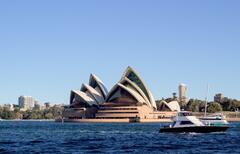
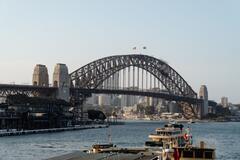
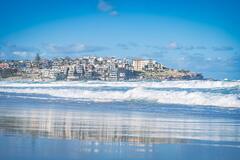
Must-visitUNESCOGo for the Opera House, the Harbour Bridge, Bondi Beach
Top sights
- Sydney Harbour Bridge (incl. BridgeClimb)free to walk across; the summit climb is a separate paid tour, 3 to 3.5 hours, that books out in summer and around sunset
- Sydney Opera HouseUNESCOArchitectural Tour AUD $60 pre-booked / $65 on the day, about 1 hour 15 minutes
- Bondi Beachfree; the start of the Bondi-to-Coogee coastal walk
- Royal Botanic Gardenfree; Mrs Macquarie's Chair gives the classic view of both the Opera House and the bridge
Book ahead: yes
Read the full sectionShowing Sydney
A 10-day trip covers Sydney, Melbourne and Cairns well.
- Book the Uluru-Kata Tjuta park pass and a Great Barrier Reef dive boat before you fly in.
- Fly between Sydney, Melbourne and Cairns rather than drive. Australia's distances run to the size of the continental United States. Save a rental car for one stretch, like the Great Ocean Road, or a single day trip from a base city.
- The Uluru climb has been closed since 2019. Walk the base instead, or see Uluru lit up after dark at the Field of Light installation.
A MonkeyEatingMango itinerary marks each sight Must-do, Maybe or Skip if short on time.
Sydney, Melbourne and the big cities
Sydney
Must-visit
- Sydney Harbour Bridge (incl. BridgeClimb): free to walk across; the summit climb is a separate paid tour, 3 to 3.5 hours, that books out in summer and around sunset
- Sydney Opera House: Architectural Tour AUD $60 pre-booked / $65 on the day, about 1 hour 15 minutes; UNESCO (2007)
- Bondi Beach: free; the start of the Bondi-to-Coogee coastal walk
- Royal Botanic Garden: free; Mrs Macquarie's Chair gives the classic view of both the Opera House and the bridge
- Plan it: 10-day Australia itinerary
Sydney's Harbour Bridge and Opera House face each other across the same stretch of water. Most first days split between the two: a walk partway across the bridge's free pedestrian lane, then a circuit of the Opera House's white vaulted roof, finished in 1973 to a design by Jørn Utzon. A dedicated climb to the top arch runs as a separate paid tour from the free walkway, 3 to 3.5 hours, and books out in summer and around sunset.
The Rocks, Sydney's oldest neighborhood, is a knot of cobbled lanes at the bridge's southern foot. Go on a weekend for the outdoor market. A ferry from Circular Quay reaches Manly's surf beach in about 30 minutes, and Taronga Zoo and Darling Harbour are shorter hops from the same CBD.
Bondi Beach anchors the eastern suburbs, the start of the 6 km Bondi-to-Coogee cliff walk. The Royal Botanic Garden, a short walk from the Opera House, holds the single best angle on both landmarks together, from Mrs Macquarie's Chair. October brings mild spring days before summer's heat and crowds build.
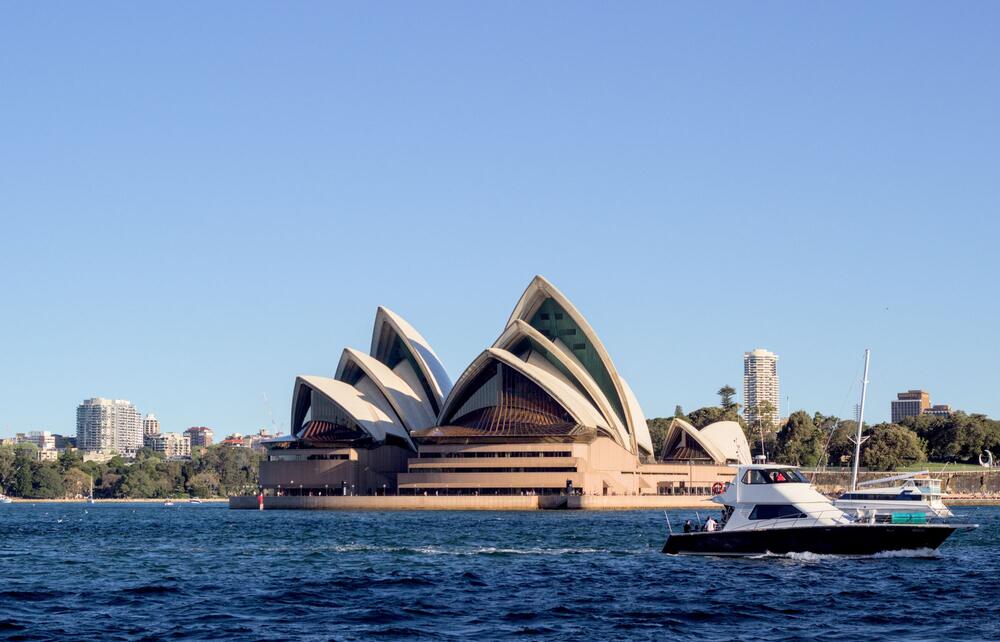 Photo by Cesar G on Pexels
The Opera House's white vaulted roof, boats on the harbor in front
Melbourne
Must-visit
- Laneways & street art: free; a self-guided 2 to 3 hour walk through the CBD's network of legal street-art lanes
- Queen Victoria Market: free entry; open-air market spread over two city blocks since 1878
- Puffing Billy Railway: paid return ticket; heritage steam train through the Dandenong Ranges, about half a day from the city
- Phillip Island Penguin Parade: paid entry via Phillip Island Nature Parks; book the viewing online ahead; about a 2-hour drive each way
- Plan it: 10-day Australia itinerary
Melbourne's CBD laneways, Hosier Lane first, carry legal street art that gets painted over and redone all the time. Queen Victoria Market, a few blocks over, has sold fresh produce and deli goods from the same open-air blocks since 1878.
Two day trips define a Melbourne stay beyond the city itself. Puffing Billy, a heritage steam railway through the Dandenong Ranges forest, lets riders dangle their legs over open carriage sides on the climb out of Belgrave. Phillip Island, about a 2-hour drive southeast, draws visitors for the nightly march of wild little penguins up Summerland Beach, a boardwalk viewing booked online ahead of the dusk parade.
January is Melbourne at its warmest and busiest, timed with the Australian Open.
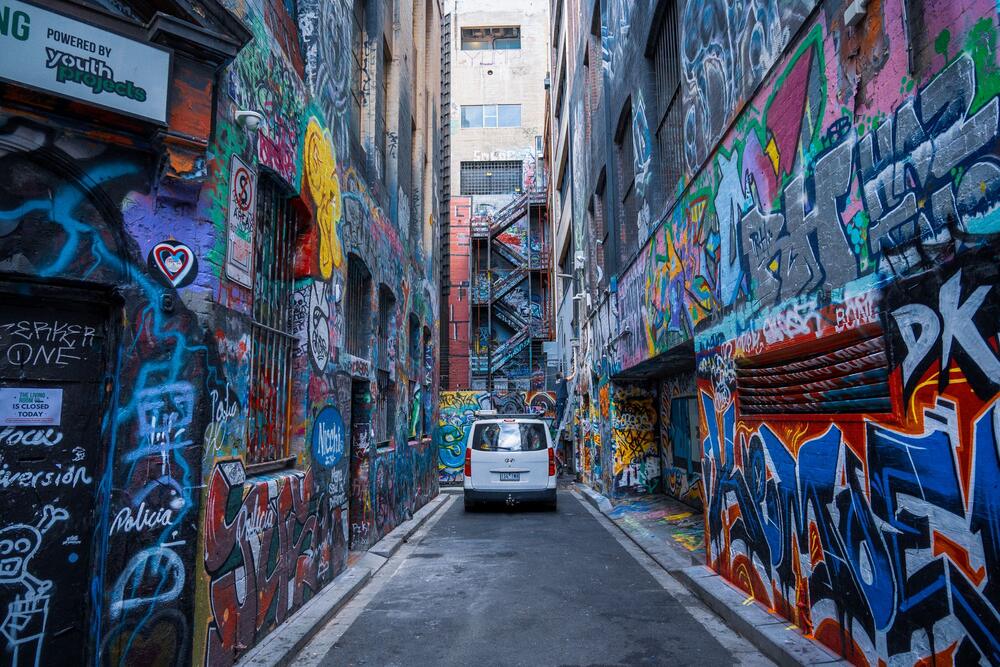 Photo by Joshua Williams on Pexels
Street art covering the walls of Hosier Lane
Brisbane
Must-visit
Brisbane sits between the Sunshine Coast to the north and the Gold Coast to the south, Queensland's capital rather than a beach destination itself. Most Queensland trips use it as a stopover or connecting base between the two coasts rather than a multi-day destination on its own.
Flights and the coastal highway both run through Brisbane on the way to Noosa or the Gold Coast.
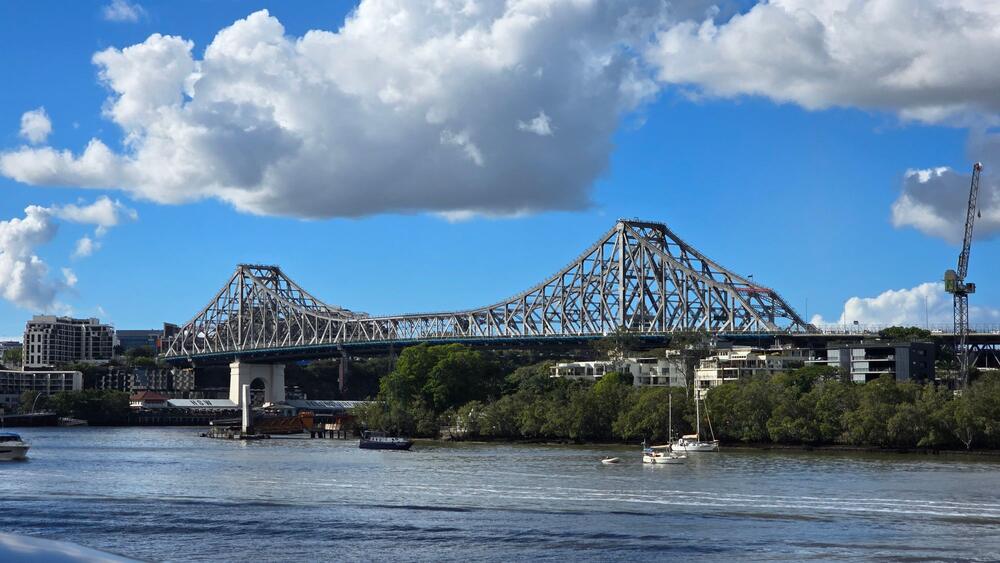 Photo by Mike Haddad on Pexels
The Story Bridge over the Brisbane River
Gold Coast
Must-visit
The Gold Coast runs a continuous strip of surf beaches south of Brisbane. Surfers Paradise is its high-rise center, Burleigh Heads its quieter, more local end, and theme parks cluster along the same stretch.
Pick the Gold Coast over a quieter Queensland beach town for Surfers Paradise's density of nightlife, dining and theme parks in one place.
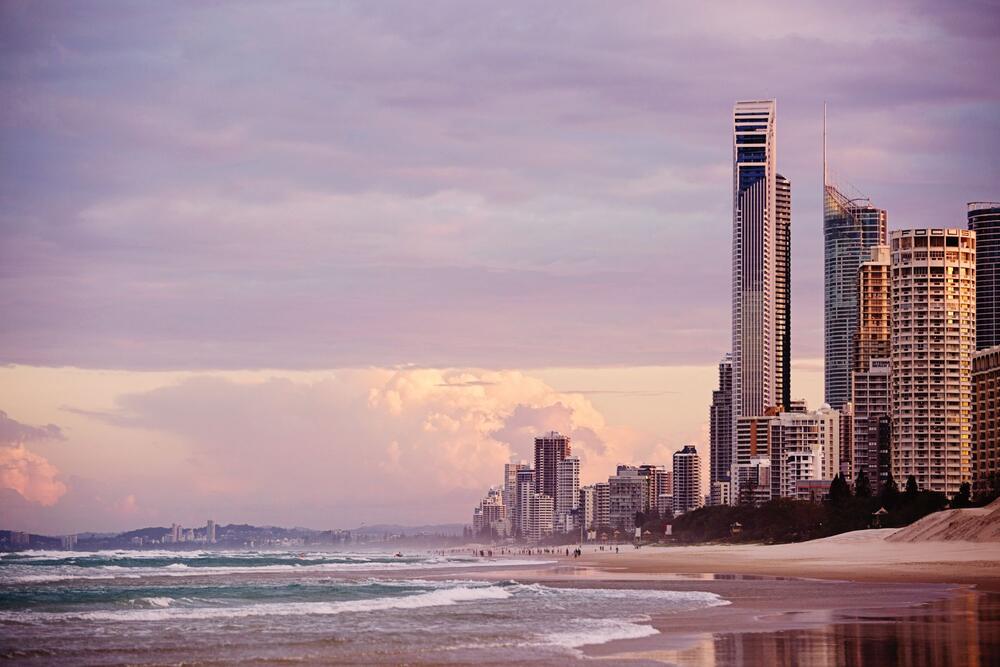 Photo by Nathan Cowley on Pexels
Surfers Paradise's high-rises over the beach at sunrise
Darwin
- Mindil Beach Sunset Market: free entry; open-air multicultural night market, dry-season Thursdays and Sundays only (May to October)
Darwin anchors Australia's tropical Top End, the usual gateway for Kakadu and Litchfield National Parks. Food and craft stalls set up on the sand at Mindil Beach for sunset on Thursdays and Sundays from May to October, reflecting the city's own mixed population.
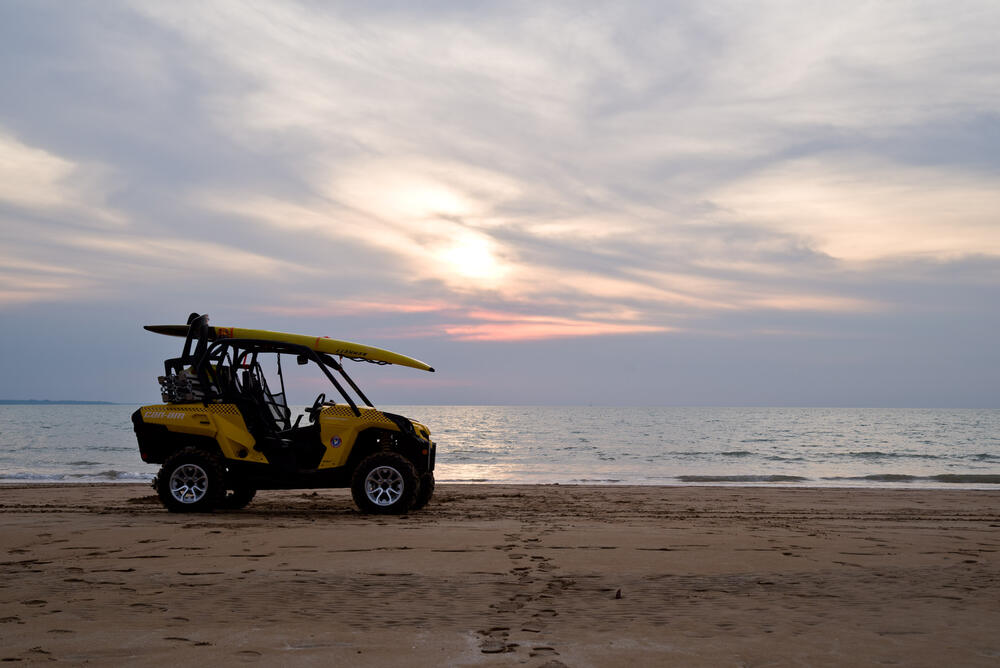 Gnangarra (CC BY 2.5 au)
Stalls at the Mindil Beach Sunset Market
Adelaide
The Barossa Valley, South Australia's best-known wine region, sits an hour from Adelaide, the state capital and the usual base for day trips out to it. Kangaroo Island, off the coast nearby, extends a South Australia trip by a few more days for wildlife rather than wine.
Split a South Australia stay between the two: wine-region days from Adelaide itself, then a separate leg out to the island.
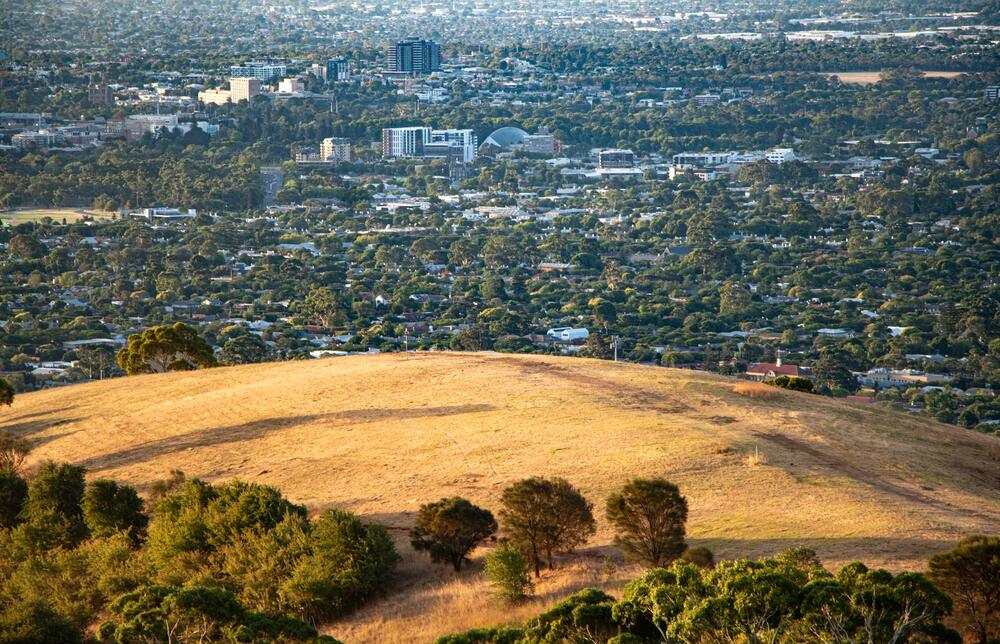 Photo by Patrick McLachlan on Pexels
Adelaide's skyline from a hilltop, trees in front
Canberra
- Australian War Memorial: free entry; 2 to 3 hours; a Last Post ceremony runs daily, timed to close out the visit
The Australian War Memorial, Parliament House and the National Gallery of Australia all sit in Canberra, the country's purpose-built capital. The War Memorial doubles as a national museum and research archive, its Roll of Honour where visitors place a poppy.
Time a visit around the daily Last Post ceremony, which closes out the day's visiting hours.
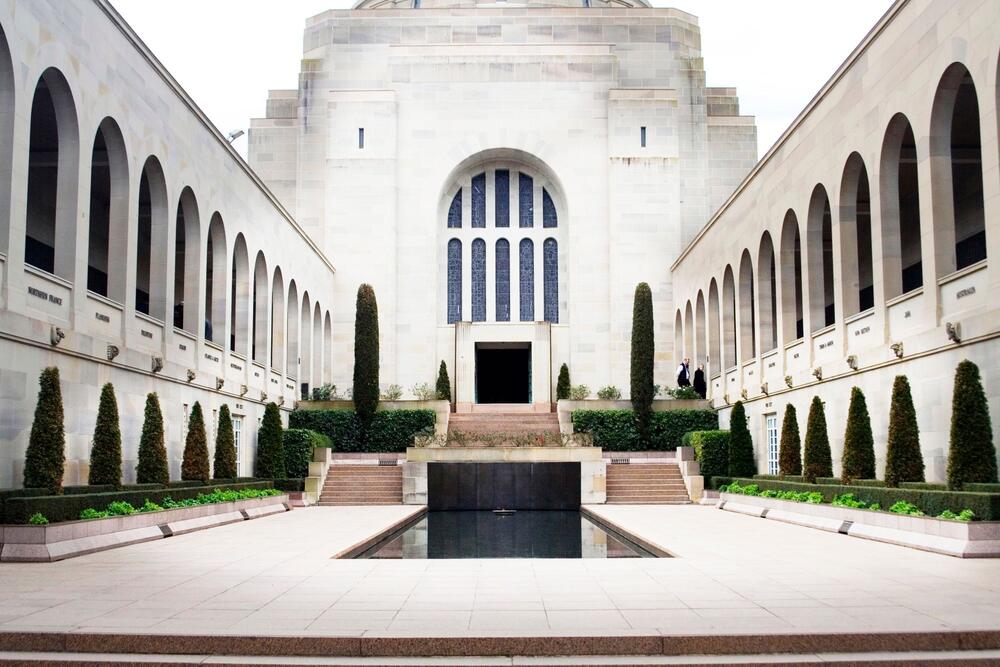 Photo by Vanessa Gallagher on Pexels
The colonnaded courtyard of the Australian War Memorial
The Reef, the Red Centre and the rainforest
Cairns
Must-visit
- Plan it: 10-day Australia itinerary
Cairns is the main gateway to the Great Barrier Reef, with day-trip dive and snorkel boats departing the marina each morning for the outer reef. Cairns is also the base for the Daintree Rainforest and Kuranda.
Pick Cairns over Port Douglas as a base when the reef, not a quieter upscale stay, is the main reason for the trip.
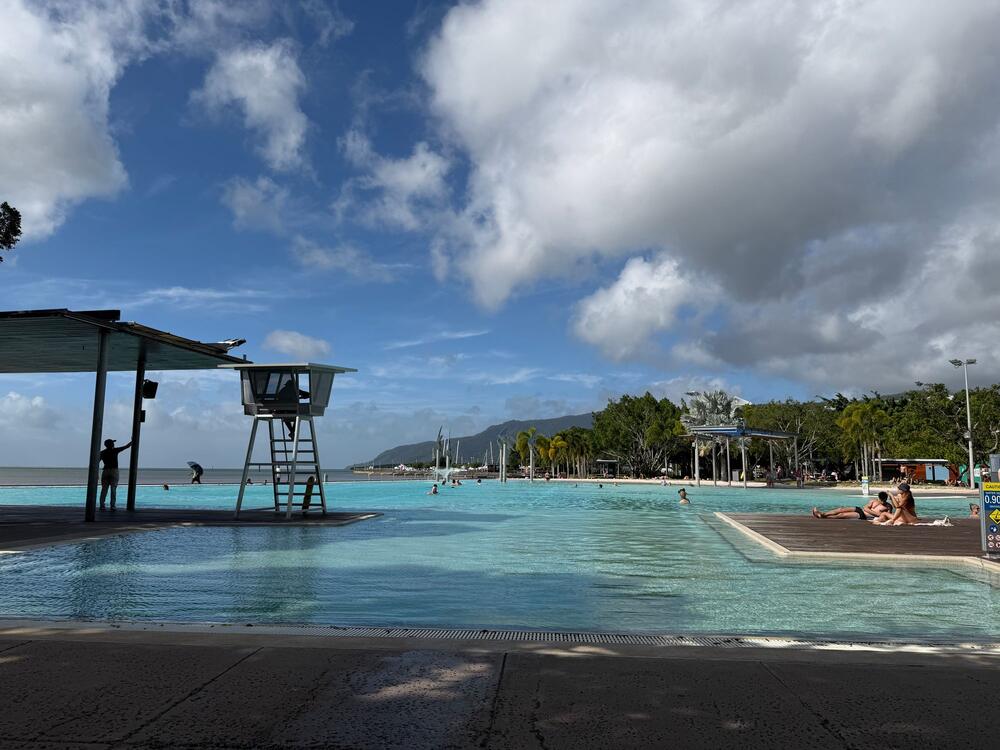 Photo by Relaxing Journeys on Pexels
The Esplanade Lagoon in Cairns on a sunny day
Great Barrier Reef
Must-visit
- Reef trip: environmental management charge AUD $8.50 per person per full day ($4.25 for a trip under 3 hours), added to the boat ticket, not a separate gate fee; UNESCO (1981)
The Great Barrier Reef is the world's largest coral reef system, running roughly 2,000 kilometers along the Queensland coast as thousands of individual reefs and sand cays rather than one continuous structure. Every reef-bound boat ticket carries the Reef Authority's environmental management charge on top of the fare, a per-person, per-day rate collected by the boat operator for the Reef Authority, not a park gate fee.
Reef trips run from Cairns, Port Douglas and the Whitsundays. The Whitsundays pair the reef with island sailing and Whitehaven Beach. Book the boat ahead in peak season.
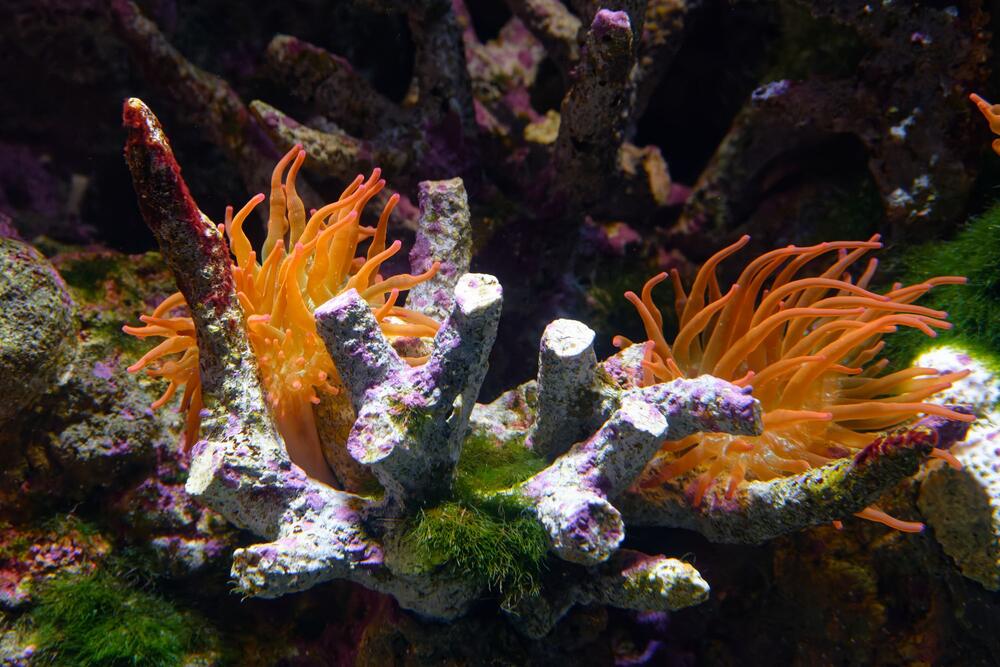 Photo by Gu Bra on Pexels
Coral and a sea anemone on the Great Barrier Reef
Whitsundays
Must-visit
- Whitehaven Beach: no gate fee; reached only by boat or seaplane from Airlie Beach, no road access; best at low tide for the swirling Hill Inlet sand pattern
The Whitsundays are a 74-island archipelago off Airlie Beach, most of them national park reached by charter boat. Whitehaven Beach, the group's signature stretch of pure-silica white sand on Whitsunday Island, sits inside that national park with no gate fee of its own. The cost is the boat or seaplane that gets you there.
Airlie Beach, on the mainland, is the departure point for both day-trip boats and multi-day sailing charters around the islands. Book the Whitehaven trip ahead in peak season.
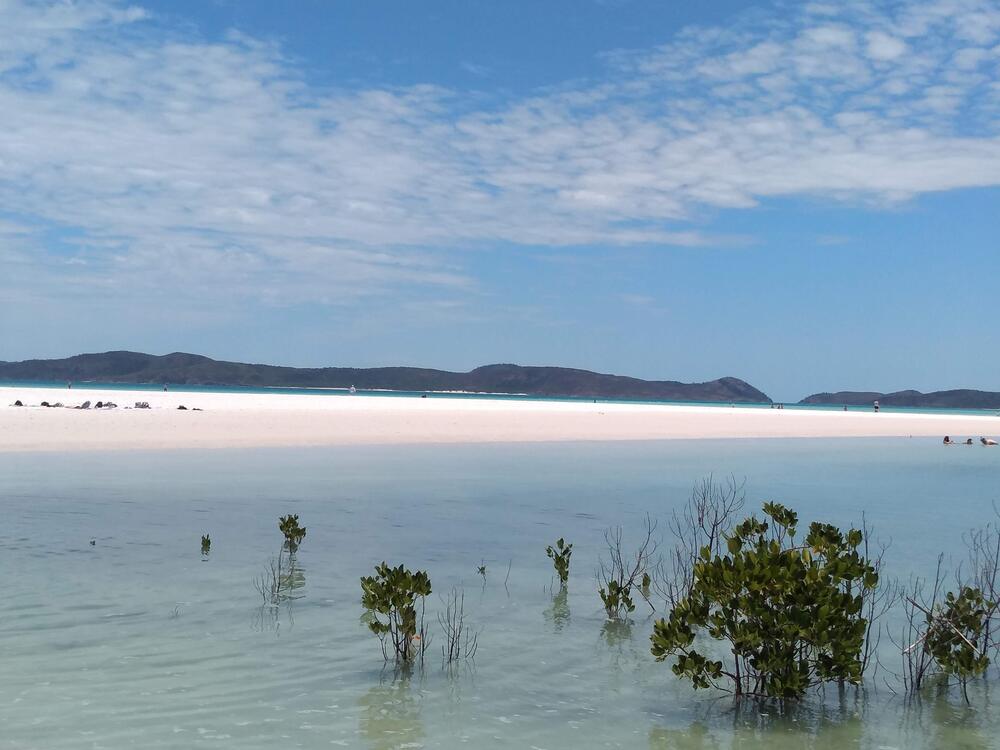 Timothy Wakeham (CC BY-SA 4.0)
White sand at Whitehaven Beach
Blue Mountains
- Three Sisters: free lookout at Echo Point; Scenic World's cable car and railway into the valley are ticketed separately; UNESCO (2000, as part of the Greater Blue Mountains Area)
The Three Sisters, three adjoining sandstone pillars over the Jamison Valley, are the Blue Mountains' signature view, free to see from the Echo Point lookout about two hours from Sydney. Scenic World's cable car and a steep heritage railway both drop into the valley floor below the lookout, each ticketed on its own.
A clear day matters more here than a particular season. The valley view disappears into haze or low cloud often enough that a Sydney day trip is worth timing around the forecast, not the calendar.
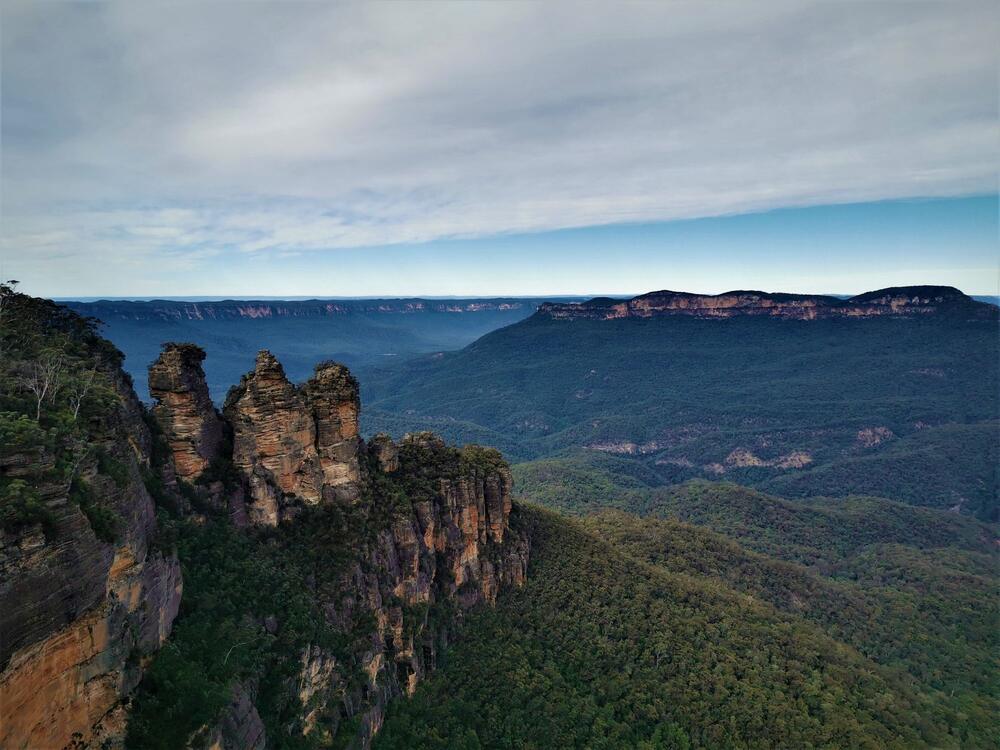 Photo by Ariel Magno on Pexels
The Three Sisters rock formation
Uluru-Kata Tjuta / Red Centre
- Park pass: AUD $38 adult for 3 days, $50 annual pass; under-18s free; UNESCO (1987)
- Field of Light: paid ticket, separate from the park pass; Bruce Munro's 50,000-plus solar light installation, 1.5 to 2 hours at dusk; book ahead, especially for a dinner-inclusive session
- Kings Canyon (Watarrka): no separate park pass; a 3 to 4 hour Rim Walk on the Red Centre Way between Uluru and Alice Springs
Uluru, the sandstone monolith at the heart of the Red Centre, is walked around its base today rather than climbed. Parks Australia's own site confirms "the Uluṟu climb closed permanently from 26 October 2019", the 34th anniversary of the park's handback to the Anangu people. Sunrise and sunset viewing areas now serve the same purpose.
Kata Tjuta, a group of domes a short drive from Uluru, is covered by the same park pass and the same Anangu cultural significance. After dark, the Field of Light spreads more than 50,000 solar-powered lights across a desert field near Uluru, usually paired with a sunset or dinner viewing booked ahead.
Many visitors combine Uluru with Kings Canyon on the Red Centre Way toward Alice Springs, where the canyon's Rim Walk takes 3 to 4 hours, starting early in the warmer months to beat the heat.
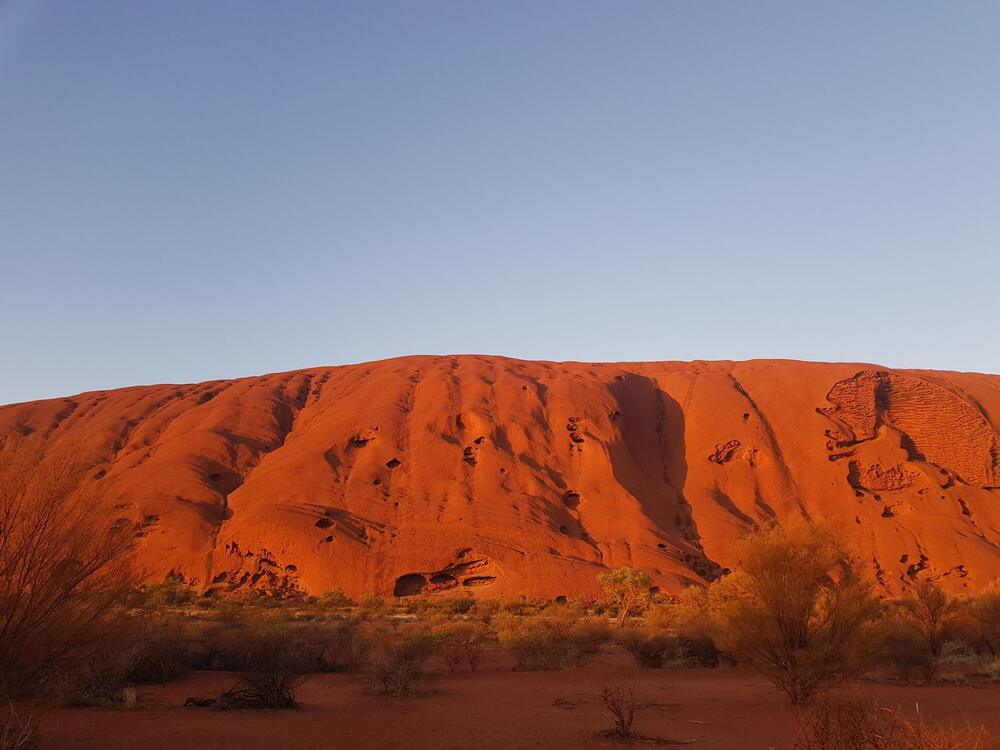 Photo by Robyn Lodge on Pexels
Uluru's red sandstone at sunrise
Daintree Rainforest
- Daintree Rainforest: part of the Wet Tropics of Queensland; UNESCO (1987)
The Daintree is among the world's oldest living rainforests, a stretch of tropical forest reached from Port Douglas or Cairns. Cable cars carry visitors over sections of the same Wet Tropics forest for a canopy-level view, and river cruises look for saltwater crocodiles along the river banks.
Both Port Douglas and Cairns run their own cable-car and crocodile-cruise trips into the Daintree, so either base works without a change of city.
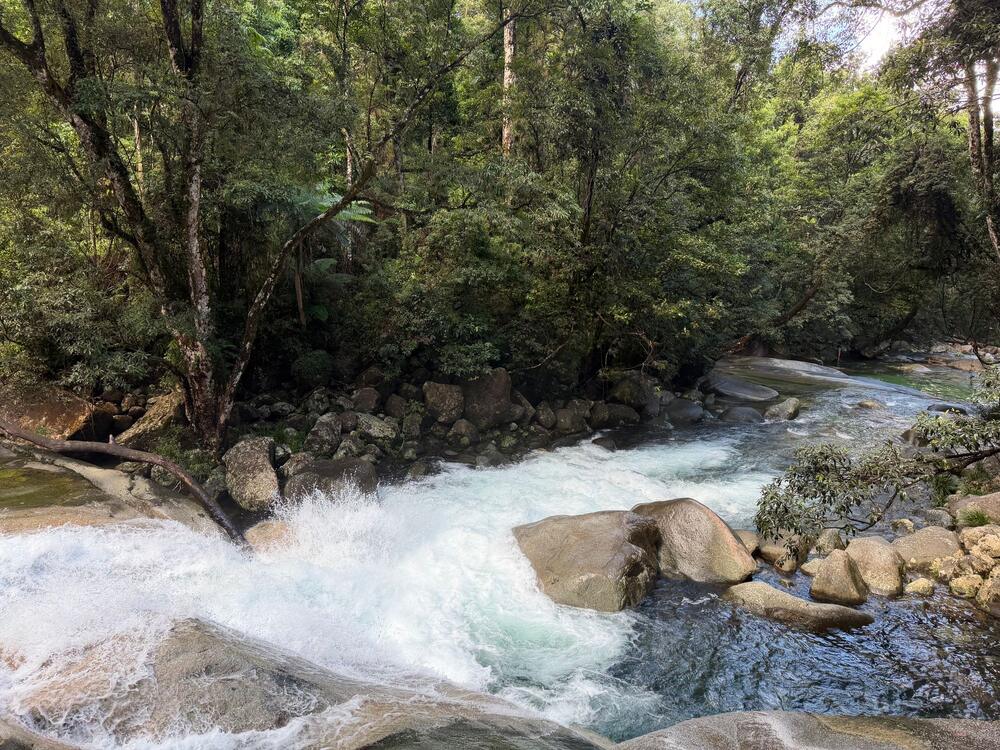 Photo by Relaxing Journeys on Pexels
A stream running through the rainforest in Daintree National Park
Kakadu National Park
- Kakadu National Park: UNESCO (1981)
- Best months: May to October, the dry season
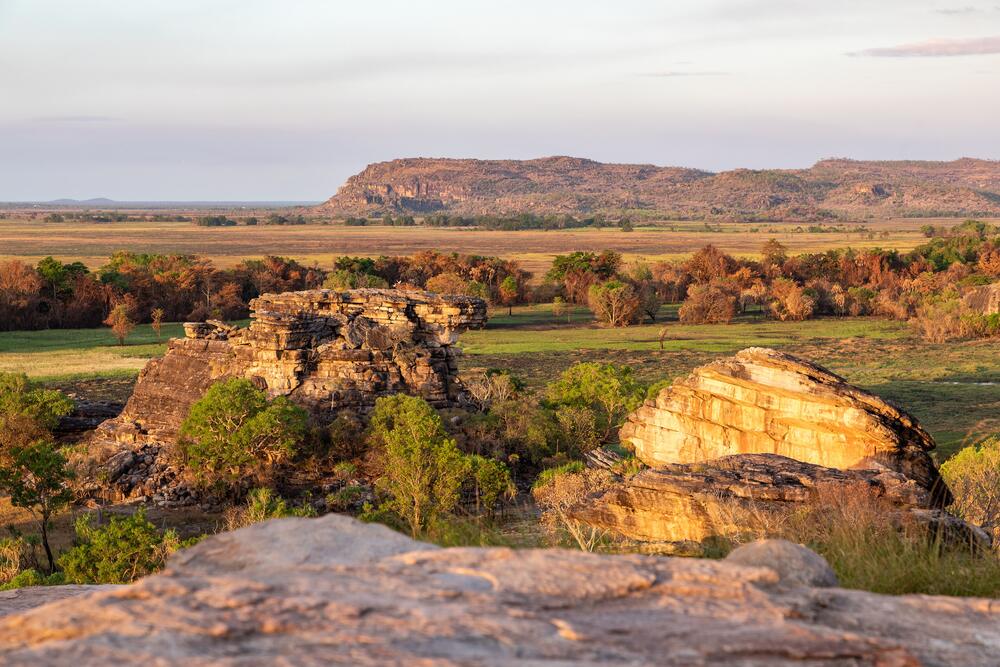
Kakadu covers about 20,000 square kilometers, a wetland and escarpment landscape that has carried Aboriginal rock art for more than 20,000 years. Wetland cruises put crocodiles and birdlife in view from a single boat trip.
 Dietmar Rabich (CC BY-SA 4.0)
Kakadu's escarpment country from Nadap Lookout
Road trips and islands
Great Ocean Road
- Twelve Apostles: free; limestone sea stacks off Port Campbell, best at sunrise or sunset for the light
The Great Ocean Road runs 243 kilometers of coastline from Torquay to Port Campbell, Victoria's best-known road trip. The Twelve Apostles, a cluster of limestone sea stacks standing offshore from a boardwalk lookout, mark the drive's best-known stop.
Most visitors drive it as a day trip or overnight loop out of Melbourne, with the Apostles lookout the natural turning point before heading back.
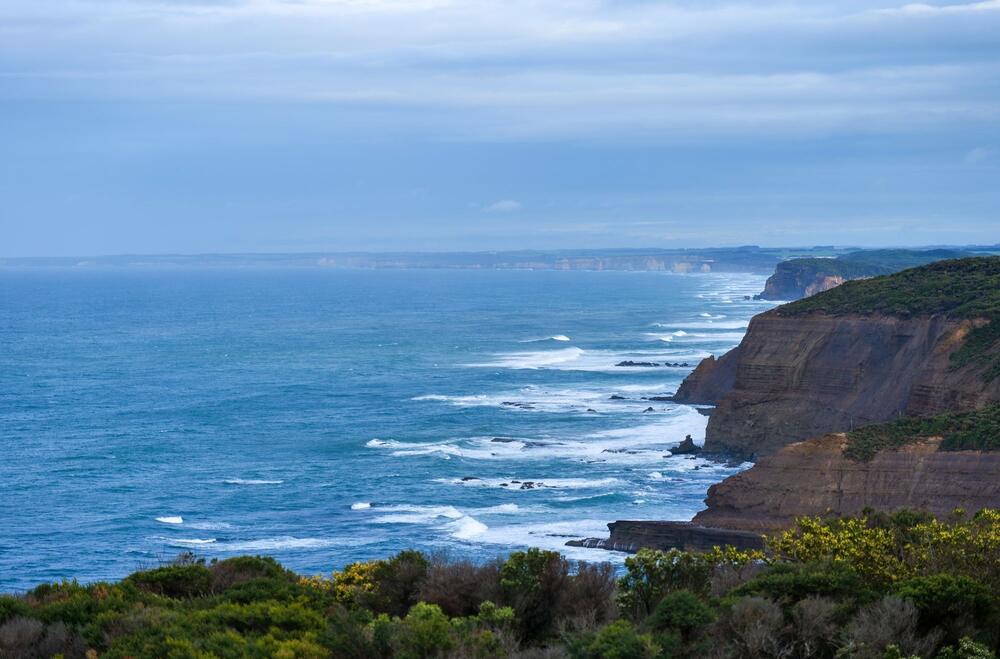 Photo by Mark Direen on Pexels
Cliffs and surf along the Great Ocean Road
Byron Bay
Must-visit
Byron Bay sits at mainland Australia's easternmost point, a surf town built around its lighthouse walk. The lighthouse track circles the headland, the point itself marking the easternmost spot on the Australian mainland.
Byron's Northern Rivers hinterland, inland from the coast, holds smaller towns worth a day trip from the same base. The beach town itself works as a standalone stop, or an add-on to a Gold Coast or Brisbane leg.
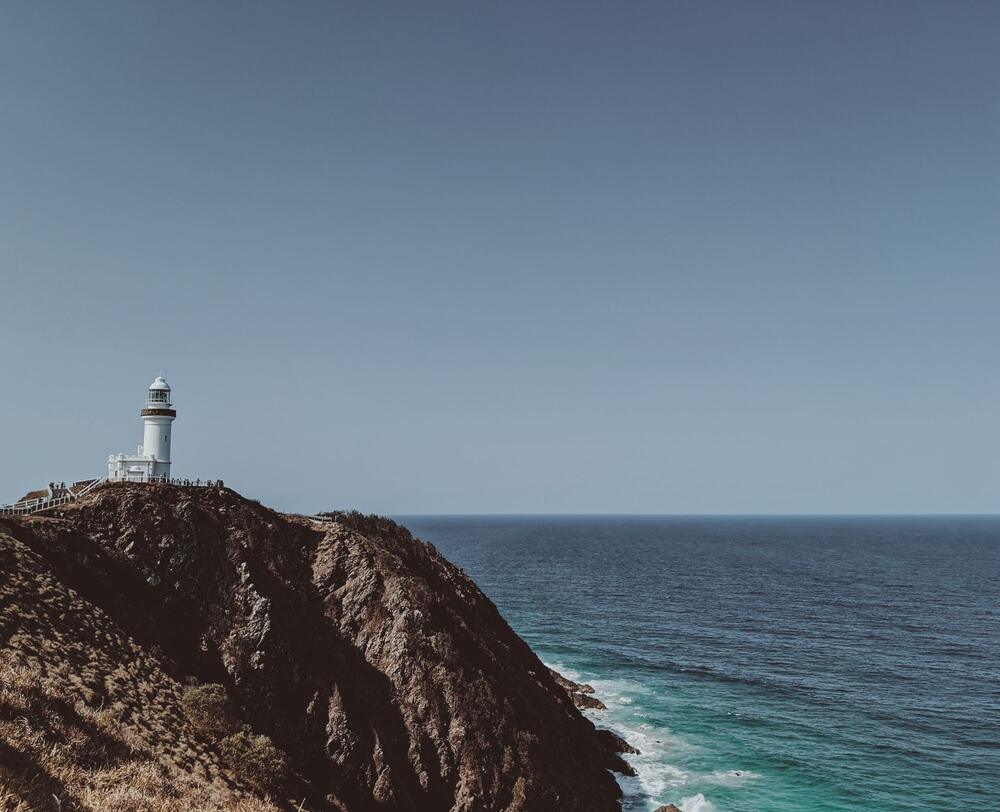 Photo by Valeriia Miller on Pexels
Cape Byron Lighthouse on the cliffs at Byron Bay
Fraser Island / K'gari
- Fraser Island / K'gari: UNESCO (1992, listed as "K'gari")
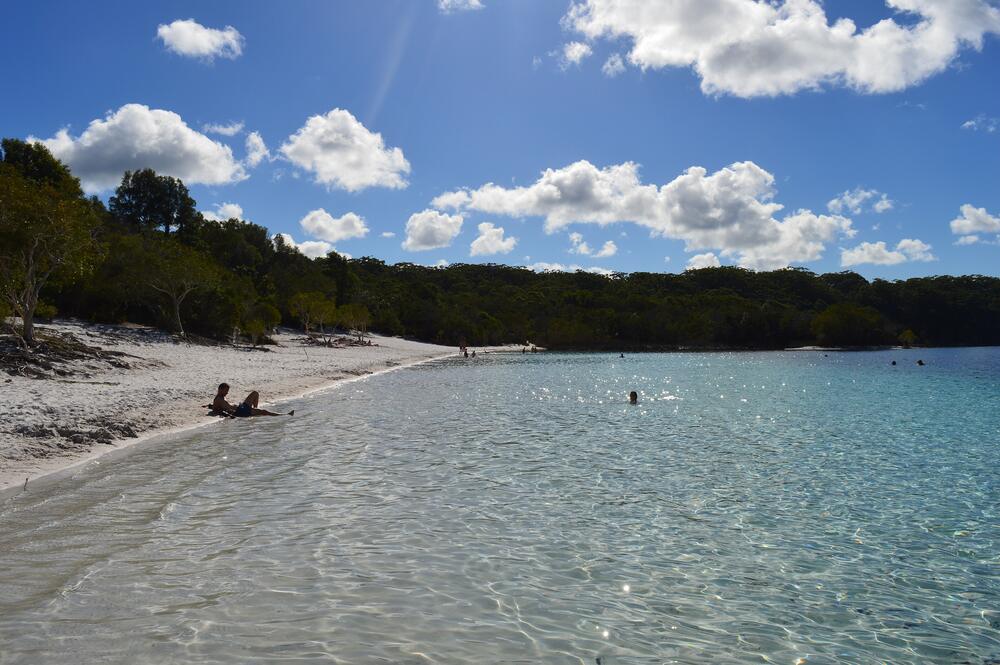
K'gari, known for decades as Fraser Island, is the world's largest sand island, its interior holding freshwater lakes and rainforest reached by a 4WD-only sand highway. The lakes themselves, set in white sand and startlingly clear, are the island's best-known stop beyond the beach drive itself.
Hervey Bay, the mainland departure point, is also a base for humpback whale watching from July to November, the calm channel between the mainland and the island a resting spot on the whales' annual migration.
 Rhain (CC BY-SA 4.0)
Lake McKenzie on K'gari (Fraser Island)
Kangaroo Island
Kangaroo Island sits off Adelaide, dense with wildlife: kangaroos, koalas and sea lions. On its beaches, visitors can walk amongst sunbaking sea lions.
The island is still recovering from a 2020 bushfire.
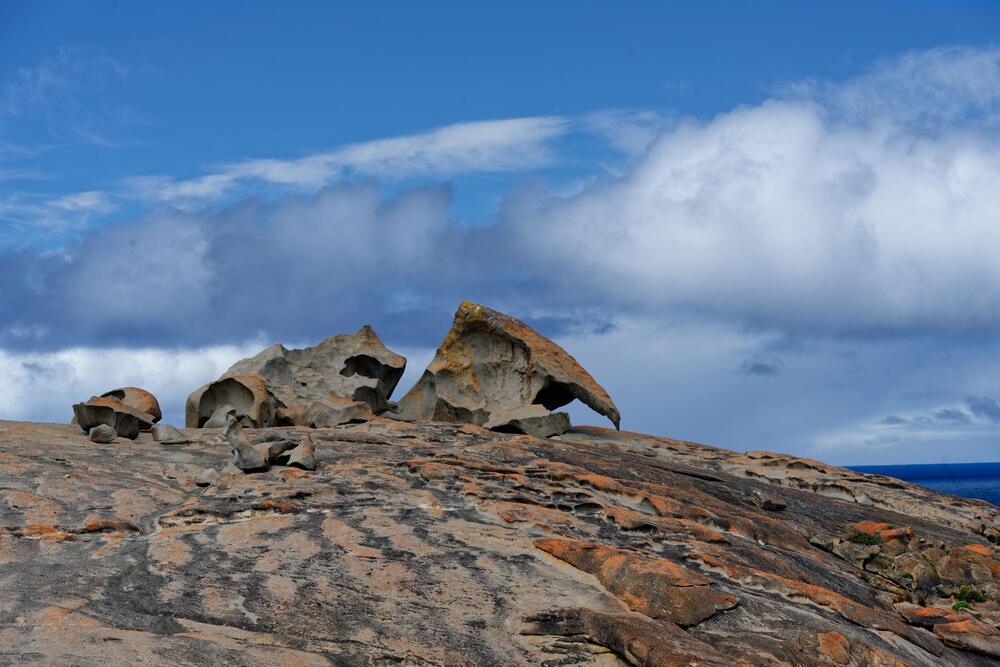 Photo by Gu Bra on Pexels
Remarkable Rocks on Kangaroo Island
Tasmania
Hobart
- MONA (Museum of Old and New Art): paid admission (Tasmanian residents free); built into a sandstone cliff on the Derwent River, reached by ferry from the city
MONA, a private museum of contemporary art and antiquities cut into a river cliff, is a ferry ride from Hobart, Tasmania's capital, home to Salamanca Market and the gateway to the island's wilderness.
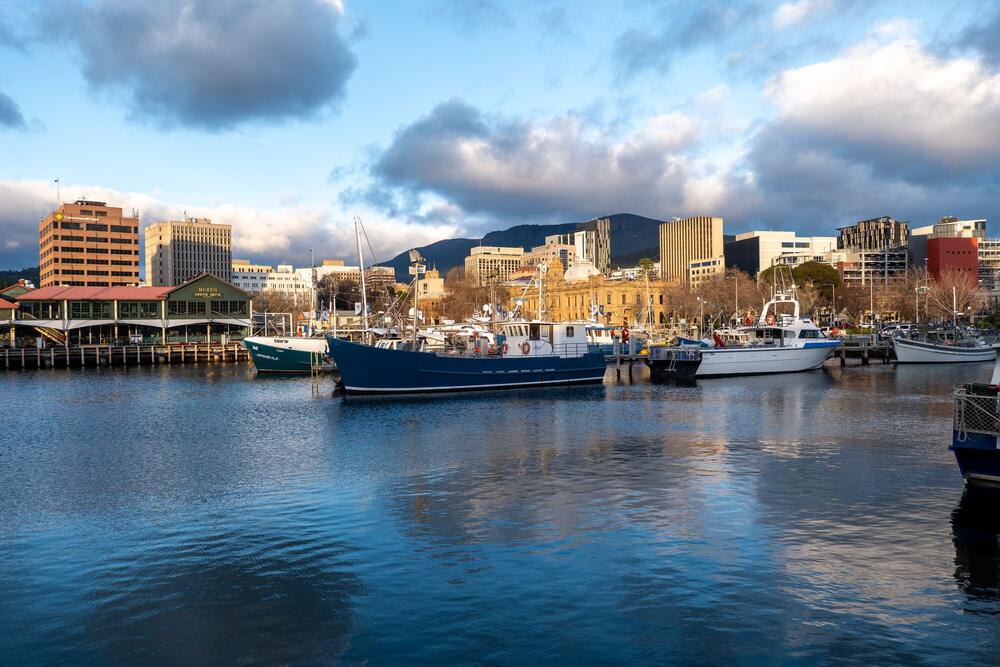 Photo by Mark Direen on Pexels
Fishing boats on Hobart's waterfront
Cradle Mountain
- Cradle Mountain: part of the Tasmanian Wilderness World Heritage Area; UNESCO (1982)
Cradle Mountain's jagged dolerite peak reflects in Dove Lake on a still morning, the view most visitors come for from the lake's own circuit track. The mountain sits inside the Tasmanian Wilderness World Heritage Area, a listing that covers a sizeable part of the island.
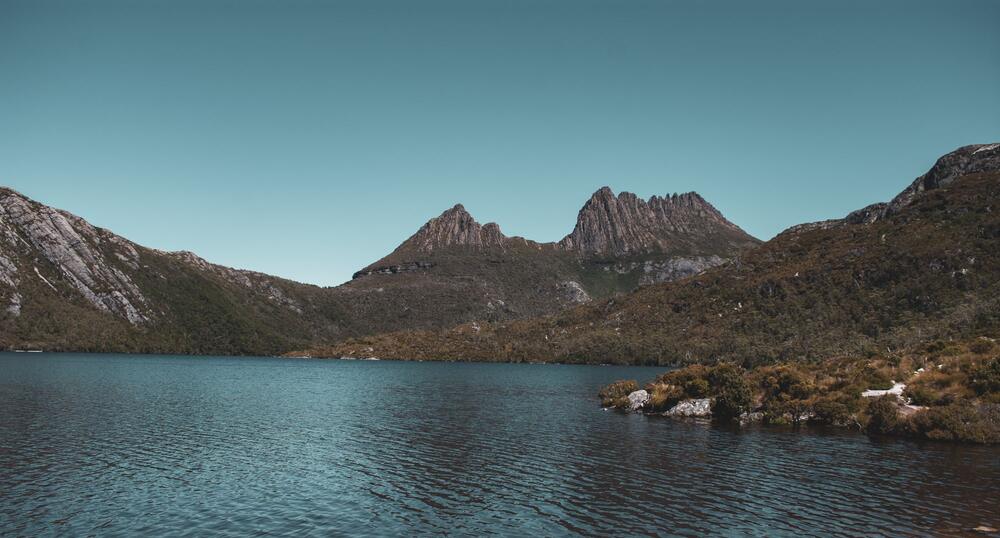 Photo by Costa Karabelas on Pexels
Cradle Mountain reflected in the lake
Bay of Fires
- Bay of Fires: free; orange-lichen granite boulders along white-sand beaches on Tasmania's northeast coast
The Bay of Fires is a 50-kilometer stretch of beaches from Binalong Bay in the south to Eddystone Point in the north, known for its orange lichen-covered granite boulders. The color stands out hardest against the white sand and blue water on a clear day.
Binalong Bay is the easiest access point for a short walk onto the rocks. The rest of the coast is reached by following roads north from the same town.
Try free
Plan your Australia trip in about 2 minutes
Tap through 8 quick cards for a complete itinerary with budget, maps, and packing lists. No account required.
Plan your Australia trip →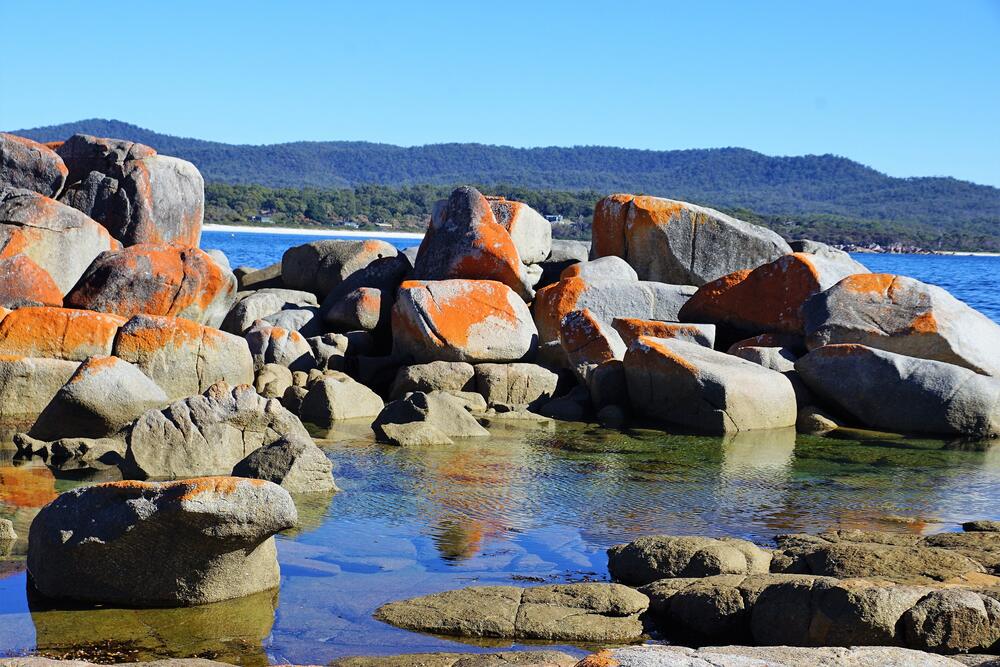 Dan arndt (CC BY-SA 4.0)
Lichen-covered rocks at the Bay of Fires
Western Australia
Perth
- The Pinnacles (Nambung National Park): Western Australia national park entry fee applies per vehicle; thousands of limestone spires rising from the dunes, about a 2-hour drive north
Margaret River's wine country, Rottnest Island and the Pinnacles all sit a drive from Perth, Australia's isolated west-coast capital.
North of the city, the Pinnacles rise from yellow dunes inside Nambung National Park: thousands of limestone spires that cast long shadows at sunrise and sunset. Time the drive for those hours, not midday.
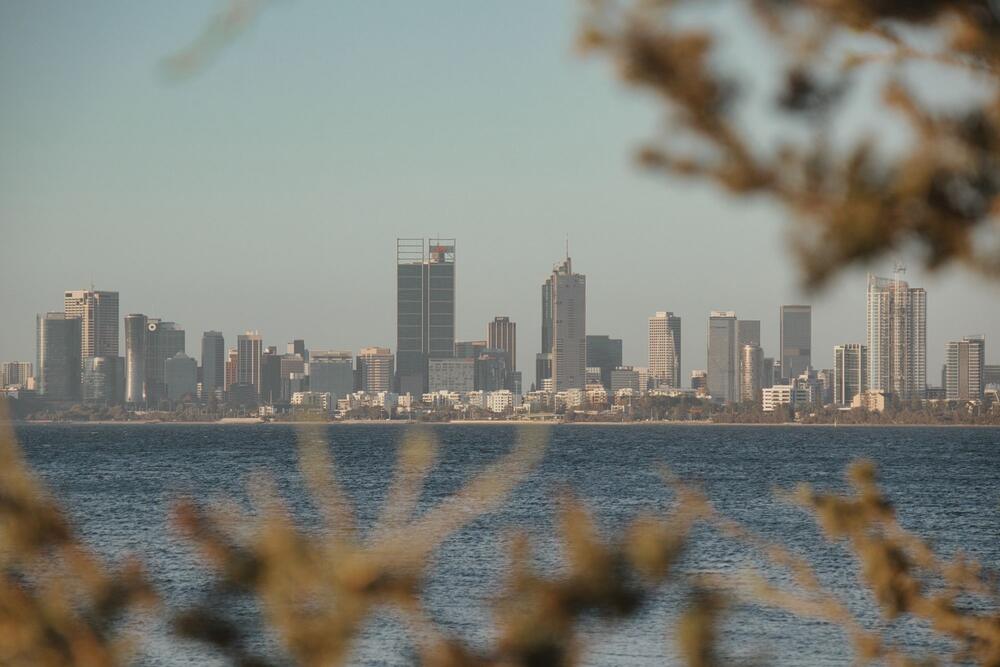 Photo by James Wong on Pexels
The Perth skyline across the water at dusk
Rottnest Island
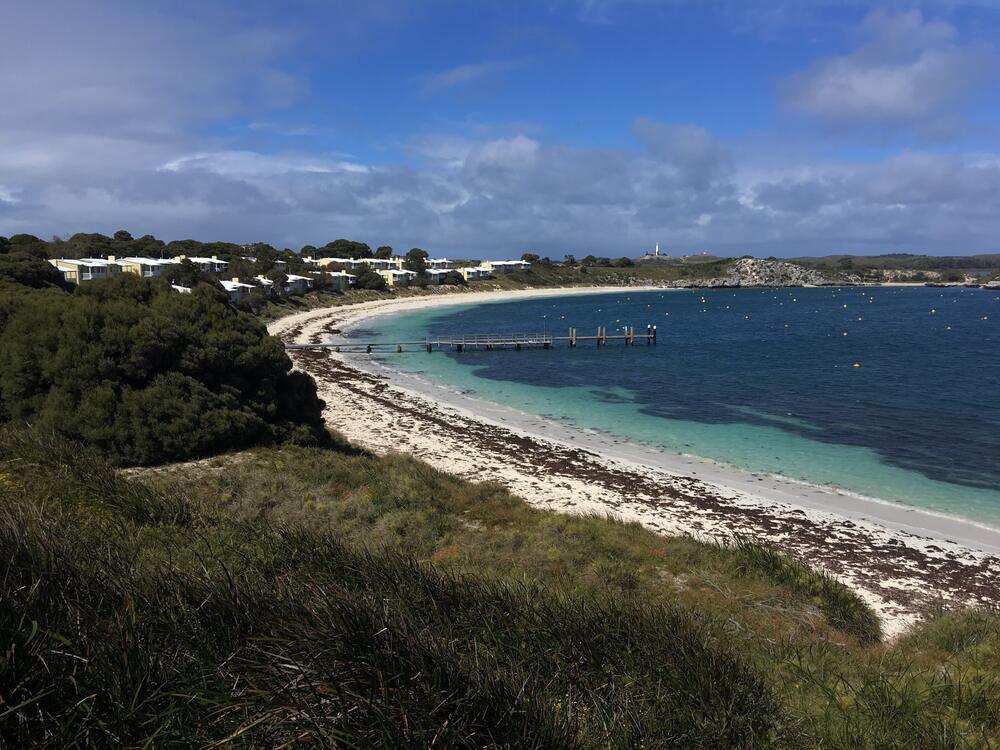
Rottnest Island bans private cars entirely, so a bike is the way almost every visitor gets around its beaches and bays after the ferry in from Perth. Quokkas, small marsupials, approach close enough on the island's paths that a quokka selfie has become its own reason to visit.
A bike, booked ahead with the ferry in peak season, is the usual way to cover the island in a single day trip from Perth.
 Christophe95 (CC BY-SA 4.0)
Geordie Bay on Rottnest Island
Ningaloo Reef
- Ningaloo Reef: UNESCO (2011, listed as "Ningaloo Coast")
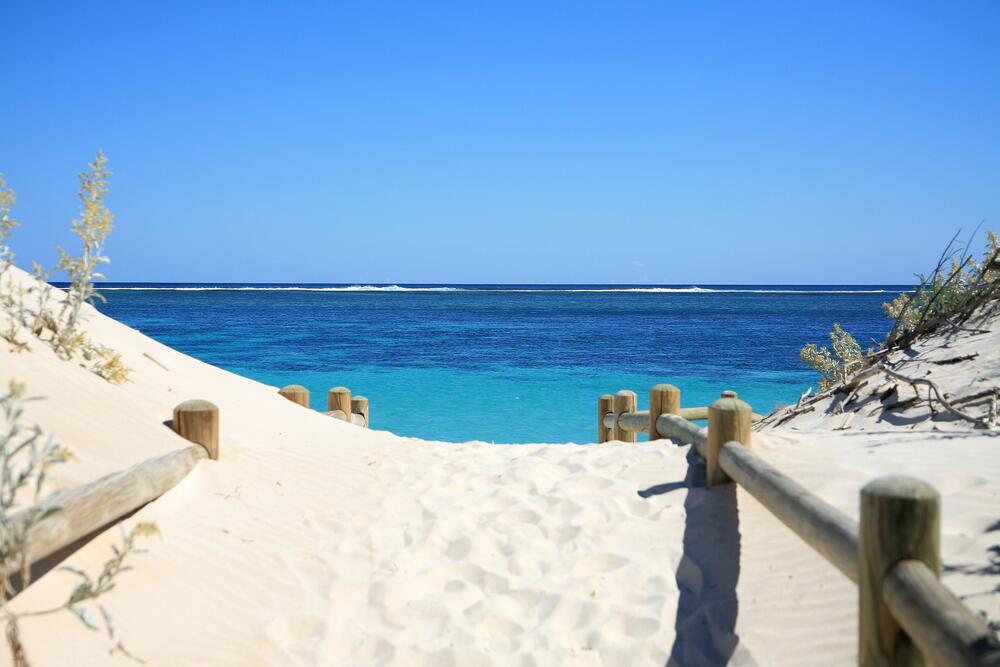
Ningaloo is a fringing reef running close to Western Australia's remote coast, a shorter boat trip out than the Great Barrier Reef's offshore crossings. Whale sharks, the world's largest fish, pass along the reef on a seasonal migration.
Exmouth and Coral Bay split the gateway role between them, both running boat tours out to the same reef system. Whale shark tours run in season, mid-March to October.
 W. Bulach (CC BY-SA 4.0)
Ningaloo Reef off the Western Australia coast
Things to do across Australia
Twelve Apostles
- Twelve Apostles: free; limestone sea stacks off Port Campbell on the Great Ocean Road
The Twelve Apostles are limestone sea stacks off the Port Campbell coastline, seen from a lookout boardwalk over the Southern Ocean, the signature stop on the Great Ocean Road.
Sunrise or sunset gives the stacks their most photographed light.
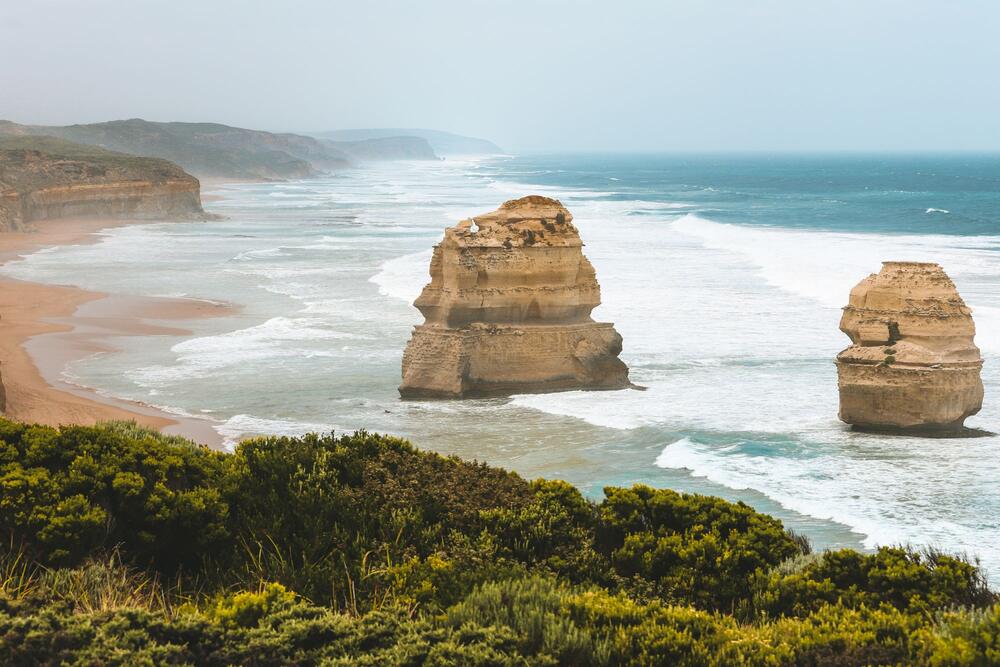 Photo by Moritz Feldmann on Pexels
The Twelve Apostles on the Great Ocean Road
Wineglass Bay
- Wineglass Bay: Tasmania Parks Pass required for Freycinet National Park; 1.5 hours return to the lookout, 3 to 4 hours down to the beach
Wineglass Bay curves into a near-perfect crescent of white sand inside Freycinet National Park, framed by the pink granite peaks known as the Hazards. The lookout track takes about 1.5 hours return from the car park, and going on down to the beach makes it 3 to 4 hours.
A Tasmania Parks Pass is required for Freycinet National Park.
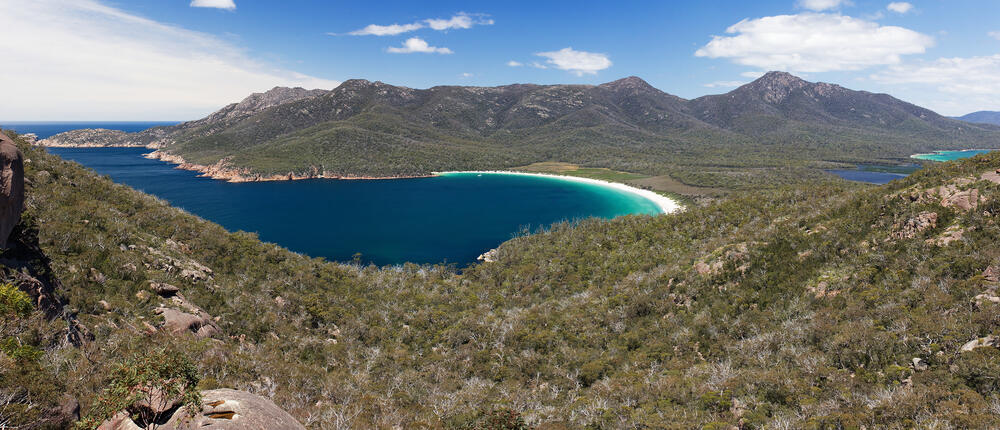 JJ Harrison (CC BY-SA 3.0)
Wineglass Bay from the lookout, Freycinet National Park
Kings Canyon (Watarrka)
- Kings Canyon Rim Walk: free, no separate park pass; 3 to 4 hours
- Best months: May to August, for cooler hiking temperatures
Kings Canyon cuts a sandstone gorge with walls rising 100 meters straight up, reached on the Red Centre Way between Uluru and Alice Springs. The Rim Walk circles the canyon's edge in 3 to 4 hours.
Many visitors combine the canyon with Uluru and the West MacDonnell Ranges on the same Red Centre loop. Start the Rim Walk early in the warmer months.
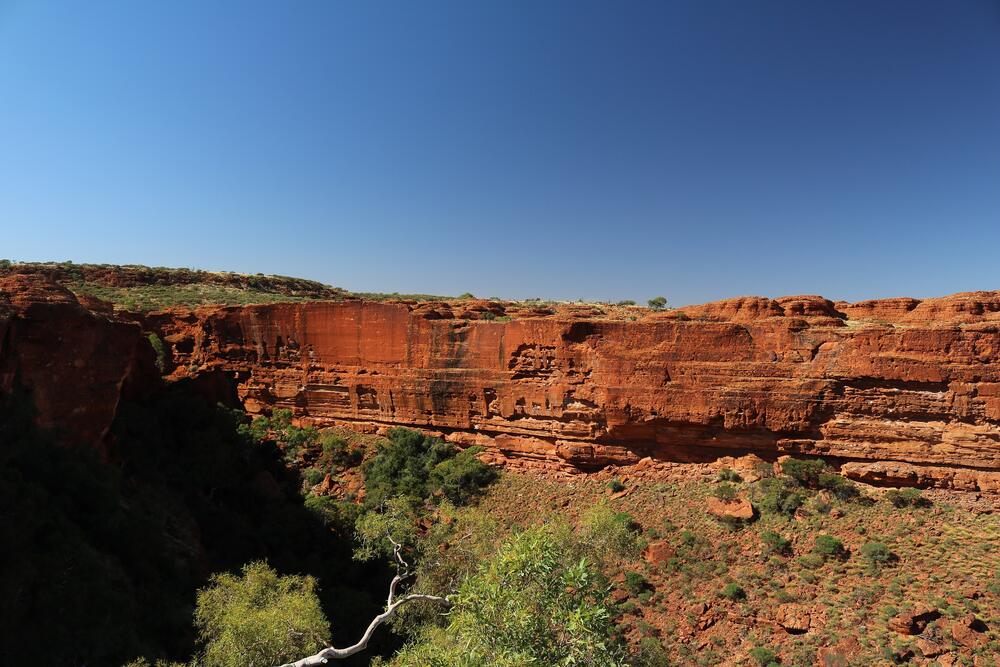 Warren Poole (CC BY-SA 4.0)
Kings Canyon, Watarrka National Park
Cable Beach
- Cable Beach: free beach; a camel ride at sunset is a separate paid tour
- Best months: April to October, the dry season
Cable Beach runs 22 kilometers along Broome's west side, and its sunset camel rides are what the beach is known for across the Kimberley. Camel operators run short rides timed to the sunset itself, booked ahead through the dry season.
The dry season, April to October, is the time to go.
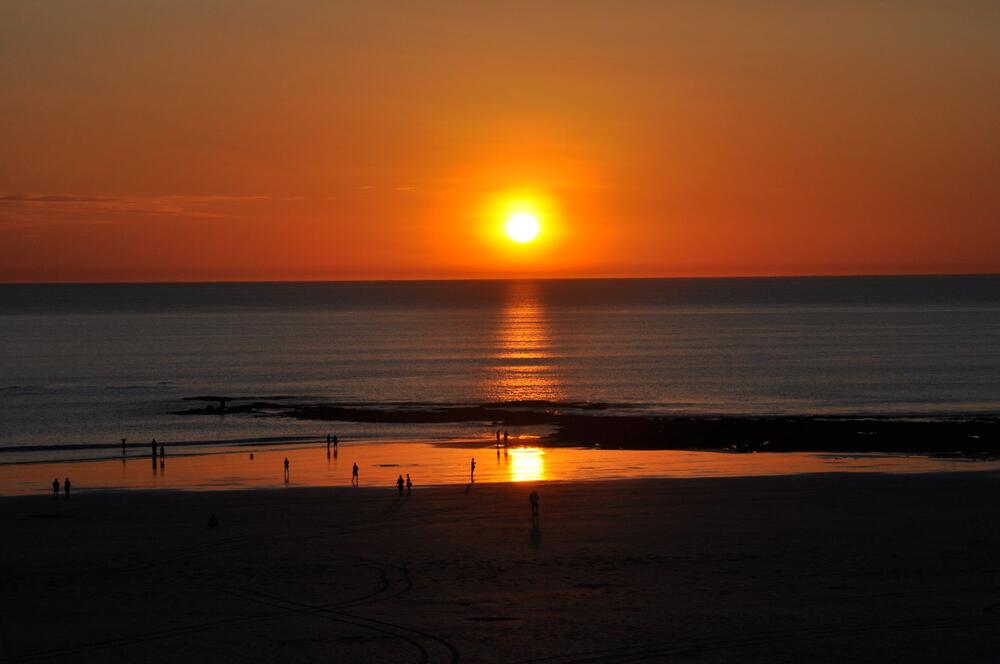 Photo by Jesse Sepala on Pexels
Sunset over Cable Beach, Broome
The Ghan (train)
- The Ghan: a multi-day rail journey, not a day ticket; book cabins well ahead
- Best months: May to August, to avoid extreme heat
The Ghan runs 2,979 kilometers between Adelaide and Darwin by rail, named after the Afghan cameleers. The full journey takes two to four days depending on the route and stops chosen.
Cabins on the train book out well ahead of departure, especially through the cooler winter months.
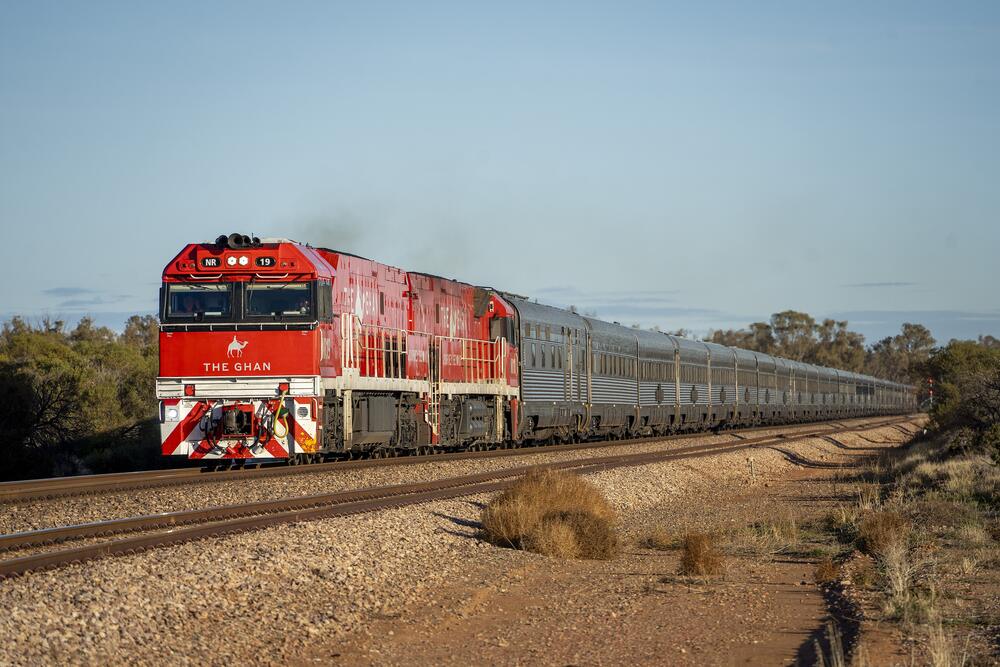 Tomoyn (CC BY 4.0)
The Ghan passenger train at Nectar Brook, South Australia
More places to add to a trip
| Place | Go for | Region |
|---|---|---|
| Margaret River | wine country and surf beaches, 3 hours south of Perth | Western Australia |
| Port Douglas | an upscale base for the Great Barrier Reef and the Daintree | Queensland |
| Noosa | a national-park headland walk and an upscale dining strip | Queensland |
| Barossa Valley | South Australia's best-known wine region, an hour from Adelaide | South Australia |
| Grampians National Park | sandstone-ridge hiking, 3 hours from Melbourne | Victoria |
| Hunter Valley | New South Wales's oldest wine region, 2 hours from Sydney | New South Wales |
| Lord Howe Island | a volcanic island 600 km off Sydney, capped at 400 visitors at a time | New South Wales |
The best places to visit in Australia at a glance
| Place | Go for | Book ahead |
|---|---|---|
| Sydney | the Opera House, the Harbour Bridge, Bondi Beach | yes |
| Melbourne | the laneways, Queen Victoria Market, Phillip Island | yes |
| Brisbane | a stopover between the Sunshine and Gold Coasts | no |
| Gold Coast | surf beaches, theme parks | no |
| Darwin | Mindil Beach Sunset Market, the Kakadu gateway | no |
| Adelaide | the Barossa Valley, the Kangaroo Island gateway | no |
| Canberra | the Australian War Memorial | no |
| Cairns | the Great Barrier Reef, the Daintree | no |
| Great Barrier Reef | reef diving and snorkeling | yes |
| Whitsundays | Whitehaven Beach, island sailing | yes |
| Blue Mountains | the Three Sisters, Scenic World | no |
| Uluru-Kata Tjuta / Red Centre | Uluru, Kata Tjuta, the Field of Light | yes |
| Daintree Rainforest | ancient rainforest, river crocodile cruises | no |
| Kakadu National Park | Aboriginal rock art, wetland cruises | no |
| Great Ocean Road | the Twelve Apostles road trip | no |
| Byron Bay | the lighthouse walk | no |
| Fraser Island / K'gari | 4WD beach driving, freshwater lakes | no |
| Kangaroo Island | sea lion colonies | no |
| Hobart | MONA, Salamanca Market | no |
| Cradle Mountain | Dove Lake | no |
| Bay of Fires | orange-lichen granite boulders | no |
| Perth | the Pinnacles | no |
| Rottnest Island | quokka selfies | no |
| Ningaloo Reef | swimming with whale sharks | yes |
Plan your Australia trip
For trip length, getting around and costs, start with the Australia guide. When you build a trip with MonkeyEatingMango, the booking checklist lists what to book and how many weeks ahead.
Last updated November 2026.
Common questions
What is the #1 tourist attraction in Australia?
The Sydney Opera House and the Sydney Harbour Bridge are Australia's best-known sights, facing each other across Sydney Harbour. The Opera House is Australia's only UNESCO World Heritage-listed building from the 20th century, inscribed in 2007. Climbing the bridge or touring the Opera House both need advance booking, while walking across the bridge and viewing the Opera House from outside are free.
Where should I go in Australia for the first time?
Start a first trip to Australia in Sydney and Melbourne, then add one natural wonder: the Great Barrier Reef from Cairns, or Uluru in the Red Centre. A 10-day trip fits all three, with four days in Sydney, three in Melbourne and three in Cairns.
What are some fun activities to do in Australia?
Climb the Sydney Harbour Bridge, snorkel the Great Barrier Reef from Cairns or Port Douglas, and watch the sun go down over Uluru at the Field of Light installation. On Victoria's coast, the Great Ocean Road's Twelve Apostles and Phillip Island's nightly penguin parade both work as a day trip from Melbourne.
How many days do you need in Australia?
Ten days covers three stops well: four days in Sydney, three in Melbourne and three in Cairns for the Great Barrier Reef, flying between each leg. A week covers two of those three; two weeks allows a fourth stop, such as Uluru or Tasmania.
Is the Uluru climb still open?
No. The Uluru climb closed permanently on October 26, 2019, the 34th anniversary of the park's handback to its Traditional Owners. You can walk the base of Uluru instead, or see it lit up at the Field of Light installation after dark.
Is Whitehaven Beach reachable without a tour?
No. Whitehaven sits inside a national park on Whitsunday Island with no road in, so visits go by boat, seaplane or helicopter from Airlie Beach or a Whitsundays sailing charter. There's no gate fee for the beach itself. The cost is the boat.
Do you need to fly between Australian cities, or can you drive?
Fly for any distance beyond a single Australian region. Australia's distances run to the size of the continental United States, so a Sydney-Melbourne-Cairns trip moves between cities by domestic flight. Save a rental car for a single stretch, like the Great Ocean Road, or a day trip from one base.
What is the best month to visit Australia?
The best month to visit Australia splits by region: the tropical north is best in its dry season, May to October, while the south's summer runs December to February and its winter June to August. Check the forecast for your specific dates before booking.
How many UNESCO World Heritage Sites does Australia have?
Australia has 21 UNESCO World Heritage Sites: 5 cultural, 12 natural and 4 mixed. The first three, the Great Barrier Reef, Kakadu National Park and the Willandra Lakes Region, were inscribed in 1981. The most recent, the Murujuga Cultural Landscape, was added in July 2025.
Is the Great Barrier Reef better from Cairns or the Whitsundays?
Cairns and nearby Port Douglas are the usual bases for a day-trip dive or snorkel boat. The Whitsundays add island sailing and Whitehaven Beach, so pick Cairns or Port Douglas for the reef first and the Whitsundays for days on the water.
Do you need to book the Phillip Island Penguin Parade in advance?
Yes. The Phillip Island Penguin Parade is viewed from a boardwalk grandstand. Book online ahead for the dusk viewing.

Written by Shobhit Shrivastava · Founder
Related reading
Australia travel guide
10-Day Sydney, Melbourne, & Cairns, Australia Couples Itinerary
10 days across Australia's east coast: 4 days in Sydney for the Bondi to Coogee walk and Opera House, 3 days in Melbourne for laneway cafes and Queen Victoria Market, and 3 days in Cairns for Great Barrier Reef snorkeling and Daintree rainforest treks. Comfortable pace with domestic flights...
Things to Do in Scotland and the Best Places to Visit
Where to go in Scotland: Edinburgh and the Lothians, Glasgow and the central belt, the Highlands, the islands, and the whisky-region choice no single answer settles. Every stop carries its top sights, the official price where one exists, and what to book ahead.
Things to Do in Ireland and the Best Places to Visit
Where to go in Ireland by region, from Dublin to Northern Ireland. Every stop carries its top sights, the official price where one exists, and what to book ahead.
Things to Do in Croatia and the Best Places to Visit
Where to go in Croatia by region: Split, Dubrovnik and the Dalmatian islands, Istria and the Kvarner coast, Zagreb and the national parks. Every stop carries its top sights, the official price where one exists, and what to book ahead.