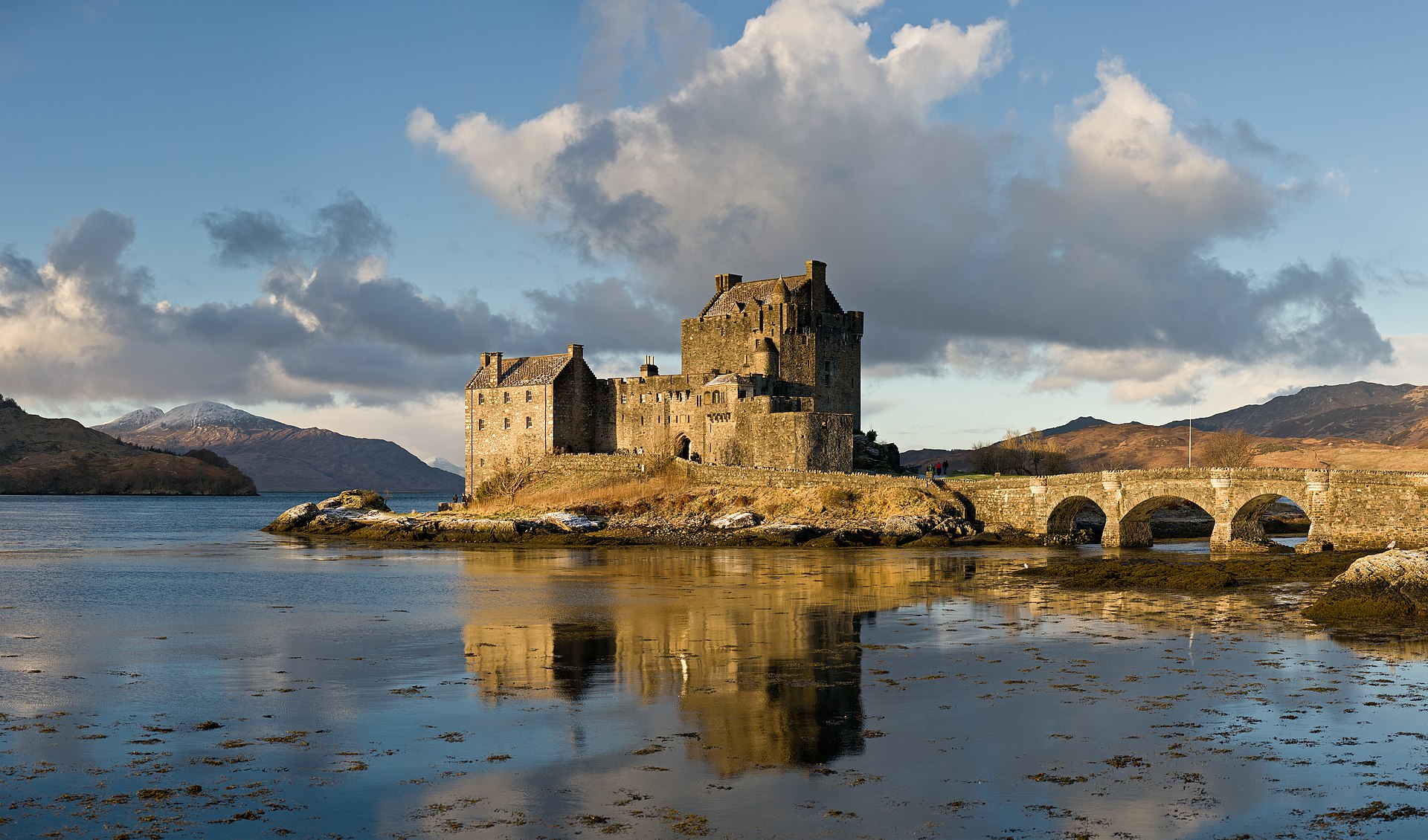
Scotland travel guide cover photo

Scotland Travel Guide: Edinburgh, the Highlands, and Skye

A first-timer's guide to Scotland: how many days, why you need a car for the Highlands, and the weather, driving, and booking rules everyone gets wrong.

Last updated June 20, 2026 · By Namrata

Scotland packs sharp contrasts into a small country. Edinburgh stacks a medieval Old Town and a Georgian New Town beneath a castle on an extinct volcano, Glasgow runs the better music and museum scene an hour west, and a few hours north the Highlands open into glens, sea lochs, and the jagged ridges of the Isle of Skye. Most first-timers underestimate the variance and the scale. They picture a quick city break with a castle photo and try to add the Highlands as an afternoon.

The thing first-timers underestimate most is the friction of getting beyond the cities. The trains between Edinburgh and Glasgow are easy, but the Highlands and Skye are thin on public transport, so a rental car is close to mandatory once you leave town, and the winding single-track roads make distances longer than they look. The weather turns fast in any season, summer brings biting midges to the glens, and from 25 February 2026 visitors need a UK Electronic Travel Authorisation before they board. None of it is hard; it just rewards a little planning.

This guide is the layer that sits above the day-by-day itineraries. Sort the ETA early, choose a base (Edinburgh for the south and the festivals, Inverness or Fort William for the Highlands), match the season to what you want, and build in honest drive times. Do that and you'll spend your days on the Royal Mile and the ridges of Skye rather than stuck behind a coach on the A82 wishing you'd left earlier.
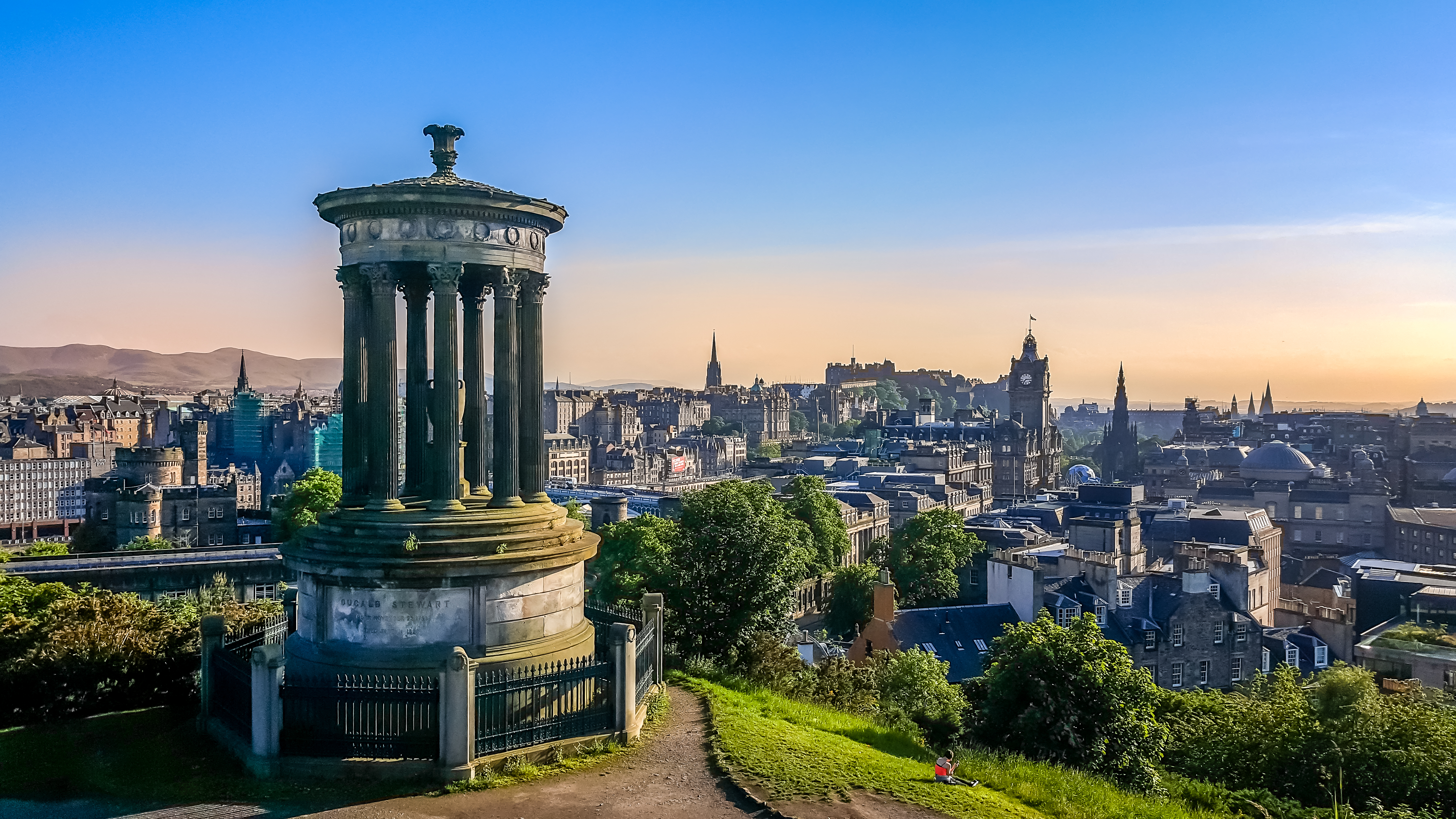
Choose your trip length

4 days

Edinburgh + a Highlands taster

Edinburgh's Old Town and castle, then a long day north to Loch Ness, Glencoe, and the Highlands by guided coach or train. The tightest first trip that still mixes a city and the mountains.

7 days

Edinburgh + the Highlands + Skye

Two days in Edinburgh, up through Glencoe and Fort William, on to the Isle of Skye, and back via Inverness and Loch Ness. The classic one-week loop — needs a rental car beyond Edinburgh.

See the sample itinerary →

10 days

+ Glasgow, St Andrews, and a slower Skye

Add Glasgow's music and museums, the golf and ruins at St Andrews, more time on Skye, and a leg of the North Coast 500. The fuller circuit with room to slow down.

The flagship itinerary

Best time to visit
London is pleasant from late spring to early autumn, specifically May to September. Average temperatures are around 15-20C, with July and August being the warmest, sometimes reaching 25C. These months also see the largest crowds and highest prices. Shoulder seasons (April, October) offer milder weather, fewer tourists, and better deals, with temperatures around 10-15C. Winter (November-March) is cold and damp, often 2-8C, but is excellent for festive events and indoor attractions, with fewer queues.
Currency
Pound Sterling (GBP)
Visa
US, EU, UK, AU, and Canadian citizens can enter the United Kingdom visa-free for up to 6 months. Indian citizens generally require a Standard Visitor visa, which should be applied for in advance. Passports must be valid for the duration of your stay. Check the UK government website for specific requirements for other nationalities.
Tipping
Tipping is not mandatory, but a service charge of 10-12.5% is often added to restaurant bills; check your bill before adding more. For taxis, round up the fare to the nearest pound. For hotel staff, a small tip (e.g., 2-5 GBP for bellhops/housekeeping) is appreciated but not expected.
Emergency
999 or 112 (police, fire, ambulance, coastguard)

Estimated daily cost

Backpacker

£55-90/day

Hostel dorms, supermarket meals and the odd chippy, ScotRail and Citylink buses, free museums in the cities. Doable, but the Highlands and Skye are hard to reach without a car. Prices as of 2026; verify current rates.

Mid-range

£140-230/day

3★ hotels or B&Bs, a small rental car, a mix of pub meals and one nice seafood or Scottish dinner. The sweet spot. Costs jump during August festival season in Edinburgh. Prices as of 2026; verify current rates.

Luxury

£350+/day

Country-house hotels and castle stays, whisky tastings, fine dining, a driver-guide. Edinburgh during the August festivals is among the priciest spots in the UK. Prices as of 2026; verify current rates.

Jan
O
Feb
O
Mar
S
Apr
S
May
S
Jun
P
Jul
P
Aug
P
Sep
S
Oct
S
Nov
O
Dec
S
Off-peak (cheaper) Shoulder Peak (priciest)Baseline: January

Festivals & timing

December 29 - January 1

Hogmanay (Edinburgh)

Scotland's famous New Year celebration. Edinburgh runs a torchlight procession, a Princes Street street party, and one of the world's biggest fireworks displays over the castle. Tickets for the street party sell out; book well ahead.

Worth planning around

April

Spirit of Speyside Whisky Festival

A multi-day festival across the Speyside distilleries in the northeast, with tastings, tours, and special bottlings at the heart of single-malt country. Worth a detour for whisky travelers.

August

Edinburgh Festival Fringe

The world's largest arts festival fills Edinburgh with thousands of comedy, theatre, and music shows (7-31 August in 2026). The city is electric but packed, and hotel prices spike. Verify exact dates before booking.

Worth planning around

August

Royal Edinburgh Military Tattoo

A pipes-and-drums spectacle on the Edinburgh Castle esplanade, running alongside the Fringe (7-29 August in 2026). Tickets go fast and lodging is scarce all month. Verify exact dates before booking.

Worth planning around

Year-round (peak in summer)

Highland Games

Local gatherings of caber tossing, hammer throw, Highland dancing, and pipe bands held in towns across the country, mostly from May to September. The Braemar Gathering in early September is the most famous. A good window into rural tradition.

January 25

Burns Night

A nationwide supper honoring poet Robert Burns: haggis, neeps and tatties, whisky, and recitations of his verse. Many pubs and restaurants run special nights; a fun, low-key cultural evening if you're visiting in winter.

Major cities at a glance

Edinburgh
Andrew Colin (CC BY 2.0)

Edinburgh

2-3 days

Best for the capital + history

Scotland's capital and main gateway. Edinburgh Castle on its volcanic crag, the Royal Mile down to Holyrood Palace, the climb up Arthur's Seat, and the Georgian New Town. Best base for day trips to the Borders and Fife.

Glasgow
瑞丽江的河水 (CC BY-SA 4.0)

Glasgow

1-2 days

Best for music, art + architecture

Scotland's largest city, an hour west of Edinburgh by train. Charles Rennie Mackintosh design, the Kelvingrove and Riverside museums, a famous live-music scene, and the country's best Victorian architecture.

Inverness
Diliff (CC BY-SA 3.0)

Inverness

1-2 days

Best for Highlands hub + Loch Ness

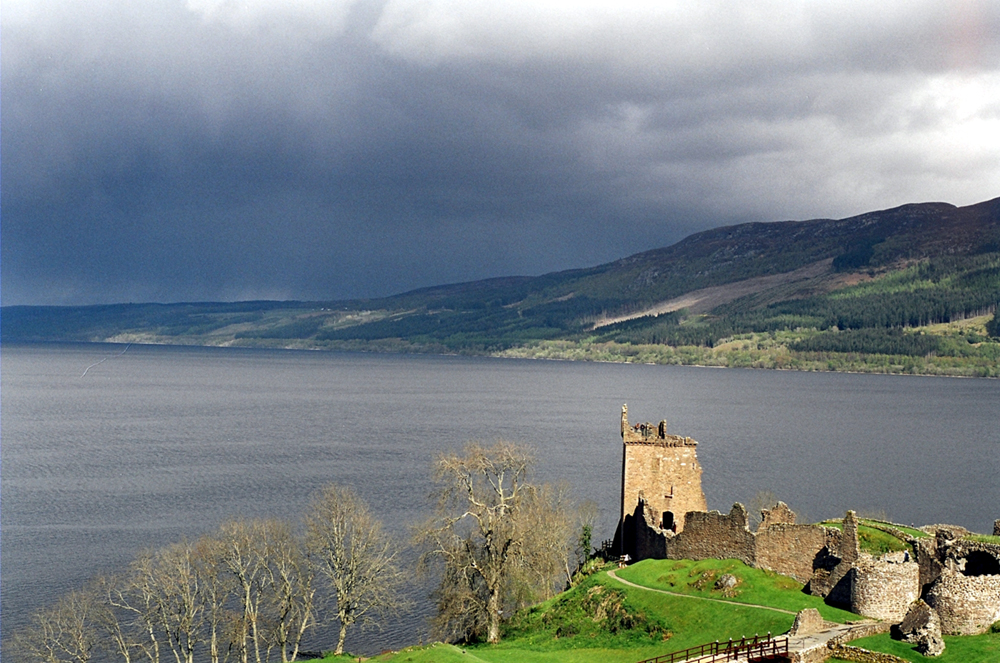
The capital of the Highlands and the northern gateway. Inverness Castle above the River Ness, Loch Ness and Urquhart Castle a short drive south, and the Culloden battlefield nearby. The usual base for the North Coast 500.

Portree
הגמל התימני (CC BY-SA 4.0)

Portree

2 days

Best for Isle of Skye base

The harbor town and main base on the Isle of Skye, with its row of pastel houses on the bay. Within reach of the Old Man of Storr, the Quiraing, the Fairy Pools, and Neist Point lighthouse. Book accommodation far ahead in summer.

Fort William
Matthieu Riegler (CC BY 3.0)

Fort William

1-2 days

Best for mountains + the Jacobite train

The Highlands outdoor hub at the foot of Ben Nevis, Britain's highest peak. Glencoe's valley to the south, and the Glenfinnan Viaduct just west, where the Jacobite steam train crosses on the way to Mallaig.

St Andrews
Peter Gordon (CC BY-SA 2.0)

St Andrews

1 day

Best for golf + coastal ruins

The seaside university town in Fife, home of golf and the Old Course, with a ruined cathedral and castle above the North Sea. An easy day or overnight from Edinburgh, often paired with the East Neuk fishing villages.

Top things to do in Scotland

Iconic Scottish Castles

Iconic Scottish Castles

Edinburgh Castle · Stirling Castle · Eilean Donan Castle

Stephencdickson (CC BY-SA 4.0

Highland Landscapes and Lochs

Highland Landscapes and Lochs

Loch Ness · Isle of Skye · Glencoe Valley

Sam Fentress (CC BY-SA 2.0

The Scotch Whisky Experience

The Scotch Whisky Experience

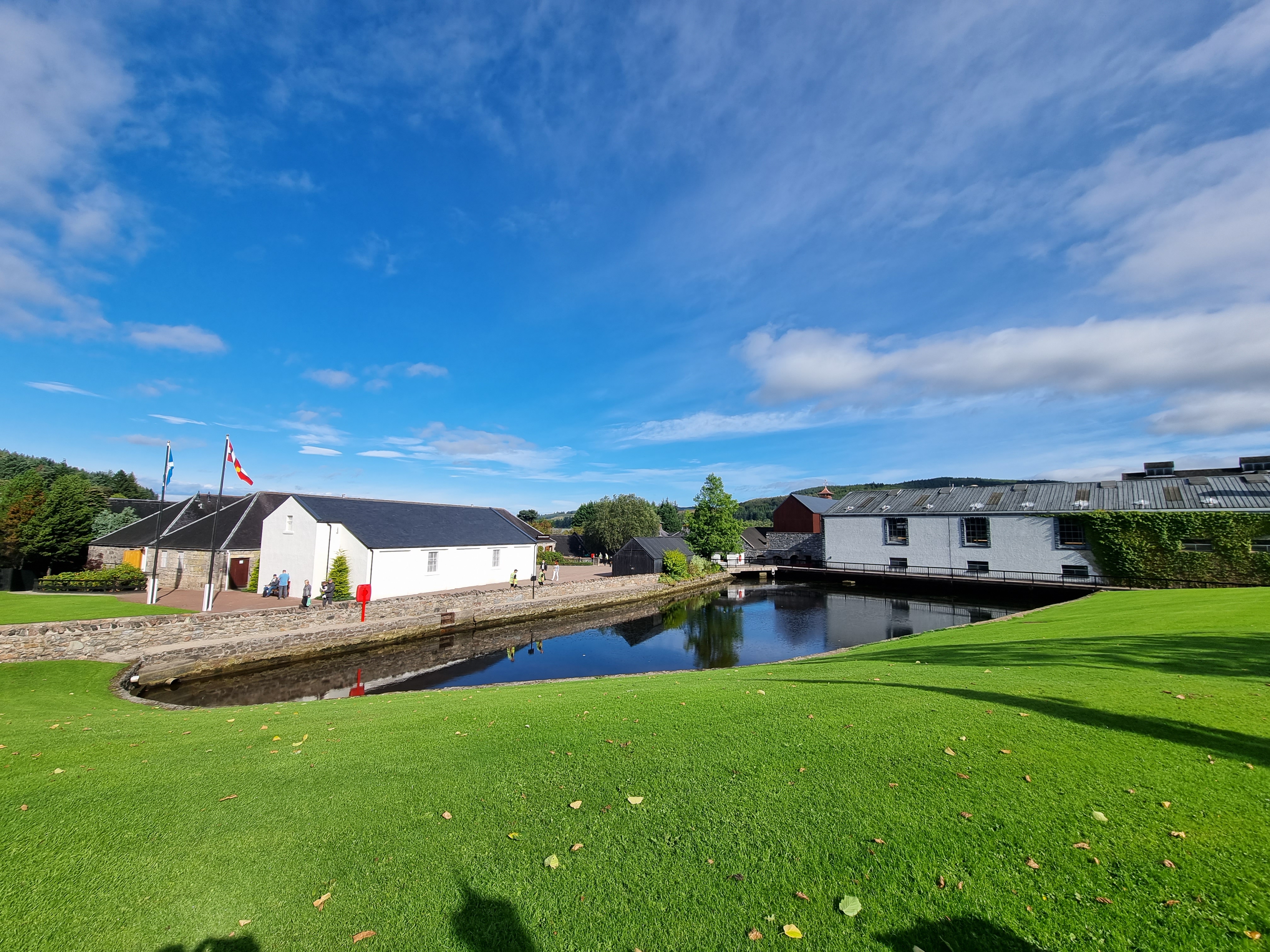
The Scotch Whisky Experience · Glenfiddich Distillery · Talisker Distillery

Coldupnorth (CC BY-SA 4.0

Historic Edinburgh Old Town Walk

Historic Edinburgh Old Town Walk

Royal Mile · Grassmarket · Victoria Street

Andrew Colin (CC BY 2.0

A Historic Border Abbey

A Historic Border Abbey

Jedburgh Abbey · Melrose Abbey · Dryburgh Abbey

Antony McCallum (CC BY-SA 4.0

A Famous Author's Home or Literary Site

A Famous Author's Home or Literary Site

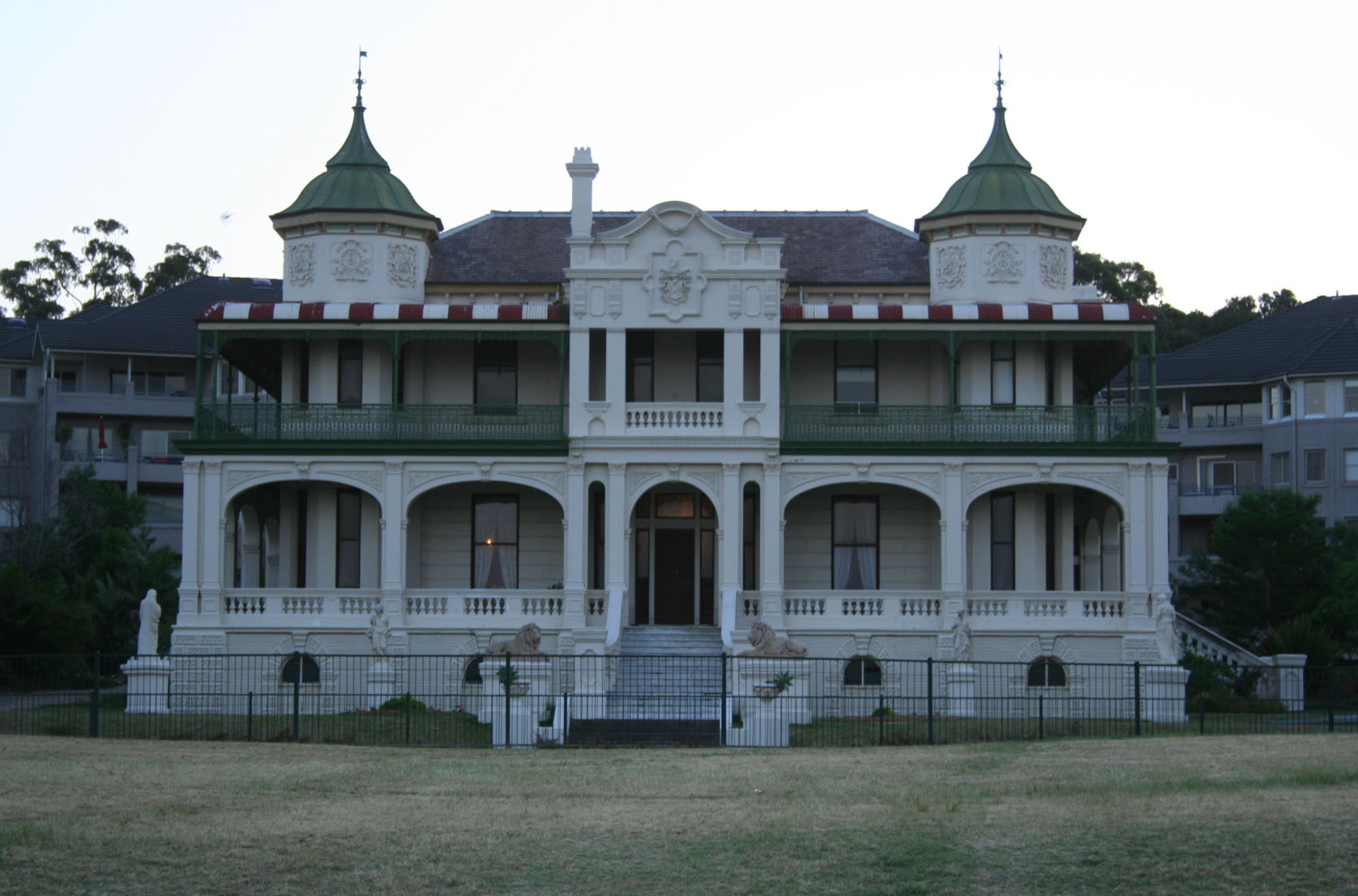
Abbotsford House · Robert Burns Birthplace Museum · The Sir Walter Scott Courtroom

Isabella Andronos (CC BY-SA 3.0

A Traditional Scottish Folk Music Venue

A Traditional Scottish Folk Music Venue

The Whistlebinkies · Sandy Bell's · The Ben Nevis

Richard Webb (CC BY-SA 2.0

An Ancient Neolithic or Iron Age Site

An Ancient Neolithic or Iron Age Site

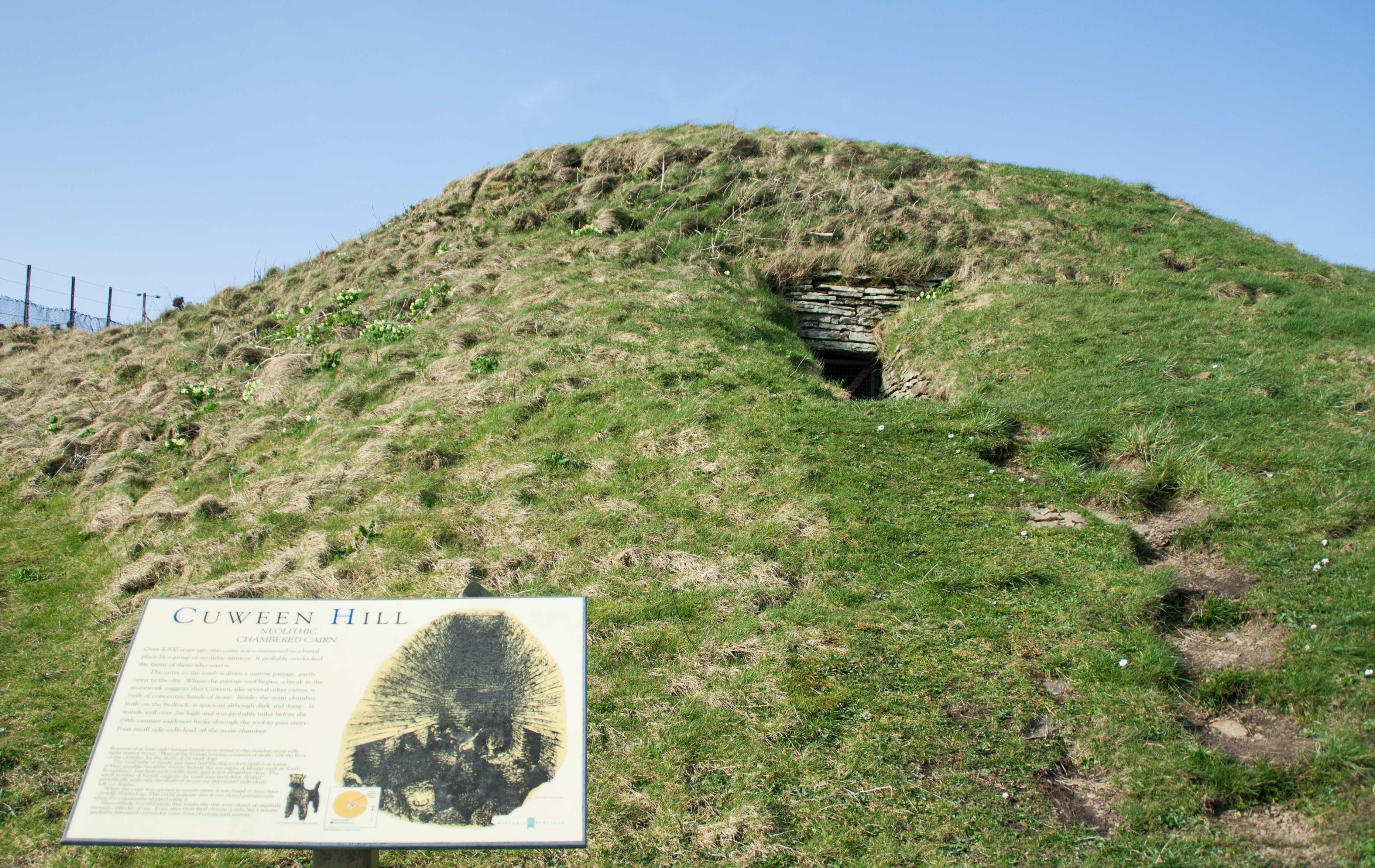
Maeshowe Chambered Cairn · Skara Brae · Heart of Neolithic Orkney

adrazahl (CC BY-SA 3.0

A Scenic Coastal or Island Walk

A Scenic Coastal or Island Walk

Fife Coastal Path · Isle of Staffa Walk · Isle of Iona Coastal Paths

Kim Traynor (CC BY-SA 3.0

A Scottish Wildlife Boat Safari

A Scottish Wildlife Boat Safari

Mull, Iona & Staffa Tour from Oban · Moray Firth Dolphin Centre · Isle of May Boat Trip

Clydiee (CC BY-SA 4.0

Food guide

Scottish food leans hearty and comforting, with a strong emphasis on local produce like seafood, game, and root vegetables. Glasgow's takeaways offer fish and chips, pakoras, and even fried haggis, while Edinburgh's Old Town pubs serve traditional fare. Look for small, independent cafes for local baking.

Scotch Pie

Scotch Pie

A small, double-crust meat pie filled with spiced minced mutton or other meat, traditionally eaten as a portable snack or lunch.

3 undefined

Shortbread

Shortbread

A traditional Scottish biscuit made from a simple recipe of butter, sugar, and flour, known for its rich, crumbly texture.

4 undefined

Cullen Skink

Cullen Skink

A thick, creamy, and filling soup originating from the town of Cullen, made with smoked haddock, potatoes, and onions, often served with crusty bread.

9 undefined

Fish and Chips

Fish and Chips

Crispy, battered white fish (haddock or cod are common choices in Scotland) served with thick-cut chips, a classic takeaway found across the UK.

12 undefined

Haggis

Haggis

A savory pudding made from sheep's pluck (heart, liver, lungs), minced with oatmeal, onion, spices, and traditionally encased in a sheep's stomach or artificial casing.

15 undefined

Vegetable Haggis

Vegetable Haggis

A modern vegetarian take on the classic, made with lentils, beans, root vegetables, oats, and spices, offering a similar texture and savory profile.

14 undefined

Shopping guide

Scotland offers a mix of traditional crafts and modern goods, with Edinburgh's Royal Mile and Princes Street being the main hubs for quality souvenirs and fashion, while Glasgow provides a more contemporary shopping experience, especially around Buchanan Street. Be wary of generic tartan and 'Highland wear' shops that sell mass-produced items; seek out artisan workshops or established retailers for genuine quality.

Scottish Shortbread

Authentic Scottish shortbread, especially from smaller bakeries, offers a rich, buttery taste and crumbly texture far superior to mass-produced versions.

The Shortbread House of Edinburgh, Dean's of Huntly (available in most supermarkets), local bakeries. · 10 undefined

Single Malt Scotch Whisky

Scotland is the birthplace of whisky, and buying directly from distilleries or specialist shops offers a vast selection, including distillery-exclusive bottles, at competitive prices.

The Scotch Whisky Experience Shop (Edinburgh), Royal Mile Whiskies (Edinburgh), The Good Spirits Co. (Glasgow). · 75 undefined

Celtic Silver Jewelry

Intricate Celtic knotwork designs, often featuring local gemstones like cairngorm, are unique to Scottish heritage and make for elegant, meaningful accessories.

Hamilton & Inches (George Street, Edinburgh), Sheila Fleet Jewellery (Castle Street, Edinburgh), independent jewelers on the Royal Mile. · 80 undefined

Harris Tweed Fabric or Products

This unique, hand-woven wool fabric from the Outer Hebrides is protected by law, offering unparalleled quality and a distinct textured aesthetic for jackets, bags, or home goods.

The Harris Tweed Shop (Castlehill, Edinburgh), independent boutiques on Royal Mile, Harris Tweed Hebrides (Stornoway). · 80 undefined

Cashmere Knitwear

Scottish cashmere is globally renowned for its exceptional softness, warmth, and durability, making a scarf, sweater, or blanket a lasting luxury item.

Johnstons of Elgin (Princes Street, Edinburgh), House of Cashmere (Royal Mile, Edinburgh), Edinburgh Woollen Mill (various locations for wider range). · 150 undefined

Edinburgh Gin

Small-batch, artisan gin distilleries in Scotland offer unique botanicals and flavors distinct from mass-produced brands, with Edinburgh Gin being a local favorite.

Edinburgh Gin Distillery (Edinburgh), Royal Mile Whiskies (Edinburgh), The Good Spirits Co. (Glasgow). · 40 undefined

Travel essentials

Connectivity & SIM

Wi-Fi: Free WiFi is common in most cafes, pubs, and restaurants. The City of London has a free, unlimited public WiFi network. Hotels usually provide free WiFi. Royal Museums Greenwich also offer free WiFi.
SIM options
  • EE, O2, Three, or Vodafone physical SIMFrom 10 GBP for 30 days / 10GB
    Where: Major airports (Heathrow, Gatwick), phone shops on high streets (Carphone Warehouse), supermarkets (Tesco, Sainsbury's)
  • Airalo eSIM or similar global eSIMFrom $10 for 7 days / 1GB
    Where: Download and activate online before arrival
Apps to install
  • CitymapperThis provides real-time public transport information, including Tube, bus, and train routes, and helps you navigate London effectively.
  • TfL GoOfficial app from Transport for London for live travel updates, station accessibility, and planning Tube and bus journeys.
  • Santander CyclesLocate and hire bicycles from docking stations across central London; useful for short hops and exploring parks.
  • Google MapsEssential for walking directions, locating specific venues, and public transport routing, especially with offline maps downloaded.
Tip: Mobile phone coverage is universal across London. While EU roaming regulations have changed post-Brexit, UK SIM cards generally offer good value within the country. Check your home provider's roaming charges before you travel.

Cultural notes

When riding escalators on the Tube, stand on the right and walk on the left. Queuing is a strong cultural norm; always join the back of a line at bus stops, shops, or attractions. Driving is on the left side of the road, and cars are right-hand drive. In pubs, it's customary to buy rounds of drinks if you are with a group. Avoid talking loudly on public transport, especially on the Tube.

Safety

In an emergency, dial 999 or 112 for police, ambulance, or fire services. Soho has a reputation that's mostly legendary now, but be aware of con artists who might still target tourists. In Camden, you may be offered cannabis or hashish; remember these are illegal. While London is generally safe, homophobic and transphobic attacks do occur occasionally and are considered hate crimes in the UK. During rush hour (7-9:30 AM and 5:30-7 PM), the Tube and trains are extremely crowded.

What to pack

  • Compact umbrella
  • Waterproof jacket
  • Layered clothing (t-shirt, sweater, light jacket)
  • Comfortable walking shoes (water-resistant)
  • Scarf or pashmina (for changeable weather)
  • Reusable shopping bag
  • Small cross-body bag (for crowded areas)
  • Portable power bank (for phone, camera)
  • Dressy casual outfit (for theatre or nice dinners)
  • Travel size hand sanitizer (for public transport)

Travel tips

  • Use a contactless payment card or an Oyster card for public transport; it's cheaper than single paper tickets and works across Tube, bus, and DLR.
  • Book popular theatre shows in the West End weeks or months in advance, especially for weekend performances.
  • Check the National Rail website for train strike dates, which can impact Tube and overground services on short notice.
  • Visit major museums like the British Museum or National Gallery in the late afternoon; crowds often thin out after 3pm.
  • Pre-book tickets online for attractions with timed entry (e.g., Tower of London, London Eye) to save time and sometimes money.
  • Withdraw cash from an ATM inside a bank or a major supermarket like Tesco; independent ATMs can have high fees.
  • At pubs, order drinks and food at the bar, then take them to your table; table service is rare except in gastropubs or restaurants.
  • Rush hour (7-9:30 AM and 5:30-7 PM on weekdays) makes the Tube and buses very busy; plan journeys outside these times if possible.
  • Consider booking a specific time slot for afternoon tea at a hotel like The Ritz or Claridge's well ahead, especially for weekend dates.
  • If planning to drive, remember the UK drives on the left; most rental cars have manual transmission.

Electric Socket Guide

Socket Types

Type G

Three rectangular pins (UK, Ireland, Singapore)

Voltage

230V

Frequency

50Hz

Planning checklist

  1. Sort your UK ETA before you book flights.

    From 25 February 2026, visa-exempt travelers need a UK Electronic Travel Authorisation to enter, including Scotland. It is a quick online form (around £16-20, verify current), not a visa, valid for two years. Apply on the official UK government site days ahead, not at the airport.

  2. Pick a region, not the whole country.

    The Highlands are slow to drive, so a first trip is better spent deeply on one loop (Edinburgh plus Skye and the Highlands) than racing from coast to coast. Save the North Coast 500 and the islands for ten days or more.

  3. Rent a car for the Highlands and book it early.

    The cities work fine by train, but the best glens, lochs, and viewpoints are off the network. Reserve a small car well ahead for July and August, pick it up at Edinburgh, Glasgow, or Inverness, and be ready for single-track roads with passing places.

  4. Travel in late spring or early autumn if you can.

    May, June, and September give long days and milder weather without the August festival prices in Edinburgh or the worst of the midges. Book Skye accommodation months ahead for any summer trip; rooms there are limited.

  5. Pack layers, waterproofs, and midge repellent.

    Weather changes fast in every season, so a waterproof jacket matters more than warm-weather clothes. From late May to September, midges swarm at dawn and dusk near still water in the Highlands and on Skye.

  6. Plan around the Edinburgh festivals.

    The Fringe and the Military Tattoo fill the city for most of August (7-31 August in 2026) with shows and crowds, and hotel rates double. Go for the energy or steer clear of Edinburgh that month, but either way book lodging far in advance.

Avoid these first-timer mistakes

  • Skipping the new UK entry authorization

    From 25 February 2026, visa-exempt travelers (US, Canada, Australia, EU, and more) must hold a UK Electronic Travel Authorisation (ETA) before boarding. It is not a visa, but without it the airline can refuse you at the gate. Apply on the official UK government site days before you fly.

  • Trying to see the Highlands without a car

    Edinburgh and Glasgow are easy by train, but the Highlands and Skye are sparse on public transport, and the best glens, lochs, and viewpoints are off the bus and rail network. A rental car is close to essential beyond the cities — book it well ahead for summer.

  • Underestimating the distances and the roads

    It looks compact on a map, but the Highlands are slow going on winding single-lane roads. Edinburgh to Skye is roughly five to six hours of driving. Don't try to 'do' the whole country in four days — pick a region and build in real drive time.

  • Packing for sunshine and ignoring the midges

    Weather turns fast in any season, so layers and a waterproof jacket matter more than warm-weather clothes. From late May to September, biting midges swarm at dawn and dusk in the Highlands and on Skye, especially near still water. Pack repellent.

  • Forgetting to drive on the left and meet single-track etiquette

    Driving is on the left, and many Highland roads are single-track with passing places. Pull into a passing place to let oncoming cars and faster traffic through, and never park in one. Fuel stations thin out in the far north, so fill up when you can.

  • Booking Skye on the day during summer

    Skye's accommodation is limited and books out months ahead from June to August. The Fairy Pools and Old Man of Storr car parks now charge and fill early. Reserve a room before you commit to the route, and arrive at the famous sites early or late to dodge the coach crowds.

  • Confusing 'Scotch' with the right local terms

    Locals say 'whisky' (no e), and 'Scotch' refers to the drink, not the people, who are Scots or Scottish. Tipping is appreciated but not obligatory at the US rate; rounding up or 10% in a sit-down restaurant is normal.

Frequently Asked Questions

Scotland is part of the United Kingdom, so the UK's rules apply. US, Canadian, Australian, and EU travelers can visit visa-free for up to 6 months, but from 25 February 2026 they must hold a UK Electronic Travel Authorisation (ETA) before they travel. The ETA is a quick online application (around £16-20, verify current), not a visa, and is valid for two years of multiple entries. Apply on the official UK government ETA page before you book flights.

Scotland is very safe by global standards, with low violent crime and friendly, helpful locals. Edinburgh and Glasgow are safe to walk at night in the main areas, though normal city sense applies around nightlife districts late on weekends. The real hazards are outdoors: fast-changing Highland weather, single-track roads, and unpredictable conditions on hills like Ben Nevis. Check the forecast and tell someone your route before any serious walk.

May to September has the longest days, mildest weather, and the most open attractions, with June offering long light and fewer midges than high summer. August is festival season in Edinburgh, which is lively but crowded and expensive. Spring and early autumn are quieter and good value, with autumn color in the glens. Winter is dark and cold but atmospheric, with Hogmanay the highlight; many Highland sites and roads have limited service.

Four days covers Edinburgh plus a Highlands taster by guided tour or train. Seven days lets you loop Edinburgh, Glencoe, Fort William, the Isle of Skye, and Inverness without rushing, which is the classic first trip. Ten days adds Glasgow, St Andrews, more time on Skye, and a leg of the North Coast 500. The Highlands are slower to drive than the map suggests, so resist cramming the whole country into a short trip.

Edinburgh and Glasgow connect easily by frequent trains (about an hour apart) and have good public transport, so you don't need a car for the cities. For the Highlands and Skye, a rental car is close to essential because buses and trains are sparse and the best scenery is off the network. Remember to drive on the left, expect single-track roads with passing places in the Highlands, and book cars early for summer.

Not for the cities, but effectively yes for the Highlands. Edinburgh, Glasgow, and St Andrews are well served by train and bus, and guided day tours reach Loch Ness and Glencoe from Edinburgh. But to explore Skye, Glencoe, and the North Coast 500 on your own schedule, a small rental car is the standard choice. Pick it up at Edinburgh, Glasgow, or Inverness, and book ahead for July and August when fleets sell out.

It is mid-to-high for Europe, but manageable. Edinburgh during the August festivals is genuinely among the priciest times and places in the UK, with hotel rates doubling. Outside that window, mid-range travelers do well on around £140-230 a day with a B&B, a small rental car, and a mix of pub meals and one nice dinner. Free national museums in Edinburgh and Glasgow, supermarket lunches, and shoulder-season travel keep costs down.

Start with haggis, neeps and tatties (the traditional plate), Scottish salmon and Cullen skink (a smoked-haddock chowder), and fresh seafood like Loch Fyne oysters and langoustines on the west coast. Have a proper fish and chips from a chippy, try a bacon roll or a square sausage for breakfast, and finish with shortbread or cranachan. Pair it with a dram of single-malt whisky from Speyride or Islay, or an Irn-Bru if you want the local soft drink.

Fly into Edinburgh (EDI) or Glasgow (GLA), which have direct flights from many European and some North American cities; Inverness (INV) and Aberdeen (ABZ) serve the north. From London and elsewhere in the UK, fast trains reach Edinburgh and Glasgow in around four and a half to five hours, and the Caledonian Sleeper overnight train links London with Edinburgh, Glasgow, Inverness, and Fort William. Within the UK, rail is often easier than flying once you factor in airport time.

Plan less, do more.

Plan a trip