Ireland travel guide cover photo

Ireland Travel Guide: Dublin, Galway, the Wild Atlantic Way, and the Ring of Kerry

A first-timer's guide to Ireland: the rental-car insurance trap, the not-Schengen entry rules, and the driving-on-the-left details everyone underestimates.

Last updated June 20, 2026 · By Namrata

Ireland rewards the traveler who drives less and stops more. The island looks small on a map, but the roads are slow: a peninsula loop that reads as 160km can swallow three hours with single-track lanes, photo stops, and sheep standing in the road. The classic first-timer mistake is plotting Dublin to Dingle and the Cliffs of Moher in a single day and spending the whole day behind the wheel. The travelers who fall for Ireland instead pick a base or two on the west coast, let the Wild Atlantic Way do the work, and treat the pub session at the end of the day as the point rather than the afterthought.

The friction nobody warns you about is the rental car. Most North American credit cards have quietly withdrawn rental insurance for the Republic of Ireland, so the coverage you lean on everywhere else often does not apply here, and a declined Collision Damage Waiver can turn one scrape into a €1,500-3,000 deductible. The narrow stone-walled lanes are tough on tyres and wheels, which standard cover usually excludes. Manual transmission is the default, driving is on the left, and the Ring of Kerry runs one-way by convention. Get the insurance and the gearbox right before you leave the airport and most of the trip's stress disappears.

This guide handles the country-level decisions: when to come for what, which loop fits which trip length, what to skip when the trip is short, and how Ireland's not-Schengen entry rules differ from mainland Europe. For a day-by-day plan with specific B&Bs, restaurants, and coast stops, the 7-day Ireland itinerary is the companion piece.

Choose your trip length

5 days

Dublin + Galway + Cliffs of Moher

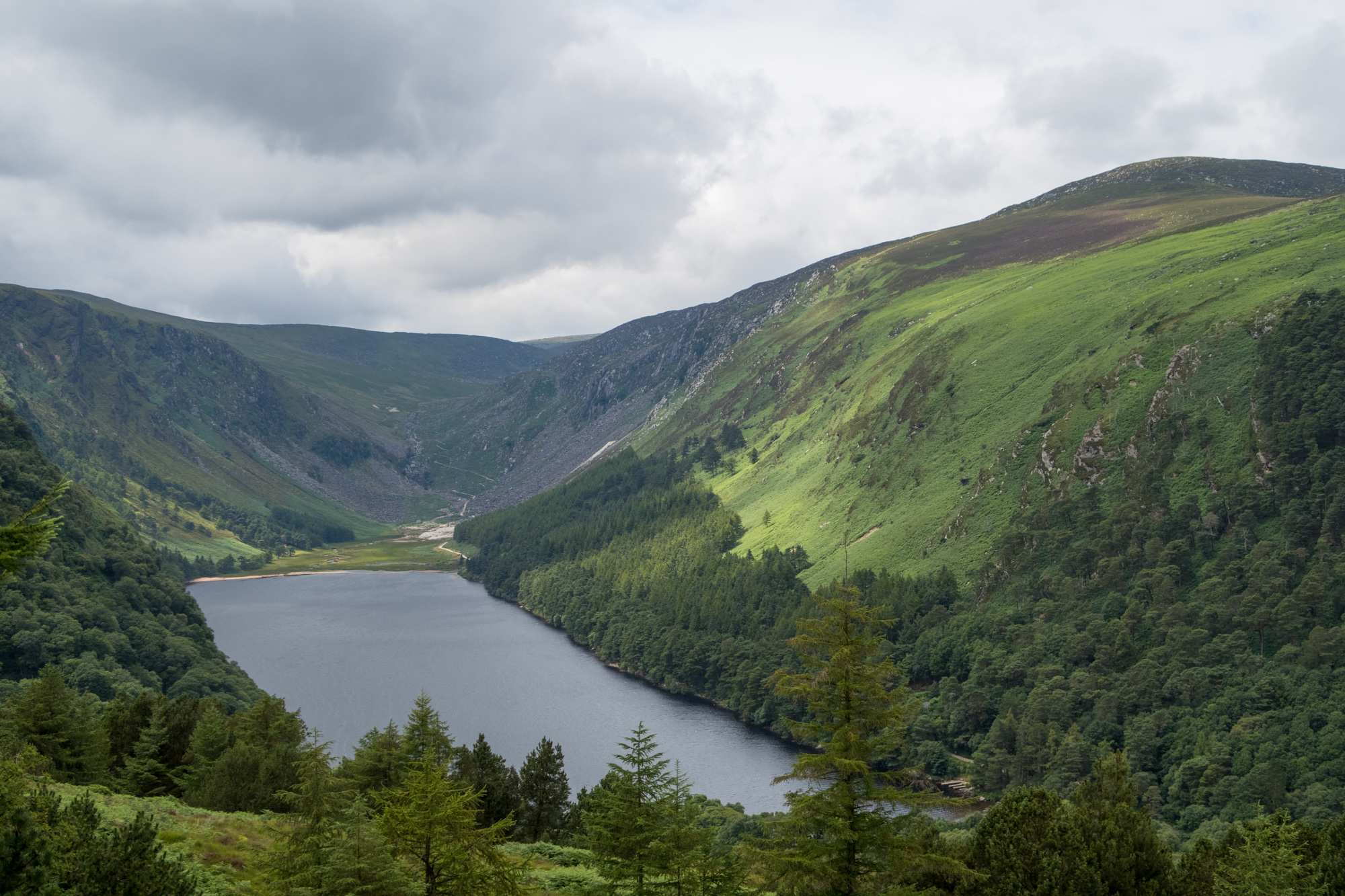
The east-to-west express: 2 nights Dublin (Trinity College, the Guinness Storehouse, a day to Glendalough or Howth), then the train or a hire car west to Galway for 2 nights, with a day trip down to the Cliffs of Moher and the Burren. No car needed if you base in the two cities and book a Cliffs day tour from Galway.

7 days

Dublin + Galway + Dingle + Killarney

The classic loop with a car: 2 nights Dublin, 2 nights Galway (Cliffs of Moher, the Burren, Connemara), then south down the coast to 1 night Dingle (the Slea Head Drive) and 2 nights Killarney (the Ring of Kerry and Killarney National Park). The Wild Atlantic Way coast does the heavy lifting; a rental car is required from Galway onward.

See the sample itinerary →

10 days

+ Cork, Doolin, and a slower west

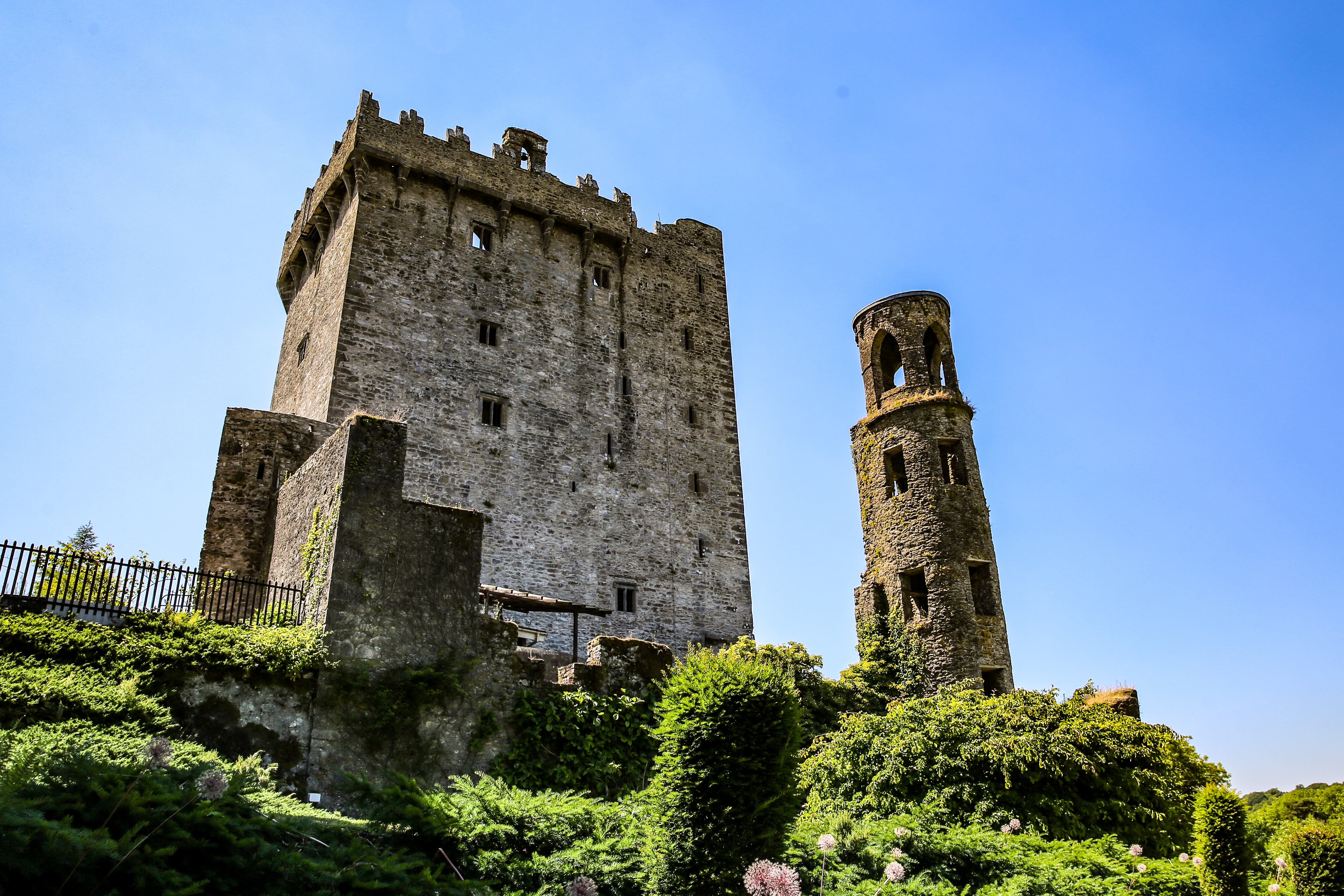
Add the southwest and more coast time: after Killarney, drop to 2 nights in Cork (the English Market, Blarney Castle, Kinsale and the Cobh harbour) and trade a Galway night for 1 in Doolin, the trad-music village at the foot of the Cliffs. Ten days lets you actually stop on the peninsulas instead of driving past them; this is the comfortable Wild Atlantic Way pace.

The flagship itinerary

Best time to visit
The best time to visit Ireland is generally May, June, and September. These months offer milder temperatures (10-18C), longer daylight hours, and less rain than peak summer or winter. July and August are warmest (15-20C) but see the most tourists and higher prices. Winters (Nov-Feb) are cold (2-8C) and wet, with fewer daylight hours. Consider St. Patrick's Day in March for a lively cultural experience, though weather can be chilly.
Currency
Euro (EUR)
Visa
US, EU, UK, Australian, and Canadian citizens can enter Ireland visa-free for up to 90 days. Your passport must be valid for the duration of your intended stay. Other nationalities should check current requirements with the Irish Naturalisation and Immigration Service (INIS) at inis.gov.ie.
Tipping
Tipping is not mandatory but appreciated for good service. For restaurants, 10-15% is standard for table service if a service charge is not already included. For taxi drivers, round up the fare or add a few Euros. Hotel staff (porters, housekeepers) can be tipped EUR1-2 per service.
Emergency
999 or 112 (all emergency services). For non-emergency crime in Galway City, call +353 91 538000.

Estimated daily cost

Backpacker

€70-110/day

Hostel dorm beds (€25-40), supermarket meals from Tesco, Dunnes, or Lidl, the intercity Citylink and Bus Éireann coaches instead of a car, free entry to the national museums in Dublin. Ireland sits at the pricier end of Western Europe, and a hire car blows this tier on its own, so the cheap version is a no-car, city-and-coach trip. Prices as of 2026; verify current rates.

Mid-range

€160-280/day

3-star hotels, guesthouses, and B&Bs (€110-180/night, full Irish breakfast usually included), one pub or restaurant meal a day, a rental car with proper CDW insurance (€45-80/day plus fuel), paid sites like the Guinness Storehouse and the Cliffs of Moher visitor centre. The realistic first-timer tier. Prices as of 2026; verify current rates.

Luxury

€450-1,200+/day

Castle hotels like Ashford or Dromoland, manor-house stays on the Ring of Kerry, private driver-guides instead of self-drive, helicopter transfers to Skellig-coast lodges, tasting menus at rooms like Chapter One or Aimsir. Irish luxury leans country-house and understated rather than flashy. Prices as of 2026; verify current rates.

Jan
O
Feb
O
Mar
S
Apr
S
May
S
Jun
P
Jul
P
Aug
P
Sep
S
Oct
O
Nov
O
Dec
S
Off-peak (cheaper) Shoulder Peak (priciest)Baseline: January

Festivals & timing

March 14-17

St Patrick's Festival (Dublin)

Ireland's national day and biggest celebration, a four-day Dublin festival in 2026 culminating in the March 17 parade from Parnell Square to Kevin Street, watched by roughly half a million people. No tickets are needed for the parade. Smaller parades run in Cork, Galway, and most towns, and pubs nationwide are packed.

Worth planning around

June 16

Bloomsday (Dublin)

A literary celebration of James Joyce's Ulysses, set on the single day the novel takes place. Dubliners dress in Edwardian costume, eat Joyce's gorgonzola sandwiches and burgundy, and trace the book's route across the city. A charming, low-key day if you are in Dublin, easy to miss if you are not.

July (mid)

Galway International Arts Festival

A two-week multidisciplinary festival (13-26 July in 2026) of theatre, music, circus, dance, and visual art that takes over Galway. The city is at its liveliest and its busiest; accommodation tightens and prices climb across the whole west coast. Book Galway-region beds well ahead if your trip overlaps.

Worth planning around

Late July - early August

Galway Races Summer Festival

A seven-day horse-racing festival (27 July-2 August in 2026) that is as much a social event as a sport, with Ladies Day and a city-wide party atmosphere. Galway hotels sell out and rates spike during race week, right on the heels of the arts festival. Plan around it unless the races are the reason you came.

Worth planning around

August (early)

Fleadh Cheoil na hÉireann

The world's largest festival of Irish traditional music, song, and dance, hosted in Belfast in 2026 (2-9 August). It draws hundreds of thousands of musicians and visitors to the host city, with sessions spilling out of every pub. A remarkable trad-music experience if you can route through, but the host city books out completely.

October (late)

Galway International Oyster & Seafood Festival

One of the world's oldest oyster festivals, held in Galway over a late-September or late-October weekend, with oyster-opening championships, seafood trails, and marquee parties. It marks the start of the native oyster season. A good reason to be on the west coast in autumn, though it crowds the city for the weekend.

Major cities at a glance

Dublin
Wikipedia Commons (CC BY-SA)

Dublin

2 days

Best for Trinity College, Guinness, literary pubs

Trinity College and the Book of Kells, the Guinness Storehouse with its rooftop Gravity Bar, Dublin Castle, and the cathedrals of Christ Church and St Patrick's. The Temple Bar district handles the trad-music-and-pints evening, though locals drink a street or two off it. Kilmainham Gaol books out days ahead and is the city's most affecting history stop.

Galway
Wikipedia Commons (CC BY-SA)

Galway

2 days

Best for trad music, Wild Atlantic Way base, Connemara

The west-coast hub: the Latin Quarter's pubs and buskers, the Spanish Arch and the Long Walk along the harbour, and Galway Cathedral. It is the launch point for the Cliffs of Moher and the Burren to the south and the lakes and bogs of Connemara to the north. Galway is also the most reliable city in the country for live traditional music any night of the week.

Killarney
Wikipedia Commons (CC BY-SA)

Killarney

2 days

Best for Ring of Kerry, national park, jaunting cars

The base for the Ring of Kerry, the 179km coastal loop best driven clockwise to follow the tour-coach flow rather than meet it head-on. Killarney National Park has Muckross House, Torc Waterfall, and the Gap of Dunloe, and the town's jaunting cars (pony-and-trap) still work the park gates. St Mary's Cathedral anchors the town centre.

Cork
Wikipedia Commons (CC BY-SA)

Cork

1-2 days

Best for English Market, Blarney, Kinsale, Cobh

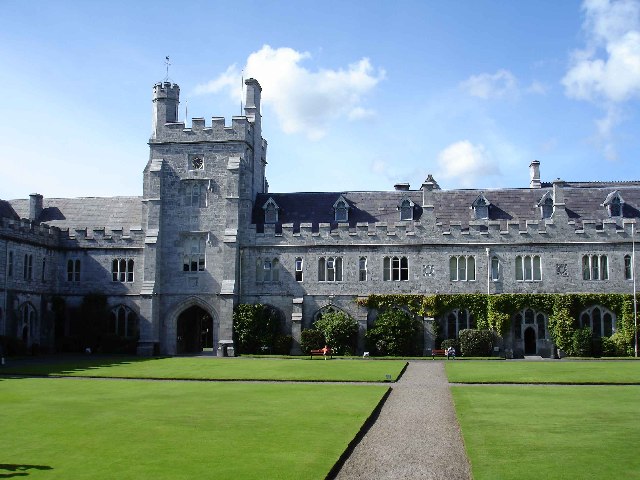
Ireland's second city and its food capital: the covered Victorian English Market, the bars of the Coal Quay, and University College Cork's quad. Day trips fan out to Blarney Castle and its stone, the harbour town of Kinsale, and Cobh, the Titanic's last port of call with its terraced waterfront. Cork makes a softer southern base than Dublin.

Dingle
Wikipedia Commons (CC BY-SA)

Dingle

1 day

Best for Slea Head Drive, pubs, peninsula coast

A small fishing town on its own peninsula, with the Slea Head Drive looping past beehive huts, the Blasket Islands viewpoint, and stone-walled fields that run to the cliffs. The town packs more pubs per resident than almost anywhere in the country, many doubling as hardware shops or shoe sellers by day. Quieter and wilder than the Ring of Kerry next door.

Doolin
Wikipedia Commons (CC BY-SA)

Doolin

1 day

Best for trad-music village, Cliffs of Moher, ferries

The trad-music village at the foot of the Cliffs of Moher, with three pubs that run nightly sessions and a coastal cliff walk straight to the visitor centre. Ferries leave the pier for the Aran Islands and for the boat-level view up at the Cliffs. A one-night base that pairs the music and the coast without the Galway drive each way.

Top things to do in Ireland

Ancient Neolithic Sites

Ancient Neolithic Sites

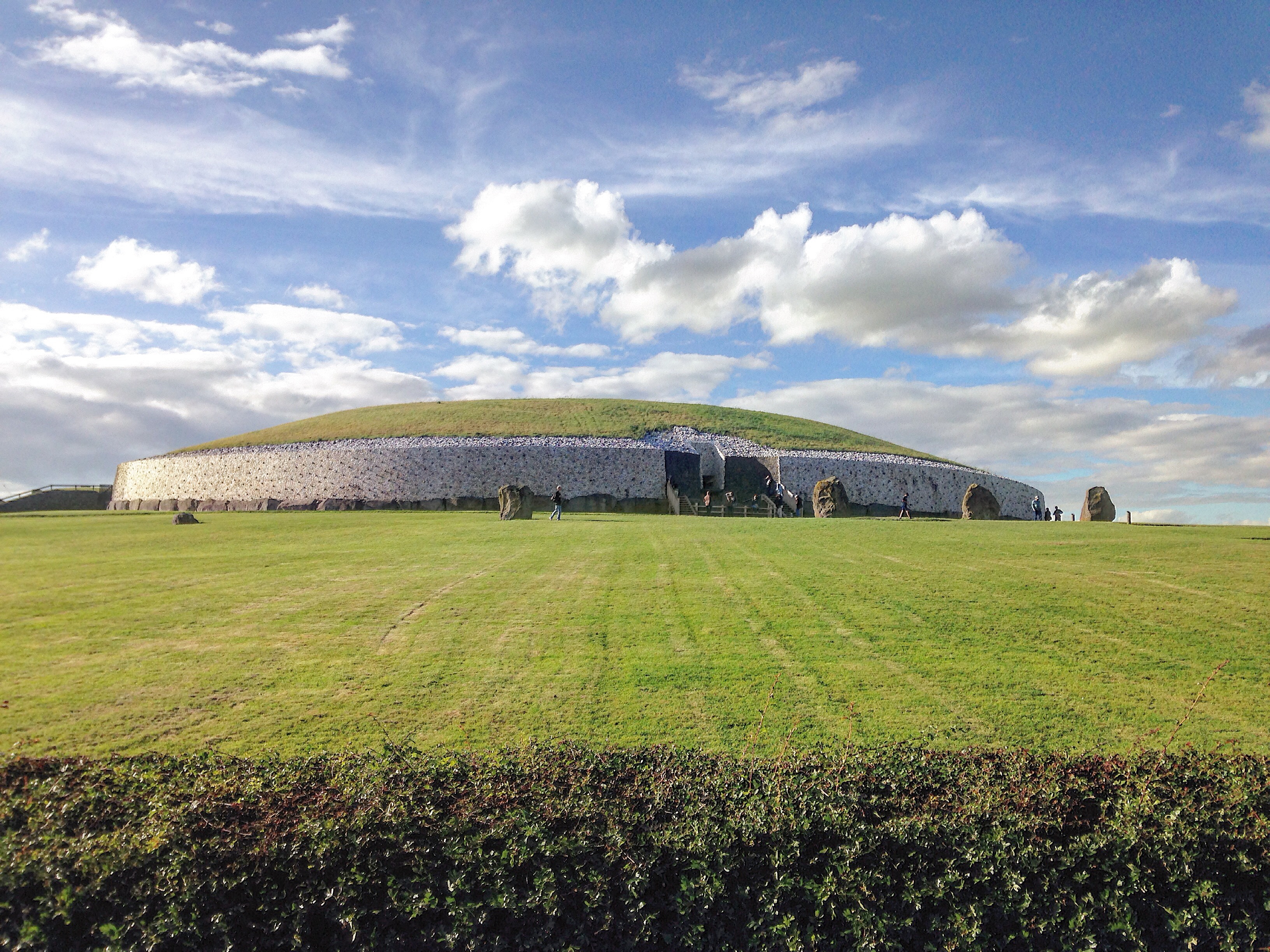
Newgrange · Knowth · Dowth

Tjp finn (CC BY-SA 4.0

Iconic Castles and Fortifications

Iconic Castles and Fortifications

Blarney Castle · Rock of Cashel · Ross Castle

Ryanhuntmuzik (CC BY-SA 4.0

Dramatic Natural Landscapes and Scenic Drives

Dramatic Natural Landscapes and Scenic Drives

Cliffs of Moher · Ring of Kerry · Wicklow Mountains National Park

Bjørn Christian Tørrissen (CC BY-SA 3.0

Traditional Irish Pub and Music Experience

Traditional Irish Pub and Music Experience

The Brazen Head · O'Donoghues Pub · An Pucan

Matthewvetter (CC BY-SA 4.0

Iconic Distilleries and Breweries

Iconic Distilleries and Breweries

Guinness Storehouse · Jameson Distillery Bow St · Midleton Distillery

psyberartist (CC BY 2.0

An Early Christian Monastic Settlement

An Early Christian Monastic Settlement

Glendalough Monastic Site · Clonmacnoise Monastic Site · Rock of Cashel

Denzillacey (CC BY-SA 4.0

A Museum of Irish Cultural Heritage

A Museum of Irish Cultural Heritage

EPIC The Irish Emigration Museum · National Museum of Ireland - Decorative Arts & History · Chester Beatty Library

William Murphy (CC BY-SA 2.0

A Literary & Writer's Museum

A Literary & Writer's Museum

Dublin Writers Museum · James Joyce Centre · Museum of Literature Ireland (MoLI)

Sir James (CC BY-SA 3.0

A Historical City Walking Tour

A Historical City Walking Tour

Dublin Castle State Apartments · Marsh's Library · Christ Church Cathedral

J.-H. Janßen (CC BY-SA 3.0

A Mountain or Forest Hiking Trail

A Mountain or Forest Hiking Trail

Wicklow Mountains National Park · Killarney National Park · Mourne Mountains

Kevin Decherf (CC BY-SA 2.0

Food guide

Irish food leans into hearty, comforting pub fare and fresh local ingredients like potatoes and seafood. Traditional pubs are the soul of the local dining scene, especially outside of Dublin's city center. Look for daily specials written on chalkboards in smaller, family-run establishments for the best value.

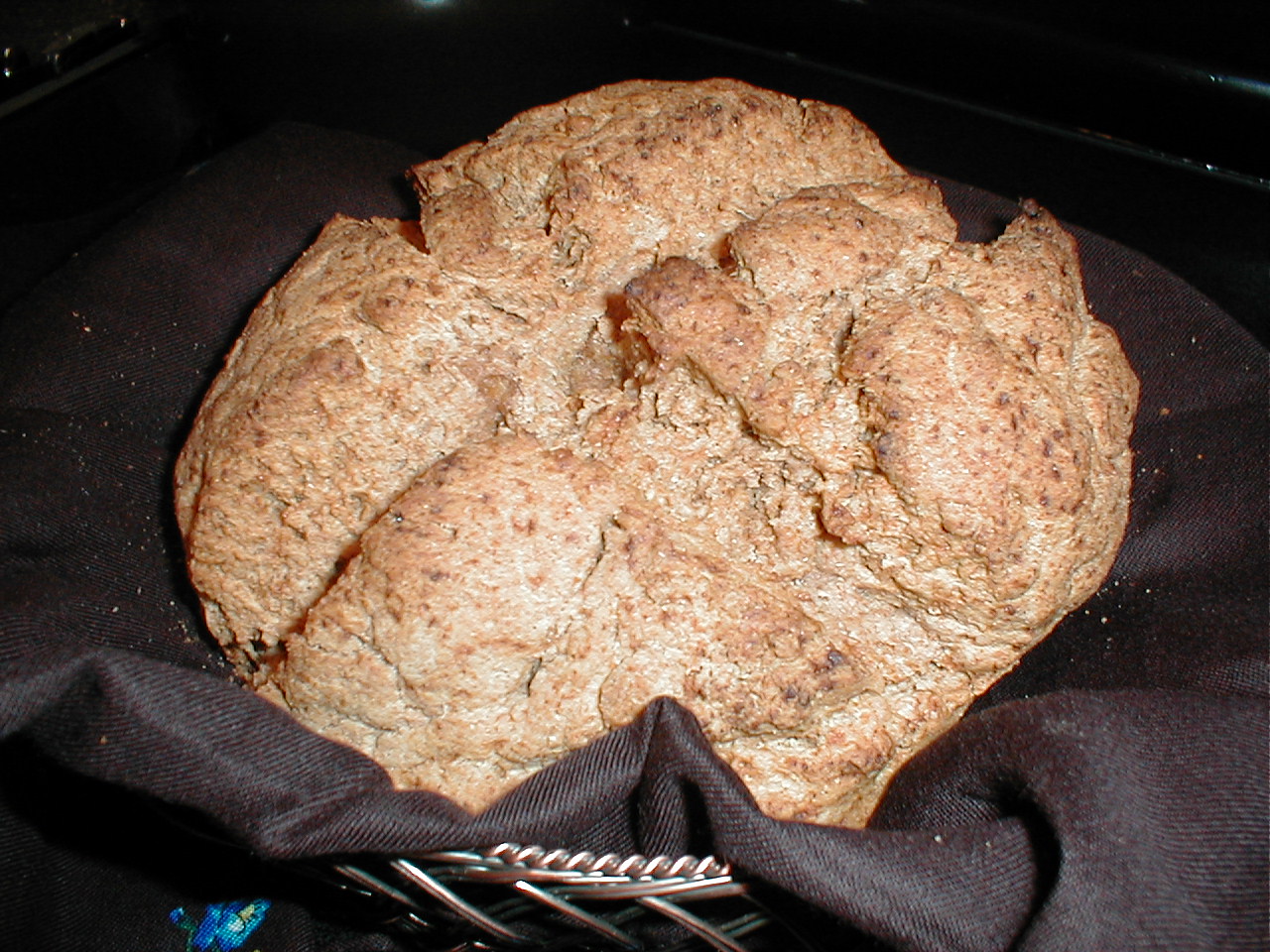
Soda Bread

Soda Bread

A simple, quick bread made with baking soda instead of yeast, traditionally served with butter, jam, or alongside hearty stews.

3 undefined

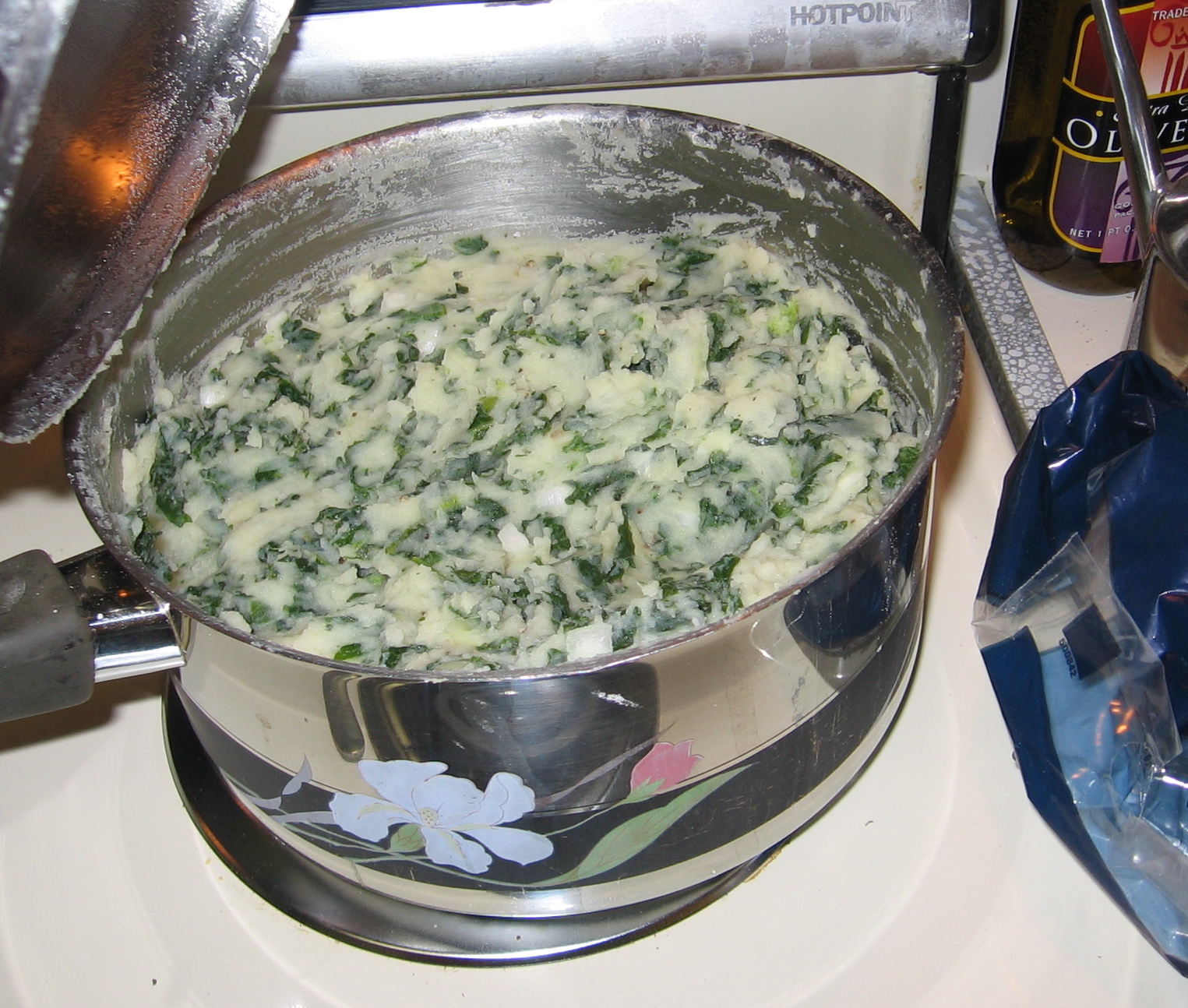
Colcannon

Colcannon

Creamy mashed potatoes mixed with either cabbage or kale, butter, and often spring onions, a beloved side dish that's a meal in itself.

6 undefined

Full Irish Breakfast

Full Irish Breakfast

A substantial morning feast featuring rashers (bacon), sausages, fried eggs, black pudding, white pudding, grilled tomato, and soda bread.

12 undefined

Irish Stew

Irish Stew

This national dish is a simple, warming lamb or beef stew featuring root vegetables, with the potatoes thickening the broth naturally as they break down.

18 undefined

Coddle

Coddle

A Dublin specialty, this comforting one-pot meal slowly simmers pork sausages and bacon with potatoes and onions.

Historic pubs in the Liberties or city center · 16 undefined

Brown Bread

Brown Bread

A dense, wholesome Irish staple made with wholemeal flour, often served alongside soups or stews, or for breakfast with butter and jam. Its hearty texture and slightly nutty flavor are distinct.

3 undefined

Shopping guide

Dublin offers the most diverse shopping, with Grafton Street for mainstream and Powerscourt Townhouse Centre for curated boutiques and crafts. Outside Dublin, look for artisan workshops and food markets directly from producers. Avoid generic 'Irish' tourist shops, as many items are mass-produced elsewhere; seek out genuine handmade goods and local brands.

Artisan Irish Smoked Salmon

Ireland's cold Atlantic waters produce exceptional salmon, traditionally slow-smoked over oak or beechwood for a delicate flavor that is a true culinary delight.

The English Market (Cork), Burren Smokehouse (Lisdoonvarna, County Clare), small gourmet food shops · 30 undefined

Irish Whiskey

Ireland is the birthplace of whiskey, and local distilleries offer exclusive aged bottles and unique blends not found internationally, often at better prices.

Irish Whiskey Museum Gift Shop, The Loop at Dublin Airport, Midleton Distillery Shop (Cork) · 50 undefined

Claddagh Ring

This traditional Irish ring, originating in Galway, symbolizes love, loyalty, and friendship through its distinctive heart, crown, and hands design, making a meaningful personal gift.

Claddagh Jewellers (Galway), Thomas Dillon's Claddagh Gold (Galway), reputable jewelers in Dublin · 75 undefined

Hand-knit Aran Sweater

These iconic sweaters, originally from the Aran Islands, are made from undyed wool with unique stitches symbolizing family and heritage, providing exceptional warmth and durability.

Aran Sweater Market (Galway City or Inis Mor), House of Aran (Dublin), small local craft shops across the country · 120 undefined

Irish Breakfast Tea

A strong, robust black tea blend, it is a staple in every Irish home and offers a comforting taste of local daily life.

Supermarkets like Tesco or Dunnes Stores, Butler's Chocolate Cafe, gourmet food shops · 8 undefined

Irish Linen

Known for its superior quality, durability, and natural beauty, Irish linen textiles are perfect for heirloom-quality bedding, tablecloths, or elegant handkerchiefs.

Thomas Ferguson Irish Linen (Banbridge, near Belfast), Stable of Ireland (Dublin), Foxford Woollen Mills (County Mayo) · 60 undefined

Travel essentials

Connectivity & SIM

Wi-Fi: Free WiFi is common in hotels, cafes, pubs, and restaurants in cities like Dublin, Galway, and Cork. Public libraries in Dublin offer free internet, but require user registration. Rural areas and smaller towns like Doolin may have more limited or less reliable public WiFi options.
SIM options
  • Eir eSIM or physical SIMVaries (e.g., EUR20-30 for 10-20GB)
    Where: Dublin Airport (T1/T2 arrival halls), phone shops in cities
  • Vodafone eSIM or physical SIMVaries (e.g., EUR20-30 for 10-20GB)
    Where: Dublin Airport (T1/T2 arrival halls), phone shops in cities
  • Three eSIM or physical SIMVaries (e.g., EUR20-30 for 10-20GB)
    Where: Dublin Airport (T1/T2 arrival halls), phone shops in cities
  • Airalo eSIM (digital only)Varies (e.g., $15 for 7 days / 3GB)
    Where: Online purchase and activation before arrival
Apps to install
  • Google MapsEssential for navigation, especially for public transport routes in cities and driving directions in rural areas.
  • TrainPal or Irish Rail appBook intercity train tickets and check schedules for journeys between major cities like Dublin and Galway.
  • Bus Eireann appAccess intercity bus schedules and plan routes across the country, especially for reaching smaller towns.
  • Dublin Bus app (TFI Live)Check real-time bus arrivals and plan routes within Dublin city.
  • Weather App (Met Eireann)Ireland's weather is highly changeable; check forecasts daily for rain, wind, and temperature shifts.
  • RevolutManage spending and exchange currency with favorable rates while traveling.
Tip: While major cities have 5G coverage from all Irish carriers, signal can be spotty in remote areas like parts of the west coast or mountainous regions. Download offline maps for rural drives.

Cultural notes

The Irish are generally very friendly; feel free to approach locals for directions or advice. In a pub, it is common to buy 'rounds' of drinks for your group; if someone buys you a drink, offer to buy the next round. Politeness is valued; always say 'please' and 'thank you'. Conversations often involve witty banter and storytelling; feel free to engage. If you see live traditional music in a pub, it's customary to listen quietly and clap after songs, rather than chatting loudly.

Safety

Traffic is the biggest hazard in Ireland; drive on the left and be wary of narrow rural roads, especially around Doolin and Killarney. In Dublin, never leave valuables on display in a car. Watch for rowdy drunks in city centers like Dublin, Galway, and Cork, particularly after dark. There have been reports of drink spiking in Cork; always keep your drink in view and do not accept drinks from strangers. Natural hazards in West and Southwest Ireland include sudden mist or sleet in mountains and the wild Atlantic.

What to pack

  • Waterproof shell jacket
  • Waterproof pants
  • Wool or fleece layers
  • Grippy waterproof hiking boots
  • Sturdy umbrella
  • Compact quick-dry towel
  • Reusable water bottle
  • Small backpack (water-resistant)
  • Warm hat and gloves
  • Lip balm and moisturizer
  • Slip-on shoes (for B&Bs, pubs)
  • Portable power bank

Travel tips

  • Always check the forecast on Met Eireann daily; weather changes quickly. Pack layers and waterproofs even in summer.
  • Rent a small car if driving the narrow rural roads, especially on the Wild Atlantic Way; larger vehicles are harder to maneuver.
  • Book popular attractions like the Cliffs of Moher or Dublin's Guinness Storehouse online in advance to save time and sometimes money.
  • Use the Bus Eireann network for affordable travel to smaller towns like Doolin and Killarney if you are not driving.
  • When ordering a pint in a pub, specify Guinness or the type of lager you want; just saying 'a pint' might get you the house choice.
  • Many smaller shops and B&Bs in rural areas, particularly around Doolin, prefer cash; carry EUR50-100 for these instances.
  • For train travel, book intercity tickets on Irish Rail at least a week ahead for cheaper fares, especially for Dublin to Galway routes.
  • Research traditional music sessions ('seisiuns') in local pubs; many start around 9pm and are free to enjoy.
  • If using public transport in Dublin, get a Leap Card from a convenience store for cheaper fares than cash on buses and trains.
  • At Dublin Airport, pre-book your Aircoach or Dublin Express bus tickets online for a direct transfer to the city center and better rates.

Electric Socket Guide

Socket Types

Type G

Three rectangular pins (UK, Ireland, Singapore)

Voltage

230V

Frequency

50Hz

Planning checklist

  1. Check Ireland's entry rules separately from the rest of Europe.

    Ireland is in the EU but not in the Schengen Area, so a Schengen visa does not cover it and the Schengen ETIAS authorization does not apply here. US, Canadian, Australian, New Zealand, UK, and EU/EEA travelers enter visa-free for up to 90 days, with permission granted on arrival. Confirm the current list at citizensinformation.ie, and if you are pairing Ireland with mainland Europe, treat each border as its own set of rules.

  2. Sort the rental car insurance before anything else.

    Confirm in writing whether your credit card covers the Republic of Ireland (most North American cards no longer do), and if not, buy the rental company's CDW plus the tyre-and-glass rider. The stone-walled L-roads wreck wheels that standard cover excludes. This one decision is the biggest lever on both your budget and your stress.

  3. Book an automatic if you can't drive a manual on the left.

    Manual is the cheaper default and the larger fleet; automatics are fewer, pricier, and sell out in summer. Reserve one well ahead rather than gambling at the desk. If you have never driven on the left, give yourself an easy first leg out of the airport before you hit a peninsula.

  4. Pick May, June, or September if you can.

    These months bring the mildest, longest days, the greenest coast, and lighter crowds than the July-August peak. They also dodge the Galway festival weeks, when the whole west coast tightens up and rates spike. Winter is cheap and cozy but dark and wet, with reduced rural hours.

  5. Plan the scenic loops in the coach direction.

    Drive the Ring of Kerry clockwise, the same way the tour coaches run, and start early to stay ahead of the convoy on the narrow bends. The same goes for the tighter Slea Head Drive around Dingle. Going against the flow means meeting buses head-on at blind corners.

  6. Halve your daily driving and pack for rain.

    Irish distances are slow, so plan shorter hops and more stops than the map suggests, and base yourself for two nights where you can to skip the daily repack. Bring a proper waterproof shell, a warm layer, and shoes you don't mind soaking, because rain is possible any day even in July. Treat a dry afternoon as a gift, not the schedule.

Avoid these first-timer mistakes

  • Assuming your credit card covers the rental car

    Most North American credit cards have withdrawn rental insurance for the Republic of Ireland specifically, so the free coverage you rely on elsewhere does not apply here. Travelers decline the desk's CDW expecting their card to cover them, then face a deductible of €1,500-3,000 after a scrape. Confirm in writing with your card issuer, or buy the rental company's Collision Damage Waiver.

  • Skipping tyre and glass cover on narrow roads

    Ireland's rural L-roads are single-track lanes lined with centuries-old stone walls, and standard CDW usually excludes tyres, wheels, and the undercarriage. Clip a kerb outside Dingle, crack an alloy, and that bill is yours regardless of the waiver. Add the tyre-and-glass rider; on the Wild Atlantic Way it pays for itself.

  • Booking a manual when you can't drive stick on the left

    Manual transmission is the default and cheaper rental in Ireland, and automatics are a smaller, pricier fleet that sells out. Reserving a manual to save money and then trying to shift with your left hand on the wrong side of an unfamiliar road is how rental cars meet stone walls. Book an automatic well ahead if you need one.

  • Treating it like Schengen Europe

    Ireland is in the EU but not in the Schengen Area, so a Schengen visa does not cover it and the 90-day Schengen clock is separate from your Irish entry. The new ETIAS authorization for Schengen countries does not apply to Ireland either. If you are pairing Ireland with mainland Europe, check each border's rules independently rather than assuming one permit fits both.

  • Driving the Ring of Kerry counterclockwise

    Tour coaches run the Ring of Kerry clockwise by long-standing convention, and the road is narrow enough that meeting them head-on at blind bends is genuinely tense. Drive it clockwise too, in the same direction as the coaches, and start early to stay ahead of the convoy. The same logic applies on the tighter Slea Head Drive around Dingle.

  • Underestimating how slow the distances are

    The map looks small, but Irish roads are slow: 160km on a peninsula can take three hours with stops, single-track sections, and sheep on the tarmac. First-timers plot Dublin to Dingle and the Cliffs in one day and spend it entirely in the car. Halve your daily driving ambition and the trip improves immediately.

  • Expecting summer to be warm and dry

    Ireland's weather is mild and wet year-round; even July averages highs around 18-20°C and rain is possible any day. Travelers pack for a Mediterranean summer and freeze on a cliff walk. Bring a proper rain shell, a warm layer, and shoes you don't mind getting wet, and treat any dry spell as a bonus rather than the plan.

Frequently Asked Questions

Citizens of the US, Canada, Australia, New Zealand, the UK, and the EU/EEA do not need a visa for tourist stays of up to 90 days; you receive permission to land from the immigration officer on arrival. Ireland is in the EU but NOT in the Schengen Area, so a Schengen visa does not cover Ireland and the Schengen ETIAS authorization does not apply here. Confirm your passport is valid for the length of your stay, and check the official list at citizensinformation.ie before you travel, since visa-required nationalities differ from Schengen's.

Ireland is one of the safer countries in Europe, with low violent crime; the main risks are on the roads and the weather, not personal safety. Petty theft and pickpocketing happen in busy Dublin tourist areas, so watch your belongings around Temple Bar and on public transport. The bigger hazards are driving on the left on narrow rural roads, fast-changing coastal weather, and unfenced cliff edges at sites like the Cliffs of Moher, where staying behind the barriers matters. Solo and night travel in cities is generally comfortable.

May, June, and September are the sweet spot: the longest, mildest days, gardens and coast at their greenest, and lighter crowds than peak summer. July and August are warmest and busiest, with the highest prices and the Galway festivals filling the west coast. April and October are quieter shoulder months with more rain but real value. Winter is dark, wet, and cheap, with short days but cozy pubs and few tourists; many rural attractions cut their hours.

Five days covers Dublin, Galway, and the Cliffs of Moher at a brisk pace. Seven days is the comfortable classic loop: Dublin, Galway, Dingle, and Killarney with the Wild Atlantic Way coast between them. Ten days lets you add Cork and the southwest, or slow down on the peninsulas instead of driving past them. Two weeks opens up the north and west properly, from Donegal to the Causeway Coast. Don't try to circle the whole island in under a week.

For Dublin and a couple of cities, you don't need a car: intercity trains and the Citylink and Bus Éireann coaches connect Dublin, Galway, Cork, and Killarney, and day tours reach the Cliffs of Moher and the Ring of Kerry. For the Wild Atlantic Way, the peninsulas, and rural B&Bs, a rental car is close to essential. Driving is on the left, rural roads are narrow and slow, and manual transmission is the default, so book an automatic ahead if you need one. Confirm your rental insurance carefully (see below).

It is the single biggest budget trap for first-timers. Most North American credit cards have specifically withdrawn rental insurance for the Republic of Ireland, so the coverage you count on elsewhere often does not apply here. Buy the Collision Damage Waiver (CDW) from the rental company and add the tyre-and-glass rider, because Ireland's narrow stone-walled L-roads chew through wheels and standard CDW usually excludes them. Without proper cover, a single scrape can run €1,500-3,000 in deductible. Confirm everything in writing before you drive off.

Tipping is appreciated but modest and not as expected as in the US. In restaurants with table service, 10-15% is normal for good service, though check first whether a service charge is already on the bill for larger groups. In pubs you do not tip for drinks ordered at the bar, which is most of the time. Rounding up for taxis and leaving a euro or two for hotel housekeeping is customary; tour guides appreciate a few euro if they were good.

Yes, and the land border between the Republic of Ireland and Northern Ireland (part of the UK) is open with no checks, so you can drive across it without stopping. But they are different countries with different currencies: the Republic uses the euro, Northern Ireland uses the pound sterling. Northern Ireland also has its own UK entry rules and the new UK Electronic Travel Authorisation (ETA) for many visitors, so confirm you are covered for the UK side before you cross. Tell your rental company if you plan to drive north.

Tap water is safe to drink across Ireland; carry a reusable bottle and refill freely. For phones, Ireland is in the EU roaming zone, so EU SIMs work at home rates, while others should buy an Irish prepaid SIM (Three, Vodafone, or Eir) or an eSIM. Ireland uses the UK-style 230V Type G three-pin plug, the same as Britain but different from mainland Europe, so bring a UK adapter rather than a European one. Mobile coverage is strong in towns but patchy on remote peninsulas and mountain roads.

Plan less, do more.

Plan a trip