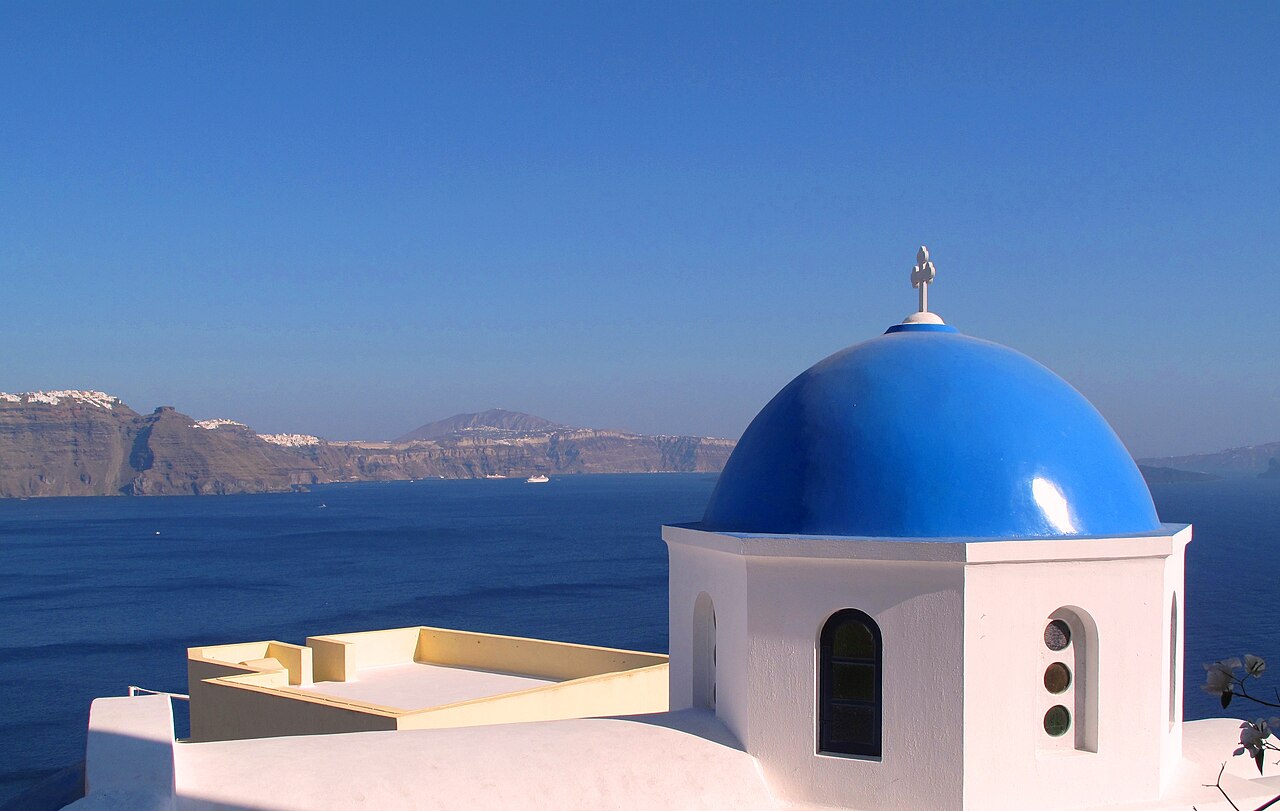
Greece travel guide cover photo

Greece Travel Guide: Athens, Santorini, Crete, and the Aegean Beyond

A first-timer's guide to Greece — the ferry logistics, August-shutdown timing, and Santorini-vs-Naxos tradeoffs everyone gets wrong.

Last updated May 26, 2026 · By Mango

Greece rewards the traveler who slows down. The country is small on a map but the geography is volcanic and fragmented — over 220 inhabited islands, mountain ranges that split the mainland into isolated valleys, and ferry schedules that work on Greek time. First-timers who try to combine Athens + Santorini + Mykonos + Crete in seven days spend half their trip in airports and ports, then complain that "Greece felt rushed." The people who fall in love with Greece pick three places, take the slow ferry between two of them, and eat dinner at 10 PM.

The friction first-timers underestimate is logistical. August on Santorini and Mykonos is genuinely brutal — €600/night for mediocre rooms, 90-minute ferry boarding queues, Oia sunset crowds you can't move through. Ferries sell out a week ahead in peak season, and the e-ticket scanner often fails (print the paper). ATV rental shops will hand you keys without an International Driving Permit; your travel insurance won't cover the broken collarbone. Tavernas that look "lively" at 7 PM are tourist traps — locals eat at 9:30.

This guide handles the country-level decisions: budget tiers, when to go, which islands to combine, and what to skip. For a day-by-day plan with specific restaurants, ferries, and reservations, the 7-day Greece itinerary is the companion piece.


Choose your trip length

The Acropolis & Ancient Athens
Giles Laurent (CC BY-SA 4.0)

Must-have experience 🏛️

The Acropolis & Ancient Athens

e.g., Acropolis

Best time to visit
The shoulder seasons of May-June and September-October offer the best balance for visiting Greece, with pleasant temperatures (20-30°C) and fewer crowds than the peak summer. July-August sees temperatures often exceeding 35°C, high humidity, and significant crowds, particularly on popular islands, making hotel and ferry bookings essential months in advance. Winter (November-April) is cooler (10-15°C) and quieter, ideal for mainland historical sites but many island services close.
Currency
Euro (EUR)
Visa
Greece is part of the Schengen Area. US, UK, EU, Australian, and Canadian citizens can enter visa-free for up to 90 days within any 180-day period. Indian citizens generally require a Schengen visa; application details can be found on the Greek Ministry of Foreign Affairs website or at the nearest Greek embassy/consulate. All passports must be valid for at least three months beyond your intended departure from the Schengen Area.
Tipping
Tipping is customary but not mandatory in Greece. At restaurants, it's common to round up the bill or leave an extra €1-€5 for good service, especially if a service charge isn't included. For taxis, round up to the nearest euro. For hotel staff, €1-€2 per bag for porters or per day for housekeeping is appreciated.
Emergency
112 (all emergencies - pan-European), 100 (police), 166 (ambulance), 199 (fire service)

Estimated daily cost

Backpacker

$50-80/day

Hostels in Athens ($25-40), domatia rooms on the islands ($40-60), gyros and souvlaki for €5, ferry deck class. Doable but tight in July/August on the popular islands.

Mid-range

$120-220/day

3-star boutique hotels in Athens, cave hotels in Oia or boutique rooms in Fira, mix of taverna and modern Greek dining, ferry economy seats. The sweet spot — Greek mid-range is European-quality at Mediterranean prices outside Mykonos.

Luxury

$400-1200+/day

Caldera-edge suites in Oia, Belvedere Mykonos, infinity pools, beach club day beds at €150+. Mykonos and Santorini in August are the most expensive places in Europe — Greek-island luxury runs Maldives prices.

Santorini Caldera Sunsets
MonkeyEatingMango

Must-have experience 🌅

Santorini Caldera Sunsets

e.g., Oia, Santorini

Jan
O
Feb
O
Mar
S
Apr
S
May
S
Jun
P
Jul
P
Aug
P
Sep
S
Oct
S
Nov
O
Dec
O
Off-peak (cheaper) Shoulder Peak (priciest)Baseline: January

Festivals & timing

Easter (April-May, varies by Orthodox calendar)

Greek Orthodox Easter

The biggest religious holiday — midnight candle ceremonies, magiritsa soup, whole-lamb spit roasts on Easter Sunday. Hydra, Corfu, and the Cyclades are spectacular. Hotels and ferries fill 2+ months ahead.

Worth planning around

May 1

May Day (Protomagia)

National holiday — Greeks decorate doors with floral wreaths and head to the countryside for picnics. Some shops close, but it's a beautiful low-key moment to be in Athens or a small town.

August

Peak season + August 15 Assumption

Locals take their own holidays Aug 1-20 — half of Athens shuts down. Islands are at maximum crowd density and pricing. Avoid Santorini and Mykonos; consider Crete, Naxos, or Sifnos instead — they absorb crowds better.

Better to avoid

September-October

Shoulder season sweet spot

Sea is still warm, prices drop 30-50%, ferries run on schedule, and Greek families are back at work. The single best window for first-timers who want the dream Aegean experience without August chaos.

Worth planning around

Late summer

Athens & Epidaurus Festival

Ancient theatres at the Acropolis (Odeon of Herodes Atticus) and Epidaurus host Greek tragedies, opera, and concerts under the stars. Tickets are cheap by international standards (€20-80) and book up fast.

Worth planning around

March 25

Greek Independence Day

Military parade in Athens (Syntagma to Acropolis) and processions across the country. Atmospheric and brief — most things stay open the day after.

Live events & modern attractions

Beyond classic sightseeing — the show to book, the match to watch, the place that shows you the country's present.

Athens & Epidaurus Festival

Wikipedia Commons

🎭 Live performance · Athens / Epidaurus

Athens & Epidaurus Festival

Greek tragedies and contemporary opera staged in the 2nd-century Odeon of Herodes Atticus (under the Acropolis) and the 4th-century BC Theatre of Epidaurus. Tickets from €15.

When: Annual · June through August

Olympiacos at Karaiskakis Stadium, Piraeus

Wikipedia Commons

🏟️ Sport · Piraeus

Olympiacos at Karaiskakis Stadium, Piraeus

Greek Super League at the home of Olympiacos — short metro ride from central Athens. Olympiacos vs Panathinaikos ("the derby of the eternal enemies") is one of football's fiercest fixtures.

When: Super League season · Aug–May

Stavros Niarchos Foundation Cultural Center

Wikipedia Commons

🔬 Modern attraction · Athens

Stavros Niarchos Foundation Cultural Center

Renzo Piano–designed campus housing the National Library + National Opera, with a 170,000 m² landscaped park rolling to a canal. Free year-round events; rooftop view to the Acropolis.

When: Year-round · daily

Major cities at a glance

Athens
Giles Laurent (CC BY-SA 4.0)

Athens

2-3 days

Best for ancient history, museums, neighborhood food

The Acropolis at sunrise, the National Archaeological Museum, Plaka and Anafiotika for white-and-blue lanes, plus Koukaki and Kerameikos for natural-wine bars and modern Greek dining.

Santorini
MonkeyEatingMango

Santorini

2-3 days

Best for caldera sunsets, cave hotels, dramatic cliffs

Oia's blue-domed churches at sunset, Imerovigli for quieter caldera views, Akrotiri's Bronze Age site, and Red Beach. Cruise-ship days (May-Sep) make Fira insane — plan around port schedules.

Mykonos
Wikipedia Commons

Mykonos

2 days

Best for windmills, beach clubs, Little Venice

The Kato Mili windmills, Little Venice waterfront for sunset, beach clubs at Paradise and Super Paradise, Delos archaeological site by boat. Wildly overpriced in August — shoulder season transforms it.

Crete (Chania + Heraklion)
Wikipedia Commons

Crete (Chania + Heraklion)

3-4 days

Best for Minoan ruins, Venetian harbors, pink beaches

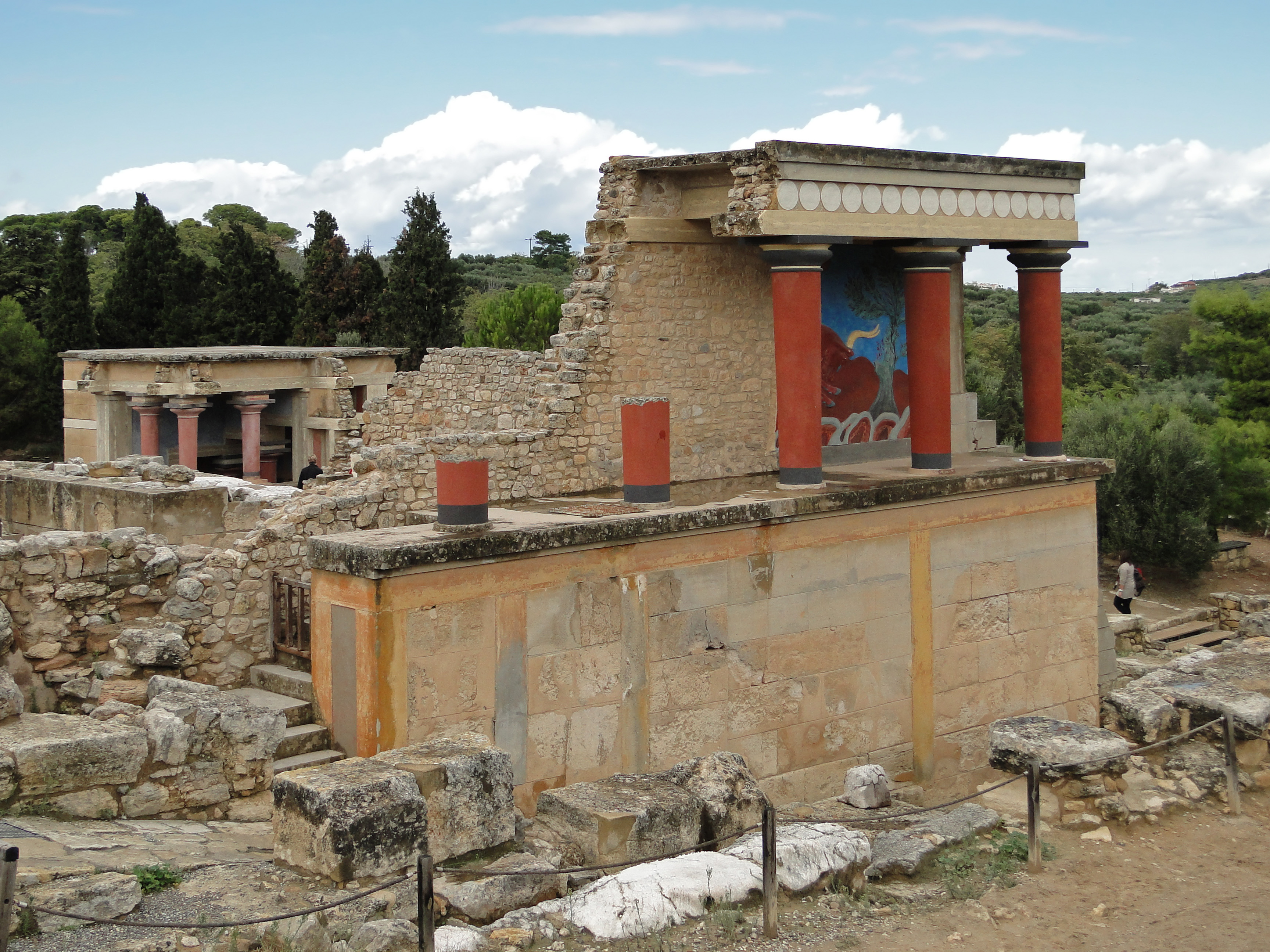
Knossos palace and Heraklion Archaeological Museum, Chania's Venetian harbor and old town, Elafonissi pink-sand beach, the Samaria Gorge hike for the hardy. Crete is a country unto itself — give it real time.

Meteora
Wikipedia Commons

Meteora

1-2 days

Best for cliff-top monasteries, dramatic geology

Six active monasteries perched on towering sandstone pillars — Holy Trinity (the James Bond one), Varlaam, Roussanou, and Great Meteoron. Base in Kalambaka; the sunrise drive up is unforgettable.

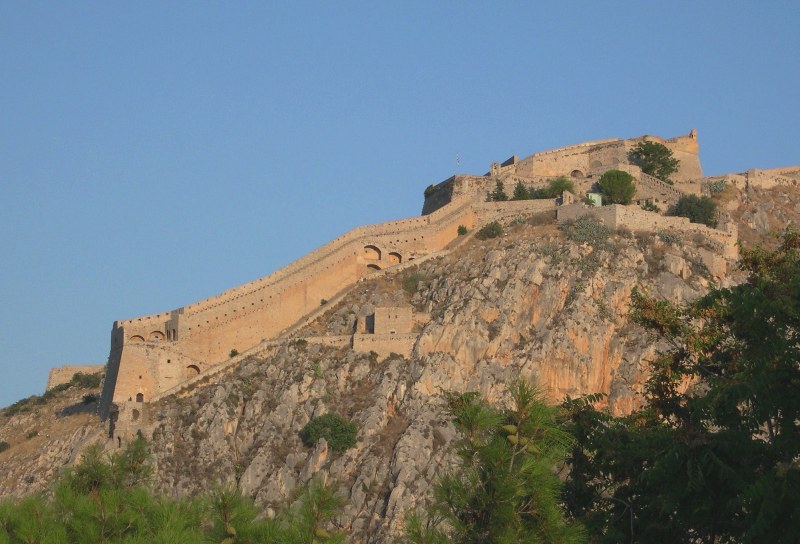
Nafplio & Peloponnese
Wikipedia Commons

Nafplio & Peloponnese

2-3 days

Best for Venetian fortress, day-trippable ancient sites

Greece's prettiest small city — Palamidi fortress (999 steps), waterfront tavernas, plus day trips to Epidaurus theatre and Mycenae. Two hours from Athens by car, a Greek experience without the cruise-ship herds.

Mykonos Windmills & Little Venice
Wikipedia Commons

Must-have experience 🌬️

Mykonos Windmills & Little Venice

e.g., Kato Mili Windmills

Food guide

Greece is taverna country, where long lunches of shared meze plates often stretch into late dinners. The best food is typically found in family-run eateries on backstreets or in island villages, offering a more authentic experience than the often-pricier tourist spots on main squares.

Souvlaki

Souvlaki

Grilled skewers of marinated meat, often pork or chicken, served simply with lemon and oregano or wrapped in pita with tzatziki and vegetables, a quintessential street food.

4 USD

Gyros

Gyros

Shaved meat from a vertical rotisserie, typically pork or chicken, served wrapped in pita bread with tomatoes, onions, fries, and a generous dollop of tzatziki.

5 USD

Spanakopita

Spanakopita

A savory pie made with layers of crispy phyllo pastry filled with a mixture of spinach and feta cheese, a popular snack or light meal.

5 USD

Dolmade

Dolmade

Vine leaves carefully stuffed with a savory mixture of rice and herbs, sometimes with minced meat, and served as a cold appetizer or part of a meze platter.

7 USD

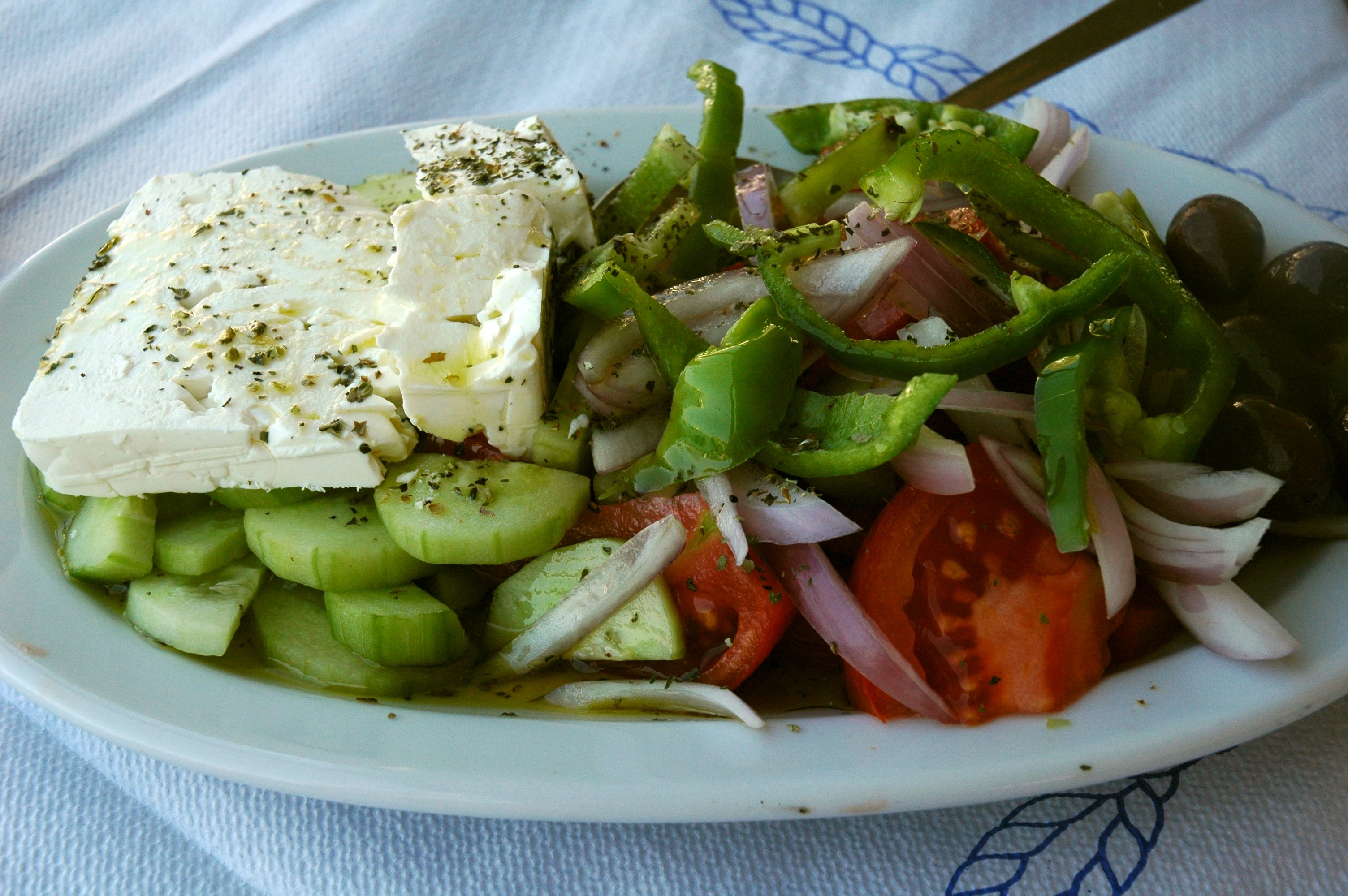
Horiatiki Salata

Horiatiki Salata

The quintessential Greek salad, made with robust tomatoes, cucumbers, red onion, Kalamata olives, green bell peppers, and a slab of creamy feta cheese, dressed simply with olive oil and oregano.

9 USD

Moussaka

Moussaka

A rich, oven-baked casserole featuring layers of spiced minced meat, sliced eggplant, and a creamy bechamel sauce, a cornerstone of Greek home cooking.

14 USD

Meteora Cliff-Top Monasteries
Wikipedia Commons

Must-have experience ⛰️

Meteora Cliff-Top Monasteries

e.g., Holy Trinity Monastery

Shopping guide

Athens offers a dynamic shopping scene, from the ancient markets of Plaka and Monastiraki that blend tourist items with traditional crafts, to the upscale boutiques in Kolonaki. On the islands, shopping is often more relaxed, focusing on local specialties, artisan goods, and direct interactions with makers.

Extra Virgin Olive Oil

Greek olive oil, especially from Crete or the Peloponnese, is celebrated globally for its exceptional quality, low acidity, and rich, fruity flavor.

Central Municipal Market of Chania; local cooperatives in Messenia or Laconia. · 35 USD

Handmade Leather Sandals

Custom-fit, durable leather sandals crafted by Athenian artisans in traditional workshops offer timeless style and comfort.

Melissinos Art - The Poet Sandal Maker on Tziraion Street; specific artisan shops in Monastiraki. · 70 USD

Komboloi (Worry Beads)

These traditional strings of beads, used for relaxation and passing time, come in various materials from amber to natural stone, making each set a unique personal item.

Komboloi Museum Shop in Nafplio; specialized shops around Plaka, Athens. · 75 USD

Greek Thyme Honey

Greek thyme honey, especially from islands like Crete or Ikaria, is exceptionally aromatic, thick, and rich in antioxidants due to its unique floral source.

Central Municipal Market of Chania; local delis like Pandrossos in Monastiraki, Athens. · 20 USD

Masticha Products

Mastic, a unique resin from Chios island, is used in chewing gum, liqueurs, sweets, and natural skincare for its distinctive flavor and purported health benefits.

Mastic Museum Shop on Chios; Mastiha Shop in Kolonaki, Athens. · 25 USD

Sifnian Pottery

Hand-thrown and painted ceramic pieces from Sifnos feature distinctive traditional patterns and unique vibrant glazes.

Atsonios Ceramics Workshop in Vathy, Sifnos; Mati Art Gallery in Plaka, Athens for curated selections. · 80 USD

Minoan Palaces of Crete
Wikipedia Commons

Must-have experience 🏺

Minoan Palaces of Crete

e.g., Knossos Palace

Travel essentials

Connectivity & SIM

Wi-Fi: WiFi is widely available and free at most hotels, restaurants, and cafes across Greece, including islands. Public places often offer free Wi-Fi as well. Be aware that ferries typically provide Wi-Fi, but often at international maritime rates, which can be expensive.
SIM options
  • Cosmote~€20-30 for 15-30 days / 10-15GB
    Where: Major airports (Athens, Thessaloniki), official Cosmote stores, or kiosks in larger towns
  • Vodafone~€20-30 for 15-30 days / 10-15GB
    Where: Major airports, official Vodafone stores, or kiosks in larger towns
  • Nova/Wind~€15-25 for 15-30 days / 8-12GB
    Where: Official Nova/Wind stores, or mobile shops in larger towns
Tip: If your phone number is from another EU country, you will likely have no roaming costs in Greece. For non-EU visitors, buying a Greek prepaid SIM card from providers like Cosmote, Vodafone, or Nova/Wind is essential for mobile internet. Be aware that mobile signal, especially 4G, can become patchy outside major towns, sometimes dropping just 3 km out, as noted on Aegina.

Cultural notes

When using toilets in many parts of Greece, including islands, always dispose of used toilet paper and sanitary products in the provided waste bin, not in the toilet bowl, to protect plumbing systems. Greeks value politeness through 'behaviour' rather than overly formal words, embracing an air of informality where everyone is treated like a 'cousin'; feel free to use hand gestures in conversation. In less touristy cities like Drama, maintain respectful communication and avoid extreme public behavior to prevent misunderstandings. Be prepared that some public restrooms may lack toilet seats, a common occurrence.

Safety

While Greece is generally a safe country, pickpocketing is a notable concern, particularly on the Athens Metro (Monastiraki, Syntagma, Omonia interchanges) and on crowded buses in cities like Thessaloniki during rush hour. Traffic can be chaotic and dangerous, especially in Piraeus and rural areas like Evvia, where drivers may act unpredictably; always use extreme caution when crossing streets. Some travelers may feel uncomfortable walking around railway stations at night in cities such as Thessaloniki. Additionally, avoid getting involved in local disputes, particularly in less touristy towns like Drama, as law enforcement may be less accustomed to dealing with foreign visitors.

What to pack

  • Disposable toilet seat covers (small pack)
  • Slip-on sandals (for beaches, public facilities)
  • Light scarf (sun, evening chill)
  • Small hand sanitizer (public restrooms often lack soap)
  • Quick-dry swimwear (multiple pairs for daily use on islands)
  • Motion sickness medication (for ferry travel)
  • Water shoes (many Greek beaches are rocky)
  • Portable fan (especially for summer, older accommodations)

Travel tips

  • Always throw used toilet paper and sanitary products into the waste bin provided next to the toilet, not into the toilet bowl, in many parts of Greece including islands, to prevent plumbing issues.
  • In areas with dangerous or chaotic traffic, such as Piraeus and rural Evvia, exercise extreme caution when crossing streets and walking on pavements, as vehicles may drive unpredictably.
  • If renting a car, be prepared for narrow streets with sudden twists and unmarked lanes in rural Greece; driving experience and extra care are essential.
  • Consider purchasing a Wind 'Ya card' for making cheap international and long-distance calls within Greece, available at post offices like ELTA in Koroni.
  • For bus travel in cities like Thessaloniki, safeguard your pockets and travel documents, especially during rush hour, due to the presence of pickpockets.
  • If using public toilets that lack seats over the porcelain, consider bringing disposable toilet seat covers for comfort and hygiene.
  • In less touristy cities such as Drama, practice respectful communication with locals and avoid overtly 'extreme behavior' to maintain good relations and prevent misunderstandings.
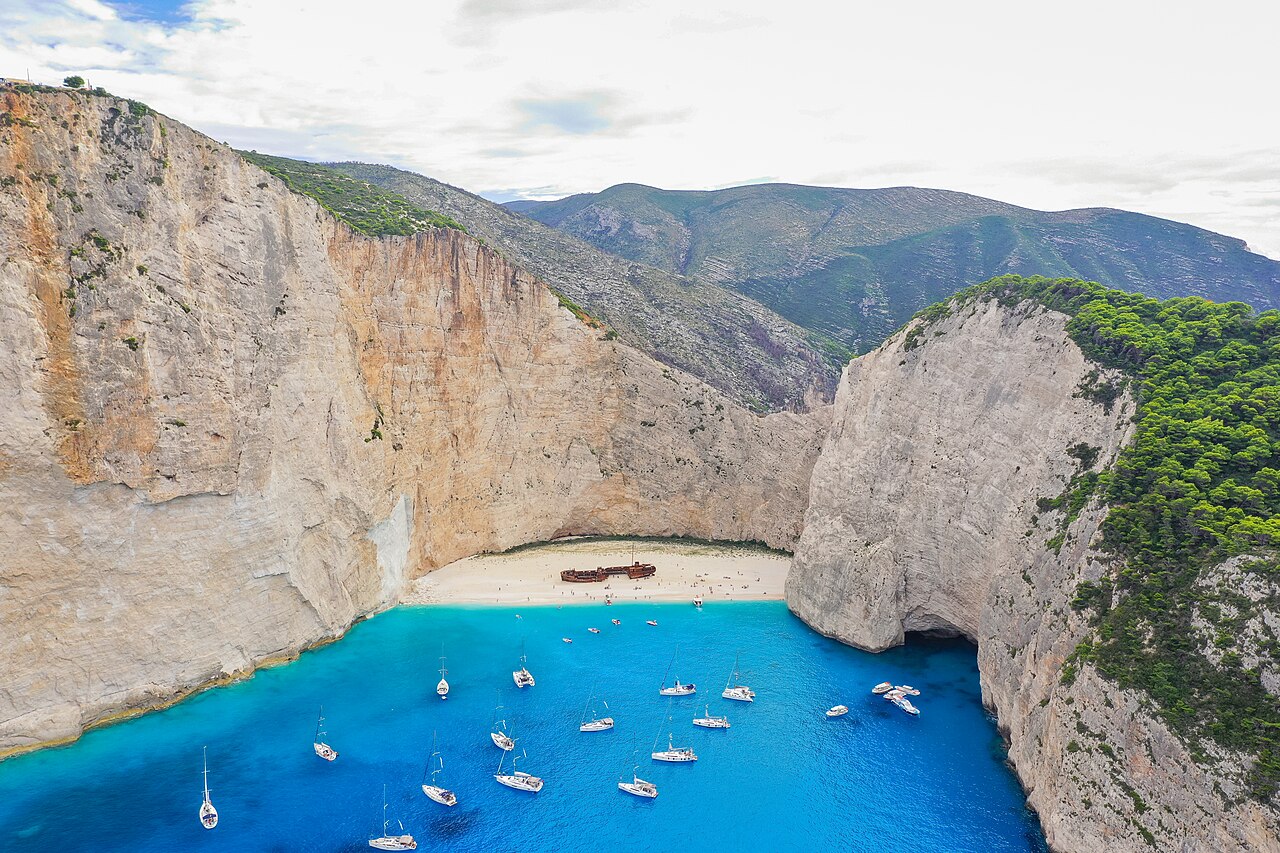
Hidden Beaches & Shipwreck Coves
MonkeyEatingMango

Must-have experience 🏖️

Hidden Beaches & Shipwreck Coves

e.g., Navagio Beach

Electric Socket Guide

Socket Types

Type C - Europlug

Two round pins (most of Europe, South America)

Type F - Schuko

Two round pins + side earth clips (Germany, Europe)

Voltage

230V

Frequency

50Hz

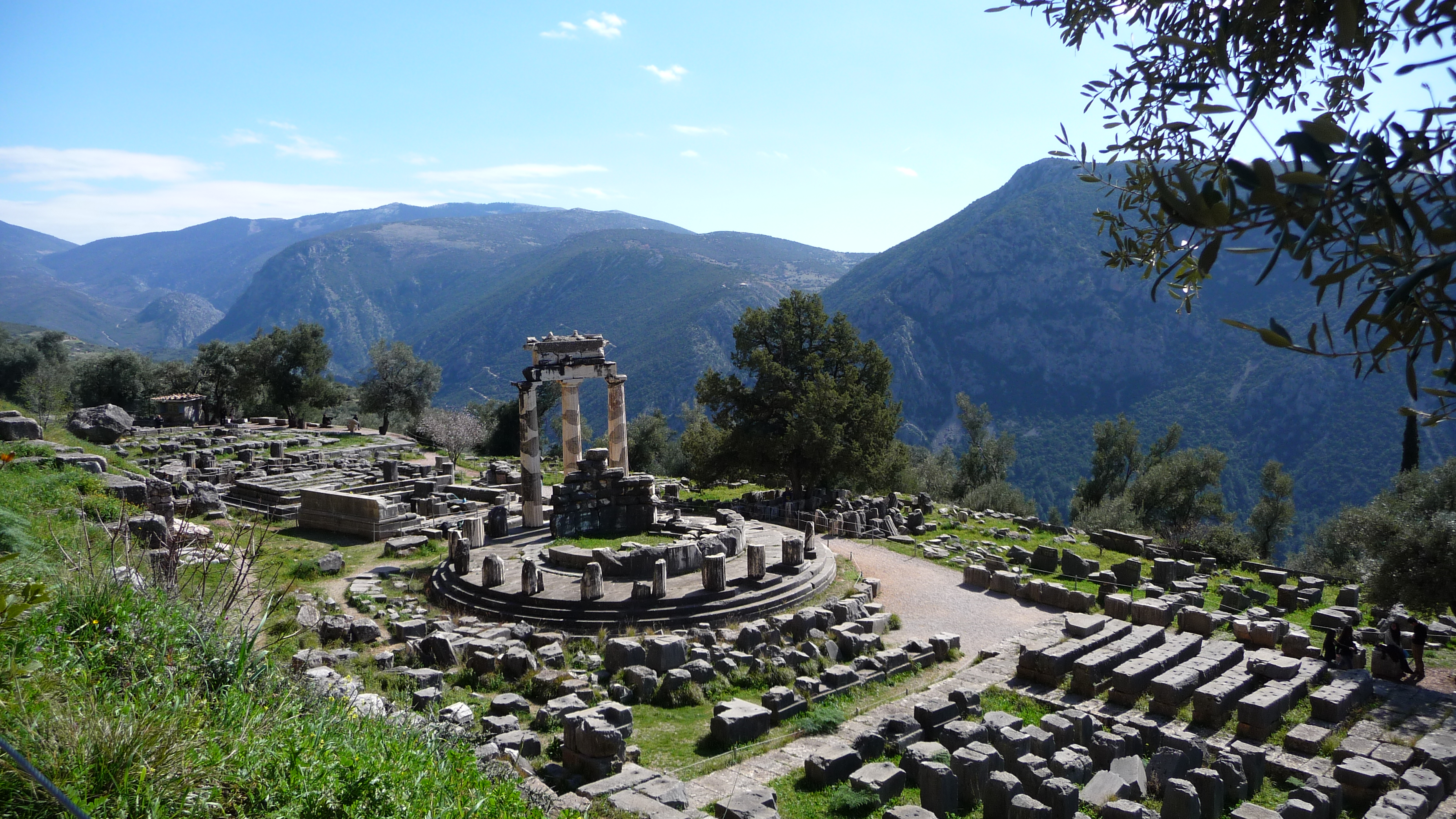
Oracle of Delphi & Sacred Sanctuaries
Wikipedia Commons

Must-have experience 🔮

Oracle of Delphi & Sacred Sanctuaries

e.g., Delphi

Planning checklist

  1. Sort out ETIAS (or your Schengen visa) before you fly.

    Starting May 2026, non-EU travelers need ETIAS pre-authorization (€7 online, valid 3 years, takes minutes to apply). Don't conflate it with a Schengen visa — most US/UK/AU/CA passports are visa-free but still need ETIAS. Check status at official `travel-europe.europa.eu` only; avoid the lookalike scam sites.

  2. Pick two islands max for a 7-day trip.

    Three feels efficient on paper but means 6 hours of ferry/port time per island change. The winning patterns: Athens + Santorini + Mykonos (classic), Athens + Naxos + Paros (less touristy), or Athens + Crete-only (deep). Add Meteora as a 1-night side trip from Athens if you have an 8th day.

  3. Book ferries 4-6 weeks ahead for July-August.

    Use Ferryhopper or the operators directly (SeaJets, Blue Star, ANEK). Print every ticket — port scanners frequently fail. Choose Blue Star over SeaJets for a more relaxed experience if you have the time (3hrs vs 90min for Santorini-Mykonos). Avoid August 1-20 entirely if you can.

  4. Get an International Driving Permit if you'll rent on the islands.

    EU licenses are fine; US/UK/CA/AU need an IDP alongside your home license. Crete, Santorini, Rhodes police roadblocks check. ATV rental without IDP = void insurance. €20 at home, half-day of grief if you don't have it.

  5. Pre-book the caldera-edge Santorini hotel 4+ months ahead.

    Oia and Imerovigli sunset-view rooms book out a season in advance. Fira is significantly cheaper and you can taxi to Oia for sunset. For Mykonos: anywhere that's not Mykonos Town or south-coast beach clubs runs half the price.

  6. Pack the right small stuff.

    Closed-toe shoes for the Acropolis and Meteora (marble + 999 steps), a packable midi skirt or long pants for monastery entry, reef-safe sunscreen, a wide-brim hat (Aegean sun is intense), a Type C/F adapter (Greece uses 230V), and €200-300 in cash withdrawn before island-hopping.

  7. Set up offline maps + Beat (Greek Uber alternative).

    Google Maps + Beat app for Athens taxis (Uber works too but Beat is cheaper). On the islands, KTEL buses are cheap and reliable but rarely on Google Maps — pick up paper schedules at the port. Pre-download Maps.me regions for ferry routes where mobile data drops.

Ancient Archaeological Wonders
A.Savin (CC BY-SA 3.0

Must-have experience 🏛️

Ancient Archaeological Wonders

e.g., Acropolis of Athens

Avoid these first-timer mistakes

  • Visiting Santorini and Mykonos in August

    Peak August on these two islands = €600+/night for mediocre rooms, 2-hour ferry queues, and Oia sunset crowds so thick you can't move. Either visit May-June or September-October, or substitute Naxos and Paros for a quarter of the price.

  • Booking ferries the day before

    Greek ferries (SeaJets, Blue Star, ANEK) sell out July-August up to a week ahead, and same-day prices double. Book on Ferryhopper or directly 6+ weeks ahead. Keep paper copies — the e-ticket scanner often fails at the port.

  • Renting an ATV without checking insurance

    ATV rental shops on Santorini and Mykonos push these without explaining that your travel insurance probably excludes them and Greek public hospitals don't have orthopedic specialists. Hire a car or use buses; the islands are small.

  • Eating dinner at 7 PM in a tourist trap

    Locals eat dinner at 9-10 PM. Tavernas full at 7 are tourist-only — bland, overpriced, and slow. Walk past empty places, find one with Greek families inside at 9:30, and you'll get the real meal.

  • Wearing flip-flops at the Acropolis

    Marble polished smooth by 2,500 years of visitors is genuinely lethal in flip-flops, especially after summer rain. Closed shoes with grip. The site is also exposed full sun — go at 8 AM opening or 6 PM, never midday.

  • Showing up at a monastery in shorts

    Meteora monasteries (and many on the islands) require skirts for women and long pants for men. They lend wraparound skirts at the entrance, but a packable midi skirt or long lightweight pants saves the queue and looks better.

  • Not carrying small cash for tavernas

    Many island tavernas still don't accept cards (or charge 5% for them). Carry €50-100 in small notes for meals, taxis, and tips. ATMs at island ports often run out by late afternoon in peak season — withdraw in Athens or in town centers.

Unique Monasteries and Spiritual Sites
Stathis floros (CC BY-SA 4.0

Must-have experience 🙏

Unique Monasteries and Spiritual Sites

e.g., Meteora Monasteries

Frequently Asked Questions

US, UK, Canadian, Australian, and most other non-EU passport holders enter visa-free for 90 days under the Schengen rules — but starting May 2026, ETIAS pre-authorization is required (€7, valid 3 years, applied online). EU passport holders need only an ID card. Confirm passport validity is 6+ months from departure.

Mid-May to mid-June and mid-September to mid-October are the sweet spot — sea is warm, prices are 30-50% lower than August, ferries run on time, and Greek families are not on holiday. July-August is peak heat (35-40°C/95-105°F), peak crowds, and peak prices, especially on Santorini and Mykonos. November-March: most islands are quiet, many tavernas close, but Athens and Crete stay open.

Don't skip Athens — give it at least two nights. The Acropolis, the New Acropolis Museum, and the Plaka/Anafiotika neighborhoods are world-class, and you can do them comfortably in 1.5 days. Athens is also your ferry hub — Piraeus and Rafina ports — and starting your trip with an early morning ferry from a hotel in town is far easier than redirecting at the airport.

Three main companies: SeaJets (fast catamarans, expensive), Blue Star (slower but cheaper conventional ferries), and ANEK (long-haul to Crete). Book on Ferryhopper or directly on each operator's site, ideally 4-6 weeks ahead for July-August. Print the e-ticket — port scanners frequently fail. Arrive 45 min before sailing. Routes from Piraeus or Rafina port (1hr from Athens center).

In Athens and most mainland cities, yes — Athens water is genuinely excellent. On most Cycladic islands (Santorini, Mykonos, Paros, Naxos), tap water is technically safe but tastes salty/brackish — locals drink bottled. Crete and Rhodes tap water is fine. When in doubt, bottled water is cheap (€0.50-1).

Round up at tavernas — leave the small change or 5-10% if service was good. At nice restaurants, 10% is standard. Hotel housekeeping €1-2/night, porters €1-2/bag, drivers 5-10%. Don't tip at fast-casual or quick-service places. Service is usually included in resort menus — read the bottom of the menu before adding.

EU licenses are fully valid. US, UK, Canadian, Australian licenses require an International Driving Permit alongside your home license — police on Crete, Santorini, and Rhodes do check. Get the IDP at home (AAA, post offices) before traveling. Many island car rentals will refuse you without one or refuse to honor insurance claims. Driving in Athens itself: don't — use the metro.

Yes — but not from Oia main viewpoint in summer. The crowd there in July-August is genuinely miserable (cruise-ship swells, pickpockets, two-hour camp-outs). Better options: book sunset dinner at a caldera-view restaurant in Imerovigli, hire a small catamaran sunset cruise (€80-150/person), or watch from Skaros Rock. The colors are exactly as advertised.

Cards are accepted in hotels, mid-range restaurants, supermarkets, and pharmacies. Cash is essential for: island tavernas (many cash-only or 5% card surcharge), taxis off the meter, kiosks, tips, monastery entrance fees. Withdraw €200-300 from an ATM in Athens before heading to islands — island ATMs run out in peak season and skimming is more common.

Authentic Greek Culinary Experiences
Ymblanter (CC BY-SA 4.0

Must-have experience 🍲

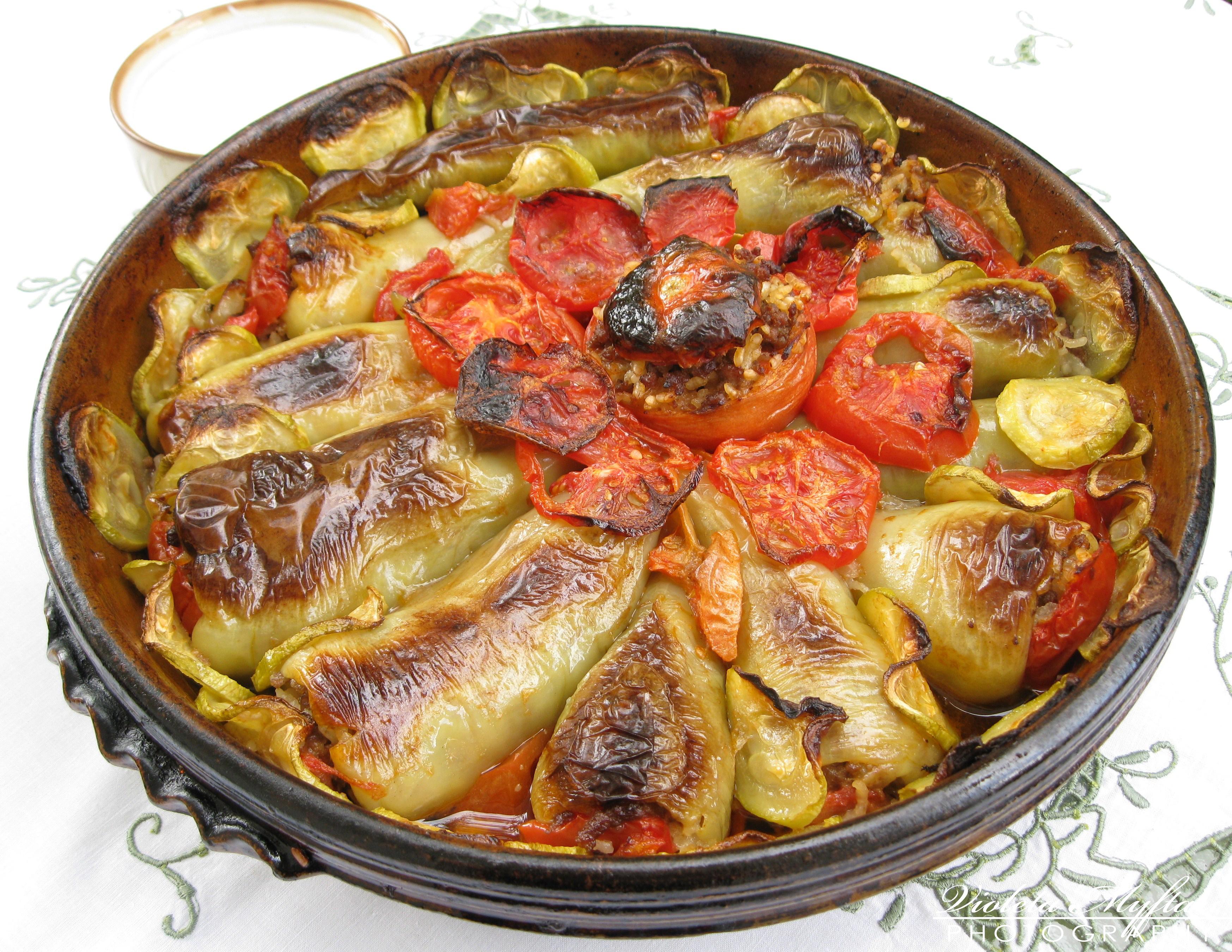
Authentic Greek Culinary Experiences

e.g., Central Municipal Market of Athens (Varvakios Agora)

Dramatic Gorges and Natural Landscapes
Skamnelis (CC BY-SA 3.0

Must-have experience 🏞️

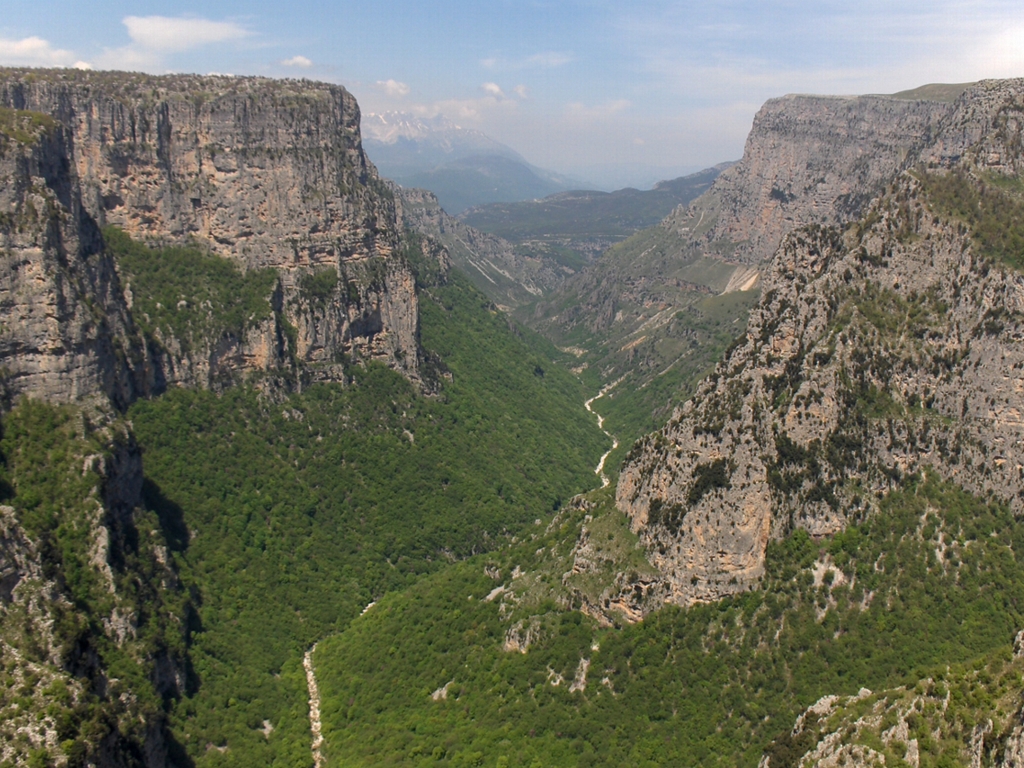
Dramatic Gorges and Natural Landscapes

e.g., Vikos Gorge (Vikos-Aoos National Park)

Philosophy & Ancient Thought Exploration
Unknown authorUnknown author (Public domain

Also worth doing

Philosophy & Ancient Thought Exploration

e.g., Plato's Academy Archaeological Park

Byzantine & Ottoman Heritage Sites
Apaleutos25 (CC BY-SA 4.0

Also worth doing

Byzantine & Ottoman Heritage Sites

e.g., Mystras Archaeological Site and Castle

Immersive History Museums & Cultural Centers
Knop92 (Public domain

Also worth doing

Immersive History Museums & Cultural Centers

e.g., Museum of Byzantine Culture

A Mountain Hiking Adventure in a National Park
Bogdan Giuşcă (CC BY-SA 3.0

Also worth doing ⛰️

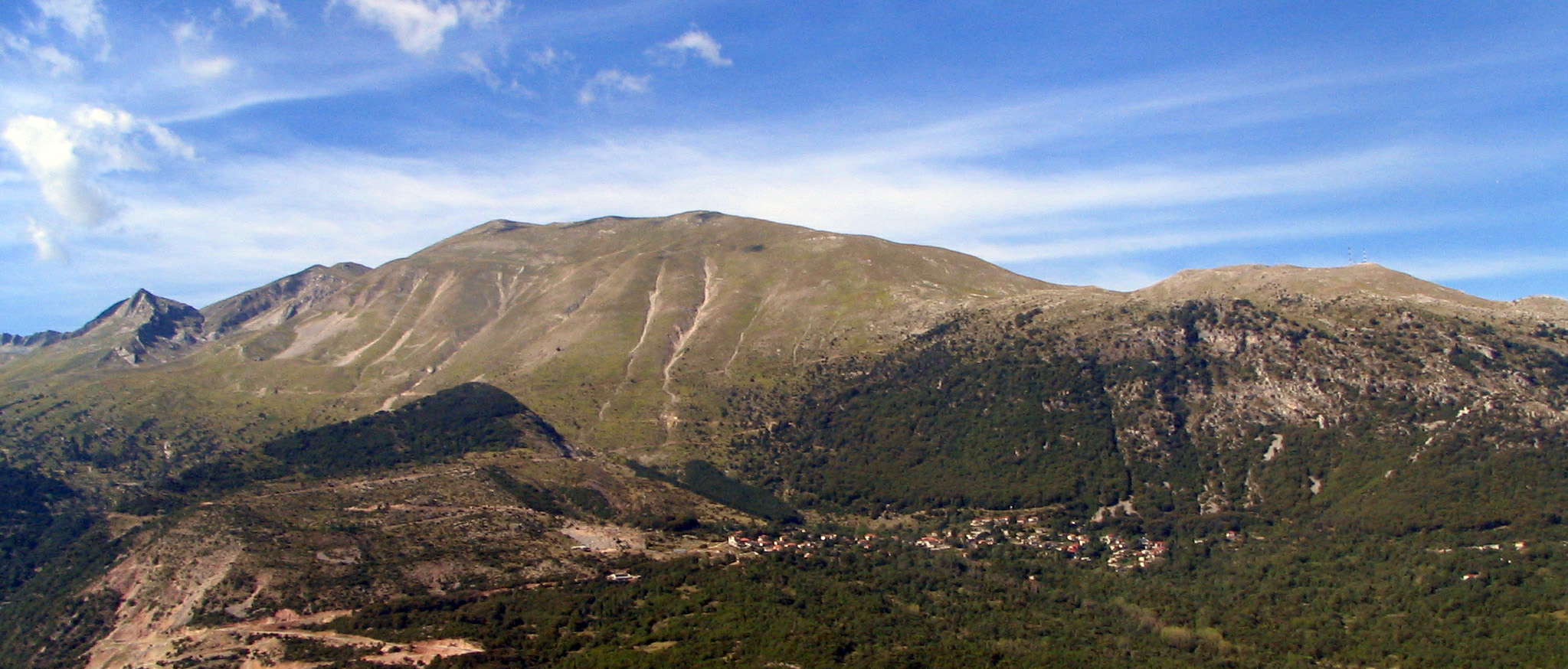
A Mountain Hiking Adventure in a National Park

e.g., Tzoumerka National Park

End of the trail

Plan less, do more.