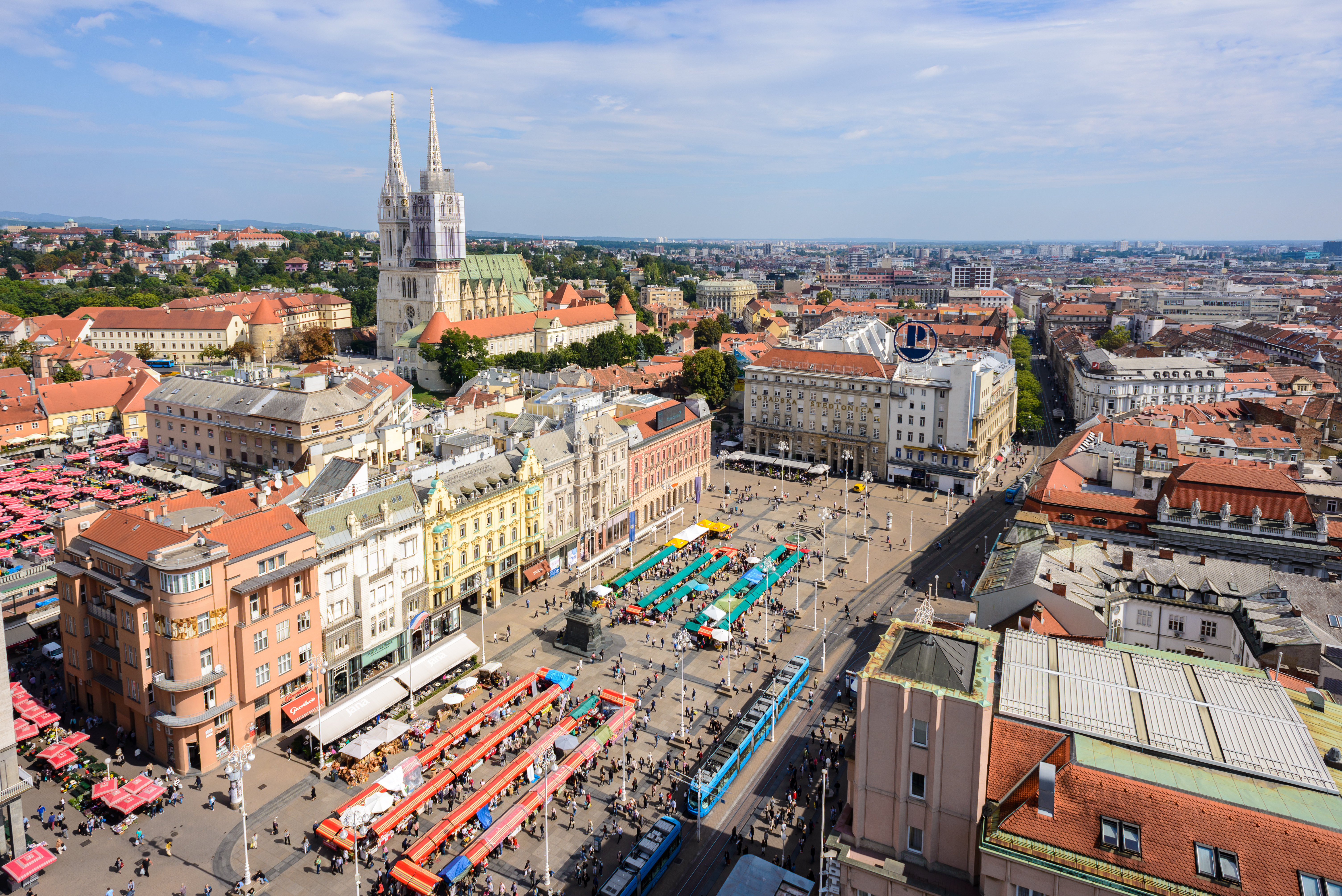
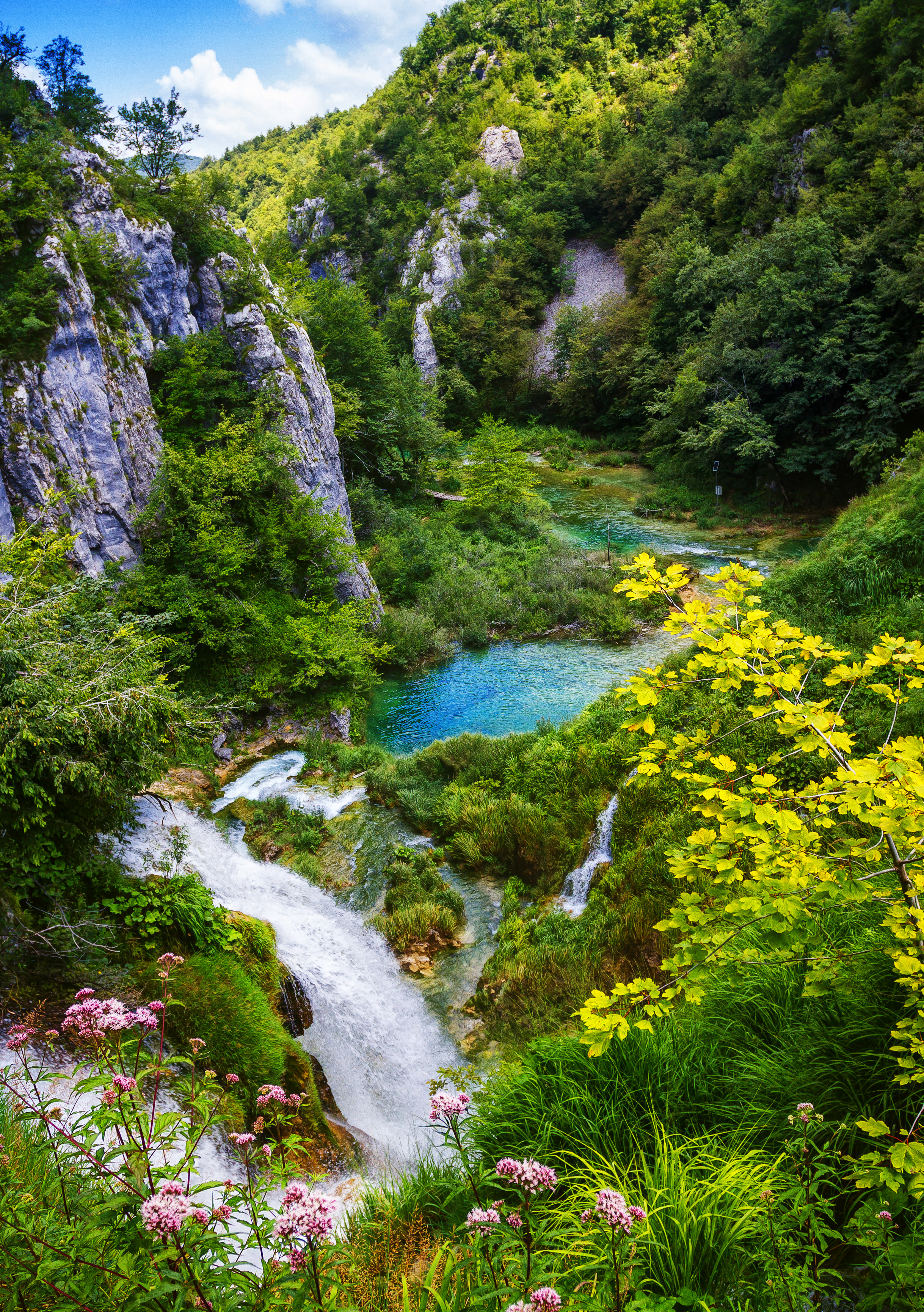
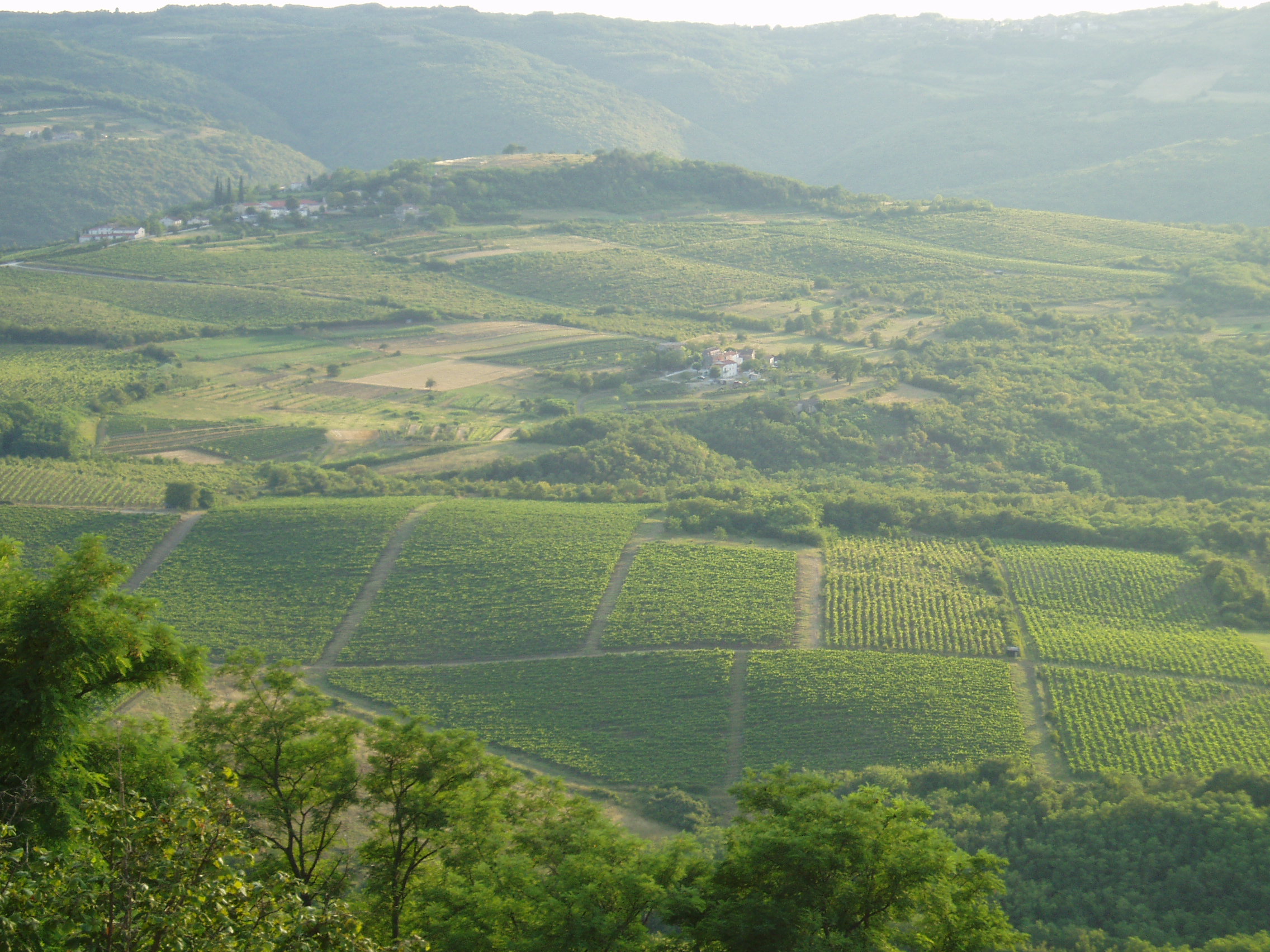
Croatia packs an unusual range into one long coastline. Dubrovnik's intact medieval walls ring an old town you can walk in an afternoon, Split is a living city built inside a Roman emperor's palace, and a short catamaran ride drops you onto islands where lavender fields run down to clear water. Inland, the terraced lakes of Plitvice and the falls of Krka feel like a different country, and the Istrian peninsula in the northwest trades Dalmatian stone for Italian-flavored hill towns and truffle forests. Most first-timers underestimate that spread and try to wedge the whole coast plus every island into a single short trip.
The thing first-timers underestimate most is the logistics of the islands. Croatia is long and narrow, the coast road is winding and slow, and the islands are reached by ferries and catamarans that sell out in summer and thin out in the shoulder months. A car is useful for Istria and the national parks but a liability on the small islands, where car-ferry queues can eat half a day. The short Neum corridor between Split and Dubrovnik passes through Bosnia and Herzegovina with a border check. The euro replaced the kuna in 2023, fish is often priced by the kilo, and August turns the Adriatic into Europe's beach, with prices to match. None of it is hard; it just rewards a little planning.
This guide is the layer that sits above the day-by-day itineraries. Pick how to split your time between the mainland and the islands, match the season to what you want (June and September for the sweet spot, the national parks for spring and autumn), and book ferries before you arrive in peak summer. Do that and you'll spend your days on the walls, in the konobas, and on the water you came for, not stuck in a car-ferry line wishing you'd booked ahead.