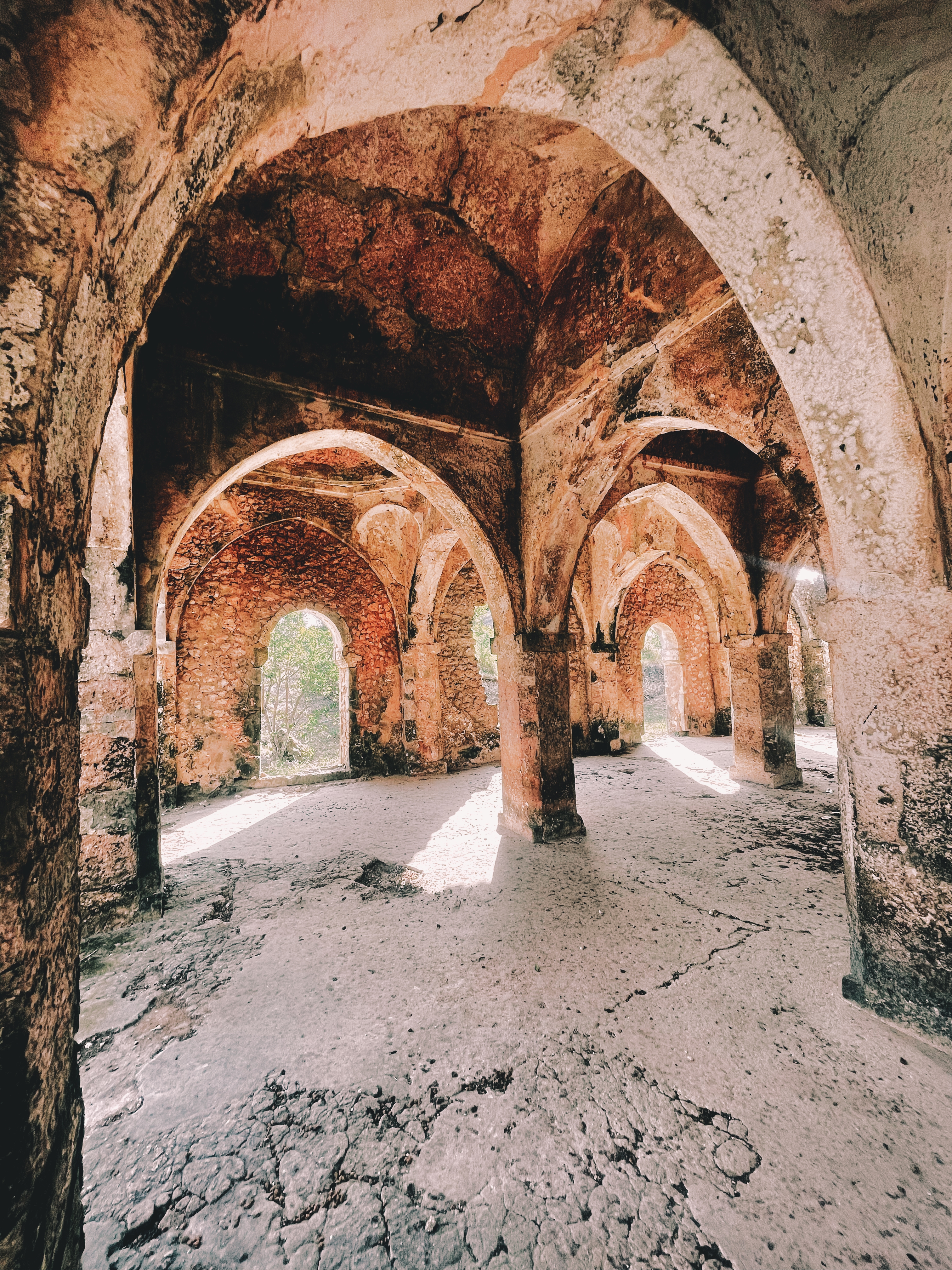
Tanzania holds three very different trips inside one country. The northern safari circuit packs the Ngorongoro Crater and the Serengeti plains, where roughly two million wildebeest move with the rains and resident lions, cheetahs, and elephants stay all year. Mount Kilimanjaro, the highest peak in Africa, rises alone above the plains near Moshi and draws climbers to a six-to-eight-day walk to its glaciered summit. Off the coast, the Zanzibar archipelago trades the bush for Swahili history, spice farms, and white-sand beaches. Most first-timers underestimate how distinct these three are, and try to wedge all of them into a single short week.
The thing first-timers underestimate most is timing and logistics. The migration is a year-round movement, not a season, so the famous river crossings (north Serengeti, roughly July to October) and the calving (southern Ndutu, February and March) happen in different parts of the park, and basing in the wrong place means quiet plains. Park and crater fees are fixed and high, so even a budget safari is not cheap. Tanzania needs a visa for most travelers, Zanzibar runs its own immigration check, and a yellow-fever card matters only on certain routes. None of it is hard; it just rewards a little planning.
This guide is the layer that sits above the day-by-day itineraries. Decide how to pair the parts (safari plus Zanzibar for a week, add Kilimanjaro for ten days or more), match the season to what you want to see, and book the high-season lodges and flights well ahead. Do that and you'll spend your days watching big cats, walking Stone Town's lanes, or standing on the roof of Africa, not stuck wondering why the plains are empty.