New Zealand travel guide cover photo

New Zealand Travel Guide: Auckland, Queenstown, the Fjords, and the South Island

A first-timer's guide to New Zealand: the two-island distances, the driving-time math everyone gets wrong, and the seasons that flip the whole trip.

Last updated June 20, 2026 · By Namrata

New Zealand rewards the traveler who respects the distances and lets one island carry the trip. The map makes the country look compact, but the roads are two-lane and winding, and the drives run longer than they read: Auckland to Wellington is about 8 hours, Christchurch to Queenstown around 6, and Milford Sound is 4 hours each way from Queenstown before the cruise even starts. The classic first-timer mistake is plotting Auckland, Rotorua, Queenstown, and Milford into a single week and spending it in the car. The people who fall for New Zealand pick a region, build in slack days for weather, and treat the drive as part of the scenery rather than a chore between stops.

The friction nobody plans for is the weather and the seasons. New Zealand sits in the Southern Hemisphere, so summer is December to February and the ski season runs June to August, which flips the whole calendar for Northern visitors. Alpine weather changes hourly, the saying "four seasons in one day" is literal, and the UV under the thin ozone layer burns in twenty minutes even on a cool day. Milford Sound gets over 6 metres of rain a year, and its access road closes for avalanche risk in winter, so a single fixed cruise day with no buffer is a gamble.

This guide handles the country-level decisions: when to come for what, which route fits which trip length, what to skip when the days are short, and the entry admin (the NZeTA and visitor levy) that trips people at check-in. For a day-by-day plan with specific lodges, cruises, and adventure bookings, the 10-day New Zealand adventure itinerary is the companion piece.

Choose your trip length

7 days

South Island highlights: Queenstown, Wanaka, Milford

The express adventure trip on one island: fly into Queenstown, base there 3 nights (Milford Sound day trip, the Skyline gondola, the Shotover jet), drive to Wanaka for 2 nights (Roys Peak, Lake Wanaka), then loop back via the Crown Range. No island-hopping, no internal flights past the arrival. The tightest way to see the alpine south without rushing the drives.

10 days

Auckland to Queenstown: both islands, one way

The classic first-timer arc, north to south: 2 nights Auckland, fly or drive down to Rotorua for the geothermal and Maori culture (2 nights), Wellington and the interisland ferry, then the South Island down to Christchurch, Lake Tekapo, Wanaka, and Queenstown. Fly home from Queenstown so you never backtrack. A rental car for the South Island legs is essential.

See the sample itinerary →

14 days

Full North + South Island road trip

The complete circuit with room to breathe: Auckland, the Bay of Islands or Coromandel, Rotorua and Taupo, Wellington, then the interisland ferry to a slow South Island, Abel Tasman, the West Coast glaciers, Wanaka, Milford Sound, and Queenstown. Two weeks is the first trip length that doesn't feel like a relay race. Add Aoraki/Mount Cook if the weather holds.

The flagship itinerary

Best time to visit
Summer (December to February) offers warm temperatures, averaging 20-25 degrees Celsius, ideal for outdoor activities, but it's peak season with higher prices and crowds. Autumn (March to May) brings mild weather around 15-20 degrees Celsius, fewer crowds, and stunning fall foliage in Queenstown. Winter (June to August) is cold (5-12 degrees Celsius), with snow in Queenstown for skiing, but Milford Road can close due to snow. Spring (September to November) is a good shoulder season with blooming landscapes and moderate temperatures of 12-18 degrees Celsius, before the peak crowds.
Currency
New Zealand Dollar (NZD)
Visa
US, UK, EU, and Australian citizens require an NZeTA (New Zealand Electronic Travel Authority) before arrival for stays up to 3 months; apply online. Indian citizens need a visa, which must be obtained in advance. Your passport must be valid for at least three months beyond your intended departure date from New Zealand. Proof of an onward or return ticket may be requested upon entry.
Tipping
Tipping is not customary or expected in New Zealand at restaurants, cafes, or for taxis. Service charges are not added to bills, and staff are paid a living wage. You can round up a taxi fare or leave a small amount for exceptional service, but it's not required.
Emergency
111 (police, fire, ambulance, coastguard, rescue). For non-urgent police matters or to report something, dial *555 from a mobile phone.

Estimated daily cost

Backpacker

NZD 110-170/day

Hostel dorm beds (NZD 35-50), self-catering from Countdown or Pak'nSave supermarkets, the InterCity bus network or a shared campervan, free DOC campsites and walking tracks. New Zealand is cheaper than the Nordics but pricier than Southeast Asia; the petrol and the long distances are what add up. Prices as of 2026; verify current rates.

Mid-range

NZD 280-450/day

3-star motels and boutique lodges (NZD 180-280/night), one cafe meal plus a cooked dinner, a rental car with fuel, and a paid adventure or two (a Milford cruise, a jet boat, a gondola). The realistic first-timer tier, and the one most road trips land on. Prices as of 2026; verify current rates.

Luxury

NZD 700-2,500+/day

Lodge-and-spa stays like Blanket Bay or Matakauri, helicopter flights onto a glacier or to a remote Milford heli-picnic, private wine tours in Central Otago, and degustation dinners. New Zealand does understated high-end well; the spend goes on experiences and remote lodges, not flashy hotels. Prices as of 2026; verify current rates.

Jan
P
Feb
P
Mar
S
Apr
S
May
O
Jun
O
Jul
S
Aug
S
Sep
S
Oct
S
Nov
S
Dec
P
Off-peak (cheaper) Shoulder Peak (priciest)Baseline: June

Festivals & timing

February 6

Waitangi Day

New Zealand's national day, marking the 1840 signing of the Treaty of Waitangi. The largest commemorations are at the Waitangi Treaty Grounds in the Bay of Islands, with a dawn ceremony, waka (canoe) launches, and cultural performances. It falls on Friday, February 6 in 2026; many businesses close and domestic travel peaks around it.

March-May

Central Otago harvest & wine season

Late summer into autumn is harvest in Central Otago, the world's southernmost commercial wine region, famous for Pinot Noir around Cromwell, Bannockburn, and Gibbston near Queenstown. Cellar doors run tastings and long-table lunches, and the autumn colour through the valleys is at its peak. A relaxed counterpoint to the adventure circuit.

June 20-29

Queenstown Winter Festival

A ten-day winter party that opens the ski season: fireworks over Lake Wakatipu, street parties, comedy, live music, and on-mountain events at Coronet Peak. Confirmed for June 20-29 in 2026. Queenstown books out and prices climb; reserve accommodation months ahead if the trip lands on these dates.

Worth planning around

July 10

Matariki (Maori New Year)

The rising of the Matariki star cluster marks the Maori new year and is now a national public holiday, observed Friday, July 10 in 2026. Communities hold dawn ceremonies (hautapu), feasts, and light displays; it's a reflective holiday rather than a party. A meaningful time to be in the country, with some closures on the day.

September 17 - October 4

World of WearableArt (Wellington)

WOW is a wearable-art stage spectacle combining design, cirque, dance, and light at the TSB Arena in Wellington, running September 17 to October 4 in 2026. Tickets and city accommodation sell fast for its run. Worth planning a Wellington stop around if the dates line up; the show is unlike anything else in the country.

Worth planning around

December - February

Summer festival & beach season

The Southern Hemisphere summer brings outdoor music festivals, the Rhythm and Vines new-year event in Gisborne, packed beaches, and the warmest, longest days. It's also peak domestic-holiday season from late December through January, so book ferries, popular tracks, and accommodation well ahead. The country effectively shuts down over the Christmas-New Year week.

Worth planning around

Major cities at a glance

Auckland
Wikipedia Commons (CC BY-SA)

Auckland

2 days

Best for harbour city, day-trip islands, arrival hub

The biggest city and most international arrival point: the Sky Tower, the Viaduct and Wynyard waterfront for dinner, the Auckland War Memorial Museum, and a ferry to Waiheke Island for wine or Rangitoto for the volcanic cone. Most travelers use Auckland as a one- or two-night gateway before heading south, not a destination in itself.

Rotorua
Wikipedia Commons (CC BY-SA)

Rotorua

2 days

Best for geothermal parks, Maori culture, lake activities

The geothermal heart of the North Island: the Wai-O-Tapu and Te Puia thermal areas with bubbling mud and geysers, a Maori cultural evening with a hangi (earth-oven feast) and haka, the redwoods forest walk, and luge or zorbing for families. The sulfur smell is constant and worth the trade for what's on show.

Wellington
Wikipedia Commons (CC BY-SA)

Wellington

1-2 days

Best for capital culture, Te Papa, ferry gateway

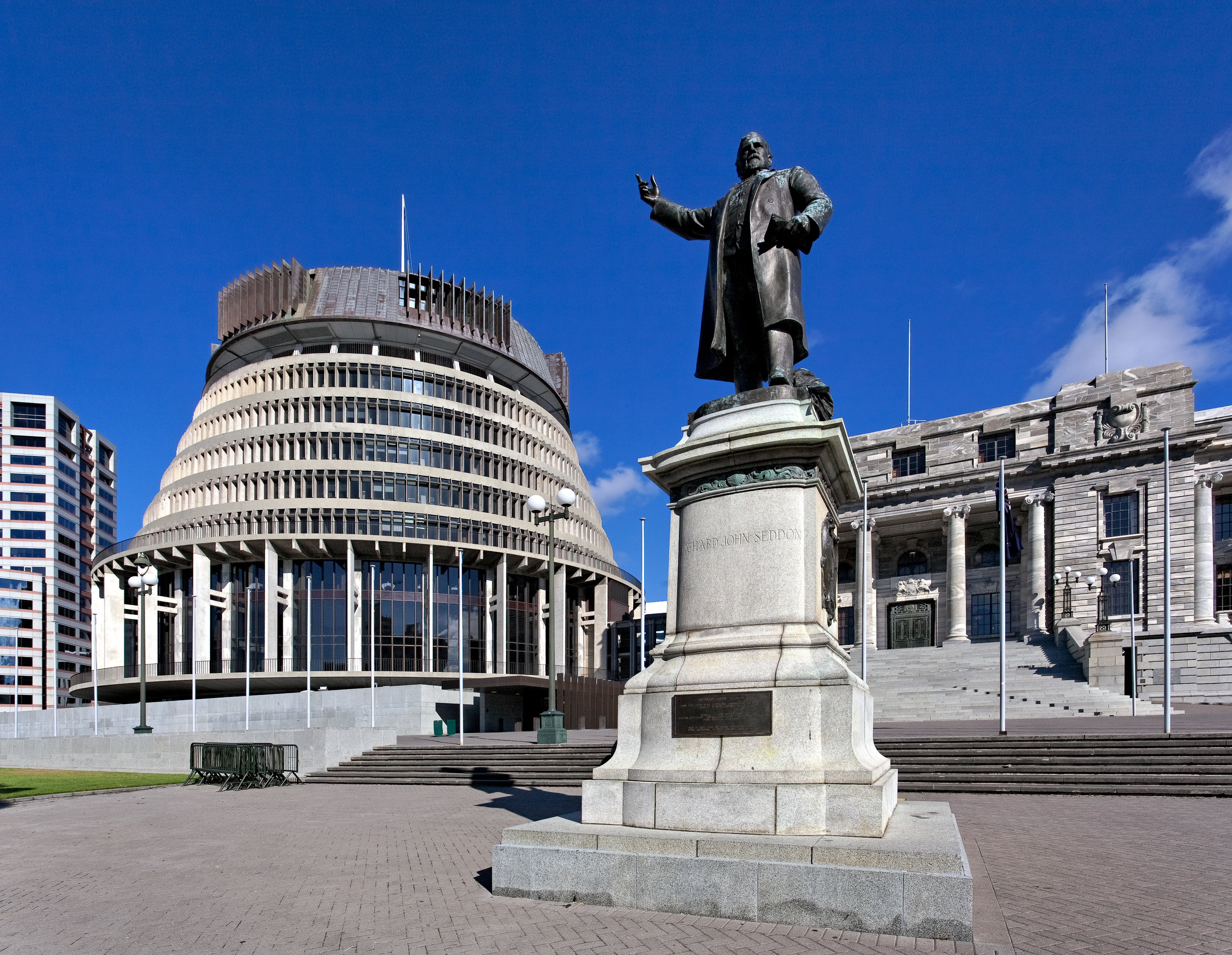
The compact capital and the launch point for the interisland ferry south: the free Te Papa national museum, the historic red Cable Car up to the Botanic Garden, the Mount Victoria lookout over the harbour, and a strong coffee and craft-beer scene packed into a walkable centre. Windy enough to earn the nickname Windy Welly.

Christchurch
Wikipedia Commons (CC BY-SA)

Christchurch

1-2 days

Best for garden city, South Island gateway, rebuild story

The South Island's largest city, rebuilt after the 2010-11 earthquakes: the Botanic Gardens and punting on the Avon, the Transitional Cathedral, the New Regent Street heritage tramway, and the gondola up the Port Hills. A common South Island arrival airport and the start of the drive to Tekapo, Mount Cook, and the alpine south.

Wanaka
Wikipedia Commons (CC BY-SA)

Wanaka

1-2 days

Best for lakeside walks, Roys Peak, quieter base

The calmer alpine-lake town an hour over the Crown Range from Queenstown: the Roys Peak ridge hike for the postcard ridge-line photo, the much-photographed lone willow tree (#ThatWanakaTree), lake kayaking, and Puzzling World. Travelers who find Queenstown too busy base here instead and day-trip the adventures.

Queenstown
Wikipedia Commons (CC BY-SA)

Queenstown

3 days

Best for adventure capital, Milford gateway, alpine scenery

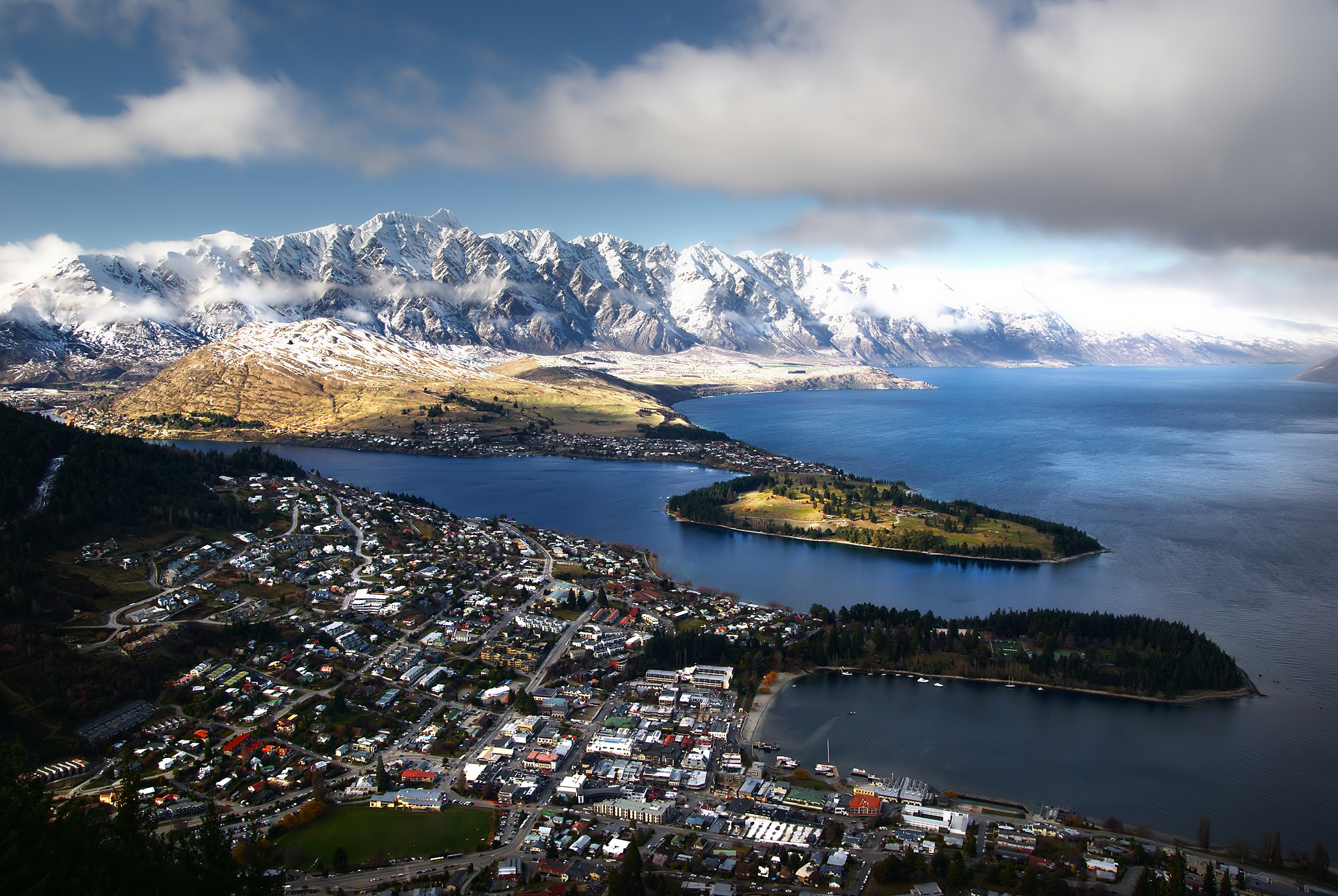
The adventure capital on Lake Wakatipu: bungy jumping (the Kawarau Bridge invented it), the Shotover jet boat, the Skyline gondola and luge, plus a base for the Milford Sound day trip and Central Otago wine. Walter Peak across the lake and the TSS Earnslaw steamer fill the gentler half of the visit. The natural place to end a south-bound trip and fly home.

Top things to do in New Zealand

Explore Iconic National Parks and Landscapes

Explore Iconic National Parks and Landscapes

Fiordland National Park · Aoraki / Mount Cook National Park · Lake Tekapo

Krzysztof Golik (CC BY-SA 4.0

Experience Maori Culture and History

Experience Maori Culture and History

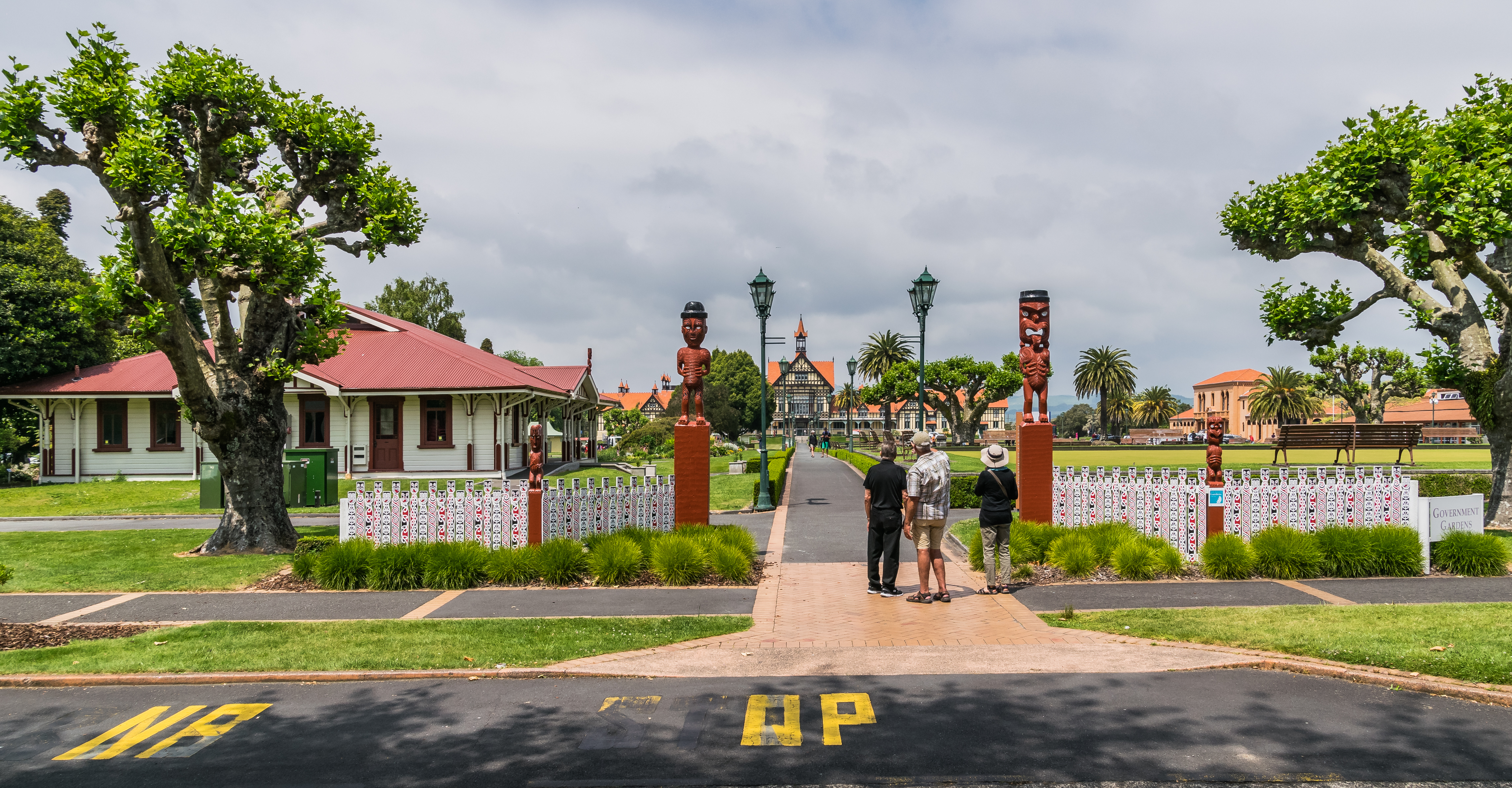
Waitangi Treaty Grounds · Te Puia · Whakarewarewa - The Living Maori Village

Vanderven (CC BY-SA 2.5

Thrill-Seeking Adventure in Queenstown

Thrill-Seeking Adventure in Queenstown

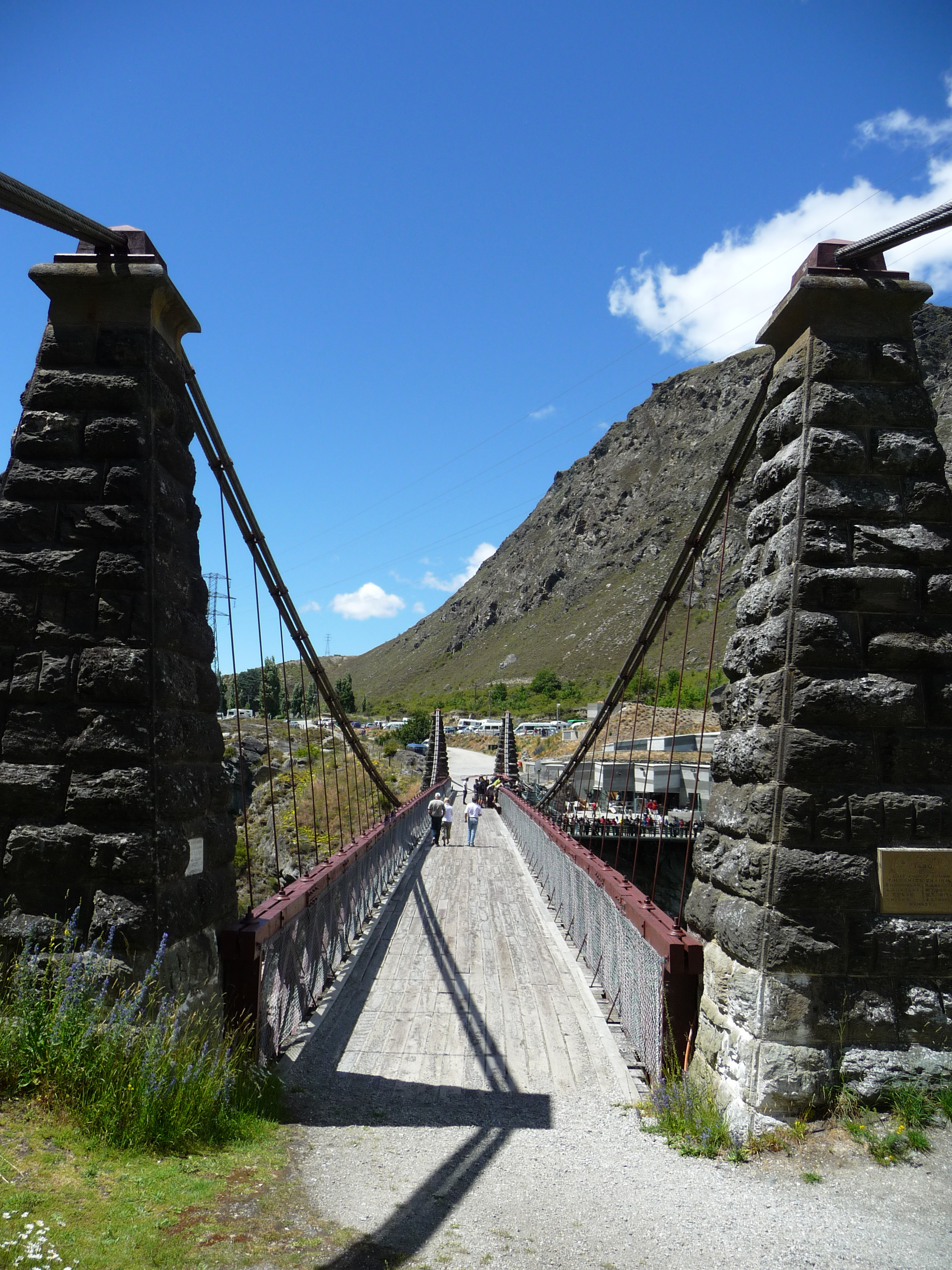
AJ Hackett Kawarau Bridge Bungee · Shotover Jet · Skyline Queenstown Gondola & Luge

Steve & Jem Copley (CC BY-SA 2.0

Discover Auckland City and its Surroundings

Discover Auckland City and its Surroundings

Sky Tower · Auckland War Memorial Museum · Waiheke Island

Civil10 (CC BY-SA 4.0

An Early Colonial History Site

An Early Colonial History Site

Waitangi Treaty Grounds · Pompallier Mission and Printery · Stone Store & Kemp House

Vanderven (CC BY-SA 2.5

A Historic Victorian City Exploration

A Historic Victorian City Exploration

Larnach Castle · Dunedin Railway Station · Olveston Historic Home

Pseudopanax at English Wikipedia (Public domain

A National History and Culture Museum

A National History and Culture Museum

Museum of New Zealand Te Papa Tongarewa · Canterbury Museum · Otago Museum

en:User:JShook (CC BY 2.5

A Contemporary Art Gallery

A Contemporary Art Gallery

City Gallery Wellington · Christchurch Art Gallery Te Puna o Waiwhetu · Govett-Brewster Art Gallery

russellstreet (CC BY-SA 2.0

A Southern Hemisphere Dark Sky Stargazing Experience

A Southern Hemisphere Dark Sky Stargazing Experience

Lake Tekapo Dark Sky Project · Aoraki Mackenzie International Dark Sky Reserve · Mount John Observatory

Hagai Agmon-Snir حچاي اچمون-سنير חגי אגמון-שניר (CC BY-SA 4.0

An Iconic Multi-Day Hike on a Great Walk

An Iconic Multi-Day Hike on a Great Walk

Routeburn Track · Abel Tasman Coast Track · Tongariro Northern Circuit

Pseudopanax at English Wikipedia (CC BY 4.0

Food guide

New Zealand's food scene blends British comfort with indigenous Maori traditions, best experienced through classic takeaways and cultural dining. Fish and chip shops are ubiquitous, offering a cheap and satisfying meal. For a deeper dive, seek out a Hangi experience, especially in Rotorua.

Fish and Chip

Fish and Chip

A staple takeaway, featuring battered fish and thick-cut fries, traditionally wrapped in paper for a simple, hearty meal by the coast.

Any small town main street; waterfront shops in Dunedin or Queenstown · 12 undefined

Hangi

Hangi

A traditional Maori cooking method where food is slow-cooked for hours in an earth oven, imparting a unique smoky flavor to meats and root vegetables.

40 undefined

Afghan Biscuit

Afghan Biscuit

A classic Kiwi baked good, this rich, chocolatey biscuit with cornflakes for crunch is traditionally topped with chocolate icing and a walnut piece.

3 undefined

Meat Pie

Meat Pie

A staple for any meal, this savory pie with flaky pastry and a rich meat filling is a quick, satisfying bite found everywhere from dairies to bakeries.

5 undefined

Kiwi Meat Pie

Kiwi Meat Pie

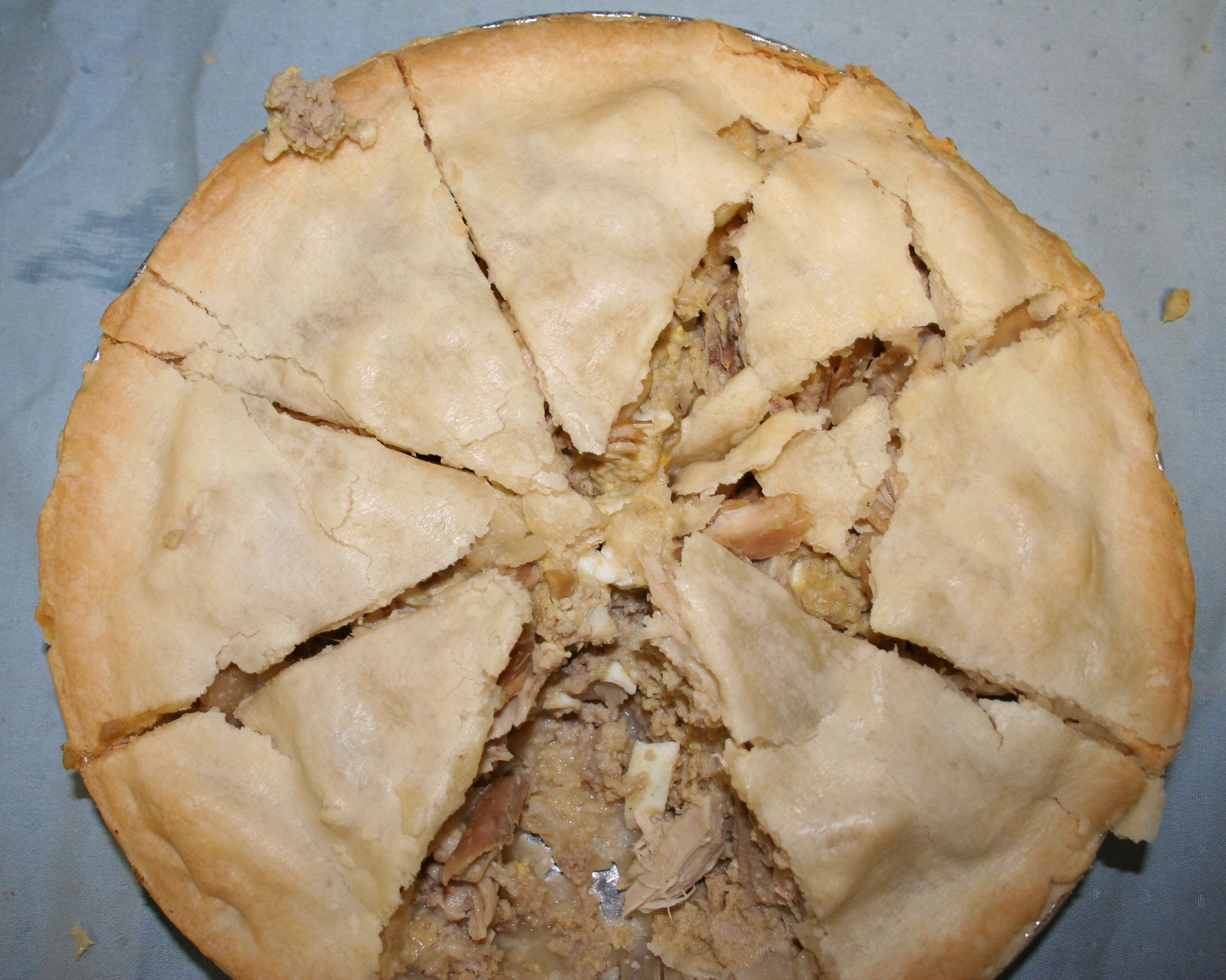
A national institution, this savory shortcrust pastry pie is filled with various meats like mince and cheese, steak and mushroom, or potato top.

6 undefined

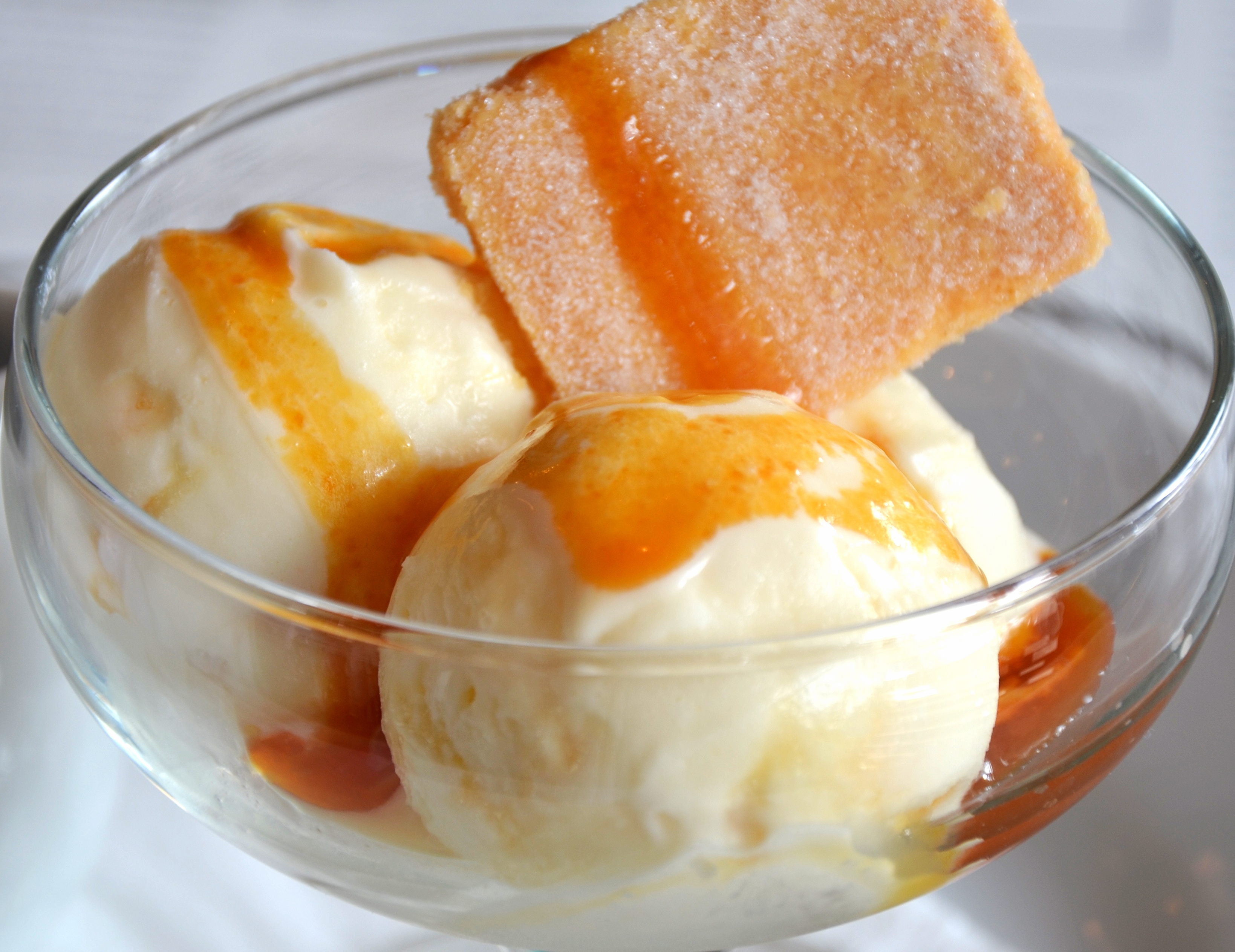
Hokey Pokey Ice Cream

Hokey Pokey Ice Cream

A beloved local ice cream flavor featuring crunchy pieces of honeycomb toffee (hokey pokey) folded into creamy vanilla ice cream.

7 undefined

Shopping guide

New Zealand shopping leans towards quality local crafts, natural products, and outdoor gear rather than high-fashion or electronics. Major cities like Auckland and Wellington offer a mix of boutique stores and local markets, while smaller towns excel in artisan goods and regional specialties. Prices for imported brand names can be high, so focus on locally made items for value and uniqueness.

Marlborough Sauvignon Blanc Wine

New Zealand's Marlborough region produces some of the world's most acclaimed Sauvignon Blanc, known for its distinctive crisp, pungent, and fruity profile not easily replicated elsewhere.

Cellar doors in Marlborough (e.g., Cloudy Bay, Villa Maria), or Bottle-O and Super Liquor stores nationwide for a wider selection. · 25 undefined

UMF Manuka Honey

New Zealand's native Manuka honey with a UMF (Unique Manuka Factor) rating is renowned globally for its distinct flavor and potent antibacterial properties, making it a unique health and culinary gift.

Comvita Wellness Lab (Wynyard Quarter), Huckleberry (organic stores), or larger supermarkets like Countdown and Pak'nSave. · 40 undefined

Merino Wool Apparel

Lightweight, warm, and breathable merino wool garments from brands like Icebreaker or Mons Royale are superior for outdoor activities and everyday wear, sourced directly from New Zealand's abundant sheep farms.

Icebreaker Concept Stores (Queenstown, Auckland), Mons Royale Flagship Store in Wanaka, or Kathmandu stores nationwide. · 80 undefined

Pounamu (Greenstone) Carvings

These sacred Maori jade carvings are uniquely New Zealand, often carrying deep cultural significance and individual stories, with designs like the Hei-Tiki or Koru.

Te Puia Gift Shop, The National Army Museum in Waiouru, or reputable galleries in Hokitika on the West Coast. · 150 undefined

Paua Shell Jewelry

The iridescent, vibrant blue and green hues of paua (abalone) shell are unique to New Zealand waters, creating stunning, distinctively patterned jewelry.

Jens Hansen Gold and Silversmith in Nelson, or artisan craft markets like the Nelson Saturday Market. · 60 undefined

Weta Workshop Collectibles

For film enthusiasts, high-quality sculptures, replicas, and art prints from the legendary Weta Workshop (Lord of the Rings, Hobbit) offer unique memorabilia directly from the creators.

Weta Cave Store (Miramar, Wellington) or their online store for a broader selection. · 75 undefined

Travel essentials

Connectivity & SIM

Wi-Fi: Free Wi-Fi is available at Auckland Airport, Skycity food courts, and Auckland public libraries (1GB/day limit). Most hotels offer free Wi-Fi. Cafes often provide Wi-Fi with a purchase. Outside major cities, Wi-Fi can be sparse.
SIM options
  • Spark, Vodafone, or 2degrees physical SIMVaries; ~$20-40 NZD for 2-4GB / 30 days
    Where: Auckland Airport duty-free (slightly cheaper), electronics stores, or supermarkets like Countdown and New World
  • Airalo eSIM$10-30 USD for 1-5GB / 7-30 days
    Where: Online activation before arrival
Apps to install
  • Google MapsEssential for navigation, especially for driving routes and public transport in Auckland.
  • MetService NZProvides accurate, localized weather forecasts crucial for planning outdoor activities and road conditions.
  • NZTA Waka KotahiOffers real-time updates on road closures, hazards, and traffic conditions, vital for intercity driving.
  • CamperMateUseful for finding campsites, public toilets, and petrol stations if you are driving a campervan.
Tip: New Zealand is very car-dependent outside Auckland. A reliable data plan is essential for navigation and checking road conditions. Public transport is limited beyond major city centers.

Cultural notes

When driving or hiking in New Zealand's wilderness, especially Fiordland National Park, never feed the native wildlife; this disrupts their natural behavior. Always follow 'leave no trace' principles outside paved roads to protect the natural environment. While New Zealanders are generally laid-back, avoid jaywalking on busy streets; wait for the pedestrian signal. Many Maori cultural sites request no photography or specific respectful behavior; look for signs at entry.

Safety

Queenstown experiences car break-ins, so do not leave valuables visible in your parked vehicle. In Auckland, thefts are more prevalent than in other regions; be particularly careful in Karangahape Road (K Rd) late at night due to club activity. In Rotorua, always respect safety signs around geothermal areas; hot water and mud can be boiling, and superheated steam may cause eruptions. For Fiordland and Milford Road, never feed wildlife and adhere to 'leave no trace' principles; the wilderness is vast, and the road to Milford Sound is known for being dangerous.

What to pack

  • Waterproof shell jacket
  • Waterproof hiking pants
  • Swimsuit (for geothermal pools)
  • Insect repellent (sandflies)
  • High-SPF sunscreen (NZ UV is intense)
  • Layered clothing (wool or fleece)
  • Slip-on shoes (cultural sites)
  • Small quick-dry towel
  • Eye mask (summer, South Island)
  • Portable bag for wet gear
  • Offline Google Maps downloaded
  • Reusable water bottle

Travel tips

  • Book your Milford Sound cruise or flight in advance, especially during summer months, as tours often sell out.
  • Check NZTA Waka Kotahi for road conditions before driving to Milford Sound or through mountainous areas; closures due to snow or landslides are common.
  • Purchase groceries at Pak'nSave or Countdown supermarkets in Queenstown to save on food costs, as dining out can be expensive.
  • If driving, always fill your fuel tank when you see a gas station outside major towns, especially on the South Island, as distances between stations can be long.
  • Allow extra driving time on the Milford Road; it is one of NZ's most dangerous sections due to narrow lanes and winding conditions.
  • Consider renting a car or campervan for exploring outside Auckland, Rotorua, and Queenstown; public transport is infrequent in rural areas.
  • Book inter-island ferry crossings between Wellington and Picton well in advance, particularly if traveling with a vehicle.
  • Pre-book Hobbiton Movie Set tours in Matamata, as tickets can sell out days or weeks ahead.

Electric Socket Guide

Socket Types

Type I

Two angled flat pins + ground (Australia, China)

Voltage

230V

Frequency

50Hz

Planning checklist

  1. Sort out the NZeTA and visitor levy before you fly.

    Visa-waiver visitors still need the NZeTA travel authority (about NZD 17 via the app, NZD 23 online) plus the International Visitor Levy (about NZD 100), both paid together and valid two years. Apply only through immigration.govt.nz; lookalike sites charge a markup for the same form, and airlines deny boarding without it.

  2. Pick one island if you have a week.

    Seven days does one island well, not two badly. Choose the South Island for alpine scenery, Queenstown, Wanaka, and Milford; the North for Auckland, Rotorua's geothermal, and beaches. Save the full Auckland-to-Queenstown arc for 10 days or more, and fly out of a different city than you flew into so you never backtrack.

  3. Choose your season for what you want.

    Summer (December to February) for hiking, beaches, and long days, with peak crowds and prices. Skiing and the Queenstown Winter Festival run June to August. Autumn (March to May) brings the Central Otago wine harvest and golden colour with thinner crowds. Book ferries, Great Walks, and accommodation far ahead over the Christmas-New Year peak.

  4. Build the South Island around a rental car.

    Public transport is thin where the scenery is best, so a car or campervan is close to essential below Cook Strait. Drive on the left, take the first morning slow, watch for one-lane bridges, and add an hour to every estimated drive time. Budget for fuel; the distances are the real cost.

  5. Leave slack for Milford and the weather.

    Don't book a single fixed Milford Sound cruise day with no buffer; the road can close and the fjord is weather-dependent. Keep a spare day in Queenstown, book a flexible-date cruise, and check metservice.com before any alpine activity. The fjord in the rain, with hundreds of temporary waterfalls, is often better than in the sun.

  6. Pack for four seasons and the sun.

    Layers, a waterproof and windproof shell, and a warm mid-layer for alpine zones even in summer. Add strong sunscreen and a hat for the fierce UV, and insect repellent with DEET or picaridin for the West Coast and Fiordland sandflies. A reusable bottle covers the safe tap water everywhere.

Avoid these first-timer mistakes

  • Underestimating the driving times

    New Zealand roads are two-lane, winding, and slower than the map suggests; the distances look small but the drives don't. Auckland to Wellington is about 8 hours, Christchurch to Queenstown about 6, and Milford Sound is a 4-hour drive each way from Queenstown. Add an hour to whatever Google estimates, and never plan a long drive and a paid activity on the same day.

  • Trying to cover both islands in a week

    Seven days is enough for one island done well, not two done badly. Travelers who try to fit Auckland, Rotorua, Queenstown, and Milford into a week spend it in cars, buses, and airport queues. Pick the South Island for alpine scenery and adventure, or the North for geothermal and beaches; save the full north-to-south arc for 10 days or more.

  • Booking the Milford Sound cruise without weather slack

    Milford gets over 6 metres of rain a year, and the road in (the Homer Tunnel) closes for avalanche risk in winter. The fjord is arguably better in the rain, when hundreds of temporary waterfalls appear, but a single fixed cruise day with no buffer can be cancelled outright. Leave a spare day in Queenstown and book a flexible-date cruise.

  • Skipping the NZeTA and IVL before flying

    Visa-waiver visitors still need the NZeTA travel authority plus the International Visitor Levy paid before boarding; airlines deny boarding without them. Travelers assume 'visa-free' means 'nothing to do' and get stopped at check-in. Apply days ahead through the official channel, not a lookalike site that adds a markup.

  • Packing for one season

    New Zealand weather changes fast and the South Island alpine zones are cold even in summer; the saying is 'four seasons in one day.' Sun strong enough to burn in twenty minutes (the ozone hole sits overhead) sits beside cold alpine wind. Pack layers, a waterproof shell, and serious sunscreen regardless of the month.

  • Ignoring the sandflies on the West Coast and in Fiordland

    The South Island's west and Fiordland (including Milford) have biting sandflies that ruin an unprepared evening by the water. Repellent with DEET or picaridin is essential, and locals reapply often. The scenery is worth it; the bites are avoidable with one bottle of spray.

  • Driving on the right out of habit

    New Zealand drives on the left, and most crashes involving overseas drivers happen on the first day, pulling out of a rest stop or rural junction onto the wrong side. Take the first morning slow, watch for one-lane bridges (the arrow shows who gives way), and never overtake on blind alpine curves. Rural roads have no shoulder.

Frequently Asked Questions

Citizens of visa-waiver countries, including the US, UK, Canada, and Australia, do not need a visitor visa for short stays, but most must request an NZeTA (New Zealand Electronic Travel Authority) before travel and pay the International Visitor Levy at the same time. The NZeTA costs about NZD 17 via the official app or NZD 23 online, the IVL is about NZD 100, and the authority is valid for two years with stays up to 90 days per visit (UK passports allow up to six months). Apply only through the official Immigration New Zealand site at immigration.govt.nz and confirm your passport is valid for at least three months beyond departure. Australian citizens are exempt from the NZeTA.

New Zealand is one of the safest countries for travelers, with low violent crime; the real risks are environmental and on the road. Mountain and coastal weather turns fast, alpine tracks need proper gear, and rip currents catch swimmers at unpatrolled beaches. The single biggest hazard is driving: narrow winding roads, one-lane bridges, and overseas drivers adjusting to driving on the left cause most tourist crashes. Drive rested, intend the full driving time, and check the forecast at metservice.com before any alpine activity.

The country is in the Southern Hemisphere, so seasons are flipped. December to February is summer: warm, long days, peak crowds and prices, and best for beaches, hiking the Great Walks, and the far south. March to May (autumn) brings fewer people, Central Otago wine harvest, and golden colour. June to August is winter, prime for Queenstown and Wanaka skiing and the Winter Festival, with snow closing some alpine passes. September to November (spring) is quieter with lambs, blossoms, and variable weather. Shoulder seasons offer the best balance of price and access.

Seven days covers one island done well, usually the South Island for alpine scenery and adventure around Queenstown, Wanaka, and Milford Sound. Ten days is the comfortable first-timer length for both islands, running Auckland to Queenstown one way without backtracking. Two weeks lets you slow down, add the West Coast glaciers, Abel Tasman, and Aoraki/Mount Cook, and not feel like every day is a drive. Anything under a week should stick to a single region; the distances punish over-ambitious plans.

A rental car or campervan is the standard way to see New Zealand, especially the South Island, where public transport is thin and the scenery is the drive. The InterCity bus network and a few scenic trains (the TranzAlpine across the Southern Alps, the Coastal Pacific) connect the main towns for those who don't want to drive. The two islands are linked by the Interislander and Bluebridge ferries across Cook Strait (about 3.5 hours, Wellington to Picton), or by short domestic flights. Remember to drive on the left, and budget extra time for winding roads.

Tipping is not expected in New Zealand. Hospitality staff are paid a living wage and menu prices include service, so there is no obligation at restaurants, bars, taxis, or hotels. Leaving something for genuinely exceptional service is welcome but never assumed, and locals often leave nothing. There is no service charge culture; the price you see is what you pay, with GST already included.

Tap water is clean and safe to drink throughout New Zealand, so carry a refillable bottle. The food leans on superb lamb and beef, green-lipped mussels, crayfish, and pavlova for dessert; cafe brunch culture is strong, and flat whites are everywhere. Try a hangi (food steam-cooked in an earth oven) at a Maori cultural evening in Rotorua, and L&P, the local lemon soft drink. Central Otago Pinot Noir and Marlborough Sauvignon Blanc are the standout wines.

New Zealand is moderately expensive, cheaper than Norway or Iceland but pricier than most of Asia. Backpackers manage roughly NZD 110-170 a day with hostels, self-catering, and buses; mid-range travelers spend NZD 280-450 with motels, a rental car, and a paid adventure or two; luxury runs NZD 700 and well up. The biggest hidden costs are fuel over long distances and the paid adventures (a Milford cruise, jet boat, or bungy each run NZD 100-300). Cooking from Countdown or Pak'nSave and using free DOC walking tracks keeps costs down.

Pack for four seasons in one day, especially on the South Island. Bring layers, a waterproof and windproof shell (not water-resistant), a warm mid-layer even in summer for alpine zones, sturdy walking shoes, and strong sunscreen and a hat, as the UV is fierce under the thin ozone layer. Add insect repellent with DEET or picaridin for the West Coast and Fiordland sandflies, a reusable water bottle, and a Type I (Australia/NZ) plug adapter for the 230V sockets. Swimwear and a light puffer cover the extremes.

Plan less, do more.

Plan a trip