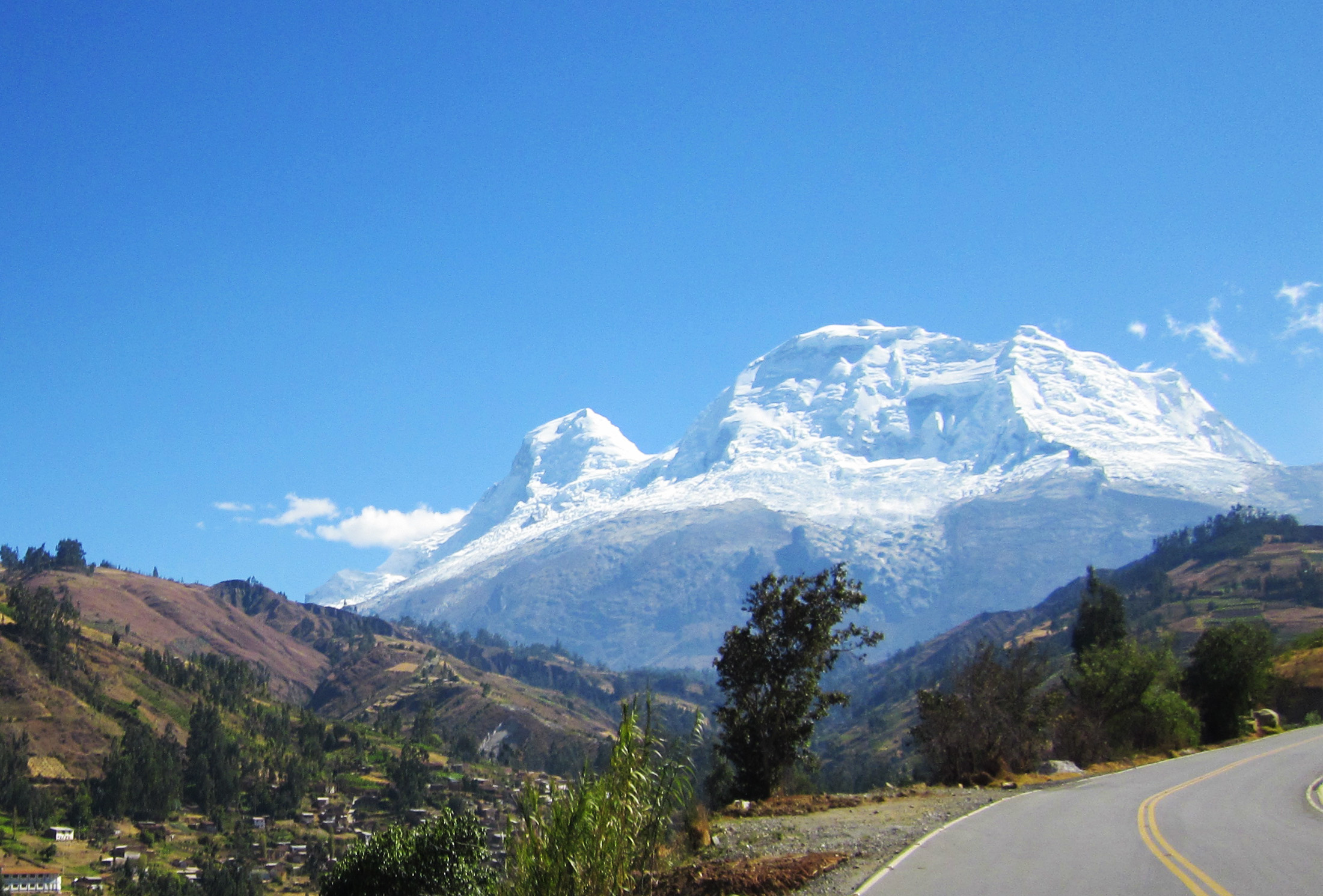
Peru travel guide cover photo

Peru Travel Guide: Lima, Cusco, Machu Picchu, and Beyond

A first-timer's guide to Peru: how to handle the altitude, when to book Machu Picchu, and the timing and entry details everyone gets wrong.

Last updated June 20, 2026 · By Namrata

Peru packs more variety into one trip than almost anywhere in South America. You can eat at a world-ranked tasting menu in Lima at sea level on Monday, walk Inca stonework in Cusco at 3,400m on Wednesday, and stand above the cloud forest at Machu Picchu by the weekend. Beyond the headline circuit sit the floating reed islands of Lake Titicaca, the white-stone city of Arequipa under its volcanoes, and condors riding the thermals over Colca Canyon. Most first-timers underestimate the scale and the altitude, and try to cram the whole country into a week.

The thing first-timers underestimate most is the altitude. Flying from sea level straight to Cusco and then hiking the same day is how people lose their first two days to headaches and nausea. The fix is simple planning: ascend gradually, sleep low in the Sacred Valley first, and don't book anything strenuous for arrival day. The other friction points are logistical. Machu Picchu sells timed, capped tickets that go weeks ahead; the Inca Trail caps permits months ahead and closes every February; the dry and rainy seasons make a real difference to what you'll actually see.

This guide is the planning layer that sits above the day-by-day itineraries. Pick your gateway (almost everyone flies into Lima, then on to Cusco), match the season to what you want (May-September for the Andes and treks), and sequence your stops by altitude so your body has time to adjust. Do that and you'll spend your days in the ruins, markets, and mountain valleys you came for, not flat on a hotel bed waiting for a headache to pass.
Choose your trip length

6 days

Cusco + Sacred Valley + Machu Picchu

Fly into Cusco, acclimatize in the lower Sacred Valley (Ollantaytambo), then ride the train to Machu Picchu. The tightest first trip that still hits the headline sight.

10 days

Lima + Cusco + Sacred Valley + Lake Titicaca

Two days of Lima food, the Sacred Valley and Machu Picchu, then a flight or scenic train south to Puno and the floating islands of Lake Titicaca. The classic loop.

See the sample itinerary →

14 days

+ Arequipa and Colca Canyon

Add the white-stone city of Arequipa and the Colca Canyon condor viewpoints in the south. A slower, deeper trip that trades rushed days for real acclimatization time.

The flagship itinerary

Best time to visit
Peru has varied climates. The dry season (May to October) is ideal for Andean regions like Cusco and Machu Picchu, with sunny days and average temperatures around 18-20C, but cold nights (5-0C). The coastal areas (Lima) are pleasant year-round, with warm summers (Dec-Apr, 25-30C) and foggy winters (May-Nov, 15-20C). The Amazon basin has a rainy season (Nov-Apr) and a drier season (May-Oct), with consistent heat (25-35C) and humidity.
Currency
Peruvian Sol (PEN)
Visa
US, Canadian, EU, UK, and Australian citizens typically do not need a visa for tourist stays up to 183 days. Indian citizens need a visa, which can be obtained through the Peruvian embassy or consulate in their country of residence. All travelers need a passport valid for at least six months beyond their intended date of departure from Peru. An onward or return ticket is usually required upon entry.
Tipping
Tipping is appreciated but not mandatory. In sit-down restaurants, a 10% tip is standard for good service. For tour guides, S/10-20 per person per day is common. Taxis do not expect tips; round up to the nearest Sol if you wish. Hotel porters might receive S/2-5 per bag.
Emergency
911 (all emergency services), 105 (police)

Estimated daily cost

Backpacker

S/120-220/day

Hostel dorms, menú del día set lunches (S/12-20), local buses and colectivos, group day tours. Doable across most of Peru, though Machu Picchu and the Inca Trail are fixed costs that blow past any daily average. Prices as of 2026; verify current rates.

Mid-range

S/350-650/day

3★ hotels and guesthouses, a mix of cevicherías and one nice dinner, the Vistadome train to Machu Picchu, the occasional domestic flight. The sweet spot for first-timers. Prices as of 2026; verify current rates.

Luxury

S/1,500+/day

Belmond and design hotels, the luxury train to Machu Picchu, private guides, fine dining in Lima (Central, Maido). Prices climb steeply in the Sacred Valley high season. Prices as of 2026; verify current rates.

Jan
O
Feb
O
Mar
O
Apr
S
May
P
Jun
P
Jul
P
Aug
P
Sep
S
Oct
S
Nov
O
Dec
S
Off-peak (cheaper) Shoulder Peak (priciest)Baseline: February

Festivals & timing

February

Carnival (Cajamarca and nationwide)

Water-fight carnival celebrated across Peru, biggest in Cajamarca in the northern highlands. Expect to get soaked in the streets. February is also peak rainy season and the Inca Trail's annual closure month.

March / April

Semana Santa (Holy Week)

Holy Week processions are elaborate in Cusco, Ayacucho, and Arequipa, with candlelit parades and the Señor de los Temblores procession in Cusco. A major domestic travel week, so book transport and rooms early.

Worth planning around

June 24

Inti Raymi (Cusco)

The reenacted Inca Festival of the Sun, staged at the Qorikancha, the Plaza de Armas, and the Sacsayhuamán fortress above Cusco. One of the largest cultural events in South America, with hundreds of costumed performers. The single best time to be in Cusco, if you book ahead.

Worth planning around

July 28-29

Fiestas Patrias (Independence Day)

Peru's national holiday weekend brings flags, parades, and a domestic travel surge. Cusco and Machu Picchu get crowded and prices rise; flights and trains fill up. Plan around it if you can.

Worth planning around

October

Señor de los Milagros (Lima)

Lima's largest religious procession, when a purple-robed crowd carries the Lord of Miracles image through the city over several days. A good month to be in Lima, with octopus and turrón de Doña Pepa sweets everywhere.

November 1-2

Día de los Muertos (All Saints / All Souls)

Families gather at cemeteries to honor the dead, strongest in the highlands. In the Cusco region you'll see special bread figures (tantawawa) baked for the occasion. A quiet, local holiday rather than a tourist spectacle.

Major cities at a glance

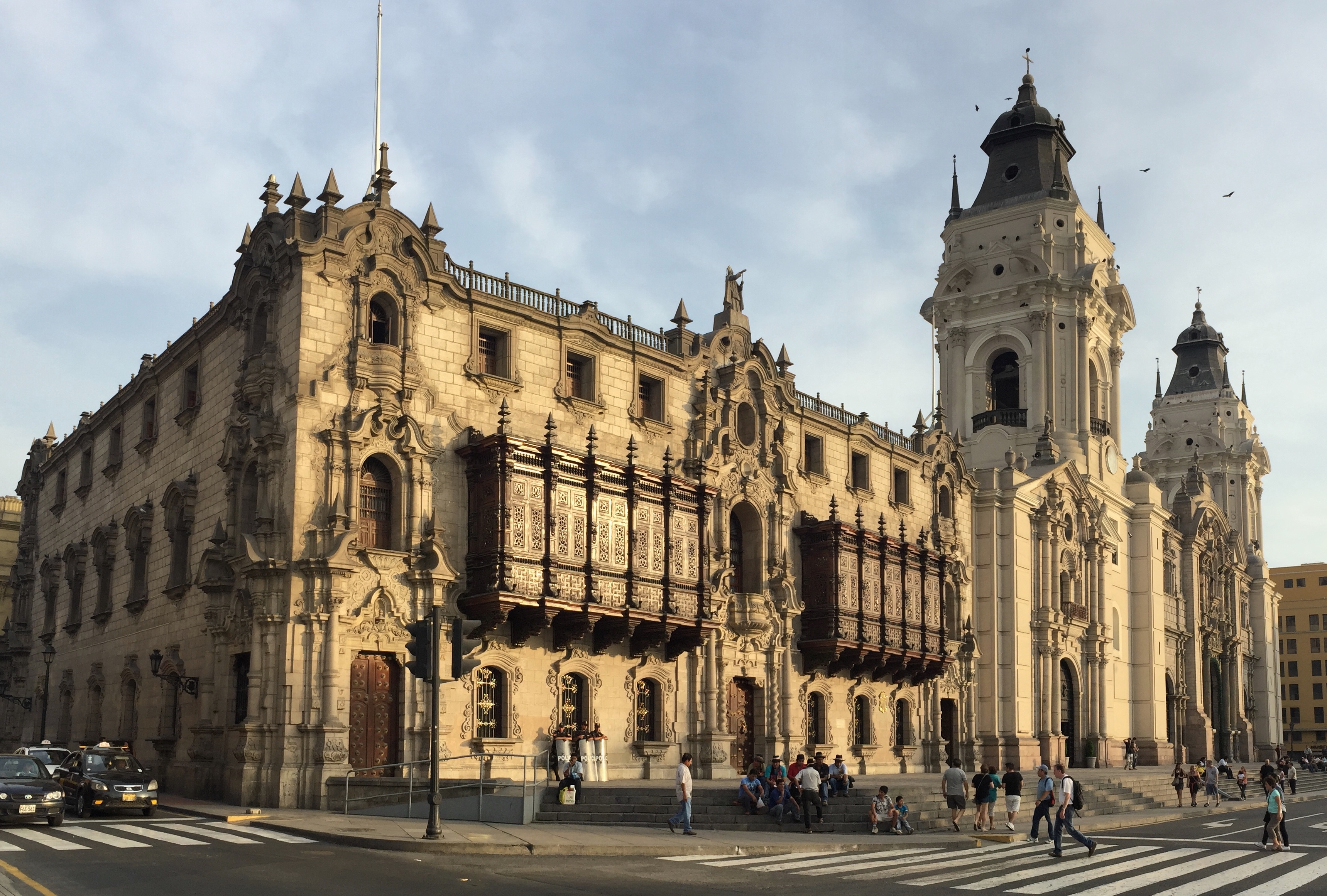
Lima
Wikipedia Commons (CC BY-SA)

Lima

2 days

Best for food + the coast

The capital and main international gateway. Clifftop Miraflores and bohemian Barranco, the colonial center, the Larco Museum, and one of the best food scenes in the world. The place to eat ceviche before you head to altitude.

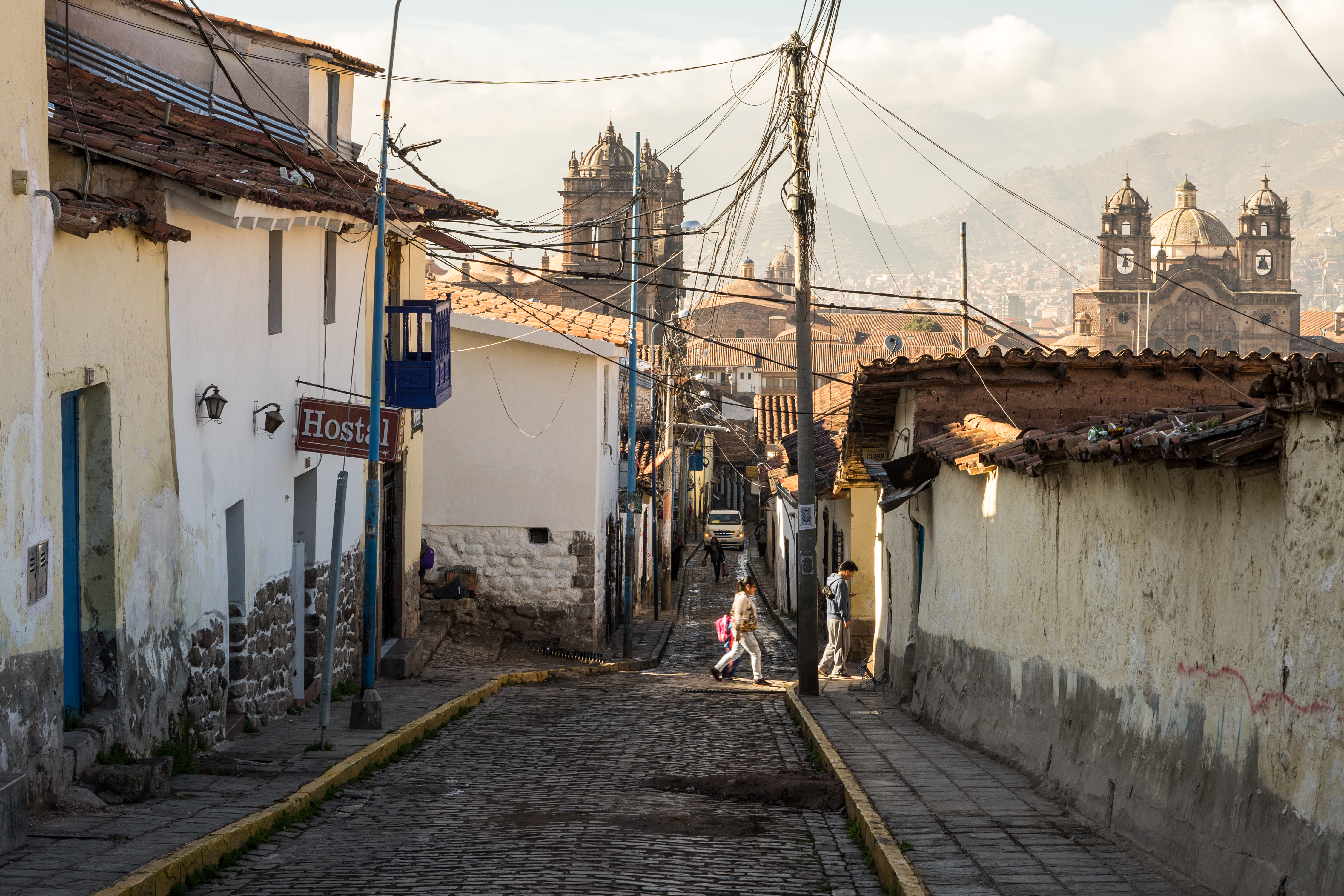
Cusco
Wikipedia Commons (CC BY-SA)

Cusco

2-3 days

Best for Inca + colonial history

The former Inca capital at 3,400m, and the hub for everything in the region. Inca stonework under colonial churches around the Plaza de Armas, the Qorikancha sun temple, and the San Pedro market. Take it slow on day one to acclimatize.

Ollantaytambo
Wikipedia Commons (CC BY-SA)

Ollantaytambo

1-2 days

Best for Sacred Valley + acclimatization

A living Inca town in the lower Sacred Valley, with original streets and water channels still in use. The terraced fortress above town, and the train station for Machu Picchu. Lower than Cusco, so a smart first base for altitude.

Aguas Calientes
Wikipedia Commons (CC BY-SA)

Aguas Calientes

1 day

Best for Machu Picchu basecamp

The small town in the cloud forest below Machu Picchu, reachable only by train or on foot. There's little to do here beyond hot springs and overpriced restaurants, but it's where you sleep to catch the first morning buses up to the citadel.

Puno & Lake Titicaca
Wikipedia Commons (CC BY-SA)

Puno & Lake Titicaca

1-2 days

Best for the highest navigable lake

The lakeside base at 3,800m for Lake Titicaca: the reed-built Uros floating islands and the weaving communities of Taquile and Amantaní. Higher than Cusco, so visit after you've acclimatized, not before.

Arequipa
Wikipedia Commons (CC BY-SA)

Arequipa

2 days

Best for white-stone city + Colca Canyon

Peru's second city, built of pale volcanic sillar stone under three volcanoes. The Santa Catalina Monastery, the Plaza de Armas, and the gateway to Colca Canyon, where Andean condors ride the morning thermals. Lower altitude makes it a gentler stop.

Top things to do in Peru

An Ancient Inca Citadel

An Ancient Inca Citadel

Machu Picchu · Pisac Archaeological Park · Huchuy Qosqo

Martin St-Amant (S23678) (CC BY-SA 3.0

Inca Ruins and Colonial Heritage

Inca Ruins and Colonial Heritage

Sacsayhuaman · Qorikancha · Ollantaytambo

Diego Delso (CC BY-SA 4.0

A Deep Canyon and Wildlife Viewpoint

A Deep Canyon and Wildlife Viewpoint

Colca Canyon · Cruz del Condor · Mirador de los Andes

world-wide-gifts.com (CC BY-SA 2.0

Peruvian Culinary Journey

Peruvian Culinary Journey

Central Restaurante · Astrid y Gaston · Mercado San Pedro

David Felipe Ruiz Hoyos (CC BY-SA 4.0

High-Altitude Lake and Indigenous Culture

High-Altitude Lake and Indigenous Culture

Uros Floating Islands · Taquile Island · Lake Titicaca

European Space Agency (Attribution

A Pre-Inca Archaeological Site

A Pre-Inca Archaeological Site

Chavin de Huantar · Sillustani · Kotosh

Apollo⠀ (CC BY 2.0

Colonial Art and Architecture

Colonial Art and Architecture

Cusco Cathedral · Basilica and Convent of San Francisco · Casa de Aliaga

PoolPs (CC BY-SA 4.0

An Indigenous Cultural Village and Market

An Indigenous Cultural Village and Market

Chinchero Traditional Textile Center · Pisac Market · Awana Kancha Living Museum

James Challco Palomino (CC BY-SA 4.0

A Museum of Pre-Columbian Art

A Museum of Pre-Columbian Art

Museo Larco · Museo de Arte Precolombino · Museo de Sitio Qorikancha

Velvet (CC BY-SA 4.0

A High-Altitude Mountain Trek or Hike

A High-Altitude Mountain Trek or Hike

Huascaran National Park · Laguna 69 Hike · Pastoruri Glacier

Ondando (CC BY-SA 4.0

Food guide

Peruvian cuisine is a masterclass in regional diversity, blending coastal seafood, Andean potatoes and grains, and Amazonian fruits and spices. Cevicherias and picanterias are essential local formats; look for 'menu del dia' signs in humble 'huariques' (local eateries) for the best daily deals. Don't shy away from street vendors for snacks, but be mindful of hygiene.

Picarone

Picarone

A sweet, deep-fried donut-like dessert made from squash and sweet potato dough, typically drizzled with chancaca (fig leaf syrup).

Street food stalls, especially in Lima · 3 undefined

Papa a la Huancaina

Papa a la Huancaina

Boiled potatoes generously covered in a rich, creamy, and mildly spicy cheese sauce made from queso fresco and Aji Amarillo, often served cold.

Huariques everywhere, especially in Huancayo · 6 undefined

Aji de Gallina

Aji de Gallina

This creamy, mildly spicy stew uses shredded chicken, yellow Aji Amarillo peppers, and walnuts, served over potatoes and rice.

Picanterias in Arequipa, many restaurants in Lima · 9 undefined

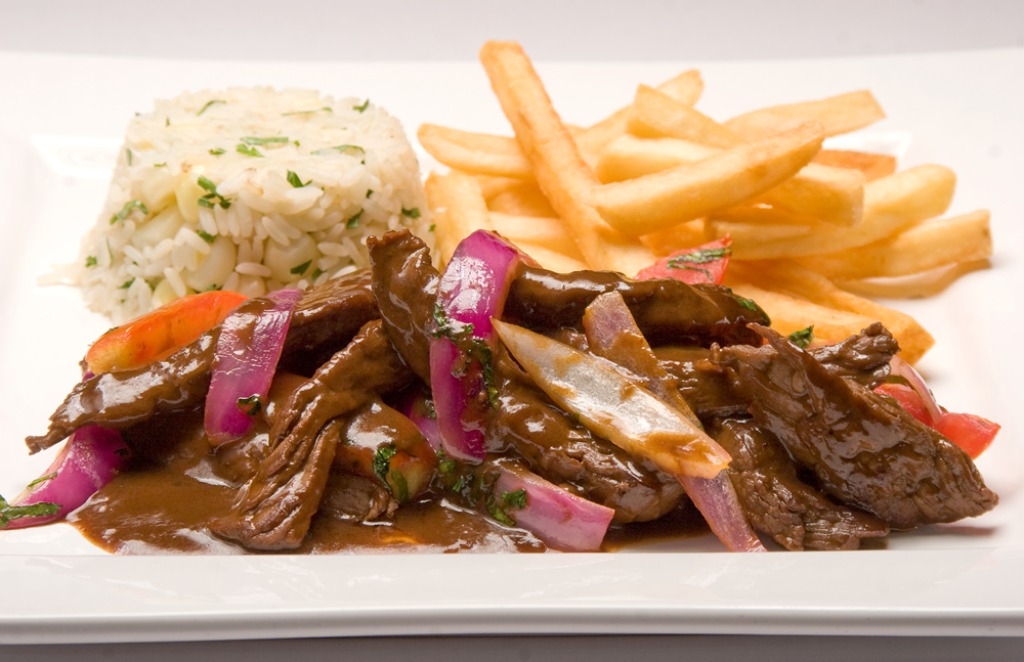
Lomo Saltado

Lomo Saltado

A classic Chifa (Chinese-Peruvian fusion) dish, it's a stir-fry of marinated beef, onions, tomatoes, and french fries, typically served with rice.

Barrio Chino (Lima) · 10 undefined

Ceviche

Ceviche

This national dish features fresh white fish marinated in 'leche de tigre' (lime juice, aji, onion, cilantro), often served with sweet potato and choclo.

Mercado Central (Lima), specific cevicherias · 12 undefined

Rocoto Relleno

Rocoto Relleno

Hailing from Arequipa, this dish features spicy rocoto peppers filled with seasoned ground meat, vegetables, and a cheese topping, then baked.

Picanterias in Arequipa · 10 undefined

Shopping guide

Peru offers a vibrant shopping experience, particularly for traditional crafts and textiles, with Cusco and Lima being the main hubs. Look for artisan workshops and specialized stores for quality, as bustling markets can mix genuine handmade goods with mass-produced items.

Peruvian Pisco

Peru's national grape brandy offers unique aromatic and flavor profiles depending on the grape varietal, essential for a true Pisco Sour.

Reputable liquor stores like Wong or Vivanda supermarkets; for craft pisco, visit Bodega El Catador in Ica. · 25 undefined

Alpaca Wool Sweaters and Scarves

Genuine alpaca wool is incredibly soft, lightweight, and warm, offering superior quality and warmth compared to synthetic blends or cheaper alternatives found elsewhere.

Center for Traditional Textiles of Cusco (CTTC), Mundo Alpaca in Arequipa, local artisan markets in Pisac or Chinchero. · 70 undefined

Retablo Ayacuchano

These vibrant, intricate altarpieces depict religious, historical, or everyday scenes inside wooden boxes, showcasing a unique folk art tradition from the Ayacucho region.

Barrio Artesanal de Santa Ana in Ayacucho; many artisan shops around Plaza de Armas in Cusco. · 80 undefined

Gourmet Peruvian Coffee

Peru produces exceptional single-origin Arabica coffee, particularly from regions like Chanchamayo or Cusco, offering rich, nuanced flavors at local prices.

Tostaduria Bisetti (Barranco), Arabica Espresso Bar (Miraflores), or specialist coffee shops in Cusco. · 12 undefined

Mates Burilados (Engraved Gourds)

These hand-carved gourds tell stories of Andean life and mythology, making each piece a unique, culturally rich work of art.

Mercado Artesanal in Huancayo; small artisan stalls in the San Blas neighborhood of Cusco. · 35 undefined

Silver Jewelry with Andean Motifs

Peruvian silverwork often incorporates pre-Columbian and Andean designs, making it distinct and much more affordable than similar quality silver abroad.

H. Stern (Larcomar, Lima) for high-end; various reputable jewelry stores on Calle Triunfo in Cusco. · 60 undefined

Travel essentials

Connectivity & SIM

Wi-Fi: Most accommodations in cities and larger towns offer WiFi, but connection speeds can be slow or unreliable, especially outside main centers. Internet cafes are available in many towns, charging around S/3-4 per hour.
SIM options
  • Claro prepaid SIMFrom S/30 for 7-10 days / 5GB
    Where: Jorge Chavez International Airport (LIM) upon arrival, or Claro stores in major cities like Lima or Cusco
  • Movistar prepaid SIMFrom S/30 for 7-10 days / 5GB
    Where: Jorge Chavez International Airport (LIM) upon arrival, or Movistar stores in major cities like Lima or Cusco
Apps to install
  • Google MapsEssential for navigation within cities, for public transport routes, and for finding attractions. Download offline maps for areas with poor cell service.
  • WhatsappWidely used for communication with locals, tour operators, and hotels in Peru.
  • Cabify / UberUse for ride-hailing services in major cities like Lima and Cusco to ensure metered and safer transport.
  • Google TranslateHelpful for basic conversations and understanding signs, especially outside tourist hubs. Download the Spanish offline pack.
Tip: Public telephones are available in bars or stores in most towns for national and international calls. Verify your phone's international roaming capabilities with your provider before arriving.

Cultural notes

At restaurants, it is customary to wait to be seated, even if tables appear free. Avoid using the word 'indio' to refer to indigenous people; the term 'indigena' is the respectful alternative. Haggling is common in markets, but not in formal stores or restaurants. Personal space is often closer than in some Western cultures, especially during conversations. A simple 'Buenos dias' or 'Buenas tardes' is appreciated when entering shops or engaging with locals.

Safety

While generally welcoming, Peru has specific safety considerations. Avoid intervening in crimes, as pickpockets and other criminals may carry weapons. Be cautious of unsolicited approaches from strangers offering services, especially in tourist areas like Trujillo. Petty theft, particularly pickpocketing, is common in crowded areas like markets and public transportation in Lima and Cusco. Always carry a copy of your passport instead of the original.

What to pack

  • Layered clothing (fast-drying)
  • Wide-brimmed hat
  • High-SPF sunscreen (50+)
  • Insect repellent (DEET 30% for jungle)
  • Altitude sickness medication (Diamox or similar)
  • Rain jacket or poncho (especially May-Oct for highlands)
  • Waterproof hiking boots (with ankle support)
  • Small backpack or daypack (for daily excursions)
  • Portable water filter or purification tablets
  • Cash (Peruvian Soles in small bills)
  • Slip-on shoes (for casual use)
  • Lightweight long sleeves and pants (sun and mosquito protection)

Travel tips

  • Carry a physical copy of your passport's main page and visa stamp instead of the original, keeping the original secured in your accommodation.
  • Do not use the word 'indio' when referring to indigenous people; use 'indigena' instead, as the former is considered deeply offensive.
  • Beware of unsolicited approaches from strangers purporting to be from hotels, travel agents, or offering party invitations, especially in tourist zones like Trujillo.
  • Book popular treks like the Inca Trail 4-6 months in advance; permits sell out quickly and are required for entry.
  • Withdraw Peruvian Soles (S/) at ATMs inside banks or major supermarkets; standalone street ATMs can be riskier.
  • Be proactive about preventing sunburn, especially at high altitudes in Cuzco; use SPF 50+ sunscreen, wear a wide-brimmed hat, and seek shade during peak sun hours (10am-3pm).
  • Acclimatize to high altitude slowly when visiting places like Cusco (3,400m); stay hydrated and avoid strenuous activity on your first day.
  • Only drink bottled or purified water, even for brushing teeth, to avoid stomach issues. Avoid uncooked street food unless it's fruit you can peel yourself.
  • Use ride-hailing apps like Cabify or Uber in major cities for transparent pricing and better safety; avoid hailing taxis directly from the street at night.
  • Carry small denominations of Soles (S/10, S/20 notes) for street vendors, small shops, and market purchases, as many vendors cannot make change for large bills.

Electric Socket Guide

Socket Types

Type A

Two flat parallel pins (North America, Japan)

Type B

Two flat pins + round ground (North America)

Type C - Europlug

Two round pins (most of Europe, South America)

Voltage

220V

Frequency

60Hz

Planning checklist

  1. Book Machu Picchu and the train first.

    Entry is capped by timed slot and circuit, and the train from Ollantaytambo to Aguas Calientes fills up in high season. Lock the entry ticket and round-trip train together, a month or more ahead, before you build the rest of the trip around them.

  2. Sequence your stops by altitude.

    Land in Lima at sea level, then go to the lower Sacred Valley (Ollantaytambo, ~2,800m) before Cusco (3,400m), and save Puno and Lake Titicaca (3,800m) for after you've acclimatized. Don't make your highest stop your first one.

  3. Reserve treks months in advance.

    The classic 4-day Inca Trail caps daily permits and sells out four to six months ahead for May-September, and closes every February. If the dates are gone, the Salkantay or Lares treks are strong alternatives without the same permit limits.

  4. Travel in the dry season if you can.

    May to September gives clear mountain views, reliable trails, and the best odds of a cloud-free Machu Picchu. December to March brings heavy highland rain and a muddy, partly closed trail network; April-May and September-October are quieter shoulder windows.

  5. Plan for the altitude on arrival.

    Keep your first day in Cusco light: rest, water, coca tea, no alcohol or heavy meals. Talk to your doctor about acetazolamide before the trip. A buffer day costs you nothing if you feel fine and saves the trip if you don't.

  6. Carry small bills and use registered taxis.

    Markets, colectivos, and rural communities can't break large notes, so keep S/10 and S/20 notes handy. In Lima, take taxis from inside the terminal or via an app rather than from street touts, and confirm the fare before you set off.

Avoid these first-timer mistakes

  • Flying straight to Cusco and going hard on day one

    Cusco sits at 3,400m, and arriving from sea level often brings headaches, nausea, and breathlessness. Don't book Machu Picchu or a trek for your first day. Spend the first day or two resting, drinking water and coca tea, and ideally sleeping in the lower Sacred Valley (Ollantaytambo, ~2,800m) before tackling anything strenuous.

  • Not booking Machu Picchu tickets far enough ahead

    Entry to Machu Picchu is capped and timed, sold by circuit and time slot, and Huayna Picchu and Machu Picchu Mountain add-ons sell out weeks ahead in high season. The train from Ollantaytambo to Aguas Calientes also fills up. Book the entry ticket and train together, well in advance.

  • Skipping the Inca Trail permit deadline

    The classic 4-day Inca Trail caps daily permits and closes every February for maintenance. Permits for high season (May-September) routinely sell out four to six months ahead. If the dates have gone, the Salkantay and Lares treks are excellent alternatives that don't need the same permit.

  • Taking informal taxis from the airport

    In Lima especially, hail a registered taxi from inside the terminal or use an app (Uber, Cabify, Beat) rather than the touts outside. Agree the fare before you get in if it's not metered. Robberies in unmarked cabs do happen; the official options are inexpensive and safe.

  • Underestimating the rainy season

    From roughly December to March the Sacred Valley and Cusco get heavy afternoon rain, trails turn to mud, and the Inca Trail shuts entirely in February. Cloud cover can also hide Machu Picchu. The dry season (May-September) is far more reliable, if busier and colder at night.

  • Eating raw ceviche at altitude on arrival

    Ceviche is one of Peru's best dishes, but eat it in Lima on the coast, not on your first queasy day in Cusco. Heavy or raw food while your body fights altitude makes nausea worse. Stick to light meals and soups (try sopa de quinua) until you've adjusted.

  • Carrying only large bills and no small change

    Small restaurants, markets, colectivos, and rural communities around Lake Titicaca often can't break a S/100 or S/200 note. Keep a stash of S/10 and S/20 notes and coins. Card acceptance is good in cities but thin in the countryside.

Frequently Asked Questions

Most travelers don't. Citizens of the US, UK, Canada, Australia, the EU, and many other countries can enter Peru visa-free for tourism, typically for up to 90 days within a 180-day period (the officer sets the exact length on arrival, up to 183 days). Your passport should be valid for at least six months. Peru has been rolling out a digital entry system and an online pre-arrival registration, so check the official Migraciones / gob.pe portal for the current procedure before you fly.

Peru is generally safe for tourists, with millions visiting Cusco and Machu Picchu every year. The main risks are petty theft (pickpocketing in crowded markets and bus stations) and unregistered taxis, especially in Lima. Use app-based or registered taxis, keep valuables out of sight, and don't flag cabs off the street at the airport. Check your government's current travel advisory for specific regions, as some remote areas carry separate warnings.

The dry season, May to September, is best for the Andes, Machu Picchu, the Inca Trail, and Lake Titicaca: sunny days, clear views, and reliable trails, though nights are cold and crowds peak in June-August. December to March is the rainy season in the highlands, with muddy trails and the Inca Trail closed in February. The shoulder months of April-May and September-October balance decent weather with smaller crowds. Lima's coast is grey and overcast much of the year, clearest from December to April.

Six days is the minimum for Cusco, the Sacred Valley, and Machu Picchu with enough time to acclimatize. Ten days adds Lima's food scene and Lake Titicaca around Puno. Two weeks lets you reach Arequipa and the Colca Canyon, or trek the Inca Trail or Salkantay route without rushing. Build in a buffer day for altitude on arrival in Cusco, and remember that domestic distances are long.

Domestic flights (LATAM, Sky, JetSMART) link Lima with Cusco, Arequipa, and Juliaca quickly and cheaply. The train runs from Ollantaytambo and Poroy to Machu Picchu (the only way in besides hiking). Long-distance buses are comfortable and good value between cities; book the reputable lines (Cruz del Sur, Oltursa) for overnight routes. Within cities, use app-based taxis. There's no road to Machu Picchu itself.

Cusco (3,400m), Puno (3,800m), and the Colca Canyon all sit high enough to cause soroche (altitude sickness). Ascend gradually: many travelers go straight to the lower Sacred Valley (~2,800m) for a day or two before Cusco. Drink plenty of water, avoid alcohol and heavy meals at first, walk slowly, and try coca tea. Acetazolamide (Diamox) helps as a preventative; ask your doctor before the trip. Spend your first day resting, not trekking.

Yes. Entry is capped daily and sold by timed slot and circuit, and the popular add-on climbs (Huayna Picchu, Machu Picchu Mountain) sell out weeks ahead in high season. Buy your entry ticket and the round-trip train from Ollantaytambo to Aguas Calientes together, ideally a month or more out. If you want to walk the classic 4-day Inca Trail, permits often sell out four to six months ahead and the trail closes every February.

Start with ceviche (raw fish cured in lime with chili and onion), best on the Lima coast. Try lomo saltado (stir-fried beef with fries and rice), ají de gallina (creamy chili chicken), causa (layered potato), and anticuchos (grilled beef-heart skewers). In the highlands, sample cuy (guinea pig), alpaca steak, and hearty quinoa soups. Wash it down with a pisco sour or the bright-purple chicha morada. Lima's tasting-menu restaurants rank among the world's best.

No. Tap water is not safe to drink anywhere in Peru, including Lima and Cusco. Buy bottled water, or use a filter or purification tablets, and avoid ice from unknown sources. Brushing teeth with tap water is generally fine in cities, but stick to bottled if you have a sensitive stomach. Hot, freshly cooked food and peeled fruit are the safest bets while your system adjusts.

Plan less, do more.

Plan a trip