Switzerland travel guide cover photo

Switzerland Travel Guide: Zürich, Lucerne, Interlaken, Zermatt, and Beyond

A first-timer's guide to Switzerland — the Swiss Travel Pass math, weather-window timing, and Jungfraujoch-vs-Schilthorn details everyone gets wrong.

Last updated May 26, 2026 · By Mango

Switzerland rewards the planner. The country runs on rails — literally; SBB trains hit their platforms within 60 seconds — and an unprepared traveler will pay €60 for a 5-stop train ride that a Swiss Travel Pass holder rode for free. First-timers who book Jungfraujoch on an overcast day stare into fog for CHF 220. First-timers who rent a car instead of a Travel Pass spend two days fighting parking. The travelers who fall in love with Switzerland spend an evening with the SBB Mobile app before they fly and stack their days around the mountain weather.

The friction first-timers underestimate is the cost discipline. There's no cheap restaurant scene — a mid-range dinner is CHF 35+. But there's also a hidden parallel economy: Coop and Migros supermarket meals for CHF 6-12, public-fountain Trinkwasser everywhere, lunch set menus 30% off dinner pricing, included museum and boat entry on the Travel Pass. Travelers who lean into the parallel economy spend $300/day; travelers who don't spend $700/day on the same itinerary.

This guide handles the country-level decisions: which cities, when to come, whether the Travel Pass makes sense, what to skip in 5 days. For a day-by-day plan with specific trains, restaurants, and reservations, the 7-day Switzerland itinerary is the companion piece.

Choose your trip length

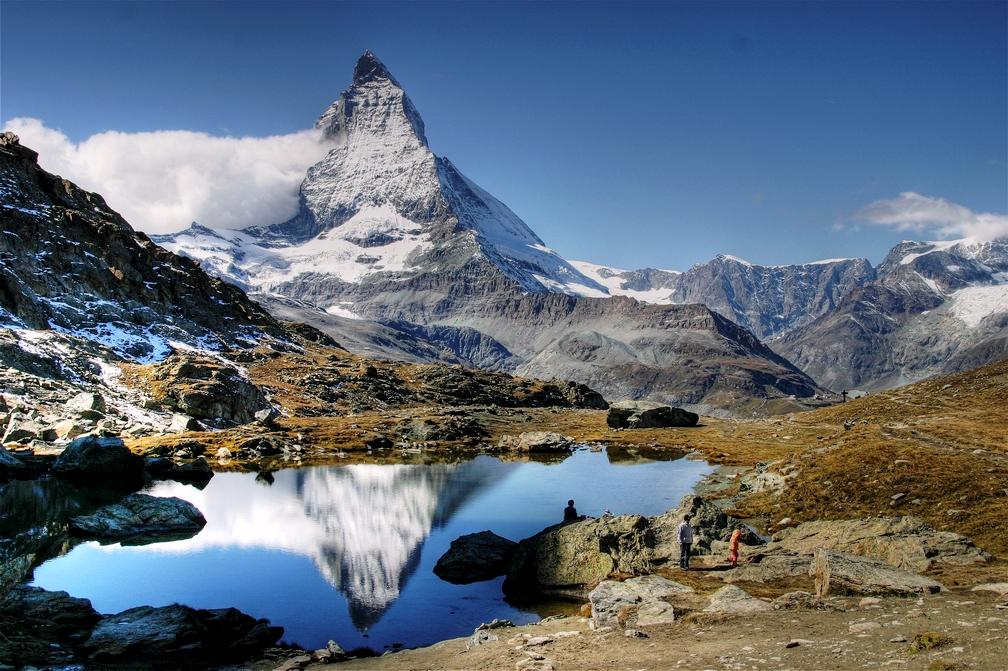
The Matterhorn & Zermatt
MonkeyEatingMango

Must-have experience ⛰️

The Matterhorn & Zermatt

e.g., Matterhorn

Best time to visit
Switzerland is a year-round destination, but the best time depends on activity. Summer (June-August) offers warm weather (18-28C) ideal for hiking and lake activities, but also means peak tourist crowds and higher prices. Spring (April-May) and Autumn (September-October) have pleasant temperatures (10-20C), fewer crowds, and stunning landscapes (spring blossoms, autumn foliage) - some mountain passes might still be closed in early spring. Winter (December-March) is prime for skiing and snow sports, with temperatures averaging -2 to 7C and festive markets in cities; book accommodations and popular ski resorts well in advance for holiday periods.
Currency
Swiss Franc (CHF)
Visa
US, UK, EU, Australian, Canadian citizens: visa-free for up to 90 days within any 180-day period as part of the Schengen Area. Indian citizens require a Schengen visa, applied for at a Swiss Embassy or Consulate in advance. Passports must be valid for at least three months beyond your intended departure date from the Schengen Area. All other nationalities should check the official Swiss State Secretariat for Migration (SEM) website for specific requirements.
Tipping
Tipping is not generally expected in Switzerland as service charges are usually included in prices at restaurants, cafes, and hotels. However, rounding up to the nearest franc or leaving a small amount (around 5-10% for excellent service) is appreciated for taxis or restaurant staff, but never obligatory.
Emergency
117 (police), 118 (fire), 144 (ambulance), 112 (pan-European emergency)

Estimated daily cost

Backpacker

$120-200/day

Youth hostels with breakfast (€40-70), Coop/Migros supermarket meals, second-class trains with the Swiss Half-Fare Card, free city tap water. Switzerland's 'budget' floor is most countries' mid-range — there's no cheap way to do it.

Mid-range

$300-500/day

3-star hotels in towns ($180-280/night), restaurant lunch + supermarket dinner, Swiss Travel Pass for unlimited trains/boats/buses, mid-mountain cable cars included. The realistic first-timer tier.

Luxury

$700-2500+/day

Badrutt's Palace St. Moritz, Bürgenstock Resort, The Chedi Andermatt, private guided hikes, Glacier Express Excellence Class. Switzerland luxury is among Europe's most expensive — and quietly the most polished.

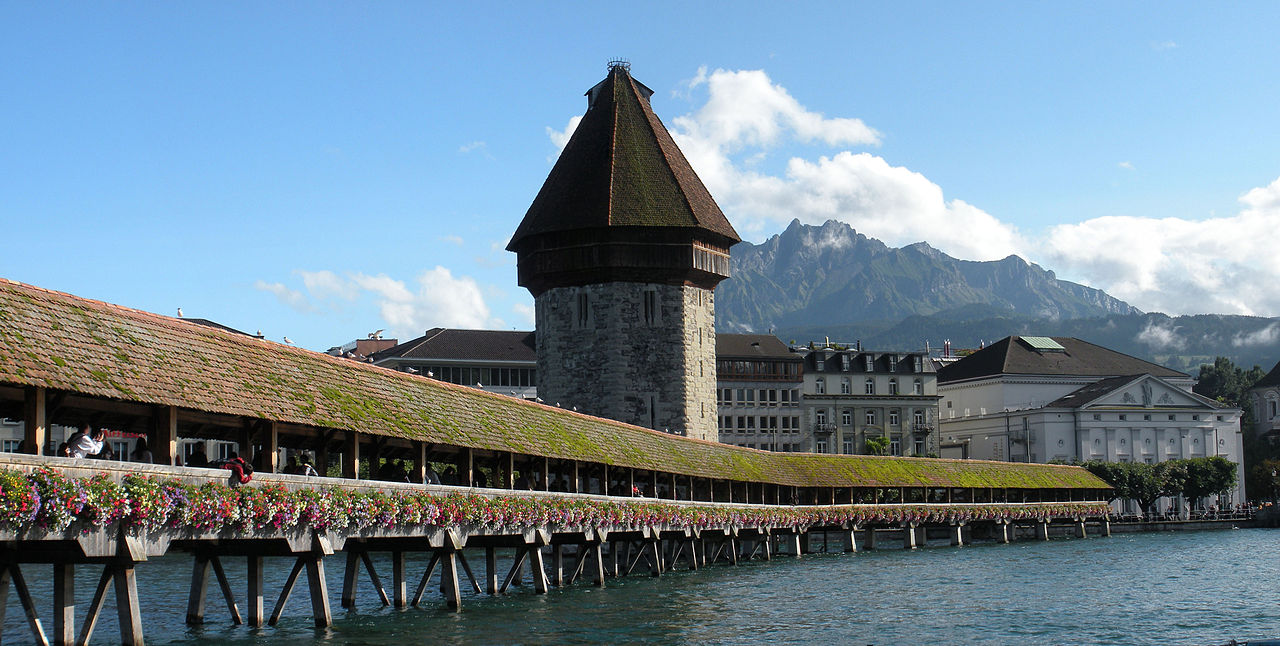
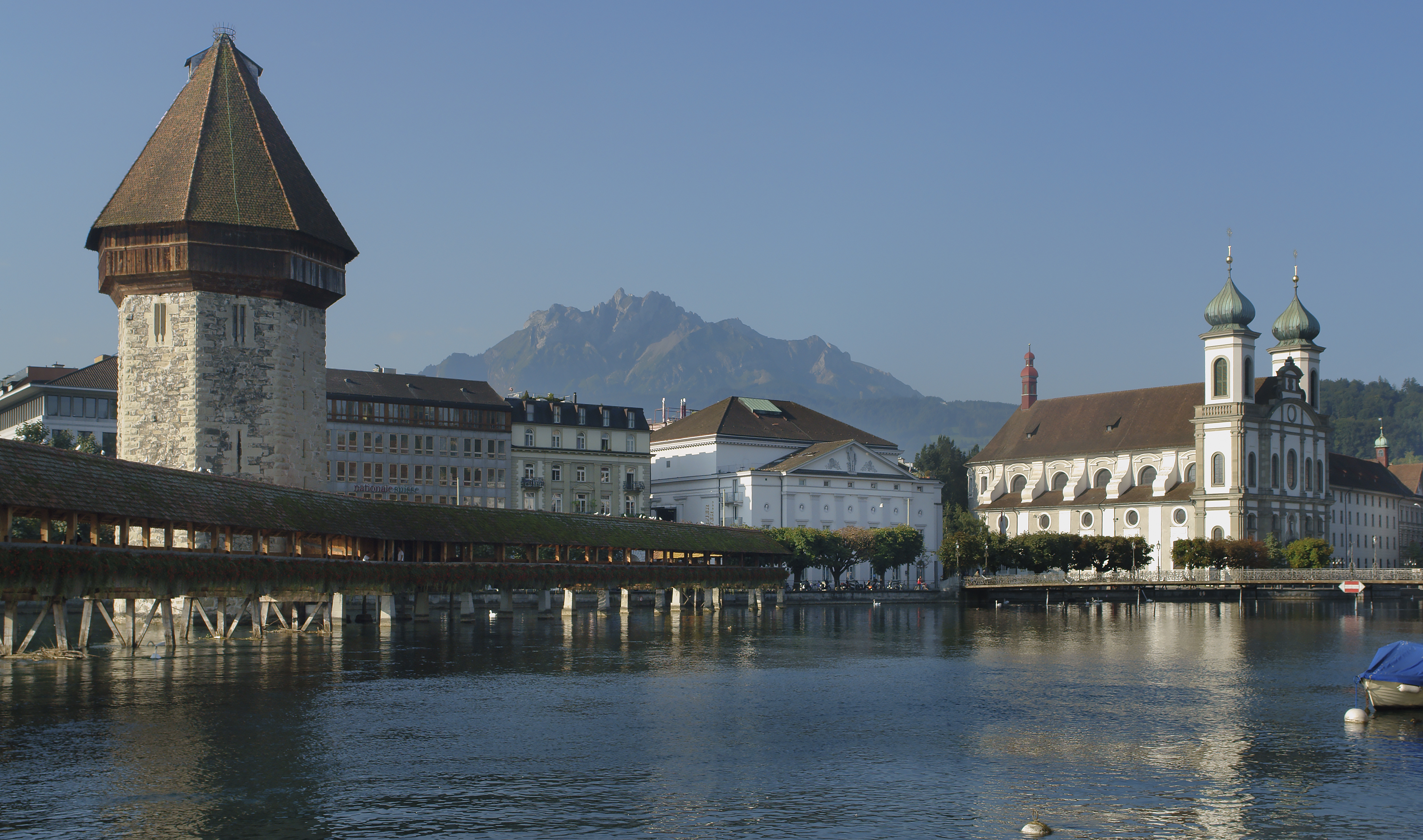
Lake Lucerne & Chapel Bridge
MonkeyEatingMango

Must-have experience 🌉

Lake Lucerne & Chapel Bridge

e.g., Chapel Bridge

Jan
S
Feb
P
Mar
S
Apr
O
May
S
Jun
P
Jul
P
Aug
P
Sep
S
Oct
O
Nov
O
Dec
P
Off-peak (cheaper) Shoulder Peak (priciest)Baseline: October

Festivals & timing

December (entire month)

Christmas markets

Zürich (Wienachtsdorf at Sechseläutenplatz, indoor market at Hauptbahnhof), Basel, Bern, and Montreux all run from late November through Dec 24. Less crowded than Germany's, longer hours, and you can ski during the day.

Worth planning around

January-March

Ski season peak

Christmas/NYE and February school-holiday weeks (Sportferien) book up 6+ months ahead in Zermatt, St. Moritz, Verbier. January (post-NYE) and mid-March are the sweet spot — full snow, lower prices, no queues.

Worth planning around

July

Montreux Jazz Festival

Two weeks of music in early July on the Lake Geneva waterfront — historically Bowie, Prince, Aretha; now everything from Lana Del Rey to Herbie Hancock. Free stages plus ticketed indoor shows. Hotels in Montreux/Vevey 2x normal price.

Worth planning around

August 1

Swiss National Day

Federal holiday — fireworks over Lake Lucerne, bonfires on mountain peaks, brunch festivals on farms. Most shops close. Atmospheric but expect train and restaurant crowds.

Sept-Oct (Alpaufzug + Désalpe)

Cow Parades (Désalpe / Alpabzug)

Decorated cattle parade down from summer Alpine pastures to valley farms — biggest in Charmey, Vissoie, and Urnäsch. Genuine Swiss tradition that's neither touristy nor staged. Weekends in mid-September through early October.

Worth planning around

Late October - early November

Shoulder season closure

Mountain restaurants, many cable cars, and Lauterbrunnen-area trains close for 2-4 weeks of maintenance. Lower hotel prices but limited activities. Avoid for a first-timer trip; great if you've been before and just want quiet.

Better to avoid

Live events & modern attractions

Beyond classic sightseeing — the show to book, the match to watch, the place that shows you the country's present.

Montreux Jazz Festival

Wikipedia Commons

🎭 Live performance · Montreux

Montreux Jazz Festival

Two weeks of music on the Lake Geneva waterfront in early July — historically Bowie, Prince, Aretha; now Lana Del Rey to Herbie Hancock. Free stages plus ticketed indoor shows.

When: Annual · first 2 weeks of July

Lauberhorn Downhill, Wengen

Wikipedia Commons

🏟️ Sport · Wengen

Lauberhorn Downhill, Wengen

The longest and most spectacular downhill on the FIS World Cup calendar — 4.5 km, 2:30 of full-attack racing past the Eiger's north face. Weekend party in Wengen is legendary.

When: Annual · mid-January

CERN – Globe of Science & Innovation

Wikipedia Commons

🔬 Modern attraction · Meyrin (Geneva)

CERN – Globe of Science & Innovation

Where the Web was invented and the Higgs boson confirmed. The Universe of Particles permanent exhibit is free; book a guided LHC tour months ahead.

When: Tue–Sun · free entry

Major cities at a glance

Zürich
Wikipedia Commons

Zürich

1-2 days

Best for design, food halls, Lake Zürich

Altstadt and Niederdorf for the medieval lanes, Bahnhofstrasse for the shopping window, Kunsthaus for the art, Frau Gerolds Garten and Hürlimann Bad for the cool factor. Compact and walkable — half-day works.

Lucerne
Wikipedia Commons

Lucerne

2 days

Best for Chapel Bridge, Lake Lucerne, mountain gateway

The covered Chapel Bridge and Water Tower, Mt Pilatus by cogwheel railway, Mt Rigi by paddle steamer + train, plus the Lion Monument. The most photogenic small city in the country.

Interlaken & Lauterbrunnen
Wikipedia Commons

Interlaken & Lauterbrunnen

2-3 days

Best for Jungfrau Region, waterfalls, base camp

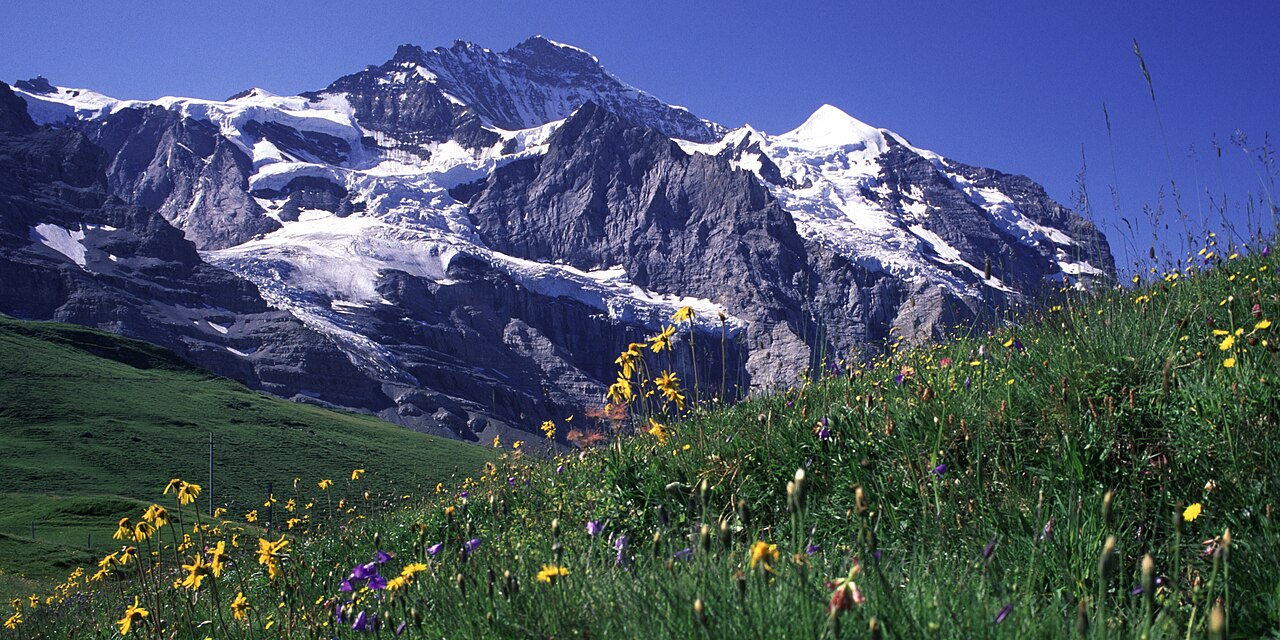
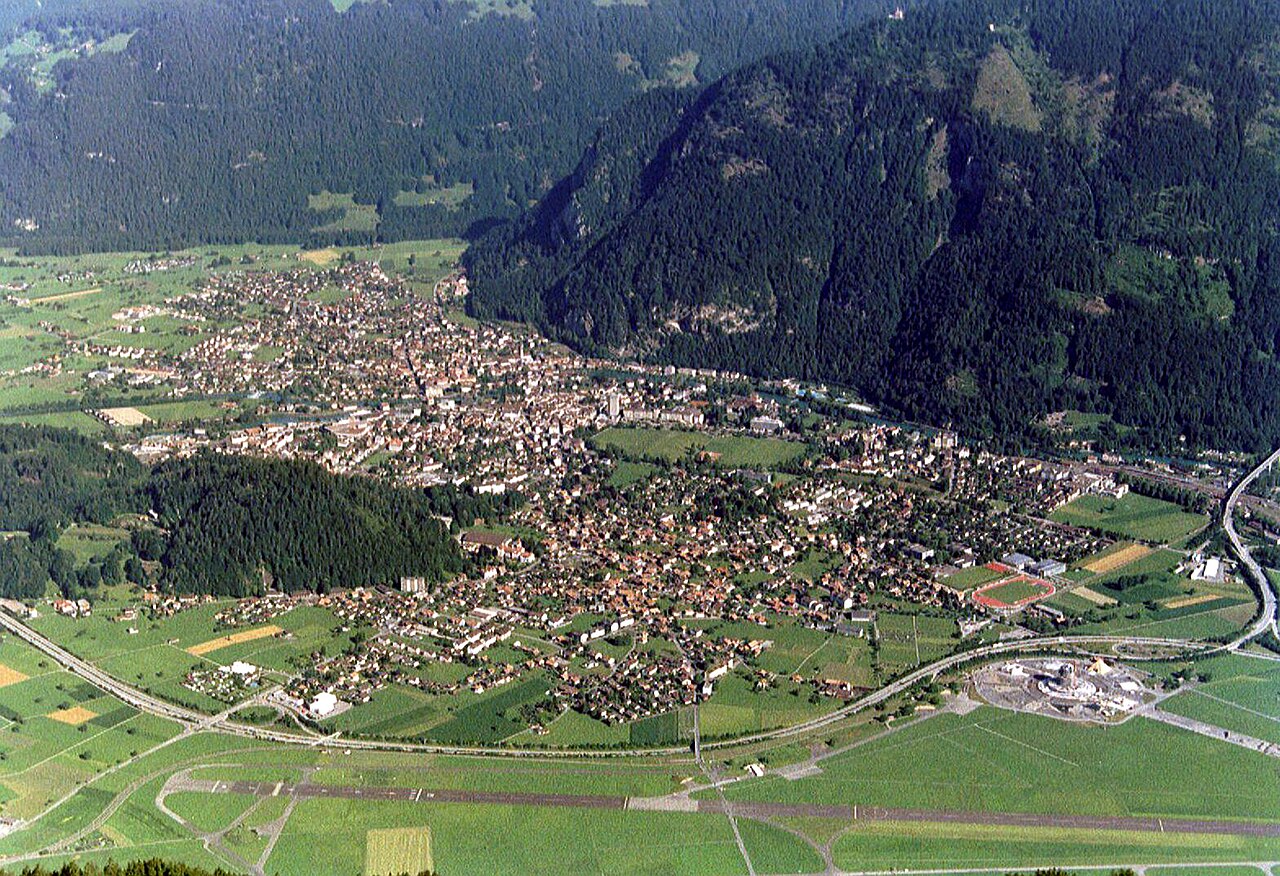
Interlaken as the rail-hub town, Lauterbrunnen valley with 72 waterfalls (Staubbach Falls drops 297m past the village church), plus Mürren and Wengen as car-free villages perched above. Jungfraujoch and Schilthorn day trips from here.

Zermatt
Wikipedia Commons

Zermatt

2-3 days

Best for Matterhorn, car-free village, glacier

The Matterhorn from Gornergrat at sunrise, the Glacier Paradise lift (Europe's highest), the 5-Lakes Walk, plus a car-free village with €8/coffee charm. Year-round skiing on the glacier.

Bern
Wikipedia Commons

Bern

1-2 days

Best for UNESCO Old Town, capital, low-key vibe

The 6km of arcaded sandstone old town (UNESCO listed), the Bear Park, Zytglogge clock tower, Einstein House. Switzerland's capital — and yet most first-timers skip it. Their loss.

Montreux & Lake Geneva
Wikipedia Commons

Montreux & Lake Geneva

1-2 days

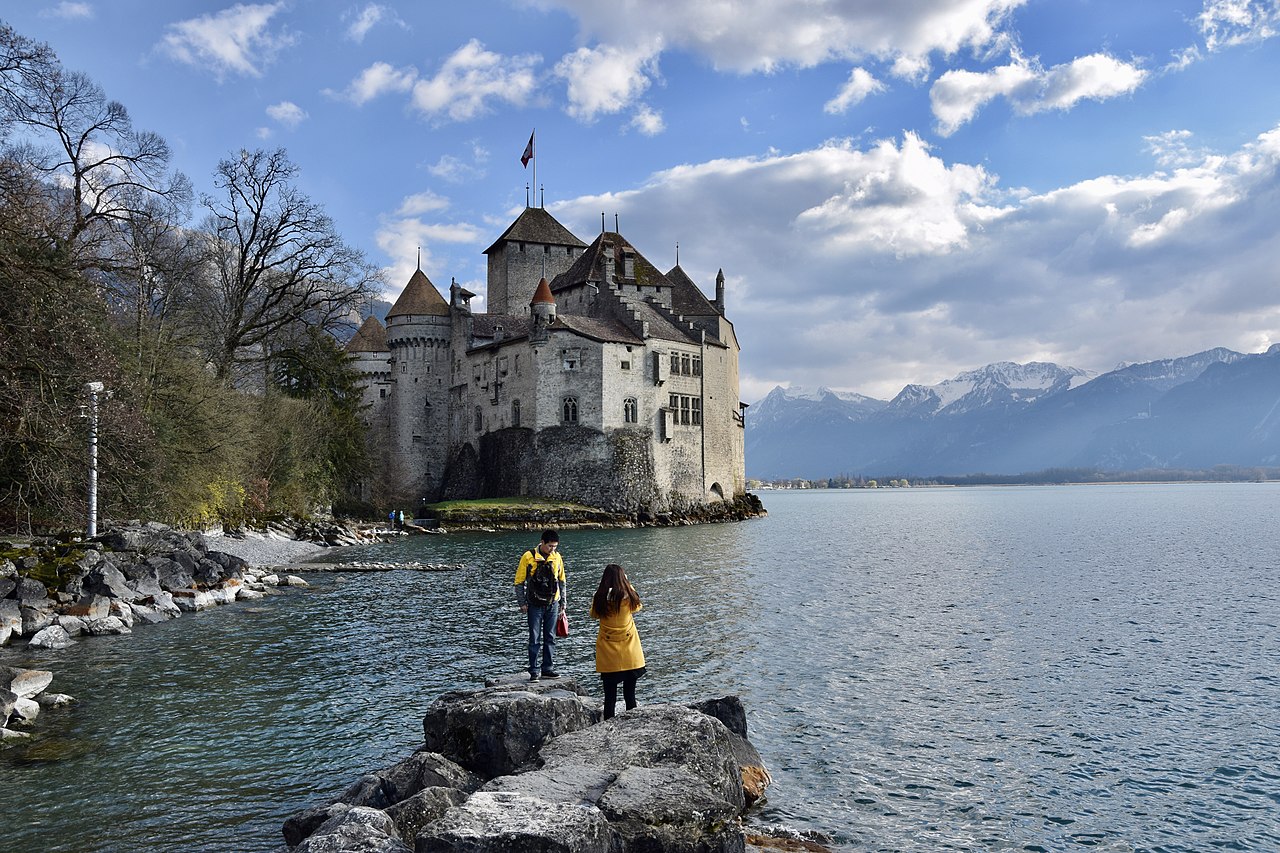
Best for Chillon Castle, lakeside promenade, vineyards

Château de Chillon on its lake-rock island, the Lavaux UNESCO vineyard terraces, Freddie Mercury statue, and the GoldenPass route to/from Interlaken through the cheese country. French-Switzerland flavor.

Jungfrau Railway & Top of Europe
MonkeyEatingMango

Must-have experience 🚞

Jungfrau Railway & Top of Europe

e.g., Jungfraujoch

Food guide

Switzerland is about hearty Alpine comfort food, often cheese-centric, best enjoyed in cozy mountain chalets or traditional Stube restaurants. While fine dining is present, the core experience is found in rustic eateries or at home with ingredients from ubiquitous Coop and Migros grocery stores. Punctuality and quiet are valued, even in dining settings.

Birchermuesli

Birchermuesli

This healthy breakfast of rolled oats soaked in milk or yogurt with grated apple, nuts, and dried fruit was developed by a Swiss physician as a wholesome meal.

10 USD

Rosti

Rosti

A simple yet satisfying pan-fried potato patty, crispy on the outside and tender inside, often served as a side or a main with eggs, cheese, or cured meats.

18 USD

Raclette

Raclette

Melted cheese scraped directly onto plates of boiled potatoes, gherkins, and pickled onions, offers a rich, interactive meal focusing on a single, flavorful cheese.

28 USD

Fondue

Fondue

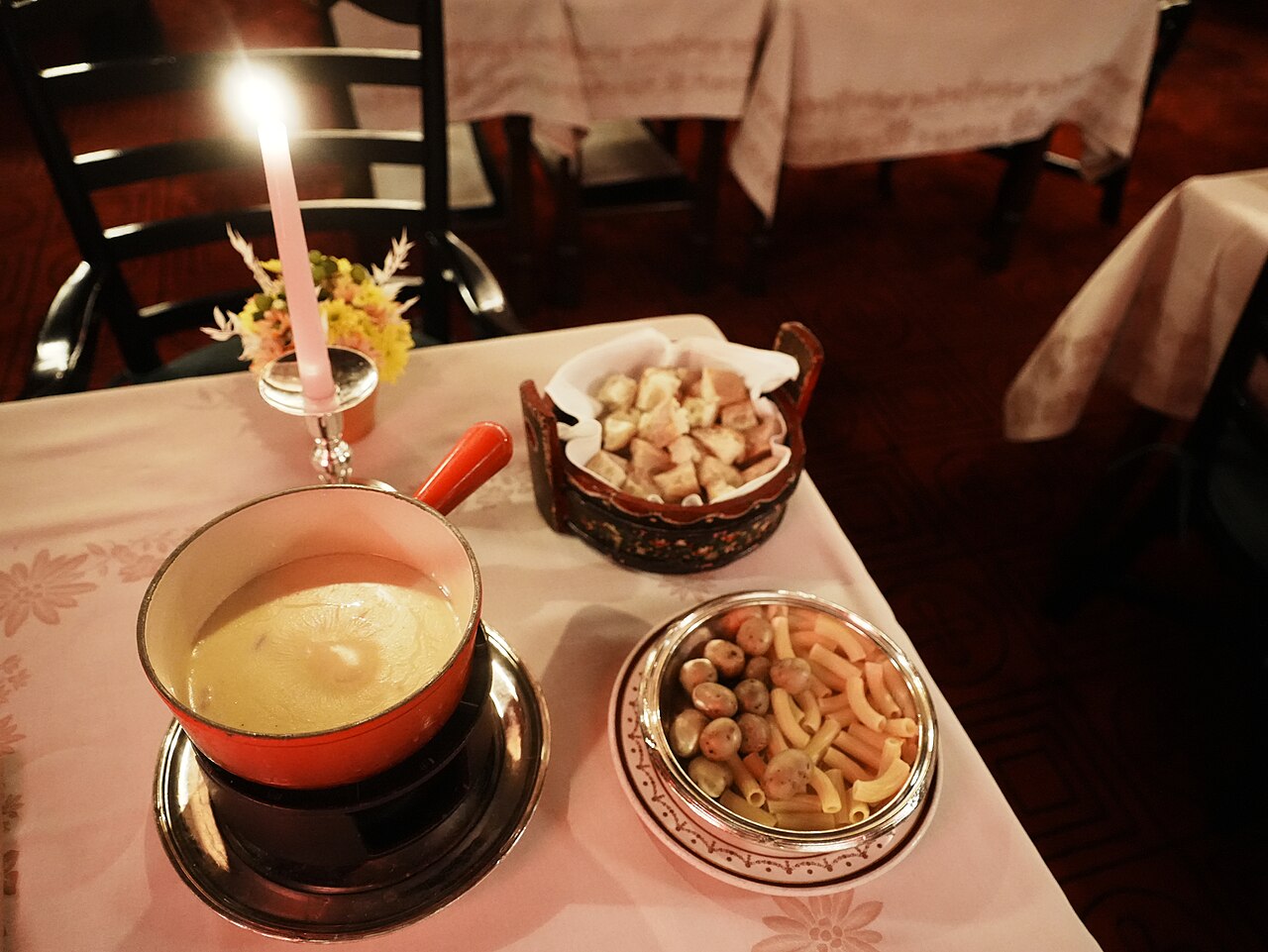
A communal pot of melted cheese, white wine, and kirsch, perfect for dipping bread and boiled potatoes, embodies the Swiss spirit of sharing and warmth.

30 USD

Alplermagronen

Alplermagronen

A hearty 'Alpine macaroni' dish combining pasta, potatoes, cheese, and caramelized onions, often served with applesauce, is the ultimate mountain comfort food.

22 USD

Zurcher Geschnetzeltes

Zurcher Geschnetzeltes

Thinly sliced veal in a creamy mushroom and white wine sauce, traditionally served with rosti, is a signature dish of Zurich that is rich and comforting.

40 USD

Lauterbrunnen Valley & Waterfalls
MonkeyEatingMango

Must-have experience 💧

Lauterbrunnen Valley & Waterfalls

e.g., Lauterbrunnen Valley

Shopping guide

Switzerland's shopping scene is defined by quality, precision, and high prices. Expect clean, well-organized boutiques and department stores offering luxury goods, watches, and traditional crafts, primarily found in major city centers.

Swiss Chocolate

Known for its high milk content, fine grinding, and rich flavor, Swiss chocolate quality is unparalleled, especially from smaller chocolatiers.

Confiserie Sprungli (Zurich Bahnhofstrasse), Teuscher (Zurich), local artisanal shops. · 25 USD

Aged Gruyere or Appenzeller Cheese

These hard, complex cheeses are deep-rooted in Swiss culinary tradition, offering distinct nutty and savory flavors perfected over centuries of alpine aging.

Cheese shops in Bern's Old Town, La Maison du Gruyere (Gruyeres), local markets, larger supermarkets like Coop or Migros. · 30 USD

Victorinox Swiss Army Knife

A practical, robust, multi-functional tool synonymous with Swiss quality and precision engineering, with models ranging from simple to highly specialized.

Victorinox Flagship Stores (Zurich, Geneva), department stores like Manor or Coop City, tourist shops. · 40 USD

Entry-Level Swiss Mechanical Watch

Experience the renowned precision and craftsmanship of Swiss watchmaking at a more accessible price point, from brands with rich heritage.

Bucherer (Lucerne, Zurich), Beyer Chronometrie (Zurich), Swatch Stores, authorized dealers in Bahnhofstrasse (Zurich) or Rue du Rhone (Geneva). · 500 USD

Original Absinthe from Val-de-Travers

Buy authentic, traditionally distilled 'La Fee Verte' from its historical birthplace, where it was once forbidden and is now legally produced by artisan distilleries.

Maison de l'Absinthe (Motiers), local distilleries in Val-de-Travers like Artemisia Bugnon. · 60 USD

Caran d'Ache Pens or Art Pencils

Known for exceptional quality, durability, and vibrant colors, these Swiss-made writing and drawing instruments are a luxury for artists and stationery enthusiasts.

Caran d'Ache Boutiques (Geneva, Zurich), specialized stationery stores, department stores like Manor. · 75 USD

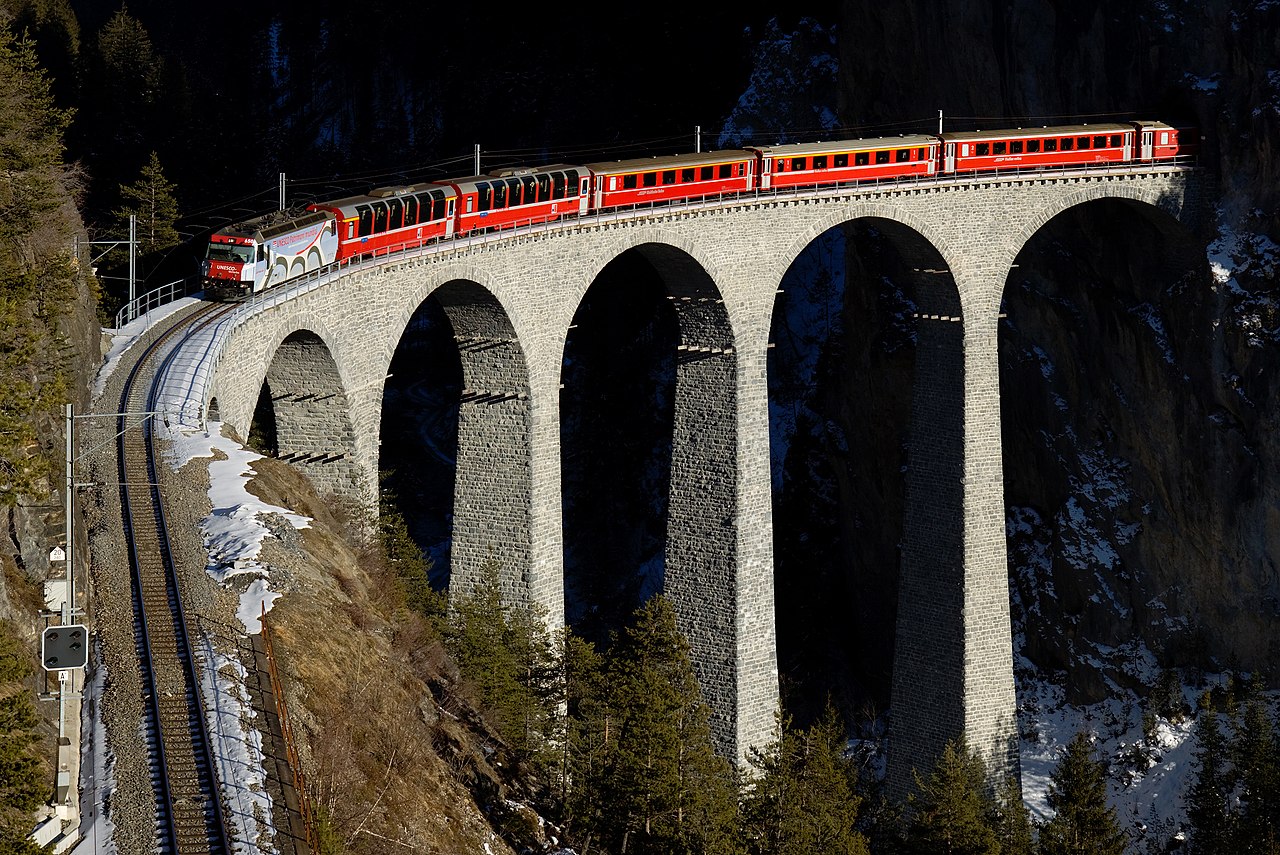
Bernina Express & Glacier Express
MonkeyEatingMango

Must-have experience 🚂

Bernina Express & Glacier Express

e.g., Bernina Express

Travel essentials

Connectivity & SIM

Wi-Fi: WiFi is widely available and often free in public places, hotels, cafes, and major train stations across Switzerland, including Zurich, Geneva, and Lucerne. Many internet cafes have closed due to high home internet penetration, but terminals might be found at large train stations.
SIM options
  • Swisscom physical SIMCHF 20-40 for 10-30 days / 5-10GB
    Where: Zurich Airport (ZRH) or Geneva Airport (GVA) arrival halls, Swisscom stores
  • Sunrise physical SIMCHF 19-35 for 7-20 days / 5-8GB
    Where: Major train stations or Sunrise stores in cities
  • Airalo eSIMUSD 12-25 for 7-15 days / 3-5GB
    Where: Online via Airalo app before arrival
Apps to install
  • SBB MobilePlan and purchase tickets for all public transport (trains, buses, boats, trams) across Switzerland with real-time updates.
  • Google MapsEssential for walking, driving, and public transport navigation, especially with offline map download capabilities for mountain areas.
  • MeteoSwissProvides highly accurate weather forecasts for specific locations, crucial for planning outdoor activities in the mountains.
Tip: While WiFi is prevalent, mobile data coverage can be spotty in remote alpine valleys; download offline maps and essential documents before heading off the beaten path. Ensure your phone is unlocked if planning to use a physical SIM card.

Cultural notes

Observe 'Ruhezeiten' (quiet hours) from 10 PM to 7 AM, especially in residential areas and hotels; loud conversations or activities are generally not tolerated. Expect punctuality for appointments and public transport; Swiss services run on precise schedules. When hiking in the mountains, greet others on the trail with a brief 'Gruezi' (Swiss German) or 'Bonjour' (French Swiss) and stay on marked paths to protect the fragile alpine environment. At restaurants, wait to be seated and avoid raising your voice in public.

Safety

Switzerland has extremely low violent crime, making it one of the safest destinations globally, and lost items are frequently returned. However, pickpocketing can occur in crowded areas of major cities like Zurich, Geneva, and Basel, particularly during summer tourist season; keep valuables in secure, zipped pockets. In Berne, be aware of occasional political demonstrations that may cause temporary disruptions in the city center.

What to pack

  • Waterproof shell jacket
  • Sturdy hiking boots (with good ankle support and grip)
  • Wool or fleece layers
  • Sunscreen (high SPF for alpine sun)
  • Sunglasses (for glare on snow and water)
  • Reusable water bottle (for excellent tap water)
  • Swimsuit (for lakes and thermal baths)
  • Small daypack (for essentials during hikes)
  • Warm hat (for cooler mountain temperatures)
  • Light gloves (for mountain excursions, even summer)

Travel tips

  • In Zurich, Geneva, Basel, and Berne, keep wallets in zipped front pockets or secure inner compartments, especially in crowded areas and during summer, to deter opportunistic pickpockets.
  • When cycling, be aware that separated cycling infrastructure is minimal; share roads with traffic and strictly follow Swiss road rules, especially in urban areas.
  • If a political demonstration occurs in Berne, avoid the immediate protest area and check local media for alternative routes, as police intervention can cause temporary disruptions.
  • For urgent medical care without an appointment, visit Permanence Hauptbahnhof at Zurich Main Station, which provides out-patient services; a dentist is also located downstairs.
  • To avoid parking fines, always pay attention to parking signs in cities; white zones often require payment, while blue zones require a parking disc (available at gas stations) for short-term free parking.
  • When buying train tickets via the SBB Mobile app or machines, ensure you select the correct half-fare card option if you possess one, as standard tickets are significantly more expensive.
  • In Interlaken, use the Internet Laundry at Marktgasse 45 for self-service laundry; a load costs approximately CHF 2, making it a budget-friendly option.
  • Book popular mountain excursions like Jungfraujoch or Gornergrat a day or two in advance, especially in peak season, as capacity can be limited and early morning slots sell out.
Lake Geneva & Chillon Castle
MonkeyEatingMango

Must-have experience 🏰

Lake Geneva & Chillon Castle

e.g., Château de Chillon

Electric Socket Guide

Socket Types

Type C - Europlug

Two round pins (most of Europe, South America)

Type J

Three round pins (Switzerland)

Voltage

230V

Frequency

50Hz

Fondue, Raclette & Swiss Chocolate
MonkeyEatingMango

Must-have experience 🧀

Fondue, Raclette & Swiss Chocolate

e.g., Swiss Fondue

Planning checklist

  1. Sort out ETIAS (or your Schengen visa) before you fly.

    Starting May 2026, non-EU passports need ETIAS pre-authorization (€7 online, valid 3 years, applied at travel-europe.europa.eu — not the scam lookalikes). Switzerland is part of Schengen despite not being in the EU.

  2. Buy the Swiss Travel Pass before you fly.

    For 5+ day trips with 2+ inter-city moves, the math always wins — 8-day pass at $389 covers transport that would cost $500+ in point-to-point tickets, plus mountain-rail discounts and free museum entry. Buy at swisstravelpass.com or sbb.ch directly. Save the QR code offline.

  3. Build your itinerary around mountain weather, not calendar dates.

    Check meteoschweiz.ch the morning of any Jungfraujoch / Schilthorn / Pilatus day. Both cable cars run on overcast days — but you pay CHF 220 for grey clouds. Build flex days into your trip; swap two days when needed.

  4. Download SBB Mobile and link your Travel Pass.

    Best transport app in Europe — live platform numbers, to-the-second connections, and you can ride trains by showing the pass QR on your phone. Set up Apple Pay/Google Pay in the app for occasional non-pass tickets.

  5. Book Zermatt, Lauterbrunnen, and Wengen 3-4 months ahead in summer.

    These car-free Alpine villages have limited beds; July-August fills by April. Mid-tier hotels run CHF 180-280. Lauterbrunnen and Mürren have far better hiking access than Interlaken proper — base there if you can.

  6. Pack the right layers.

    Switzerland is two countries by altitude — the valleys are 20°C in summer, the peaks 5°C with wind. Thin merino base layers + a packable down jacket + a hardshell rain layer covers all the weather you'll meet. Sturdy walking shoes for the mountain trails (sneakers work for paved alpine paths). Type J adapter (Swiss-specific 3-pin, NOT the standard EU plug).

  7. Eat the big meal at lunch.

    Lunch set menus run CHF 22-30 in nice restaurants where dinner mains alone are CHF 35-45. Mountain restaurants serve lunch only — most close 3 PM. Plan around this; you'll eat better and pay 35% less.

Aletsch Glacier (UNESCO)
Wikipedia Commons

Must-have experience 🧊

Aletsch Glacier (UNESCO)

e.g., Aletsch Glacier

Avoid these first-timer mistakes

  • Buying point-to-point train tickets instead of a Swiss Travel Pass

    The Swiss Travel Pass ($244 for 3 days, $389 for 8 days in 2026) covers unlimited trains, boats, buses, AND mountain railways at 25-50% off (Jungfrau, Rigi, Stanserhorn). For any trip with 2+ inter-city legs, the pass pays for itself by day 2.

  • Going to Jungfraujoch in bad weather

    Jungfraujoch ('Top of Europe') is a CHF 220 round-trip to a panorama platform that's invisible 60% of the time. Check the live webcam at jungfrau.ch the morning of, only go on a clear day, and consider Schilthorn (Piz Gloria) — cheaper, equally stunning, the 007 view.

  • Renting a car for Switzerland

    Swiss public transport is the world's best — trains every 30 min on the dot, lake boats included in the pass, postbus to every Alpine village. Cars are €60+/day plus parking and Vignette tax, and many alpine villages (Zermatt, Wengen, Mürren) are car-free anyway. Skip unless you're going off-route.

  • Eating dinner at a restaurant for under CHF 40

    There's no cheap restaurant scene in Switzerland — a mid-range dinner mains run CHF 28-45, a beer CHF 8. Self-cater at Coop/Migros (sandwiches CHF 6, hot meals CHF 12), eat the big meal at lunch (set menus CHF 22-30), and save restaurants for one splurge meal per city.

  • Underestimating the SBB Mobile app

    SBB Mobile is the single best transport app in Europe — connections to-the-second, platform numbers updated 5 min before departure, ticket purchase in 3 taps with the pass linked. Download before you fly, set up Apple Pay/Google Pay, and you can navigate Switzerland end-to-end without a paper schedule.

  • Visiting in 'shoulder' season expecting open mountains

    Most mountain restaurants, cable cars, and trains close November and most of May for maintenance. June-September is summer, December-April is ski season. May and November-early December are dead — book what you want to do BEFORE booking the trip.

  • Not learning the basic German/French/Italian phrases

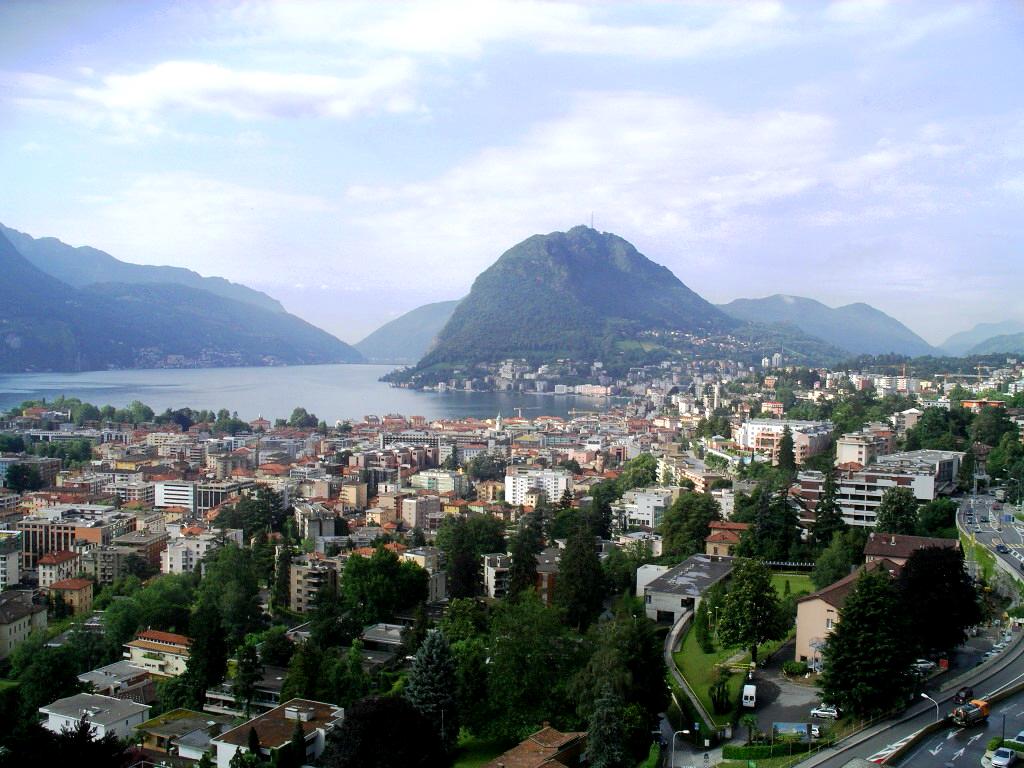
    Switzerland has 4 official languages — German in Zürich/Lucerne/Interlaken, French in Geneva/Montreux, Italian in Lugano. English works everywhere with tourists but trying 'Grüezi' (German hello) or 'Bonjour' in the right canton earns visible warmth. The Swiss appreciate the effort.

Schilthorn & Piz Gloria (007 View)
Wikipedia Commons

Must-have experience 🎬

Schilthorn & Piz Gloria (007 View)

e.g., Schilthorn

Frequently Asked Questions

Switzerland is part of the Schengen area despite not being in the EU. US, UK, Canadian, Australian passports enter visa-free for 90 days. From May 2026, ETIAS pre-authorization is required (€7, valid 3 years, applied at travel-europe.europa.eu). Confirm passport validity is 6+ months from departure.

June-September: alpine wildflowers, all cable cars open, hiking weather, 15-25°C — but peak crowds and prices. December-March: ski season (Christmas/NYE and February school holidays are wildly expensive). April-May and October-November are the 'closure' seasons — many mountain facilities shut for maintenance; don't recommend for first-timers.

Almost always yes for a 5+ day trip. The Swiss Travel Pass covers all trains, lake boats, buses, and entry to 500+ museums, plus 25-50% off mountain railways. 3 days = $244, 8 days = $389, 15 days = $446 (2026 prices). Buy direct at swisstravelpass.com or sbb.ch — same price as resellers, but no booking fees.

No, for almost every first-timer trip. Swiss trains run every 30 min on the dot, lake boats are included in the Travel Pass, postbuses reach every Alpine village. Cars run CHF 60+/day plus highway Vignette (CHF 40) and parking. Zermatt, Wengen, Mürren, Saas-Fee are car-free anyway. Only rent for very-off-route castle-and-vineyard touring.

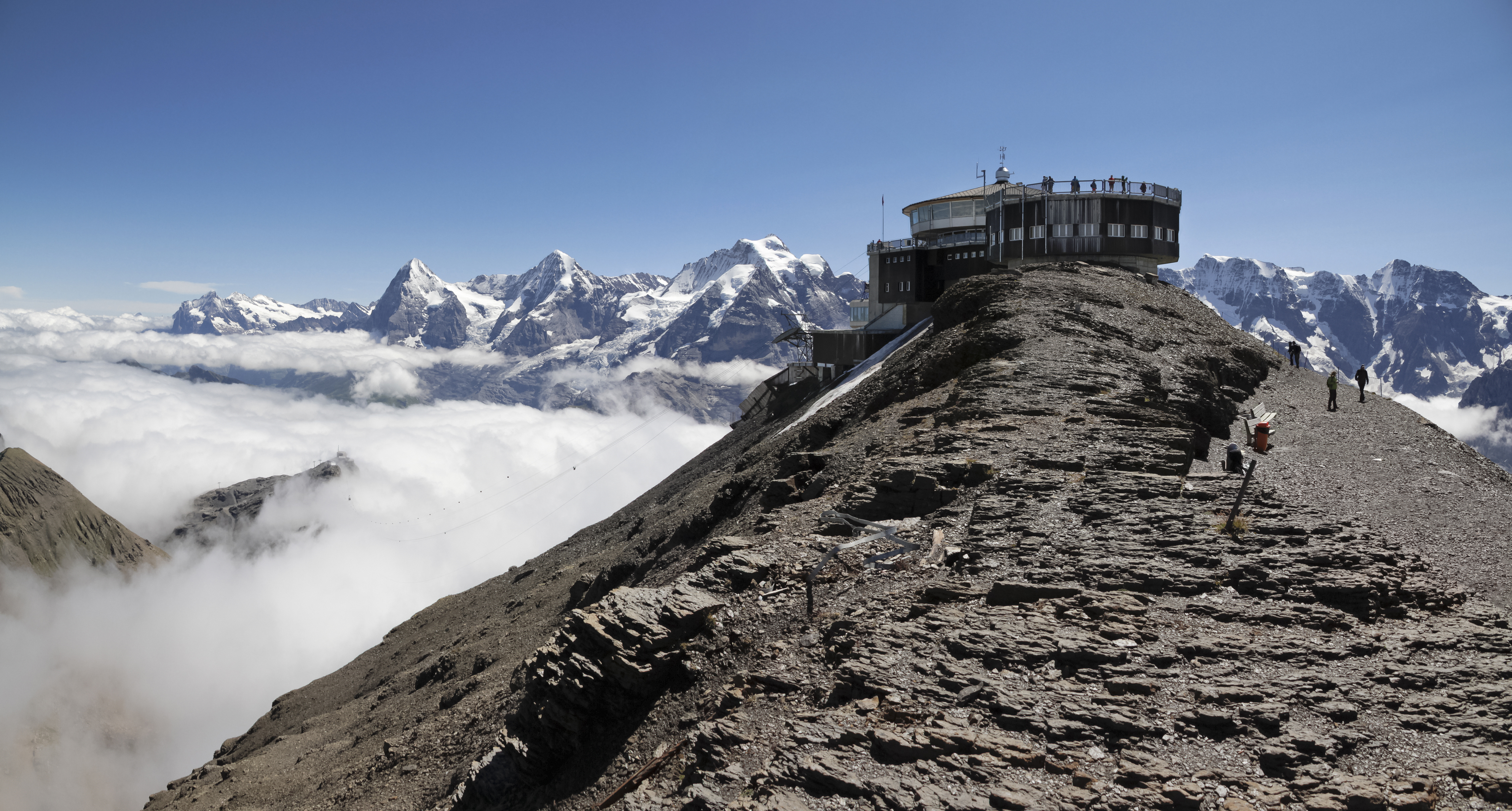
Schilthorn unless you need the bragging rights. Jungfraujoch (CHF 220 round-trip from Interlaken) is the 'Top of Europe' at 3,454m with a panorama platform, ice palace, and shop. Schilthorn (CHF 108) is the 007 mountain at 2,970m — equally dramatic view of the Eiger, Mönch, Jungfrau, and the rotating Piz Gloria restaurant. Half the price, less crowded, and you get to do the cable-car-over-cliffs experience that Jungfraujoch (which is mostly tunnel) doesn't offer.

Yes — Swiss tap water is famously excellent. Every old town has public fountains pouring drinkable spring water (look for 'Trinkwasser' or no warning sign — only 'Kein Trinkwasser' means do not drink). Carry a refillable bottle and never buy bottled. Fountains in Bern's old town date to the 16th century and pour the same alpine springwater.

Yes — Switzerland is consistently among the world's 3 most expensive countries. A 3-star hotel runs CHF 180-280/night, a sit-down lunch CHF 25-35, a beer in a bar CHF 8-12. Self-cater from Coop and Migros (sandwiches CHF 6, full hot meal CHF 12), drink from public fountains, eat the big meal at lunch (set menus discount 30-40%), and use the Travel Pass for transport. A reasonable mid-range traveler spends CHF 250-400/day.

Service is included by law — Swiss menu prices are final. Locals round up to the next franc or 5-10% for exceptional service. Hotels: CHF 1-2/night for housekeeping, CHF 2-5 for porters. Drivers: 5% for a tour, nothing for taxis. Don't tip at fast-casual or quick-service places. Cards: most card readers prompt for a tip — skip it if you're at a casual place.

Stein am Rhein Medieval Old Town
Wikipedia Commons

Must-have experience 🏘️

Stein am Rhein Medieval Old Town

e.g., Stein am Rhein

Lake Lugano & Italian Switzerland (Ticino)
Wikipedia Commons

Must-have experience 🌅

Lake Lugano & Italian Switzerland (Ticino)

e.g., Lake Lugano


Geneva's Jet d'Eau & Old Town
Wikipedia Commons

Must-have experience

Geneva's Jet d'Eau & Old Town

e.g., Jet d'Eau

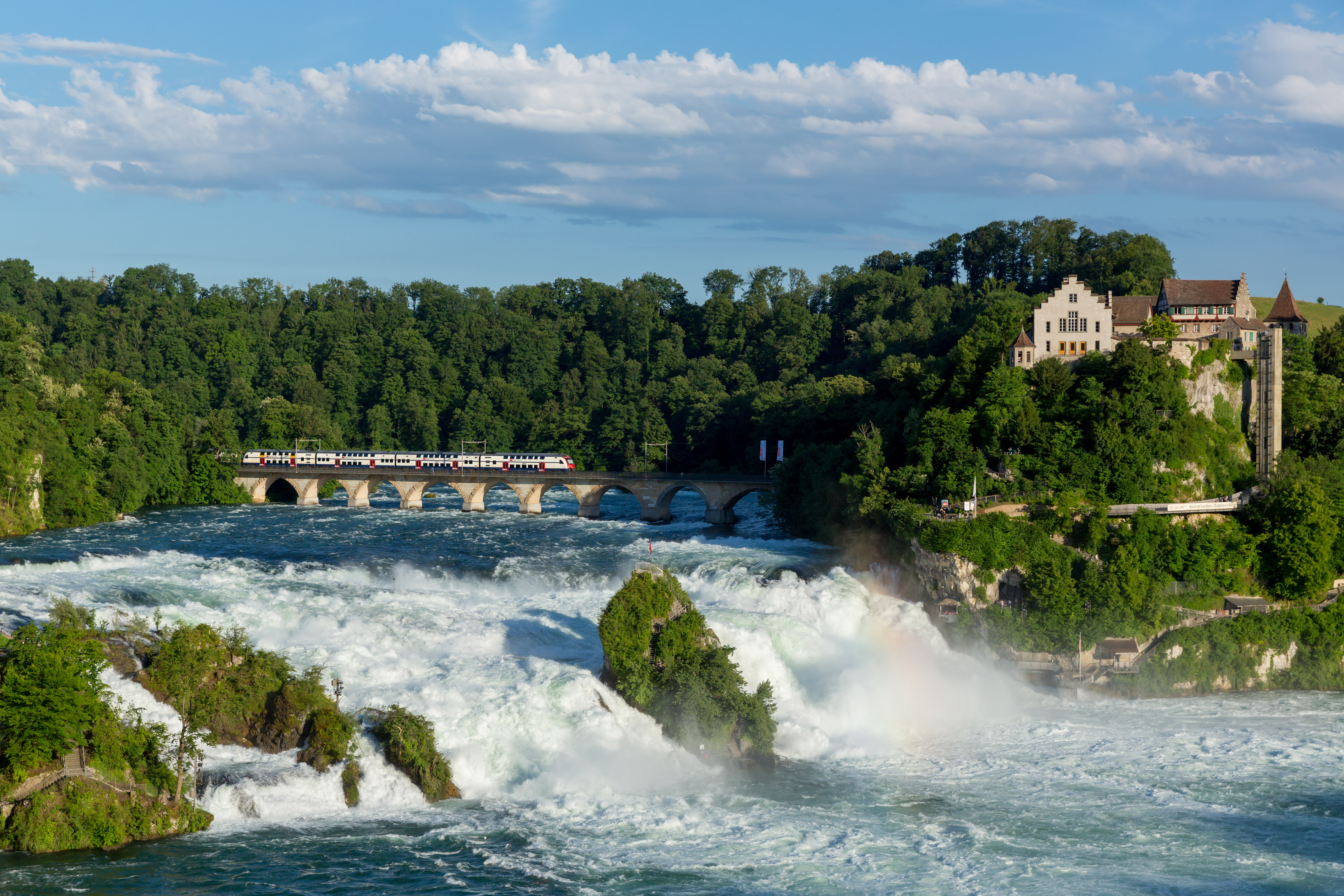
Rhine Falls (Europe's Largest)
Wikipedia Commons

Must-have experience 💦

Rhine Falls (Europe's Largest)

e.g., Rhine Falls

End of the trail

Plan less, do more.