France rewards travelers who appreciate concentration. Paris packs ten centuries of art, architecture and gastronomy into 20 walkable arrondissements; the Louvre alone could absorb a week. A two-hour TGV ride drops you into Lyon, France's actual food capital, where bouchons serve quenelles and andouillette in the same lanes silk weavers worked in the 1500s. Another two hours south and you're in Provence: lavender fields, Roman aqueducts, hill-town markets that haven't changed since Cézanne painted them. Then the Côte d'Azur curves toward Monaco. Most first-timers underestimate this density and try to add the Alps, Bordeaux and Brittany to a single 10-day trip, ending up exhausted on trains. The other thing first-timers underestimate is the friction. France is one of the easiest countries to travel inside ( TGV high-speed rail, contactless payments everywhere, near-zero violent crime, brilliant food at every price tier) and surprisingly fiddly to prepare for. Louvre and Eiffel Tower tickets sell out 2-4 weeks ahead in season. Most restaurants don't open for dinner before 7:30-8 PM and locals don't sit down till 9 PM. Many small Parisian shops, bistros and museums close for 2-4 weeks in August. Visit Paris in mid-August and half the city is shuttered. Starting any interaction without "Bonjour" earns cold service. ETIAS pre-authorization kicks in late 2026 for non-EU passports. This guide is the planning layer that sits above the day-by-day itineraries. Pick your golden-triangle base (Paris plus Loire or Provence plus Riviera; three days in each region, two travel days, you're at 11), pad with a Lyon foodie detour or an Alsace Christmas-market add-on and book Louvre, Eiffel and Versailles tickets weeks ahead. Get the friction sorted before you land and France delivers some of the best food-and-art trips you'll ever take.
France Trip Planner: Paris, Provence, Riviera, and Beyond
A first-timer's guide to France's gateway cities: the TGV booking, restaurant timing, and August closure details everyone gets wrong.
Free, for now. A few quick questions, then a day-by-day plan with a cost estimate.
Namrata · Editor
Updated October 13, 2026
Choose your trip length
5 days
Just Paris
Eiffel Tower + Louvre + Musée d'Orsay, Notre-Dame area walk, Montmartre + Sacré-Cœur, day trip to Versailles. Tightest first-timer trip that still feels complete.
See the sample itinerary →
10 days
Paris + Loire Valley + Provence
Three days in Paris, two in the Loire châteaux (Chambord, Chenonceau), four in Provence (Avignon, Arles, Aix). TGV between each. Classic foundation.
14 days
+ French Riviera (Nice, Eze, Cannes)
Add three days on the Côte d'Azur, with Nice as base and day trips to Èze, Antibes, and Monaco. Pad with a Mont-Saint-Michel detour from Paris. The complete first-timer loop.
The flagship itinerary
Like this plan? Make it yours
Same destination, your dates, group, and pace. Generated free in about a minute.
Customize this tripFreeEstimated daily cost
Backpacker
$70-110/day
Hostels (€30-50 dorm), boulangerie + market lunches, metro day passes, free first-Sunday museums. Paris and the Riviera are pricier than Lyon or the southwest. Prices as of 2026; verify current rates.
Mid-range
$170-300/day
3★ boutique hotels (€140-220), bistros + the occasional Michelin Bib Gourmand, TGV second class. The sweet spot for first-timers. Prices as of 2026; verify current rates.
Luxury
$500+/day
Palace hotels (Ritz, Le Bristol, Crillon) or restored Riviera villas, fine dining at Arpège or Plaza Athénée, TGV Première, private guides for the Louvre. Sky-high in Paris and the Riviera in summer. Prices as of 2026; verify current rates.
Major cities at a glance

Paris
3-4 daysBest for art museums + iconic landmarks
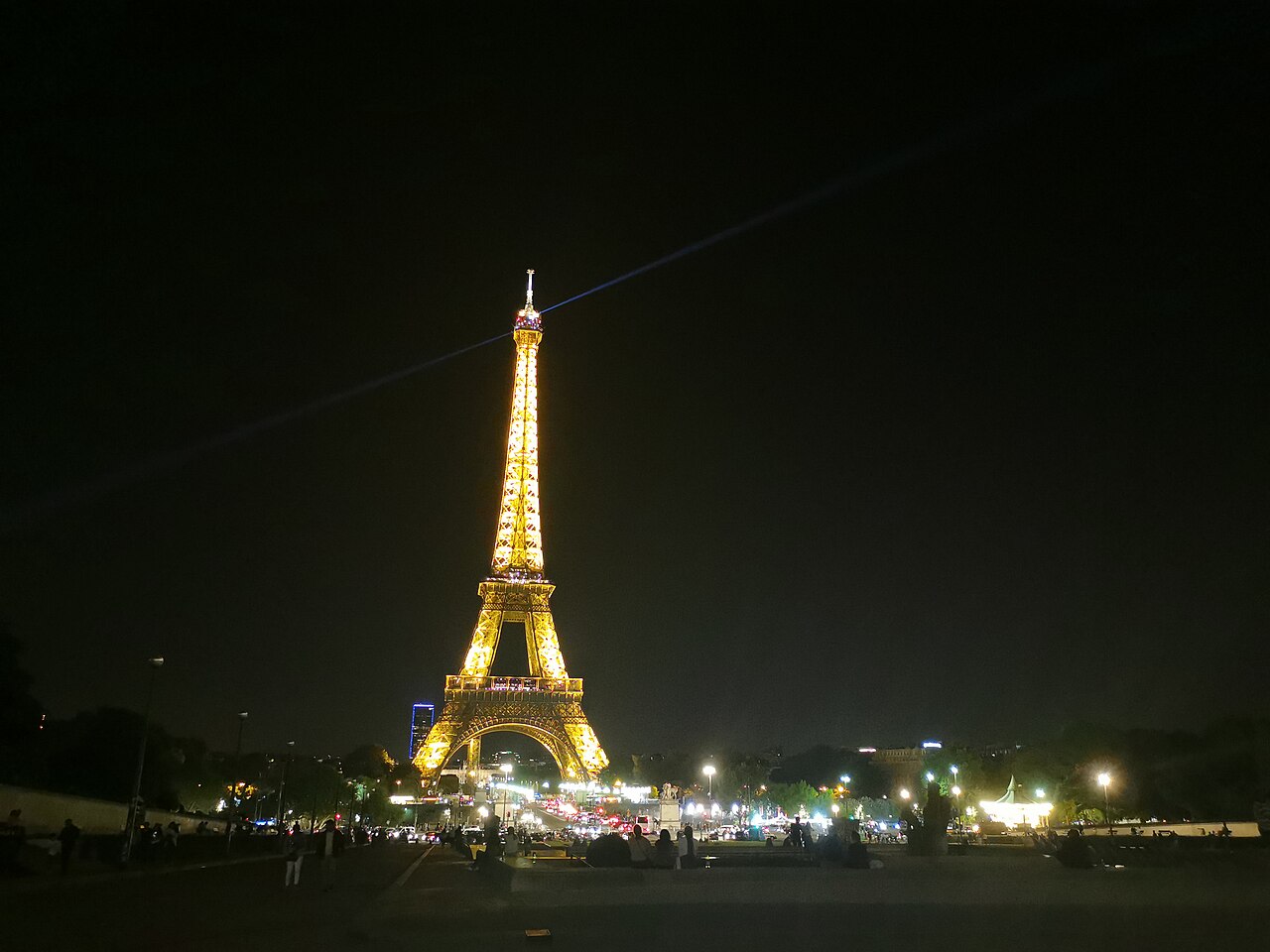
Eiffel Tower, Louvre, Musée d'Orsay, Notre-Dame area, Montmartre + Sacré-Cœur, Le Marais boutiques, Seine evening walks. Day trip to Versailles. The mandatory anchor.
Nice & French Riviera
3 daysBest for Mediterranean coast + Belle Époque
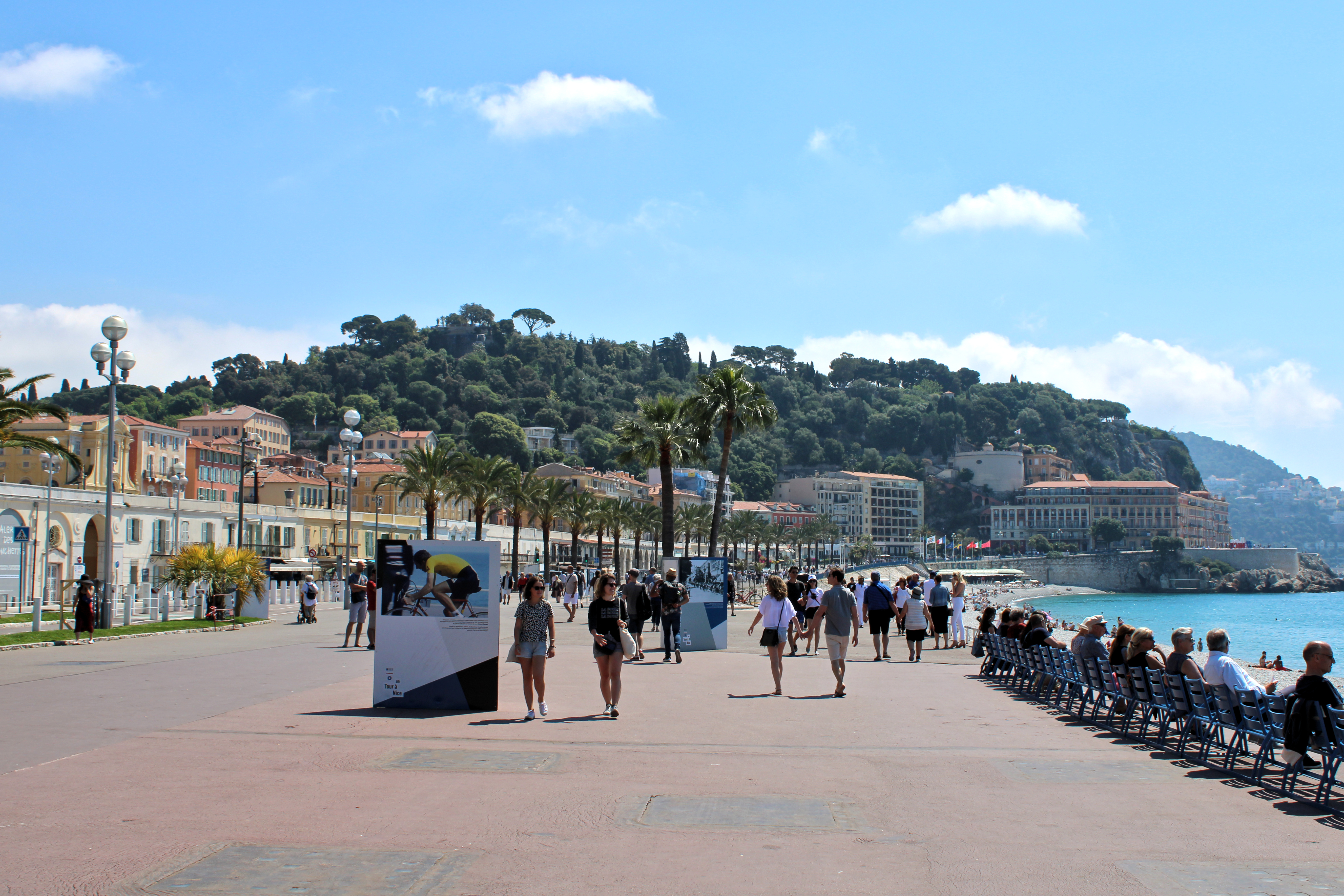
Promenade des Anglais, Old Town, Cours Saleya market, day trips to Èze hilltop village, Cap Ferrat, Monaco, and Cannes. Best March-May or September.
Lyon
2 daysBest for France's food capital
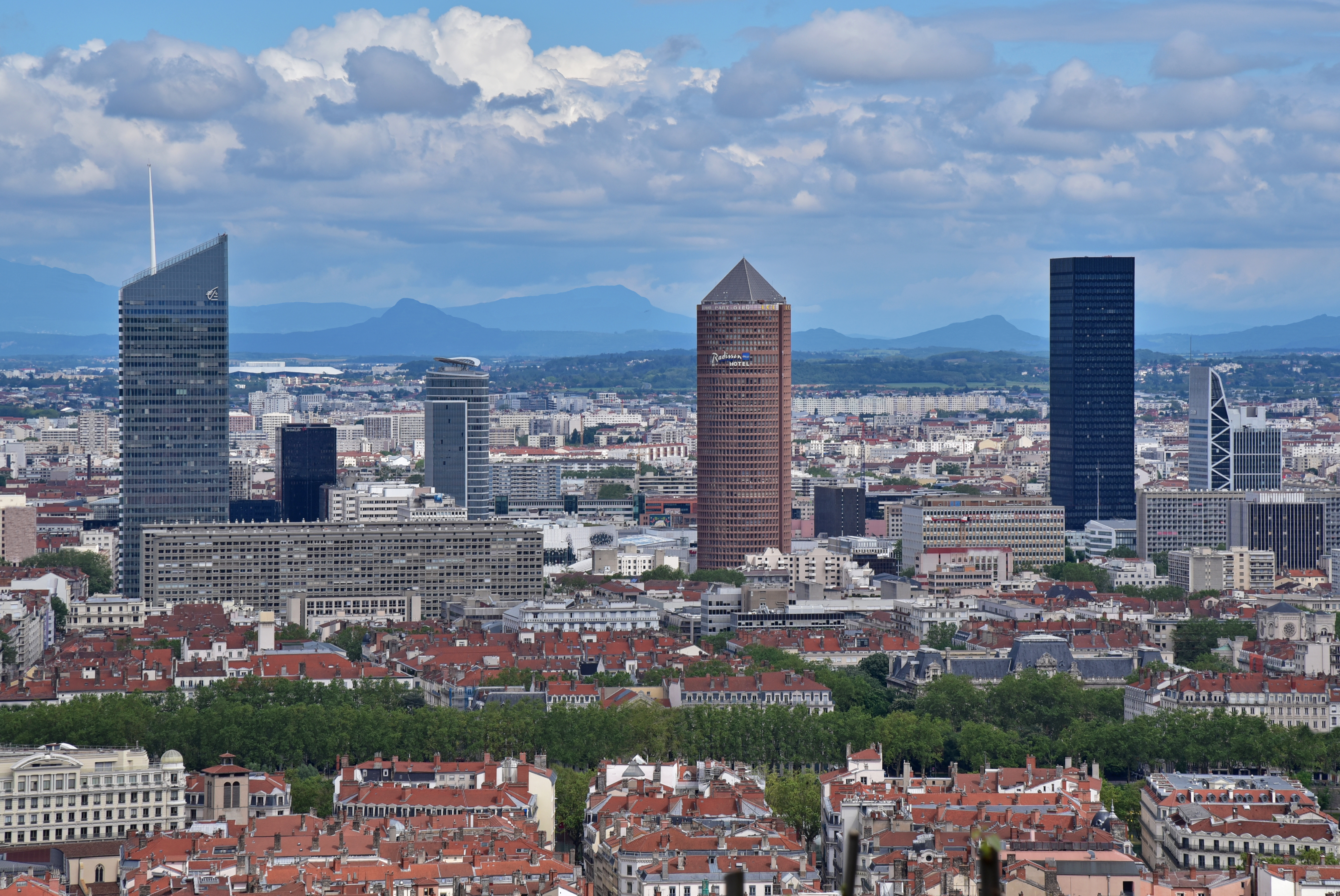
Bouchons (Lyonnaise bistros), Renaissance Vieux Lyon, Croix-Rousse silk-weaver district, Marché Paul Bocuse. Underrated, half Paris's prices, twice the food density.

Avignon & Provence
3-4 daysBest for lavender + Roman ruins + rosé
Papal Palace + Pont d'Avignon, Pont du Gard aqueduct, Arles Roman ruins + Van Gogh sites, Aix-en-Provence market days, Luberon hilltop villages. June-July for lavender.

Bordeaux & Wine Country
2-3 daysBest for wine + 18th-century elegance
Place de la Bourse mirror reflection, Cité du Vin museum, Saint-Émilion + Médoc wine-château day trips, Dune du Pilat coastal dune. Fast TGV from Paris (2 hr 5 min).

Strasbourg & Alsace
2 daysBest for Franco-German half-timbered villages
Petite France district, Strasbourg Cathedral + astronomical clock, day trip to Colmar (storybook canals), Alsace Wine Route villages (Riquewihr, Eguisheim). Christmas markets December peak.
Top things to do in France

The Eiffel Tower & Paris Icons
Eiffel Tower
Benh LIEU SONG (CC BY-SA 3.0)
World-Class Art Museums
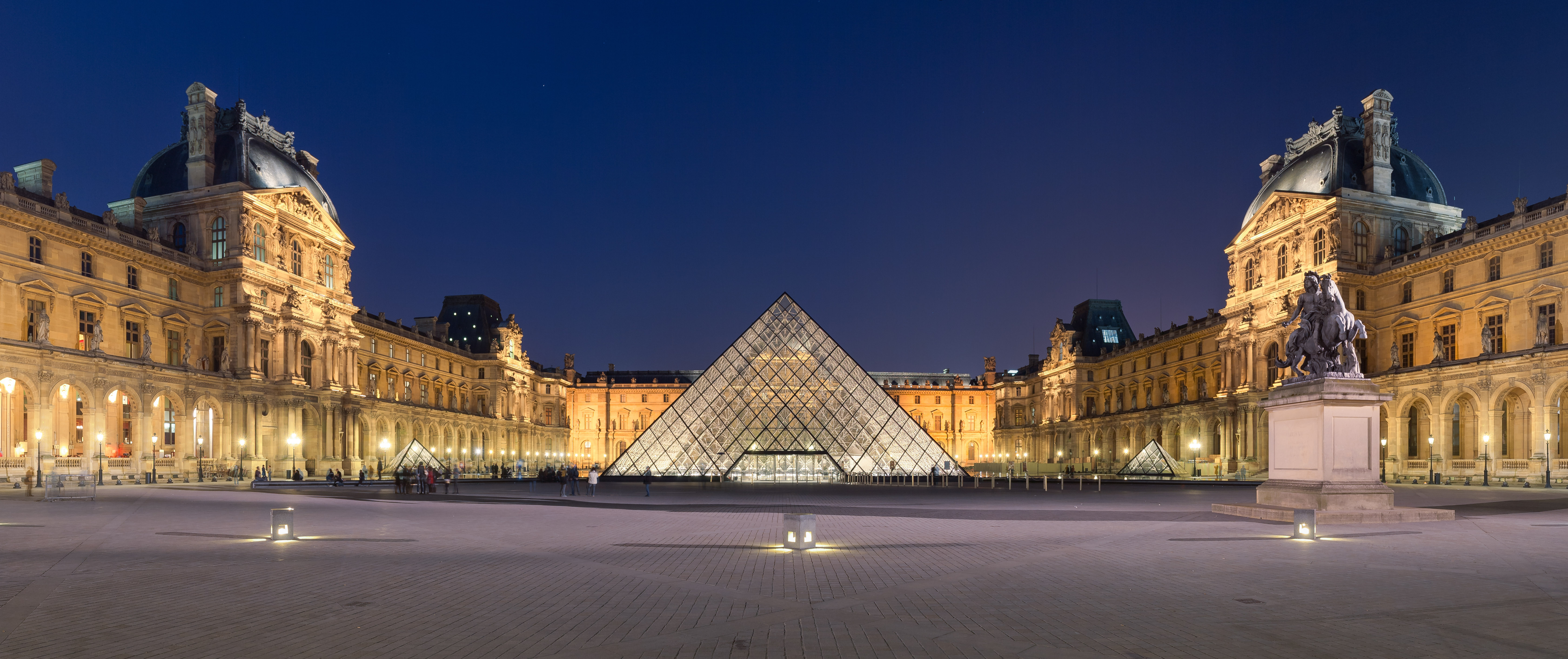
Louvre
Benh LIEU SONG (CC BY-SA 3.0)

Palace of Versailles & Royal Gardens
Palace of Versailles
ToucanWings (CC BY-SA 3.0)

Mont-Saint-Michel & Coastal Wonders
Mont-Saint-Michel
Cedric LAMBERT (CC BY-SA 4.0)

Provence Lavender Fields & Roman South
Provence Lavender
Karelj (CC BY-SA 3.0)

Iconic French Gastronomy
Les Halles Paul Bocuse
Ludovic Péron (CC BY-SA 3.0)

Charming Historic Villages
Colmar
--sinava-- from Berlin (CC BY 2.0)

An Ancient Roman Historical Site
Pont du Gard
Benh LIEU SONG (Flickr) (CC BY-SA 3.0)

A Medieval Pilgrimage Route Section
Vezelay Abbey
Wikipedia Commons

A Historic Regional Market
Les Halles de Lyon Paul Bocuse
Wikipedia Commons

A Fortified City's Rampart Walk
Cite de Carcassonne
Txllxt TxllxT (CC BY-SA 4.0)

A Scenic Hike or Mountain Trek
Calanques National Park
kallerna (CC BY-SA 4.0)
Food guide

Croissant
Flaky, buttery pastry, a benchmark of French boulangerie skill, best enjoyed fresh from the oven, providing a light, crisp start to the day.
USD 1-3
Petr Kratochvil (CC0)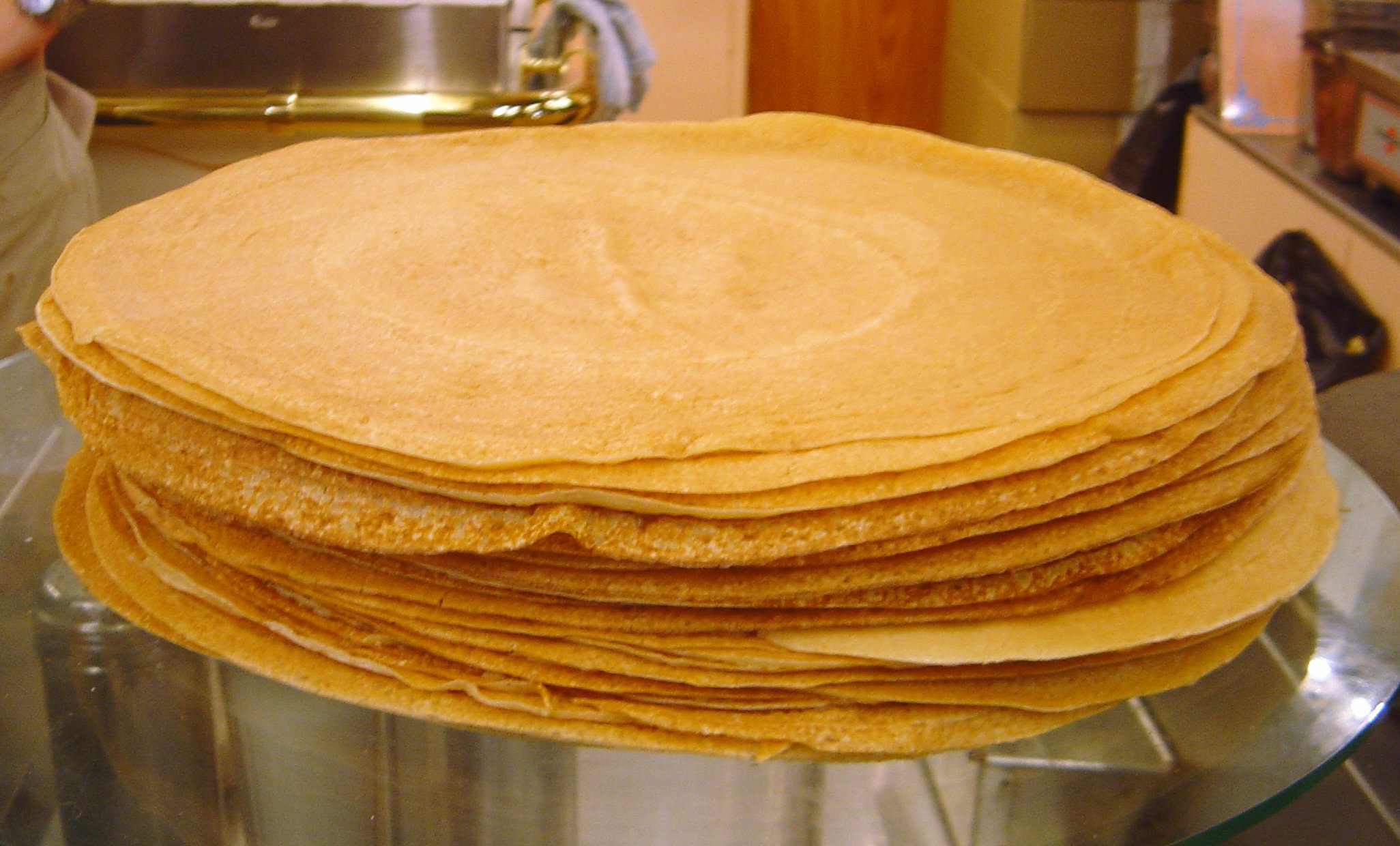
Crepe
Thin, versatile pancake, served either savory (galette) with fillings like cheese and ham, or sweet with sugar, fruit, or chocolate, a popular street food and dessert.
USD 4-10
David Monniaux (CC BY-SA 3.0)
Quiche Lorraine
Savory open-faced tart with a rich custard of eggs, cream, bacon, and sometimes cheese, originating from the Lorraine region, making for a substantial meal.
USD 7-14
Donna Alvita (CC BY-SA 4.0)
Ratatouille
A Provençal vegetable stew simmered with tomatoes, zucchini, eggplant, bell peppers and herbs, showcasing the fresh bounty of the South.
USD 10-20
Marcus Guimarães (CC BY 2.0)
Boeuf Bourguignon
A slow-cooked beef stew braised in red Burgundy wine with mushrooms, onions, and lardons, delivering deep savory flavors perfect for cooler weather.
USD 18-28
Slayschips (CC BY-SA 4.0)
Gratin Dauphinois
Layers of thinly sliced potatoes baked in milk or cream until tender, originating from the Dauphine region, served as a comforting and rich side dish.
USD 5-12
Ludovic Péron (CC BY-SA 3.0)Shopping guide
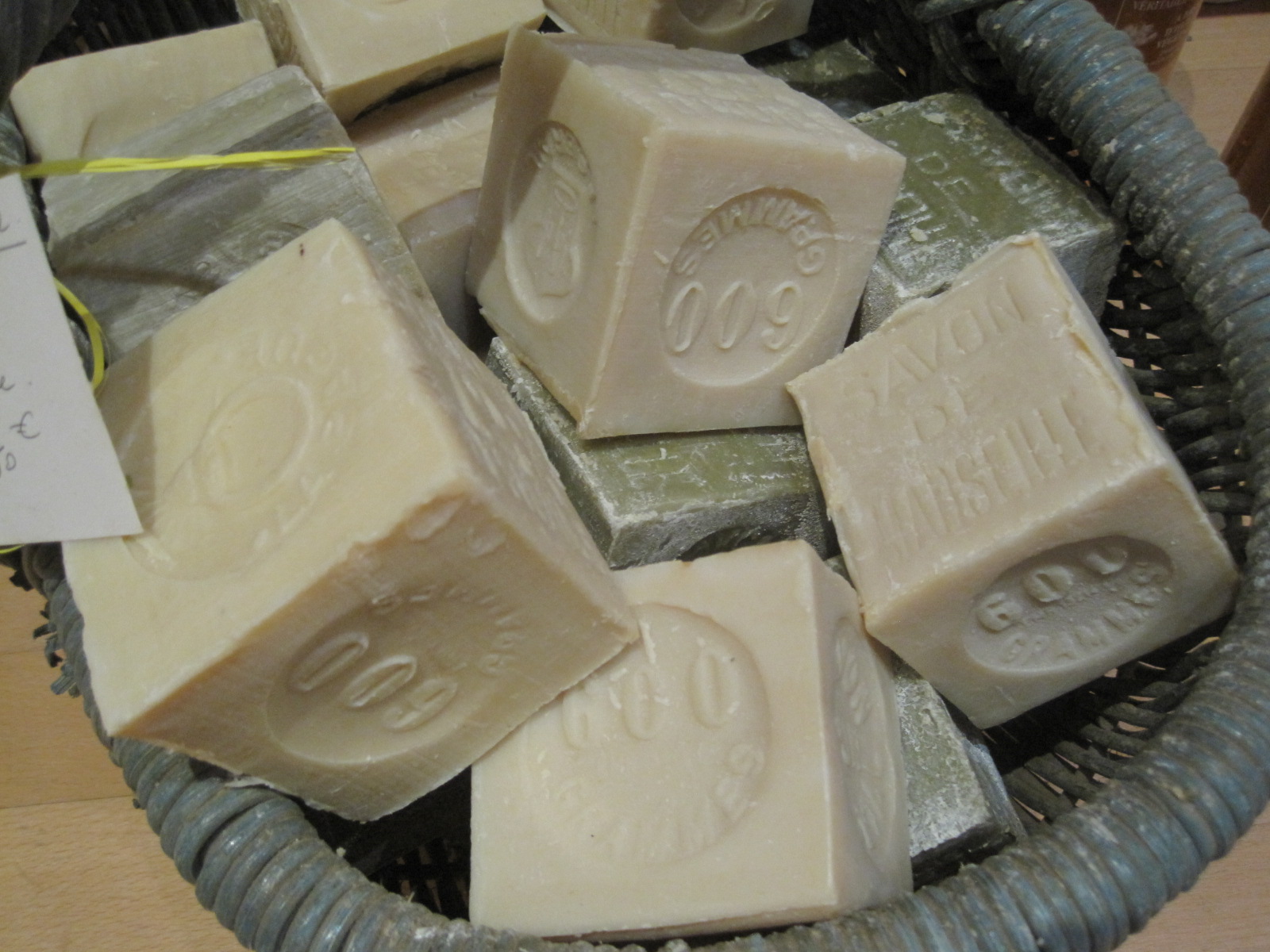
Savon de Marseille
Stock up on this traditional, olive oil-based soap, known for its purity, versatility, and gentle properties, often sold in large, rustic blocks.
La Maison du Savon de Marseille (multiple locations in France), traditional markets in Provence. · USD 5-25
Arnaud 25 (CC BY-SA 3.0)French Pharmacy Skincare
Access high-quality, effective dermocosmetic brands like La Roche-Posay, Avene, and Nuxe at significantly lower prices than international retailers, often with exclusive product lines.
Citypharma (Rue du Four), Parapharmacie Lafayette (Galeries Lafayette), any local 'pharmacie'. · USD 10-70

Artisanal Chocolate or Macarons
Indulge in exquisite, meticulously crafted chocolates or delicate macarons from world-renowned patissiers, a true taste of French culinary artistry and tradition.
Pierre Herme, Laduree, Patrick Roger, Jacques Genin, Jean-Paul Hevin. · USD 15-80
Bryan Ochalla (CC BY-SA 2.0)
French Wine or Champagne
Experience the terroir by finding exceptional regional wines and Champagnes not exported, often at significantly better prices than back home.
Nicolas (multiple locations), La Grande Epicerie de Paris, specific vineyard cellars in Bordeaux or Reims. · USD 15-200
Taken on September 22, 2005 (CC BY 2.0)
Specialty French Mustard or Preserves
Bring home unique regional mustards from Dijon or artisanal fruit preserves, showcasing France's rich gastronomic diversity and quality ingredients.
Maille Boutique (Paris for mustard), La Grande Epicerie de Paris for preserves, local markets. · USD 5-30
Rainer Zenz (CC BY-SA 3.0)
Fine French Linen Tea Towels or Tableware
Elevate your home with the quality and timeless elegance of French linen tea towels, tablecloths or unique ceramic tableware.
Le Jacquard Francais, Gien Boutiques, Fleux, Merci concept store. · USD 20-150
Photograph: Frank C. Müller, Baden-Baden (CC BY-SA 3.0)Festivals & timing
February
Nice Carnival + Menton Lemon Festival
Two weeks of flower-throwing parades on the Riviera. Nice has the bigger carnival; Menton (nearby) has the surreal Lemon Festival with giant citrus sculptures. Hotels book months ahead.
Worth planning around
Late May - June
French Open + Cannes Film Festival
Roland Garros tennis in Paris (last 2 weeks of May), Cannes Film Festival (mid-May, red carpets). Both spike prices and traffic; book months ahead or avoid those windows.
June - July
Lavender Bloom (Provence) + Bastille Day
Provence lavender peaks mid-June to mid-July (Valensole + Sault plateaus). Bastille Day (July 14): military parade Champs-Élysées, evening Eiffel Tower fireworks. Worth structuring a trip around either.
Worth planning around
August
Ferragosto / Vacances
France's summer holiday month. Many small Parisian businesses close 2-4 weeks. Riviera + Bordeaux pack to bursting at peak prices. Cities like Lyon and Paris empty of locals. Avoid for a first trip.
Better to avoid
December
Christmas Markets (Alsace + Paris)
Strasbourg, Colmar and Paris all host elaborate Christmas markets (late Nov - Dec 24). Alsace is the most: half-timbered villages dressed for Christmas. Hotel prices climb 30-50%; book months ahead.
Worth planning around
October - November
Wine Harvest + Beaujolais Nouveau
Wine harvest (vendange) in Burgundy, Bordeaux, Loire. Book château visits and tastings 4-6 weeks ahead. Beaujolais Nouveau release third Thursday of November. Mild weather, low crowds, fall foliage in Loire.
Worth planning around
Live events & modern attractions
Beyond classic sightseeing — the show to book, the match to watch, the place that shows you the country's present.

Wikipedia Commons
🎭 Live performance · Paris
Moulin Rouge, Paris
The original since 1889 — "Féerie" revue with 80+ artists, 1,000 costumes, and the famous French Cancan finale. Dinner + show is the classic format; show-only is cheaper.
When: Nightly · 9 PM & 11 PM
Wikipedia Commons
🏟️ Sport · Paris
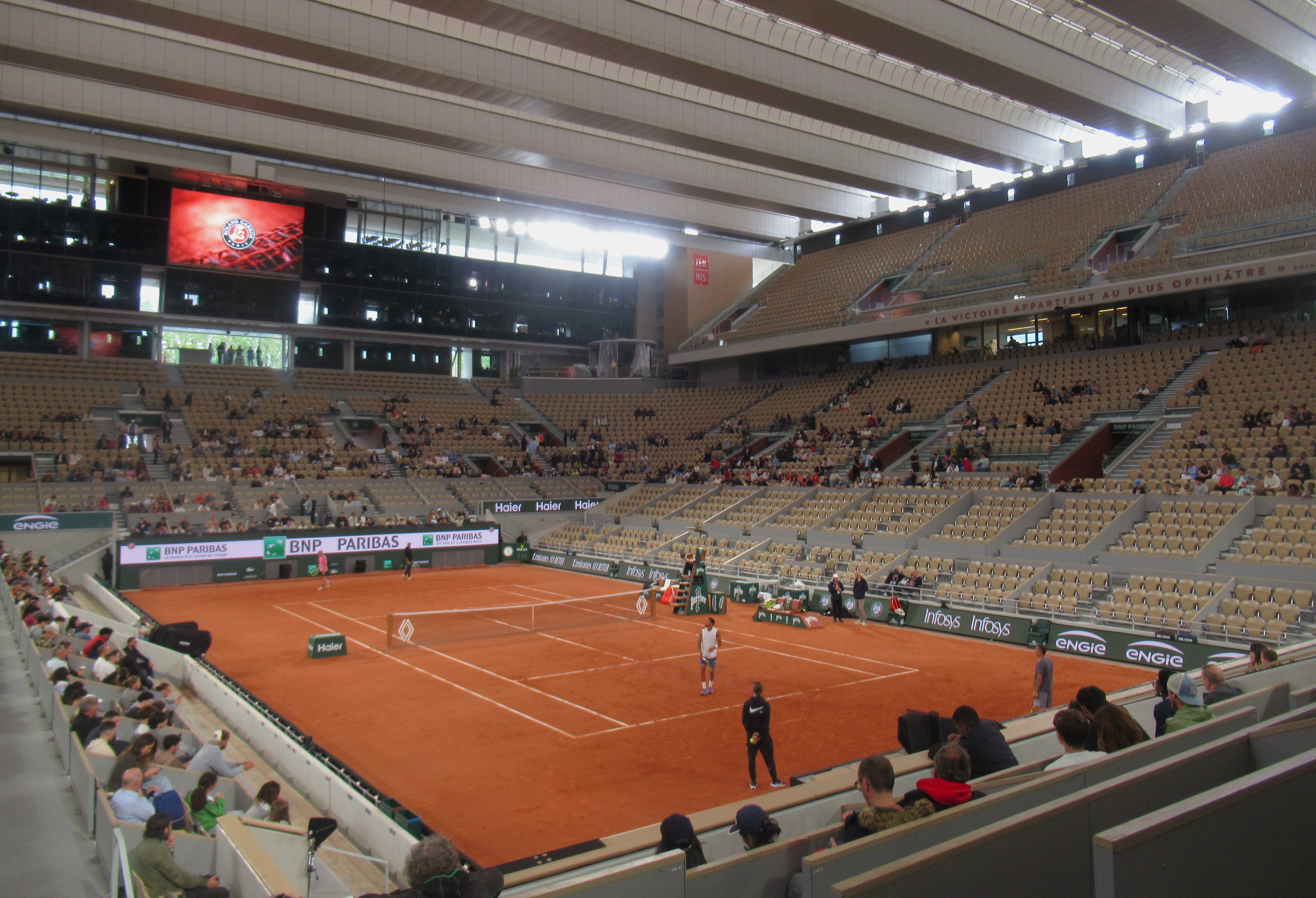
French Open at Roland-Garros, Paris
Two weeks of clay-court tennis at Stade Roland-Garros — Court Philippe-Chatrier is the cathedral. Ground passes are affordable; show-court tickets sell out by Feb.
When: Annual · late May to early June
Wikipedia Commons
🔬 Modern attraction · Paris
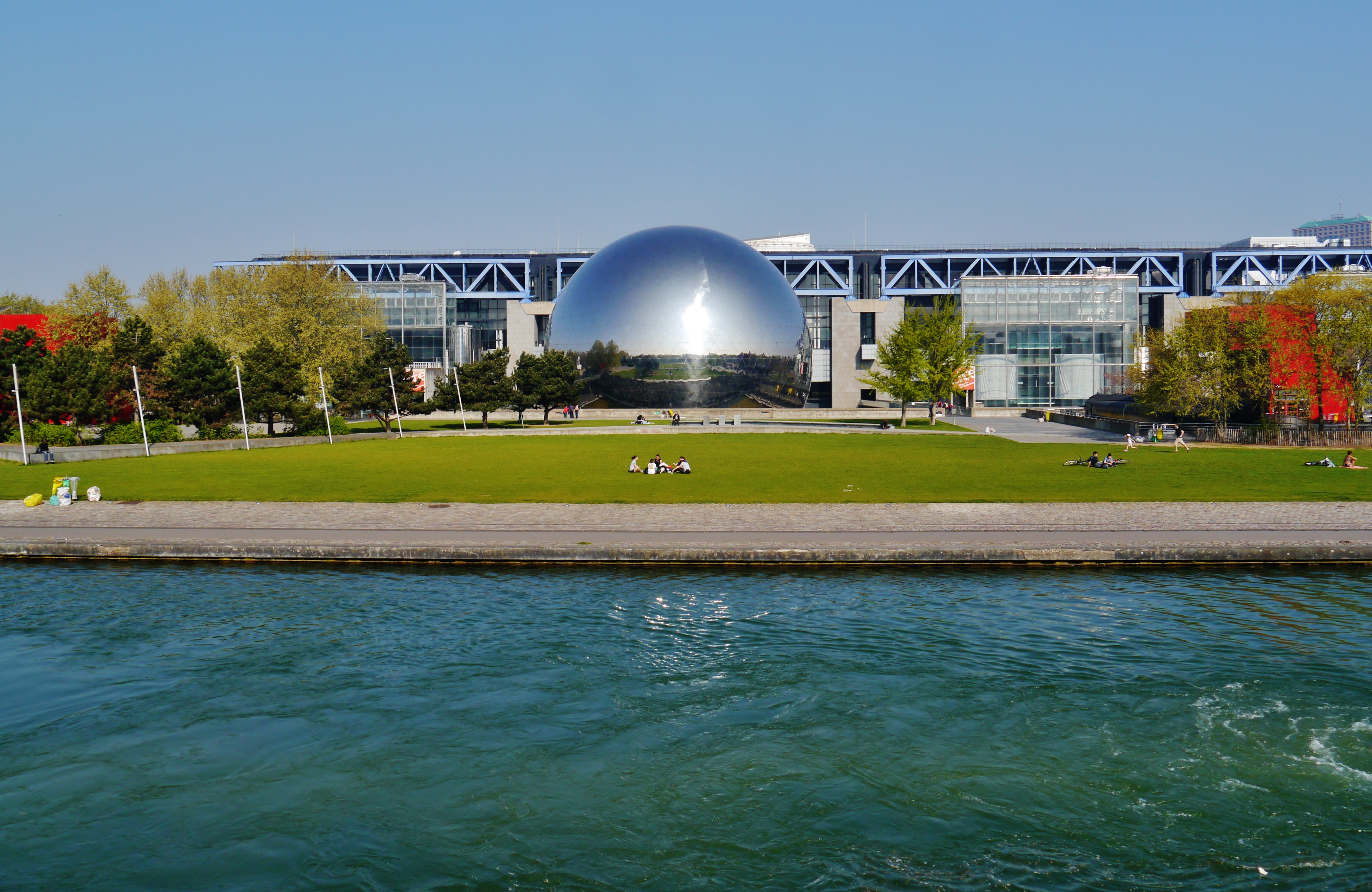
Cité des Sciences et de l'Industrie
Europe's largest science museum at Parc de la Villette — IMAX dome (La Géode), a submarine you can board, a planetarium, and outstanding kids' wings. Great metro-accessible rainy-day pick.
When: Tue–Sun · 10 AM–6 PM
Travel essentials
Connectivity & SIM
- Orange (Sosh, branded) — From 20 EUR for 10-20GB / 30 daysWhere: Orange stores, tabacs (tobacco shops), or online for eSIMs (e.g., Airalo, Holafly)
- SFR (RED by SFR, branded) — From 15 EUR for 10GB / 30 daysWhere: SFR stores, supermarkets, or online for eSIMs
- Bouygues Telecom (B&You, branded) — From 10 EUR for 5GB / 30 daysWhere: Bouygues stores, phone retailers, or online for eSIMs
- Citymapper (for major cities like Paris, Lyon) — Provides real-time public transport navigation, including metro, bus, tram, and train schedules.
- Google Translate — Offers instant text, voice, and camera translation for menus, signs, and conversations.
- SNCF Connect — Allows booking and managing train tickets for intercity travel across France.
- Uber/Free Now — For ride-hailing services in major French cities, offering a convenient alternative to taxis.
Cultural notes
Always greet with a 'Bonjour' or 'Bonsoir' upon entering any establishment or starting a conversation; failure to do so is considered rude. French social interactions emphasize courtesy and formality; avoid speaking with your hands in your pockets. When dining, meals are typically a leisurely affair; do not expect fast service and refrain from rushing your meal or asking for the bill immediately after eating. While conversation can be animated, avoid overly loud discussions in public spaces, especially on public transport.
Safety
France, particularly its major cities, experiences widespread pickpocketing in crowded tourist areas like the Paris Metro, markets, and popular attractions. Be especially vigilant in such spots, keeping valuables secure in front pockets or zipped bags. Additionally, political protests and demonstrations, while usually peaceful, can occasionally turn disruptive and block traffic in city centers; check local news if planning to be in a demonstration area. While rural France is generally very safe, some specific suburbs of major cities are known for higher crime rates; research areas before venturing outside central tourist districts.
What to pack
- Versatile scarf (for warmth, style, or modest covering in churches)
- Layered clothing (t-shirts, light sweater, jacket for varied weather)
- Small cross-body bag (security in crowded city areas)
- Comfortable dress shoes (for city walking and nicer restaurants)
- Compact umbrella (sudden rain showers in cities)
- Lightweight travel adapter (Type E/F)
- Portable power bank (for navigation and photos)
- Reusable shopping bag (for markets and daily purchases)
- Basic French phrasebook (for interactions outside tourist areas)
- Water bottle (tap water is safe and refillable)
Electric Socket Guide(230V · 50Hz)
Socket Types
Two round pins (most of Europe, South America)
Two round pins + ground hole (France, Belgium)
Planning checklist
Book Louvre + Eiffel Tower + Versailles weeks ahead.
All three sell out timed-entry slots in peak season. Direct booking: louvre.fr, toureiffel.paris, chateauversailles.fr. Avoid Viator/GetYourGuide resellers; same product, 50-100% markup. The early-morning first-entry slot (9 AM Louvre, top tier-Eiffel Tower) avoids the worst tour-group crowds.
Pre-book TGV tickets 60+ days out.
SNCF TGV dynamic-prices like airlines: Paris↔Lyon is €30 booked 60 days ahead, €120 day-of (as of mid-2026; TGV fares are dynamic, check current on SNCF Connect). Ouigo is the budget TGV competitor with slightly cheaper fares. Book on SNCF Connect (official) or Trainline.eu. "Standard" class is fine for short hops; "Première" only matters for 4+ hour rides.
Get your ETIAS in order if you're a non-EU traveler.
Starting late 2026, US/UK/Canadian/Australian passports need an ETIAS online pre-authorization (€20, valid 3 years, like the US ESTA). Apply on the official EU ETIAS site (travel-europe.europa.eu) a few weeks before; don't fall for "expedited" scam sites.
Lock dinner reservations the same day you book hotels.
Top bistros in Paris (Le Comptoir du Relais, L'Ami Jean), Lyon (Brasserie Georges, Daniel et Denise) and the Riviera need same-day or week-ahead bookings even in shoulder season. TheFork and direct phone are the move; Michelin-star spots need 1-2 months ahead.
Avoid August.
Mid-July through August is when family-run restaurants close, Paris empties, Riviera overflows at peak prices and the interior hits 35°C+. Cherry-pick May/June or September/October for dramatically better weather and pricing.
Skip the rental car for the city triangle.
Paris, Lyon, Avignon, Nice are connected by TGV. French city centers have Crit'Air emission-sticker zones; driving inside one without the right sticker triggers fines around €68 (verify current on the official Crit'Air site). Rent only for the Loire Valley, Provence backroads, Alsace Wine Route or Normandy.
Master "Bonjour" before you land.
Every interaction starts with "Bonjour" (or "Bonsoir" after 6 PM). Skip it and you'll get cold service even from English-fluent staff. "Bonjour, parlez-vous anglais?" is the magic opener; almost always answered with at least basic English plus warmer service.
Avoid these first-timer mistakes
Not booking the Louvre / Eiffel Tower tickets ahead
Louvre + Eiffel Tower both sell timed-entry slots that book out 2-4 weeks ahead in peak season. Book direct: louvre.fr and toureiffel.paris. Skip-the-line resellers mark up 50-100%. Eiffel Tower 'summit' tickets sell out fastest.
Eating dinner at 6 PM
French restaurants open for dinner at 7:30-8 PM and locals don't sit down till 9 PM. Before 7:30 you'll only find tourist trap menus near major landmarks. Lock 8:30 PM for an authentic meal; apéro (drinks + nibbles) from 6-8 PM bridges the gap.
Visiting in August
Half of Paris closes for 2-4 weeks of August holidays. Family-run bistros, boutiques, even some museums close. Riviera prices triple and beaches pack. Locals all flee Paris for the south. May-June and September-October are dramatically better.
Pickpocketing on Paris Metro + tourist sites
Line 1 (Louvre-Champs-Élysées), Trocadéro, Gare du Nord, and Sacré-Cœur stairs are pickpocket hotspots. Keep wallet/phone in front pocket or zipped bag. The 'gold ring' and 'sign-this-petition' scams target tourists near major landmarks; ignore and walk on.
Speaking English without 'bonjour' first
Starting any French interaction with 'Bonjour' (or 'Bonsoir' after 6 PM) is non-negotiable etiquette. Skip it and you'll get cold, slow service even from people who speak fluent English. 'Bonjour, parlez-vous anglais?' is the magic opener.
Wearing shorts to nicer restaurants
Lyon bouchons, Paris bistros, and Riviera beach clubs have a dress code that's stricter than tourists expect. Smart-casual minimum (dark jeans + collared shirt for men). Beachwear is fine on the actual beach, not the restaurant on the promenade.
Buying tickets at the train station last-minute
TGV high-speed tickets dynamic-price like airlines: €30 booked 60 days ahead, €120 day-of (as of mid-2026; TGV fares are dynamic, check current on SNCF Connect). Book on SNCF Connect (or Trainline.eu). Validate paper tickets in the yellow platform machines before boarding regional trains (TER) or you face €50+ fines for unstamped.
Frequently Asked Questions
Five days fits Paris alone, ten covers Paris, the Loire Valley and Provence, and fourteen adds the French Riviera. Book TGV trains and Louvre tickets ahead, and check for August closures. Budget about $70-110 a day as a backpacker, $170-300 mid-range, or $500+ for luxury.
Ten to fourteen days is the sweet spot: three days in Paris, two in the Loire (Versailles + château day trips), three in Provence (Avignon + Arles + Aix), three on the Riviera, plus travel days. Seven days works for just Paris + Loire OR Paris + Provence. Five days is enough for Paris alone. Adding the Alps, Bordeaux, or Brittany to a first trip turns most days into travel days.
May-June and September-October are the sweet spots: perfect weather everywhere, fewer crowds than peak summer, gardens in bloom or autumn foliage. Avoid August (Paris half-closed for vacances, Riviera overcrowded at peak prices). Winter (Nov-March) is fine for Paris museums and Alsace Christmas markets, but rural Provence shuts down. Lavender peaks mid-June to mid-July.
Most Western passport holders (US, UK, Canada, Australia) get 90-day visa-free entry under Schengen rules; just a passport stamp. Starting late 2026, ETIAS (€20 online pre-authorization, valid 3 years) is required for non-EU citizens, similar to the US ESTA. Apply on the official EU ETIAS site (travel-europe.europa.eu) a few weeks before; don't fall for 'expedited' scam sites.
TGV high-speed trains are the canonical answer: Paris↔Lyon in 2 hr, Paris↔Avignon in 2.5 hr, Paris↔Bordeaux in 2 hr 5 min, Paris↔Strasbourg in 1 hr 45 min. Book on SNCF Connect 60+ days ahead for the cheapest fares (€30-50 vs €120 last-minute, as of mid-2026; TGV fares are dynamic, check current on SNCF Connect). Ouigo is the budget TGV competitor. For the Riviera, fly into Nice; for the Alps, fly to Lyon or Geneva. Skip rental cars in cities; Paris parking is brutal.
Cards work nearly everywhere: even small bistros and boulangeries take contactless. Apple Pay and Google Pay are universal. Cash is occasionally needed for tiny markets, public toilets, and rural restaurants; carry €100-200 in small bills. Most US cards work fine; some bistros don't accept American Express. Withdraw at bank ATMs (BNP, Société Générale, Crédit Agricole) to avoid Euronet 'tourist' ATM fees.
Very safe by global standards: violent crime against tourists is rare, women routinely travel solo. The real risks are pickpocketing on Paris Metro Line 1 (Louvre-Champs-Élysées corridor), Gare du Nord, Sacré-Cœur stairs, and Trocadéro. Watch for the gold-ring and petition-signing scams near landmarks. Late-night safety is good in Paris's 1st-8th arrondissements; quieter outer arrondissements thin out after midnight.
Eat regionally. Paris: croissants from a real boulangerie (not chain), steak-frites, escargots, late-night onion soup. Lyon: bouchons for quenelles, andouillette, salade lyonnaise; the food capital, by some distance. Provence: bouillabaisse, ratatouille, fresh rosé. Riviera: socca (chickpea pancake) in Nice, salade niçoise on the actual coast, daube niçoise. Burgundy: boeuf bourguignon and the actual escargots de Bourgogne. Alsace: choucroute, tarte flambée, kougelhopf. Skip restaurants with picture menus.
Only for the Loire Valley châteaux, Provence villages, Alsace Wine Route, Normandy/D-Day sites, or rural Brittany. For the Paris-Lyon-Riviera triangle, TGV is dramatically faster and avoids the punishing French ZTL fines (Crit'Air emission stickers required in Paris/Lyon/Grenoble city centers). Most rental centers are at airports or train stations; pick up there, not in the city itself.