Iceland travel guide cover photo

Iceland Travel Guide: Reykjavík, Golden Circle, South Coast, and the Ring Road

A first-timer's guide to Iceland — the rental-car insurance, weather-app obsession, and waterfall-priority details everyone gets wrong.

Last updated May 26, 2026 · By Mango

Iceland rewards the traveler who slows down enough to weather-watch. The country is small — you can drive across it in a day — but the weather changes hourly, F-roads open and close on Met Office whim, and the Northern Lights only show up when you've already given up and gone to bed. First-timers who try to "do" Iceland in five days and tick off Ring Road end up spending most of those days in the car with no time to walk to a waterfall. The people who fall in love with Iceland pick a region, base out of a guesthouse, and check vedur.is more than they check the news.

The friction first-timers underestimate is the rental car. Iceland-specific insurance riders — gravel-paint, sand-and-ash, F-road — are not optional, and ignoring them can run €1,500-3,000 on a single windy day. Reynisfjara's sneaker waves kill tourists every couple of years; stay 30m back, always. Blue Lagoon sells out weeks ahead. Bottled water at €4 is a tax on people who didn't know the tap is among the cleanest in the world.

This guide handles the country-level decisions: when to come for what, which loop fits which trip length, what to skip in 5 days. For a day-by-day plan with specific guesthouses, restaurants, and tour bookings, the 7-day Iceland itinerary is the companion piece.

Choose your trip length

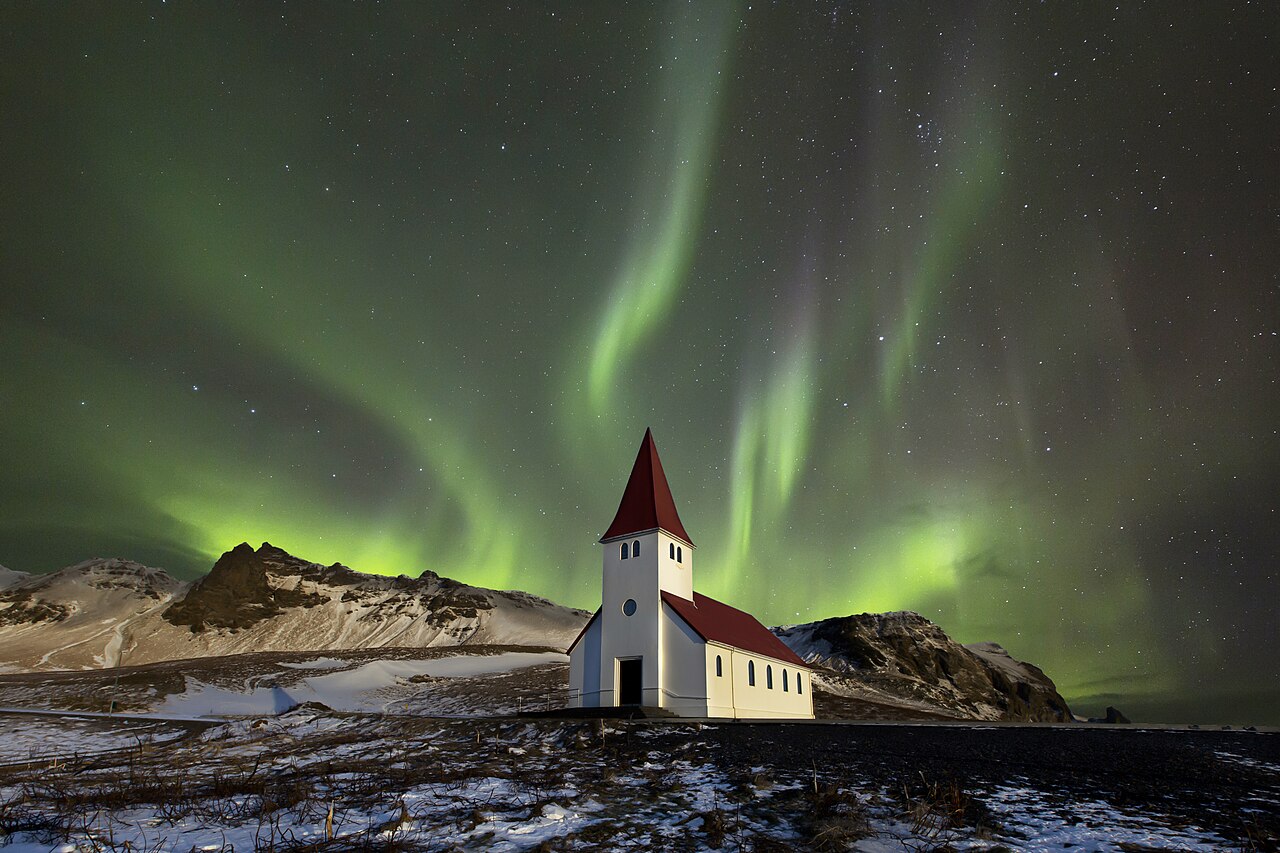
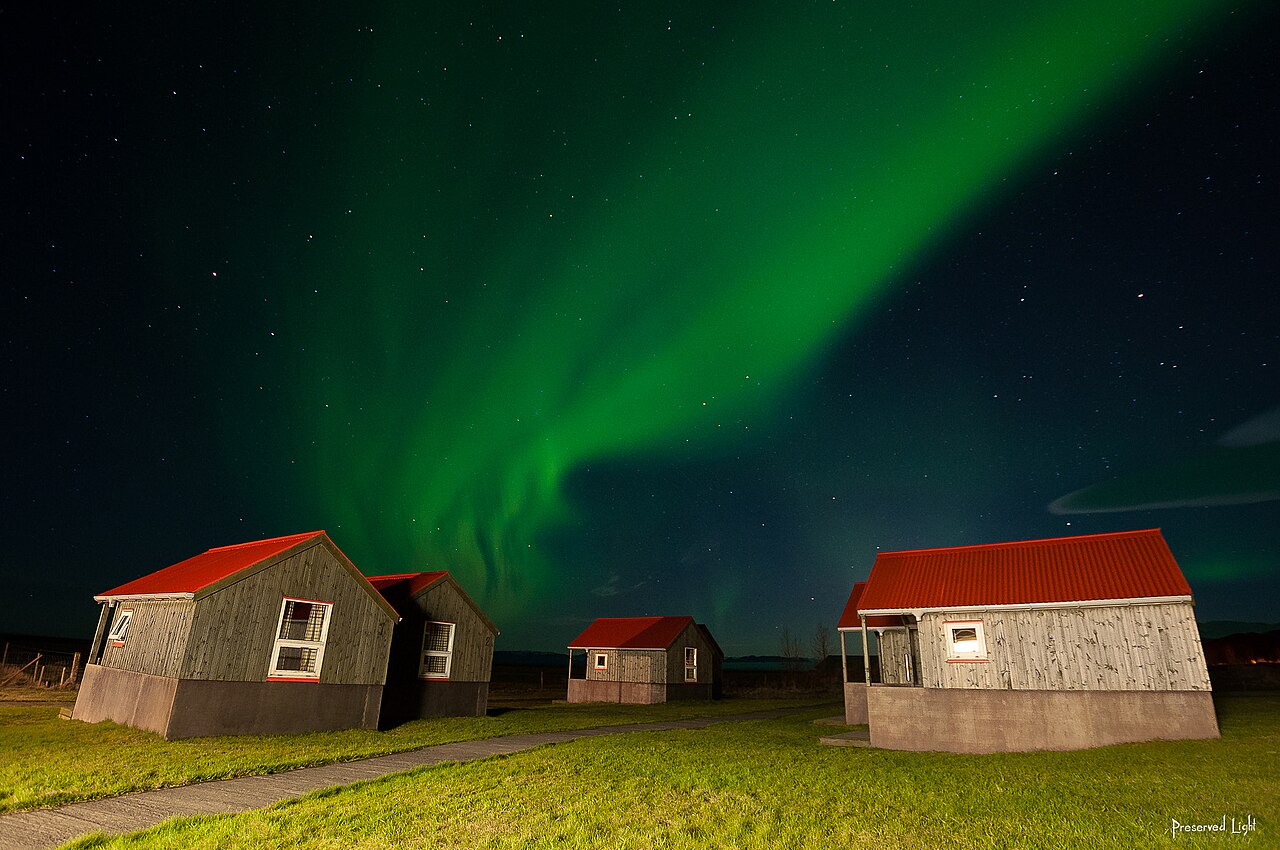
Northern Lights (Aurora Borealis)
MonkeyEatingMango

Must-have experience 🌌

Northern Lights (Aurora Borealis)

e.g., Aurora Borealis

Best time to visit
June to August offers the mildest weather (10-15C, 50-59F) and 20-24 hours of daylight, making it ideal for hiking and road trips, but expect peak crowds and higher prices. May and September are shoulder seasons with fewer tourists, average temperatures of 5-10C (41-50F), and still ample daylight (12-18 hours). Winter (October to April) brings temperatures from -5 to 5C (23-41F), short daylight hours (4-8 hours), and the best chance to see the Northern Lights, but many F-roads are closed and weather can be severe.
Currency
Icelandic Krona (ISK)
Visa
US, EU, UK, Australian, Canadian citizens can enter Iceland visa-free for up to 90 days within a 180-day period. Indian citizens typically require a Schengen visa, which must be applied for in advance at an Icelandic embassy or consulate. All passports must be valid for at least three months beyond your intended departure date from the Schengen Area. Other nationalities should check the official Directorate of Immigration website for specific requirements.
Tipping
Tipping is not customary in Iceland. Service charges are usually included in prices, and staff do not expect extra gratuities at restaurants, cafes, hotels, or for taxi services. Tips are often refused and can cause confusion.
Emergency
112 (all emergencies)

Estimated daily cost

Backpacker

$80-150/day

Guesthouses with shared kitchens ($40-70), supermarket meals from Bónus or Krónan, public bus on Reykjavík/Golden Circle, camping in summer. Iceland's 'budget' floor is higher than most European countries' mid-range.

Mid-range

$200-400/day

3-star hotels and modern guesthouses ($150-250/night), restaurant lunch + cook dinner, rental car with full insurance ($80-120/day in summer), Blue Lagoon Comfort tier. The realistic first-timer tier.

Luxury

$600-2000+/day

ION Adventure, Deplar Farm, glass-roof lodges for aurora viewing, helicopter glacier tours ($800+/person), full-day private 4x4 guides, Michelin-style tasting menus at Dill. Iceland luxury is among the most expensive in the world.

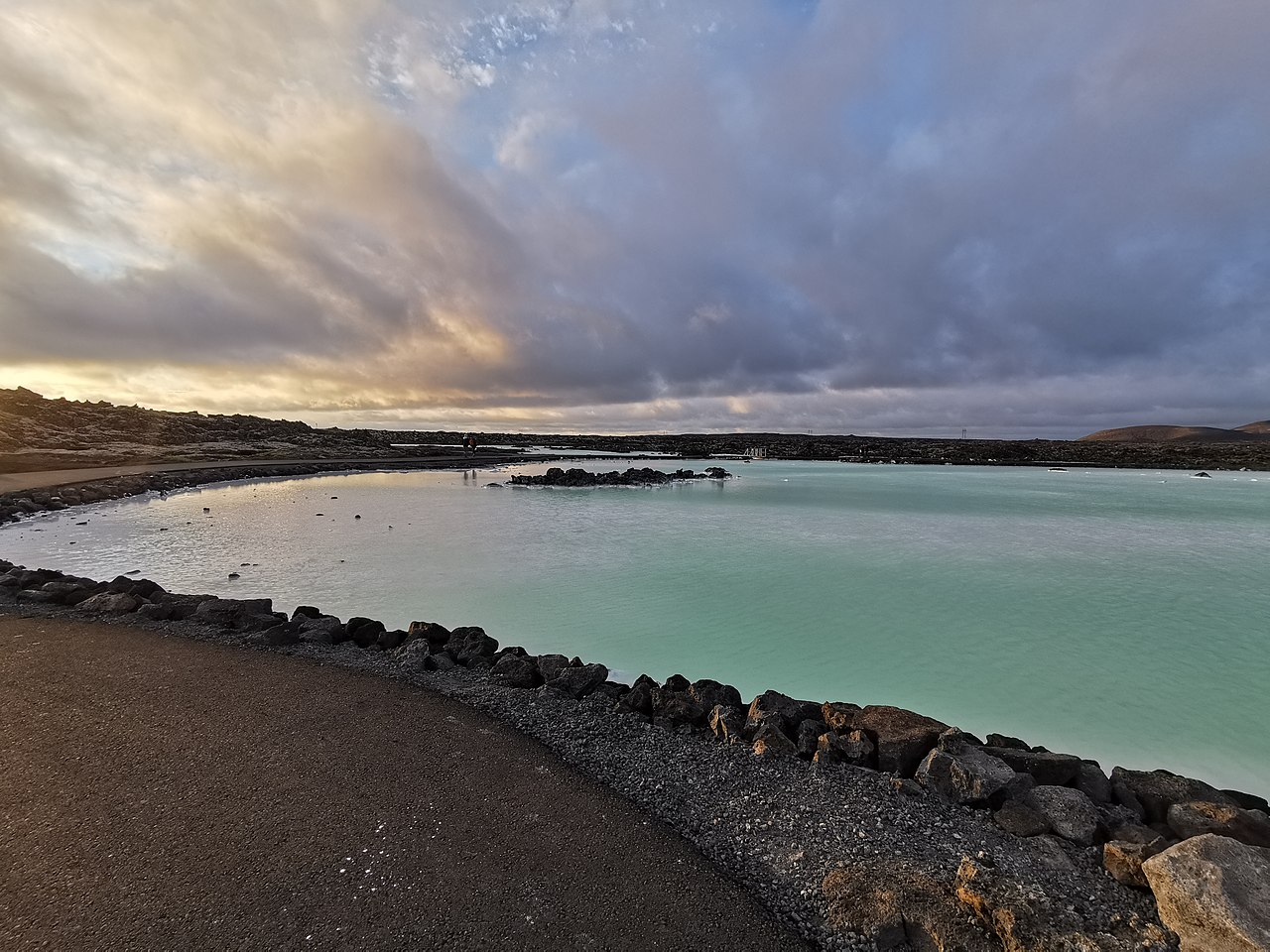
Blue Lagoon & Geothermal Spas
MonkeyEatingMango

Must-have experience ♨️

Blue Lagoon & Geothermal Spas

e.g., Blue Lagoon

Jan
O
Feb
O
Mar
S
Apr
S
May
S
Jun
P
Jul
P
Aug
P
Sep
S
Oct
O
Nov
O
Dec
O
Off-peak (cheaper) Shoulder Peak (priciest)Baseline: January

Festivals & timing

January-February

Þorrablót

Mid-winter Viking food festival — fermented shark (hákarl), sheep head (svið), brennivín liquor shots. Hotels and tour companies offer 'authentic' versions for tourists. Skip if you're squeamish, attend if you're game.

Late August (long weekend)

Verslunarmannahelgi (Trade Workers' Weekend)

Iceland's biggest holiday weekend — half the country goes camping, Reykjavík empties, and roads/ferries fill. Þjóðhátíð festival on Vestmannaeyjar islands draws 18,000 people. Avoid driving the Ring Road on these dates.

Better to avoid

Early August

Reykjavík Pride

One of Europe's biggest Pride parades relative to population — about a third of the entire country attends. Reykjavík books out 2+ months ahead; book accommodation early or stay in Hafnarfjörður and bus in.

Worth planning around

Early November

Iceland Airwaves Music Festival

Four days of independent music in venues across Reykjavík — Sigur Rós, Of Monsters and Men, Björk have all played. Wristband tickets are affordable, the off-venue program is free, and aurora season is in full swing.

Worth planning around

September - mid-April

Northern Lights season

Aurora is only visible in dark skies — pretty much impossible May-August (Midnight Sun). The peak viewing window is late September through early April, with clearest skies on cold cloud-free nights. Aurora forecast at vedur.is.

Worth planning around

December 31

Reykjavík New Year's Eve

Iceland has no fireworks regulation — the entire country lights up in DIY pyrotechnic fundraisers for local rescue squads. The Reykjavík skyline at midnight is unlike anywhere else on Earth. Book 4+ months ahead.

Worth planning around

Live events & modern attractions

Beyond classic sightseeing — the show to book, the match to watch, the place that shows you the country's present.

Harpa Concert Hall + Iceland Airwaves

Wikipedia

🎭 Live performance · Reykjavík

Harpa Concert Hall + Iceland Airwaves

The Icelandic Symphony Orchestra plays Harpa year-round; in early November the building (and rest of central Reykjavík) is taken over by the Iceland Airwaves festival — Sigur Rós, Of Monsters and Men, Björk roots.

When: Year-round · Airwaves early Nov

Reykjavík Marathon

Wikipedia Commons

🏟️ Sport · Reykjavík

Reykjavík Marathon

Iceland's largest sporting event — full marathon, half, 10K, and a free fun-run. Coincides with "Culture Night" the same evening; the city throws a party.

When: Annual · August

Perlan – Wonders of Iceland

Wikipedia Commons

🔬 Modern attraction · Reykjavík

Perlan – Wonders of Iceland

A real ice cave inside a hot-water tank dome — plus a planetarium, Northern Lights show, and a 360° observation deck over the city. The single best rainy-day or aurora-cloud pick in Reykjavík.

When: Daily · 9 AM–9 PM

Major cities at a glance

Reykjavík
Wikipedia Commons

Reykjavík

2 days

Best for design capital, nightlife, geothermal pools

Hallgrímskirkja church and the Perlan observation deck, the Old Harbour for whale-watching boats, Bæjarins Beztu Pylsur hot dog stand, plus Sundhöllin geothermal pool for a local soak.

Golden Circle
Wikipedia Commons

Golden Circle

1 day (loop)

Best for Þingvellir rift, geysers, Gullfoss waterfall

Three sites in a 230km day loop from Reykjavík — Þingvellir National Park (where Eurasian and North American plates pull apart), Geysir geothermal area, and Gullfoss waterfall. Add Kerið crater or Secret Lagoon if you have time.

Vík & South Coast
Wikipedia Commons

Vík & South Coast

2 days

Best for waterfalls, black-sand beaches, glacier walks

Seljalandsfoss (the walk-behind waterfall), Skógafoss, Reynisfjara black-sand beach with basalt columns, Dyrhólaey arch, and the Sólheimajökull glacier tongue. Vík village is the only real settlement for 100km.

Jökulsárlón & Vatnajökull
Wikipedia Commons

Jökulsárlón & Vatnajökull

2 days

Best for glacier lagoon, ice caves, Diamond Beach

Iceland's iconic glacier lagoon with floating icebergs, the adjacent Diamond Beach where ice chunks wash ashore on black sand, plus Skaftafell hiking and winter ice-cave tours into Vatnajökull (Nov-Mar only).

Akureyri & North
Wikipedia Commons

Akureyri & North

2 days

Best for northern capital, Lake Mývatn, Goðafoss

Iceland's 'capital of the north' — Goðafoss waterfall, Lake Mývatn (geothermal area like a mini Yellowstone), Dettifoss (Europe's most powerful waterfall), plus the Diamond Circle drive that mirrors the Golden Circle up north.

Snæfellsnes Peninsula
Wikipedia Commons

Snæfellsnes Peninsula

1-2 days

Best for 'Iceland in miniature', Kirkjufell, lava fields

Kirkjufell — Iceland's most-photographed mountain — Snæfellsjökull glacier (Jules Verne's Journey to the Center of the Earth volcano), black-pebble beaches at Djúpalónssandur, and the Búðir black church. Day-trippable from Reykjavík.

Golden Circle Waterfalls & Geysers
Wikipedia Commons

Must-have experience 💧

Golden Circle Waterfalls & Geysers

e.g., Gullfoss

Food guide

Iceland's food scene prioritizes simple, hearty traditional fare and fresh, high-quality ingredients, often with a modern Nordic twist. Hot dog stands like Baejarins Beztu Pylsur are a ubiquitous local institution, while refined seafood and lamb dishes dominate Reykjavik's central district restaurants. Expect an emphasis on preserved foods, reflecting historical necessity, alongside innovative uses of local produce.

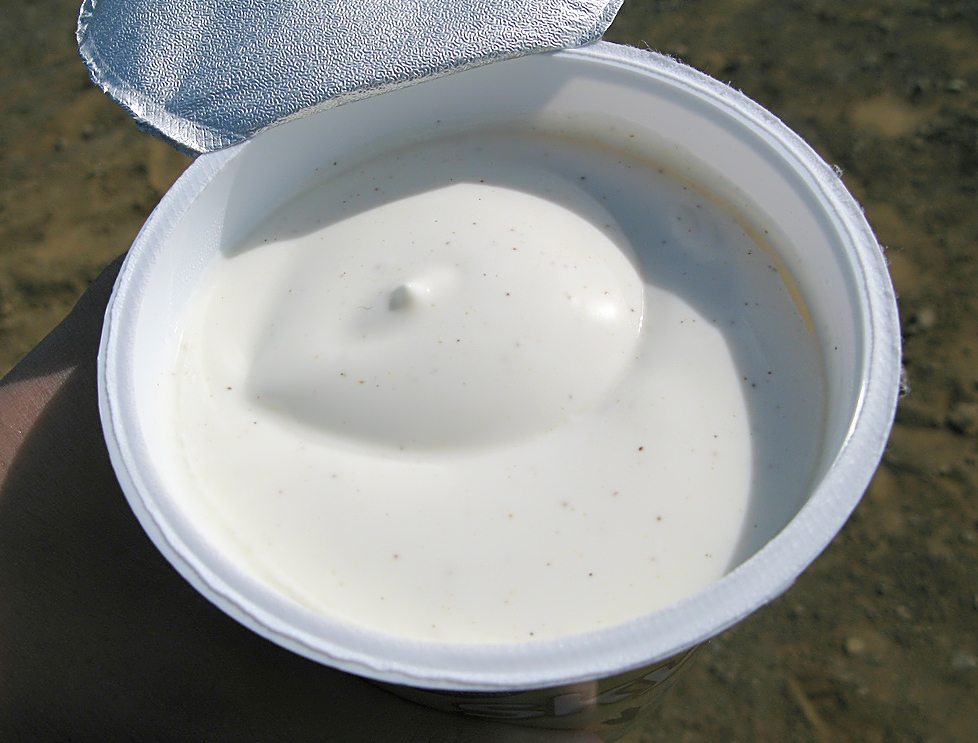
Skyr

Skyr

A unique, thick, fermented dairy product distinct from yogurt or quark, culturally significant and often enjoyed for breakfast or as a healthy snack, usually with berries or a sprinkle of sugar.

4 USD

Pylsur

Pylsur

This lamb, pork, and beef hot dog is a national obsession, topped with crispy fried onions, raw white onions, sweet brown mustard, and remoulade; a true Icelandic fast-food experience.

Hot dog stands, such as the one on Hafnarstraeti in Akureyri or Baejarins Beztu Pylsur in Reykjavik · 5 USD

Kjotsupa

Kjotsupa

This hearty, traditional lamb and vegetable soup is a staple for colder weather, showcasing Iceland's robust lamb and simple, comforting flavors in a rich broth.

18 USD

Plokkfiskur

Plokkfiskur

A comforting, traditional fish and potato mash often prepared with leftover cod or haddock, typically baked with cheese and served alongside dark rye bread.

22 USD

Reynisfjara Black-Sand Beach
Wikipedia Commons

Must-have experience 🌊

Reynisfjara Black-Sand Beach

e.g., Reynisfjara

Shopping guide

Shopping in Iceland emphasizes quality, natural materials, and local design, often reflected in higher prices; Reykjavik's Laugavegur and Skolavordustigur are your best bets for curated boutiques and unique finds, but beware of generic souvenir shops.

Icelandic Literature (Sagas or Modern)

Purchase English translations of the ancient Sagas or contemporary Icelandic novels, delving into the country's rich literary heritage and storytelling tradition.

Eymundsson (Austurstraeti and Kringlan shopping mall), Penninn Eymundsson (Laugavegur) · 30 USD

Brennivin (Icelandic Schnapps)

Iceland's signature alcoholic spirit, a clear schnapps flavored with caraway, traditionally known as "Black Death" and a truly local experience.

Vinbudin (state-run liquor stores, e.g., Austurstraeti), Keflavik Airport Duty Free · 40 USD

Blue Lagoon Skincare Products

Harnesses the unique silica, algae, and minerals found in the geothermal waters of the Blue Lagoon, providing effective natural skincare.

Blue Lagoon Retail Store (Laugavegur), Blue Lagoon itself (Grindavik), Keflavik Airport Duty Free · 70 USD

Lopapeysa (Icelandic Wool Sweater)

Hand-knitted from Icelandic wool, offering unparalleled warmth and a distinctive, culturally significant pattern found only here.

Handknitting Association of Iceland (Skolavordustigur), The Viking (Hafnarstraeti) · 250 USD

Icelandic Sea Salt

Sustainably harvested and geothermal-dried sea salt, often infused with local herbs or Arctic berries, offering unique flavors for your kitchen.

Saltverk (specialty stores), Farmers Market (Hagasmari 1), Bonus supermarkets · 20 USD

Volcanic Lava or Basalt Jewelry

Handcrafted jewelry incorporating locally sourced volcanic lava or basalt, offering a raw, unique piece of Iceland's geological identity.

Aurum (Bankastraeti), local artisan shops along Skolavordustigur and Laugavegur · 75 USD

Jökulsárlón Glacier Lagoon & Diamond Beach
Giles Laurent (CC BY-SA 4.0)

Must-have experience 🧊

Jökulsárlón Glacier Lagoon & Diamond Beach

e.g., Jökulsárlón

Travel essentials

Connectivity & SIM

Wi-Fi: Free WiFi is widely available in hotels, guesthouses, cafes, and restaurants, especially in urban areas and along the Ring Road. Mobile phone coverage is excellent in populated areas, including 5G in Reykjavik and good 3G/4G across most towns and highways. Coverage can be spotty in the remote Highlands and some isolated coastal stretches.
SIM options
  • Siminn physical SIM/eSIMFrom 2990 ISK for 10GB (30 days)
    Where: Keflavik Airport (KEF) arrivals hall, Siminn stores in Reykjavik, or gas stations (like N1)
  • Vodafone physical SIM/eSIMFrom 2990 ISK for 10GB (30 days)
    Where: Keflavik Airport (KEF) arrivals hall, Vodafone stores in Reykjavik, or duty-free shops
Apps to install
  • vedur.isProvides real-time, highly localized weather forecasts from the Icelandic Met Office, crucial for planning daily activities.
  • road.isOffers live road conditions, closures, and webcams from the Icelandic Road and Coastal Administration, essential for driving safely.
  • 112 IcelandOfficial emergency app that can send your GPS location to emergency services if you get lost or need help in remote areas.
  • Wapp - Walking appContains offline maps and guides for hundreds of hiking trails across Iceland, useful for exploring national parks.
Tip: Pre-download offline maps for Google Maps or similar apps, as mobile data coverage can be unreliable in rural and highland areas. Ensure your phone supports eSIMs if you prefer that option, as physical SIMs are readily available at the airport.

Cultural notes

Icelanders are generally direct and friendly; if asked 'How do you like Iceland?', an honest but polite answer is appreciated, rather than excessive praise. Remove your shoes when entering private homes, and often in guesthouses or some smaller, family-run establishments. Punctuality is valued for appointments and tours. There is no custom of haggling in shops or markets. Embrace the common practice of soaking in public pools (sundlaugar); always shower naked before entering, as part of hygiene requirements.

Safety

Iceland is generally one of the safest countries regarding crime, and lost items are often returned. However, the biggest risks come from nature and driving conditions. Always heed warnings around thermal areas, as steam can conceal dangerously hot or unstable ground; stay on marked paths. In Reykjavik, altercations among intoxicated partiers can occur on weekends near Laugavegur street, so avoid crowds late at night. Driving requires extreme caution due to unpredictable weather, strong winds that can open car doors violently, and gravel roads; check road.is before every drive.

What to pack

  • Waterproof shell jacket (windproof, breathable)
  • Waterproof pants (rain protection)
  • Wool base layers (top and bottom)
  • Grippy waterproof hiking boots (ankle support)
  • Swimsuit (geothermal pools)
  • Flip-flops or sandals (poolside, shared showers)
  • Small quick-dry towel (geothermal pools)
  • Eye mask (midnight sun)
  • Portable bag for wet gear (damp clothes from waterfalls)
  • Lip balm with SPF (windburn, sun)
  • Heavy moisturizer (cold, dry air)
  • Reusable water bottle (pure tap water)

Travel tips

  • Always check road.is and vedur.is daily before driving — sudden weather changes (wind, snow, fog) and road closures are common, especially outside summer.
  • Book popular attractions like the Blue Lagoon, Sky Lagoon, or glacier tours several weeks or months in advance, especially during peak season (June-August), as same-day tickets are often sold out.
  • Rent a 4x4 vehicle if you plan to drive on any F-roads (mountain roads) into the Highlands; regular 2WD cars are strictly forbidden and insurance will not cover damages.
  • Use the Fuelix or ElIas app to find cheaper gas stations and get discounts, which can save a significant amount over a Ring Road trip as fuel is expensive.
  • Fill your car's fuel tank whenever you see a gas station, especially on the East Coast and in the Highlands, as distances between stations can be over 100km.
  • Carry a credit card with a 4-digit PIN for unattended gas pumps, as many in rural areas do not accept swipe/signature cards or cash.
  • Pack an eye mask if visiting between May and August, as the continuous daylight (midnight sun) can make sleeping difficult in accommodations without blackout curtains.
  • Pre-book accommodations in smaller towns like Vik, Hofn, or Myvatn at least 6 months ahead for peak summer travel, as rooms are limited and sell out quickly.
  • Do not stop on the Ring Road (Route 1) shoulders for photos — pull off completely into designated parking areas to avoid accidents on narrow roads.
Kirkjufell & Snæfellsnes
Wikipedia Commons

Must-have experience ⛰️

Kirkjufell & Snæfellsnes

e.g., Kirkjufell

Electric Socket Guide

Socket Types

Type C - Europlug

Two round pins (most of Europe, South America)

Type F - Schuko

Two round pins + side earth clips (Germany, Europe)

Voltage

230V

Frequency

50Hz

Ring Road Highland Landscapes
MonkeyEatingMango

Must-have experience 🛣️

Ring Road Highland Landscapes

e.g., Ring Road

Planning checklist

  1. Sort out ETIAS (or your Schengen visa) before you fly.

    Starting May 2026, non-EU travelers need ETIAS pre-authorization (€7 online, valid 3 years, takes minutes). Apply only at travel-europe.europa.eu — lookalike scam sites charge €70+ for the same thing.

  2. Pick your season for what you want to see.

    Northern Lights = late September to early April (no aurora May-August during Midnight Sun). Ice caves = November to March only. Highland F-roads = mid-June to mid-September only. Open puffin colonies = May to August. Don't try to do everything in one trip — Iceland repeats itself for a reason.

  3. Book the rental car with the right insurance.

    SCDW (Super Collision Damage Waiver), Gravel Protection (GP), Sand and Ash Protection (SAAP), and if you're going off Route 1 in summer, Theft Protection too. Add 4x4 if you'll touch any F-road or visit between October and April. Budget $80-150/day in summer. Lotus, Blue, and Reykjavík Cars are the locally-trusted picks; avoid budget aggregators that hide insurance fees.

  4. Book Blue Lagoon, Sky Lagoon, and ice-cave tours weeks ahead.

    Blue Lagoon sells out 1-3 weeks ahead in summer. Sky Lagoon (the better local pick, with the 7-step ritual) is easier but still books up Friday-Sunday. Winter ice-cave tours from Jökulsárlón/Höfn fill 1-2 months ahead — book before you fly.

  5. Check vedur.is and road.is daily during your trip.

    Vedur.is is the Met Office (weather + aurora forecast). Road.is shows road conditions — F-roads, closed segments, white-out warnings. In winter, both are mandatory daily reads. Most rental cars require you to acknowledge closed-road warnings in writing.

  6. Pack hard-shell waterproof, not water-resistant.

    Iceland's "drizzle" is horizontal sleet 80% of the time. A €300 Arc'teryx jacket pays for itself the first afternoon you stay dry walking behind Seljalandsfoss. Same for waterproof boots — your sneakers will be ruined by day 2.

  7. Plan the Ring Road counterclockwise.

    Start with South Coast (the most-photographed and least-driven section), then East Fjords, North, and Snæfellsnes back to Reykjavík. The reverse order saves the dramatic stuff for last and leaves you with a 6-hour drive in on day 1 — bad first impression.

Golden Circle Natural Wonders
Ivan Sabljak (CC BY-SA 3.0

Must-have experience 🏞️

Golden Circle Natural Wonders

e.g., Gullfoss Waterfall

Avoid these first-timer mistakes

  • Driving an F-road in a 2WD rental

    F-roads (mountain roads, marked F-prefix) require 4x4 by Icelandic law — your insurance is void on them with a 2WD, and a hidden river crossing can total the car. Hertz, Sixt, and Reykjavík Cars all GPS-log violations and bill you the deductible.

  • Skipping gravel and sand-and-ash insurance

    Iceland has two specific insurance riders most countries don't: gravel-paint damage (GP) and sand-and-ash (SAAP). The wind picks up volcanic dust and sandblasts paint off cars. Without these you can be charged €1,500-3,000 for paint stripping after a sandstorm.

  • Not booking Blue Lagoon ahead

    Blue Lagoon sells out 1-3 weeks ahead in summer and 4-7 days ahead in shoulder season. Walking up = 'sold out for the next 3 days, sir.' Book the Comfort package and arrive at 8 AM opening for the empty-pool photos.

  • Wandering close to the surf at Reynisfjara

    Reynisfjara has 'sneaker waves' — irregular waves 2-3x larger than the set, with no warning. Multiple tourist deaths per decade from being pulled out. Stay 30m back from the waterline always, never turn your back on the ocean.

  • Trying to drive the Ring Road in 5 days

    It's 1,332km of two-lane road through unpredictable weather. You can drive it in 5 days — and have zero time to stop. 7 days is rushed but doable; 10 days is comfortable; 12-14 days lets you add Westfjords or interior.

  • Forgetting fuel stops in the east

    The east coast between Höfn and Egilsstaðir has 80km gaps between gas stations, and some close at 6 PM. Refuel whenever you're below half a tank. N1 stations are the most reliable; many take cards 24/7 unattended.

  • Buying bottled water

    Iceland tap water is among the world's cleanest — straight from glacial springs, free at every restaurant and gas station. Bottled water is €3-4 per bottle and shipped from the same source. Bring a reusable bottle and refill everywhere.

South Coast Waterfalls & Black Beaches
Robert Lukeman robertlukeman (CC0

Must-have experience 🌊

South Coast Waterfalls & Black Beaches

e.g., Skogafoss Waterfall

Frequently Asked Questions

US, UK, Canadian, Australian, and most other non-EU passport holders enter visa-free for 90 days under Schengen rules — but from May 2026, ETIAS pre-authorization is required (€7, valid 3 years, applied online at travel-europe.europa.eu). EU/EEA passports need only an ID card. Confirm 6+ months passport validity from departure.

June-August: Midnight Sun (24-hour daylight), all roads open, all hikes accessible, best weather (highs of 15°C/59°F) — but peak prices and crowds. September-October and April-May: shoulder season with Northern Lights returning (late Sept onward), lower prices, dramatic skies. November-March: dark and cold but Northern Lights peak, ice-cave tours run, fewer tourists; many F-roads and interior closed.

For Reykjavík + Golden Circle + Blue Lagoon: no — Flybus and day tours work fine. For South Coast or Ring Road: absolutely yes. A 2WD is fine in summer for the South Coast Ring Road sections; 4x4 is required for F-roads (interior, Landmannalaugar, Þórsmörk) and strongly recommended in winter. Budget $80-150/day in summer with full insurance.

F-roads (highland mountain roads, marked with an F prefix like F26 or F35) are dirt tracks with river crossings, only open mid-June to mid-September, and require a 4x4 by Icelandic law. Renting a 2WD and driving an F-road voids your insurance entirely — Hertz and others GPS-track and bill you the full deductible after the fact. Stick to Route 1 (Ring Road) in 2WD.

Aurora season is late September through early April — never visible during the Midnight Sun (May-August). You need dark skies + low cloud cover + KP index 3+. Check vedur.is aurora forecast nightly. Best chances on cold, clear nights well outside Reykjavík city lights. Allow at least 4-5 nights in Iceland during season for reasonable odds — 1 night is a gamble.

Yes — Iceland is among Europe's most expensive countries. A casual restaurant meal is €25-40, a beer at a bar €10-12, a hotel mid-range room €200+. Self-catering from Bónus or Krónan supermarkets, cooking in guesthouse kitchens, and packing snacks cuts cost dramatically. Reykjavík's geothermal pools (€10-15) are a much better local experience than Blue Lagoon for daily soaking.

Iceland tap water is among the cleanest in the world — sourced from glacial springs, no chlorine, no fluoride additions. Free at every restaurant, gas station, and public restroom. Carry a reusable bottle and refill everywhere. The slight sulfur smell from HOT water is the geothermal heating system, not the cold drinking water.

No — tipping is not customary in Iceland and service is included in prices. Locals don't tip and waitstaff are paid a living wage. If you want to leave something for exceptional service, rounding up the bill or 5% is more than enough. At guided tours (whale watching, glacier hiking), tipping the guide €5-10 if they were good is appreciated but never expected.

Layers, layers, layers — Iceland's weather changes hourly. Waterproof jacket and pants (not water-resistant), warm mid-layer (fleece or wool), thermal base layers, sturdy waterproof hiking boots, gloves and a beanie even in summer, swim shorts/suit for geothermal pools, and a sleep mask if you visit in summer (24-hour daylight makes sleeping hard). Don't forget a Type C/F adapter (Iceland uses 230V European plugs).

Reykjavik City Highlights
Steinninn (CC BY 4.0

Must-have experience 🏙️

Reykjavik City Highlights

e.g., Hallgrimskirkja

Viking History & Settlement Experience
Hnefill (CC BY-SA 4.0

Also worth doing 🛡️

Viking History & Settlement Experience

e.g., Saga Museum

Traditional Icelandic Turf House & Farm Exploration
Gerd Eichmann (CC BY-SA 4.0

Also worth doing 🏡

Traditional Icelandic Turf House & Farm Exploration

e.g., Glaumbaer Turf Farm

Icelandic Geological & Volcanic Interpretation
Diego Delso (CC BY-SA 4.0

Also worth doing 🌋

Icelandic Geological & Volcanic Interpretation

e.g., Lava Centre

Traditional Icelandic Culinary Immersion
Wikipedia Commons

Also worth doing 🍽️

Traditional Icelandic Culinary Immersion

e.g., Cafe Loki

End of the trail

Plan less, do more.