South Of France travel guide cover photo

South of France Travel Guide: Nice, the Riviera, Provence, and Beyond

A first-timer's guide to the South of France: how to split time between the Riviera and Provence, when to go, and the train, driving, and beach-club rules everyone gets wrong.

Last updated June 20, 2026 · By Namrata

The South of France is really two trips that share a coastline. The Côte d'Azur is the postcard one: the pebble bay along the Promenade des Anglais, the yacht harbors of Cannes and Saint-Tropez, the perched stone villages above the corniche roads, and Monaco's casino square a short train ride from Nice. Inland Provence is quieter and slower, all plane-tree squares, daily produce markets, the lavender plateaus of Valensole in early summer, and the limestone Calanques near Marseille. Most first-timers picture only the glamour coast and underestimate how different the interior feels a single hour away.

The thing first-timers get wrong most is transport. The eastern Riviera has a frequent coastal train that links Nice, Antibes, Cannes, Monaco, and Menton in under an hour, so a car there is a liability, scarce and costly to park. Provence and the lavender country are the opposite: transit thins out and a rental car becomes close to essential. Add the summer realities, the single jammed road into Saint-Tropez, pebble beaches that surprise people expecting sand, beach-club day beds that cost more than a hotel room, and August crowds when all of France hits the coast, and a little planning pays off.

This guide sits above the day-by-day itineraries. Pick a base (Nice for a first Riviera trip), match the season to what you want (May, June, or September for the sweet spot, or mid-June to mid-July for lavender), and split coast from interior so you use the train where it shines and a car where you need it. Do that and the days go to the harbors, hill villages, and markets you came for, not to a parking search or a traffic queue.
Best time to visit
Visit Corsica in May, June, or September for pleasant weather between 18-25 degrees Celsius, ideal for both hiking and swimming. These months avoid the peak August crowds and high temperatures, which can reach 30+ degrees Celsius. July and August bring busy beaches, higher prices, and difficulty booking popular accommodations. Spring (April-May) offers blooming wildflowers, while autumn (late September-October) provides cooler hiking conditions with fewer people.
Currency
Euro (EUR)
Visa
US, UK, EU, Australian, and Canadian citizens can enter Corsica (France) visa-free for up to 90 days within any 180-day period. Your passport must be valid for at least six months beyond your intended departure date from the Schengen Area. Indian nationals typically require a Schengen visa; apply through the French embassy or consulate in your home country well in advance. Other nationalities should check the official French Ministry of Foreign Affairs website for specific requirements.
Tipping
Tipping is not mandatory in Corsica, as service charges are usually included in restaurant and cafe bills. However, leaving a small amount, perhaps 5-10% for excellent service at a restaurant or rounding up a taxi fare, is appreciated but not expected.
Emergency
112 (all emergencies - pan-European)

Major cities at a glance

Nice
Wikipedia Commons (CC BY-SA)

Nice

2-3 days

Best for the Riviera base + coastal trains

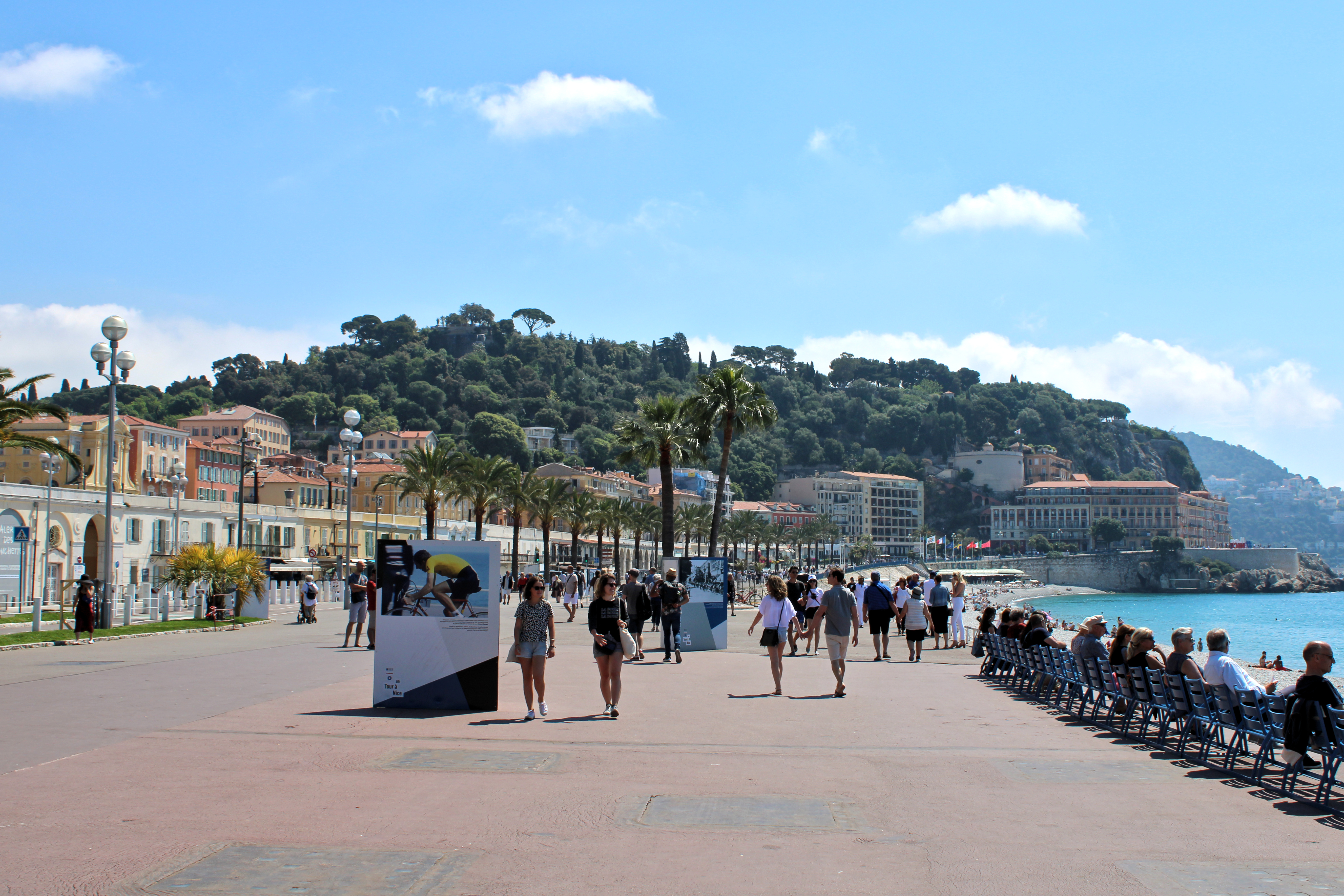
The Côte d'Azur capital and the obvious gateway. The pebble bay along the Promenade des Anglais, the old town (Vieux Nice) and its market, the Castle Hill viewpoint, and the Matisse and Chagall museums. The coastal TER train from Nice reaches Antibes, Cannes, and Monaco in well under an hour, so a Nice base needs no car.

Cannes
Wikipedia Commons (CC BY-SA)

Cannes

1 day

Best for the festival waterfront + island day-trip

The film-festival town west of Nice: the Croisette boulevard, the sandy beaches in front of the palace hotels, and the old Le Suquet quarter above the harbor. A short boat hop reaches the Lérins islands, where Île Sainte-Marguerite has pine woods and a quiet fort.

Antibes
Wikipedia Commons (CC BY-SA)

Antibes

1 day

Best for old-town walls + Picasso

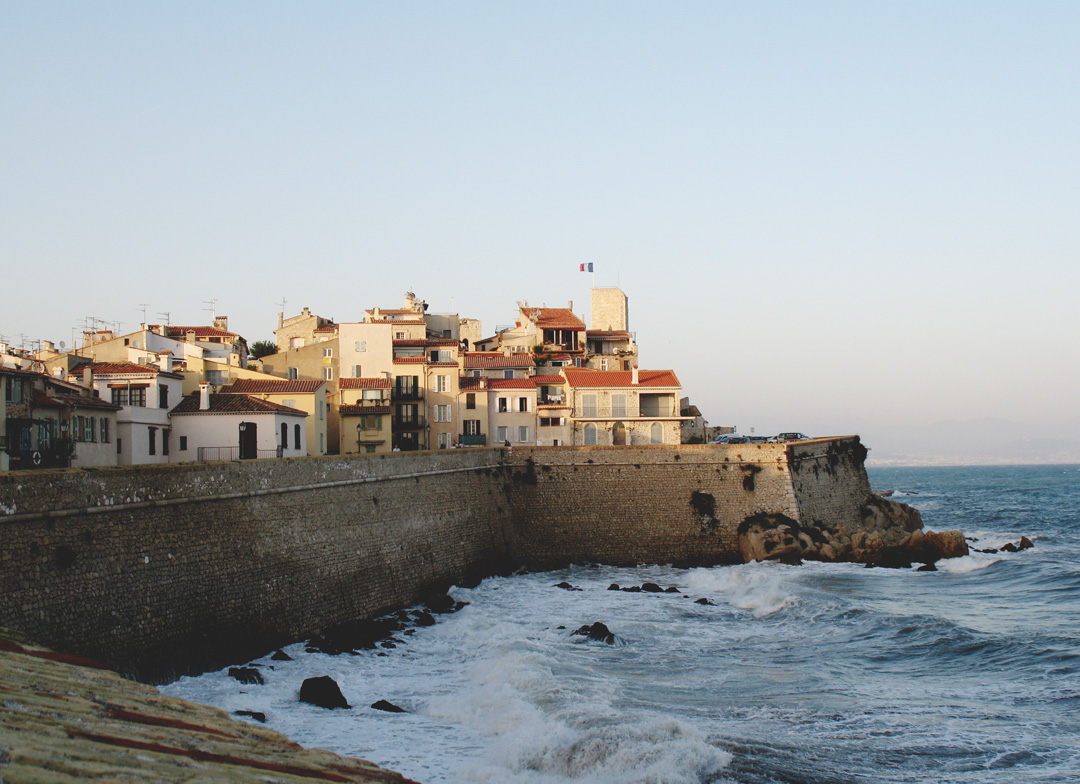
A walled seaside town between Nice and Cannes, with the ramparts above the sea, the covered Marché Provençal, and the Picasso museum in the Château Grimaldi. The Cap d'Antibes coastal path and the beaches of Juan-les-Pins are a short walk or bus away.

Aix-en-Provence
Wikipedia Commons (CC BY-SA)

Aix-en-Provence

1-2 days

Best for Provençal town life + Cézanne

An elegant inland university town of plane-tree boulevards and fountains, with the Cours Mirabeau, a daily produce market, and Cézanne's studio at the foot of Montagne Sainte-Victoire. The best base for the Luberon hill villages and a day in the lavender country.

Marseille
Wikipedia Commons (CC BY-SA)

Marseille

1-2 days

Best for the big port city + the Calanques

France's gritty, sun-baked second city: the Vieux-Port, the Notre-Dame de la Garde basilica on its hill, the Le Panier quarter, and the MuCEM by the water. The launchpad for the Calanques national park, the turquoise limestone inlets reached by boat or on foot toward Cassis.

Saint-Tropez
Wikipedia Commons (CC BY-SA)

Saint-Tropez

1 day

Best for the glamour harbor + Pampelonne beach

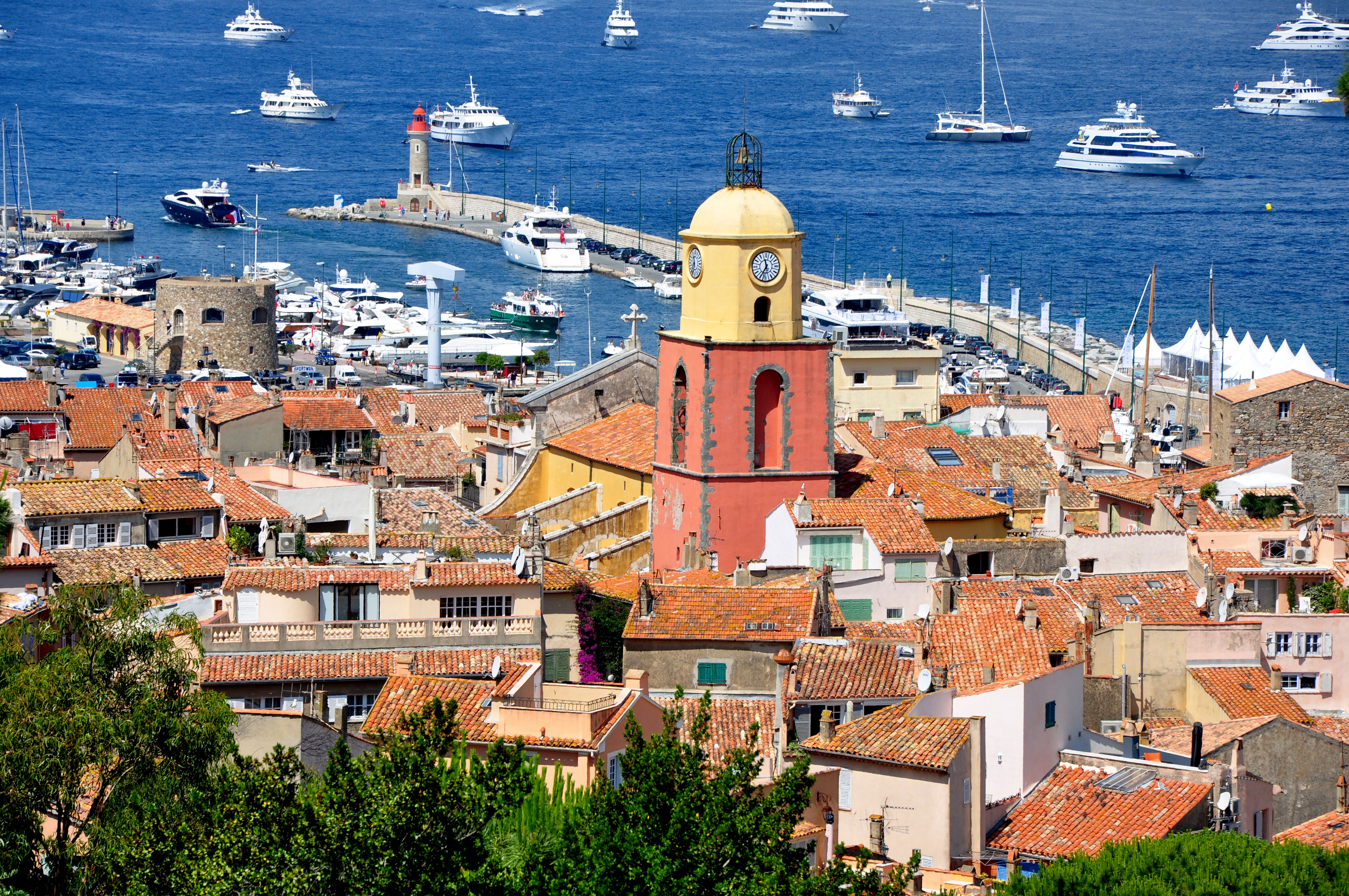
The yacht-lined village on the western Var coast: the pastel old port, the Place des Lices market, and the citadel above town. The long Pampelonne beach south of town holds the famous beach clubs. Reach it by road or by the seasonal ferry from Sainte-Maxime to skip the summer traffic.

Top things to do in South Of France

Exploring Charming Hilltop Villages

Exploring Charming Hilltop Villages

Eze Village · Saint-Paul-de-Vence · Gordes

Jean Pierre Lozi (CC BY-SA 3.0

Discovering Ancient Roman Heritage

Discovering Ancient Roman Heritage

Arles Amphitheater · Pont du Gard · Theatre Antique d'Orange

Rolf Süssbrich (CC BY-SA 3.0

Coastal Beauty and French Riviera Glamour

Coastal Beauty and French Riviera Glamour

Promenade des Anglais · Vieux Port · Palais des Festivals et des Congres

Patafisik (CC BY-SA 4.0

Provencal Markets and Culinary Delights

Provencal Markets and Culinary Delights

Cours Saleya Market · Marche des Lices · Les Halles d'Avignon

Alexander Migl (CC BY-SA 4.0

A Medieval Fortress or Chateau

A Medieval Fortress or Chateau

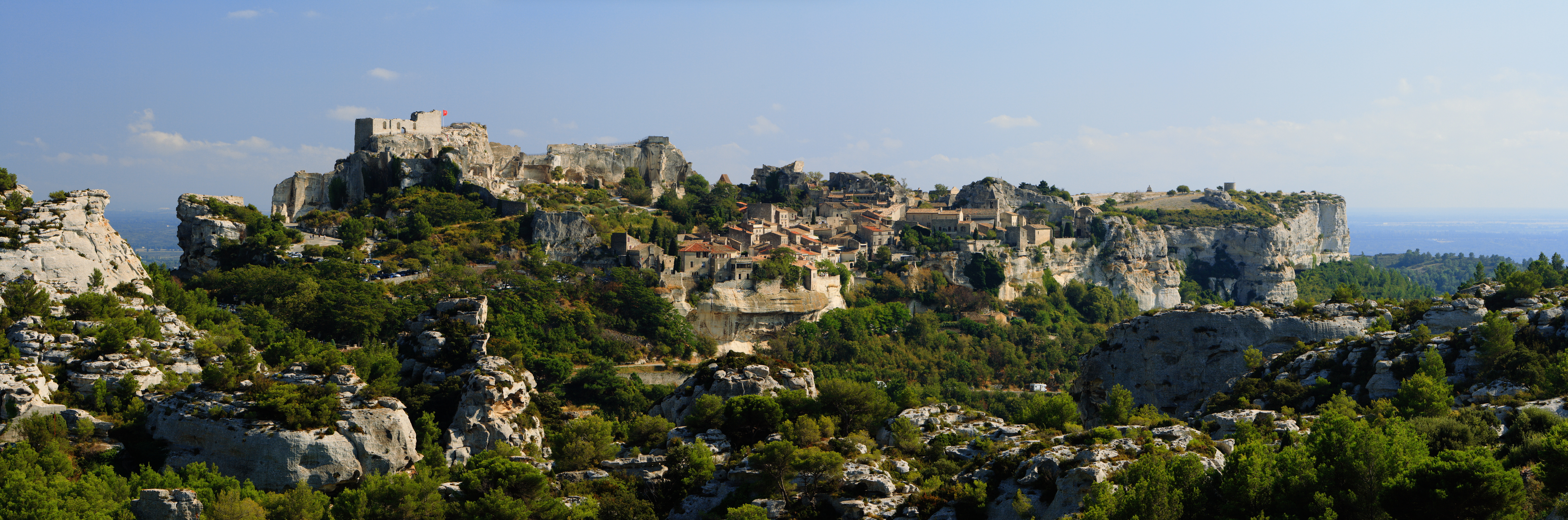
Chateau des Baux de Provence · Cite de Carcassonne · Fort Saint-Andre

Benh LIEU SONG (CC BY-SA 3.0

An Ancient Greek Port City History Tour

An Ancient Greek Port City History Tour

Musee d'Histoire de Marseille · Jardin des Vestiges · Old Port of Marseille

Earth777 (CC BY-SA 4.0

A Regional Art and History Museum

A Regional Art and History Museum

Musee Granet · Palais des Papes · Musee des Beaux-Arts de Nimes

François de Dijon (CC BY-SA 3.0

Hiking in a Dramatic Gorge or Coastal Park

Hiking in a Dramatic Gorge or Coastal Park

Gorges du Verdon · Calanques National Park · Sentier du Littoral Cap d'Antibes

kallerna (CC BY-SA 4.0

Kayaking or Boating in a Natural Reserve

Kayaking or Boating in a Natural Reserve

Kayaking in Gorges du Verdon · Calanques Boat Tour from Cassis · Kayaking on the Gardon River

Earth777 (CC BY-SA 4.0

Wildlife Observation in the Camargue

Wildlife Observation in the Camargue

Parc naturel regional de Camargue · Ornithological Park of Pont de Gau · Salin de Giraud

User:Wikialine (CC BY-SA 3.0

Food guide

Socca

Socca

A savory, thin chickpea pancake cooked on a large copper plate over a wood fire, served hot with a dusting of black pepper, perfect as a street-food snack from Nice.

Cours Saleya Market · 5 undefined

Tarte Tropezienne

Tarte Tropezienne

A sweet brioche filled with two types of cream, created in Saint-Tropez and famously loved by Brigitte Bardot, making it a dessert of the French Riviera.

6 undefined

Salade Nicoise

Salade Nicoise

Originating from Nice, this hearty salad combines fresh local vegetables with tuna or anchovies, hard-boiled eggs, and black olives, dressed simply with olive oil.

16 undefined

Fideua

Fideua

A Catalan seafood and pasta dish, similar to paella but made with short, vermicelli-like noodles instead of rice, cooked in fish broth and often featuring prawns and mussels.

22 undefined

Bouillabaisse

Bouillabaisse

This rich fish stew, originally from Marseille, features at least three types of local Mediterranean rockfish, slowly simmered with tomatoes, saffron, and Provencal herbs.

Vieux Port · 45 undefined

Shopping guide

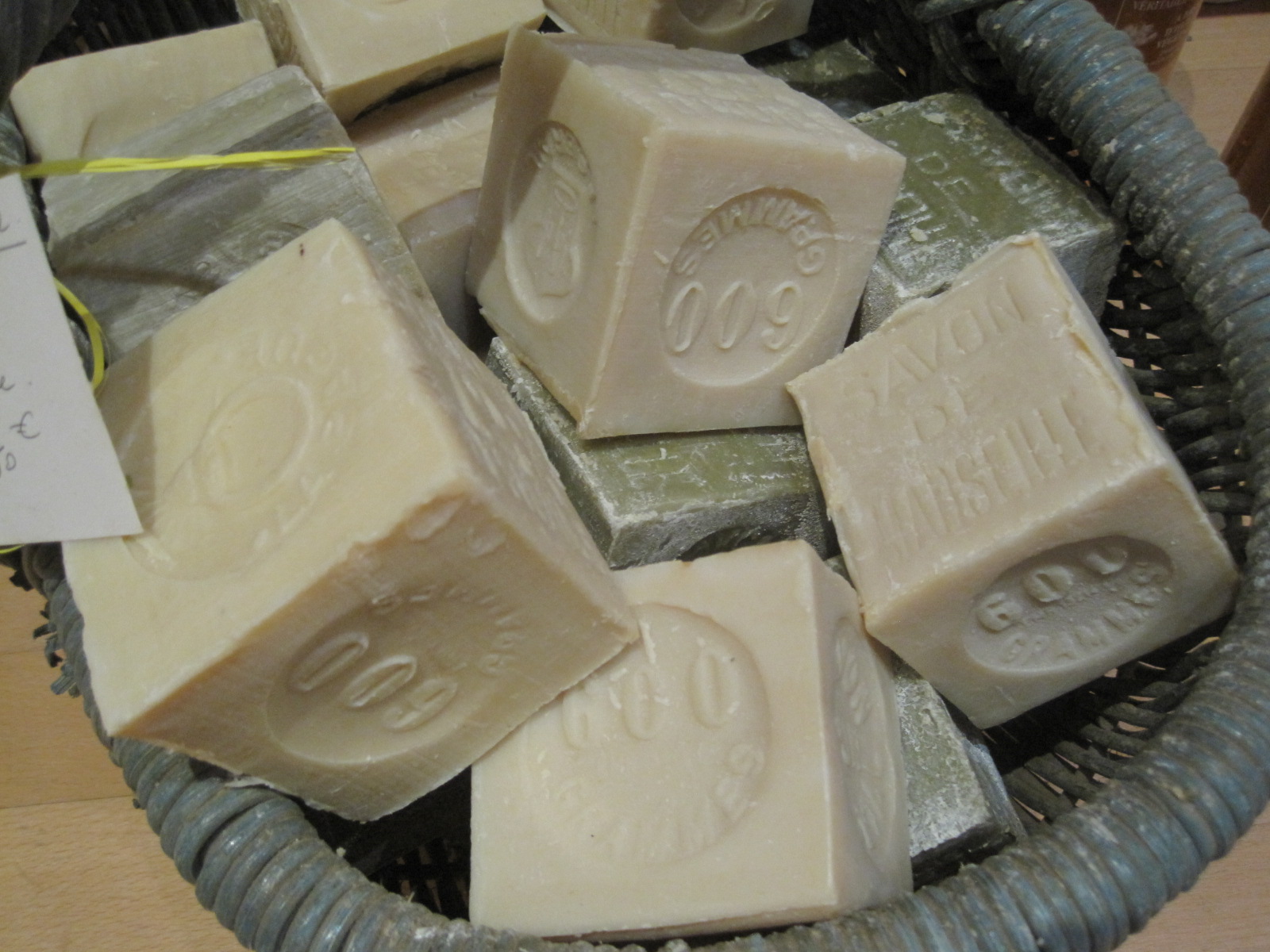
Savon de Marseille

Authentic Marseille soap, made with a high percentage of olive oil or other vegetable oils, is a gentle and long-lasting traditional product from the region.

Savonnerie Marius Fabre, Savonnerie Fer a Cheval, or dedicated soap shops in Le Panier district. · 8 undefined

Herbes de Provence & Olive Oil

A blend of dried aromatic herbs like thyme, rosemary, and savory, alongside local cold-pressed olive oil, are essential culinary staples reflecting the region's flavors.

Marche Richard de Coustellet, Aix-en-Provence farmers markets, or local épiceries. · 10 undefined

Calissons d'Aix

These sweet, almond-paste confections topped with royal icing and candied melon are a unique specialty of Aix-en-Provence, often hand-made with generations-old recipes.

Confiserie Leonard Parli, Maison Bricout, or local markets in Aix-en-Provence. · 15 undefined

Lavender Products

From essential oils and fragrant sachets to honey, locally harvested lavender products from the fields of Provence are wonderfully aromatic and therapeutic.

Musee de la Lavande, Abbey of Senanque gift shop, or local farm stands around Valensole and Luberon villages. · 20 undefined

Provencal Rose Wine

The South of France, especially Provence, is world-renowned for its crisp, dry rose wines, which perfectly capture the essence of the Mediterranean lifestyle.

Any local vineyard (e.g., Miraval, Minuty) or specialized wine shops (Nicolas) throughout Provence and the Var region. · 25 undefined

Santons de Provence

These traditional hand-painted clay figurines depict characters from Provencal village life and are used to create elaborate nativity scenes during Christmas.

Le Marche des Santonniers de Marseille (Christmas season), or dedicated Santonniers workshops in Aix-en-Provence and Aubagne. · 35 undefined

Jan
O
Feb
O
Mar
S
Apr
S
May
P
Jun
P
Jul
P
Aug
P
Sep
S
Oct
S
Nov
O
Dec
O
Off-peak (cheaper) Shoulder Peak (priciest)Baseline: January

Festivals & timing

February

Nice Carnival & Menton Lemon Festival

Two Riviera events overlap in mid-February to early March: Nice's flower-parade carnival with illuminated floats, and the neighboring Menton Lemon Festival, whose sculptures are built from tons of citrus. The 2026 editions both run roughly Feb 14 to Mar 1; confirm exact dates before booking.

Worth planning around

May

Cannes Film Festival

The world's best-known film festival takes over Cannes for ten days, with the Croisette closed to all but the industry and the red carpet. The 79th edition ran May 12-23, 2026. Screenings are not open to the public; hotels book out and prices spike across the whole eastern Riviera.

Better to avoid

May (every 2 years)

Monaco Grand Prix

The Formula 1 street race through Monte-Carlo, run on the last weekend of May. The principality is at capacity, the harbor fills with superyachts, and Riviera hotels sell out for the weekend. A spectacle if you have tickets; otherwise a weekend to route around.

Worth planning around

July

Jazz à Juan (Juan-les-Pins)

One of Europe's oldest jazz festivals, held under the pines beside the sea in Juan-les-Pins near Antibes. The 2026 edition runs July 9-19 with a mix of jazz and pop names. A good reason to base near Antibes in midsummer.

July

Festival d'Avignon

Provence's huge theater festival fills Avignon's medieval streets and the Palais des Papes courtyard for three weeks, with hundreds of fringe shows in the parallel OFF program. The 80th edition runs roughly July 4-26, 2026. A draw if you're inland; book Avignon beds early.

Worth planning around

Mid-June to mid-July

Lavender bloom (Valensole & the Luberon)

Not a festival but the reason many people come: the Provence lavender peaks roughly mid-June to mid-July, with the Valensole plateau the most photographed. Harvest begins in late July. Plan a lavender day inside this window and check the year's bloom report.

Worth planning around

August

French summer holidays (peak season)

All of France, plus much of Europe, holidays on the coast in August. Beaches are packed, the Saint-Tropez road jams, accommodation peaks, and some inland restaurants close while owners take their own break. Beautiful weather, but the hardest time to arrive unplanned.

Better to avoid

Choose your trip length

4 days

The Riviera core

Nice as a base, with the coastal train to Antibes and Cannes and a half-day in a hilltop village like Èze. The tightest first trip that still mixes a city, the sea, and a perched village.

5 days

Nice + the Riviera + a Provence day

The eastern Côte d'Azur from Nice (Antibes, Cannes, Saint-Tropez or Monaco), plus one day inland toward Aix-en-Provence or the Verdon. The classic one-week Riviera trip without the rush.

See the sample itinerary →

8 days

Riviera + Provence loop

Add Marseille and the Calanques, Aix-en-Provence, and the Luberon hill villages, plus a Camargue or Avignon day. The full south, from the glamour coast to the lavender country, with a rental car for the inland leg.

The flagship itinerary

Estimated daily cost

Backpacker

€70-110/day

Hostel dorms or budget studios, market picnics and a bakery lunch, the regional TER train along the coast, free public beaches. Doable, though Nice and Cannes in summer push everything higher. Prices as of 2026; verify current rates.

Mid-range

€160-260/day

3★ hotels or B&Bs, a mix of bistros and one nice seafood dinner, trains plus a rental car for Provence, the odd paid beach lounger. The sweet spot. Costs climb in July-August. Prices as of 2026; verify current rates.

Luxury

€500+/day

Cap-Ferrat and Cannes palace hotels, beach-club day beds, Michelin dining, a convertible for the Corniche roads. Peak-summer Saint-Tropez and Monaco rank among the priciest spots in Europe. Prices as of 2026; verify current rates.

Travel essentials

Connectivity & SIM

Wi-Fi: Free WiFi is common in hotels, cafes, and restaurants across Corsican towns. Major towns like Ajaccio and Bastia offer 5G coverage from all French carriers, while Bonifacio has 4G from all carriers. Rural areas may have limited signal.
SIM options
  • Orange France eSIMVaries, e.g., $20-40 for 10-30GB
    Where: Online via Orange website or apps like Airalo/Holafly
  • SFR physical SIMVaries, e.g., 20-30 EUR for 10-20GB
    Where: SFR stores at Ajaccio Airport, Bastia Airport, or city centers
  • Bouygues Telecom physical SIMVaries, e.g., 20-30 EUR for 10-20GB
    Where: Bouygues stores in larger towns like Ajaccio, Bastia, Porto-Vecchio
Apps to install
  • Google MapsEssential for navigation, especially for driving winding mountain roads and finding ferry terminals.
  • MoovitProvides public transport routes and schedules for local buses within and between towns.
  • Deepl TranslateHelps with French or Corsu phrases, including offline translation for menus or signs.
Tip: As Corsica is part of France and the EU, your home EU SIM card will likely work without extra roaming charges. Check your plan's data limits before you travel.

Cultural notes

Corsicans are a distinct ethnic group, separate from mainland French or Italians, and appreciate recognition of their unique culture. Compared to much of France, Corsicans are generally hospitable and welcoming. When dining, wait for the host to seat you, even if the restaurant appears empty. Family and community ties are strong; show respect for local traditions and the Corsican language, even if you speak French. Tipping is not mandatory but appreciated for good service, unlike mainland France where it is more common.

Safety

Corsica is a very safe destination for tourists, with petty crime like pickpocketing being rare, particularly in smaller towns like Calvi where locals often leave cars unlocked. Despite historical references to a local 'mafia', this does not generally affect tourists. However, be aware of drink spiking at bars in tourist areas; always keep your drink in sight and do not accept drinks from strangers. Violent crime against tourists is almost unheard of.

What to pack

  • Sturdy hiking boots (for GR20, mountain trails)
  • Swimsuit (multiple pairs for beaches, rivers)
  • Sun hat (essential for sun protection)
  • High-SPF sunscreen (strong Mediterranean sun)
  • Lightweight rain jacket (sudden showers in mountains)
  • Insect repellent (mosquitoes in coastal areas)
  • Portable power bank (for off-grid hikes)
  • Reusable water bottle (stay hydrated on trails)
  • Slip-on sandals (for beaches, casual wear)
  • Quick-dry towel (for swimming, hiking)
  • Light layers (cool evenings, warmer days)
  • Small backpack (day trips, short hikes)

Travel tips

  • Acknowledge the distinct Corsican identity: when conversing, recognize Corsicans as a separate ethnic group, not just French or Italian.
  • Book GR20 hut spots and permits well in advance, particularly for summer hikes, as spaces are limited on this challenging trail.
  • Rent a car with good ground clearance if planning to explore rural areas or unpaved routes; many mountain roads are narrow and winding.
  • Check ferry schedules and book tickets to Corsica from Marseille, Nice, or Toulon with Corsica Ferries or La Meridionale several weeks ahead, especially for summer travel.
  • Learn a few basic Corsu phrases like 'Bonghjornu' (Good day) or 'Salut' (Hello) to show respect to locals, though French is universally spoken.
  • Carry small Euro denominations for parking meters, local markets, and smaller cafes in remote villages; card machines are not always available.
  • Confirm restaurant operating hours; many close for several hours in the afternoon between 2pm and 7pm, especially in smaller towns.
  • If planning extensive hiking, pre-download offline maps for Google Maps or an equivalent hiking app, as mobile signal can be inconsistent in mountainous areas.

Electric Socket Guide

Socket Types

Type C - Europlug

Two round pins (most of Europe, South America)

Type E

Two round pins + ground hole (France, Belgium)

Voltage

230V

Frequency

50Hz

Planning checklist

  1. Base in Nice and use the coastal train.

    For a first Riviera trip, one base in Nice beats hotel-hopping. The frequent TER train reaches Antibes, Cannes, Monaco, and Menton in under an hour, so skip the rental car for the coast and save the repacking.

  2. Split the coast from Provence.

    The Riviera and the interior are different trips an hour apart. Spend a short stay on the coast; add Marseille, Aix, the Calanques, and the Luberon only with a week or more, and pick up a car for that inland leg.

  3. Travel in May, June, or September.

    You get warm days, a swimmable sea, and long evenings without the August crowds, peak prices, or the jammed coastal roads. For the lavender, aim for mid-June to mid-July on the Valensole plateau and check the year's bloom report.

  4. Skip the car into Saint-Tropez in summer.

    One road in means hours of traffic in July and August. Take the seasonal passenger ferry from Sainte-Maxime or Saint-Raphaël, or visit in the shoulder season.

  5. Budget for beaches and check the festival calendar.

    Many Riviera beaches are pebbles, so pack water shoes, and beach-club day beds run €30-80 before food. Cannes in May (film festival) and August (French holidays) spike prices and crowds, so book early or route around them.

  6. Confirm your ETIAS status before booking.

    Visa-exempt visitors will soon need an online ETIAS authorization, expected to launch in late 2026. It is not a visa, but check the official EU site for the current rule so it doesn't surprise you at check-in.

Avoid these first-timer mistakes

  • Renting a car for the Riviera coast

    The eastern Côte d'Azur has a frequent coastal train (Nice, Antibes, Cannes, Monaco, Menton) and parking in the towns is scarce and expensive. For the coast, the train and buses beat a car. Save the rental for Provence and the inland hill villages, where transit thins out.

  • Driving into Saint-Tropez in July or August

    There is one road into Saint-Tropez and it jams for hours in peak summer. Take the seasonal passenger ferry from Sainte-Maxime or Saint-Raphaël instead, or visit in the shoulder season. The same gridlock hits the Pampelonne beach-club road.

  • Assuming the beaches are sandy

    Nice, Antibes town, and much of the eastern Riviera have pebble beaches, not sand. Bring or buy water shoes. For real sand head to Antibes' Juan-les-Pins, the Cannes private beaches, or Pampelonne near Saint-Tropez.

  • Underestimating beach-club prices

    A day bed and umbrella at a Pampelonne or Cannes beach club runs €30-80 per person before food and drinks, and lunch with rosé adds up fast. Public beaches sit right next door for free. Decide which days are splurge days.

  • Trying to mix the Riviera and Provence in a long weekend

    Nice to Marseille is roughly 2.5 hours by car or train, and the Luberon and lavender country are further inland. A short first trip is better spent on the coast around Nice. Add Provence only with a week or more.

  • Visiting the lavender fields outside late June to July

    The Provence lavender bloom is roughly mid-June to mid-July on the Valensole plateau, with the harvest cutting it from late July. Show up in May or August and the fields may be green stubs or already cut. Check bloom reports before planning a lavender day.

  • Skipping the ETIAS check before booking

    Visa-exempt visitors (US, UK, Canada, Australia) will soon need an ETIAS travel authorization, an online form, not a visa. The launch is expected in late 2026 with a transition period after. Confirm the current rule on the official EU site before you book.

Frequently Asked Questions

No. France is in the EU's Schengen Area, so US, UK, Canadian, and Australian passport holders can visit visa-free for up to 90 days in any 180-day period. The EU's ETIAS travel authorization (a quick online form, not a visa) is expected to launch in the last quarter of 2026, with a transition period before it becomes mandatory in 2027. Check the official EU ETIAS site for the current start date before you book.

The Riviera and Provence are generally safe, and violent crime against visitors is rare. The main risk is petty theft: pickpocketing and bag-snatching in crowded spots like Nice's old town, the Marseille Vieux-Port and metro, train stations, and busy beaches. Keep valuables zipped and out of sight, don't leave bags on the sand while swimming, and don't leave anything visible in a parked car. Marseille has rougher outer districts most visitors never enter; the tourist areas are fine with normal city awareness.

May to June and September are the sweet spot: warm days, a swimmable sea by June, long evenings, and far smaller crowds than peak summer. July and August bring the warmest water but also French-holiday crowds, the highest prices, jammed coastal roads, and the Saint-Tropez gridlock. The lavender peaks mid-June to mid-July. Spring is green and good for towns and hiking before the sea warms; winter on the Riviera is mild and quiet, with the Nice Carnival in February.

Four days covers the Riviera core well, with Nice as a base and the train to Antibes, Cannes, and a hilltop village like Èze. Five days lets you add Saint-Tropez or Monaco and one day inland toward Aix-en-Provence. Eight days or more is enough for a proper Riviera-and-Provence loop including Marseille and the Calanques, Aix, and the Luberon hill villages. The coast and the interior are different trips, so don't try to cram both into a long weekend.

Along the eastern Riviera the coastal TER train is the easiest option, linking Nice, Antibes, Cannes, Monaco, and Menton frequently in under an hour, with buses filling the gaps to perched villages. A car is more hassle than help on the coast, where parking is scarce. For Provence, the Luberon, and the lavender plateaus, a rental car is close to essential because transit is sparse inland. A common plan is train for the coast, then pick up a car for the inland leg.

For a first Riviera trip, a single base in Nice works well: it is central, well connected by train, and saves you repacking. Day-trip out to Antibes, Cannes, Monaco, and Èze and return each evening. If you are also doing Provence, split the trip into two bases, one on the coast (Nice) and one inland (Aix-en-Provence or Avignon), rather than chasing a new hotel every night.

Monaco is an easy day trip from Nice: the coastal train takes about 20 minutes and buses also run along the corniche roads. There is no border check for Schengen travelers and Monaco uses the euro. See the Casino de Monte-Carlo square, the old town and palace, the Oceanographic Museum, and the harbor. It is expensive, so many visitors go for a half-day rather than staying overnight.

The cooking is Mediterranean and olive-oil based. On the Riviera try socca (chickpea pancake) and pissaladière (onion-and-anchovy tart) in Nice, salade niçoise, and fresh seafood. In Marseille, bouillabaisse (a saffron fish stew) is the signature dish, best at a proper portside restaurant. Inland Provence means ratatouille, tapenade, daube (beef stew), and goat cheeses, finished with a glass of chilled Provence rosé. Markets in Aix, Antibes, and Nice are the easiest way to graze.

It varies a lot by place and season. Saint-Tropez, Monaco, Cannes, and Cap-Ferrat in peak summer are among the priciest spots in Europe, especially for beach clubs and waterfront hotels. But Nice, Antibes, Aix, and Marseille are reasonable off-peak: mid-range travelers do well on roughly €160-260 a day with a B&B, a mix of bistros, and the coastal train. Public beaches are free, and market picnics keep food costs down.

Plan less, do more.

Plan a trip