Sicily travel guide cover photo

Sicily Travel Guide: Palermo, Taormina, the Valley of the Temples, and Beyond

A first-timer's guide to Sicily: how to split a week across the coasts, when to go before the summer heat, why you take the train between cities but rent a car for the west, and the planning everyone gets wrong.

Last updated June 20, 2026 · By Namrata

Sicily is its own world more than an extension of Italy. The largest island in the Mediterranean has been Greek, Arab, Norman, and Spanish in turn, and all of it is still here: gold mosaics in Palermo's Norman chapels, Greek temples standing in the southern fields, Baroque towns rebuilt after the 1693 earthquake, and couscous on the western coast where Africa is closer than Rome. Mount Etna smokes over the eastern cities, feeding the soil and the wine. The food alone, market street snacks, swordfish, almond sweets, is reason enough to come.

What first-timers get wrong most is scale. Sicily is large and the roads and trains move slower than the map implies, so trips that try to circle the whole island in a week end up mostly in transit. The smarter shape is to pick a region. The east, around Catania, Mount Etna, Syracuse, and Taormina, is the easiest first base: the cities sit close together, regional trains link them cheaply, and the volcano and the best-known Greek ruins are right there. The west, around Palermo, Cefalù, and the temples, rewards more time and a rental car.

This guide is the layer above the day-by-day itineraries. Decide which region anchors the trip (east for a first week, west or both for longer), match the season to the heat (May-June or September-October over the August crush), and plan transport around trains for the coastal cities and a car only for the west and the interior. Do that and the days go to the markets, the temples, and the volcano, not to a parking search in Palermo or a long drive you could have skipped.
Choose your trip length

5 days

The east coast core

Catania as a base for a day on Mount Etna, the Baroque streets of Syracuse and Ortigia, and the cliff theatre at Taormina. One coast, short train hops, no long drives. The tightest first trip, built around the volcano and the Greek east.

7 days

East to west, coast to coast

Three days on the east around Catania, Etna, Syracuse, and Taormina, then west by train to Palermo for the markets, the mosaics at Monreale, and a day trip to the Valley of the Temples at Agrigento. The classic one-week shape that crosses the island without rushing.

See the sample itinerary →

10 days

The full island loop

The east coast, then Palermo and the seaside town of Cefalù, the temples at Agrigento and Segesta, and the western corner around Trapani, Erice, and the salt pans. A rental car for the west, with slack days for Etna weather or a ferry to the Aeolian Islands.

The flagship itinerary

Best time to visit
Spring (April-May) and Fall (September-October) are ideal for visiting Bergamo. Temperatures are mild, typically ranging from 12-20 degrees Celsius, perfect for exploring on foot. You'll avoid the intense heat and larger crowds of summer. Summer (June-August) brings warmer weather, averaging 25-30 degrees, but also more tourists. Winter (November-March) can be cold, with temperatures from 0-8 degrees, and some attractions may have reduced hours.
Currency
Euro (EUR)
Visa
US, UK, EU, Canadian, and Australian citizens can enter Italy visa-free for up to 90 days within any 180-day period. Your passport must be valid for at least three months beyond your intended departure date from the Schengen Area. Indian citizens typically require a Schengen visa; apply well in advance through the Italian embassy or consulate in your home country. Other nationalities should check the official Italian Ministry of Foreign Affairs website for specific requirements.
Tipping
Tipping is not customary in Italy. Restaurants often include a 'coperto' (cover charge) or 'servizio' (service charge) on the bill, especially for larger groups. You are not expected to tip at cafes, bars, or for taxis. Rounding up a bill to the nearest euro is common if you wish to leave a small token.
Emergency
112 (Carabinieri/General Emergency), 113 (Polizia di Stato/State Police), 118 (Medical Rescue)

Estimated daily cost

Backpacker

€60-100/day

Hostel dorms or simple guesthouse rooms, market food and arancini and pizza by the slice, regional trains and town buses, free churches and the cheaper archaeological sites. Doable across the island, though a car for the west and the Etna and island day trips push it higher. Prices as of 2026; verify current rates.

Mid-range

€130-220/day

3★ hotels or B&Bs, a mix of trattorias and one nice seafood dinner, a small rental car for part of the trip, paid sites like the Valley of the Temples and an Etna tour. The sweet spot. Taormina and August push costs up sharply. Prices as of 2026; verify current rates.

Luxury

€400+/day

Cliffside Taormina and converted-palazzo hotels in Palermo and Syracuse, private guides and drivers, tasting menus, and a jeep-and-cable-car Etna summit trip. The high end here buys access, food, and a sea view, not a resort strip. Prices as of 2026; verify current rates.

Jan
O
Feb
O
Mar
S
Apr
S
May
S
Jun
P
Jul
P
Aug
P
Sep
S
Oct
S
Nov
O
Dec
O
Off-peak (cheaper) Shoulder Peak (priciest)Baseline: January

Festivals & timing

February 3-5

Festa di Sant'Agata (Catania)

Catania's patron-saint feast, among the largest religious processions in the world, drawing huge crowds over three days in early February. Devotees in white sackcloth haul the silver reliquary of Sant'Agata through the city on a heavy candle-lit float, with fireworks and the towering candelore guild floats. The 2026 feast runs February 3 to 5, inside a wider cycle from late January. Catania is packed and parts of the center close to traffic; verify the year's exact dates.

Worth planning around

Mid-May

Infiorata di Noto

The Baroque town of Noto carpets its sloping Via Nicolaci in petal mosaics for a weekend each May, drawing crowds to one of Sicily's prettiest UNESCO towns. The 2026 edition runs roughly May 15 to 19, on the third weekend of May, with the petal carpets viewable from the 16th. A small entry fee applies for the flower street. Noto is an easy trip from Syracuse; book ahead and verify the year's dates.

Worth planning around

Mid-July

Festino di Santa Rosalia (Palermo)

Palermo's biggest celebration honors Santa Rosalia, credited with ending a 1624 plague. A towering triumphal chariot is pulled along Corso Vittorio Emanuele to the seafront, ending in fireworks, followed the next day by a solemn procession of the saint's relics. The 2026 Festino runs about July 10 to 15, peaking the night of July 14 to 15. The center fills and streets close; verify exact dates and arrive early for a spot.

Worth planning around

Late September

Cous Cous Fest (San Vito Lo Capo)

A ten-day food festival in the western beach town of San Vito Lo Capo, built around couscous, the dish that ties Sicily to North Africa. Chefs from several countries compete in a couscous world championship, with tastings, live music, and a packed seafront. The 2026 edition runs roughly September 18 to 27. The town is small and fills up; book rooms well ahead and verify the year's dates.

Easter (March or April)

Holy Week processions

Sicily marks Holy Week with some of Italy's most striking processions, from the hooded brotherhoods and the Misteri floats in Trapani to the dramatic rites in Enna and the Aurora encounter in Modica. Most fall on Good Friday and Easter, so the dates move each year. Atmospheric and free to watch, but accommodation tightens around the holiday; verify the year's calendar.

May to June

Greek theatre season (Syracuse)

Each spring, the ancient Greek theatre in Syracuse's Neapolis park stages classical Greek tragedies and comedies, performed where audiences sat over two thousand years ago. The season typically runs May into early July. Evening performances in the stone amphitheatre are a rare way to use an ancient site as it was built to be used. Book tickets ahead and confirm the year's program and dates.

December

Christmas markets and presepi

Off-season but atmospheric: towns set up nativity scenes (presepi), some life-size and staged in caves or old quarters, and Christmas lights string the Baroque centers. The sea is cold and some coastal services run reduced winter schedules, but the cities stay lively and prices drop sharply. A quiet, low-cost time for the cultural sights rather than the beaches.

Major cities at a glance

Palermo
Tango7174, Wikimedia Commons (CC BY-SA 4.0)

Palermo

2-3 days

Best for markets, mosaics, and street food

The island's loud, layered capital, where Norman, Arab, and Baroque Sicily pile on top of each other. The Palatine Chapel and its gold mosaics, the cathedral, and the Quattro Canti crossroads anchor the center, while the Ballarò and Vucciria markets run on shouting and frying. The street food capital of the island: panelle, arancini, sfincione, and the offal sandwiches locals queue for. Base here for the west, and ride the bus or train up to the cathedral at Monreale.

Catania
Dariolp83, Wikimedia Commons (CC BY-SA 4.0)

Catania

1-2 days

Best for Etna's gateway + the fish market

A black-and-grey Baroque city built from Etna's lava, with the volcano looming behind it. The Piazza del Duomo and its lava-stone elephant, the morning Pescheria fish market behind the cathedral, and a long pedestrian spine of churches and palazzi. The main gateway for Mount Etna tours and a transport hub, with the busiest airport on the island and trains south to Syracuse and north to Taormina. A good-value, working-city base for the east.

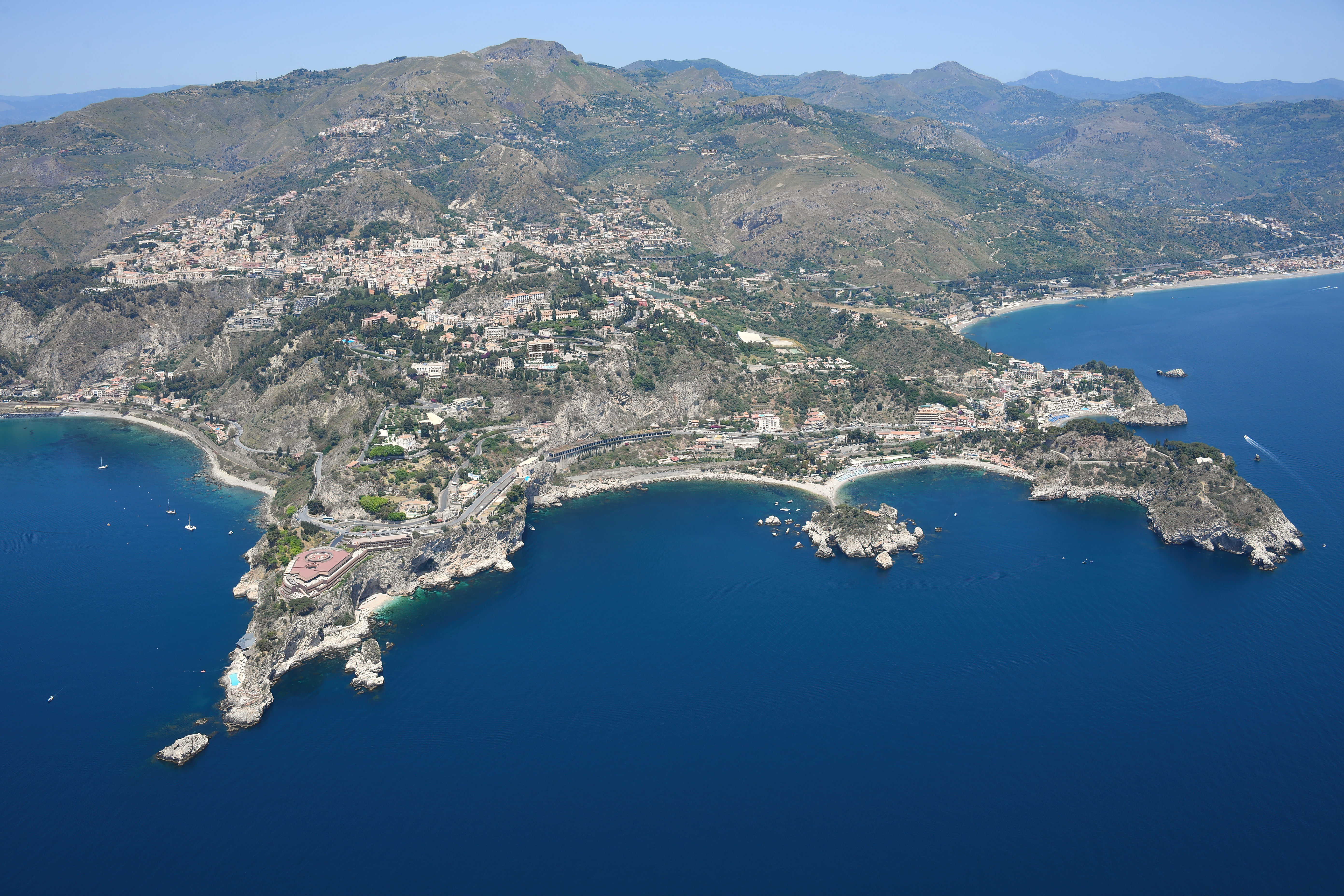
Taormina
Carsten Steger, Wikimedia Commons (CC BY-SA 4.0)

Taormina

1-2 days

Best for the cliff theatre + sea views

The clifftop resort town high above the Ionian coast, with the ancient Greek-Roman theatre framing Mount Etna and the sea through its broken stage. A pedestrian main street of cafes and boutiques, the Piazza IX Aprile terrace, and a cable car down to the beach and the tiny island of Isola Bella. The most expensive and most crowded town on the island, but the views earn the climb. Easy by train from Catania, then a bus or cab up the hill.

Syracuse
Wikimedia Commons (CC BY)

Syracuse

1-2 days

Best for Greek ruins + the Ortigia old town

Once the rival of Athens, now two towns in one. The mainland holds the Neapolis archaeological park, with a Greek theatre still used in summer and the limestone quarry called the Ear of Dionysius. Across a short bridge, the island of Ortigia is the heart: a Baroque cathedral built around a Greek temple, the freshwater Arethusa spring by the sea, and a morning market of fish, capers, and cheese. The most walkable old town on the east coast.

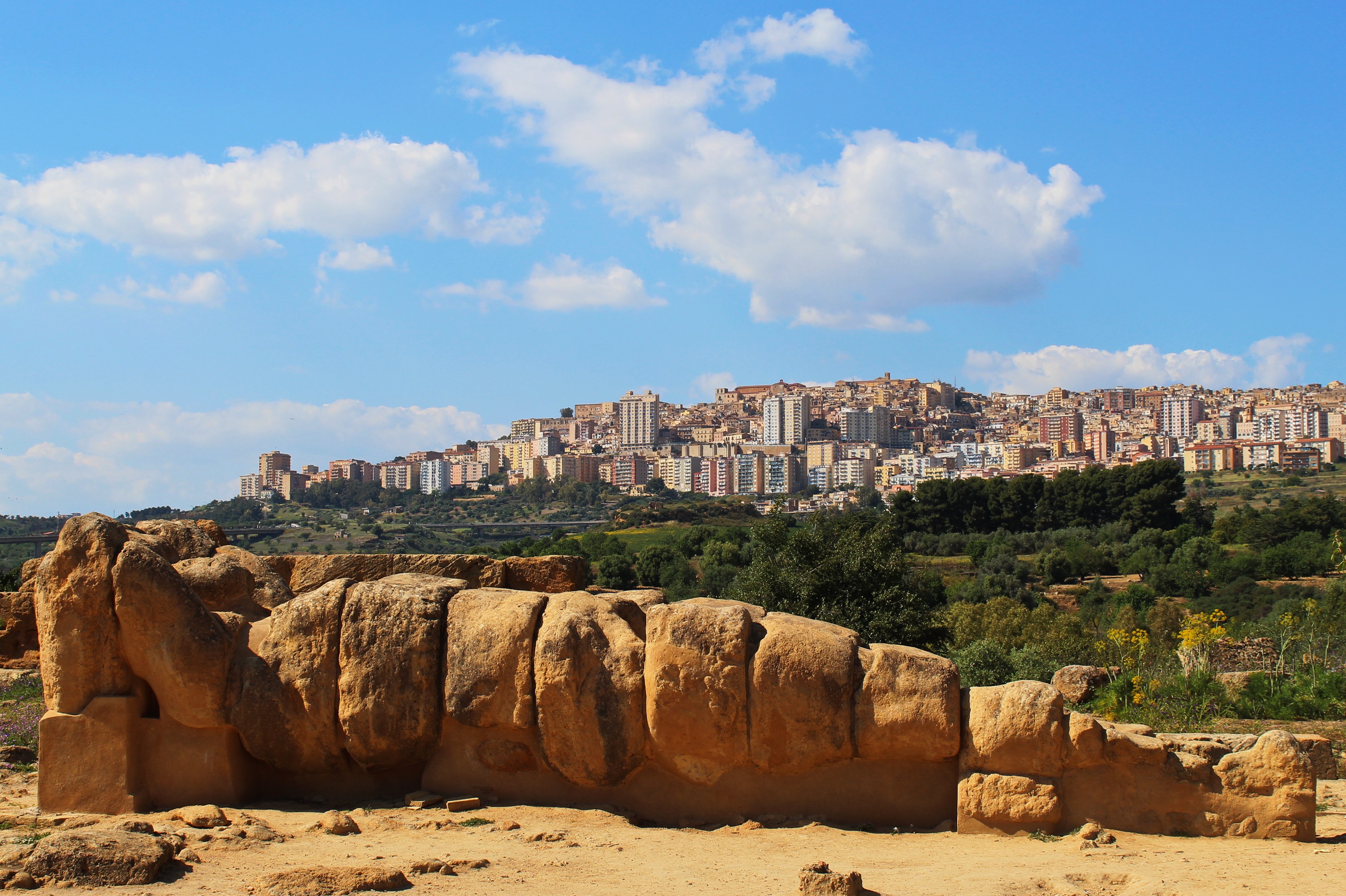
Agrigento
TizianaHG, Wikimedia Commons (CC BY-SA 4.0)

Agrigento

1 day

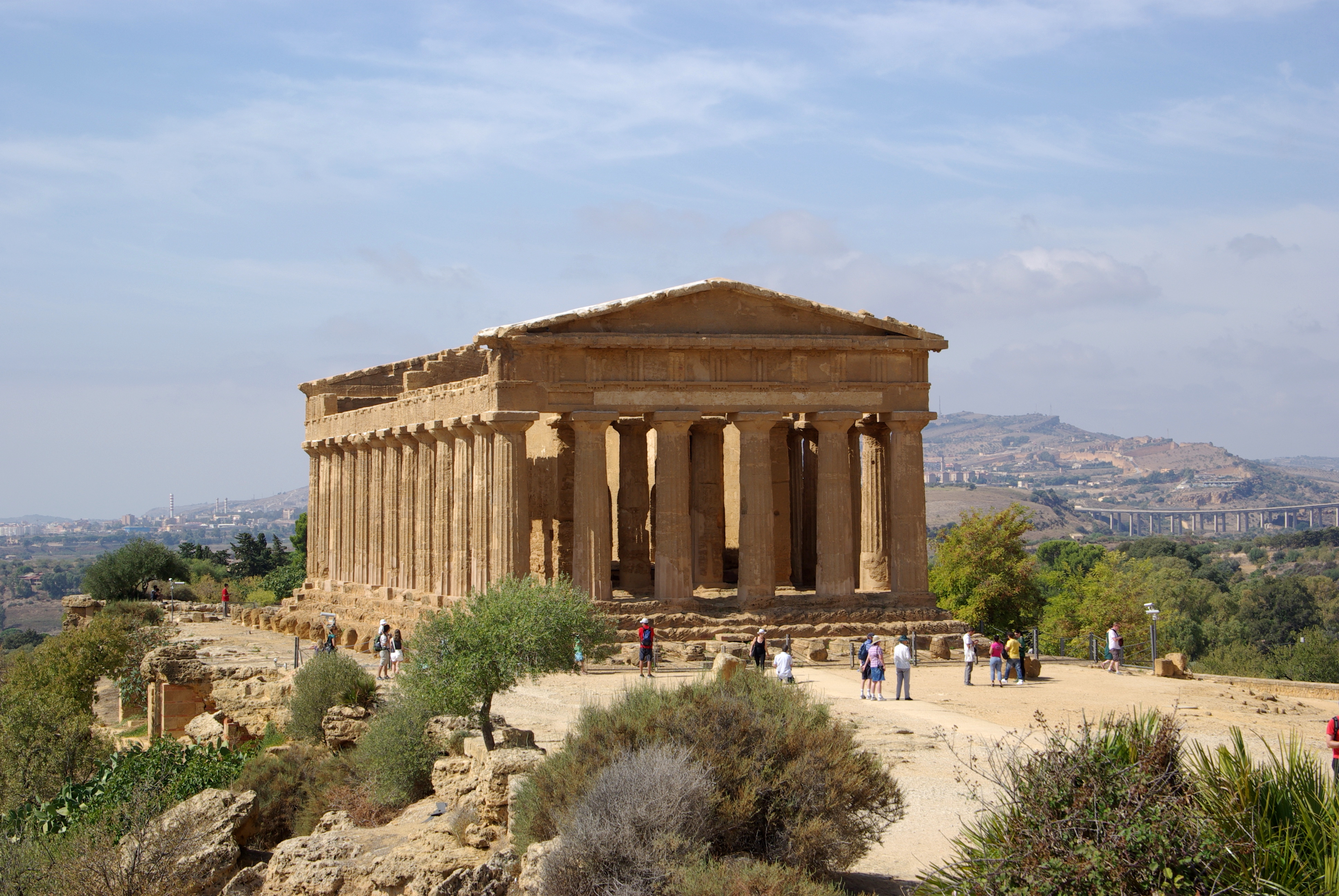
Best for the Valley of the Temples

A hillside town above the south coast, visited for the Valley of the Temples below it: a ridge of Greek temples from the fifth century BC, the Temple of Concordia among the best-preserved anywhere. The site is large and shadeless, so go early or late, and pair it with the Kolymbethra garden in the valley and the regional archaeological museum. Most travelers come on a day trip from Palermo or the east, though a night nearby lets you walk the temples at golden hour.

Cefalù
Ludvig14, Wikimedia Commons (CC BY-SA 4.0)

Cefalù

1 day

Best for a beach town between Palermo and the east

A small fishing town on the north coast, under a great headland called La Rocca. The Norman cathedral and its golden Christ mosaic anchor the old streets, a sandy beach curves below the medieval lanes, and a steep climb up La Rocca reaches the ruined castle for a view over the rooftops. An easy train stop between Palermo and the east, and the rare Sicilian town with a proper sandy beach in the center. Crowded in August, calm in the shoulder months.

Top things to do in Sicily

Ancient Greek & Roman Archaeological Sites

Ancient Greek & Roman Archaeological Sites

Valley of the Temples · Villa Romana del Casale · Necropolis of Pantalica

Berthold Werner (CC BY-SA 3.0

Explore Mount Etna

Explore Mount Etna

Mount Etna South Crater · Etna Nord - Piano Provenzana · Valle del Bove

BenAveling (CC BY-SA 4.0

Sicilian Culinary & Market Experience

Sicilian Culinary & Market Experience

Vucciria Market · Ballaro Market · La Pescheria Market

Pmk58 (CC BY-SA 4.0

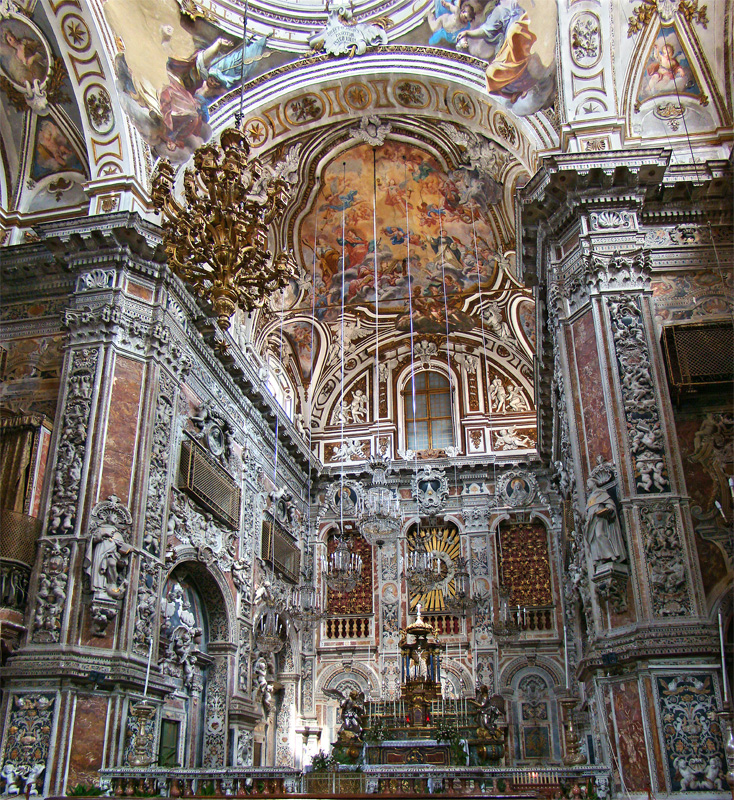
A Norman and Arab-Norman Architecture Tour

A Norman and Arab-Norman Architecture Tour

Palazzo dei Normanni and Cappella Palatina · Cattedrale di Palermo · Duomo di Monreale

Lasterketak (CC BY-SA 4.0

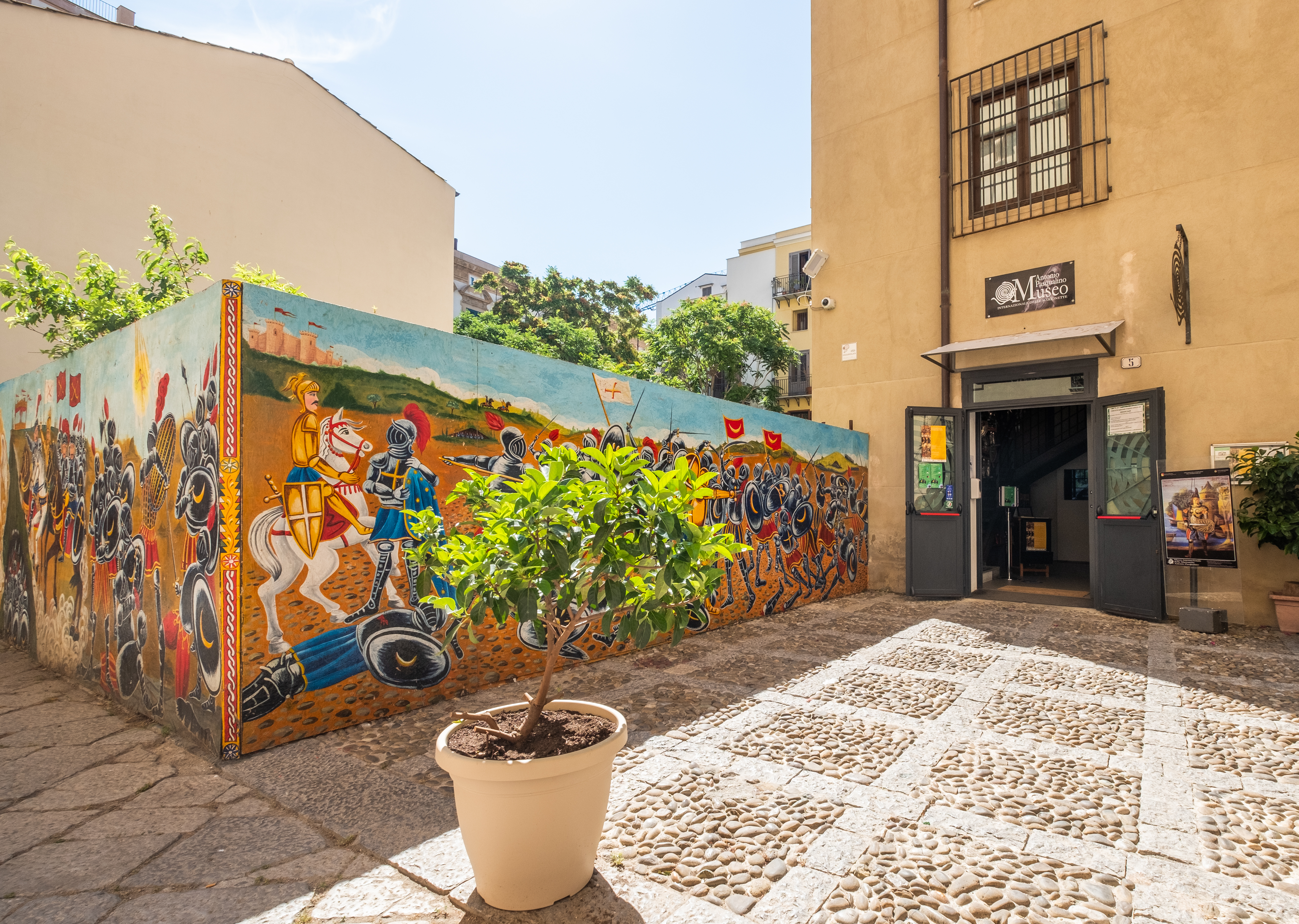
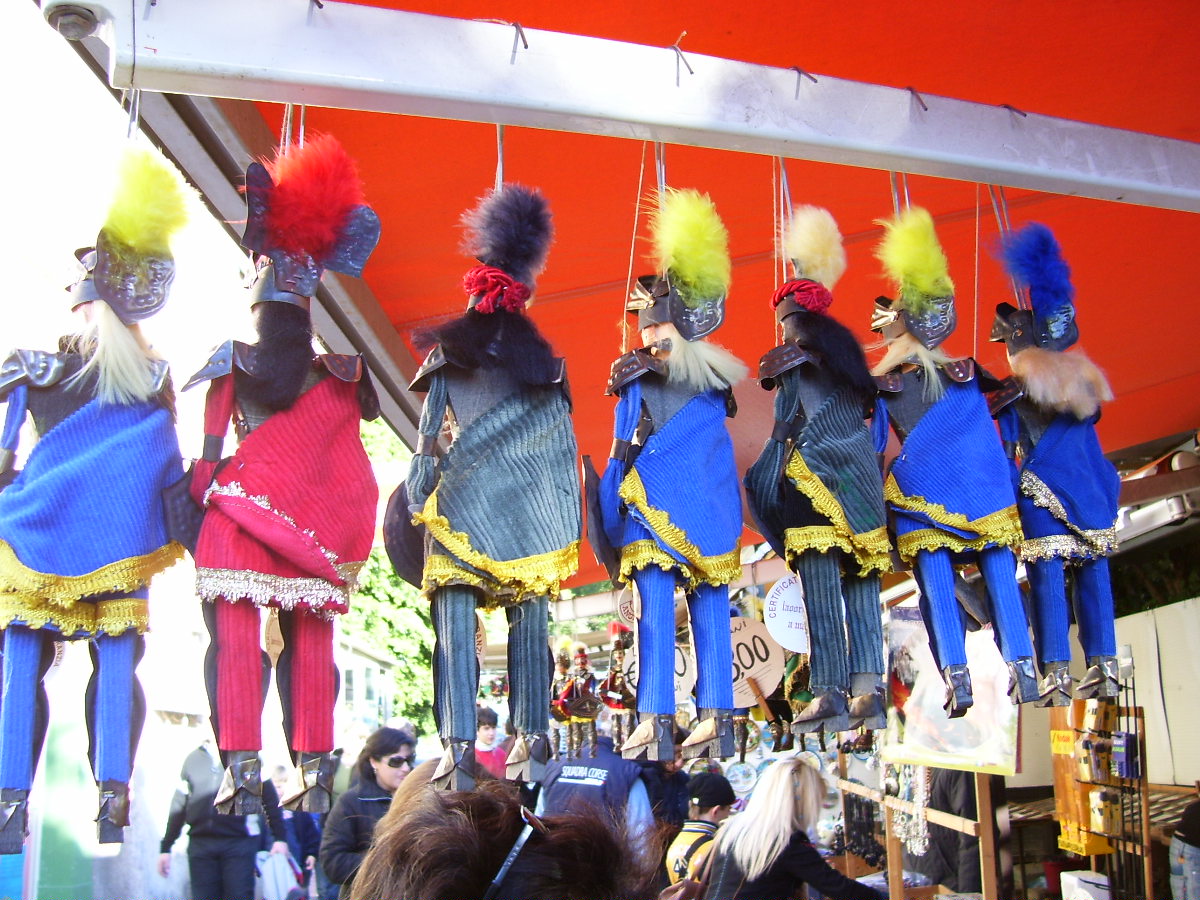
A Traditional Sicilian Puppet Theater Performance

A Traditional Sicilian Puppet Theater Performance

Teatro dell'Opera dei Pupi Cuticchio · Museo dell'Opera dei Pupi A. Pasqualino · Opera dei Pupi Fratelli Napoli

Giacomo Bordonaro (CC BY-SA 4.0

An Ancient Necropolis or Pre-Greek Site

An Ancient Necropolis or Pre-Greek Site

Necropoli di Pantalica · Cava Ispica · Isola di Mozia

Clemensfranz (CC BY 2.5

A Medieval Hilltop Town Exploration

A Medieval Hilltop Town Exploration

Erice · Cefalu · Taormina

Pannucci Stefano (CC BY-SA 4.0

Exploring a Coastal Nature Reserve

Exploring a Coastal Nature Reserve

Zingaro Nature Reserve · Monte Cofano Nature Reserve · Stagnone Lagoon and Islands Nature Reserve

The Cosmonaut (CC BY-SA 4.0

Food guide

Sicily's food is a crossroads of Mediterranean history, blending Arab spices, Greek flavors, and Norman heartiness into bold, comforting dishes. Palermo and Catania's bustling street markets (like Ballaro or La Pescheria) are the heart of daily eating, while small family-run trattorias offer home-style cooking away from tourist crowds.

Arancina

Arancina

A golden fried rice ball, often stuffed with rich ragu, peas, and caciocavallo cheese, it's the quintessential Sicilian street food.

Ballaro Market (Palermo) · 3 undefined

Granita

Granita

A refreshing semi-frozen dessert made from water, sugar, and fruit or nuts, especially popular in Messina and Catania with brioche for breakfast.

Bar vitrines across the island, especially Messina · 3 undefined

Cannolo

Cannolo

The island's signature dessert, a crispy fried pastry shell filled with sweet, creamy sheep's milk ricotta, often candied fruit or chocolate chips.

Pasticcerias across the island · 4 undefined

Sfincione

Sfincione

Palermo's distinctive thick-crust 'pizza', topped with a savory tomato sauce, onions, anchovies, oregano, and often caciocavallo cheese, sold by the slice.

Vucciria Market (Palermo) · 4 undefined

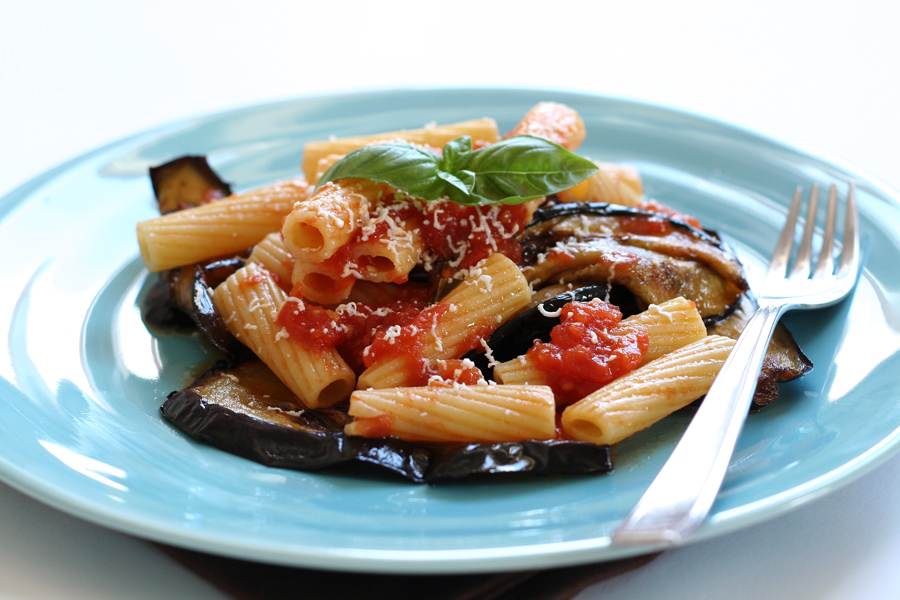
Pasta alla Norma

Pasta alla Norma

This iconic Catania dish features perfectly cooked pasta tossed with fried eggplant, a rich tomato sauce, and abundant shavings of salty ricotta salata.

Via Crociferi area (Catania) · 12 undefined

Caponata

Caponata

A versatile sweet and sour vegetable dish, a staple side or appetizer made with fried eggplant, celery, capers, olives, and a tangy tomato sauce.

8 undefined

Shopping guide

Sicily's shopping scene blends vibrant local markets with artisan workshops, offering a mix of traditional crafts and unique regional foods. Focus on specific artisan studios or well-regarded shops rather than generic tourist stalls, especially in high-traffic areas where street vendors can be aggressive.

Modica Chocolate (Cioccolato di Modica)

This ancient chocolate is made using a cold-processing method inherited from the Aztecs, giving it a unique crumbly texture and intense flavor.

Antica Dolceria Bonajuto in Modica; specialty food shops in major cities. · 10 undefined

Marsala Wine

This historic fortified wine, aged like sherry, is excellent for drinking or cooking and directly reflects Sicilian viticulture.

Cantine Florio or Donnafugata wineries in Marsala; Enoteca shops across Sicily. · 30 undefined

Caltagirone Ceramics (Teste di Moro)

These brightly colored, hand-painted ceramics, especially the iconic Moorish head vases, are a centuries-old Sicilian tradition.

Ceramiche Artistiche shops and artisan workshops in Caltagirone; La Rinascente in Palermo for curated selections. · 100 undefined

Sicilian Puppets (Pupi Siciliani)

These elaborately dressed, hand-carved wooden puppets are a UNESCO-recognized tradition telling epic tales of knights.

Museo Internazionale delle Marionette Antonio Pasqualino gift shop; artisan workshops in Palermo's historic center. · 120 undefined

Sicilian Sea Salt

Harvested from ancient salt pans, this natural sea salt offers a superior flavor and mineral content compared to common table salts.

Museo del Sale in Trapani; local food markets or specialty stores. · 8 undefined

Leather Goods

Genuine leather items like bags, belts, and wallets are crafted with Italian quality and often at better prices than on the mainland.

Via Maqueda or Via Ruggero Settimo in Palermo; artisan shops in Ortigia (Syracuse). · 80 undefined

Travel essentials

Connectivity & SIM

Wi-Fi: Free WiFi is common in hotels, many cafes, and restaurants, usually requiring a simple login or password. You may find some city-provided hotspots in larger cities like Milan, but this is less common in Bergamo. Expect reliable WiFi in most accommodations.
SIM options
  • TIM, Vodafone, WindTre, Iliad (eSIM or physical SIM)Varies; from 10-25 EUR for 10-30GB for 30 days
    Where: Orio al Serio Airport (BGY) arrivals, main phone carrier stores in Bergamo center
Apps to install
  • Google MapsEssential for navigation using walking, public transport, or driving directions throughout Bergamo and Italy.
  • ATB MobileProvides real-time bus and funicular schedules and ticket purchasing for Bergamo's local public transport system.
  • Free Now (mytaxi)Order taxis via an app in larger Italian cities like Milan, though less commonly used for short hops within Bergamo.
  • TrenitaliaCheck train schedules and purchase tickets for intercity travel from Bergamo to nearby cities like Milan or Brescia.
  • Google TranslateUseful for quick translations of menus or signs, especially with the camera feature. Download the Italian offline pack.
Tip: Travelers from EU countries can use their existing data plans without roaming charges due to EU 'Roam Like At Home' regulations. For others, buying a local Italian SIM card provides the best value over international roaming plans.

Cultural notes

When greeted, a handshake is common, and close friends or family might exchange air kisses on both cheeks. At meals, waiting until everyone is served before eating is polite, and keeping your hands visible on the table (not in your lap) is customary. Avoid loud conversations in public spaces, especially on trains or buses. Tipping is not expected or required in restaurants, cafes, or taxis; a small service charge (coperto) is often included in restaurant bills for bread and service.

Safety

Bergamo is generally a safe city with a low crime rate compared to larger Italian hubs like Milan or Rome. Be aware of the 'bracelet scam' often seen in tourist areas, where unsolicited 'gifts' of bracelets are then demanded for payment. When considering purchasing goods from street vendors, be cautious; buying imitation luxury items carries a very high fine in Italy, regardless of your intent. For taxis, always agree on the fare or confirm the meter is running correctly before departure to prevent disputes.

What to pack

  • Comfortable walking shoes (sturdy soles for cobblestones)
  • Layered clothing (for varying temperatures)
  • Light scarf or shawl (for church visits)
  • Compact umbrella (for sudden rain showers)
  • Small crossbody bag (security, easy access)
  • Light jacket (evenings in spring/fall)
  • Power bank (phone charging on the go)
  • Water bottle (stay hydrated while exploring)
  • Small daypack (for daily essentials)
  • Offline maps (Bergamo region pre-downloaded)

Travel tips

  • Pre-book high-demand train tickets via the Trenitalia website, especially for weekend trips to Milan or Verona, as trains can fill up.
  • Use the funicular to travel between Citta Bassa (Lower City) and Citta Alta (Upper City) for 1.30 EUR per ride; tickets are purchased at kiosks or on the ATB Mobile app.
  • Withdraw cash from bank ATMs (Bancomat) located at banks for better exchange rates and lower fees compared to Euronet ATMs, which often have high charges.
  • Always confirm taxi fares before starting your journey; ask for an estimated price from point A to point B to avoid inflated charges.
  • When entering churches, ensure your shoulders and knees are covered; carry a light scarf or shawl for impromptu visits to avoid being turned away.
  • Book popular Citta Alta restaurants for dinner a day or two in advance, especially on weekends, using their websites or by calling.
  • If planning to drive, learn about Italy's ZTL (Limited Traffic Zones) in city centers; fines for unauthorized entry are electronically issued and steep.
  • Look for 'Menu del Giorno' (menu of the day) at local trattorias for an affordable fixed-price lunch, typically 10-15 EUR, often including water and wine.
  • Validate your bus or train ticket using the stamping machines at stations or on board immediately after purchase to avoid fines of 50 EUR or more.
  • Carry a reusable shopping bag; many shops, including supermarkets, charge for plastic bags, usually 0.10-0.20 EUR.

Electric Socket Guide

Socket Types

Type C - Europlug

Two round pins (most of Europe, South America)

Type F - Schuko

Two round pins + side earth clips (Germany, Europe)

Type L

Three round pins in a row (Italy, Chile)

Voltage

230V

Frequency

50Hz

Planning checklist

  1. Pick one region before plotting days.

    Sicily is too large to circle in a week without living in transit. Anchor a first trip on the east, around Catania, Mount Etna, Syracuse, and Taormina, where the cities sit close and trains link them. Add the west, Palermo and the temples, only with more time or on a return.

  2. Take the train between coastal cities, rent only for the west.

    Regional trains connect Palermo, Cefalù, Catania, Taormina, and Syracuse cheaply and skip the parking problem that makes city driving the hardest part of any Sicily trip. Save a rental car for the western corner and the interior, where buses thin out and a car opens up the temples and hill towns.

  3. Travel in May-June or September-October.

    You get warm, swimmable sea and gentler heat without the July-August peak, when inland and southern sites climb above 35°C and Taormina runs at capacity. Spring adds wildflowers; autumn keeps the water warm into October. If you must come in August, book rooms and Etna tours well ahead.

  4. Build Mount Etna and Agrigento as full, flexible days.

    Etna is an active volcano with its own weather, so go with a licensed guide, pack warm layers, and keep the day movable for ash or eruptions that can close access. The Valley of the Temples is a long, shadeless park two hours from Palermo or the east; go early or for golden hour with water and sun cover.

  5. Eat at the markets, not just the restaurants.

    Palermo's Ballarò and Vucciria, Catania's Pescheria, and Syracuse's Ortigia market hold the island's best and cheapest food: arancini, panelle, sfincione, fresh fish, and cannoli to order. Go hungry in the morning and graze your way through.

  6. Book around the big feasts and verify their dates.

    Sant'Agata in Catania (early February), the Infiorata in Noto (mid-May), and Palermo's Festino di Santa Rosalia (mid-July) fill their cities and close streets. Reserve rooms early if you want to attend, and confirm the year's exact dates before locking plans, since several shift annually.

Avoid these first-timer mistakes

  • Trying to see the whole island in a week

    Sicily is large, roughly the size of a small country, and the roads and trains are slower than the map suggests. A common first-trip error is plotting Palermo, the west, the south coast, Etna, and the east into seven days, then spending most of them in transit. Pick one or two regions per week. The east around Catania, Etna, Syracuse, and Taormina is the strongest first-timer base; add the west on a return trip or a longer stay.

  • Renting a car when the train would do

    The east and north coast cities, Palermo, Cefalù, Catania, Taormina, and Syracuse, are linked by regional trains that are cheap and skip the parking problem. City driving and parking in Palermo and Catania is the hardest part of any Sicily trip. Take the train between the coastal cities and save the rental for the west and the interior, where buses thin out and a car genuinely opens things up.

  • Underestimating Mount Etna

    Etna is an active volcano with its own weather, and tours run to different altitudes. The base areas at Rifugio Sapienza are easy, but reaching the upper craters means a cable car, a 4x4, and a guide, with cold wind and thin air even in summer. Eruptions and ash can close access or the Catania airport at short notice. Book a guided trip, bring warm layers and closed shoes, and keep the Etna day flexible for weather.

  • Going in July or August without planning

    Midsummer in Sicily is hot, often well above 35°C inland and on the southern sites, with packed beaches, peak prices, and Taormina at capacity. The Valley of the Temples and the Syracuse ruins are shadeless and brutal at midday. May, June, September, and October give warm sea and gentler heat. If you must come in August, book rooms and Etna tours ahead and plan sightseeing for early morning and evening.

  • Skipping the markets and the street food

    Sicily's markets are the meal, not a sideshow. Palermo's Ballarò and Vucciria, Catania's Pescheria, and Syracuse's Ortigia market are where the island eats: arancini, panelle, sfincione, fresh swordfish and tuna, capers, pistachios, and cannoli filled to order. Many first trips eat only at restaurants and miss the best and cheapest food on the island. Go hungry in the morning and graze.

  • Treating Agrigento as a quick stop

    The Valley of the Temples is a long, hot, hilly archaeological park, not a roadside photo. From Palermo or the east it is a two-hour-plus drive each way, so a day trip is a full day. Go early or stay for golden hour, carry water and sun cover, and allow two to three hours to walk the temple ridge. Pairing it with Piazza Armerina's Roman mosaics adds another half-day of driving.

  • Expecting beaches everywhere like the Amalfi postcard

    Sicily's coast is varied: sandy at Cefalù, San Vito Lo Capo, and the southeast, but rocky or pebbly elsewhere, and many town beaches are paid clubs in summer. The famous Scala dei Turchi white cliffs near Agrigento have had access restrictions in recent years. Check current beach access before building a day around one spot, and bring water shoes for the rocky coves.

Frequently Asked Questions

No. Sicily is part of Italy, in the EU's Schengen Area, so US, UK, Canadian, and Australian passport holders can visit visa-free for up to 90 days in any 180-day period. The EU's ETIAS travel authorization (a quick paid online form, not a visa) is expected to launch in the last quarter of 2026 for visa-exempt travelers, with no exact date confirmed and not yet accepting applications as of mid-2026. Check the official EU ETIAS site for the current start date before you book. The 90-day limit is shared across all Schengen countries combined.

Yes. Sicily is a popular, well-trodden destination where solo, family, and older travelers are common, and violent crime against tourists is rare despite the island's old mafia reputation, which does not touch visitors. The everyday risk is petty theft: pickpocketing and bag-snatching in crowded Palermo and Catania markets, on buses, and around train stations, so keep valuables zipped and out of sight. Driving in the big cities is chaotic, and Mount Etna's upper slopes carry real volcanic risk, so use licensed guides. Summer heat on the southern archaeological sites is a genuine hazard; carry water and sun cover.

May, June, September, and October are the sweet spots: warm enough to swim, gentler than the midsummer heat, and far less crowded than July and August. Spring brings wildflowers and green hills before the landscape browns; autumn keeps the sea warm into October. July and August are hot, often above 35°C inland and on the southern temple sites, with the highest prices, packed beaches, and Taormina at capacity. Winter is mild on the coast, quiet, and cheap, good for the cities and sights but cold for the sea, with some coastal services reduced.

Five days covers the east coast well: Catania as a base, a day on Mount Etna, the Greek ruins and Ortigia old town at Syracuse, and the cliff theatre at Taormina, all linked by short train hops. Seven days lets you cross the island, adding Palermo, the Monreale mosaics, and a day trip to the Valley of the Temples at Agrigento. Ten days or more opens the west: Cefalù, the temples at Segesta, and the Trapani-Erice-salt-pans corner, plus slack for Etna weather or a ferry to the Aeolian Islands. Sicily is large and slow, so resist cramming.

Regional trains link the main coastal cities, Palermo, Cefalù, Catania, Taormina, and Syracuse, cheaply and without the parking headache, and they are the easiest way to move along the north and east coasts. Inland and western Sicily are thinner on rail, so a rental car opens up the temples, hill towns, and remote beaches that buses reach slowly or not at all. Many travelers do a hybrid: trains between the eastern cities, then a car for the west. Avoid driving in central Palermo and Catania, where traffic and parking are the hardest part of any trip. Mount Etna and the islands are reached by guided tours and ferries.

Most travelers fly in, with Catania (CTA) the busiest airport on the east and Palermo (PMO) serving the west, both with connections across Europe and onward flights from major Italian cities. From mainland Italy you can also take a train, which is loaded onto a ferry across the Strait of Messina, or drive and cross by car ferry from Villa San Giovanni. For a one-week trip, flying into Catania and out of Palermo (or the reverse) saves backtracking across the island. Ferries also link Sicily to Naples, Malta, and the smaller islands.

For a first trip, the east is the stronger base. Catania, Taormina, and Syracuse sit close together with frequent trains, and the east holds Mount Etna and the best-known Greek ruins. Palermo and the west are richer in markets, mosaics, and the Arab-Norman layers, plus Cefalù's beach and the western temples, but they spread out more and reward a car. A classic week splits the two: three or four days east around Catania and Etna, then west to Palermo. Avoid hopping bases every night; pick one anchor per region.

Yes, Etna is the centerpiece of eastern Sicily and Europe's most active volcano. The simplest visit drives up to Rifugio Sapienza at about 1,900 meters, where short trails loop the lower craters and a cable car plus 4x4 climbs toward the summit zone with a guide. Go with a licensed operator for the upper slopes, where weather, wind, and volcanic activity change fast, and bring warm layers and closed shoes even in summer. Day tours run from Catania and Taormina. Keep the day flexible: eruptions or ash can close access or the Catania airport at short notice.

Sicily eats differently from mainland Italy, with Arab, Greek, and Spanish layers in the kitchen. Start with the street food: arancini (fried rice balls), panelle (chickpea fritters), and sfincione (a thick Palermo pizza). Pasta alla Norma with eggplant and ricotta salata is the Catania dish; swordfish and tuna run the coasts; and couscous shows the North African link in the west. For sweets, cannoli filled to order, cassata, almond granita with a brioche for breakfast, and Modica's grainy chocolate. Wash it down with Etna wines and a glass of sweet Marsala.

Plan less, do more.

Plan a trip