Puerto Rico travel guide cover photo

Puerto Rico Travel Guide: San Juan, El Yunque, Culebra, and Beyond

A first-timer's guide to Puerto Rico: the passport, hurricane-season, and getting-around details everyone gets wrong.

Last updated June 19, 2026 · By Namrata

Puerto Rico packs an absurd amount of variety into a 100-by-35-mile island. You can walk 500 years of Spanish colonial history through the blue-cobblestone streets of Old San Juan in the morning, hike to a rainforest waterfall in El Yunque by afternoon, and paddle a bioluminescent bay that lights up with every stroke after dark — all in the same day, in the same place, paying in US dollars. For US travelers it's the rare destination that feels genuinely foreign while requiring no passport and no currency exchange.

The thing most first-timers underestimate is how much lives outside San Juan. The capital is the headline, but the best beaches are on the offshore islands of Culebra and Vieques, the brightest bio bay needs a boat or a drive, and the rainforest, surf coast, and southern towns all sit at the other end of a rental car. The other underestimate is timing: the Atlantic hurricane season shapes prices and risk from June into November, and the island's biggest festivals and holiday weeks turn beaches and ferries into zoo scenes if you don't plan around them.

This guide is the planning layer that sits above the day-by-day itineraries. Decide how far beyond San Juan you want to range, pick one island and the rainforest as your anchors, rent a car for the days you leave the city, and time the trip around the weather and the festival calendar. Do that and Puerto Rico delivers more in a week than almost anywhere else you can reach without a passport.

Choose your trip length

5 days

San Juan + El Yunque

Old San Juan's forts and colonial streets, a day in El Yunque rainforest, an evening bioluminescent-bay tour, and a beach day. The tightest trip that still feels complete.

7 days

San Juan + an island + El Yunque

Add a Culebra or Vieques overnight for Flamenco Beach and the bio bay. Base in San Juan, ferry or fly out to one island, save a day for the rainforest.

10 days

+ the west and south

Tack on Rincón (surf and sunsets) and Ponce (southern architecture, museums). A full loop of the island with a rental car; pure beach-and-mountains week on the back end.

The flagship itinerary

Best time to visit
The best time to visit Puerto Rico is December to May. During these months, the weather is cooler and drier, with average temperatures around 24-28 degrees Celsius. This period avoids the peak of hurricane season, which typically runs from June through November. Expect larger crowds and higher prices during the winter holidays and around Easter.
Currency
United States Dollar (USD)
Visa
As a U.S. territory, Puerto Rico follows U.S. visa policies. U.S. citizens do not need a visa or passport for entry. For EU, UK, and Australian citizens, entry is typically visa-free under the Visa Waiver Program (ESTA required, 90-day maximum stay). Indian citizens require a U.S. visa. All non-U.S. citizens must hold a passport valid for at least six months beyond their intended stay.
Tipping
Tipping norms in Puerto Rico are similar to the U.S. mainland. Expect to tip 15-20% for good service at restaurants, 15% for taxi drivers, and a few dollars per bag for hotel porters. Bartenders usually receive $1-2 per drink, or 15-20% of the total bill.
Emergency
911 (police, fire, ambulance)

Estimated daily cost

Backpacker

$80-130/day

Hostels and guesthouses, street food and food trucks, a shared rental car or públicos. Puerto Rico uses the US dollar and US-mainland pricing, so it runs pricier than most of the Caribbean's budget tier. Prices as of 2026; verify current rates.

Mid-range

$180-320/day

3★ hotels or a Condado/Old San Juan Airbnb, a rental car, a mix of mofongo joints and nicer dinners, a paid bio-bay or rainforest tour. The sweet spot for first-timers. Prices as of 2026; verify current rates.

Luxury

$450+/day

Resorts in Dorado, Condado, or Rio Grande, fine dining, private guides and catamaran charters. Peak winter (Dec-Apr) rates climb hard. Prices as of 2026; verify current rates.

Jan
S
Feb
P
Mar
P
Apr
S
May
S
Jun
S
Jul
S
Aug
O
Sep
O
Oct
O
Nov
S
Dec
P
Off-peak (cheaper) Shoulder Peak (priciest)Baseline: September

Festivals & timing

Jan 6 + mid-Jan

Three Kings Day & San Sebastián Street Festival

Three Kings Day (Día de Reyes) caps the long Christmas season; days later, the San Sebastián Street Festival (SanSe) fills Old San Juan with music, food, and crowds. Festive but very busy — book early.

Worth planning around

Feb - Mar

Carnaval de Ponce

One of the oldest carnivals in the Americas: masked vejigante parades, music, and street food in Ponce the week before Lent. Worth structuring a southern detour around.

Worth planning around

Mar - Apr

Semana Santa (Holy Week)

Easter week is when Puerto Ricans hit the beaches en masse — many camp out for days. Beaches, hotels, and roads are at their busiest; book well ahead or avoid the headline beaches.

Better to avoid

Jun 23

Noche de San Juan

On the eve of the capital's patron saint, locals head to the beach at midnight and walk backwards into the sea for good luck. A lively, only-in-PR night in San Juan.

Worth planning around

Aug - Oct

Hurricane season peak

Not a festival, but the dates that most shape a trip: the riskiest stretch of the June-November Atlantic season. Lowest prices, highest weather risk — go in with insurance and flexibility.

Better to avoid

Nov - Dec

Navidades (Christmas season)

Puerto Rico claims the world's longest Christmas season — weeks of parrandas (caroling), lechón, and festivities running into January. Joyful and busy; peak-season prices apply.

Major cities at a glance

San Juan
Wikimedia Commons

San Juan

2-3 days

Best for colonial history + nightlife

The capital and gateway. Old San Juan's two forts (El Morro and San Cristóbal), pastel colonial streets, La Placita nightlife, and the Condado and Isla Verde beach strips.

Culebra
Wikimedia Commons

Culebra

1-2 days

Best for world-class beaches

A small island east of the mainland, home to Flamenco Beach — regularly ranked among the best in the world. Reachable by ferry from Ceiba or a short flight; day-trippable but better overnight.

Vieques
Wikimedia Commons

Vieques

1-2 days

Best for bioluminescent bay

Mosquito Bay, the brightest bioluminescent bay in the world, plus wild horses and uncrowded beaches on a former Navy island. Ferry from Ceiba or fly from San Juan.

Rincón
Wikimedia Commons

Rincón

2 days

Best for surf + sunsets

The west-coast surf town: consistent winter waves, the iconic lighthouse, whale-watching in season, and the island's best sunsets. A 2.5-hour drive from San Juan.

Ponce
Wikimedia Commons

Ponce

1 day

Best for southern architecture

The 'Pearl of the South': the candy-striped Parque de Bombas firehouse, a strong art museum, the hilltop Castillo Serrallés, and a slower, less touristy pace than San Juan.

Fajardo
Wikimedia Commons

Fajardo

1 day

Best for east-coast gateway

The jumping-off point for the Ceiba ferry to Culebra and Vieques, the Laguna Grande bio bay, and catamaran day trips to Icacos. Close to El Yunque for a combined day.

Top things to do in Puerto Rico

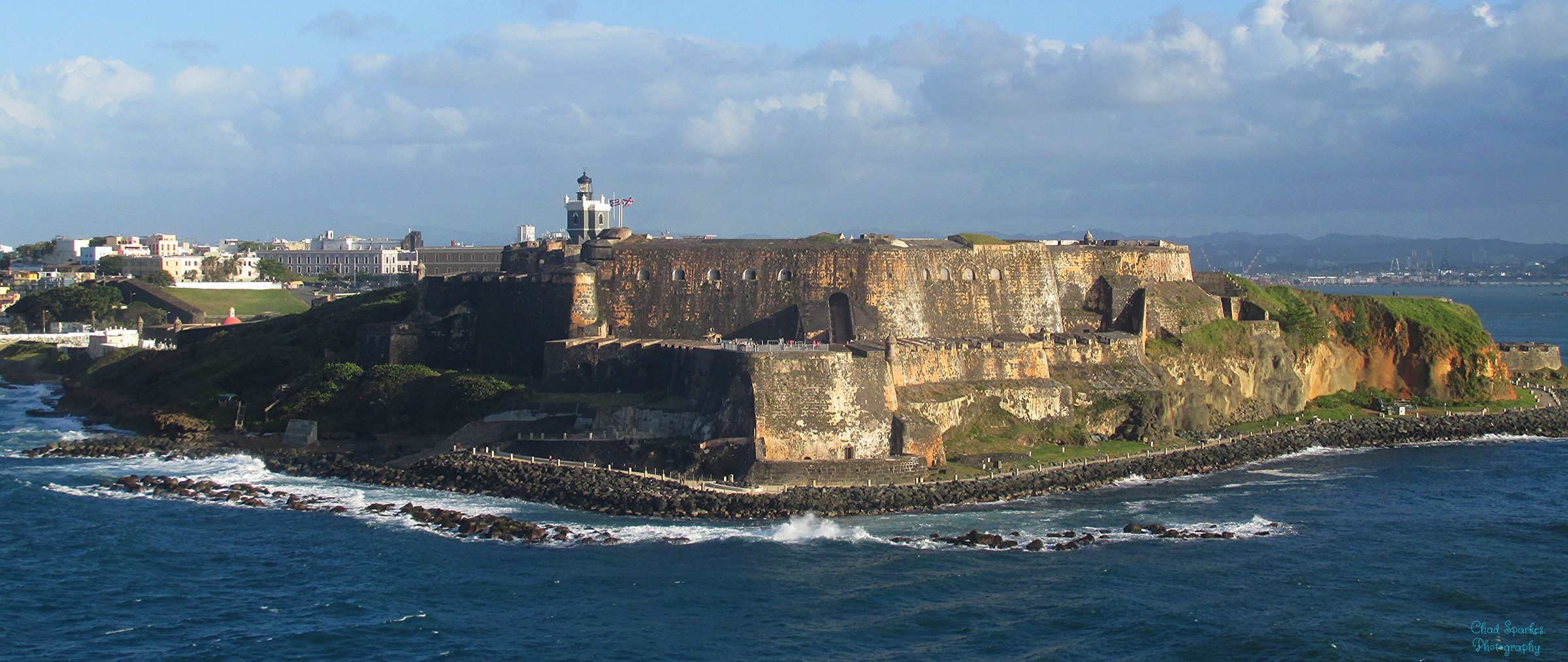
Explore Historic Old San Juan

Explore Historic Old San Juan

Castillo San Felipe del Morro · Castillo San Cristobal · El Paseo de la Princesa

Chad Sparkes from Kissimmee,Florida, United States (CC BY 2.0

Discover the El Yunque Rainforest

Discover the El Yunque Rainforest

El Yunque National Forest · Juan Diego Falls · Yokahu Tower

Stan Shebs (CC BY-SA 3.0

Experience a Bioluminescent Bay

Experience a Bioluminescent Bay

Mosquito Bay · Laguna Grande · La Parguera Bioluminescent Bay

Edgar Torres (CC BY 3.0

Taste Puerto Rican Cuisine

Taste Puerto Rican Cuisine

La Placita de Santurce · Pinones · El Jibarito

Moebiusuibeom-en (CC BY-SA 4.0

Relax on Iconic Beaches

Relax on Iconic Beaches

Flamenco Beach · Luquillo Beach · Playa Sucia

Breezy Baldwin (CC BY 2.0

An Afro-Puerto Rican Cultural Experience

An Afro-Puerto Rican Cultural Experience

Centro Cultural de Loiza · Bomba y Plena Dance Workshop · Casa Afroboricua de la Cultura

U.S. Department of Agriculture Master Sgt. Joshua DeMotts/1st Combat Camera Squadron (Public domain

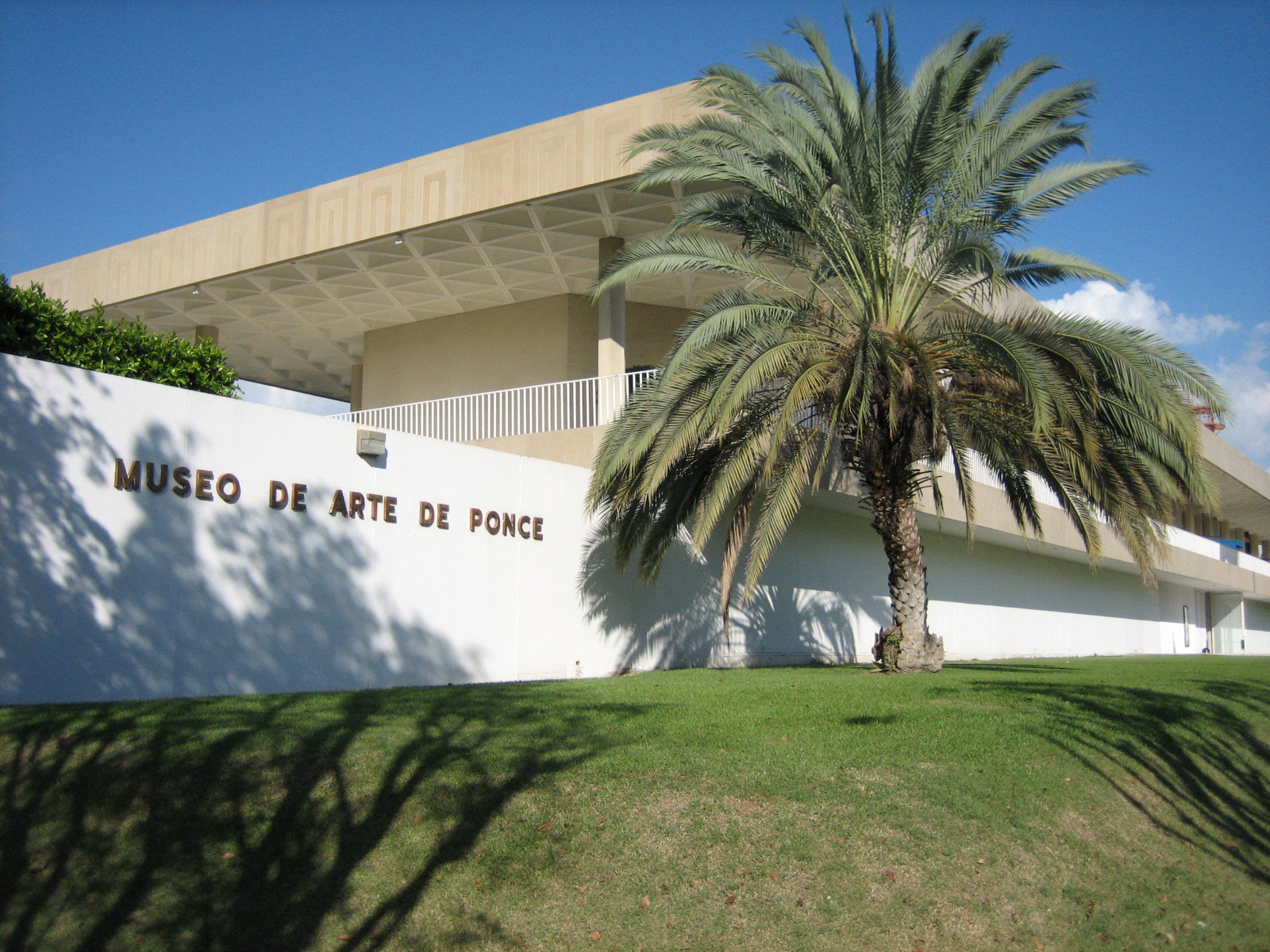
A Historic Day Trip to Ponce

A Historic Day Trip to Ponce

Museo de Arte de Ponce · Museo Castillo Serralles · Parque de Bombas

Oquendo on Flickr (appears to be Jose Oquendo here.) (CC BY 2.0

An Exploration of Taino Indigenous Culture

An Exploration of Taino Indigenous Culture

Caguana Ceremonial Park

Wikimedia Commons

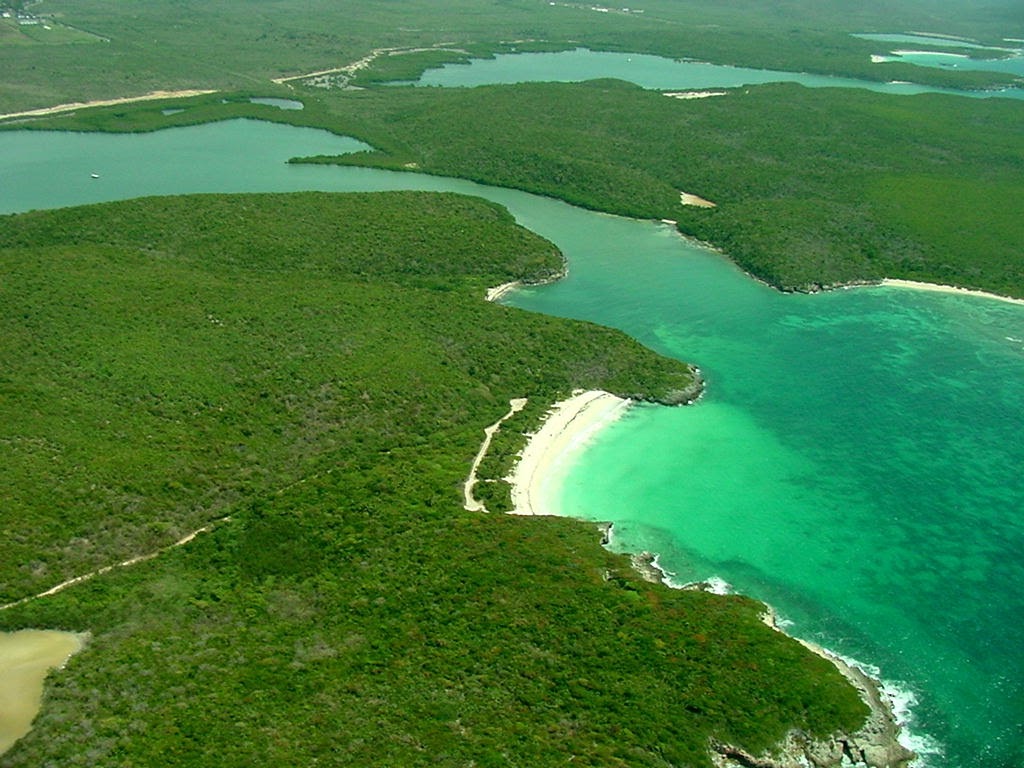
A Coastal Nature Reserve Walk

A Coastal Nature Reserve Walk

Faro Los Morrillos de Cabo Rojo · Pinones State Forest · Jobos Bay National Estuarine Research Reserve

http://en.wikipedia.org/wiki/User:Smylere_Snape (Copyrighted free use

Food guide

Puerto Rico's food scene is a blend of Spanish, African, and Taino influences, centered around plantains, pork, and seafood. The best eating happens at 'chinchorros' (roadside shacks) or 'lechoneras' (open-air pork roasteries) in the countryside, far from tourist traps. Try a 'panaderia' for breakfast instead of a hotel cafe.

Alcapurria

Alcapurria

A popular fritter made from grated green plantains and yautia (taro root) dough, filled with seasoned ground beef or crab meat, then deep-fried until golden.

Coastal kiosks, like those in Pinones near Loiza · 4 undefined

Cafe con Leche

Cafe con Leche

A strong, dark roasted local coffee mixed with steamed milk, a breakfast staple that fuels every Puerto Rican morning.

4 undefined

Tostones

Tostones

Thick slices of green plantains twice-fried until crispy and golden, usually served as a side dish with a sprinkle of salt.

5 undefined

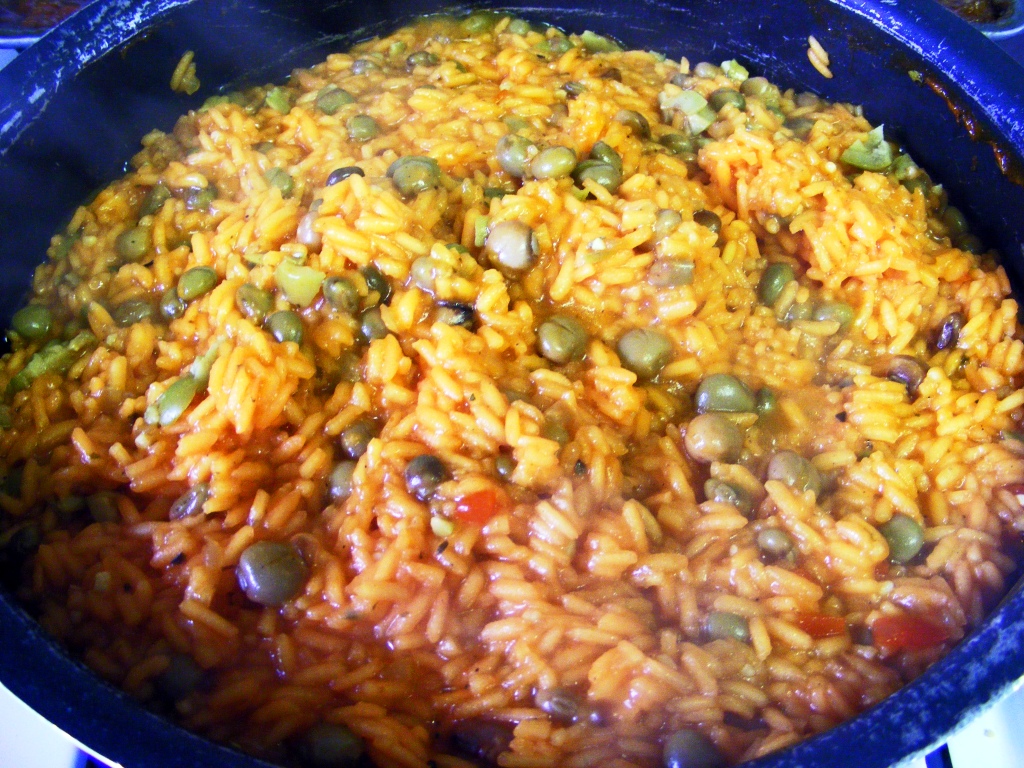
Arroz con Gandules

Arroz con Gandules

The national rice dish, a savory blend of rice, pigeon peas, pork, and sofrito, served at nearly every traditional meal and especially during holidays.

8 undefined

Mofongo

Mofongo

Fried green plantains mashed with garlic, pork cracklings, and broth, often served as a side or stuffed with chicken, pork, or seafood.

15 undefined

Lechon Asado

Lechon Asado

Whole roasted pig, slow-cooked over an open fire until the skin is incredibly crispy and the meat tender and juicy, usually served with arroz con gandules.

La Ruta del Lechon (Guavate) · 20 undefined

Shopping guide

Puerto Rico's shopping scene is a mix of charming artisan workshops in Old San Juan and more modern malls. Focus on Old San Juan and local markets for authentic, handcrafted items, and avoid the generic tourist traps near cruise ship docks. Look for small, independent boutiques to find truly unique pieces.

Puerto Rican Coffee

Known for its low acidity and smooth, rich flavor, Puerto Rican coffee beans are often grown in high-altitude volcanic soil, offering a distinct taste.

Cuatro Sombras (Old San Juan), Hacienda San Pedro (stores throughout), local supermarkets like Pueblo or Econo. · 20 undefined

Coqui-themed Jewelry

Jewelry featuring the iconic Coqui frog, a small tree frog endemic to Puerto Rico, serves as a charming and compact symbol of the island.

Local artisan kiosks at Plaza de Armas (Old San Juan), specialty jewelry stores like The Coqui del Encanto. · 35 undefined

Pitorro (Artisanal Flavored Rum)

Pitorro is a potent, traditionally moonshine rum often infused with natural fruits and spices, representing a deeply rooted local spirit and cultural practice.

Select liquor stores like La Cava de Vinos or Casa del Ron, some local farmers markets for artisanal brands. · 40 undefined

Vejigante Mask

These vibrantly painted, horned masks, made from papier-mache or coconut husks, are central to Puerto Rico's carnival and folkloric festivals, making them a striking piece of art.

Casa del Vejigante (Ponce), artisan shops along Calle Fortaleza (Old San Juan), Mercado de Santurce (San Juan). · 80 undefined

Santos de Palo (Carved Wooden Saints)

Hand-carved wooden figures of saints, depicting religious or folkloric characters, are a deeply traditional Puerto Rican folk art form passed down through generations.

Galeria Botello (Old San Juan), Casa Candina (Old San Juan), Museo de las Americas gift shop (San Juan). · 150 undefined

Mundillo Lace

Delicate, handmade bobbin lace from Moca and Isabela, this intricate textile tradition is a beautiful and unique wearable art or home decor piece.

Artisan craft fairs, specialized craft shops in Old San Juan, Museo de Artesanias Puertorriquenas (San Juan) for curated selections. · 60 undefined

Travel essentials

Connectivity & SIM

Wi-Fi: Most hotels and hostels offer WiFi, though reliability can vary, especially outside major tourist zones. Cafes and restaurants in larger towns often provide free WiFi with a purchase.
SIM options
  • Major US carriers (AT&T, T-Mobile, Verizon)Included in existing US domestic plans, or various prepaid options available
    Where: US mainland prior to travel, or official carrier stores in major cities like San Juan
Apps to install
  • Google MapsEssential for navigation, directions, and finding local businesses across the island.
  • Uber / LyftUse for ride-sharing services in San Juan and other major urban areas.
  • ATM Locator appFind ATMs that accept foreign cards, as availability can be limited outside main towns.
  • Weather appMonitor tropical weather conditions, especially during hurricane season from June to November.
Tip: Cell service tends to be 3G with occasional dropped signals when you venture away from beach towns and into more remote areas. For international travelers, confirm roaming charges with your carrier; a local prepaid US SIM card may be a better value.

Cultural notes

Politeness and a simple smile are highly valued in Puerto Rico. People generally stand closer together when socializing than in mainland America. It is common to engage in closer physical proximity during conversations. When interacting, a friendly demeanor goes a long way. If you are unsure of a custom, observing locals and being respectful will help you navigate social situations.

Safety

Puerto Rico has a crime problem, but tourist areas like Old San Juan, Condado, and Isla Verde are heavily patrolled by police and generally safe. In more secluded areas, especially remote beaches on Vieques, petty crime can occur. Always keep drinks in sight to prevent drink spiking, and be cautious walking alone in solitary places. If you need assistance, the police presence in tourist zones is very visible.

What to pack

  • Lightweight, breathable clothing (linen, cotton)
  • Swimsuit (2-3 for rotation)
  • Reef-safe sunscreen (protects marine life)
  • Insect repellent with DEET (mosquitoes year-round)
  • Light rain jacket or poncho (sudden showers)
  • Waterproof phone pouch (beach, watersports)
  • Portable power bank (for days out)
  • Flip-flops or sandals
  • Beach towel
  • Wide-brimmed hat or cap
  • Light long-sleeved shirt (sun protection, evenings)

Travel tips

  • Carry a copy of your passport and leave the original in a secure place at your accommodation.
  • Always keep your drink in view at bars or social gatherings to avoid drink spiking.
  • Do not accept drinks from strangers, and always watch your drink being poured and handed to you directly.
  • Leave all valuables at your accommodation or well-hidden when visiting remote beaches, especially on Vieques where petty crime can occur.
  • Use caution when riding a bicycle around cities; roads are often narrow and can have potholes.
  • When exploring areas like Old San Juan or Condado, take advantage of the visible, 24-hour police presence for any concerns.
  • Withdraw cash at ATMs in larger towns like San Juan; ATMs in smaller areas, like Los Cobanos, may be scarce or non-existent.
  • Factor in an extra charge of about 5% when paying with credit cards at some establishments, as this is a common practice.

Electric Socket Guide

Socket Types

Type A

Two flat parallel pins (North America, Japan)

Type B

Two flat pins + round ground (North America)

Voltage

120V

Frequency

60Hz

Planning checklist

  1. Check your ID, not your passport.

    US citizens don't need a passport for Puerto Rico — it's domestic travel — but you do need a REAL ID-compliant license or a passport to board a domestic flight as of 2025 (USAGov). Non-US travelers need standard US entry documents. Confirm your driver's license is REAL ID-compliant before you fly.

  2. Time the trip around hurricane season.

    Peak weather is December to April; the cheapest months (August-October) overlap the riskiest stretch of the June 1-November 30 hurricane season (NOAA). If you travel in season, buy travel insurance and keep bookings flexible.

  3. Rent a car for everything outside San Juan.

    Transit and rideshare cover the metro area and not much else. Book a rental for your rainforest, west-coast, south-coast, and ferry-terminal days. Reserve early in winter and around holidays when fleets sell out.

  4. Book islands and bio-bay tours ahead.

    The Ceiba ferries to Culebra and Vieques sell out, and bio-bay tours are best on low-moon nights — both reward planning. Reserve ferries (or a short flight) and pick your bio-bay date against the lunar calendar before you lock the rest of the trip.

  5. Anchor the trip on San Juan plus two day-trip themes.

    Most first-timers do Old San Juan, El Yunque, a bio bay, and one beach island in five to seven days. Add Rincón and Ponce only if you have ten days and a car for the full loop; otherwise you'll spend the trip driving instead of swimming.

Avoid these first-timer mistakes

  • Not renting a car

    Public transit barely reaches beyond metro San Juan. El Yunque, the west coast, the south, and the ferry terminals all need a car. Rent one for any day you leave the capital — rideshare won't cover it and is scarce outside the metro.

  • Underestimating hurricane season

    The Atlantic hurricane season runs June 1 to November 30, with peak risk August through October (per NOAA's National Hurricane Center). Trips in those months are cheaper and often fine, but build in flexibility and travel insurance.

  • Booking the island ferries day-of

    The Ceiba ferries to Culebra and Vieques sell out, especially weekends and holidays. Reserve ahead online, arrive early, or fly the short hop from San Juan instead of risking a missed boat.

  • Only staying in San Juan

    Old San Juan is the headline, but the rainforest, bio bays, and best beaches are all outside the capital. Budget at least a couple of days to get out of the city or you'll miss what makes the island special.

  • Visiting the bio bay near a full moon

    Bioluminescence is faint when the moon is bright. For the brightest glow at Mosquito Bay (Vieques) or Laguna Grande (Fajardo), book a tour on a new-moon or low-moon night and check the lunar calendar before you lock dates.

  • Leaving valuables in your rental car

    Car break-ins happen at trailhead lots and quieter beaches. Don't leave bags, electronics, or anything visible in a parked rental — take it with you or don't bring it.

Frequently Asked Questions

If you're a US citizen, no. Puerto Rico is a US territory, so flying there from the US mainland is domestic travel — you don't need a passport, just a government-issued ID, and a REAL ID-compliant license (or passport) is required for domestic flights as of 2025 (USAGov). Non-US travelers need whatever they'd need to enter the United States (a passport, plus an ESTA or US visa as applicable). Bringing a passport is still a handy backup ID.

Yes, for tourists in the main areas. Old San Juan, Condado, Isla Verde, Rincón, Ponce, and the islands of Culebra and Vieques are well-traveled and generally safe with normal city precautions. Most crime is concentrated in specific neighborhoods away from tourist zones and isn't directed at visitors. The most common traveler issue is car break-ins, so don't leave valuables in a parked rental.

The headline experiences are Old San Juan's two Spanish forts (El Morro and San Cristóbal), hiking waterfalls in El Yunque — the only tropical rainforest in the US National Forest System — kayaking a bioluminescent bay (Mosquito Bay on Vieques is the brightest in the world), and the beaches: Flamenco on Culebra, Sun Bay on Vieques, and the surf at Rincón. Add the Camuy caves and a lechón lunch on the Guavate pork highway if you have time.

December through April is the dry, sunny peak season — best weather, highest prices and crowds. April to June is the shoulder sweet spot: warm, drier, and cheaper before the rains. Hurricane season runs June 1 to November 30, with peak risk August through October; those months are the cheapest but carry real weather risk, so travel with insurance and flexible bookings.

For most trips, yes. Public transit is limited to the San Juan metro area, and rideshare thins out fast once you leave the city. El Yunque, the west coast, the south, and the ferry terminals all effectively require a rental car. If you're only doing Old San Juan and nearby beaches, you can skip it and use rideshare; for everything else, rent.

The US dollar — Puerto Rico is a US territory, so there's no currency exchange and no foreign-transaction surprises for US travelers. Cards are widely accepted; carry some cash for food trucks, small kioskos, beach vendors, and the islands, where card acceptance is spottier.

Five days covers San Juan, El Yunque, a bio bay, and a beach day without rushing. Seven days lets you add an overnight on Culebra or Vieques. Ten days opens up a full loop with the west coast (Rincón) and the south (Ponce). Three days is enough for Old San Juan plus one day trip, but you'll leave the best beaches and the rainforest behind.

Flamenco Beach on Culebra is the famous one — a horseshoe of white sand and calm turquoise water. Sun Bay on Vieques is quieter and just as pretty. On the mainland, Luquillo (near El Yunque) is family-friendly with food kiosks, Rincón has the best west-coast surf and sunsets, and the Condado and Isla Verde strips put sand right next to San Juan's hotels.

Spanish and English are both official, but Spanish is the everyday language. In San Juan, the tourist zones, hotels, and most restaurants you'll be fine in English; in smaller towns and with older locals, basic Spanish goes a long way. A few phrases earn a warm response anywhere on the island.

Plan less, do more.

Plan a trip