Argentina travel guide cover photo

Argentina Travel Guide: Buenos Aires, Patagonia, the Wine Country, and Beyond

A first-timer's guide to Argentina: how to handle the distances, the money since the peso reset, when to go south, and the timing details everyone gets wrong.

Last updated June 20, 2026 · By Namrata

Argentina rewards a long lens. The country runs from the subtropical roar of Iguazú Falls in the north to the sub-Antarctic ice of the Perito Moreno Glacier in the deep south, with the Andes and the Malbec vineyards of Mendoza in between and a capital that eats dinner at ten and dances tango past midnight. Most first-timers underestimate the variance. They picture one trip and try to do too many regions in too few days.

The thing first-timers underestimate most is the scale. Argentina is the eighth-largest country on earth, and its headline regions are a flight apart, not a drive: Buenos Aires to El Calafate is over 2,700 kilometres. Trying to road-trip between them eats the holiday in transit. The other surprise is the money. For years the advice was to carry a brick of US dollars for the parallel "blue" rate, but the 2025 lifting of currency controls collapsed that gap, and a foreign card now applies the favorable MEP rate automatically. Add the July 2025 health-insurance requirement at the border and the late dining clock, and a little preparation goes a long way.

This guide is the planning layer that sits above the day-by-day itineraries. Pick Buenos Aires as your gateway, choose which single Patagonia region you want (the southern glaciers around El Calafate or the northern lakes around Bariloche), slot in Mendoza or the northwest if your days allow, and book the domestic flights early. Do that and you'll spend your time in the falls, the vineyards, and the ice, not stuck watching the country roll past a bus window.
Choose your trip length

7 days

Buenos Aires + Iguazú

The capital for tango, steak, and the San Telmo and Recoleta neighborhoods, then a flight north to Iguazú Falls. The tightest first trip that mixes a great city with one natural wonder.

10 days

Buenos Aires + Mendoza + El Calafate

Three faces of Argentina: the capital, Malbec wine country under the Andes, and the Perito Moreno Glacier in southern Patagonia. Domestic flights connect all three. The classic loop.

See the sample itinerary →

14 days

+ Bariloche or Salta

Add the Lake District around Bariloche for hiking and chocolate, or the red-rock canyons and high desert of the northwest around Salta. One nature-and-culture week tacked on the back.

The flagship itinerary

Best time to visit
The Patagonian summer (December to February) offers the best hiking weather, with average temperatures from 10-20°C (50-68°F), but expect strong winds and larger crowds. Shoulder seasons (November, March) have fewer visitors, still good hiking, and average temperatures from 5-15°C (41-59°F). Winter (June to August) is for skiing, with temperatures often below freezing and many trails inaccessible.
Currency
Argentine Peso (ARS)
Visa
US, UK, EU, Australian, and Canadian citizens can enter Argentina visa-free for up to 90 days. Indian citizens require a visa, typically obtainable through an embassy or consulate before travel. Passports must be valid for at least six months beyond your intended departure date. Always check the latest requirements on the official Argentine immigration website for your specific nationality.
Tipping
Tipping is customary in Argentina. At restaurants, leave 10% of the bill for good service. For taxis, round up the fare, but no specific percentage is expected.
Emergency
911 (police, fire, ambulance)

Estimated daily cost

Backpacker

ARS 60,000-100,000/day (about US$40-70)

Hostel dorms, parrilla lunches and empanadas, long-distance buses, and the occasional shared remís. Patagonia runs higher than the rest of the country. Prices as of 2026; verify current rates.

Mid-range

ARS 150,000-280,000/day (about US$110-200)

3★ hotels or boutique B&Bs, a mix of parrillas and one nice steak-and-Malbec dinner, domestic flights between regions, and city taxis or Cabify. The sweet spot. Prices as of 2026; verify current rates.

Luxury

ARS 550,000+/day (about US$390+)

Palermo design hotels, top steakhouses and tasting menus, a private Mendoza winery day, and a Patagonia lodge with guided glacier treks. Prices as of 2026; verify current rates.

Jan
P
Feb
P
Mar
S
Apr
S
May
O
Jun
S
Jul
P
Aug
S
Sep
S
Oct
S
Nov
S
Dec
P
Off-peak (cheaper) Shoulder Peak (priciest)Baseline: May

Festivals & timing

Late January

Festival Nacional del Folklore (Cosquín)

Argentina's biggest folk-music festival, nine nights at Plaza Próspero Molina in the Córdoba hill town of Cosquín. Música folklórica, dance, and poetry draw tens of thousands. The 2026 edition runs January 24 to February 1.

Worth planning around

Early March

Fiesta Nacional de la Vendimia (Mendoza)

The national grape-harvest festival, Mendoza's biggest event, dating to 1936. Parades, the crowning of the harvest queen, and a huge staged spectacle at the Frank Romero Day amphitheatre. The 2026 central act falls around March 7; book Mendoza beds far ahead.

Worth planning around

January - February

Southern summer (peak Patagonia season)

December to February is high season for El Calafate, Bariloche, and the south, and also when Argentines take their own holidays. Lodges, glacier boats, and treks are fully open but book out, and prices climb. The best weather, but the busiest.

Worth planning around

April

Iguazú in the green season

After the summer rains the falls run powerful and the crowds thin. April to June is a good window for Iguazú and the subtropical north: lush, less busy, and cooler than the January heat. A strong shoulder-season choice.

May 25

Día de la Revolución de Mayo

A national holiday marking the 1810 May Revolution, with patriotic events centered on Buenos Aires's Plaza de Mayo. A long weekend can mean busier domestic travel and some closures, but it's manageable for visitors.

July

Winter holidays (vacaciones de invierno)

Argentina's mid-winter school break sends families to the ski slopes around Bariloche and Las Leñas. Mountain towns are crowded and priced up, while Buenos Aires is quiet and cold. Plan around it if you're heading to the Lake District.

Worth planning around

Major cities at a glance

Buenos Aires
Wikipedia Commons (CC BY-SA)

Buenos Aires

3-4 days

Best for tango, steak, and city neighborhoods

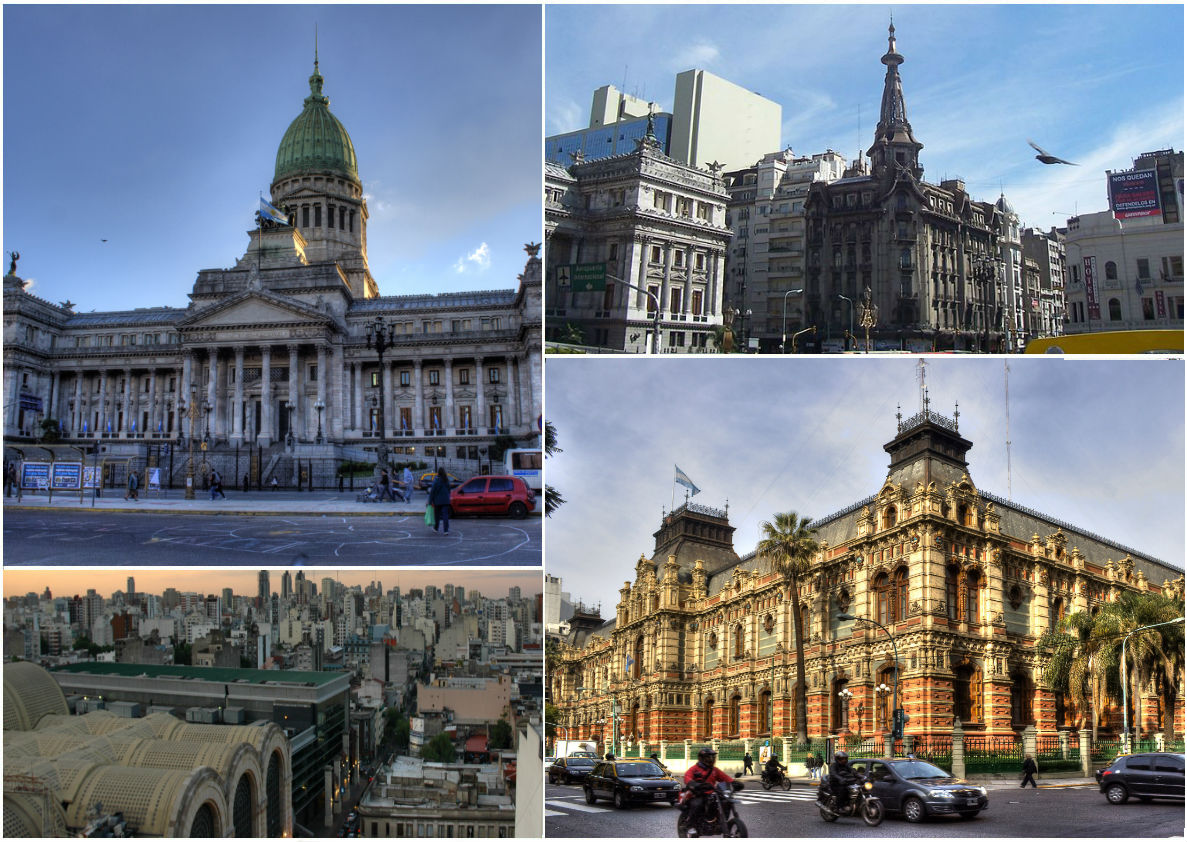
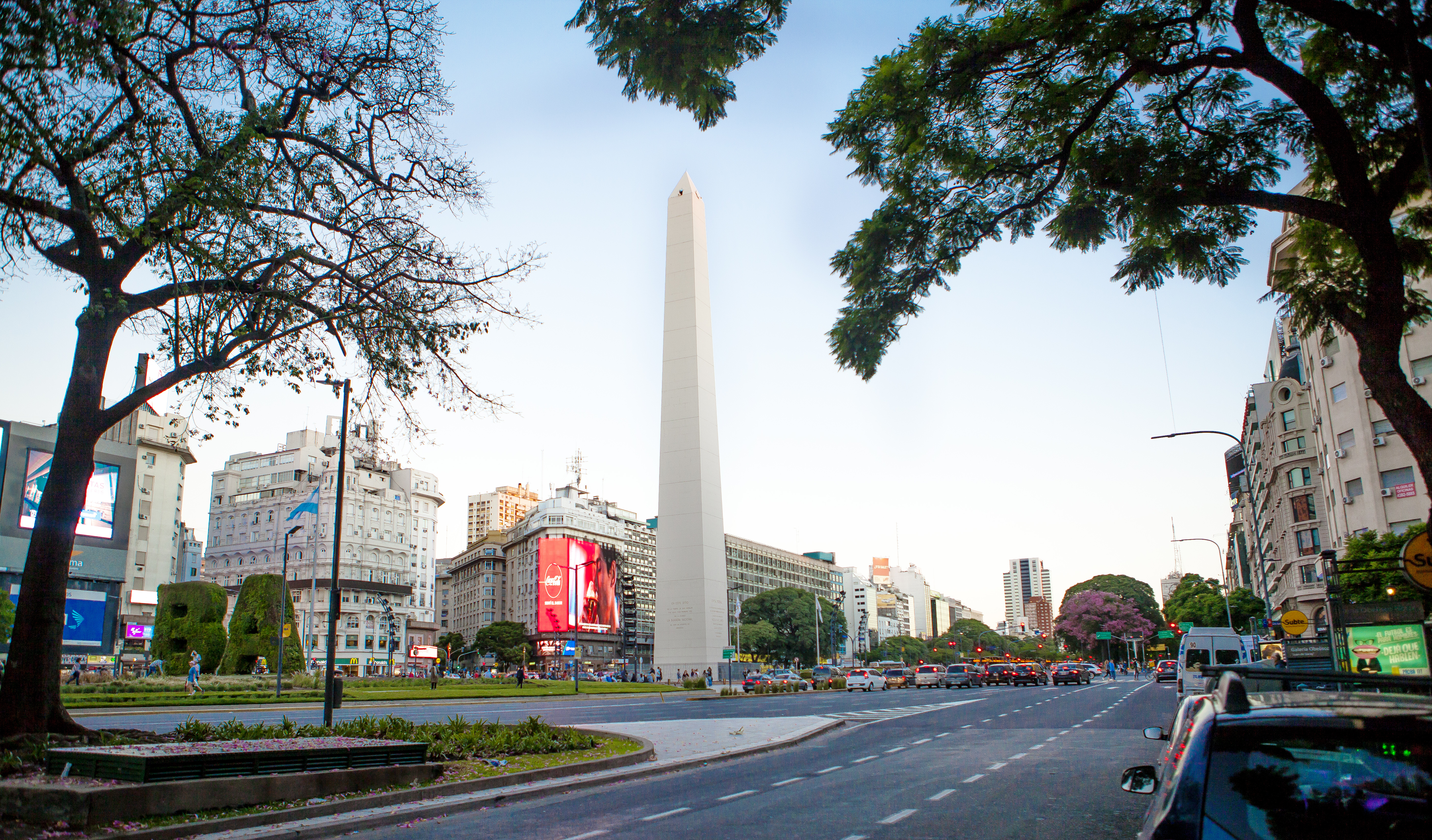
The capital and main international gateway. Recoleta Cemetery and Eva Perón's grave, the colorful Caminito lane in La Boca, Sunday's San Telmo antique market, Palermo's parks and restaurants, and a late-night tango show.

Mendoza
Wikipedia Commons (CC BY-SA)

Mendoza

2-3 days

Best for Malbec wine country

Argentina's wine capital at the foot of the Andes. Bike or drive the Maipú and Luján de Cuyo wineries, taste Malbec at the source, and look up at Aconcagua, the highest peak in the Americas, on the road west to Chile.

Puerto Iguazú
Wikipedia Commons (CC BY-SA)

Puerto Iguazú

2 days

Best for Iguazú Falls

The subtropical northern town that serves Iguazú Falls, one of the largest waterfall systems on earth. Walk the catwalks to the Devil's Throat (Garganta del Diablo) on the Argentine side, then cross to Brazil for the wide panorama.

Bariloche
Wikipedia Commons (CC BY-SA)

Bariloche

2-3 days

Best for the Lake District

The alpine hub of northern Patagonia on Lake Nahuel Huapi. Drive the Circuito Chico, hike to viewpoints over the lakes, and eat the Swiss-style chocolate the town is known for. A winter ski base and a summer trekking base.

Salta
Wikipedia Commons (CC BY-SA)

Salta

2-3 days

Best for the northwest high desert

The colonial city that anchors Argentina's northwest. Use it as a base for the layered rock of the Quebrada de Humahuaca, the Salinas Grandes salt flats, and the wine town of Cafayate, reached by the dramatic Quebrada de las Conchas road.

El Calafate
Wikipedia Commons (CC BY-SA)

El Calafate

2-3 days

Best for the Perito Moreno Glacier

The southern Patagonia gateway to Los Glaciares National Park. The Perito Moreno Glacier is a five-kilometre wall of ice you can walk up to on boardwalks or trek on with crampons. A short flight or long drive from El Chaltén's trekking trails.

Top things to do in Argentina

Experience the Passion of Tango

Experience the Passion of Tango

Cafe de los Angelitos · Esquina Carlos Gardel · Piazzolla Tango Show

Bleff (CC BY-SA 3.0

Marvel at Patagonian Glaciers and Landscapes

Marvel at Patagonian Glaciers and Landscapes

Perito Moreno Glacier · Los Glaciares National Park · Fitz Roy Massif

Fernando (CC BY-SA 4.0

Witness the Mighty Iguazu Falls

Witness the Mighty Iguazu Falls

Garganta del Diablo · Iguazu National Park · Upper Circuit, Iguazu Falls

Enaldo Valadares (CC BY-SA 3.0

Explore the Colorful Andean Northwest

Explore the Colorful Andean Northwest

Cerro de los Siete Colores · Quebrada de Humahuaca · Tren a las Nubes

Abuelodelanada (CC BY-SA 3.0

A Jesuit Mission or Colonial Heritage Site

A Jesuit Mission or Colonial Heritage Site

Jesuit Block and Estancias of Cordoba · Misiones Jesuíticas de San Ignacio Miní · Cabildo de Salta

Bob Betzen (CC BY 2.0

A Contemporary Art or Cultural Center

A Contemporary Art or Cultural Center

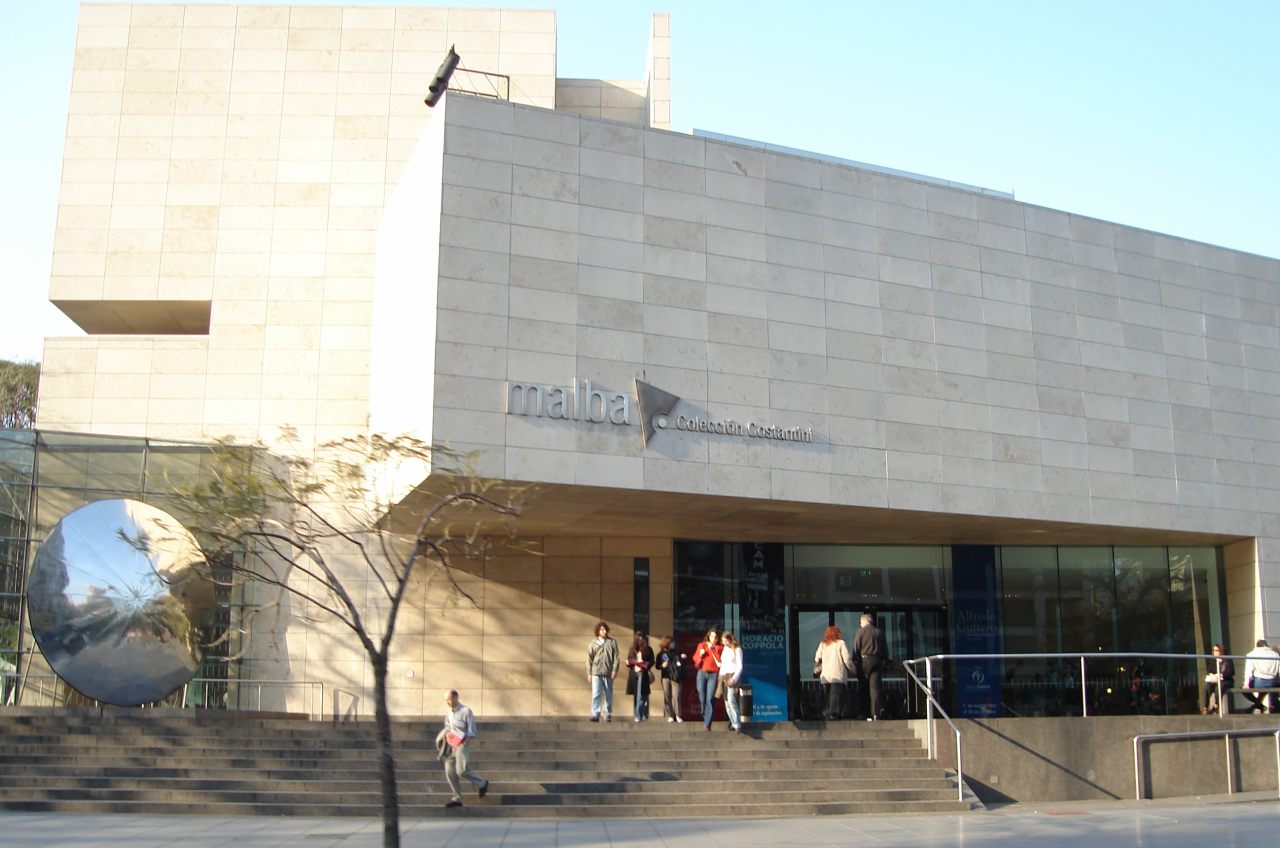
MALBA Latin American Art Museum of Buenos Aires · CCK Kirchner Cultural Center · Museo Emilio Caraffa

Galio (Public domain

An Argentine Culinary Experience

An Argentine Culinary Experience

Don Julio Parrilla · El Ateneo Grand Splendid · Sarkis Armenian Restaurant

Roberto Fiadone (CC BY-SA 3.0

A Historic Neighborhood or Cemetery Walk

A Historic Neighborhood or Cemetery Walk

Recoleta Cemetery · San Telmo Market and Streets · Plaza de Mayo

Sking (CC BY-SA 3.0

A Patagonian Lake District Hike

A Patagonian Lake District Hike

Lanin National Park · Nahuel Huapi National Park · Los Arrayanes National Park

Flea (CC BY-SA 3.0

A Wildlife Reserve Visit

A Wildlife Reserve Visit

Punta Tombo Provincial Reserve · Peninsula Valdes · Esteros del Ibera Provincial Park

Carolaxis (CC BY-SA 4.0

Food guide

Buenos Aires dining revolves around the parrillada, a meat feast centered on beef and blood sausage, often enjoyed over long, leisurely lunches. Street-side al paso (walk-through) stalls in areas like La Boca or San Telmo offer quick choripan and milanesa sandwiches for a fraction of sit-down prices. Many cafes around Avenida Corrientes stay open late for pizza and coffee after theater shows.

Churro Relleno

Churro Relleno

A fried dough pastry, often elongated and ridged, traditionally filled with dulce de leche and sometimes rolled in sugar.

Manolo's Churreria (chain); any cafe or bakery · 2 undefined

Empanada

Empanada

Savory pastry turnovers filled with various ingredients like spiced beef, chicken, or ham and cheese, baked or fried until golden.

2 undefined

Dulce de Leche

Dulce de Leche

A thick, caramelized milk spread that is a national obsession, used in countless desserts, pastries, and even eaten by the spoonful.

3 undefined

Choripan

Choripan

A staple street food sandwich with a grilled chorizo sausage split lengthwise and served in crusty bread, often topped with chimichurri sauce.

Any al paso stand; Parque Sarmiento in Cordoba is famous for them · 4 undefined

Milanesa

Milanesa

A thin cut of meat (usually beef or chicken) breaded and fried, often served simply or topped with tomato sauce and cheese for a 'milanesa a la napolitana'.

Al paso stands; many traditional bodegones · 10 undefined

Asado

Asado

The national barbecue, featuring various cuts of beef cooked slowly over an open flame or charcoal grill, bringing out deep, smoky flavors distinct from other barbecue styles.

25 undefined

Shopping guide

Buenos Aires offers a sophisticated shopping scene for local crafts, leather goods, and fashion, particularly in its distinct neighborhoods like Palermo and San Telmo. While everyday imported items can be expensive, excellent value is found in high-quality Argentine products. Be mindful of the unofficial exchange rate for better deals when paying cash.

Alfajores de Dulce de Leche

These exquisite shortbread cookies filled with rich dulce de leche and often coated in chocolate are a quintessential Argentine treat.

Havanna, Cachafaz, or any local 'confiteria' or supermarket for a wide variety. · 10 undefined

Malbec Wine

Argentina produces world-class Malbec, and buying bottles directly from Buenos Aires offers a wider selection and better prices than abroad.

Wineries in Mendoza (if traveling there); otherwise, Ligier or The Pick Market in Buenos Aires for good selections. · 25 undefined

Yerba Mate Kit

A complete set including a mate gourd, bombilla (straw), and thermos allows you to partake in Argentina's national social ritual.

San Telmo Market (Mercado de San Telmo) or El Artesano on Defensa Street for traditional options; modern designs at specialty tea shops. · 40 undefined

High-Quality Leather Goods

Argentina is renowned for its excellent leather, offering durable and stylish jackets, boots, and bags at a fraction of international prices.

Murillo Street (Calle Murillo) in Villa Crespo for workshops, or Rossi & Caruso in Recoleta for luxury. · 200 undefined

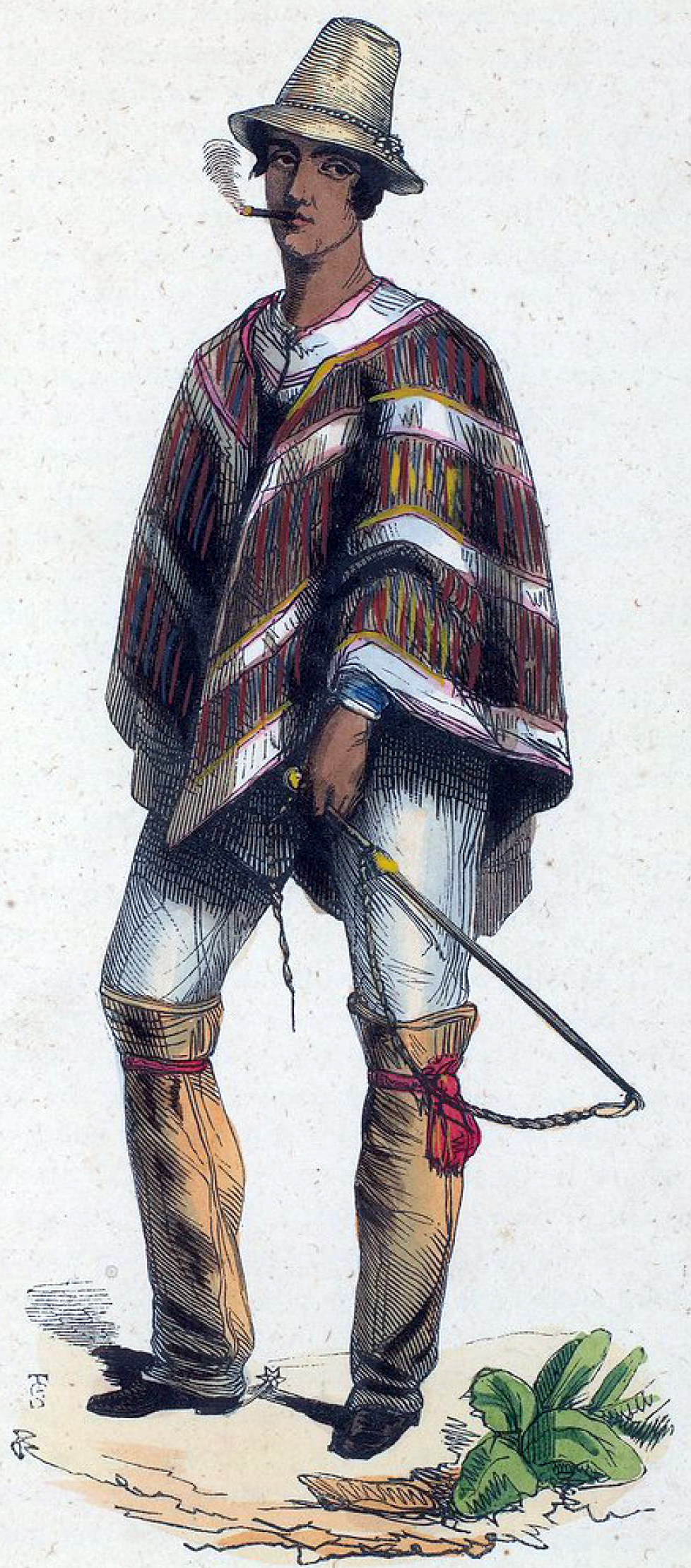
Hand-Woven Poncho

Authentic wool ponchos, especially from northern regions like Salta or Jujuy, are warm, durable, and feature distinct regional patterns.

Mercado Artesanal Salta or specialized textile shops in Salta city center; available in Buenos Aires at artisan fairs. · 80 undefined

Facon (Gaucho Knife)

A traditional, beautifully crafted knife used by gauchos, often with ornate handles of bone or silver, making for a functional piece of art.

San Telmo Market or specialty cutlery shops like Cuchilleria Tandil. · 100 undefined

Travel essentials

Connectivity & SIM

Wi-Fi: Hotels and hostels generally offer Wi-Fi, but speeds can be very slow and unreliable in remote Patagonian towns like El Chalten, especially during peak season. Cafes and restaurants in larger cities like Bariloche often provide free Wi-Fi with a purchase. Outside of major towns, expect little to no Wi-Fi.
SIM options
  • Claro, Movistar, or Personal physical SIMStarts around $10 for 5GB / 30 days
    Where: Major airports (Buenos Aires), carrier stores in large Patagonian towns (Bariloche, Ushuaia)
  • Airalo eSIM (or similar provider)Varies; example: $20 for 10GB / 30 days
    Where: Online via app before your trip
Apps to install
  • Google MapsDownload offline maps for navigation, as cellular coverage is sparse outside towns.
  • Google TranslateDownload the Spanish offline pack for translating signs and basic communication.
  • Whats AppCommonly used for communication with guides, tour operators, and accommodation hosts.
  • Omio or Plataforma 10Book long-distance bus tickets between Patagonian towns and cities.
Tip: Cellular coverage is often limited to 2G/GPRS in smaller towns like El Chalten, and disappears quickly once you leave populated areas. Plan your routes offline and do not rely on streaming or heavy data use.

Cultural notes

Patagonian culture, particularly in Andean regions, is influenced by its history as a frontier. When meeting locals, a simple 'Hola' and 'Gracias' are always appreciated. Eating late is common; dinner often starts after 9pm. When interacting with local authorities, be patient as they may not be accustomed to dealing with foreign travelers. Tipping in restaurants is customary for good service, but avoid over-tipping or displaying large amounts of cash publicly.

Safety

While Patagonia's crime rates are generally low, especially in regions like Tierra del Fuego, tourists carrying hard currency for unofficial exchange rates can be targets of opportunistic crime in larger cities like Buenos Aires. Do not go alone to exchange money at unofficial street changers. In Torres del Paine, keep food and belongings secured, as foxes have been known to steal items and occasionally bite small children. When hiking, be aware of rapid weather shifts and strong winds that can make balancing difficult on exposed ridges, especially in John Gardner Pass.

What to pack

  • Waterproof shell jacket (Gore-Tex or similar)
  • Waterproof hiking pants
  • Wool base layers (top and bottom)
  • Insulated down jacket
  • Grippy waterproof hiking boots
  • Windproof hat and gloves
  • Eye mask (for long summer daylight)
  • Small dry bag (for electronics)
  • Sunscreen (SPF 50+)
  • Polarized sunglasses
  • Reusable water bottle
  • Headlamp with spare batteries

Travel tips

  • Carry Argentine pesos for small purchases, local buses, and many remote shops; some smaller vendors may not accept cards.
  • Withdraw cash at major bank ATMs in larger towns like Ushuaia or El Calafate, as smaller towns may only have one ATM or none at all.
  • Always check road.is for Chilean Patagonia or speak with local tourist information for Argentine road conditions before driving, especially on gravel routes like Ruta 40.
  • Learn basic Spanish phrases for driving signs and asking directions, as English proficiency is low outside tourist centers.
  • Book popular treks like the 'W Trek' in Torres del Paine National Park 6+ months in advance, securing campsites or refugios as slots fill quickly.
  • Pre-book bus tickets between major Patagonian towns (Bariloche, El Calafate, Ushuaia) a few days ahead, especially during peak summer season.
  • Carry a small dry bag for electronics and important documents when hiking, as weather can change rapidly from sun to heavy rain/snow.
  • Use a Blue Dollar exchange (informal market) in Buenos Aires for a better rate on USD cash, but exercise caution and do not go alone.

Electric Socket Guide

Socket Types

Type C - Europlug

Two round pins (most of Europe, South America)

Type I

Two angled flat pins + ground (Australia, China)

Voltage

220V

Frequency

50Hz

Planning checklist

  1. Fly between regions, don't drive.

    Argentina's distances are continental. Connect Buenos Aires, Mendoza, Iguazú, Bariloche, and El Calafate by domestic flight on Aerolíneas Argentinas or Flybondi, and book early because routes sell out and prices climb. Treat the country as a set of fly-in hubs.

  2. Match the season to the region.

    Patagonia is a southern-summer destination (November to March); outside that window lodges and treks close. Buenos Aires and Mendoza are best in spring or autumn. Iguazú works year-round and runs most powerfully after the summer rains.

  3. Sort entry paperwork before you fly.

    Most travelers enter visa-free for 90 days, but since July 2025 you must show proof of travel health insurance at immigration. Buy a policy in advance and confirm the current rule on the official migraciones site.

  4. Default to a foreign card for payments.

    Since currency controls were lifted, paying with a Visa or Mastercard applies the favorable MEP rate automatically and often beats changing cash. Carry some US dollars and pesos for small vendors and cash discounts, but skip the old advice to hoard bills.

  5. Eat and plan on local time.

    Restaurants fill at 9-10pm, so book or arrive late and use the afternoon café-and-medialunas break to bridge the gap. In Patagonia and Mendoza, reserve glacier trips, winery visits, and lodges ahead, especially in the December-to-February peak.

  6. Pick one Patagonia region per trip.

    The Lake District around Bariloche and the southern glaciers around El Calafate are a flight apart. Combining both deeply needs two weeks or more; on a shorter trip, choose one and do it well.

Avoid these first-timer mistakes

  • Underestimating the distances

    Argentina is the eighth-largest country in the world. Buenos Aires to El Calafate is over 2,700 km, roughly a three-hour flight. Don't plan to drive between the headline regions on a short trip. Book domestic flights early and treat the country as a set of fly-in hubs, not a road trip.

  • Carrying piles of USD cash for the 'blue dollar'

    This advice is now outdated. Argentina lifted its currency controls in 2025, and the official, MEP, and parallel rates have converged. Foreign Visa and Mastercard payments now apply the favorable MEP rate automatically and often beat changing cash. Bring some USD for small vendors and discounts, but you no longer need a brick of bills.

  • Skipping the new health-insurance requirement

    Since July 2025, foreign visitors must show proof of travel health insurance covering their full stay. Buy a policy before you fly and keep the document handy at immigration. Verify the current rule on the official Dirección Nacional de Migraciones site before you go.

  • Visiting Patagonia in the wrong season

    El Calafate, Bariloche, and El Chaltén are best from roughly November to March, the southern summer. Outside that window many lodges, boat trips, and treks close, days are short, and the weather turns. Iguazú and Buenos Aires, by contrast, are year-round.

  • Trying to 'see Patagonia' in two days

    Patagonia is enormous and split between distinct hubs: Bariloche and the Lake District in the north, El Calafate and El Chaltén far in the south. They are a flight apart, not a day trip. Pick one Patagonia region per trip unless you have two weeks or more.

  • Booking dinner at 7pm

    Argentines eat late. Restaurants fill around 9-10pm and many parrillas don't get going until then. Showing up at 7 means an empty room or a kitchen still warming up. Have a late lunch, a coffee-and-medialunas break, and dine on local time.

  • Forgetting the Brazil side of Iguazú

    The Argentine side has the close-up catwalks and the Devil's Throat; the Brazilian side has the sweeping panorama. Many travelers see both. Check your passport's Brazil visa rule in advance, since some nationalities need authorization to cross for the day.

Frequently Asked Questions

Most travelers don't. Citizens of the US, UK, EU, Canada, and Australia can enter Argentina visa-free for up to 90 days as tourists, with a passport valid for at least six months. You can extend once for another 90 days at a Dirección Nacional de Migraciones office for a fee of around US$50. Since July 2025, all foreign visitors must also show proof of travel health insurance covering their stay — confirm the current rules on the official migraciones site before you book.

Argentina is generally safe by regional standards, and Patagonia, Mendoza, and the wine country feel low-risk. The main concern is petty theft in Buenos Aires: pickpocketing and bag-snatching around crowded spots like La Boca, San Telmo market, and busy subte stations. Keep valuables out of sight, use a money belt or zipped bag, and take registered taxis or a ride app at night. Violent crime against tourists is uncommon.

It depends on the region, because the country spans subtropics to sub-Antarctic. For Patagonia (El Calafate, Bariloche, El Chaltén), go in the southern summer, roughly November to March. For Buenos Aires and the wine country, spring (October-November) and autumn (March-April) are mildest. Iguazú Falls run powerfully year-round but are most pleasant April to June, after the summer rains and before the cold. A multi-region trip in the shoulder months balances all of them.

Seven days covers Buenos Aires plus one natural wonder like Iguazú Falls. Ten days is the sweet spot for the classic loop: the capital, Mendoza's Malbec country, and the Perito Moreno Glacier at El Calafate. Two weeks lets you add a second Patagonia region (Bariloche's Lake District) or the red-rock northwest around Salta. The country is too big to rush, so match days to regions rather than trying to see everything.

Fly between the headline regions. Distances are continental — Buenos Aires to El Calafate is a three-hour flight — so domestic carriers like Aerolíneas Argentinas and Flybondi are how most travelers connect Buenos Aires, Mendoza, Iguazú, Bariloche, and Patagonia. Book early, as routes sell out and prices rise. Within Buenos Aires, the subte (metro), buses, and ride apps cover the city; in Mendoza and Patagonia, a rental car or organized day tours reach the wineries and parks.

Simpler than it used to be. Argentina lifted its currency controls in 2025, so the old 'blue dollar' gap has largely closed and the rates have converged. Paying with a foreign Visa or Mastercard now applies the favorable MEP rate automatically and often gives the best deal, so cards are the easy default. Still carry some US dollars or pesos for small vendors, markets, and cash discounts. Inflation remains high, so confirm prices as you go rather than trusting older figures.

Start with the asado: beef cooked over wood at a parrilla, ordered as bife de chorizo or ojo de bife, with chimichurri. Eat empanadas (the Salta and Tucumán styles are prized), provoleta grilled cheese, and milanesa. For sweets, try dulce de leche in everything and alfajores cookies. Drink Malbec from Mendoza, and join the ritual of sharing mate, the bitter herbal tea passed around among friends.

It helps a lot outside Buenos Aires and the main tourist hotels. English is common in upscale hotels, wineries, and tour operators, but bus drivers, small restaurants, and shops often speak only Spanish. Argentine Spanish has its own accent and slang (the 'sh' sound for 'll' and 'y', and 'vos' instead of 'tú'). A translation app and a few basic phrases go a long way.

It varies by region and changes with inflation. Buenos Aires and the wine country are reasonable for mid-range travelers, who do well on the equivalent of US$110-200 a day with a boutique hotel, good meals, and city transport. Patagonia is the costly exception: El Calafate and Bariloche lodges, glacier excursions, and remote logistics push budgets up. Domestic flights add a recurring cost, so factor them in early.

Plan less, do more.

Plan a trip