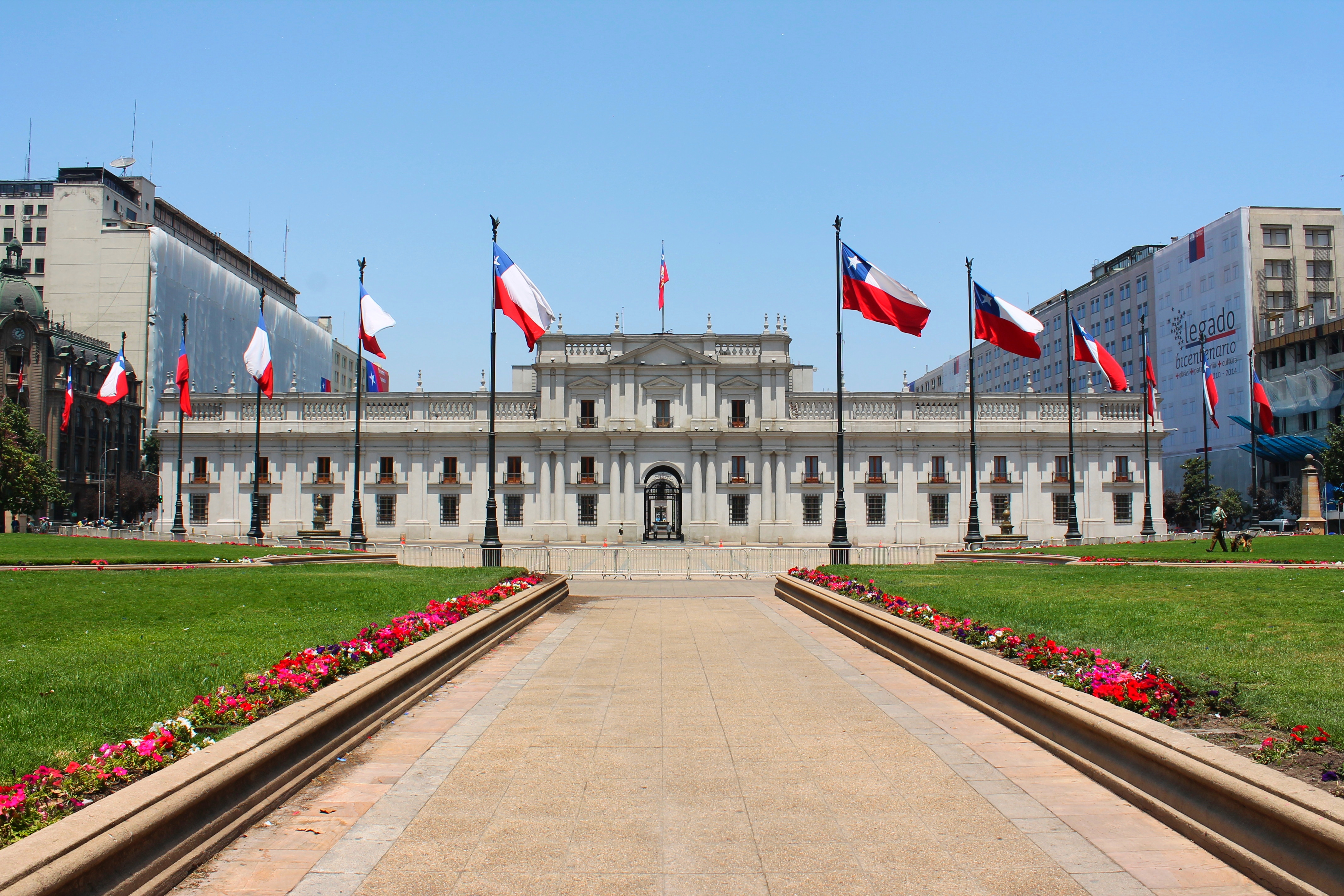
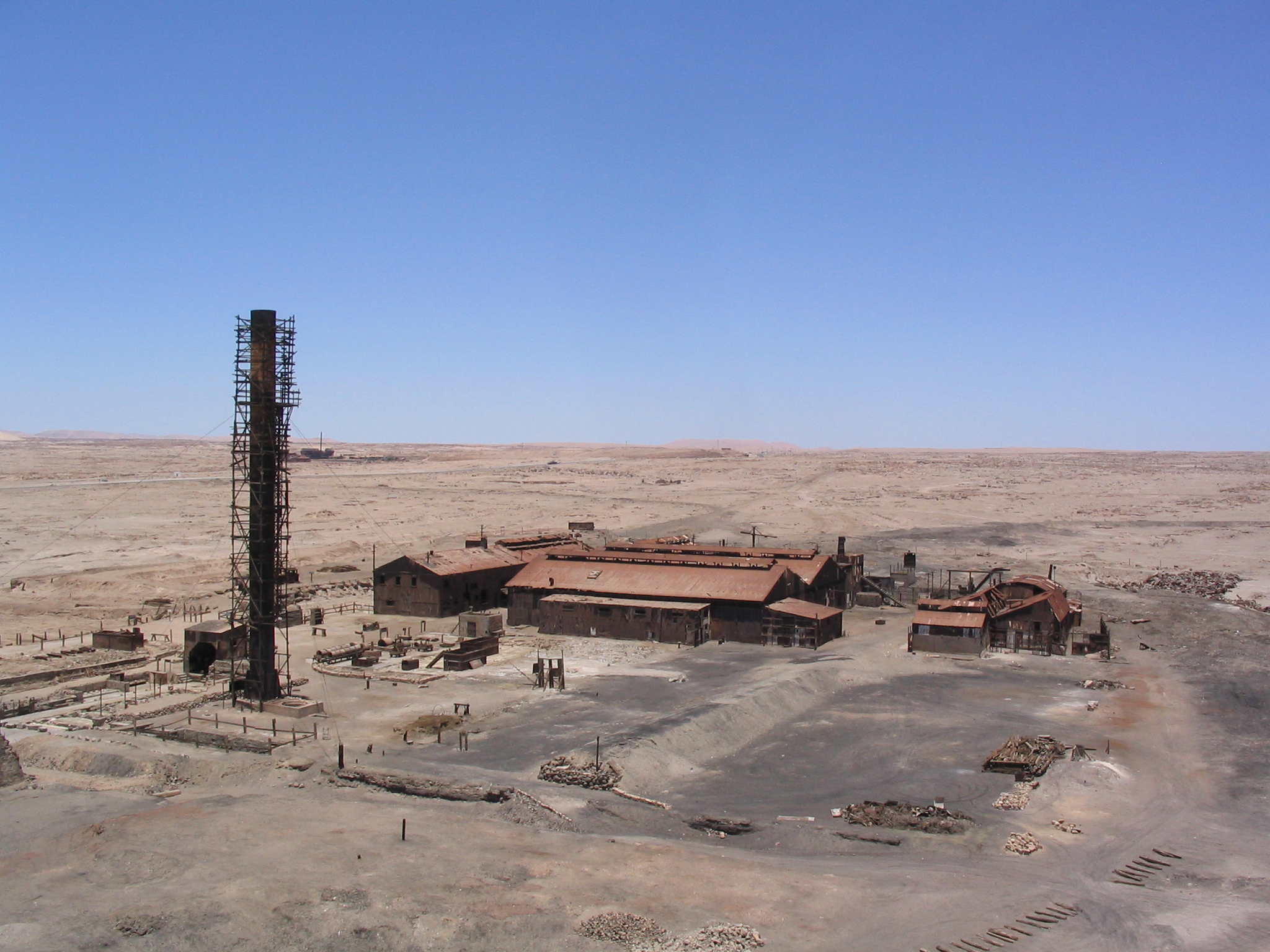
Chile rewards the traveler who treats it as several countries strung along one impossibly long coast. The country runs more than 4,300 km from the driest desert on Earth to the glaciers of Patagonia, and the regions sit continental distances apart. Santiago is a valley capital backed by the Andes, an hour from the painted port of Valparaíso and the Maipo wine valleys. A two-hour flight north drops you into the Atacama, where geysers erupt at dawn at 4,300m and the night sky is among the clearest anywhere. Fly the other way and you reach Patagonia, where the granite towers of Torres del Paine rise over wind-scoured steppe. Most first-timers underestimate this spread. They assume "Chile" is one trip and try to add the desert, Patagonia, the Lake District, and Easter Island to ten days, then spend half of it in airports.
The friction nobody plans for is the geography and the flipped calendar. Because Chile is so long, the road map lies: Santiago to the Atacama is a 22-hour drive but a short flight, and Patagonia is over 3,000 km south of the capital. The regions are linked by cheap internal flights, not by a single overland route. The seasons are inverted too, so December to February is summer and the only comfortable window for Patagonia, while a Northern-Hemisphere summer trip in June lands you there in the closed, storm-bound off-season. The Atacama runs year-round but freezes at dawn, and the high excursions demand altitude acclimatisation that day-one arrivals often skip.
This guide is the planning layer above the day-by-day itineraries. Pick two or three regions (Santiago, the Atacama, and Patagonia is the proven first-timer arc), link them by air, and add one slower stop only if you have two weeks. Sort the tourist card, the season, the altitude pacing, and the internal flights before you land, and Chile delivers a desert-to-glacier trip well worth the distances. For a structured plan with specific lodges, tours, and flight connections, the 10-day Chile itinerary is the companion piece.