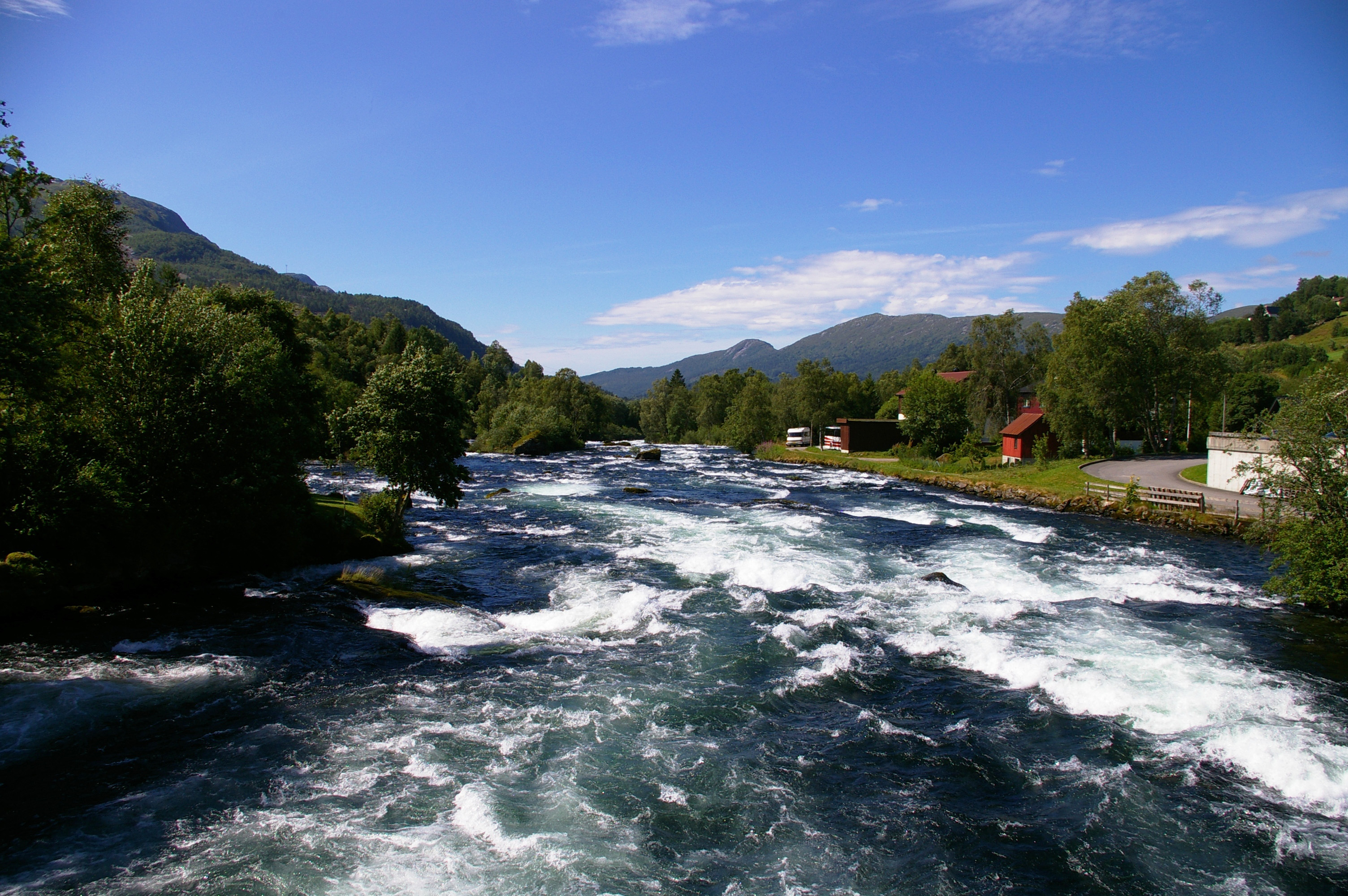
Norway travel guide cover photo

Norway Travel Guide: Oslo, Bergen, the Fjords, and the Arctic North

A first-timer's guide to Norway: the Norway-in-a-Nutshell logistics, weather-window timing, and budget-shock details everyone gets wrong.

Last updated June 20, 2026 · By Namrata

Norway rewards the traveler who picks one region and lets the logistics carry them. The country is long and thin (Oslo to Tromsø is farther than Oslo to Rome), so the common first-timer mistake is plotting one road trip that links the southern fjords with the Arctic north and running out of days in the car. The travelers who fall for Norway instead settle into the Oslo-Bergen-fjord spine, ride the trains and the fjord ferries, and treat the Northern Lights or the Midnight Sun as a separate northern trip with its own flight.

The friction nobody warns you about is the price. Norway is among the most expensive countries on earth: a bar beer runs NOK 100-140, a restaurant main NOK 200-350, a hotel room well past NOK 1,500. The travelers who don't self-cater from Kiwi or Rema 1000, who drink at bars nightly, who buy each train and cruise leg at full counter price instead of the bundled Norway-in-a-Nutshell ticket, watch the budget evaporate by day three. The fix is dull and effective: cook some meals, refill the free tap water, and book the bundles ahead.

The other thing to get right is the season. The Midnight Sun (late May to late July) and the Northern Lights (late September to early April) are mutually exclusive, and mountain roads like Trollstigen sit closed half the year. This guide handles those country-level calls: when to come for what, which loop fits which trip length, what to skip when the trip is short. For a day-by-day plan with specific hotels, fjord cruises, and train bookings, the 7-day Norway fjords itinerary is the companion piece.
Choose your trip length

5 days

Oslo + Bergen + Norway in a Nutshell

The express fjord trip: 1 night Oslo, the Bergen Railway across Hardangervidda, then the Norway-in-a-Nutshell loop (Flåm Railway, Nærøyfjord cruise, Stalheim) with 2 nights in Bergen. No rental car needed; it's all trains, boats, and buses.

7 days

Oslo + Flåm + Geiranger + Bergen

The classic fjord circuit: 1 night Oslo, 2 nights Flåm (Flåm Railway, Aurlandsfjord, Stegastein viewpoint), 1 night Geiranger (the UNESCO fjord and Trollstigen road), 2 nights Bergen (Bryggen, Fløyen, Mount Ulriken). A rental car helps for Geiranger and Trollstigen but isn't required if you use the fjord ferries.

See the sample itinerary →

10 days

+ Tromsø and the Arctic North

Add a flight north: after the fjords, fly Bergen or Oslo to Tromsø for 3 nights of Northern Lights (Sept-March), dog-sledding, and the Arctic Cathedral. In summer this becomes Midnight Sun and whale-watching country instead. Tromsø is a 2-hour flight, not a drive; don't try to road-trip it.

The flagship itinerary

Best time to visit
Norway offers distinct experiences by season. Summer (June-August) brings long daylight hours, midnight sun in the north, and milder temperatures (15-25°C in the south, cooler north). This is peak tourist season, so book accommodation and popular tours well in advance. Winter (November-March) offers northern lights viewing, snow activities, and colder temperatures (often -10°C to 5°C), with limited daylight, especially in the north. Shoulder seasons (April-May, September-October) have fewer crowds and can offer beautiful transitional scenery, though weather can be unpredictable.
Currency
Norwegian Krone (NOK)
Visa
US, UK, EU, Australian, and Canadian citizens can enter Norway visa-free for stays up to 90 days within any 180-day period. Indian citizens typically need a Schengen visa. All visitors require a passport valid for at least three months beyond their intended departure date. Always check the official UDI (Norwegian Directorate of Immigration) website for the latest requirements specific to your nationality.
Tipping
Tipping is not mandatory in Norway as service charges are generally included. For good service, you can round up a restaurant bill or leave 5-10% in taxis, but it is never expected.
Emergency
112 (police), 110 (fire), 113 (ambulance)

Estimated daily cost

Backpacker

NOK 1,000-1,400/day

Hostel dorm beds (NOK 300-400), self-catering from Kiwi or Rema 1000 supermarkets, second-class trains and city buses, free tap water everywhere. Norway's 'budget' floor sits where most of Europe's mid-range starts; there is no genuinely cheap way to do it. Prices as of 2026; verify current rates.

Mid-range

NOK 2,000-3,000/day

3-star hotels and Scandic-style chains (NOK 1,500-2,200/night, breakfast usually included), one restaurant meal plus a supermarket dinner, the Flåm Railway and a fjord cruise, occasional taxis. The realistic first-timer tier. Prices as of 2026; verify current rates.

Luxury

NOK 4,500-12,000+/day

Design hotels in Oslo and Bergen, the Juvet Landscape Hotel, private fjord RIB-boat charters, helicopter glacier tours, tasting menus at Maaemo (Oslo's three-Michelin-star room). Norway luxury is among Europe's most expensive and quietly unflashy. Prices as of 2026; verify current rates.

Jan
O
Feb
S
Mar
S
Apr
S
May
S
Jun
P
Jul
P
Aug
P
Sep
S
Oct
O
Nov
O
Dec
S
Off-peak (cheaper) Shoulder Peak (priciest)Baseline: January

Festivals & timing

February (early)

Sami Week & Sámi National Day (Tromsø)

A week of Sami culture in Tromsø around Sámi National Day (February 6), ending with the Norwegian Reindeer Racing Championships down the main street. Markets, joik concerts, and lasso-throwing fill the program. It overlaps the dark, prime Northern Lights window.

Worth planning around

May 17

Constitution Day (Syttende Mai)

Norway's national day: children's parades, everyone in the bunad folk costume, and Oslo's Karl Johans gate packed from morning. A genuine local spectacle, but shops close and city hotels book out months ahead. Plan a city base for the 17th, not a transit day.

Worth planning around

May-June

Bergen International Festival (Festspillene)

Late May to mid-June (27 May-10 June in 2026), the largest performing-arts festival in the Nordics: classical music, dance, theatre, and folk across Bergen. The city is lively and accommodation tightens; book early if your fjord trip routes through Bergen then.

Late May - late July

Midnight Sun season (the north)

Above the Arctic Circle the sun never sets for weeks; Tromsø has round-the-clock daylight from roughly late May to late July. Hiking and whale-watching run at midnight, but bring a sleep mask, and forget about Northern Lights in this window.

Late September - early April

Northern Lights season (Tromsø)

Aurora is visible only in dark skies, so the season runs late September to early April, with the most frequent displays December to February. You need clear skies and a KP index of 3+; allow at least 3-4 nights in the north for reasonable odds. One night is a gamble.

Worth planning around

December

Christmas markets & Julebord season

Oslo, Bergen, and Tromsø run Christmas markets through December, and the Julebord (office Christmas dinner) season fills restaurants on weekends. Snow, short days, and aurora align in the north. Restaurants book out Thursday-Saturday; reserve dinner ahead.

Major cities at a glance

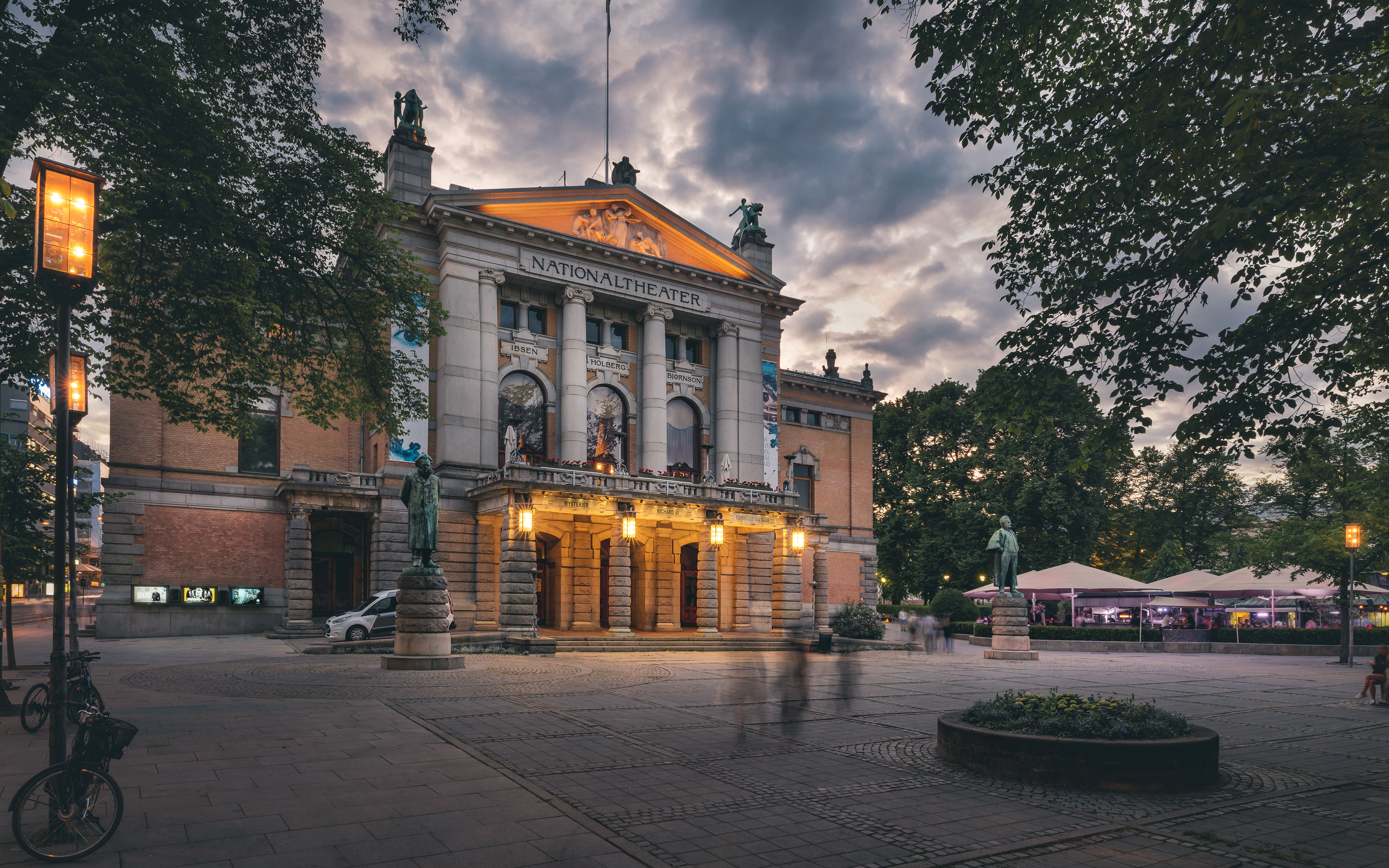
Oslo
Wikipedia Commons (CC BY-SA)

Oslo

1-2 days

Best for museums, harbour design, Vigeland sculptures

The Munch Museum and National Museum (the Scream is split between them), the marble Opera House you can walk up the roof of, Vigeland Sculpture Park, and the Bygdøy peninsula museums (Fram polar ship, Viking-era boats). The Aker Brygge and Tjuvholmen harbour district handles dinner and waterfront walking.

Bergen
Wikipedia Commons (CC BY-SA)

Bergen

2 days

Best for Hanseatic wharf, fjord gateway, mountain funiculars

Bryggen, the UNESCO-listed wooden Hanseatic wharf, the Fløibanen funicular up Mount Fløyen, the Bergen Fish Market, and the cable car up Mount Ulriken. Bergen is the launch point for boat trips into the Sognefjord and Hardangerfjord, and it rains here roughly 240 days a year, so pack the shell.

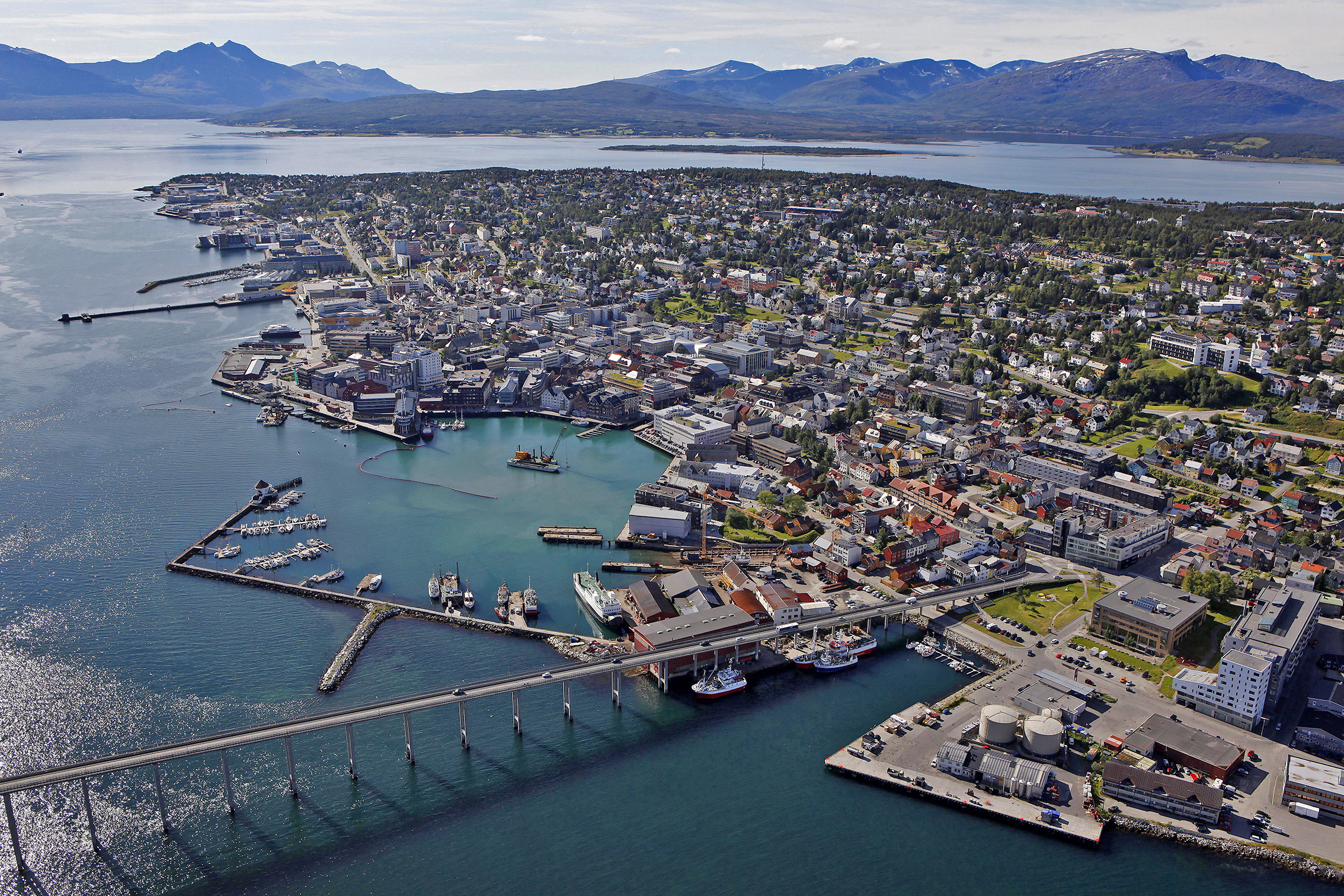
Tromsø
Wikipedia Commons (CC BY-SA)

Tromsø

2-3 days

Best for Northern Lights, Arctic Cathedral, dog-sledding

The Arctic capital at 69°N: the Arctic Cathedral, the Fjellheisen cable car for the city panorama, Northern Lights chases (late September to early April), plus whale-watching, dog-sledding, and Midnight Sun in summer. Polmar Arctic museum and a strong craft-beer scene fill the dark afternoons.

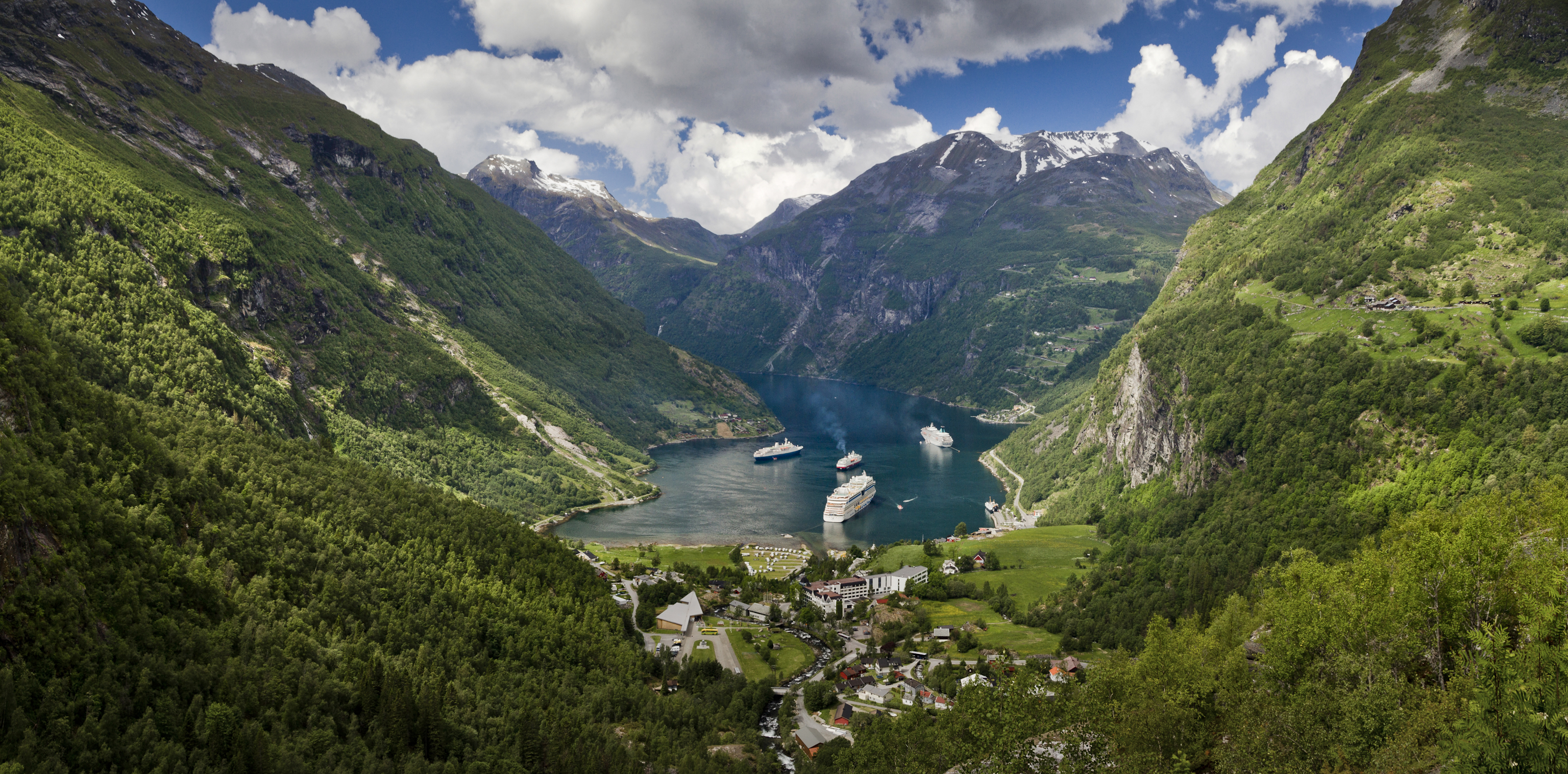
Geiranger
Wikipedia Commons (CC BY-SA)

Geiranger

1 day

Best for UNESCO fjord, Trollstigen road, viewpoints

The Geirangerfjord (UNESCO-listed) with the Seven Sisters waterfall, the Flydalsjuvet and Dalsnibba viewpoints, and the Trollstigen hairpin road nearby (open roughly May to October). A small village that empties when the cruise ships leave; stay overnight to have the fjord to yourself at dawn.

Stavanger
Wikipedia Commons (CC BY-SA)

Stavanger

1-2 days

Best for Preikestolen hike, old town, fjord cruises

The southwest base for the Preikestolen (Pulpit Rock) hike, a 4-hour round-trip cliff walk above the Lysefjord, plus the white-clapboard Gamle Stavanger old town and the Lysefjord sightseeing cruises. Skip if your trip is short; it's a detour off the Oslo-Bergen-fjord spine.

Flåm
Wikipedia Commons (CC BY-SA)

Flåm

1-2 days

Best for Flåm Railway, Aurlandsfjord, Nutshell hub

The fjord village at the head of the Aurlandsfjord and the southern terminus of the Flåm Railway (Flåmsbana), the steepest standard-gauge railway in the world. The Nærøyfjord cruise leaves from here, and the Stegastein viewpoint sits a short drive above. The central hub of any Norway-in-a-Nutshell loop.

Top things to do in Norway

Experience the Majestic Fjords

Experience the Majestic Fjords

Geirangerfjord · Naeroyfjord · Sognefjord

Diego Delso (CC BY-SA 4.0

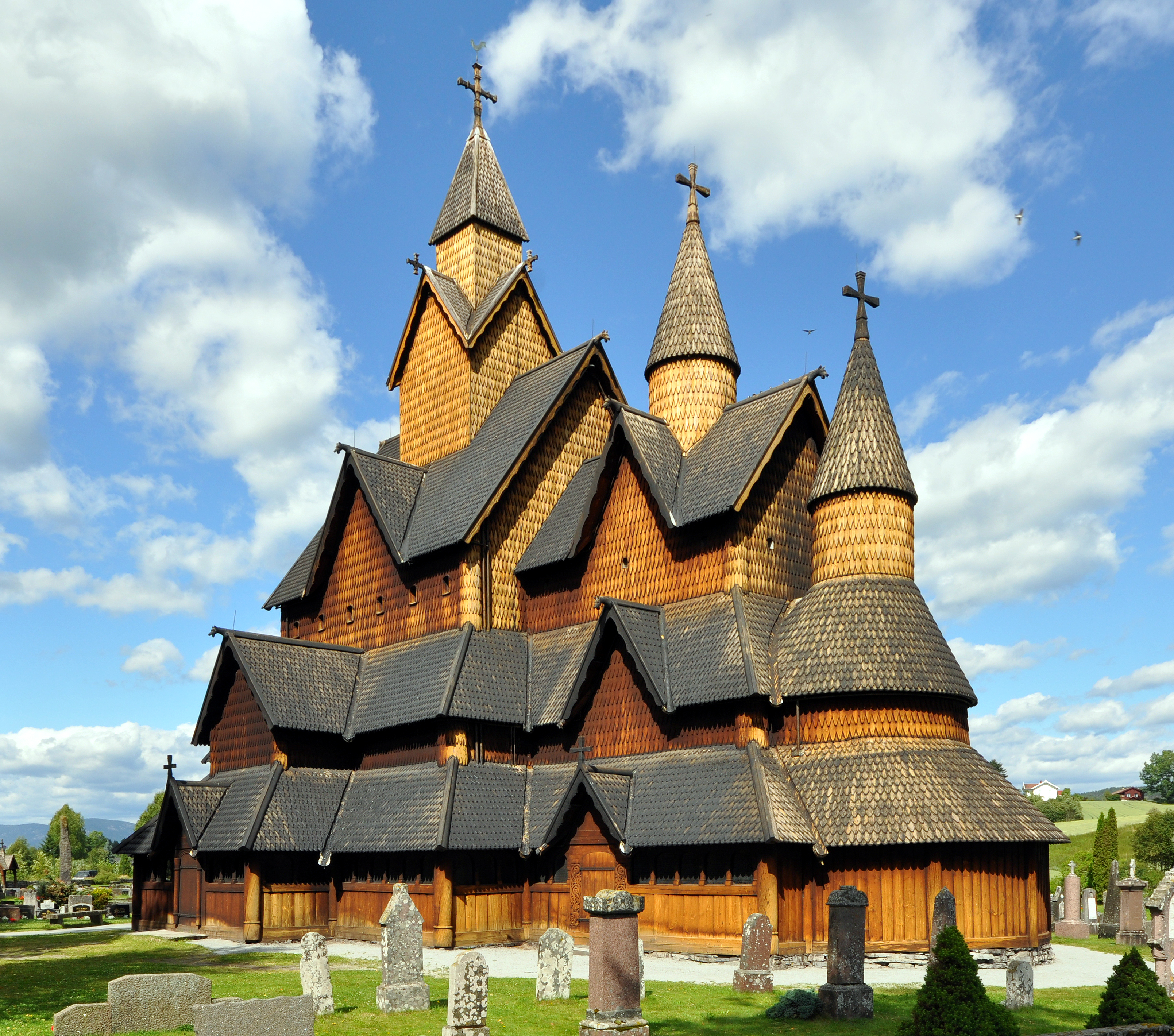
Explore Ancient Stave Churches

Explore Ancient Stave Churches

Heddal Stave Church · Borgund Stave Church · Urnes Stave Church

Micha L. Rieser (Attribution

Hunt for the Northern Lights

Hunt for the Northern Lights

Tromso · Lofoten Islands · Alta

The Municipality of Tromsø from Tromsø, Norway (CC BY 2.0

Discover Viking Heritage

Discover Viking Heritage

Museum of the Viking Age · Midgardsenteret · Viking House

Gerd Eichmann (CC BY-SA 4.0

Hike Iconic Viewpoints

Hike Iconic Viewpoints

Preikestolen · Trolltunga · Kjeragbolten

Clementp.fr (CC BY-SA 4.0

A Traditional Folk Culture Museum

A Traditional Folk Culture Museum

Norsk Folkemuseum · Maihaugen · Gamle Bergen Museum

CC BY-SA 2.5

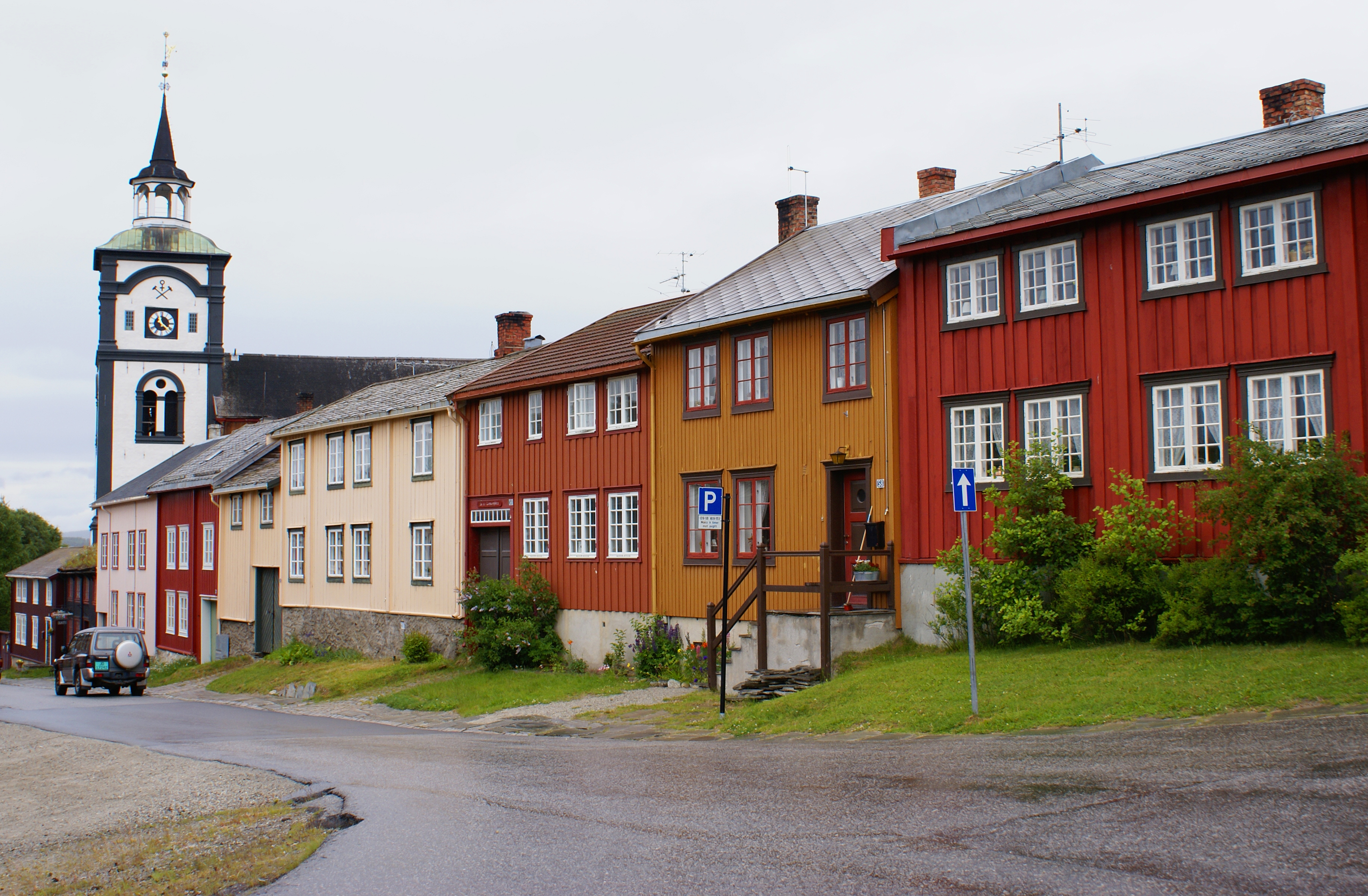
A UNESCO World Heritage Mining Town

A UNESCO World Heritage Mining Town

Roros Mining Town · Olavsgruva · Roros Museum Smelthytta

Randi Hausken from Bærum, Norway (CC BY-SA 2.0

An Artist's Home and Museum

An Artist's Home and Museum

Astruptunet · Munchmuseet · KODE Art Museums and Composer Homes

Frokor (CC BY-SA 3.0

A Maritime or Whaling History Museum

A Maritime or Whaling History Museum

Hvalfangstmuseet · Southern Actor · Norsk Sjofartsmuseum

Opphopp! (CC BY-SA 3.0

A Glacier Visit

A Glacier Visit

Boyabreen Glacier · Supphellebreen Glacier · Nigardsbreen Glacier

Tore Røraas (CC BY 2.5

Food guide

Norwegian food culture is characterized by simple, hearty meals reflecting the country's cold climate and abundant natural resources like fish and game. While modern cities have diverse options, traditional Norwegian dining often focuses on local ingredients prepared straightforwardly. Look for small cafes or 'gatekjokken' (street kitchens) for quick, local bites.

Polse i Lompe

Polse i Lompe

A staple hot dog served in a soft, thin potato flatbread (lompe) instead of a bun, often with traditional condiments like ketchup and mustard.

5 undefined

Brunost

Brunost

A distinctive caramel-flavored brown cheese made from whey, unique to Norway, commonly sliced thin and eaten on bread or crispbread.

7 undefined

Kjottkaker

Kjottkaker

Hearty Norwegian meatballs, typically served with boiled potatoes, brown gravy, and stewed peas or lingonberry jam, a comforting home-style meal.

20 undefined

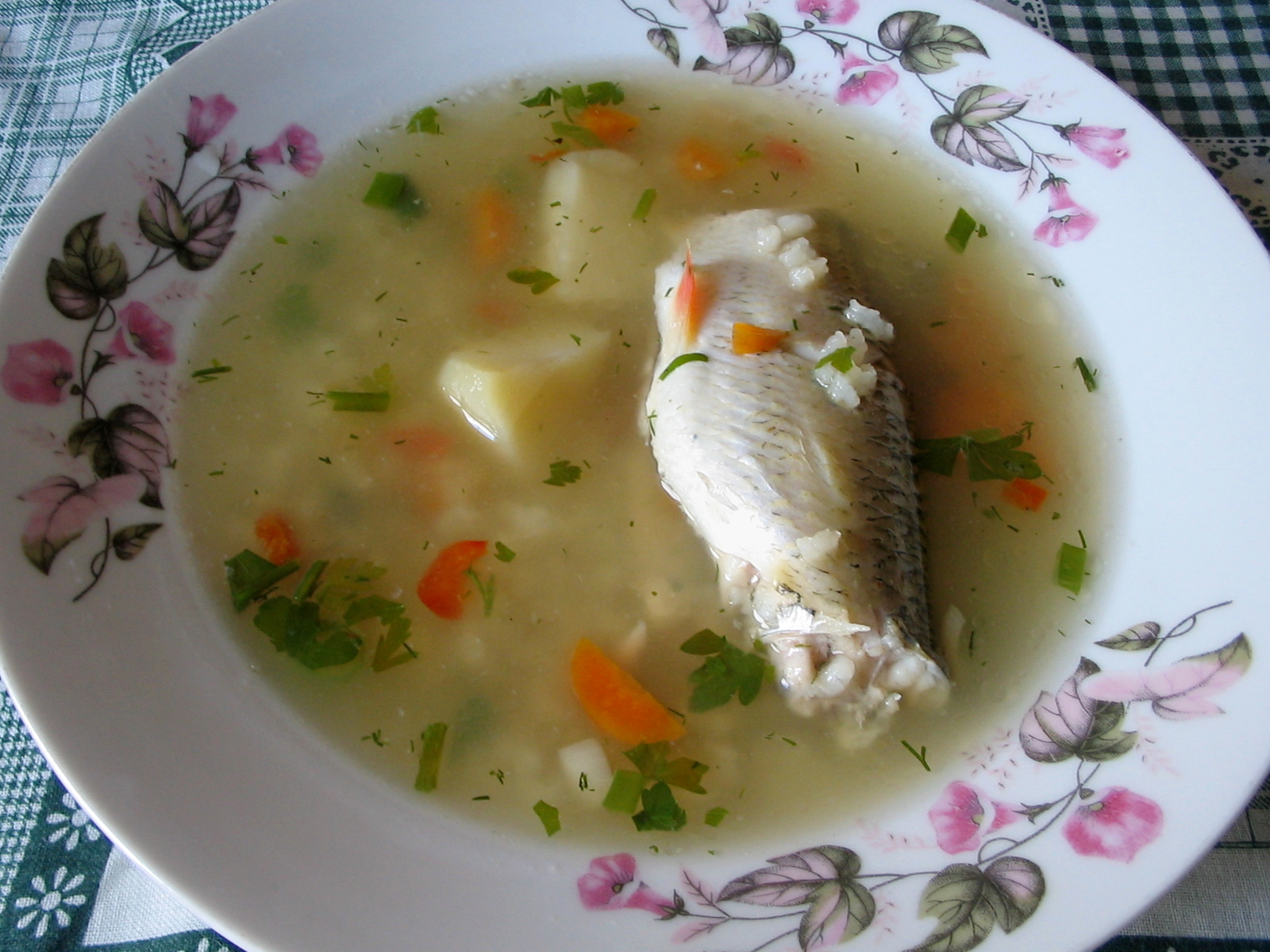
Fiskesuppe

Fiskesuppe

A creamy, flavorful fish soup, often made with white fish, shrimp, vegetables, and dill, showcasing Norway's abundant seafood.

22 undefined

Polser

Polser

The quintessential Norwegian street food, typically a hot dog served in a bun or, more traditionally, wrapped in a soft potato flatbread called lomper.

5 undefined

Pølse med Lompe

Pølse med Lompe

A popular Norwegian street food featuring a hot dog sausage wrapped in a soft potato flatbread (lompe), a more traditional alternative to a bun.

5 undefined

Shopping guide

Shopping in Norway is generally focused on quality rather than quantity, with prices higher than many other European destinations. Look for unique Nordic design, woolens, and traditional crafts in dedicated boutiques and specialized stores rather than generic tourist shops. Oslo's main shopping streets and trendy districts offer modern design, while cities like Bergen have more craft-focused areas.

Kvikk Lunsj Chocolate

This iconic milk chocolate bar with crispy wafers is Norway's quintessential hiking snack, representing a beloved national tradition.

Available in all grocery stores (e.g., REMA 1000, Kiwi), kiosks, and convenience stores nationwide. · 3 undefined

Brunost (Brown Cheese)

This unique sweet-savory caramelized whey cheese, specific to Norway, comes in various forms and is a staple on breakfast tables.

Any major grocery store (e.g., Meny, Coop Mega) or specialty food shops like Fenaknoken. · 10 undefined

Aquavit

A distinct Scandinavian spirit distilled from potatoes, often aged in oak barrels, with caraway and other herbs as primary flavors.

Vinmonopolet (the state-owned liquor store), available in most cities. · 50 undefined

Norwegian Wool Sweater

These warm, durable sweaters, often with traditional Marius or Fair Isle patterns, are made from high-quality Norwegian wool perfect for cold climates.

Dale of Norway stores (e.g., Karl Johans gate 23), Husfliden, or specialty shops in Aker Brygge. · 200 undefined

Pewter Jewelry

Handcrafted pewter pieces often feature intricate Viking-inspired motifs, Nordic runes, or traditional folk art designs, offering a unique historical flair.

Shops in Bryggen's old wharf, or specialty craft stores like David-Andersen in Oslo. · 70 undefined

Helle Knives

These revered Norwegian outdoor knives are known for their exceptional craftsmanship, triple-laminated stainless steel blades, and ergonomic handles, ideal for adventurers.

Specialty outdoor and sporting goods stores like Fjellsport, or directly from their website. · 150 undefined

Travel essentials

Connectivity & SIM

Wi-Fi: Free WiFi is widely available in Norwegian cities, especially at public libraries (e.g., Tromso Public Library), cafes (e.g., Burger King), and some student houses offering eduroam. Hotel WiFi is common. Mobile phone and internet connections for non-EU SIM cards can be expensive, so check rates.
Tip: If you have an EU SIM card, roaming charges in Norway are regulated under Eurotariff rules, meaning costs are similar to your home country. For non-EU travelers, be mindful of potentially high mobile internet fees outside of a local SIM or EU roaming plan.

Cultural notes

Norwegians value egalitarianism and have few strict social customs for visitors to follow. In conversations, avoid boastful or overly assertive behavior. Tipping is not mandatory; service charges are usually included, but rounding up a bill or leaving a small amount (5-10%) for exceptional service at a restaurant or taxi is acceptable. Do not stick your nose in other people's business. Be prepared for silence in public spaces; loud conversations, especially on public transport, are generally frowned upon.

Safety

Norway has a very low rate of violent crime. The most common issues for tourists are car break-ins and bicycle theft, particularly in larger cities like Oslo and Bergen. Pickpocketing is an increasing concern in crowded tourist areas during summer. If you venture outdoors in winter, limited daylight and rough weather increase risks; always know your route, check conditions, and inform someone of your plans. In cities like Tromso, violence is usually limited to late-night altercations among intoxicated individuals in taxi queues.

What to pack

  • Waterproof shell jacket and pants (multi-season)
  • Wool base layers (even for summer, higher altitudes)
  • Grippy waterproof hiking boots (for wet terrain)
  • Warm hat and gloves (even in summer in mountains)
  • Compact quick-dry towel (for swimming, public facilities)
  • Swimsuit (for public baths, hotel pools)
  • Eye mask (for midnight sun in summer)
  • Portable bag for wet gear (constant dampness likely)
  • Lip balm and heavy moisturizer (cold, wind can chap skin)
  • Reusable water bottle (tap water is excellent)
  • Thermos (for hot drinks on outdoor trips)
  • Headlamp (winter's limited daylight, outdoor activities)

Travel tips

  • In cities, public transit is robust; avoid renting a car as parking is expensive and challenging. Public transport information is readily available in Oslo and other major cities.
  • Withdraw cash at local ATMs, but expect to use cards for most transactions — Norway is a largely cashless society.
  • Use the plus sign '+' before Norway's country code (47) when dialing Norwegian numbers from a mobile phone, as 00 is the international dialing prefix.
  • When hiking in the highlands, especially during winter, always check weather forecasts on sites like Yr.no or Storm.no and inform someone of your route and estimated return time.
  • Be extremely cautious around waterfalls and coastal areas; rocks are often slippery, and Atlantic waves can be treacherous.
  • Learn basic Norwegian phrases such as 'Hei' (hello) and 'Takk' (thank you), even though almost every Norwegian speaks English.
  • Purchase detailed local maps from local newspapers (e.g., Bergens Tidende in Bergen) if you plan extensive walking tours beyond major tourist areas.
  • When driving, be aware that longer distances and sparse populations mean fewer amenities; fuel up regularly, especially in rural areas.
  • If you use a foreign credit card, be ready for dynamic currency conversion (DCC) where merchants offer to charge in your home currency. Decline this, always choose to pay in Norwegian Krone (NOK) for a better exchange rate.

Electric Socket Guide

Socket Types

Type C - Europlug

Two round pins (most of Europe, South America)

Type F - Schuko

Two round pins + side earth clips (Germany, Europe)

Voltage

230V

Frequency

50Hz

Planning checklist

  1. Sort out ETIAS (or your Schengen status) before you fly.

    From Q4 2026, non-EU travelers need the ETIAS online authorization (about €20, valid 3 years, approved in minutes), with a grace period before it's mandatory around April 2027. Apply only at travel-europe.europa.eu; lookalike sites charge several times the real fee for the same form.

  2. Pick your season for the one thing you want to see.

    Northern Lights = late September to early April (peak December to February in Tromsø). Midnight Sun = late May to late July. Open mountain roads like Trollstigen and high-trail hikes (Trolltunga, Preikestolen) = roughly June to September. You cannot stack the Midnight Sun and the aurora into one trip, so choose before you book flights.

  3. Book the Norway-in-a-Nutshell bundle, not the legs.

    Buy the chained Bergen Railway, Flåm Railway, and Nærøyfjord cruise as one ticket rather than at the counter on the day. It's cheaper, pre-sequenced, and protects you from a sold-out summer cruise. Reserve it weeks ahead in July and August.

  4. Fly the long northern leg; rent a car only for the fjords.

    Bergen or Oslo to Tromsø is about a 2-hour flight versus a 24-hour drive. Use trains and ferries for the Oslo-Bergen-fjord core, and add a rental car only if you want Geiranger, Trollstigen, and flexible fjord stops. Budget for pricey fuel and parking.

  5. Plan the budget around self-catering and the tap.

    Stay where there's a kitchen, shop at Kiwi or Rema 1000, and refill the free, clean tap water everywhere. Saving restaurant meals for one a day and skipping bar alcohol is the single biggest lever on a Norway budget. Carry a small NOK buffer for the rare cash-only ferry or mountain hut.

  6. Pack a hard-shell waterproof, not water-resistant.

    Bergen rains about 240 days a year and fjord weather swings hourly even in July. A proper rain shell, a warm mid-layer, and grippy waterproof shoes pay for themselves the first wet afternoon. The popular cliff hikes have hypothermia rescues every summer from people who dressed for the forecast they hoped for.

  7. Check yr.no daily once you're there.

    Yr.no is the national weather service and the app every Norwegian lives by. In the mountains and fjords it's the difference between a clear Preikestolen summit and a white-out, and in the north it doubles as your aurora-cloud read. Let it, not the calendar, set the day's plan.

Avoid these first-timer mistakes

  • Underestimating the prices

    Norway is among the world's most expensive countries. A casual restaurant main is NOK 200-350, a bar beer NOK 100-140, a hotel room NOK 1,500+. Travelers who don't self-cater from Kiwi or Rema 1000, skip bar drinking, and refill from the tap blow their budget by day three.

  • Trying to drive to the fjords AND the Arctic

    Tromsø is 1,700km from Bergen by road, roughly 24 hours of driving. People plot a single road trip linking the southern fjords and the Northern Lights and run out of trip. Fly the long leg (Bergen/Oslo to Tromsø is about 2 hours) and save the car for the fjord region only.

  • Booking Norway in a Nutshell legs separately at full price

    The Flåm Railway, Nærøyfjord cruise, and connecting buses can be bought as a single bundled ticket that's cheaper and pre-sequenced. Buying each leg at the counter on the day costs more and risks a sold-out cruise in summer. Reserve the bundle ahead.

  • Expecting the Midnight Sun and Northern Lights on one trip

    They're mutually exclusive. The Midnight Sun (late May to late July) means it never gets dark enough for aurora. Northern Lights need darkness: late September to early April. Pick the season for the one you actually want; you cannot get both.

  • Day-tripping Geiranger from a cruise schedule

    Geiranger village is mobbed when the cruise ships dock and near-empty by evening. Travelers who only see it midday share viewpoints with thousands. Stay one night and walk to Flydalsjuvet at dawn or after the ships sail.

  • Packing for 'summer' weather

    Even in July, fjord and mountain weather swings from sun to cold rain in an hour, and Bergen rains about 240 days a year. A waterproof hard shell (not water-resistant), a warm mid-layer, and proper shoes are non-negotiable year-round. The Trolltunga and Preikestolen trails have hypothermia rescues every summer.

  • Assuming everything takes cards without checking ferries

    Norway is nearly cashless and cards work almost everywhere, but a few rural ferries, mountain huts (DNT cabins), and small parking machines still want the Vipps app (Norwegian-bank only) or coins. Carry a small NOK buffer for the fjord-region edge cases.

Frequently Asked Questions

Norway is in the Schengen Area, so US, UK, Canadian, Australian, and most other non-EU passport holders enter visa-free for 90 days in any 180-day period. Starting in Q4 2026, the ETIAS online travel authorization (about €20, valid 3 years) becomes the new requirement, with a transitional grace period before it is mandatory around April 2027. Apply only through the official portal at travel-europe.europa.eu. Confirm your passport is valid for at least 3 months beyond your departure.

Norway is one of the safest countries in the world, with very low violent crime; the main risks are environmental, not human. Fjord and mountain weather turns fast, and trails like Preikestolen and Trolltunga have rescues every summer from underprepared hikers. Drive carefully on narrow mountain roads and in winter ice, watch for sneaker waves and slick rock near waterfalls, and check yr.no for the forecast daily. Solo and night travel in cities is generally comfortable.

June to August is peak: long daylight, all roads and trails open, fjord cruises and the Midnight Sun in the north, but the highest prices and cruise-ship crowds. May and September are the sweet spot, with fewer people, open fjords, and lower rates. Late September to March is Northern Lights season in Tromsø, with snow sports and short days. Many mountain roads like Trollstigen close roughly October to May.

Five days covers Oslo, the Bergen Railway, and a Norway-in-a-Nutshell fjord loop. Seven days is the comfortable fjord circuit: Oslo, Flåm, Geiranger, and Bergen with time to actually stop. Ten days lets you add a flight to Tromsø for the Arctic and the Northern Lights. Two weeks opens up Lofoten, the Atlantic Road, or a deeper north. Don't try to combine the southern fjords and the Arctic in under a week.

For the Oslo-Bergen-fjord core, public transport is excellent and a rental car is optional: the Bergen Railway, the Flåm Railway, fjord ferries, and express buses connect everything, and the Norway-in-a-Nutshell bundle pre-sequences it. A rental car helps for Geiranger, Trollstigen, and flexible fjord stops, but parking and fuel are pricey. For the Arctic north, fly (Bergen or Oslo to Tromsø is about 2 hours); driving that far north eats days.

Very. Norway is among the most expensive countries on earth. Budget backpackers spend roughly NOK 1,000-1,400 a day with hostels and self-catering; mid-range travelers NOK 2,000-3,000; luxury NOK 4,500+. A restaurant main runs NOK 200-350 and a bar beer NOK 100-140. Cooking from Kiwi or Rema 1000 supermarkets, skipping bar alcohol, and using the bundled transport tickets cuts the damage significantly.

No. Tipping is not obligatory; service staff earn a living wage and prices include service. At restaurants, rounding up the bill or leaving 5-10% for genuinely good service is appreciated but never expected, and locals often leave nothing. Norway is largely cashless, so a tip goes on the card terminal, which usually prompts for it. There's no need to tip taxis, hotels, or bars beyond rounding up.

It's a self-guided bundled route, not a guided tour: a single ticket chaining the Bergen Railway, the Flåm Railway, a Nærøyfjord cruise, and connecting buses into one fjord loop you can do round-trip from Oslo or Bergen, or one-way between them. It's the simplest way to see the classic fjords without a car. Book ahead in summer, when the Nærøyfjord cruise legs sell out.

Tap water in Norway is clean, soft, and free everywhere; bottled water is a waste of money. For phones, Norway is in the EU/EEA roaming zone, so EU SIMs work at home rates; others should buy a Telenor or Telia prepaid SIM or an eSIM. Norway uses 230V Type C/F European plugs, so bring an adapter. Mobile coverage is strong even in the fjords, though it drops in long road tunnels.

Plan less, do more.

Plan a trip