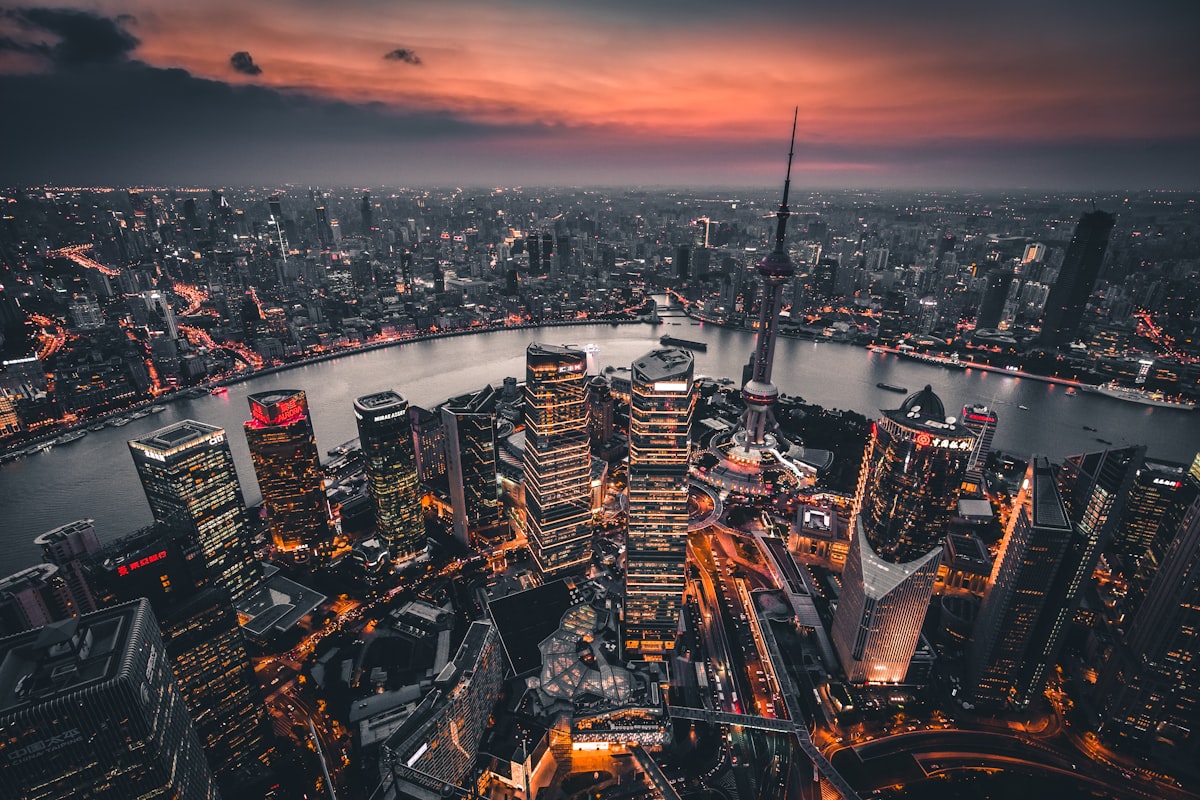
China rewards a long lens. The Shanghai-Pudong skyline is the world's densest, the Forbidden City is an one-day walk through 500 years of imperial architecture and a four-hour bullet train ride drops you into karst-mountain river country that looks pulled from a Song Dynasty painting. Most first-timers underestimate the variance. They assume "China" is one trip and try to do too many cities in too few days. The other thing first-timers underestimate is the friction. China is one of the easiest countries to travel inside (clean modern infrastructure, trains, cheap food, low crime) and one of the hardest to prepare for. Visa rules vary by passport and trip pattern. Mobile payments have effectively replaced cash even at street vendors, so you need Alipay or WeChat Pay working on your phone before you land. Google, Gmail, WhatsApp and Instagram are blocked, so install a VPN before you leave home. VPN provider websites are themselves blocked from inside China. The major booking platforms (Trip.com, 12306 for trains) work well in English but assume you understand the booking conventions. This guide is the planning layer that sits above the day-by-day itineraries. Pick your gateway cities (Shanghai or Beijing; both have major international airports and direct high-speed rail to most regional hubs), then add one nature stop (Guilin/Yangshuo for karst landscapes, Zhangjiajie for the floating mountains, Yunnan for ethnic-minority villages). Pad the trip with realistic transit days and you'll have time to actually be in the places you came to see.
China Trip Planner: Shanghai, Beijing, Guilin, and Beyond
A first-timer's guide to China's gateway cities: the visa, mobile-payment, and timing details everyone gets wrong.
Free, for now. A few quick questions, then a day-by-day plan with a cost estimate.
Namrata · Editor
Updated October 13, 2026
Choose your trip length
5 days
Just Beijing
Forbidden City, Great Wall day trip (Mutianyu), hutong walks, Peking duck. Tightest first-timer trip that still feels complete.
10 days
Beijing + Shanghai + Guilin
Three faces of China: imperial north, modern east, karst-river south. High-speed rail between the first two; flight to Guilin. The classic loop.
14 days
+ Chengdu or Yunnan
Add Sichuan (pandas, hotpot, Leshan Buddha) or Yunnan (ethnic-minority villages, Tiger Leaping Gorge). One nature week tacked on the back.
The flagship itinerary
Like this plan? Make it yours
Same destination, your dates, group, and pace. Generated free in about a minute.
Customize this tripFreeEstimated daily cost
Backpacker
$40-60/day
Hostel dorms (¥80-120), street food + cheap canteens, subway + occasional sleeper trains, hostel-organized day trips. Doable but tier-1 cities will skew higher. Prices as of 2026; verify current rates.
Mid-range
$90-160/day
3★ hotels (¥350-700), mix of dim sum + nice dinners, second-class high-speed rail, the occasional DiDi. The sweet spot for first-timers. Prices as of 2026; verify current rates.
Luxury
$280+/day
4-5★ international chains, fine dining + tasting menus, business-class trains, private guides for the Great Wall and Forbidden City. Sky-high in Shanghai. Prices as of 2026; verify current rates.
Major cities at a glance

Beijing
3-4 daysBest for imperial history
The capital. Forbidden City, Temple of Heaven, Summer Palace, Great Wall day trip (Mutianyu), Peking duck, hutong alleyways.

Shanghai→
3 daysBest for modern China
Pudong skyline, the Bund, French Concession lanes, top-tier restaurants. Best base for a Hangzhou or Suzhou day trip.
Read the full Shanghai guide →

Xi'an
2 daysBest for ancient history
Terracotta Army, intact Ming-era City Wall (bikeable), Muslim Quarter night market, Big Wild Goose Pagoda. Best done as a 2-day high-speed-rail loop from Beijing or Shanghai.

Guilin & Yangshuo→
3-4 daysBest for karst landscapes
Li River cruise to Yangshuo, biking through rice paddies, the famous Moon Hill peak. Pure scenery between two long urban stretches.
Read the full Guilin & Yangshuo guide →

Chengdu
2-3 daysBest for pandas + Sichuan food
Chengdu Research Base of Giant Panda Breeding, real hotpot, mapo tofu, Wenshu Monastery, teahouses in People's Park.
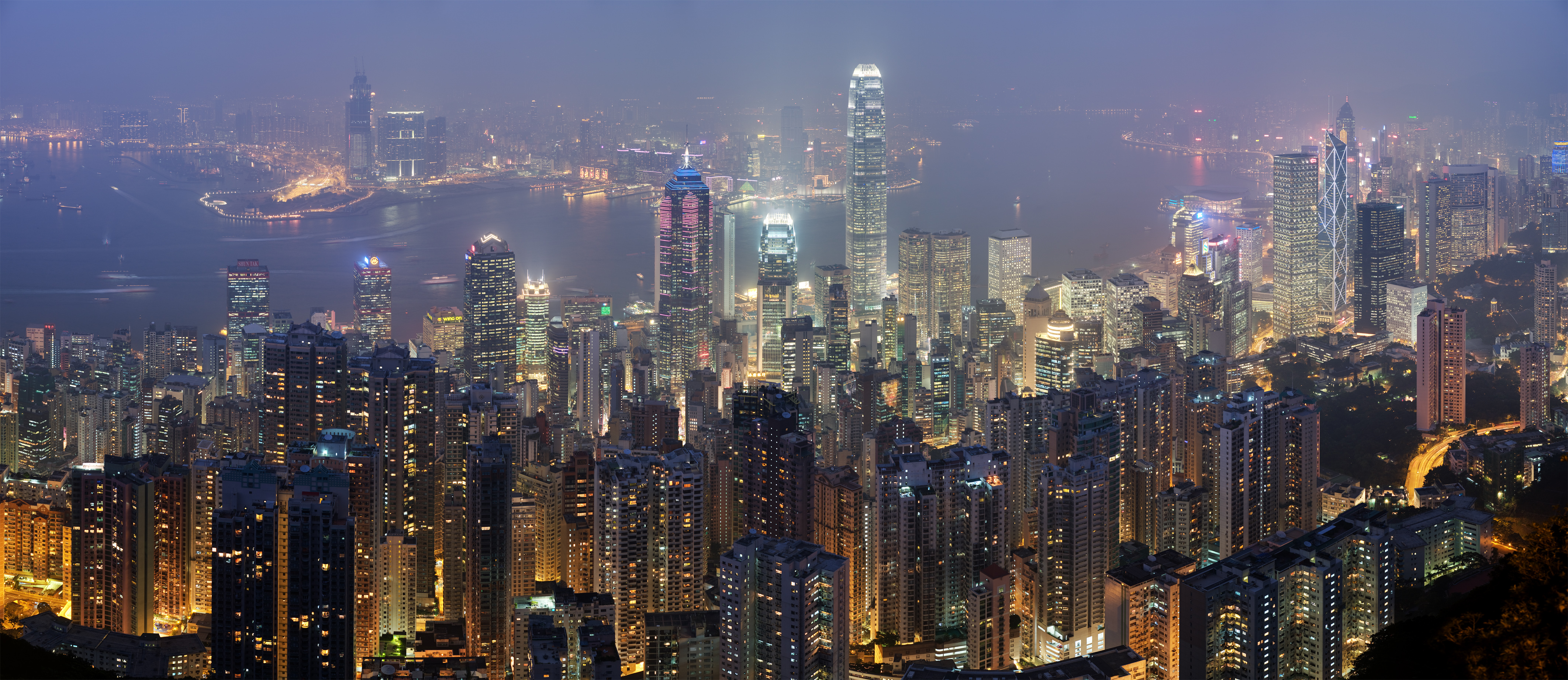
Hong Kong
3-4 daysBest for international gateway + dim sum
Victoria Harbour skyline, Peak Tram, dim sum mornings, Tian Tan Buddha on Lantau, Star Ferry, Sheung Wan antique alleys. Easy combine with Macau.
Top things to do in China

Ancient Fortifications of the Great Wall
Mutianyu Great Wall
Velatrix (CC0)
Imperial Palaces and Sacred Sites
Forbidden City
Pixelflake (CC BY-SA 3.0)

Archaeological Wonders of Ancient Empires
Qin Shi Huang's Terracotta Army
Maros M r a z (CC BY-SA 3.0)
Giant Panda Conservation Centers
Chengdu Research Base of Giant Panda Breeding
J. Patrick Fischer (CC BY-SA 3.0)
Scenic River Landscapes and Karst Mountains
Li River Cruise (Guilin to Yangshuo)
xiquinhosilva (CC BY 2.0)

A Traditional Chinese Craft Workshop
Jingdezhen Ceramic Institute
JHH755 (CC BY-SA 3.0)

An Ancient Buddhist or Daoist Temple
Yonghegong Lama Temple
shankar s. (CC BY 2.0)

A Regional History & Culture Museum
Zhejiang Provincial Museum
LukeLOU (CC BY-SA 3.0)

A Classical Scholar's Garden
Humble Administrator's Garden
Zhangzhugang (CC BY-SA 4.0)

A Historical Residential Street or District
Pingjiang Road Historic Block
User:Zhangzhugang (CC BY-SA 3.0)

A Scenic River Rafting Experience
Nine-bend River Rafting
老过 (CC BY 2.5 cn)
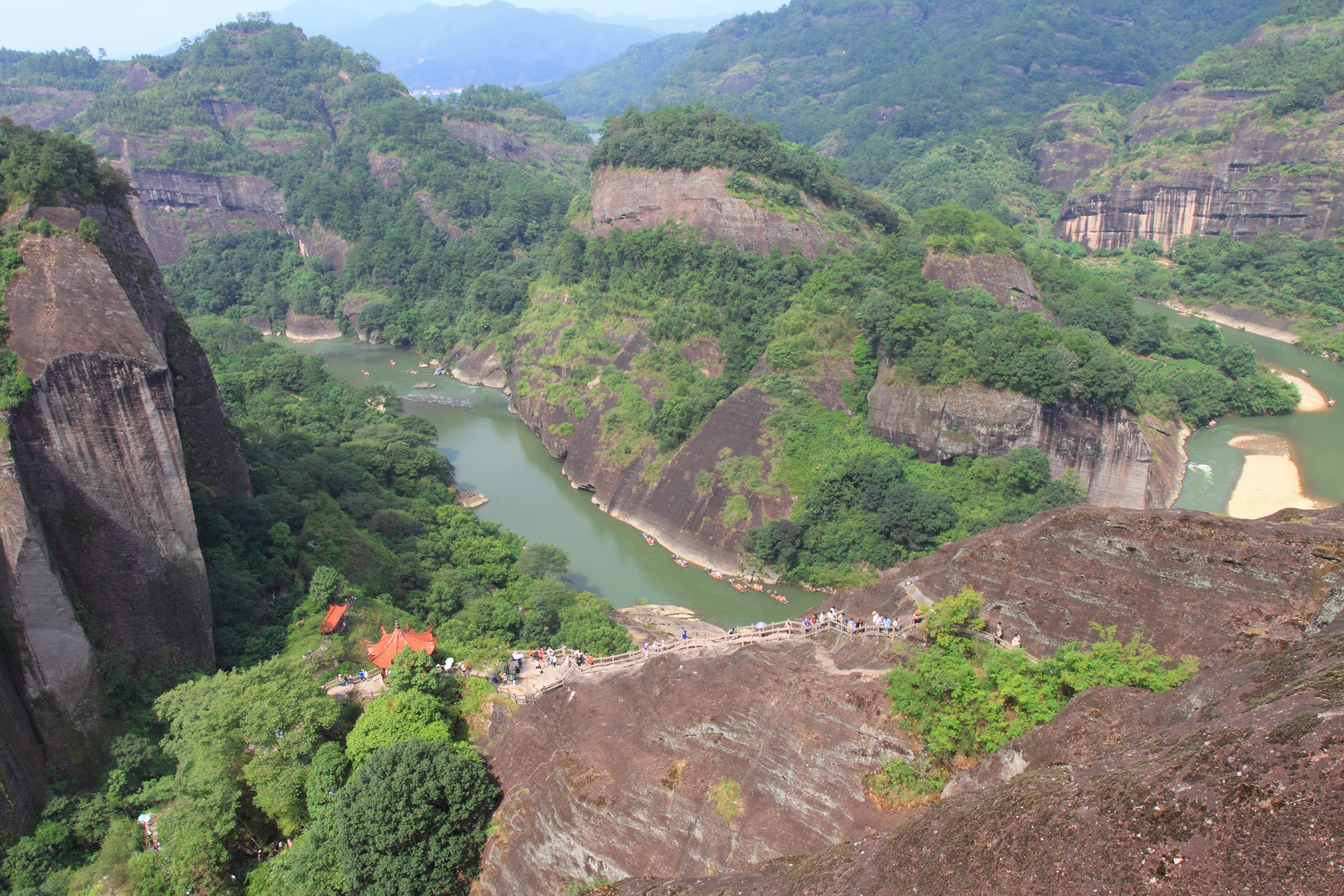
An Exploration of Ancient Red Rock Geoparks
Danxiashan National Park
Zhangzhugang (CC BY-SA 3.0)

A High-Altitude Alpine Lake & Forest Park
Mugecuo Scenic Area
Jakub Hałun (CC BY-SA 4.0)

A Daoist Mountain Trail & Temple Hike
Qingchengshan National Park
Nyx Ning (CC BY-SA 3.0)

A Regional Cuisine Fine Dining Experience
Jing Yaa Tang
Wikipedia Commons
Food guide
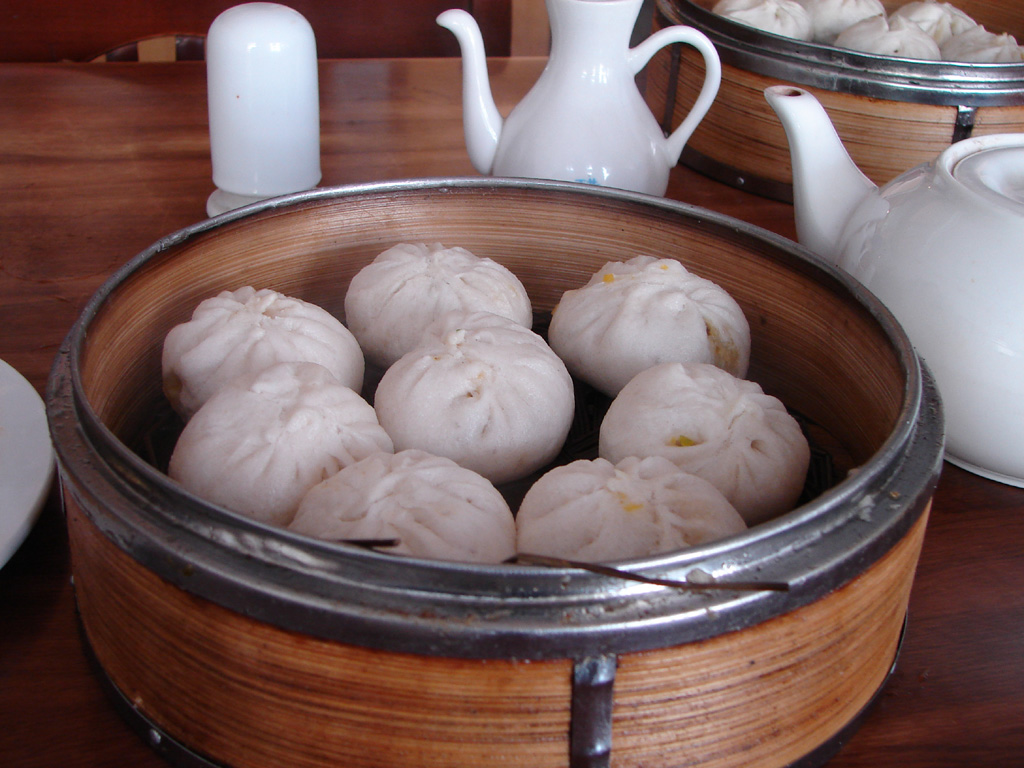
Baozi
Soft, fluffy steamed buns, typically enjoyed for breakfast or as a snack, with various fillings ranging from savory pork and vegetables to sweet red bean paste.
USD 0-2
J. Samuel Burner (CC BY 2.0)
Jiaozi
These pan-fried or boiled dumplings are a daily staple across China, often filled with pork, cabbage, and chives, served with black vinegar and chili oil.
USD 2-7
Yeepunchmen (CC BY-SA 4.0)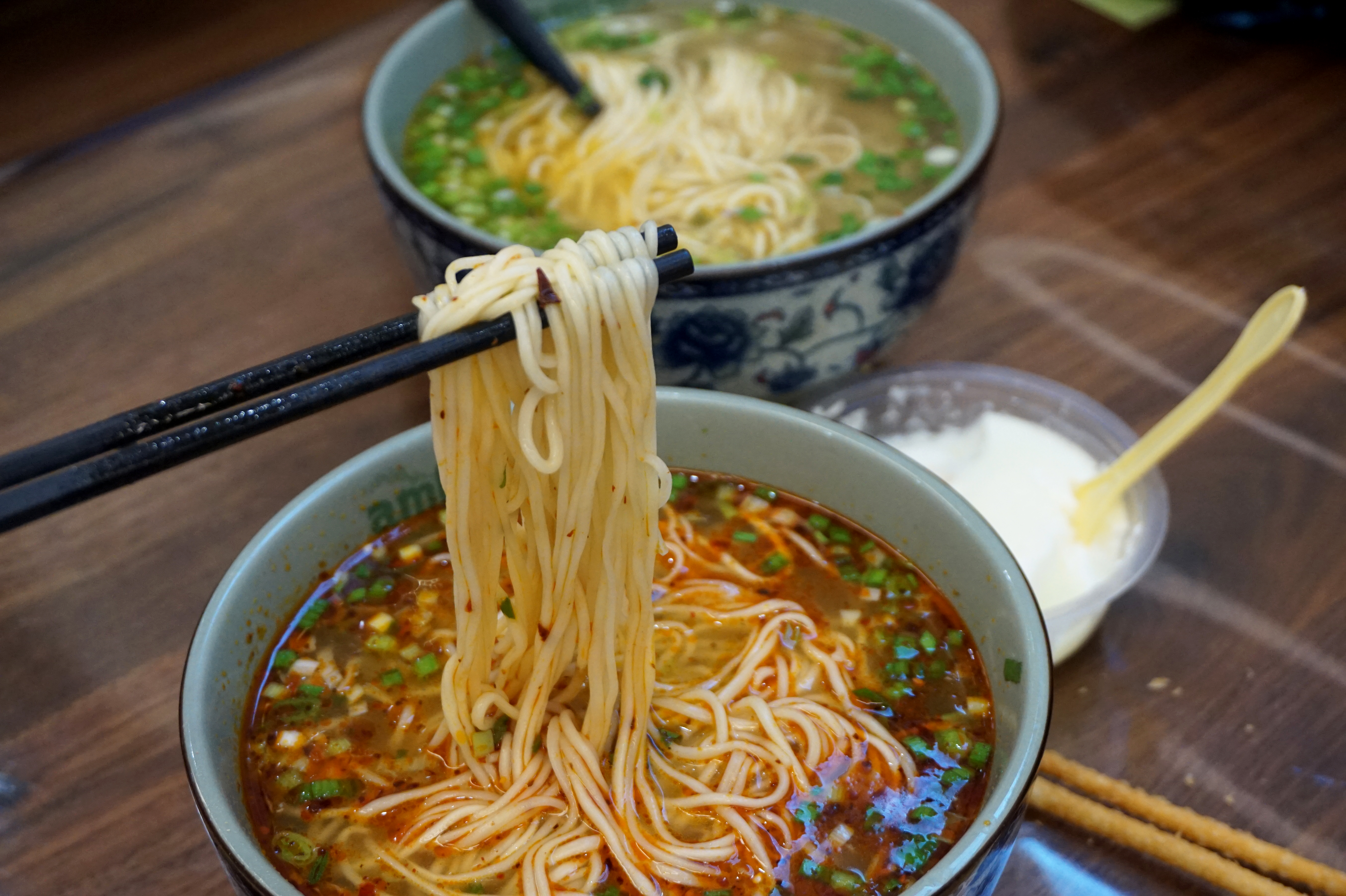
Lanzhou Lamian
Hand-pulled wheat noodles served in a clear, rich beef broth with thinly sliced radish, beef, fresh cilantro and chili oil, for its unique texture.
USD 3-8
三猎 (CC BY-SA 4.0)
Mapo Doufu
A fiery Sichuan dish of soft tofu cubes simmered in a bright red, spicy sauce, often with minced beef or pork, and generously sprinkled with numbing Sichuan peppercorns.
USD 5-12
Archon6812 (CC BY-SA 3.0)
Gongbao Jiding
A classic Sichuan stir-fry featuring diced chicken, peanuts, vegetables, and chili peppers, known for its complex 'mala' (numbing and spicy) flavor profile.
USD 6-15
N509FZ (CC BY-SA 4.0)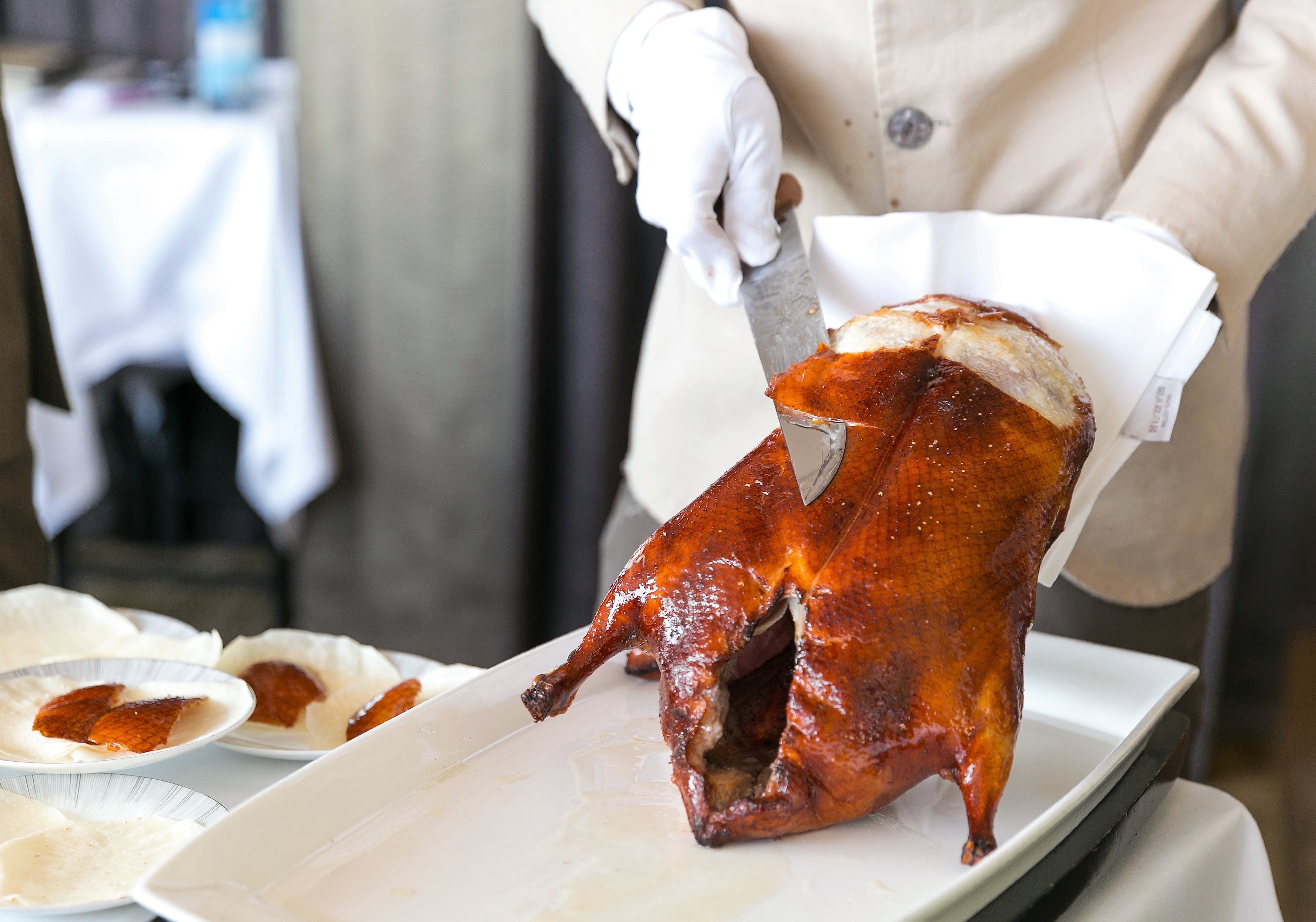
Peking Duck
A celebratory dish of crispy, lacquered duck skin and tender meat, expertly carved tableside and served with thin pancakes, scallions, and hoisin sauce.
USD 25-60
City Foodsters (CC BY 2.0)Shopping guide

Calligraphy Brushes and Ink Stones
High-quality traditional art supplies like bamboo or wolf-hair brushes and finely carved ink stones are perfect for artists or as decorative items.
Liulichang Culture Street (Beijing), Duolun Road Cultural Street (Shanghai). · USD 10-100
ink stone (CC BY-SA 2.0)
Chinese Tea (Pu-erh, Longjing, Tieguanyin)
You can find fresh, high-quality teas like aged Pu-erh, fragrant Longjing, or oolong Tieguanyin at a fraction of the price found internationally.
Maliandao Tea Street (Beijing), Tianshan Tea City (Shanghai), specialized tea houses. · USD 10-100
Difference engine (CC BY-SA 4.0)
Silk Fabric and Scarves
China is the birthplace of silk, offering exquisite brocades, delicate Hangzhou silk scarves, and high-quality raw fabric at competitive prices.
Hangzhou Silk Market, South Bund Fabric Market (Shanghai), local department stores. · USD 15-200
HAF 932 (Public domain)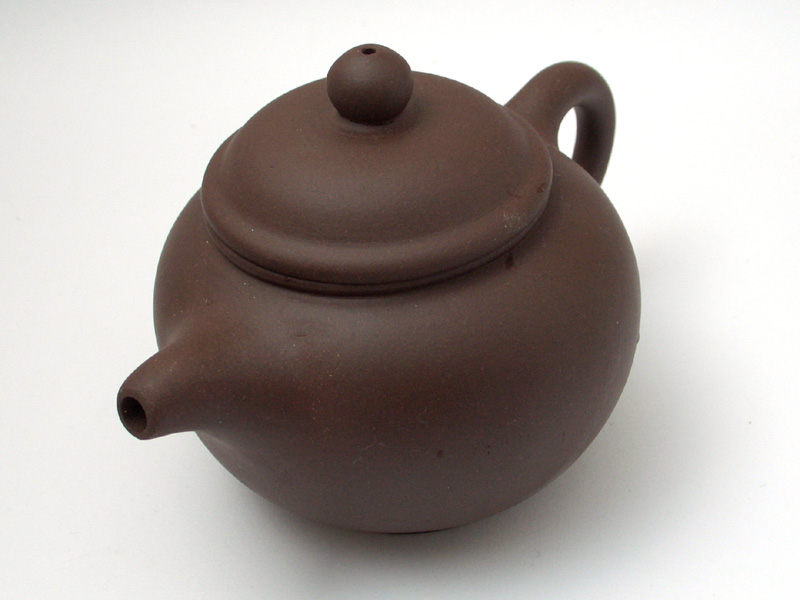
Yixing Clay Teapot
These unglazed teapots from Yixing are prized by tea connoisseurs for improving the tea's flavor over time due to their porous nature.
Yuyuan Tourist Mart (Shanghai), specialized tea shops in major cities. · USD 30-500
Commonsenses (CC BY-SA 3.0)
Cloisonne Ware
This ancient art form involves intricate wire designs filled with enamel, producing vases, boxes and decorative items unique to Chinese craftsmanship.
Beijing Enamel Factory, Yashow Market for reputable vendors. · USD 50-800
掬茶 (CC BY-SA 4.0)
Freshwater Pearl Jewelry
China is the world's largest producer of freshwater pearls, allowing you to buy lustrous strands and unique designs for a fraction of international prices.
Hongqiao Pearl Market (Shanghai), Silk Market (Beijing) for pearls specifically. · USD 20-300
W.carter (CC BY 4.0)Festivals & timing
Late Jan / Early Feb
Spring Festival (Chinese New Year)
Biggest holiday of the year: 1.5 weeks of family travel chaos. Hotel prices triple, trains sell out a month ahead, many shops shut for days.
Better to avoid
April 4-6
Qingming (Tomb-Sweeping)
3-day public holiday for honoring ancestors. Mild crowd uptick; not disruptive for foreign travelers.
May 1-5
Labor Day (5-day holiday)
Domestic travel surge: major sites get crowded and hotel prices climb 30-60%. Workable if pre-booked.
Worth planning around
May - June
Dragon Boat Festival
3-day holiday around the lunar 5th-month 5th day. Watch boat races on lakes and rivers; eat zongzi (sticky rice in bamboo leaves).
Worth planning around
Sep - Oct
Mid-Autumn Festival
3-day moon-cake holiday. Public parks and lakes are lovely at night with lanterns. Booking ahead recommended but travel is manageable.
Worth planning around
Oct 1-7
Golden Week (National Day)
Second-biggest travel surge after Spring Festival. The Forbidden City sees 80,000 visitors a day. Trains and flights spike 2-3×.
Better to avoid
Live events & modern attractions
Beyond classic sightseeing — the show to book, the match to watch, the place that shows you the country's present.

Wikipedia Commons
🎭 Live performance · Shanghai
ERA – Intersection of Time, Shanghai
Award-winning 90-minute Cirque-style show at Shanghai Circus World — motorcycle Globe of Death, contortionists, aerial silk. The best acrobatic theatre in China.
When: Nightly except Tue · 7:30 PM

Wikipedia Commons
🏟️ Sport · Shanghai
Chinese Grand Prix, Shanghai International Circuit
One of F1's flagship Asian rounds — designed by Hermann Tilke around the Chinese character 'shang' (up/above). Grandstand tickets from ~$200.
When: Annual · mid-April

Wikipedia Commons
🔬 Modern attraction · Shanghai
Shanghai Disneyland
Disney's largest castle, the unique TRON Lightcycle Power Run, and a Pirates of the Caribbean attraction that puts the Florida original to shame. Book a Premier Access pass for popular rides.
When: Year-round · book ahead
Travel essentials
Connectivity & SIM
- China Mobile, China Unicom, China Telecom — Varies; expect approximately ¥50-100 for 10-20GB/month plans.Where: Official carrier stores in major cities. A convenience store at Kunming Changshui Airport (level B1) sells basic SIMs for about ¥100, but official stores offer more plan options.
- WeChat — Primary app for communication, mobile payments, and social networking with locals.
- Baidu Maps — Essential for local navigation, public transport directions, and finding points of interest within China.
- DiDi Chuxing — Dominant ride-hailing app for booking taxis and private cars across major cities.
- Google Translate — Highly useful for camera translation of signs and menus; pre-download offline packs before arrival.
Cultural notes
In homes, temples, and some traditional restaurants, remove shoes before entering. Slurping noodles and soup is generally acceptable and can signal enjoyment. Never stick chopsticks upright in a bowl of rice, as this is associated with funeral rites. When passing items, especially business cards or gifts, use both hands as a sign of respect. Public discussions of Chinese politics or sensitive historical events should be avoided; observe local laws closely regarding public expression.
Safety
While generally safe, China has specific risks. Pickpocketing is prevalent in crowded shopping areas like Gongbei in Zhuhai and on buses; a favored tactic involves using razors on hip pockets. In Yunnan, expect roadblocks due to anti-drug smuggling efforts, which may involve vehicle searches. Crucially, a 2019 Chinese law criminalizes disrespecting officially-endorsed heroes or martyrs; any deviation from official historiography at war memorials or in public discourse can lead to serious legal consequences. Road traffic accidents are frequent; exercise caution if driving.
What to pack
- VPN subscription (pre-installed, configured)
- Renminbi cash (¥100-200 notes)
- Offline maps (Baidu or Apple Maps)
- Offline translator (Google Translate offline pack)
- Small tissue packs (for restrooms)
- Hand sanitizer (for restrooms)
- N95 masks (urban air quality variable)
- Personal medication (with prescription copy)
- Slip-on shoes (for indoor wear, certain venues)
- Small padlock (hostel, luggage security)
Electric Socket Guide(220V · 50Hz)
Socket Types
Two flat parallel pins (North America, Japan)
Two round pins (most of Europe, South America)
Two angled flat pins + ground (Australia, China)
Planning checklist
Book your visa first.
Single-entry tourist (L) visas for most passports take 4-7 business days at the Chinese embassy. The 240-hour (10-day) visa-free transit rule covers Shanghai, Beijing and other hubs but requires onward travel to a third country; don't assume you qualify until you've checked your nationality's rule at the National Immigration Administration.
Set up Alipay and WeChat Pay before you fly.
Both apps now support international credit cards. Verify the connection works while still on home wifi; some banks block first-attempt charges as fraud. Without these you cannot pay for taxis, most restaurants or convenience stores. Cash is practically extinct in tier-1 cities.
Install a VPN at home.
ExpressVPN, NordVPN or any reputable paid VPN. Free VPNs mostly don't work inside China. Once installed it's reliable for Google, Maps, WhatsApp and email, the things you'll actually miss.
Book trains early.
High-speed rail tickets open 30 days ahead. Popular routes (Shanghai-Beijing, Shanghai-Hangzhou) sell out around holidays. Trip.com handles foreign cards; the official 12306 site requires a Chinese phone number.
First-timers should skip cars and tours.
The metros in Shanghai, Beijing, Guangzhou and Chengdu are. Walking + metro + the occasional taxi covers 90% of what you need. Private drivers and tour groups are for trips outside tier-1 cities (Yangshuo, Zhangjiajie, anywhere rural) where transit gets thinner.
Avoid these first-timer mistakes
Falling for the Beijing teahouse scam
Friendly locals near Wangfujing or Tiananmen invite you to a 'traditional ceremony' and the bill comes to ¥1,500+. Decline tea invitations from strangers in tourist areas. Real tea ceremonies are at proper teahouses you walk into yourself.
The Shanghai art-student scam
Polite 'art students' approach you near the Bund or East Nanjing Road asking for help, then steer you to their 'graduation exhibition' and pressure-sell paintings at 5-10× value. Politely decline and walk on.
Not installing a VPN before arrival
Most VPN provider websites are blocked from inside China. Install ExpressVPN, NordVPN, or similar at home and verify it works before you fly. Without one you lose Google, Gmail, WhatsApp, Instagram, X, and most of YouTube.
Taking unmetered taxis
Always insist on the meter (dǎ biǎo). Carry your destination written in Chinese characters, since hotel cards and apps with Chinese text save you 10 frustrating minutes. Better still: use DiDi, China's Uber.
Trying to drink tap water
Tap water isn't potable. Bottled is everywhere (¥2-3 in convenience stores). Most hotel rooms include a kettle for boiled water and a free flask of tea bags; locals re-fill their own thermos at the office water cooler all day.
Visiting during Golden Week or Chinese New Year
Oct 1-7 (National Day) and late Jan / early Feb (Spring Festival) are the two biggest domestic travel surges. Trains sell out a month ahead, hotel prices double or triple, and major attractions become near-unwalkable. Plan around these windows.
Frequently Asked Questions
Five days fits Beijing alone, ten covers Beijing, Shanghai and Guilin, and fourteen adds Chengdu or Yunnan. Check the visa rules, set up Alipay before you land, and book high-speed trains ahead. Budget about $40-60 a day as a backpacker, $90-160 mid-range, or $280+ for luxury.
Ten to fourteen days lets you hit Shanghai, Beijing, and one nature destination (Guilin or Zhangjiajie) without rushing. Two-city trips work in 7-8 days; one city alone (Shanghai or Beijing) is fine in 4-5 days. Trying to add Xi'an, Chengdu, or the southwest to a first trip turns most days into travel days.
April-May and September-October are the sweet spots: mild temperatures, low rainfall, and clearer air in the major cities. Avoid Golden Week (Oct 1-7) and Chinese New Year (late Jan-Feb): domestic tourism surges and prices double. Summer is hot and humid; winter is cold and grey but uncrowded with lower hotel prices in Shanghai and the south.
Most travelers do. China offers 240-hour (10-day) visa-free transit through Shanghai, Beijing, and other major cities for citizens of 55 countries (US, UK, EU, Australia, and more) if you're transiting onward to a third country — the window was extended from 144 hours in late 2024 (as of 2025, per China's National Immigration Administration). For longer stays or non-transit travel, apply for a tourist (L) visa at your nearest Chinese embassy 4-7 business days before your trip; single-entry L visas cost roughly $140 for US passport holders, so check your embassy for the current fee.
Cash is almost extinct in tier-1 cities; most shops, taxis, and even street vendors only accept Alipay or WeChat Pay. Both now support international credit cards; set them up before you arrive. You'll also want a VPN if you rely on Google services, WhatsApp, Instagram, or X: install it on your phone before leaving home (the major VPN websites are blocked from inside China).
China's high-speed rail (G-trains) is the best long-distance option for Shanghai-Beijing, Shanghai-Hangzhou, and Beijing-Xi'an: comfortable, on time, often faster door-to-door than flying once you factor airport security. Book on Trip.com or 12306 (official site) up to 30 days ahead. For southwest or Tibet, flying is the practical choice.
Very safe by global standards: violent crime against tourists is rare, and women routinely travel solo. The hardest part is the language barrier outside tier-1 cities and the friction of mobile payments + VPN setup. Petty scams (teahouse scams in Beijing, fake-art-student scams in Shanghai) are the main thing to be aware of. Carry your destination written in Chinese characters when taking taxis.
Eat regionally. Shanghai: soup dumplings (xiaolongbao), red-braised pork, hairy crab in autumn. Beijing: Peking duck, jianbing, lamb hotpot. Sichuan (Chengdu/Chongqing): mapo tofu, dan dan noodles, real hotpot. Guangdong (Guangzhou/HK): dim sum. Yunnan: rice noodle soups and wild mushroom hotpot. Skip Chinese chain restaurants you can find at home; the local regional cuisines are the actual draw.