7 Days in Lhasa, China: From Potala Palace to Barkhor Street Market

Ramoche Temple · Jokhang Temple · Potala Palace · Norbulingka · Drepung Monastery · Sera Monastery and Monk Debates
7-day China trip — Lhasa to Shigatse. Day-by-day route, attractions & food.
Part one
Is this trip for you?
Lhasa and Shigatse offer a profound immersion into Tibetan Buddhist culture that coastal Chinese cities like Shanghai cannot match. This region presents ancient monasteries carved into mountainsides, prayer flags fluttering in thin air and an unique way of life deeply rooted in spirituality. You will not find modern skyscrapers or financial districts here; instead, encounter centuries of tradition. This journey is built for those seeking deep spiritual engagement, grand history and high-altitude landscapes over urban exploration or beach relaxation.
Your itinerary covers 6 must-have experiences

Pilgrim's Path & Cultural Immersion
✓ Day 1: Barkhor Street Kora & Market Exploration
Exploring Traditional Tibetan Handicrafts
✓ Day 1: Barkhor Street Kora & Market Exploration

Iconic Palaces & Spiritual Centers
✓ Day 2: Potala Palace

Great Monastic Complexes
✓ Day 3: Drepung Monastery

Scenic Views & Nature around Lhasa
✓ Day 4: Scenic Drive to Shigatse via Yamdrok Lake
A Traditional Tibetan Teahouse Experience
✓ Day 6: Tibetan Teahouse Experience
📅 Best Time to Visit
The best time to visit Lhasa is during spring (April-May) and autumn (September-October) when the weather is mild, skies are clear, and temperatures average between 10-20°C. Summer (June-August) offers warmer temperatures (up to 25°C) but also experiences the most rainfall, usually in short, intense bursts. Winter (November-March) is cold, with temperatures ranging from -10°C to 5°C, but sees fewer tourists and offers a more serene, local experience, especially during Tibetan New Year (Losar) if timing allows.
Part two
The plan, day by day
7-day trip
Lhasa takes the first three nights, allowing crucial acclimatization to the high altitude while covering its major spiritual and historical sites. The mid-trip transfer to Shigatse via Yamdrok Lake is a full-day scenic journey, strategically placed to break up intensive sightseeing and offer a reset. Shigatse then provides three days to explore its equally significant monasteries, local markets, and surrounding rural life at a slightly more relaxed pace.
The final day returns to Lhasa for a cultural deep dive at the museum before departure, maximizing time in the region without doubling back. This trip prioritizes the spiritual and historical heartlands of Lhasa and Shigatse, providing a deep dive into Tibetan monastic life and cultural heritage across two key cities. You will not experience the Everest Base Camp, which lies further west and demands additional days for travel and altitude adjustment.
This itinerary also skips the remote grasslands and nomadic camps of northern Tibet, focusing instead on urban monastic centers. It is the right trip if you came for ancient palaces and profound spiritual sites; the wrong one if your primary interest is high-altitude mountaineering or vast open wilderness. To extend your exploration of the region's spiritual depth, add three days for a side trip to Gyantse.
This historic town boasts the Palcho Monastery with its unique Kumbum stupa, a multi-storied chorten offering incredible murals and chapels inside.
No cultural experiences (traditions, festivals, ethnic neighborhoods) were included
- Morning
08:00 AM - Arrive at Lhasa Gonggar Airport (LXA) & Transfer to Hotel Area· 2 hrs 30 min
USD 20 (~CNY 144) NAN LIU (CC BY-SA 4.0
After landing at Lhasa Gonggar Airport (LXA), navigate immigration and baggage collection. Transfer to your hotel in the Barkhor neighborhood. Options include airport bus (approx. 60-90 min, ~$5-10 USD per person) or taxi (approx. 60 min, ~$30-40 USD per car).
10:30 AM - Hotel Check-in & Acclimatization· 1 hr 30 min
FREECheck into your hotel in the Barkhor area, drop off luggage, and take some essential time to rest and acclimatize to Lhasa's high altitude (3,650m). Gentle activity is recommended.
- Confirm hours on Maps
11:30 AM - Ramoche Temple· 1 hr 30 min
USD 10 (~CNY 72)Check availability on Klook → - Afternoon
01:00 PM - Lunch: Traditional Tibetan Thukpa in Barkhor· 1 hr
USD 18 (~CNY 130)ThukpaEnjoy a warming bowl of Thukpa, a hearty Tibetan noodle soup with yak meat and vegetables, at a local eatery in the bustling Barkhor neighborhood.
Best around Barkhor - Evening
07:30 PM - Dinner: Authentic Tibetan Shapta in Barkhor· 1 hr
USD 18 (~CNY 130)ShaptaSavor authentic Tibetan Shapta, stir-fried yak meat with vegetables, at a local restaurant in the culturally rich Barkhor area.
Best around Barkhor
Barkhor
The Barkhor area is the spiritual and cultural heart of Lhasa, offering unparalleled access to Jokhang Temple and Barkhor Street. Its atmospheric old quarter is perfect for walks, local cuisine, and direct immersion in Tibetan life.
- Morning🕐 Monday: 9:30 AM – 2:00 PM; Tuesday: 9:30 AM – 2:00 PM; Wednesday: 9:30 AM – 2:00 PMConfirm hours on Maps
09:30 AM - Potala Palace· 4 hrs
USD 60 (~CNY 432)Check availability on Klook → - Afternoon
01:30 PM - Lunch: Traditional Tibetan Thenthuk in Lhasa Central· 1 hr
USD 20 (~CNY 144)ThenthukSavor a hearty bowl of Thenthuk, a hand-pulled noodle soup with yak meat and vegetables, at a local eatery in Lhasa's central district.
- Closes 5:30 PM · 3h here🕐 Monday: 9:30 AM – 5:30 PM; Tuesday: 9:30 AM – 5:30 PM; Wednesday: 9:30 AM – 5:30 PMConfirm hours on Maps
02:30 PM - Norbulingka (Summer Palace)· 2 hrs 30 min
USD 20 (~CNY 144)Check availability on Klook → - Evening
07:30 PM - Dinner: Authentic Tibetan Dishes in Lhasa Central· 1 hr
USD 25 (~CNY 180)Tibetan dishesEnjoy a variety of authentic Tibetan dishes at a restaurant in a different part of Lhasa's central district, offering a relaxed ambiance after a day of exploration.
Barkhor
Central to major spiritual sites like Jokhang Temple and Potala Palace. Offers an immersive cultural experience with access to traditional markets and local eateries.
- MorningConfirm hours on Maps
09:00 AM - Drepung Monastery· 3 hrs 30 min
USD 50 (~CNY 360)Check availability on Klook → - Afternoon
12:30 PM - Lunch: Tibetan Momos near Drepung· 1 hr
USD 18 (~CNY 130)MomosEnjoy traditional Tibetan momos, either steamed or fried, filled with yak meat or vegetables, at a local eatery in the Drepung area, a hearty and authentic meal.
- Confirm hours on Maps
01:30 PM - Sera Monastery and Monk Debates· 3 hrs
USD 50 (~CNY 360)Check availability on Klook → - Evening
07:30 PM - Dinner: Tibetan Butter Tea & Noodles in Northern Lhasa· 1 hr
USD 18 (~CNY 130)Tibetan Noodles, Butter TeaSavor a traditional Tibetan meal featuring hearty noodles, a local staple, and the unique flavor of butter tea at a local eatery in Northern Lhasa.
Barkhor
The Barkhor area is ideal for its central location near major spiritual sites, vibrant cultural atmosphere, and easy access to traditional Tibetan eateries and markets.
- Morning🕐 Monday: 9:00 AM – 9:00 PM; Tuesday: 9:00 AM – 9:00 PM; Wednesday: 9:00 AM – 9:00 PMConfirm hours on Maps
09:00 AM - Tibetan Traditional Art Shop· 2 hrs
FREE - Afternoon
01:30 PM - Lunch: Tibetan Noodles en route· 1 hr
USD 18 (~CNY 130)Enjoy a simple and hearty bowl of authentic Tibetan noodles (Thukpa or Thenthuk) at a local eatery along the scenic route towards Shigatse, providing warmth and energy for the journey.
- Evening
07:30 PM - Dinner: Shigatse Tibetan Cuisine· 1 hr
USD 18 (~CNY 130)Savor traditional Tibetan dishes such as momos (dumplings) or Sha Phaley (meat patties) in a local restaurant in central Shigatse, experiencing the regional flavors of Tibet's second-largest city.
Central Shigatse
A central location in Shigatse offers easy access to the majestic Tashilhunpo Monastery (for tomorrow), local markets, and diverse dining options, making it a convenient base for exploration.
- MorningConfirm hours on Maps
09:00 AM - Tashilhunpo Monastery· 4 hrs
USD 30 (~CNY 216)Check availability on Klook → - Afternoon
01:00 PM - Lunch: Tibetan Momos in Shigatse City Center· 1 hr
USD 18 (~CNY 130)Enjoy freshly steamed or fried momos, traditional Tibetan dumplings filled with meat or vegetables, at a local eatery in Shigatse's city center.
- Evening
07:30 PM - Dinner: Shigatse Tibetan Hot Pot· 1 hr
USD 25 (~CNY 180)Tibetan Hot PotSavor a warming Tibetan hot pot with local ingredients, a perfect and communal meal to conclude a day of exploration in Shigatse.
Central Shigatse
Central Shigatse provides convenient access to Tashilhunpo Monastery and the main market areas, offering a good base for exploring the city's key attractions and local dining options.
- Morning
- Afternoon
12:30 PM - Lunch: Tibetan Sha Balep in Shigatse City Center· 1 hr
USD 18 (~CNY 130)Sha BalepEnjoy a delicious lunch featuring Sha Balep, traditional Tibetan fried meat patties, accompanied by a flavorful soup in the heart of Shigatse.
01:30 PM - Scenic Drive and Traditional Tibetan Village Visit· 4 hrs
USD 30 (~CNY 216)Check availability on Klook →Embark on a scenic drive through the picturesque valleys surrounding Shigatse, enjoying views of the rural Tibetan landscape. Visit a traditional farming village to observe local life, farming practices, and gain insights into the region's cultural heritage.
- Evening
06:00 PM - Tibetan Teahouse Experience· 1 hr 30 min
USD 10 (~CNY 72)Check availability on Klook →Immerse yourself in local culture at a traditional Tibetan teahouse in Shigatse. Sip authentic Po Cha (butter tea) and observe the daily routines and social interactions of local residents.
07:30 PM - Dinner: Regional Tibetan Dishes in Shigatse· 1 hr
USD 20 (~CNY 144)Savor a delicious dinner featuring regional Tibetan dishes, such as Tsampa or various hearty stews, offering a true taste of local Shigatse cuisine in a different neighborhood.
Central Shigatse
Continues to provide convenient access to Shigatse's main attractions, local eateries, and has good transit connections for the return journey.
- Morning
08:00 AM - Drive from Shigatse to Lhasa· 4 hrs 30 min
USD 80 (~CNY 576)Check availability on Klook →Begin the scenic drive back to Lhasa, passing through high-altitude landscapes and offering views of rural Tibetan life. This journey itself is a great way to appreciate the vastness of the plateau.
- Afternoon
12:30 PM - Lunch: Authentic Tibetan Momos in Barkhor· 1 hr
USD 18 (~CNY 130)MomosEnjoy a comforting plate of Tibetan momos, a popular local dumpling, in a restaurant within the bustling Barkhor area, close to your hotel.
- Confirm hours on Maps
01:30 PM - Tibet Museum· 1 hr 30 min
USD 30 (~CNY 216)Check availability on Klook → - 🕐 Monday: 9:00 AM – 9:00 PM; Tuesday: 9:00 AM – 9:00 PM; Wednesday: 9:00 AM – 9:00 PMConfirm hours on Maps
03:00 PM - Tibetan Traditional Art Shop· 1 hr
FREE 04:00 PM - Hotel Checkout & Luggage Collection· 30 min
FREEReturn to your hotel for final checkout and to collect your luggage before heading to the airport.
04:30 PM - Depart from Lhasa Gonggar Airport (LXA)· 4 hrs 30 min
USD 50 (~CNY 360)Transfer to Lhasa Gonggar Airport (LXA) for your international flight home to New York, NY, concluding your journey through Tibet. This includes travel time to the airport and check-in procedures.
Part three
Food, shopping & festivals
Top 8 dishes to try
 USD 0-2
Po Cha (Butter Tea)
Tibet
A unique salty tea made from yak butter, tea leaves, milk, and salt, providing essential calories and warmth in the cold climate.
 USD 1-3
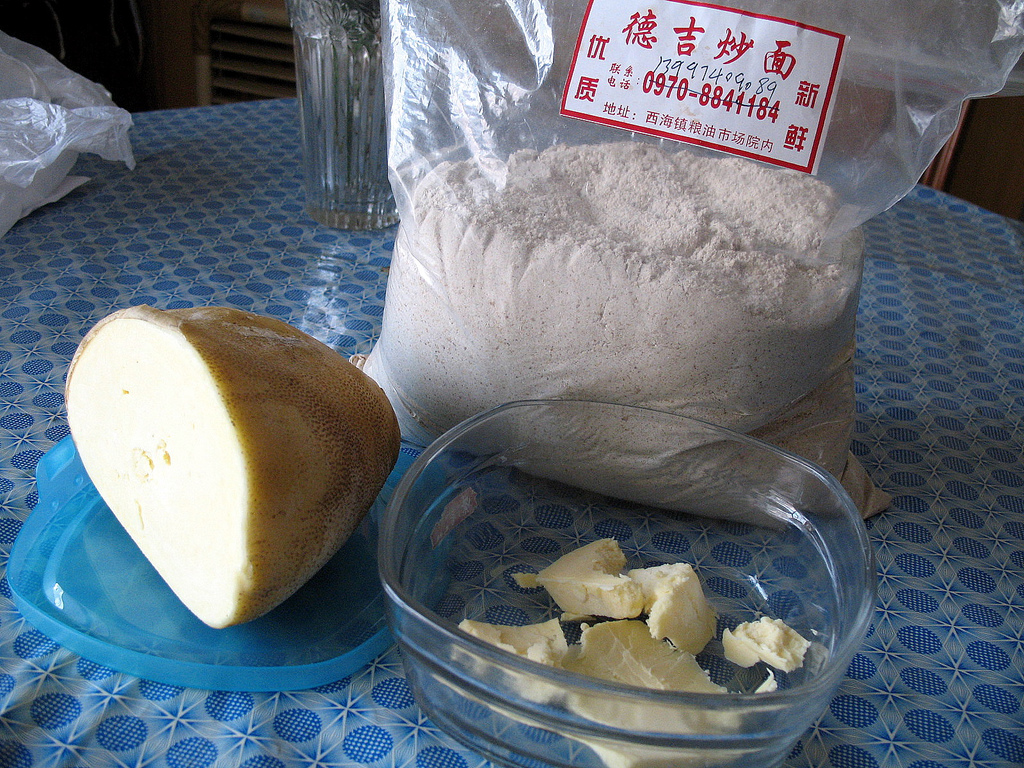
Tsampa
Tibet
Roasted barley flour, a staple of the Tibetan diet, traditionally mixed by hand with butter tea or cheese into a doughy ball.
 USD 2-6
Momos
Lhasa
Steamed or fried dumplings, commonly filled with yak meat and chives or a simple mix of cabbage and carrots, often served with a spicy chili sauce.
 USD 3-7
Thukpa
Lhasa
A warming noodle soup with hand-pulled noodles, often featuring yak meat, vegetables, or a combination, providing comfort in the high altitude.
 USD 1-3
Laphing
Lhasa
A spicy and tangy cold mung bean noodle jelly, often served with chili oil, soy sauce, and cilantro, popular as a street snack.
 USD 2-4
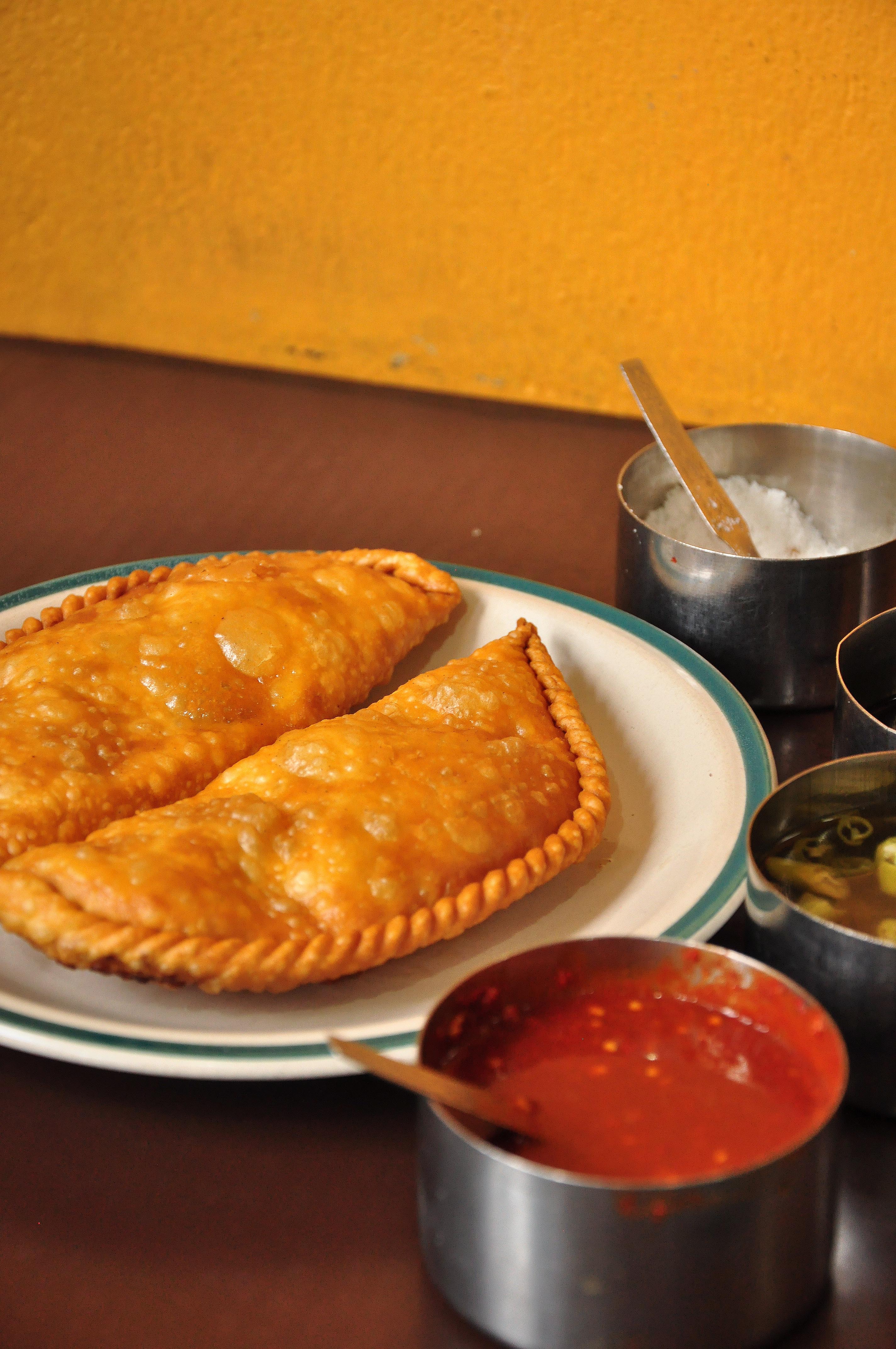
Sha Phaley
Lhasa
Crispy fried bread pockets filled with minced yak meat and onions, served as a substantial snack or light meal.
USD 4-8Thenthuk
Lhasa
A heartier, hand-pulled flat noodle soup distinct from Thukpa, often served with a richer broth and more substantial pieces of yak meat and vegetables.
Shapta
Lhasa
Stir-fried yak meat with various vegetables like bell peppers and onions, a flavorful and protein-rich dish often enjoyed with rice or tingmo (steamed bread).
📍 Tibetan restaurants, Lhasa
Markets & neighborhoods
The heart of traditional Tibetan food, with numerous small eateries, street stalls, and teahouses serving momos, thukpa, Sha Phaley, and butter tea, especially popular with pilgrims and locals.
Beyond the Barkhor, many family-run restaurants throughout the city offer a wider range of Tibetan dishes including Thenthuk, Shapta, and vegetable stews.
Good to Know
Top 7 souvenirs
Tibetan Prayer Wheels
LhasaUSD 15-80Used for spiritual meditation, these handheld cylinders are inscribed with mantras and spun to accumulate wisdom and good karma.
📍 Barkhor Street, shops around Jokhang Temple
Tibetan Silver & Turquoise Jewelry
LhasaUSD 30-200Features intricate silverwork combined with locally sourced turquoise and coral, reflecting unique Tibetan artistic traditions.
📍 Barkhor Street, specialized jewelry stores
Tibetan Singing Bowls
LhasaUSD 40-250Hand-hammered metal bowls producing resonant, harmonic sounds used for meditation, healing, and spiritual practices.
📍 Barkhor Street, specialized spiritual shops
Yak Wool Textiles
LhasaUSD 40-350Scarves, shawls, and blankets made from the incredibly soft and warm wool of yak, perfect for cold climates and a unique regional material.
📍 Barkhor Street, larger textile shops
Tibetan Thangka Paintings
LhasaUSD 50-500Intricate, hand-painted scroll paintings depicting Buddhist deities and mandalas, often used for meditation and spiritual practice.
📍 Barkhor Street (look for dedicated art shops, not street vendors)
Tibetan Incense
LhasaUSD 5-20Made from a blend of natural herbs and spices found in the Himalayas, offering a distinct, soothing fragrance for meditation or relaxation.
📍 Barkhor Street, dedicated incense shops
Markets & districts
Thangka paintings, prayer wheels, Tibetan jewelry, incense, yak wool textiles, religious artifacts, and local snacks.
A vibrant, bustling pilgrimage circuit and market, filled with the scent of incense and sounds of prayers; can be crowded with both pilgrims and tourists, requiring keen observation for quality and price.
Good to Know
Chinese New Year
ChunjieMost important Chinese holiday with fireworks, dragon dances, and family reunions.
Note: Book flights/hotels 2 months ahead
Lantern Festival
Yuanxiao JieMarks the end of Chinese New Year celebrations with spectacular lantern displays, lion dances, and sweet rice ball eating.
Note: Book 2-3 weeks ahead
Dragon Boat Festival
Duanwu JieAncient festival featuring thrilling dragon boat races on rivers and lakes, with zongzi rice dumplings and folk performances.
Note: Book 2 weeks ahead for riverside hotels
Golden Week National Day
Guoqing JieChina's biggest holiday week with 800+ million domestic trips. Major tourist sites are extremely crowded and prices peak across the country.
Note: Book 2+ months ahead or avoid entirely
Public Holidays(21)
Part four
Costs & booking
- Total for a couple — 7 days mid-range trip, excludes international flights
- Accommodation assumes 1 shared room
- Rough estimates — actual prices vary by season and availability
Local Transport
Accommodation
AI estimated based on typical hotel costs
Food
Activities
Moderate — expect $90-120/night for decent hotels and $15-25 for a sit-down meal. While overall costs are moderate, entrance fees for major cultural sites can be significant, so factor these into your daily budget.
To stretch your $500 food budget, explore the Barkhor neighborhood. Delicious Tibetan street food and local eateries offer hearty meals for ¥20-50 ($3-7) per person, allowing you to experience local flavors affordably.
Many sacred sites have substantial entrance fees; for example, Potala Palace often costs around ¥200 ($30 USD) per person. Always carry small denominations (¥1-10) for customary money offerings at shrines where no ticket is required.
Maximize your $140 local transport budget by utilizing Lhasa's public city buses, which cost merely ¥1-2 per ride. This is a much more economical option than relying on taxis for all your journeys to attractions outside walking distance.
Given your cultural focus, consider splurging on a knowledgeable private local guide for a half-day tour of a major monastery like Sera or Drepung. Expect to pay ¥300-600 ($45-90), but their insights will significantly enhance your understanding of Tibetan Buddhism and history.
Chinese Tourist Visa (L Visa)Day 1
Book 3 months ahead — Required for entry into mainland China, which is a prerequisite for applying for the Tibet Travel Permit. Processing times vary by consulate.
Tibet Travel Permit & Organized Tour Package (Lhasa & Shigatse)Day 1
Book 3 months ahead — Foreign travelers are legally required to book an organized tour with a licensed agency (including guide, driver, and all inter-city transport) and obtain a Tibet Travel Permit. The agency will apply for the permit on your behalf after you have a valid Chinese visa. Permit processing takes several weeks and tour slots can be limited.
Potala Palace Timed EntryDay 2
Book 2 months ahead — Potala Palace tickets are extremely limited and often released only 7 days in advance for tour agencies. Your tour agency must be booked well in advance to secure these highly sought-after timed entry slots, as they frequently sell out immediately.
China SIM Card or eSIM for dataDay 1
Book 2 weeks ahead — For reliable connectivity in China, including Tibet. Ensure it's compatible with China's network and allows for VPN usage if you plan to access blocked services like Google or popular social media.
The practical bits — connectivity, getting around, and flights. These are partner links; we may earn a commission, at no cost to you.
Part five
Before you go
Extensive high-speed rail and metro systems in major cities
City-specific transit cards or Alipay QR codes
Download DiDi for ride-hailing. Book train tickets in advance on 12306 or Trip.com.
- Arrive in Lhasa by flight from a lower altitude city like Chengdu or Xining to reduce immediate altitude sickness risk, or take the Qinghai-Tibet Railway from Golmud which gradually ascends.
- Pace yourself on arrival; avoid strenuous activity for the first 2-3 days in Lhasa (3,650m / 12,000ft) and drink plenty of water to acclimatize.
- When visiting the Jokhang Temple or Potala Palace, remove any hats upon entry and ensure knees and shoulders are covered; short trousers/tank tops are not permitted.
- Always carry your passport and Tibet Travel Permit; expect frequent checks by police or military, especially near sensitive areas like Barkhor Street.
- Circumambulate stupas, temples, and the Barkhor Kora route clockwise, following the flow of pilgrims.
- For small shrines or chortens without an entrance fee, leave a small money offering (e.g., ¥1-5) as a customary sign of respect.
- Avoid engaging in political discussions concerning the Dalai Lama, the Tibetan government-in-exile, or the Chinese government with locals or other tourists; surveillance is common.
- Be prepared to use cash (Yuan) at smaller stalls, street vendors, and for offerings; WeChat Pay and Alipay are widely accepted in larger establishments.
- If confronted by aggressive stray dogs, particularly outside the city center or on treks, sturdy boots are useful, and a small rock can be thrown near them as a deterrent if necessary.
- 1Altitude sickness medication (Diamox)
- 2Warm layered clothing (fleece, down jacket)
- 3Long trousers/pants (2-3 pairs)
- 4Shoulder-covering tops (3-4)
- 5Comfortable closed-toe walking shoes
- 6Small cash (Yuan) for offerings
- 7High-factor sunscreen + wide-brimmed hat
- 8Lip balm + heavy moisturizer
- 9Reusable water bottle (stay hydrated)
- 10Portable oxygen canister (optional, for severe altitude)
- 11Offline VPN subscription (pre-downloaded)
- 12Slip-on shoes (for traditional guesthouses)
Note: Travel conditions, regulations, and local customs may change. We recommend verifying essential details — such as visa requirements, emergency contacts, and payment options — closer to your travel date.
Visa & Entry Requirements
All foreign visitors require a valid Chinese visa, typically obtained in your home country before departure. Additionally, a special Tibet Travel Permit, issued by the Tibet Tourism Bureau, is mandatory for Lhasa. This permit cannot be applied for independently; it must be secured through a registered Chinese travel agency as part of a pre-booked tour package. Your passport must be valid for at least 6 months beyond your intended departure date.
SIM & Connectivity
SIM Options
📍 Official China Mobile stores in mainland Chinese cities (e.g., Chengdu, Xining) before flying/training to Lhasa.
📍 Official China Unicom stores in mainland Chinese cities (e.g., Chengdu, Xining) before flying/training to Lhasa.
📍 Official China Telecom stores in mainland Chinese cities (e.g., Chengdu, Xining) before flying/training to Lhasa.
Free Wi-Fi is commonly available in hotels, guesthouses, and some cafes in Lhasa. Public Wi-Fi might be available but often requires a local phone number for registration, making it less accessible for travelers. Speeds can be inconsistent, and access to many international websites and apps is blocked by the Great Firewall.
Useful Apps
Before arriving in China, download and test a reliable VPN service on your devices, as most VPN websites are blocked once you're in the country. International roaming with your home SIM might be expensive and subject to the same censorship as local SIMs; a local Chinese SIM is generally recommended for better connectivity.
Electric Socket Guide
Socket Types
Two flat parallel pins (North America, Japan)
Two round pins (most of Europe, South America)
Two angled flat pins + ground (Australia, China)
220V
50Hz
Tipping Etiquette
Not expected — may be refused
Not expected; round up fare if desired
Not expected in most hotels
Tipping is not part of Chinese culture. High-end international hotels may accept tips.
Safety & Travel Advisories
Check official government advisories for the latest safety information, entry requirements, and travel warnings before your trip.
Emergency Numbers
110
120
119
Limited English support — have your hotel address written in Chinese
Payments
China is nearly cashless — mobile payment dominates
International cards rarely accepted outside luxury hotels
WeChat Pay and Alipay are essential; some now allow foreign card linking
Set up Alipay or WeChat Pay before arrival. Carry some cash for rural areas.
Yes, all foreign visitors need a valid Chinese visa, plus a special Tibet Travel Permit. The Tibet Travel Permit must be secured through a registered travel agency and requires booking a tour package. Independent travel to Lhasa is not permitted for foreigners.
Altitude sickness is the biggest risk; take 2-3 days to acclimatize and stay hydrated. Political discussions about the Dalai Lama or government are prohibited and can lead to severe penalties. Pickpockets are a minor concern in crowded daytime areas like Barkhor Street.
For places like the Potala Palace and Jokhang Temple, you must remove your hat. Both men and women need to wear long trousers/skirts that cover the knees and tops that cover the shoulders. Tank tops or short shorts are not allowed.
Most travelers fly from mainland Chinese cities like Chengdu (shortest flight time) or Xining, or take the Qinghai-Tibet Railway from Golmud. The train offers a gradual ascent, aiding acclimatization, but is longer. Both require a Tibet Travel Permit to board.
Chinese Yuan (CNY) cash is essential for small vendors and offerings. WeChat Pay and Alipay are widely accepted in larger shops, restaurants, and hotels. Foreign credit cards are rarely accepted directly outside major hotels.
Mobile coverage is generally good from major Chinese carriers. Wi-Fi is available in hotels and cafes. However, China's "Great Firewall" blocks many international apps like Google, Facebook, and WhatsApp. You will need a reliable VPN, downloaded and tested before arriving in China, to access these services.
Always remove your hat inside sacred buildings and dress modestly (covered shoulders and knees). Circumambulate holy sites clockwise. Avoid political discussions. Small offerings at shrines are customary.
The most popular times are spring (April-May) and autumn (September-October) for mild weather and clear skies, averaging 10-20°C. Summer (June-August) is warmer (up to 25°C) but has more rain. Winter (November-March) is cold (-10°C to 5°C) but quieter, offering a more authentic experience with fewer tourists.
These 3 experiences didn't make it into this itinerary
🍜An Authentic Tibetan Culinary Experience
e.g., Makye Ame, Snowland Restaurant
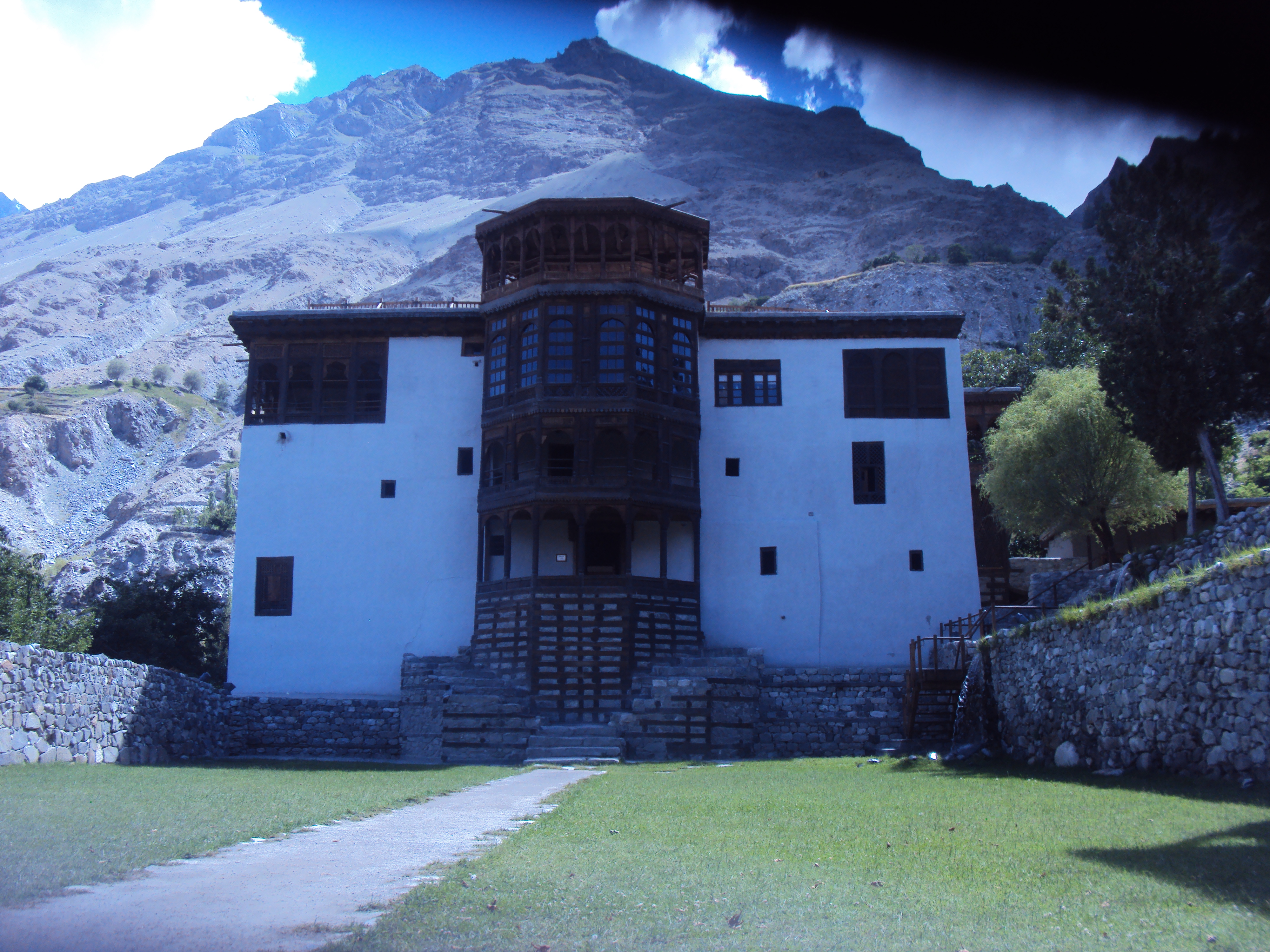
🎭A Traditional Tibetan Performing Art Show
e.g., Princess Wencheng Grand Stage, Tibet Grand Theatre

⛰️Exploration of Ancient Yarlung Valley Ruins
e.g., Yungbulakang Palace, Chongye Valley
Create Your Custom Version
Download this Lhasa, China itinerary as a free PDF — day-by-day plan, maps, budget, and more.
You Might Also Like

Beijing, Xi'an, and Shanghai, China
China
This 10-day journey for a couple spans China's historical and modern heart, moving from Beijing to Xi'an, then Shanghai. Experience Beijing's Forbidden City, Xi'an's Terracotta Army and bustling Muslim Quarter, then Shanghai's iconic Bund, all at a balanced pace. High-speed rail efficiently...

Hong Kong, China
China
This packed 4-day trip to Hong Kong for a couple explores the city's dynamic blend of heritage and modernity. Based in Tsim Sha Tsui, you'll ascend Victoria Peak for iconic skyline views, delve into the traditional street food and cultural atmosphere of the Temple Street Night Market, and...

Shanghai, China
China
This packed 4-day Shanghai journey immerses a couple in the city's diverse heritage, from The Bund's colonial architecture to Pudong's soaring Shanghai Tower and the traditional Yu Garden complex. The itinerary covers key districts including the Old City and Former French Concession, with a busy...
Hong Kong, China; Macau, China; Taipei, Taiwan
China And Taiwan
This 10-day trip for two explores the contrasting urban landscapes and cultural richness of Hong Kong, Macau, and Taipei. Begin with 4 days in Hong Kong, experiencing Victoria Peak and the bustling Tsim Sha Tsui district, then take a ferry to Macau for 2 days to discover the historic Ruins of...
Prefer to plan it yourself?
Start from a free, no-signup travel itinerary template. The Excel and Google Sheets versions auto-total the budget and split costs by who paid.