Copper Coffee Pot
USD 20–60
Hand-hammered copper vessels essential for brewing traditional thick Turkish coffee at home.
 Serg Dorohoff (CC BY-SA 3.0)
Turkey
Local goods and souvenirs worth bringing home — with photos, typical prices, and where to buy them.
Hand-hammered copper vessels essential for brewing traditional thick Turkish coffee at home.
Serg Dorohoff (CC BY-SA 3.0)Hand-painted earthenware showcasing traditional Ottoman floral motifs in vibrant cobalt and turquoise glazes.
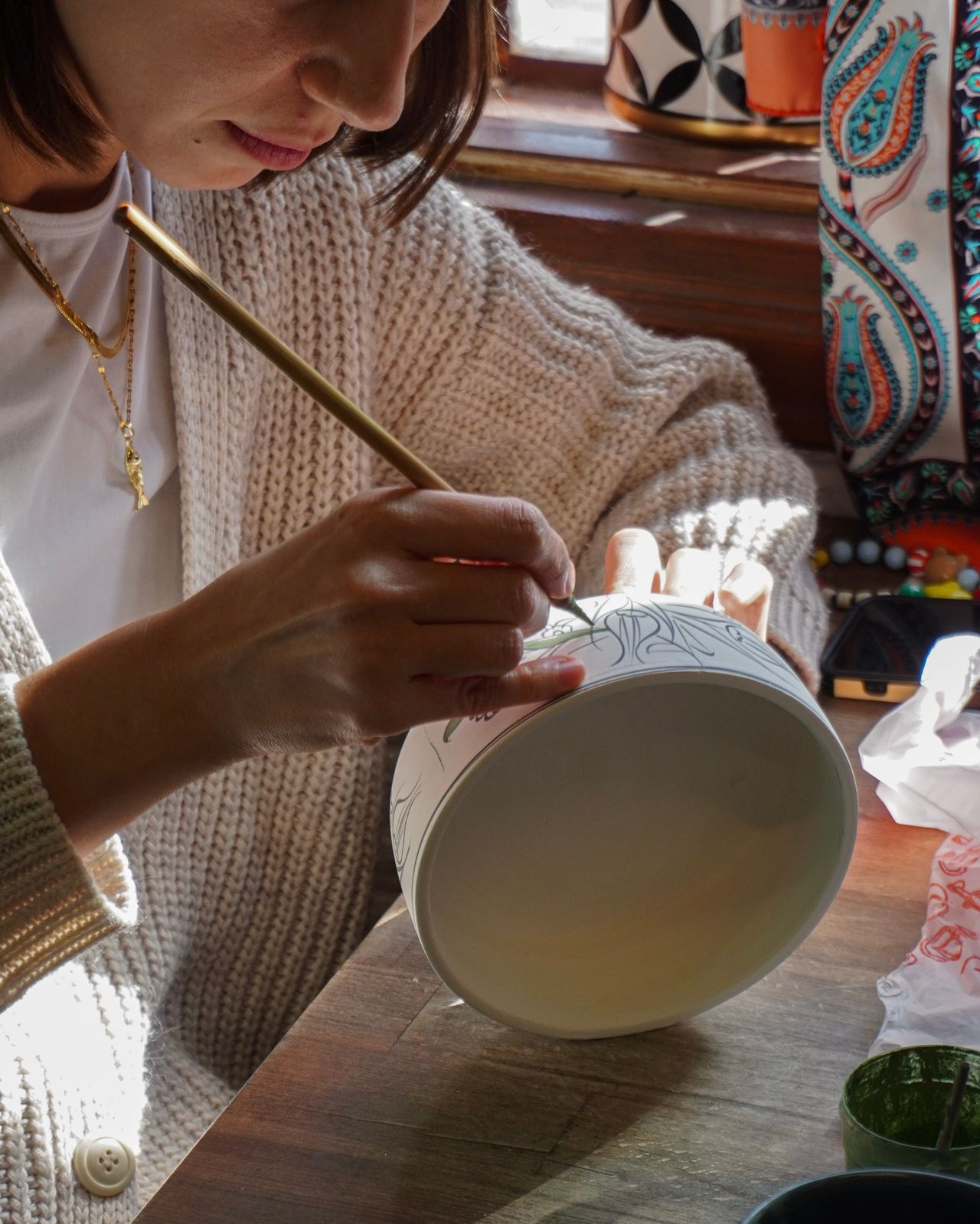 Photo by Hatice Yoğurtçu on Pexels
Flat-woven wool rugs featuring intricate tribal geometric patterns that fit easily into luggage.
 Public domain
Lightweight, highly absorbent cotton wraps that double as throws or beach towels.
 Emmanuel.boutet authorized by Bohemeria [1] (CC BY-SA 3.0)
The iconic blue eye charm is a deep-rooted cultural symbol of protection.
 Alev Akın (CC BY-SA 4.0)
Handmade cobalt glass eyes intended to ward off bad luck, found in every local home.
 Alev Akın (CC BY-SA 4.0)
These natural soaps are gentle on skin and typically sold in bulk by weight.
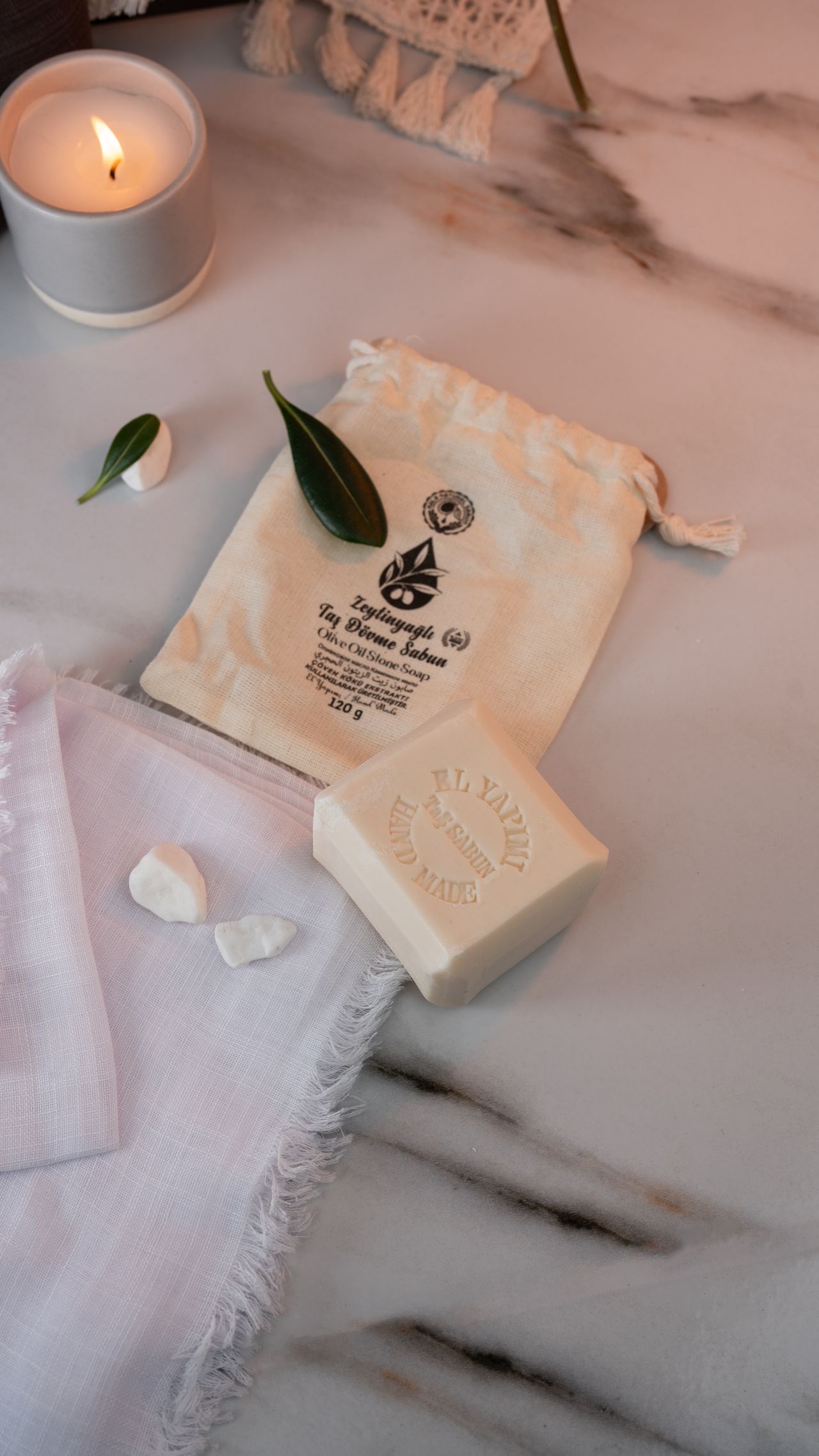 Photo by Oğuzhan Öncü on Pexels
Rich, dark Turkish pine honey produced in the coastal forests, less sweet than floral varieties.
 Mila.atkovska (CC BY-SA 4.0)
Choose the pistachio or pomegranate varieties packed in boxes at historic confectionaries instead of airport shops.
 c.berlin (CC BY-SA 4.0)
This sweet, vibrant yellow drink is a classic Istanbul staple often served at shops.
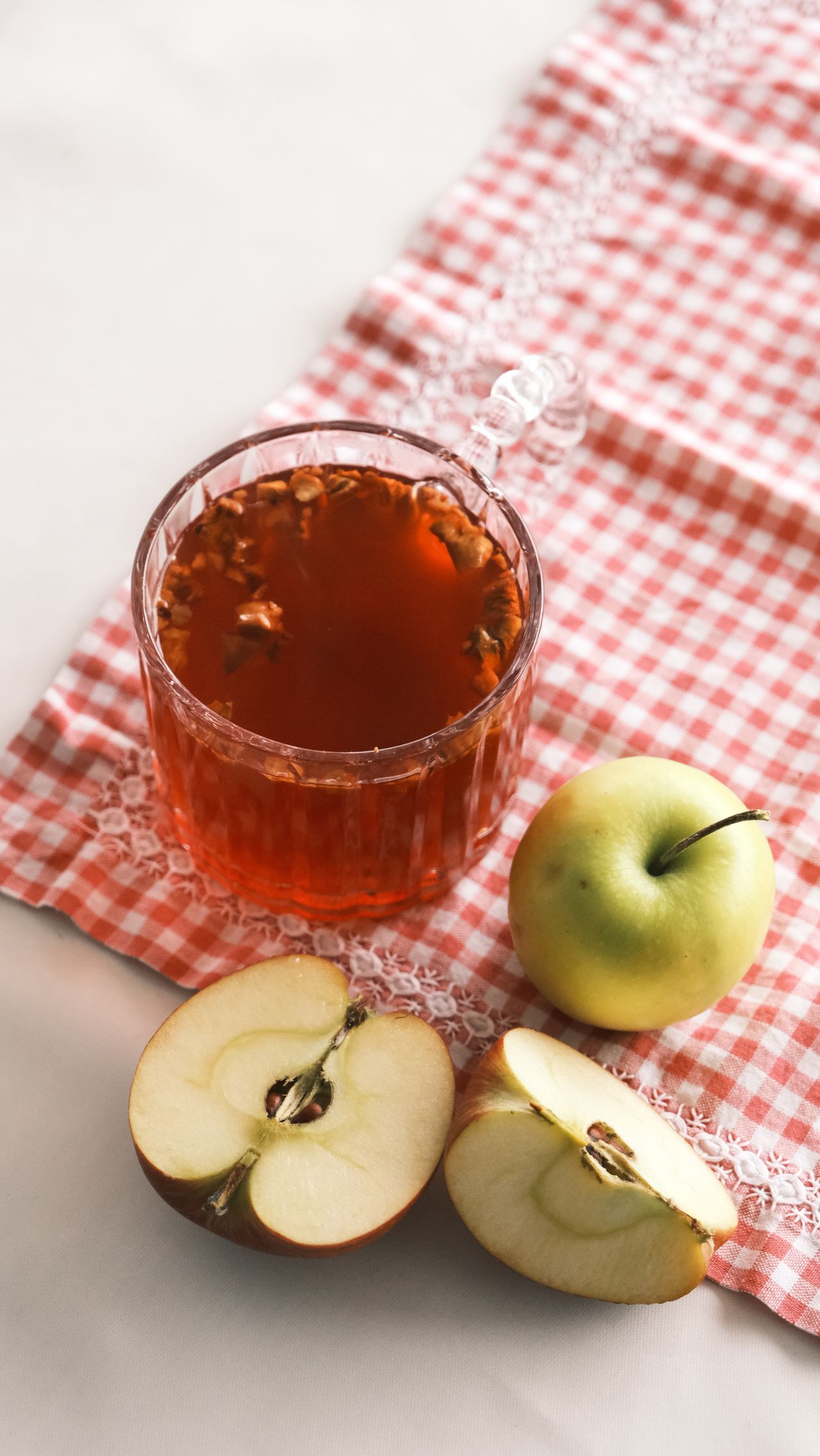 Photo by Rahime Gül on Pexels
Foraged wild thyme adds a potent, earthy flavor missing from supermarket jars.
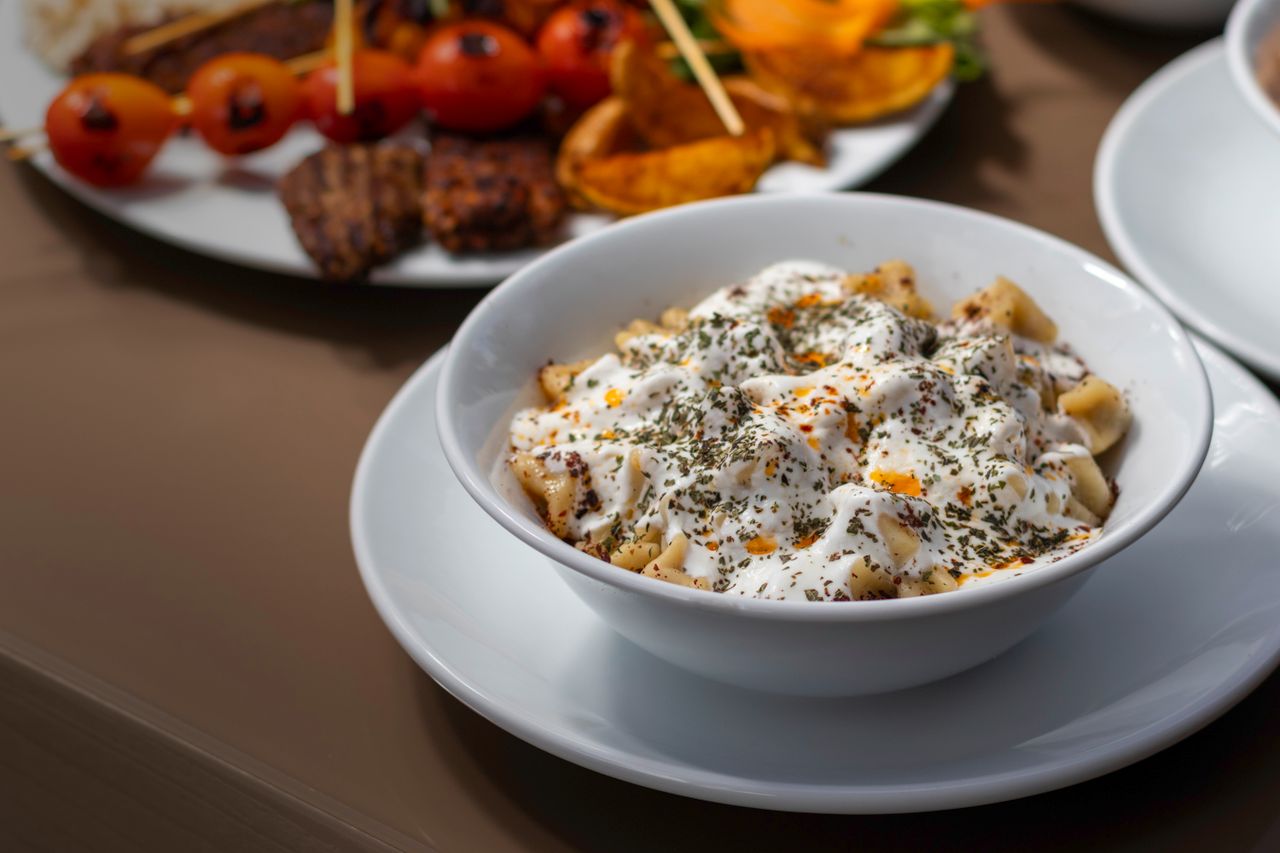 Photo by Efe Burak Baydar on Pexels
Master-weavers use natural vegetable dyes and wool to create complex geometric motifs.
 Julian Fong (CC BY-SA 2.0)
Handcrafted leather sandals made famous by local artisan Ali Goven; they are incredibly durable.
 Photo by Jonathan Santiago on Pexels
Earthenware decorated with traditional Turkish blue and white patterns inspired by nautical life.
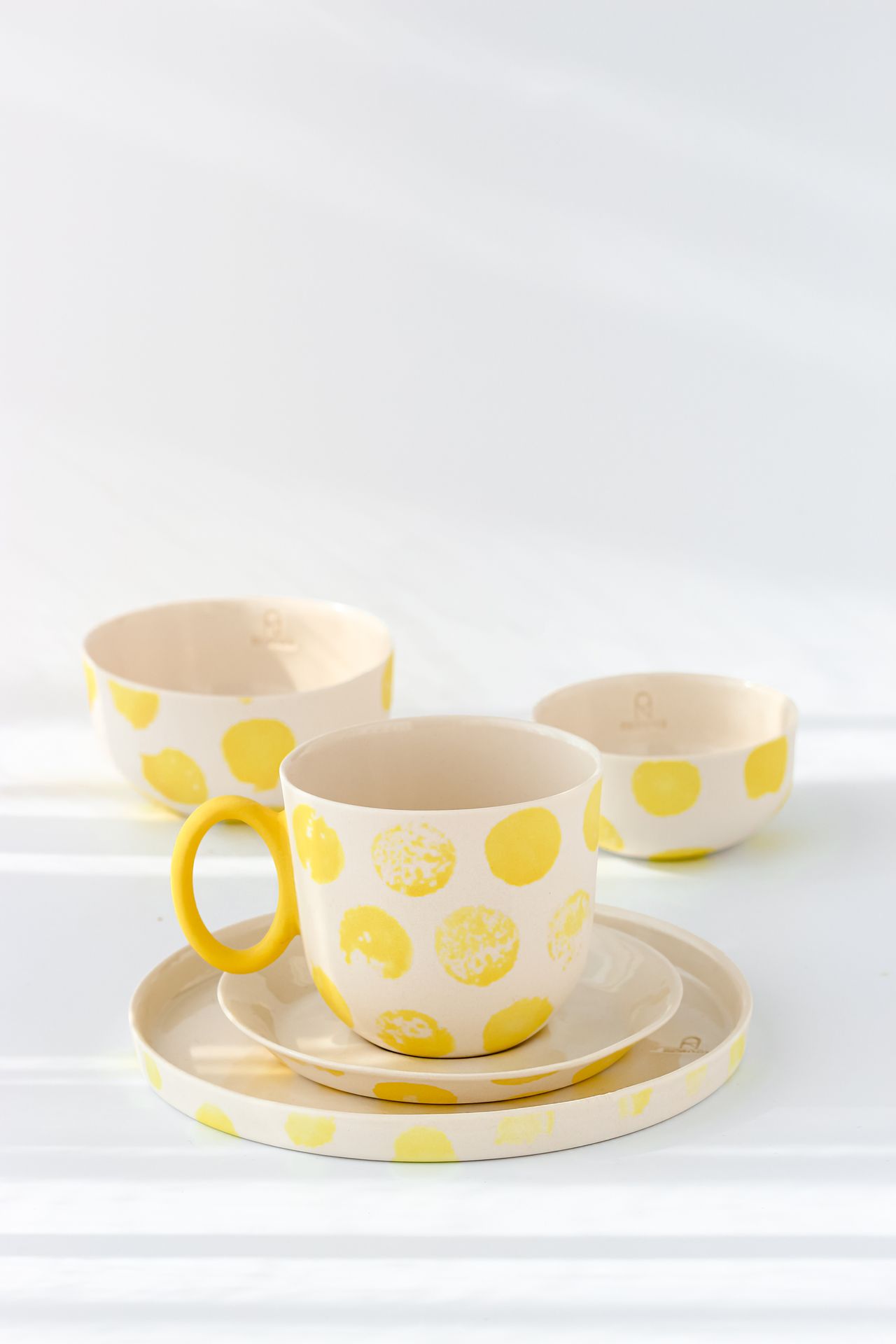 Photo by Kader D. Kahraman on Pexels
Heavy hand-hammered copper conducts heat evenly for the perfect cup of thick Turkish coffee.
Serg Dorohoff (CC BY-SA 3.0)Turkey is a leading global producer of pure rose oil from the Isparta region.
 Faruk1154 (CC BY-SA 4.0)
Local Aegean figs simmered in syrup, often stuffed with crunchy walnuts for balance.
 Madhif (CC BY-SA 3.0)
Flat-woven wool rugs featuring intricate geometric motifs from nomadic tribal traditions.
 Chiswick Chap (CC BY-SA 4.0)
Hand-painted tiles and plates featuring traditional Ottoman tulip and carnation motifs.
 Photo by Esra Betül Yatkaya on Pexels
Flat-woven wool rugs carry unique regional patterns and serve as enduring home art.
Chiswick Chap (CC BY-SA 4.0)