Local goods and souvenirs worth bringing home — with photos, typical prices, and where to buy them.
1
Leather babouche
USD 10–40
Soft, pointed slippers handmade from dyed goat leather by local cobblers.

J.Ligero & I.Barrios (CC BY-SA 3.0)
Where to buy: Leather souk district near the old city entrance
2
Culinary argan oil
USD 10–40
Nutty, cold-pressed oil essential for finishing couscous and dipping crusty bread.
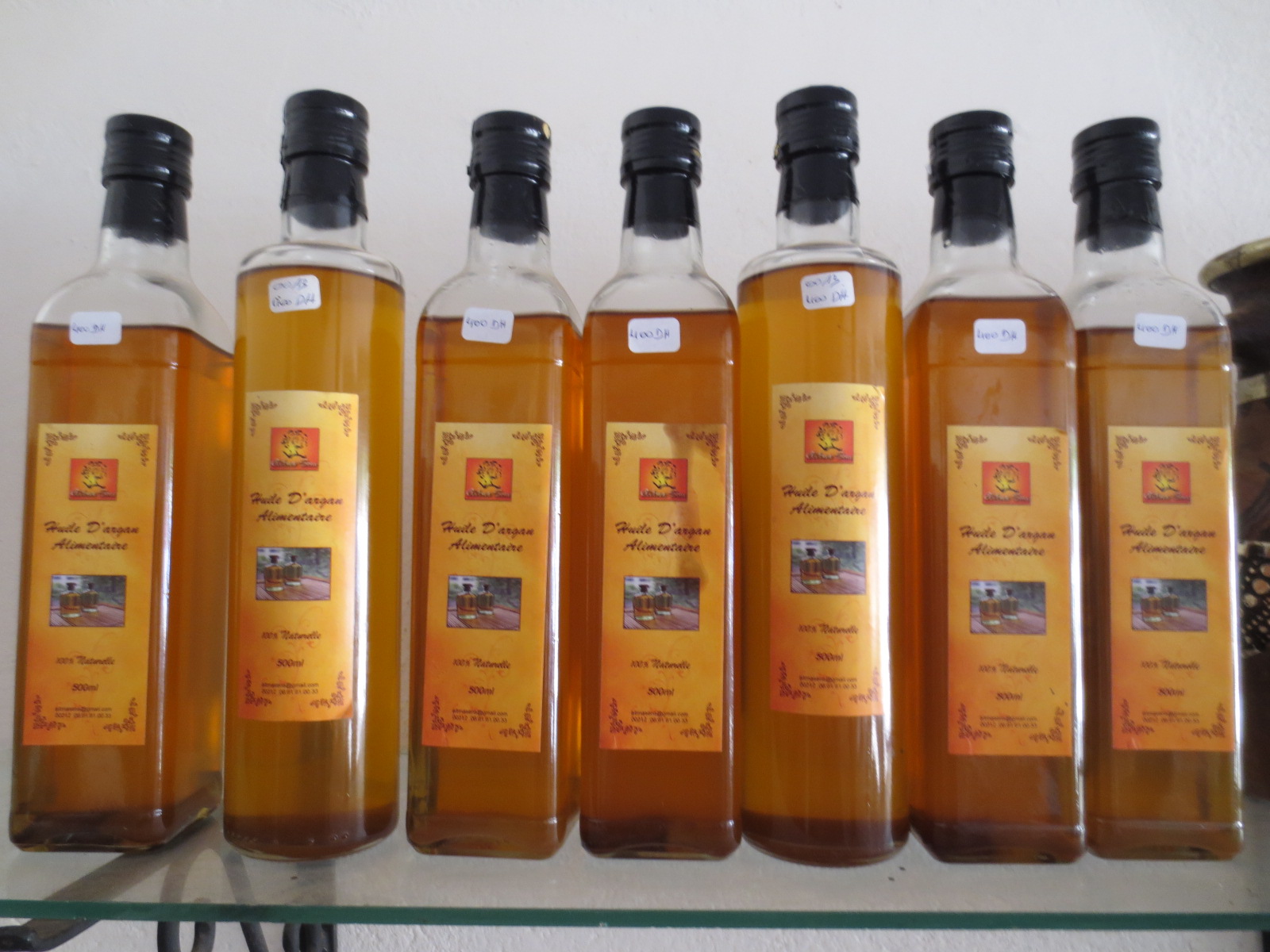
Arnaud 25 (CC BY-SA 3.0)
Where to buy: Any certified cooperative inside the medina souks
3
Ras el Hanout spice blend
USD 5–20
A complex, proprietary mix of dozens of spices, translating to head of the shop.

Sarefo (CC BY-SA 4.0)
Where to buy: Rahba Kedima square
4
Pure argan oil
USD 10–40
Cold-pressed oil for hair and skin sold by regional women's collectives.
Arnaud 25 (CC BY-SA 3.0)
Where to buy: Tafilalet region cooperatives.
5
Berber rug
USD 150–800
High-pile, hand-knotted wool rugs featuring distinct minimalist geometric patterns from the Atlas Mountains.

16:9clue (CC BY 2.0)
Where to buy: Les etablissements Bouchaib, Rue de La Kasbah
6
Ceramic tagine
USD 10–60
These hand-painted clay vessels are used to slowly cook traditional meat and vegetable stews.

Bawdeep2010 (CC BY-SA 4.0)
Where to buy: Pottery shops off the main path of the medina
7
Leather babouche slippers
USD 15–40
These soft leather slippers are comfortable for indoor wear and come in vibrant dyed colors.
J.Ligero & I.Barrios (CC BY-SA 3.0)
Where to buy: Leather workshops near the Place Outa el Hammam
8
Beni Ourain wool rug
USD 200–800
Thick, undyed sheep wool rugs featuring geometric patterns hand-woven by Atlas Mountain tribes.
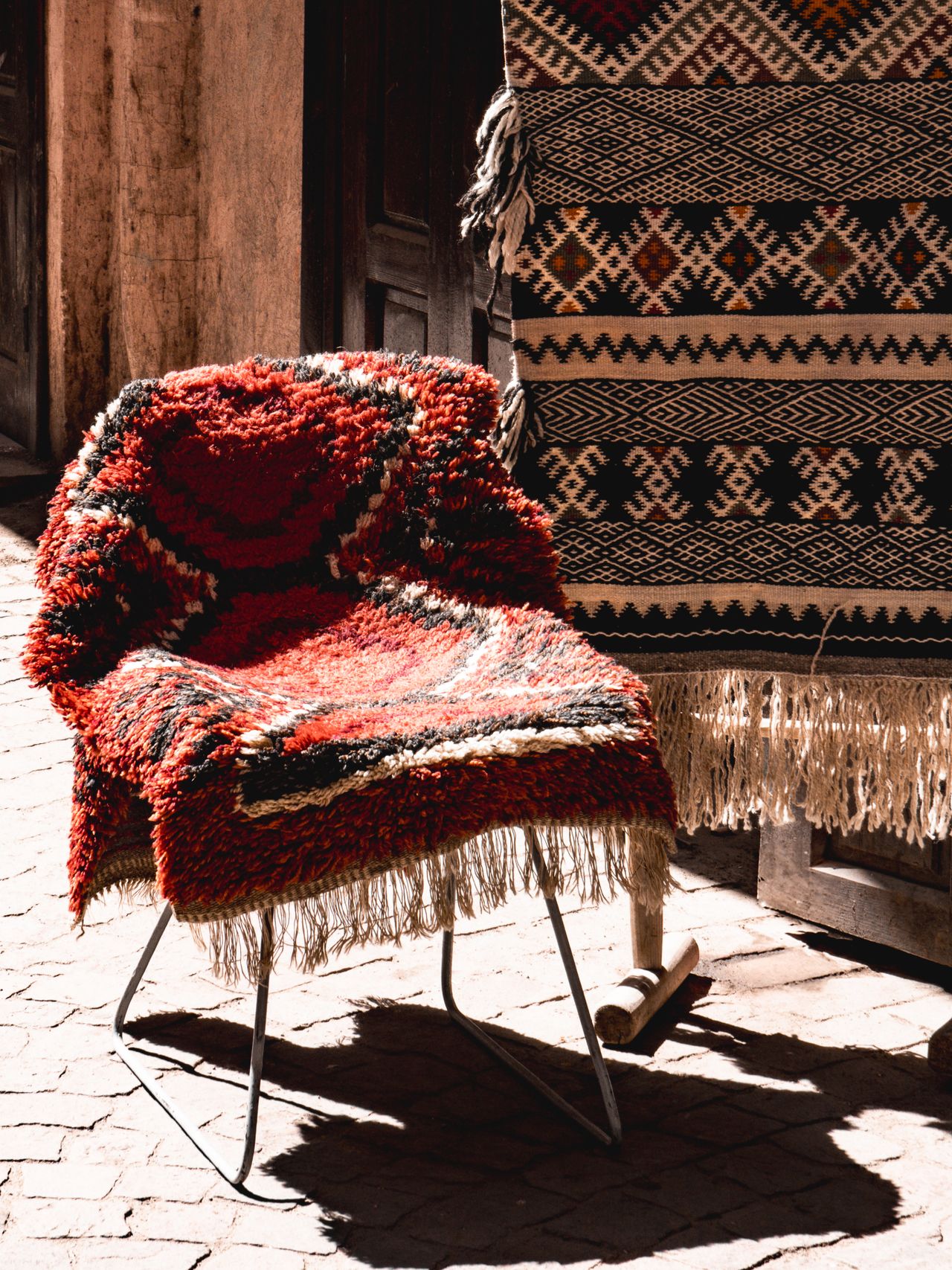
Photo by karim Ouakkaha on Pexels
Where to buy: Place Seffarine carpet cooperatives.
9
Moroccan silver teapot
USD 15–50
These etched pots are designed for pouring high-altitude mint tea from a distance.
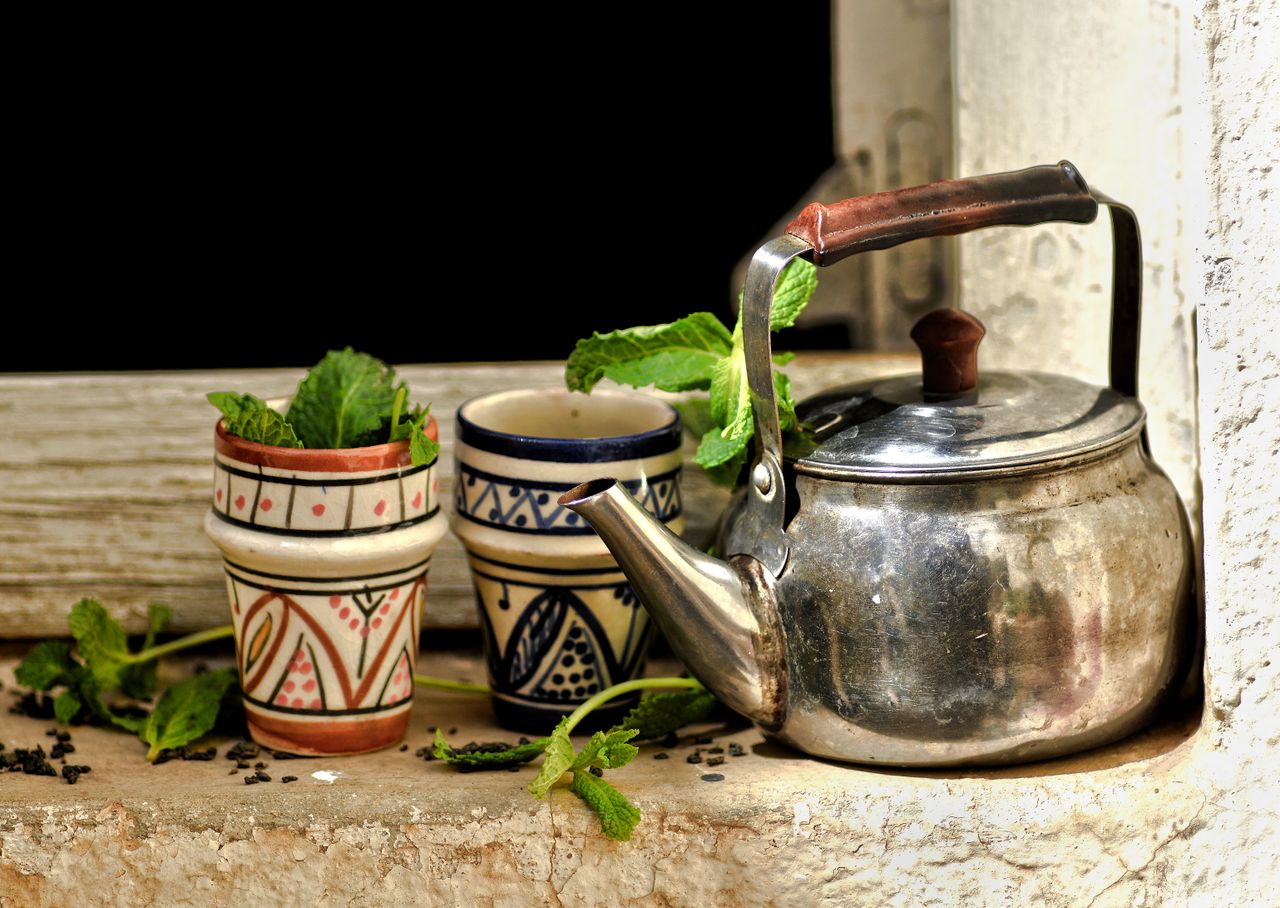
Photo by Moussa Idrissi on Pexels
Where to buy: Metalwork shops along Rue de la Scala
10
Etched brass lantern
USD 30–150
Metalwork artisans hand-pierce geometric patterns that cast elaborate light shadows on your walls.
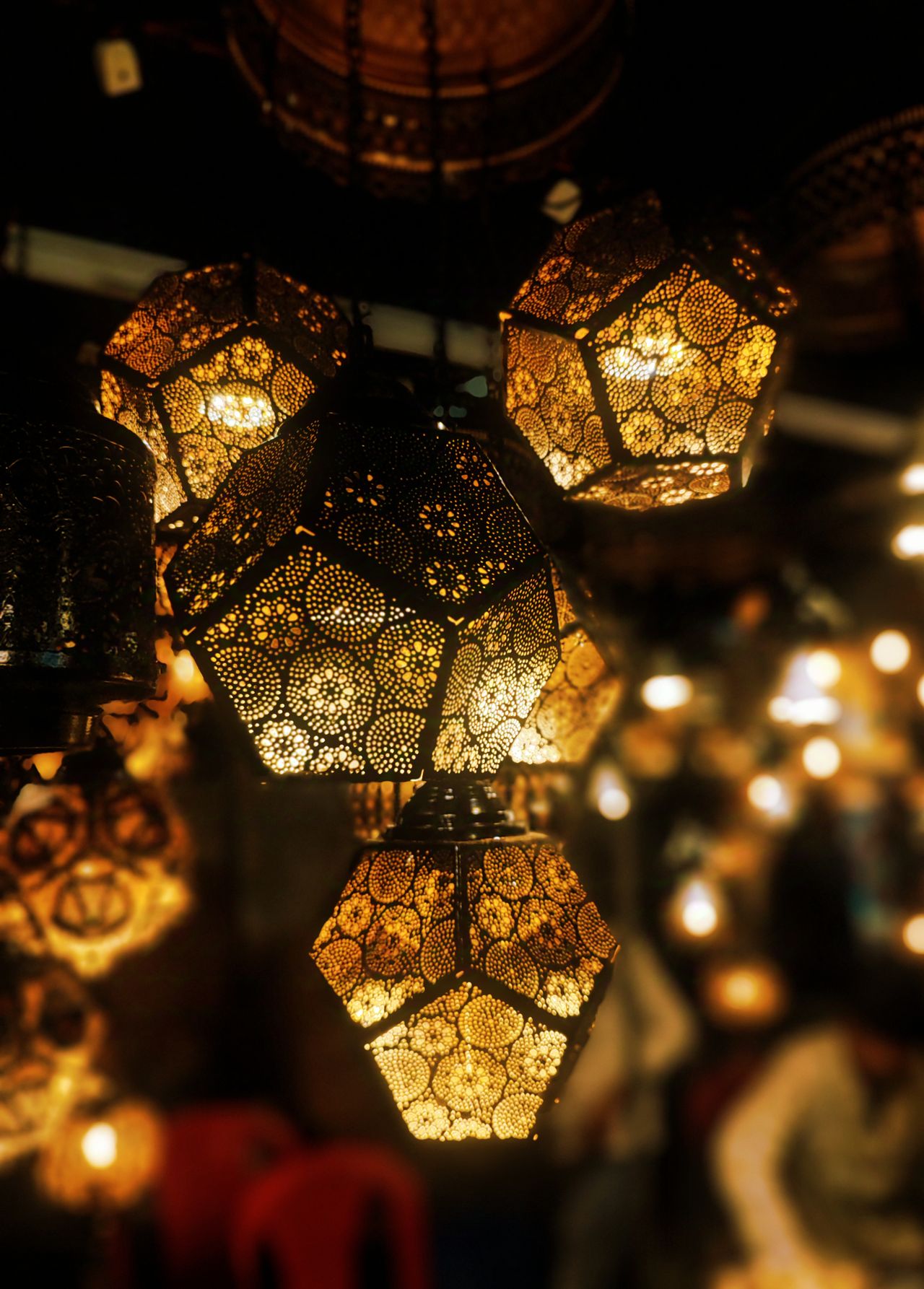
Photo by Varun Changavalli on Pexels
Where to buy: Artisanal workshops near Rue des Consuls
11
Fes blue and white ceramics
USD 20–200
Hand-painted earthenware recognized by distinct cobalt blue patterns against a bright white background.

This photo was taken by Anton Zelenov.
Please credit this with : Photo : Anton Zelenov in the immediate vicinity of the image.
If you use one of my photos, please email me (account needed) or leave me a short message on my discussion page.
It would be greatly appreciated.
Do not copy this image illegally by ignoring the terms of the license below, as it is not in the public domain.
If you would like special permission to use, license, or purchase the image please contact me to negotiate terms. (CC BY-SA 3.0)
Where to buy: Potters district near Bab Ftouh.
12
Hand-pierced brass lantern
USD 50–300
Intricate metalwork that casts complex, patterned shadows across walls when lit from within.
Photo by Varun Changavalli on Pexels
Where to buy: Place Seffarine coppersmith quarter.
13
Tanned Leather Satchel
USD 50–300
Fez is the hub for traditional vegetable-tanned leathers cured in iconic stone pits.
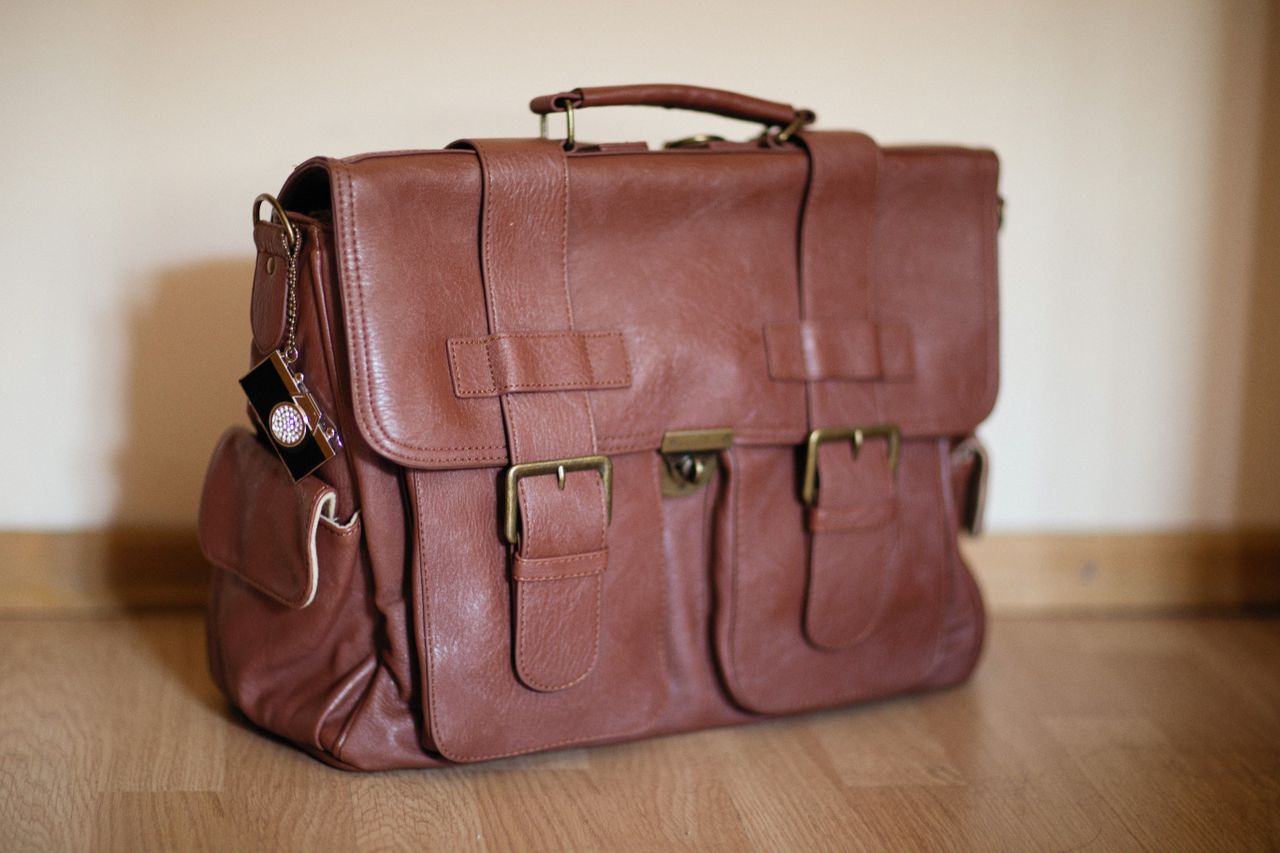
Photo by Alexey Demidov on Pexels
Where to buy: Chouara Tannery area
14
Brass lantern
USD 30–200
Hand-pierced metal lamps that cast intricate, starlit shadows on your walls at home.
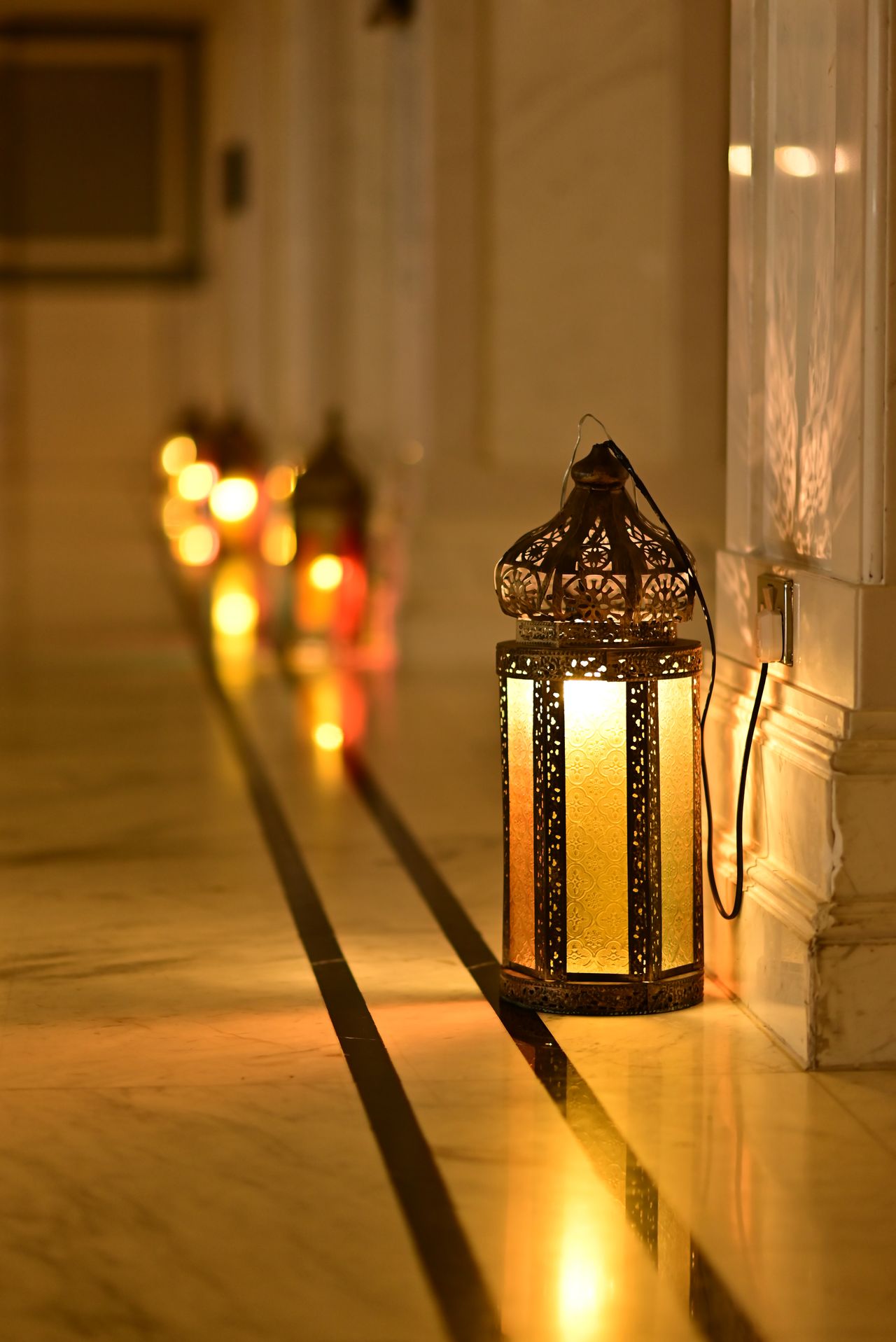
Photo by sabir salam on Pexels
Where to buy: Souk Haddadine
15
Moroccan tea pot
USD 20–50
Essential for brewing traditional mint tea properly, these metal pots are durable and heat-resistant.
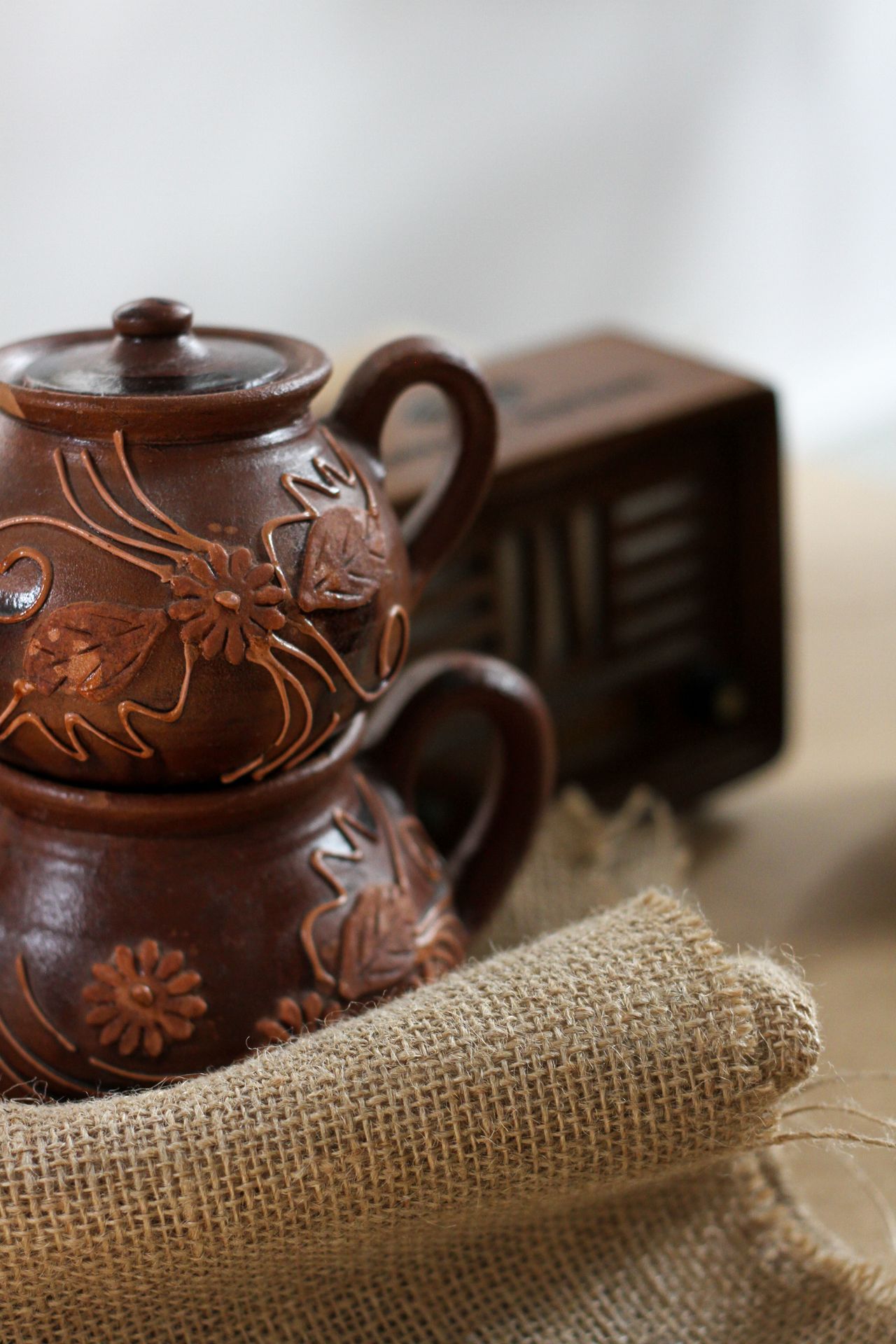
Photo by Feyza Tuğba on Pexels
Where to buy: Metalwork street vendors within the medina
16
Zellige tile panel
USD 80–500
Geometric, hand-chiseled clay tiles assembled into intricate mosaic patterns for architectural detail.
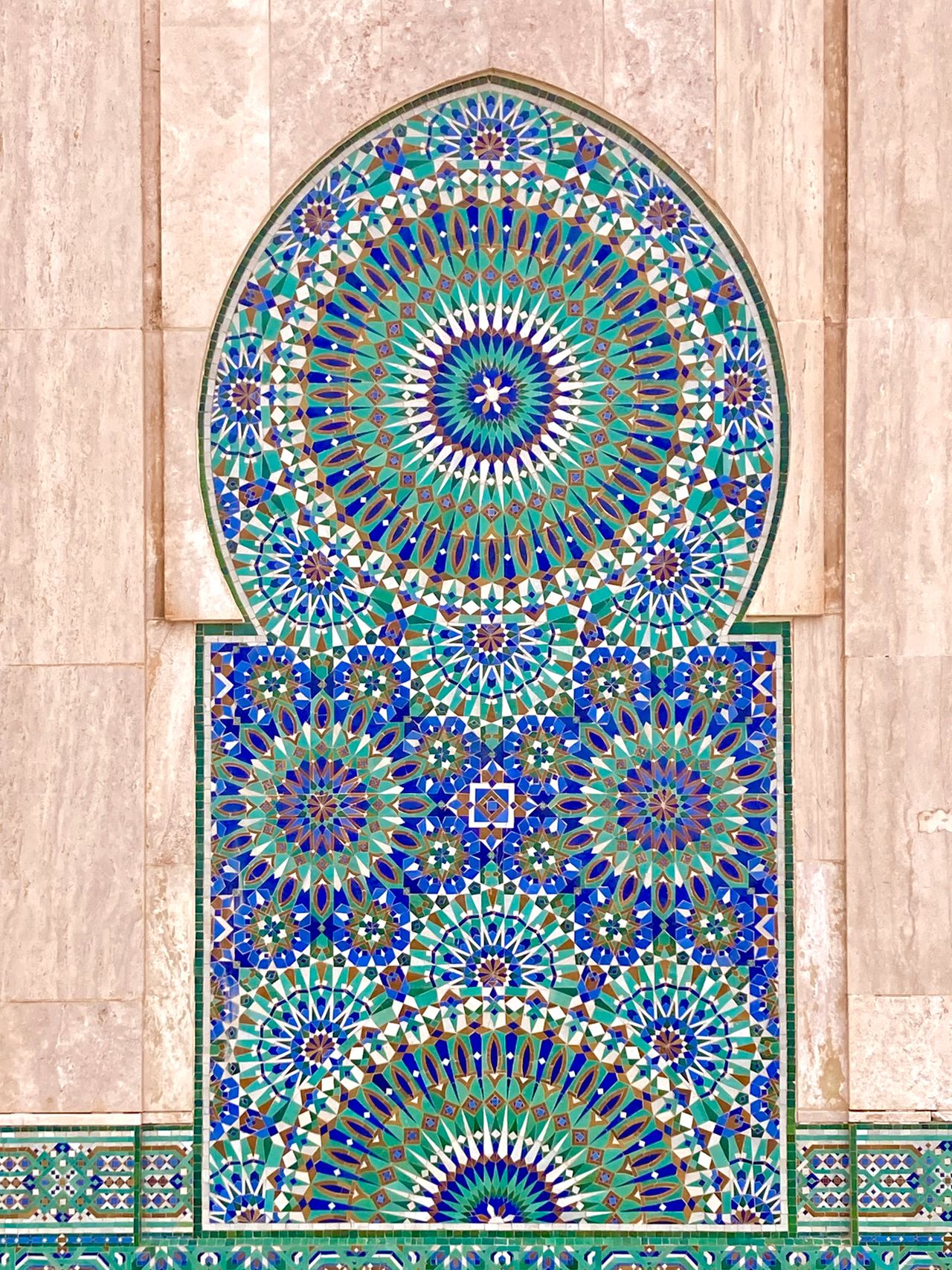
Photo by SONNIE WING on Pexels
Where to buy: Zellige workshops near the potters district.
17
Thuja wood box
USD 10–60
Crafted from local root wood, these boxes feature intricate lemonwood or ebony inlays.
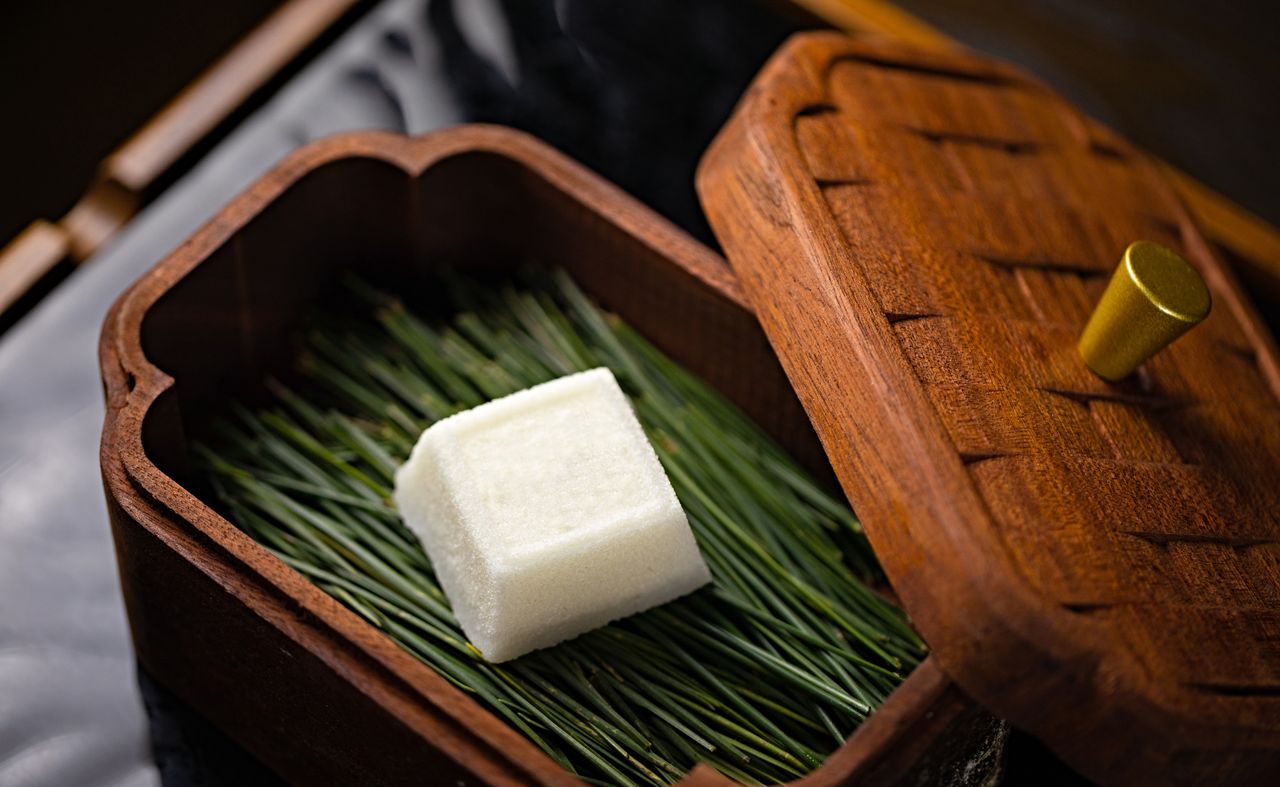
Photo by Change C.C on Pexels
Where to buy: The Medina wood workshops near the skala gate
18
Embroidered djellaba
USD 40–200
This traditional hooded robe features intricate hand-embroidery along the seams and neckline.
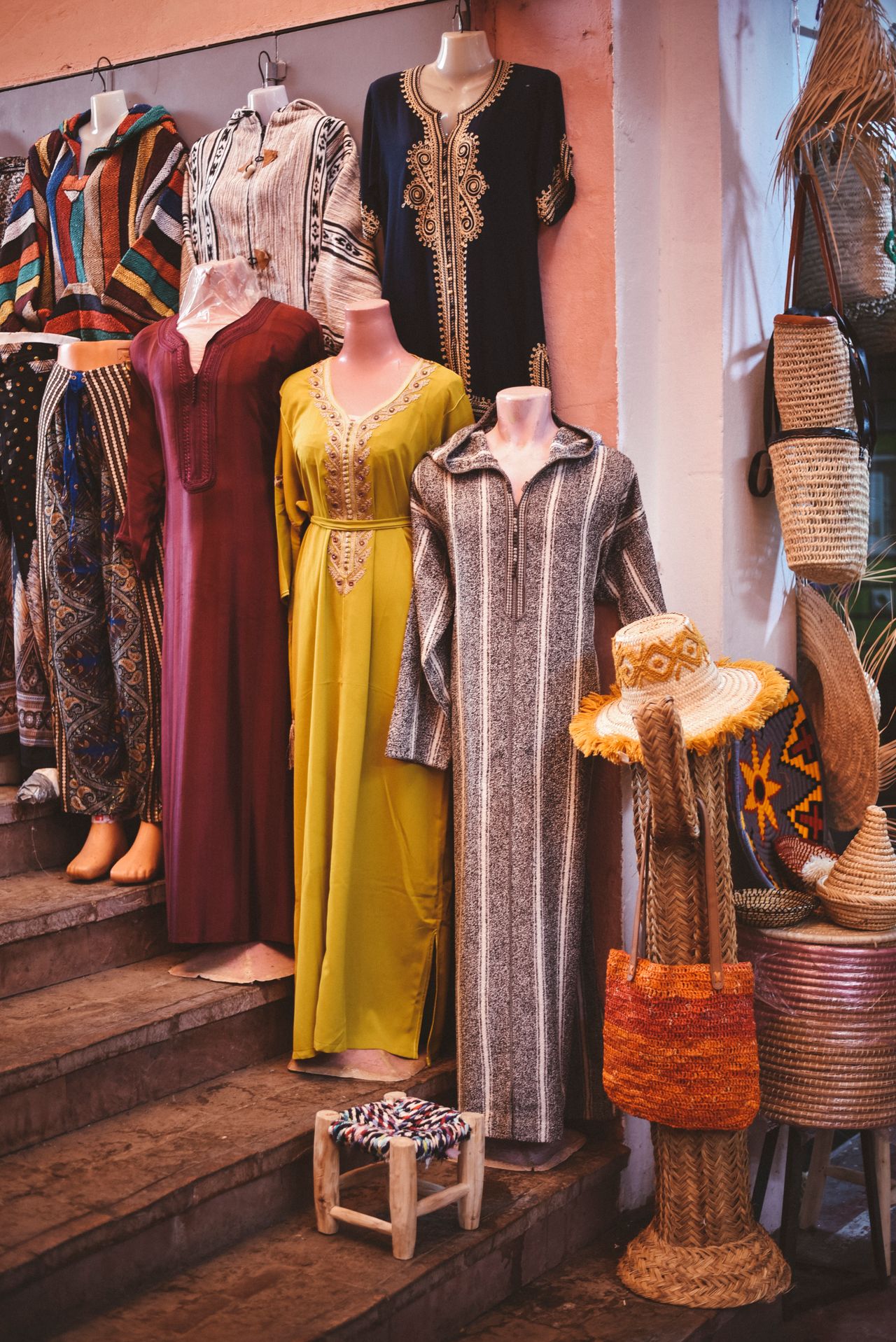
Photo by MAG Photography on Pexels
Where to buy: Rue des Consuls in the Medina
19
Fassi Pottery
USD 15–150
The distinctive cobalt blue patterns reflect centuries of tradition from the Fes kilns.
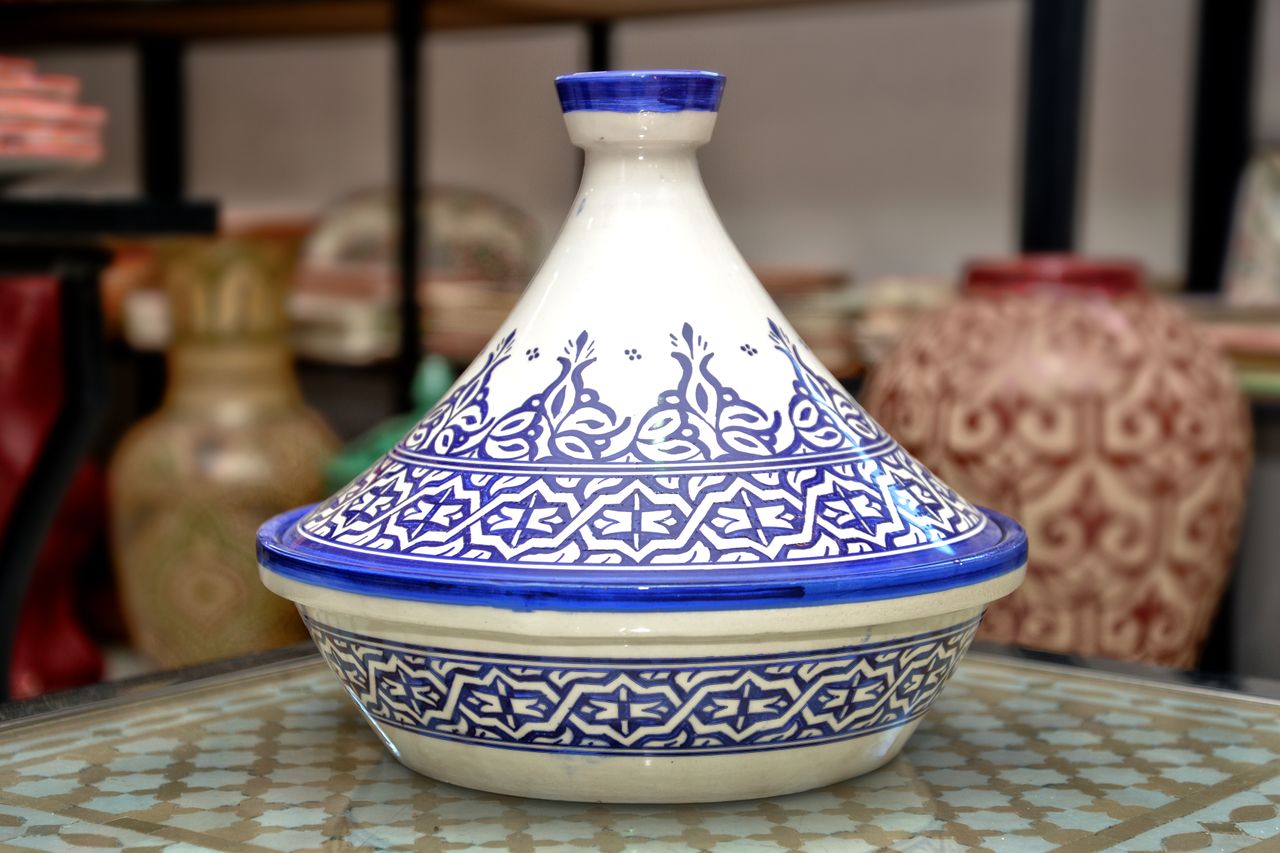
Photo by Moussa Idrissi on Pexels
Where to buy: Ain Nokbi Pottery Complex.
20
Fes Ceramic Tagine
USD 20–100
Hand-painted clay cookware recognized by its signature blue-and-white cobalt geometric motifs.
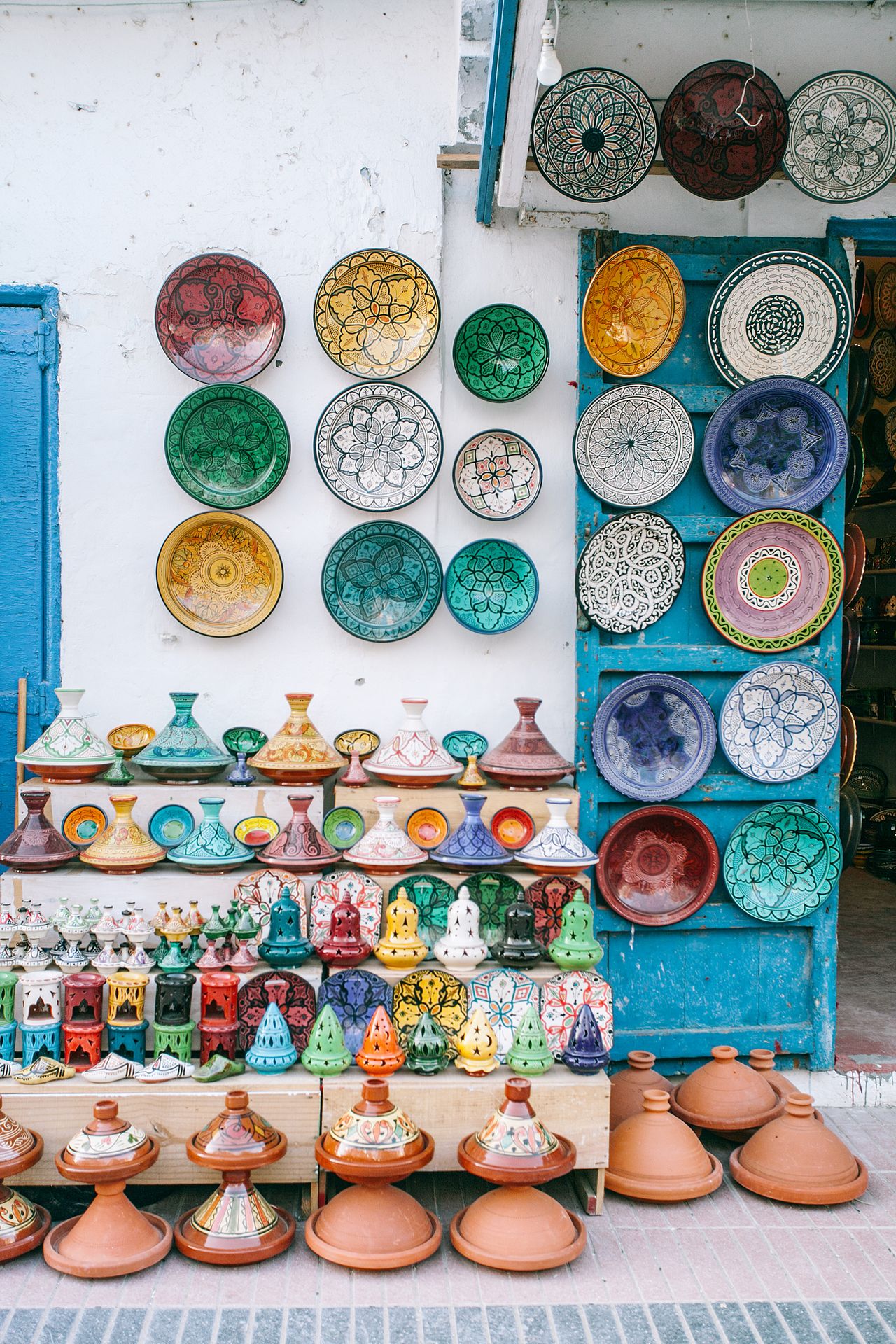
Photo by Maria Orlova on Pexels
Where to buy: Ain Nokbi district, specifically the ceramic workshops located near the city entrance.