Explore Morocco
20 places · 20 dishes · 10 festivals · 20 things to buy — ranked from real traveler data.
Traditional food
See all 20 dishes →The dishes this country is known for — what they are and when to order them.

A celebratory sweet and savory pie made with thin warqa pastry layers, usually filled with shredded pigeon or chicken, almonds, and spiced with cinnamon and sugar.

A cooked salad of roasted eggplant, tomatoes, garlic, and spices, served as a side dish or dip with bread, showcasing a rich blend of Moroccan flavors.
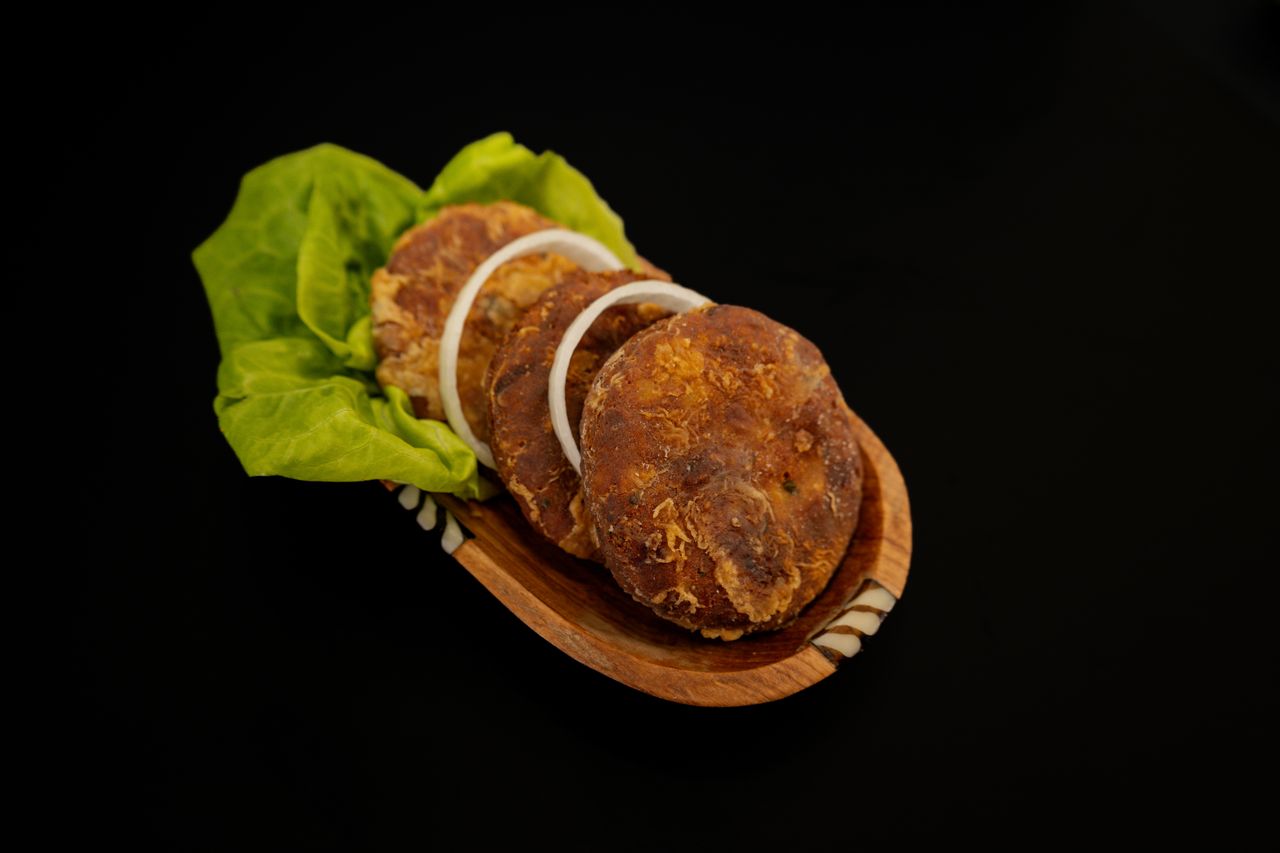
Deep-fried potato cakes seasoned with herbs and spices, a popular and inexpensive street food often served in a baguette with harissa sauce.
Places to visit
See all 20 places →The landmarks and experiences travelers rate highest.

The Hassan II Mosque is a mosque in Casablanca, Morocco. It is the second largest mosque in Africa and one of the largest mosques in the world. Its minaret is the world's second tallest minaret at 210 metres (689 ft).

The Majorelle Garden is a one-hectare (two-acre) botanical garden and artist's landscape garden in Marrakesh, Morocco. It was created by the French Orientalist artist Jacques Majorelle over almost forty years, starting in 1923, and features a Cubist villa designed by French architect Paul Sinoir in the 1930s.
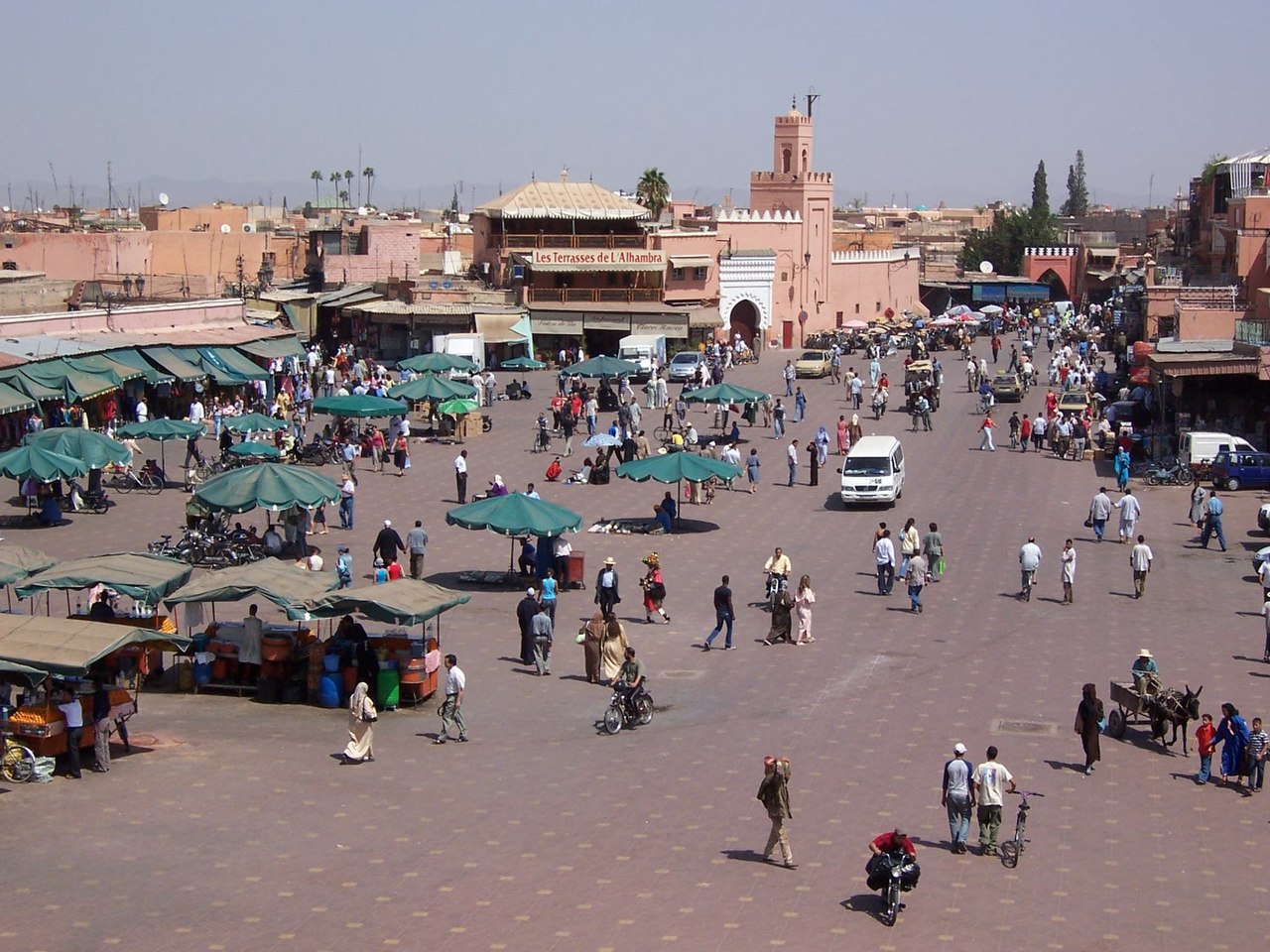
Jemaa el-Fnaa, also Jemaa el-Fna, Djema el-Fna or Djemaa el-Fnaa, is a square and market place in the medina quarter of Marrakesh, Morocco. It remains the main square of Marrakesh, used by locals and tourists.
Festivals
See all 10 festivals →What’s celebrated and when — dates always spelled out.
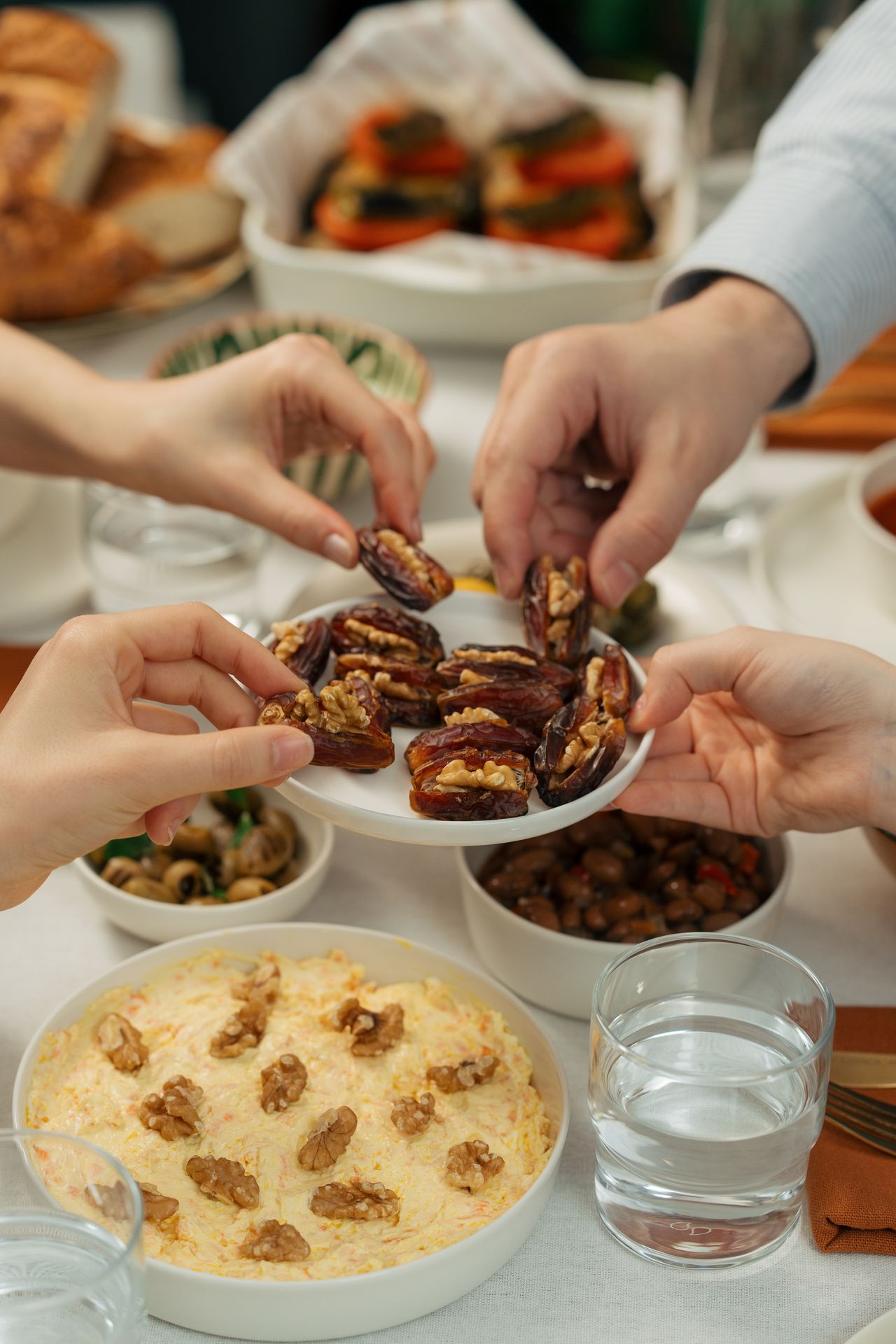
Marrakech and Fes transform during Ramadan. Daytime medinas are eerily quiet; shops close by 4pm. At sunset, the cannon fires and cafes fill. Traditional iftar begins with dates and harira (chickpea soup), followed by chebakia (honey-sesame pastries) and msemen flatbread. Night markets at Fes Bab Boujloud come alive until 3am. Ramadan in Morocco is more introspective than festival-like.
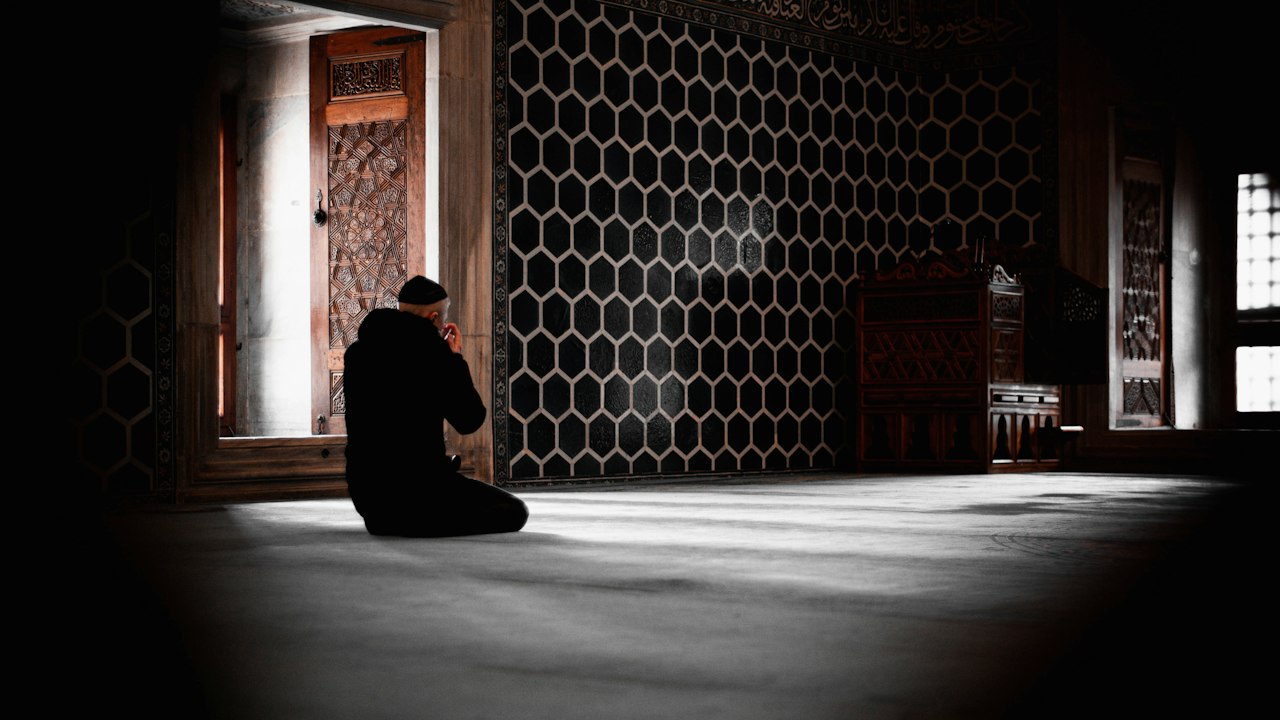
Islamic Festival of Sacrifice with family gatherings and traditional celebrations.
November 18 marks the 1956 end of French and Spanish protectorates. Royal speeches, parades in Rabat, and public celebrations throughout Morocco.
What to buy
See all 20 items →Local goods and souvenirs with typical prices.

Soft, pointed slippers handmade from dyed goat leather by local cobblers.
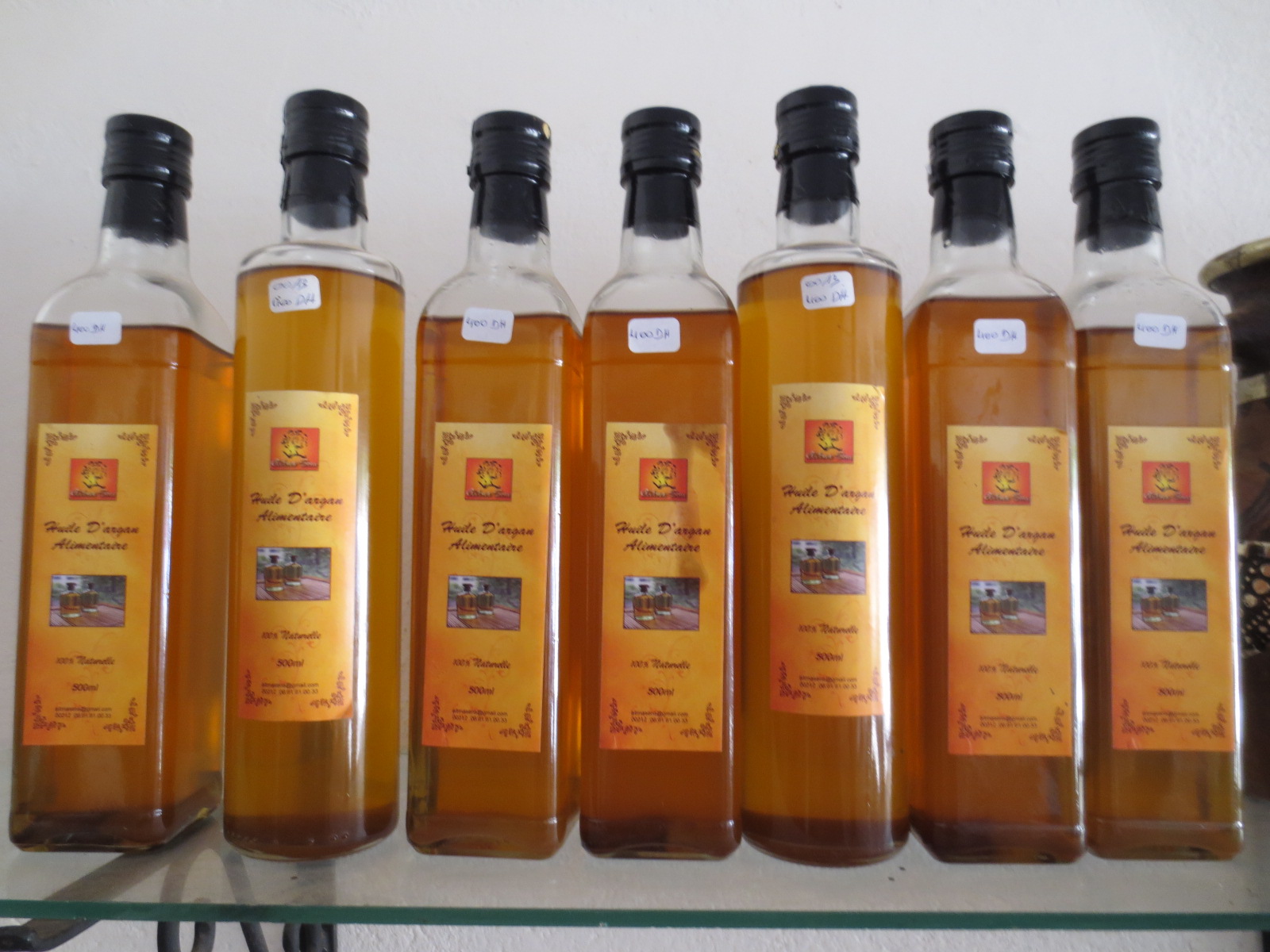
Nutty, cold-pressed oil essential for finishing couscous and dipping crusty bread.

A complex, proprietary mix of dozens of spices, translating to head of the shop.