14 Days in Peru & Bolivia: From Machu Picchu to Mercado de las Brujas

Machu Picchu · Cusco Cathedral · Chinchero Market · Vinicunca · Mercado de las Brujas · Mi Teleférico
14-day Peru trip — Cusco to La Paz. Day-by-day route, attractions & food.
Part one
Is this trip for you?
Cusco + La Paz over Lima + Arequipa or Santa Cruz + Uyuni: This route immerses you in the spiritual heart of the Andes, combining Peru's enduring Inca heritage, stone craftsmanship, and high-altitude colonial history with Bolivia's distinctive indigenous culture and dramatic urban geography. Lima's coastal charm offers a different cultural facet, while Bolivia's eastern plains or the remote Uyuni salt flats lack the high-mountain historical depth and unique urban landscape these two capitals provide.
Your itinerary covers 9 must-have experiences

Cusco's Colonial & Inca Heritage
✓ Day 1: Visit Qorikancha (Temple of the Sun)

Ancient Inca Citadels & Fortresses
✓ Day 2: Visit Saqsaywaman
Andean Weaving & Traditional Markets
✓ Day 2: Explore Mercado Central de San Pedro

An Ancient Water Temple & Agricultural Terraces
✓ Day 3: Tambomachay
High-Altitude Andean Adventure
✓ Day 6: Hike to Rainbow Mountain (Vinicunca)

Exploring La Paz's Mystical Markets
✓ Day 7: Explore The Witches Market (El Mercado de las Brujas)

Discovering La Paz's Colonial Heritage
✓ Day 7: Visit Basilica of Saint Francis

Exploring Unique Andean Landscapes
✓ Day 8: Explore Valle de la Luna (Moon Valley)

Riding Mi Teleférico for Sky-High Views
✓ Day 9: Mi Teleférico Línea Roja Panoramic Ride
Photos from Wikimedia Commons, used under Creative Commons licenses. Individual credits shown on each photo.
📅 Best Time to Visit
For Cusco and the Inca Trail, the dry season (May to October) is ideal with clear skies, less rain, and daytime temperatures around 18-20°C (64-68°F), though nights can drop to 0°C (32°F). However, this is also peak tourist season, leading to crowded sites and higher prices. For La Paz and Bolivia, the dry season (May to October) also offers sunny days around 15-20°C (59-68°F) but very cold nights near freezing, with major festivals like Alasitas (Jan/Feb) and Oruro Carnival (Feb/Mar) drawing crowds in the wet season.
Part two
The plan, day by day
14-day trip
This trip prioritizes the high-altitude historical and cultural heartlands of the Andes, focusing on Inca heritage in Peru and unique urban indigenous culture in Bolivia. It entirely skips Machu Picchu, so you miss the iconic, perfectly preserved stone citadel nestled dramatically in the cloud forest above the Urubamba River. You also bypass Bolivia's vast Salar de Uyuni, which would offer the surreal experience of driving across the world's largest salt flat, reflecting the sky like a giant mirror.
Furthermore, this itinerary foregoes any dedicated wildlife encounters in the Amazon basin, focusing instead on the human and geological stories of the high Andes. Extend your trip by 3-4 days to include a multi-day jeep tour to Salar de Uyuni from La Paz; you would traverse an ancient seabed covered in salt, witness geysers, hot springs, and vividly colored lagoons teeming with flamingos in a starkly beautiful, otherworldly landscape. This adds a monumental natural wonder and true high-altitude adventure that this budget-focused itinerary cannot otherwise accommodate.
This itinerary follows a balanced pace — intense sightseeing days alternate with recovery days for rest and spontaneous exploration. Want a different pace? Create a custom version with your preferences.
- Morning🕐 Monday: 4:00 AM – 9:00 PM; Tuesday: 4:00 AM – 9:00 PM; Wednesday: 4:00 AM – 9:00 PMConfirm hours on Maps
08:00 AM - Arrive at Alejandro Velasco Astete International Airport (CUZ) and Transfer to Hotel· 2 hrs
USD 15 - 🕐 Monday: 8:30 AM – 5:30 PM; Tuesday: 8:30 AM – 5:30 PM; Wednesday: 8:30 AM – 5:30 PMConfirm hours on Maps
10:00 AM - Visit Qorikancha (Temple of the Sun)· 2 hrs
- Afternoon
12:30 PM - Lunch: Alpaca Steak near Plaza de Armas· 1 hr
USD 18Alpaca steakEnjoy a delicious Alpaca Steak, a lean and tender local specialty, at a restaurant near the bustling Plaza de Armas. Experience traditional Peruvian flavors in a comfortable setting while observing the vibrant city life.
- 🕐 Monday: Open 24 hours; Tuesday: Open 24 hours; Wednesday: Open 24 hoursConfirm hours on Maps
01:30 PM - Explore Plaza de Armas· 1 hr 30 min
FREE - 🕐 Monday: 9:00 AM – 7:30 PM; Tuesday: 9:00 AM – 7:30 PM; Wednesday: 9:00 AM – 7:30 PMConfirm hours on Maps
03:00 PM - Discover ChocoMuseo Cusco· 1 hr 30 min
FREE - Evening
07:00 PM - Dinner: Traditional Peruvian Cuisine near the Historic Center· 1 hr
USD 18Cuy al hornoSavor traditional Peruvian cuisine at a local restaurant. Consider trying Cuy al Horno, a celebratory dish, or other regional specialties. Opt for a relaxed evening to continue acclimatizing to the altitude.
Historic Center
Staying in Cusco's Historic Center provides easy walking access to major attractions like Plaza de Armas and Qorikancha, as well as a wide selection of local restaurants and shops. It's the most vibrant and convenient base for exploring the city.
- Morning🕐 Monday: 7:00 AM – 5:30 PM; Tuesday: 7:00 AM – 5:30 PM; Wednesday: 7:00 AM – 5:30 PMConfirm hours on Maps
08:00 AM - Visit Saqsaywaman· 2 hrs 30 min
- 🕐 Monday: 9:00 AM – 5:45 PM; Tuesday: 9:00 AM – 5:45 PM; Wednesday: 9:00 AM – 5:45 PMConfirm hours on Maps
10:45 AM - Discover Q'enco Archaeological Complex· 1 hr 30 min
FREE - Afternoon
12:30 PM - Lunch: Sopa de Quinua at Mercado Central de San Pedro· 1 hr
USD 8Sopa de quinuaEnjoy a hearty and nutritious Sopa de Quinua, a traditional Andean soup, at one of the bustling food stalls within the vibrant Mercado Central de San Pedro. Experience local flavors and the lively market atmosphere.
Best around Mercado Central de San Pedro - Closes 4 PM · 2.2h here🕐 Monday: 6:30 AM – 6:00 PM; Tuesday: 6:30 AM – 6:00 PM; Wednesday: 6:30 AM – 6:00 PMConfirm hours on Maps
01:45 PM - Explore Mercado Central de San Pedro· 1 hr
FREE - 🕐 Monday: 9:00 – 11:45 AM, 1:00 – 5:45 PM; Tuesday: 9:00 – 11:45 AM, 1:00 – 5:45 PM; Wednesday: 9:00 – 11:45 AM, 1:00 – 5:45 PMConfirm hours on Maps
03:00 PM - Admire Church of the Society of Jesus· 1 hr 30 min
- Closes 5 PM · 15min here⚠️ Closed on Sunday⚠️ Scheduled at 04:45 PM but would end at ~6:15 PM, past closing at 5:00 PM — verify before visiting🕐 Monday: 8:00 AM – 7:00 PM; Tuesday: 8:00 AM – 7:00 PM; Wednesday: 8:00 AM – 7:00 PMConfirm hours on Maps
04:45 PM - Visit Traditional Textile Center of Cusco· 1 hr 30 min
FREE - Evening
07:30 PM - Dinner: Traditional Peruvian Cuisine in San Blas· 1 hr
USD 18Savor authentic Peruvian dishes in the charming, bohemian neighborhood of San Blas. Enjoy local specialties in a cozy setting.
Historic Center
The Historic Center offers convenient access to major attractions, a wide array of dining options, and a lively atmosphere. It's well-connected for exploring Cusco's different districts and archaeological sites.
- Morning
07:00 AM - Transfer to Tambomachay· 30 min
USD 5Begin the day with a transfer from Cusco's Historic Center to the archaeological site of Tambomachay, located north of the city.
- 🕐 Monday: 7:00 AM – 5:30 PM; Tuesday: 7:00 AM – 5:30 PM; Wednesday: 7:00 AM – 5:30 PMConfirm hours on Maps
07:30 AM - Tambomachay· 1 hr 30 min
FREE - 🕐 Monday: 9:00 AM – 5:00 PM; Tuesday: 9:00 AM – 5:00 PM; Wednesday: 9:00 AM – 5:00 PMConfirm hours on Maps
09:15 AM - Puka Pukara Archaeological Complex· 1 hr
FREE - 🕐 Monday: Open 24 hours; Tuesday: Open 24 hours; Wednesday: Open 24 hoursConfirm hours on Maps
10:30 AM - Nature Walk to Cristo Blanco and Mirador de Sán Cristobal· 2 hrs
FREE - Afternoon
12:45 PM - Lunch: Local Andean Fare near San Cristobal· 1 hr
USD 18Enjoy a traditional Peruvian lunch featuring authentic Andean flavors, such as a hearty Lomo Saltado or Aji de Gallina, at a local eatery in the San Cristobal area with scenic views overlooking Cusco.
- 🕐 Monday: 8:00 AM – 10:00 PM; Tuesday: 8:00 AM – 10:00 PM; Wednesday: 8:00 AM – 10:00 PMConfirm hours on Maps
02:30 PM - Museo de Arte Precolombino Larco· 2 hrs 30 min
- Evening
07:30 PM - Dinner: Authentic Peruvian Cuisine in Santiago· 1 hr
USD 18Cuy al hornoSavor a delicious dinner featuring regional Peruvian specialties, perhaps a Cuy al Horno (roasted guinea pig) or a flavorful Seco de Res, in the Santiago neighborhood, known for its local eateries away from the main tourist crowds.
Historic Center
Continues to provide excellent access to Cusco's main attractions, a wide array of dining options, and convenient transit links, ideal for exploring the city.
- Morning
08:00 AM - Sacred Valley Tour Departure· 1 hr
USD 30Begin a full-day guided tour of the Sacred Valley of the Incas, departing from Cusco. The tour includes comfortable transport and an expert guide, providing rich historical and cultural context.
- 🕐 Monday: 8:00 AM – 4:30 PM; Tuesday: 8:00 AM – 4:30 PM; Wednesday: 8:00 AM – 4:30 PMConfirm hours on Maps
09:00 AM - Explore Pisac Archaeological Park· 2 hrs 30 min
FREE - 🕐 Monday: 9:00 AM – 5:00 PM; Tuesday: 9:00 AM – 5:00 PM; Wednesday: 9:00 AM – 5:00 PMConfirm hours on Maps
11:30 AM - Browse Pisac Market· 1 hr
- Afternoon
01:00 PM - Lunch: Traditional Andean Buffet in Urubamba· 1 hr
USD 18Enjoy a delicious buffet-style lunch featuring a variety of traditional Andean and Peruvian dishes in Urubamba, a central town in the Sacred Valley.
- Closes 5 PM · 2.5h here🕐 Monday: 7:00 AM – 5:00 PM; Tuesday: 7:00 AM – 5:00 PM; Wednesday: 7:00 AM – 5:00 PMConfirm hours on Maps
02:30 PM - Explore Ollantaytambo Archaeological Site· 2 hrs 30 min
FREE - EveningCloses 7 PM · 1.5h here⚠️ Closed on Sunday🕐 Monday: 8:00 AM – 7:00 PM; Tuesday: 8:00 AM – 7:00 PM; Wednesday: 8:00 AM – 7:00 PMConfirm hours on Maps
05:30 PM - Witness Chinchero Traditional Weaving Demonstration· 1 hr 30 min
08:30 PM - Dinner: Traditional Peruvian Cuisine in Wanchaq· 1 hr
USD 18Savor authentic Peruvian dishes in the vibrant Wanchaq district, a local favorite for its diverse culinary experiences and neighborhood charm.
Historic Center
The Historic Center offers excellent access to major attractions, a wide range of dining options, and is well-connected for day trips to the Sacred Valley.
- Morning
- Afternoon⚠️ Closed on Sunday🕐 Monday: 8:30 AM – 6:00 PM; Tuesday: 8:30 AM – 6:00 PM; Wednesday: 8:30 AM – 6:00 PMConfirm hours on Maps
12:30 PM - Visit Iglesia de San Blas· 1 hr
01:30 PM - Lunch: Aji de Gallina in San Blas· 1 hr
USD 18Aji de GallinaEnjoy a delicious Aji de Gallina, a classic Peruvian dish featuring shredded chicken in a creamy, mildly spicy yellow pepper sauce, served with rice and potatoes, at a local eatery in the charming San Blas neighborhood.
Best around San Blas02:30 PM - Relax and browse at Plaza Nazarenas· 1 hr 30 min
FREESpend a relaxed afternoon unwinding at Plaza Nazarenas, a tranquil square adjacent to San Blas. Enjoy the peaceful atmosphere, observe local life, or browse the small, upscale galleries and boutique shops surrounding the plaza.
- Evening
07:30 PM - Dinner: Rocoto Relleno in Loreto Street· 1 hr
USD 20Savor Rocoto Relleno for dinner, a flavorful Peruvian dish of spicy rocoto peppers stuffed with seasoned ground meat and vegetables, baked with cheese, at a restaurant on Loreto Street in the Historic Center.
Historic Center
The Historic Center offers convenient access to major attractions, a wide range of dining options, and a vibrant atmosphere, making it an ideal base for exploring Cusco.
- Morning
04:00 AM - Rainbow Mountain (Vinicunca) Tour Departure· 4 hrs
USD 30Embark on an early morning journey from Cusco towards the stunning Vinicunca, or Rainbow Mountain. The scenic drive offers breathtaking views of the vast Andean landscape as you ascend into higher altitudes.
- 🕐 Monday: Open 24 hours; Tuesday: Open 24 hours; Wednesday: Open 24 hoursConfirm hours on Maps
08:00 AM - Hike to Rainbow Mountain (Vinicunca)· 3 hrs
FREE - Afternoon
01:00 PM - Lunch: Local Andean Cuisine near Pitumarca· 1 hr
FREEEnjoy a well-deserved traditional Andean meal, often a hearty soup followed by a local main dish, in a village restaurant after the trek.
02:00 PM - Return Travel to Cusco· 4 hrs
FREERelax on the scenic journey back to Cusco, reflecting on the day's incredible high-altitude adventure and the unique geological wonders of the Andes. The drive provides further opportunities to appreciate the changing landscapes.
- Evening
07:30 PM - Dinner: Cuy al Horno (Roasted Guinea Pig) in Magisterial· 1 hr 15 min
USD 25Cuy al hornoExperience a classic Peruvian delicacy, Cuy al Horno (roasted guinea pig), known for its crispy skin and unique flavor, in a local restaurant in the Magisterial neighborhood.
Historic Center
Remains the ideal base for exploring Cusco and its surroundings, with easy access to attractions, varied dining options, and tour departures.
- Morning
11:30 AM - Arrival in La Paz & Hotel Transfer· 1 hr
USD 57Arrive in La Paz after your overnight bus journey from Cusco. Transfer from the bus terminal to your hotel in Central La Paz to check in and refresh.
- Afternoon
12:30 PM - Lunch: Plato Paceño in Central La Paz· 1 hr
USD 8Plato paceñoSavor a traditional 'Plato Paceño', a hearty local dish featuring fava beans, corn, potatoes, and local cheese, perfect for experiencing local Bolivian cuisine.
Best around Near Plaza San Francisco - 🕐 Monday: 9:30 AM – 10:00 PM; Tuesday: 9:30 AM – 10:00 PM; Wednesday: 9:30 AM – 10:00 PMConfirm hours on Maps
01:30 PM - Explore The Witches Market (El Mercado de las Brujas)· 1 hr 30 min
FREE - Closes 6 PM · 3h here⚠️ Closed on Sunday🕐 Monday: 10:00 AM – 6:00 PM; Tuesday: 10:00 AM – 6:00 PM; Wednesday: 10:00 AM – 6:00 PMConfirm hours on Maps
03:00 PM - Visit Basilica of Saint Francis· 1 hr 30 min
FREE - 🕐 Monday: Open 24 hours; Tuesday: Open 24 hours; Wednesday: Open 24 hoursConfirm hours on Maps
04:30 PM - Panoramic Views from Mirador Killi Killi· 1 hr
FREE - Evening
07:30 PM - Dinner: Fricasé in a Local Picantería· 1 hr
USD 8FricaséEnjoy 'Fricasé', a hearty and warming pork stew from La Paz, typically made with yellow aji pepper, cumin, garlic, and hominy. A true local specialty, especially popular in picanterías.
Best around Local Picantería
Central La Paz
Excellent base for exploring the historic center, including Plaza Murillo, The Witches Market, and Basilica of Saint Francis. Good access to local eateries and Mi Teleférico stations for wider city exploration.
- Morning🕐 Monday: 8:30 AM – 4:30 PM; Tuesday: 8:30 AM – 4:30 PM; Wednesday: 8:30 AM – 4:30 PMConfirm hours on Maps
08:30 AM - Visit National Museum of Ethnography and Folklore· 2 hrs
- 🕐 Monday: Open 24 hours; Tuesday: Open 24 hours; Wednesday: Open 24 hoursConfirm hours on Maps
10:30 AM - Wander Plaza Murillo· 1 hr
FREE - 🕐 Monday: 6:00 AM – 11:00 PM; Tuesday: 6:00 AM – 11:00 PM; Wednesday: 6:00 AM – 11:00 PMConfirm hours on Maps
11:30 AM - Mi Teleférico Scenic Ride· 1 hr
- Afternoon
12:30 PM - Lunch: Sandwich de Chola in Miraflores· 1 hr
USD 4Sandwich de cholaSavor a classic La Paz street food: a succulent slow-roasted pork sandwich with crispy crackling and spicy pickled vegetables (escabeche) served in a round bread roll.
- Closes 5 PM · 3.5h here🕐 Monday: 9:00 AM – 5:00 PM; Tuesday: 9:00 AM – 5:00 PM; Wednesday: 9:00 AM – 5:00 PMConfirm hours on Maps
01:30 PM - Explore Valle de la Luna (Moon Valley)· 1 hr 30 min
- Closes 6 PM · 3h here🕐 Monday: 7:00 AM – 6:00 PM; Tuesday: 7:00 AM – 6:00 PM; Wednesday: 7:00 AM – 6:00 PMConfirm hours on Maps
03:00 PM - Hike in Serranías del Valle De Las Animas· 2 hrs
- Evening
05:00 PM - Return Travel to Central La Paz· 1 hr
USD 5Travel back from the Zona Sur to Central La Paz, utilizing a taxi for convenience after a day of exploration.
07:30 PM - Dinner: Sajta de Pollo in Sopocachi· 1 hr
USD 18Sajta de PolloEnjoy a delicious Bolivian dish featuring chicken in a spicy peanut and aji amarillo sauce, typically served with potatoes and chuño, in the lively Sopocachi neighborhood.
Central La Paz
Offers excellent access to historic sites, local markets, and various Mi Teleférico lines for city exploration, with diverse dining options.
- Morning🕐 Monday: 6:00 AM – 8:00 PM; Tuesday: 6:00 AM – 8:00 PM; Wednesday: 6:00 AM – 8:00 PMConfirm hours on Maps
10:30 AM - Explore Mercado Rodríguez· 1 hr 30 min
FREE - Afternoon
12:00 PM - Lunch: Local Market Fare· 1 hr
USD 8Enjoy a casual lunch experience trying various Bolivian street food and snacks directly from the vendors within or near Mercado Rodríguez, offering an authentic taste of local flavors.
- Closes 4:30 PM · 3h here🕐 Monday: 8:30 AM – 4:30 PM; Tuesday: 8:30 AM – 4:30 PM; Wednesday: 8:30 AM – 4:30 PMConfirm hours on Maps
01:30 PM - Visit National Museum of Art· 2 hrs
- 🕐 Monday: 6:00 AM – 11:00 PM; Tuesday: 6:00 AM – 11:00 PM; Wednesday: 6:00 AM – 11:00 PMConfirm hours on Maps
03:45 PM - Mi Teleférico Línea Roja Panoramic Ride· 1 hr
- Evening
07:30 PM - Dinner: Fricasé in San Pedro· 1 hr
USD 18FricaséIndulge in Fricasé, a traditional hearty Bolivian pork stew with yellow aji pepper, cumin, garlic, and hominy, served in a local eatery in the San Pedro neighborhood.
Central La Paz
This area is ideal for its proximity to major attractions, diverse dining options, and excellent connectivity via the Mi Teleférico system, making it a convenient base for exploring La Paz.
- Morning
08:00 AM - Travel to Tiwanaku Archaeological Site· 2 hrs
USD 20Embark on a journey from La Paz to the ancient Tiwanaku Archaeological Site, a UNESCO World Heritage site located about 70 km west of the city. This activity accounts for the travel time to reach the ruins.
- Afternoon
02:00 PM - Lunch: Local Bolivian Fare in Tiwanaku· 1 hr
USD 10Enjoy a traditional Bolivian lunch at a local eatery near the Tiwanaku archaeological site, savoring authentic regional flavors.
03:00 PM - Return Travel to La Paz· 2 hrs
FREEJourney back to La Paz after an enriching exploration of the ancient Tiwanaku ruins.
- Evening
05:00 PM - La Paz Street Art and Historic Center Walking Tour· 3 hrs
Embark on a guided walking tour through the vibrant streets of La Paz, discovering impressive street art murals and exploring hidden alleys in the historic center. Learn about the city's rich culture, history, and social narratives expressed through its art, connecting with the urban pulse.
08:00 PM - Dinner: Traditional Bolivian Cuisine near El Prado· 1 hr
USD 15Savor a delicious dinner featuring traditional Bolivian cuisine in a restaurant located along or near El Prado avenue, a lively area in La Paz.
Central La Paz
Centrally located for easy access to various Mi Teleférico lines, historic sites, markets, and diverse dining options. It provides a good base for exploring the city's main attractions.
- MorningCloses 12:30 PM · 3.5h here⚠️ Closed on Monday, Sunday🕐 Monday: Closed; Tuesday: 9:00 AM – 12:30 PM, 3:00 – 6:00 PM; Wednesday: 9:00 AM – 12:30 PM, 2:30 – 6:00 PMConfirm hours on Maps
09:00 AM - Museo de Metales Preciosos (Gold Museum)· 2 hrs
- Closes 12:30 PM · 1.5h here⚠️ Closed on Sunday🕐 Monday: 10:00 AM – 12:30 PM, 1:30 – 7:00 PM; Tuesday: 10:00 AM – 12:30 PM, 1:30 – 7:00 PM; Wednesday: 10:00 AM – 12:30 PM, 1:30 – 7:00 PMConfirm hours on Maps
11:00 AM - Museo de la Coca· 1 hr 20 min
- Afternoon
12:30 PM - Lunch: Plato Paceño in Central La Paz· 1 hr
USD 8Plato paceñoSavor a traditional 'Plato Pace _o', a hearty local dish featuring large fava beans, corn, boiled potatoes, and fresh fried cheese, in a local eatery near the historic center.
- 🕐 Monday: 6:00 AM – 11:00 PM; Tuesday: 6:00 AM – 11:00 PM; Wednesday: 6:00 AM – 11:00 PMConfirm hours on Maps
02:30 PM - Mi Teleférico Línea Blanca to Parque Laikakota· 1 hr 30 min
- Closes 5 PM · 1h here🕐 Monday: 7:00 AM – 5:00 PM; Tuesday: 7:00 AM – 5:00 PM; Wednesday: 7:00 AM – 5:00 PMConfirm hours on Maps
04:00 PM - Wildlife and Nature Exploration at Parque Laikakota· 1 hr
FREE - Evening⚠️ Closed on Monday🕐 Monday: Closed; Tuesday: 9:00 AM – 12:30 PM, 3:00 – 6:00 PM; Wednesday: 9:00 AM – 12:30 PM, 3:00 – 6:00 PMConfirm hours on Maps
05:00 PM - Explore Calle Jaén· 1 hr
FREE 07:30 PM - Dinner: Traditional Bolivian Cuisine in Sopocachi· 1 hr
USD 18Indulge in a delicious dinner featuring traditional Bolivian dishes in the lively and artistic neighborhood of Sopocachi, known for its diverse culinary scene.
Central La Paz
Provides excellent access to historic sites, markets, and Mi Teleférico lines for city exploration, with many dining options.
- Morning⚠️ Closed on Sunday🕐 Monday: 9:00 AM – 1:30 PM; Tuesday: 9:00 AM – 1:30 PM; Wednesday: 9:00 AM – 1:30 PMConfirm hours on Maps
09:00 AM - Visit the Museum of Musical Instruments (Museo de Instrumentos Musicales de Bolivia)· 1 hr 30 min
- 🕐 Monday: 7:00 AM – 9:00 PM; Tuesday: 7:00 AM – 9:00 PM; Wednesday: 7:00 AM – 9:00 PMConfirm hours on Maps
10:30 AM - Explore Mercado Lanza· 1 hr 30 min
FREE - Afternoon🕐 Monday: 8:00 AM – 8:30 PM; Tuesday: 8:00 AM – 8:30 PM; Wednesday: 8:00 AM – 8:30 PMConfirm hours on Maps
12:00 PM - Explore Sagarnaga Street Artisan Stalls· 1 hr 30 min
01:30 PM - Lunch: Ají de Lengua in Central La Paz· 1 hr
USD 12Savor Ají de Lengua, a traditional Bolivian dish featuring tender beef tongue simmered in a spicy ají sauce, served with potatoes and rice, at a local eatery in the heart of the city.
- ⚠️ Closed on Monday🕐 Monday: Closed; Tuesday: 9:00 AM – 12:30 PM, 3:00 – 6:00 PM; Wednesday: 9:00 AM – 12:30 PM, 3:00 – 6:00 PMConfirm hours on Maps
03:00 PM - Explore Casa de Murillo (Pedro Domingo Murillo's House Museum)· 1 hr 30 min
- 🕐 Monday: 6:00 AM – 11:00 PM; Tuesday: 6:00 AM – 11:00 PM; Wednesday: 6:00 AM – 11:00 PMConfirm hours on Maps
04:30 PM - Mi Teleférico Línea Amarilla Panoramic Ride· 1 hr 30 min
- Evening
07:30 PM - Dinner: Silpancho in San Miguel, Zona Sur· 1 hr
USD 18Indulge in Silpancho, a classic Bolivian dish featuring a thin, breaded cut of beef or llama served over rice and potatoes, topped with a fried egg and salad, in the chic San Miguel area of Zona Sur.
Central La Paz
This area provides easy access to major attractions like Plaza Murillo, museums, and various Mi Teleférico lines, with a wide range of dining options.
- Morning🕐 Monday: 6:00 AM – 11:00 PM; Tuesday: 6:00 AM – 11:00 PM; Wednesday: 6:00 AM – 11:00 PMConfirm hours on Maps
10:30 AM - Mi Teleférico Línea Celeste Panoramic Ride· 1 hr
- Afternoon
12:30 PM - Lunch: Traditional Bolivian Cuisine in Sopocachi· 1 hr 30 min
USD 18Savor a hearty Bolivian lunch in the charming Sopocachi neighborhood, known for its bohemian atmosphere and diverse eateries.
- 🕐 Monday: 3:00 – 5:00 PM; Tuesday: 3:00 – 5:00 PM; Wednesday: 3:00 – 5:00 PMConfirm hours on Maps
03:00 PM - Visit Catedral Basílica Menor de San Lorenzo· 1 hr 30 min
FREE - Closes 7 PM · 2.2h here⚠️ Closed on Sunday🕐 Monday: 8:00 AM – 7:00 PM; Tuesday: 8:00 AM – 7:00 PM; Wednesday: 8:00 AM – 7:00 PMConfirm hours on Maps
04:45 PM - Nature Walk and Birdwatching in Parque Urbano Central· 1 hr 30 min
FREE - Evening
07:30 PM - Dinner: Traditional Bolivian Cuisine in Miraflores· 1 hr
USD 18Enjoy a delicious dinner featuring traditional Bolivian dishes in Miraflores, a vibrant neighborhood with a range of local eateries.
Central La Paz
Continues to offer easy access to the city's main attractions, diverse dining options, and excellent connectivity for your final day in La Paz.
- MorningCloses 12:30 PM · 3.5h here⚠️ Closed on Monday, Sunday🕐 Monday: Closed; Tuesday: 9:00 AM – 12:30 PM, 2:30 – 7:00 PM; Wednesday: 9:00 AM – 12:30 PM, 2:30 – 7:00 PMConfirm hours on Maps
09:00 AM - Museo Costumbrista Juan de Vargas· 1 hr 30 min
- 🕐 Monday: 6:00 AM – 11:00 PM; Tuesday: 6:00 AM – 11:00 PM; Wednesday: 6:00 AM – 11:00 PMConfirm hours on Maps
10:30 AM - Mi Teleférico Línea Naranja Panoramic Ride· 1 hr
- Afternoon
12:30 PM - Lunch: Sandwich de Chola in Central La Paz· 1 hr
USD 5Sandwich de cholaSavor a classic La Paz street food: succulent slow-roasted pork leg, crispy crackling, and a spicy pickled vegetable relish served in a round bread roll.
- 🕐 Monday: 9:30 AM – 10:00 PM; Tuesday: 9:30 AM – 10:00 PM; Wednesday: 9:30 AM – 10:00 PMConfirm hours on Maps
03:00 PM - Last-minute Souvenir Shopping near Plaza San Francisco· 1 hr
04:00 PM - Hotel Checkout & Luggage Collection· 30 min
FREEReturn to the hotel, complete the checkout process, and collect your luggage before heading to the airport for your international flight.
Part three
Food, shopping & festivals
Peru: Cusco's food scene emphasizes high-altitude Andean staples like potatoes, corn, and quinoa in hearty, colonial-influenced dishes, with cheap almuerzos at San Pedro Market and Alpaca near Plaza de Armas. Bolivia: La Paz offers quick, filling comfort food at bustling markets like Mercado Lanza and street stalls, where the aroma of roasted pork and spicy llajwa is ever-present. Expect to try Humintas, Salteñas, and Papa a la Huancaína across the trip.
Top 14 dishes to try
 USD 1-3
Chicha Morada
A refreshing, sweet, non-alcoholic drink made from purple corn, pineapple, cinnamon, and clove, offering a unique flavor profile that's uniquely Peruvian.
 USD 1-3
Humintas
Bolivia
Sweet or savory steamed corn cakes made from fresh ground corn, often with cheese, wrapped and cooked in their own corn husks for a unique flavor.
 USD 1-3
Salteñas
Bolivia
Baked pastry filled with a savory, slightly sweet and juicy stew of meat (chicken or beef), potatoes, peas, and a piece of hard-boiled egg; a distinct Bolivian empanada.
Api con Buñuelos/Pasteles
Bolivia
A warm, sweet, purple corn drink often served with freshly fried buñuelos (fluffy dough fritters) or pasteles (fried cheese-filled pastries), making for a comforting breakfast.
📍 Mercado Lanza or smaller street stalls, Bolivia
 USD 3-7
Papa a la Huancaína
Boiled yellow potatoes smothered in a creamy, mildly spicy, bright yellow cheese sauce made with aji amarillo and crackers, typically served cold.
 USD 3-7
Queso Humacha
Bolivia
A comforting vegetarian soup from the high Andes, featuring fresh cheese, potatoes, chuño (freeze-dried potato), and a mild yellow aji pepper base.
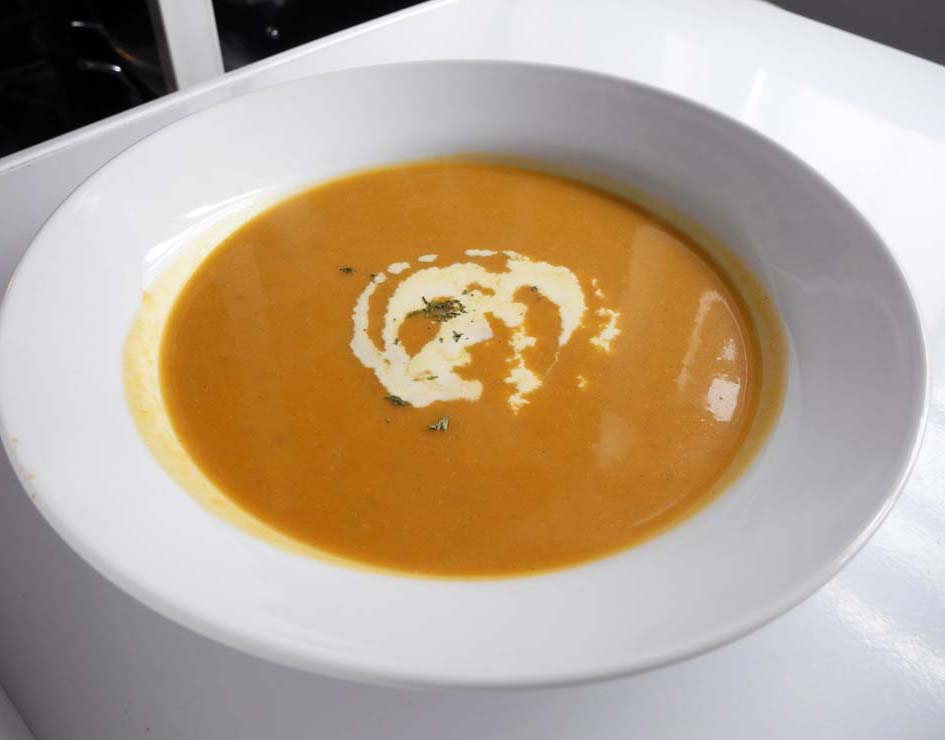 USD 3-7
Sopa de Maní
Bolivia
A creamy, thick peanut soup, rich with ground peanuts, potatoes, and often a touch of pasta and vegetables; can be made vegetarian or with a piece of beef/chicken.
 USD 6-12
Causa Rellena
A vibrant layered dish of mashed yellow potatoes, often infused with lime and aji amarillo, typically filled with chicken, tuna, or vegetables.
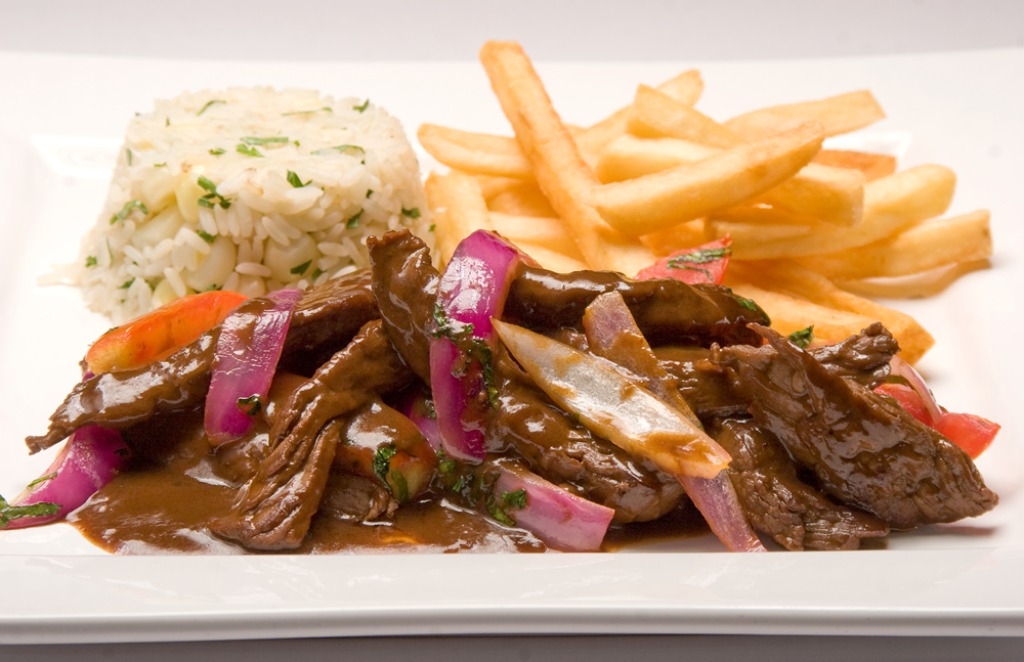 USD 8-16
Lomo Saltado
A classic stir-fry with marinated beef, onions, tomatoes, and fries, influenced by Chinese chifa cuisine and served over rice, it's a Peruvian comfort food.
 USD 10-20
Pique Macho
Bolivia
A massive, shareable platter of diced beef, sausage, french fries, onions, locoto peppers, and sometimes hard-boiled eggs, drenched in a savory sauce.
 USD 1-3
Pan Chuta
Cusco
A large, dense, slightly sweet bread, originally from the Oropesa Valley near Cusco, with a distinctive round shape and chewy texture, perfect for breakfast.
 USD 3-5
Sandwich de Chola
La Paz
A classic La Paz street food: succulent slow-roasted pork leg, crispy crackling, and a spicy pickled vegetable relish (escabeche) served in a round bread roll.
 USD 4-8
Fricasé
La Paz
A hearty and warming pork stew from La Paz made with yellow aji pepper, cumin, garlic, and hominy (mote), often eaten as a breakfast pick-me-up.
 USD 4-8
Sopa de Quinua
Cusco
A hearty, nutritious Andean soup featuring protein-rich quinoa, local vegetables, and sometimes alpaca or chicken, it's a staple for high-altitude living.
Markets & neighborhoods
A multi-story indoor market bustling with food stalls offering cheap and generous portions of traditional Bolivian lunch dishes and snacks like Salteñas and Api.
A bustling local market with food stalls serving inexpensive daily 'almuerzos' (lunches), fresh juices, and regional specialties like Sopa de Quinua and Pan Chuta.
Known for artisan crafts and alpaca goods, but also has many small eateries and street vendors for quick local snacks like empanadas and humintas.
Residential and commercial district where you can find some of the best and most authentic 'Sandwich de Chola' street vendors, especially in the afternoon.
Restaurants ranging from tourist-friendly to upscale, offering classic Peruvian dishes like Lomo Saltado, Alpaca Steak, and Cuy al Horno, often with outdoor seating.
Charming, artistic neighborhood with a mix of traditional and modern restaurants, often featuring more intimate settings and regional Andean cuisine.
Good to Know
Peru
Bolivia
Cusco offers a vibrant tapestry of indigenous artisan crafts, best explored in San Blas for hand-woven textiles, alpaca knitwear, and Peruvian silver jewelry. In La Paz, immerse yourself in bustling markets like the Witches' Market and Calle Sagarnaga for aguayo textiles, Ekeko figures, and alpaca woolen goods, alongside local coffee and coca leaves. While Cusco leans towards artisan studios, La Paz's markets often invite bargaining.
Top 13 souvenirs
Coca Leaves (Dried)
La PazUSD 2-10Used for centuries by indigenous Andean people to combat altitude sickness and fatigue, these leaves are a culturally significant and practical souvenir.
📍 Witches' Market (Mercado de las Brujas), Rodríguez Market
Ekeko Figures
La PazUSD 5-40These small ceramic or plaster figures of the Aymara god of abundance are believed to bring good luck, prosperity, and happiness to their owners.
📍 Witches' Market (Mercado de las Brujas), Calle Sagarnaga
Aguayo Textiles
La PazUSD 15-70These vibrant, hand-woven traditional fabrics are used by indigenous women for carrying goods and make stunning decorative pieces or bag material.
📍 Mercado Lanza, Calle Sagarnaga, Witches' Market (Mercado de las Brujas)
Hand-Woven Textiles (Manteles/Tapestries)
CuscoUSD 20-150Intricately woven table runners, wall hangings, and blankets are made using traditional backstrap looms and natural dyes, depicting Andean cosmology and daily life.
📍 Center of Traditional Textiles of Cusco (Avenida El Sol 603) or artisan stalls at Mercado de Artesanías de San Blas.
Alpaca Woolen Sweaters & Scarves
La PazUSD 25-150Bolivian alpaca wool is exceptionally soft, warm, and durable, offering high quality at prices significantly lower than international markets.
📍 Calle Sagarnaga, El Alto Market (Thursdays & Sundays)
Peruvian Silver Jewelry
CuscoUSD 25-250Exquisite silver pieces often incorporate pre-Columbian designs, Inca symbols, or local semi-precious stones, showcasing unique Andean craftsmanship.
📍 Joyería Ilaria (Calle Plateros 360) or artisan studios around San Blas.
Alpaca Knitwear
CuscoUSD 30-300Authentic alpaca sweaters, scarves, and hats offer incredible softness, warmth, and are significantly cheaper and more diverse here than abroad.
📍 Alpaca III (Avenida Sol 580) or local artisan workshops in San Blas.
Artisanal Peruvian Chocolate
CuscoUSD 5-30Made from cacao beans cultivated in Peru's Amazon jungle, these chocolates offer diverse flavor profiles from bean-to-bar local producers.
📍 ChocoMuseo (Calle Garcilaso 210 or Calle Divorcio 245) for variety and workshops.
Bolivian Coffee Beans (Yungas Region)
La PazUSD 7-20High-altitude arabica beans from the nearby Yungas region produce a rich, complex flavor unique to this part of the Andes.
📍 Café Gitane, Typica Café, local supermarkets like Hipermaxi
Artisanal Peruvian Coffee
CuscoUSD 8-25High-altitude grown, organic coffee beans from regions like Quillabamba or Chanchamayo offer rich, complex flavors not easily found elsewhere.
📍 Café D'Wasi (Calle Tandapata 677) or The Coffee Experience (Calle Granada 271).
Pucará Bulls (Toritos de Pucará)
CuscoUSD 15-80These ceramic bulls, traditionally placed on rooftops for good luck and fertility, are distinctive folk art pieces from the Pucará region.
📍 Mercado de Artesanías de San Blas or dedicated craft shops in San Blas.
Bolivian Silver Jewelry
La PazUSD 20-150High-quality sterling silver jewelry, often incorporating local stones like lapis lazuli or featuring traditional Andean designs, can be found at good prices.
📍 Calle Sagarnaga, dedicated jewelry stores in Zona Sur
Retablos Ayacuchanos
CuscoUSD 40-300These colorful, portable altarpieces, originating from Ayacucho, depict intricate scenes of religious figures, daily life, or historical events within a wooden box.
📍 Galleries in San Blas or specialty craft stores near Plaza de Armas.
Markets & districts
Everything from second-hand goods, electronics, car parts, to unique artisan crafts, textiles, and household items.
One of the largest outdoor markets in the world, chaotic and overwhelming, only open Thursdays and Sundays; be very cautious of pickpockets but can find incredible deals.
Local food products, spices, dried herbs, fresh produce, and some budget-friendly textiles and simple crafts.
A bustling, authentic local market experience with sections for food, flowers, and some tourist-oriented craft stalls, but primarily serves local residents.
Coca leaves, traditional remedies, ritualistic items, Ekeko figures, and medicinal herbs.
An intriguing and somewhat mystical market with unique cultural items; generally quiet and respectful with fixed-ish prices.
Fresh produce, local foods, spices, basic household goods, and some traditional clothing.
A vibrant, authentic local market primarily for residents buying daily necessities; less focused on tourist souvenirs but great for cultural immersion.
Government-certified alpaca goods, larger souvenir shops, and banks for currency exchange.
A main thoroughfare with more established stores, including government-supported artisan centers, offering fixed prices and generally higher quality, less chaotic shopping.
Alpaca goods, aguayo textiles, silver jewelry, souvenirs, and general artisan crafts.
A bustling street catering heavily to tourists, often crowded with shops and street vendors; expect mild bargaining.
Hand-woven textiles, silver jewelry, retablos, contemporary art, and other high-quality artisan crafts directly from workshops.
A bohemian, uphill maze of narrow streets filled with artist studios, galleries, and independent boutiques, offering a more authentic and less pushy shopping experience.
Good to Know
Peru
Bolivia
Inti Raymi
Ancient Inca Festival of the Sun at Sacsayhuaman fortress with elaborate Inca reenactments, traditional costumes, and thousands of performers above Cusco.
Note: Book 2+ months ahead - also high season for Machu Picchu
Peruvian Independence Day (Fiestas Patrias)
Fiestas PatriasJuly 28-29 national holidays. Lima's Plaza de Armas hosts the Presidential address and a huge military parade. Most Peruvians travel to their home regions, causing packed flights and closed businesses.
Note: Book flights and hotels 2-3 months ahead (domestic prices spike)
Cusco Semana Santa (Señor de los Temblores)
Cusco's Holy Monday procession of the Señor de los Temblores ('Lord of Earthquakes') — a blackened Christ image credited with stopping the 1650 earthquake. Carried through Plaza de Armas by 40 bearers, showered with ñukchu (red flower petals). Holy Thursday: 12 Apostles dinner tradition at historic mansions. Good Friday: strict vigil, no alcohol. Easter: Machu Picchu tours fully booked.
Note: Cusco hotel 3-4 months ahead; Machu Picchu tickets 2-3 months ahead
Oruro Carnival
UNESCO-listed 10-day carnival in the mining town of Oruro. 28,000 costumed dancers and 10,000 musicians perform the Diablada (Devil Dance) in an 18-hour procession. Peak Saturday.
Note: Book Oruro accommodation 3+ months ahead (buses from La Paz available)
Public Holidays(24)
Part four
Costs & booking
- Total for a couple — 14 days mid-range trip, excludes international flights
- Accommodation assumes 1 shared room
- Rough estimates — actual prices vary by season and availability
Local Transport
Accommodation
AI estimated based on typical hotel costs
Food
Activities
Peru and Bolivia are generally affordable, but your $40/night accommodation budget for two is very tight, requiring hostels or basic guesthouses. Plan for casual meals around $3-8. Be prepared for high altitudes in Cusco and La Paz; consider coca tea or medication.
Maximize your food budget by seeking out 'menú del día' or 'almuerzo' at local 'comedores', typically offering a soup, main, and drink for around 10-20 Bolivian Bolivianos (Bs) or 8-15 Peruvian Soles (PEN) per person.
For local transport, rely on 'micros' (buses) or 'colectivos' (shared taxis/vans), which cost around 2-3 PEN or Bs per ride, significantly cheaper than private taxis which can be 10-20 times more expensive for similar distances.
With only $140 allocated for activities for two over 14 days, prioritize free experiences like exploring local markets (San Pedro in Cusco, Mercado de las Brujas in La Paz) and walking historic centers. Consider one major affordable paid attraction like a Teleférico ride in La Paz for Bs 3 per segment.
To stay within your $40/night accommodation budget, book hostels with private rooms or guesthouses outside the immediate tourist centers. Check local classifieds or ask for 'hospedaje' signs for cheaper, basic rooms often around 60-100 PEN or Bs (approx $16-27 USD) per night.
Sacred Valley Tour (Pisac, Ollantaytambo, Chinchero)Day 4
Book 2 weeks ahead — This full-day tour covers multiple archaeological sites and cultural experiences. Booking in advance ensures availability with a reputable guide and group size.
Rainbow Mountain (Vinicunca) Hike TourDay 6
Book 2 weeks ahead — This challenging full-day hike requires an organized tour with transportation and guidance for safety and logistics at high altitude. Tours can fill up, especially in peak season.
Tiwanaku Archaeological Site Day TourDay 10
Book 1 week ahead — As Tiwanaku is a significant distance from La Paz, an organized day tour is highly recommended for transport and historical context. Booking ahead confirms your spot.
The practical bits — connectivity, getting around, and flights. These are partner links; we may earn a commission, at no cost to you.
Part five
Before you go
Buses for intercity; Cruz del Sur is premium
Book PeruRail or IncaRail for Machu Picchu. Cruz del Sur is the best bus company.
- Upon arrival in Cusco (3,400m / 11,155ft) or La Paz (3,640m / 11,942ft), take 24-48 hours to acclimatize by resting, staying hydrated, and drinking coca tea ('mate de coca') to mitigate altitude sickness symptoms.
- When crossing streets in cities like Cusco or La Paz, assume drivers will not yield; make eye contact, be assertive, and confirm traffic is clear before stepping, as traffic laws are often loosely followed.
- Withdraw Peruvian Sol (PEN) cash from ATMs in Cusco and Bolivian Boliviano (BOB) cash in La Paz at major bank branches or reliable machines (e.g., BCP in Peru, Banco Mercantil Santa Cruz in Bolivia), as many smaller vendors, taxis, and rural establishments are cash-only.
- For Machu Picchu, book entry tickets and train/bus tickets via official PeruRail/Inca Rail websites at least 2-3 months in advance for peak season (May-Sept) or 2 weeks for off-peak, as daily limits are strictly enforced.
- Negotiate taxi fares *before* getting into the cab in both Cusco and La Paz, as meters are rarely used. Agree on a price in local currency to your destination to avoid misunderstandings upon arrival.
- Wear broad-spectrum SPF 50+ sunscreen, a wide-brimmed hat, and good quality sunglasses daily in both countries due to intense high-altitude UV radiation, which can be significantly stronger than at sea level.
- If taking the Teleférico in La Paz, purchase a 'Tarjeta La Paz' smart card for easier boarding and better value, as individual paper tickets are more expensive and queues can be long.
- At local markets (e.g., Mercado San Pedro in Cusco, Mercado de las Brujas in La Paz), bargaining for souvenirs is expected, but be respectful and aim for a fair price, not a drastic reduction.
- 1Layered clothing (thermal base, fleece, windproof jacket)
- 2Wide-brimmed hat (for sun protection)
- 3High-SPF sunscreen (SPF 50+)
- 4Good quality sunglasses (UV protection)
- 5Lip balm with SPF
- 6Moisturizer (for dry air)
- 7Coca leaves or coca tea bags (for altitude acclimatization)
- 8Motion sickness medication (for winding mountain roads)
- 9Small backpack (day trips)
- 10Waterproof rain jacket (any season)
- 11Sturdy hiking boots (broken-in)
- 12Cash (small denominations for markets, taxis)
Note: Travel conditions, regulations, and local customs may change. We recommend verifying essential details — such as visa requirements, emergency contacts, and payment options — closer to your travel date.
Visa & Entry Requirements
For Peru: US, EU, UK, Australia, and Canadian citizens typically receive a 90-183 day visa-free stay upon arrival. Indian citizens require a visa. A passport valid for at least six months beyond your intended departure date is required. For Bolivia: US citizens require a visa (currently $160 cash, new banknotes only) obtainable on arrival at major entry points like La Paz airport, valid for multiple 30-day entries over 10 years. EU, UK, and Australian citizens generally receive a 30-90 day visa-free stay. Indian citizens require a visa. All visitors need a passport valid for at least six months beyond their stay. Other nationalities should check official immigration websites for Peru (migraciones.gob.pe) and Bolivia (rree.gob.bo).
SIM & Connectivity
SIM Options
📍 Jorge Chávez International Airport (LIM) in Lima, or any Claro official store in Cusco
📍 El Alto International Airport (LPB) in La Paz, or any Entel official store in La Paz
In Cusco and La Paz, free Wi-Fi is common in most hotels, hostels, and many cafes/restaurants, though connection speeds can be inconsistent. In more remote towns in Bolivia like Copacabana or Sucre, internet is often slower and more expensive (Bs. 2-8 per hour at internet cafes), so don't rely solely on public Wi-Fi.
Useful Apps
Purchase SIM cards only at official provider stores or designated airport kiosks for registration purposes; unregistered SIMs are illegal and won't work. Data coverage can be spotty outside major cities and tourist routes in both countries, especially in rural Andean areas.
Electric Socket Guide
Socket Types
Two flat parallel pins (North America, Japan)
Two flat pins + round ground (North America)
Two round pins (most of Europe, South America)
220V / 230V
50Hz / 60Hz
Tipping Etiquette
Peru
10% at upscale restaurants
Not expected; agree on price before
S/5–10 per bag
Tip tour guides and trekking porters generously (S/20–50/day).
Bolivia
10% at upscale restaurants
Not expected; agree on price before
Bs 10–20 per bag
Tipping is appreciated but not expected.
Safety & Travel Advisories
Check official government advisories for the latest safety information, entry requirements, and travel warnings before your trip.
Emergency Numbers
Peru
105
117
116
(01) 460-1060
Bolivia
110
118
119
112 is the pan-European emergency number and works in all EU/EEA countries.
Payments
Cash essential, especially in rural areas and markets
Accepted at hotels and restaurants in cities
Very limited
Carry soles in small denominations. USD accepted at some tourist businesses.
For Peru, US, EU, UK, Australia, and Canadian citizens generally do not need a visa for stays up to 90-183 days. For Bolivia, US citizens require a visa (obtainable on arrival at major entry points for $160 cash), while EU, UK, and Australian citizens typically enjoy visa-free entry for 30-90 days. Indian citizens require a visa for both countries. All travelers need a passport valid for at least six months beyond their intended departure date.
Both Cusco and La Paz are generally safe for tourists, but vigilance is advised, especially in crowded areas where pickpocketing and bag slashing can occur. Be wary of the 'plain-clothed police' scam in La Paz. Peru has extremely severe penalties for any drug-related activity. High altitude and strong UV radiation are also health risks to be managed seriously. After dark, use reputable taxis or ride-hailing apps instead of walking.
In Peru, the local currency is the Peruvian Sol (PEN). In Bolivia, it is the Bolivian Boliviano (BOB). It is advisable to carry both small denominations of local currency for smaller purchases, markets, and taxis, as well as a credit/debit card for larger establishments. US Dollars are sometimes accepted but often at unfavorable exchange rates.
In Peruvian restaurants, a 10% tip for good service is appreciated, though some may include a service charge. Tipping taxi drivers is not customary. In Bolivia, a 5-10% tip is a polite gesture in restaurants. For both countries, small tips for porters, tour guides, or hotel staff who provide good service are customary and appreciated.
Given the high altitude and variable weather, pack in layers: thermal base layers, a fleece, and a waterproof windbreaker. Essential items include high-SPF sunscreen, a wide-brimmed hat, good sunglasses, lip balm, and sturdy, broken-in hiking boots. Also bring any personal medication for altitude sickness, and plenty of cash in small local denominations for everyday expenses.
From Alejandro Velasco Astete International Airport (CUZ) in Cusco, the city center (Plaza de Armas) is a short 15-20 minute drive. Taxis are readily available outside the terminal; expect to pay around PEN 20-30. Always negotiate the fare before getting into the taxi. There are no direct public bus routes from the airport to the main tourist area.
From El Alto International Airport (LPB), reaching central La Paz (Zona Central/Sopocachi) takes 30-45 minutes by taxi, costing approximately BOB 70-80. You can also use the Teleférico (cable car) system by taking a taxi from the airport to Estación Río Seco on the Red Line, then connecting to other lines to reach your destination, which offers spectacular views and avoids traffic.
Yes, altitude sickness is a significant concern in both Cusco and La Paz. It's crucial to acclimatize slowly by resting for 24-48 hours upon arrival, staying well-hydrated, and avoiding strenuous activity and alcohol initially. Drinking coca tea (mate de coca) can help with symptoms. Consult your doctor about preventative medication like Diamox before your trip.
These 5 experiences didn't make it into this itinerary
👩🍳A Chef-Led Peruvian Cooking Workshop
e.g., Cusco Culinary Center, Mama Amelia Traditional Cooking Class
🏞️An Alpine Lake & Nature Excursion
e.g., Humantay Lake, Laguna de Kinsa Cocha

🪢A Sacred Valley Adventure Sport
e.g., Skylodge Adventure Suites, Sacred Valley Ziplining
🍽️A Contemporary Bolivian Culinary Experience
e.g., Gustu, Ali Pacha
🚵A Mountain Biking Adventure on the World's Most Dangerous Road
e.g., Gravity Assisted Mountain Biking, Barracuda Biking
Create Your Custom Version
You Might Also Like

Lima, Peru; Ollantaytambo, Peru; Cusco, Peru
Peru
This 10-day trip for a couple navigates Peru's historical heart, beginning with Lima's colonial architecture in the Historic Center and its evolving food scene. Travelers then journey through the Sacred Valley to explore Ollantaytambo's fortress and experience the awe of Machu Picchu, before...

Bogotá, Colombia; Cartagena, Colombia
Colombia
This 10-day trip explores Colombia through its two major cities, starting with 5 nights in the Andean capital Bogotá to immerse in La Candelaria's history and take in Monserrate's panoramic views. A short internal flight then takes you to Cartagena for 5 nights, exploring its iconic Walled City...

Cancun, Mexico; Flores, Guatemala; Caye Caulker, Belize
Mexico And Guatemala And Belize
This 14-day trip spans Mexico, Guatemala, and Belize, blending ancient history with Caribbean adventure. Begin in Cancun with visits to Chichen Itza and Riviera Maya's cenotes, based near Zona Hotelera, before traveling to Flores to explore the monumental Tikal National Park. Conclude on Caye...

Paris, France; Lucerne, Switzerland; Rome, Italy
France And Switzerland And Italy
This 14-day trip for a couple spans Paris, Lucerne, and Rome, offering a balanced mix of city exploration and alpine nature. Start with 5 days in Paris, exploring the Louvre and Eiffel Tower, before a train journey to Lucerne for 4 days of Swiss mountain adventure around Mount Pilatus and Lake...
Prefer to plan it yourself?
Start from a free, no-signup travel itinerary template. The Excel and Google Sheets versions auto-total the budget and split costs by who paid.