
Your 7-Day Kyoto & Tokyo Itinerary: From Kinkaku-ji to Bar Benfiddich
7 days across Kyoto and Tokyo: 3 nights in Kyoto (Fushimi Inari, Kiyomizu-dera, Arashiyama Bamboo Grove, based in Gion or Higashiyama), then Shinkansen to Tokyo for 4 nights (Shibuya Crossing, Tsukiji Outer Market, teamLab Planets, Asakusa). Packed pace with 4-5 activities per day, one hotel per...
A packed cultural trip, for a solo traveler, flying from New York, with a focus on cultural & hidden gems & history
7-day trip
Covers Japan's two cultural anchors — Kyoto's Edo-era temple streets and Tokyo's neon-modern districts — in a packed but manageable 7 days. Skips Nara entirely, so you miss Japan's first capital: 1,200 sacred deer bowing for crackers at Tōdai-ji and the 15-meter Great Buddha housed in the world's largest wooden building. Also skips Hakone's hot-spring ryokans and Mt.
Fuji viewpoints from Lake Ashi, which this fast-paced itinerary can't accommodate. Add 2 days to continue from Kyoto to Nara — Japan's first capital, where 1,200 free-roaming sacred deer greet you at the train station and walk with you to Tōdai-ji's Great Buddha. The old city is compact and walkable, so the extra days add zero transit and stack naturally against the Kyoto segment, enriching your historical exploration.
Make this trip yours
Customize the pace, dates, budget, group size, kid ages, and interests — pick any combination and we'll replan from scratch.
Create My Custom ItineraryFREEYour itinerary covers 5 must-have experiences

Authentic Japanese Culinary Journey
✓ Day 1: Nishiki Market

Iconic Natural & Scenic Views
✓ Day 3: Arashiyama Bamboo Forest
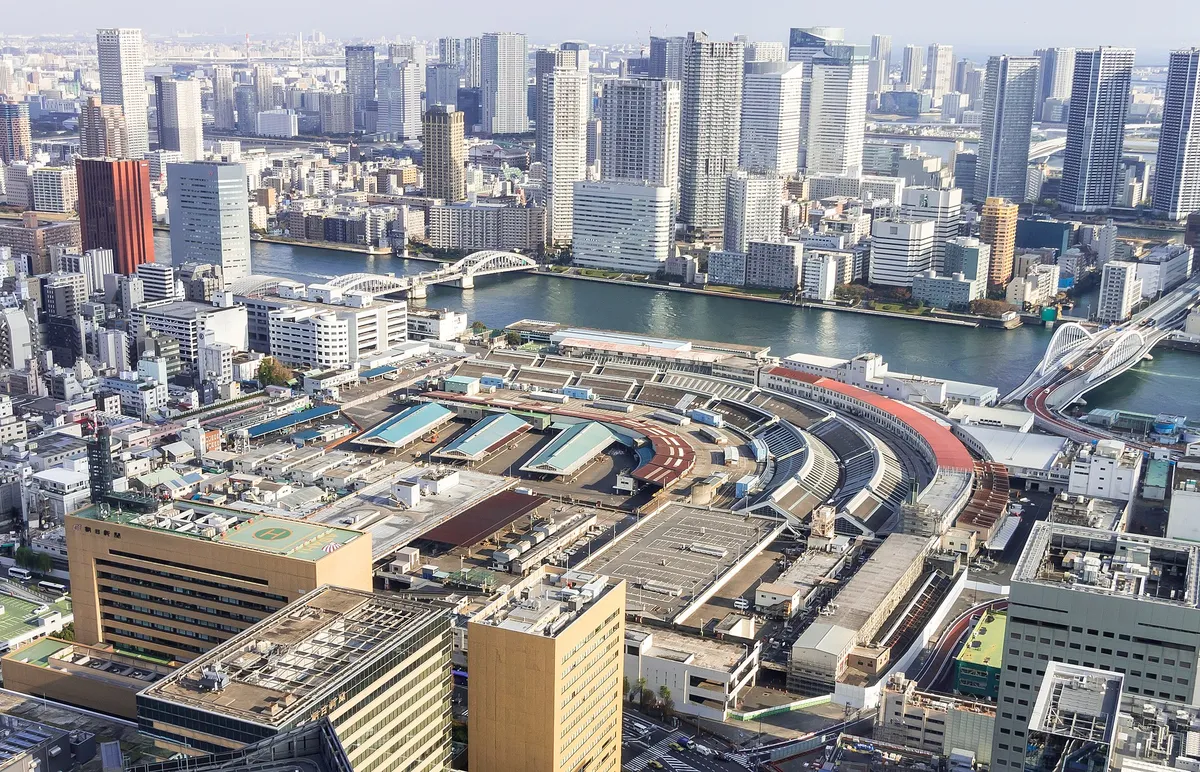
A Hands-On Japanese Cooking Workshop
✓ Day 3: Kyoto Home Cooking Class

Ancient Temples & Shrines
✓ Day 4: Kinkaku-ji (Golden Pavilion)
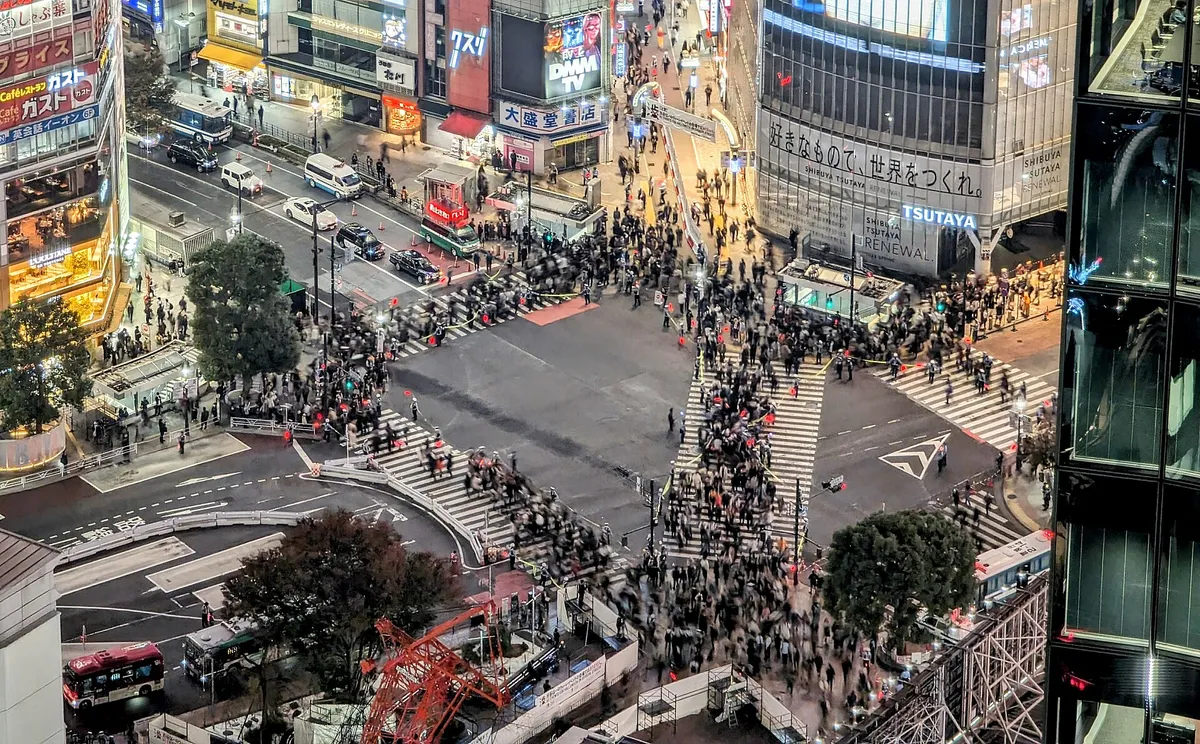
Vibrant Urban Districts & Pop Culture
✓ Day 4: Harajuku Food & Fashion Walk
Photos from Wikimedia Commons, used under Creative Commons licenses. Individual credits shown on each photo.
08:00 AM - Arrive at Kansai International Airport (KIX) & Transfer to Kyoto Hotel· 2 hrs 30 min
USD 30 (~JPY 4,500)Arrive at Kansai International Airport (KIX). Take the Haruka Express train to Kyoto Station (approx. 75-80 min, ~$30 USD). From Kyoto Station, transfer to local transport for your hotel in the Kyoto Station area. This accounts for customs, baggage, and transit.
10:30 AM - Hotel Check-in & Refresh· 1 hr
FREECheck into your hotel and take some time to refresh after your international journey. Settle in before beginning your exploration of Kyoto.
- Confirm hours on Maps
11:30 AM - Nishiki Market· 1 hr 30 min
USD 20 (~JPY 3,000)Live price on Klook →📍Nishiki MarketExplore Nishiki Market, known as 'Kyoto's Kitchen'. Wander through the vibrant narrow alley, sampling local street food, observing traditional vendors, and discovering unique Japanese ingredients and culinary traditions.
4.3(50,952 reviews)"Fabulous crazy Kyoto market Let’s face it it’s mainly for tourist especially the food stalls but it’s still a lot of fun and an absolute must see when visiting Kyoto. You can get pretty much anything you want as long as it’s second hand and new fashion, Japanese hand crafts or food. Good access from the railway you can take the underground walkway literally to the centre of the market"— Matthew Sandford
01:00 PM - Lunch: Obanzai in Nishiki Market area· 1 hr
USD 20 (~JPY 3,000)ObanzaiEnjoy a delicious Obanzai lunch, a collection of traditional Kyoto home-style dishes using locally sourced seasonal ingredients, perfect for experiencing everyday comfort food.
Best around Nishiki Market area- Closes 6 PM · 4h hereConfirm hours on Maps
02:00 PM - Kimono Tea Ceremony MAIKOYA Nishiki· 1 hr 30 min
USD 50 (~JPY 7,500)Live price on Klook →📍Kimono Tea Ceremony MAIKOYA NishikiImmerse yourself in Japanese culture with a traditional tea ceremony while wearing a beautiful kimono. Learn about the rituals of 'chado' (the Way of Tea) and enjoy exquisite Uji matcha.
4.9(6,333 reviews)"This experience was like no other! With this company my 9 friends and I fully embraced part of the culture today. We started with Samauri/ninja history, completed a sword training, and got to throw ninja stars. Then we headed to our tea ceremony where we were brought across the street to this cute authentic kimono shop where they dressed you in traditional kimono outfits and did our hair all cute. Then we experienced a traditional tea ceremony with our lovely host Fuuri. She was knowledgeable, sweet, and overall the best host we could have had. Best experience of my life."— Gabriele DeLeon
- Confirm hours on Maps
03:45 PM - Yasaka Shrine· 1 hr
FREE📍Yasaka ShrineExplore Yasaka Shrine, known for its vibrant vermillion gates and traditional lanterns. It's a peaceful Shinto shrine, particularly atmospheric as dusk approaches, located at the edge of the Gion district.
4.4(32,365 reviews)"We visited Yasaka‑jinja Shrine during the last week of October, and it was absolutely wonderful. The shrine has this peaceful charm, and the atmosphere during autumn is magical — soft light, gentle colors, and a really calming vibe. It’s beautifully situated right at the entrance of Gion, so walking around the area before or after the visit feels like stepping into old Kyoto. I loved the mix of spiritual ambiance and local life happening around the shrine. A must-visit, especially in autumn. I also recommend visiting by night as well."— Eleni Briola
- Confirm hours on Maps
05:00 PM - Sannenzaka & Higashiyama District Exploration· 1 hr 30 min
FREE📍SannenzakaWander through the beautifully preserved Sannenzaka slope and its surrounding Higashiyama district. This historic pedestrian street is lined with traditional wooden buildings, quaint shops, and offers a glimpse into old-world Kyoto.
4.4(16,284 reviews)"Probably the first stop you will see while having a trip to Kiyomizu-dera. We visited early in the morning around 8am in December and the streets are calm with beautiful lightning. Well preserved traditional districts with Edo period architecture are very rare, a perfect place to experience how old Japan used to feel like. Tho nothing is opened early, we still highly recommend to visit during this time just to avoid the insane crowds later on. Less crowds can really make you enjoy the architecture much better."— Yuhng Yeap
07:00 PM - Dinner: Nishin Soba in Gion· 1 hr
USD 18 (~JPY 2,700)Nishin SobaSavor Nishin Soba, a Kyoto specialty of buckwheat noodles served in a hot broth, topped with a piece of slow-cooked, sweetened dried herring. This unique dish offers a delightful blend of savory and slightly sweet flavors.
Best around Gion
Kyoto Station Area
The Kyoto Station Area offers excellent transport links for exploring the city and easy access for your arrival via Haruka Express. It also provides a wide range of dining options and is well-connected to local buses for visiting various attractions.
- Confirm hours on Maps
08:30 AM - Sanjūsangendō Temple· 1 hr 30 min
USD 4 (~JPY 600)Live price on Klook →📍Sanjūsangendō TempleMarvel at the 1001 Kannon statues in this serene wooden temple hall, a truly awe-inspiring sight and a profound spiritual experience.
4.7(16,653 reviews)"Sanjūsangendō Temple is one of Kyoto’s most awe-inspiring and quietly moving religious sites. The long wooden hall, stretching over 120 meters, immediately impresses with its elegant simplicity, but the true impact comes once inside. Here, 1,001 life-size statues of Kannon, the Buddhist goddess of mercy, stand in perfect formation, creating a powerful sense of harmony, devotion, and timelessness. Each statue has subtle differences, inviting visitors to slow down and observe carefully, while the calm, subdued lighting enhances the spiritual atmosphere. At the center sits a larger, more elaborate Kannon, flanked by guardian deities that add a dramatic contrast to the serene rows. The craftsmanship, dating back to the 13th century, is extraordinary and speaks to the deep religious and artistic traditions of Japan. Sanjūsangendō offers a more contemplative experience than many of Kyoto’s busier temples. It is a place for quiet reflection, where the sheer scale and repetition of the statues leave a lasting emotional impression. For visitors seeking a profound cultural and spiritual encounter in Kyoto, this temple is truly unforgettable."— Paul Parent
- Confirm hours on Maps
10:15 AM - To-ji Temple· 1 hr 30 min
USD 3.5 (~JPY 525)Live price on Klook →📍To-ji TempleExplore the grounds of this UNESCO World Heritage site, home to Kyoto's tallest pagoda and a beautiful traditional garden, offering a glimpse into ancient Buddhist architecture.
4.5(19,296 reviews)"Sadly there's no pictures inside, and the inside is what's worth visiting. The grounds feature a nice small japanese garden, well made and beautiful, yet the statues inside the main building are stunning! It's a bigger complex, but the main buildings have entry tickets. You can buy a combined ticket, which I recommend not for the museum, but for the Kanchi-in. Definitely enter the "kondo". Tree-sized Buddhas are awesome"— Marin “SayanMk” Kolev
12:00 PM - Lunch: Kyoto-style Ramen near Kyoto Station· 1 hr
USD 15 (~JPY 2,250)Kyoto-style RamenSavor a hearty bowl of Kyoto's distinct ramen, known for its lighter, often chicken or soy-based broth, a local culinary delight.
- USD 12 (~JPY 1,800)Live price on Klook →📍Nijō Castle
Step back in time at this UNESCO World Heritage castle, featuring ornate interiors, 'nightingale' floors, and impressive gardens that served as a shogun's residence.
4.4(41,382 reviews)"I'll recommend getting the tickets for the castle ground + Ninomaru Palace. The castle isn't the flashiest, but have an extremely rich and interesting history. You can the best experience if you are interested in its history or already have a good background knowledge of Japanese history. The Ninomaru Palace is extremly well preserved with sufficient information signs explaining the history of the castle and rooms inside. Experiencing the nightingale floor in person is truly a magical experience. I also like how some of the rooms have some mannequin models placed in it to help visitors better picture the life in the castle back then. No photos are allowed inside but I highly recommend to give it a visit. The inner Honmaru part of the castle is worth a visit too. The only paid part is to visit the interior of the buildings but past reviews saying that it doesn't offer much dissuaded me from going in. However, the tower keep ruins of the Honmaru grounds are worth a visit as it's functionally an observation deck that provides super nice views of the castle ground. I don't find the other part of castles too interesting except for some cool gardens. Recommended stay around 1.5 - 2.5 hrs."— Yuhng Yeap
- Confirm hours on Maps
03:45 PM - Kyoto Imperial Palace Park· 1 hr 30 min
FREE📍Kyoto Imperial Palace ParkStroll through the expansive and tranquil grounds of the former Imperial Palace, a peaceful retreat offering a glimpse into royal history and nature in the city's heart.
4.5(9,642 reviews)"It's a super duper big park. You can spend hours walking in this park enjoying the view and quiet. I went during momiji season so the leaves colors are mesmerising. There are people having picnic, reading books, cycling, or just sitting and basking in the view. There are also small shrines in the garden. And I notice big ginkgo trees with really pretty yellow leaves that everyone take photos with. If you come during peak autumn season, you'll love the voew of different colored leaves theoughout the park."— Syaza
05:30 PM - Kyo-wagashi & Matcha Tasting· 1 hr
USD 18 (~JPY 2,700)Kyo-wagashi, MatchaIndulge in exquisite Kyo-wagashi (traditional Kyoto sweets) paired with authentic Uji matcha tea at a local tea house, a true cultural and culinary art form.
07:30 PM - Dinner: Local Kyoto Fare in Karasuma· 1 hr
USD 40 (~JPY 6,000)Enjoy a traditional Kyoto dinner in the Karasuma district, known for its variety of authentic eateries, offering a taste of regional specialties.
Kyoto Station Area
Excellent transport links for exploring Kyoto and onward travel, with many dining options and shops nearby. Convenient for accessing major sights.
- Confirm hours on Maps
08:00 AM - Arashiyama Bamboo Forest· 1 hr 30 min
FREE📍Arashiyama Bamboo ForestBegin your day with a serene stroll through the towering bamboo groves of Arashiyama. Arrive early to experience the tranquil beauty before the crowds gather.
4.3(21,652 reviews)"The Arashiyama Bamboo Forest - beautiful and serene. Walking through the towering bamboo stalks feels almost surreal—like stepping into another world. Even though it can get crowded, the atmosphere still feels peaceful, especially if you visit early in the morning. The path is easy to walk, and every corner offers stunning photo opportunities. The sound of the bamboo swaying in the wind adds to the calming vibe. The surrounding area is great too — you can explore the nearby temples, the river, and charming little shops. A good spot in Kyoto for nature lovers, photographers, and anyone looking for a truly iconic experience!"— Andrew T
- Confirm hours on Maps
09:30 AM - Tenryu-ji Temple· 1 hr 30 min
USD 4.5 (~JPY 675)Live price on Klook →📍Tenryu-ji TempleExplore Tenryu-ji, a UNESCO World Heritage site and one of Kyoto's most important Zen temples. Wander through its exquisite gardens, which feature a beautiful pond and landscaping designed to harmonize with the surrounding mountains.
4.4(16,220 reviews)"Most likely your first destination after arriving in the area via train. It has seperate tickets for the building and garden (500 yen each), but has the option for a combined ticket for 800 yen. We only visited the garden. We arrived early around 9am and there was almost no people, definitely come early if you want to avoid the crowds. The garden is moderately sized, with the Sogen Pond being the main highlight. It can be noted that you can see the some interior of the temple from the garden since most of the big windows are open. It's incredibly beautiful during the autumn seasons, these photos were taken during early December 2025. Sogen Pond is very impressive. Tho the famous photo angle of the pond will have the sun shining directly at you during the morning. You can directly access the bamboo forest after exiting the garden which is super convenient."— Yuhng Yeap
- Confirm hours on Maps
11:00 AM - Arashiyama Monkey Park Iwatayama· 2 hrs
USD 4.5 (~JPY 675)Live price on Klook →📍Arashiyama Monkey Park IwatayamaHike up to the Arashiyama Monkey Park for incredible panoramic views of Kyoto and an opportunity to observe over 120 wild Japanese macaque monkeys in their natural habitat. You can feed them from inside a designated hut.
4.5(13,909 reviews)"Worth the climb up the mountain! The toughest part is the stairs at the very beginning and then the hike up gets a little easier. There are also many benches along the way where you can take a rest. So many cute, free roaming monkeys up there! There's a caged off building where you can purchase either peanuts or apple pieces and feed the monkeys through the bars. The baby monkeys seem to prefer the apple pieces. The monkeys get into little tiffs with one another but don't seem inclined to pick fights with any humans."— Michelle Barnes
01:00 PM - Lunch: Yudofu in Arashiyama· 1 hr
USD 20 (~JPY 3,000)YudofuSavor a traditional Yudofu meal, simmered tofu, a delicate and authentic Kyoto specialty often served in Arashiyama's many local restaurants, highlighting the region's renowned tofu.
02:45 PM - Kyoto Home Cooking Class· 3 hrs
USD 90 (~JPY 14K)Immerse yourself in Kyoto's culinary traditions with a hands-on cooking class. Learn to prepare authentic local dishes in a relaxed, home-style setting, offering a deeper cultural insight away from typical tourist spots.
- Confirm hours on Maps
06:00 PM - Gion Shirakawa District Stroll· 1 hr
FREE📍Gion ShirakawaTake a tranquil walk through the picturesque Shirakawa Canal area in Gion. This quieter, more traditional part of the geisha district offers charming wooden houses and willow trees, providing a glimpse into old Kyoto.
4.7(940 reviews)"Sherakawa Canal is truly a hidden gem and one of the most peaceful spots I have visited. I went for a walk here after the rain, and the experience was absolutely refreshing. The air was cool and crisp, carrying a faint scent of wet earth and fresh greenery, which immediately felt calming. The canal itself is lined with beautiful trees and quaint pathways, creating a serene atmosphere that feels far removed from the bustle of the city. As I strolled along the canal, I noticed how the gentle flow of water added a rhythmic soundtrack to the surroundings. The sound of water trickling over the stones, combined with the occasional chirping of birds, made it incredibly soothing. The reflections of the sky and nearby trees in the water created a sense of harmony, almost like a natural painting. Even the soft puddles from the rain added a touch of charm, making each step feel connected to the moment. The canal is also perfect for photography. Every corner offers picturesque views, from the calm water reflecting the sky to the rustic bridges and lush greenery along the banks. Whether you enjoy capturing landscapes or candid moments, it provides endless opportunities for beautiful shots. I found walking here to be a meditative experience. There were very few people around, which allowed for a quiet escape and time to breathe deeply and appreciate nature. It is an ideal spot for anyone looking to relax, reflect, or simply enjoy a peaceful walk. Sherakawa Canal is not just a place to see but a place to feel. Its calm ambiance, beautiful scenery, and soothing sounds make it a destination worth visiting, especially after rain when the surroundings feel even more alive and refreshing. I would highly recommend it to anyone seeking a quiet retreat or a scenic spot to spend a few tranquil hours."— Resh Rayan
07:30 PM - Dinner: Local Kyoto Cuisine in Pontocho Alley· 1 hr 30 min
USD 30 (~JPY 4,500)Local Kyoto specialtiesExperience the vibrant evening atmosphere of Pontocho Alley, a narrow dining street known for its traditional wooden facades and lanterns. Enjoy local Kyoto specialties at an atmospheric izakaya or traditional restaurant.
Kyoto Station Area
The Kyoto Station area provides excellent transit connections for exploring the city and beyond, with numerous dining options and amenities. It's a convenient base for a busy itinerary.
- Confirm hours on Maps
09:00 AM - Kinkaku-ji (Golden Pavilion)· 2 hrs
USD 3.5 (~JPY 525)Live price on Klook →📍Kinkaku-jiBegin your day with a visit to the iconic Kinkaku-ji, the stunning Zen temple famous for its top two floors being completely covered in gold leaf. Admire its reflection in the pond and stroll through its meticulously kept gardens.
4.5(66,943 reviews)"The location is further out from the center but worth going out of the way just to visit it. The golden facade of the temple shines majestically under the sunlight during a clear day, then reflected on the calm pond forming a mirror image. Probably one of the most beautiful sights I have seen. Took me around 40 mins to slowly explore and enjoy what the garden has to offer. Although the Golden Pavilion is the main sight, the garden and temple complex are still beautiful and well maintained, and very nice to stroll through. Another thing that I like is their ticket which is designed like a Goshuin, very fitting as a souvenir to bring back home."— Yuhng Yeap
11:45 AM - Lunch: Kyoto-style Ramen near Kyoto Station· 1 hr
USD 18 (~JPY 2,700)Enjoy a comforting bowl of Kyoto-style ramen before your departure. This local specialty features a rich, savory broth and perfectly cooked noodles, providing a hearty meal.
12:45 PM - Shinkansen from Kyoto to Tokyo· 2 hrs 30 min
USD 90 (~JPY 14K)Board the Shinkansen (bullet train) for a scenic and efficient journey from Kyoto to Tokyo, a key part of experiencing Japan's modern infrastructure.
- Confirm hours on Maps
04:45 PM - Meiji Jingu Shrine· 1 hr 30 min
FREE📍Meiji Jingu ShrineUpon arrival in Tokyo, visit the serene Meiji Jingu Shrine. This peaceful Shinto shrine is dedicated to Emperor Meiji and Empress Shoken, set within a vast, beautiful forest, offering a tranquil escape from the city's hustle.
4.6(49,293 reviews)"Meiji Jingu is an incredibly peaceful place even though it’s located in the heart of Tokyo. The pathway to the shrine is surrounded by a large forest, making it feel far away from the busy city. The walk toward the main shrine itself is a calming experience. The area is very clean, well maintained and filled with a serene spiritual atmosphere. Definitely a great place to relax, enjoy nature and experience authentic Japanese culture."— Amy Shakira
06:15 PM - Harajuku Food & Fashion Walk· 2 hrs
USD 70 (~JPY 11K)Immerse yourself in Harajuku's unique culture with a guided walk exploring its quirky fashion boutiques and sampling local street food. Discover hidden gems and the vibrant, ever-evolving youth culture.
- Closes 10:30 PM · 2.2h hereConfirm hours on Maps
08:15 PM - Shibuya Sky Observation Deck· 1 hr 30 min
USD 25 (~JPY 3,750)Live price on Klook →📍Shibuya SkyExperience breathtaking 360-degree panoramic views of Tokyo from the open-air observation deck of Shibuya Sky. Witness the city lights come alive as the sun sets over the urban landscape.
4.6(24,148 reviews)"One of the best observation deck in Tokyo! From the deck, you could see a 360 view of Tokyo with no obstacles. Including most of the landmark like the Tokyo Sky-tree, Tokyo Tower and even Mount Fuji when the weather is nice. For me the best visiting time was 1 hour before sunset, which you could see the change of view from day light Tokyo to night life Tokyo. When the weather is nice, you could even see the afterglow above Mount Fuji. Also, a photo booth was provided on the deck, photo shooting with the deck’s photographer is free but purchasing the photo back isn’t. You could choose not to purchase but I think it’s still at a reasonable price. At last, strongly recommend to make your reservation before your visit as the deck was extremely popular especially in nice weather days. Also, prepare your wind-resistance gears before entering the deck especially in winter. Although the deck has an almost 3 meter glass curtain wall, but it’s still extremely windy up there."— JJJ Dexter
09:45 PM - Dinner: Tonkotsu Ramen in Shibuya· 1 hr
USD 25 (~JPY 3,750)Conclude your day with a delicious Tonkotsu Ramen in the bustling Shibuya district, known for its rich pork bone broth, thin noodles, and flavorful toppings.
Shinjuku
Shinjuku offers excellent access to major train lines, diverse dining, shopping, and nightlife options, and is centrally located for easy reach to areas like Harajuku and Shibuya planned for the coming days.
- Confirm hours on Maps
09:00 AM - Sensō-ji Temple and Nakamise-dori Market· 2 hrs
USD 10 (~JPY 1,500)Live price on Klook →📍Sensō-ji TempleBegin the day exploring Tokyo's oldest temple, Sens Aji, with its impressive Thunder Gate and main hall. Wander through Nakamise-dori, the bustling market street leading to the temple, sampling traditional snacks and browsing souvenirs.
4.3(15,141 reviews)"Nakamise Shopping Street is one of those places where the energy hits you the moment you step in. The mix of colors, sounds, and scents creates a lively atmosphere that feels both traditional and modern at the same time. Even with the crowds, there’s something charming about wandering past stalls selling everything from handmade snacks to small souvenirs. The lanterns and old-style storefronts add a layer of nostalgia that makes the whole street feel like a living postcard. It’s busy, but in a way that feels celebratory rather than chaotic. If you enjoy browsing without a strict plan, this is a great place to let curiosity guide you. Every few steps, you’ll find something different — a sweet treat, a craft item, or a small detail in the architecture that catches your eye. It’s easy to spend an hour here without realizing how much time has passed. While it can get overwhelming during peak hours, the cultural atmosphere makes it worth the visit. Pairing it with a stop at the nearby temple makes the experience feel complete and balanced."— Jonathan Phan
- FREE📍Kappabashi Street
Discover Tokyo's unique 'Kitchen Town,' a street lined with shops selling everything for restaurants, from plastic food replicas and cooking utensils to pottery and chef's knives. A fascinating insight into Japan's culinary behind-the-scenes.
4.3(12,206 reviews)"Great area to get kitchenware, especially knives. Would love to have visited Union, a store that sells coffee and tea items but it was closed due to a holiday. Majimaya is really cool to check out if you're a baker. There is this wall of cookie cutters! It's a work of art. Definitely worth it to check out if you are in Asakusa."— Ian Magparangalan
12:30 PM - Lunch: Tempura in Asakusa· 1 hr
USD 18 (~JPY 2,700)Enjoy a delicious tempura set lunch at a local restaurant in the historic Asakusa district, featuring perfectly fried seafood and seasonal vegetables.
- USD 15 (~JPY 2,250)Live price on Klook →📍Tokyo National Museum
Immerse yourself in Japanese art and archaeology at the Tokyo National Museum, housing one of the largest and most comprehensive collections of Asian art in the world.
4.5(29,867 reviews)"Give yourself enough time to enjoy this museum. Your admission fee gets you into several buildings worth of wonderful art, including cultural treasures of Japan, an archaeology collection, and a collection of Asian art beyond Japan. Beyond that, the grounds are beautiful, including a reflecting pool, teahouses, and outdoor sculptures in the Japanese garden behind the building. You are allowed to take photos of most art, except for a limited number of sensitive artifacts that are clearly marked. There are many interpretive signs in English that give helpful context about the art. Because the admission fee is reasonable and this museum is located near Ueno Park, Yanaka Cemetery and other popular attractions, it is a convenient place to stop as a first-time Tokyo visitor. Save a little time for the gift shop as well, especially if you like art books."— angelfisher
- FREE📍Ueno Park
Enjoy a relaxing stroll through Ueno Park, a vast urban oasis home to various museums, a zoo, and the serene Ueno Toshogu Shrine, notable for its golden exterior and ornate carvings.
4.3(4,554 reviews)"Having lived in the Tokyo area for more than 20 years, I was surprised (and slightly embarrassed) to realise I had never heard of this place. I stumbled upon it purely by accident — and I’m so glad I did. It’s one of those discoveries that make you wonder how many hidden gems are still quietly waiting, even after decades in the same region. The main building is known as the “Golden Shrine,” and the name couldn’t be more fitting. Although visitors aren’t allowed inside, the exterior alone is breathtaking. The rich golden details shimmer beautifully in the light, and the intricate craftsmanship reveals itself the longer you stand and look. There’s a quiet dignity and elegance to it that feels both grand and serene at the same time. Even without stepping indoors, the experience feels special — a place that invites you to pause, take in the details, and simply admire. Well worth a visit."— Rolf Wietlisbach-Kobayashi
- Confirm hours on Maps
06:00 PM - Shinjuku Golden Gai Stroll· 1 hr
FREE📍Shinjuku Golden GaiWander through the atmospheric, narrow alleys of Shinjuku Golden Gai, famous for its tiny, unique bars. In the early evening, it offers a fascinating glimpse into a bygone era of Tokyo's nightlife and a unique cultural experience.
4.3(12,378 reviews)"At first glance, Golden Gai looks almost too small and quiet to be significant. Narrow alleyways crisscross a compact block filled with over 200 tiny bars, most of which can only seat between five and ten people. The buildings are tightly packed, two stories high, with visible pipes, wires, and weathered wooden facades that give the area a gritty, nostalgic charm. The contrast between Golden Gai and the surrounding urban landscape is striking. Just minutes away from the bright lights and massive crowds of Shinjuku, this district feels personal and almost secretive. It invites curiosity."— Edgar Monroy
07:00 PM - Dinner: Yakitori in Omoide Yokocho· 1 hr 15 min
USD 25 (~JPY 3,750)Experience a quintessential Tokyo evening by dining at Omoide Yokocho, also known as 'Piss Alley.' Enjoy delicious yakitori skewers grilled over charcoal in one of the tiny, atmospheric izakayas under the train tracks.
08:15 PM - Shinjuku Southern Terrace & Night Views· 1 hr
FREEEnjoy a pleasant evening stroll along Shinjuku Southern Terrace, a modern promenade offering stylish illuminations and dynamic views of the Shinjuku cityscape at night. Perfect for a relaxing end to the day.
Shinjuku
Shinjuku offers excellent transportation links to all parts of Tokyo, a vibrant dining and entertainment scene (including the unique Golden Gai and Omoide Yokocho), and modern attractions, making it a convenient and exciting base for exploring.
- Confirm hours on Maps
08:00 AM - Tsukiji Outer Market Exploration & Tasting· 1 hr 30 min
USD 15 (~JPY 2,250)Live price on Klook →📍Tsukiji Outer MarketImmerse yourself in the bustling atmosphere of Tsukiji Outer Market, exploring its narrow lanes filled with fresh seafood, local produce, and unique Japanese kitchenware. Sample various street foods like tamagoyaki or grilled seafood skewers.
4.2(55,416 reviews)"This place gave my family one of our best food experiences in Japan – and at an unbelievably cheap price, if you know the trick! We arrived around 11am and the market was already packed with people. We were told they close around 1pm, so it was getting close to the end of the day. Instead of buying straight away, we decided to walk around first to check the prices and compare the different stalls. It’s very tempting to buy from the fancy-looking shops, but I’m so glad we explored a bit more. That’s when we found a small, simple stall run by an elderly man. No fancy sushi displays, no stylish plating – just honest, fresh tuna belly sashimi being cut right in front of us. The portions were incredibly generous, and the price was literally half of what the more commercial stalls were charging. He didn’t even have tables; it felt like he mainly sells to locals. Even though he couldn’t really speak English, he was very friendly and tried his best to accommodate us. We ended up standing next to his fridge eating fresh tuna sashimi until we were completely full. It was such an authentic and memorable experience. We’ve been to several markets around Japan, but this was by far our best discovery. Amazing food, great value, and a truly local vibe. If you visit, take the time to explore – you might just find the same hidden gem we did! Highly recommended for anyone who loves fresh sashimi and real local experiences."— iyapots B
- Confirm hours on Maps
10:00 AM - Kabuki-za Theatre Exterior· 30 min
FREE📍Kabuki-za TheatreAdmire the impressive architecture of the Kabuki-za Theatre, Tokyo's premier venue for traditional Kabuki performances. Appreciate its unique design, a blend of traditional Japanese style with modern elements, from the exterior.
4.3(10,333 reviews)"Kabukiza Theatre in Ginza was such a unique and memorable cultural experience. We booked a single act (there are only a couple of rows available in the back for single-act tickets), which was an affordable way to experience kabuki for about ¥1,800 per person. Pricing varies depending on whether you attend a matinee or evening show and which act you choose, but it’s a great option if you’re short on time or just want an introduction. The performance itself was excellent. The actors were incredibly expressive, the live traditional music (including Shinto-style elements) added so much depth, and the set design was absolutely beautiful. The production quality overall was very impressive, and we learned a lot about different theatrical art techniques. For non-Japanese speakers, the English audio guide is 100% worth renting. It provides live translations—almost like real-time subtitles—which made it easy to follow the storyline and appreciate the nuances of the performance. Even though we only booked a single act, the story was so engaging that we wished we had stayed for the entire show. The exterior of Kabukiza is stunning and extremely photogenic, both during the day and at night. If you’re attending just one act, the separate side entrance is clearly marked and easy to find. The staff were incredibly polite and helpful, embodying the warmth of Japanese hospitality. If you’re looking to go beyond typical sightseeing and experience something culturally rich and authentic, Kabukiza is absolutely worth it. A fantastic introduction to traditional Japanese performing arts."— Shambhavi Balasubramanian
- Confirm hours on Maps
10:30 AM - Ginza Luxury District Stroll· 2 hrs
FREE📍GinzaExperience the sophistication of Ginza, Tokyo's most famous upscale shopping and entertainment district. Wander past iconic department stores, flagship boutiques of international brands, and admire the sleek, modern architecture.
4.0(23,030 reviews)"Ginza Six is an absolutely stunning luxury shopping complex. It perfectly blends high-end fashion, exquisite art installations, and sophisticated dining options. The rooftop garden offers a tranquil escape with beautiful city views. It's more than a mall—it's a chic, cultural experience and a true highlight of Ginza. Highly recommended!"— aki okuda
12:30 PM - Lunch: Sushi/Sashimi in Ginza· 1 hr
USD 30 (~JPY 4,500)Indulge in an authentic Tokyo lunch with fresh sushi or sashimi at a local restaurant in the Ginza area, known for its high-quality seafood establishments.
- Confirm hours on Maps
02:00 PM - teamLab Planets TOKYO DMM· 2 hrs
USD 32 (~JPY 4,800)Live price on Klook →📍teamLab Planets TOKYO DMMImmerse yourself in a series of giant interactive art installations at teamLab Planets. This unique digital art museum engages all your senses, with visitors walking through water and interacting with diverse digital environments.
4.5(50,394 reviews)"This museum completely amazed me. The artist’s imagination is incredible — I had never seen or experienced an exhibition quite like this before. The creativity and originality of the installations make it feel truly unique. The water section in particular was absolutely wow. Walking through it felt magical and immersive in a way that’s hard to describe. It honestly made me feel like a kid again, just exploring and being amazed by everything around me. Definitely a must-visit if you’re in the city. It’s one of those experiences that stays with you long after you leave."— Daniela Inzua
- Confirm hours on Maps
04:00 PM - Unicorn Gundam Statue· 30 min
FREE📍Unicorn GundamWitness the impressive life-sized Unicorn Gundam statue at DiverCity Tokyo Plaza in Odaiba. Marvel as it performs its periodic 'transformation' sequence, a treat for fans of Japanese animation and engineering.
4.6(28,634 reviews)"Standing in front of this 1-to-1 scale masterpiece back in April 2019 was an absolute highlight of the trip. The Unicorn Gundam is a massive feat of engineering, standing nearly 20 meters tall, and the level of detail is just incredible when you’re standing right at its feet. I’m so glad I caught the transformation sequence where the armor plates shift and the lights change—it’s a "peak Japan" moment that feels like an anime coming to life. Even seven years later, looking at the photos of it standing tall against the Tokyo sky reminds me of how impressive the scale truly is. It’s an absolute must-see for anyone visiting the waterfront, whether you're a fan of the series or just appreciate world-class craftsmanship."— Aldrin Jonas Tiangco
- Confirm hours on Maps
04:45 PM - Odaiba Marine Park· 1 hr 30 min
FREE📍Odaiba Marine ParkEnjoy a leisurely stroll along the waterfront at Odaiba Marine Park. Take in panoramic views of Tokyo Bay, including the iconic Rainbow Bridge and Tokyo Tower, especially beautiful during the golden hour.
4.4(15,345 reviews)""A Harmonious Blend of Modern Icons and Tranquil Nature" If you're looking for a spot that captures the essence of Tokyo’s modern beauty without the chaotic bustle of the city center, this is it. As a photographer, I find this park to be a magnificent place for capturing layers of history and modernity in one frame. • The Icons: Standing in front of the Statue of Liberty with the Rainbow Bridge stretching across the bay is an awe-inspiring sight. The architecture here feels grand and purposeful. • Sakura Season: During spring, the cherry blossoms add a delicate, ethereal touch to the waterfront. The pink petals against the blue bay are absolutely breathtaking. • Peaceful Atmosphere: What impressed me most was how orderly and quiet the park felt. Even with people gathering to see the flowers, it never felt crowded or rowdy. Everyone was very mindful of personal space, which made the experience incredibly relaxing. • A Great Find: This park is a hidden gem for those who want to "treat themselves" to a slow afternoon. It's much more tranquil and refined compared to other mainstream tourist spots. Whether you're here for a stunning sunset shoot or just a quiet stroll, the sheer beauty and civic-minded atmosphere of this place won't disappoint."— Vesperlee Himself
07:00 PM - Dinner: Tonkatsu in Shinagawa· 1 hr
USD 20 (~JPY 3,000)TonkatsuSavor a delicious Tonkatsu dinner in the Shinagawa district, a popular local specialty of crispy breaded pork cutlets, often served with shredded cabbage and rich sauce.
Best around Shinagawa- ⚠️ Closed on SundayConfirm hours on Maps
08:45 PM - Shibuya Nonbei Yokocho (Drunkard's Alley)· 1 hr 30 min
USD 15 (~JPY 2,250)Live price on Klook →📍Shibuya Nonbei YokochoDiscover Shibuya Nonbei Yokocho, a tiny, atmospheric alleyway near Shibuya Station filled with small, traditional 'shoebox' bars. Experience Tokyo's intimate, old-school nightlife, a true hidden gem for a drink and local interaction.
4.1(1,095 reviews)$$"Nice options of restaurants and bars for all tastes. @gigicomidinhas"— gigicomidinhas
Shinjuku
Shinjuku remains an excellent base for its central location, diverse dining options, vibrant nightlife, and superb connectivity to other Tokyo districts via major train lines.
- Confirm hours on Maps
09:00 AM - Shinjuku Gyoen National Garden· 2 hrs
USD 5 (~JPY 750)Live price on Klook →📍Shinjuku Gyoen National GardenFind tranquility in one of Tokyo's most beautiful and expansive parks, featuring traditional Japanese, French Formal, and English Landscape gardens. A peaceful escape in the heart of the city.
4.6(43,736 reviews)"Visited the park and was amazed by the variety of cherry blossoms. On windy days, they shower down like pink snow—absolutely magical. The park is easy to access with well-maintained paths. Don’t miss the greenhouse; it’s a treasure trove of rare plant species. Perfect spot for nature lovers and photographers! 🌸🍃"— SilentWitness
11:00 AM - Depachika Exploration in Shinjuku· 1 hr 30 min
USD 10 (~JPY 1,500)Dive into the vibrant basement food halls of a Shinjuku department store. Marvel at the exquisite displays of fresh produce, gourmet foods, bentos, and traditional Japanese sweets, a true feast for the senses.
12:30 PM - Lunch: Japanese Comfort Food in Shinjuku· 1 hr
USD 18 (~JPY 2,700)Vegetable Set Meal (Teishoku)Enjoy a comforting meal of local Japanese specialties like a Teishoku (set meal) or a delicious bowl of ramen in a neighborhood eatery within Shinjuku.
- Confirm hours on Maps
01:30 PM - Shinjuku I-Land Tower 'Love' Sculpture· 30 min
FREE📍Shinjuku I-Land TowerVisit the iconic 'Love' sculpture outside Shinjuku I-Land Tower, a popular spot for photos and a symbol of modern urban art in Tokyo.
4.1(1,850 reviews)"I finally made it to the Robert Indiana “LOVE” sculpture, and it was worth the wait. It’s one of those Tokyo landmarks that hits different in person. The colors, the scale, and the flow of people around it make it a fun spot to experience and photograph. If you’re driving, I recommend parking at Shinjuku i-LAND Tower. It’s close, easy, and puts you right where you need to be. Bring someone to take photos or bring a camera setup having a stand or tripod helps a lot, especially if you want shots from the backside. The view lined up with Tokyo Mode Gakuen in the background makes for some of the best photos you’ll get here. Quick, simple stop and a great addition to any Shinjuku visit."— Earl Jackson
02:00 PM - Local Craft & Souvenir Shopping in Shinjuku· 1 hr 30 min
USD 20 (~JPY 3,000)Pick up last-minute souvenirs and unique local crafts from smaller shops in the Shinjuku area, supporting local artisans and finding memorable gifts.
03:30 PM - Hotel Checkout & Luggage Collection· 30 min
FREEReturn to your hotel in Shinjuku to check out and collect your luggage, preparing for your journey to the airport.
04:00 PM - Depart from Narita International Airport (NRT)· 5 hrs
USD 30 (~JPY 4,500)Transfer from Shinjuku to Narita International Airport (NRT) for your international flight home to New York, NY, allowing ample time for check-in and security procedures.
What Travelers Say
“I have been to Japan 4 times and have a Japanese wife, here's what I would recommend to you: 1. Silent Train Rides - You're going to be having so much fun, but remember the trains are meant to be a silent ride, so keep the talking at a minimum or zero on the trains. 2. Escalator - If you're in Tokyo, ride the escalator on the left side leaving a pathway for people to walk up in a hurry on right right. If you're in Osaka, stay on the right side leaving the left side open for people to walk up....”
Osaka · r/travel
“I recommend a small wheel suitcase over a backpack, if it's carry on size, it'll be easy to navigate with and fit into small luggage spaces. This is how Japanese travel, reason being they view large backpacks as rude (the story of the foreigner unaware of wacking everyone with their backpack on public transport is a common, but real, stereotype). If you are going to travel with a backpack, wear it on your front like a baby carrier when in shops or on public transport. However Japanese streets...”
Osaka · r/travel
“I'll keep it straight: Tokyo is HUGE. Pick a few neighborhoods per day and don’t try to cross the city nonstop or you’ll burn out fast. Google Maps works insanely well for trains. It looks scary at first but after day one it clicks. Stay near a major station like Shinjuku, Shibuya, Ueno, or Tokyo Station and your life will be way easier. Convenience store food is not a backup option. It’s legit good and saves time and money. You don’t need to chase viral TikTok food spots. Random ramen shops...”
Tokyo · r/JapanTravelTips
“Make sure you aren’t short of cash at any point! I’d recommend always using seven bank for cash withdrawals as they are no fee + really easy to use. I’d also recommend using a bank account that has no international currency exchange fees. For me that’s starling bank in the uk, so whatever the us equivalent is. If you have time for it, I’d recommend universal studios japan. It’s so so good. But if you only have 4 days in Osaka AND Kyoto, might not be possible. I’d maybe think about more time...”
Osaka · r/travel
“You’re gonna read this a lot. But I would scrap like half this itinerary. The beauty of Japan is exploring. I just came back and if I did it differently I’d have one thing on the schedule a day and then walk around and discover for the rest. Have an amazing time. It is one of the best experiences in the world.”
Osaka · r/JapanTravel
Kyoto + Tokyo over a Tokyo + Osaka route: Osaka is another modern, food-centric mega-city, whereas Kyoto is the only place in Japan where pre-1868 temple districts, kaiseki kitchens, and traditional textile arts still exist at scale. Together, Kyoto's 400-year-old merchant houses and Tokyo's neon-lit Shibuya give you the widest cultural span Japan can offer in 7 days, blending ancient tradition with future-forward innovation.
Tokyo thrives on high-low dining, where Michelin-starred ramen and tempura bars offer affordable lunch sets that are triple the price at dinner. Department store depachika food halls and Shinjuku's Omoide Yokocho yakitori alleys are essential eating formats. An early morning ramen breakfast near the old Tsukiji market is a uniquely Tokyo tradition.
Top 8 dishes to try
 USD 1-4
Onigiri
Portable rice balls, often triangular, filled with various ingredients like salted salmon, pickled plum (umeboshi), or tuna mayo, wrapped in nori seaweed.
 USD 4-9
Gyudon
Thinly sliced beef and onions simmered in a sweet soy sauce broth, served over a bowl of rice; a quick, affordable, and satisfying staple often found at 24/7 chains.
 USD 6-12
Kitsune Udon
Thick wheat noodles in a dashi broth, topped with sweet deep-fried tofu pockets (aburaage) that soak up the flavorful soup.
 USD 8-15
Tonkotsu Ramen
A rich, milky broth made from simmered pork bones, often served with thin, firm noodles and chashu pork; Fukuoka is its birthplace, but it's perfected in various styles across Japan.
 USD 10-30
Yakitori
Skewered and grilled chicken pieces (various parts like thigh, skin, liver, meatballs), seasoned with salt or tare (sweet soy sauce glaze); best enjoyed with a cold beer.
 USD 12-35
Tempura
Lightly battered and deep-fried seafood and seasonal vegetables, served immediately for crispness; look for dedicated tempura-ya for the best experience where the chef fries each piece individually.
 USD 15-50
Sushi/Sashimi
Fresh fish, expertly sliced and often lightly vinegared rice; the quality and variety at even mid-tier places is far superior to outside Japan.
 USD 4-9
Takoyaki
Osaka
Ball-shaped snacks made from a wheat-flour batter filled with diced octopus, pickled ginger, and green onion, cooked in special molded pans and brushed with sauce.
Markets & neighborhoods
Known as 'Kyoto's Kitchen', offering a wide array of traditional Kyoto foods, fresh produce, pickles, sweets, and snacks from centuries-old vendors.
Fresh seafood stalls, sushi breakfasts, ramen, and street food. It's the go-to for fish, though the main wholesale market moved to Toyosu.
Osaka's vibrant street food scene, famous for Okonomiyaki, Takoyaki, and Kushikatsu, with flashy neon signs and a lively atmosphere.
Good to Know
Japan's shopping landscape is a delightful blend of ancient craftsmanship, cutting-edge technology, and minimalist design, where quality and presentation are paramount. Major cities like Tokyo offer specialized districts for nearly every interest, while traditional markets in Kyoto offer local food and artisan goods. Generally, prices are fixed, and service is excellent.
Top 6 souvenirs
Anime/Manga Merchandise
TokyoUSD 10-200Character goods, official figures, and limited-edition merchandise from series that often never leave Japan are abundant and of high quality.
📍 Akihabara Radio Kaikan, Nakano Broadway, Animate Ikebukuro, Mandarake.
Matcha & Ceremonial Green Tea
KyotoUSD 15-150Experience the depth of flavor and quality of genuine ceremonial grade matcha and single-origin green teas that are unparalleled outside Japan.
📍 Ippodo Tea Kyoto Main Store; Uji region tea shops; various tea specialty stores in department stores.
Japanese Kitchen Knives
TokyoUSD 60-600Hand-forged carbon steel blades with a sharpness and balance that Western knives can't match; many makers have been in business for generations.
📍 Kappabashi Kitchen Town; Aritsugu in Nishiki Market for Kyoto.
Muji Homeware & Stationery
TokyoUSD 5-80Minimalist notebooks, pens, and household items are 30-50% cheaper than abroad with a much broader catalog than any non-Japanese Muji store.
📍 Muji flagship Ginza (6 floors); Muji Yurakucho for the largest food section.
High-Quality Japanese Stationery
TokyoUSD 5-100Discover exquisitely designed pens, notebooks, and paper goods from brands like Pilot, Platinum, Midori, and Traveler's Company that offer unmatched quality and user experience.
📍 Itoya Ginza, Tokyu Hands, Loft, or specialist stationery shops.
Uniqlo Heattech or Ultralight Down Jacket
TokyoUSD 15-80Stock up on Uniqlo's innovative thermal wear or lightweight down jackets, which offer superior quality, design, and a wider range of colors/sizes than international stores, often at better prices.
📍 Uniqlo Ginza Global Flagship Store, Shinjuku West Gate Store, or any large Uniqlo outlet.
Markets & districts
Traditional Kyoto foods, fresh produce, local sweets, tea, sake, pickled vegetables, some pottery and craft items.
A lively, narrow covered market known as 'Kyoto's Kitchen,' excellent for sampling local delicacies and finding high-quality food souvenirs, though it can get crowded.
Professional-grade kitchen knives, Japanese pottery, lacquerware, chef's tools, plastic food samples.
A specialized street lined with stores catering to restaurants and home cooks, offering high-quality, practical goods with less tourist pressure than central districts.
Anime figures, manga, electronics, video games, idol merchandise, model kits.
A neon-soaked 'Electric Town' bustling with multi-story stores dedicated to otaku culture, electronics, and arcades; can be very crowded, especially on weekends.
Good to Know
Getting Around
World-class public transport with punctual trains and buses
Suica / Pasmo / ICOCA
Get a Japan Rail Pass for multi-city travel. Trains stop around midnight.
Cherry Blossom Season
HanamiPeak cherry blossom viewing season with picnics under blooming trees.
Note: Book 3+ months ahead - hotels sell out quickly
Golden Week
Japan's longest holiday period with multiple national holidays. Domestic travel surge.
Note: Book 3+ months ahead or avoid entirely
Autumn Leaves Season
KoyoPeak autumn foliage viewing with stunning red and gold colors across Japan.
Note: Book 2 months ahead for Kyoto
Obon Festival
ObonBuddhist festival honoring ancestors with bon dances, floating lanterns, and the spectacular Daimonji fire on Kyoto's mountainsides.
Note: Book 2+ months ahead - major domestic travel period
Public Holidays(19)
📅 Best Time to Visit
Spring (March-May) is popular for cherry blossoms, with temperatures between 10-20°C, but expect large crowds and higher prices. Autumn (September-November) offers stunning foliage and pleasant temperatures (15-25°C), making it another peak season. Summer (June-August) is hot and humid (25-35°C), with frequent rain, especially in June (tsuyu/rainy season). Winter (December-February) is cold (0-10°C) but less crowded, ideal for skiing in the north or enjoying quiet city visits, though many popular attractions maintain regular hours.
- Total cost for 1 traveler
- Total for a solo traveler — 7 days mid-range trip, excludes international flights
- Rough estimates — actual prices vary by season and availability
Local Transport
Food
Activities
Mid-priced overall — expect $100-180/night for decent hotels in Tokyo/Kyoto and $8-15 for a casual restaurant lunch, though excellent konbini meals are available for $4-7. Tap water is safe everywhere.
Set up a Mobile Suica or Pasmo card on your phone before arrival for seamless travel on trains and buses in both Tokyo and Kyoto. Loading $50-70 onto it for 7 days should cover most local transit, saving you time and small change.
Indulge in one traditional Kaiseki dinner in Kyoto ($100-200 per person) for a multi-course culinary and cultural experience, which is often considered a highlight of visiting Japan and fits within your $760 activities budget.
Utilize 'konbini' (convenience stores like 7-Eleven, FamilyMart) for genuinely high-quality and affordable meals, especially for breakfast or quick lunches, at $4-7 per meal. This helps stretch your $250 food budget for nicer dinners.
Given Tokyo's immense size, focus on exploring 1-2 neighborhoods per day to minimize travel time and costs. Use Google Maps, which is highly accurate for train routes and timings, to plan your $140 local transport budget efficiently.
Kimono Tea Ceremony MAIKOYA NishikiDay 1
Book 2 weeks ahead — Popular tea ceremony experiences, especially those in specific locations like Nishiki, often have limited slots and can book up.
Shinkansen from Kyoto to TokyoDay 3
Book 1 week ahead — Reserving Shinkansen seats guarantees your preferred travel time and avoids standing, particularly for the Kyoto to Tokyo route.
Shibuya Sky Observation DeckDay 4
Book 3 days ahead — Shibuya Sky tickets are for timed entry and frequently sell out, especially for popular sunset viewing slots.
Tokyo National MuseumDay 5
Book 1 week ahead — While often possible to purchase on arrival, booking in advance ensures timed entry, helps manage crowds, and allows for skip-the-line access.
teamLab Planets TOKYO DMMDay 6
Book 1 month ahead — teamLab Planets is a highly popular immersive art experience that requires timed entry tickets and sells out very quickly, especially on weekends and holidays.
Customize This Trip
Get this itinerary tailored to YOUR exact dates, preferences, and budget.
- Personalized for your dates
- Weather-aware recommendations
- Offline access
- Real-time pricing
- Budget tracking
No sign-up required
Quick Actions
Free and without sign-inTrip Summary
- Pre-load Mobile Suica to Apple Pay or Google Pay before arriving — it works on all Tokyo, Kyoto, and Osaka transit, and at most vending machines/konbini.
- Set up an eSIM before departure and ensure you purchase enough data for your trip, as physical SIMs can be tricky to acquire.
- Use Google Maps' 'transit' directions for all inter-city train and subway travel; it's incredibly accurate and user-friendly for navigating.
- For Tokyo, pick 2-3 neighborhoods per day and don't try to cross the city nonstop or you'll burn out quickly due to its sheer size.
- Consider bringing a small wheeled suitcase over a large backpack; local custom views large backpacks as rude in crowded spaces, and they are awkward on crowded transit.
- Withdraw cash at 7-Eleven or Japan Post ATMs — they accept most foreign cards 24/7; bank ATMs often have limited foreign card access or hours.
- Carry a small plastic bag with you — public trash cans are genuinely rare, and you are expected to carry your trash until you find a bin (often at convenience stores or your hotel).
- Pre-download Google Translate's Japanese offline pack (~100MB) — the camera-translate tool is essential for deciphering menus and signs.
- 1Slip-on shoes (frequent removal at temples, ryokans, and some restaurants)
- 2Small quick-dry towel (sento, onsen, public restrooms often have no paper)
- 3Small plastic bag for trash (public bins are genuinely rare)
- 4Compact umbrella (for sudden rain showers in any season)
- 5Layered shirts + cardigan (indoors can be heavily heated, outdoors cold, rapid swings)
- 6Lightweight cross-body bag (backpacks are awkward in crowded metro)
- 7Eye mask (if sensitive to light; hotel curtains can be thin)
- 8¥20,000-¥30,000 cash in yen (many smaller shops and restaurants are cash-only)
- 9Blister plasters (you will walk far more than anticipated)
- 10Portable power bank (heavy phone use for navigation and translation)
Note: Travel conditions, regulations, and local customs may change. We recommend verifying essential details — such as visa requirements, emergency contacts, and payment options — closer to your travel date.
Visa & Entry Requirements
Most nationalities, including US, UK, EU, Australia, Canada, and New Zealand citizens, can enter Japan visa-free for up to 90 days for tourism. Indian citizens typically require an e-Visa. All travelers must hold a passport valid for the duration of their intended stay in Japan. Other nationalities should check the official Ministry of Foreign Affairs of Japan website for specific requirements.
Local Customs & Etiquette
At any genkan (raised entryway) — homes, ryokans, tatami restaurants, some temple inner halls — remove shoes before stepping up; slippers are provided, but remove slippers at the tatami edge before entering the room itself. Slurping noodles is polite (signals enjoyment of the food); conversely, eating while walking is generally impolite (eat at stall-side or designated areas). Chopsticks: never stick upright in a bowl of rice, and never pass food chopstick-to-chopstick — both evoke funeral rites. Tipping is actively refused at restaurants, taxis, and hotels — leave no coins, as it can cause awkwardness; a service charge is already included where expected.
Safety Overview
Japan's violent-crime rate is among the lowest in the OECD, and lost wallets frequently get returned intact via Koban (neighborhood police boxes). However, for tourists, a notable risk is arrest for seemingly minor infractions, which can lead to detention for up to 28 days without contact; 99% of 'missing' tourist reports are due to arrests. Women should also be aware of 'shoulder checking' incidents and report them immediately to station staff, who can check camera footage. In some urban areas like Osaka or Roppongi, be wary of aggressive touts for bars as these can lead to inflated bills and altercations.
SIM & Connectivity
SIM Options
📍 Online purchase before departure
📍 Narita Airport, Haneda Airport arrivals hall, major electronics stores (e.g., Bic Camera, Yodobashi Camera)
Free public Wi-Fi is not common in Japan, often requiring registration or limited access, particularly outside major transport hubs. Most hotels offer reliable free Wi-Fi in rooms and common areas. Some cafes and restaurants may offer it, but it's not guaranteed or ubiquitous. Consider a pocket Wi-Fi device if you need constant, reliable connectivity for multiple devices.
Useful Apps
Ensure your eSIM is set up and activated before departing for Japan to avoid connectivity issues upon arrival. Similarly, pre-loading Mobile Suica to Apple Pay or Google Pay on your smartphone before your trip is a major time-saver for transit. Always keep your phone charged as you'll rely on it heavily for navigation and payments.
Electric Socket Guide
Socket Types
Two flat parallel pins (North America, Japan)
Two flat pins + round ground (North America)
100V
50/60Hz
Tipping Etiquette
Not expected — tipping can be considered rude
Not expected
Not expected; leave a tip in an envelope if desired
Japan has a no-tipping culture. Excellent service is the standard.
Safety & Travel Advisories
Check official government advisories for the latest safety information, entry requirements, and travel warnings before your trip.
Emergency Numbers
110
119
119
English support available at #7119 (medical) and #9110 (police non-emergency)
Payments
Cash is still widely used, especially at small shops and rural areas
Accepted at major stores and hotels; less common at small restaurants
IC cards (Suica/Pasmo) widely accepted at convenience stores and transit
Carry cash — many places are cash-only. 7-Eleven ATMs accept foreign cards.
Most nationalities, including US, UK, EU, Australia, and Canada, can enter Japan visa-free for tourism for up to 90 days. Indian citizens generally require an e-Visa. Always check the official Ministry of Foreign Affairs of Japan website for the most current requirements based on your specific nationality before travel.
Japan is renowned as one of the safest countries globally, with extremely low crime rates, and lost items are frequently returned. However, be aware that arrests for even minor infractions can lead to prolonged detention without external contact. For women, 'shoulder checking' is a known issue, which should be reported to station staff immediately. In specific nightlife districts, beware of aggressive touts for bars that may lead to overcharging.
The currency is the Japanese Yen (JPY). Tipping is not customary in Japan and is often refused. Service charges are typically included where appropriate, so there's no need to offer extra payment in restaurants, taxis, or hotels.
Beyond general travel essentials, pack slip-on shoes for frequent removal, a small plastic bag for trash due to scarce public bins, a compact umbrella for sudden rain, and layered clothing for varying indoor/outdoor temperatures. Also, carry ¥20,000-¥30,000 in cash, as many smaller establishments are cash-only.
Spring (March-May) is famous for cherry blossoms and pleasant 10-20°C weather, though it's crowded. Autumn (September-November) offers beautiful foliage and comfortable 15-25°C temperatures, making it another ideal time. Summer is hot and humid, while winter is cold but less crowded, perfect for winter sports enthusiasts.
Public transportation, especially trains and subways, is highly efficient and the best way to get around. Pre-load a Mobile Suica or Pasmo Passport to your phone for seamless travel. Google Maps is excellent for navigating routes. Taxis are available but can be expensive, especially in Tokyo.
The easiest way is to set up an eSIM (e.g., Airalo, Ubigi) on your phone before you arrive. Alternatively, you can buy a physical data-only SIM card at Narita or Haneda airports. Free public Wi-Fi is generally unreliable and uncommon outside of hotels and some major transport hubs.
Always remove your shoes at raised entryways (genkan) and before entering tatami rooms. Slurping noodles is considered polite, while eating or talking loudly on public transport is not. Avoid sticking chopsticks upright in rice or passing food directly with chopsticks, as these are associated with funeral rites. Tipping is not customary and can cause confusion.
These 4 experiences didn't make it into this itinerary

🍸A Craft Cocktail Bar Experience
e.g., Bar Benfiddich, Gen Yamamoto
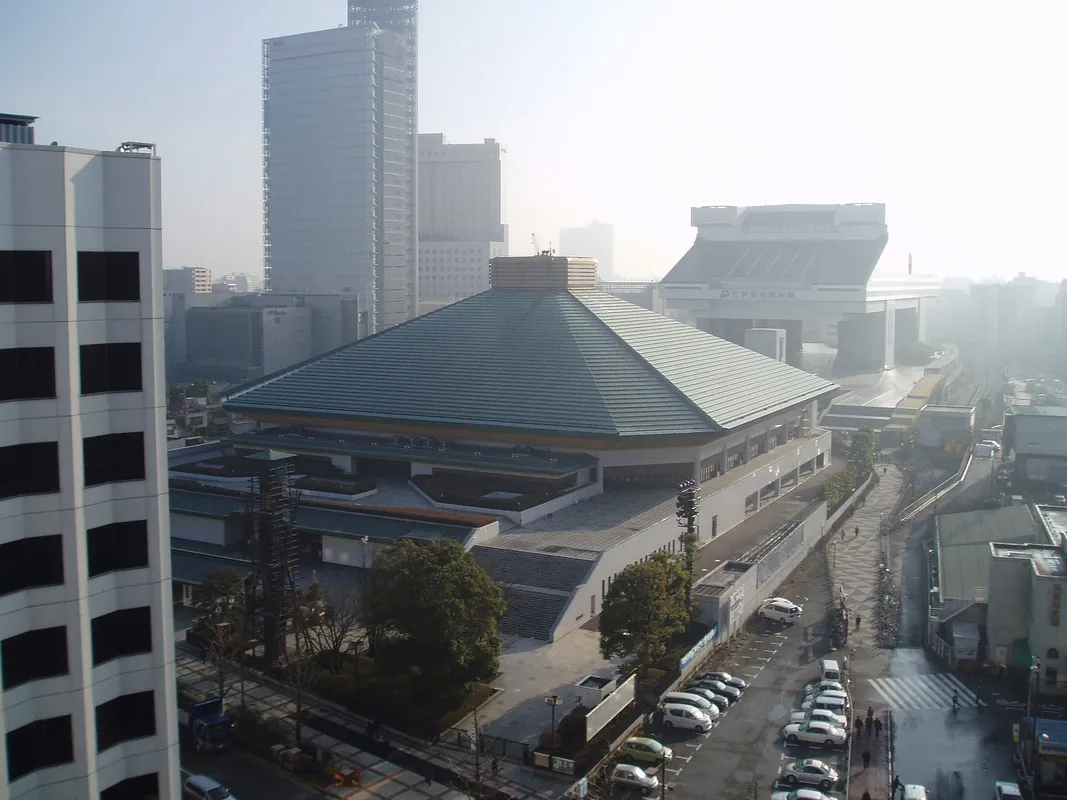
🤼An Authentic Sumo Wrestling Experience
e.g., Sumo Tournament at Ryogoku Kokugikan, Sumo Museum
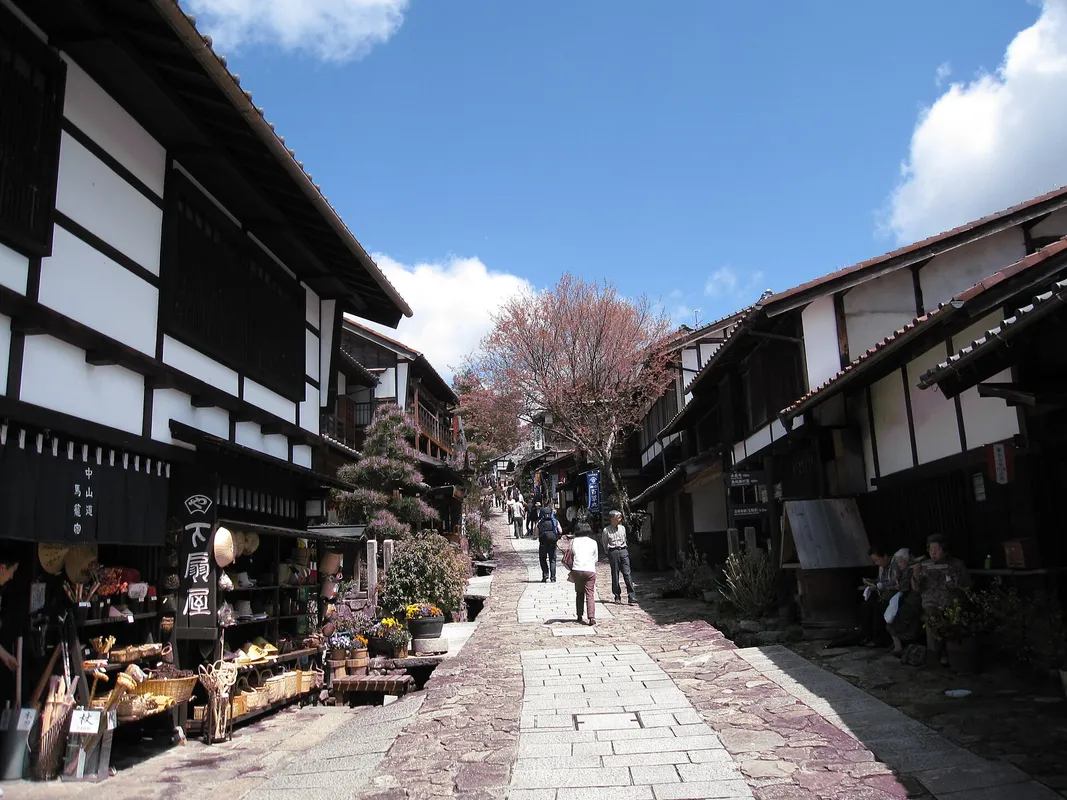
🚶A Historic Post Town Walk
e.g., Magome-juku, Tsumago-juku
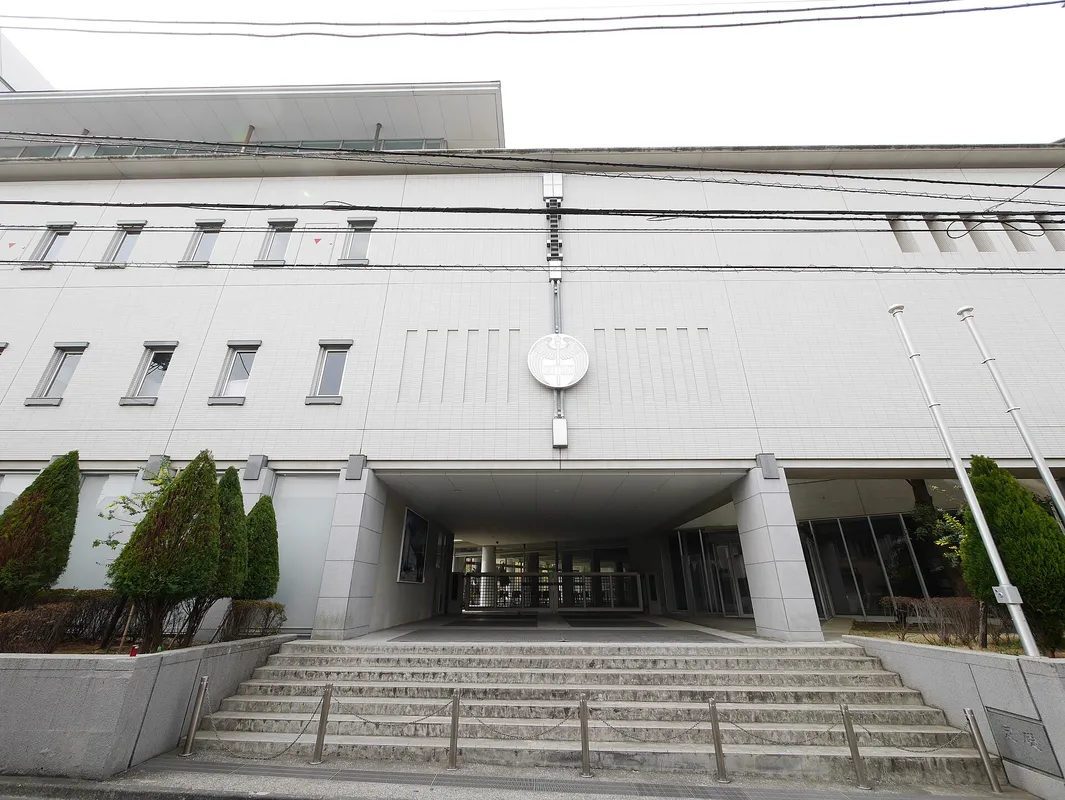
🏘️An Off-the-Beaten-Path Neighborhood Exploration
e.g., Shimokitazawa, Kichijoji
Create Your Custom Version
You Might Also Like
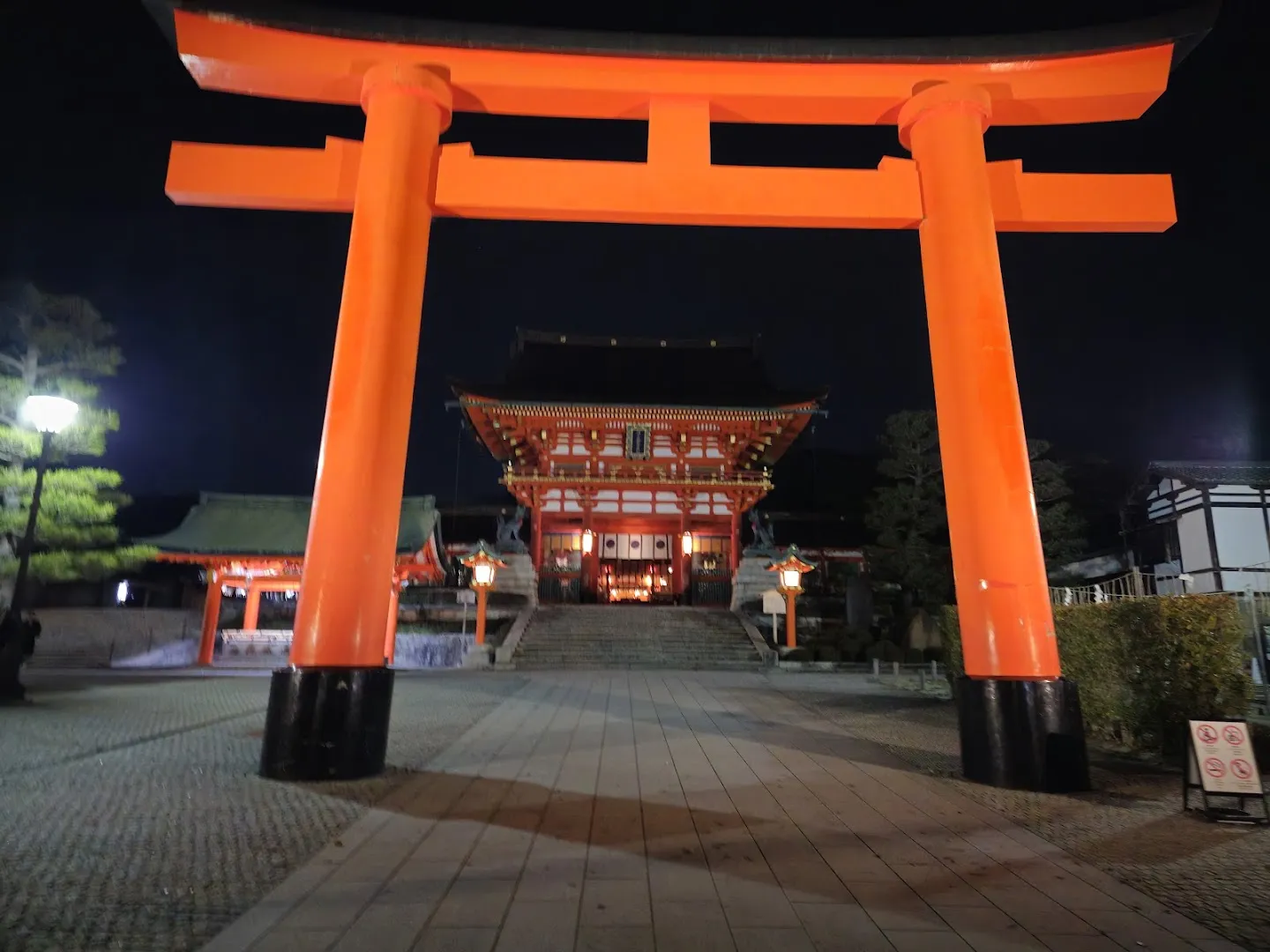
Kyoto, Japan; Tokyo, Japan
Japan
This packed 7-day journey spans Kyoto and Tokyo for a couple, beginning with 3 nights in Kyoto to explore Fushimi Inari Shrine, Kiyomizu-dera, and the Arashiyama Bamboo Grove, based in the Gion area. A Shinkansen ride then transports you to Tokyo for 4 nights, immersing you in Shibuya Crossing,...

Kyoto, Japan
Japan
This packed 3-day trip immerses a couple in Kyoto's ancient charm, based in one central hotel. Begin with an early morning ascent of Fushimi Inari-taisha's torii gates, explore the historic Higashiyama district, and wander through Arashiyama's iconic Bamboo Grove. This focused itinerary includes...
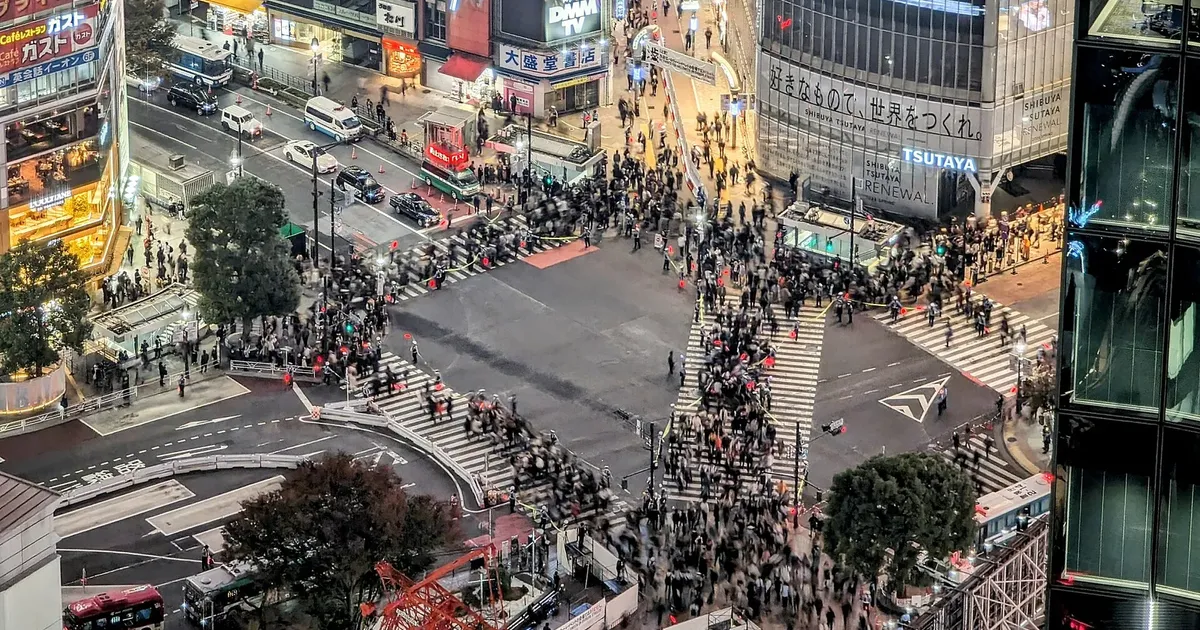
Tokyo, Japan
Japan
This packed 3-day Tokyo journey for a couple delves into contrasting districts, blending traditional spiritual sites like Sensō-ji Temple in Asakusa with the cutting-edge digital art of teamLab Planets TOKYO. Explore the iconic Shibuya Crossing, enjoy a performance at Kabuki-za Theatre, and...

Beijing, China; Shanghai, China; Kyoto, Japan; Tokyo, Japan
Japan
This 14-day trip spans China and Japan, starting with 4 nights in Beijing to explore the Forbidden City and Great Wall, followed by 3 nights in Shanghai to see The Bund and Pudong skyline. A flight then takes you to Japan for 4 nights in Kyoto (Fushimi Inari Shrine, Arashiyama Bamboo Grove), and...