
Your 10-Day China & Uzbekistan Trip: Forbidden City & Beyond
This 10-day trip for a couple explores two ancient cultural centers: Beijing, China, for imperial history, and Samarkand, Uzbekistan, for Silk Road heritage. Begin with Beijing's Forbidden City, climb the Great Wall at Mutianyu, and explore the Hutong alleys before an intercontinental flight....
A cultural trip, for a couple, flying from New York, with a focus on cultural & history & nature
10-day trip
This itinerary prioritizes the core imperial history of China and the most iconic Silk Road heritage of Uzbekistan, offering depth in two distinct cultural spheres. It skips Bukhara, the 'Pearl of the Silk Road,' with its beautifully preserved Old City filled with ancient madrassas, minarets, and covered bazaars that feel like stepping back centuries. You also miss China's diverse landscapes, such as the dramatic high plateaus and ancient Tibetan monasteries in Gansu province or the famed pandas of Sichuan.
Add 3-4 days to include Bukhara, just a short, comfortable train ride from Samarkand, to fully immerse yourself in its compact, pedestrian-only Old City. Here, every turn reveals another ancient mosque, caravanserai, or a spice-scented covered bazaar, offering a more intimate and atmospheric Silk Road experience than Samarkand alone allows, with minimal added transit time between the two cities. This itinerary follows a balanced pace — intense sightseeing days alternate with recovery days for rest and spontaneous exploration.
Want a different pace? Create a custom version with your preferences.
Make this trip yours
Customize the pace, dates, budget, group size, kid ages, and interests — pick any combination and we'll replan from scratch.
Create My Custom ItineraryFREEYour itinerary covers 5 must-have experiences

Ancient Imperial Palaces & Fortifications
✓ Day 2: Forbidden City (Palace Museum)

Iconic Silk Road Architectural Marvels
✓ Day 6: Evening Stroll and Illumination at Registan Square

Monuments of the Timurid Empire
✓ Day 6: Visit Gur-e-Amir Mausoleum (Exterior Illumination)

Taste of Uzbek Cuisine & Hospitality
✓ Day 6: Dinner: Uzbek Plov in Samarkand

Vibrant Central Asian Bazaars
✓ Day 7: Siyob Bazaar Immersion
Photos from Wikimedia Commons, used under Creative Commons licenses. Individual credits shown on each photo.
08:00 AM - Arrive at Beijing Capital International Airport (PEK) & Hotel Transfer· 2 hrs
USD 15Arrive at Beijing Capital International Airport (PEK), clear immigration, and transfer to your hotel in the Dongcheng district. Take the Airport Express train to Dongzhimen (approximately 30 minutes), then a short taxi or metro ride to your accommodation to settle in after your international flight. This option balances cost-effectiveness with comfort for a jet-lagged arrival.
- Confirm hours on Maps
10:30 AM - Yonghegong Lama Temple· 2 hrs
📍Yonghegong Lama TempleDiscover the Yonghegong Lama Temple (Palace of Peace and Harmony Lamasery), a stunning Tibetan Buddhist monastery with exquisite halls, statues, and incense-filled courtyards. It's one of the largest and most important Tibetan Buddhist monasteries outside of Tibet, offering a deep spiritual and historical experience.
4.7(1,044 reviews)$$"🛕 Yonghe Temple (Lama Temple), Beijing Lama Temple, also known as Yonghe Temple, is one of the most peaceful and spiritually significant places to visit in Beijing. It is a comfortable and calming place for prayer, reflection, and gratitude. Today is the first day of the Lunar calendar in 2026, a very special and auspicious day. Many people come here to pray for health, prosperity, and good fortune for the new year. When you enter, you purchase an admission ticket for RMB 25. After entering, visitors can receive incense sticks to offer prayers and express gratitude according to their own beliefs. The atmosphere is respectful and serene, especially on important lunar dates. ⸻ 🏯 History of Lama Temple • The temple was originally built in 1694 during the Qing Dynasty as a residence for Prince Yong (who later became the Yongzheng Emperor). • In 1744, it was converted into a Tibetan Buddhist monastery and became one of the most important Tibetan Buddhist temples outside Tibet. • It is known for combining Han Chinese and Tibetan architectural styles, creating a unique cultural blend. • One of its most famous features is the 18-meter tall Maitreya Buddha statue, carved from a single piece of white sandalwood. This statue is listed in the Guinness World Records. Today, Lama Temple remains an active place of worship for Tibetan Buddhism and a cultural landmark in Beijing. It represents harmony between different Buddhist traditions and is considered a powerful place for spiritual blessings."— Julianty
12:30 PM - Lunch: Northern Chinese Cuisine near Yonghegong· 1 hr
USD 18Zhajiangmian (Fried Sauce Noodles)Savor local Northern Chinese dishes at a restaurant in the Dongcheng district, close to the Lama Temple. Try traditional Beijing noodles (Zhajiangmian) or savory dumplings for an authentic taste of the region.
Best around Dongcheng- Confirm hours on Maps
01:30 PM - Beijing Confucius Temple and Imperial College· 1 hr 30 min
📍Beijing Confucius Temple and Imperial CollegeExplore the second-largest Confucian temple in China and the former highest institute of learning, the Imperial College (Guozijian). Wander through peaceful courtyards, ancient cypress trees, and examine steles carved with classical texts, offering insight into China's imperial education and philosophy.
4.6(52 reviews)"The Confucius Temple and Imperial College Museum (Guozijian) is a fascinating cultural complex that brings together philosophy, education, and history in one place. The Confucius Temple, shaded by ancient cypress trees, offers a serene environment where visitors can admire beautifully carved stone steles, traditional halls, and inscriptions dedicated to Confucius and his teachings. It feels peaceful and less crowded than many other sites in Beijing, making it easy to appreciate the atmosphere. Right next door, the Imperial College Museum (Guozijian) is equally impressive. As China’s highest educational institution during the Yuan, Ming, and Qing dynasties, it showcases the country’s long tradition of scholarship. The central hall, once where emperors lectured to students, is grand yet elegant. Exhibits inside the museum explain the imperial examination system and the importance of Confucian values in governance and education. Together, these two sites provide a thoughtful glimpse into China’s intellectual and cultural heritage. Conveniently located near the Lama Temple, they are well worth visiting for anyone interested in history, philosophy, or traditional architecture."— Wisanu Tuntawiroon
- Confirm hours on Maps
03:00 PM - Stroll through Wudaoying Hutong· 1 hr 30 min
FREE📍Wudaoying HutongWander through the charming Wudaoying Hutong, one of Beijing's best-preserved and liveliest traditional alleyways. Observe local life, traditional architecture, and browse unique shops and cafes in this revitalized neighborhood, providing a glimpse into Beijing's urban 'nature' and local culture.
4.4(25 reviews)"The best Hutong in Beijing with plenty of contemporary cafe, fashion, design shops and bars here. Although the house was builded over hundreds years ago, but it feels really interesting when it inject with modern element. If you love to take photo, it would be a very good place."— Martin C
07:00 PM - Dinner: Beijing Street Food or Local Eatery· 1 hr
USD 18Jianbing (Savory Chinese Crepe)Enjoy a casual dinner of authentic Beijing street food specialties or at a local eatery in the Dongcheng area. Options might include Roujiamo (Chinese hamburger), Jianbing (savory crepe), or various noodle dishes, providing a delicious and affordable cultural experience.
Best around Dongcheng
Dongcheng
Dongcheng is centrally located, offering easy access to historical sites like the Lama Temple and Confucius Temple, as well as several charming hutongs. It's well-connected by metro and provides a good mix of local charm and modern amenities, making it ideal for exploring Beijing's cultural and historical core.
- Confirm hours on Maps
06:30 AM - Beihai Park· 2 hrs
📍Beihai ParkWander through one of Beijing's oldest and best-preserved imperial gardens. Enjoy the scenic lake, explore the iconic White Dagoba Temple, and appreciate the serene landscapes.
4.5(1,678 reviews)"🌿 Calm and Beautiful — Beihai Park, Beijing (北海公园) ⭐⭐⭐⭐⭐ (5/5) I recently visited Beihai Park in Beijing, China. Though I couldn’t explore the entire park, the part I did see was truly beautiful. 🌸 🚶♂️ Peaceful Walk by the Lake: I walked along the lakeside — the view was calm and refreshing. I was lucky to see a few beautiful mandarins (ducks) swimming in the lake. They looked absolutely gorgeous, and I was mesmerized by their colors and elegance. 🦆✨ 🌳 Nature & Atmosphere: The trees in the park were amazing — tall, green, and perfectly maintained. The entire place felt peaceful, full of fresh air and natural charm. 💭 Impression: Even though I didn’t get the chance to see everything, the little time I spent there was worth it. It’s a great spot to relax, take photos, and enjoy nature in the middle of busy Beijing. 📸 I’ve uploaded some of my favorite photos — hope you enjoy them! ✨ Next Time: I’d love to spend more time exploring the whole park and maybe take a boat ride on the lake. Highly recommended for anyone visiting Beijing! 💡 Travel Tip: Visit Beihai Park in the early morning or late afternoon for the best light and peaceful views by the lake. 🌅"— Rajib Patowary
- Confirm hours on Maps
08:30 AM - Tiananmen Square· 1 hr
FREE📍Tiananmen SquareBegin your day at the world's largest public square, a site of immense historical and cultural significance in China.
4.4(6,639 reviews)"Visiting Tian’anmen Square is one of those moments where you truly feel the weight of history. As one of the largest public squares in the world, the sheer scale alone is awe-inspiring. Standing in the middle of the vast open space, surrounded by monumental landmarks like the Great Hall of the People, the National Museum of China, and the iconic Tian’anmen Gate, you immediately sense the importance this place holds in China’s cultural and political identity. The square is meticulously maintained — clean, orderly, and beautifully structured. Crowds are expected, but the space is so expansive that it rarely feels overwhelming. Security is tight but efficient, giving you a sense of safety while you explore. If you visit in the morning or late afternoon, the lighting is perfect for photos, and you can capture some truly iconic shots with the towering flagpole or Tian’anmen Gate behind you. Being here also gives you a deeper appreciation of China’s modern history, especially when you see the Monument to the People’s Heroes and the patriotic atmosphere surrounding the flag-raising ceremonies. It’s a place where the past and present stand side by side. Whether you come for the architecture, the history, or simply to experience one of the most symbolic places in China, Tian’anmen Square is a must-visit landmark in Beijing."— Crumpled Nomad
- 📍Forbidden City
Step into the former imperial palace, a UNESCO World Heritage site, exploring its grand halls, courtyards, and ancient artifacts that once housed Chinese emperors.
4.6(16,548 reviews)$$$$"The Forbidden City isn't just a tourist attraction; it's a breathtaking, soul-stirring journey into the very heart of Chinese history and imperial grandeur. From the moment you pass through the mighty Meridian Gate, you are transported into a world of awe-inspiring scale and intricate beauty that absolutely earns every one of its five stars. The sheer size is overwhelming in the best possible way. Walking across the vast courtyards, flanked by majestic halls with their iconic yellow-glazed tile roofs, makes you feel the immense weight of history. This was the center of the universe for Ming and Qing emperors for nearly 500 years, and you can palpably sense that power. The architectural precision and symbolism are mind-blowing. Every color, every statue (like the guardian lions), and every number of roof figures has a meaning, revealing a profound cosmology woven into stone and wood. While the grand halls (like the Hall of Supreme Harmony) are the stars, the true magic often lies in the quieter details: the exquisite dragon motifs on marble railings, the surprisingly beautiful Nine-Dragon Screen, and the glimpses into the more intimate living quarters of the emperors and their consorts. The Palace Museum's collection of artifacts, from ceremonial clocks to jade ornaments, is equally stunning. Yes, it can be crowded, but that’s a testament to its universal draw. Go early, be patient, and let yourself get lost in the side corridors. The recent digital exhibitions and excellent audio guides also enhance the experience, offering fascinating context. More than just a collection of buildings, the Forbidden City is a masterpiece of human ambition, art, and philosophy. It’s a humbling and unforgettable experience that stays with you long after you exit through the Gate of Divine Prowess. It is, without any exaggeration, a world treasure and an absolute must-visit in Beijing. Prepare for sore feet and a full heart – it is worth every single step."— Udara Rathnayake
01:00 PM - Lunch: Northern Chinese Cuisine in Qianmen· 1 hr
USD 18ZhajiangmianEnjoy a delicious Northern Chinese meal in the historic Qianmen area, known for its traditional eateries. Try local specialties like Zhajiangmian.
Best around Qianmen- Confirm hours on Maps
02:00 PM - Jingshan Park· 1 hr 30 min
📍Jingshan ParkClimb to the summit of Jingshan Park, directly north of the Forbidden City, for breathtaking panoramic views of the entire imperial palace complex and the Beijing skyline.
4.6(1,374 reviews)"🌸 Peaceful Escape in the Heart of Beijing — Jingshan Park (景山公园) ⭐⭐⭐⭐⭐ (5/5) I recently visited Jingshan Park in Beijing, China — and absolutely loved the place! 🌿 🏞️ Beautiful Scenery: The park is surrounded by green trees, colorful flowers, and traditional Chinese pavilions. It’s clean, calm, and full of natural beauty. ⏰ Short but Sweet Visit: Our tour company allowed only a short stay, so we couldn’t climb to the top of the hill. Still, even from the lower level, the park looked amazing and offered great photo spots. 💭 Impression: It’s peaceful, well-maintained, and perfect for a relaxing walk or photography. The atmosphere is truly refreshing — you can feel both nature and culture blending together. 📸 Photos: I’ve uploaded some of my favorite pictures — hope you enjoy them as much as I enjoyed the visit! ✨ Next Time: I’ll definitely hike up to the hilltop to see the panoramic view of Beijing city. Highly recommended for anyone visiting Beijing!"— Rajib Patowary
07:30 PM - Dinner: Beijing Hot Pot in Houhai Area· 1 hr
USD 25Beijing Hot PotSavor a communal and interactive Beijing hot pot experience in the lively Houhai area, known for its scenic lake and vibrant dining scene. Choose from various broths and fresh ingredients.
Best around Houhai Area
Dongcheng
Excellent central location with easy access to major historical sites like the Forbidden City and Tiananmen Square, vibrant hutong areas, and a wide array of dining options. Good public transport connections for exploring further.
08:00 AM - Travel to Mutianyu Great Wall· 1 hr 30 min
FREEEmbark on a scenic journey northeast of Beijing to the Mutianyu section of the Great Wall, renowned for its beautiful surroundings and well-preserved sections.
- Confirm hours on Maps
09:30 AM - Mutianyu Great Wall· 4 hrs 30 min
USD 23Live price on Klook →📍Mutianyu Great WallExplore the majestic Mutianyu section of the Great Wall. Take a cable car or chairlift up to the wall and spend several hours walking along its ancient battlements, enjoying breathtaking panoramic views of the surrounding mountains and forests. This section is known for its watchtowers and less crowded experience.
4.8(1,324 reviews)"Visited the Mutianyu section of the Great Wall during our trip to Beijing, and it was one of the highlights of the journey. This section is well preserved, scenic, and much more comfortable to explore compared to the more crowded areas. The views of the wall stretching across the mountains were stunning and well worth the trip. The facilities are well organised, with clear signage and options like the cable car and toboggan, which made the visit enjoyable and less physically demanding. Walking along the wall was quite tiring though but there is plenty of space to stop for photos and take in the scenery. Highly recommended for couples looking for a memorable and scenic Great Wall experience near Beijing."— Zhang Qingye
02:00 PM - Lunch: Local Chinese Cuisine near Mutianyu· 1 hr
USD 18Dumplings or NoodlesEnjoy a hearty lunch featuring local Chinese dishes at an eatery in the village near the Great Wall.
Best around Mutianyu Village03:00 PM - Travel back to Beijing· 1 hr 30 min
FREEReturn journey from the Great Wall to central Beijing.
- Confirm hours on Maps
04:30 PM - Explore 798 Art Zone· 2 hrs 30 min
FREE📍798 Art ZoneImmerse yourself in Beijing's contemporary art scene at the 798 Art Zone, a former factory complex transformed into a vibrant district of galleries, studios, and shops. Wander through the industrial-chic spaces, admire diverse artworks, and soak in the creative atmosphere.
4.5(603 reviews)"Overall a decent place to check out if you are into the arts scene. Do note however that the layout can be slightly confusing and the signs around aren’t very helpful. Toilets are nothing compared to the western style ones and you need to come prepared with your own tissue paper."— Jonathan S
07:00 PM - Dinner: Szechuan Cuisine in Sanlitun· 1 hr
USD 18Savor the bold and spicy flavors of Szechuan cuisine in the lively Sanlitun district, known for its diverse dining options.
Dongcheng
Dongcheng offers excellent access to many of Beijing's key historical and cultural sites, including the Forbidden City and multiple temples, often within walking distance or a short subway ride. It boasts a mix of traditional hutongs and modern amenities, providing a great base for exploring the city with abundant dining options.
- Confirm hours on Maps
08:30 AM - Temple of Heaven· 3 hrs 30 min
📍Temple of HeavenExplore the magnificent Temple of Heaven, where emperors once performed annual rites for good harvests. Wander through the vast park, witness locals practicing Tai Chi, and marvel at the iconic Hall of Prayer for Good Harvests.
4.6(3,434 reviews)$$$$"Visiting the Temple of Heaven was one of the most meaningful and calming experiences of our Beijing trip. This UNESCO World Heritage Site is not just visually stunning, but deeply symbolic in Chinese history and philosophy. Built during the Ming Dynasty, the Temple of Heaven was where emperors once came to pray for good harvests, believing they were the “Son of Heaven” responsible for maintaining harmony between heaven and earth. The architecture is elegant and precise, especially the Hall of Prayer for Good Harvests, with its iconic blue-tiled roof and intricate wooden structure built without a single nail. Walking through the expansive grounds, you really feel the sense of balance and order that ancient Chinese cosmology emphasised. The layout, proportions, and symmetry are all intentional and meaningful. What I enjoyed most was the atmosphere. Locals gather here daily to exercise, practice tai chi, sing, or simply chat, giving the park a lively yet peaceful energy. It’s a wonderful place to slow down, observe local life, and reflect. Overall, the Temple of Heaven is more than just a tourist attraction — it’s a place where history, spirituality, architecture, and everyday life intersect beautifully. A must-visit when in Beijing."— Crumpled Nomad
12:30 PM - Lunch: Beijing Noodle House near Temple of Heaven· 1 hr
USD 18ZhajiangmianEnjoy a traditional Northern Chinese lunch, perhaps hand-pulled noodles or dumplings, at a local eatery in the bustling area surrounding the Temple of Heaven.
- Confirm hours on Maps
02:00 PM - Explore Dashilar and Qianmen Street· 2 hrs
FREE📍Dashilar and Qianmen StreetStep back in time on Dashilar, one of Beijing's oldest commercial streets, then stroll along the pedestrianized Qianmen Street, famous for its traditional shops, tea houses, and historical architecture.
4.4(311 reviews)"Is actually called Dashilar, and is split into the west and east streets. But the main attractions are along the east, with its spectacularly mindblowing building facades. It’s not a long street, but it’s definitely worth every minute of your time to check it out. Don’t miss the east section if you’re on Qianmen Emperor’s Street anyway."— Johnny S.
- Confirm hours on Maps
04:30 PM - Wander Liulichang Cultural Street· 1 hr 30 min
FREE📍Liulichang Cultural StreetDiscover traditional Chinese arts, crafts, and curiosities on Liulichang Cultural Street, known for its antique shops, calligraphy supplies, and traditional painting stores. It's a glimpse into Beijing's artistic heritage.
4.2(21 reviews)"Highly recommend! One most visit in the evening, it looks so beautiful. It has a tram, flea market, branded stores, street shopping, street food, fine dine restaurants, …. or go just for a stroll. Free entry but foreigners must carry passports."— Manpreeth Nishter
07:30 PM - Dinner: Peking Duck in Wangfujing· 1 hr 15 min
USD 28Peking DuckSavor the iconic Peking Duck, a quintessential Beijing culinary experience, at a restaurant in the bustling commercial district of Wangfujing.
Dongcheng
Central to many major attractions like the Forbidden City and Temple of Heaven, with excellent subway connections and a wide variety of dining options.
- Confirm hours on Maps
10:00 AM - Prince Gong's Mansion· 2 hrs 30 min
USD 15Live price on Klook →📍Prince Gong's MansionExplore the largest and best-preserved imperial residence from the Qing Dynasty, featuring exquisite gardens, grand halls, and a rich history. This extensive complex offers a deep dive into aristocratic life.
4.4(1,031 reviews)$"Prince Gong Mansion is a place of great historical value and cultural significance. The architecture and gardens are truly impressive and reflect the richness of Qing Dynasty history. However, it is often very crowded, especially during peak hours, which can make the visit feel less peaceful. It is still worth visiting, but arriving early is highly recommended."— Lyn Na Đỗ Hoàng
12:30 PM - Lunch: Traditional Beijing Noodles in Xicheng· 1 hr
USD 18ZhajiangmianEnjoy a comforting bowl of Zhajiangmian (fried sauce noodles) or other local noodle dishes at a traditional eatery in the Xicheng district.
- Confirm hours on Maps
02:00 PM - Ascend the Bell and Drum Towers· 1 hr 30 min
📍Bell and Drum TowersClimb to the top of the ancient Bell and Drum Towers, two iconic landmarks that once served as the city's official timekeepers, offering panoramic views of the surrounding hutongs.
4.5(30 reviews)"At the northern end of Beijing's inner city axis stand the Drum Tower (鼓樓 - Gǔlóu) and the Bell Tower (鐘樓 - Zhōnglóu), the two towers that traditionally kept time in old Beijing. The red, 46.7-meter-high Drum Tower and the gray, 47.95-meter-high Bell Tower were built in 1272 during the Yuan Dynasty and had to be rebuilt or restored several times. In 1420, the Yongle Emperor had the tower rebuilt slightly east of its original site to align with the axis of the Forbidden City. The towers were built to keep time by the beating of 24 giant drums and a 42-ton bronze bell, and continued to do so for 652 years until the Nationalist government replaced the towers with Western timekeeping methods in 1924. The towers subsequently served various purposes until the municipal government began their restoration in the early 1980s. In 1987, the Drum Tower officially opened to the public, followed two years later by the Bell Tower. Since 2001, the two towers have once again sounded a time signal twice a day. In 2024, the towers became a UNESCO World Heritage site as part of the "Beijing Central Axis" site. The towers are located in the heart of a hutong district, making a visit easy to combine with a stroll through a traditional Chinese quarter."— Koen
- Confirm hours on Maps
03:30 PM - Wander Nanluoguxiang Hutong· 1 hr 30 min
FREE📍NanluoguxiangStroll through Nanluoguxiang, one of Beijing's oldest and best-preserved hutongs, now a lively pedestrian street filled with traditional courtyards, unique boutiques, and cafes.
4.3(79 reviews)"Happened to stay near to this Hutong. Love to walk along this street, gave me kind of feeling walking like olden days, must be great. Do watch out for motorcycles coming from front of back, usually they will honk but they can be riding quite fast. It's more beautiful at the night. Definitely a must-go!"— M L
07:30 PM - Dinner: Yunnan Cuisine in Gulou· 1 hr 15 min
USD 20Over-the-Bridge Noodles (Guòqiáo Mǐxiàn)Savor the distinct flavors of Yunnan cuisine, known for its fresh ingredients and diverse spices, in the vibrant Gulou area, offering a different regional Chinese culinary experience.
Dongcheng
The Dongcheng district remains the best base for its central location, proximity to historic sites, excellent metro connections, and a wide array of dining options.
06:30 AM - Breakfast: Local pastries and tea· 45 min
USD 8Pastries, TeaEnjoy a quick breakfast of local pastries and freshly brewed tea near your hotel before heading to the airport.
08:00 AM - Inter-city Flight: Beijing to Samarkand· 12 hrs
USD 280Depart from Beijing Capital International Airport (PEK) for your journey to Samarkand International Airport (SKD), including layovers. This is a significant travel day.
12:00 PM - Lunch: Onboard flight or during layover· 1 hr
FREEEnjoy a meal provided on your flight or during a layover on your journey to Samarkand.
- Closes 7 PM · 1.5h hereConfirm hours on Maps
05:30 PM - Visit Gur-e-Amir Mausoleum (Exterior Illumination)· 1 hr
FREE📍Gur-e-Amir MausoleumAdmire the stunning turquoise dome and intricate mosaic work of the Gur-e-Amir Mausoleum, the final resting place of Timur and his descendants, beautifully lit at night. A peaceful and historically rich sight.
4.7(5,417 reviews)"Gur-i Amir Complex – Timur's Eternal Legacy The Gur-i Amir Complex, home to Amir Temur's mausoleum, is one of the most poignant historical treasures in Uzbekistan. From the moment you approach, you're captivated by its sky-blue dome, ribbed minarets, and jade portal adorned with Arabic script. Despite its central location and popularity, the site feels serene, impeccably maintained, and profoundly inspiring. You can discover everything here: ornate cenotaphs of turquoise marble, intricate muqarnas vaults, family tombs of the Timurid dynasty, and courtyards echoing with centuries of reverence. What stands out most is the masterful craftsmanship — artisans blended Persian, Indian, and Central Asian styles to create a monument that radiates power and peace. During golden hour, the complex glows with warm light filtering through the tiles. Pilgrims and tourists mingle respectfully, sharing stories amid the quiet grandeur that bridges past and present. Tickets are affordable, and the atmosphere invites contemplation. One of the most evocative areas is the crypt chamber, where the heavy marble slabs and flickering lanterns evoke the conqueror's unyielding spirit. Standing there feels like communing with history itself. Visiting Gur-i Amir is not just a tour — it’s a brush with empire. As a travel expert in Central Asia, I highly recommend this majestic site."— Doca Tours
- Closes 8 PM · 1.5h hereConfirm hours on Maps
06:30 PM - Evening Stroll and Illumination at Registan Square· 1 hr 30 min
FREE📍Registan SquareExperience the awe-inspiring beauty of Registan Square as its madrasahs are dramatically lit against the night sky. Enjoy a relaxed walk around the exterior, perfect for photos and soaking in the atmosphere.
4.8(15,284 reviews)"Registan Square – The Heart of Uzbek Heritage Registan Square is one of the most breathtaking historical complexes in Uzbekistan, a true masterpiece of Timurid architecture. From the moment you step into the square, you're surrounded by towering madrasas with intricate tilework, domes glistening in the sun, and an aura of timeless grandeur. Despite its fame and crowds, the site feels remarkably preserved, accessible, and full of life. You can explore every detail here: ornate portals with turquoise mosaics, intricate geometric patterns, minarets reaching for the sky, and courtyards that whisper stories of scholars and astronomers from centuries past. What stands out most is the sheer scale and artistry — these structures have endured earthquakes and invasions, standing as symbols of Samarkand's golden age. In the evenings, the square comes alive with light shows that illuminate the facades in vibrant colors. Locals and visitors alike gather to admire, photograph, and soak in the magic, blending history with modern wonder. Entry fees are fair, and guides are passionate and knowledgeable. One of the most mesmerizing spots is under the stars at night, where the illuminated madrasas create a scene straight out of a fairy tale. Watching the play of light on the tiles feels like traveling through time. Visiting Registan Square is not just sightseeing — it’s a soul-stirring journey. As a travel expert in Central Asia, I highly recommend this iconic gem."— Doca Tours
08:00 PM - Dinner: Uzbek Plov in Samarkand· 1 hr
USD 18Plov, SamsaSavor a traditional Uzbek Plov, a hearty rice dish with meat and vegetables, accompanied by fresh salads, in a local eatery near the historic Registan Square.
Old City / Registan Area
Stay in the heart of Samarkand's historic center, offering easy walking access to Registan Square, Gur-e-Amir, and other iconic Silk Road monuments, along with numerous local restaurants.
- Confirm hours on Maps
09:00 AM - Registan Square Exploration· 3 hrs
📍Registan SquareBegin your day with an in-depth exploration of the iconic Registan Square, visiting the three magnificent madrassas: Ulugbek, Sher-Dor, and Tilya-Kori. Marvel at their intricate tilework, grand portals, and historical significance as centers of learning and worship.
4.8(15,284 reviews)"Registan Square – The Heart of Uzbek Heritage Registan Square is one of the most breathtaking historical complexes in Uzbekistan, a true masterpiece of Timurid architecture. From the moment you step into the square, you're surrounded by towering madrasas with intricate tilework, domes glistening in the sun, and an aura of timeless grandeur. Despite its fame and crowds, the site feels remarkably preserved, accessible, and full of life. You can explore every detail here: ornate portals with turquoise mosaics, intricate geometric patterns, minarets reaching for the sky, and courtyards that whisper stories of scholars and astronomers from centuries past. What stands out most is the sheer scale and artistry — these structures have endured earthquakes and invasions, standing as symbols of Samarkand's golden age. In the evenings, the square comes alive with light shows that illuminate the facades in vibrant colors. Locals and visitors alike gather to admire, photograph, and soak in the magic, blending history with modern wonder. Entry fees are fair, and guides are passionate and knowledgeable. One of the most mesmerizing spots is under the stars at night, where the illuminated madrasas create a scene straight out of a fairy tale. Watching the play of light on the tiles feels like traveling through time. Visiting Registan Square is not just sightseeing — it’s a soul-stirring journey. As a travel expert in Central Asia, I highly recommend this iconic gem."— Doca Tours
- Confirm hours on Maps
12:00 PM - Gur-e-Amir Mausoleum Interior Visit· 1 hr 30 min
📍Gur-e-Amir MausoleumStep inside the majestic Gur-e-Amir Mausoleum, the final resting place of Amir Temur (Tamerlane) and his descendants. Admire the stunning fluted turquoise dome and the rich interior decorations, including gilded calligraphy and marble panels.
4.7(5,417 reviews)"Gur-i Amir Complex – Timur's Eternal Legacy The Gur-i Amir Complex, home to Amir Temur's mausoleum, is one of the most poignant historical treasures in Uzbekistan. From the moment you approach, you're captivated by its sky-blue dome, ribbed minarets, and jade portal adorned with Arabic script. Despite its central location and popularity, the site feels serene, impeccably maintained, and profoundly inspiring. You can discover everything here: ornate cenotaphs of turquoise marble, intricate muqarnas vaults, family tombs of the Timurid dynasty, and courtyards echoing with centuries of reverence. What stands out most is the masterful craftsmanship — artisans blended Persian, Indian, and Central Asian styles to create a monument that radiates power and peace. During golden hour, the complex glows with warm light filtering through the tiles. Pilgrims and tourists mingle respectfully, sharing stories amid the quiet grandeur that bridges past and present. Tickets are affordable, and the atmosphere invites contemplation. One of the most evocative areas is the crypt chamber, where the heavy marble slabs and flickering lanterns evoke the conqueror's unyielding spirit. Standing there feels like communing with history itself. Visiting Gur-i Amir is not just a tour — it’s a brush with empire. As a travel expert in Central Asia, I highly recommend this majestic site."— Doca Tours
01:30 PM - Lunch: Uzbek Lagman near Gur-e-Amir· 1 hr
USD 15Savor a delicious and hearty bowl of Lagman, a traditional Uzbek hand-pulled noodle soup with meat and vegetables, at a local eatery near the Gur-e-Amir Mausoleum.
- Confirm hours on Maps
02:30 PM - Bibi-Khanym Mosque Exploration· 1 hr 30 min
📍Bibi-Khanym MosqueVisit the enormous Bibi-Khanym Mosque, once one of the largest mosques in the Islamic world. Marvel at its impressive scale, vibrant blue domes, and intricate tilework, imagining its former grandeur.
4.6(2,587 reviews)"Bibi-Khanym Mosque – Timur's Grand Vision Bibi-Khanym Mosque is one of the grandest architectural marvels in Uzbekistan, built by Timur in Samarkand after his 1399 Indian conquest. From the moment you approach its massive pishtaq portal rising 38 meters high with turquoise tiles and Quranic inscriptions, you're awed by the sheer scale, flanked by minarets and leading to vast courtyards. Despite past earthquakes and restorations, the site feels majestic, spiritually resonant, and remarkably preserved. You can explore everything here: the enormous central dome (once the world's largest), four-iwan layout with marble columns, intricate mosaic panels of floral motifs and Arabic script, plus the adjacent mausoleum of Timur's wife. What stands out most is the ambitious engineering — constructed in just five years (1399-1404) with 500 stonemasons, blending Persian and Timurid styles into an enduring symbol of imperial power. At sunset, golden light bathes the tiles, drawing prayerful locals and fascinated tourists. Families picnic nearby while guides share legends of Timur's beloved queen, merging faith with folklore. Tickets are affordable, and the site's proximity to Siyob Bazaar adds convenience. One of the most striking features is the towering main iwan, where restored muqarnas vaults create an illusion of infinity. Standing beneath feels like gazing into Timur's dream of eternity. Visiting Bibi-Khanym Mosque is not just sightseeing — it’s architectural time travel. As a travel expert in Central Asia, I highly recommend this Timurid icon."— Doca Tours
- Closes 7 PM · 3h here⚠️ Closed on MondayConfirm hours on Maps
04:00 PM - Siyob Bazaar Immersion· 1 hr 30 min
FREE📍Siyob BazaarImmerse yourself in the bustling atmosphere of Siyob Bazaar, Samarkand's vibrant main market. Explore stalls brimming with fresh produce, aromatic spices, dried fruits, nuts, and local handicrafts. A great place to observe local life and traditions.
4.5(3,863 reviews)"Siyob Bozori – Samarkand's Bustling Marketplace Siyob Bazaar is one of the largest and most vibrant markets in Samarkand, Uzbekistan, a true hub of local commerce and culture. From the moment you pass through its iconic triple-arched entrance adorned with blue majolica tiles, you're immersed in a world of fresh produce, spices, and lively trading under massive domed pavilions. Despite its vast size covering over 7 hectares and constant crowds, the bazaar feels surprisingly organized, clean, and full of authentic energy. You can find everything here: juicy pomegranates and melons from local farms, aromatic spices and dried fruits, stacks of golden Samarkand naan, nuts, handicrafts, and souvenirs perfect for travelers. What stands out most is the incredible freshness and variety — farmers bring their goods daily, offering an unbeatable taste of Uzbek daily life at bargain prices. On weekends, the bazaar explodes with even more activity as locals haggle, sample treats, and socialize. Vendors call out warmly while shoppers weave through the arcades, blending commerce with community spirit near landmarks like Bibi-Khanym Mosque. Entry is free, and it's open from early morning till evening. One of the most delightful sections is the bread stalls, where massive naan loaves emerge steaming from tandoors, filling the air with irresistible scents. Browsing these feels like stepping into a living Silk Road tableau. Visiting Siyob Bozori is not just shopping — it’s a sensory dive into Uzbekistan. As a travel expert in Central Asia, I highly recommend this market marvel"— Doca Tours
- Confirm hours on Maps
05:30 PM - Shahi-Zinda Necropolis Wander· 2 hrs
📍Shahi-Zinda NecropolisStroll through the mesmerizing Shahi-Zinda Necropolis, an 'avenue of mausoleums' adorned with breathtaking blue and turquoise tilework. This spiritual complex houses the tombs of royalty and nobles, set within a peaceful, garden-like environment.
4.8(5,011 reviews)"Shah-i-Zinda – Necropolis of Living Kings Shah-i-Zinda is one of the most enchanting necropolises in Uzbekistan, a stunning avenue of mausoleums in Samarkand. From the moment you pass through the monumental blue-tiled portal, you're enveloped in a corridor of shimmering turquoise domes, intricate mosaics, and spiritual serenity. Despite its historical depth and visitor traffic, the complex feels remarkably intact, spiritually charged, and inviting. You can marvel at everything here: vibrant tilework with floral and geometric patterns, ribbed domes of the Timurid era, tombs of Tamerlane's relatives like Tuman Aka, and chartak gateways linking centuries of architecture from the 11th to 15th centuries. What stands out most is the dazzling variety of glazes and designs — each mausoleum tells a unique story of royal patronage and artistic brilliance. At dawn or dusk, sunlight dances across the tiles, bringing the facades to life. Pilgrims whisper prayers while tourists photograph in awe, fostering a timeless blend of devotion and discovery. Entry is reasonably priced, and the site's upkeep enhances its sacred aura. One of the most captivating sections is the upper cluster around Kusam ibn Abbas's mashhad, where the prophet's cousin is said to reside eternally, drawing you into legends of the "Living King." Wandering these passages feels like entering a jeweled timeline. Visiting Shah-i-Zinda is not just exploration — it’s a luminous pilgrimage. As a travel expert in Central Asia, I highly recommend this tiled wonder."— Doca Tours
07:30 PM - Dinner: Uzbek Shashlik in Samarkand Old City· 1 hr
USD 15Enjoy a traditional Uzbek dinner of Shashlik (grilled meat skewers, typically lamb or beef) accompanied by fresh salads and local bread at a welcoming chaihana in the Samarkand Old City area.
Old City / Registan Area
This area provides unparalleled access to Samarkand's most famous historical sites, including Registan Square, Gur-e-Amir Mausoleum, and Bibi-Khanym Mosque, all within comfortable walking distance. It also offers a rich selection of authentic local eateries.
- Confirm hours on Maps
09:00 AM - Khoja Daniyar Mausoleum· 1 hr
📍Khoja Daniyar MausoleumVisit the revered mausoleum, a sacred site believed to house the remains of the Old Testament prophet Daniel, drawing pilgrims from various faiths.
4.5(727 reviews)"A Mausoleum/shrine dedicated to the Prophet Daniel. You’ll need an entry ticket but is not expensive. You’re not able to take photos of the shrine and people come there to pray, but overall cool to see."— John Hernandez
- Confirm hours on Maps
10:00 AM - Explore Afrosiab Hill (Ancient Samarkand Ruins)· 2 hrs
FREE📍Afrosiab HillWander through the sprawling archaeological site of Afrosiab, the original location of Samarkand, and imagine the ancient city. Enjoy panoramic views of the modern city from the hills.
4.4(708 reviews)"Like many archaeological sites, the artifacts discovered here were carefully excavated and moved to museums, but I really appreciate that the area itself has been preserved in its original state instead of being built over. You can see the floorplan and the citadel’s position in relation to the old city — it gives a real sense of scale and history. Fascinating to think that Tamerlane himself never saw this site, as it was only uncovered in the 1960s! I also loved the short walk along the stone-lined path — it adds a bit of adventure. Just be prepared for quite an exposed, sunny path with a few flying bugs - cover up!"— Jen Wan
12:30 PM - Lunch: Uzbek Street Food near Afrosiab· 1 hr
USD 8Samsa or ShurpaSavor authentic Uzbek street food like samsa (savory pastry) or shurpa (hearty soup) from a local vendor or canteen in the northern part of Samarkand.
- Confirm hours on Maps
01:30 PM - Immerse in Konigil Tourist Village· 4 hrs
FREE📍Konigil Tourist VillageExperience traditional Uzbek rural life at Konigil Tourist Village, located along the Siab River. Observe the ancient craft of Samarkand paper-making, visit a local mill, and enjoy the serene riverside atmosphere.
4.3(137 reviews)"Konigil Tourist Village – Living Uzbek Traditions Konigil Tourist Village is one of the most authentic cultural escapes near Samarkand, just 13 km away by the Siab River. From the moment you arrive amid shady mulberry trees and clay-walled homes, you're immersed in rural Uzbekistan: water mills churning, women baking naan in tandoors, and artisans at work. Despite its tourist setup, the village feels genuinely lived-in, peaceful, and hands-on welcoming. You can experience everything here: Meros Paper Mill crafting silk paper by medieval methods, embroidery workshops, pottery spinning, rice fields and oil presses using ancient tech, plus tastings of fresh pilaf and Samarkand flatbread made on-site. What stands out most is the interactive authenticity—join masterclasses, bike through mahallas, meet villagers tending sesame or cotton, all in an eco-clean haven. Weekends bring folk music, craft demos, and family feasts under chinar trees. Locals share stories while travelers knead dough or pound mulberries, blending education with joy. Entry is free/low-cost; taxis from Samarkand run 20-30 minutes. One of the most magical spots is the paper workshop, where mulberry bark transforms into luminous sheets via 1,000-year-old steps. Watching feels like touching timeless ingenuity. Visiting Konigil is not just a day trip—it's village life revived. As a travel expert in Central Asia, I highly recommend this craftful retreat."— Doca Tours
07:30 PM - Dinner: Uzbek Plov in Russian Town Area· 1 hr
USD 8Enjoy a delicious dinner of Plov, Uzbekistan's national dish, at a local eatery in the Russian Town area of Samarkand, offering a different culinary ambiance.
Old City / Registan Area
Centrally located to major historical sites like Registan Square, Gur-e-Amir, and Bibi-Khanym Mosque, allowing for easy walking access to most attractions. Good access to local transport for further exploration.
- Confirm hours on Maps
10:00 AM - Ulugbek Observatory· 1 hr 30 min
📍Ulugbek ObservatoryExplore the archaeological remains of the 15th-century astronomical observatory built by Timurid ruler Ulugbek, a renowned astronomer. Discover the huge Fakhri sextant, which was used for observing the stars and contributed significantly to medieval astronomy.
4.3(3,814 reviews)"During my visit to the Ulugh Beg Observatory in Samarkand, I explored one of the most remarkable scientific centers of the medieval world. Built in the 15th century by the great astronomer Ulugh Beg, this observatory was home to the massive underground sextant that allowed incredibly accurate measurements of the stars. Ulugh Beg gathered brilliant scholars around him and created the famous star catalogue, the Zij-i Sultani, which remained one of the most precise in history. The reputation of this observatory reached far beyond Central Asia—scientists and scholars from places like Rome and India visited Samarkand, studied Ulugh Beg’s methods, and later introduced similar astronomical research in their own countries. Walking through the preserved structure and seeing the historic instruments, I felt the powerful legacy of a time when Samarkand was a global center of knowledge. This observatory still stands today as a symbol of curiosity, innovation, and the timeless human desire to understand the universe."— Jamal Rasheed
12:30 PM - Lunch: Traditional Uzbek Fare· 1 hr
USD 10Samsa or ShurpaEnjoy a traditional Uzbek lunch with dishes like Samsa (savory pastries baked in a tandoor) or Shurpa (a hearty meat and vegetable soup) at a local eatery near the observatory or on the way back to the city center.
- Confirm hours on Maps
1:30 PM - Hazrati Khizr Mosque· 1 hr 30 min
📍Hazrati Khizr MosqueVisit the historic Hazrati Khizr Mosque, one of the oldest Islamic structures in Samarkand, beautifully rebuilt. Admire its intricate architecture and enjoy panoramic views of the city, including the Bibi-Khanym Mosque and Siyob Bazaar.
4.7(710 reviews)"Hazrat Khizar Mosque is a peaceful and spiritually uplifting place of worship. The mosque’s serene atmosphere, clean surroundings, and well-maintained prayer area create a deep sense of tranquility for worshippers. Its simple yet elegant architecture reflects devotion and humility, making it an ideal space for prayer and reflection. The environment is calm and respectful, with good arrangements for congregational prayers. Visitors and locals alike appreciate the welcoming feeling and spiritual comfort found here. Whether you come for daily prayers or quiet contemplation, Hazrat Khizar Mosque offers a truly soothing and sacred experience."— Mueed Mirza
- Confirm hours on Maps
3:30 PM - Stroll through Amir Timur Park· 1 hr 30 min
FREE📍Amir Timur ParkEnjoy a leisurely walk through Amir Timur Park, a refreshing green oasis in the heart of Samarkand. Admire the statue of Amir Timur and observe local life, offering a quiet moment of relaxation.
4.7(481 reviews)"Amir Temur Monument – Conqueror's Majestic Gaze The Amir Temur Monument is one of the most striking modern tributes in Uzbekistan, honoring the legendary conqueror in Tashkent's heart. From the moment you approach the immense bronze statue atop its grand pedestal, you're struck by its commanding presence, sword in hand, gazing toward eternity amid manicured gardens. Despite its urban setting and crowds, the site feels dignified, impeccably kept, and powerfully symbolic. You can admire every detail here: the intricately engraved pedestal recounting Temur's victories, surrounding fountains and eternal flames, pathways lined with Timurid motifs, and plaques celebrating his architectural legacy across Central Asia. What stands out most is the sheer scale and artistry — erected in 1996, it captures the ruler's unyielding spirit with lifelike intensity and national pride. On national holidays, the square buzzes with ceremonies, music, and gatherings. Locals pause to reflect while visitors snap iconic photos, blending reverence with celebration in a vibrant public space. Access is free, and the atmosphere inspires awe. One of the most impressive features is the statue's forward stare, as if Temur himself surveys his empire from Registan to India. Standing at its base feels like meeting a titan of history. Visiting Amir Temur Monument is not just a photo stop — it’s a patriotic encounter. As a travel expert in Central Asia, I highly recommend this monumental icon."— Doca Tours
7:30 PM - Dinner: Uzbek Manti and Salad· 1 hr
USD 12Savor some delicious Manti (steamed dumplings filled with meat and onions) and fresh local salads at a cozy restaurant in the lively Pushkin Street area, distinct from previous dining locations.
Old City / Registan Area
Continued easy access to Samarkand's historic sites, vibrant markets, and local dining options within walking distance, maintaining continuity of stay.
- Confirm hours on Maps
08:00 AM - Visit Gur-e-Amir Mausoleum and Ruhabad Mausoleum Exteriors· 2 hrs
FREE📍Gur-e-Amir MausoleumRevisit the stunning exterior of Gur-e-Amir Mausoleum for a final appreciation of its turquoise dome, and take a moment to view the nearby Ruhabad Mausoleum, one of Samarkand's oldest monuments. Both offer deep spiritual and historical significance.
4.7(5,417 reviews)"Gur-i Amir Complex – Timur's Eternal Legacy The Gur-i Amir Complex, home to Amir Temur's mausoleum, is one of the most poignant historical treasures in Uzbekistan. From the moment you approach, you're captivated by its sky-blue dome, ribbed minarets, and jade portal adorned with Arabic script. Despite its central location and popularity, the site feels serene, impeccably maintained, and profoundly inspiring. You can discover everything here: ornate cenotaphs of turquoise marble, intricate muqarnas vaults, family tombs of the Timurid dynasty, and courtyards echoing with centuries of reverence. What stands out most is the masterful craftsmanship — artisans blended Persian, Indian, and Central Asian styles to create a monument that radiates power and peace. During golden hour, the complex glows with warm light filtering through the tiles. Pilgrims and tourists mingle respectfully, sharing stories amid the quiet grandeur that bridges past and present. Tickets are affordable, and the atmosphere invites contemplation. One of the most evocative areas is the crypt chamber, where the heavy marble slabs and flickering lanterns evoke the conqueror's unyielding spirit. Standing there feels like communing with history itself. Visiting Gur-i Amir is not just a tour — it’s a brush with empire. As a travel expert in Central Asia, I highly recommend this majestic site."— Doca Tours
- Confirm hours on Maps
10:00 AM - Explore Samarkand Old City Historic District· 2 hrs 30 min
FREE📍Samarkand Old CityImmerse in the ancient atmosphere of Samarkand's Old City, wandering its historic alleys, admiring traditional architecture, and discovering local artisan workshops and craft stalls selling ceramics, textiles, and wood carvings.
4.5(550 reviews)"As travel experts in Samarkand, we recommend The Eternal City ethnopark for guests who want a comfortable, modern way to experience the atmosphere of historic Silk Road cities in one compact space. Spread over about 10–17 hectares inside the Silk Road Samarkand complex, this open‑air ‘city’ recreates narrow streets, caravanserai‑style courtyards, turquoise domes, arches and minarets inspired by real architecture from Samarkand, Bukhara, Khiva, Fergana and Karakalpakstan. During the season, you can watch artisans working in dozens of craft workshops, join masterclasses (from pottery and knife‑making to plov cooking), and enjoy evening shows, street performances and events in the amphitheatre, which makes the place especially attractive for families and small groups. We usually advise guests to come closer to sunset for the best photos and cooler temperatures, combine the visit with dinner inside the park, and keep in mind that some visitors mention relatively high prices and early closing times compared to the city center."— Doca Tours
12:30 PM - Lunch: Uzbek Flatbread and Salad in Old City· 1 hr
USD 8Non and SaladEnjoy fresh-baked Uzbek flatbread (non) with a simple, refreshing salad at a local tea house or modest eatery in the Old City.
Best around Old City03:30 PM - Hotel Checkout & Luggage Collection· 30 min
FREEReturn to your hotel, complete the checkout process, and collect your luggage.
04:00 PM - Depart from Samarkand International Airport (SKD)· 5 hrs
USD 8Travel to Samarkand International Airport (SKD) for your international flight home to New York, NY. Allow ample time for check-in and security procedures before your 9:00 PM departure.
What Travelers Say
“In Uzbekistan, and in Central Asia in general, elderly people are greatly respected. Always treat the elderly with great respect and be deferent to them in all situations. Also be polite with females. Traditionally it is not welcomed to flirt openly with women. If you are a male and there is an option to address a male with the question instead of female, choose it. But likewise use caution if seeking out a same-sex conversation on a romantic level, as LGBT rights aren't a thing in Uzbekistan but rather still criminalized. This might strike you as a quirk, but it really is not: bread is sacred in Uzbekistan. Do not waste it, and if you do: do not do so visibly. Don't worry, you are not obliged to eat all the bread you get served in the restaurant, but if you are carelessly throwing away a half a loaf in the street you will get some mean looks. Either way, Uzbek bread is among the best in the world, so you'll probably enjoy it until the last crumb.”
Wikivoyage: Uzbekistan · Wikivoyage
“Might be a bit late here but: \- Bring an expired driver's license and some cancelled credit cards, always useful in the instance you get a shakedown from cops or other enterprising locals. \- I agree with the others that have said you're overpacking, one of the best parts of traveling that area of the world is how accessible everything is in terms of clothing and daily needs (Don Quixote in Japan sells better nail clippers than you'll find anywhere else, for example). \- Get a wall plug that...”
Tokyo · r/backpacking
“thumb|Uzbek police in Samarkand The areas of Uzbekistan bordering Afghanistan should be avoided for all but essential travel. Extreme caution should also be exercised in areas of the Ferghana Valley bordering Tajikistan and Kyrgyzstan. There have been a number of security incidents in this region, as well as several exchanges of gunfire across the Uzbek/Kyrgyz border. Some border areas are also mined. Travellers should therefore avoid these areas and cross only at authorized border crossing points. For the most part, Uzbekistan is generally safe for visitors, perhaps the by-product of a police state. There are many anecdotal (and a significant number of documented) reports of an increase in street crime, especially in the larger towns, particularly Tashkent. This includes an increase in violent crime. Information on crime is largely available only through word of mouth - both among locals and through the expat community - as the state-controlled press rarely, if ever, reports street crime. As economic conditions in Uzbekistan continue to deteriorate, street crime is increasing. Normal precautions should be taken, as one would in virtually any country. Especially in the cities (few travellers will spend much time overnight in the small villages), be careful after dark, avoid unlighted areas, and don't walk alone. Even during the day, refrain from openly showing significant amounts of cash. Men should keep wallets in a front pocket and women should keep purses in front of them with a strap around an arm. Avoid wearing flashy or valuable jewellery which can easily be snatched. Scams are not unheard of. One of the most common (and one that is not limited to Uzbekistan) involves a stranger coming up to the victim and saying they have found cash lying on the street. They will then try to enlist you in a complicated scheme that will result in you "splitting" the cash - of course only after you have put up some of your own. The entire scenario is ludicrous, but...”
Wikivoyage: Uzbekistan · Wikivoyage
“Be aware that Zhouzhuang, while indeed an old, beautiful and cool town, can be very commercialized, and contains aggressive sales people and vendors, and that can spoil your visit. Suzhou-area locals seem to strongly concur with this perception. There are also many other beautiful little water towns throughout this area of southern Jiangsu and northern Zhejiang. Since there many canals, be safe around water edges. Many areas do not have fencing. Do not be scammed by vendors. Many will say items are handcrafted and hand painted. If an item is in extreme abundance the item is likely made in mass quantity. Some vendors will even have paint sitting out to portray the idea that the items are handcrafted”
Wikivoyage: Zhouzhuang · Wikivoyage
“thumb|A moment of culture shock in Tokyo The Chinese are Chinese, the Japanese are Japanese and the Koreans are Korean. Labeling all East Asian-looking people as a single "Asian" race is often not well-received here. Despite having cultures that are strongly-influenced by Chinese culture, the Japanese and Koreans appreciate it when visitors emphasize the unique aspects of their cultures. When dining or visiting temples or other holy or spiritual sites, there are customs and traditions that are specific to different East Asian cultures. Look at the country pages for specific advice. When traveling to certain areas, note the political situation. Both the PRC (Mainland China) and the ROC (Taiwan) lay claim to both Mainland China and the island of Taiwan, although for practical travel purposes they are separate countries, and there is a growing independence movement in Taiwan. Likewise, each Korea treats the other as a territory yet to be reunified. They refer to each other as north Korea or south Korea (note the lowercase directions). The political status of Hong Kong vis-à-vis China can also be a touchy issue. The political status of some regions of Mainland China, especially Tibet and Xinjiang, can be a source of tension; there have been occasional reports of Chinese police dressing up as Tibetan activists to try to get unknowing tourists to 'smuggle' pro-independence materials out of China (and thus commit a crime). Historical issues might also influence how you or your travels are received. Japanese colonial history (and the reluctance of the Japanese government to acknowledge, let alone apologize for it) has led to a certain level of Japanophobia in the Koreas and Mainland China. Usually, this is directed at the Japanese government and not at Japanese people or people who have been to Japan, but it can still color conversations. Likewise, the Korean War has resulted in strong anti-American sentiment in North Korea, and periodic anti-American...”
Wikivoyage: East Asia · Wikivoyage
Beijing and Samarkand over a focus on China's modern cities like Shanghai: While Shanghai showcases China's contemporary pulse, Beijing offers unparalleled imperial history and ancient landmarks like the Forbidden City and Great Wall. This pairing provides a unique cultural bridge, contrasting China's ancient dynasties with Uzbekistan's legendary Silk Road heritage. Samarkand's celestial architecture, like the Registan, offers a distinct spiritual and historical depth that no other Central Asian itinerary could replicate as profoundly.
China: Nanjing's food scene, especially around Qingdao Lu, is a delightful journey from early morning steamed Baozi to evening duck dishes and hearty soups, alongside omnipresent noodle and Jiaozi shops. Uzbekistan: Deeply rooted in Silk Road heritage, its choyxonas and family-run eateries serve generous platters of Plov, Shashlik, and Manti, complemented by fresh Non and Somsa from bustling bazaars.
Top 14 dishes to try
 USD 0-2
Baozi (Steamed Buns)
Fluffy steamed buns filled with anything from savory pork or vegetables to sweet red bean paste, perfect for a quick, filling bite.
 USD 0-2
Non (Uzbek Bread)
A staple, often round and adorned with a distinctive patterned center, baked in a tandoor and served with every meal.
 USD 1-3
Somsa
Flaky, triangular pastries baked in a tandoor oven, filled with spiced minced meat (lamb or beef) and onions, or sometimes pumpkin or potato.
 USD 2-5
Jiaozi (Dumplings)
Boiled, steamed, or pan-fried, these savory parcels of minced meat or vegetables are a ubiquitous comfort food found across China.
 USD 2-6
Halva
A dense, sweet confection made from ground sesame seeds or sunflower seeds, often flavored with nuts, perfect as a post-meal treat.
 USD 3-7
Manti
Steamed dumplings typically filled with spiced ground lamb or beef and onions, though pumpkin or potato versions are also common.
 USD 3-8
Shashlik
Skewers of marinated lamb, beef, or chicken grilled over charcoal, often served with thinly sliced onions and fresh bread.
 USD 4-9
Lagman
Hand-pulled noodles served in a rich broth with stir-fried meat (usually beef or lamb) and vegetables like bell peppers, tomatoes, and onions.
 USD 4-10
Plov (Palov)
This celebratory rice dish combines slow-cooked lamb or beef with carrots, onions, and sometimes chickpeas or raisins, traditionally cooked in a large kazan over an open flame.
Cong You Ban Mian (Scallion Oil Noodles)
Shanghai
A deceptively simple Shanghai classic where noodles are tossed in an aromatic oil infused with crispy scallions, soy sauce, and a hint of sugar.
📍 Local noodle shops in Shanghai, Shanghai
 USD 2-4
Dan Dan Mian (Sichuan Noodles)
Sichuan
Spicy, savory, and slightly numbing, these hand-pulled wheat noodles are tossed in a chili oil sauce with preserved vegetables and often minced pork.
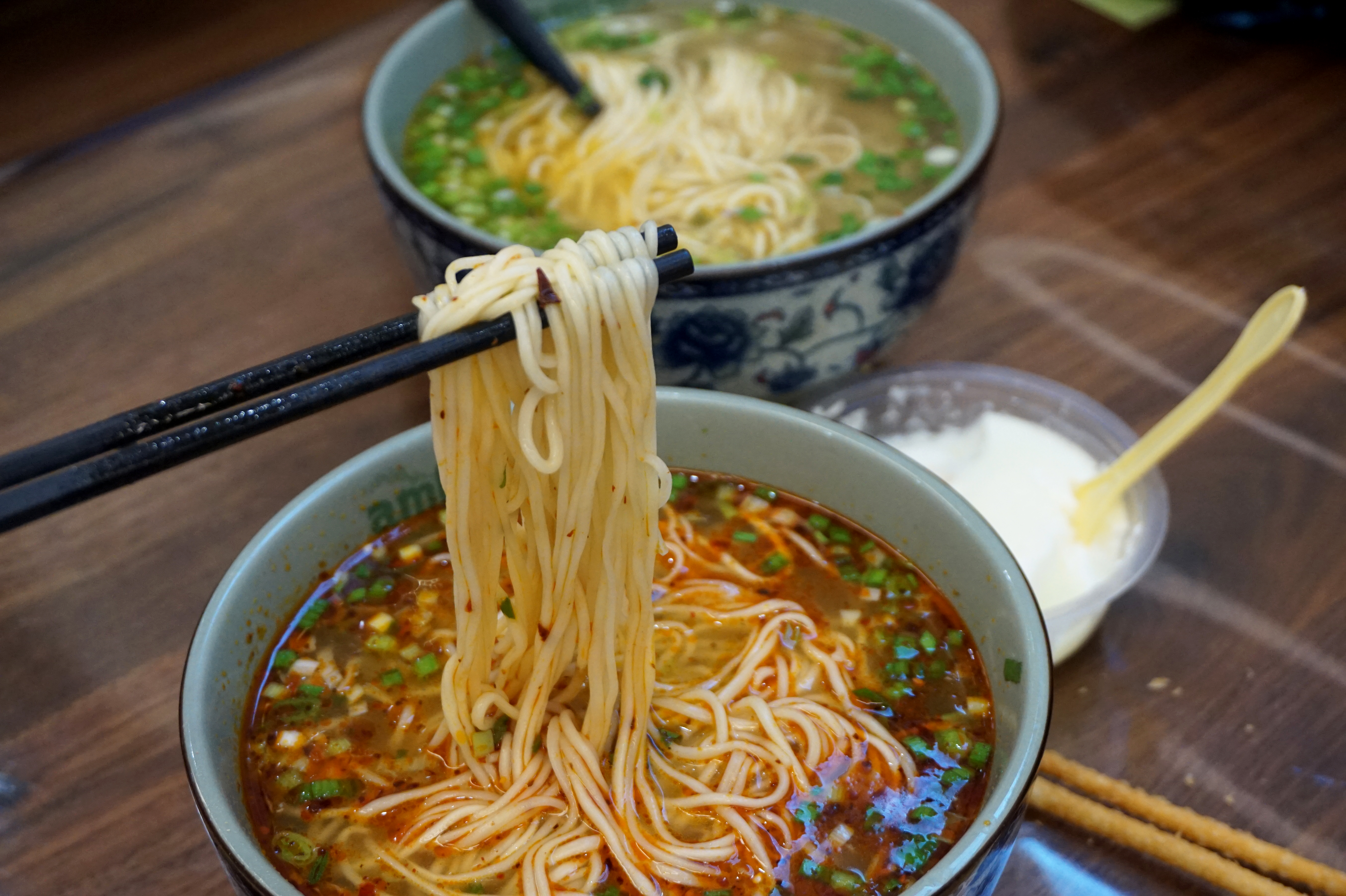 USD 2-5
Lanzhou Lamian (Hand-Pulled Noodle Soup)
Lanzhou
A clear beef broth soup with perfectly chewy hand-pulled noodles, sliced radish, tender beef, and a garnish of cilantro and chili oil.
 USD 3-6
Xiaolongbao (Soup Dumplings)
Shanghai
Delicate steamed dumplings from Shanghai, filled with savory pork and a burst of hot, flavorful broth that requires careful eating.
 USD 4-8
Chuchvara
Uzbekistan
Small, boiled dumplings filled with minced meat and often served in a clear broth or with sour cream (smetana).
Markets & neighborhoods
Local specialties like Ferghana plov, seasonal fruits, and handmade crafts, reflecting the region's strong agricultural heritage.
A massive, historic market famous for fresh produce, spices, dried fruits, non (bread), and various street food stalls, including somsa and shashlik.
Concentrated area for Uyghur restaurants, especially around the Grand Bazaar, offering authentic regional cuisine.
Plentiful mom-and-pop restaurants and hole-in-the-wall shops serving inexpensive and filling meals.
Historic teahouses (choyxonas) and small restaurants serving traditional plov, lagman, and shashlik amidst ancient madrasahs and mosques.
Small noodle (miantiao), wonton (hundun), and pot sticker (jiaozi) shops.
Restaurants offering iconic Samarkand plov, often distinguished by its lighter preparation, and other Uzbek staples with views of the grand madrasahs.
Many cheap local restaurants in the smaller streets inland from the ferry terminus, perfect for Xiamen specialties.
Good to Know
China
Uzbekistan
China offers a vibrant shopping experience, from traditional markets like Beijing's Panjiayuan Antique Market and Maliandao Tea Street to modern malls, where bargaining is often expected. In Uzbekistan, explore historic Silk Road bazaars such as Tashkent's Chorsu Bazaar and Bukhara's Trading Domes for authentic crafts and spices, with a focus on artisan workshops outside of Tashkent's modern retail scene.
Top 13 souvenirs
Spices and Dried Fruits
TashkentUSD 5-30An aromatic array of high-quality local spices like cumin and saffron, along with abundant dried apricots, nuts, and pistachios at excellent prices.
📍 Chorsu Bazaar in Tashkent; Siab Bazaar in Samarkand; central bazaars in Bukhara and Khiva.
Intricate Paper Cuttings (Jianzhi)
BeijingUSD 5-50Collect delicate and symbolic folk art, often depicting auspicious animals, mythological figures, or scenes from daily life, ideal for framing.
📍 Panjiayuan Antique Market, or small artisan shops in the Gulou/Nanluoguxiang hutong areas
Adras or Khan-Atlas Silk Scarves
MargilanUSD 15-100Vibrantly patterned, hand-woven silk or semi-silk fabrics, traditionally used for clothing, offering a touch of Uzbek fashion.
📍 Yodgorlik Silk Factory in Margilan; Chorsu Bazaar in Tashkent, Trading Domes in Bukhara.
Traditional Chinese Calligraphy Brush Set
BeijingUSD 25-120Explore the ancient and revered art of brush writing and painting with high-quality brushes made from natural hairs, ink sticks, and rice paper.
📍 Liulichang Culture Street
High-Quality Loose-Leaf Tea (e.g., Longjing, Pu-erh)
BeijingUSD 20-200Discover unique complex flavors and health benefits far beyond common tea bags, often at better prices than abroad when bought directly from reputable tea houses.
📍 Maliandao Tea Street
Rishtan Ceramics
Ferghana ValleyUSD 20-200Distinctive blue and white pottery, renowned for its intricate geometric and floral designs, exclusively produced by master artisans in Rishtan.
📍 Kamoliddin and Rustam Usmanov Ceramics Workshop in Rishtan; also available at souvenir shops in Bukhara and Samarkand.
Hand-Embroidered Silk Scarf or Table Runner
ShanghaiUSD 30-250Experience the renowned softness and luster of Chinese silk, often featuring intricate, delicate hand-stitched designs from Suzhou or Hangzhou traditions.
📍 South Bund Fabric Market, or specialty silk shops on Nanjing Road
Hand-Painted Jingdezhen Porcelain Teaware or Decorative Vase
BeijingUSD 50-500Acquire a piece from the world-renowned 'Porcelain Capital' known for its exquisite craftsmanship, delicate hand-painting, and durable quality.
📍 Panjiayuan Antique Market, or specialty porcelain shops in Liulichang Culture Street
Suzani Embroidery
BukharaUSD 30-800Hand-embroidered textiles with vibrant patterns, originally dowries or wall hangings, now found in various forms from small pouches to large throws.
📍 Lyab-i Hauz area workshops, Trading Domes (Taqi Sarrafon, Taqi Telpak Furushon, Taqi Zargaron), Gold Embroidered Workshop in Bukhara; Siab Bazaar in Samarkand.
Custom-Tailored Qipao or Cheongsam
ShanghaiUSD 80-600Get a perfectly fitted, elegant traditional Chinese dress made from luxurious silk or brocade, a truly unique and flattering garment for special occasions.
📍 South Bund Fabric Market (Lujiabang Lu), or a reputable tailor in the Former French Concession
Hand-Knotted Silk Carpets
BukharaUSD 300-5,000Exquisitely crafted carpets made from pure silk, featuring traditional designs, often taking months to complete and lasting generations.
📍 Bukhara Silk Carpets factory-store, Timur Carpet workshop; Sitorai Mohi Hosa palace museum shop.
Carved Wooden Items
KhivaUSD 25-150Beautifully hand-carved wooden stands for books or plates, decorative boxes, and small furniture, showcasing traditional Islamic geometric patterns.
📍 Workshops within Ichon-Qala in Khiva; artisan shops near Lyab-i Hauz in Bukhara.
Miniature Paintings
BukharaUSD 30-300Intricate Persian-style miniature art, often depicting scenes from classical literature or local life, painted on paper, wood, or leather.
📍 Kamaliddin Behzod National Institute of Arts and Design galleries; numerous galleries around Lyab-i Hauz in Bukhara.
Markets & districts
Wood carvings, silk carpets, traditional clothing, and smaller souvenir items.
The walled inner city acts as an open-air museum and marketplace, with many small shops and artisan workshops concentrated along its ancient streets, offering a more relaxed shopping experience.
Suzani, silk scarves, carpets, ceramics, miniature paintings, and local jewelry.
Historic covered bazaars within the old city where artisans and vendors sell their wares in a charming, concentrated area, with some pressure to bargain.
Fresh produce, spices, dried fruits, nuts, traditional bread, textiles, and everyday household goods.
A massive, vibrant, and authentic local market under its distinctive blue dome, offering a glimpse into daily Uzbek life with moderate crowds and a bustling atmosphere.
Antiques, ceramics, calligraphy, jade, traditional paintings, folk crafts, and paper cuttings.
A vast, sprawling weekend flea market brimming with authentic and reproduction goods, requiring keen eyes and strong bargaining skills amidst dense crowds.
Spices, nuts, dried fruits, traditional sweets, fresh bread, and various local handicrafts like ceramics and textiles.
Located near the Bibi-Khanym Mosque, this large and colorful bazaar is a sensory delight, popular with both locals and tourists, expecting some friendly haggling.
Custom-tailored clothing (Qipao, suits, shirts), silk fabrics, and bespoke leather goods.
A three-story market full of tailors and fabric vendors, where you can get garments made in days but need to be assertive with fittings and clear on quality expectations.
Traditional crafts, souvenir items, local snacks, and porcelain.
A bustling, picturesque old-town market surrounding the Yu Garden, often very crowded with tourists and offering a mix of authentic goods and mass-produced items.
Calligraphy supplies, traditional paintings, rubbings, seals, and ink stones.
A charming, historic street dedicated to traditional Chinese arts, offering a more curated and higher-end shopping experience, with some fixed-price shops.
Good to Know
China
Uzbekistan
Getting Around
Extensive high-speed rail and metro systems in major cities
City-specific transit cards or Alipay QR codes
Download DiDi for ride-hailing. Book train tickets in advance on 12306 or Trip.com.
Chinese New Year
ChunjieMost important Chinese holiday with fireworks, dragon dances, and family reunions.
Note: Book flights/hotels 2 months ahead
Lantern Festival
Yuanxiao JieMarks the end of Chinese New Year celebrations with spectacular lantern displays, lion dances, and sweet rice ball eating.
Note: Book 2-3 weeks ahead
Dragon Boat Festival
Duanwu JieAncient festival featuring thrilling dragon boat races on rivers and lakes, with zongzi rice dumplings and folk performances.
Note: Book 2 weeks ahead for riverside hotels
Harbin International Ice and Snow Festival
Haerbin Guoji Bingxue JieWorld's largest ice and snow festival with massive illuminated ice sculptures, snow castles, and winter activities at -20C temperatures.
Note: Book 1 month ahead for Chinese New Year overlap
Public Holidays(29)
📅 Best Time to Visit
For China, spring (April-May) and autumn (September-October) offer pleasant temperatures (15-25°C) and clear skies, ideal for sightseeing while avoiding summer heat and winter cold. Uzbekistan is best visited in spring (April-May) and autumn (September-October) when temperatures are mild (15-28°C), avoiding the scorching summer heat (often above 35°C) and cold winters (0-10°C). Spring brings blooming flowers, while autumn offers harvest festivals and vibrant colors along the Silk Road.
- Total for a couple — 10 days mid-range trip, excludes international flights
- Accommodation assumes 1 shared room
- Rough estimates — actual prices vary by season and availability
Local Transport
Food
Activities
Moderate overall, with Uzbekistan generally cheaper than China, though both offer great value for cultural experiences. Budget $80-120/night for comfortable hotels and $5-15 for a sit-down meal. Stick to bottled water, and for food, choose busy local eateries with visible turnover.
Purchase a local SIM card from Ucell or Beeline upon arrival in Uzbekistan; plans are cheap, often just $5-10 for several GB of data, which is invaluable for navigation and translation services.
In China, mobile payments via WeChat Pay or Alipay are nearly universal, often essential as cash is frequently refused. Link a foreign credit card to one of these apps before your trip to save on ATM withdrawal fees, which can easily add $3-5 per transaction.
Maximize your limited activity budget by prioritizing free cultural experiences like exploring local markets (e.g., Tashkent's Chorsu Bazaar) or strolling through ancient quarters. Many smaller temples and parks in China offer free entry, helping to save on the typical $5-15 entrance fees for major sites.
Utilize China's extensive and affordable subway systems in major cities (e.g., Shanghai, Beijing) and public buses. Single subway rides typically cost 3-8 CNY (approximately $0.40-$1.10), offering significant savings compared to taxis which can easily run $5-15 per trip.
China Tourist Visa (L-Visa)Day 1
Book 2 months ahead — Visa application processing times vary significantly by nationality and embassy, requiring ample lead time.
Uzbekistan e-VisaDay 6
Book 1 month ahead — While typically faster, allow sufficient time for e-Visa application and approval before your departure.
SIM Card for China and UzbekistanDay 1
Book 1 week ahead — Arrange for an eSIM or local SIM card pickup upon arrival for immediate connectivity across both countries. Consider a VPN for China.
Yonghegong Lama Temple Entry TicketDay 1
Book 3 days ahead — Timed entry reservations are often required to manage visitor flow, especially during peak hours.
Beijing Confucius Temple and Imperial College Entry TicketDay 1
Book 3 days ahead — Timed entry reservations are often required to manage visitor flow.
Tiananmen Square Entry ReservationDay 2
Book 3 days ahead — Pre-registration with passport details is mandatory for entry and security checks.
Forbidden City (Palace Museum) Entry TicketDay 2
Book 1 week ahead — Tickets are highly sought after and often sell out days in advance, especially for morning slots.
Mutianyu Great Wall Tickets (Entry, Shuttle Bus, Cable Car/Chairlift)Day 3
Book 1 week ahead — Pre-booking all components saves time and guarantees your preferred access times, especially for the popular cable car.
Temple of Heaven Entry TicketDay 4
Book 3 days ahead — Timed entry reservations are often required for the main complex areas.
Prince Gong's Mansion Entry TicketDay 5
Book 3 days ahead — Timed entry reservations are often required to manage visitor numbers.
Customize This Trip
Get this itinerary tailored to YOUR exact dates, preferences, and budget.
- Personalized for your dates
- Weather-aware recommendations
- Offline access
- Real-time pricing
- Budget tracking
No sign-up required
Quick Actions
Free and without sign-inTrip Summary
- In China, activate and test your VPN subscription *before* arriving; otherwise, you may be unable to download or configure it due to the Great Firewall.
- Set up your WeChat Pay and Alipay accounts with an international credit card while still at home for China; cash is rarely accepted in major cities.
- Withdraw cash for local currency (Uzbekistani Som) at ATMs in Uzbekistan's major cities like Tashkent or Samarkand, as smaller towns and bazaars are cash-only.
- When taking taxis in Uzbekistan, use the Yandex Go app in Tashkent or Samarkand to ensure metered fares; negotiate fixed fares in advance with street taxis.
- Carry small packs of tissues for both China and Uzbekistan; public restrooms often lack toilet paper.
- Book high-speed rail tickets in China via the official 12306.cn website or app, or through reputable agents like Trip.com, well in advance for popular routes and peak seasons.
- For Uzbekistan, keep a small stash of crisp USD bills ($20s, $50s) as they are easily exchanged at banks or official exchange offices for local currency.
- When visiting ancient sites or bazaars in Uzbekistan, bring small denominations of local currency for minor purchases, street food, and tips to local guides.
- 1VPN subscription (pre-activated for China)
- 2Offline map apps (for China's internet restrictions, general navigation)
- 3Offline translation apps (Mandarin and Uzbek language packs)
- 4USD in small denominations (Uzbekistan currency exchange, emergencies)
- 5Loose-fitting, long-sleeved tops (Uzbekistan conservative dress)
- 6Long pants/skirts (Uzbekistan conservative dress, China)
- 7Lightweight headscarf (women entering religious sites in Uzbekistan)
- 8Portable power bank (China's essential mobile payment reliance)
- 9Small pack of tissues (public restrooms in both countries)
- 10Small thoughtful gifts from home (for Uzbek hospitality)
Note: Travel conditions, regulations, and local customs may change. We recommend verifying essential details — such as visa requirements, emergency contacts, and payment options — closer to your travel date.
Visa & Entry Requirements
For China, US/EU/UK/AU/Canada citizens typically require a visa, obtained in advance from a Chinese embassy/consulate; 72/144-hour transit visas may be available at specific entry points. India citizens also require a visa. Passport must be valid for at least 6 months beyond intended stay. For Uzbekistan, many nationalities including US/EU/UK/AU citizens enjoy 30 days visa-free entry. India citizens can obtain an e-Visa online via e-visa.gov.uz. Passport must be valid for at least 3 months beyond intended stay. All other nationalities should check the official foreign ministry websites for both China and Uzbekistan.
Local Customs & Etiquette
In Uzbekistan, elderly people are greatly respected; always treat them with deference and respect, for instance, by giving up your seat on public transport. Be polite with females, as open flirting is traditionally not welcomed. Dress conservatively, especially in southern Uzbekistan and when visiting religious sites, with shoulders and knees covered for both men and women; women should carry a headscarf for mosque visits. In China, avoid discussions on sensitive political topics or human rights, especially with strangers or in public, as the government has strong curtailments on some freedoms and monitors communication. WeChat/Alipay transactions are common, but cash is appreciated at small street vendors in both countries.
Safety Overview
While China has a low violent crime rate, the government maintains authoritarian control, and topics like human rights or politics are heavily censored online and in conversation. Avoid discussing political issues, participating in demonstrations, or criticizing the government to prevent official scrutiny. Internet access to many foreign sites is blocked; use a reliable VPN activated *before* arrival. In Uzbekistan, avoid areas bordering Afghanistan, and exercise extreme caution in the Ferghana Valley bordering Tajikistan and Kyrgyzstan due to historical instability. Women travelers may experience increased harassment in southern Uzbekistan; dress conservatively. Tashkent is generally safe but beware of heavy traffic, and be wary if a 'suave local' approaches you with a scam; avoid local politics or demonstrations. The unified emergency number in Uzbekistan is 112.
SIM & Connectivity
SIM Options
📍 Official carrier stores (e.g., China Mobile store); passport required for registration
📍 Official carrier stores (e.g., Ucell branch in Tashkent); passport required for registration
In China, free Wi-Fi is common in hotels, cafes, and malls, but often requires a local phone number for registration, which can be challenging for foreigners. Many foreign websites and apps are blocked by the Great Firewall. In Uzbekistan, Wi-Fi is generally available in hotels and cafes, with major cities like Tashkent and Samarkand having reliable 4G/5G coverage.
Useful Apps
For China, set up and test your VPN *before* you arrive, as many VPN websites are blocked within the country. Registering for Chinese SIM cards requires your passport. In Uzbekistan, SIM cards are cheap and widely available at official stores, requiring your passport.
Electric Socket Guide
Socket Types
Two flat parallel pins (North America, Japan)
Two round pins (most of Europe, South America)
Two angled flat pins + ground (Australia, China)
Two round pins + side earth clips (Germany, Europe)
220V
50Hz
Tipping Etiquette
China
Not expected — may be refused
Not expected; round up fare if desired
Not expected in most hotels
Tipping is not part of Chinese culture. High-end international hotels may accept tips.
Uzbekistan
10% at tourist restaurants
Round up
UZS 10,000–20,000 per bag
Tipping is appreciated in tourist areas.
Safety & Travel Advisories
Check official government advisories for the latest safety information, entry requirements, and travel warnings before your trip.
Emergency Numbers
China
110
120
119
Uzbekistan
102
103
101
112 is the pan-European emergency number and works in all EU/EEA countries.
Payments
China is nearly cashless — mobile payment dominates
International cards rarely accepted outside luxury hotels
WeChat Pay and Alipay are essential; some now allow foreign card linking
Set up Alipay or WeChat Pay before arrival. Carry some cash for rural areas.
For China, most Western nationalities (US, EU, UK, AU) require a visa obtained in advance, though transit visas may apply. For Uzbekistan, many Westerners enjoy 30-day visa-free entry; Indian citizens require an e-Visa. Always check the latest requirements from the official embassy or consulate for both countries well before your trip, and ensure your passport has sufficient validity.
China has a very low violent crime rate, but travelers should be aware of government surveillance and censorship; avoid political discussions. Uzbekistan is generally safe, but exercise caution near borders with Afghanistan/Tajikistan/Kyrgyzstan. Women travelers in southern Uzbekistan should dress conservatively. For both, common sense precautions against petty theft and traffic apply.
China uses the Yuan Renminbi (CNY). Mobile payments (WeChat Pay, Alipay) are dominant; cash is increasingly less accepted. Uzbekistan uses the Som (UZS). Cash is widely used, especially outside major cities and in bazaars. ATMs are available in major cities in both countries, but always carry some local currency for smaller purchases or emergencies.
Tipping is generally not customary in China and can sometimes be refused. In Uzbekistan, tipping is not mandatory but is becoming more common and appreciated in tourist-facing sectors like restaurants (5-10%) and for local guides. For taxis, rounding up the fare is a polite gesture.
Essentials include a pre-activated VPN for China, offline maps and translation apps (Mandarin and Uzbek packs), USD in small bills for Uzbekistan, and conservative clothing (long sleeves, long pants/skirts, headscarf for women) for Uzbekistan's cultural sites. A portable power bank is highly recommended for China due to heavy reliance on mobile payments.
Both countries are best visited in spring (April-May) and autumn (September-October) to enjoy mild temperatures (15-28°C) and avoid extreme heat or cold. These seasons offer comfortable weather for exploring historical sites and natural landscapes without the large crowds of peak summer or the harshness of winter.
In China, high-speed rail is efficient and extensive for inter-city travel. Urban areas have excellent subway systems. For Uzbekistan, inter-city trains (Afrosiyob high-speed train) connect major Silk Road cities like Tashkent, Samarkand, and Bukhara. Within cities, taxis (Yandex Go app in Uzbekistan) and local public transport are common.
In China, a local SIM card (requires passport) offers reliable 4G/5G, but a VPN is essential for accessing many international apps and websites. In Uzbekistan, local SIM cards (Ucell, Beeline, etc., with passport) provide good coverage and cheap data. Wi-Fi is available in hotels and cafes in both countries, though China often requires local phone registration.
These 9 experiences didn't make it into this itinerary

🗿Ancient Dynastic Legacies
e.g., Mausoleum of the First Qin Emperor (Terracotta Army), City Wall of Xi'an
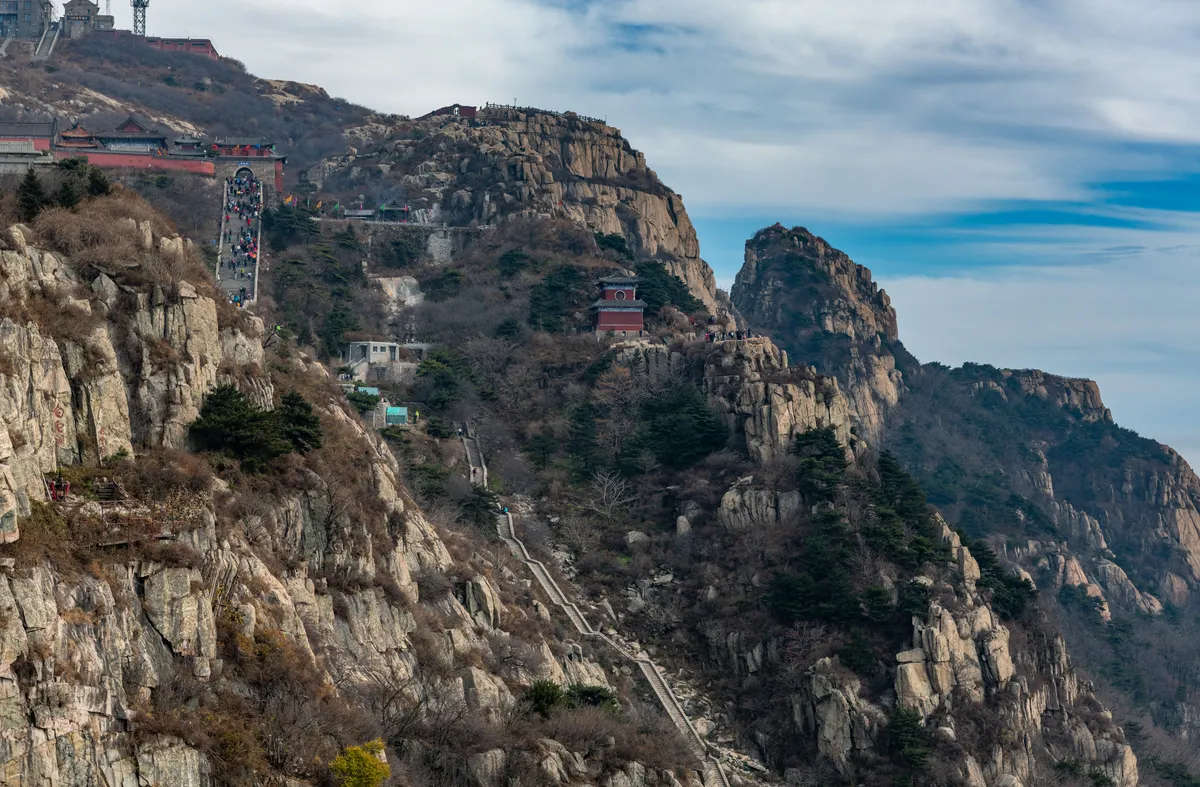
⛰️Sacred Mountains & Spiritual Retreats
e.g., Mount Tai, Qingchengshan

🏞️Iconic Karst & Danxia Landscapes
e.g., Li River Cruise, Zhangjiajie National Forest Park
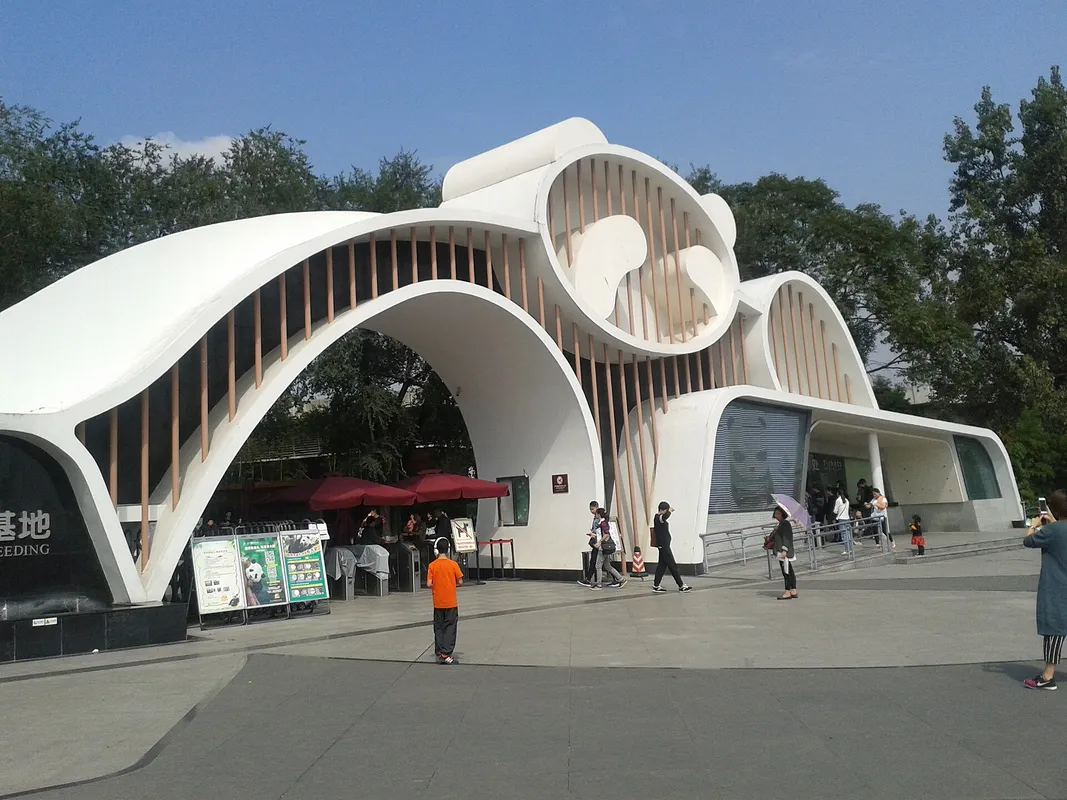
🐼Encounter Giant Pandas
e.g., Chengdu Research Base of Giant Panda Breeding, Dujiangyan Panda Base

🚩A Revolutionary History Site Exploration
e.g., Former Site of the Central Revolutionary Base, Memorial of the Chinese Soviet Republic

☯️An Ancient Taoist Temple Complex
e.g., Mount Qingcheng (Taoist Temples), Longhu Mountain (Taoist Sites)

🛶A Scenic River Rafting Experience
e.g., Nine-bend River Rafting, Shennong Stream Drifting

🎨A Traditional Chinese Craft Workshop
e.g., Jingdezhen Ceramic Workshop, Tiantai Mountain Ramie Weaving Experience

⛰️Exploring Mountain Valleys & Nature Trails
e.g., Arslanbob Walnut Forests, Chimgan Mountains & Charvak Lake
Create Your Custom Version
You Might Also Like

Beijing, Xi'an, and Shanghai, China
China
This 10-day journey for a couple spans China's historical and modern heart, moving from Beijing to Xi'an, then Shanghai. Experience Beijing's Forbidden City, Xi'an's Terracotta Army and bustling Muslim Quarter, then Shanghai's iconic Bund, all at a balanced pace. High-speed rail efficiently...

Hong Kong, China; Macau, China; Taipei, Taiwan
China And Taiwan
This 10-day trip for two explores the contrasting urban landscapes and cultural richness of Hong Kong, Macau, and Taipei. Begin with 4 days in Hong Kong, experiencing Victoria Peak and the bustling Tsim Sha Tsui district, then take a ferry to Macau for 2 days to discover the historic Ruins of...

Lhasa, China
China
This packed 7-day journey explores the core of historical Tibet, starting with 4 days in Lhasa to uncover the Potala Palace, Jokhang Temple, and Barkhor's pilgrim circuit. A scenic drive then leads to Shigatse for 3 days to delve into Tashilhunpo Monastery and its vibrant monastic life. This...

Tashkent, Samarkand, and Bukhara, Uzbekistan
Uzbekistan
This packed 7-day journey explores Uzbekistan's iconic Silk Road cities: Tashkent, Samarkand, and Bukhara. It unveils the grandeur of Samarkand's Registan Square, delves into Bukhara's ancient Poi Kalyan Complex, and offers a taste of Tashkent's Chorsu Bazaar. The itinerary involves two major...