Local goods and souvenirs worth bringing home — with photos, typical prices, and where to buy them.
1
Ceramic Tea Set
USD 30–150
Korean ceramic tea sets exhibit distinct glazes and elegant, minimalist forms for daily rituals.
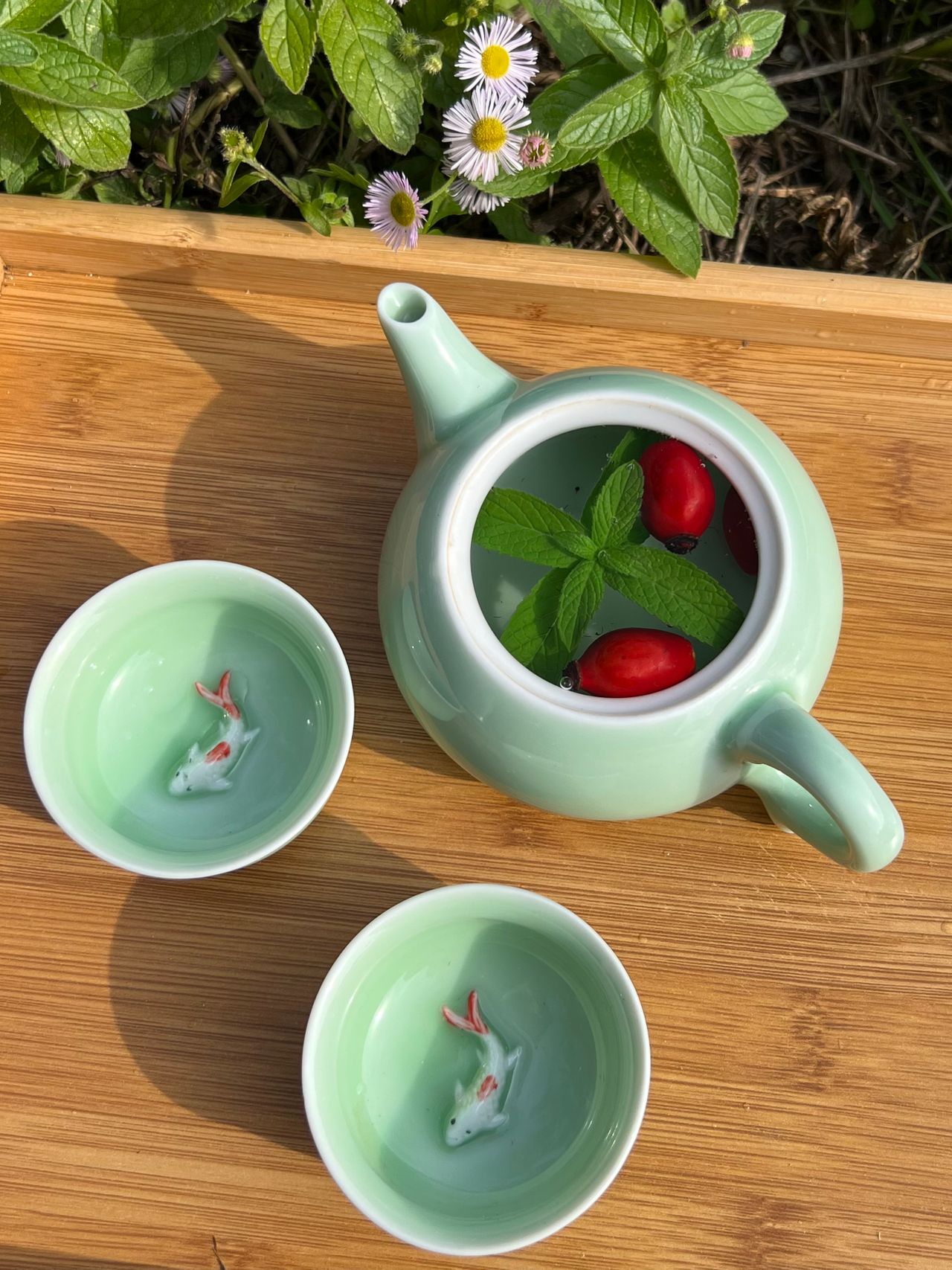
Photo by Mariam Antadze on Pexels
Where to buy: Artisan pottery shops near the Daegu Art Museum area.
2
Dol Hareubang basalt sculpture
USD 10–60
Carved from island volcanic rock, these guardian figures protect your home.

Kbarends (CC BY-SA 3.0)
Where to buy: Seogwipo Olle Market
3
Korean Celadon Pottery
USD 50–500
This jade-green glaze remains the pinnacle of traditional Korean ceramic artistry.

Steve46814 (CC BY-SA 3.0)
Where to buy: International Market (Gukje Market) antique shops
4
Dried anchovies
USD 10–50
The local waters produce the highest quality stock anchovies which are essential for traditional soups.
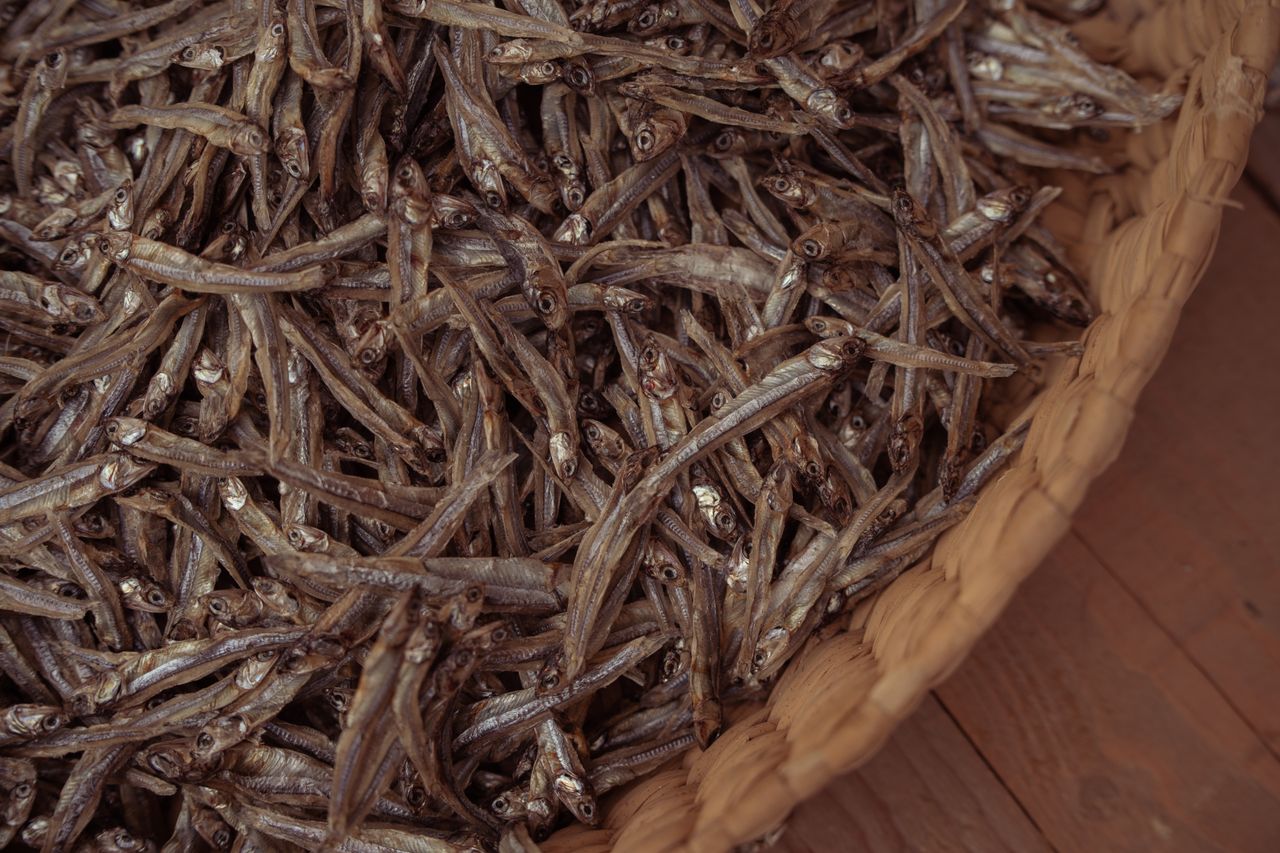
Photo by Denys Gromov on Pexels
Where to buy: Jagalchi Market stalls near the waterfront.
5
Ginseng Tea or Roots
USD 30–200
Korea produces the world standard for panax ginseng; look for the government quality seal.
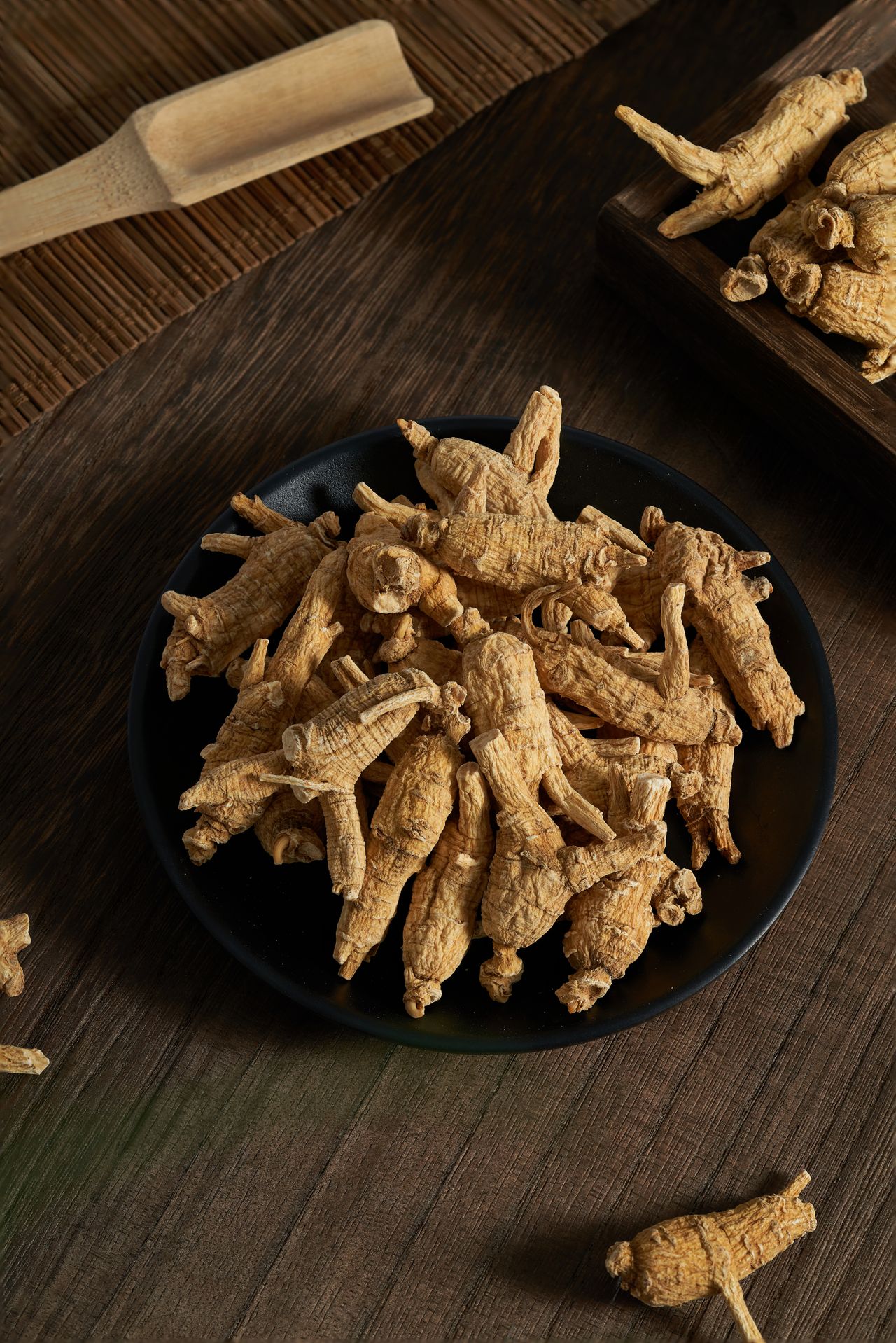
Photo by Ecter on Pexels
Where to buy: Gyeongdong Market, which specializes in herbal medicines.
6
Korean Skincare Products
USD 10–100
Formulations like snail mucin and propolis are significantly cheaper here than imported versions.
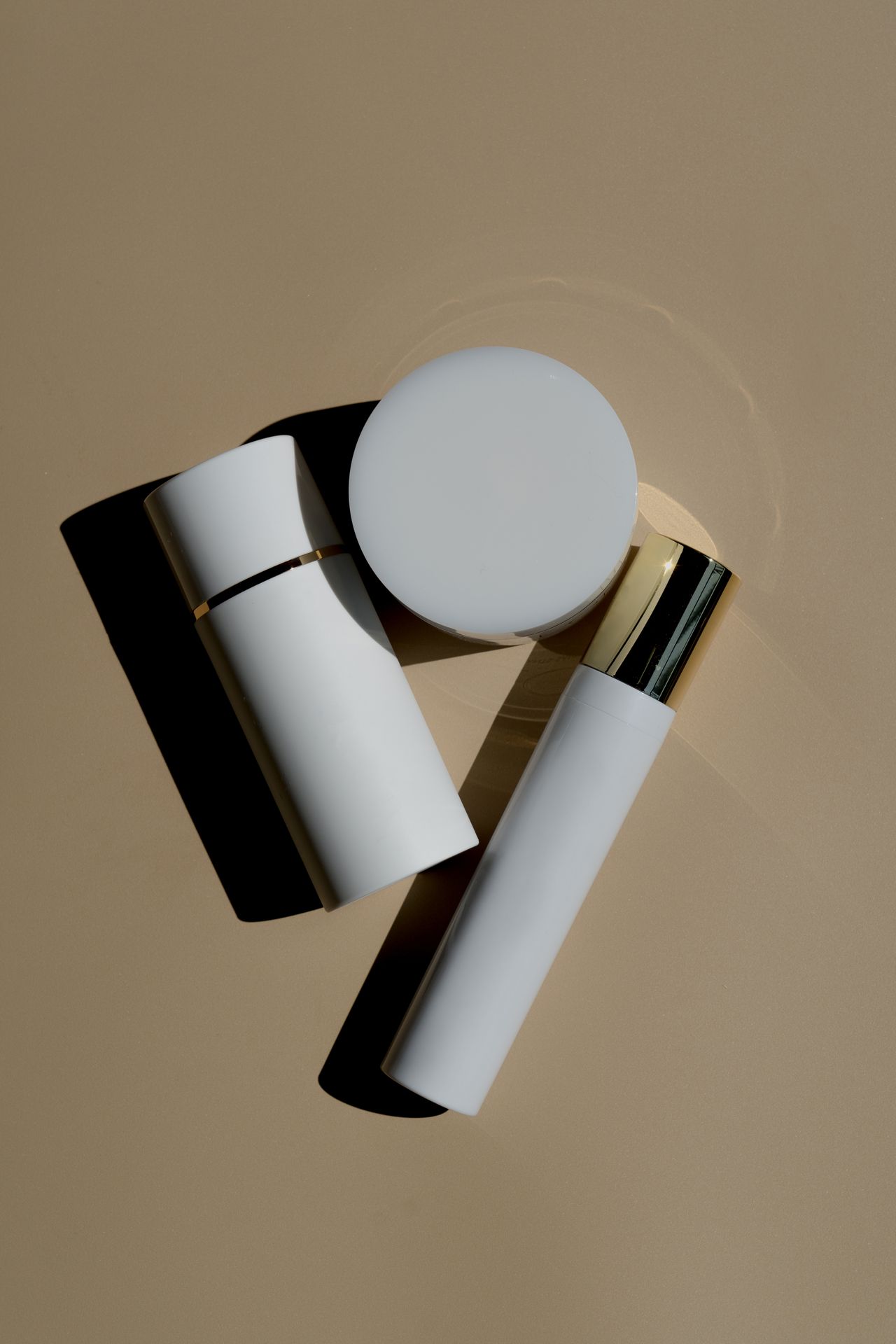
Photo by alleksana on Pexels
Where to buy: Olive Young flagships in Myeong-dong or standalone brand boutiques like Sulwhasoo.
7
O'sulloc green tea powder
USD 15–45
Cultivated on the island slopes, this tea is renowned for its intense earthy flavor.
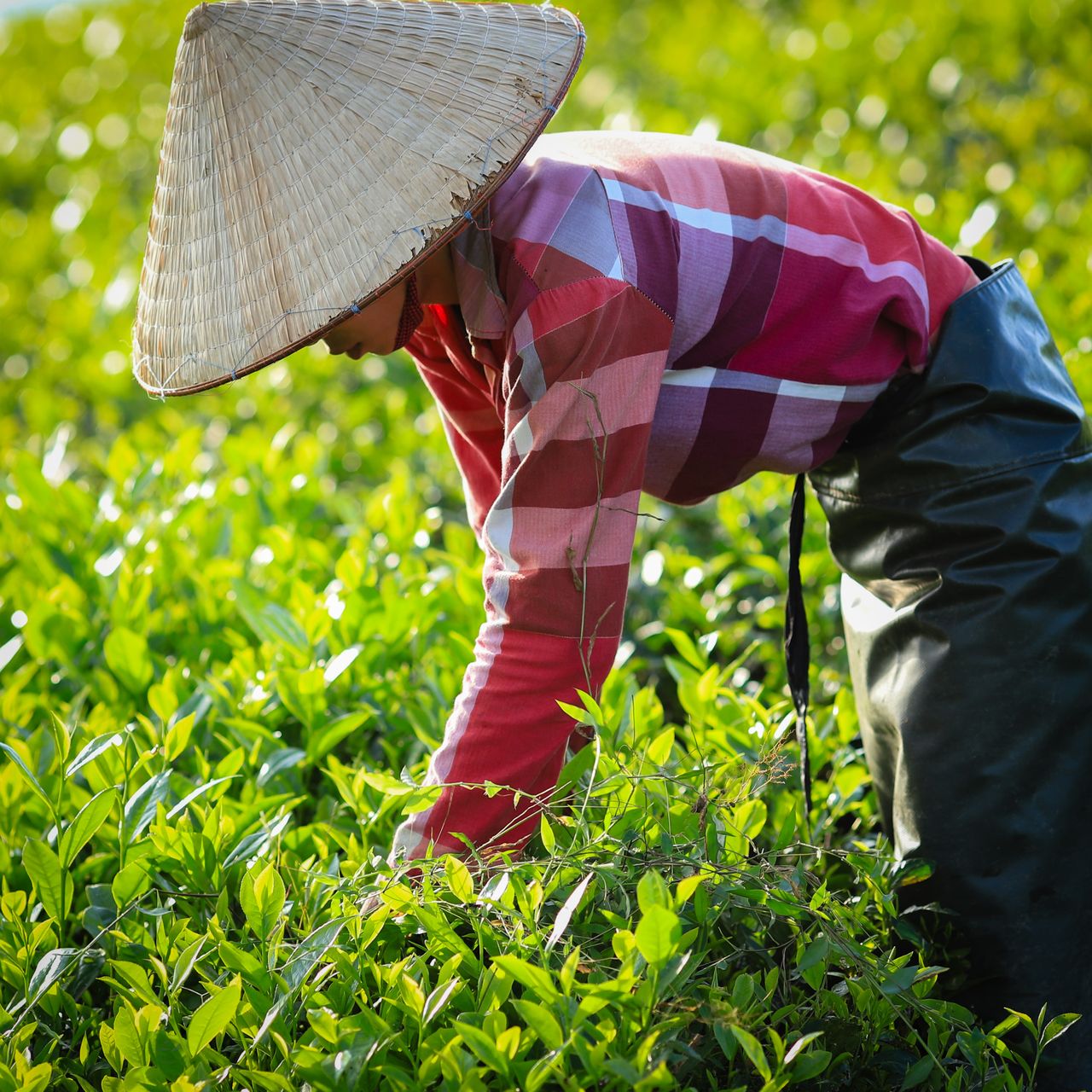
Photo by Son Hoa Nguyen on Pexels
Where to buy: O'sulloc Tea Garden shop
8
Dol Hareubang Stone Figurine
USD 5–50
These volcanic rock carvings are the symbolic guardians of the island.

Bernard Gagnon (CC0)
Where to buy: Souvenir shops near Manjanggul Cave
9
Galot persimmon dyed fabric
USD 30–150
This natural dye uses unripe persimmon juice to create breathable, rot-resistant island workwear.

국립민속박물관 (KOGL Type 1)
Where to buy: Local handicraft shops near Jungmun Resort
10
Hallabong tangerine marmalade
USD 8–20
This sweet, oversized citrus grows only in Jeju's unique volcanic soil.
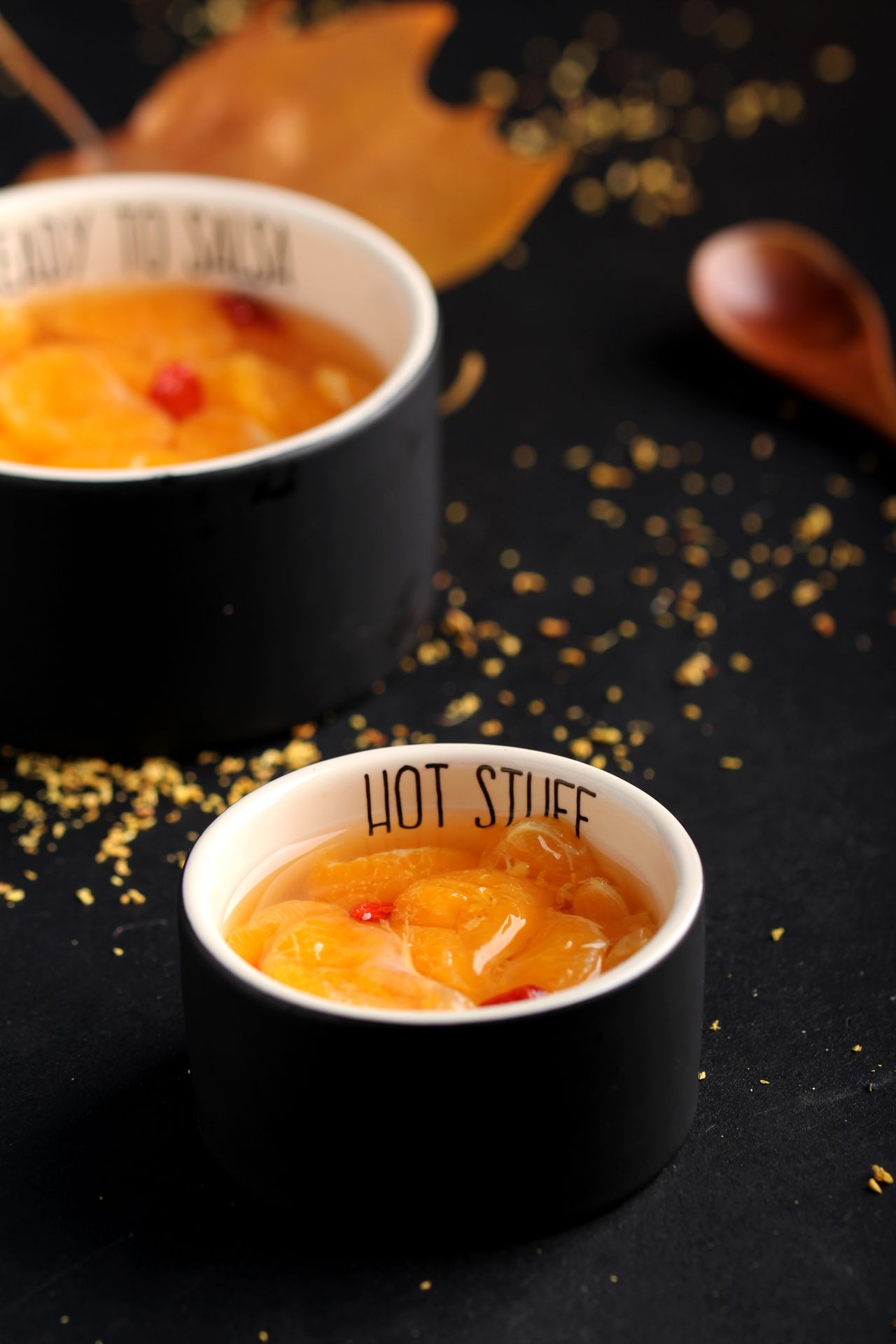
Photo by istu zhang on Pexels
Where to buy: Roadside stalls along the southern coastal highway
11
Jeju Green Tea
USD 15–60
The island's volcanic soil creates a unique, earthy flavor profile for local tea.
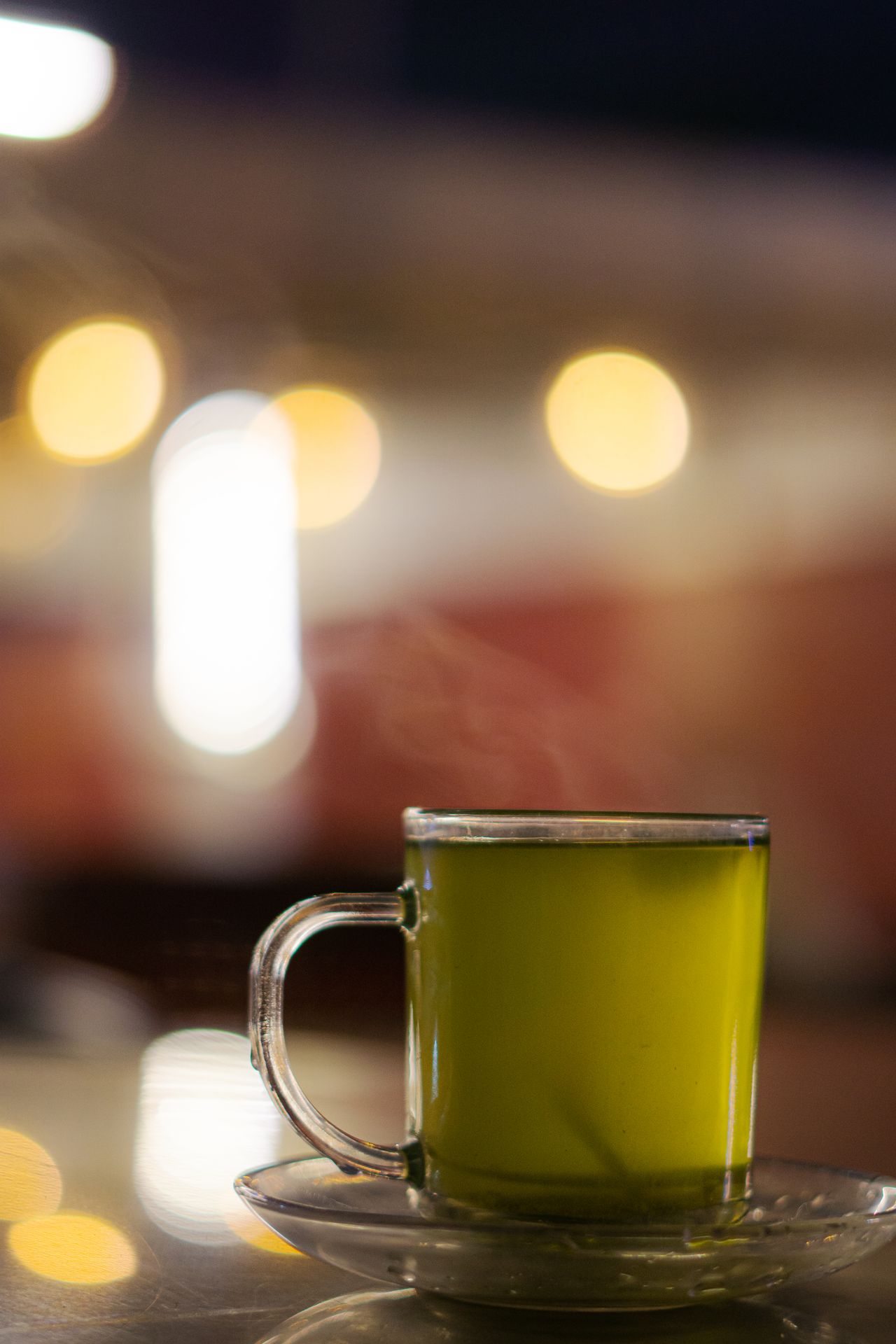
Photo by Filmy Kashif on Pexels
Where to buy: O'sulloc Tea Museum
12
Horse oil skin cream
USD 15–45
Rich in ceramides, this traditional island remedy is highly effective for deep skin hydration.
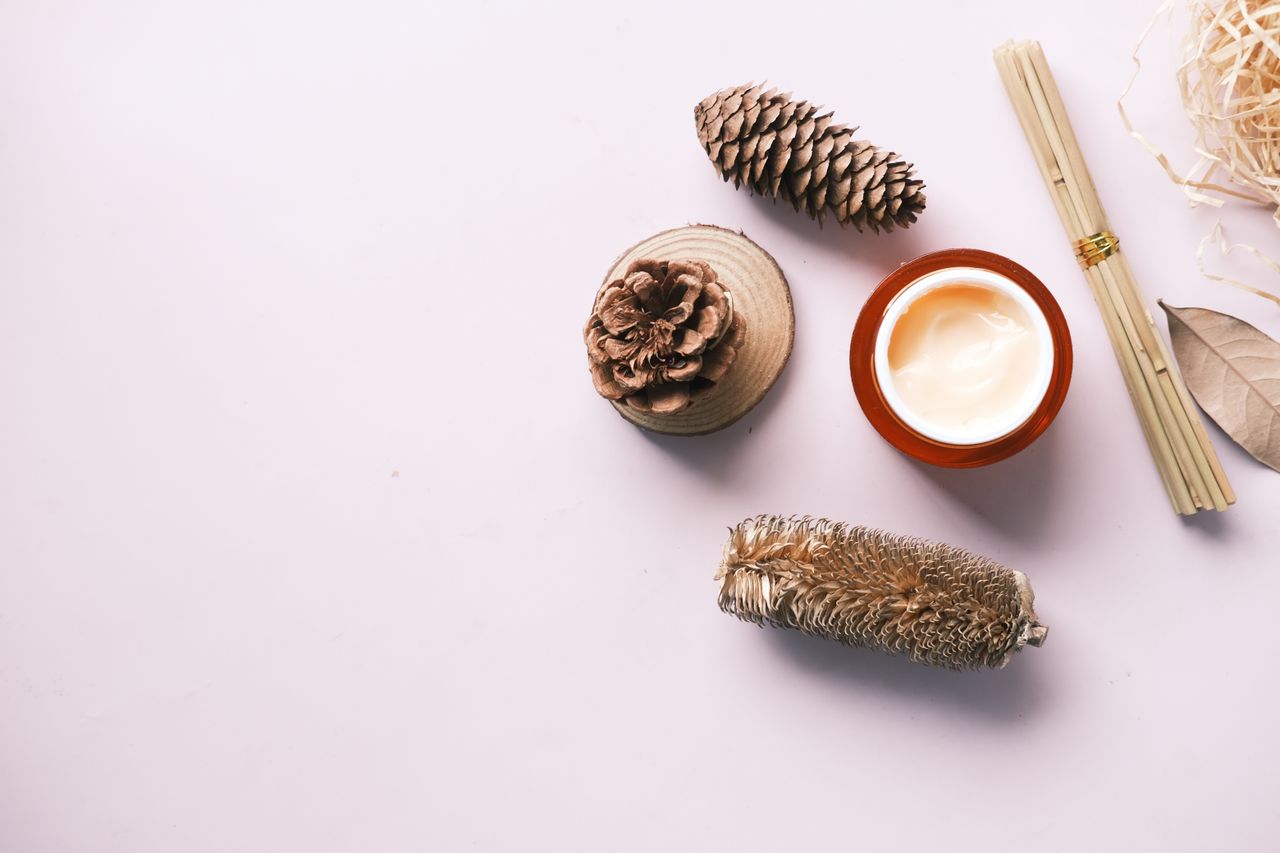
Photo by Towfiqu barbhuiya on Pexels
Where to buy: Jeju City underground shopping center
13
Korean Skincare (K-Beauty) Products
USD 10–80
Busan shops carry exclusive sets and localized brands at lower prices than international retailers.
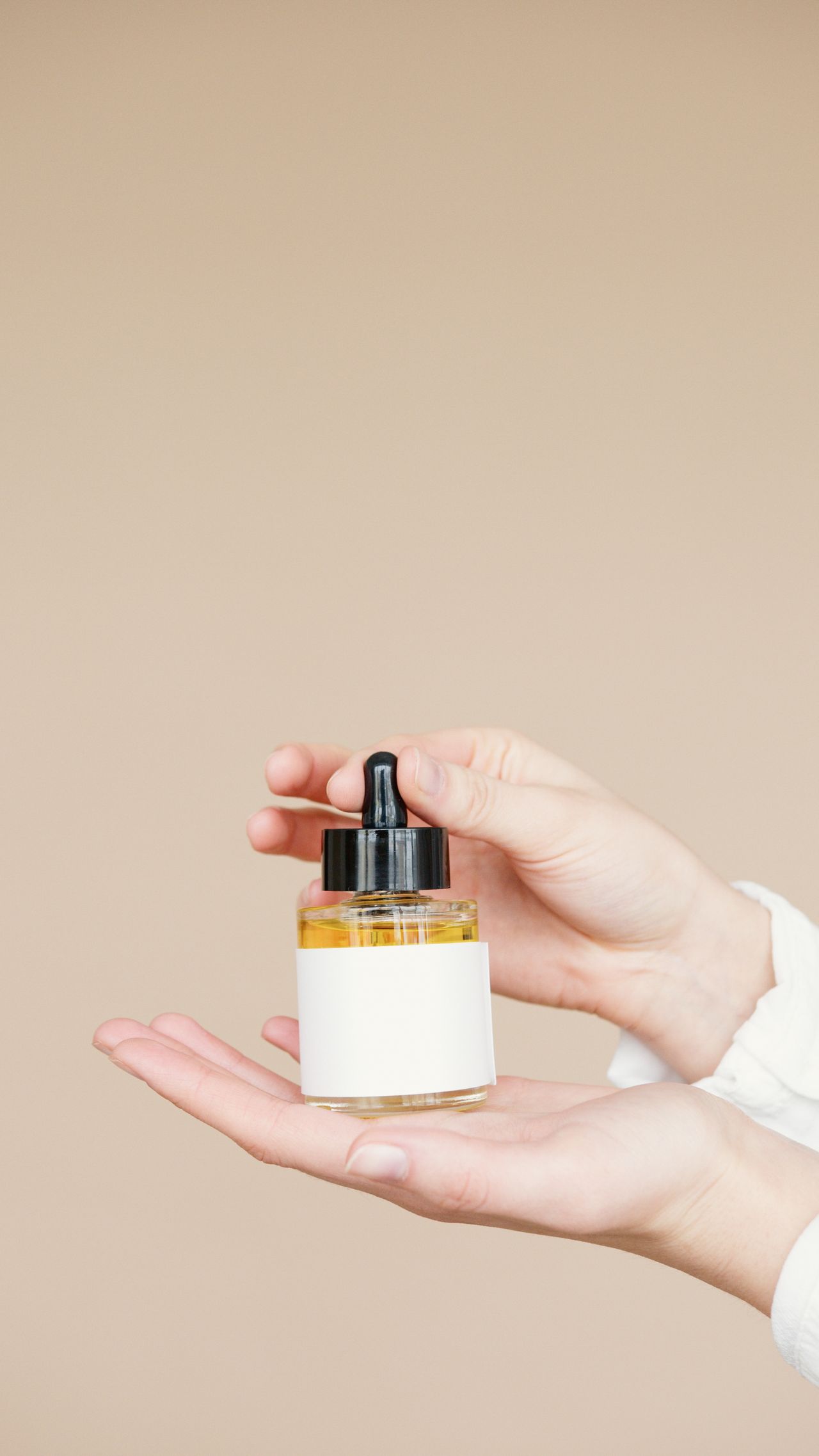
Photo by Artem Podrez on Pexels
Where to buy: Olive Young and boutique shops in Gwangbok-dong street.
14
Korean tea
USD 15–60
Look for locally harvested loose leaf teas which offer a clean, nutty profile distinct from others.
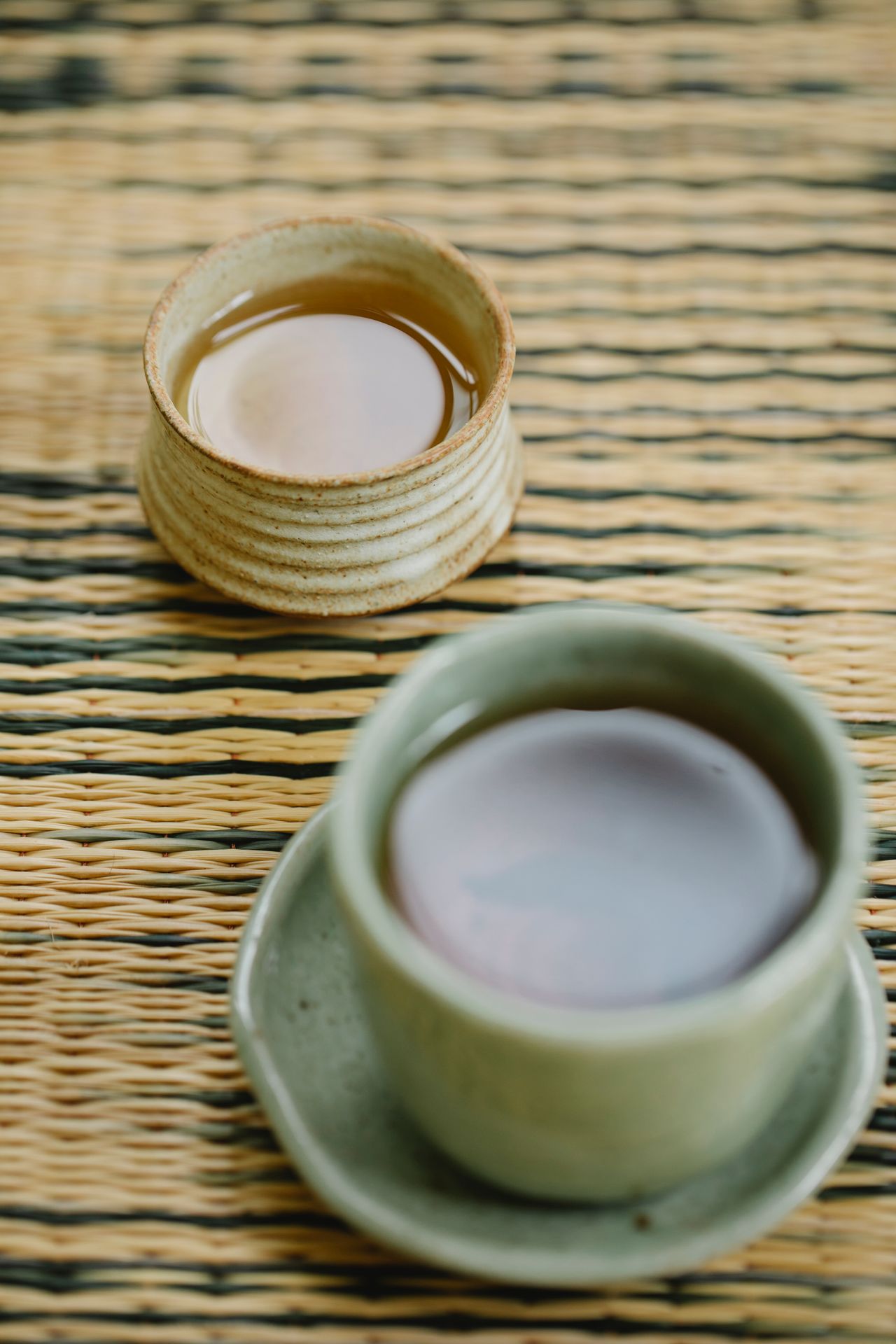
Photo by Charlotte May on Pexels
Where to buy: Department store food halls in Seomyeon.
15
Busan-style ceramic tea set
USD 30–150
Local kilns produce rustic stoneware with distinct glazes rooted in regional traditions.
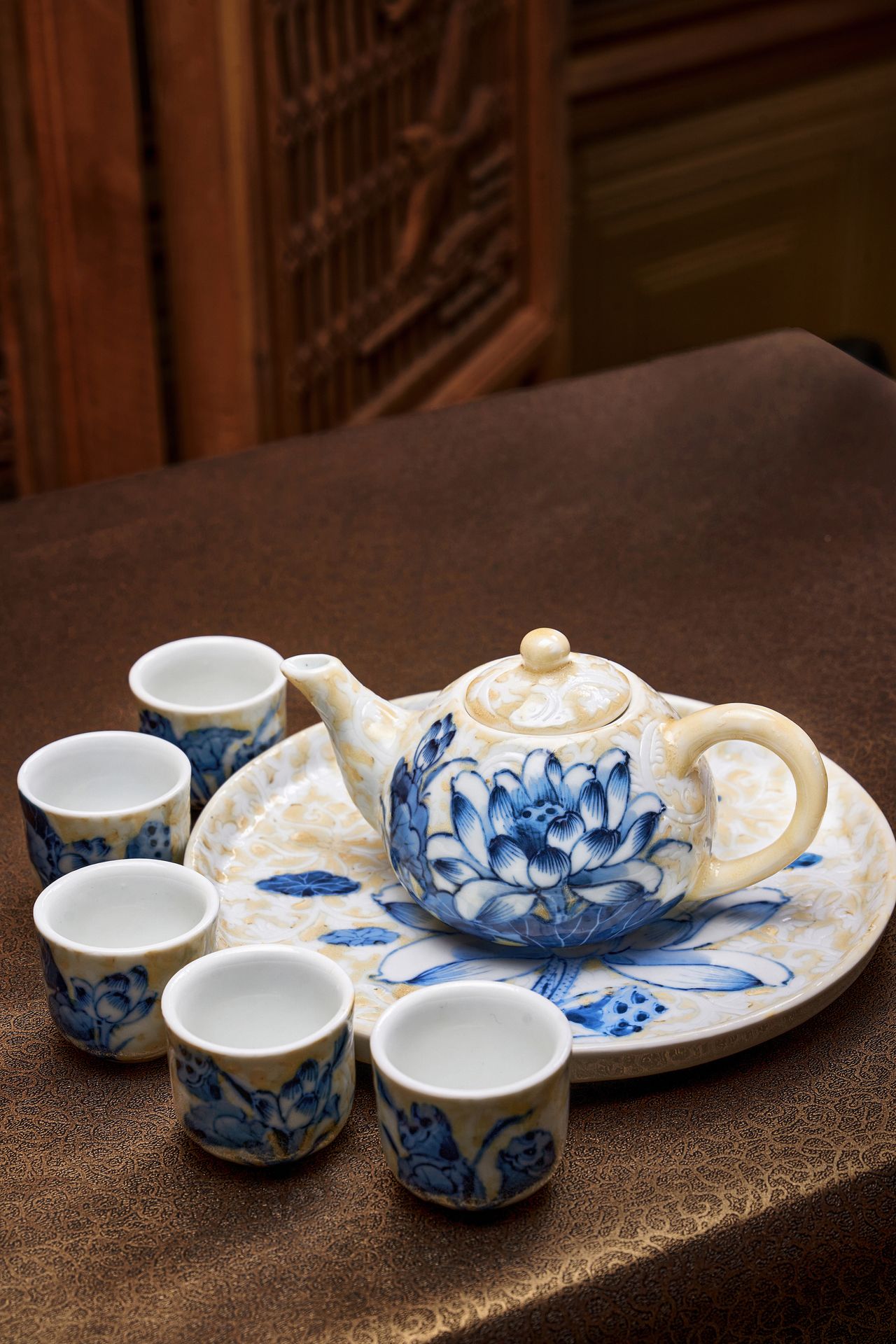
Photo by Gốm sứ Cương Duyên on Pexels
Where to buy: Galleries near Beomeosa Temple, craft shops in Dalmaji-gil Art Village.
16
Red Ginseng Extract
USD 40–200
This highly concentrated health tonic is widely considered the best in the world.
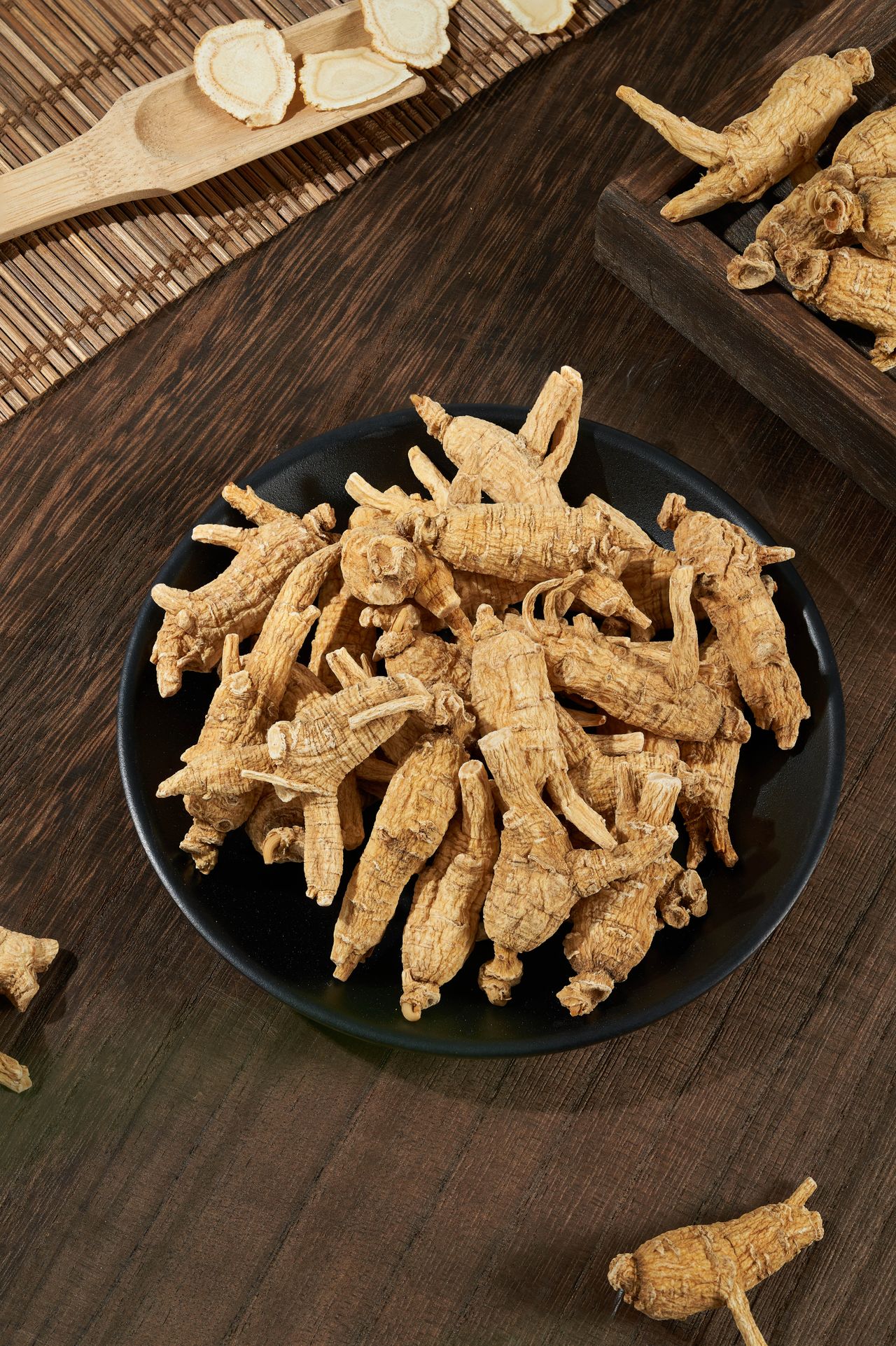
Photo by Ecter on Pexels
Where to buy: Namdaemun Market ginseng specialty vendors.
17
Galot dyed cotton fabric
USD 30–120
Cloth treated with fermented green persimmon juice turns a deep rust color and resists rot.
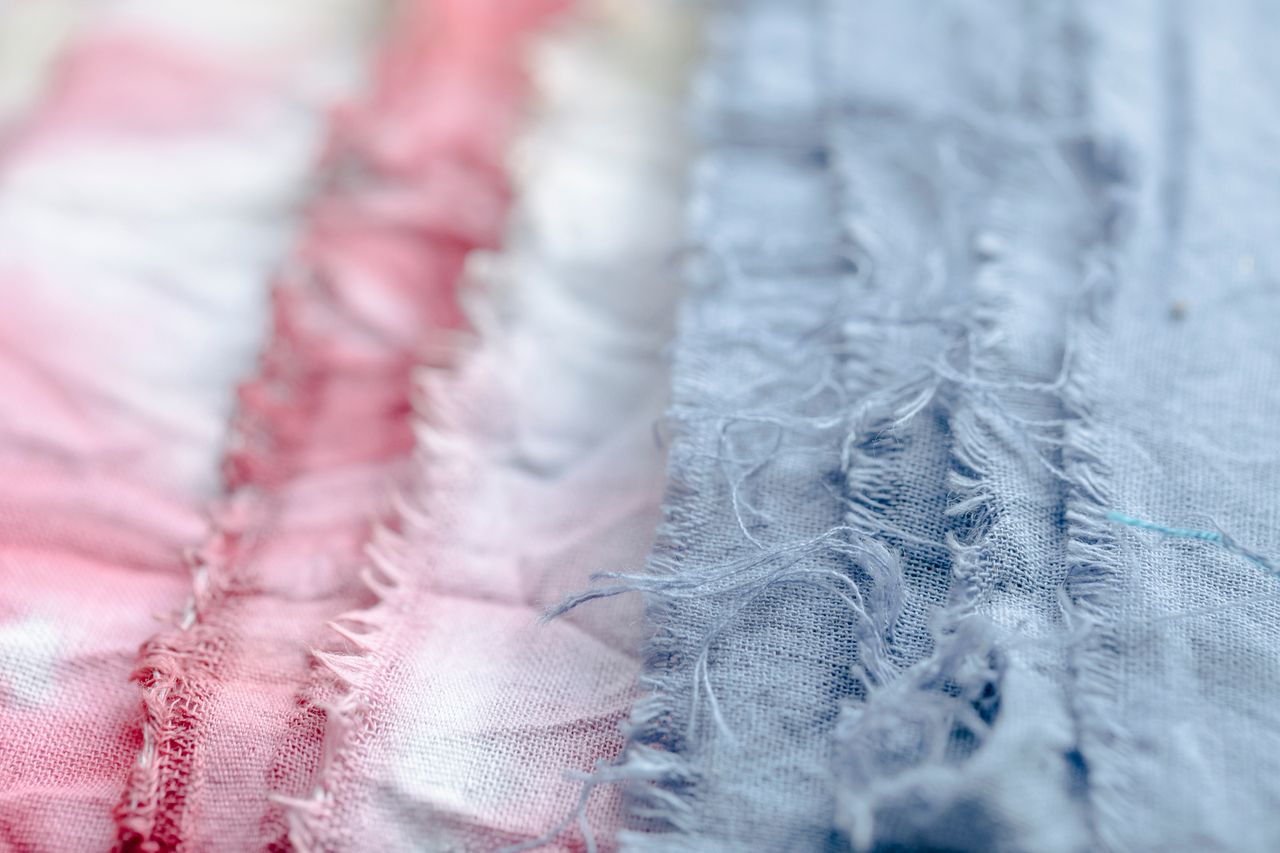
Photo by Teona Swift on Pexels
Where to buy: Galot craft workshops near Jeju Folk Museum
18
Soju Glassware
USD 1–15
These small, tempered glasses are cheap, sturdy, and essential for drinking local spirits.
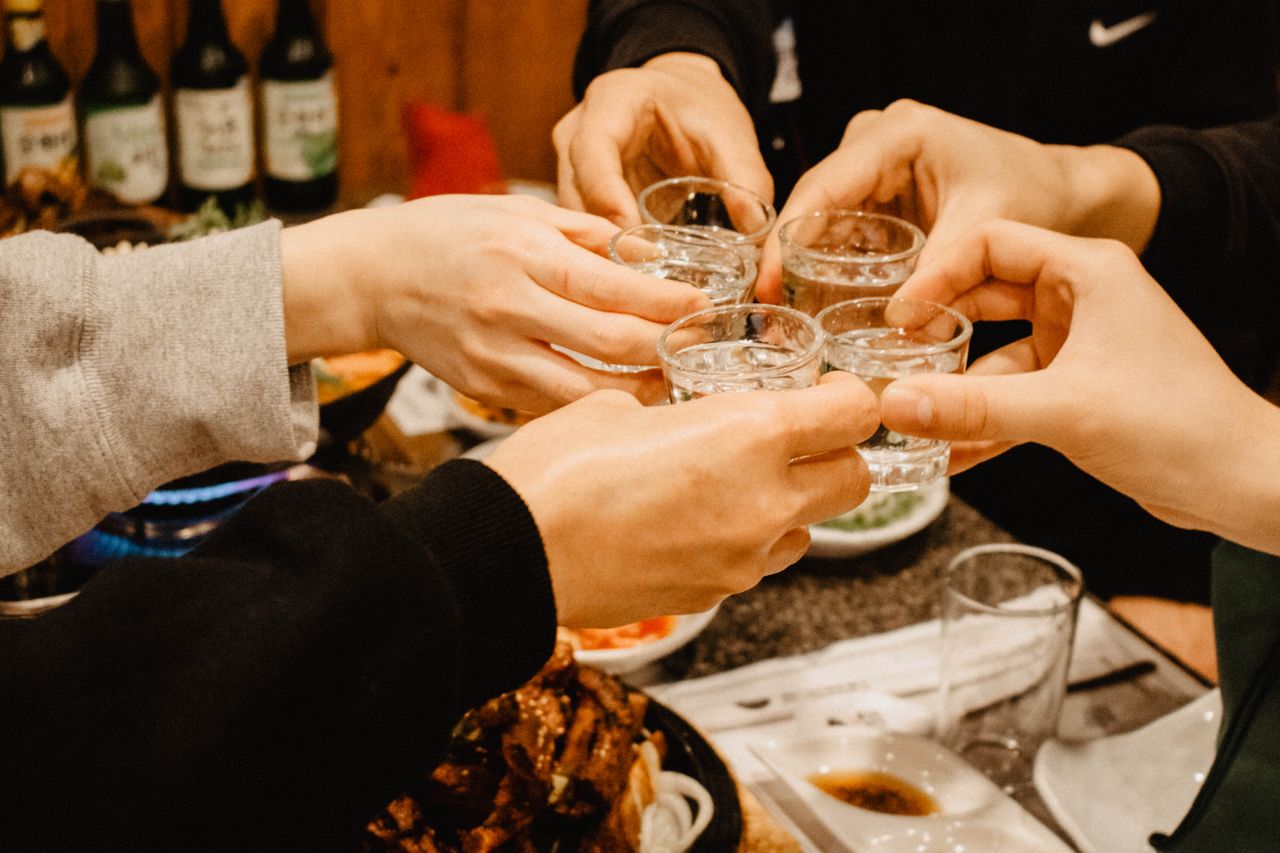
Photo by Mizzu Cho on Pexels
Where to buy: Daiso stores or kitchenware stalls in Namdaemun Market.
19
Stainless steel tableware
USD 10–40
Heavy-duty steel spoons and chopsticks are durable, hygienic, and authentic to every local dining table.
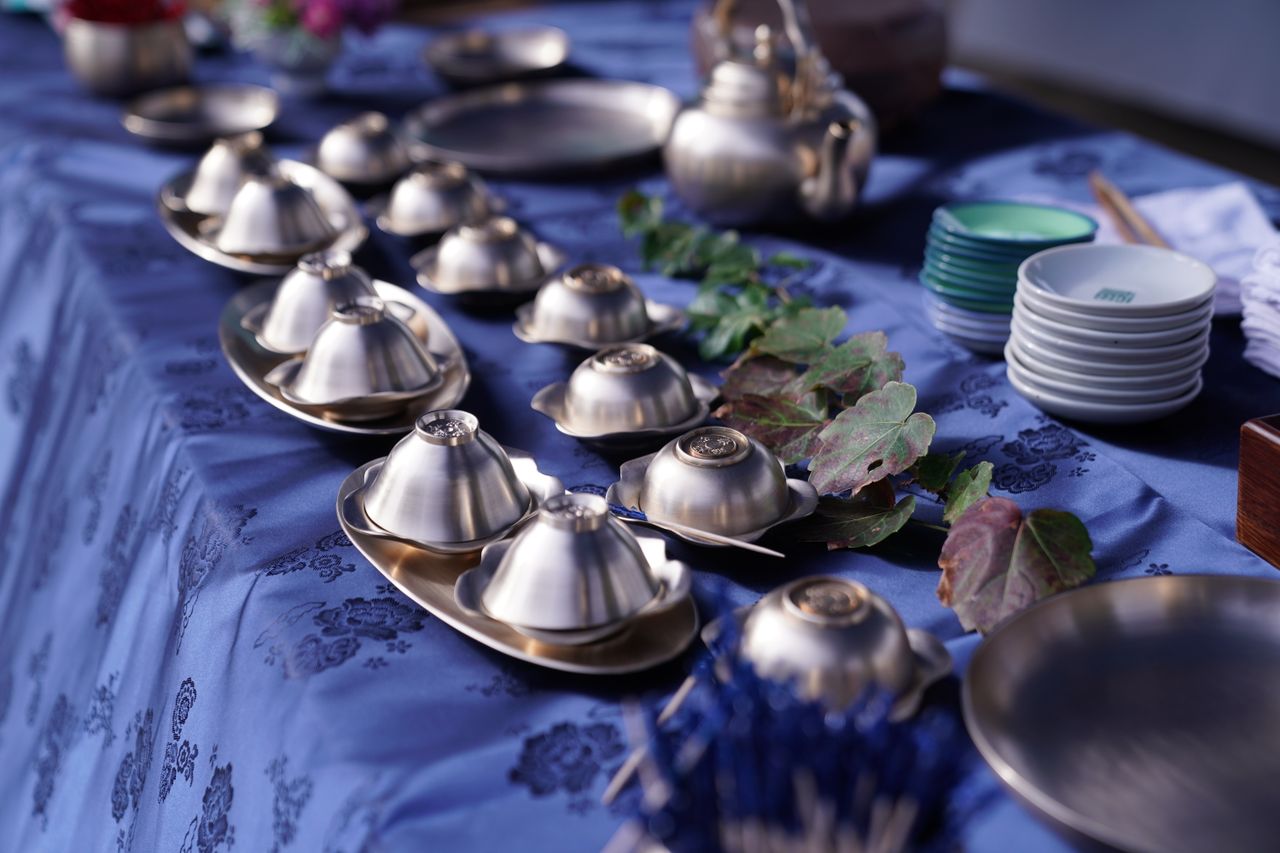
Photo by 준섭 윤 on Pexels
Where to buy: Gukje Market cookware vendors.
20
Volcanic ash facial soap
USD 5–15
The porous volcanic scoria draws out skin impurities without harsh chemicals.
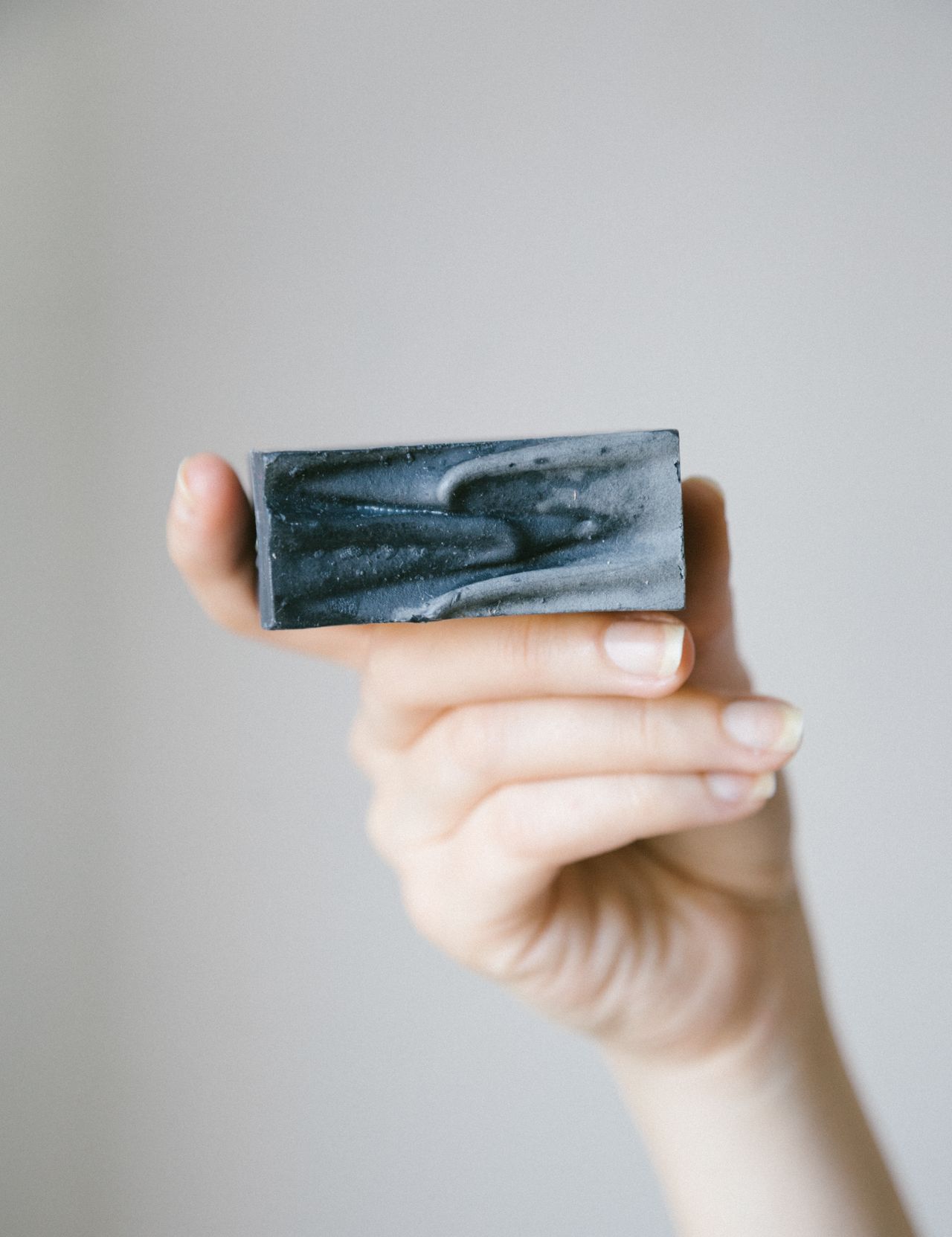
Photo by Meruyert Gonullu on Pexels
Where to buy: Innisfree Jeju House in O'sulloc Tea Garden