Explore Portugal
20 places · 20 dishes · 9 festivals · 20 things to buy — ranked from real traveler data.
Traditional food
See all 20 dishes →The dishes this country is known for — what they are and when to order them.

Fresh sardines grilled whole over charcoal, simply seasoned with salt, a seasonal highlight especially during the Santo António festivals in June.

This comforting and traditional Portuguese soup, especially popular in Northern Portugal, is simple yet flavorful, made with finely shredded collard greens and a creamy potato purée.

A popular and comforting codfish dish made with shredded salted cod, finely fried potatoes, onions, and scrambled eggs, typically garnished with black olives and parsley.
Places to visit
See all 20 places →The landmarks and experiences travelers rate highest.

The Praça do Comércio, more commonly known in Portuguese as Terreiro do Paço, is a large, harbour-facing plaza in Portugal's capital, Lisbon, and is one of the largest in Portugal, with an area of 175 by 175 m (574 by 574 ft), that is, 30,600 m2 (329,000 ft2).

The Luiz I Bridge, commonly known as Dom Luís I Bridge (Ponte de Dom Luís I), is a double-deck metal arch bridge that spans the river Douro between the cities of Porto and Vila Nova de Gaia in Portugal. At its construction, its 172 metres (564 ft) span was the longest of its type in the world.

The Lisbon Oceanarium is an oceanarium in Lisbon, Portugal. It is located in the Parque das Nações, which was the exhibition grounds for the Expo '98. It is one of the largest indoor aquariums in Europe and approximately 1 million people visit each year.
Festivals
See all 9 festivals →What’s celebrated and when — dates always spelled out.

May 12-13 and October 12-13 pilgrimages to the Fátima sanctuary, commemorating the 1917 Marian apparitions. Hundreds of thousands attend candlelight processions.
Porto's biggest annual party, June 23 night. Locals hit each other with plastic hammers, grill sardines on every street, and watch fireworks over the Douro River. Hotels sell out 2+ months ahead.

Portuguese Christmas centres on Consoada (Christmas Eve dinner), traditionally featuring bacalhau (salt cod). Lisbon's Rossio square and Porto's Aliados avenue fill with light displays and markets. Missa do Galo (Midnight Mass) fills churches. Bolo Rei (Kings' Cake) appears through to Epiphany.
What to buy
See all 20 items →Local goods and souvenirs with typical prices.

Traditional tin-glazed ceramic tiles display geometric patterns that reflect centuries of regional history.
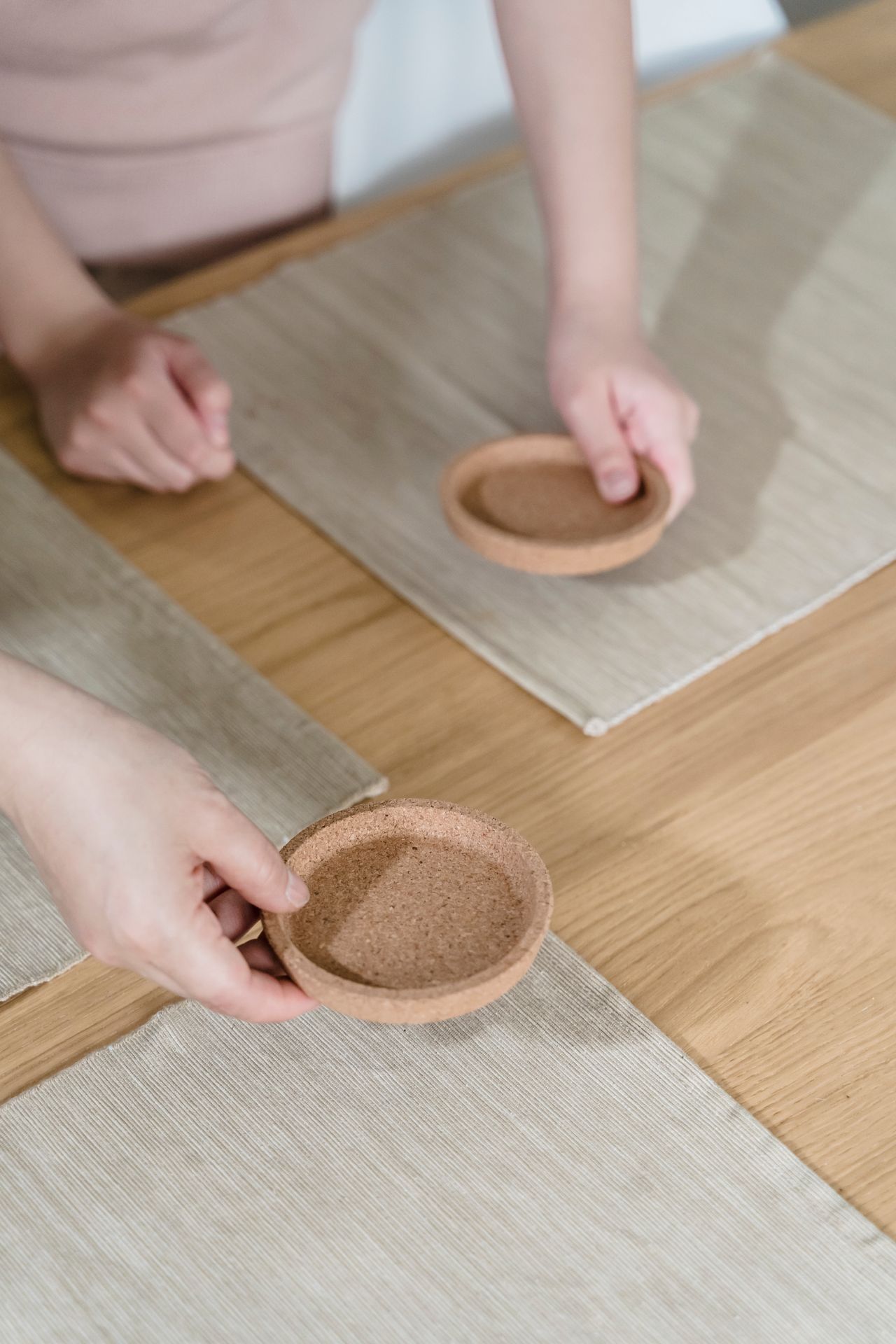
Portugal leads the world in cork production; look for durable, sustainable coasters and bags.
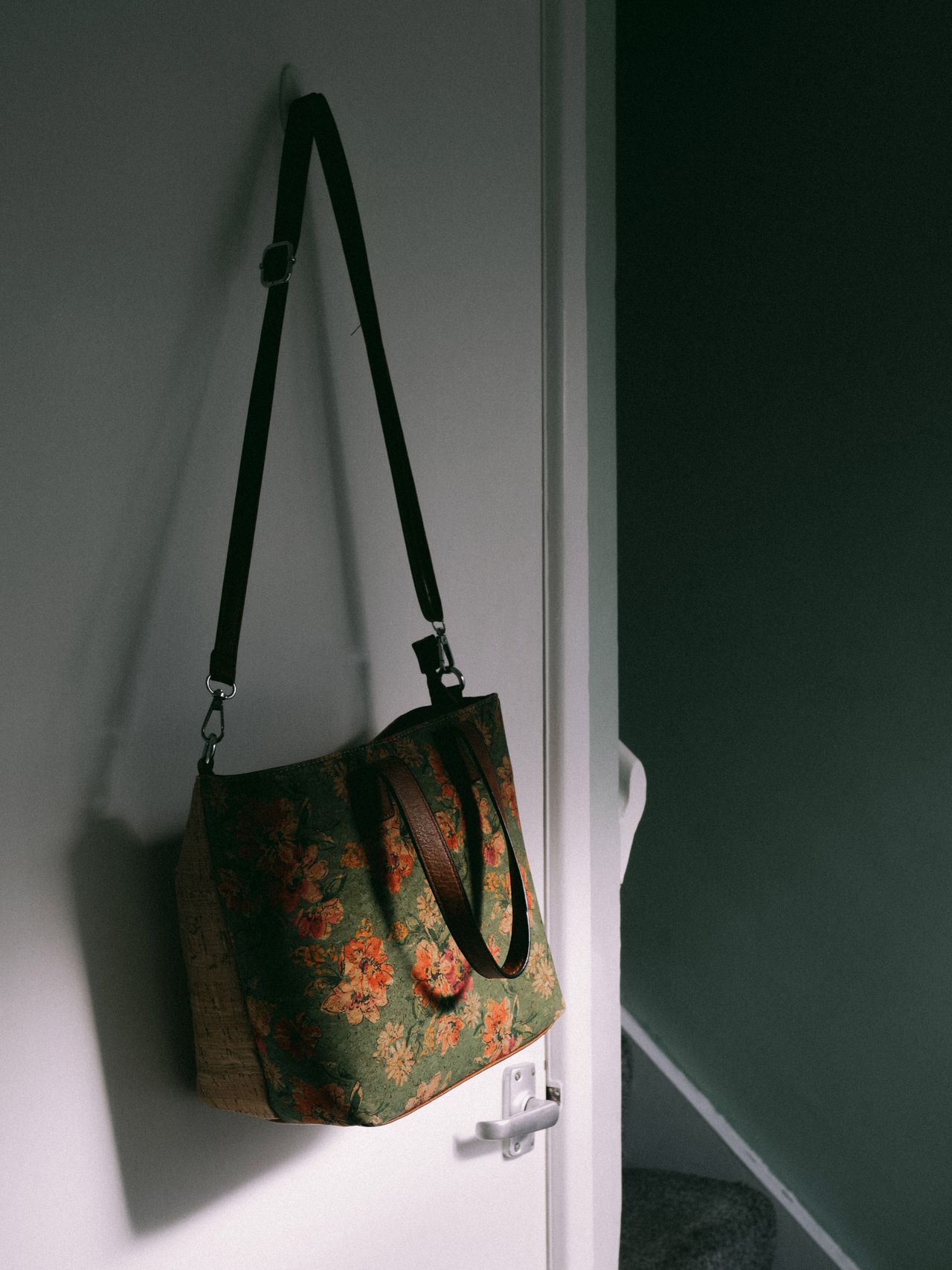
This lightweight, water-resistant material is harvested sustainably from local oak forests.