Local goods and souvenirs worth bringing home — with photos, typical prices, and where to buy them.
1
Pucara Bull
USD 10–50
These hand-painted ceramic bulls serve as symbols of protection and happiness for Andean homes.

F Delventhal (CC BY 2.0)
Where to buy: Pisac artisan stalls
2
Maras Pink Salt
USD 2–10
Harvested from ancient salt pans, this mineral-rich salt adds a clean finish to any dish.

Diego Delso (CC BY-SA 4.0)
Where to buy: Salineras de Maras village shops
3
Huayruro Seed Bracelet
USD 3–15
Local custom considers these red and black forest seeds to be protective good-luck charms.
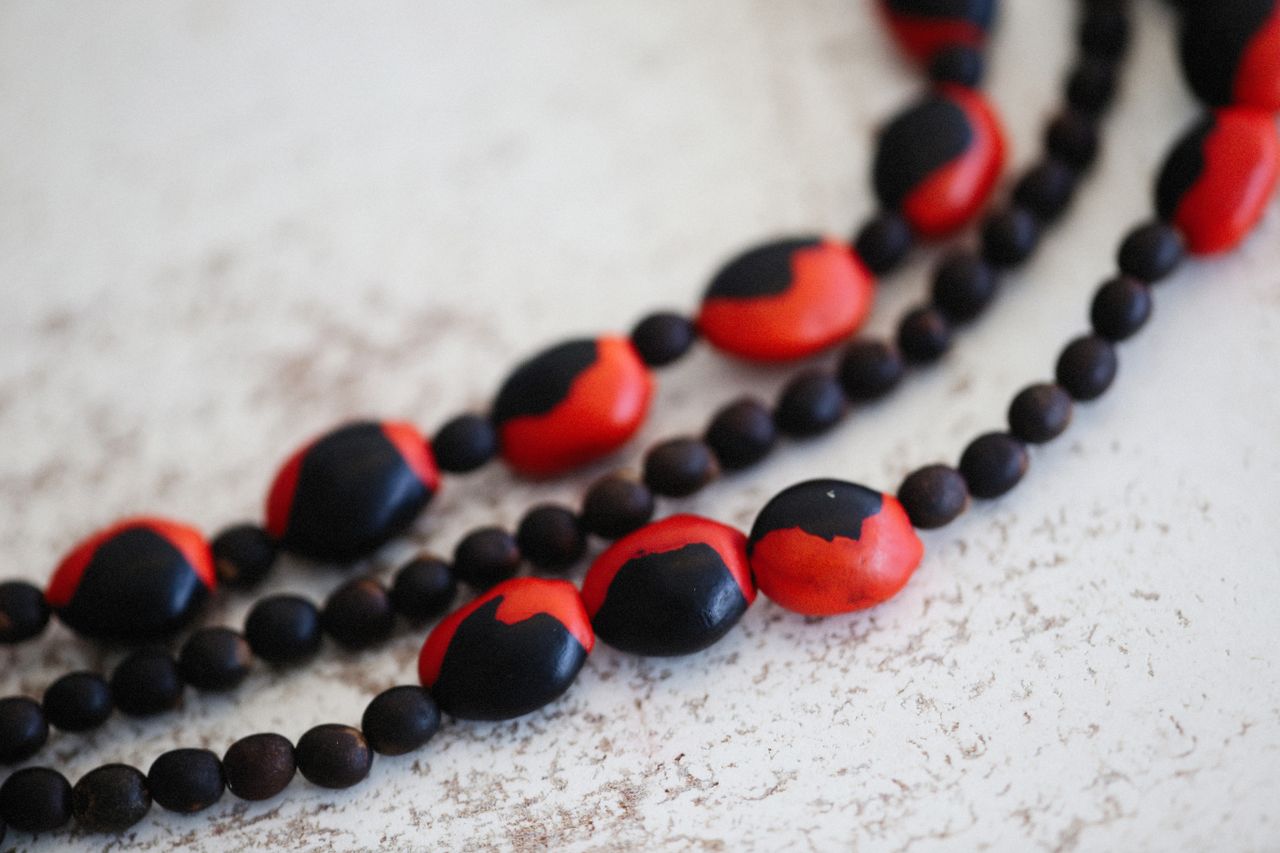
Photo by Alexey Demidov on Pexels
Where to buy: San Pedro Market.
4
Ayacucho Retablo
USD 50–500
Intricate portable altars featuring hand-painted clay figures depicting rural Andean life or religious scenes.

EduardoZambrano from Lima, Peru (CC BY-SA 2.0)
Where to buy: Centro de Textiles Tradicionales del Cusco; local artisan galleries in San Blas.
5
Backstrap loom textile
USD 50–400
These intricate patterns are woven by hand using techniques passed down over centuries.

Rob Young from United Kingdom (CC BY 2.0)
Where to buy: Centro de Textiles Tradicionales del Cusco (CTTC) on Avenida del Sol.
6
Peruvian Cacao Chocolate
USD 5–15
Taste the complex, fruity notes of single-origin beans sourced from the nearby cloud forests.
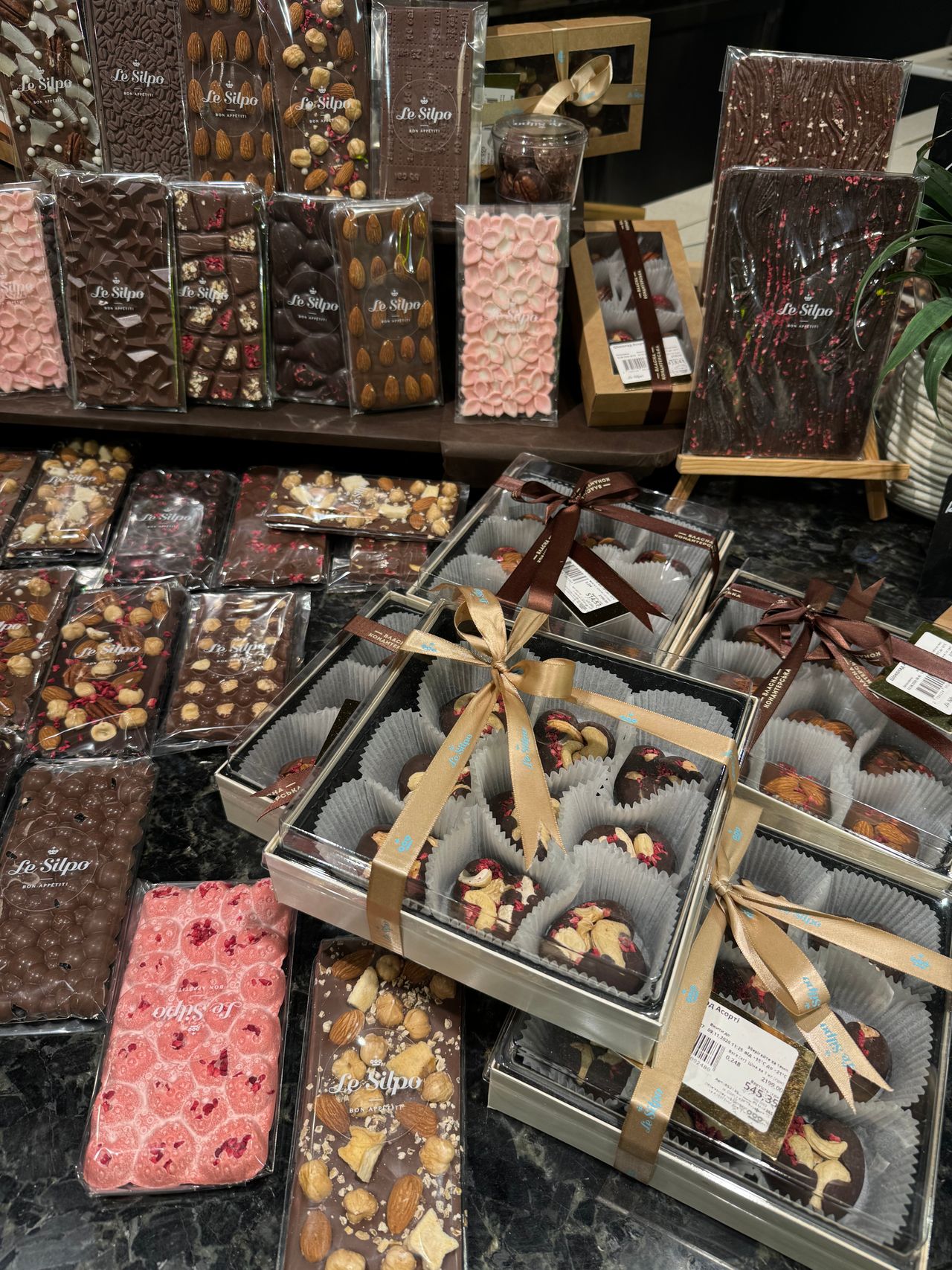
Photo by Hanna M on Pexels
Where to buy: ChocoMuseo
7
Peruvian Chocolate
USD 5–15
Small-batch bars showcase high-quality single-origin cacao from the Cusco and San Martin regions.
Photo by Hanna M on Pexels
Where to buy: ChocoMuseo Cusco or local specialty boutiques
8
Silver filigree jewelry
USD 30–250
Artisans twist tiny silver threads into delicate, lace-like patterns inspired by colonial traditions.
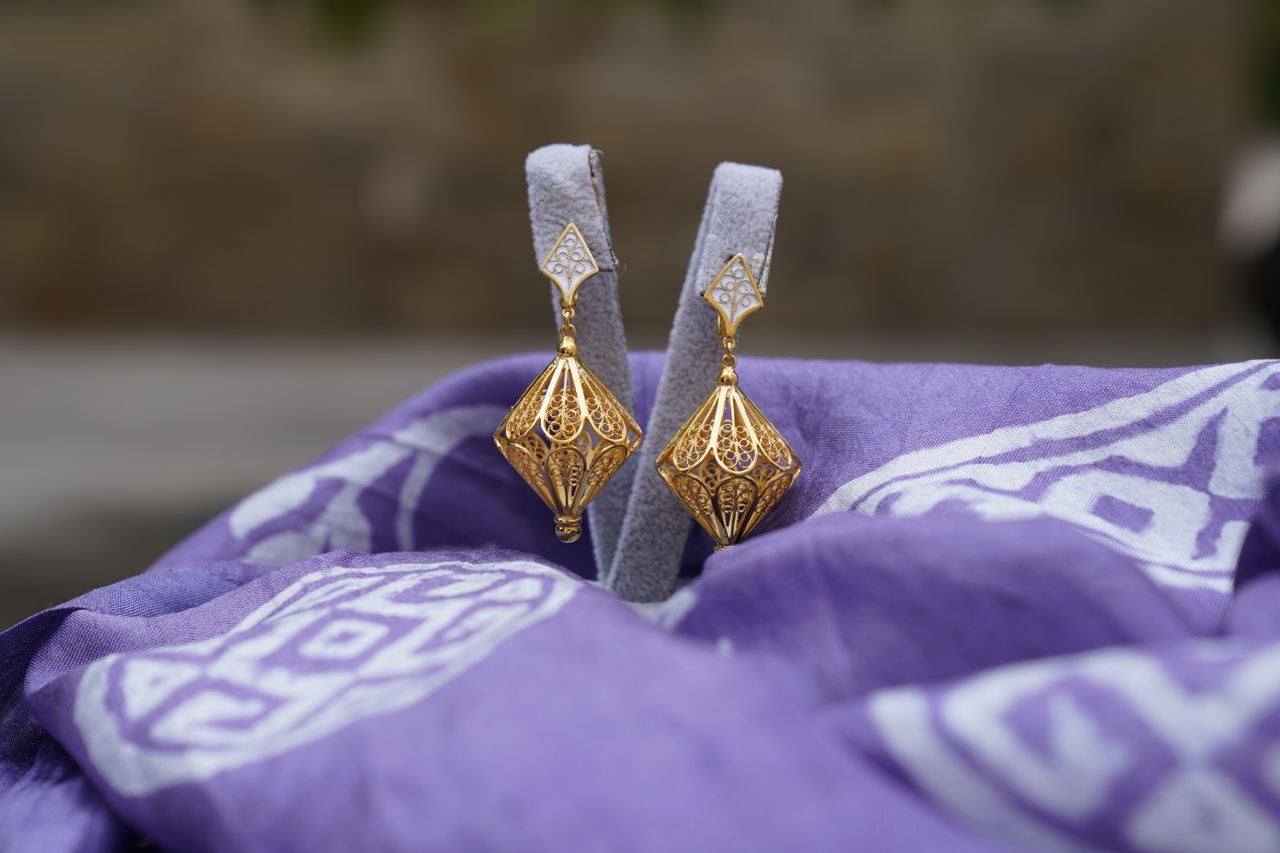
Photo by Tahir Xəlfəquliyev on Pexels
Where to buy: Ilaria in Larcomar or shops along Avenida Petit Thouars.
9
Peruvian pisco
USD 15–50
A potent grape-based spirit that serves as the essential base for a proper pisco sour.
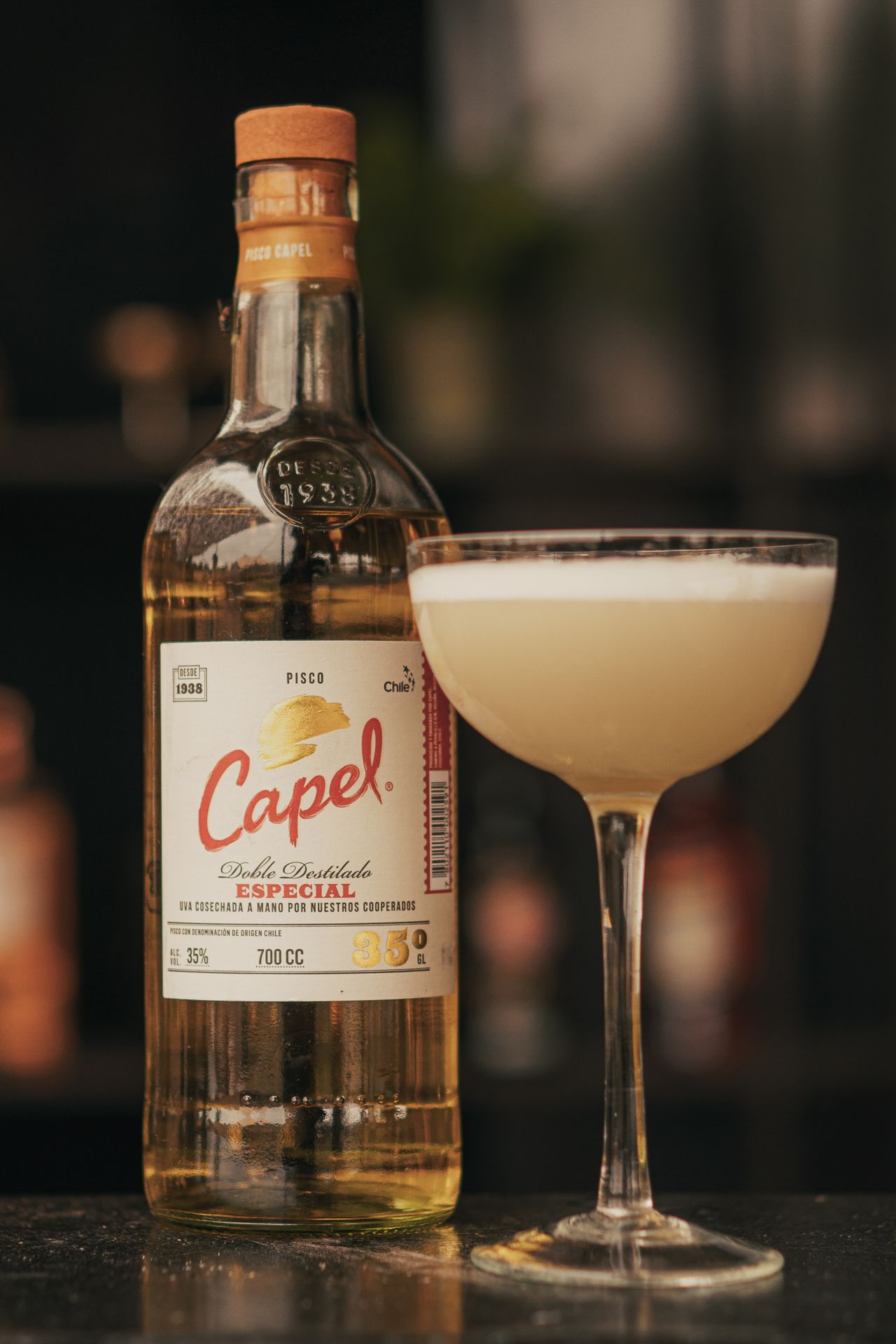
Photo by Gonzalo Acuña on Pexels
Where to buy: Local distilleries or shops in Urubamba center
10
Alpaca Fur Teddy Bear
USD 20–50
Ethically sourced fur creates a plush, unique keepsake from the highland camelids.
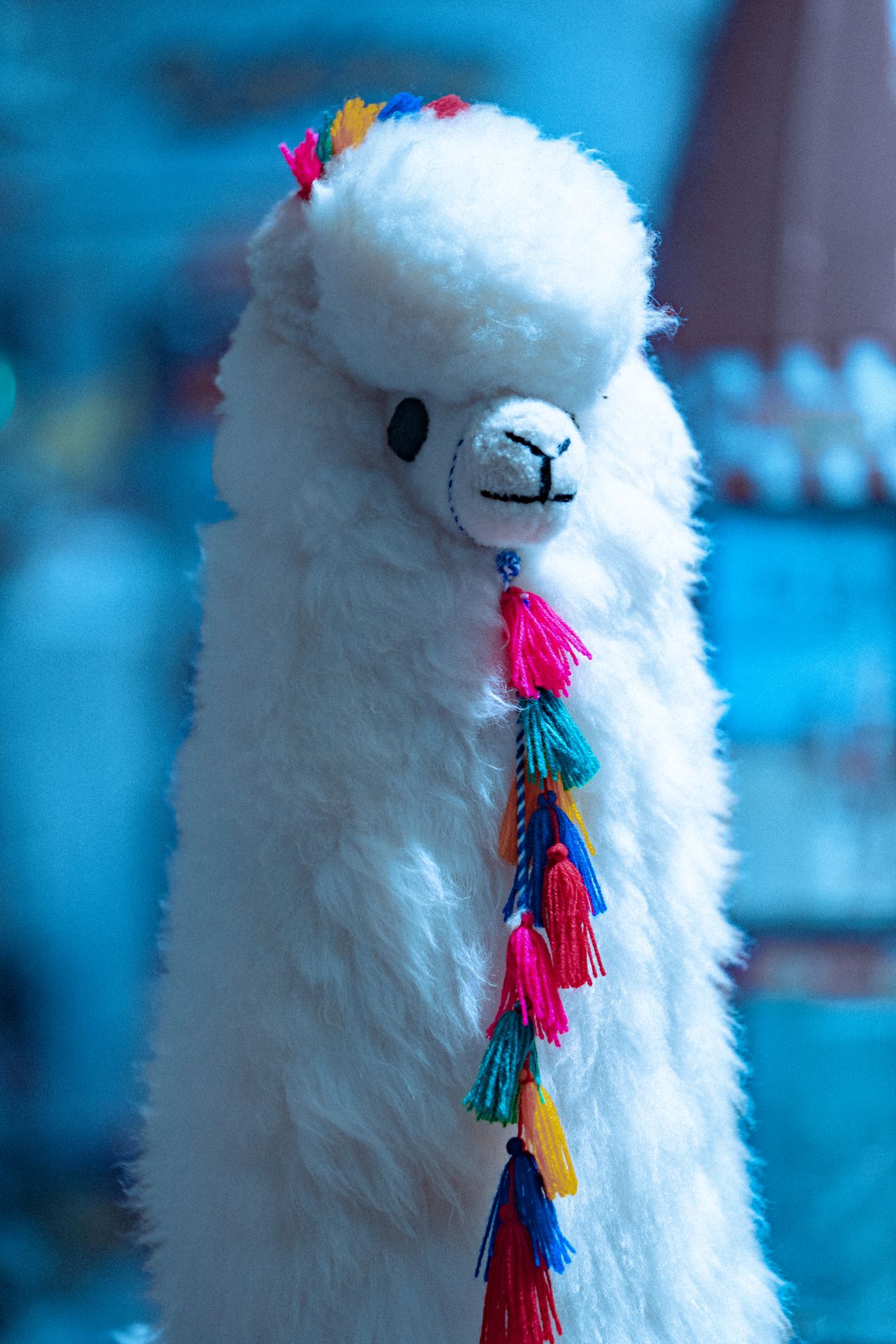
Photo by Leon on Pexels
Where to buy: San Camilo Market stalls.
11
Baby alpaca wool sweater
USD 40–150
This fiber is lighter and warmer than sheep wool with a soft, luxurious feel.
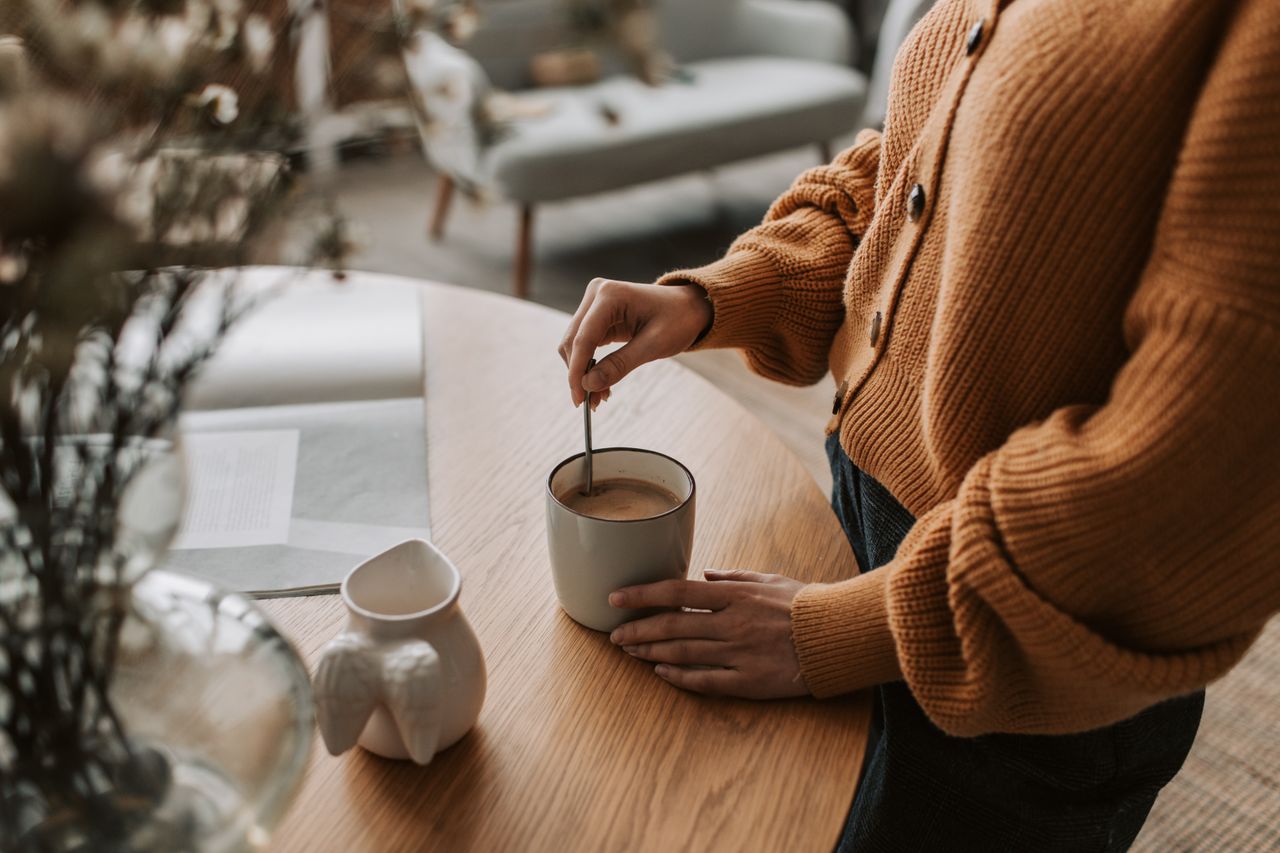
Photo by Vlada Karpovich on Pexels
Where to buy: Mercado Indio on Avenida Petit Thouars in Miraflores.
12
Colca Canyon Embroidery
USD 25–80
Bright floral motifs represent the tradition of the nearby Colca Valley villages.
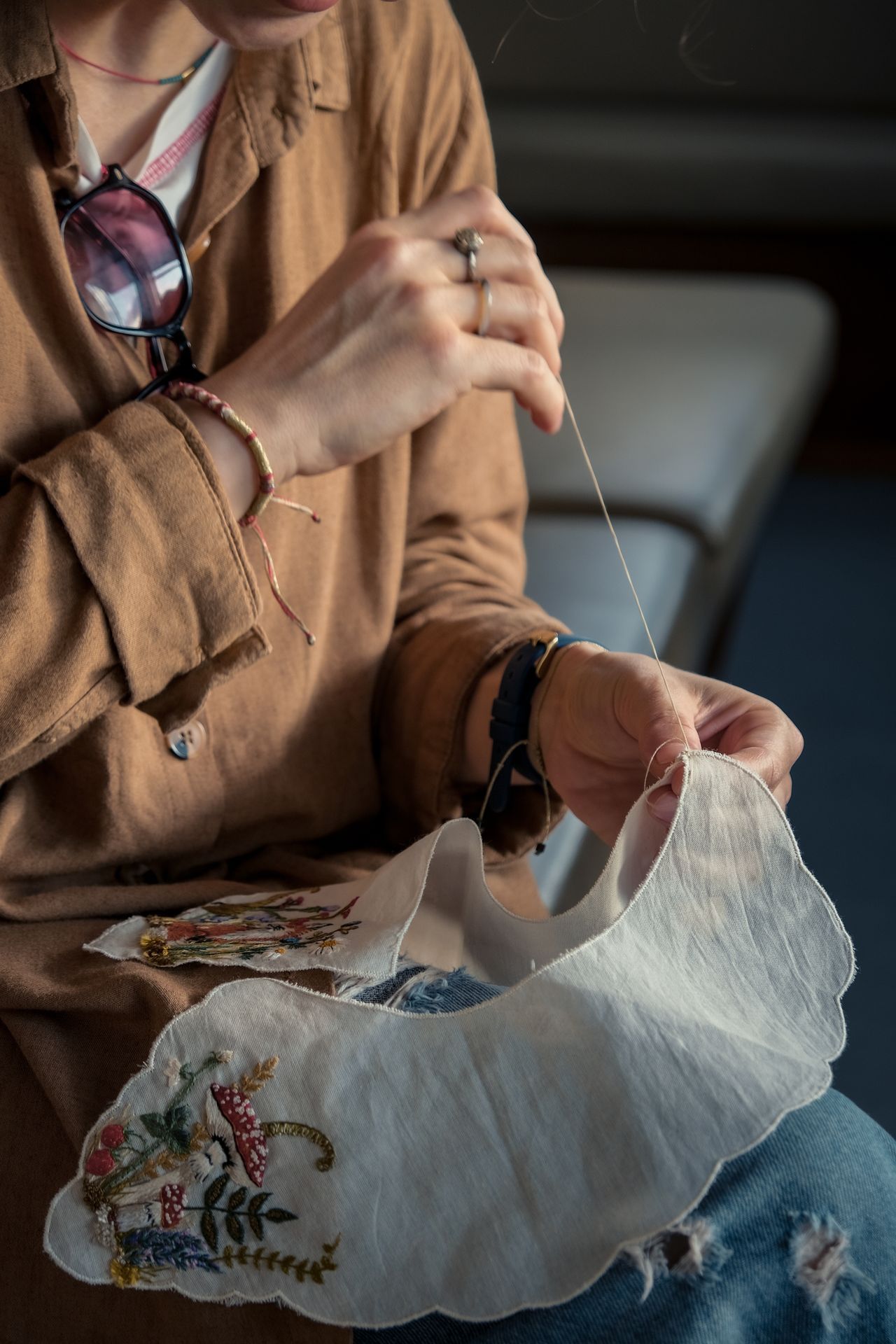
Photo by Zeynep Sude Emek on Pexels
Where to buy: Centro Artesanal Fundo El Fierro.
13
Natural Dyed Handwoven Tapestry
USD 40–200
These intricate textiles use ancestral weaving techniques and pigments sourced from cochineal insects or local plants.
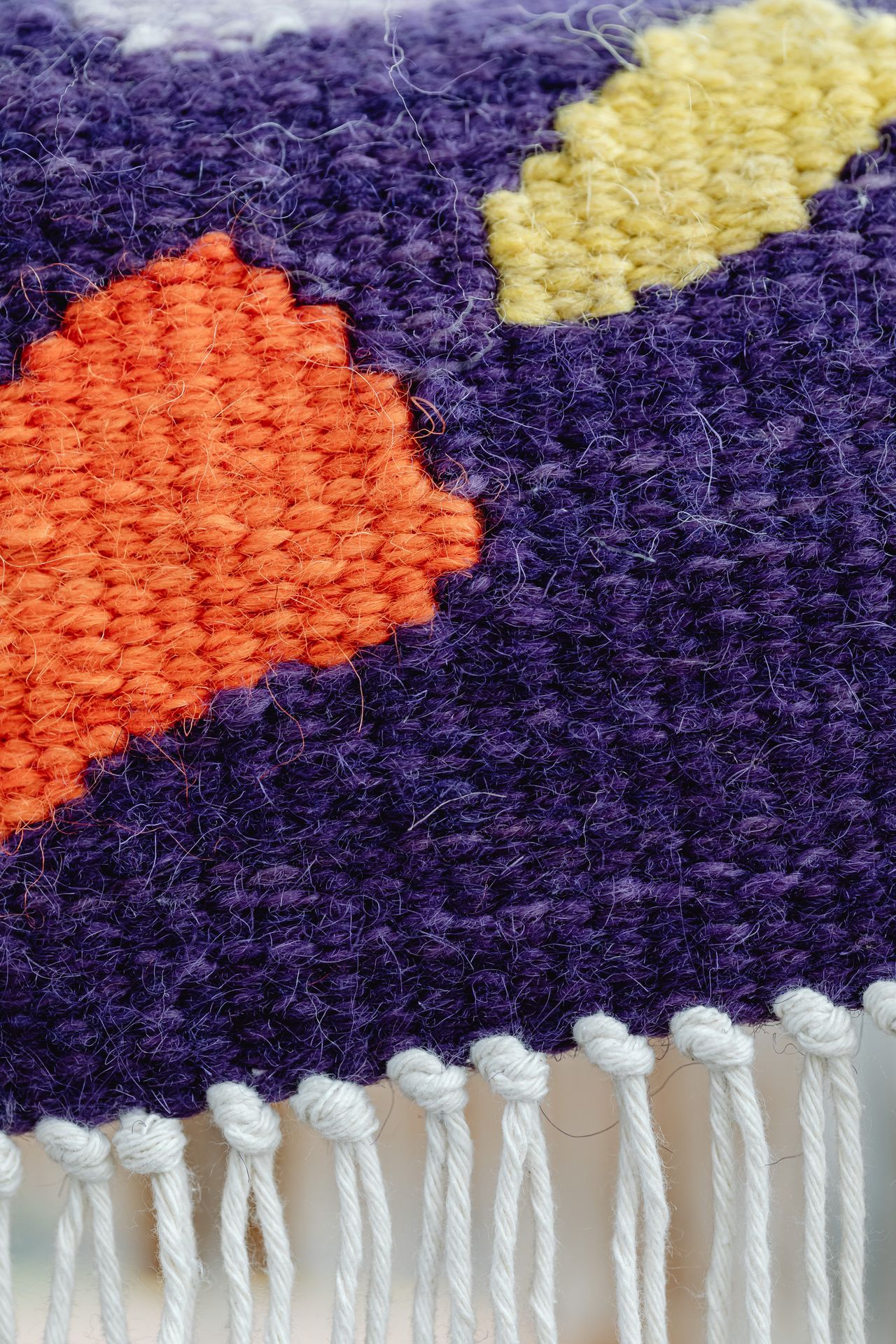
Photo by https://kaboompics.com/ on Pexels
Where to buy: Chinchero Weaving Cooperative markets
14
Natural Dyed Weaving
USD 40–200
These pieces use traditional backstrap loom techniques and plant-based dyes.
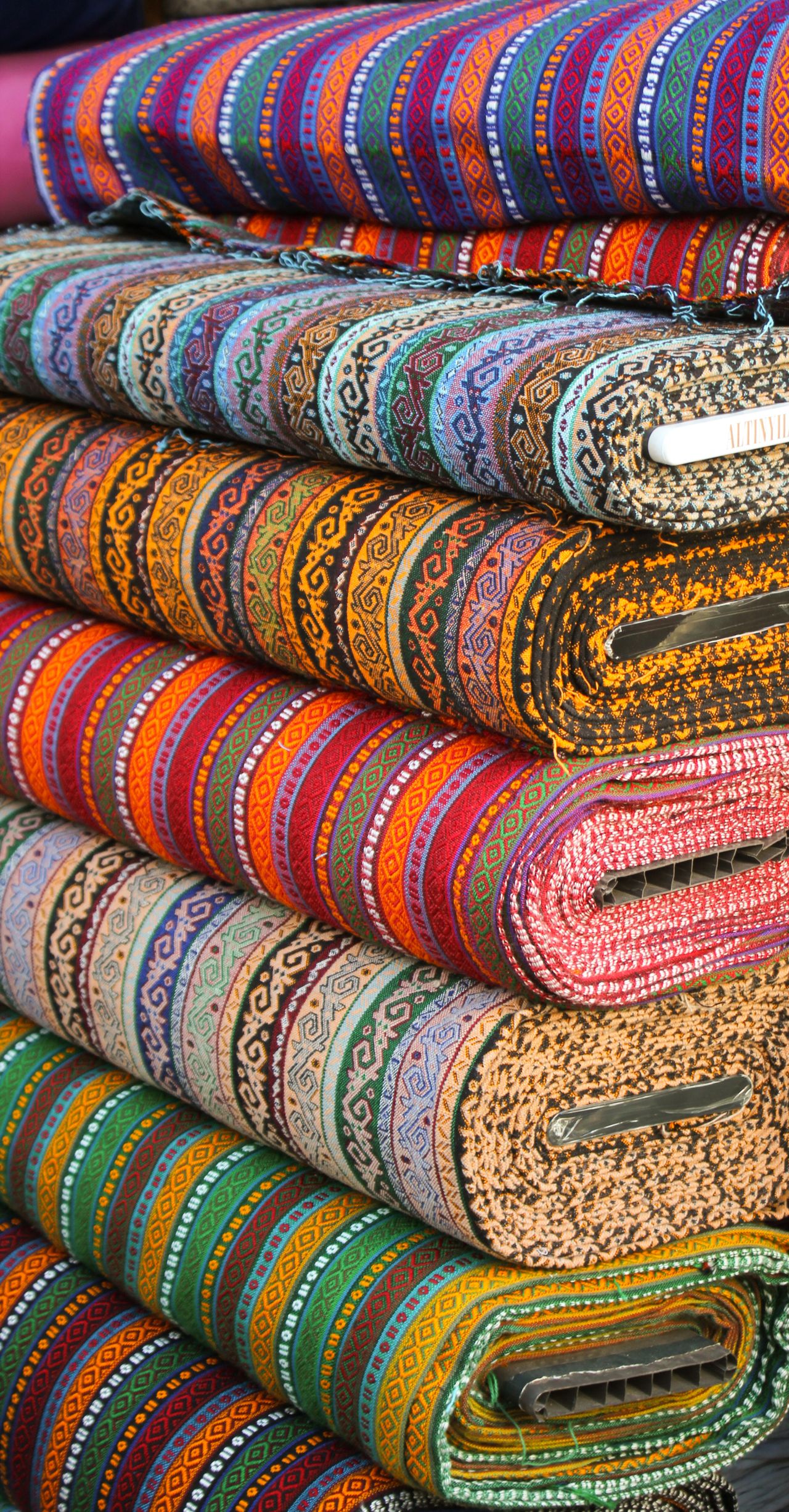
Photo by Kübra on Pexels
Where to buy: Nilda Callañaupa Alvarez weaving workshops.
15
Handwoven Lliclla Textile
USD 100–600
These traditional shoulder cloths use backstrap looms and complex, story-driven geometric patterns.

CC0
Where to buy: Centro de Textiles Tradicionales del Cusco.
16
Peruvian Coffee Beans
USD 12–25
High-altitude beans from the Urubamba Valley offer distinct chocolate and citrus notes.
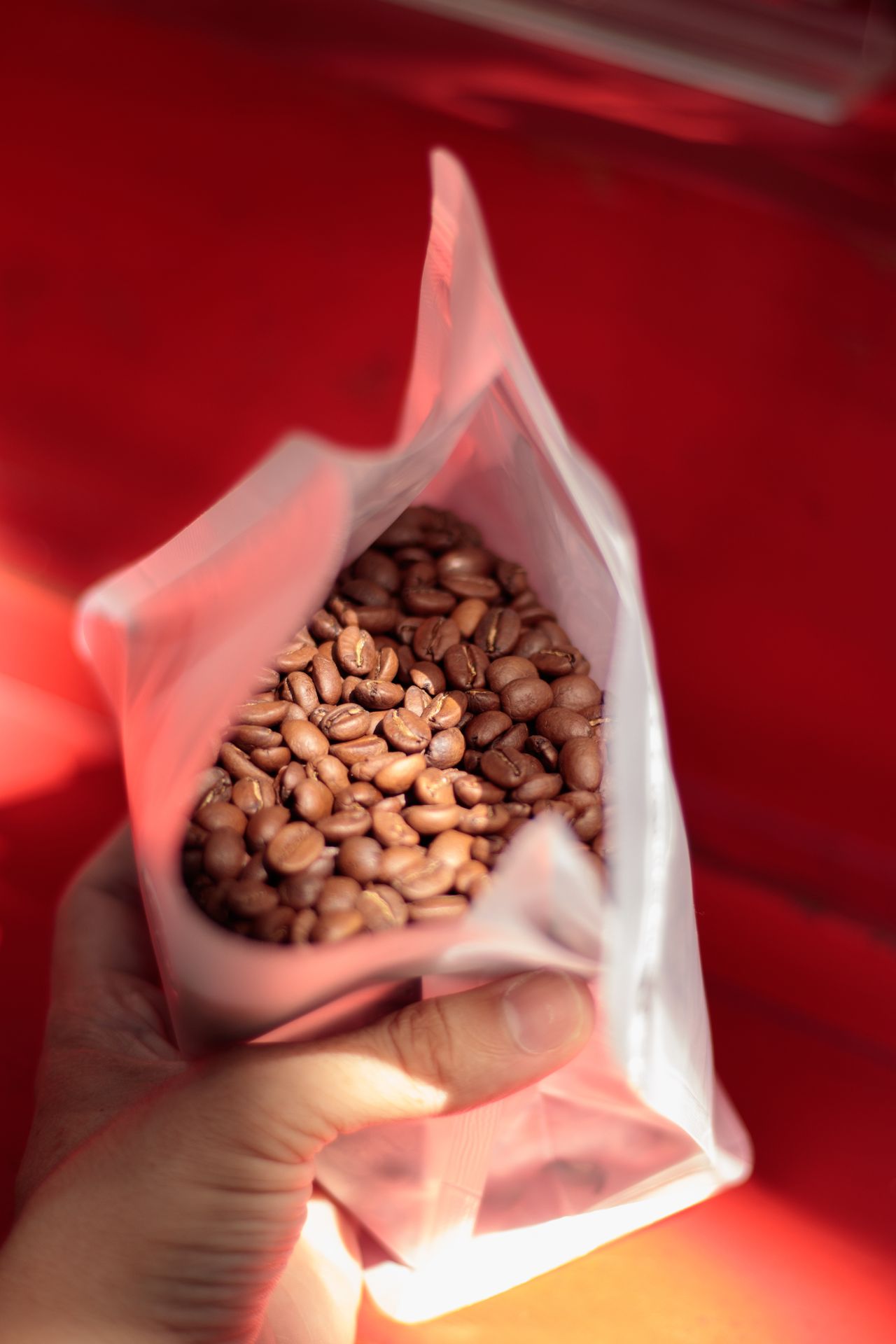
Photo by Rodrigo Ortega on Pexels
Where to buy: Three Monkeys Coffee; various roasters near Plaza de Armas.
17
Pisco (grape brandy)
USD 15–45
Pick up a bottle of Quebranta or Acholado to make authentic pisco sours at home.

No machine-readable author provided. Manuel González Olaechea assumed (based on copyright claims). (CC BY-SA 3.0)
Where to buy: Wine shops in Miraflores or the liquor section at Wong supermarkets.
18
Pisco Quebranta
USD 15–50
The region produces potent, aromatic grape brandy that is the base of a Pisco Sour.

No machine-readable author provided. Manuel González Olaechea assumed (based on copyright claims). (CC BY-SA 3.0)
Where to buy: Specialty liquor shops on Calle Santa Catalina.
19
Retablo shadow box
USD 25–120
These hand-painted boxes feature intricate clay figurines depicting rural Andean life and religious scenes.
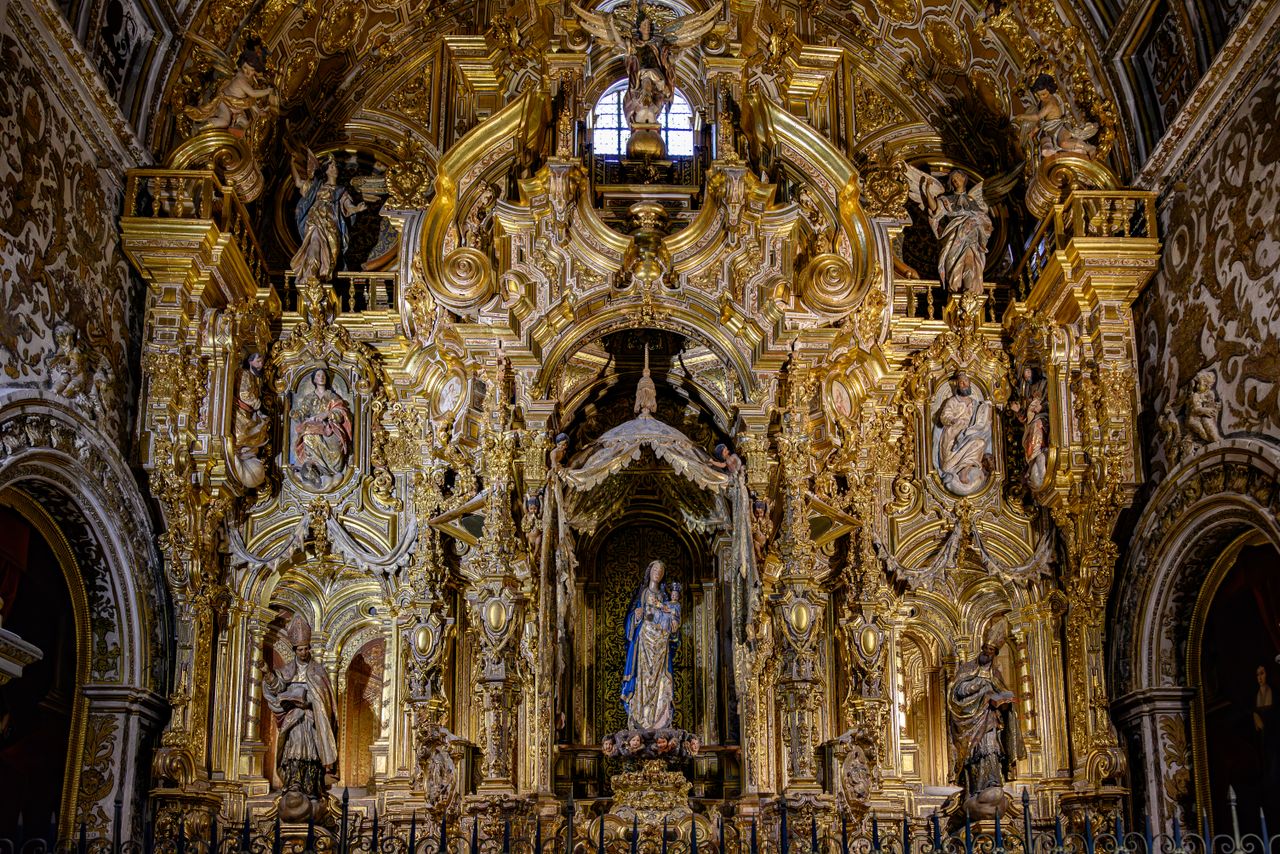
Photo by Osviel Rodriguez Valdés on Pexels
Where to buy: Mercado Indio or artisan galleries in Barranco.
20
Shipibo Textile
USD 40–250
Geometric patterns represent cosmic visions from Amazonian traditions and take months to finish.

Luke Hancock (CC0)
Where to buy: Fair trade collectives or galleries in Lima's Barranco neighborhood.