Explore Peru
20 places · 20 dishes · 7 festivals · 20 things to buy — ranked from real traveler data.
Traditional food
See all 20 dishes →The dishes this country is known for — what they are and when to order them.
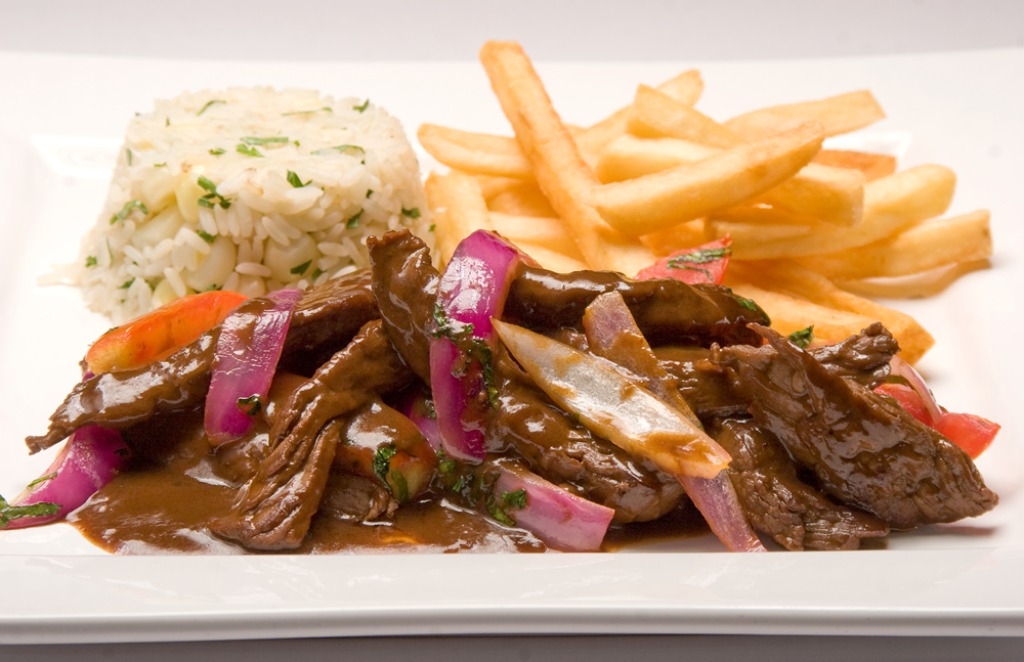
This hearty stir-fry combines tender beef with vibrant vegetables, aji amarillo, and a savory sauce, served with both rice and French fries for a unique texture and flavor experience.
A flavorful and tender grilled street food experience featuring marinated beef heart on skewers, a true Bolivian delicacy.
This classic one-pot meal is flavorful and comforting, the vibrant green color coming from fresh cilantro and a touch of dark beer, typically served with chicken.
Places to visit
See all 20 places →The landmarks and experiences travelers rate highest.

Machu Picchu is a 15th-century Inca citadel located in the Eastern Cordillera of southern Peru on a mountain ridge at 2,430 meters (7,970 ft). It is situated in the Machupicchu District of Urubamba Province about 80 kilometers northwest of Cusco, above the Sacred Valley and along the Urubamba River, which forms a deep canyon with a subtropical mountain climate.
The Plaza de Armas of Cusco is located in the city of Cusco, Peru. Located in the historic center of the city is the main public space of the town since before its Spanish foundation in 1534. Geological studies carried out in the area show that it originally had a swamp, crossed by the Saphy River (currently channeled and covered). During the Inca Empire, this swamp was dried up and transformed into the administrative, religious and cultural center of the imperial capital. It was the place where all kinds of ceremonies were held and the victories of the Inca army were celebrated. After the Spanish conquest, it was transformed into a plaza (square) by the new rulers, who built Catholic temples and mansions on the ruins of the ancient Inca palaces. In this square, Túpac Amaru II was executed in 1781 as well as the cacique Bernardo Tambohuacso, Mateo Pumacahua and several other heroes of the independence of Peru. Today it is the central core of modern Cusco, surrounded by tourist restaurants, jewelry stores, travel agencies and the same Catholic churches built during the colonial period and which constitute two of the most important monuments of the city: the Cathedral of Cusco and the Iglesia de la Compañía de Jesús (Church of the Society of Jesus). Since 1972, the building has been part of the Monumental Zone of Cusco, declared a Historic Monument of Peru. Likewise, in 1983, as part of the historic center of the city of Cusco, it became part of the central zone declared by UNESCO as a World Cultural Heritage Site.

Lima is the capital and largest city of Peru, as well as a primate city. It is located in the valleys of the Chillón, Rímac and Lurín Rivers, in the desert zone of the central coastal part of the country, overlooking the Pacific Ocean. The city is considered the political, cultural, financial and commercial center of Peru. Jurisdictionally, the metropolis extends mainly within the province of Lima and in a smaller portion, to the west, within the Constitutional Province of Callao, where the seaport and the Jorge Chávez Airport are located. Both provinces have had regional autonomy since 2002. The 2023 census projection indicates that the city of Lima has an estimated population of 10,092,000 inhabitants, making it the second-most populous city in South America after São Paulo and the largest Spanish-speaking city in the world in terms of city proper population. The Lima Metropolitan Area, which forms a contiguous urban area with the seaside city of Callao, has a population of 10,151,200 inhabitants. When considering the additional seven districts contained in the Constitutional Province of Callao, the total agglomeration reaches a population of 11,342,100 inhabitants, one of the most populated urban agglomerations in the world. Lima was named by natives in the agricultural region known by native Peruvians as Limaq. It became the capital and most important city in the Viceroyalty of Peru. Following the Peruvian War of Independence, it became the capital of the Republic of Peru. Around one-third of the national population now lives in its metropolitan area. As the headquarters of the Andean Community, Lima plays a crucial role in regional diplomacy and trade integration. In October 2013, Lima was chosen to host the 2019 Pan American Games; these games were held at venues in and around Lima, and were the largest sporting event ever hosted by the country. The city will host the games for a second time in 2027. It also hosted the Asia-Pacific Economic Cooperation Meetings three times in 2008, 2016 and 2024; the Annual Meetings of the International Monetary Fund and the World Bank Group in October 2015, the United Nations Climate Change Conference in December 2014, and the Miss Universe 1982 contest.
Festivals
See all 7 festivals →What’s celebrated and when — dates always spelled out.
July 28-29 national holidays. Lima's Plaza de Armas hosts the Presidential address and a huge military parade. Most Peruvians travel to their home regions, causing packed flights and closed businesses.
Cusco's Holy Monday procession of the Señor de los Temblores ('Lord of Earthquakes') — a blackened Christ image credited with stopping the 1650 earthquake. Carried through Plaza de Armas by 40 bearers, showered with ñukchu (red flower petals). Holy Thursday: 12 Apostles dinner tradition at historic mansions. Good Friday: strict vigil, no alcohol. Easter: Machu Picchu tours fully booked.

Ancient Inca Festival of the Sun at Sacsayhuaman fortress with elaborate Inca reenactments, traditional costumes, and thousands of performers above Cusco.
What to buy
See all 20 items →Local goods and souvenirs with typical prices.
Pairs of these bulls are placed on rooftops to bring prosperity to homes.
The fibers are lighter, warmer, and softer than sheep wool with no itch.
This fiber is incredibly soft, light, and warmer than standard sheep wool.