Explore Japan
20 places · 20 dishes · 19 festivals · 20 things to buy — ranked from real traveler data.
Traditional food
See all 20 dishes →The dishes this country is known for — what they are and when to order them.

Tokyo is renowned for its buckwheat noodles, often served hot in a savory broth or chilled with a dipping sauce, offering a versatile and comforting meal.

Delicate and creamy tofu skin, a Kyoto specialty, enjoyed fresh as sashimi or in various cooked preparations.

Lightly battered and deep-fried seafood and vegetables, offering a delicate crunch and showcasing fresh ingredients.
Places to visit
See all 20 places →The landmarks and experiences travelers rate highest.

Tokyo Disneyland is a 126-acre (51 ha) theme park at the Tokyo Disney Resort in Urayasu, near Tokyo in Chiba Prefecture, Japan Its main gate is directly adjacent to both Maihama Station and Tokyo Disneyland Station. It was the first Disney park to be built outside the United States and it opened on April 15, 1983.

Universal Studios Japan (ユニバーサル・スタジオ・ジャパン) is a theme park located in Osaka, Japan. Opened on March 31, 2001, it is one of six Universal Studios theme parks worldwide and was the first to open outside the United States. The park is owned and operated by USJ LLC, a wholly owned subsidiary of Comcast NBCUniversal.

Sensō-ji, is an ancient Buddhist temple in Asakusa, Tokyo, Japan. It is Tokyo's oldest-established temple, and one of its most significant. It is dedicated to Kannon, the bodhisattva of compassion. Structures in the temple complex include the main hall, a five-story pagoda and large gates.
Festivals
See all 19 festivals →What’s celebrated and when — dates always spelled out.
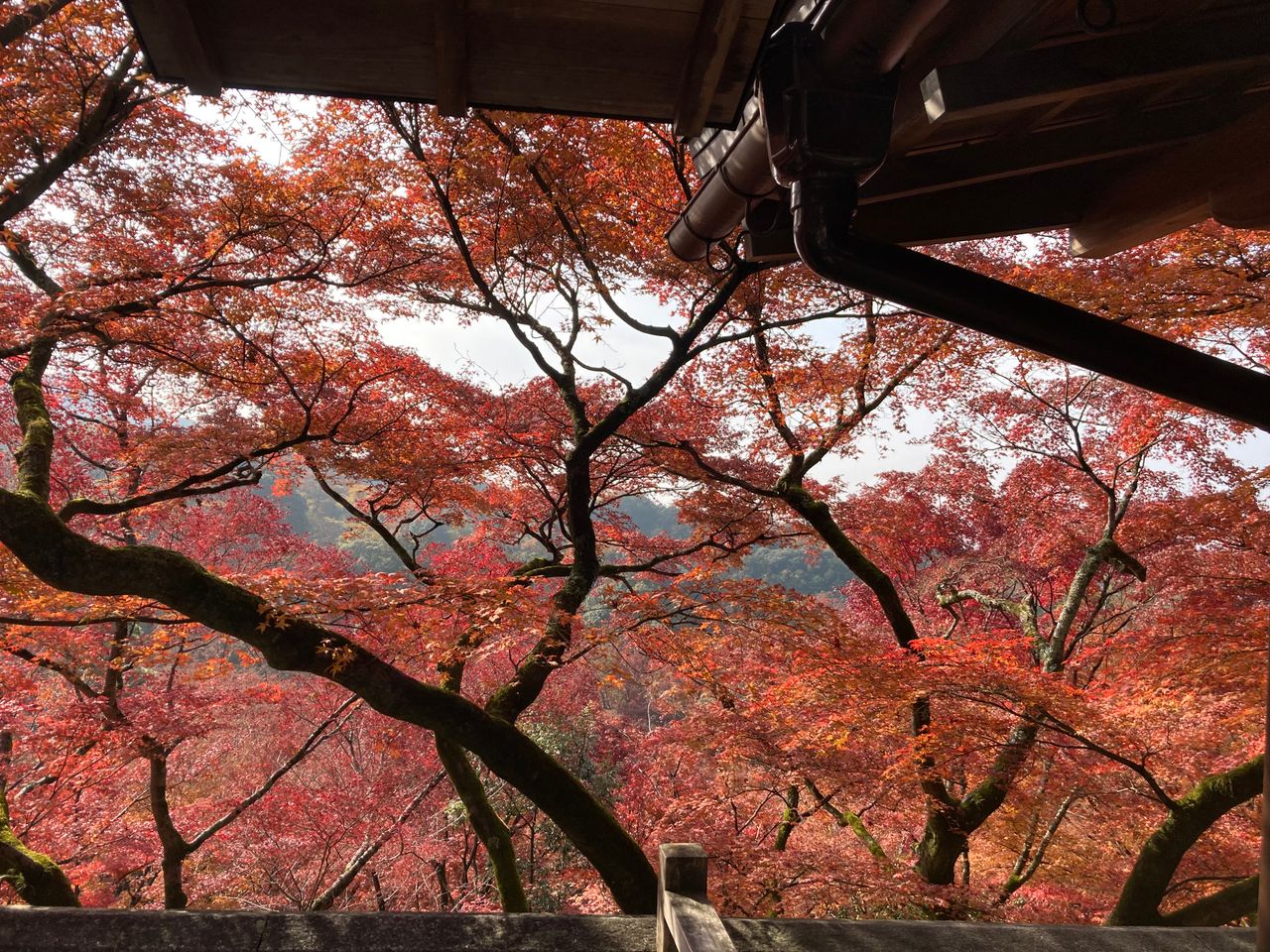
Peak autumn foliage viewing with stunning red and gold colors across Japan.

Peak cherry blossom viewing season with picnics under blooming trees.

Japan's longest holiday period with multiple national holidays. Domestic travel surge.
What to buy
See all 20 items →Local goods and souvenirs with typical prices.

Expertly forged carbon steel tools that hold an edge far longer than Western equivalents.

This traditional paper uses long fibers from mulberry bark, creating a durable and textured surface.

These thin, versatile cotton cloths feature distinct local mountain and lake motifs.