Explore Italy
20 places · 20 dishes · 18 festivals · 20 things to buy — ranked from real traveler data.
Traditional food
See all 20 dishes →The dishes this country is known for — what they are and when to order them.

Roman fried rice balls typically filled with tomato sauce, rice, and a piece of mozzarella, which melts to create a 'supplí al telefono' (like a telephone cord) when pulled apart.

Thin slices of veal (or sometimes pork) topped with prosciutto and sage, pan-fried and quickly cooked in white wine, its name means 'jumps in the mouth' for its flavor.

Roman-style pizza sold by weight or slice, characterized by its rectangular shape, light, airy dough, and wide variety of toppings, perfect for a quick, casual meal.
Places to visit
See all 20 places →The landmarks and experiences travelers rate highest.

The Colosseum is an elliptical amphitheatre in the centre of the city of Rome, Italy, just east of the Roman Forum. It is the largest ancient amphitheatre ever built, and is the largest standing amphitheatre in the world.

The Trevi Fountain is an 18th-century fountain in the Trevi district in Rome, Italy, designed by Italian architect Nicola Salvi and completed by Giuseppe Pannini in 1762.

The Pantheon is an ancient 2nd century Roman temple and, since AD 609, a Catholic church called the Basilica of St. Mary and the Martyrs in Rome, Italy. It is perhaps the most famous, and architecturally most influential, rotunda.
Festivals
See all 18 festivals →What’s celebrated and when — dates always spelled out.

Italy's Christmas season runs from Dec 8 (Immaculate Conception) through Jan 6 (Epiphany/La Befana). Elaborate nativity scenes (presepi), Midnight Mass and festive markets define the season. Rome's St. Peter's Square hosts a giant Christmas tree and nativity. Key foods: panettone, pandoro, struffoli.

Italy's biggest religious holiday. Observed nationwide with Pasqua (Easter Sunday) and Pasquetta (Easter Monday — the traditional outing/picnic day). Every Italian city has processions. Traditional Easter foods: agnello (lamb), colomba pasquale cake, Neapolitan pastiera. 'Natale con i tuoi, Pasqua con chi vuoi' ('Christmas with family, Easter with whoever you like').

The world's oldest film festival, founded in 1932, the Venice International Film Festival is the opening salvo of awards season. Held on the Lido island each August-September, it premieres some of the year's most significant films and awards the Golden Lion, attracting global stars who arrive exclusively by vaporetto and water taxi.
What to buy
See all 20 items →Local goods and souvenirs with typical prices.
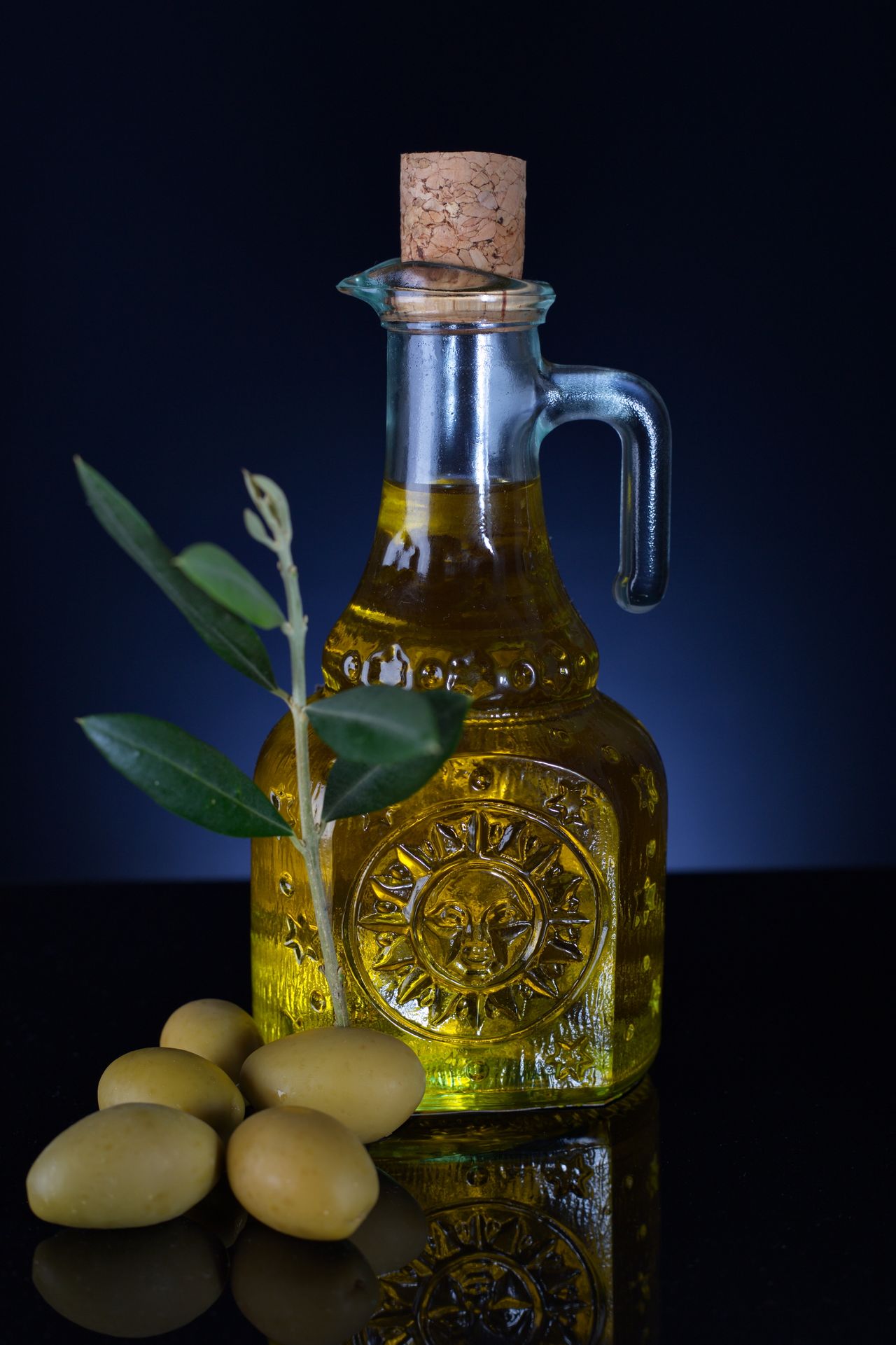
The region produces more olive oil than any other part of Italy.

Elban limoncino uses local island citrus, resulting in a brighter, less syrupy finish.

Tailored Italian lambskin is supple, long-lasting, and far more refined than mass-produced imports.