Your 10-Day Germany, Austria & Czech Republic Itinerary
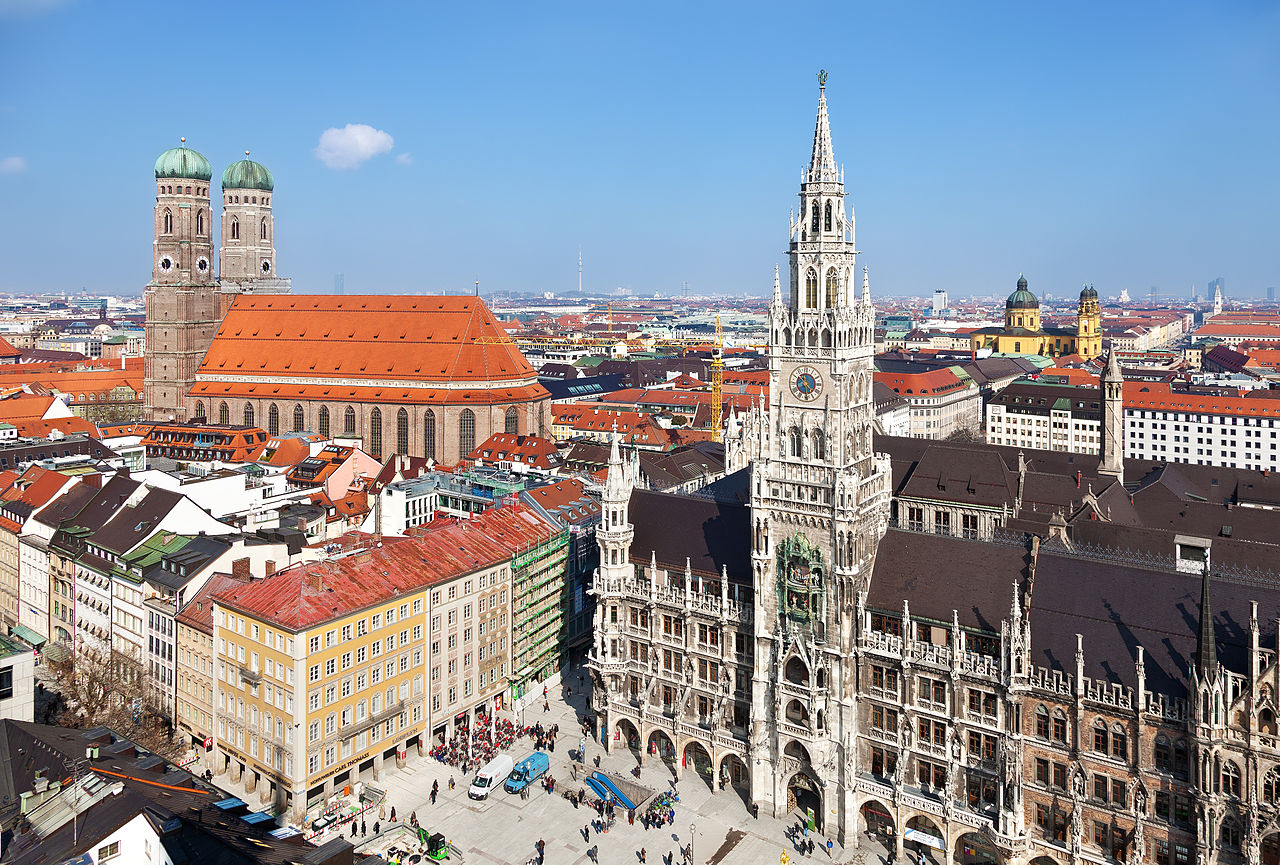
Wander Marienplatz and Altstadt · Savor Local Flavors at Viktualienmarkt · Explore the Royal Munich Residenz · Relax and Freshen Up · Experience Bavarian Beer Culture at Hofbräuhaus München · Explore Nymphenburg Palace
10-day Germany trip — Munich to Salzburg to Prague. Day-by-day route, attractions & food.
Part one
Is this trip for you?
This route through Munich, Salzburg, and Prague stitches together a specific Central European history that differs greatly from a more westerly itinerary, like Paris and Brussels. Those western cities offer grand boulevards and Gothic cathedrals. Here, you get distinct Baroque opulence, Bavarian beer hall culture, and the deeply layered stories of kingdoms and empires at Europe's historical crossroads. This trip is built for those seeking imperial grandeur, alpine backdrops, and cobblestone charm over coastal views or modern art galleries.
Your itinerary covers 12 must-have experiences

Experiencing Bavarian Beer Culture
✓ Day 1: Experience Bavarian Beer Culture at Hofbräuhaus München

Exploring Royal Palaces & Historic Sites
✓ Day 1: Explore the Royal Munich Residenz

Savoring Local Flavors at a Market
✓ Day 1: Savor Local Flavors at Viktualienmarkt

Relaxing in Iconic Green Spaces
✓ Day 4: Stroll through the English Garden and watch Eisbachwelle surfers

Discovering World-Class Museums
✓ Day 4: Explore the Deutsches Museum

Mozart's Legacy & Classical Music
✓ Day 6: Mozart's Birthplace (Mozart Geburtshaus)

Hohensalzburg Fortress & Panoramic Views
✓ Day 6: Hohensalzburg Fortress

Alpine Lakes & Salt Mining Heritage
✓ Day 7: Hallstatt Salt Mine and Skywalk "World Heritage View"

Baroque Old Town & UNESCO Sites
✓ Day 8: Explore Salzburg Cathedral

Old Town Square & Charles Bridge
✓ Day 8: Stroll across Charles Bridge

Historic Prague Castle Complex
✓ Day 9: Explore the Historic Prague Castle Complex

The Historic Jewish Quarter
✓ Day 10: Explore the Jewish Quarter (Josefov) including Old Jewish Cemetery and Synagogues
📅 Best Time to Visit
The best time to visit is typically late spring (April-May) or early autumn (September-October). During these months, the weather is pleasant with temperatures ranging from 10-20°C, crowds are smaller, and prices for accommodation and flights are generally lower than peak summer. Summer (June-August) offers warmer weather (20-28°C) and long daylight hours but also more tourists and higher costs. Munich's Oktoberfest runs late September to early October, making it a lively but very crowded and expensive time to visit. December offers charming Christmas markets in all three cities with temperatures often around 0-5°C, but expect colder weather and shorter days.
Part two
The plan, day by day
10-day trip
This 10-day trip uses Munich as a four-night base to launch into Bavaria, including the Neuschwanstein Castle day trip, before heading east. Salzburg takes three nights mid-trip, allowing a full day for exploration and another for the Hallstatt day trip, breaking up longer city-stays with alpine scenery. Prague finishes the journey with two full days after a transit, focusing on its Old Town and castle district without the pressure of an early morning departure.
This structure puts the longer travel days between multi-night city stays, maximizing exploration time in each destination. This itinerary prioritizes the grand historical centers and major day trips from each city, like Neuschwanstein and Hallstatt. You will see the core attractions of these three capitals, experiencing Bavarian tradition, Austrian classical music and Bohemian history.
However, it bypasses deeper dives into rural regions or smaller, towns that dot the landscape between these hubs, such as Cesky Krumlov's medieval streets and castle near Prague. It also leaves out the contemporary art scenes or niche museums each city offers beyond their main historical highlights. This shape is right for someone who wants a rich overview of Central European culture and scenery, but not for a traveler aiming for an off-the-beaten-path immersion.
Consider adding two days in Vienna, an easy train ride from Salzburg. It offers a deeper dive into imperial history with the Schonbrunn Palace and the Hofburg, alongside a thriving coffee house culture. This extension would let you trace the Austro-Hungarian Empire's reach further before heading to Prague.
No activities matching 'modern' were included
- Morning
08:00 AM - Arrive in Munich & Hotel Transfer· 1 hr 30 min
USD 15 (~CZK 345)Arrive at Munich Franz Josef Strauss Airport (MUC). Take the S-Bahn (S1 or S8) directly to Marienplatz or Hauptbahnhof (main station) for easy access to your hotel area. The S-Bahn takes approximately 40-45 minutes and costs around €13. Taxis are also available for a direct but more expensive transfer (approx. 40-50 minutes, €70-90). Allow time for customs and baggage claim.
09:30 AM - Hotel Check-in & Settle In· 30 min
FREECheck into your hotel in the Maxvorstadt area and take some time to freshen up after your flight. This allows for a relaxed start to your Munich exploration.
- 🕐 Monday: 8:00 AM – 8:00 PM; Tuesday: 8:00 AM – 8:00 PM; Wednesday: 8:00 AM – 8:00 PMConfirm hours on Maps
11:00 AM - Savor Local Flavors at Viktualienmarkt· 1 hr 30 min
USD 15 (~CZK 345) - Afternoon
01:00 PM - Lunch: Traditional Bavarian near Viktualienmarkt· 1 hr
USD 18 (~CZK 414)WeisswurstEnjoy a hearty Bavarian lunch at a traditional eatery near Viktualienmarkt. Try local specialties like Weisswurst (if before noon, traditionally) or a robust Wurstsalat.
- Evening
05:30 PM - Relax and Freshen Up· 1 hr 30 min
FREEReturn to your hotel for some downtime to relax and refresh before the evening's activities.
07:00 PM - Dinner: Bavarian Specialties in Maxvorstadt· 1 hr
USD 25 (~CZK 575)Enjoy an authentic Bavarian dinner at a local restaurant in the Maxvorstadt area. Sample traditional dishes like Schweinshaxe (pork knuckle) or Schnitzel.
- Closes 12 AM · 4h here🕐 Monday: 11:00 AM – 12:00 AM; Tuesday: 11:00 AM – 12:00 AM; Wednesday: 11:00 AM – 12:00 AMConfirm hours on Maps
08:00 PM - Experience Bavarian Beer Culture at Hofbräuhaus München· 1 hr
USD 20 (~CZK 460)
Maxvorstadt
Maxvorstadt is a central and vibrant district, offering excellent access to many of Munich's main attractions, including museums, the English Garden, and the Altstadt, often within walking distance or a short public transport ride. It has a good selection of restaurants and cafes.
- Morning🕐 Monday: 9:00 AM – 6:00 PM; Tuesday: 9:00 AM – 6:00 PM; Wednesday: 9:00 AM – 6:00 PMConfirm hours on Maps
09:00 AM - Explore Nymphenburg Palace· 4 hrs
USD 18 (~CZK 414) - Afternoon
01:00 PM - Lunch: Traditional Bavarian near Nymphenburg· 1 hr
USD 18 (~CZK 414)SchweinebratenEnjoy a hearty traditional Bavarian lunch at a local eatery in the Nymphenburg area, sampling local specialties like Schweinebraten or Knödel.
- Closes 6 PM · 4h here🕐 Monday: 6:00 AM – 6:00 PM; Tuesday: 6:00 AM – 6:00 PM; Wednesday: 6:00 AM – 6:00 PMConfirm hours on Maps
02:00 PM - Stroll through Schlosspark Nymphenburg· 1 hr 30 min
FREE - 🕐 Monday: 7:30 AM – 12:00 AM; Tuesday: 7:30 AM – 12:00 AM; Wednesday: 7:30 AM – 12:00 AMConfirm hours on Maps
04:15 PM - Experience BMW Welt· 2 hrs
FREE - Evening
07:00 PM - Dinner: Modern German Cuisine in Schwabing· 1 hr
USD 18 (~CZK 414)Enjoy a modern German dinner in the lively Schwabing district, known for its vibrant atmosphere and diverse culinary scene, offering contemporary interpretations of classic dishes.
- Confirm hours on Maps
08:30 PM - Attend a Performance at the National Theatre· 2 hrs
USD 40 (~CZK 920)
Maxvorstadt
Central to many museums and galleries, easily accessible to public transport for other areas like Nymphenburg and Olympiapark, and offers a lively atmosphere with diverse dining.
- Morning
07:30 AM - Travel to Füssen by Train· 2 hrs
USD 30 (~CZK 690)Embark on a scenic train journey from Munich to Füssen, the gateway to Neuschwanstein Castle, offering picturesque views of the Bavarian countryside.
09:30 AM - Travel to Hohenschwangau Village by Bus· 30 min
USD 5 (~CZK 115)Transfer from Füssen train station to a local bus for the short ride to Hohenschwangau, the village at the base of the castles.
- ⚠️ Overlaps the next activity — check the time🕐 Monday: 9:00 AM – 6:00 PM; Tuesday: 9:00 AM – 6:00 PM; Wednesday: 9:00 AM – 6:00 PMConfirm hours on Maps
10:00 AM - Explore Neuschwanstein Castle· 6 hrs
USD 25 (~CZK 575) - Afternoon
01:00 PM - Lunch: Bavarian Cuisine in Hohenschwangau· 1 hr
USD 18 (~CZK 414)SchweinebratenEnjoy a hearty traditional Bavarian lunch, such as 'Schweinebraten' (roast pork), at a charming restaurant in the village of Hohenschwangau.
04:00 PM - Return to Füssen by Bus· 30 min
USD 5 (~CZK 115)Board the bus for the short trip back from Hohenschwangau to Füssen train station.
04:30 PM - Return to Munich by Train· 2 hrs
FREECatch the train from Füssen back to Munich after a day of castle exploration.
- Evening
07:30 PM - Dinner: Traditional Bavarian in Glockenbachviertel· 1 hr 15 min
USD 20 (~CZK 460)Enjoy an authentic Bavarian dinner in the vibrant Glockenbachviertel neighborhood, known for its lively atmosphere and traditional eateries, a perfect end to a long day.
Maxvorstadt
Maxvorstadt remains an excellent base for its central location, easy access to public transportation, proximity to museums and dining options, and a pleasant university atmosphere.
- Morning🕐 Monday: 9:00 AM – 5:00 PM; Tuesday: 9:00 AM – 5:00 PM; Wednesday: 9:00 AM – 5:00 PMConfirm hours on Maps
09:00 AM - Explore the Deutsches Museum· 5 hrs
USD 25 (~CZK 575) - Afternoon
02:00 PM - Lunch: Bavarian fare near Deutsches Museum· 1 hr
USD 18 (~CZK 414)WeisswurstSavor a traditional Bavarian lunch in the Ludwigsvorstadt-Isarvorstadt district, offering local specialties after your museum visit.
- 🕐 Monday: Open 24 hours; Tuesday: Open 24 hours; Wednesday: Open 24 hoursConfirm hours on Maps
03:30 PM - Stroll through the English Garden and watch Eisbachwelle surfers· 3 hrs
FREE - Evening🕐 Monday: 10:00 AM – 12:00 AM; Tuesday: 10:00 AM – 12:00 AM; Wednesday: 10:00 AM – 12:00 AMConfirm hours on Maps
07:00 PM - Dinner and Nightlife at Augustiner-Keller Beer Garden· 3 hrs
USD 30 (~CZK 690)
Maxvorstadt
This central district is ideal for its excellent public transport connections, proximity to many cultural attractions, and a good selection of restaurants and cafes, offering a convenient base for exploring Munich.
- Morning🕐 Monday: Closed; Tuesday: 10:00 AM – 8:00 PM; Wednesday: 10:00 AM – 8:00 PMConfirm hours on Maps
10:00 AM - Explore the Alte Pinakothek· 3 hrs
USD 13 (~CZK 299) - Afternoon
01:00 PM - Lunch: Traditional Bavarian near Alte Pinakothek· 1 hr
USD 18 (~CZK 414)Enjoy a traditional Bavarian meal in a local eatery in the Maxvorstadt area before heading to the train station.
02:00 PM - Train from Munich to Salzburg· 1 hr 45 min
USD 50 (~CZK 1,150)Take a scenic train journey from Munich Hauptbahnhof to Salzburg Hauptbahnhof, enjoying the Bavarian and Austrian landscapes. Allow for travel to/from stations.
04:30 PM - Hotel Check-in in Salzburg· 1 hr
FREEArrive in Salzburg and check into your accommodation in the Altstadt area, settling in before evening activities.
- EveningCloses 9 PM · 3.5h here🕐 Monday: 6:00 AM – 9:00 PM; Tuesday: 6:00 AM – 9:00 PM; Wednesday: 6:00 AM – 9:00 PMConfirm hours on Maps
05:30 PM - Stroll through Mirabell Gardens· 1 hr 30 min
FREE 07:00 PM - Dinner: Austrian Cuisine in Salzburg Altstadt· 1 hr
USD 18 (~CZK 414)Pinzgauer kasnockenSavor authentic Austrian dishes, perhaps a hearty Pinzgauer Kasnocken, in a cozy restaurant within Salzburg's Old Town.
Altstadt
Staying in Salzburg's Altstadt (Old Town) places you at the heart of the city's UNESCO World Heritage site, with easy walking access to major attractions like Salzburg Cathedral, Mozart's birthplace, and Hohensalzburg Fortress, along with numerous dining options.
- Morning🕐 Monday: 9:30 AM – 5:00 PM; Tuesday: 9:30 AM – 5:00 PM; Wednesday: 9:30 AM – 5:00 PMConfirm hours on Maps
09:30 AM - Hohensalzburg Fortress· 4 hrs
USD 15 (~CZK 345) - Afternoon
01:30 PM - Lunch: Austrian Goulash in Salzburg Altstadt· 1 hr
USD 18 (~CZK 414)Savor a hearty Austrian Goulash at a traditional restaurant in the historic Old Town, a perfect meal after exploring the fortress.
- Closes 5:30 PM · 3h here🕐 Monday: 9:00 AM – 5:30 PM; Tuesday: 9:00 AM – 5:30 PM; Wednesday: 9:00 AM – 5:30 PMConfirm hours on Maps
02:30 PM - Mozart's Birthplace (Mozart Geburtshaus)· 2 hrs
USD 12 (~CZK 276) - 🕐 Monday: Open 24 hours; Tuesday: Open 24 hours; Wednesday: Open 24 hoursConfirm hours on Maps
04:30 PM - Stroll through Getreidegasse· 1 hr 30 min
FREE - Evening
07:00 PM - Dinner: Wiener Schnitzel in Kaiviertel· 1 hr
USD 20 (~CZK 460)Enjoy a classic Wiener Schnitzel, a breaded and pan-fried veal cutlet, in the charming Kaiviertel district, known for its local eateries and lively atmosphere adjacent to the Altstadt.
08:30 PM - Attend a Classical Mozart Concert· 1 hr 30 min
USD 40 (~CZK 920)Immerse yourself in the works of Wolfgang Amadeus Mozart and other classical composers at one of Salzburg's historic venues, a quintessential experience in the composer's hometown.
Altstadt
Staying in the Altstadt keeps you within walking distance of most major attractions like Hohensalzburg Fortress, Mozart's Birthplace, and the Getreidegasse, offering a charming historic atmosphere and easy access to local dining.
- Morning
07:30 AM - Travel from Salzburg to Hallstatt· 2 hrs
USD 20 (~CZK 460)Begin your journey with a scenic bus and/or train ride through the Salzkammergut region to the picturesque village of Hallstatt.
- 🕐 Monday: 9:00 AM – 6:00 PM; Tuesday: 9:00 AM – 6:00 PM; Wednesday: 9:00 AM – 6:00 PMConfirm hours on Maps
09:30 AM - Explore Hallstatt Village and Lakeside· 2 hrs 30 min
FREE - Afternoon
12:00 PM - Lunch: Austrian specialties in Hallstatt· 1 hr
USD 18 (~CZK 414)Enjoy traditional Austrian dishes such as hearty Goulash or a local fish specialty at a charming lakeside eatery in the picturesque village of Hallstatt.
- Closes 3:30 PM · 2.5h here🕐 Monday: 11:30 AM – 3:30 PM; Tuesday: 11:30 AM – 3:30 PM; Wednesday: 11:30 AM – 3:30 PMConfirm hours on Maps
01:00 PM - Visit the Hallstatt Bone House (Charnel House)· 30 min
USD 3 (~CZK 69) - Closes 5 PM · 3.5h here🕐 Monday: 12:00 – 5:00 PM; Tuesday: 12:00 – 5:00 PM; Wednesday: 12:00 – 5:00 PMConfirm hours on Maps
01:30 PM - Lake Hallstatt Scenic Boat Cruise· 1 hr 30 min
USD 20 (~CZK 460) - Closes 6 PM · 3h here🕐 Monday: 9:00 AM – 6:00 PM; Tuesday: 9:00 AM – 6:00 PM; Wednesday: 9:00 AM – 6:00 PMConfirm hours on Maps
03:00 PM - Hallstatt Salt Mine and Skywalk "World Heritage View"· 3 hrs
USD 40 (~CZK 920) - Evening
06:00 PM - Travel from Hallstatt to Salzburg· 2 hrs
FREEReturn to Salzburg after a full day of exploring the stunning Hallstatt region.
08:00 PM - Dinner: Austrian Cuisine in Nonntal· 1 hr
USD 18 (~CZK 414)Savor authentic Austrian flavors, perhaps traditional K sesp tzle or a hearty soup, in a cozy restaurant in the Nonntal district, known for its local eateries and relaxed atmosphere.
Altstadt
Continuing your stay in Altstadt provides excellent walkability to major attractions and convenient access to transport for day trips, with many dining options.
- Morning🕐 Monday: 9:00 AM – 6:00 PM; Tuesday: 9:00 AM – 6:00 PM; Wednesday: 9:00 AM – 6:00 PMConfirm hours on Maps
09:00 AM - Explore Salzburg Cathedral· 2 hrs
FREE - 🕐 Monday: Open 24 hours; Tuesday: Open 24 hours; Wednesday: Open 24 hoursConfirm hours on Maps
11:00 AM - Wander Residenzplatz and Kapitelplatz· 1 hr
FREE - Afternoon
12:00 PM - Lunch: Wiener Schnitzel in Salzburg Altstadt· 1 hr
USD 20 (~CZK 460)Savor a classic Wiener Schnitzel (vom Kalb), a thinly pounded and pan-fried veal cutlet, served with traditional sides in the heart of Salzburg's Old Town.
01:30 PM - Inter-city Transfer: Bus to Prague· 4 hrs 30 min
USD 50 (~CZK 1,150)Journey by bus from Salzburg, Austria, to Prague, Czech Republic, enjoying the scenic European countryside.
- Evening
06:30 PM - Hotel Check-in: Prague Old Town· 30 min
FREEArrive in Prague and check into your hotel, settling in before an evening of exploration.
07:30 PM - Dinner: Vepřo knedlo zelo in Old Town· 1 hr
USD 15 (~CZK 345)Indulge in Vepřo knedlo zelo, a hearty Czech dish of roast pork with dumplings and stewed sauerkraut, a perfect introduction to Prague's cuisine.
- 🕐 Monday: Open 24 hours; Tuesday: Open 24 hours; Wednesday: Open 24 hoursConfirm hours on Maps
08:30 PM - Stroll across Charles Bridge· 1 hr 30 min
FREE
Old Town
Central to iconic sights like Charles Bridge and Old Town Square, with numerous traditional Czech restaurants and excellent public transport links.
- Morning🕐 Monday: 6:00 AM – 10:00 PM; Tuesday: 6:00 AM – 10:00 PM; Wednesday: 6:00 AM – 10:00 PMConfirm hours on Maps
10:00 AM - Explore the Historic Prague Castle Complex· 3 hrs
USD 15 (~CZK 345) - Afternoon
01:30 PM - Lunch: Guláš in Malá Strana· 1 hr
USD 18 (~CZK 414)Enjoy a traditional Czech guláš, a rich and hearty stew served with bread dumplings, in the charming Lesser Town (Malá Strana) below Prague Castle.
- 🕐 Monday: Open 24 hours; Tuesday: Open 24 hours; Wednesday: Open 24 hoursConfirm hours on Maps
03:00 PM - Prague Old Town Food Tasting Tour· 2 hrs 30 min
USD 50 (~CZK 1,150) - Evening
07:30 PM - Dinner: Smažený sýr in Nové Město· 1 hr
USD 18 (~CZK 414)Indulge in Smažený sýr, a popular deep-fried cheese dish often served with tartar sauce and potatoes, in Prague's bustling New Town (Nové Město).
Old Town
Central to Old Town Square, Charles Bridge, Jewish Quarter, and offers excellent access to restaurants and public transport.
- Morning🕐 Monday: 9:00 AM – 4:30 PM; Tuesday: 9:00 AM – 4:30 PM; Wednesday: 9:00 AM – 4:30 PMConfirm hours on Maps
09:00 AM - Explore the Jewish Quarter (Josefov) including Old Jewish Cemetery and Synagogues· 3 hrs
USD 30 (~CZK 690) - Afternoon
12:00 PM - Lunch: Traditional Czech in Old Town· 1 hr
USD 18 (~CZK 414)Enjoy a final authentic Czech lunch in the charming Old Town, perhaps trying Svickova na smetane, a classic beef sirloin dish with dumplings.
- 🕐 Monday: 9:00 AM – 8:00 PM; Tuesday: 9:00 AM – 8:00 PM; Wednesday: 9:00 AM – 8:00 PMConfirm hours on Maps
01:00 PM - Explore the Klementinum· 2 hrs
USD 15 (~CZK 345) 03:00 PM - Hotel Checkout & Luggage Collection· 30 min
FREEReturn to your hotel, complete the checkout process, and collect your luggage before heading to the airport.
03:30 PM - Depart from Václav Havel Airport Prague (PRG)· 6 hrs 30 min
USD 30 (~CZK 690) CAPTAIN RAJU (CC BY-SA 4.0)
Travel to Václav Havel Airport Prague for your international flight home to New York, NY, allowing ample time for check-in and security procedures.
Like this plan? Make it yours
Same destination, your dates, budget, and pace — generated free in about a minute.
Customize this tripFreePart three
Food, shopping & festivals
Top 14 dishes to try
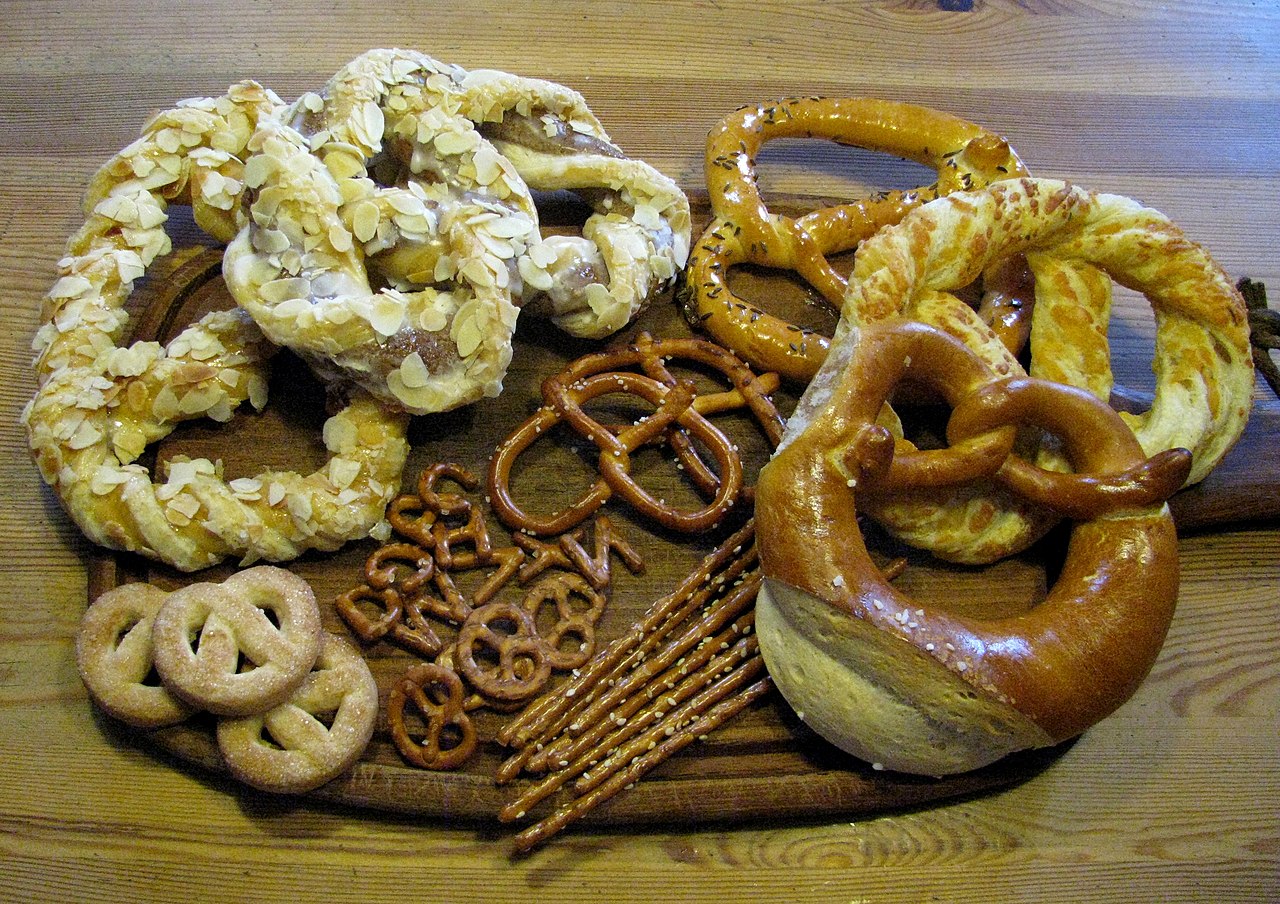
Brez'n (Bavarian Pretzel)
Bavaria
📍 Bakeries throughout the city, Viktualienmarkt stalls

Weisswurst
Munich
📍 Any traditional Wirtshaus or beer garden

Vepřo knedlo zelo
Prague
📍 Traditional hospodas across the city
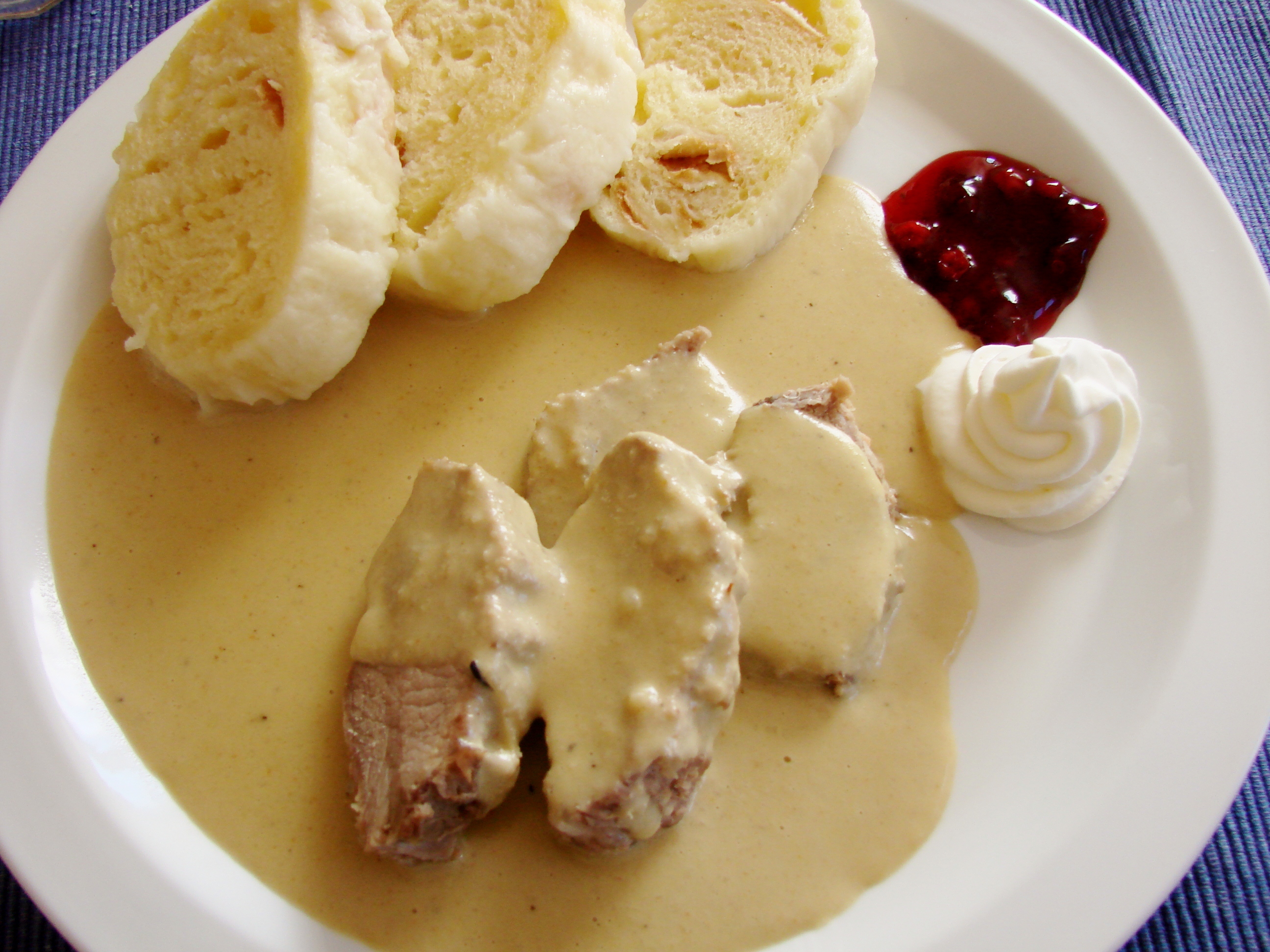
Svickova na smetane
Prague
📍 Any traditional Czech restaurant or hospoda

Schweinshaxe
Bavaria
📍 Hofbräuhaus, Augustinerkeller

Chlebíčky
📍 Lahůdkářství (delicatessens) and cafes

Bramboráky
📍 Street food stalls, traditional pubs

Koláče
📍 Any pekařství (bakery) or cafe

Leberkäse Semmel
📍 Butcher shops (Metzgereien) or kiosks

Česnečka
📍 Most traditional restaurants

Apfelstrudel
📍 Cafes and bakeries throughout the city

Nakládaný Hermelín
📍 Any traditional Czech pub (hospoda)

Goulashsuppe
📍 Any traditional eatery or market stall

Smažený sýr
📍 Almost any pub or casual eatery
Markets & neighborhoods
A large, sprawling market offering various food stalls, fresh produce, and a diverse range of street food options.
Fresh local produce, regional specialties, quick bites, and often small food stalls with traditional snacks like Leberkäse or sausages.
An upmarket university quarter with a mix of modern cafes, bakeries, and traditional Bavarian eateries, offering a good blend of classic and contemporary dining.
Munich's central food market with fresh produce, cheese, meats, spices, artisanal goods, beer garden, and food stalls offering Bavarian specialties like Weisswurst and Obatzda.
Home to many historic beer halls (like Hofbräuhaus) and traditional Bavarian restaurants serving hearty dishes like Schweinshaxe and Knödel.
Traditional Austrian restaurants, historic cafes, and refined dining experiences, many with a view of the fortress or river.
A more upscale residential area with quality local restaurants, charming cafes, and slightly more refined Czech cuisine.
Local pubs, traditional Czech fare, and affordable daily lunch specials ('denne menu') away from the main tourist crowds.
Good to Know
Czech Republic
Austria
Germany
Top 14 souvenirs

Local Munich Beer (Helles/Weissbier)
Munich
📍 Any large supermarket (Rewe, Edeka), specialty beverage stores (Getränkemärkte), or brewery shops (e.g., Augustiner Bräustuben).

Becherovka Herbal Liqueur
Prague
📍 Any large supermarket (Albert, Billa, Kaufland), liquor stores, duty-free shops.

Weisswurst & Süßer Senf (Sweet Mustard) Set
Munich
📍 Viktualienmarkt (butcher stalls like Schlemmermeyer) or local supermarkets (e.g., Rewe, Edeka).

Original Salzburger Mozartkugel (Fürst)
Salzburg
📍 Café Konditorei Fürst (e.g., Brodgasse 13, Old Market Square)

Alphonse Mucha Art Prints/Reproductions
Prague
📍 Mucha Museum Gift Shop (Kaunický palác), specialist art shops around Old Town Square.

BMW Lifestyle Merchandise
Munich
📍 BMW Welt Shop, BMW Museum Shop.

Bavarian Wood Carvings
Munich
📍 Specialty craft shops in the Altstadt, particularly around Marienplatz, or at seasonal Christmas markets.

Traditional Bavarian Beer Stein
Munich
📍 Hofbräuhaus shop, Ludwig Mory (Marienplatz area), or specialty stores in the Altstadt.

Traditional Wooden Marionettes
Prague
📍 Marionettes Rici (Nerudova 3), Obchod Loutkami (Karlova 44), specialist shops in Malá Strana.

Bohemian Crystal Glassware
Prague
📍 Moser Glass (Na Příkopě 12), Erpet Bohemia Crystal (Staroměstské náměstí 27), Celetná Street specialist shops.

Czech Garnet Jewelry
Prague
📍 Granát Turnov (Dlouhá 28 or Celetná 17), reputable jewelers around Old Town Square.

Authentic Trachten (Dirndl or Lederhosen)
Salzburg
📍 Trachten Forstenlechner on Sigmund-Haffner-Gasse; Gössl on Krauthügelweg

Karlovy Vary Spa Wafers (Lázeňské Oplatky)
Prague
📍 Most grocery stores, dedicated souvenir shops, or specialty food stores.

Stiegl Beer Specialty Brews
Salzburg
📍 Stiegl-Brauwelt Shop at Bräuhausstraße 9
Markets & districts
Fresh local produce, regional delicacies, cheeses, meats, baked goods, and some artisanal crafts.
A vibrant open-air farmers' market held every Thursday morning, perfect for tasting local specialties and experiencing Salzburg's everyday life.
Smaller traditional crafts, wooden toys, marionettes, seasonal produce, and tourist-oriented souvenirs.
Bustling outdoor market near Old Town, known for its mix of local vendors and tourist stalls; expect some polite negotiation for crafts.
Gourmet foods, cheeses, sausages, fresh produce, spices, local honey, flowers.
A bustling open-air market with a mix of locals and tourists, lively food stalls, perfect for browsing and tasting.
Good to Know
Czech Republic
Austria
Germany

Munich Opera Festival
Münchner Opernfestspiele
Jun 20
Five-week opera and ballet festival at the Bayerische Staatsoper in the Nationaltheater. Premieres and repertoire classics conducted by world-renowned maestros. One of Europe's premier opera events.

Salzburg Festival
Salzburger Festspiele
Jul 17
World-renowned festival of opera, drama, and classical music in Mozart's birthplace.

Oktoberfest
Sep 19
World's largest beer festival with traditional Bavarian culture, food, and music.

German Unity Day
Tag der Deutschen Einheit
Oct 3
October 3 marks 1990 German reunification. Main celebrations rotate between state capitals; features free concerts, fireworks over the Brandenburg Gate, and traditional regional food festivals.

Austria National Day
Nationalfeiertag
Oct 26
October 26 marks the 1955 law declaring Austria's neutrality. Military parade at Vienna's Heldenplatz, free entry to all federal museums, and public access to the Hofburg Palace.
Part four
Costs & booking
- Total for a couple — 10 days mid-range trip, excludes international flights
- Accommodation assumes 1 shared room
- Rough estimates — actual prices vary by season and availability
Local Transport
Accommodation
AI estimated based on typical hotel costs
Food
Activities
Curious how this stacks up? See how trip costs compare across countries in our Trip Cost Index.
Moderate overall — expect $100-150/night for hotels and $15-25 for a sit-down lunch in Munich and Salzburg, while Prague offers better value at $70-100/night and $10-18 for meals. Tap water is safe everywhere; seek out 'Mittagsmenü' or 'Denní menu' for substantial lunch savings.
Utilize the Bayern Ticket for your Munich-Salzburg leg; it offers unlimited regional train travel for up to 5 people for €27 for the first person and €9 for each additional, significantly cheaper than individual tickets which can be €40+ per person. For Salzburg to Prague, FlixBus is often the most budget-friendly option, with tickets sometimes as low as €20-30 per person compared to €60+ by train.
In Munich, enjoy traditional food and beer at a beer garden like Hirschgarten, where a large beer (Maß) costs around €9-11 and a hearty meal around €12-18, a more authentic and often cheaper experience than sit-down restaurants. In Prague, seek out 'Hospody' (traditional pubs) for inexpensive local dishes and beer for under 300 CZK (€12).
Dedicate a portion of your activity budget to a classical concert in Salzburg, Mozart's birthplace; tickets for evening performances often start around €40-60 per person, offering a memorable cultural immersion.
Be aware that Germany and Austria use Euros, while the Czech Republic uses Czech Koruna (CZK); having some local currency for smaller purchases is wise, but credit cards are widely accepted, minimizing the need for multiple cash withdrawals.
Munich Residenz timed entry ticketDay 1
Book 1 month ahead — For guaranteed timed entry to explore the royal complex, especially for the Treasury and Cuvilliés Theatre, which can have limited access.
Performance at the National Theatre ticketsDay 2
Book 2 months ahead — For best seating availability and to secure tickets for specific performances at this premier venue.
Neuschwanstein Castle timed entry ticketDay 3
Book 2 months ahead — Tickets are for timed entry and sell out quickly, often weeks in advance. Book via the official Hohenschwangau ticket center website for your specific tour slot.
Deutsches Museum timed entry ticketDay 4
Book 1 month ahead — For guaranteed timed entry, particularly for popular exhibits and during peak visitation times.
Nymphenburg Palace timed entry ticketDay 2
Book 1 month ahead — For guaranteed timed entry to the main palace and Marstallmuseum, especially if visiting during peak season.
Alte Pinakothek timed entry ticketDay 5
Book 1 month ahead — For guaranteed timed entry, particularly during peak season or for special exhibitions.
Train ticket: Munich to SalzburgDay 5
Book 1 month ahead — For discounted fares ('Sparpreis' in Germany, 'Sparschiene' in Austria) and guaranteed seat reservations on this international route, which offers better prices further in advance.
Hohensalzburg Fortress funicular and entry ticketDay 6
Book 2 weeks ahead — For skip-the-line access to the funicular and the fortress complex, saving significant time during busy periods.
Mozart's Birthplace (Mozart Geburtshaus) timed entry ticketDay 6
Book 2 weeks ahead — For timed entry, which is recommended to reduce wait times at this very popular attraction.
Hallstatt Salt Mine and Skywalk combined ticketDay 7
Book 2 weeks ahead — For combined tickets including the funicular and mine tour, ensuring specific time slots for both parts of the experience.
Part five
Before you go
Excellent Deutsche Bahn rail network; cities have U-Bahn/S-Bahn
Deutschlandticket (€49/month nationwide)
The Deutschlandticket covers all local/regional transit nationwide. Book ICE trains early for savings.
- Pre-load a local public transport app like MVV (Munich), SalzburgMobil (Salzburg), or PID Lítačka (Prague) to buy and validate tickets digitally, saving time at ticket machines.
- When using public transport in Munich or Prague, validate your ticket immediately upon entry (stamping machines) to avoid fines of €60 or CZK 1500 during random inspections.
- Always carry some Euro (Germany, Austria) and Czech Koruna (Czech Republic) cash for smaller purchases at markets, public toilets, or for small tips, as not all vendors accept cards.
- Book popular attractions in Prague like Prague Castle or Charles Bridge tours online in advance to bypass long queues, especially during peak season.
- Utilize regional trains (Deutsche Bahn in Germany, ÖBB in Austria, České dráhy in Czech Republic) for inter-city travel; booking 'Sparpreis' (saver fares) well in advance can yield significant discounts.
- Be aware of Sunday store closures in Germany and Austria; most shops (excluding train station stores and bakeries) are closed, so plan grocery or shopping needs accordingly.
- In Germany, collect 'Pfand' (deposit) bottles (usually €0.08-€0.25) and return them to supermarkets for a refund, contributing to local recycling efforts.
0 / 52 packed
Note: Travel conditions, regulations, and local customs may change. We recommend verifying essential details — such as visa requirements, emergency contacts, and payment options — closer to your travel date.
Stay connected abroad
Get a local eSIM — no swapping physical SIMs
Visa & Entry Requirements
For US, EU, UK, AU, and Canadian citizens, Germany, Austria, and Czech Republic are part of the Schengen Area, allowing visa-free stays of up to 90 days within any 180-day period. Your passport must be valid for at least six months beyond your intended departure date from the Schengen Area. Indian citizens typically require a Schengen visa, which must be applied for in advance at the embassy or consulate of their primary destination country. Other nationalities should check the specific visa requirements for the Schengen Area through their respective government travel advisory websites or the embassy of their main destination country.
SIM & Connectivity
SIM Options
📍 Download and activate online before arrival
📍 Available at carrier stores in major German cities like Munich, requires passport registration
📍 Available at carrier stores in Salzburg, requires passport registration
📍 Available at carrier stores in Prague, requires passport registration
WiFi (WLAN in Germany/Austria) is widely available and reliable across all three countries in public places, hotels, cafes, and on public transport in major cities like Munich and Prague. Salzburg has 4G but widespread public WiFi is also common.
Useful Apps
For seamless connectivity across Germany, Austria, and Czech Republic, consider a pan-European eSIM or a SIM from a major EU carrier like Vodafone or T-Mobile, which typically include EU roaming. Local SIMs usually require passport registration.
Electric Socket Guide(230V · 50Hz)
Socket Types
Two round pins (most of Europe, South America)
Two round pins + side earth clips (Germany, Europe)
Two round pins + ground hole (France, Belgium)
Tipping Etiquette
Germany
5–10%; round up to a nice number
Round up or 10%
€1–2 per bag
Austria
5–10% or round up
Round up or 10%
€1–2 per bag
Czech republic
10% or round up to nice number
Round up
CZK 50–100 per bag
Safety & Travel Advisories
Check official government advisories for the latest safety information, entry requirements, and travel warnings before your trip.
Emergency Numbers
Germany
110
112
112
Austria
133
144
122
Czech republic
158
155
150
112 is the pan-European emergency number and works in all EU/EEA countries.
Payments
Germany is more cash-heavy than other EU countries
Accepted at larger establishments; many small places cash-only
Growing but not universal
Carry cash — 'Nur Barzahlung' (cash only) is still common at smaller restaurants and shops.
Most major nationalities, including US, EU, UK, Australian, and Canadian citizens, do not require a visa for stays up to 90 days within any 180-day period, as these countries are part of the Schengen Area. However, Indian citizens generally need a Schengen visa, which must be obtained before travel. Always ensure your passport is valid for at least six months beyond your planned departure date from the Schengen Area and check the latest requirements specific to your nationality.
Yes, Munich, Salzburg, and Prague are considered very safe cities, even for solo female travelers. Violent crime is rare across Germany, Austria, and the Czech Republic. While generally safe to walk around at night, always stay aware of your surroundings. In Prague, be extra vigilant against pickpockets in crowded tourist spots like the Old Town Square or on public transport, securing your belongings well.
You will need two different currencies. Germany and Austria use the Euro (EUR), while the Czech Republic uses the Czech Koruna (CZK). It's advisable to carry a mix of cash in both currencies for smaller purchases and transactions, though credit and debit cards are widely accepted in most larger establishments.
In Germany and Austria, rounding up the bill or adding 5-10% for good service is customary in restaurants and for taxis. In the Czech Republic, a 10% tip for good service at restaurants is standard, or rounding up for taxi drivers. Always give the tip directly to the server or driver, or state the desired total amount when paying with a card.
Pack versatile layered clothing, as temperatures can vary significantly. A small umbrella or light rain jacket is recommended for unexpected showers. Comfortable walking shoes are crucial for exploring. Don't forget Euros and Czech Koruna in cash for smaller purchases and a reusable shopping bag for groceries or the 'Pfand' (deposit) system in Germany. A small coin purse is also useful for the local coins.
Trains are the most efficient and scenic way to travel between these cities. Deutsche Bahn (Germany) and ÖBB (Austria) operate direct routes between Munich and Salzburg (approx. 1.5-2 hours). For Salzburg to Prague, you'll typically take a train to a hub like Linz or Vienna and then connect to a České dráhy (Czech Railways) train to Prague (total approx. 6-7 hours). Bus services like FlixBus also connect these cities and can be a cheaper alternative, though usually slower.
For fewer crowds and pleasant weather, target the shoulder seasons: late spring (April-May) or early autumn (September-October). During these times, you can enjoy temperatures between 10-20°C and clearer skies, making sightseeing more enjoyable without the peak summer tourist rush. Avoid late September/early October if you want to skip Munich's Oktoberfest crowds.
Each city has an excellent public transport system (U-Bahn, S-Bahn, trams, buses). In Munich, the MVV app is essential. In Salzburg, local buses are key. In Prague, the integrated tram, metro, and bus system is managed by the PID Lítačka app. Always ensure your ticket is validated (stamped) upon entry, especially in Prague, to avoid fines. Day passes or multi-day passes are often more cost-effective than single tickets if you plan extensive travel within a city.
These 2 experiences didn't make it into this itinerary

💀Day Trip to Kutná Hora
e.g., Sedlec Ossuary, St. Barbara's Church

🛥️Vltava River Views
e.g., Vltava, Vltava
Create Your Custom Version
Download this Munich, Germany; Salzburg, Austria; Prague, Czech Republic itinerary — day-by-day plan, maps, budget, and more.
You Might Also Like

Prague, Czech Republic; Vienna, Austria; Budapest, Hungary
Czech Republic And Austria And Hungary
This 10-day journey explores the Central European capitals of Prague, Vienna, and Budapest. Begin in Prague, discovering Prague Castle, the Charles Bridge, and Old Town Square. Continue by train to Vienna for Schönbrunn Palace, St. Stephen's Cathedral, and an evening classical concert. Conclude...

Vienna, Austria
Austria
7 days in Vienna exploring the city's imperial core and artsy western districts. Highlights include the Belvedere Palace collection, a performance at the Wiener Staatsoper, and daily rituals at cafes like Cafe Sperl. Balanced pace with 4-5 activities per day, using the city's efficient metro for...
Munich, Germany
Germany
This packed 4-day Munich trip for a couple balances royal history, modern interests, and local flavors. Explore the opulent Munich Residenz and Pinakothek der Moderne in Maxvorstadt, experience traditional Bavarian culture at a lively beer garden in the English Garden, and discover local nature...

Paris, France
France
7 days in Paris: 3 nights in Le Marais for galleries and design shops, then 4 nights in Saint-Germain-des-Pres for cafes and historic bookshops. Highlights include sunset at the Eiffel Tower, a Seine river cruise and a private French pastry workshop. Comfortable pace with neighborhood-based...
Prefer to plan it yourself?
Start from a free, no-signup travel itinerary template. The Excel and Google Sheets versions auto-total the budget and split costs by who paid.
- Free travel itinerary template (all formats)
- Excel itinerary template
- Google Sheets template
- Word itinerary template
- Printable PDF template
- Google Docs itinerary template
- Notion template
- Bachelorette itinerary template
- Disney itinerary template
- Girls trip itinerary template
- Road trip itinerary template
- Business travel itinerary template
- Birthday trip itinerary template
- Family vacation itinerary template
- Honeymoon itinerary template