Explore Mexico
20 places · 20 dishes · 9 festivals · 20 things to buy — ranked from real traveler data.
Traditional food
See all 20 dishes →The dishes this country is known for — what they are and when to order them.

Fried corn tortilla pieces simmered in red or green salsa, topped with crema, cheese, onion, and often a fried egg or shredded chicken for a hearty breakfast.
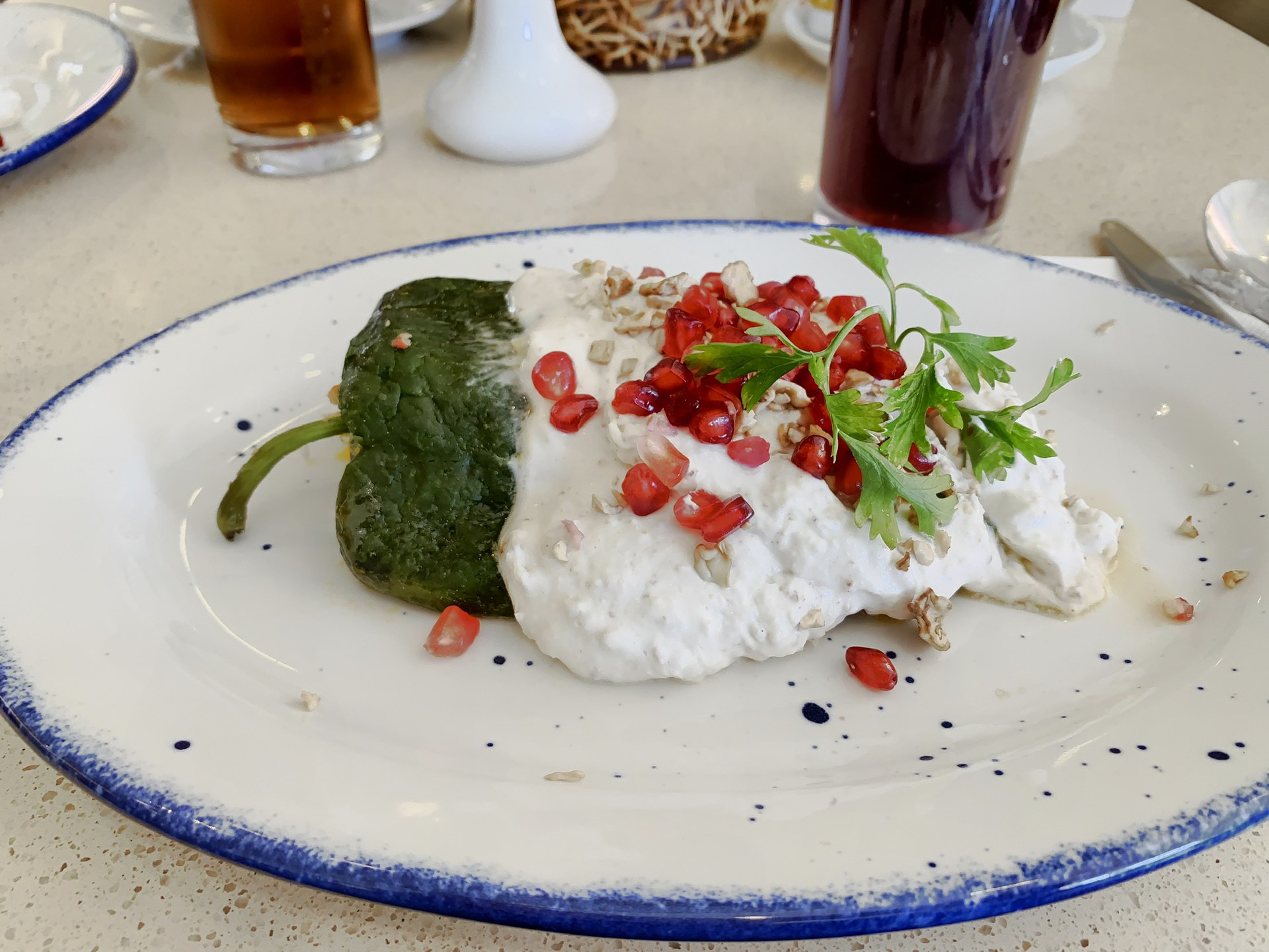
This patriotic dish, typically seasonal (August-September), features poblano chiles stuffed with picadillo, covered in a creamy walnut sauce (nogada), and garnished with pomegranate and parsley, representing the colors of the Mexican flag.

A toasted, giant tortilla smeared with lard and bean paste, then topped with salty quesillo cheese and cabbage. Skip the tourist spots; the best ones are prepared over charcoal at night in the market.
Places to visit
See all 20 places →The landmarks and experiences travelers rate highest.

Zócalo is the common name of the main square in central Mexico City. Prior to the conquest by Spain, it was the main ceremonial center in the Aztec city of Tenochtitlan. The plaza used to be known simply as the Plaza Mayor or Plaza de Armas, and today its formal name is Plaza de la Constitución.

Chapultepec, more commonly called the "Bosque de Chapultepec" (Chapultepec Forest) in Mexico City, is one of the largest city parks in Mexico, measuring in total just over 866 hectares (2,140 acres).

The Palacio de Bellas Artes is a prominent cultural center in Mexico City. It hosts performing arts events, literature events and plastic arts galleries and exhibitions.
Festivals
See all 9 festivals →What’s celebrated and when — dates always spelled out.

Colorful celebration honoring deceased loved ones with altars, parades, and traditions.
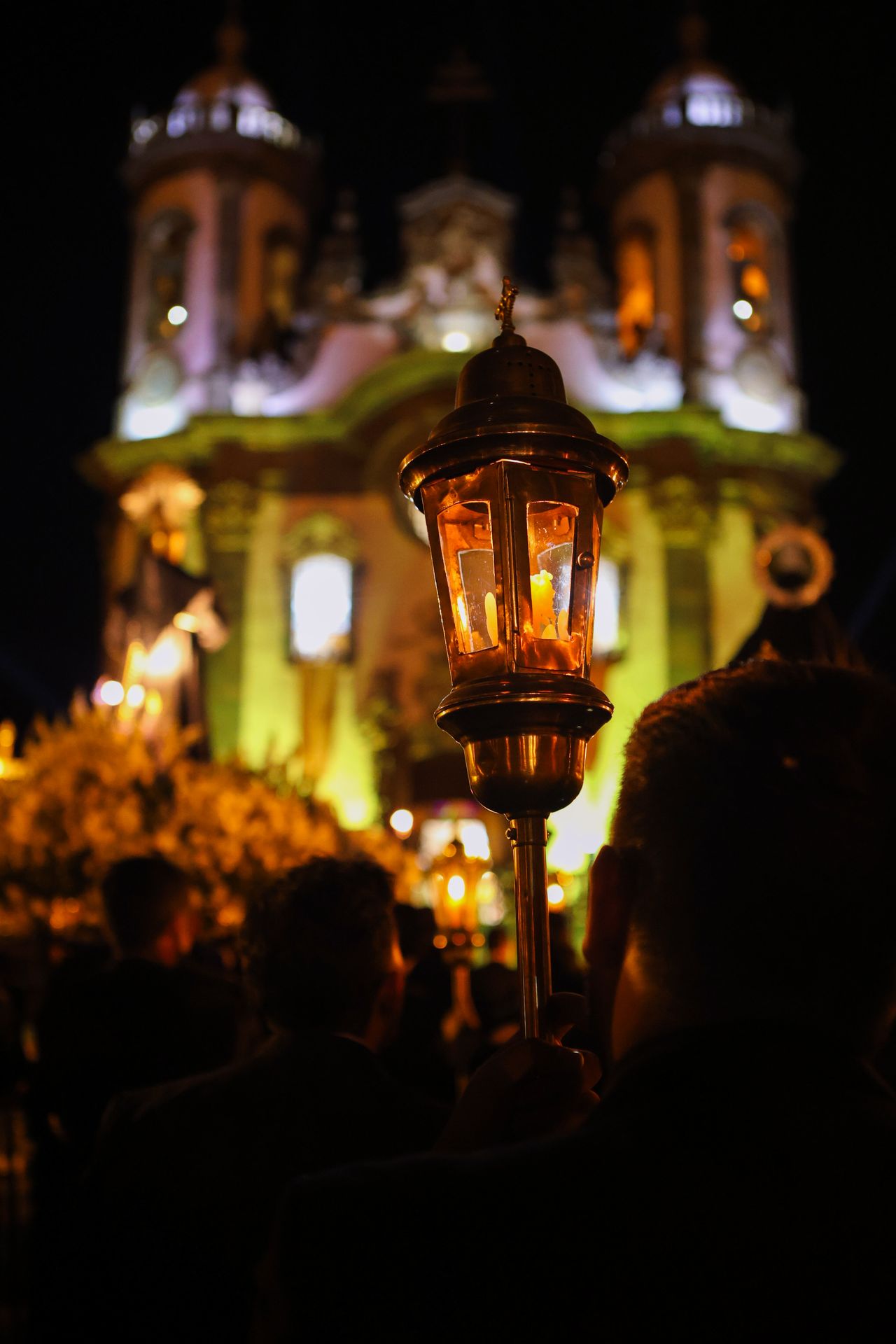
Nine-night reenactment (Dec 16-24) of Mary and Joseph seeking shelter in Bethlehem. Neighborhoods organize nightly processions with candles, songs, and piñata-breaking at a different house each night. Traditional foods: tamales, ponche fruit punch, buñuelos, and champurrado. Mexican hospitality shows at its best — travelers welcomed to join.

September 15-16. El Grito — the President's reenactment of Father Hidalgo's 1810 cry for independence — rings from Mexico City's Zócalo at 11pm on September 15. Fireworks and mariachi nationwide.
What to buy
See all 20 items →Local goods and souvenirs with typical prices.

Hand-stitched floral motifs on lightweight cotton are perfect for the humid coastal climate.

Intricately hand-painted copal wood figures depict surreal animals born from vivid local folk traditions.
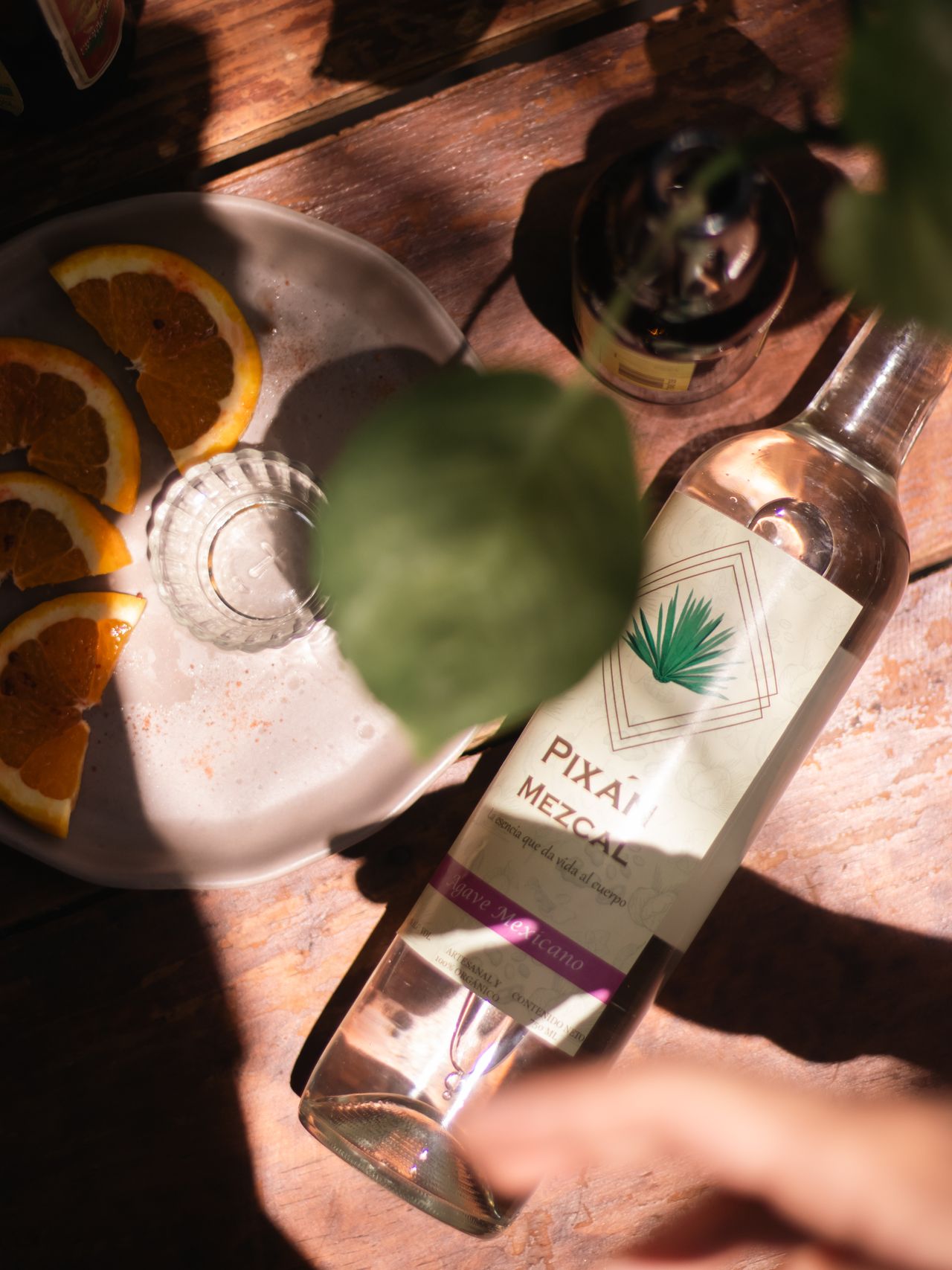
Small-batch agave spirits capture distinct local terroir that industrial tequila brands cannot replicate.