Your 5-Day Busan, South Korea Trip: Haeundae Beach & Beyond

Haeundae Beach · Gamcheon Culture Village · Haedong Yonggungsa · The Bay 101 Yacht Club · F1963
5-day South Korea trip — Haeundae to Busan. Day-by-day route, attractions & food.
Part one
Is this trip for you?
Busan offers a distinct character combining dramatic coastal landscapes and a bustling port city energy that sets it apart from a Seoul-only itinerary, which would miss the country's vibrant maritime culture. Here, ancient temples like Haedong Yonggungsa perch directly on ocean cliffs, a sight unmatched by Seoul's inner-city palaces. Furthermore, Busan's modern districts blend seamlessly with traditional seafood markets and art villages, creating a unique urban experience not found in other Korean cities.
Your itinerary covers 8 must-have experiences

Iconic Beaches & Urban Waterfronts
✓ Day 1: Haeundae Beach

Serene Temples & Mountain Sanctuaries
✓ Day 1: Haedong Yonggungsa Temple
A Rooftop Bar with City Views
✓ Day 2: Paradise Hotel Busan Pool & Bar
A Contemporary Korean Dining Experience
✓ Day 2: Dinner: Contemporary Korean Dining in Haeundae
An Urban Art & Culture Walk
✓ Day 2: Dalmaji-gil Road Stroll and Art Gallery Browsing
A Romantic Yacht or Boat Cruise
✓ Day 2: Busan Yacht Tour (Marine City)

Colorful Culture Villages & Historic Districts
✓ Day 3: Gamcheon Culture Village

Fresh Seafood & Bustling Markets
✓ Day 3: Jagalchi Market
Photos from Wikimedia Commons, used under Creative Commons licenses. Individual credits shown on each photo.
📅 Best Time to Visit
Busan experiences a subtropical climate with hot, humid summers and mild winters. The best times to visit are spring (April-May) and autumn (September-November), when temperatures are pleasant (15-25°C) and the weather is generally dry. Summer (July-August) can be hot and humid with temperatures often exceeding 30°C, and is also typhoon season (July-September), which may bring heavy rains. Winter (December-February) is mild, rarely seeing snow, with average temperatures around 5-10°C, and offers about 9 hours of daylight.
Part two
The plan, day by day
5-day trip
This trip prioritizes Busan's dynamic coastal culture, vibrant market experiences, and unique art villages like Gamcheon. It necessarily skips the tranquil, ancient mountain sanctuaries such as Beomeosa Temple, where you could find solace amidst centuries-old Buddhist architecture and serene forest trails that offer a different spiritual dimension. You also miss a deeper dive into Busan's less-explored eastern coastline, known for its rugged cliffs and quieter fishing villages beyond the main tourist hubs.
Add 2-3 days to include a pilgrimage to Beomeosa Temple, one of Korea's largest and most impressive mountain temples, nestled on the slopes of Mt. Geumjeongsan. You would experience its intricate wooden architecture, participate in a temple stay for a taste of monastic life, and hike tranquil trails through ancient forests, offering a profound contrast to Busan's bustling cityscapes.
This itinerary follows a packed pace (5-6 activities per day). Day 1 and the last day are lighter to account for arrival and departure. Want a different pace?
Create a custom version with your preferences.
- Morning
08:00 AM - Arrive at Gimhae International Airport (PUS) & Transfer to Haeundae· 2 hrs
USD 15 (~KRW 20K)
Arrive at Busan's Gimhae International Airport (PUS). Take the Gimhae Light Rail Transit to Sasang Station, then transfer to Busan Metro Line 2 directly to Haeundae Station. This option is cost-effective (~$4-5) and takes about 1 hour 15 minutes. Alternatively, a taxi directly to Haeundae will take approximately 50-60 minutes and cost around $30-40.
10:00 AM - Hotel Check-in and Freshen Up· 1 hr
FREECheck into your hotel in Haeundae and take some time to relax and freshen up after your international flight.
- Afternoon
01:00 PM - Lunch: Local Korean Fare in Haeundae· 1 hr
USD 18 (~KRW 24K)Savor a comforting bowl of Kimchi Jjigae, a traditional Korean stew made with aged kimchi, tofu, and pork, at a local eatery in Haeundae.
- 🕐 Monday: 4:00 AM – 8:00 PM; Tuesday: 4:00 AM – 8:00 PM; Wednesday: 4:00 AM – 8:00 PMConfirm hours on Maps
02:45 PM - Haedong Yonggungsa Temple· 2 hrs 30 min
FREE - EveningCloses 10 PM · 4h here🕐 Monday: 9:00 AM – 10:00 PM; Tuesday: 9:00 AM – 10:00 PM; Wednesday: 9:00 AM – 10:00 PMConfirm hours on Maps
06:00 PM - The Bay 101· 1 hr 30 min
USD 25 (~KRW 33K)Check availability on Klook → 07:30 PM - Dinner: Fresh Korean Seafood in Haeundae· 1 hr
USD 25 (~KRW 33K)Indulge in fresh local seafood, a highlight of Busan's culinary scene. Look for a restaurant serving authentic Hoe (raw fish) or a hearty seafood stew, showcasing the ocean's bounty.
Haeundae
Haeundae is an excellent base for its famous beach, wide array of dining options, and vibrant atmosphere. It offers good public transport connections for exploring other parts of Busan.
- Morning🕐 Monday: 10:00 AM – 9:00 PM; Tuesday: 10:00 AM – 9:00 PM; Wednesday: 10:00 AM – 9:00 PMConfirm hours on Maps
10:00 AM - BUSAN X the SKY· 1 hr 30 min
USD 25 (~KRW 33K)Check availability on Klook → 11:45 AM - Haeundae Street Food Exploration· 1 hr 30 min
USD 15 (~KRW 20K)Check availability on Klook → by Junho Jung at Flickr from South Korea (CC BY-SA 3.0
Immerse yourself in Busan's vibrant street food culture by exploring the bustling stalls and small eateries around Haeundae, sampling local favorites like tteokbokki or eomuk.
- Afternoon
01:30 PM - Lunch: Korean Kimchi Jjigae in Haeundae· 1 hr
USD 18 (~KRW 24K)Savor a comforting bowl of Kimchi Jjigae, a staple Korean stew with aged kimchi, tofu, and pork, at a traditional restaurant in the Haeundae area.
02:45 PM - Dalmaji-gil Road Stroll and Art Gallery Browsing· 1 hr 30 min
FREEEnjoy a leisurely walk along Dalmaji-gil Road, known as 'Moonlight Road', famous for its scenic views, charming cafes, and small art galleries. A perfect spot for relaxation and cultural appreciation.
- 🕐 Monday: 11:00 AM – 10:00 PM; Tuesday: 11:00 AM – 10:00 PM; Wednesday: 11:00 AM – 10:00 PMConfirm hours on Maps
04:30 PM - Busan Yacht Tour (Marine City)· 1 hr 30 min
USD 30 (~KRW 40K)Check availability on Klook → - Evening
07:30 PM - Dinner: Contemporary Korean Dining in Haeundae· 1 hr
USD 20 (~KRW 26K)Experience a modern take on Korean cuisine at a local restaurant in Haeundae, enjoying creative dishes crafted with fresh, local ingredients.
- 🕐 Monday: Open 24 hours; Tuesday: Open 24 hours; Wednesday: Open 24 hoursConfirm hours on Maps
08:45 PM - Paradise Hotel Busan Pool & Bar· 1 hr 30 min
USD 15 (~KRW 20K)
Haeundae
Staying in Haeundae provides easy access to the beach, high-end shopping, diverse dining options, and excellent connectivity to other parts of Busan. It's a vibrant and convenient base for exploring the area.
- Morning
11:00 AM - Subway Transit from Haeundae to Nampo-dong· 1 hr 30 min
USD 2 (~KRW 2,640)Check availability on Klook →Travel by subway from the Haeundae area to the Nampo-dong district, marking your transition to a new part of Busan. This journey will take you through the city's efficient public transportation system.
- Afternoon
01:30 PM - Lunch: Milmyeon in Nampo-dong· 1 hr
USD 18 (~KRW 24K)MilmyeonSavor a bowl of Milmyeon, Busan's distinctive cold wheat noodles, served in a tangy, icy broth with beef or pork slices and a spicy gochujang sauce, at a local eatery in Nampo-dong.
- Closes 6 PM · 3.5h here🕐 Monday: 9:00 AM – 6:00 PM; Tuesday: 9:00 AM – 6:00 PM; Wednesday: 9:00 AM – 6:00 PMConfirm hours on Maps
02:30 PM - Gamcheon Culture Village· 3 hrs
FREE - EveningCloses 9 PM · 3.5h here🕐 Monday: 9:00 AM – 9:00 PM; Tuesday: 9:00 AM – 9:00 PM; Wednesday: 9:00 AM – 9:00 PMConfirm hours on Maps
05:30 PM - Jagalchi Market· 2 hrs 30 min
USD 40 (~KRW 53K)Check availability on Klook → 08:00 PM - Dinner: Dwaeji Gukbap near Jagalchi· 1 hr
USD 18 (~KRW 24K)Dwaeji gukbapEnjoy a comforting bowl of Dwaeji Gukbap, Busan's famous pork bone soup, with tender slices of pork and rice, simmered for hours to create a deeply savory and satisfying meal, at a local spot near Jagalchi Market.
- Closes 11:30 PM · 2.5h here🕐 Monday: 9:30 AM – 11:30 PM; Tuesday: 9:30 AM – 11:30 PM; Wednesday: 9:30 AM – 11:30 PMConfirm hours on Maps
09:00 PM - Bupyeong Kkangtong Market Night Stroll· 2 hrs
USD 25 (~KRW 33K)Check availability on Klook →
Nampo-dong
Nampo-dong is an excellent base for exploring Busan's cultural heart, with easy access to Gamcheon Culture Village, Jagalchi Market, and vibrant shopping and dining streets. It's well-connected by public transport for further city exploration.
- Morning🕐 Monday: 9:00 AM – 6:00 PM; Tuesday: 9:00 AM – 6:00 PM; Wednesday: 9:00 AM – 6:00 PMConfirm hours on Maps
10:00 AM - Gukje Market Exploration· 2 hrs
USD 25 (~KRW 33K)Check availability on Klook → - Afternoon🕐 Monday: Open 24 hours; Tuesday: Open 24 hours; Wednesday: Open 24 hours
12:00 PM - Street Food Delights at BIFF Square· 1 hr 30 min
USD 20 (~KRW 26K)Check availability on Klook →Stroll through the lively BIFF Square, renowned for its street food stalls and cinematic history. Sample various Korean street foods, from hotteok (sweet pancakes) to tteokbokki (spicy rice cakes).
01:30 PM - Lunch: Milmyeon in Nampo-dong· 1 hr
USD 10 (~KRW 13K)MilmyeonEnjoy a refreshing bowl of Milmyeon, Busan's signature cold wheat noodles, often served in a tangy, icy broth with meat slices and a spicy sauce – a perfect local culinary experience.
Best around Nampo-dong- 🕐 Monday: 10:00 AM – 10:00 PM; Tuesday: 10:00 AM – 10:00 PM; Wednesday: 10:00 AM – 10:00 PMConfirm hours on Maps
02:30 PM - Busan Tower Panoramic Views· 1 hr 30 min
USD 8 (~KRW 11K)Check availability on Klook → - Evening
07:30 PM - Dinner: Ganjang Gejang (Soy-Marinated Crab) in Nampo-dong· 1 hr
USD 40 (~KRW 53K)Indulge in a local delicacy, Ganjang Gejang, raw blue crabs marinated in a rich, savory soy sauce, offering a unique and flavorful Korean dining experience.
08:30 PM - Nampo-dong Nightlife Exploration· 2 hrs
USD 25 (~KRW 33K)Check availability on Klook →Experience the vibrant nightlife of Nampo-dong. Wander through the illuminated streets, soak in the lively atmosphere, and perhaps enjoy a drink at a local bar or pub.
Nampo-dong
Nampo-dong is a bustling district, excellent for market exploration, street food, and close to cultural sites like BIFF Square and Busan Tower. It also offers convenient transport links for further exploration.
- Morning🕐 Monday: 5:00 AM – 12:00 AM; Tuesday: 5:00 AM – 12:00 AM; Wednesday: 5:00 AM – 12:00 AMConfirm hours on Maps
10:00 AM - Taejongdae Park Exploration· 3 hrs
USD 5 (~KRW 6,600)Check availability on Klook → - Afternoon
01:00 PM - Lunch: Haemul Pajeon in Nampo-dong· 1 hr
USD 18 (~KRW 24K)Savor a fresh Haemul Pajeon, a savory Korean pancake packed with seafood and green onions, a perfect final taste of Busan's local cuisine.
- 🕐 Monday: 9:00 AM – 7:00 PM; Tuesday: 9:00 AM – 7:00 PM; Wednesday: 9:00 AM – 7:00 PMConfirm hours on Maps
02:00 PM - Samjin Amook Fish Cake Main Branch· 1 hr
USD 15 (~KRW 20K)Check availability on Klook → - 🕐 Monday: 10:00 AM – 8:00 PM; Tuesday: 10:00 AM – 8:00 PM; Wednesday: 10:00 AM – 8:00 PMConfirm hours on Maps
03:00 PM - Nampo-dong Shopping Street for Souvenirs· 1 hr
USD 35 (~KRW 46K)Check availability on Klook → 04:00 PM - Hotel Checkout & Luggage Collection· 30 min
FREEReturn to your hotel in Nampo-dong to check out and collect your luggage before heading to the airport.
Part three
Food, shopping & festivals
Busan thrives on the sea's bounty — from lively fish markets like Jagalchi where you pick your live seafood to back-alley stalls serving hearty dwaeji gukbap. The best eating happens around Nampo-dong's street vendors and the bustling Gukje Market, where regional specialties like milmyeon (cold wheat noodles) are found. Late-night soju and raw fish spots near Haeundae Beach provide the quintessential local experience.
Top 8 dishes to try
 USD 1-3
Eomuk (어묵)
Busan
Busan is famed for its fish cakes, made from ground fish paste, often served on skewers in a savory broth from street carts or in popular eomuk bars.
 USD 3-6
Tteokbokki (떡볶이)
Chewy rice cakes simmered in a vibrant, spicy gochujang-based sauce, a beloved street food often served with fish cakes and boiled eggs.
 USD 8-13
Kimchi Jjigae (김치찌개)
A bubbling stew made with aged kimchi, tofu, and typically pork or tuna, it's a staple comfort food served nationwide and eaten at almost every meal.
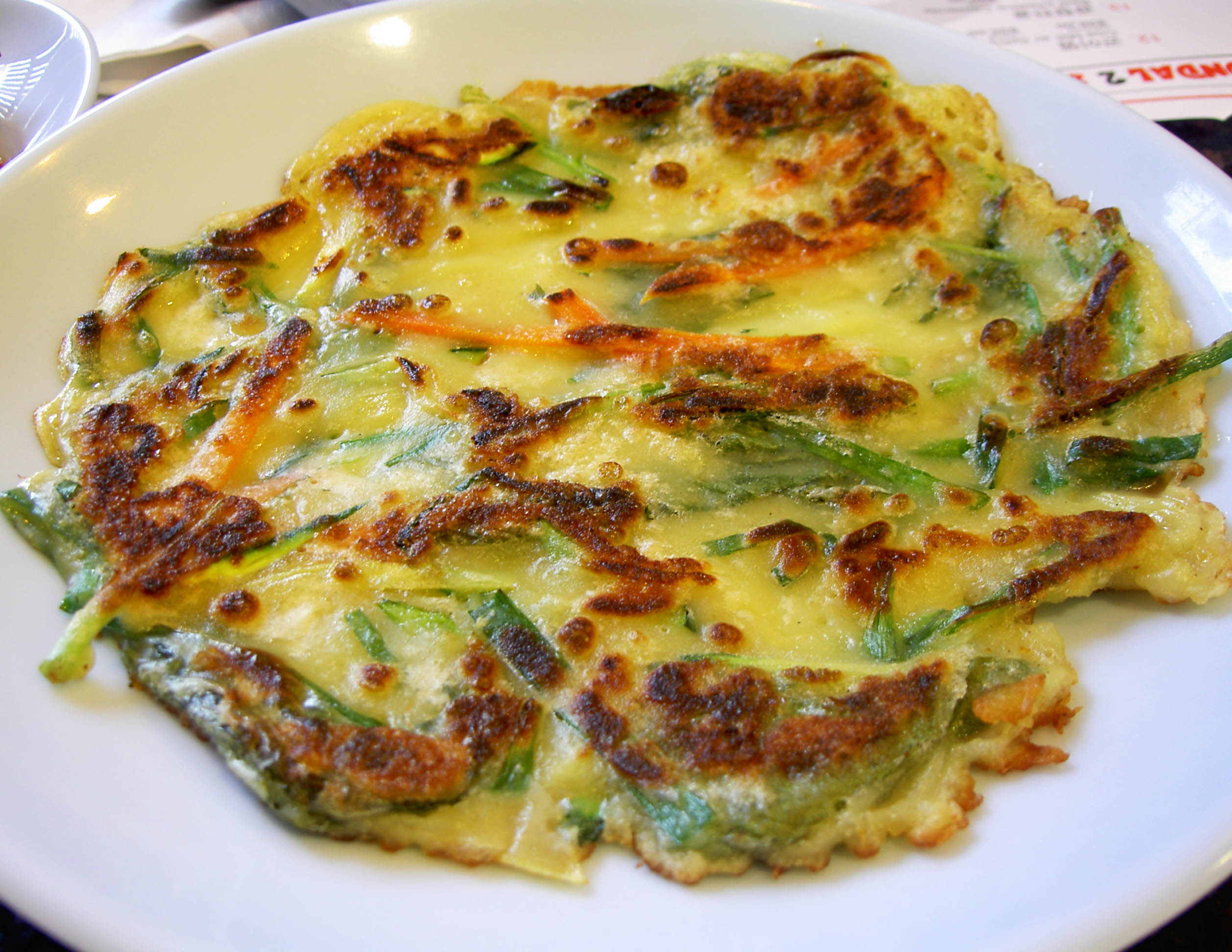 USD 12-20
Haemul Pajeon (해물파전)
A savory Korean pancake studded with green onions and various seafood like squid, shrimp, and mussels, often enjoyed with makgeolli (rice wine).
 USD 25-60
Hoe (회)
Freshly sliced raw fish, typically enjoyed with gochujang or soy sauce, often picked directly from live tanks at one of Busan's sprawling seafood markets.
 USD 6-10
Bindaetteok (빈대떡)
Crispy, savory pancakes made from ground mung beans, often mixed with vegetables and sometimes meat, fried to a golden crisp.
 USD 6-10
Milmyeon (밀면)
Busan
Busan's unique cold wheat noodles, often served in a tangy, icy broth with beef or pork slices and a spicy gochujang sauce — distinct from northern Korean naengmyeon.
 USD 7-11
Dwaeji Gukbap (돼지국밥)
Busan
A Busan specialty, this pork bone soup with tender slices of pork and rice is simmered for hours, offering a deeply savory and comforting meal that locals swear by.
Markets & neighborhoods
Historic traditional markets offering a wide range of street snacks like tteokbokki, bindaetteok, and Busan-style eomuk.
Fresh seafood, particularly various types of raw fish (hoe), live octopus (sannakji), and numerous seafood stews and grilled dishes.
Upscale seafood restaurants, cafes, and late-night dining options, often specializing in grilled clams and various fish dishes.
Good to Know
Busan offers a dynamic shopping scene, blending traditional seafood and produce markets like Jagalchi with modern department stores and trendy boutiques in areas like Seomyeon and Centum City; expect a mix of local crafts, K-beauty, and excellent fresh produce.
Top 7 souvenirs
Dried Seafood Snacks
BusanUSD 10-40Busan's fresh seafood market offers an incredible array of expertly dried and seasoned seafood, perfect for savory snacking or unique cooking ingredients.
📍 Jagalchi Market, Gukje Market
Traditional Korean Teas
BusanUSD 15-50Enjoy the delicate flavors of high-quality local green tea, distinct fermented teas, or herbal blends not commonly found outside Korea.
📍 Traditional tea houses in Nampo-dong, department store food halls (Shinsegae Centum City), Lotte Mart
K-Pop Merchandise
BusanUSD 10-60Find official albums, lightsticks, photo cards, and fan-specific items for popular groups, often with exclusive releases only available in Korea.
📍 Hottracks (Kyobo Bookstore), album stores in Seomyeon or Nampo-dong underground shopping centers
Korean Beauty Skincare & Cosmetics
BusanUSD 15-80Access innovative and effective skincare formulations and trendy cosmetics that are often cheaper and have a wider selection than abroad.
📍 Olive Young, LOHB's, Chicor stores in Seomyeon, Nampo-dong, or Centum City
Goryeo Celadon Pottery
BusanUSD 50-500Exquisite jade-green glazed pottery, often with intricate inlays, represents centuries of Korean artistry and craftsmanship.
📍 Bupyeong Kkangtong Market (select craft stalls), Lotte Department Store, Shinsegae Centum City
Modern Korean Ceramics
BusanUSD 20-100Acquire beautifully designed, durable Korean ceramics for everyday use, ranging from traditional patterns to contemporary minimalist styles.
📍 Gukje Market (specialty shops), Lotte Department Store (home goods sections), design stores in Jeonpo Cafe Street
Korean Fashion Streetwear
BusanUSD 30-150Discover unique, avant-garde, and high-quality local fashion brands and pieces at prices often more accessible than international equivalents.
📍 Seomyeon Underground Shopping Center, Nampo-dong fashion streets
Markets & districts
Traditional crafts, household items, vintage goods, general souvenirs, street food
A sprawling traditional market with a rich history, offering a wide array of goods from daily necessities to unique finds; expect narrow aisles and a lively atmosphere.
Fresh and dried seafood, local produce, Korean street food
Bustling and aromatic, a true sensory experience with friendly vendors and a slight fishy smell; be prepared for crowds, especially on weekends.
Trendy Korean fashion, K-beauty products, accessories, K-Pop merchandise
A labyrinthine underground complex filled with affordable clothing boutiques and cosmetics shops; can be crowded but offers good deals away from the street heat.
Good to Know
Seollal
Korean Lunar New Year with family ancestral rites, traditional games, and hanbok wearing. Many shops close but palaces offer free admission and cultural programs.
Note: Book 2-3 weeks ahead
Seollal (Korean Lunar New Year)
설날Korea's biggest holiday alongside Chuseok. 3-day public holiday when 30+ million Koreans travel to ancestral hometowns (귀성길 gwiseonggil). Seoul empties; traffic on highways from Seoul is legendary. Traditional sebae (bow to elders receiving money), tteokguk (rice cake soup — eating it adds one year to your age), hanbok traditional dress. Many tourist sites free or discounted.
Note: Book flights and KTX tickets 3+ months ahead; Seoul hotels surprisingly OK (locals leave)
Chuseok
Korean Thanksgiving with family gatherings, traditional food, and folk villages.
Note: Book transport early - everyone travels
Busan International Fireworks Festival
Korea's biggest fireworks display, held at Gwangalli Beach in Busan with the Gwangan Bridge as backdrop. 100+ minute show with music, laser, and international teams. Draws 1.5M spectators.
Note: Book Busan hotel near Gwangalli 3-4 months ahead
Public Holidays(15)
Part four
Costs & booking
- Total for a couple — 5 days mid-range trip, excludes international flights
- Accommodation assumes 1 shared room
- Rough estimates — actual prices vary by season and availability
Local Transport
Accommodation
AI estimated based on typical hotel costs
Food
Activities
Moderate overall \u2014 expect $80-150/night for decent hotels and $15-25 for a sit-down lunch. Street food and local markets are uniquely cheap, offering full meals for $5-10. Busan is very safe, but exercise minor caution around closing bars.
Utilize Busan's efficient subway system with a T-money card; individual rides typically cost 1,300-1,500 KRW (approx. $1-1.25 USD) compared to higher taxi fares, and you can load it with 10,000-20,000 KRW ($8-16 USD) for your 5-day trip.
For authentic and budget-friendly seafood, visit Jagalchi Fish Market; you can often buy fresh catches for around 10,000-20,000 KRW ($8-16 USD) and have them prepared by a nearby restaurant for a small fee.
For a deep cultural immersion, consider a half-day or overnight temple stay at a historic site like Beomeosa Temple, typically costing around 50,000-100,000 KRW ($40-80 USD) per person.
Save on mobile data costs by leveraging Busan's widespread free Wi-Fi, available at beachfronts, coffee shops, and public areas, potentially saving you $5-10 daily compared to a local SIM or portable Wi-Fi.
K-ETA (Korea Electronic Travel Authorization)Day 1
Book 2 weeks ahead — Required for visa-exempt foreign nationals entering South Korea. Apply online before your trip.
International SIM Card or eSIMDay 1
Book 1 week ahead — Arrange for a local SIM card or eSIM before arrival for immediate connectivity upon landing at Gimhae International Airport.
BUSAN X the SKY TicketDay 2
Book 3 days ahead — Booking in advance secures your preferred entry time and helps avoid queues, especially during peak hours.
Busan Yacht Tour (Marine City)Day 2
Book 1 week ahead — Especially if you want a specific time slot or sunset cruise, these tours can fill up quickly.
Busan Tower Panoramic Views TicketDay 4
Book 3 days ahead — Advance booking can help you secure your preferred entry time and skip potential lines for the observation deck.
The practical bits — connectivity, getting around, and flights. These are partner links; we may earn a commission, at no cost to you.
Part five
Before you go
World-class metro in Seoul; KTX high-speed rail for intercity
T-money / Cashbee
Get a T-money card at any convenience store. Download Kakao Map for navigation.
- Download Naver Map or Kakao Map apps for navigation before arrival, as Google Maps has limited public transit and walking directions in Busan.
- Purchase a T-Money or Cashbee transit card at convenience stores like CU or 7-Eleven upon arrival; load it with ₩20,000-₩30,000 for seamless use on buses, subways, and some taxis.
- Book KTX train tickets between Busan Station and other major cities, especially Seoul, at least 2 weeks in advance via the KORAIL website or app during peak travel periods.
- Visit Jagalchi Fish Market in Nampo-dong early morning (before 9 AM) to witness the lively fish auction and select the freshest seafood for a market-side lunch.
- Use Papago for real-time translation; its camera translation feature is especially helpful for understanding Korean menus and signs, surpassing Google Translate's accuracy for Korean.
- Consider utilizing the Busan City Tour Bus (Red Line for Haeundae/Gwangalli, Green Line for Gamcheon Culture Village) departing from Busan Station for efficient sightseeing of major attractions.
- When exploring Gamcheon Culture Village, be aware of the hilly and winding paths; plan to spend at least 2-3 hours walking through the colorful alleyways.
- 1Lightweight, breathable clothing (humid summers)
- 2Compact umbrella or light rain jacket (typhoon season Jul-Sep)
- 3Swimwear (Haeundae, Gwangalli beaches)
- 4Portable mini-fan (summer humidity, 30°C+)
- 5Long sleeves/pants (sun protection at beaches)
- 6T-Money or Cashbee card (pre-loaded)
- 7Reusable shopping bag (many shops charge for bags)
- 8Small quick-dry towel (beach, public bathhouses)
- 9Hand sanitizer (street food, public transport)
Note: Travel conditions, regulations, and local customs may change. We recommend verifying essential details — such as visa requirements, emergency contacts, and payment options — closer to your travel date.
Visa & Entry Requirements
US, UK, EU, Australian, and Canadian citizens can typically enter South Korea visa-free for up to 90 days. Indian citizens generally require a visa, which should be applied for in advance through the Korean embassy or consulate in their home country. All travelers require a passport valid for at least six months beyond their intended stay. Other nationalities should check the official South Korean embassy website in their country of residence for specific requirements.
SIM & Connectivity
SIM Options
📍 Gimhae International Airport (PUS) arrivals hall, major convenience stores, or online pre-booking
📍 Purchase and activate online before arrival
📍 Gimhae International Airport (PUS) arrivals hall (pickup), online pre-booking
Free Wi-Fi is widely available: Gimhae International Airport offers free internet terminals and Asiana Wi-Fi. Along Haeundae and Suyeong beach fronts, government-provided free Wi-Fi is accessible. Most coffee shops and many restaurants also reliably offer complimentary Wi-Fi, often requiring a simple login or no password.
Useful Apps
Korean SIM cards generally require registration using your passport. Consider pre-booking eSIMs or a portable WiFi device for immediate connectivity upon arrival at Gimhae International Airport to avoid potential queues.
Electric Socket Guide
Socket Types
Two round pins (most of Europe, South America)
Two round pins + side earth clips (Germany, Europe)
220V
60Hz
Tipping Etiquette
Not expected — can be considered rude
Not expected
Not expected
South Korea has a no-tipping culture. Service is included.
Safety & Travel Advisories
Check official government advisories for the latest safety information, entry requirements, and travel warnings before your trip.
Emergency Numbers
112
119
119
1330 for tourism hotline (English)
Payments
Korea is nearly cashless — cards accepted everywhere
Universally accepted, even at small shops
Widely used — Samsung Pay, Apple Pay, T-money
Cards work almost everywhere. T-money card useful for transit and convenience stores.
Many nationalities, including US, UK, EU, Australian, and Canadian citizens, can visit South Korea visa-free for up to 90 days. However, certain countries like India require a visa, which must be obtained in advance from a Korean embassy or consulate. Always verify the latest requirements with your country's Ministry of Foreign Affairs or the nearest South Korean diplomatic mission before travel.
Busan is considered extremely safe, with very low crime rates comparable to other major East Asian cities. You can generally roam freely at night without concern. The primary advice is to exercise slight caution in bar districts when establishments close around 3 AM, as is common in any city. Violent crime is rare, and pickpocketing is not a major concern.
The local currency is the South Korean Won (KRW). While credit cards (especially Visa and Mastercard) are widely accepted in shops, restaurants, and hotels, it's advisable to carry some cash for smaller transactions, street food vendors, local markets like Jagalchi, and public transport top-ups for T-Money/Cashbee cards.
No, tipping is not customary in Busan or anywhere in South Korea. Service charges are typically included in prices, and offering a tip can sometimes cause confusion or even be politely refused. Do not feel obligated to leave extra money in restaurants, taxis, or hotels.
Given Busan's climate, pack lightweight, breathable clothing for summer, a compact umbrella or rain jacket for typhoon season (July-September), and swimwear for the beaches. A portable mini-fan is useful for humid summers. Don't forget your T-Money or Cashbee transit card, and a reusable shopping bag as many shops charge for plastic bags.
The ideal times to visit Busan are during the spring (April-May) and autumn (September-November). These seasons offer mild, pleasant temperatures (15-25°C) and generally clear skies, perfect for exploring the city's beaches and cultural sites. Summers (July-August) are hot, humid, and prone to typhoons, while winters (December-February) are mild with less daylight.
From Gimhae Airport, you have several options. The Busan-Gimhae Light Rail Transit connects directly to the Busan Metro Line 2 (Sasang Station) or Line 3 (Daejeo Station), providing efficient access to various parts of the city. Airport Limousine Buses offer direct routes to major hotels and areas like Haeundae. Taxis are also readily available, though more expensive.
Definitely explore the vibrant Haeundae and Gwangalli beaches, especially for their night views. Wander through the colorful alleys of Gamcheon Culture Village. Experience the bustling Jagalchi Fish Market and nearby Nampo-dong shopping streets. For a cultural experience, visit Beomeosa Temple nestled in Geumjeongsan Mountain.
This experience didn't make it into this itinerary
🍺A Local Craft Beer Tasting
e.g., Galmegi Brewing Gwangan Taphouse, Gorilla Brewing Co.
Create Your Custom Version
You Might Also Like

Seoul, South Korea
South Korea
This packed 5-day trip for a couple explores Seoul's blend of ancient history and cutting-edge modernity. Discover Gyeongbokgung Palace, sample street food at Gwangjang Market, and immerse in nightlife around Hongdae, all while enjoying efficient metro commutes within the vibrant districts of...

Bangkok, Thailand
Thailand
This packed 5-day trip for a couple explores Bangkok's diverse offerings, from the spiritual grandeur of Wat Pho in the historic Rattanakosin area to the neon-lit street food haven of Yaowarat Road. Experience a rejuvenating traditional Thai spa, savor a hands-on cooking class, and enjoy a chic...

Cancun, Mexico
Mexico
5 days in Cancun explore both the Hotel Zone's white-sand beaches like Playa Delfines and downtown's local markets such as Mercado 28. Discover Mayan history at El Meco archaeological site and enjoy adventure with snorkeling excursions to the Cancun Underwater Museum of Art, concluding evenings...

Chiang Mai, Thailand
Thailand
This packed 5-day trip to Chiang Mai focuses on its Lanna cultural heritage and natural beauty, based entirely within the city. Experience the spiritual climb to Wat Phra That Doi Suthep, explore the ancient Wat Chedi Luang in the Old Town, enjoy a hands-on Thai cooking class, and engage with...
Prefer to plan it yourself?
Start from a free, no-signup travel itinerary template. The Excel and Google Sheets versions auto-total the budget and split costs by who paid.