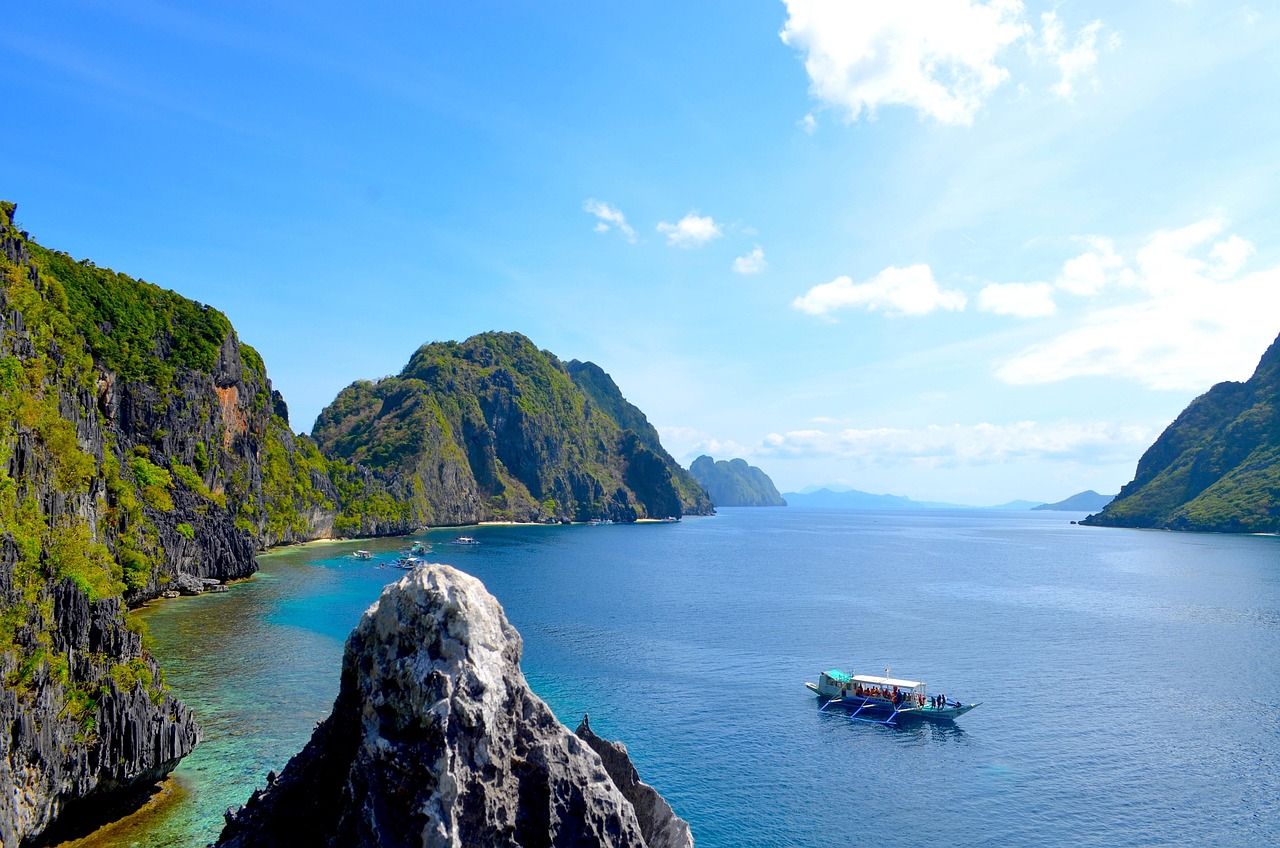
7 Days Philippines Itinerary
This 7-day itinerary explores the highlights of the Philippines, starting with the historical sites of Manila, then moving to the breathtaking landscapes of Palawan, and finally relaxing on the world-famous beaches of Boracay. It's designed for budget-conscious travelers who want to experience the best of what the Philippines has to offer.
Duration
7 days
Budget
$490-700
Best Time
The best time to visit the Philippines is during the dry season, from December to May
Activities
34
Daily Avg
$85/day
Cities
Philippines (4d), Boracay (3d)
Pace
Moderate
The Philippines offers a diverse range of experiences, from bustling city life in Manila to pristine beaches in Palawan and vibrant nightlife in Boracay. It's a budget-friendly destination with stunning natural beauty and warm, welcoming locals.
Your itinerary covers 6 of 11 must-have experiences
Island Hopping Adventure
Day 4: Honda Bay Island Hopping Tour
Historic Walled City Exploration
Day 1: Intramuros Walking Tour
Authentic Street Food & Market Discovery
Day 5: Dinner at D'Talipapa Market
Volcanic & Mountain Trekking
e.g., Taal Volcano Crater Lake (Batangas), Mount Pinatubo Crater Lake (Zambales)
Underwater Marine Sanctuary Snorkel/Dive
e.g., Tubbataha Reefs Natural Park (Palawan), Apo Island Marine Sanctuary (Negros Oriental)
Ancient Rice Terraces Wonder
e.g., Banaue Rice Terraces (Ifugao), Batad Rice Terraces (Ifugao)
Vibrant Nightlife & Rooftop Bars
Day 6: Boracay Nightlife
Chasing Waterfalls & Hidden Lagoons
e.g., Kawasan Falls (Cebu), Tinuy-an Falls (Surigao del Sur)
Unique Geological Formations
e.g., Chocolate Hills (Bohol), Bato Caves (Siquijor)
Spiritual & Cultural Heritage Sites
Day 1: San Agustin Church and Museum
Farm-to-Table & Local Culinary Experience
Day 2: Lunch at a local Carinderia
Philippine cuisine is a vibrant mix of indigenous, Spanish, Chinese, and American influences, resulting in a unique and flavorful experience. Expect bold flavors, rich sauces, and a focus on fresh ingredients. Be prepared to explore a diverse range of dishes from savory to sweet!
Must-Try Dishes
Considered the national dish, Adobo is meat (usually chicken or pork) braised in soy sauce, vinegar, garlic, peppercorns, and bay leaves. The vinegar acts as a preservative, giving it a tangy, savory flavor. A must-try for its quintessential Filipino taste.
📍 Almost everywhere - local restaurants, carinderias (small eateries), and even street food stalls.
A sour and savory soup characterized by its tamarind broth. It typically contains meat (pork, beef, or seafood) and various vegetables like kangkong (water spinach), eggplant, and string beans. Its sourness is incredibly refreshing in the tropical climate.
📍 Filipino restaurants and carinderias.
Roasted pig, a celebratory dish with crispy skin and juicy meat. The pig is typically stuffed with herbs and spices before being roasted over charcoal. The skin is the most prized part.
📍 Specialty Lechon restaurants, particularly in Cebu, and often found at festivals and celebrations.
A sizzling dish made from chopped parts of a pig's face (ears, cheeks, snout) seasoned with onions, chili peppers, and calamansi (Philippine lime). It's often served on a hot plate and topped with a raw egg. A flavorful and slightly spicy dish.
📍 Restaurants, bars, and street food stalls, especially in Pampanga (considered the Sisig capital).
Food Neighborhoods
Known for authentic Chinese-Filipino cuisine.
Known as the culinary capital of the Philippines, offering a wide range of traditional Filipino dishes.
Known for Lechon and seafood.
Known for fresh seafood and durian.
Vegetarian options can be limited, but vegetable dishes like 'pinakbet' (mixed vegetables with shrimp paste) and tofu-based dishes are available. Communicating your dietary needs clearly is important. Halal food is available in Muslim areas, particularly in Mindanao. Be aware of potential allergens like peanuts (in kare-kare) and seafood (shrimp paste, fish sauce).
It's common to eat with a spoon and fork. The fork is used to push food onto the spoon. Using your hands is acceptable, especially when eating certain dishes like grilled meats or seafood, but wash your hands thoroughly beforehand. Leaving a small amount of food on your plate is considered polite, indicating that you are satisfied. Offering to share your food is a sign of hospitality.
Sinulog Festival
SinulogMassive religious festival honoring the Santo Nino with colorful street dancing.
Note: Book 1-2 months ahead
🛣️Interesting Detours & Side Trips
- 🚶From your hotel in Ermita, take a taxi or Grab to Intramuros. It's a short ride.$10 (Entrance fees + bike rental)
9:00 AM - Intramuros Walking Tour
Explore the historic walled city of Intramuros, a UNESCO World Heritage Site. Visit Fort Santiago, San Agustin Church, and Casa Manila. Consider renting a bamboo bike for a unique experience. Arrive early to beat the heat.
Book on Klook - 🚶Intramuros Walking Tour covers the area on foot.$10
12:00 PM - Lunch at Barbara's Heritage Restaurant
Enjoy traditional Filipino cuisine in a charming setting within Intramuros. Try the adobo or sinigang. A cheaper option would be street food near San Agustin Church.
🍽️Create Custom ItineraryAdd restaurants for Lunch
Get personalized restaurant recommendations
Create a free custom itinerary to add hotels and restaurants
- 🚶Barbara's Heritage Restaurant is located within Intramuros, a short walk from the tour's end.$5
2:00 PM - San Agustin Church and Museum
Visit the oldest church in the Philippines, a UNESCO World Heritage Site. Explore the museum to learn about its history and architecture. Dress respectfully (shoulders and knees covered).
Book on Klook - 🚶San Agustin Church is a short walk from Barbara's Restaurant within Intramuros.$2 (Street food)
4:00 PM - Sunset at Manila Baywalk
Enjoy a relaxing stroll along Manila Baywalk and watch the sunset. Grab some street food and enjoy the lively atmosphere. Be mindful of your belongings.
Book on Klook
Ermita, Manila
Centrally located, close to historical sites and museums, with a variety of hotels and restaurants.
📅 Best Time to Visit
The best time to visit the Philippines is during the dry season, from December to May. Temperatures are warm and sunny, ideal for beach activities and island hopping. The peak months are December-February and April-May (Holy Week and summer break), leading to higher prices and bigger crowds. The wet season (June-November) brings higher humidity, frequent rain showers, and the risk of typhoons, particularly from July to October. While some areas are less affected, travel plans can be disrupted during this period, though lush landscapes and fewer tourists are a bonus.
The weather is typically sunny and warm with low humidity. Expect clear skies and pleasant temperatures, perfect for outdoor activities. Rainfall is minimal during this period.
Dry season, ideal for beach activities and island hopping.
Holy Week (Semana Santa) in late March or April can cause significant price increases and crowding.
Getting Around
Jeepneys and tricycles are iconic; ride-hailing in cities
Use Grab in Metro Manila. For island hopping, book ferry tickets in advance.
Travel
$150-200 (flights between islands)Accommodation
$140-210 (hostels/budget hotels)Food
$140-210 (local eateries and markets)Activities
$60-80 (entrance fees, tours)Eat at 'carenderias' (local eateries) and street food stalls for authentic, delicious, and incredibly cheap meals. Look for places frequented by locals.
Utilize public transportation like jeepneys and tricycles for short distances, and local buses for longer routes. They are significantly cheaper than taxis or private transfers.
Invest in a private island hopping tour in Palawan (El Nido or Coron) or a luxury resort stay in Boracay for a few nights. The exclusivity and personalized experience can be truly memorable.
If you're a diver, consider taking a PADI certification course or joining dedicated dive expeditions to world-renowned sites like Tubbataha Reef (seasonal) or Coron shipwrecks.
Always carry small bills and coins. 'Sari-sari' stores (neighborhood convenience stores) are everywhere for quick snacks, drinks, and essentials, often at local prices.
Bargain respectfully in markets for souvenirs and goods. Starting at 50-70% of the asking price is common, and you'll likely meet somewhere in the middle. Always be polite and smile.
- Always carry small denominations of Philippine Pesos (PHP) as many local vendors, tricycles, and 'sari-sari' stores may not have change for large bills.
- Be prepared for heavy traffic in major cities like Manila and Cebu. Factor in significant extra travel time, especially during rush hour, and consider using Grab for convenience.
- Learn a few basic Tagalog phrases like 'Hello' (Kumusta), 'Thank you' (Salamat po), and 'How much?' (Magkano po?), as locals appreciate the effort and it can enhance interactions. The 'po' and 'opo' are polite particles for elders/respectful contexts.
- Stay hydrated by drinking plenty of bottled water and protect yourself from the intense tropical sun with high SPF sunscreen, hats, and sunglasses. Heatstroke is a real risk.
- Haggling is common and expected in local markets for souvenirs and for tricycle fares, but not in malls or formal shops. Do so politely and with a smile.
- Be aware of local customs regarding respect for elders; 'Mano po' (kissing the hand of an elder) is a traditional gesture of respect. Dress modestly when visiting churches or religious sites.
- Power sockets are Type A, B, and C with a voltage of 220V and frequency of 60Hz. Bring a universal adapter if your devices require different types or voltage conversion.
- 1Lightweight, breathable clothing (cotton, linen) for the hot and humid climate.
- 2Swimwear and beach essentials (sarong, rash guard for sun protection).
- 3High SPF sunscreen, a wide-brimmed hat, and sunglasses to protect against intense sun.
- 4Effective insect repellent (with DEET or picaridin) to guard against mosquito bites.
- 5A waterproof dry bag for protecting electronics and valuables during island hopping or boat tours.
- 6A reusable water bottle to stay hydrated and reduce plastic waste; refill stations are becoming more common.
- 7Comfortable flip-flops or sandals for beach and casual wear, and sturdy walking shoes for city explorations or light hikes.
- 8A light rain jacket or poncho, especially if traveling during the wet season or for unexpected showers.
- 9Basic first-aid kit including band-aids, antiseptic wipes, pain relievers, and anti-diarrhea medication.
- 10Portable power bank/charger for your devices, as outlets can be scarce or unreliable in remote areas.
Visa requirements
Check well in advance if your nationality requires a visa for entry to the Philippines. Most Western nationalities are granted 30 days visa-free.
International flights
Book 3-6 months in advance, especially if traveling during peak season (December-May) or major holidays, for better prices and availability.
Domestic flights
Essential for inter-island travel. Book 1-3 months ahead for popular routes (e.g., Manila to Boracay, Palawan, Cebu) to secure seats and good fares.
Accommodation
Book popular resorts and guesthouses several months in advance, particularly for peak travel periods, as they can sell out quickly.
Travel Insurance
Crucial for medical emergencies, trip cancellations, lost luggage, and unexpected events during your trip.
Island Hopping Tours
While often booked locally, popular tours (e.g., El Nido Tour A, C) can be pre-booked online a few days to a week ahead during peak times to guarantee spots.
Airport Transfers
Arrange reliable transfers from major airports, especially if arriving late, to avoid scams or long queues for taxis/Grab.
Note: Travel conditions, regulations, and local customs may change. We recommend verifying essential details — such as visa requirements, emergency contacts, and payment options — closer to your travel date.
SIM & Connectivity
SIM Options
📍 Airalo app or website (install before arriving)
📍 Globe stores at airports and malls
📍 Smart stores at airports and malls
📍 Klook website or app (book in advance and pick up at the airport)
WiFi is widely available in hotels, restaurants, and cafes, particularly in tourist areas. However, the speed and reliability can vary. Free WiFi is often offered, but may require a purchase or registration. Expect slower speeds in more remote areas.
Useful Apps
Consider purchasing a local SIM card upon arrival for reliable and affordable data. Check data coverage maps for your chosen provider, especially if you plan to travel to remote areas. Download offline maps on Google Maps for areas with limited connectivity. Be aware of potential data roaming charges if you use your home country's SIM card.
Electric Socket Guide
Socket Types
Two flat parallel pins
Two flat parallel pins + round ground
Two round pins (Europlug)
220V
60Hz
Tipping Etiquette
10% if no service charge
Round up to the nearest 10–20 pesos
₱20–50 per bag for porters
Tipping is appreciated but not required. Round up at restaurants.
Safety & Travel Advisories
Exercise normal precautions. Be aware of petty theft, especially in crowded areas. Monitor local news for updates on weather conditions.
Check official government advisories for the latest safety information, entry requirements, and travel warnings before your trip.
Emergency Numbers
117
911
911
Call 911 for all emergencies
Payments
Cash dominant, especially outside Manila
Accepted at malls and hotels; less common elsewhere
GCash and Maya QR payments growing
Bring cash in smaller denominations. GCash is widely used for payments.
Customize This Trip
Get this itinerary tailored to YOUR exact dates, preferences, and budget.
- Personalized for your dates
- Weather-aware recommendations
- Offline access
- Real-time pricing
- Budget tracking
No sign-up required
Quick Actions
Trip Summary
How was this itinerary?
The best time to visit is during the dry season, from December to May. You can expect sunny weather, ideal for beach activities and island hopping. However, be prepared for higher prices and more crowds, especially during peak months like December-February and April-May.
Related Itineraries
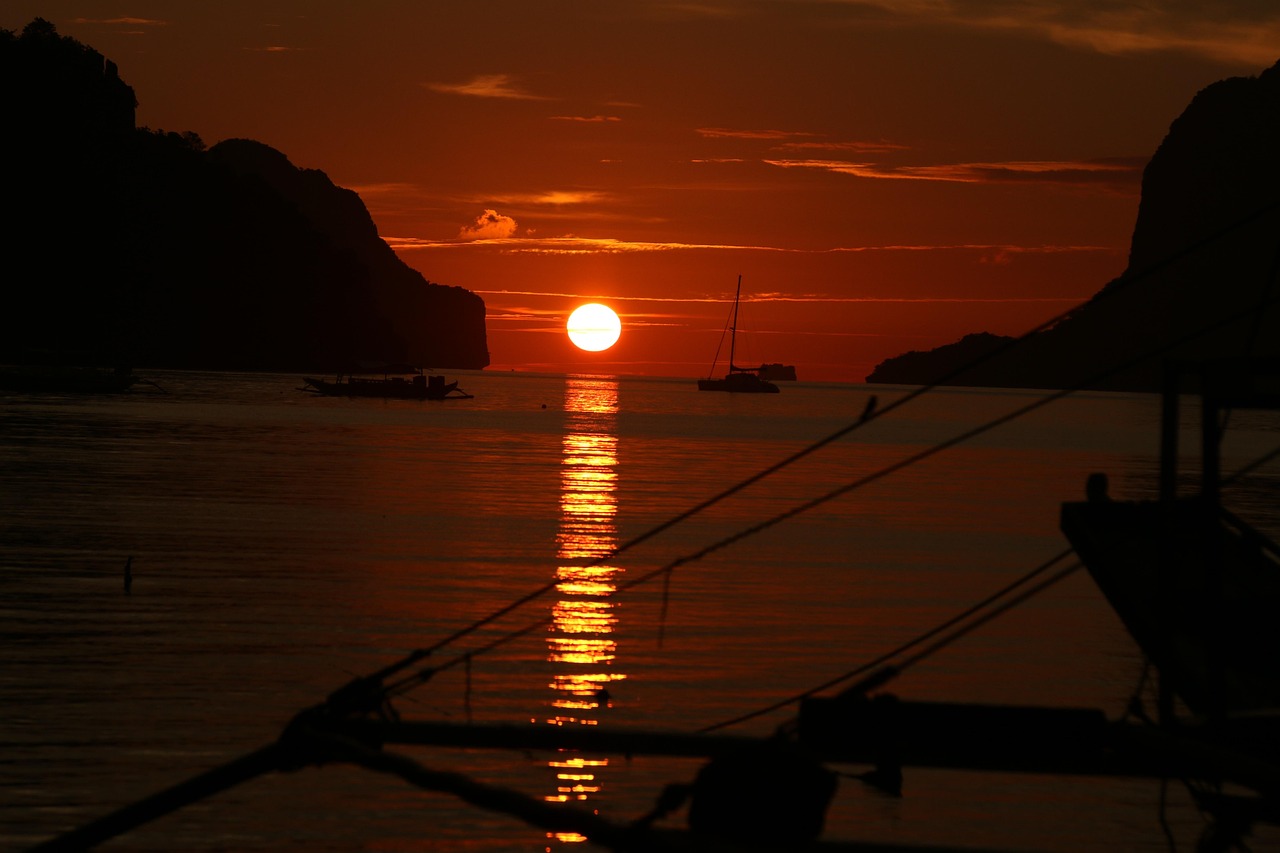

Customize This Trip
Get this itinerary tailored to YOUR exact dates, preferences, and budget.
- Personalized for your dates
- Weather-aware recommendations
- Offline access
- Real-time pricing
- Budget tracking
No sign-up required
Quick Actions
Trip Summary
Want a Personalized Version?
Get this itinerary customized for your exact travel dates, with weather-aware recommendations and real-time pricing.
Create My Custom Itinerary60sBrowse by travel style: