5 Days in Palawan, Philippines: From Big Lagoon to Calauit Safari Park

Arrive at Puerto Princesa International Airport · Ugong Rock Adventures · Palawan Wildlife Rescue and Conservation Center · Puerto Princesa Underground River Tour · Port Barton Island Hopping Tour to German Island · Sunset Beach Walk in Port Barton
5-day Philippines trip — Puerto Princesa to Port Barton. Day-by-day route, attractions & food.
Part one
Is this trip for you?
This Palawan trip centers on raw nature, from limestone karsts to marine sanctuaries. Unlike Boracay, which offers white sand and resort amenities, Palawan delivers true adventure and unique geological wonders. You will navigate an underground river and discover remote island coves. This destination is built for nature immersion and active exploration over resort relaxation or nightlife.
Your itinerary covers 5 must-have experiences

A Wildlife Encounter & Conservation Experience
✓ Day 1: Palawan Wildlife Rescue and Conservation Center (Crocodile Farm)
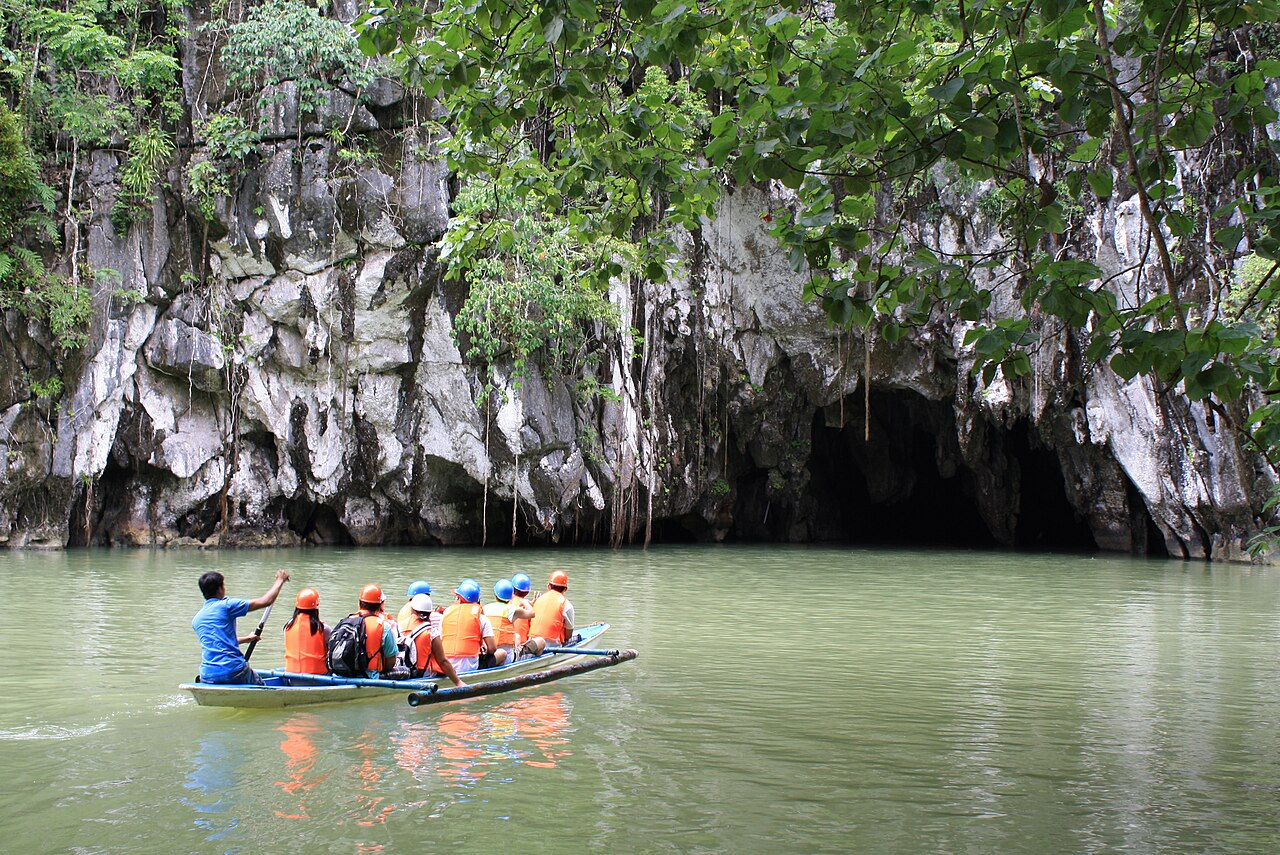
Underground River & Cave Exploration
✓ Day 2: Puerto Princesa Underground River Tour

Local Markets & Palawan Cuisine
✓ Day 2: Explore Puerto Princesa Public Market

Island Hopping & Pristine Beaches
✓ Day 3: Port Barton Island Hopping Tour to German Island
Discovering Hidden Waterfalls
✓ Day 4: Bigaho Falls Trek and Swim
📅 Best Time to Visit
The best time to visit Palawan is during the dry season, from November to May. During these months, the weather is typically sunny with less rainfall, making it ideal for island hopping, beach activities, and diving. Temperatures average between 26°C and 32°C. Peak tourist season falls around Christmas, New Year, and Easter (Holy Week), leading to higher prices and larger crowds. The rainy season, from June to October, brings higher humidity, more rainfall, and a risk of typhoons, which can disrupt travel plans due to rough seas.
Part two
The plan, day by day
5-day trip
This plan maximizes your limited days by front-loading the longer drives and major tours. Puerto Princesa anchors the initial two nights, allowing a full day for the Underground River tour, which starts early. The mid-trip transfer to Port Barton then doubles as a scenic shift, moving you to a quieter base.
Port Barton gets the final two nights, letting you dive into its island hopping and waterfalls without the pressure of an immediate onward journey. Departure is set from this laid-back town, providing a relaxed final morning. This trip prioritizes the natural wonders of Puerto Princesa and the tranquil island life of Port Barton.
You will explore limestone caves, marine ecosystems and beaches. To achieve this, the more developed northern Palawan spots, like El Nido's lagoons or Coron's shipwrecks, are not included. This itinerary is the right cut if you seek quieter, less crowded nature experiences; pick differently if your focus is Palawan's most famous and busier island-hopping routes.
To extend this trip, add three nights in Coron, a short flight north from Puerto Princesa. Coron offers lakes, challenging hikes up Mount Tapyas and wreck diving. Alternatively, if seeking more remote beach time, dedicate another two days to Port Barton for deeper exploration of its less visited islands.
- MorningConfirm hours on Maps
08:00 AM - Arrive at Puerto Princesa International Airport (PPS)· 1 hr 30 min
FREE 09:30 AM - Transfer to Hotel & Check-in· 1 hr 30 min
USD 8 (~PHP 448)Transfer from the airport to your accommodation in the city center. Check in and settle into your room, allowing time to freshen up before starting your day's activities.
- Afternoon
12:00 PM - Lunch: Filipino Cuisine near Ugong Rock· 1 hr
USD 8 (~PHP 448)Enjoy an authentic Filipino lunch at a local eatery in the vicinity of Ugong Rock Adventures. Try a comforting and savory dish like Pancit Bihon, a stir-fried noodle classic.
- Closes 4 PM · 3h here🕐 Monday: 8:00 AM – 4:00 PM; Tuesday: 8:00 AM – 4:00 PM; Wednesday: 8:00 AM – 4:00 PMConfirm hours on Maps
01:00 PM - Ugong Rock Adventures· 1 hr 20 min
USD 12 (~PHP 672) - Closes 5 PM · 2.5h here🕐 Monday: 8:00 AM – 5:00 PM; Tuesday: 8:00 AM – 5:00 PM; Wednesday: 8:00 AM – 5:00 PMConfirm hours on Maps
02:30 PM - Palawan Wildlife Rescue and Conservation Center (Crocodile Farm)· 1 hr 40 min
USD 6 (~PHP 336) - Evening
07:00 PM - Dinner: Palawan Seafood at Badjao Seafront Restaurant· 1 hr 30 min
USD 18 (~PHP 1,008)Savor fresh Palawan seafood for dinner at a local seafront restaurant in Puerto Princesa. Enjoy dishes like 'Isda Inihaw' (grilled fish) with a view of the bay.
Puerto Princesa City Center
The city center is a convenient base for accessing local restaurants, evening markets, and serves as a hub for tours departing to the Underground River and other northern attractions. It offers good transport links and a lively atmosphere.
- Morning🕐 Monday: 8:00 AM – 5:00 PM; Tuesday: 8:00 AM – 5:00 PM; Wednesday: 8:00 AM – 5:00 PMConfirm hours on Maps
08:00 AM - Puerto Princesa Underground River Tour· 5 hrs
USD 45 (~PHP 2,520) - Afternoon
01:30 PM - Lunch: Authentic Filipino Dishes in Puerto Princesa· 1 hr
USD 18 (~PHP 1,008)Savor traditional Filipino flavors at a local eatery in Puerto Princesa City. Try a comforting 'Sinigang na Hipon,' a sour soup with fresh shrimp and vegetables, or 'Adobo,' a classic meat stew.
- 🕐 Monday: 5:00 AM – 7:00 PM; Tuesday: 5:00 AM – 7:00 PM; Wednesday: 5:00 AM – 7:00 PMConfirm hours on Maps
02:30 PM - Explore Puerto Princesa Public Market· 2 hrs
USD 5 (~PHP 280) - Evening
07:00 PM - Dinner: Fresh Palawan Seafood at Kalui Restaurant· 1 hr 15 min
USD 25 (~PHP 1,400)Indulge in an exquisite array of fresh Palawan seafood dishes in a unique, art-filled setting. Enjoy local specialties like 'Isda Inihaw' (grilled fish) or 'Kinilaw' (ceviche). Kalui is renowned for its authentic local dining experience.
Puerto Princesa City Center
Continues to be a convenient base for tours and local exploration. Offers easy access to restaurants and transport hubs for the next leg of the journey.
- Morning
08:00 AM - Van Transfer from Puerto Princesa to Port Barton· 3 hrs 30 min
USD 25 (~PHP 1,400)Board a comfortable tourist van for the scenic journey from Puerto Princesa to the laid-back coastal town of Port Barton. Enjoy the changing landscapes of Palawan.
11:30 AM - Hotel Check-in in Port Barton· 30 min
FREEArrive in Port Barton and check into your accommodation, taking some time to settle in and refresh after the journey.
- Afternoon
12:30 PM - Lunch: Fresh Isda Inihaw in Port Barton· 1 hr
USD 18 (~PHP 1,008)Enjoy a delicious lunch featuring freshly grilled fish, a local specialty, at a beachfront eatery in Port Barton.
- 🕐 Monday: 6:00 AM – 10:00 PM; Tuesday: 6:00 AM – 10:00 PM; Wednesday: 6:00 AM – 10:00 PMConfirm hours on Maps
02:00 PM - Port Barton Island Hopping Tour to German Island· 4 hrs 30 min
USD 35 (~PHP 1,960) - Evening🕐 Monday: 7:00 AM – 11:00 PM; Tuesday: 7:00 AM – 11:00 PM; Wednesday: 7:00 AM – 11:00 PMConfirm hours on Maps
06:30 PM - Sunset Beach Walk in Port Barton· 1 hr
FREE 07:30 PM - Dinner: Seafood Adobo in Port Barton· 1 hr
USD 18 (~PHP 1,008)Savor a dinner of classic Filipino Adobo, prepared with fresh local seafood, at a relaxed eatery in Port Barton.
Port Barton
Port Barton is known for its relaxed, friendly atmosphere and serves as an ideal base for exploring nearby islands, beaches, and waterfalls. Accommodations are generally budget-friendly and offer easy access to the beach and local eateries.
- Morning
- Afternoon
12:00 PM - Lunch: Filipino Dishes near Port Barton Beach· 1 hr
USD 18 (~PHP 1,008)Enjoy a delicious lunch featuring fresh, local Filipino cuisine, perhaps focusing on grilled seafood or comforting Sinigang, at a casual eatery by the beach in Port Barton.
01:00 PM - Port Barton Island Hopping: Snorkeling & Marine Life· 6 hrs
USD 35 (~PHP 1,960)Explore more of Port Barton's stunning marine ecosystems with an island hopping tour. Visit a designated 'Turtle Spot' for a chance to swim with sea turtles, snorkel vibrant coral reefs, and discover the unique Starfish Island.
- Evening
07:00 PM - Dinner: Fresh Kinilaw & Grilled Seafood· 1 hr
USD 20 (~PHP 1,120)Savor the fresh catch of the day, with local grilled seafood and a vibrant Kinilaw (raw fish ceviche) at a beachfront restaurant in Port Barton, enjoying the evening breeze.
Port Barton Beachfront
The beachfront area offers direct access to the main beach, stunning sunset views, and convenient access to island hopping tour operators and local eateries, maintaining the relaxed, remote atmosphere of Port Barton.
- Morning🕐 Monday: 7:00 AM – 5:00 PM; Tuesday: 7:00 AM – 5:00 PM; Wednesday: 7:00 AM – 5:00 PMConfirm hours on Maps
08:00 AM - Mangrove River Kayaking in Port Barton· 3 hrs
USD 25 (~PHP 1,400) - 🕐 Monday: 9:00 AM – 8:00 PM; Tuesday: 9:00 AM – 8:00 PM; Wednesday: 9:00 AM – 8:00 PMConfirm hours on Maps
11:00 AM - Morning Swim and Relax at Port Barton Beach· 1 hr 30 min
FREE - Afternoon
12:30 PM - Lunch: Regional Filipino Cuisine in Port Barton· 1 hr
USD 18 (~PHP 1,008)Savor a last taste of authentic Palawan cuisine at a local eatery in Port Barton, focusing on fresh, regional specialties.
01:30 PM - Hotel Checkout & Luggage Collection· 30 min
FREEComplete check-out procedures from your hotel in Port Barton and collect your luggage before transferring to the airport for your international flight.
- Confirm hours on Maps
02:00 PM - Depart from Puerto Princesa International Airport (PPS)· 7 hrs
USD 12 (~PHP 672)
Port Barton Beachfront
Continues to provide easy access to Port Barton Beach and the village's dining options, perfect for a relaxed final morning.
Like this plan? Make it yours
Same destination, your dates, budget, and pace — generated free in about a minute.
Customize this tripFreePart three
Food, shopping & festivals
Top 8 dishes to try

Banana Cue
📍 Street food stalls everywhere
Buko Fresh (Fresh Coconut)
A refreshing young coconut, typically served chilled with a straw to drink the sweet water, and a spoon to scoop out the tender meat.
📍 Roadside stalls, markets, and beaches

Lumpiang Gulay (Vegetable Spring Rolls)
📍 Street food vendors and local eateries
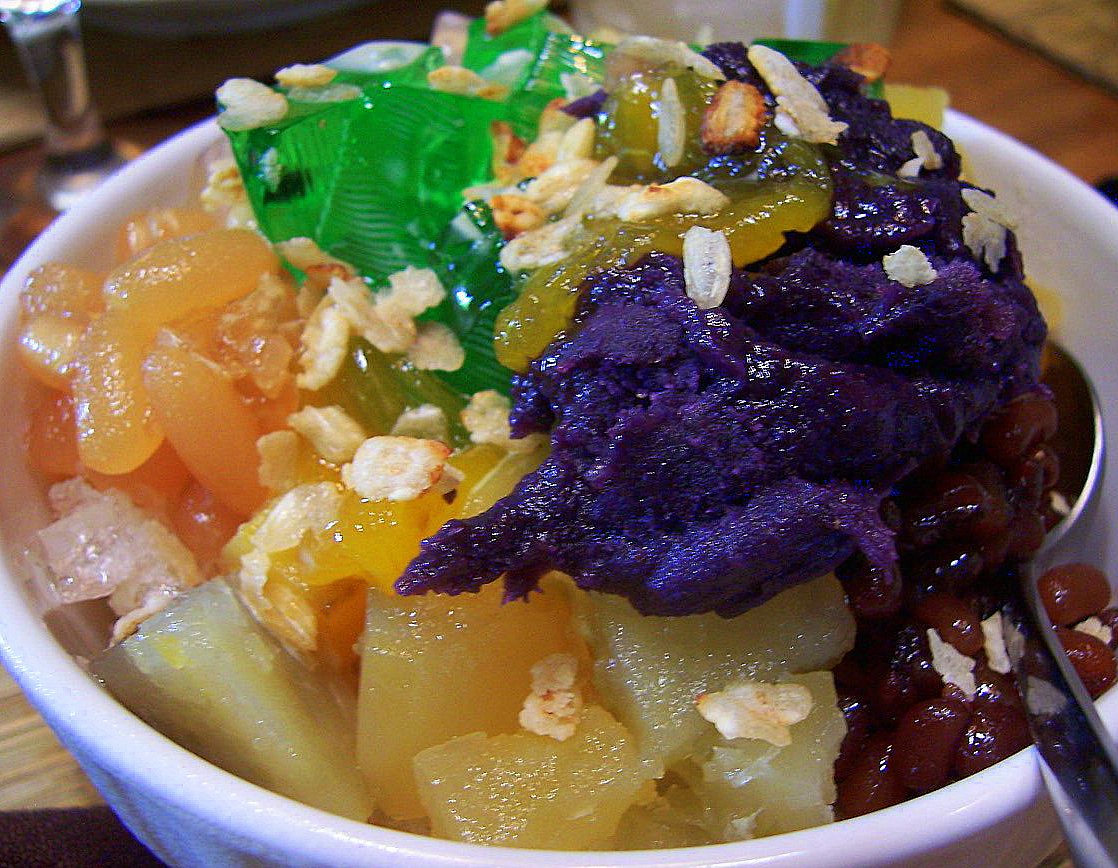
Halo-Halo
📍 Dessert shops, food courts, or street vendors

Pancit Bihon (Vegetarian)
📍 Most karinderyas or noodle stalls
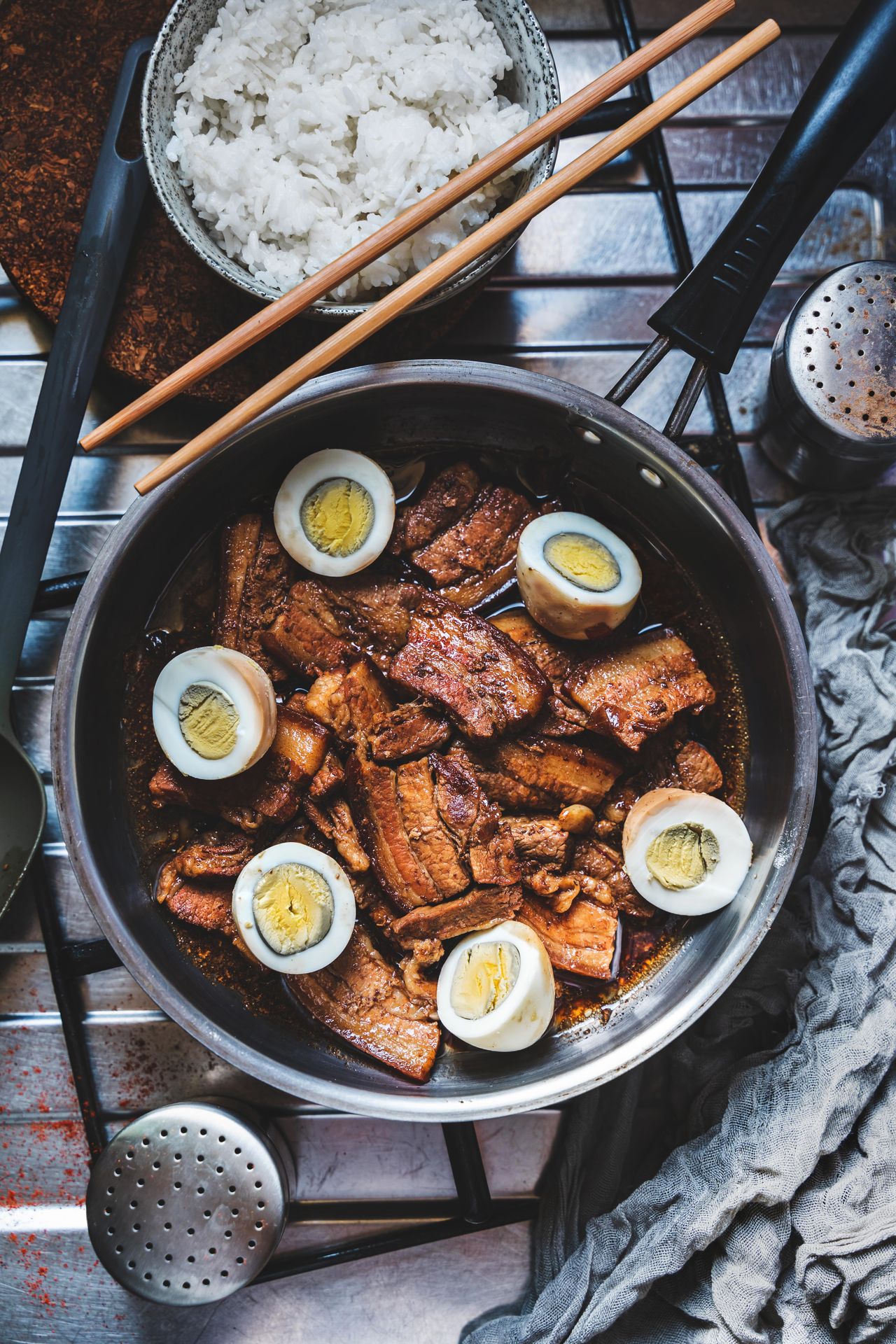
Adobo
📍 Any local karinderya or restaurant
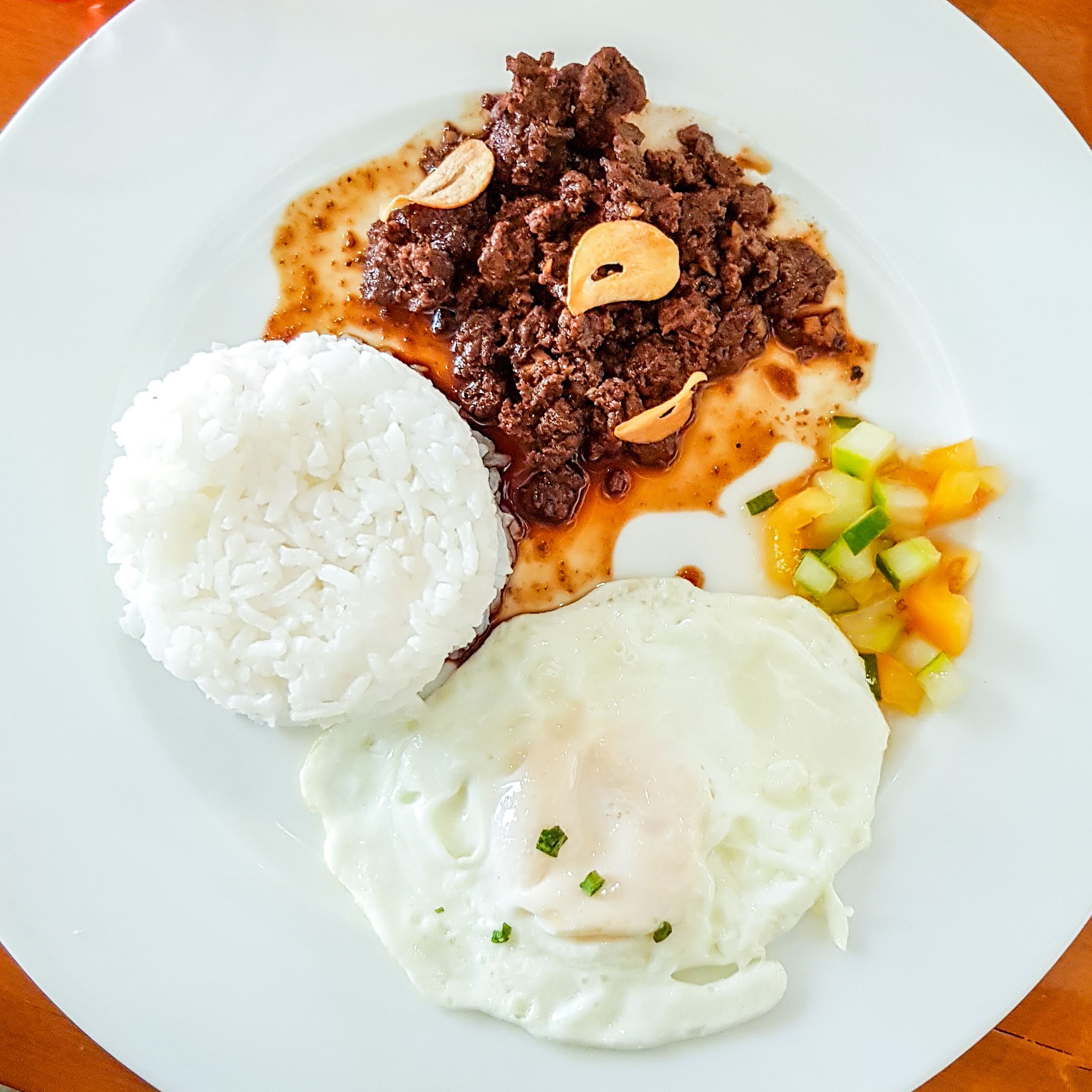
Tapsilog
📍 Breakfast spots or 'tapsilogan' stalls

Sinigang na Hipon (Sour Shrimp Soup)
📍 Local eateries; often found in eateries near markets
Markets & neighborhoods
Fresh seafood, local produce, and budget-friendly carinderias serving everyday Filipino dishes.
Authentic home-style Filipino cooking at incredibly affordable prices, often 'turo-turo' (point-point) style.
Numerous restaurants offering a mix of local Filipino cuisine and grilled seafood, catering to a mix of backpackers and tourists.
Good to Know
Top 6 souvenirs

Roasted Palawan Cashew Nuts
Puerto Princesa
📍 Mitra's Ranch (Bakers Hill and Pasalubong Center), public markets, or local food stores like Bona's Pasalubong.

Palawan South Sea Pearls
Puerto Princesa
📍 Jewelmer Boutiques (for certified luxury), local jewelry stores along Rizal Avenue, or reputable vendors at the Puerto Princesa City Market.

Ambon-Ambon Baskets & Woven Mats
Puerto Princesa
📍 Public Market in Puerto Princesa, artisan stalls near popular tourist sites, or shops like Tiangge ng Palawan.

Narra Wood Small Figurines/Boxes
Puerto Princesa
📍 Artisan shops along Rizal Avenue, Palawan Heritage Center gift shop, or specialty woodcraft stores.
Tagbanua Wood Carvings
Puerto Princesa
📍 Artisan shops along Rizal Avenue, Palawan Heritage Center gift shop, or direct from Tagbanua communities via local guides.

Crocodile Leather Goods
Puerto Princesa
📍 Palawan Wildlife Rescue and Conservation Center gift shop, specific leather goods stores along Rizal Avenue.
Markets & districts
Fresh produce, local snacks (including cashews), dried fish, and some woven goods.
A lively, authentic local market experience, best for food items and observing daily life, can be hot and busy.
Crocodile leather products and local crafts and souvenirs related to wildlife.
Primarily a conservation and research center, its gift shop offers specific, ethically sourced crocodile products after your visit.
Souvenir shops, local apparel, jewelry stores, and various local businesses.
The main commercial thoroughfare, bustling with activity, a mix of local shops and tourist-oriented businesses, can be crowded.
Good to Know
Holy Week in the Philippines

Philippine Independence Day
Araw ng Kalayaan
Jun 12
June 12 marks Philippine independence from Spain (1898). Military parade at Rizal Park (Manila), flag-raising ceremonies nationwide, and free entry to national museums.

Simbang Gabi
Dec 16
Nine-day novena of dawn masses (4am) from Dec 16-24, a 400-year-old Spanish colonial tradition unique to the Philippines. Churches fill before sunrise; post-mass food stalls sell bibingka (coconut rice cake) and puto bumbong (purple glutinous rice). Parols (bamboo/capiz star lanterns) light every home. The Giant Lantern Festival in Pampanga (Dec 20-ish) features 20-foot motorized lanterns.

Christmas
Pasko
Dec 25
The Philippines has the world's longest Christmas season — 'Ber months' kick off in September. Simbang Gabi (nine pre-dawn Masses, Dec 16–24) is a beloved national tradition. Star-shaped lanterns (parol) illuminate every home. The Giant Lantern Festival in San Fernando, Pampanga is a spectacular annual highlight. Noche Buena feast features bibingka and puto bumbong.

National Heroes Day
Aug 31
Last Monday of August honoring all Filipino heroes. Wreath-laying at Libingan ng mga Bayani (Manila), school ceremonies, and historical exhibitions.
Part four
Costs & booking
- Total for a couple — 5 days mid-range trip, excludes international flights
- Accommodation assumes 1 shared room
- Rough estimates — actual prices vary by season and availability
Local Transport
Accommodation
AI estimated based on typical hotel costs
Food
Activities
Curious how this stacks up? See how trip costs compare across countries in our Trip Cost Index.
Palawan is moderate overall — budget $80-120/night for mid-range hotels and $5-15 for a casual sit-down meal per person. Always opt for bottled water, and be cautious with ice in smaller, less established eateries.
To maximize your activity budget, prioritize group island hopping tours (like El Nido's Tour A or Coron's Ultimate Tour) which typically cost ₱1200-1800 ($20-30 USD) per person, including lunch, a fraction of private boat rates.
Stretch your food budget by eating at local 'carinderias' or street food stalls where delicious and authentic meals can be found for as little as ₱100-200 ($2-4 USD), a significant saving compared to tourist-oriented restaurants.
For local travel, tricycles are ubiquitous and affordable; always negotiate the fare before riding, with short trips within town usually costing ₱50-150 ($1-3 USD).
Given the frequent internet issues and limited electricity in areas like El Nido and Coron, buying a local Globe or Smart SIM card is highly recommended; a 2GB data package costs around ₱100-200 ($2-4 USD) and provides much more reliable connectivity than hotel Wi-Fi.
Puerto Princesa Underground River Tour permit and guided tourDay 2
Book 1 month ahead — Permits for the Underground River are limited daily and often sell out. Booking through a reputable tour operator is essential to secure the necessary permits in advance.
Port Barton Island Hopping Tour (German Island, etc.)Day 3
Book 1 week ahead — While tours can sometimes be arranged on arrival, booking your preferred island hopping tour ensures your spot and choice of boat/guide, especially during peak season.
Bigaho Falls Trek with Local GuideDay 4
Book 1 week ahead — Arrange a local guide for the Bigaho Falls trek to ensure a safe and informed experience while supporting local tourism. This is typically done through your accommodation or a local tour operator.
Mangrove River Kayaking TourDay 5
Book 1 week ahead — Secure your spot for a guided mangrove kayaking experience, particularly if you have a preferred time slot or are traveling with a group.
Local SIM card for connectivityDay 1
Purchase on arrival — Obtain a local SIM card at Puerto Princesa International Airport (PPS) or a local convenience store upon arrival to ensure reliable data and communication throughout your trip.
Part five
Before you go
Jeepneys and tricycles are iconic; ride-hailing in cities
Use Grab in Metro Manila. For island hopping, book ferry tickets in advance.
- Prioritize booking island hopping tours in El Nido or Coron at least one day in advance, as popular tours (e.g., Tour A, Tour C) often sell out, especially during peak season.
- Withdraw sufficient Philippine Pesos (PHP) in larger towns like Puerto Princesa or Coron; ATMs can be scarce or out of cash in smaller areas like Port Barton or El Nido, and many local vendors are cash-only.
- For inter-island travel between major hubs like Puerto Princesa, El Nido, and Coron, book fast ferries or flights via AirSWIFT weeks ahead, especially during peak season, as seats fill quickly.
- At local markets or souvenir shops, politely haggle for a better price, especially if buying multiple items; starting at 20-30% off the initial offer is a good baseline.
- When taking tricycle rides in towns like El Nido or Coron, agree on the fare with the driver before starting the journey to avoid misunderstandings upon arrival.
- Carry a portable power bank, especially if visiting smaller towns like El Nido or TayTay, where electricity can be limited to certain hours of the day.
- For long-distance bus travel within Palawan (e.g., Puerto Princesa to El Nido), opt for reputable air-conditioned shuttle vans rather than public provincial buses, which can be less safe due to frequent accidents.
0 / 23 packed
Note: Travel conditions, regulations, and local customs may change. We recommend verifying essential details — such as visa requirements, emergency contacts, and payment options — closer to your travel date.
Stay connected abroad
Get a local eSIM — no swapping physical SIMs
Visa & Entry Requirements
Most nationalities, including US, EU, UK, Australia, and Canada, are granted visa-free entry for up to 30 days. Travelers from India generally require a visa, which can often be applied for electronically. A passport valid for at least six months beyond your intended stay is required for all visitors. An onward or return ticket is technically required for visa-free entry, though it's not always checked. Other nationalities should check the official Philippine Department of Foreign Affairs website (dfa.gov.ph) or their local embassy for specific requirements.
SIM & Connectivity
SIM Options
📍 Palawan airports (Puerto Princesa, El Nido), malls, convenience stores like 7-Eleven
📍 Palawan airports (Puerto Princesa, El Nido), malls, convenience stores like 7-Eleven
Free Wi-Fi is common in most hotels, restaurants, and bars across Palawan, especially in more developed towns like Puerto Princesa and El Nido. However, connectivity can be slow and unreliable due to shared, overloaded uplinks (e.g., Coron) or limited electricity availability during parts of the day in smaller towns like El Nido and TayTay. In Port Barton, Starlink-based Wi-Fi at places like Nida Food Hauz offers more reliable satellite internet. Internet cafes are also available in larger towns like Roxas and Cuyo, providing cheap, albeit often slow, access.
Useful Apps
Mobile data coverage is generally decent in major towns (Puerto Princesa, Coron) but becomes spotty or non-existent in remote islands and some interior areas. Electricity outages can also affect internet access, so always assume limited connectivity in smaller, less developed areas like El Nido, TayTay, and Cuyo Islands.
Electric Socket Guide(220V · 60Hz)
Socket Types
Two flat parallel pins (North America, Japan)
Two flat pins + round ground (North America)
Two round pins (most of Europe, South America)
Tipping Etiquette
10% if no service charge
Round up to the nearest 10–20 pesos
₱20–50 per bag for porters
Safety & Travel Advisories
Check official government advisories for the latest safety information, entry requirements, and travel warnings before your trip.
Emergency Numbers
117
911
911
Call 911 for all emergencies
Payments
Cash dominant, especially outside Manila
Accepted at malls and hotels; less common elsewhere
GCash and Maya QR payments growing
Bring cash in smaller denominations. GCash is widely used for payments.
Most nationalities, including US, EU, UK, Australia, and Canada, typically enjoy visa-free entry for up to 30 days. However, a passport valid for at least six months beyond your intended stay is consistently required. Travelers from India generally need to apply for a visa in advance. Always check the official Philippine Department of Foreign Affairs website or your local embassy for the most current requirements specific to your nationality before traveling.
Palawan is generally considered safe for solo female travelers, particularly in tourist-heavy areas like El Nido, Coron, and Puerto Princesa. Violent crime against tourists is rare, but minor issues like pickpocketing can occur in crowded places; secure valuables. Public transport can be unreliable, so stick to reputable shuttles or Grab for rides. While generally safe, maintain situational awareness, especially at night, and avoid walking alone in poorly lit areas. Always inform someone of your itinerary, particularly for island hopping or treks.
Getting around Palawan involves a mix of options. For longer distances between major towns (e.g., Puerto Princesa to El Nido), air-conditioned shuttle vans are popular and safer than provincial buses, taking about 5-6 hours. You can also fly between Puerto Princesa and El Nido via AirSWIFT. Within towns, tricycles (motorcycle with sidecar) are common, but always agree on the fare beforehand. Boats are essential for island hopping tours, which are best booked through reputable tour operators.
While Wi-Fi is available in most hotels, restaurants, and cafes, especially in tourist hubs, it can often be slow or unreliable due to overloaded local infrastructure or intermittent electricity. Purchasing a local SIM card from Globe or Smart upon arrival is highly recommended for better mobile data access, though coverage can still be spotty in remote island areas. In smaller towns like El Nido, prepare for potential electricity outages and bring a power bank.
The ideal time to visit Palawan for sunny skies and calm waters is during the dry season, running from November to May. Temperatures consistently hover between 26°C and 32°C, perfect for outdoor activities and island exploration. The wet season, from June to October, sees more rain and the possibility of typhoons, which can lead to cancellations of boat tours and flights, making travel more unpredictable.
The Philippine Peso (PHP) is the official currency. Cash is king, especially in smaller towns, local markets, and for many tour operators, tricycle fares, and street food. While major hotels and some larger restaurants in Puerto Princesa, El Nido, and Coron accept credit cards, it's wise to carry ample cash for daily expenses. ATMs are available in major towns but can be unreliable or run out of money, so plan your withdrawals accordingly.
Tipping is not compulsory in the Philippines but is a gracious gesture for good service. Many restaurants include a 10% service charge in the bill; if not, a 5-10% tip is appreciated. For taxi or tricycle drivers, rounding up the fare is common. For tour guides, a tip of ₱100-300 per person per day is a generous amount for their efforts. It's generally not expected in casual eateries or for small purchases.
The Philippines primarily uses Type A (two flat parallel pins) and Type B (two flat parallel pins with a round grounding pin) electrical outlets. The standard voltage is 220V with a frequency of 60Hz. If your devices use a different plug type or operate on a different voltage (like 110-120V from North America), you will need a travel adapter and potentially a voltage converter. Many modern electronics (phones, laptops) are dual-voltage, but always check your device's charger before plugging it in.
These 4 experiences didn't make it into this itinerary

⚓WWII Wreck Diving & Snorkeling
e.g., Lusong Gunboat Wreck, Akitsushima Wreck
🏞️Exploring Unique Freshwater Lakes & Hidden Lagoons
e.g., Kayangan Lake, Barracuda Lake

⛰️Panoramic Viewpoints & Moderate Hiking Trails
e.g., Mount Tapyas, Taraw Cliff

🌅Relaxing Secluded Beaches & Romantic Sunset Spots
e.g., Nacpan Beach, Long Beach
Create Your Custom Version
Download this Palawan, Philippines itinerary — day-by-day plan, maps, budget, and more.
You Might Also Like

Vlore, Dhermi, Himara, Saranda, and Ksamil, Albania
Albania
This packed 5-day journey explores the central and southern Albanian Riviera, basing in Himara and Saranda. Experience kayaking through Gjipe Canyon, wandering the ancient Roman ruins of Butrint National Park, and relaxing on the pristine Ksamil Islands, all with a single transfer between...

Lake Tahoe, United States
United States
4 days between South Lake Tahoe and Tahoe City. Experience Emerald Bay State Park, the Rubicon Trail, and Sand Harbor beach. This trip combines mountain hiking with lake kayaking and scenic gondola rides at a comfortable pace. Stay in one base per shore, relying on a rental car for short...

Olympic National Park, United States
United States
4 days across Port Angeles and the Olympic Peninsula coastline: based in Port Angeles for 2 nights, then Forks for 2 nights. Includes Hurricane Ridge alpine vistas, Hoh Rain Forest hiking and sunset at Ruby Beach. Comfortable pacing with daily drives between coastal trails and deep forest canopy.

Acadia National Park, United States
United States
3 days on Mount Desert Island: base yourself in Bar Harbor for easy access to the Park Loop Road, Sand Beach, and the granite cliffs of the Beehive Trail. Experience the coast with a morning kayak tour, a lobster lunch at a local wharf, and sunset at the summit of Cadillac Mountain. Balanced...
Prefer to plan it yourself?
Start from a free, no-signup travel itinerary template. The Excel and Google Sheets versions auto-total the budget and split costs by who paid.
- Free travel itinerary template (all formats)
- Excel itinerary template
- Google Sheets template
- Word itinerary template
- Printable PDF template
- Google Docs itinerary template
- Notion template
- Bachelorette itinerary template
- Disney itinerary template
- Girls trip itinerary template
- Road trip itinerary template
- Business travel itinerary template
- Birthday trip itinerary template
- Family vacation itinerary template
- Honeymoon itinerary template